




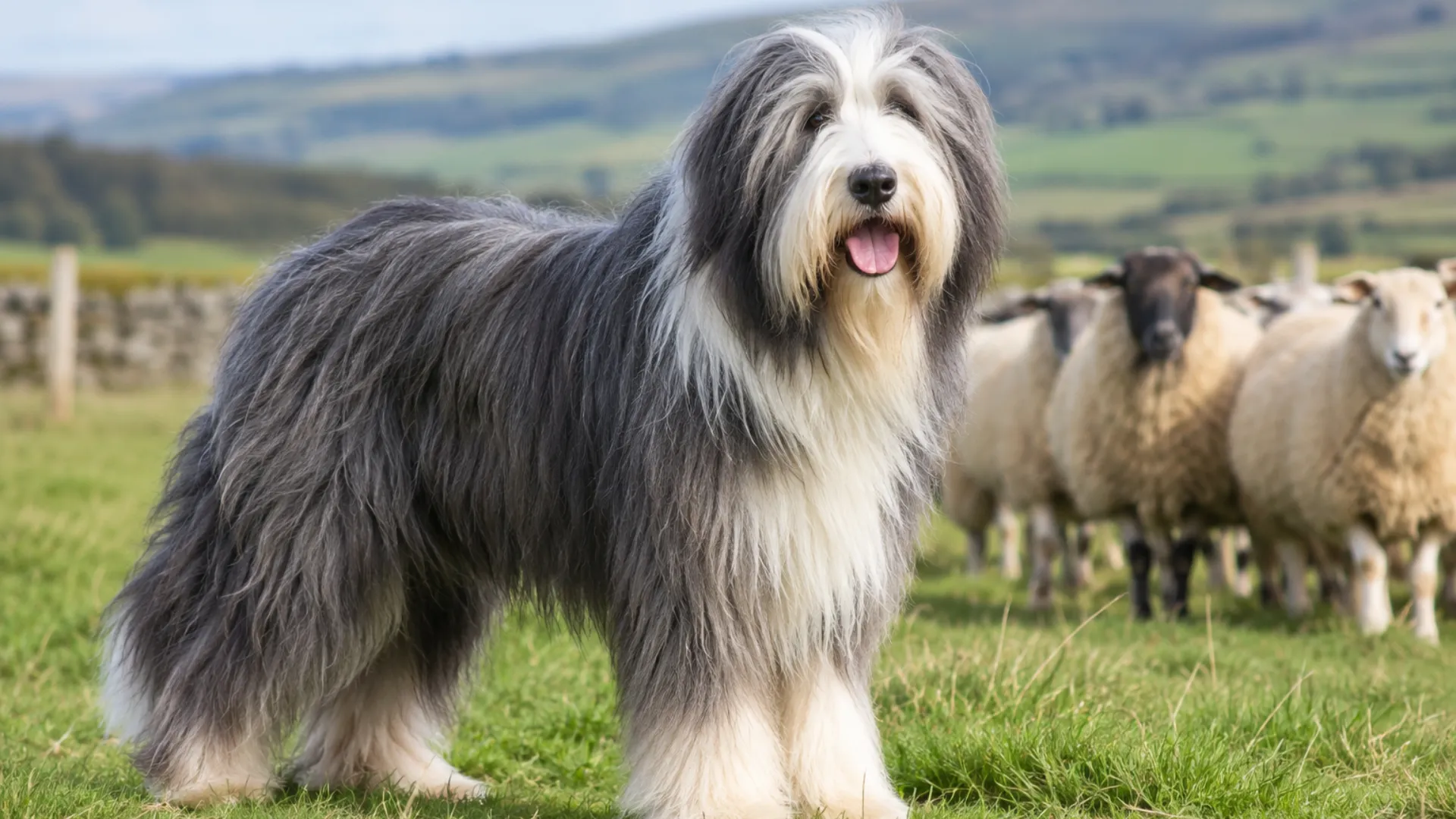
There is something special about a big dog that can move a stubborn herd in the morning and stand guard over the family at night. These dogs are not just large; they are smart, dependable, and built for demanding work.
Across farms, ranches, and rural homes, heavy dog breeds have earned their reputation through generations of service.
According to the American Kennel Club, working and herding breeds are among the most versatile dogs in the world. Many of them combine strength, intelligence, and loyalty in a way few animals can match.
If actor and dog lover Chris Evans is right when he says, “A dog is the purest form of love,” these breeds prove that love can also come with muscle, courage, and a serious work ethic.
Let us explore seven impressive dog breeds that shine in herding and protection roles.
Heaviest Dog Breeds Perfect For Herding And Protection Tasks
1. Rottweiler
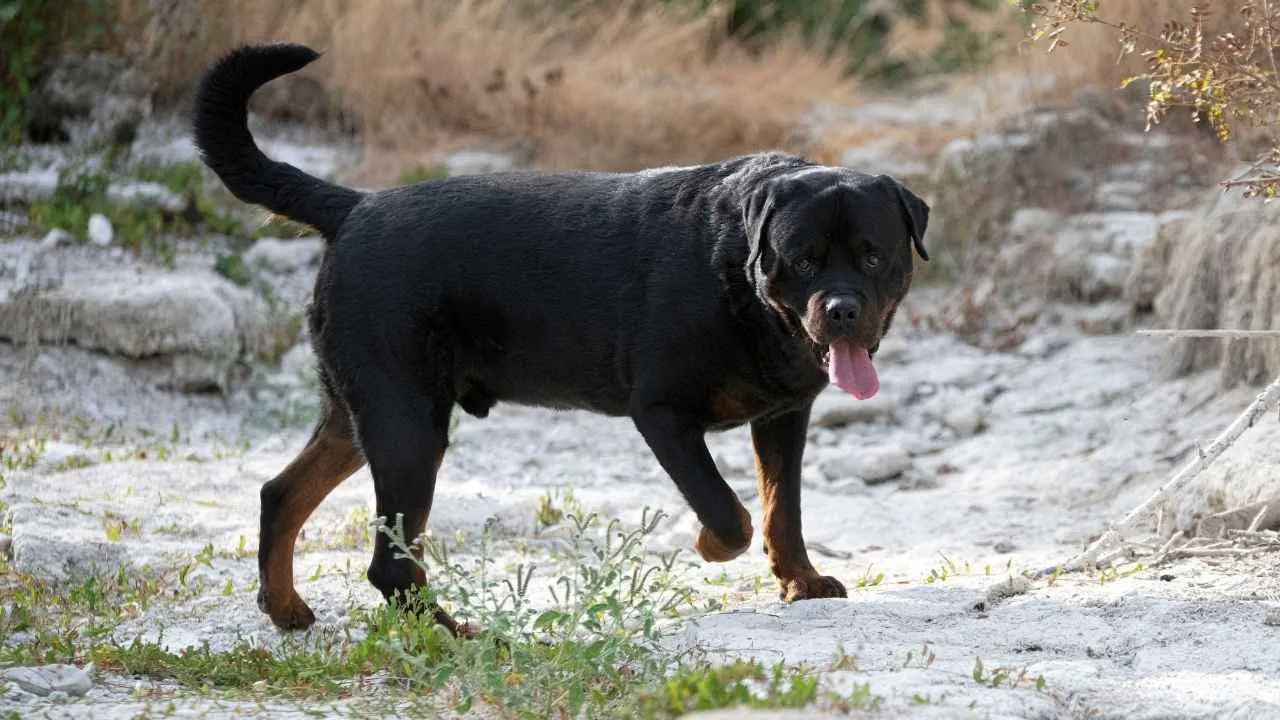
Originally bred in Germany, the Rottweiler was also known as the ‘Rottweiler Metzgerhund’ (Rottweiler Butcher’s Dog), since it was used to carry heavy meat carts to the market, long before the invention of railways. The breed is widely used in SAR operations, police and military work, according to Wikipedia.
Because of the Roman-Mastiff genetics and high physical endurance, the guard dog can do the farm work all day long without tiring. It physically uses its shoulders and flanks to force animals into compliance via ‘leaning.’ It uses the ‘loose eye’ strategy to gather and hypnotize the herd.
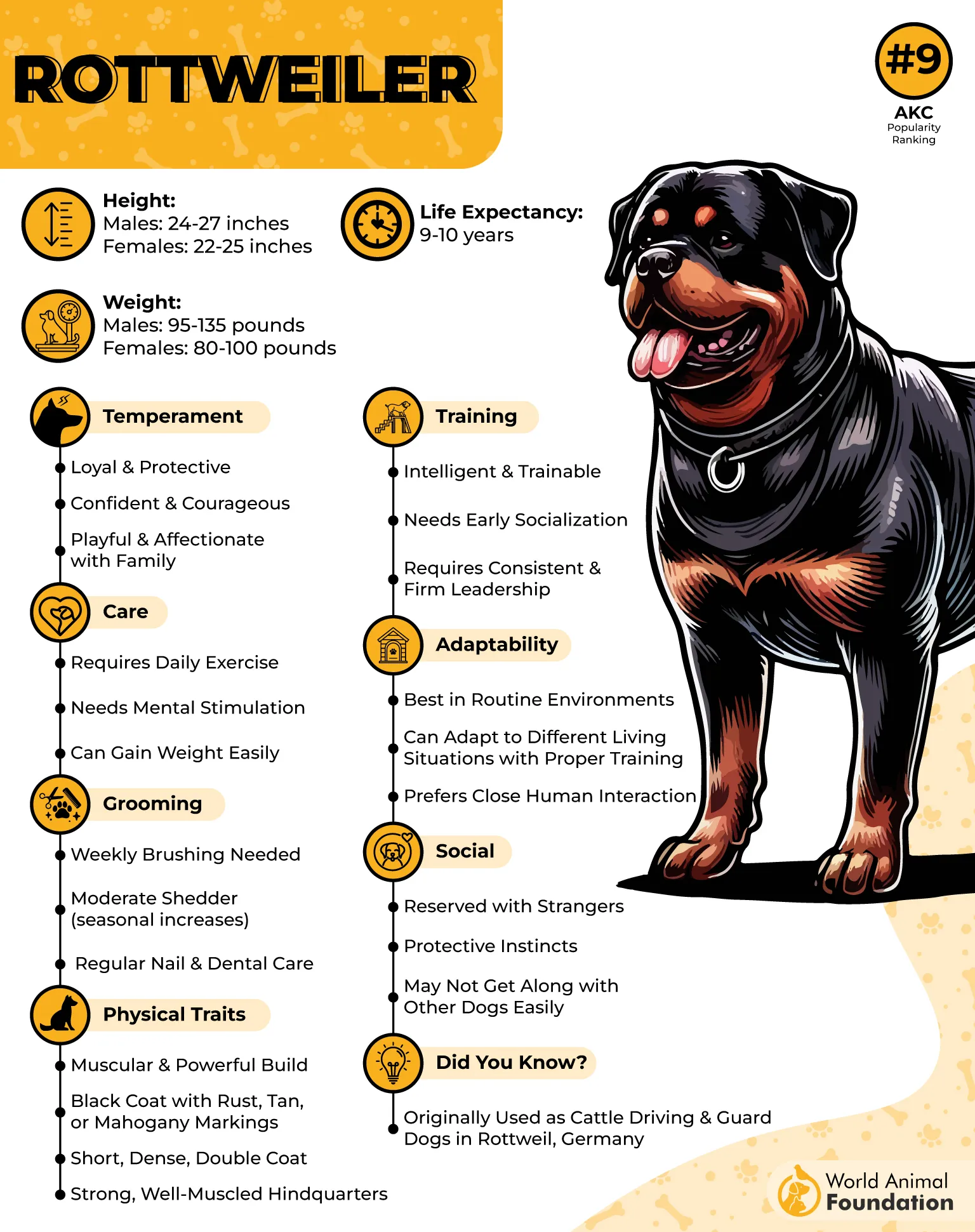
With the massive bite force of 328 PSI, it can tear the muscles apart and crush the bones easily, making it a great family dog. It carefully monitors its surroundings, detects any unusual activity, and alerts the owner. The breed needs 1-2 hours of vigorous exercise for physical and mental stimulation.
2. Polish Lowland Sheepdog
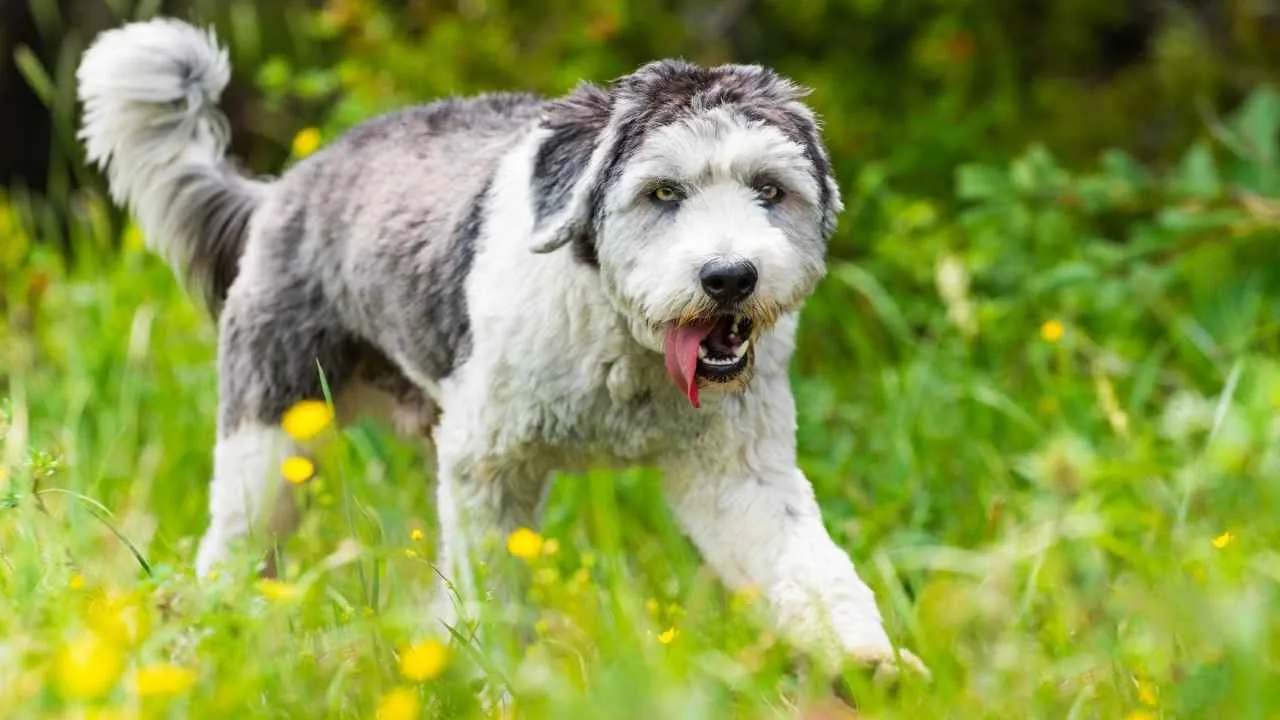
The breed originated in Poland to guard and protect livestock. It is the descendant of the Hungarian Puli, and it is known for its medium size, intelligence, lively temperament, and loyalty. It has a mop-like coat that protects it from the harsh weather and the rugged terrain.
It has a rectangular body shape that provides optimal center of gravity, which is important for controlling stubborn livestock. With well-sprung ribs, deep chest, and a fluid trot, it can cover miles with minimal energy expenditure. The front paws are slightly larger than the rear paws, providing it with a superior grip and shock absorption.
This giant dog breed has a scissor bite, where the upper incisors overlap perfectly over the lower incisors, providing a firm grip. With a wide field of vision and almond-shaped eyes (covered with a protective and thick coat), it can sense slight changes in the environment.
3. Bergamasco Sheepdog
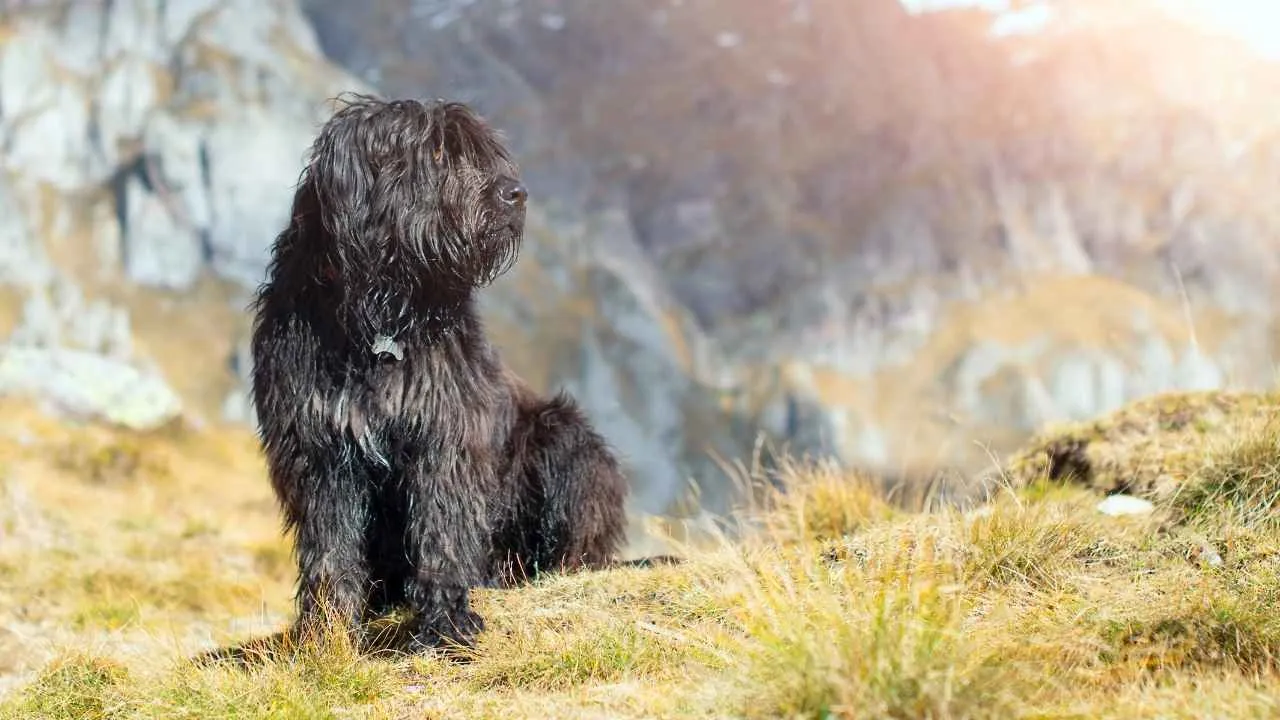
Originating in the mountains around Bergamo, Italy, the Bergamasco Sheepdog is the descendant of the Asian sheepdog from the Middle East, brought by the Phoenicians in pre-Roman times. The breed itself has contributed to many heavy-coated, solid European sheep-herding breeds, as per Purina.
The shoulders have a 60-degree angulation. This heavily muscled axis gives it explosive power for downhill leaps and rapid ascent. It lifts its front paws higher than necessary to conserve energy and enables long-day movement. The abundant facial hair and a double coat protect the dog from minor abrasions, harsh sunlight, and dangerous bites from predators.
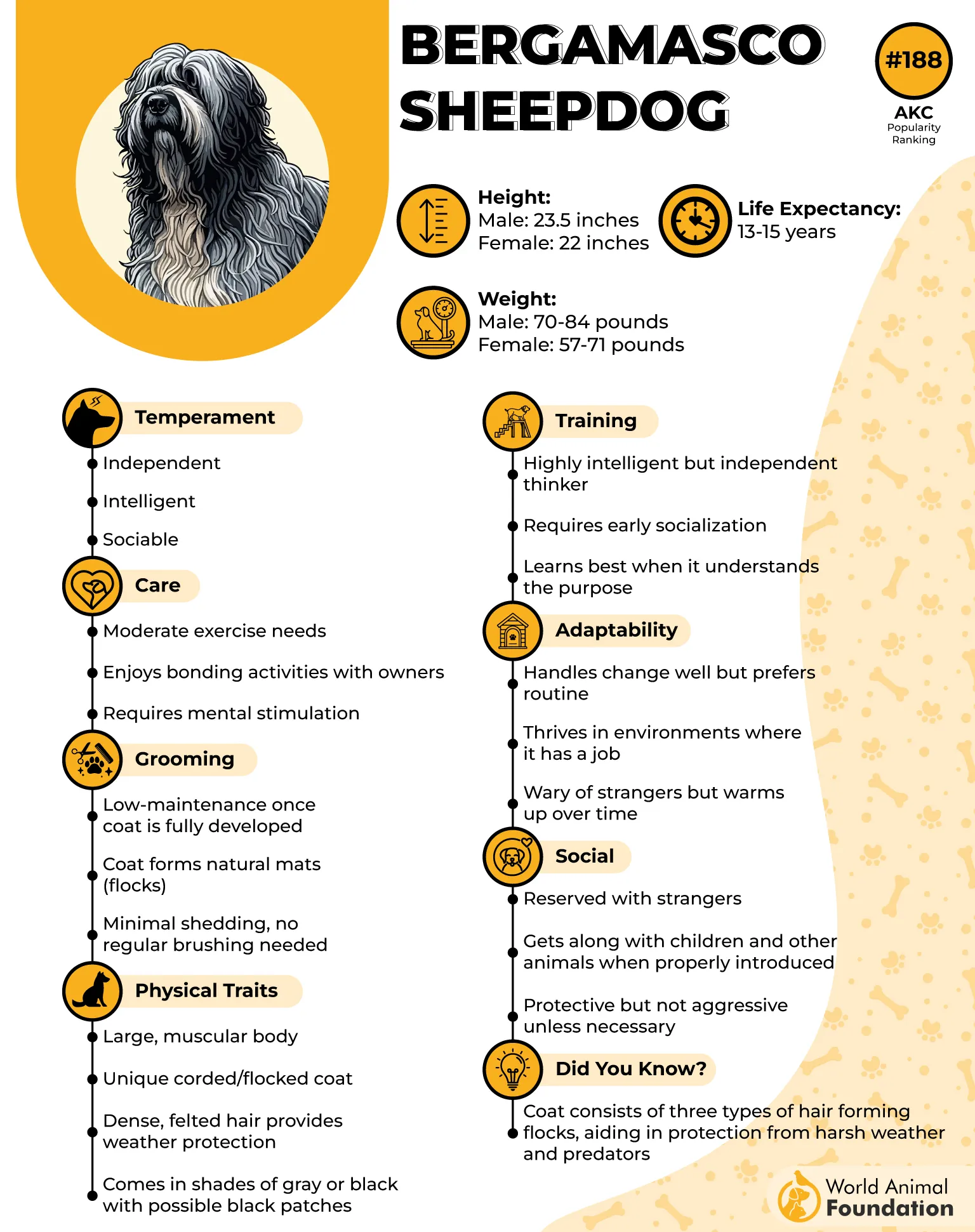
The breed has the instincts to guard and patrol as it forms strong bonds with the flock and human family. It is an independent breed and tends to work without human supervision. The gentle giant needs 1-2 hours of daily exercise: fetching, brisk walks, jogging, scent work, and puzzle games. It also needs early socialization and proper training to avoid stubbornness.
4. Puli
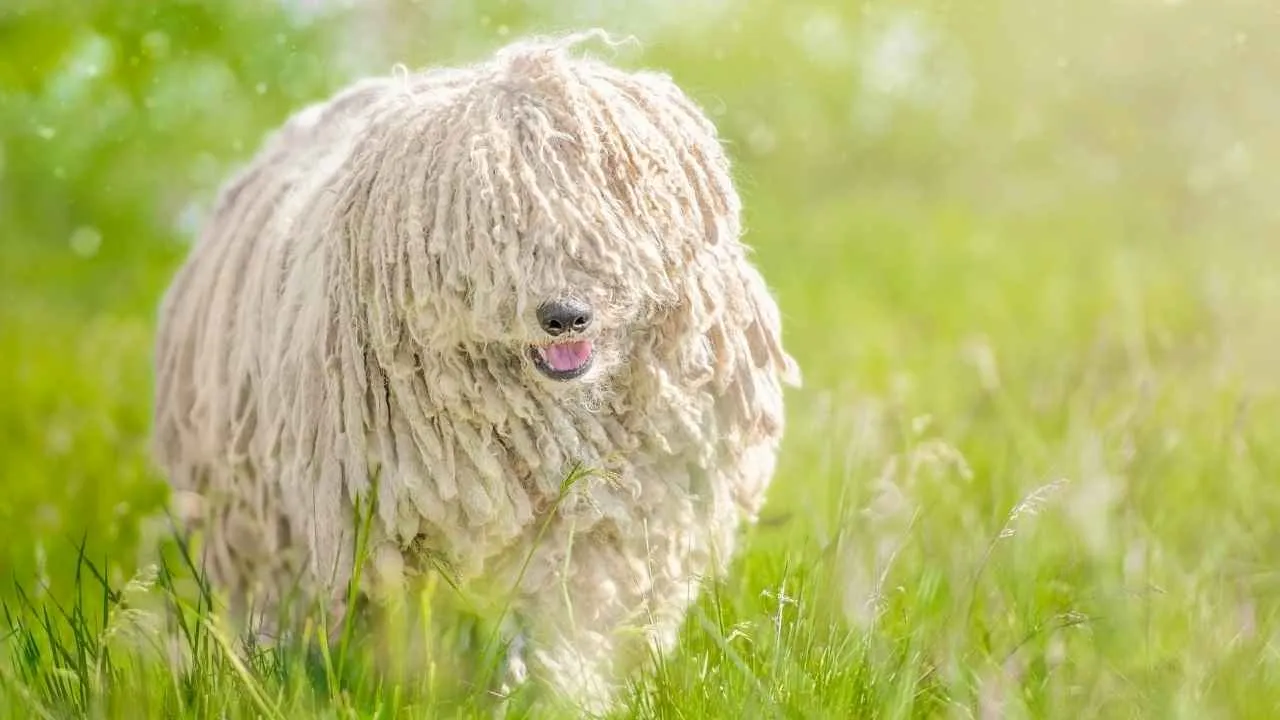
This small-to-medium Hungarian dog breed survived World War II, and a few dogs made it over to the United States to protect livestock and herd cattle. Facebook owner, Mark Zuckerberg, and his wife own a cream-white Puli, who has its own Facebook page with up to 2 million followers.
It has a ‘dreadlock coat’ with interwoven hair that acts as a physical armor against thistles, brambles, and bites. Because of its rapid faints, darting, and quick directional changes, it is a perfect candidate for dog sports. It uses its high-pitched bark to deter intruders and alert the owner.
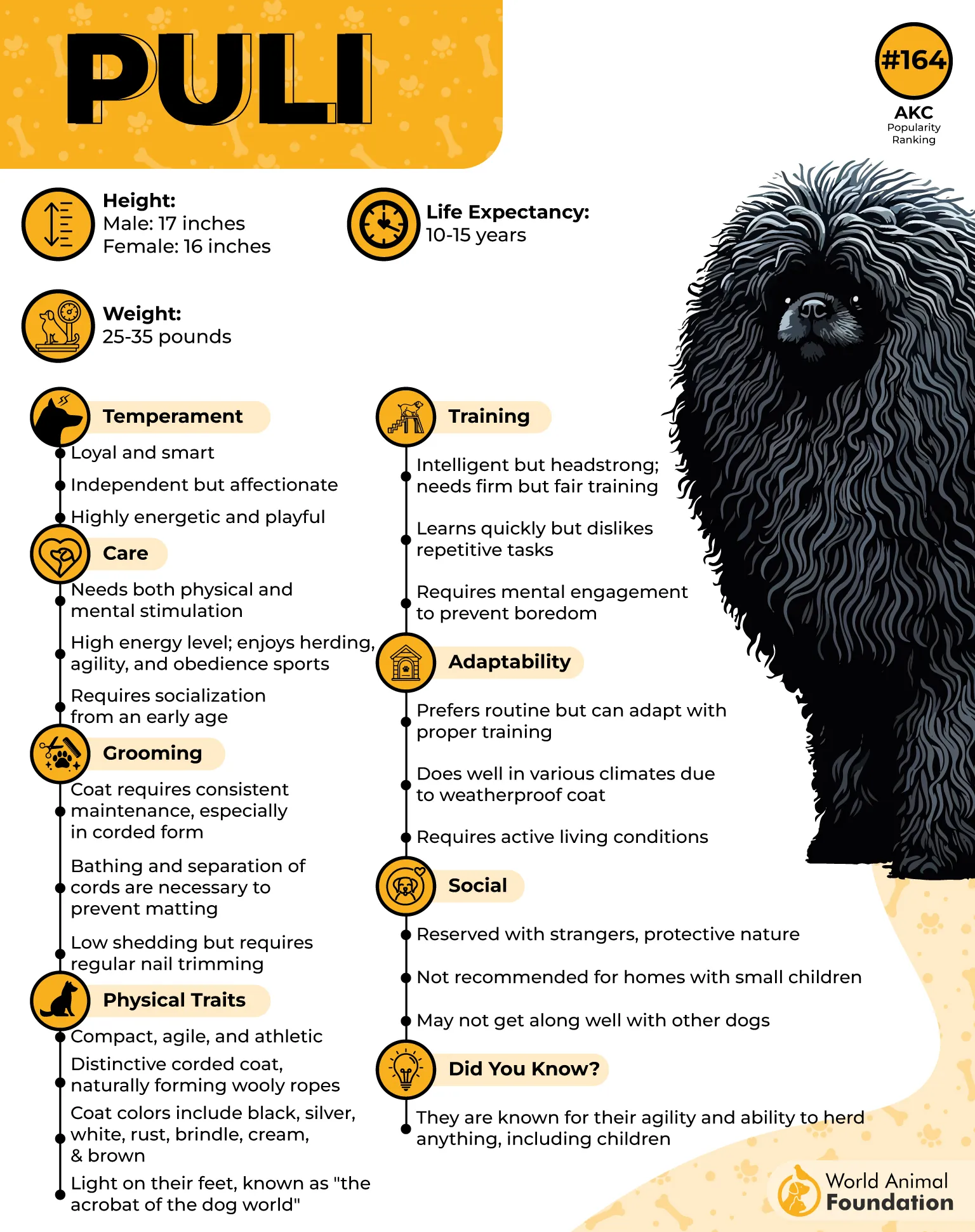
The herding breed has moderate exercise requirements (45-60 minutes): canine sports, running, hiking, mental puzzles, and trick training. The cords are formed naturally by the age of 9 months. This unique coat needs bathing 4-5 times a year, trimming between the paw pads, and eye cleaning to prevent debris buildup.
5. Belgian Malinois
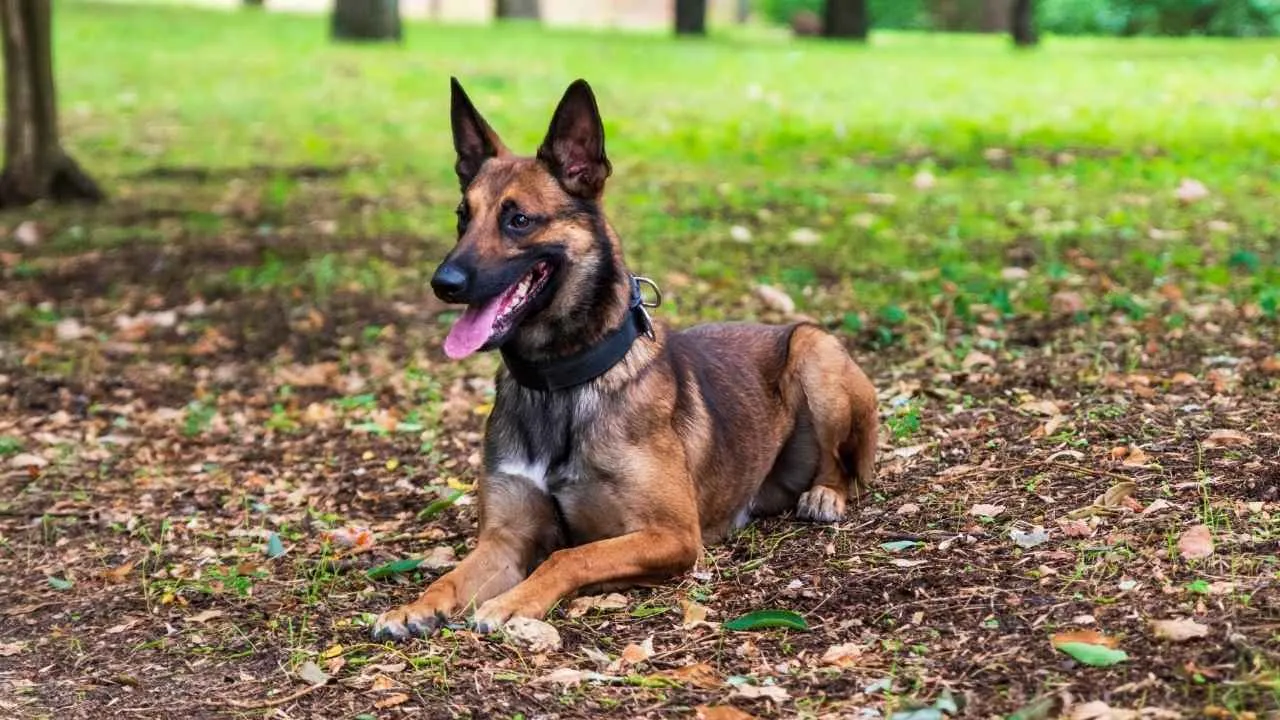
Bred near the city of Malines in Belgium, it was originally bred as a livestock guardian dog breed, but the prey drive and high trainability opened the doors to other departments, such as police, SAR, bomb and drug detection, and protection. It has a high energy level and is ideal for families with an active lifestyle, says PetMD.
It has an explosive speed of 30 mph. With upright triangular ears and exceptional eyesight, it can spot visual cues and track fast-moving objects. It has a lean body structure and powerful hindquarters that enable it to jump over 8 ft. This ancient guard dog has a high pain tolerance and can work without losing focus for hours.
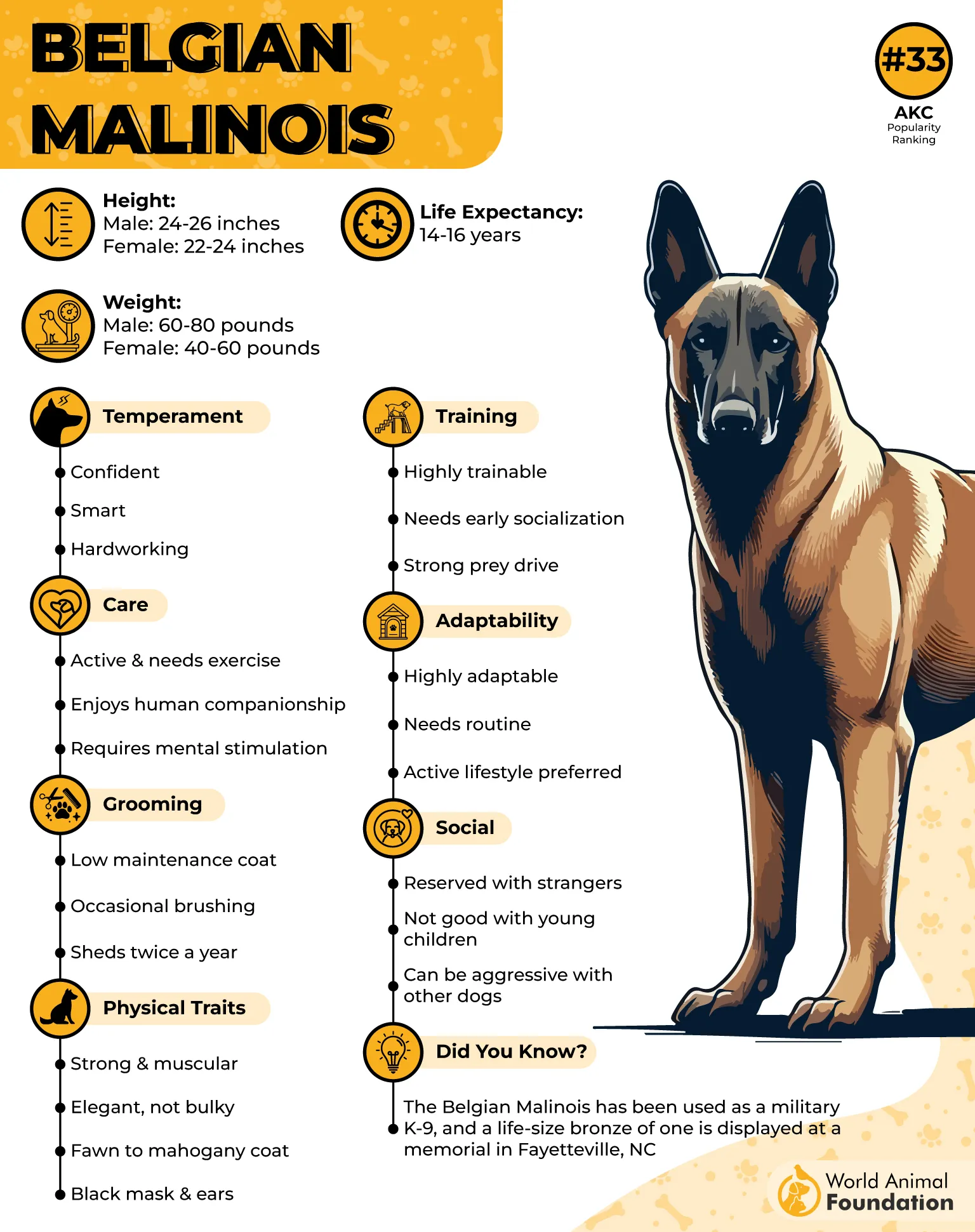
Aim for at least 1.5-2 hours of daily exercise: fetching, biking, running, agility drills, and puzzle toys. Brush the short double coat weekly using a medium-bristle brush to remove the loose hair and evenly distribute the natural oils.
6. German Shepherd
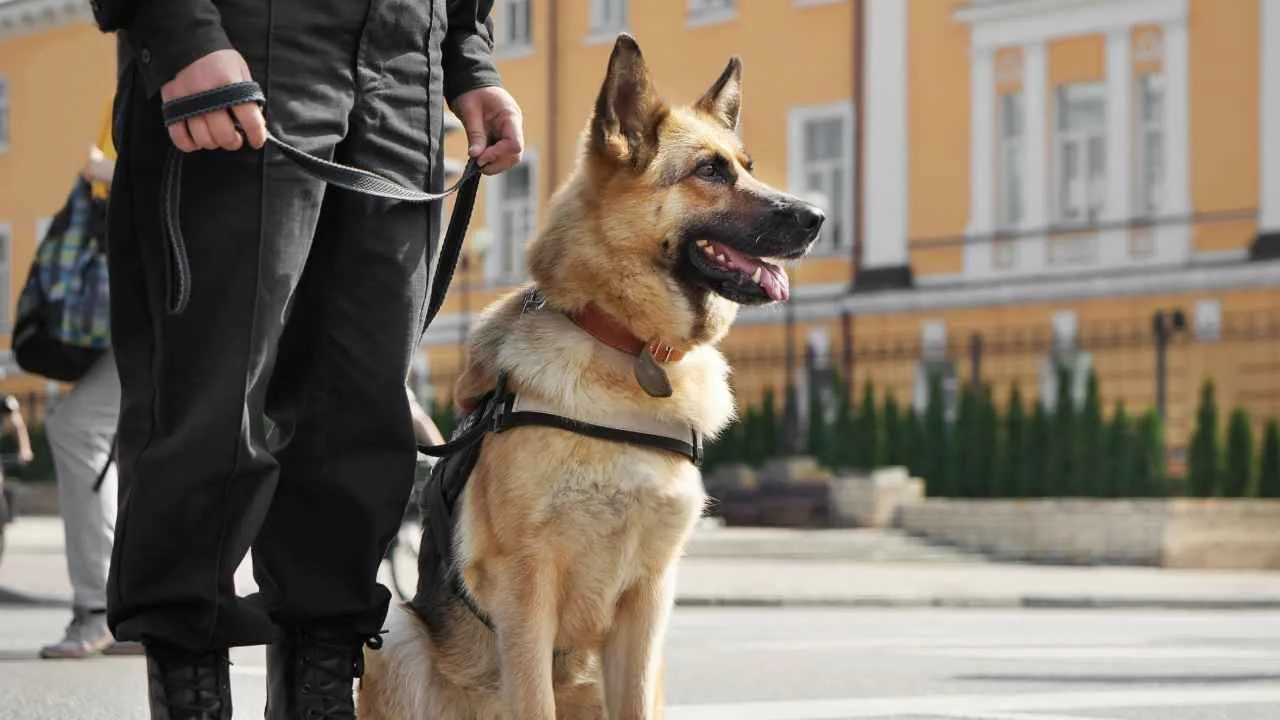
The German Shepherd was bred as a herding dog by Max von Stephanitz in 1899. It is the third most intelligent dog breed and can cope with traumatic events easily, such as wars. It forms selective bonds with people and is aloof with strangers, making it an ideal protection dog.
It relies on endurance because of the continuous trotting gait. This working dog has an ‘upstanding’ stature rather than a low-profile stance. The keen olfactory sense enables it to smell stray cattle and an approaching predator early. With its rapid ‘switch off’ mode, it can instantly go back to its resting phase once the threat is neutralized.
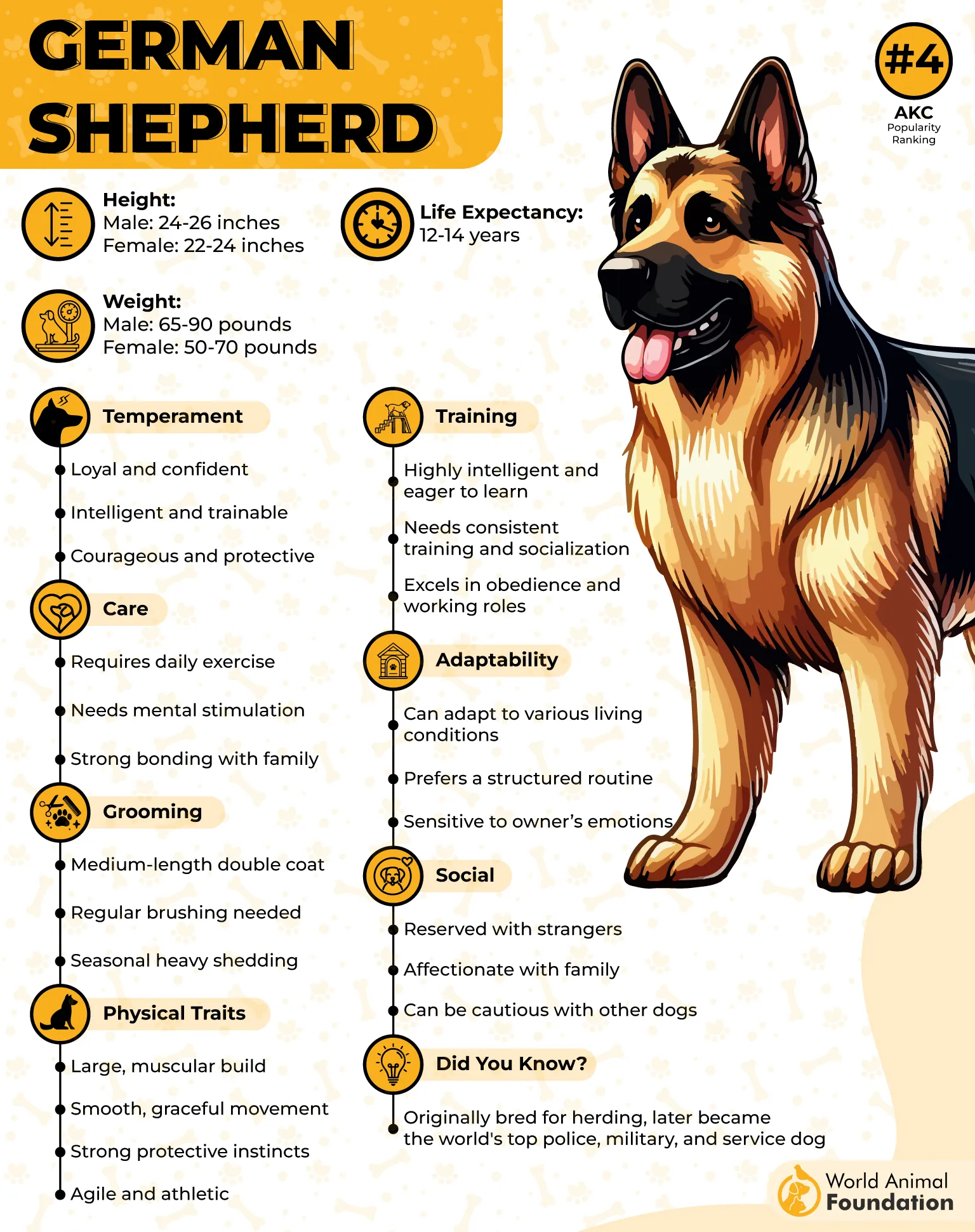
Adults need 1.5-2 hours of daily exercise. Puppies should not be exposed to high-impact exercise till they reach 18-24 months of age because of their developing bones. Use an undercoat rake and a slicker brush to brush the coat on alternate days. Monthly baths are recommended.
7. Bearded Collie
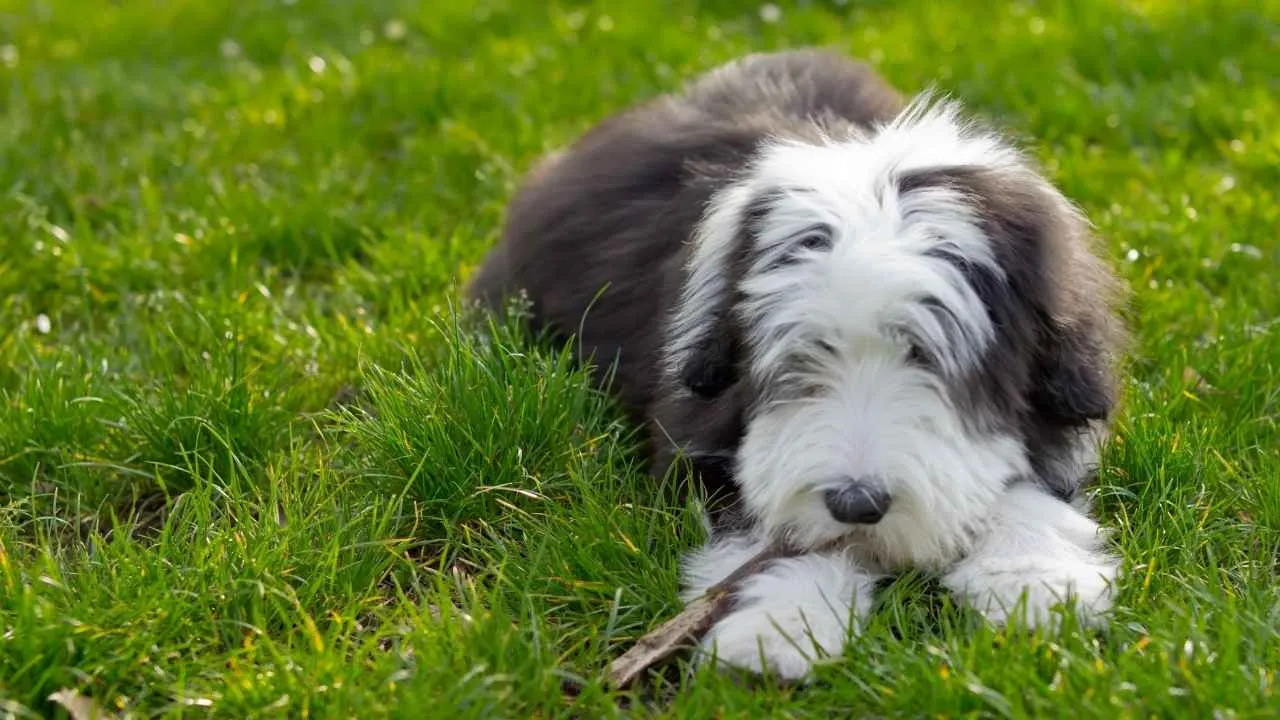
This loyal breed originated in Britain among the Scottish shepherds as a herding dog. Today, it is widely kept as a companion dog and as a service dog, since it is ranked as the most intelligent dog of all breeds. It is a cross of the Polish Lowland Sheepdog and a local Scottish dog.
This giant breed has a low ground coverage as it tends to have short energy bursts rather than endurance, allowing it to make sudden stops, turns, and starts. The ‘Beardie Bounce’ is famous as it allows it to survey its surroundings, keeps its eye on the flock, and maintains visibility over the stock.
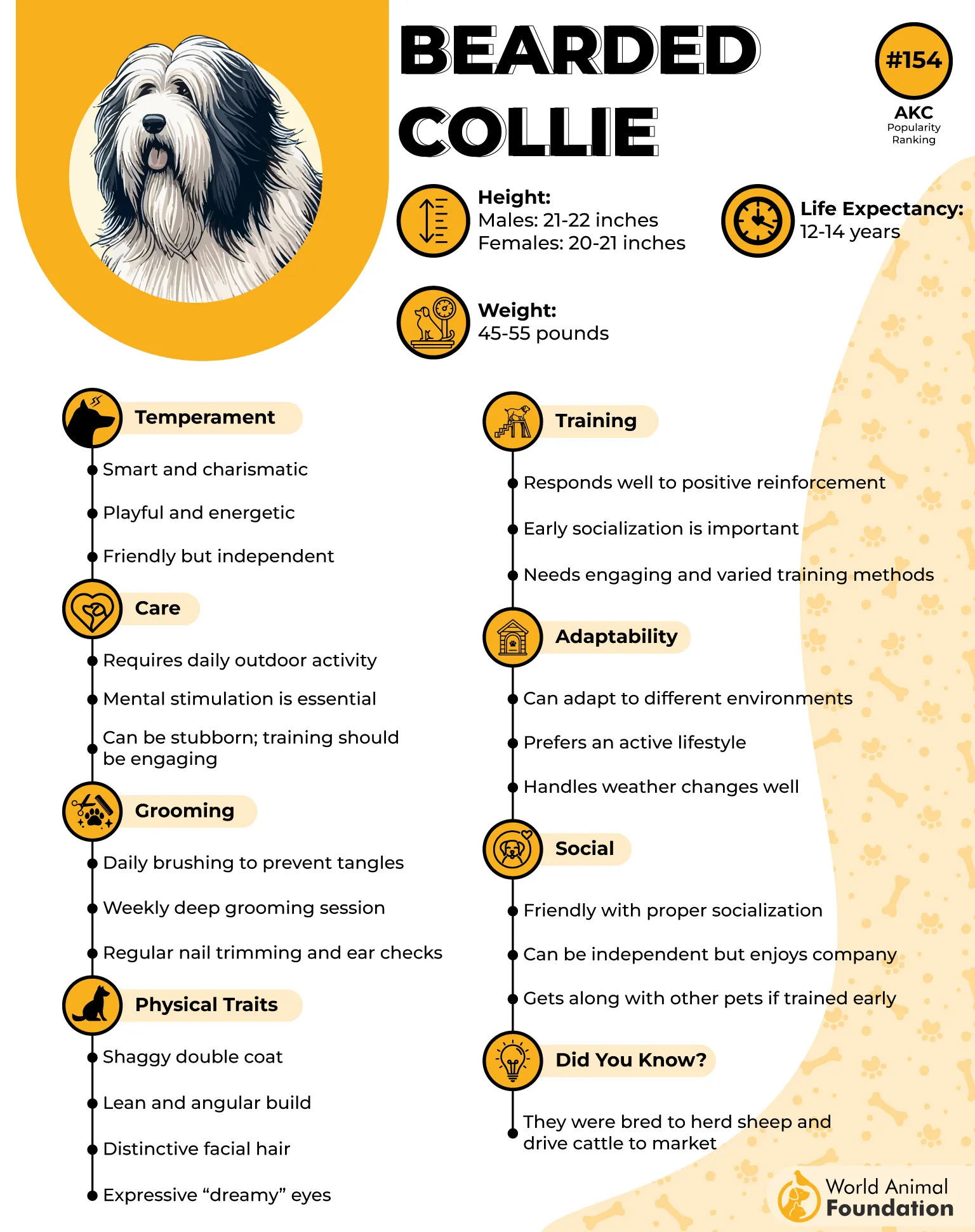
The prominent eyebrows, thick beard, and mustache protect the face, eyes, and mouth from minor physical hazards. It has a gentle nature and lacks territorial aggression. Regular exercise for 1-2 hours is enough for the breed: off-leash play, daily brisk walks, fly ball, and agility.
Conclusion
The heaviest dog breeds used for herding and protection are far more than just large animals with impressive muscles. They are intelligent partners who have worked alongside humans for centuries.
Whether it is the powerful Rottweiler, the highly focused Belgian Malinois, the dependable German Shepherd, or the unique Bergamasco Sheepdog, each breed brings a different set of strengths to the table.
Choosing the right breed depends on your lifestyle, experience level, and goals. The best dog is not necessarily the biggest one. It is the one whose personality, energy, and skills fit naturally into your world. When that match happens, you gain more than a worker or a protector; you gain a loyal friend for life.
