




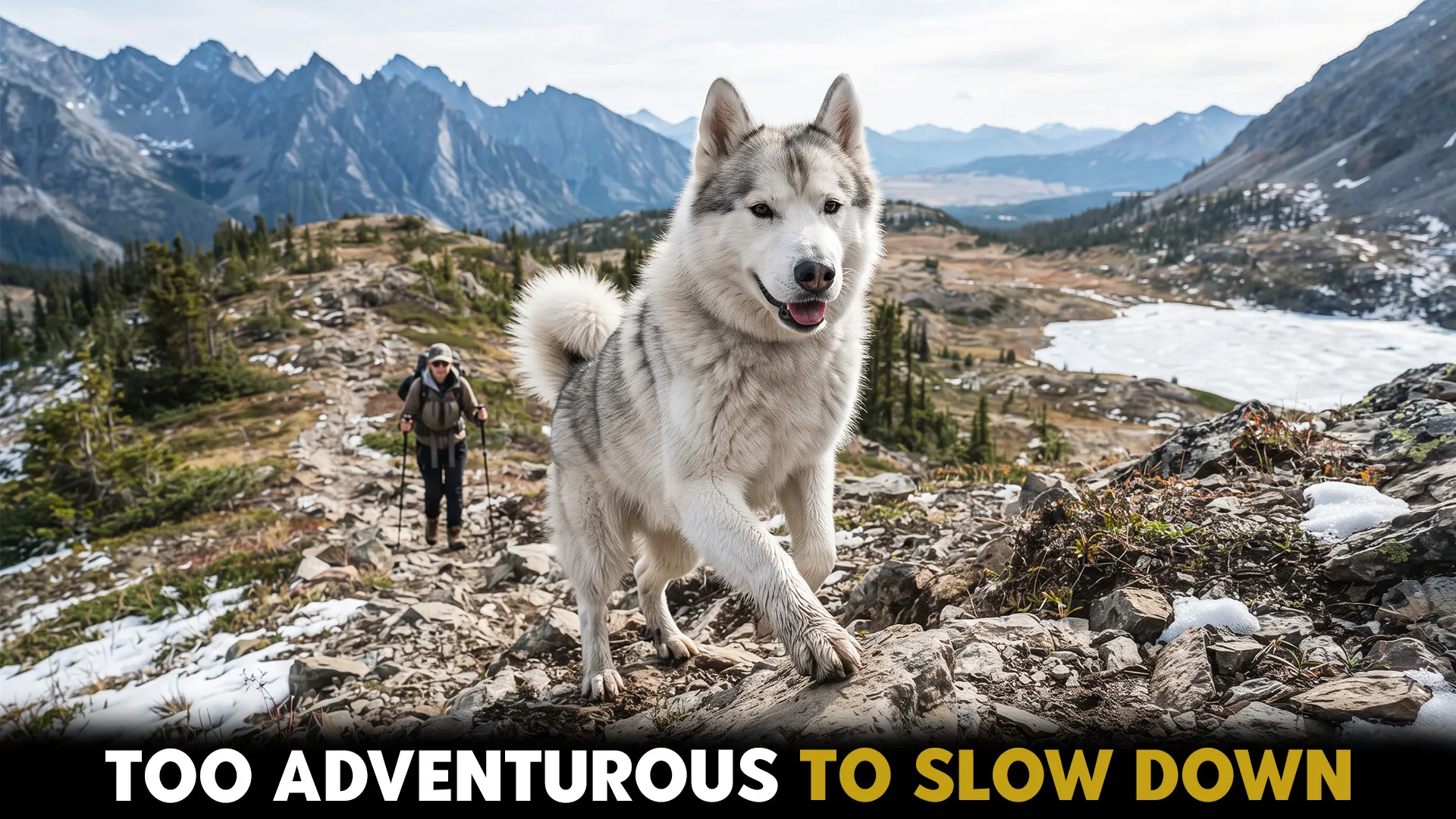
The trend of taking a dog for wilderness adventures is not NEW. Although they provide company, outdoor enthusiasts usually bring them for situational awareness, protection, and emotional support.
Even if you are miles away from your home, a dog is there to protect you and talk to you, which is just amazing on its own.
But you cannot take any dog, and that’s obvious. Like, what do you expect your Frenchie or Bichon to do in the wilderness? They are just for cuddles.
Nevertheless, you need an adventure dog with physical stamina, tough paw pads, and a weather-resistant coat so it can carry on without getting tired. But it’s not as easy as it may SEEM.
Taking a dog with you requires proper training, planning, and dedicated gear. Make sure to keep a dog’s first aid kit, a warm jacket for cold weather, and a sleeping bag so it stays safe.
We have shared seven dogs that love hiking, camping, trekking, trailing, or whatever you call it. Their love for exploring the world never ends if you are beside them. So, read ahead to learn what makes them perfect for outdoor activities alongside their exercise and training needs.
Hardy Dog Breeds Perfect for Wilderness Adventures
1. Alaskan Malamute
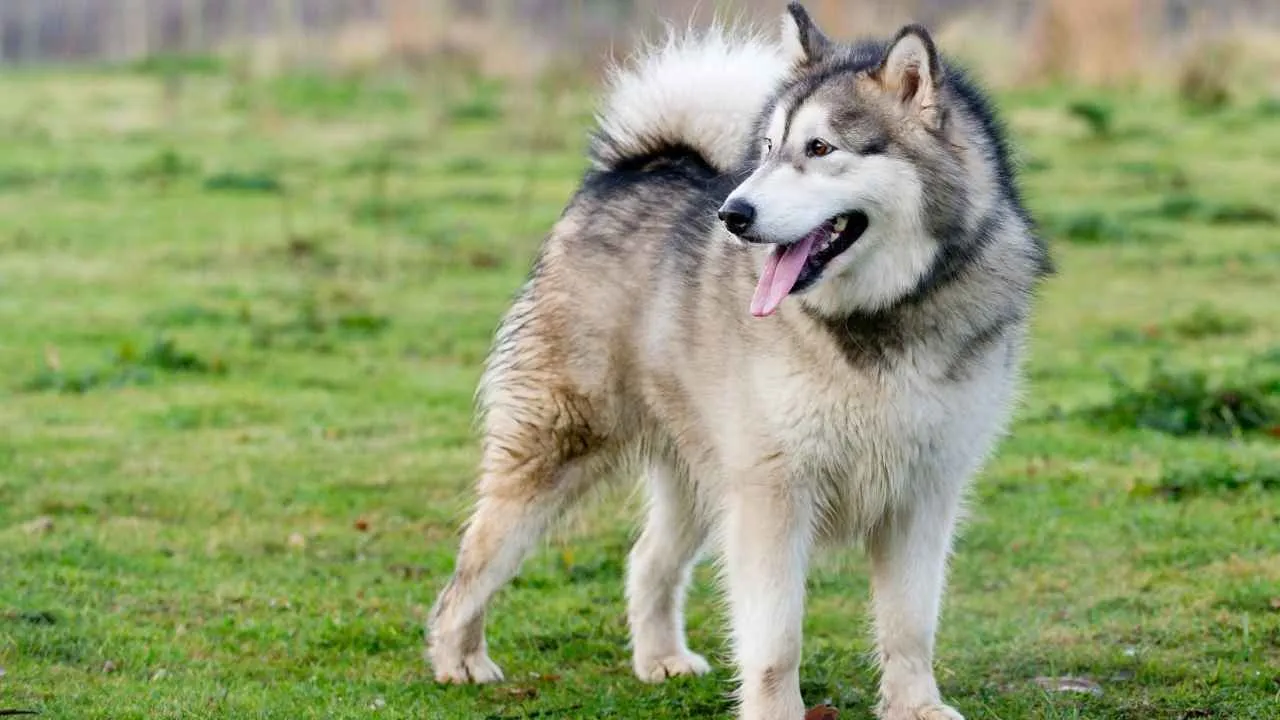
Alaskan Malamutes are affectionate, loyal, playful, and the strongest of sled dogs. They possess a stubborn streak and maintain a welcoming attitude toward people, which makes them good companions but poor watchdogs. However, these big dogs rarely bark but howl like sirens, as the AKC shared.
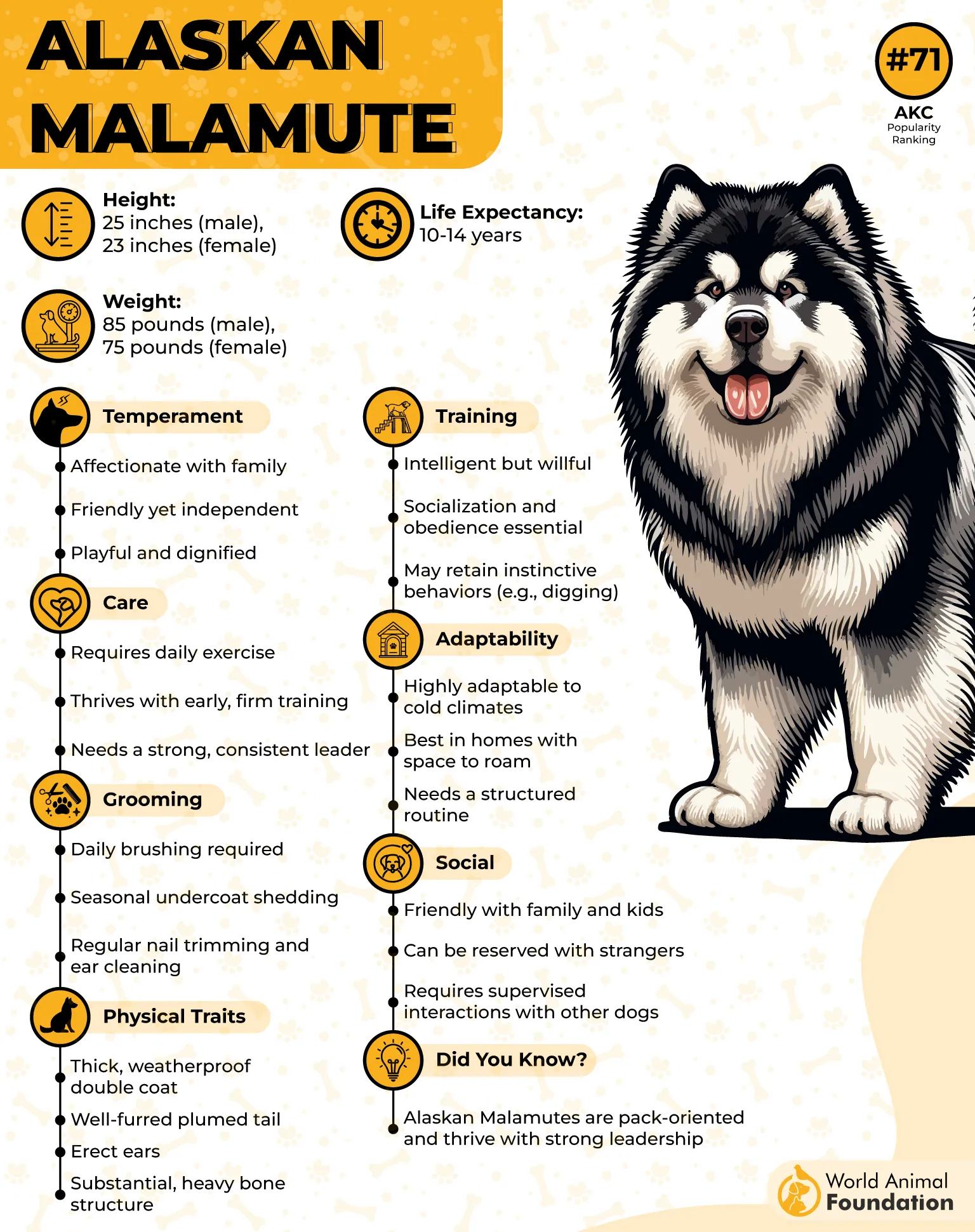
Mals have great endurance, heavy bone structure, and extreme cold weather resilience, as they used to work in extreme Arctic conditions. Their dense double coat keeps them warm in sub-zero temperatures, so they can enjoy all outdoor activities like winter camping and snowshoeing.
Alaskan Malamutes have high energy levels and require intense activity for mental stimulation. These working breeds are moderately challenging to train due to their strong will and strong prey drive and are well suited to experienced owners. Plus, their coat sheds a lot and requires daily brushing.
2. Siberian Husky
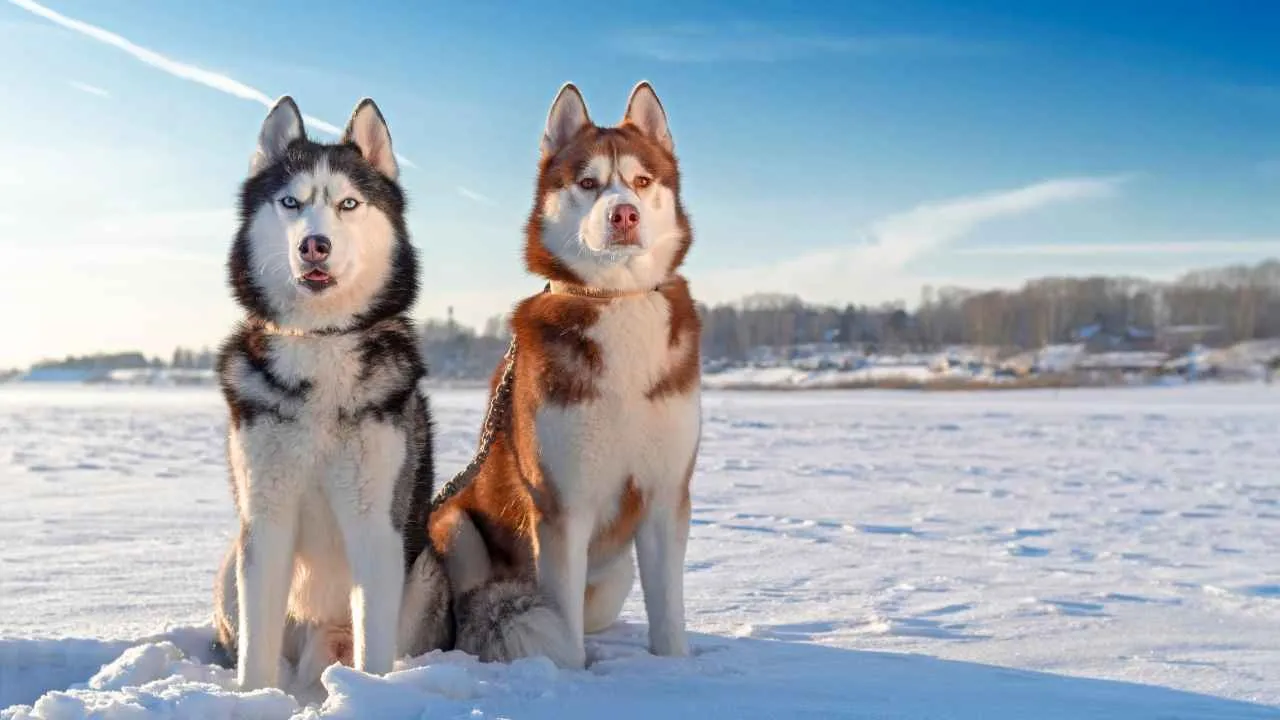
Siberian Huskies are playful, deeply social, and energetic dogs that are known for their friendly nature and mischievous personality. They don’t bark but communicate and argue with you in their ICONIC howls or dramatic and talkative sounds. These medium-sized dogs also have protective instincts.
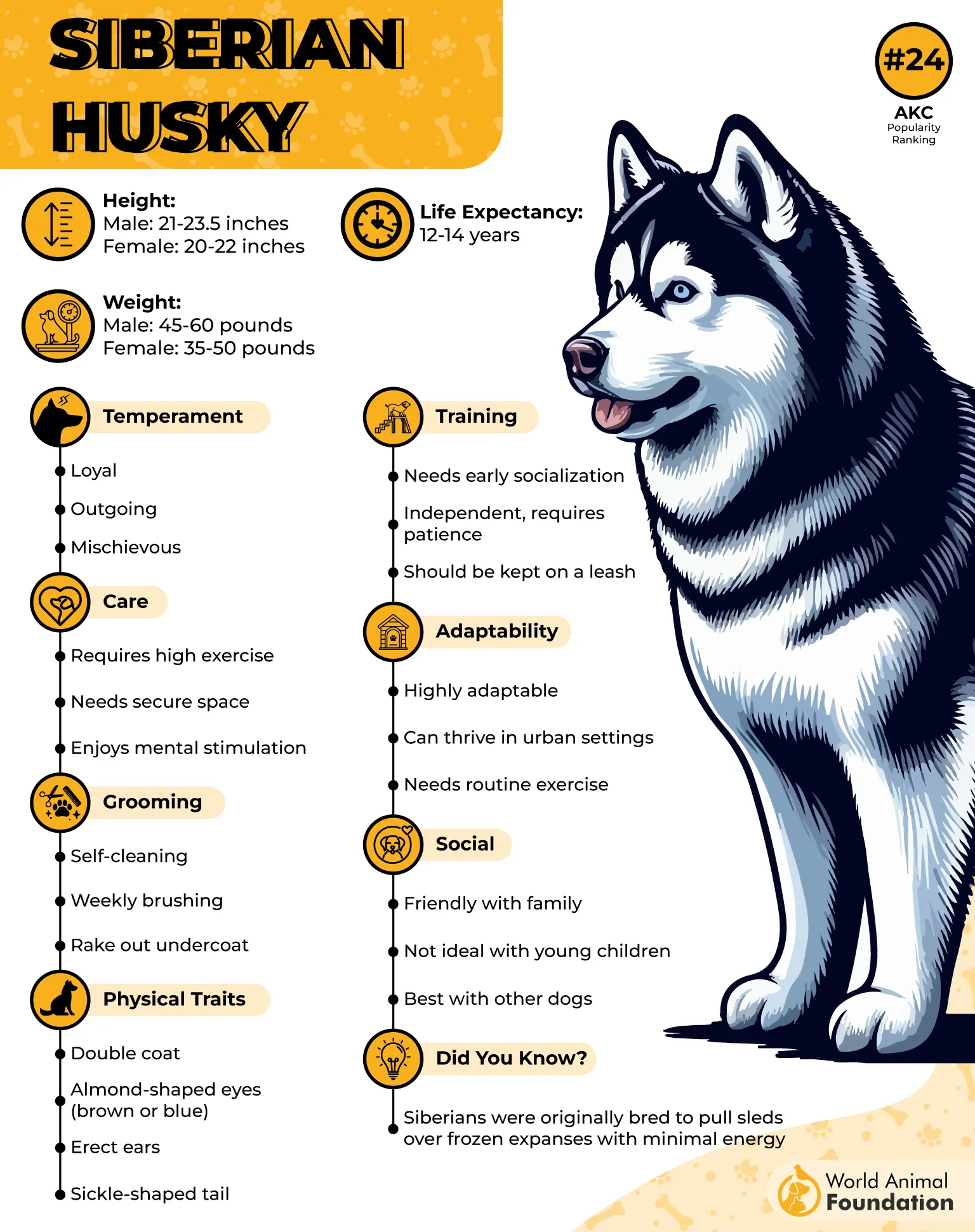
They were originally bred by the Chukchi people to pull sleds over vast distances in sub-zero temperatures. However, these blue-eyed dogs have a double coat that actually protects them from cold weather. Huskies also have the stamina and light athletic build to go on outdoor adventures.
However, they need a lot of exercise to spend their boundless energy. Siberian Huskies do well with active, patient, and confident pet parents who can manage their strong prey drive and meet their regular exercise needs. In addition, they shed heavily, so you have to brush them 2-3 times a week.
3. Canadian Eskimo Dog
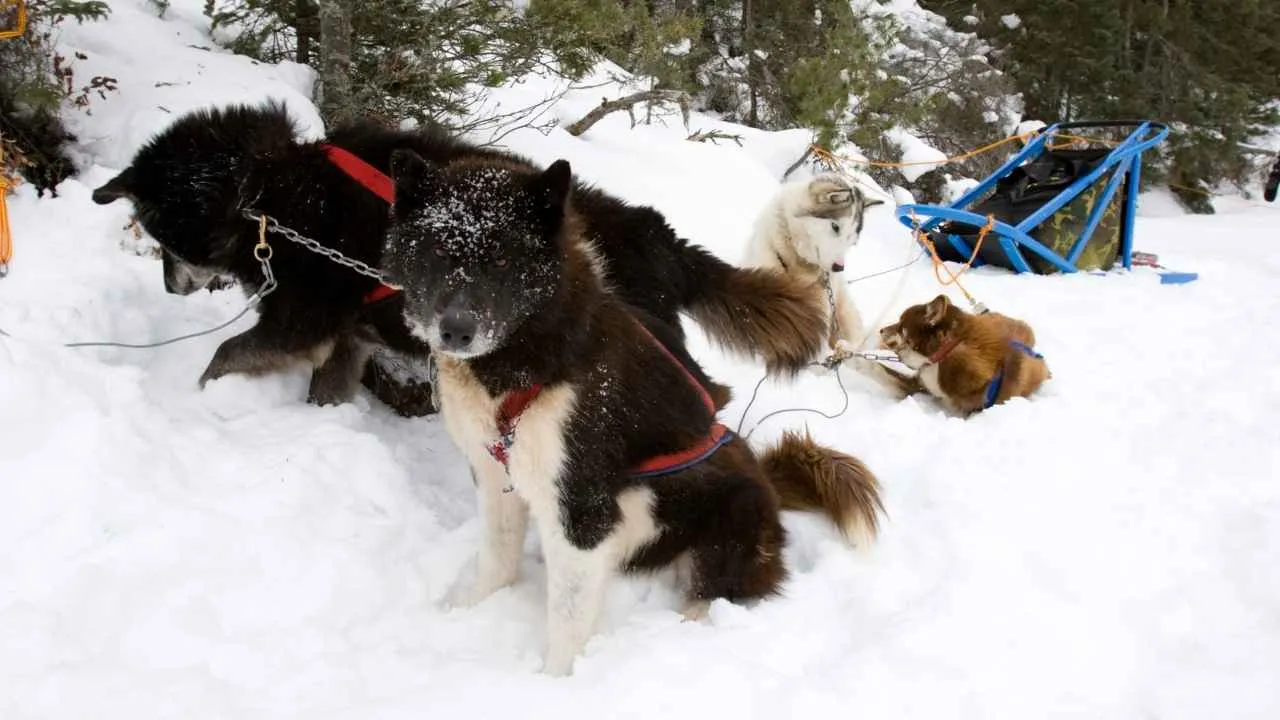
Canadian Eskimo Dogs are also known as Canadian Inuit Dogs that were bred to pull sleds and for hunting purposes. These are tough, intensely loyal, and quiet working breeds with high energy levels. They rarely bark and communicate through their powerful, wolf-like howls.
However, they have the incredible power and immense stamina for outdoor adventures, as Omlet shared. CEDs enjoy camping, heavy backpacking, and long-distance sledge hauling. They demand intense exercise for mental stimulation and usually require experienced and highly confident owners.
They have an extra-thick double coat that sheds heavily year-round. So, you have to brush them almost 2-3 times a week to prevent matted fur and keep it clean.
4. Norwegian Elkhound
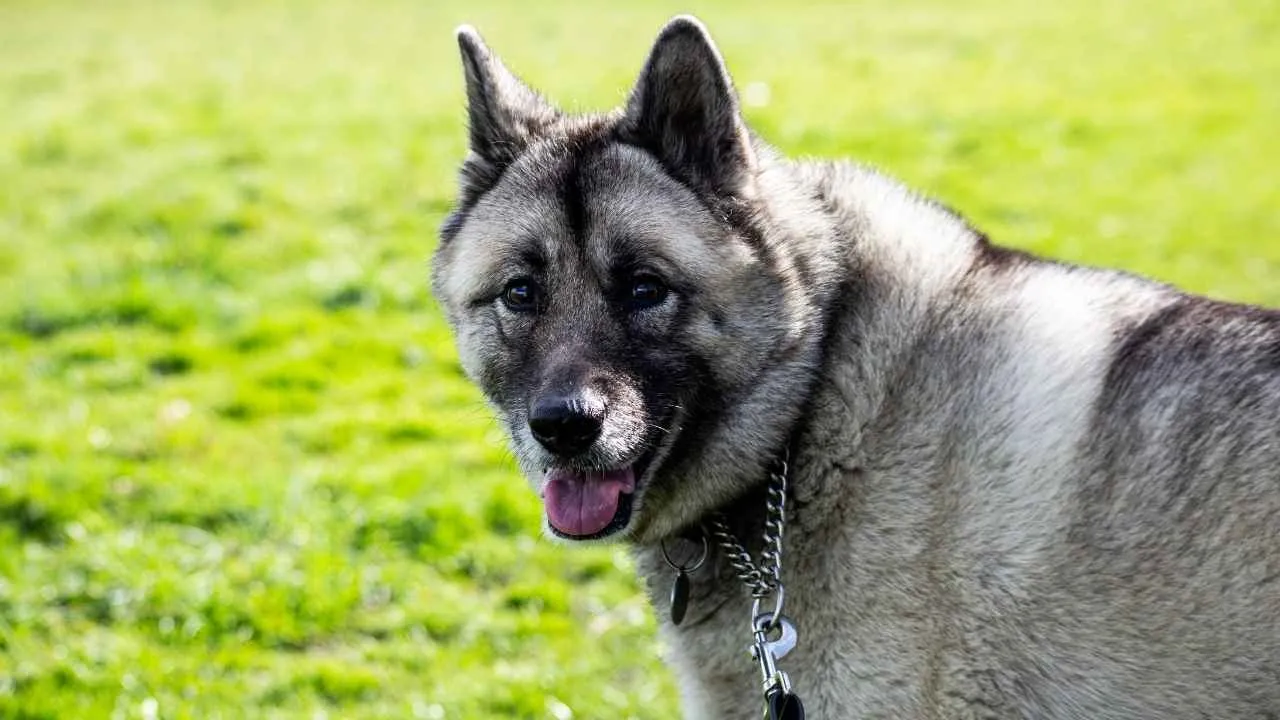
Norwegian Elkhounds are bold, energetic, and highly dependable companions known for their fearless nature and friendly personality. They are deeply affectionate with their family and are natural watchdogs, so they keep an eye on their surroundings and unfamiliar wildlife approaching your space.
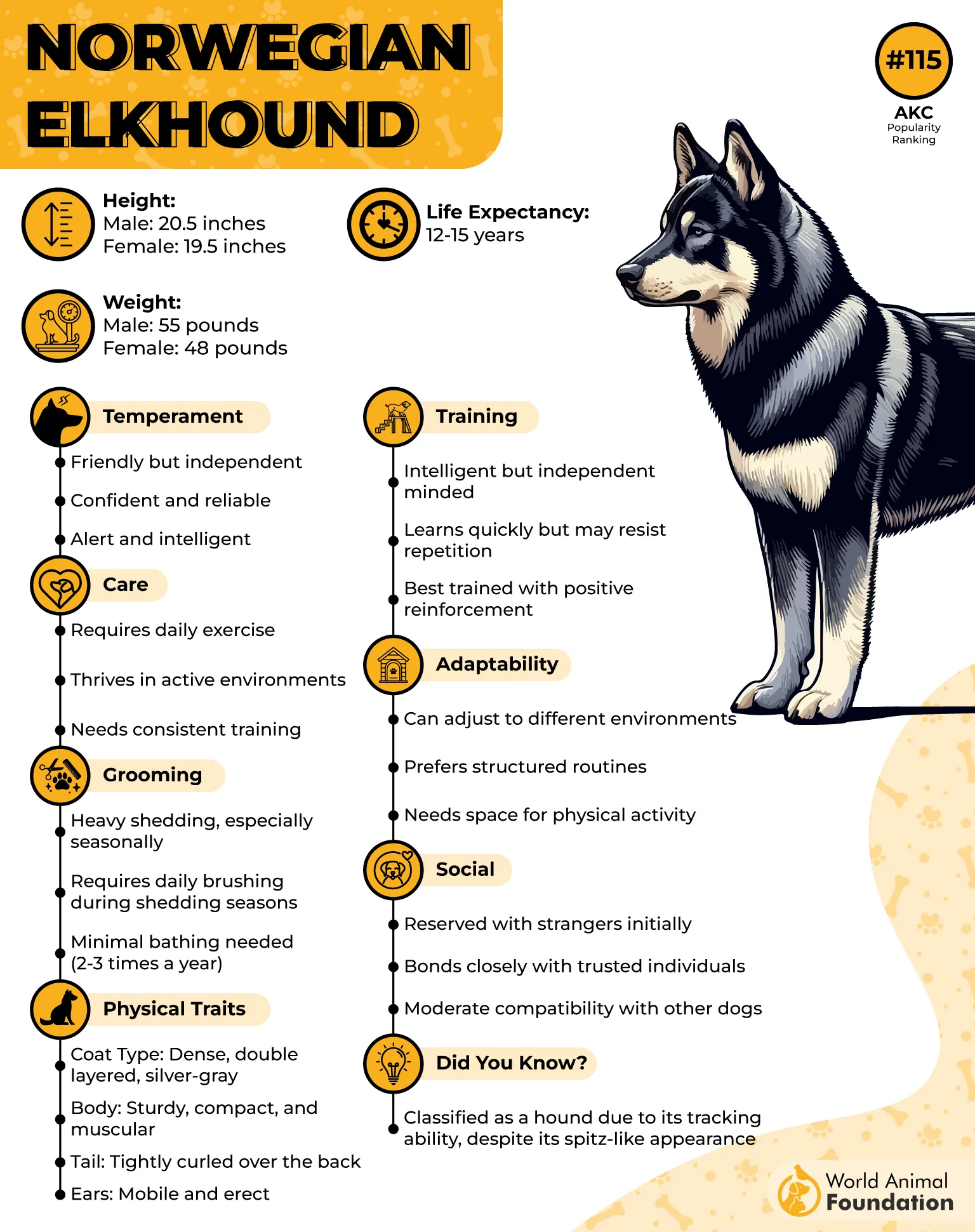
Their dense, weather-resistant double coat, sturdy frame, and keen sense let them enjoy outdoor activities while watching well. These hunting dogs require around 1 hour of exercise for mental stimulation, as PetMD also shared. So you can take them for tracking, snowshoeing, and long walks.
They need active pet parents who can manage an independent thinker with a strong voice. Elks are natural barkers and also possess a powerful drive to follow you, so training is a MUST. Plus, they are moderate to heavy shedders and require regular grooming and brushing over time.
5. Australian Cattle Dog
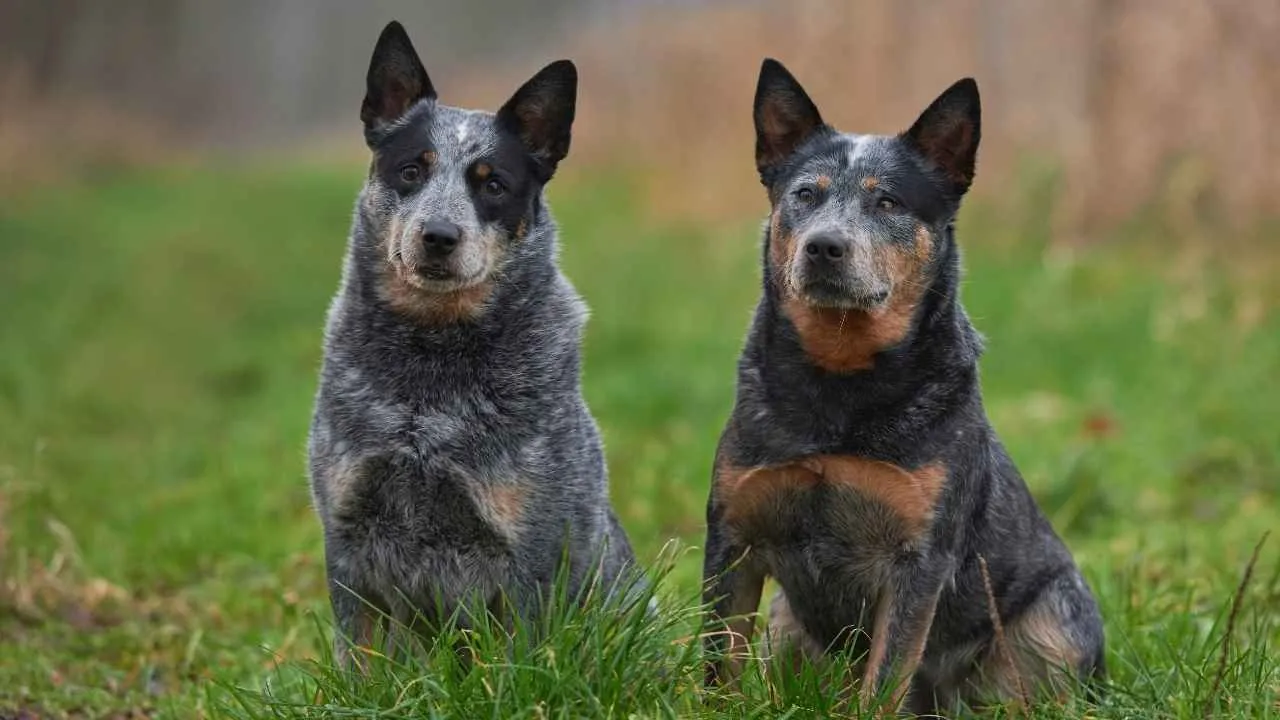
Australian Cattle Dogs are exceptionally smart, intense, and excellent companions that are built for non-stop action. They form an unbreakable bond with their primary handler and were bred to herd cattle, as WebMD also described. ACDs are protective toward their family and wary of strangers.
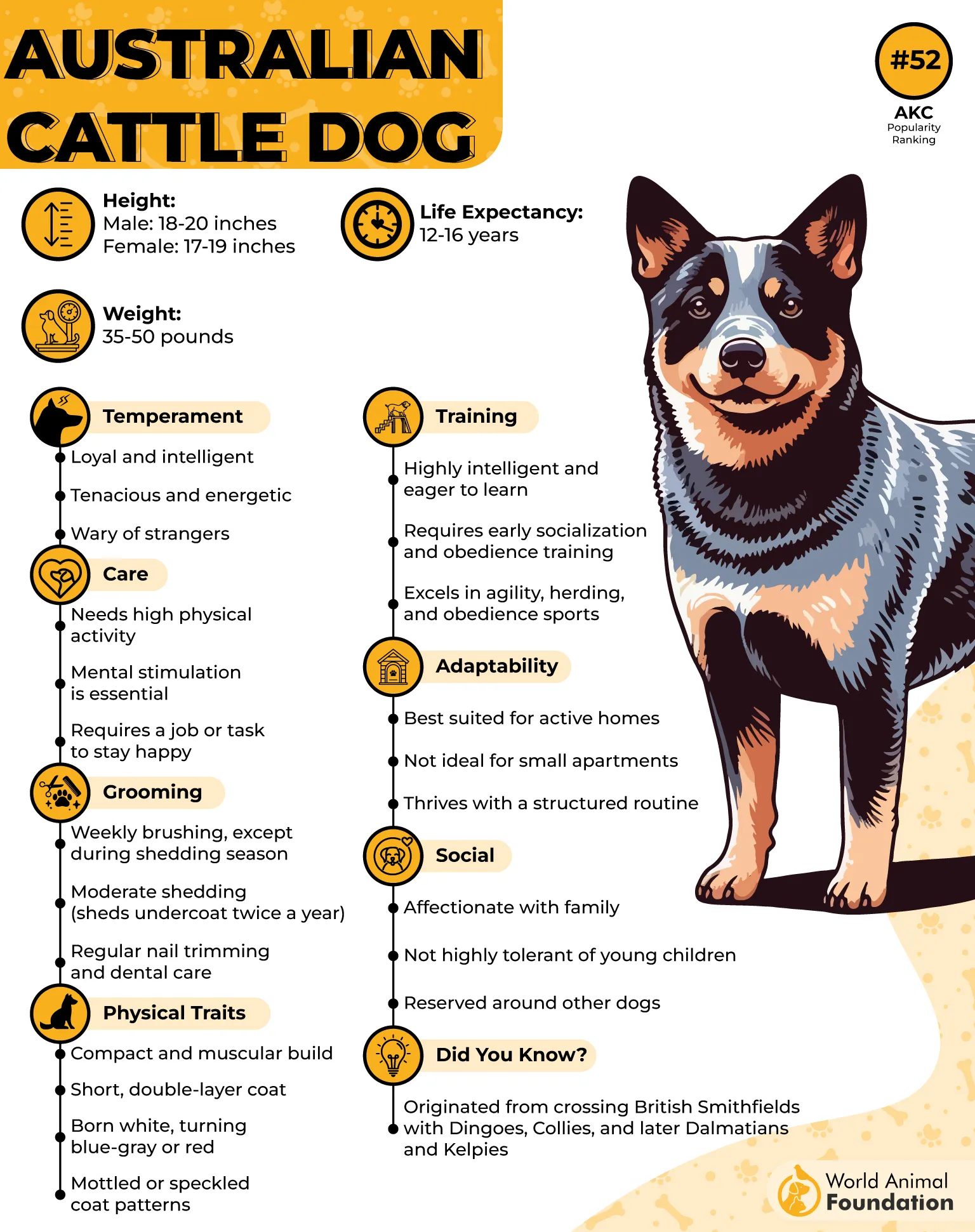
These medium-sized dogs are also known as Red or Blue Heelers based on their coat colors. However, they have a strong physical build, high pain tolerance, and light, fast speed. Their tough paw pads and water-resistant short coat let them enjoy trail runs and other outdoor adventures.
That said, these herding dogs have high exercise demands and are highly trainable. They need experienced and highly active pet parents for consistent leadership. In addition, ACDs shed moderately throughout the year and require quick brushing every week.
6. Rhodesian Ridgeback
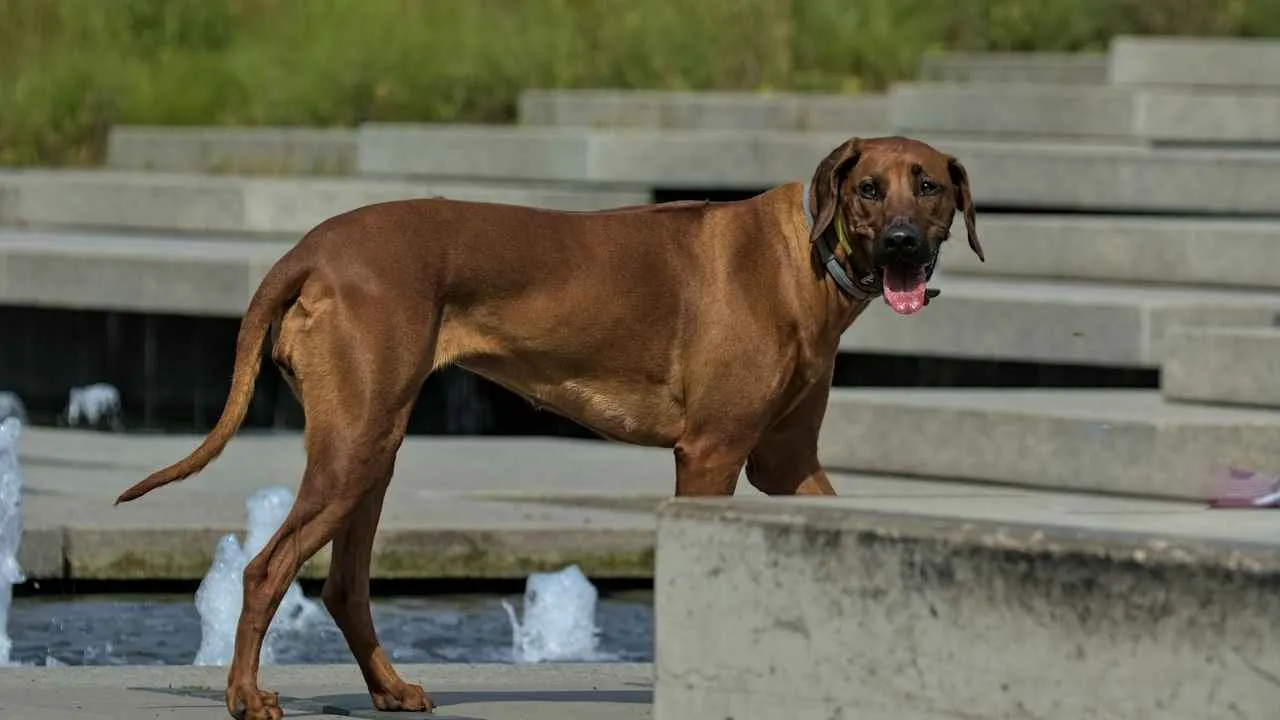
Rhodesian Ridgebacks are noble, calm, and deeply loyal companions. They are known for their powerful protective instincts. However, these large hounds were bred to track large game animals like lions and hold them until the hunter arrives. So, these hunting dogs have a confident mindset and a baying ability.
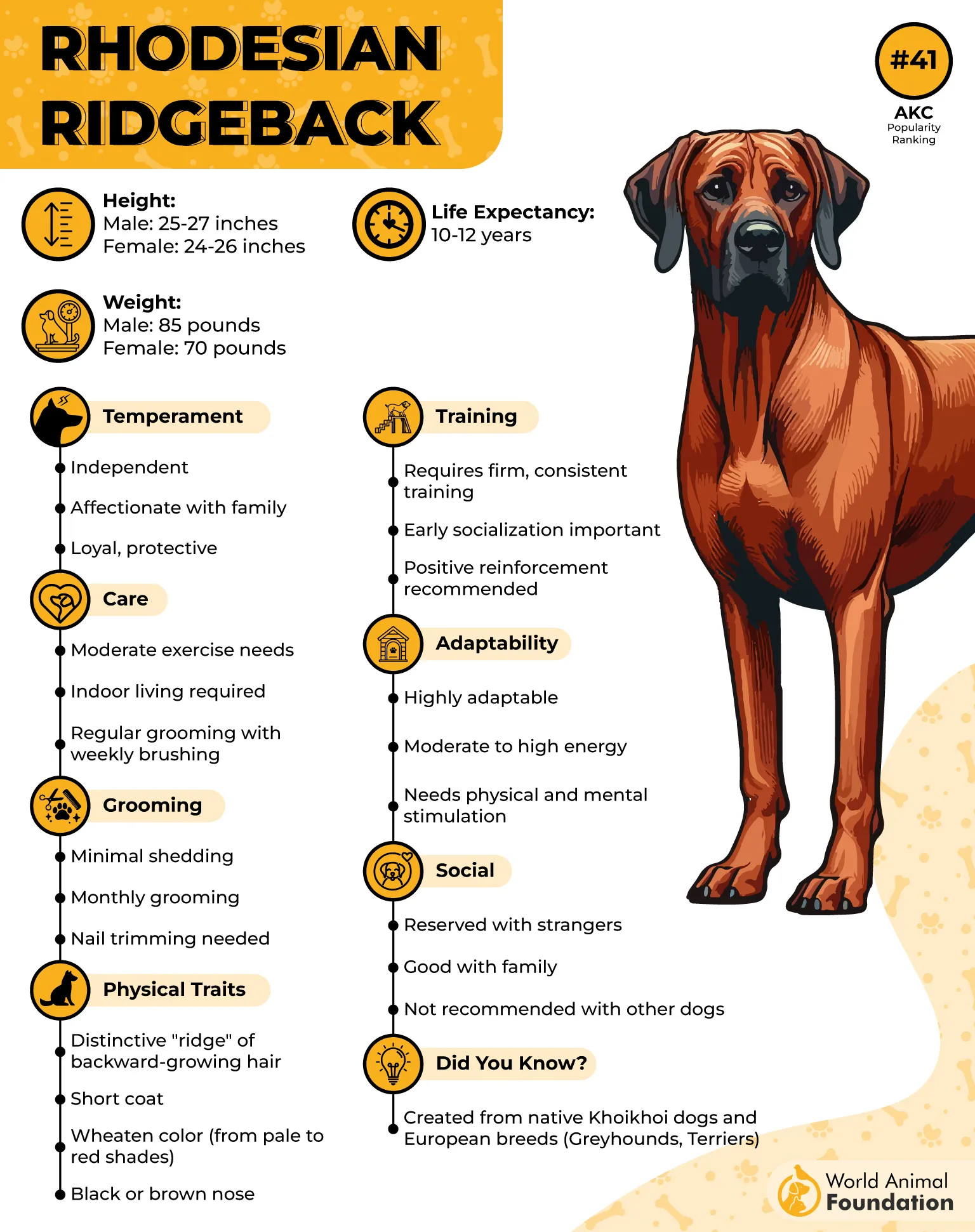
Their athletic endurance, tough physical build, and stamina let them enjoy desert trekking, long hikes, trail running, and camping. They have short coats, so they do well in hot weather, unlike double-coated dogs that overheat. In addition, they have a moderate energy level.
These large dogs are smart yet strong-willed with high prey drive. So, they require confident and patient pet parents who can manage their independent hound instincts. Plus, their short coat sheds low to moderately and requires a quick weekly brush to remove loose hairs.
7. Finnish Lapphund
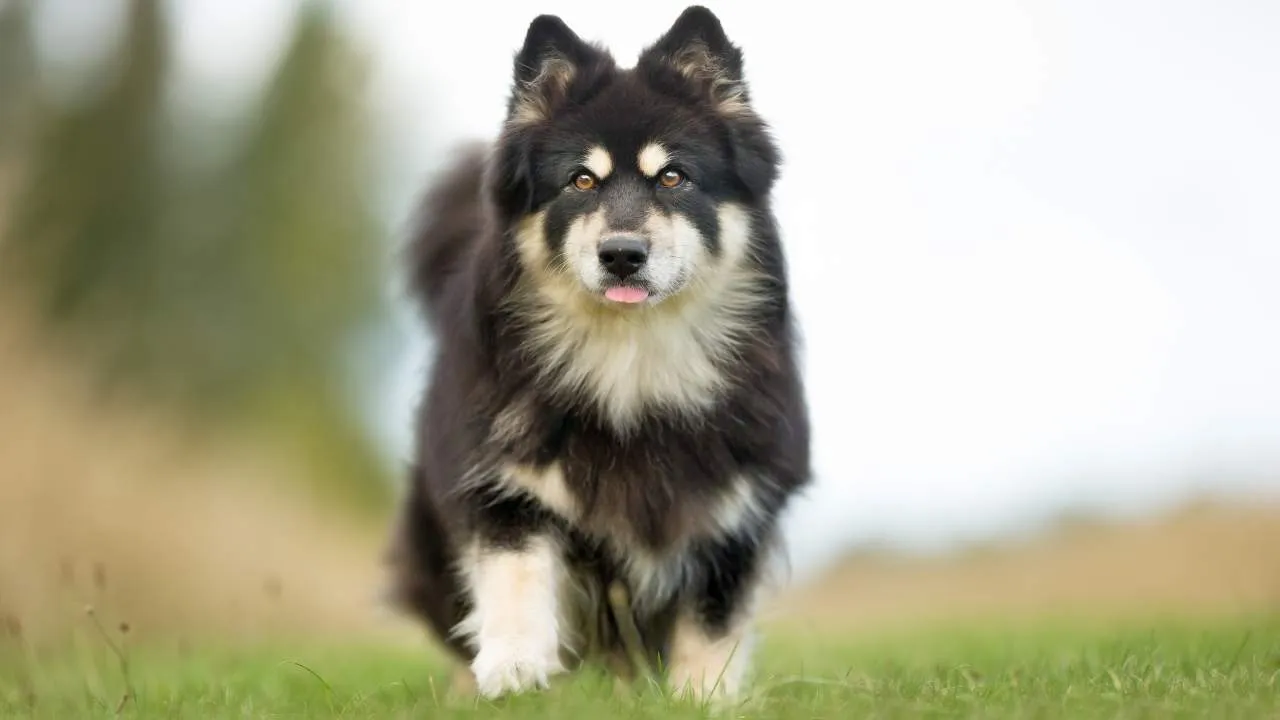
Finnish Lapphunds are friendly, calm, and deeply affectionate breeds known for their gentle nature and strong desire to please their humans. They are highly social companions, so they’d do well with children, strangers, and even other dogs. Lappies hold the 8th position for being popular in Finland, as per VCA Animal Hospitals.
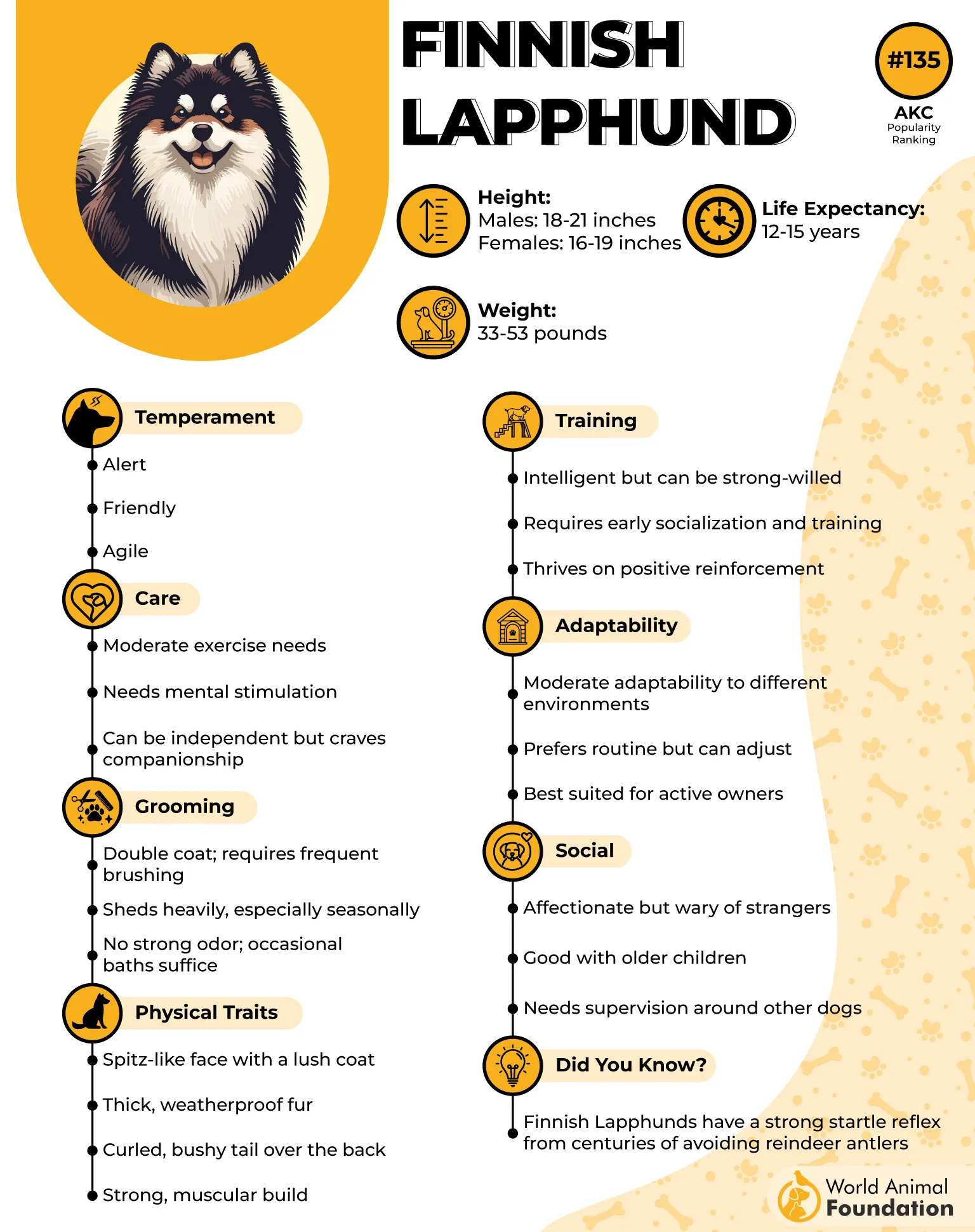
These medium-sized dogs were originally bred to herd, so they have light-footed agility, situational awareness, and a double coat, which all help them enjoy outdoor adventures to the fullest. They prefer cool weather trips as they are prone to overheating in extremely hot weather.
These herding dogs are highly trainable and well-behaved. Lappies do well with first-time owners who can meet their active lifestyle. However, they are also sensitive, so gentle training is important. Finnish Lapphunds shed moderately year-round, with seasonal shedding twice a year.
Conclusion
The above-mentioned seven dogs love exploring the world. They have the stamina, power, tough paw pads and weather-resistant coats which lets them enjoy hiking, trekking, camping and trail runs without getting tired.
However, most of them require experienced owners and have short or double coats. Apart from this, they differ in their temperament, exercise, and working history. So read the details before choosing your hiking companion.
