




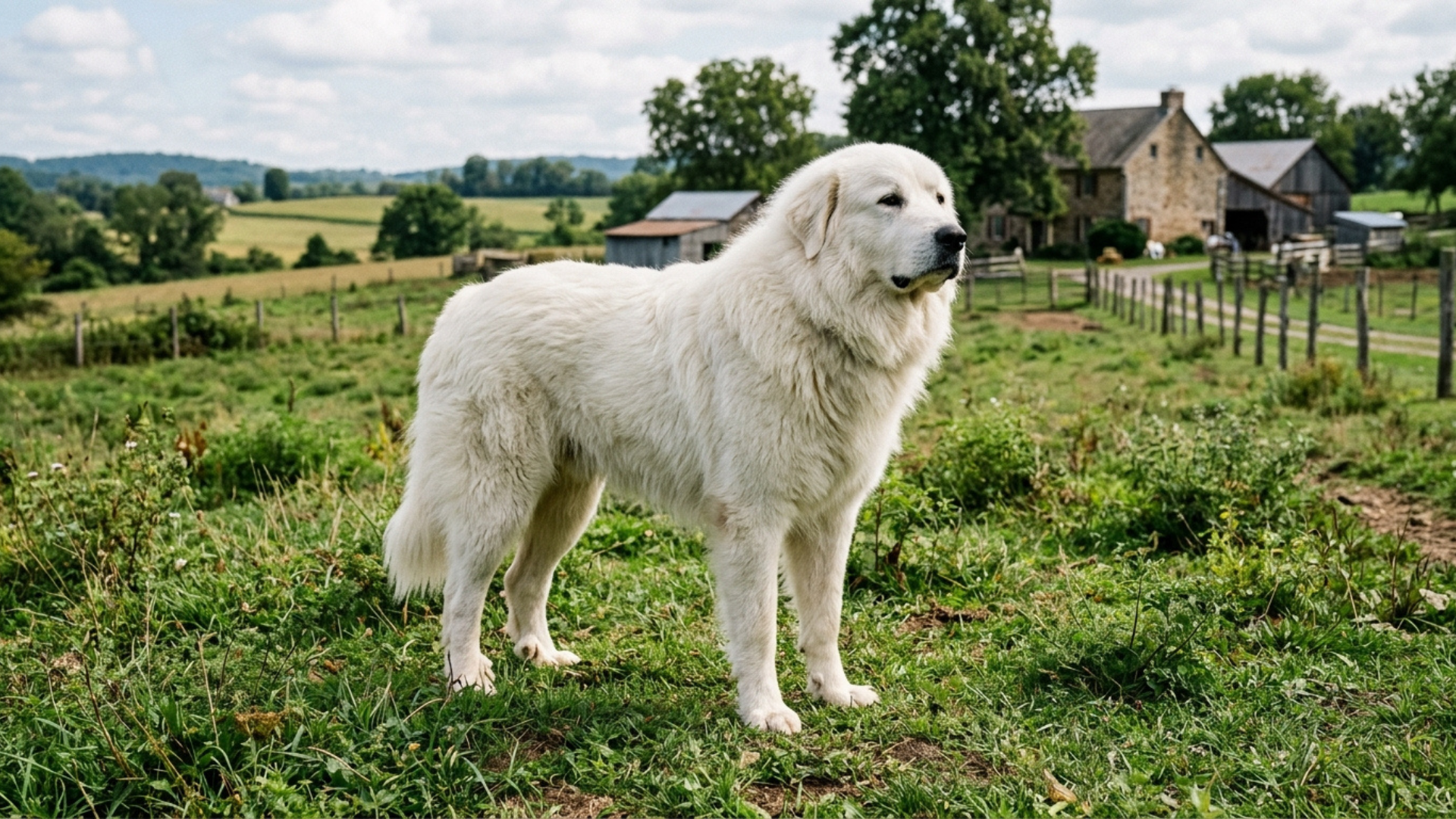
A great guard dog does more than watch the front door. The right breed can help you feel secure while still fitting into a busy, everyday routine. For households that want protection without constant high-energy demands, some dogs offer a calmer, more manageable balance of loyalty, alertness, and companionship.
That said, even low-maintenance guard dogs still need proper training, socialization, and consistent care. A well-trained guardian should be confident and dependable, not fearful or aggressive. With the right approach, these breeds can become trusted family companions that are both protective and easy to live with.
In this guide, we’ll look at seven reliable guard dog breeds that are well-suited for households seeking a calmer, lower-maintenance canine companion.
Most Reliable Guard Dog Breeds for Low-Maintenance Households
1. Great Dane
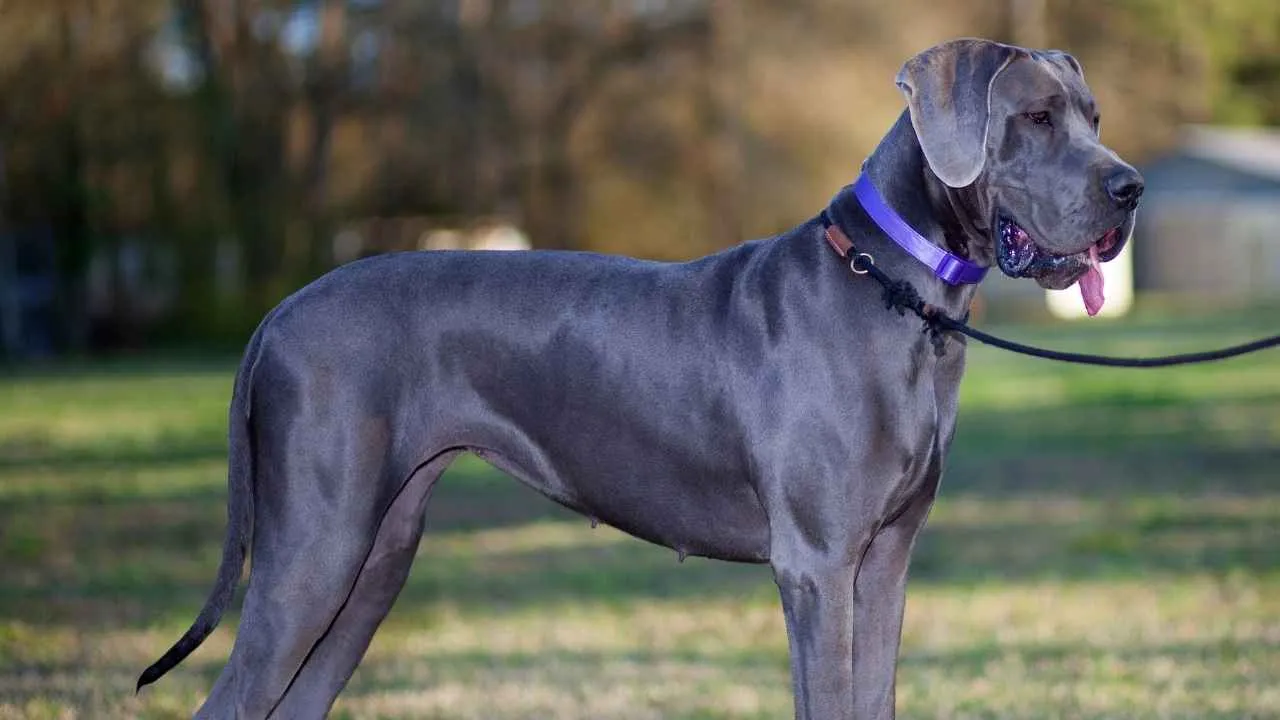
Great Danes may look intimidating at first glance, but these giant dogs are famously gentle and affectionate with their families. Originally developed in Germany as boar hunters, they later became known more for companionship and watchdog duties. Their calm nature around children and other pets makes them surprisingly easygoing for such a massive breed.
Pawlicy states that training matters early because a full-grown Great Dane is incredibly strong, even if they think they are lap dogs. Puppy classes, socialization, and obedience work help shape them into polite adults that are easier to handle around guests and daily life. While puppies can be energetic, adults are often more relaxed and usually do well with a few daily walks instead of endless hours of activity.
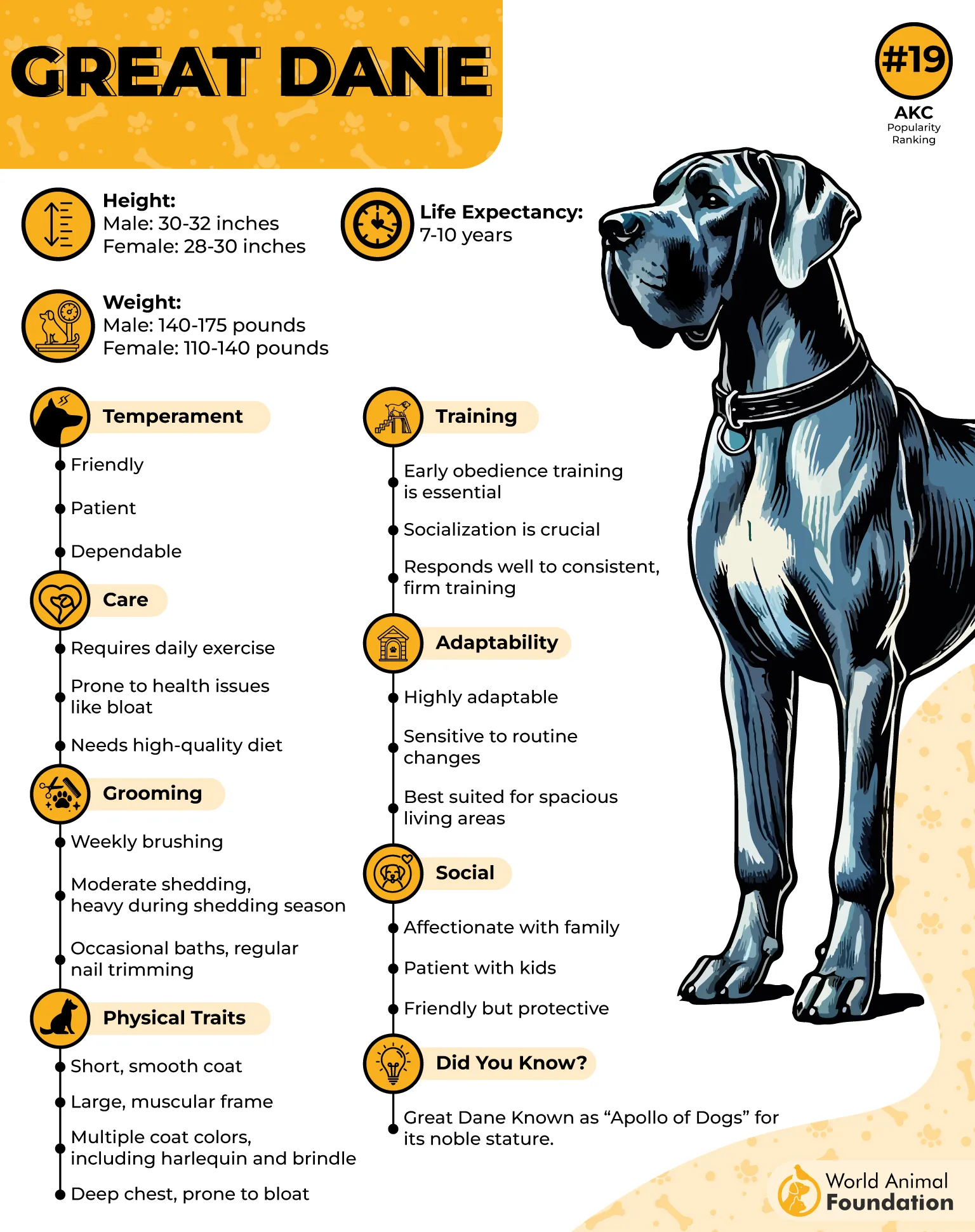
Their short coat keeps grooming fairly simple, which is always a nice bonus when your dog weighs as much as a small sofa. Weekly brushing and occasional baths are generally enough to keep them looking tidy. Great Danes do need plenty of room to move around comfortably, and owners should also pay attention to health concerns like bloat and joint issues.
Why This Breed Is a Good Fit
Adult Great Danes tend to have a calmer pace that suits quieter households.
Their protective instincts come naturally without needing constant stimulation.
Simple grooming needs make them easier to manage than many giant breeds.
2. Cane Corso
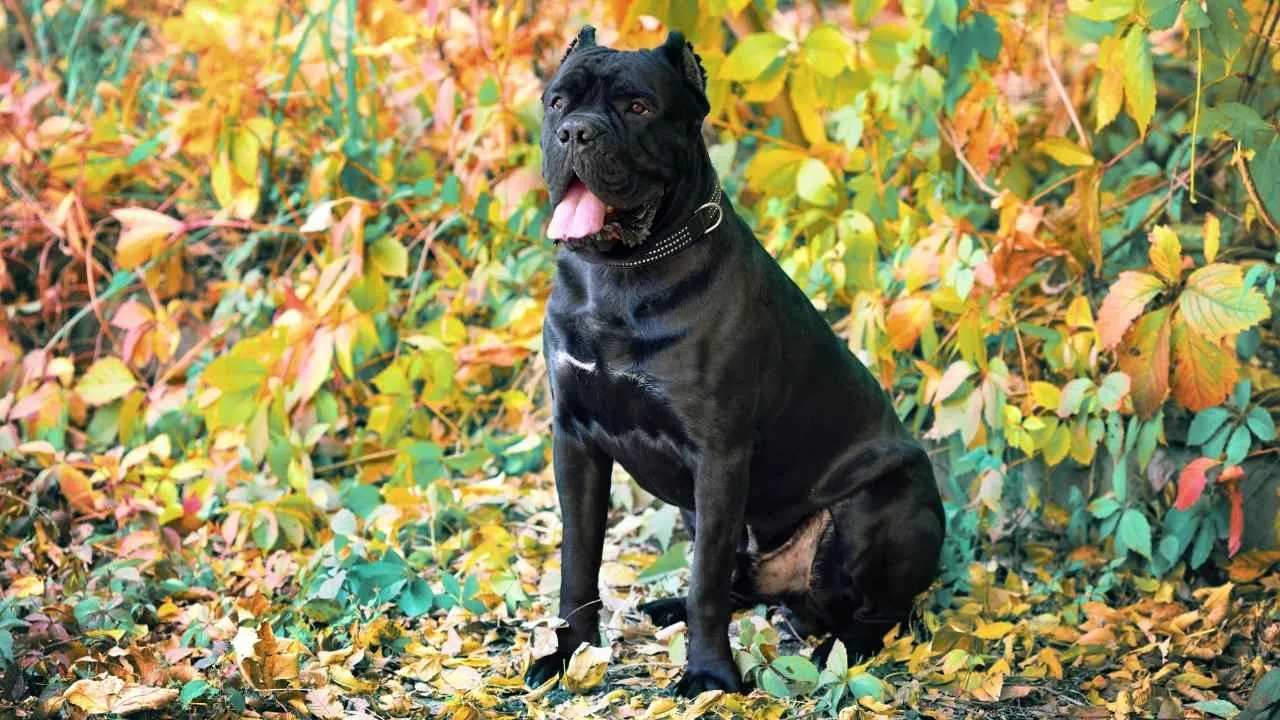
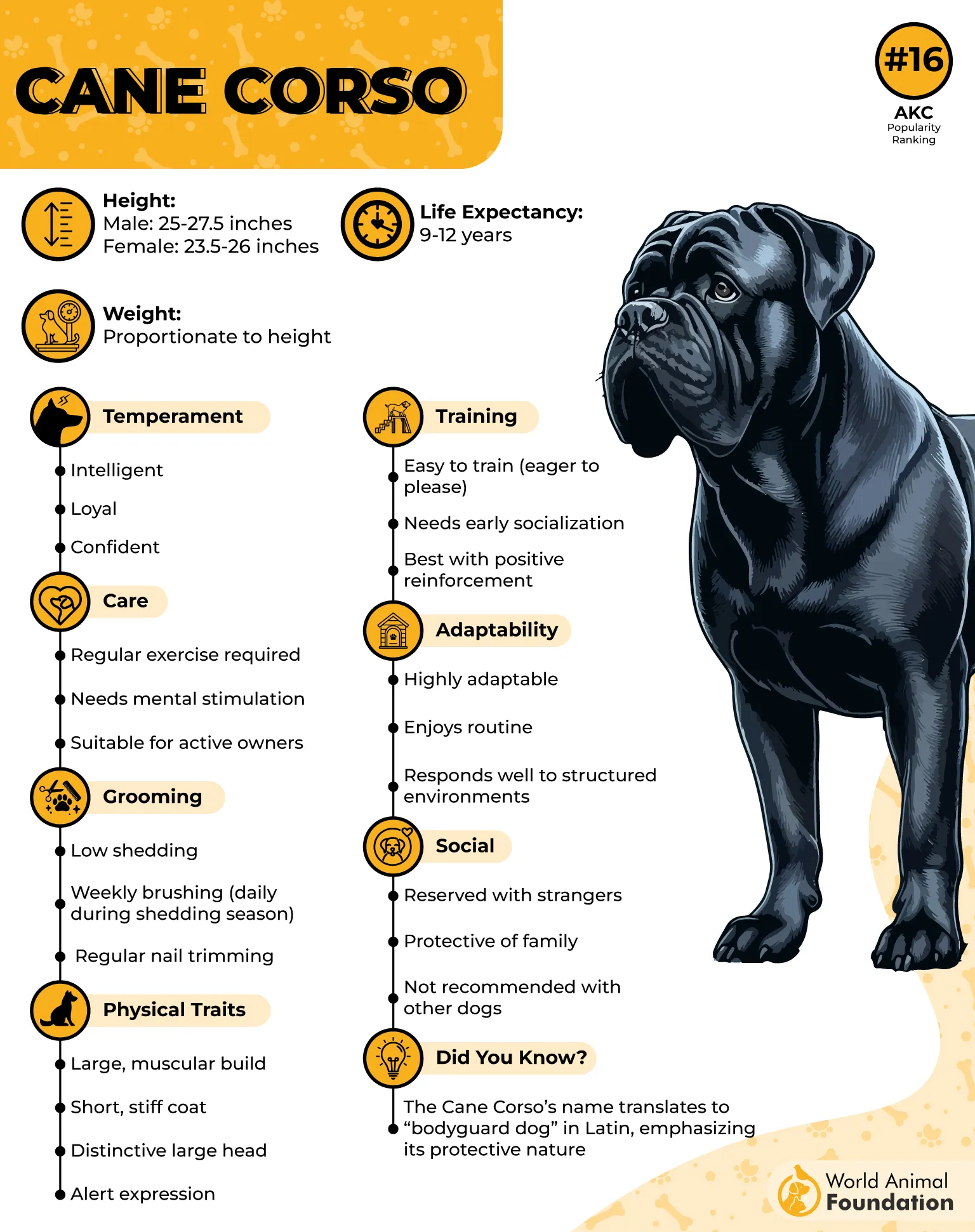
This Italian breed traces its roots back to ancient Roman dogs and was traditionally used for guarding farms and property. With a muscular build and naturally alert expression, the Cane Corso is an excellent guard dog.
Despite their serious appearance, these dogs are deeply loyal and eager to bond with their people. They respond especially well to consistent, reward-based training and usually prefer praise over harsh corrections. Early socialization is essential because this breed can become overly protective or dominant without clear guidance and structure from the beginning.
According to the AKC, the Cane Corso enjoys having a purpose and benefits from both physical exercise and mental challenges. Long walks, training sessions, and activities like tracking or obedience work help keep them satisfied. Grooming is refreshingly manageable thanks to their short coat, although seasonal shedding can still leave enough fur around the house to remind you they exist.
Why This Breed Is a Good Fit
Their natural confidence makes them a dependable guardian breed.
Short coats and basic grooming routines are easier for busy owners to handle.
They thrive in households that want a protective dog with strong family loyalty.
3. Great Pyrenees
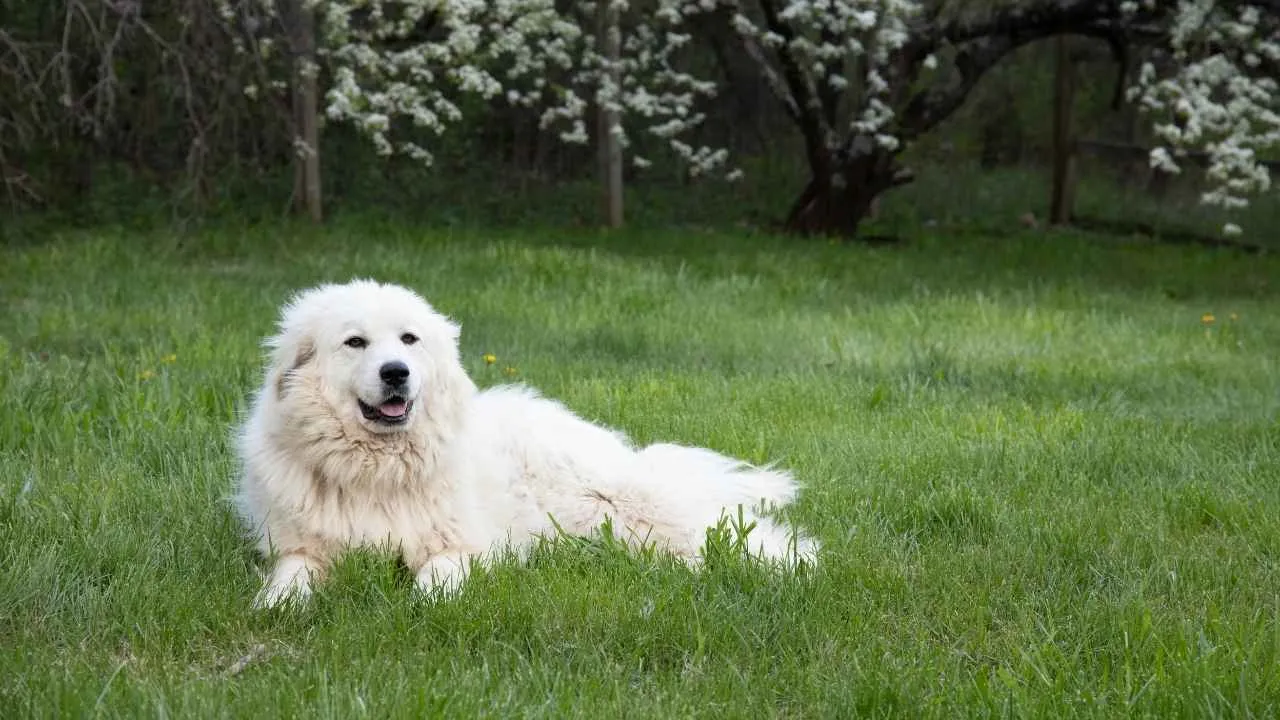
The Great Pyrenees was originally bred to guard sheep from predators in the mountains. As per WebMD, these large white dogs are known for being patient, intelligent, and naturally protective of their home and family.
The Great Pyrenees tends to conserve energy and enjoys a slower pace during the day. Moderate exercise, such as regular walks and training sessions, is usually enough to keep them content. Their independent personality can make training interesting at times because they are perfectly capable of deciding they have more important things to do.
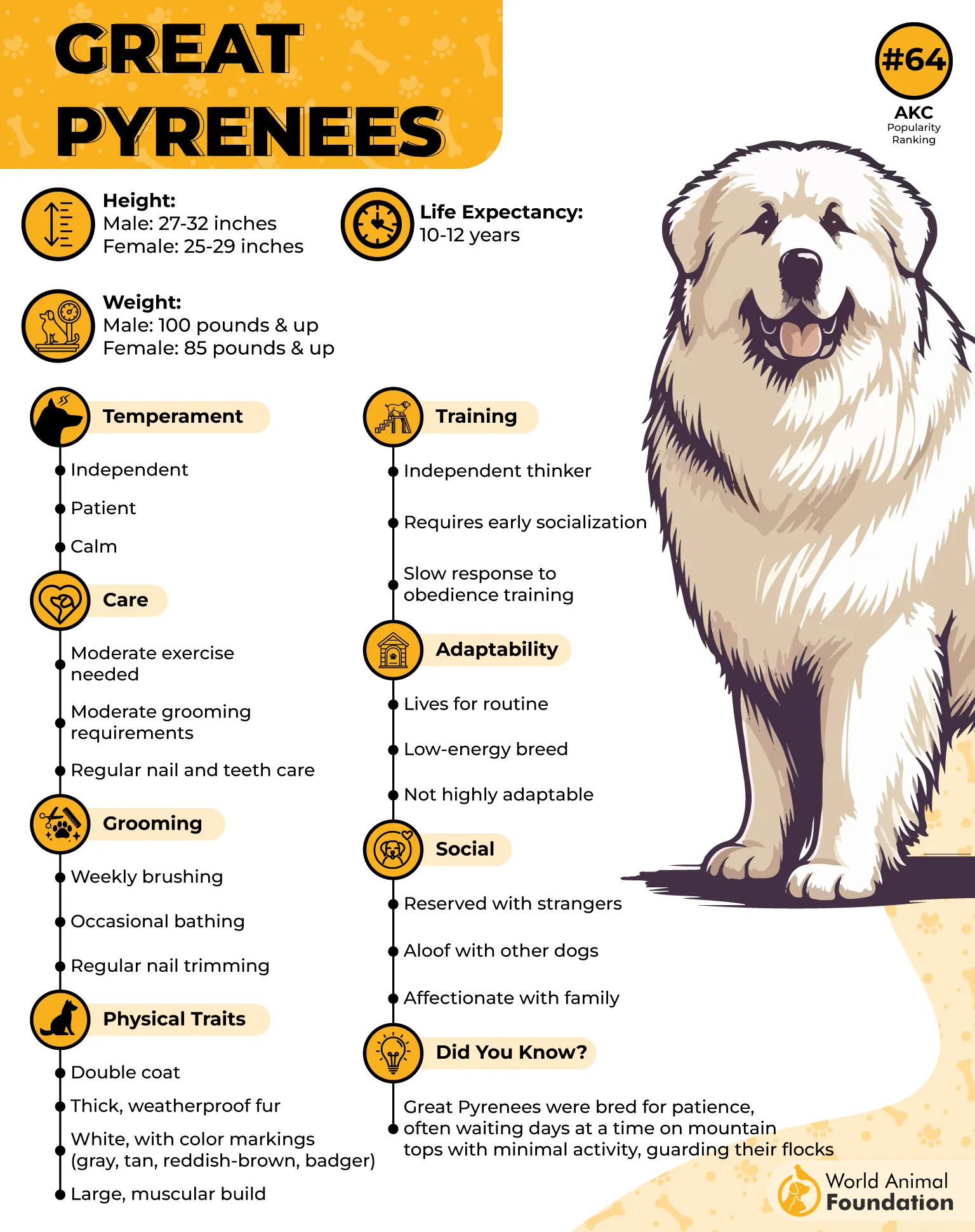
Their thick double coat is surprisingly low maintenance since it naturally resists dirt and tangles. Weekly brushing usually keeps shedding under control, though owners should expect heavier seasonal shedding. These dogs are also known for nighttime barking because guarding livestock overnight was part of their original job, so light sleepers may want to keep that in mind.
Why This Breed Is a Good Fit
They are naturally calm indoors and do not constantly demand intense activity.
Protective instincts come built in, especially around family members.
Their grooming routine is simpler than many people expect from such a fluffy dog.
4. Rhodesian Ridgeback
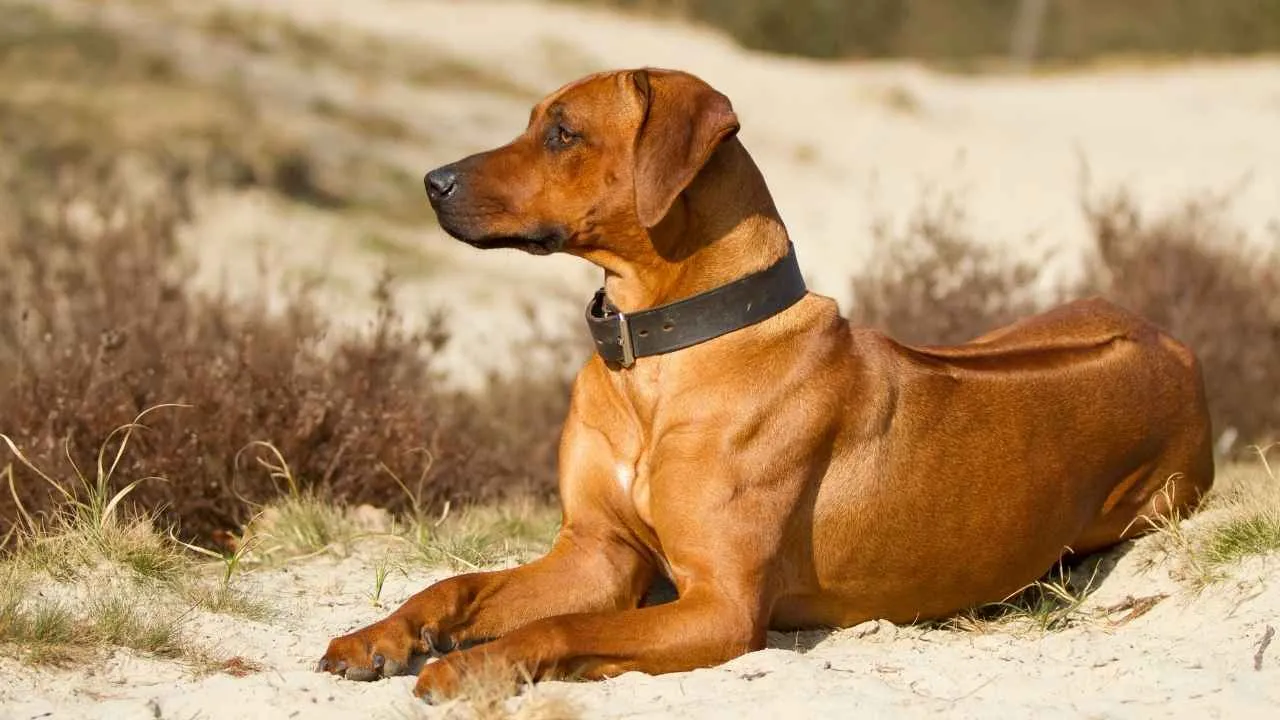
Rhodesian Ridgebacks are powerful, athletic dogs known for the distinct ridge of hair running along their backs. Originally bred for tracking large animals, they developed into loyal family companions with strong protective instincts. Around strangers, they can seem reserved, but with their people, they are affectionate and surprisingly soft-hearted.
These dogs are one of the smartest breeds and do best with owners who can provide patient, consistent training. Ridgebacks learn quickly but can become bored if training feels repetitive or uninteresting. Socialization from a young age is important because they naturally act as watchdogs and may be cautious around unfamiliar people or situations.
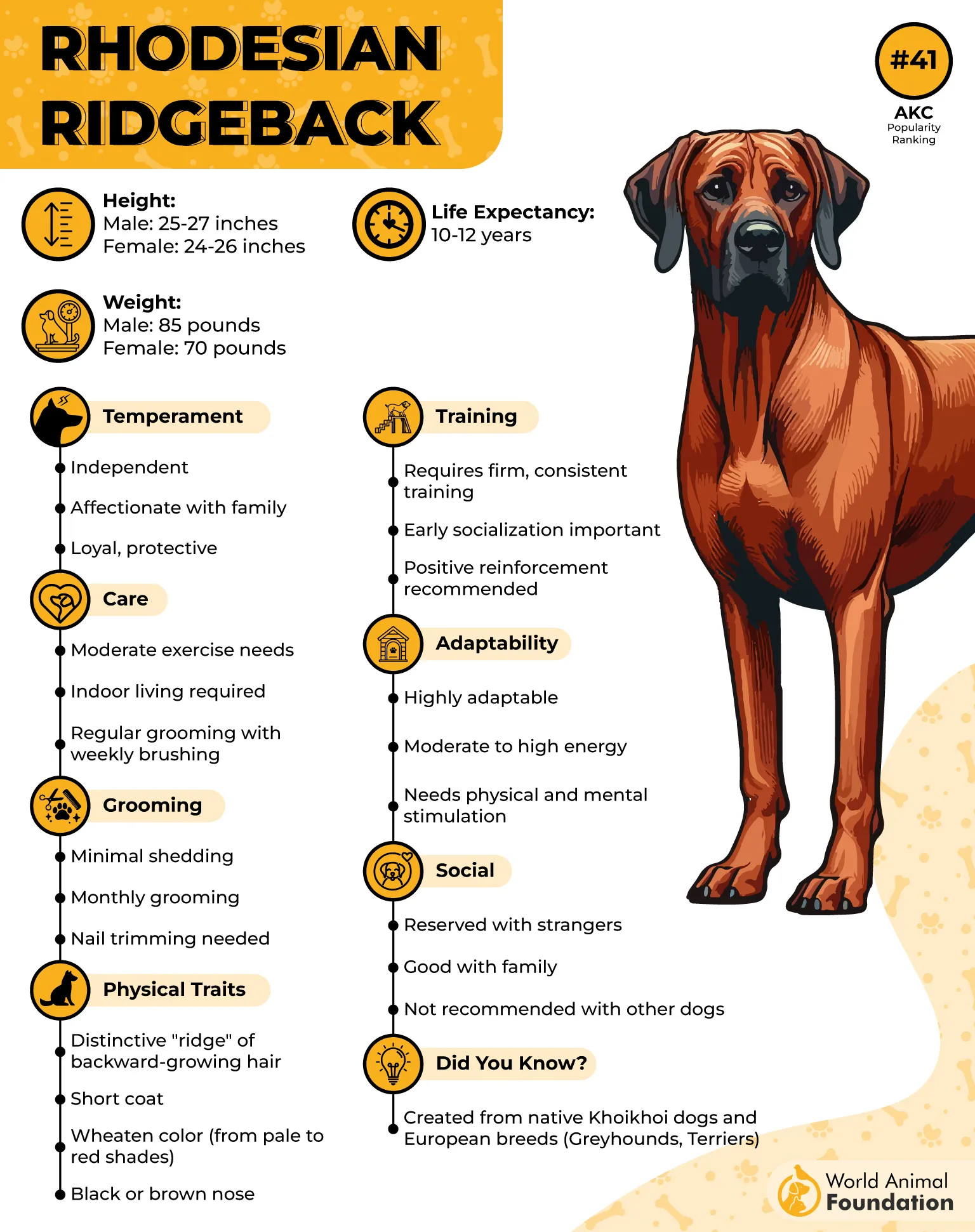
Their short coat is wonderfully easy to maintain and usually only needs weekly brushing. Exercise needs are much higher than those of some other breeds on this list, with long walks and mentally engaging activities helping prevent boredom. Puzzle games, scent work, and outdoor adventures fit their personality well, especially since they enjoy having something active to focus on.
Why This Breed Is a Good Fit
Their quiet watchdog nature works well for families wanting alert but less noisy protection.
Minimal grooming makes upkeep simple throughout the year.
They form strong bonds with their households and stay attentive to their surroundings.
5. Greater Swiss Mountain Dog
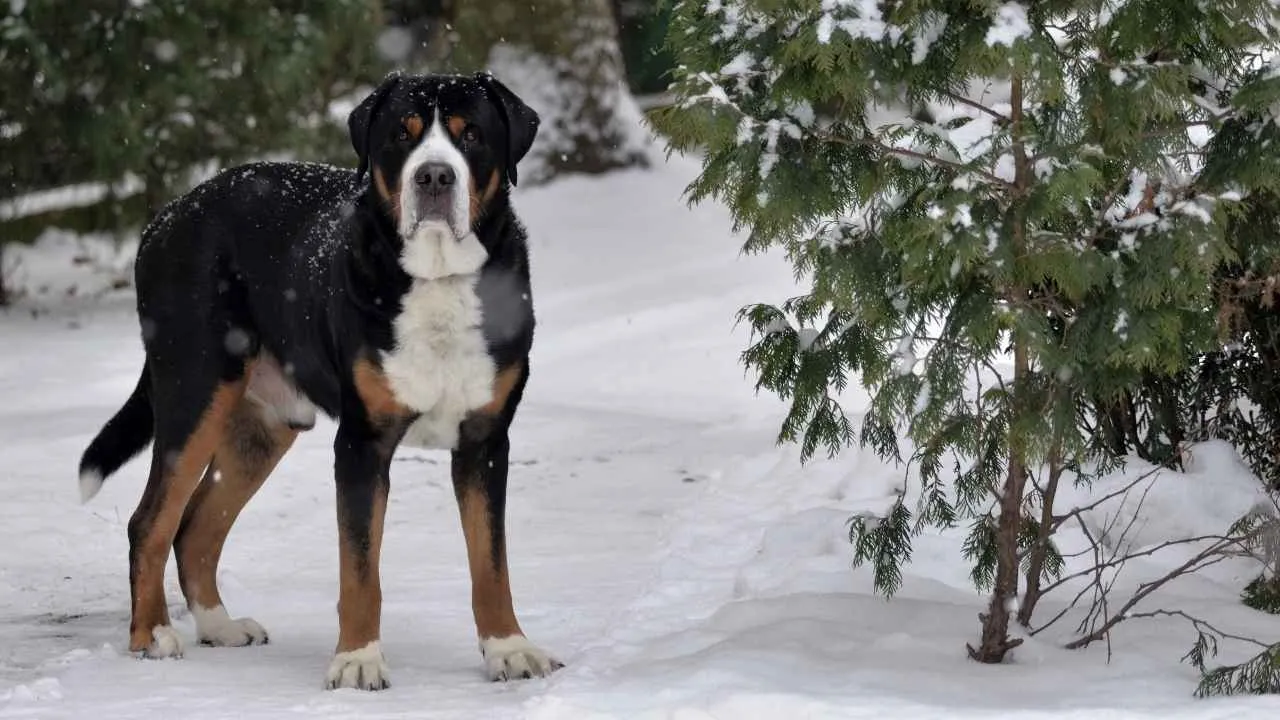
The Greater Swiss Mountain Dog is a hardworking breed with a surprisingly friendly personality. Originally bred in the Swiss Alps for herding and pulling carts, these dogs are dependable, alert, and eager to be involved in family life. They have the kind of sturdy build that makes them look ready to help move furniture even when nobody asks.
Despite their size, they are not nonstop energy machines. A daily walk, some outdoor exploring, and interactive games are usually enough to keep them satisfied. They enjoy having tasks to do and often shine in activities like herding or agility, but they are equally happy joining the family for a calm hike through the woods instead of a marathon run.
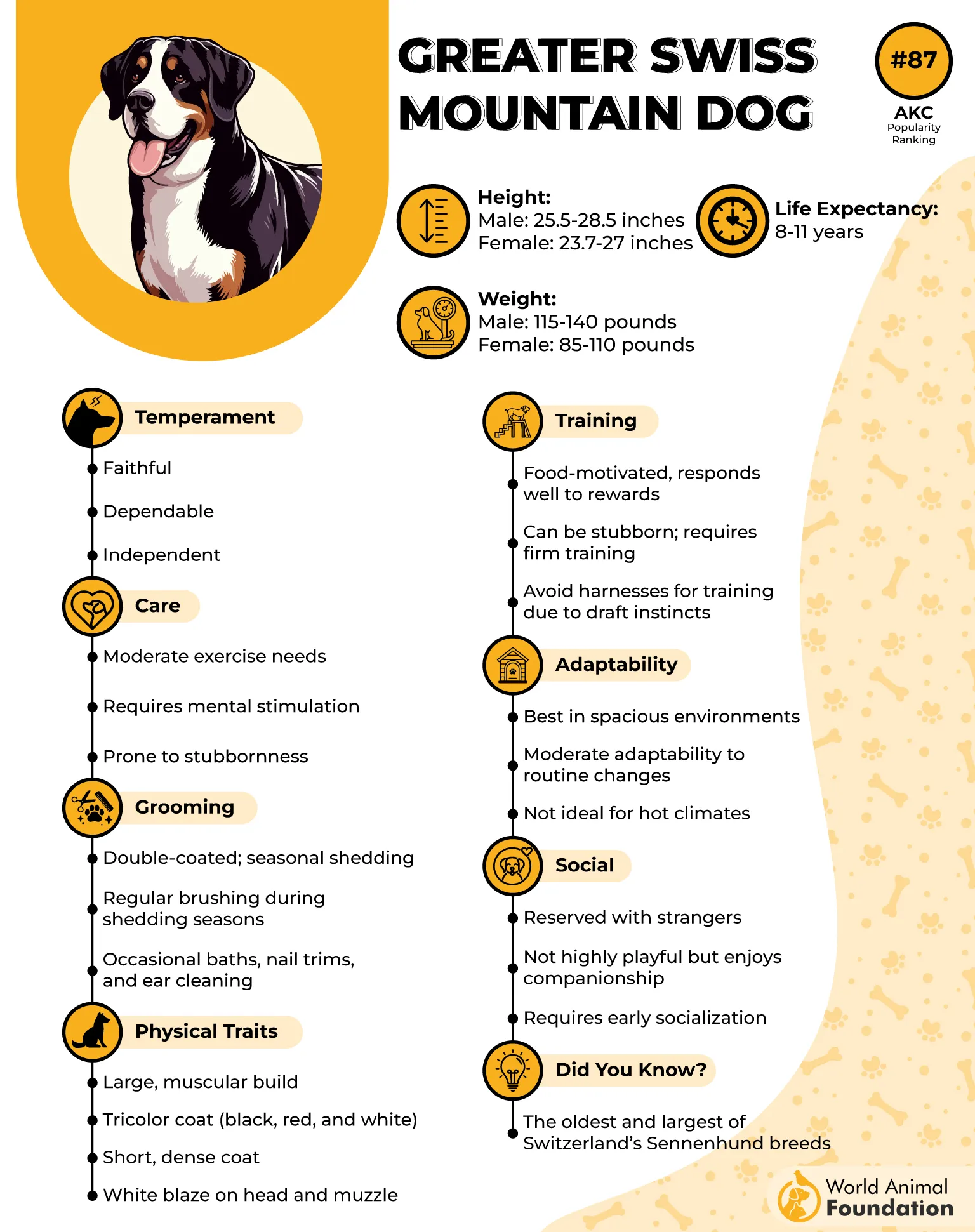
Their coat care is refreshingly straightforward for most of the year. Weekly maintenance is usually enough, although seasonal shedding can briefly turn your vacuum cleaner into your most trusted companion. Early training is important because these dogs can be stubborn if they decide household rules are optional suggestions rather than actual rules.
Why This Breed Is a Good Fit
Moderate exercise needs make them easier to manage than many working breeds.
Their dependable temperament suits families wanting a calm but watchful dog.
Grooming stays relatively simple outside seasonal shedding periods.
6. Leonberger
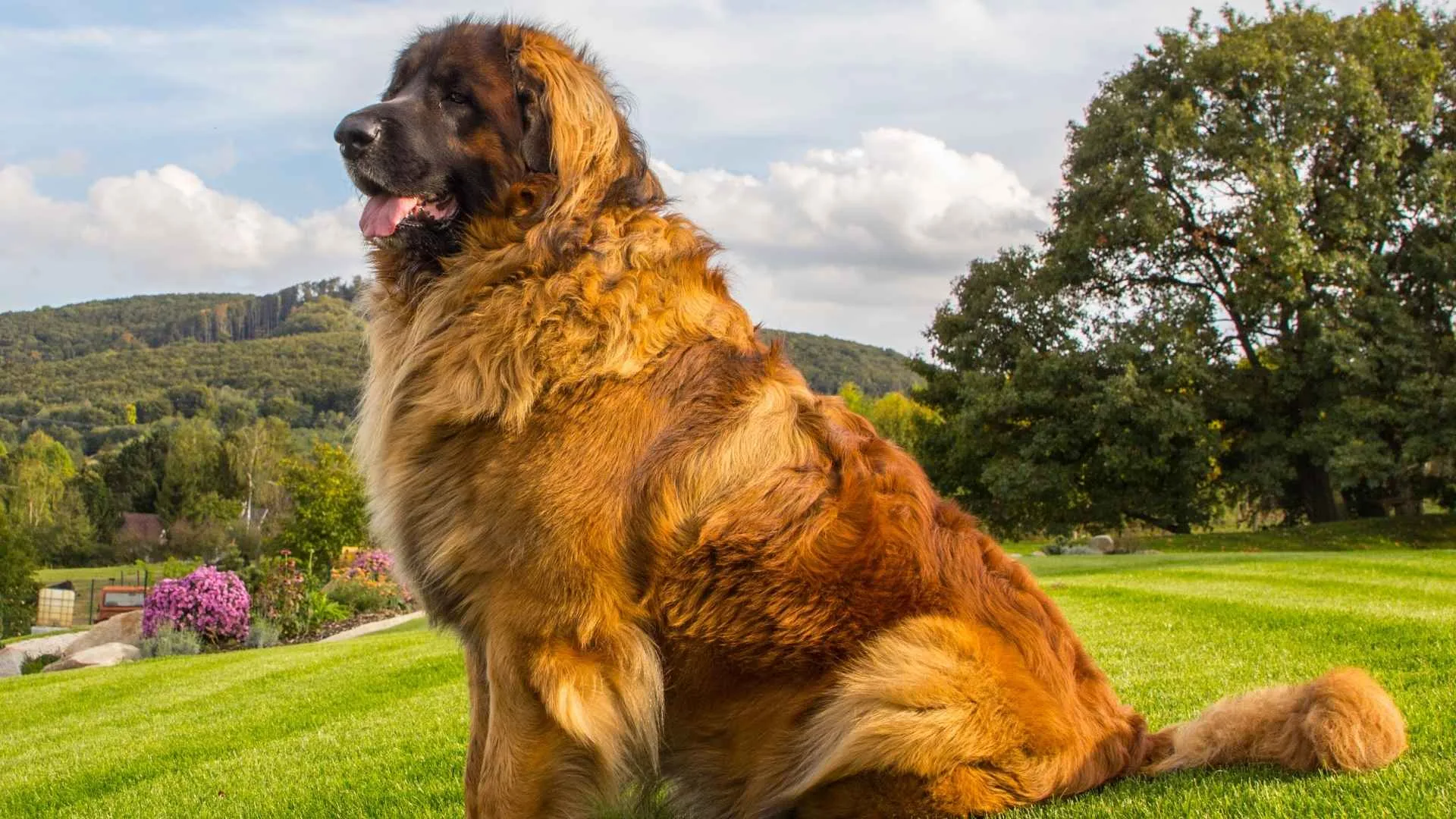
Leonbergers are giant dogs with a calm, thoughtful nature that often makes them feel more like gentle housemates than intimidating guardians. They were developed as working dogs and are known for being affectionate, intelligent, and steady around their families. Even with their huge size, they usually carry themselves with surprising grace instead of bouncing around like oversized puppies forever.
This breed enjoys being included in daily life and responds well to patient, consistent training. Leonbergers are eager to learn, but they also mature slowly, so owners need to stay patient while reinforcing good manners. Socialization early on helps them grow into confident adult dogs that can calmly handle visitors, busy households, and changing environments.
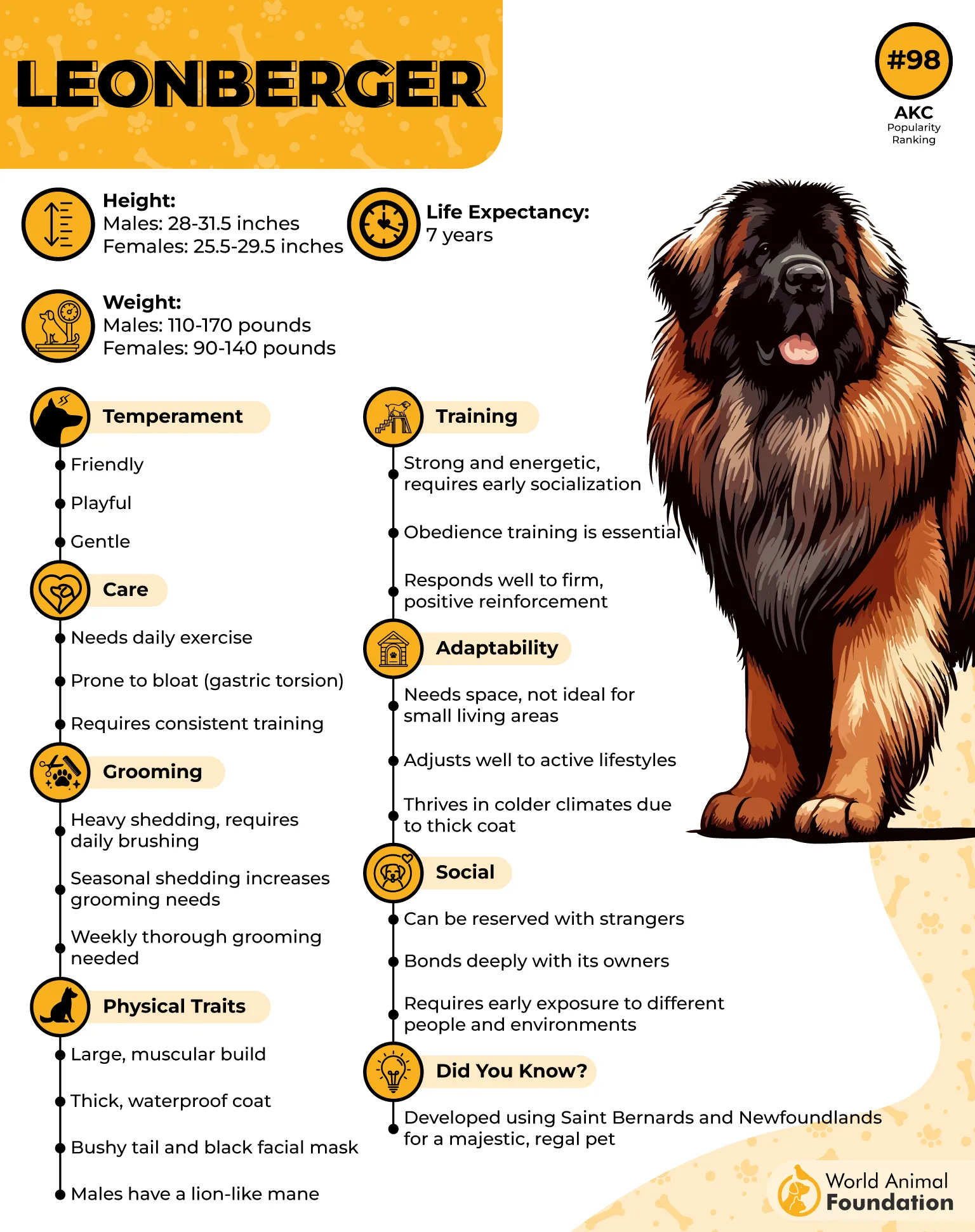
Their thick coat requires more upkeep than some of the shorter-haired breeds on this list, but regular brushing helps keep it manageable. Exercise needs are moderate rather than extreme, with walks, play sessions, and mentally engaging activities usually being enough.
They enjoy having space to stretch out comfortably, preferably somewhere large enough that their tail cannot clear an entire coffee table in one swipe.
Why This Breed Is a Good Fit
Their calm personality blends well into relaxed family homes.
They naturally watch over their households without being overly reactive.
Moderate activity needs fit owners who want a protective dog without endless exercise demands.
7. Bullmastiff
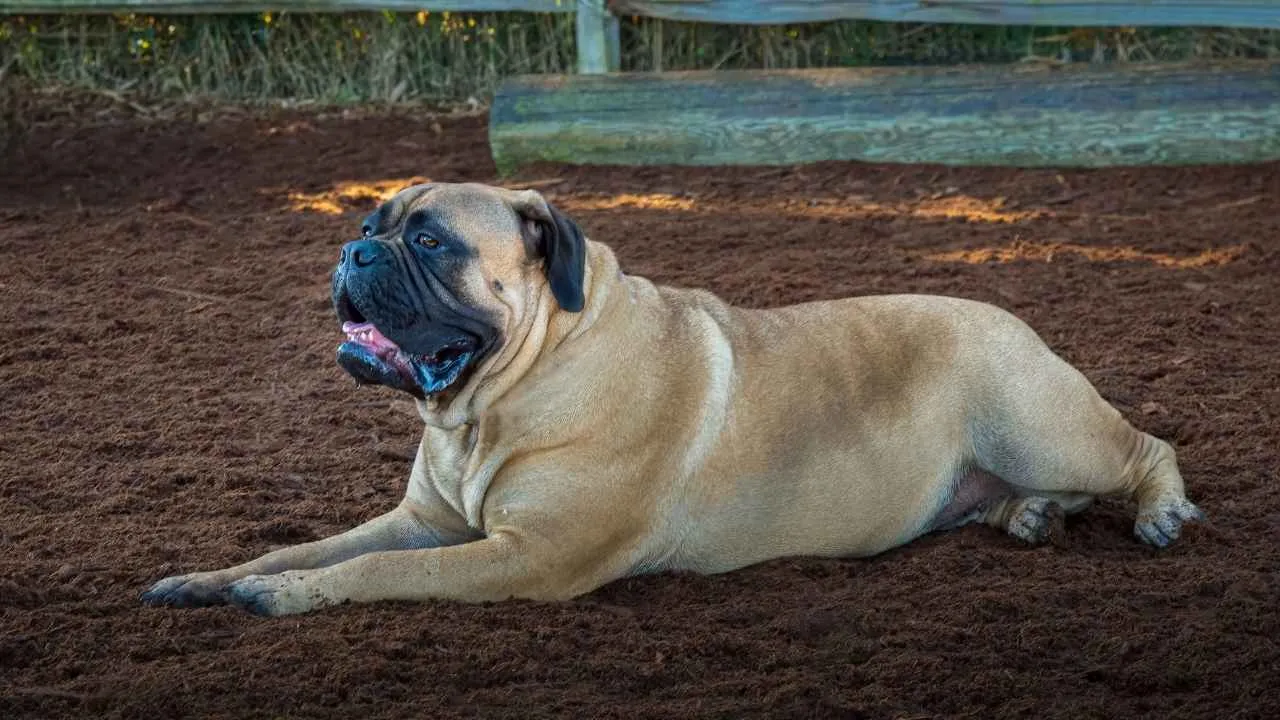
Bullmastiffs were originally developed by crossing Bulldogs with Mastiffs to create powerful guardian dogs for British gamekeepers. Today, they are known for being loyal, affectionate companions that are deeply attached to their families. Around the house, many Bullmastiffs are surprisingly calm and quiet, often preferring to supervise activities from a comfortable spot nearby.
Early training and proper socialization are especially important because these dogs grow into extremely strong adults. Bullmastiffs are intelligent and usually learn commands quickly, but they can become stubborn if boundaries are not established while they are young. Proper training helps them stay relaxed around visitors, children, and other animals instead of becoming overly wary.
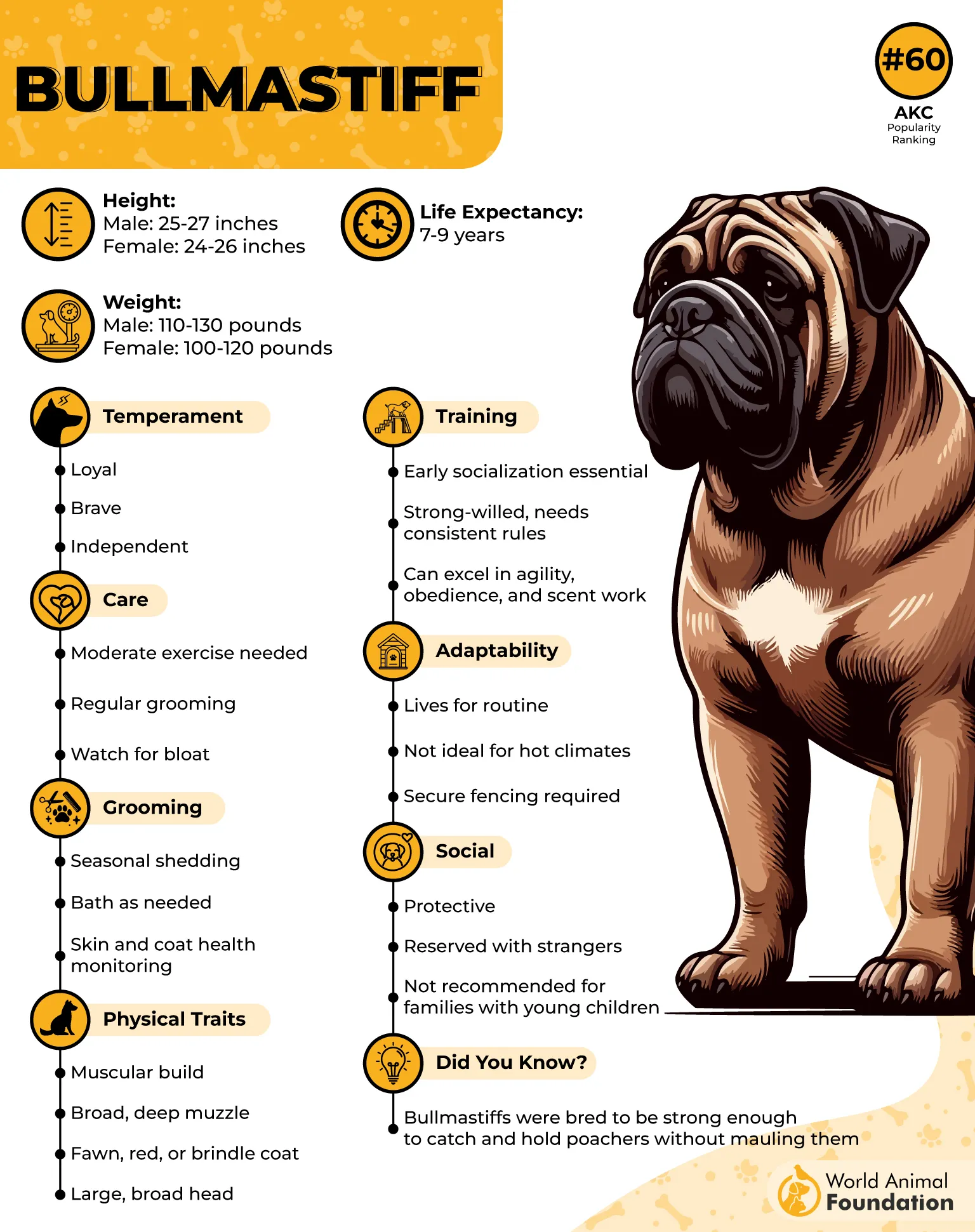
Their short coat is easy to care for and does not require complicated grooming routines. Daily walks and playtime in a fenced area are usually enough exercise, though they are not built for long-distance running. Owners should also be aware of health concerns common in large breeds, including hip problems and bloat, especially since these dogs have deep chests.
Why This Breed Is a Good Fit
Calm indoor behavior works well for quieter households.
Their natural guarding instincts come with a steady, composed attitude.
Low grooming needs make day-to-day care easier for busy families.
Conclusion
Finding the right guard dog does not always mean signing up for endless exercise sessions or nonstop chaos around the house. Many protective dog breeds are calm, affectionate companions that fit well into quieter households when given proper training, structure, and care. From giant, gentle watchdogs to loyal family protectors, each breed brings its own personality, strengths, and care needs.
Many dog breeds, such as the Staffordshire Bull Terrier, Doberman Pinscher, Bernese Mountain Dog, German Shepherd, and Catahoula Leopard Dogs, are incredibly loyal furry friends with instincts to protect.
The key is choosing the best guard dog and protection dog whose energy level, temperament, and size match your lifestyle. With patience, early socialization, and consistent guidance, these dogs can provide both companionship and peace of mind while still being manageable additions to everyday family life.
