




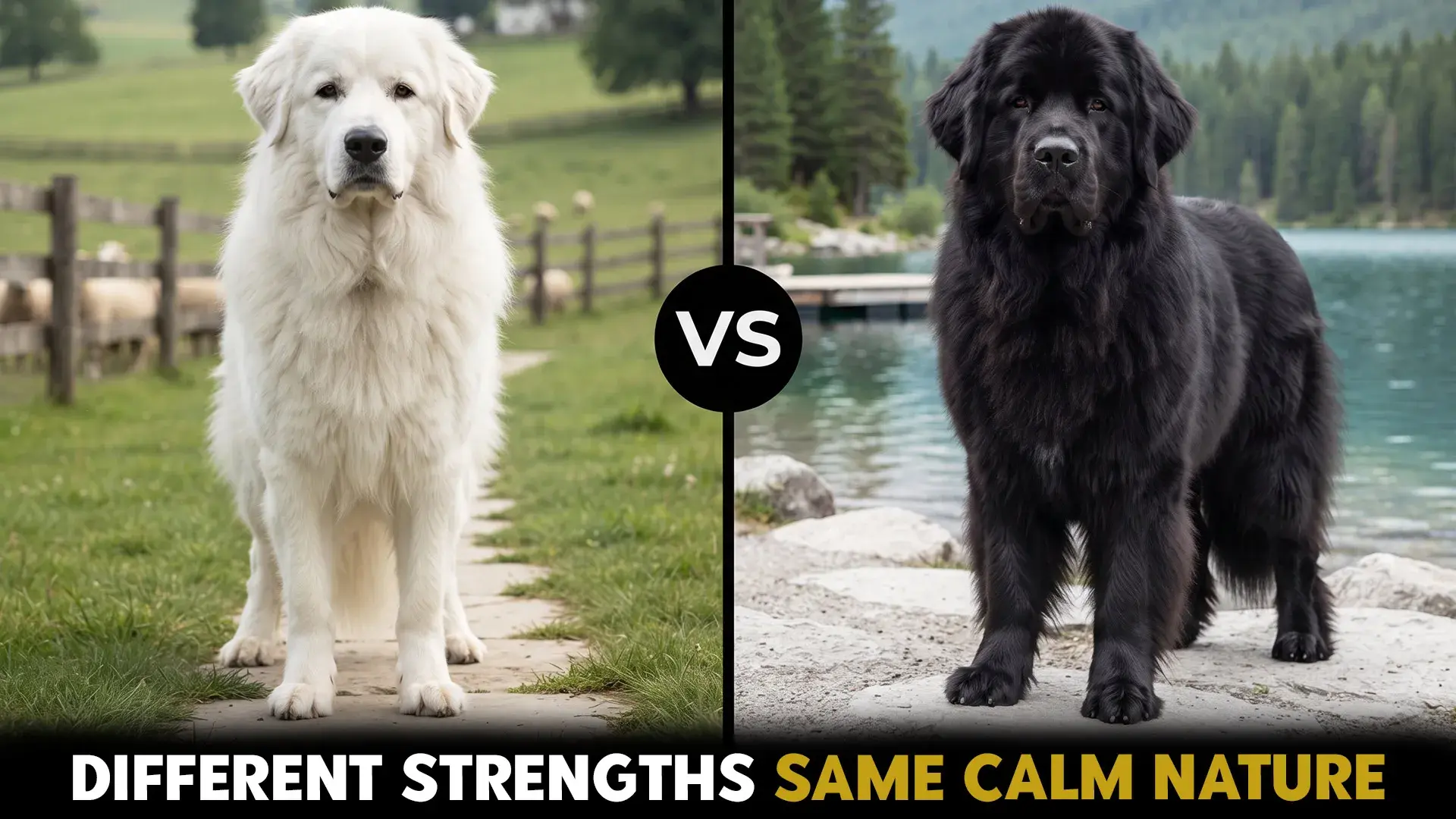
So, you are trying to choose between two absolutely massive dog breeds. Great Pyrenees vs. Newfoundland.
Both gentle. Both loyal. And both BIG.
Like… really big.
The Great Pyrenees and Newfoundland are two of the most lovable gentle giants you can bring into your home. They are calm, affectionate, protective, and incredibly devoted to their people. But these two dog breeds were NOT created for the same job.
The Great Pyrenees was bred to protect livestock from predators. The Newfoundland was bred to work around water, help fishermen, haul equipment, and rescue people from dangerous situations.
So, while they may both look like giant fluffy teddy bears, their personalities and instincts can be very different.
One is an independent guardian who likes to make its own decisions. The other is a sweet, social working dog that usually wants to be right beside you.
Because when you bring home a giant dog, you are choosing a personality, an energy level, a grooming routine, and, honestly, a LOT of dog. It’s not just a cute face.
Great Pyrenees vs. Newfoundland: Calm Giant Dogs Compared
1. Origins & Purpose
Let’s start with where these dogs come from.
Their history explains a LOT about how they behave today.
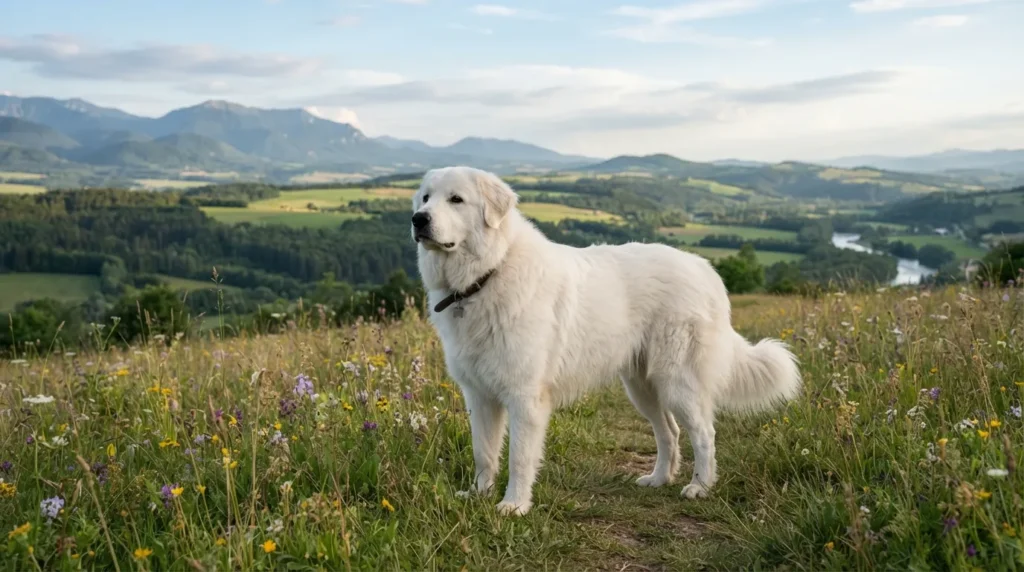
The Great Pyrenees dog has a long history as a livestock guardian breed in the Pyrenees Mountains between France and Spain. These dogs stayed with sheep and protected them from predators such as wolves and bears.
They were not supposed to wait around for a farmer to tell them what to do.
They had a job.
Watch the flock, notice danger, decide, and protect the animals.
REPEAT!!
That independent working style is still part of the Great Pyrenees personality today. They are intelligent, alert, patient, and protective, but they are also very independent.
Newfoundlands have a different story.
This big, fluffy dog was developed on the island of Newfoundland and became associated with fishermen and water work. These powerful dogs helped pull fishing nets, haul carts, and perform heavy work. They also developed an incredible reputation for water rescue because of their strength, swimming ability, and instinct to help people in distress.
2. Size & Build
Okay, let’s talk size.
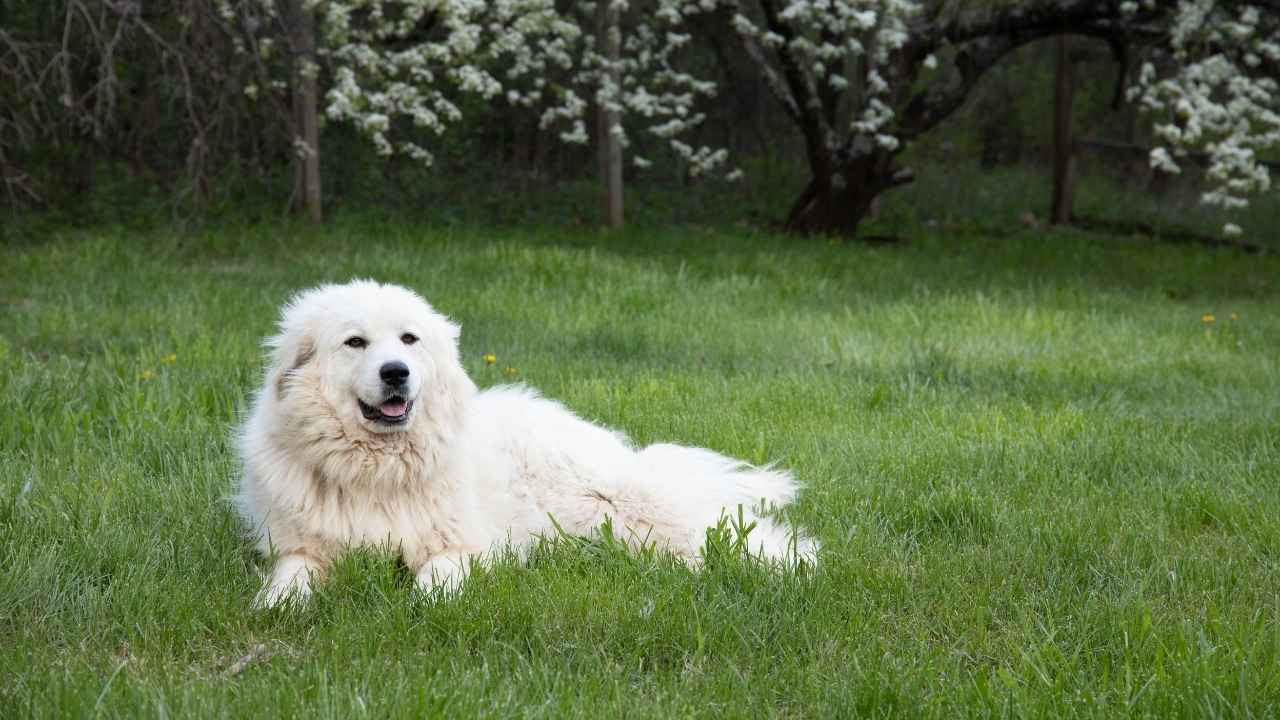
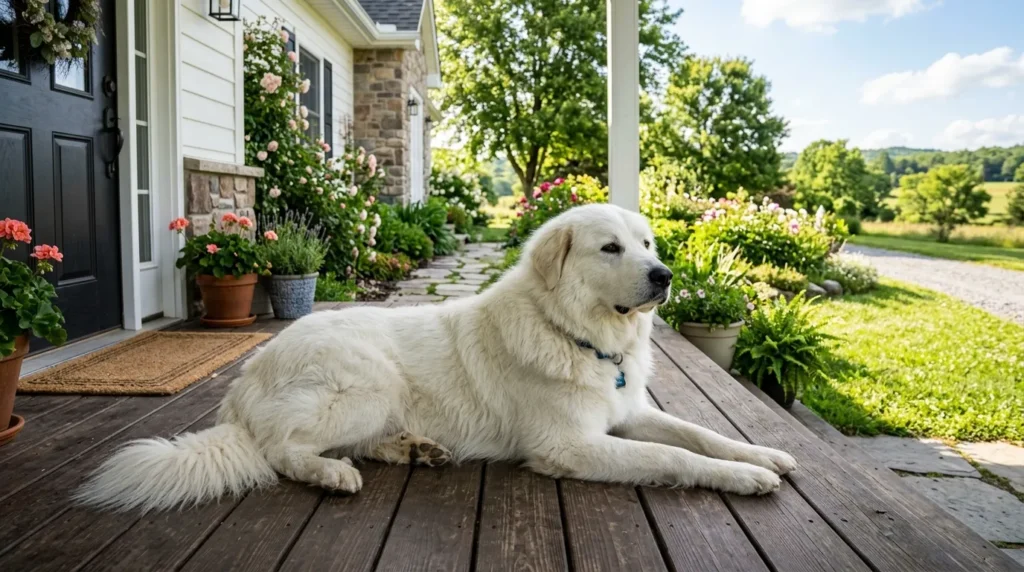
Great Pyrenees are large, powerful dogs with a thick, weather-resistant double coat. Males can stand around 25 to 32 inches tall and weigh around 85 to 100 pounds. Individual dogs can be larger. Their overall appearance is elegant rather than bulky.
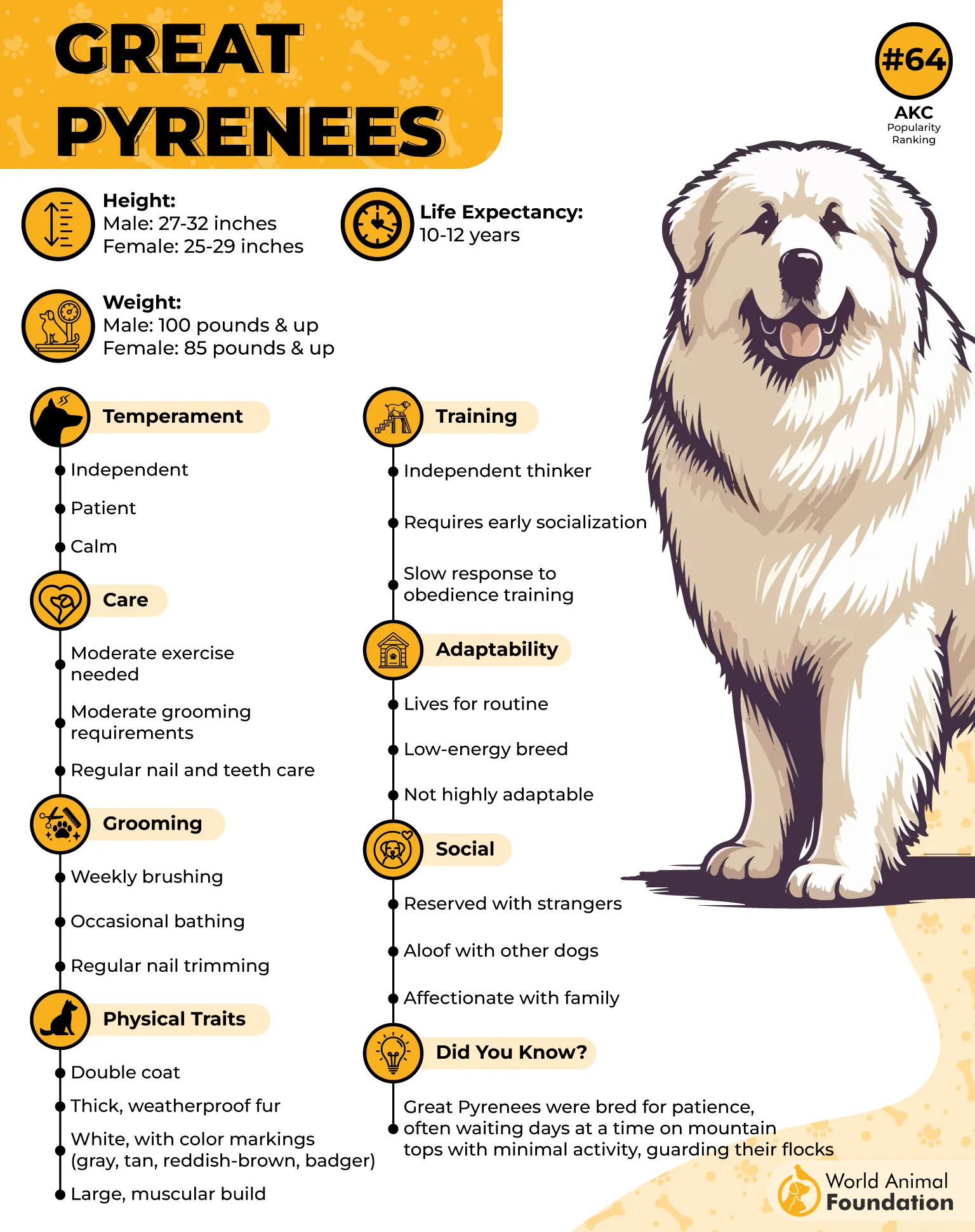
They have a broad chest, strong legs, a large head, and that famous fluffy white coat.
And then you have the Newfoundland.
These dogs are huge.
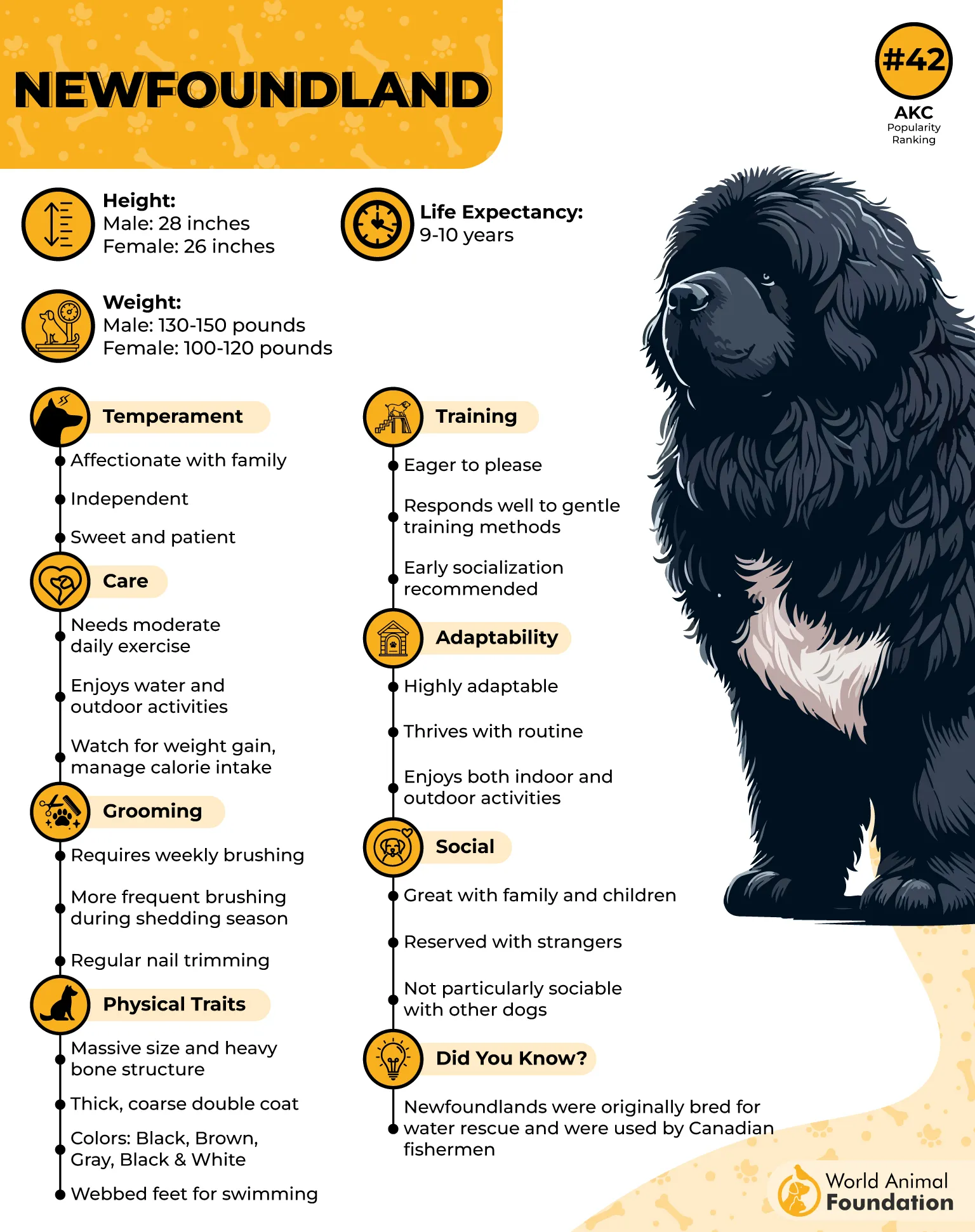
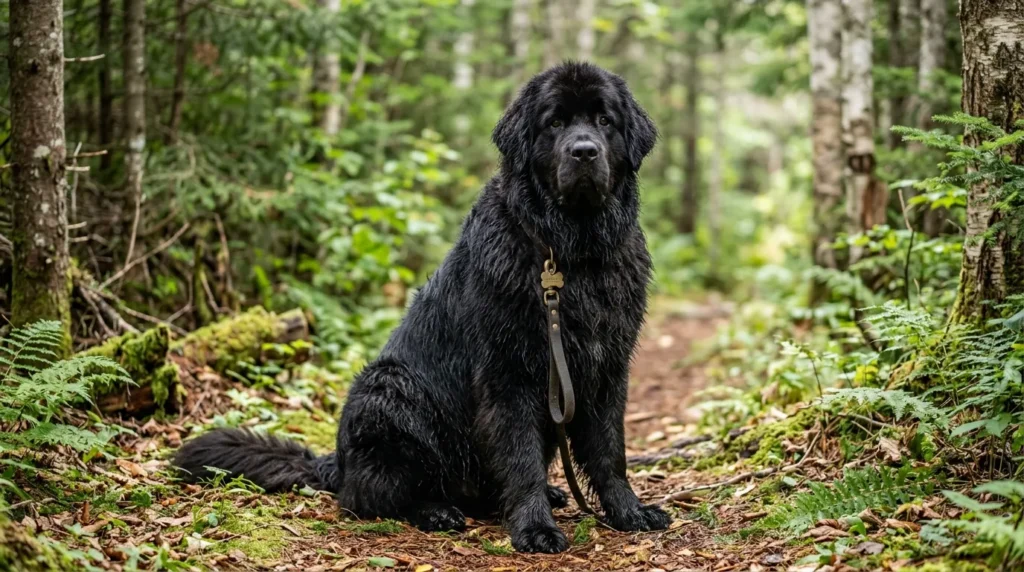
A full-grown male Newfoundland can stand up to about 28 inches tall and weigh roughly 130 to 150 pounds. They are heavy-boned, muscular, and bred for strength.
That means your Newfie may not just occupy the couch.
Your Newfie may BE the couch.
Newfoundlands have a massive head, broad body, strong limbs, and a thick double coat to help protect them in cold water and harsh weather.
PET PARENTS!! Both are big dog breeds in the best possible way.
3. Pricing & Availability
Let’s talk money.
Owning a giant dog is not cheap, and the purchase price is only the beginning.
Current U.S. listings from Good Dog put Great Pyrenees puppies from responsible breeders at roughly $1,850 to $2,500 nationally. Newfoundland puppies are expensive, with current national prices around $2,800 to $3,500.
But don’t just search for the cheapest puppy you can find.
Seriously.
With big dog breeds, health testing and responsible breeding matter a LOT. You also need to think about food. Vet bills. Beds. Crates. Grooming. Supplements if recommended by your veterinarian. And, eventually, replacing that large dog bed because your dog somehow decided it was a chew toy.
Newfoundlands can also be harder to find from reputable breeders. Some responsible breeders have long waitlists because fewer puppies are available than more common dog breeds.
Great Pyrenees can also vary in availability. It depends on where you live and whether you want a breeder focused on health and temperament.
So, don’t rush. A good breeder may make you wait. That’s usually a GOOD thing.
4. Temperament & Personality
Temperament is where you will see these two breeds separate.
Great Pyrenees are calm, loyal, patient, and protective. They tend to be deeply devoted to their families, but they can be reserved around strangers.
Remember…
They were bred for guarding livestock. That protective instinct is not something you switch off. A Great Pyrenees dog may hear a strange noise outside at midnight and decide that the entire neighborhood needs to know about it.
Yep. They can be very alert. They are also independent thinkers. A Pyr may love you with its entire giant heart and still look at you like, “I hear your command. I have decided to think about it.”
Newfoundlands are usually friendlier and more social. They are famous for being gentle giants; patient, sweet, and devoted. This breed has earned the nickname “nanny dogs” because of its reputation for being patient with children, according to the American Kennel Club.
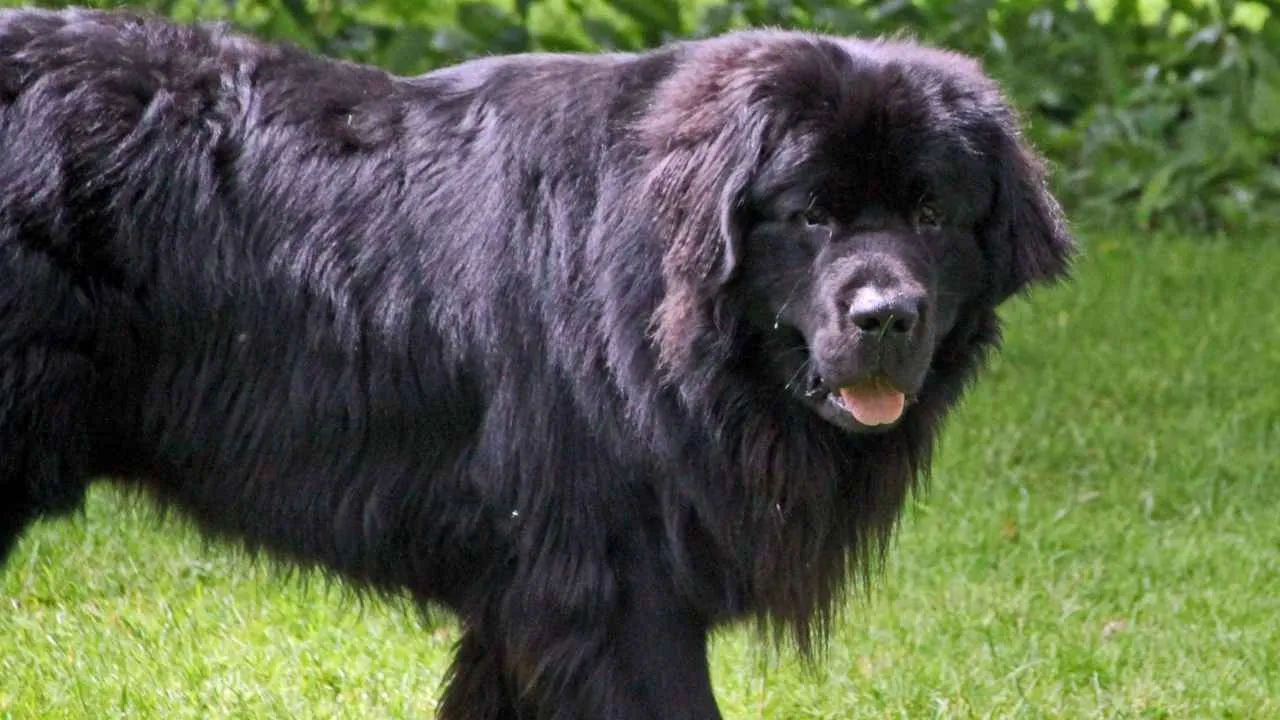
Of course, every dog is an individual.
Some Newfs are goofy. Some are calm couch potatoes. And some think they are lap dogs despite weighing more than you. Some Great Pyrenees are incredibly social while others would rather observe the party from across the room.
Early socialization from an early age helps both breeds become confident and well-adjusted around people, other dogs, and other animals.
5. Exercise Needs & Energy Levels
Both breeds need regular exercise.
But neither is a high-speed athlete like a Border Collie.
Great Pyrenees are generally moderate to lower energy compared with many working breeds. They need enough exercise to stay healthy, but they were bred to spend long periods calmly watching over livestock rather than sprinting around all day.
Daily exercise, walks, yard time, and consistent training can keep many adult Pyrs happy, according to Hill’s Pet. Mental stimulation and enrichment like hide-and-seek, scent games, tracking, obedience training, and agility… they love it all.
Newfoundlands are also fairly calm around the house, but don’t think they don’t need exercise.
They do.
Newfoundlands are working dogs, and they benefit from daily activity, walks, play, and other appropriate exercise. Being water dogs, they love swimming.
The key is age.
Newfoundland puppies grow extremely quickly, and too much high-impact activity can put stress on their developing joints. Make their exercise plan appropriate for their age and growth stage.
Talk to your veterinary care provider first.
6. Training & Obedience
Both are intelligent breeds.
But they don’t always show that intelligence in the same way.
Great Pyrenees can be challenging to train because they were bred to make decisions independently. They are not naturally desperate to please you every second.
They are thinkers. Sometimes, very stubborn thinkers.
Early socialization, consistent training, patience, and positive reinforcement are extremely important. Short and varied training sessions work better than repeating the same command fifty times.
Newfoundlands are generally more biddable and eager to work with their people. These large dogs are intelligent and can learn obedience, manners, and even activities such as tracking, carting, and water work.
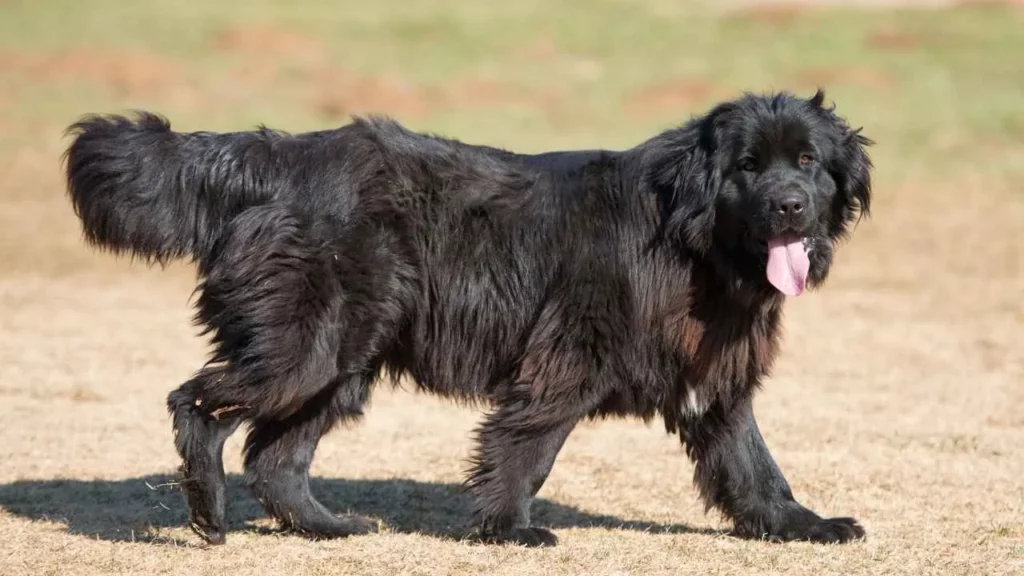
But they are still giant puppies.
And giant puppies are hilarious…
Start consistent training early. Teach polite greetings, leash manners, recall, grooming tolerance, and basic obedience before your puppy turns into a 120-pound teenager.
7. Grooming Needs & Shedding
Let’s talk fur.
A LOT of fur.
Both breeds have a thick double coat, so neither is a great choice if you want a dog that barely sheds.
Great Pyrenees need regular brushing, at least weekly, with more frequent brushing during seasonal shedding. Their thick coat can trap loose hair, dirt, and debris. Regular grooming helps keep the coat healthy and reduces matting.
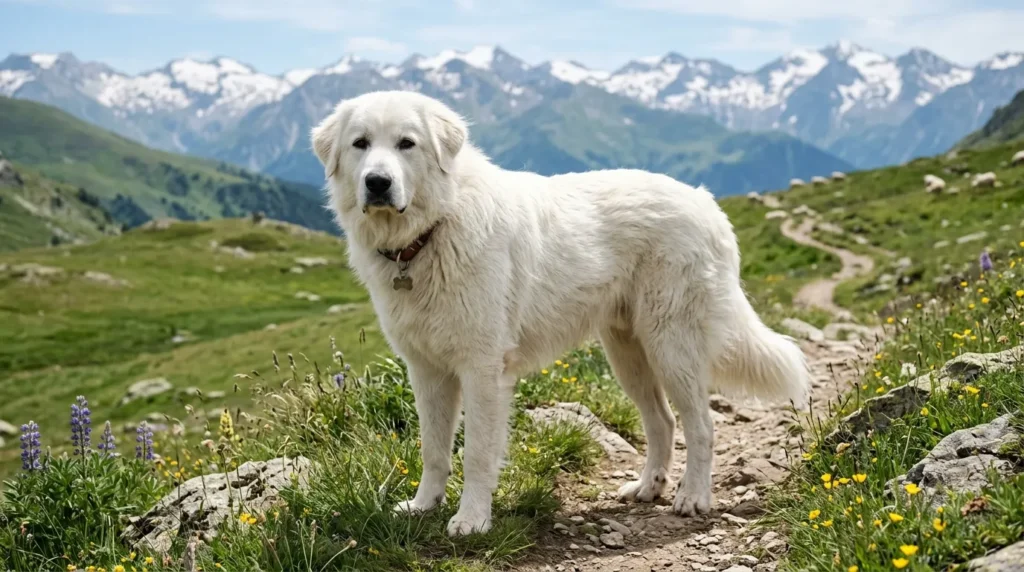
And when they blow that coat..
Well…
Good luck.
You will find white hair in places you did not know existed.
Newfoundlands also need regular grooming. Their thick coat demands frequent brushing and careful attention to areas where mats can form. Regular grooming helps keep the skin and coat healthy and helps your dog stay comfortable.
Newfs also have another thing to consider.
Drool. Lots of it.
The Great Pyrenees wins if you want slightly less overall grooming hassle, but neither is a low-maintenance breed when it comes to coat care.
Regular brushing is part of the proper care.
8. Outdoor Lifestyle & Guardian Roles
If you have acreage, livestock, a large property, or a rural lifestyle, a Great Pyrenees can be an incredible guard dog.
These beautiful white dogs were literally bred for it. They can watch over sheep, goats, chickens, and stay calm around livestock. Their independent instincts allow them to assess potential threats without waiting for human direction.
But proper socialization is important.
Newfoundlands are different. They are not primarily livestock guardians. Their working history is all about water, hauling, fishing, and rescue. If you live near a lake or enjoy boating and water activities, a Newfoundland may fit your life.
They love being useful, and they LOVE water.
9. Health & Lifespan
Every breed has common issues when it comes to health.
Giant breeds need responsible care because their size puts stress on joints and body.
Great Pyrenees can be prone to conditions including hip dysplasia and bloat. Responsible breeding, proper nutrition, regular vet visits, and keeping your dog at a healthy weight can help their health.
Newfoundlands can also experience orthopedic problems such as hip dysplasia and other breed-related health concerns. They grow so rapidly; puppy care is important.
Their lifespan is another thing to watch.
Newfoundlands live around 9-10 years. Great Pyrenees can live longer, up to 10-12 years.
Of course, these are averages. Your individual dog may live longer or shorter. Don’t wait until your dog gets too old to start thinking about health.
Proper care is safe at a young age.
10. Which Loyal Family Dog Is Right for You?
Okay, this is the MILLION DOLLAR question!
Which one should you bring home?
If you want a protective, independent, calm dog breed that can guard your property and livestock, Great Pyrenees can be your match. However, Great Pyrenees dogs can be stubborn and need experienced owners.
If you want a friendly, giant, affectionate dog who loves being part of the family, the Newfoundland is hard to beat. They are an excellent choice if your lifestyle involves water, outdoor activities, family time, and companionship.
Both breeds opt for calm households and environments.
Conclusion
Both the Great Pyrenees and Newfoundland are incredible big dog breeds.
But they are big in different ways.
The Great Pyrenees is the independent guardian. Calm, protective, intelligent, and loyal. It is a dog that watches, protects, and thinks.
The Newfoundland is a gentle giant. Full of friendliness, patience, and hard work. It is a dog that wants to be part of the family and is always ready to help.
Both breeds need to be socialized early. They need training, exercise, and regular grooming.
And both will take up a LOT of space in your home. They will also take up a huge piece of your heart.
Because these are gentle giants with giant personalities.
And once they become part of your family, you may never look at a normal-sized dog the same way again.
