




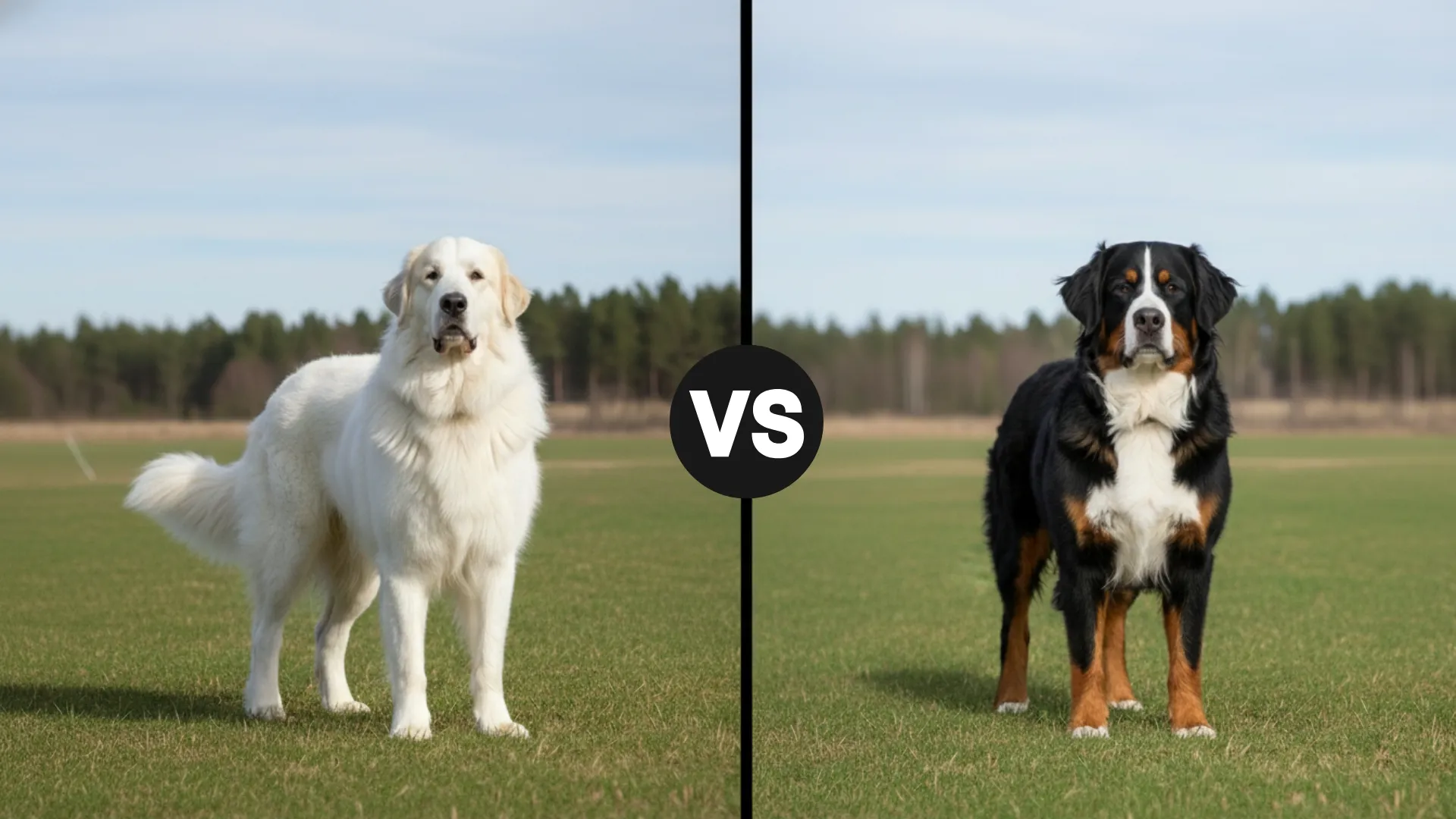
Great Pyrenees and Bernese Mountain Dogs are working dogs, both originally bred to guard livestock. These gentle giants have certain things in common, including the fact that both can steal our hearts with their stunning appearance and adorable faces.
The Great Pyrenees hails from the Pyrenees Mountains, which stand between France and Spain, as per PetMD. The Bernese Mountain Dogs originated in Berne, a Swiss city. Both doggos are desirable and family-friendly companions for owners who love active and loyal dogs.
If you’re interested in large dogs, especially those with guarding instincts, either Berners or Pyrs can be a great option for you.
Want to know further which of these two wonderful breeds is the best fit for your household?
This article will take you on a ride into the world of both lovely dog breeds and help you understand their similarities and differences.
Great Pyrenees vs Bernese Mountain Dog
Size and Strength
Great Pyrenees
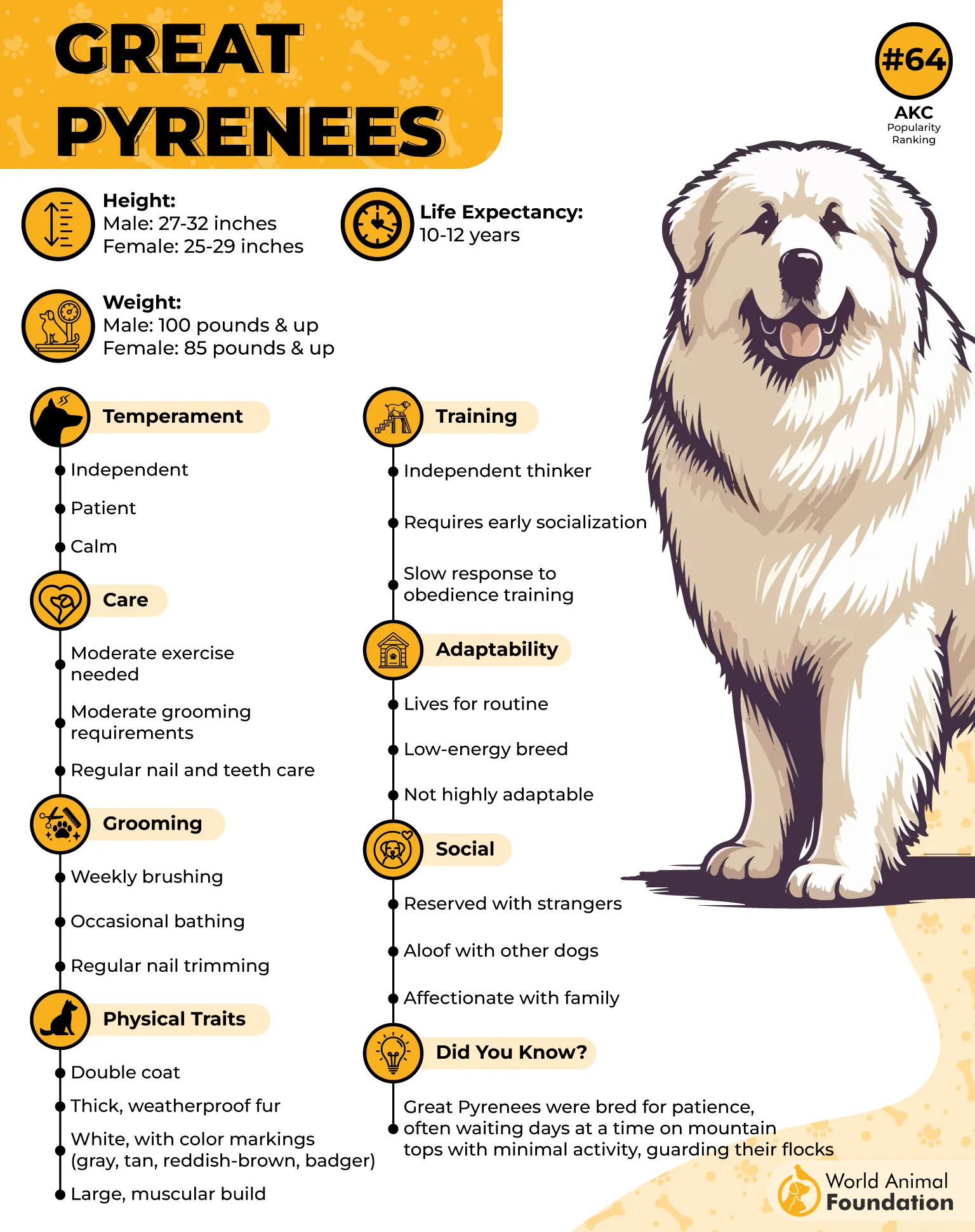
The Great Pyrenees is one of the large breeds known for its impressive size. 25-32 inches tall at the shoulder, Pyrs tend to have an average weight of 100 pounds for males, and 85 pounds for females. They’re one of the strongest dogs; Pyrs have tackled large predators like wolves and bears, while protecting livestock.
Bernese Mountain Dogs
Bernese Mountain Dogs are one of the most charming canines when it comes to appearance. While Pyrs are known for their lush white coat, Berners have a distinct, tri colored coat with rust markings.
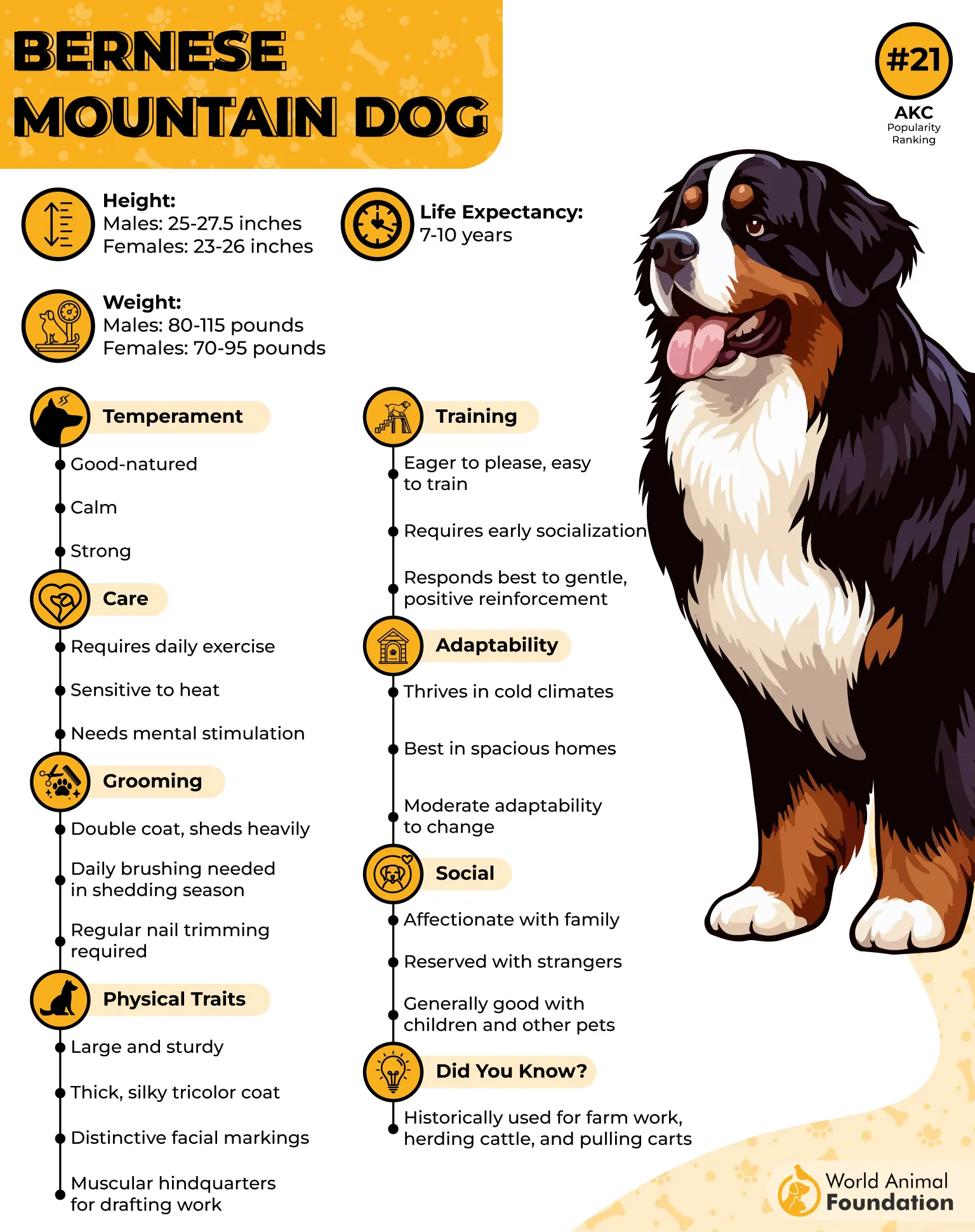
Berners are big doggos with males weighing on average 80-115 pounds, with a height range of 25-27.5. Females have a weight of 70-95 pounds and a height of 23-26 inches, as per the AKC. As a working breed, strength is a given, as these dogs have been dedicated livestock guardians for ages.
Temeprament
Great Pyrenees
Pyrs are loyal dogs with an affectionate nature, despite their speed and muscle power. As working dogs, they love to please their owners and adapt amazingly to family life. They’re good pets for families with kids, and can get along well with other dogs (early socialization is crucial, though).
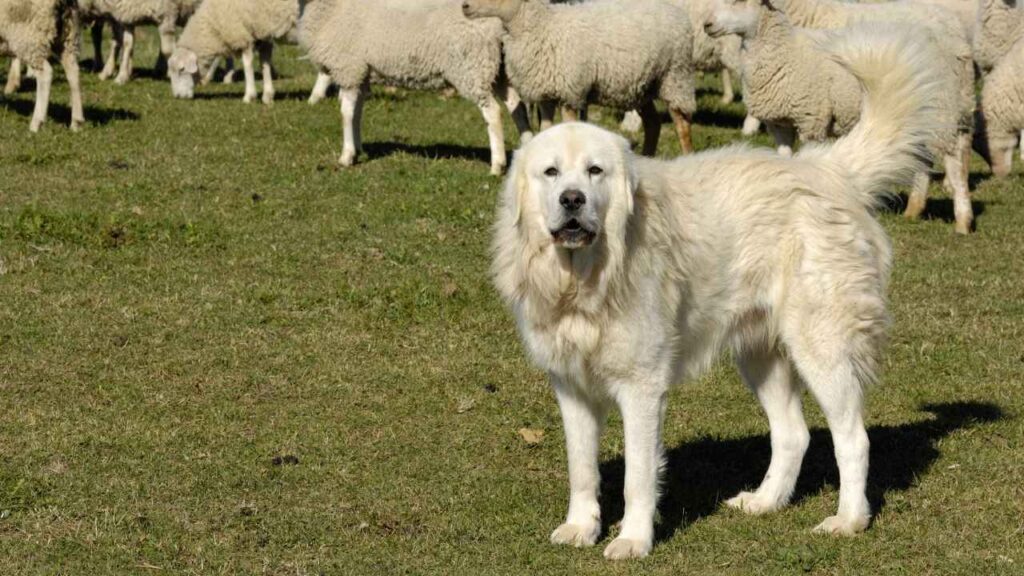
Pyrs tend to be alert in nature due to their background as livestock guard dogs, but can be quite friendly towards people they’re familiar with.
Bernese Mountain Dogs
Bernese Mountain Dogs can be considered ideal family dogs, as per Purina, due to their affectionate and loving nature. They adore their pet parents and can adapt amazingly to living with children and older people, as long as their human companions know how to take care of a large dog.
Berners can learn obedience with ease as they’re eager to please doggos.
Health
Great Pyrenees
Great Pyrenees generally have good health, especially if bred by responsible breeders who’ve screened them for genetic conditions. No breed can completely escape the possibility of some health issues; so is the case with Pyrs as well.
Pyrs are prone to some conditions like hip and elbow dysplasia, luxating patellas, bloating, and some neurological issues. With regular checkups and good quality dog food, your Pyr can live a healthy life, from 10-12 years.
Bernese Mountain Dogs
Berners are also considered healthy dogs, but just like Pyrs, they can suffer from certain genetic health conditions. Other than hip and elbow dysplasia and bloat, Berners should be evaluated for blood diseases, cancers, eye disorders, heart issues, and neurological diseases.
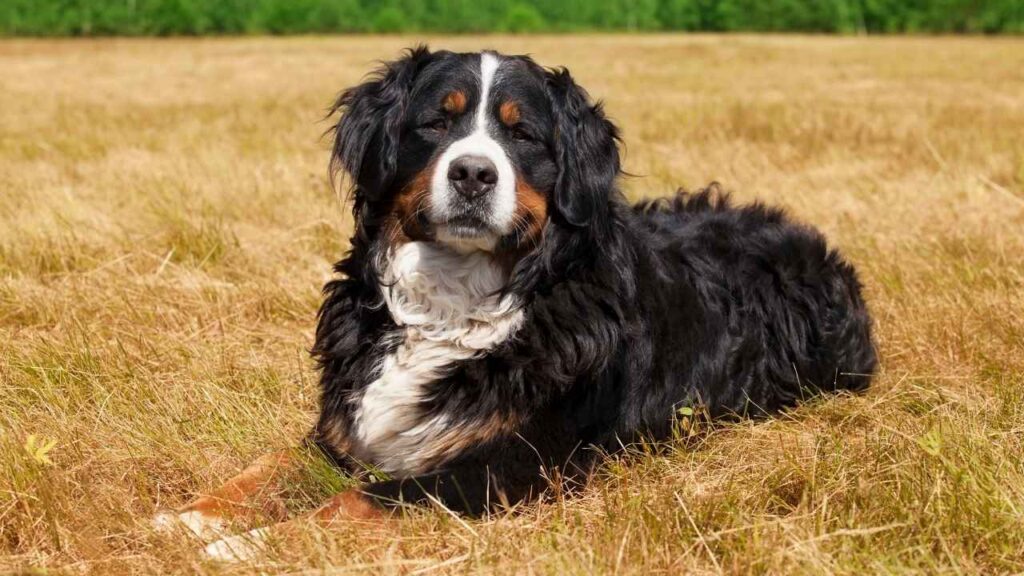
High-quality food is essential for this large doggo as well, so it can stay happy and healthy.
Training
Great Pyrenees
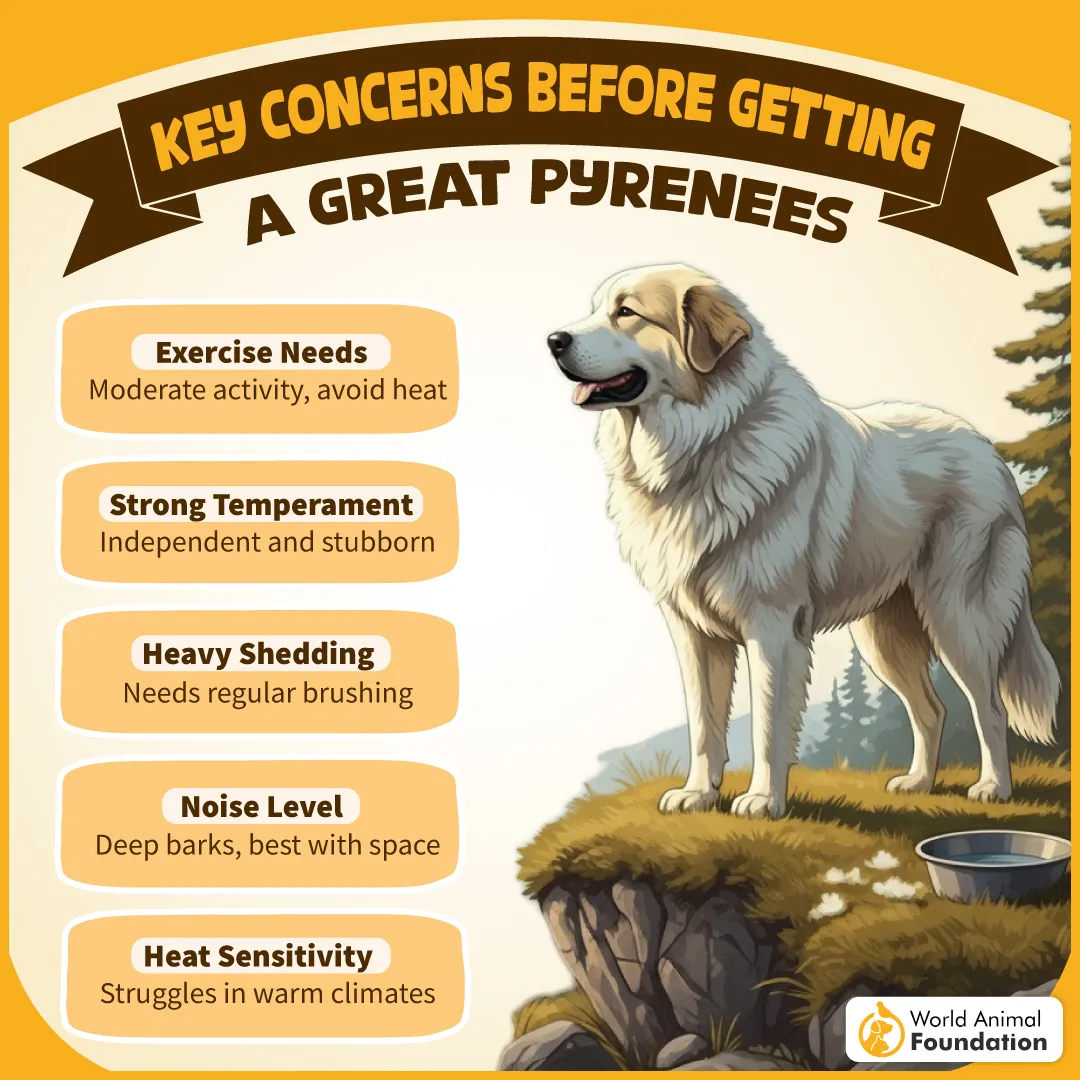
Despite their working background, Pyrs are moderately active, but they do require some outdoor time and moderate exercise. A well-trained Pyr can be an amazing companion for you and your family; luckily, these doggos respond well to instructions.
As guardian dogs, an independent nature is something you can’t completely remove from their personalities, but manage it with early obedience training. Pyrs should be trained as puppies; implement positive training methods and avoid harsh ones.
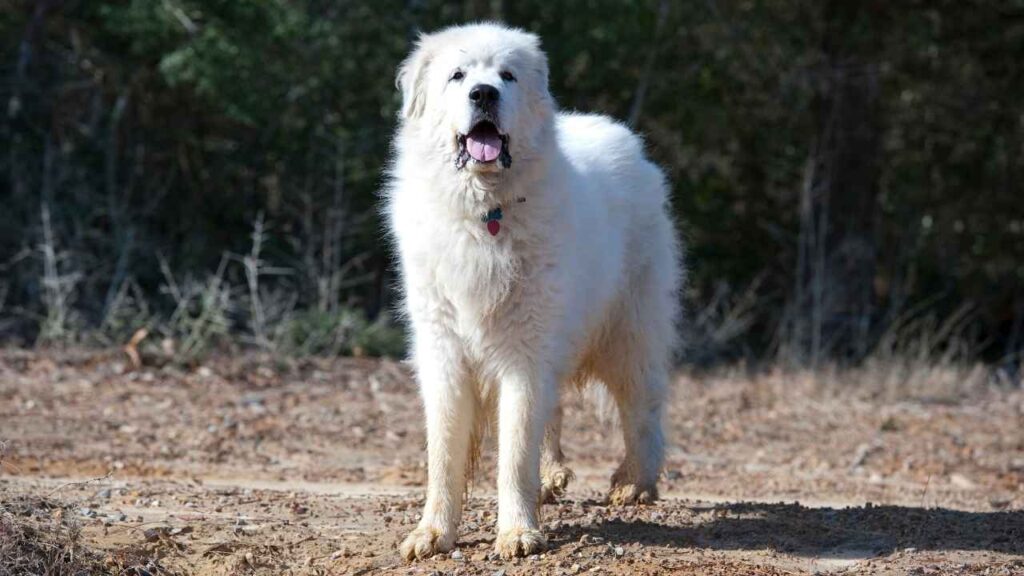
It’s important to expose your Pyr to new people, places, and other animals, so they can grow up to be adaptable and amiable doggos.
Bernese Mountain Dogs
Though Bernese Mountain Dogs are all about pleasing their humans, they’re also giant doggos who need to be trained to be well-behaved early. As loving pups, Berners tend to be sensitive, so make sure not to use harshness, as it will hurt their delicate feelings.
Berners enjoy being close to their human family members, and can suffer from separation anxiety if left alone. Training them to spend some time on their own is also something to keep in your dog training to-do list.
Endurance
Great Pyrenees
As mountain dogs, Pyrs are bound to be enduring, as they have survived on the snowy landscapes of the Pyrenees. Their independent nature enables them to survive in different kinds of circumstances.
The Great Pyrenees has a thick, dirt-resistant coat that helps it endure cold weather (though it also means they need weekly upkeep). Pyrs can be great running and hiking dogs, despite being generally easygoing and low-energy companions at home.
Bernese Mountain Dogs
As gentle giants, Berners can stay chill indoors, but they also enjoy stretching their big legs to some extent. Their strong bodies allow them to be great at different dog sports, like agility, running, and carting.
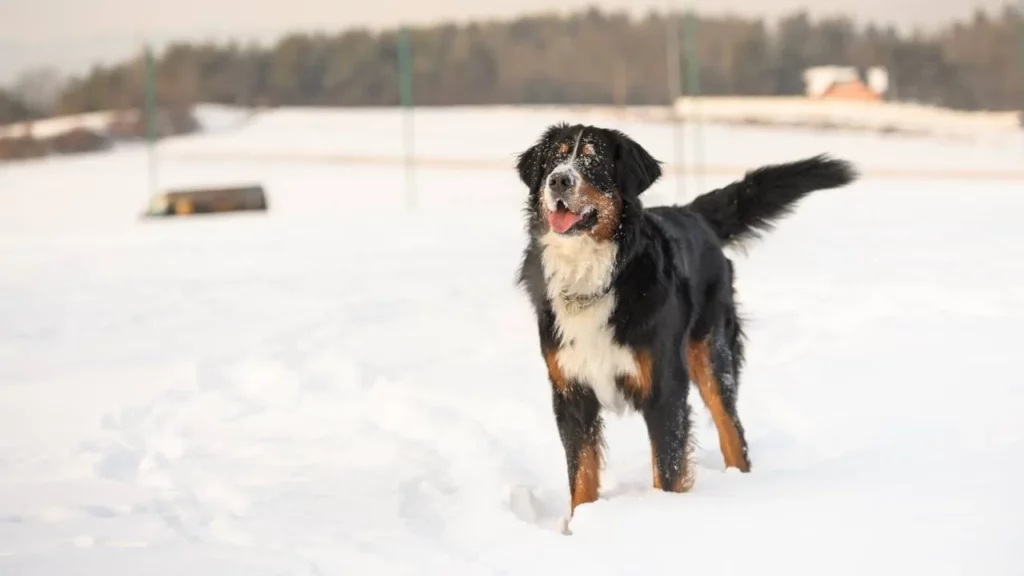
Berners have lived on the snowy mountains of Switzerland, so surviving in a colder climate is a part of who they are. Despite being good indoor pets, they also enjoy outdoor time, and will be your fellow adventurers on your hiking trips happily.
Though Berners’ double coat keeps them safe from the cold, it also means they can overheat during the summer, and should be kept cool.
Calmness
Great Pyrenees
As big dogs who have watched over livestock, it can be expected of Pyrs to be overly energetic, but they’re surprisingly calm in nature. They’re very peaceful as family dogs and will happily snuggle up next to you as you spend time indoors.
Pyrs are a perfect match for people with large families, as well as for individual owners who can spend time with them. They enjoy their boundaries and some alone time, which makes them a great choice for you if you tend to be outdoors for many hours.
Bernese Mountain Dogs
Berners have a moderate energy level, and they can be really sweet and gentle as family pets. They don’t mind staying indoors with their humans and are happy to spend time with the younger humans. As human-oriented doggos, Bernese are all about staying close to their people and can get along well with owners of different age groups.
Protective and Guarding Instincts
Great Pyrenees
Since Pyrs have spent a huge portion of their history protecting livestock, it’s no surprise that they have some of the protective instincts. Despite not having an overly active prey drive, Pyrs love to be on the lookout for unusual things and will bark to let their humans know of it.
Don’t underestimate a Pyrs ability to stay hyper-aware of its surroundings, despite being seemingly calm and sometimes even lazy dogs in temperament. Though they’re not aggressive canines and attack dogs, Pyrs can make decent guardians for homes, cattle, and property.
Bernese Mountain Dogs
Bernese Mountain dogs have a tendency to get attached to their humans, which can add to their natural protective instincts. As they’ve historically herded sheep and other livestock, they can still wear this hat, among others, easily.
Berners undoubtedly make great guard dogs; they have barking tendencies, which help them let you know when something’s suspicious. They won’t immediately harm intruders, but their sharp instincts will help them stay alert and aware of their surroundings.
Conclusion
Great Pyrenees and Bernese Mountain dogs both breeds have a lot in common, but even individual dogs can have varying traits. Keep this in mind when adopting your next doggo, and make sure to get in touch with a reputable breeder or a good local rescue center.
