




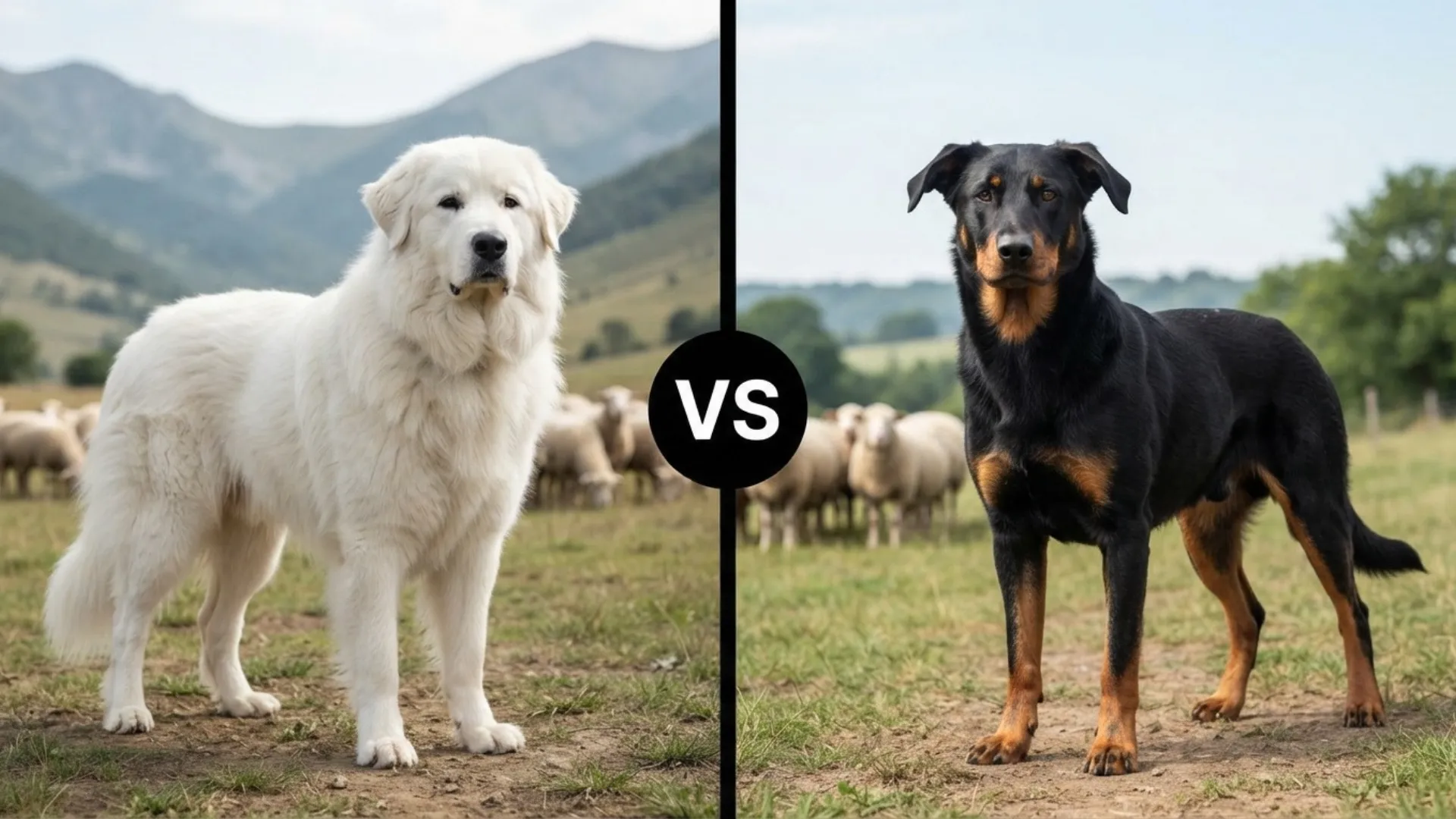
Choosing between a Great Pyrenees and a Beauceron means looking beyond impressive size and protective instincts. Although both are powerful working dogs, their backgrounds and personalities create important differences in everyday life.
The Great Pyrenees is a calm, gentle livestock guardian with a thick white coat, while the Beauceron is an intelligent, athletic French herding breed known for its black-and-tan coloring and versatility. Their exercise, training, grooming, and family-interaction needs can differ considerably.
Whether you want a composed guardian or an energetic working companion, understanding these distinctions can make your decision easier. This comparison explores their size, temperament, maintenance, exercise requirements, and other must-know traits.
Great Pyrenees vs. Beauceron: Must-Know Points Before Choosing
Great Pyrenees vs. Beauceron compares two powerful working breeds with very different temperaments, training styles, and daily needs. Knowing their key differences can help you choose the better fit for your home, lifestyle, and experience level.
Origins & Purpose
The Great Pyrenees traces its roots to the mountains between France and Spain, with origins reaching back to ancient times. It was developed to guard sheep and other livestock against predators such as wolves and bears.
The Beauceron emerged in France during the sixteenth century, initially serving as a hunter of wild boar before becoming a versatile herder and flock guardian. Its working abilities later extended far beyond the farm.
Both breeds developed strong protective instincts through demanding working roles. The Great Pyrenees eventually served French nobility as a castle guardian, while the Beauceron took on messenger, police, rescue, and protection duties.
Size & Build
The Great Pyrenees is the larger, heavier-built of the two, standing about 25–32 inches at the shoulder. Females average around 85 pounds, while males commonly exceed 100 pounds.
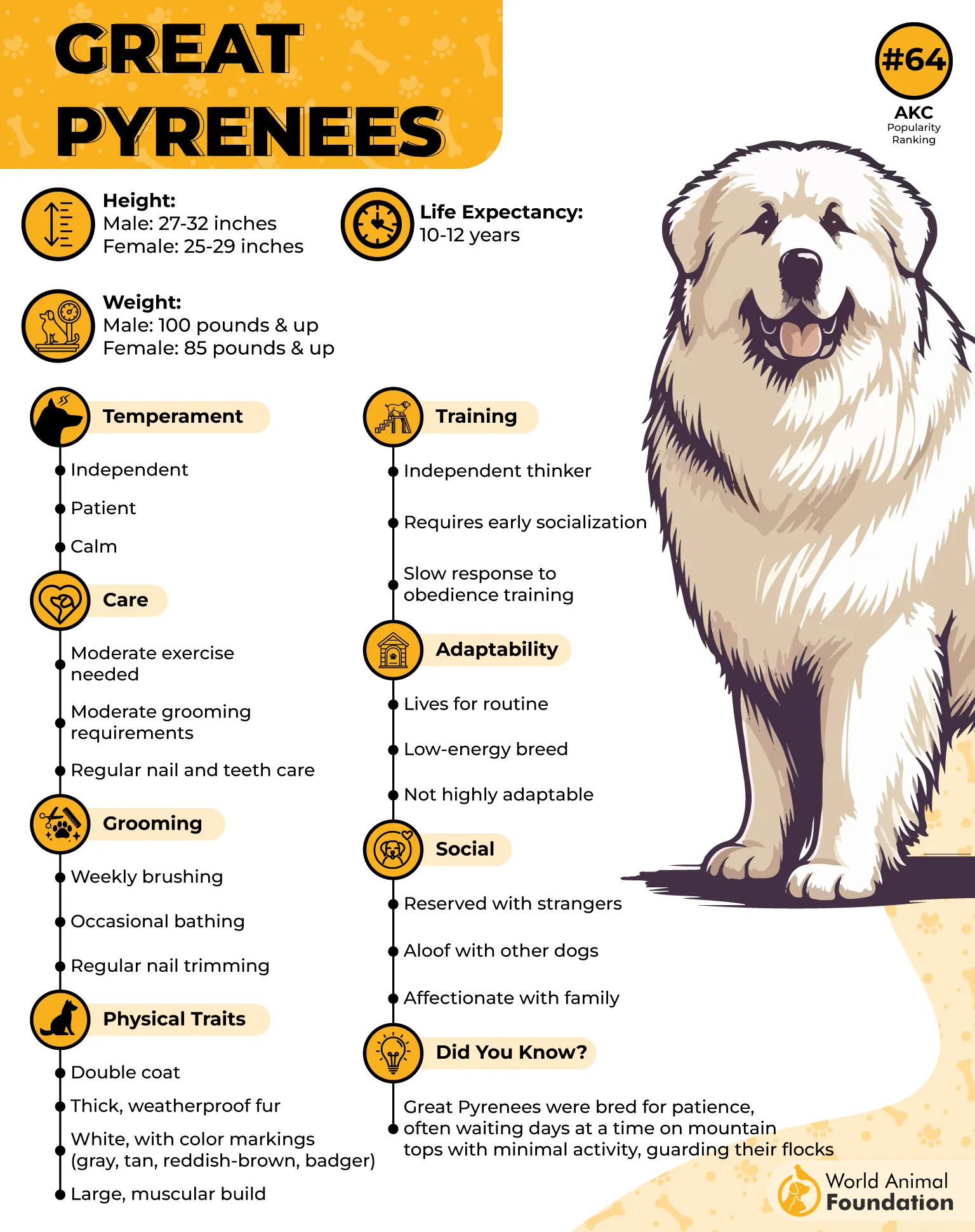
The Beauceron is slightly more compact but remains a substantial, muscular working dog, reaching about 27.5 inches at the shoulder. Its rugged frame is balanced by an athletic, graceful build suited to demanding work.
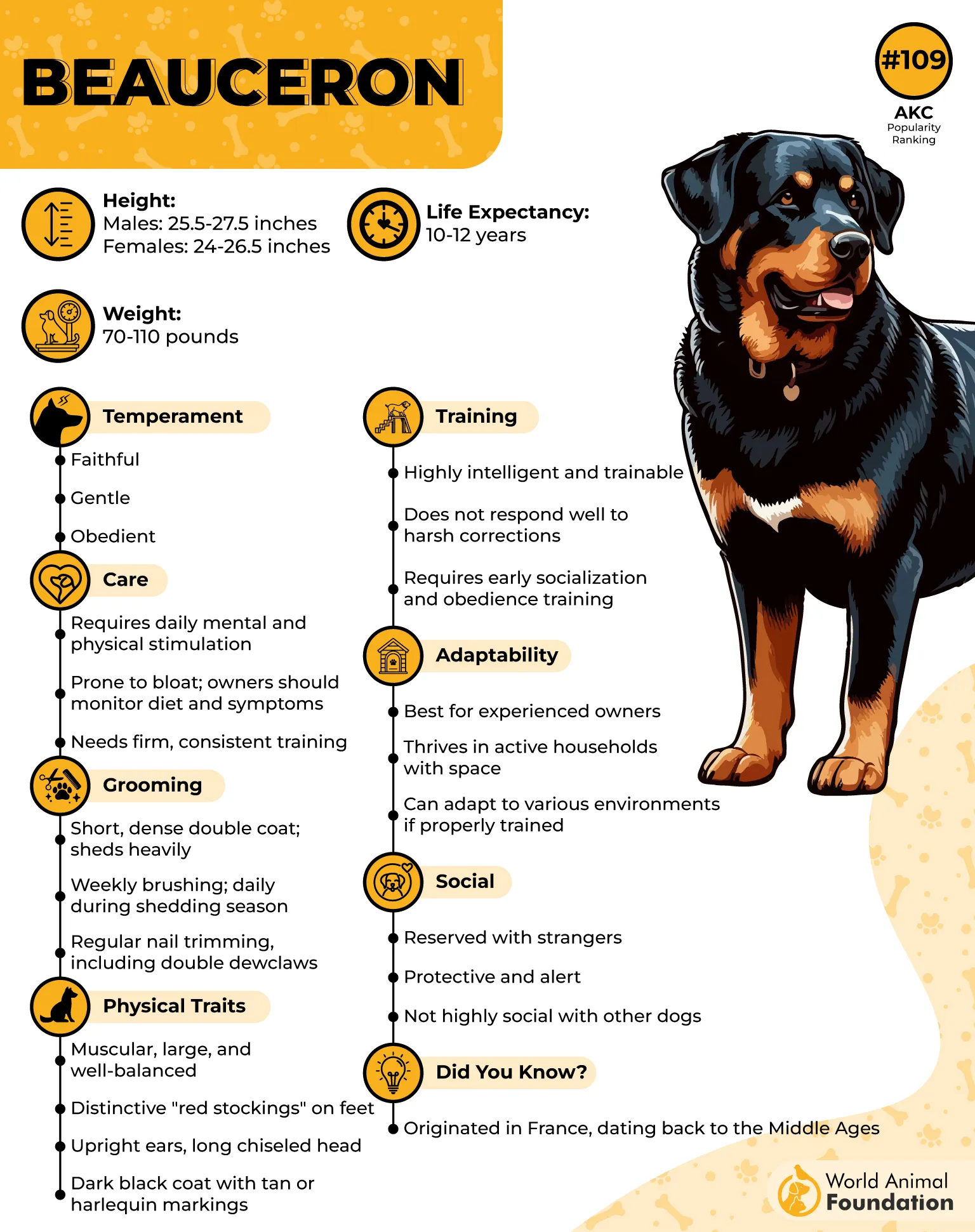
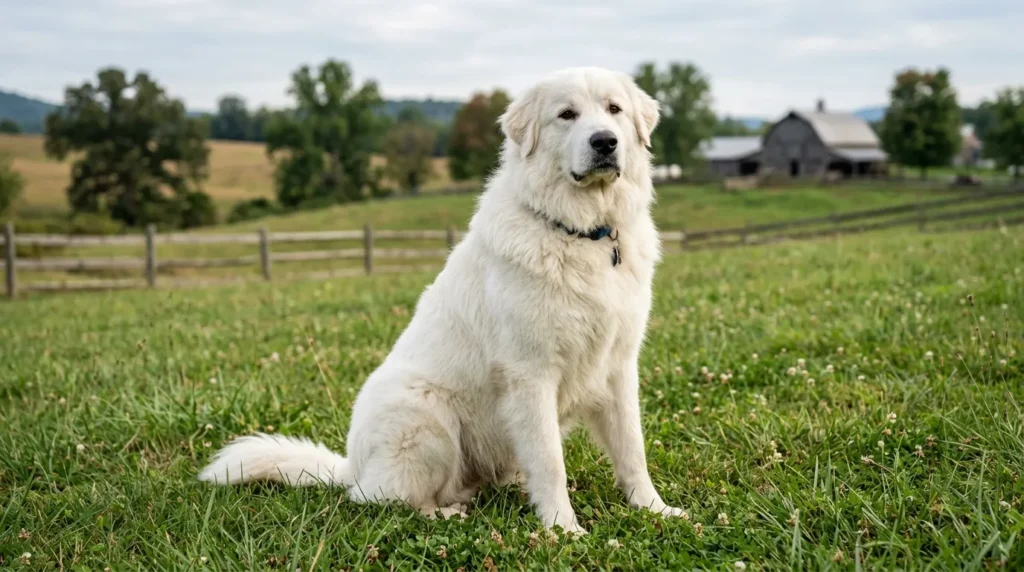
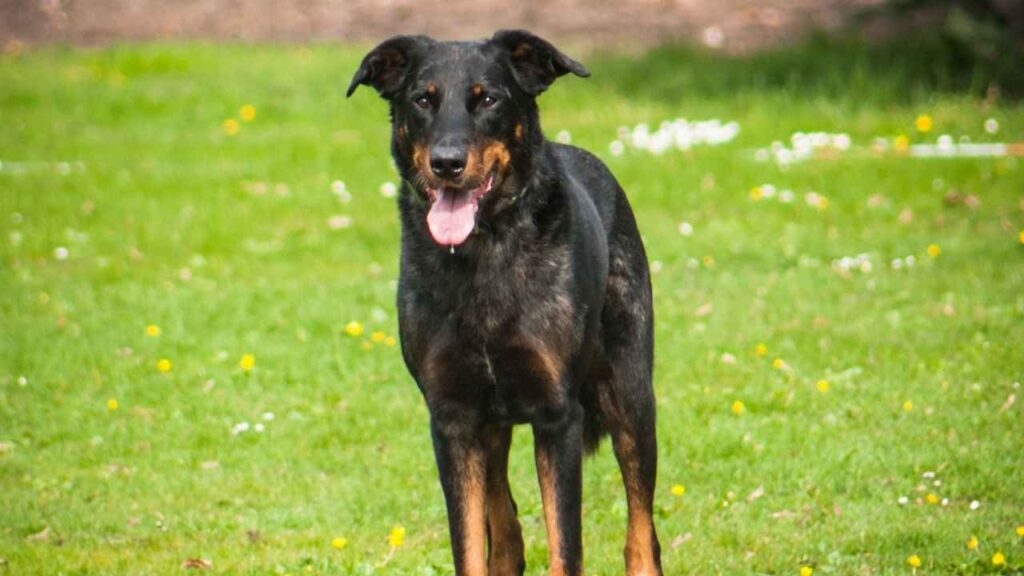
The Great Pyrenees has a broad, rounded head, brown eyes, abundant white fur, and a feathered tail. By contrast, the Beauceron features a long, chiseled head, expressive dark eyes, and a short coat with distinctive reddish markings.
Pricing & Availability
Great Pyrenees puppies generally cost around $1,750–$2,500 or more. Availability can vary, so prospective owners should prioritize responsible breeders who follow appropriate breeding and care practices.
Beauceron puppies typically range from $2,000–$2,500 or more. As a relatively uncommon breed in the United States, finding available puppies may require more patience and research.
For either breed, the breeder, location, and lineage can influence the final price. Comparing reputable breeders and understanding what is included in the purchase can help buyers make a more informed choice.
Temperament & Personality
Great Pyrenees are patient, affectionate, and generally gentle with their families. They can be comfortable around children and other animals, although their independent guardian nature makes early training and socialization important.
They tend to enjoy a peaceful home environment and can remain remarkably calm for long periods. However, their protective instincts may prompt frequent barking as they alert their owners to activity around the home.
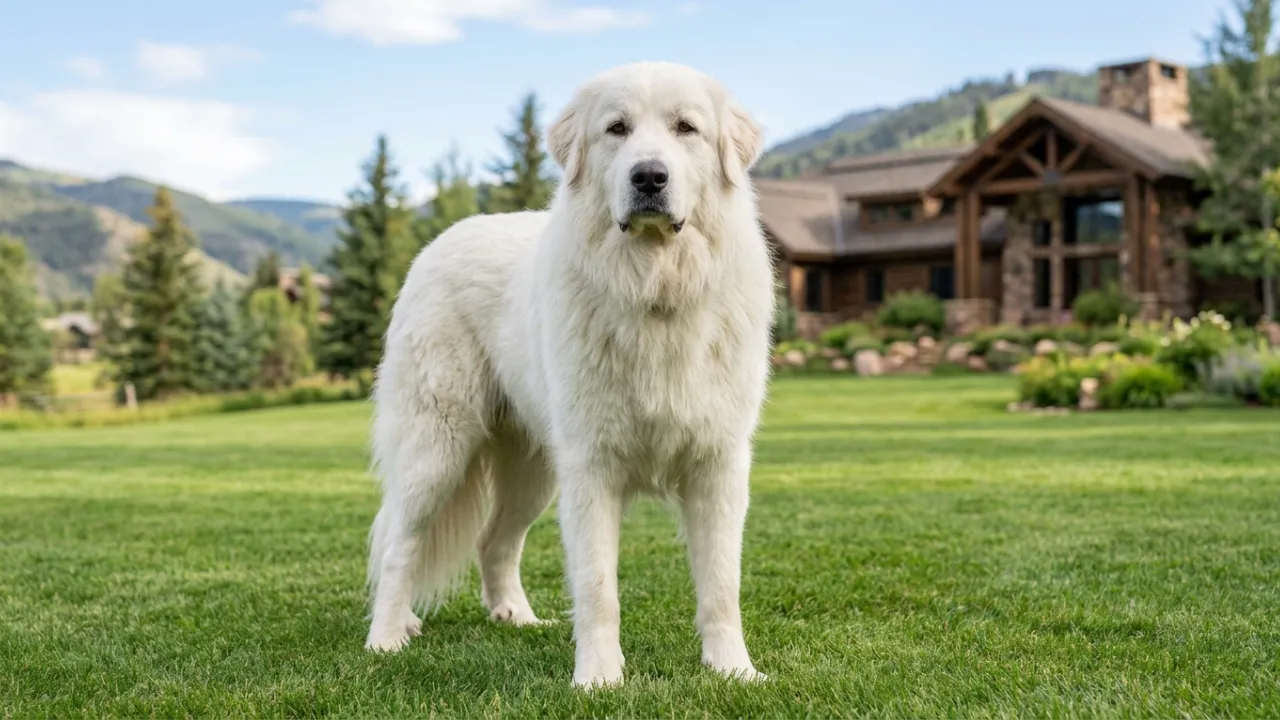
According to PetMD, Great Pyrenees are not highly active dogs, but they enjoy spending time outdoors and roaming around.
Beaucerons are loyal, intelligent, and protective, forming strong bonds with their families while often remaining cautious around strangers. Their dominant, energetic temperament calls for confident training, consistent boundaries, and plenty of physical and mental stimulation.
Exercise Needs & Energy Levels
Great Pyrenees have moderate exercise needs and generally conserve energy between periods of activity. Regular walks help maintain their health, while activities such as obedience or cart-pulling can provide additional physical and mental engagement.
Beaucerons require considerably more activity, combining substantial physical exercise with mental challenges. They thrive with varied outdoor activities and can enjoy agility, herding, carting, or other demanding pursuits that give their working instincts a productive outlet.
Training & Obedience
Great Pyrenees can be challenging to train because they were bred to make decisions independently rather than constantly follow commands. Patient, consistent methods and positive reinforcement work better than harsh corrections, which may encourage resistance.
Early socialization and puppy classes can help Pyrs become more comfortable around people, animals, and unfamiliar situations. Short, varied sessions are preferable, while secure fencing is important because some may roam beyond their perceived territory.
Beaucerons are intelligent, quick learners that can retain new skills well, making training rewarding when handled correctly. They respond best to firm, fair, calm guidance with praise, play, or food rewards rather than physical punishment or harsh treatment.
Grooming Needs & Shedding
The Great Pyrenees has a long, thick double coat that naturally resists dirt and tangles. Despite its manageable grooming needs, it sheds heavily, particularly during seasonal coat changes, making regular brushing essential for controlling loose hair.
A thorough brushing two or three times weekly helps maintain the coat and prevent mats, with daily grooming useful during heavy shedding periods. Attention is especially important around the ears, legs, and tail, where the dense undercoat can tangle.
The Beauceron has a shorter, dense double coat that requires less grooming than the Pyr. Weekly brushing is generally sufficient, though daily sessions during shedding seasons help remove abundant dead hair and keep the coat healthy.
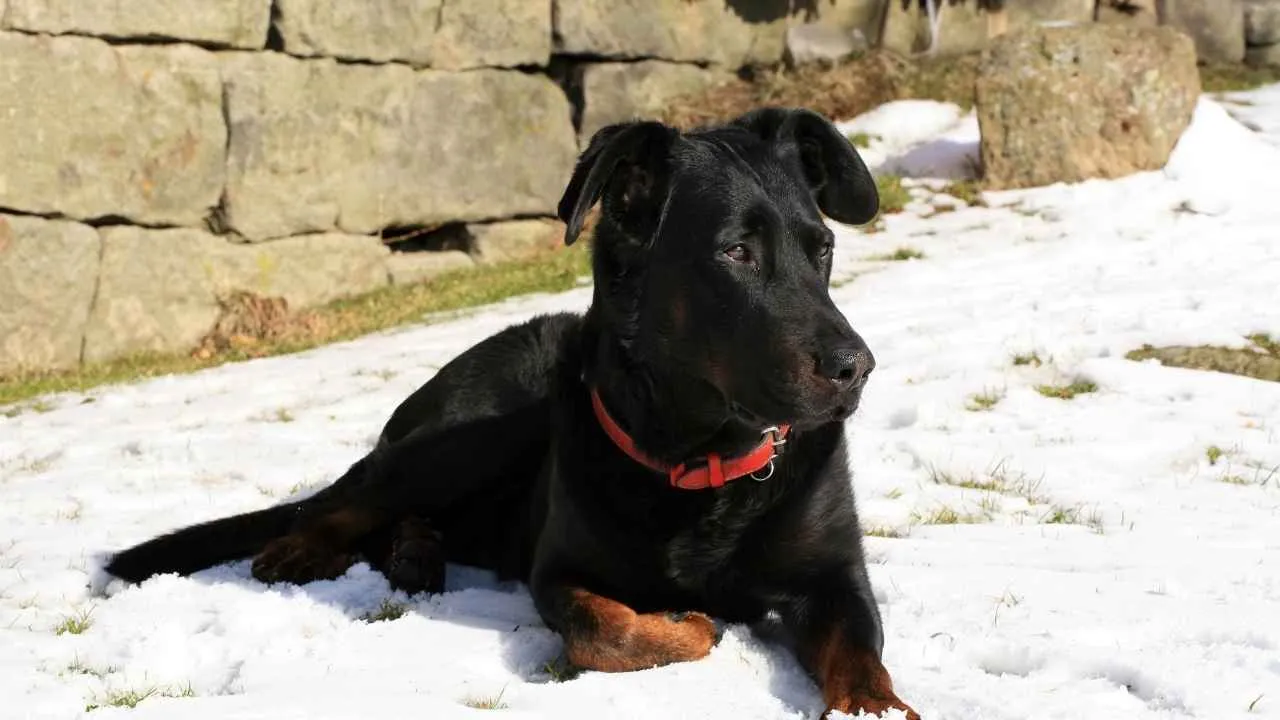
According to Orvis, Beaucerons come in black and tan or harlequin, with the black coat being deep, solid, and covering most of the body.
Working Background & Protective Instincts
The Great Pyrenees developed in the rugged mountains between France and Spain, where its primary role was protecting livestock from wolves and other predators. Harsh terrain and winters shaped its strength, courage, and ability to guard independently.
Its working heritage remains evident in its calm yet vigilant nature. Although often gentle at home, the breed can react swiftly and confidently when it perceives a genuine threat to its family or territory.
The Beauceron evolved as a strong, weather-resistant French sheepdog suited to open plains and demanding farm work. Its versatility extended beyond herding, with the breed becoming valued for guarding and protecting people and property.
Intelligent and spirited, the Beauceron combines a strong protective instinct with an imposing physical presence. Well-trained dogs can become composed watchdogs and dependable guardians, particularly when properly socialized from an early age.
Health & Lifespan
The Great Pyrenees is generally hardy, but its giant size brings concerns such as hip and elbow dysplasia, eye disorders, joint problems, and bloat. Responsible breeders should screen breeding dogs for relevant inherited and orthopedic conditions.
Beaucerons are similarly robust, with potential risks including hip and elbow dysplasia, eye disorders, allergies, and gastric bloat. Maintaining a healthy weight, providing balanced nutrition, and scheduling routine veterinary care can support overall well-being.
Both breeds typically have a lifespan of around ten to twelve years. Owners should recognize warning signs of bloat and seek emergency veterinary attention promptly, while regular preventive care can help identify other health problems early.
Great Pyrenees vs. Beauceron: Which Protective Dog Is Right for You?
The Great Pyrenees suits owners seeking a calm, perceptive guardian with strong livestock-protection instincts. Its independent nature, heavy coat, and tendency to patrol make secure fencing, socialization, and patient handling important.
The Beauceron is a better fit for active owners wanting an intelligent, versatile protector. Its herding background, high energy, and willingness to work make regular exercise, challenging activities, and consistent training essential.
According to Purina, Beaucerons may bark to alert their owners and can be suspicious of visitors, sometimes becoming physically protective.
Both breeds are loyal and protective, but their styles differ. The Pyr is generally more laid-back and observant, while the Beauceron is more energetic and work-driven. Early socialization helps either breed accept children, pets, and unfamiliar situations.
Conclusion
Choosing between the Great Pyrenees and Beauceron ultimately depends on the type of loyal companion and guard dog that best matches your lifestyle. Both are loyal, intelligent, protective breeds with deep working backgrounds.
The Great Pyrenees dog breed is generally calmer and more independent, making it well-suited to owners who appreciate a watchful livestock guardian dog with moderate exercise needs. Its size, heavy shedding, and strong instincts require patient handling and secure boundaries.
The Beauceron offers a more energetic and versatile personality, thriving with demanding exercise, mental challenges, and obedience training. Its intelligence and protective nature make it particularly rewarding for active, experienced owners.
Whichever giant breed dog you choose, proper socialization, positive-reinforcement training, appropriate exercise, and responsible health care are essential. Understanding these differences can help you select the guardian that fits your home and daily routine.
