




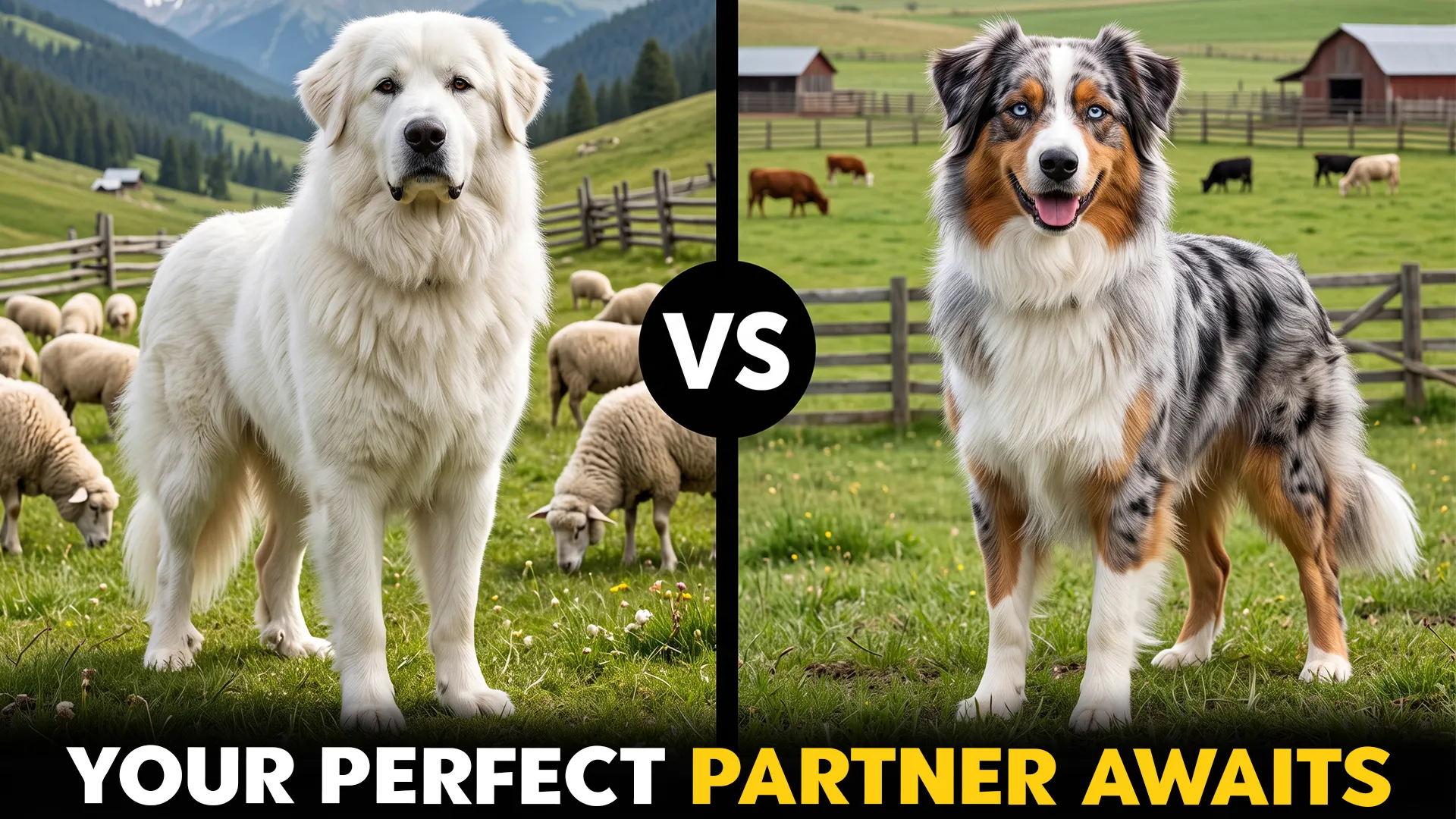
“I just want a good dog.” Sounds simple… until you fall down the internet rabbit hole and suddenly you’re comparing fluffy giants, energetic geniuses, and about 47 different opinions from strangers who all swear their favorite is the only correct choice.
Here’s the truth: the best dog breed isn’t the one that wins popularity contests—it’s the one that fits your lifestyle. One of these pups would happily patrol your yard like it just got promoted to head of security, while the other is already planning tomorrow’s hike, game, and training session before you’ve finished your morning coffee.
Neither is “better”; they’re simply built for different kinds of families.
In this Great Pyrenees vs Australian Shepherd comparison, we’ll break down their temperament, exercise needs, grooming, trainability, and everyday life in a fun, practical way—so you can choose the companion that truly belongs in your home instead of relying on cute puppy photos alone.
Great Pyrenees vs. Australian Shepherd: Which Dog Matches Your Lifestyle
Deciding between a Great Pyrenees and an Australian Shepherd means choosing between two entirely different worlds of dog ownership. While one is a calm, independent guardian that thrives on quiet watchfulness, the other is a high-octane, hyper-intelligent athlete that demands a job to keep its mind and body busy.
Origins & Purpose
The Great Pyrenees and Australian Shepherd both have strong working backgrounds, but they were bred with very different goals in mind. And honestly, that explains a lot about how they behave today.
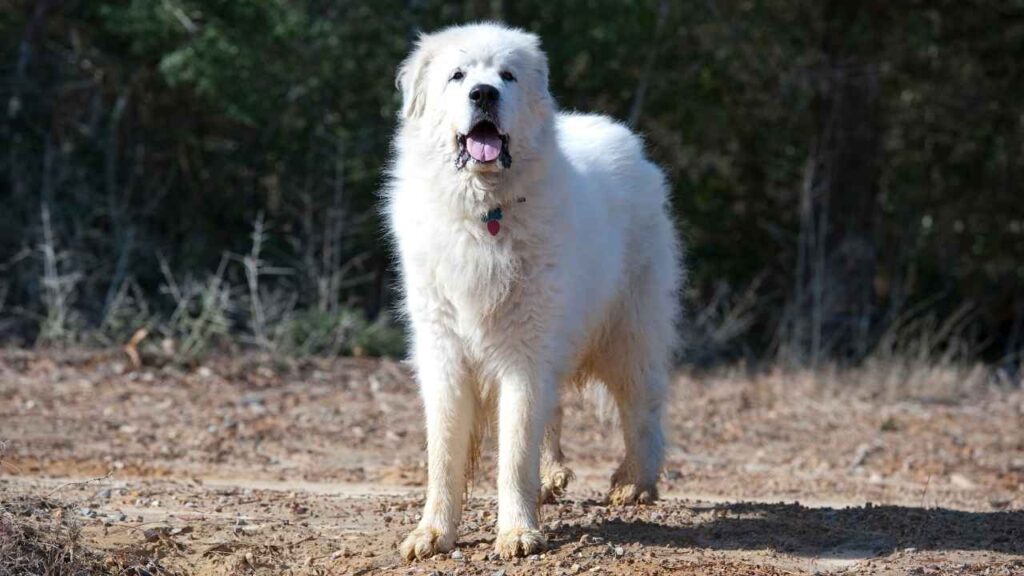
Great Pyrenees: This breed originated in the Pyrenees Mountains between France and Spain, where it spent centuries protecting sheep and goats from predators like wolves and bears. Instead of waiting for human instructions, it learned to make decisions on its own.
That’s why Great Pyrenees dogs are calm, patient, and naturally protective. Their distinctive double dewclaws on the hind legs are still a defining breed feature.
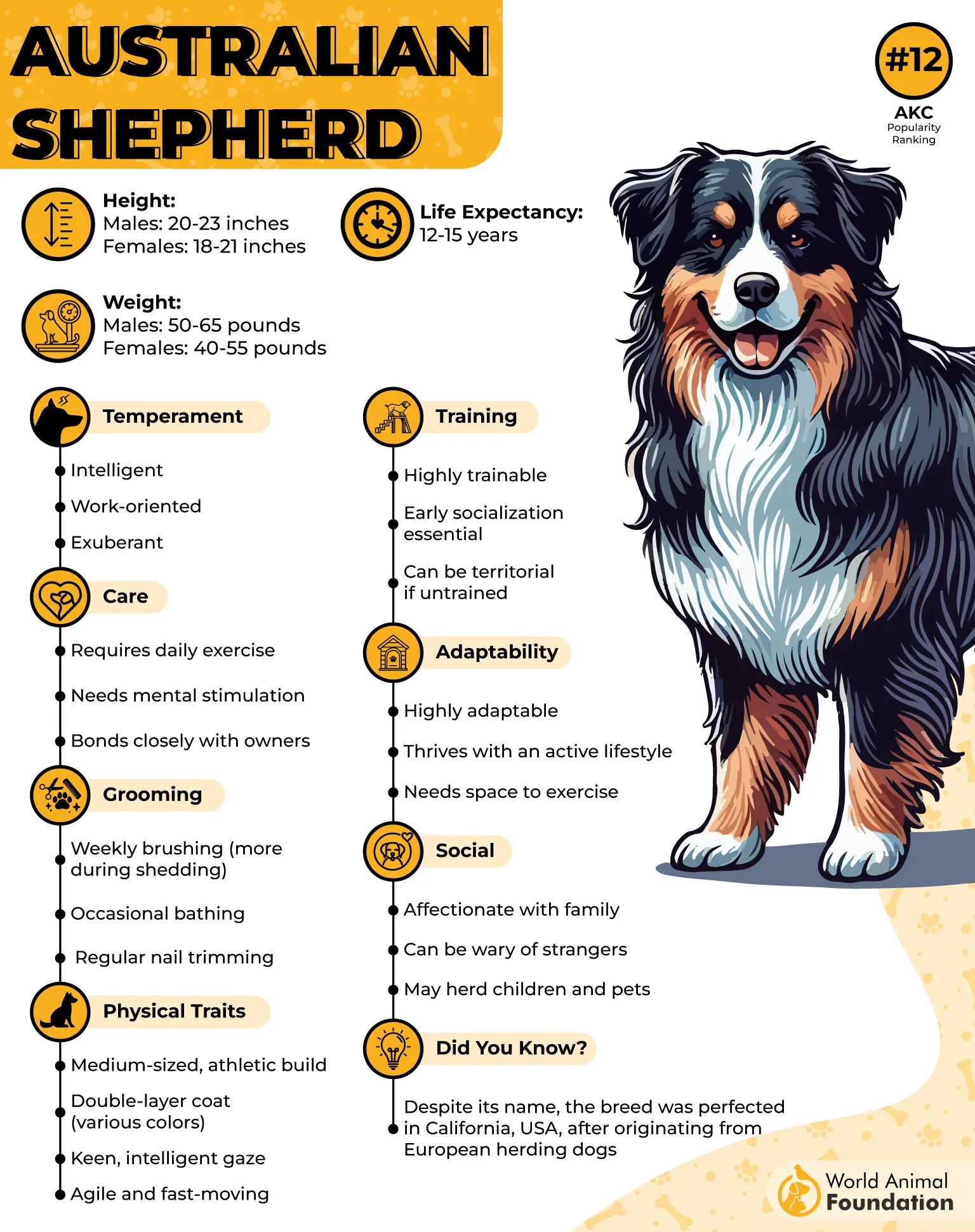
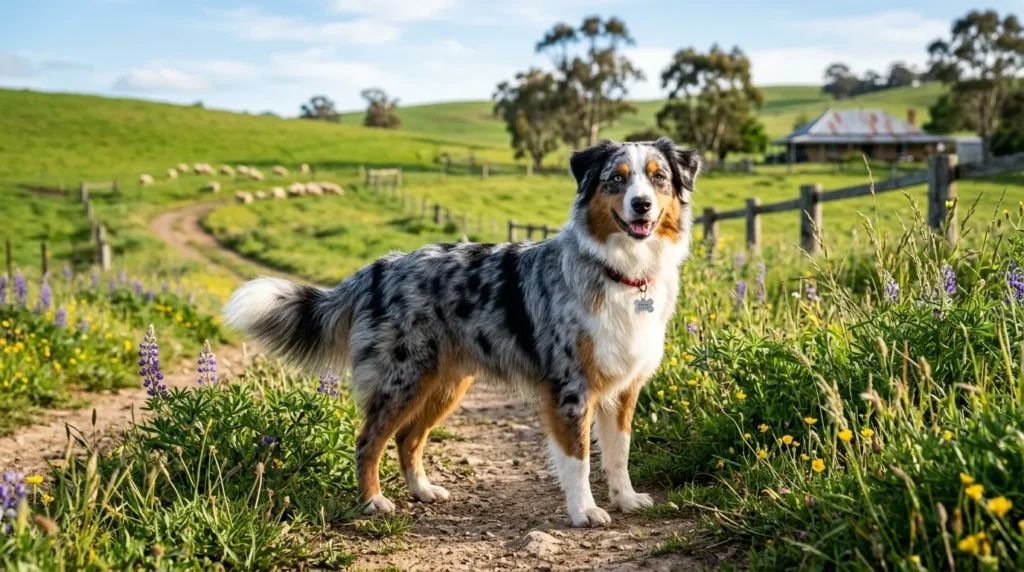
Australian Shepherd: Despite its name, this breed was largely developed in the United States to herd sheep and cattle across large ranches. Selective breeding focused on intelligence, stamina, and responsiveness, creating a dog that loves working closely with people and excels at following directions.
One guarded the flock. The other moved it. Even today, those original roles shape everything from their temperament to their training style, making each breed a great fit for a very different kind of owner.
Size & Physical Build
At first glance, these two breeds couldn’t look more different. One is a towering mountain guardian with an unmistakable presence, while the other is a lean, athletic worker built for speed and agility.
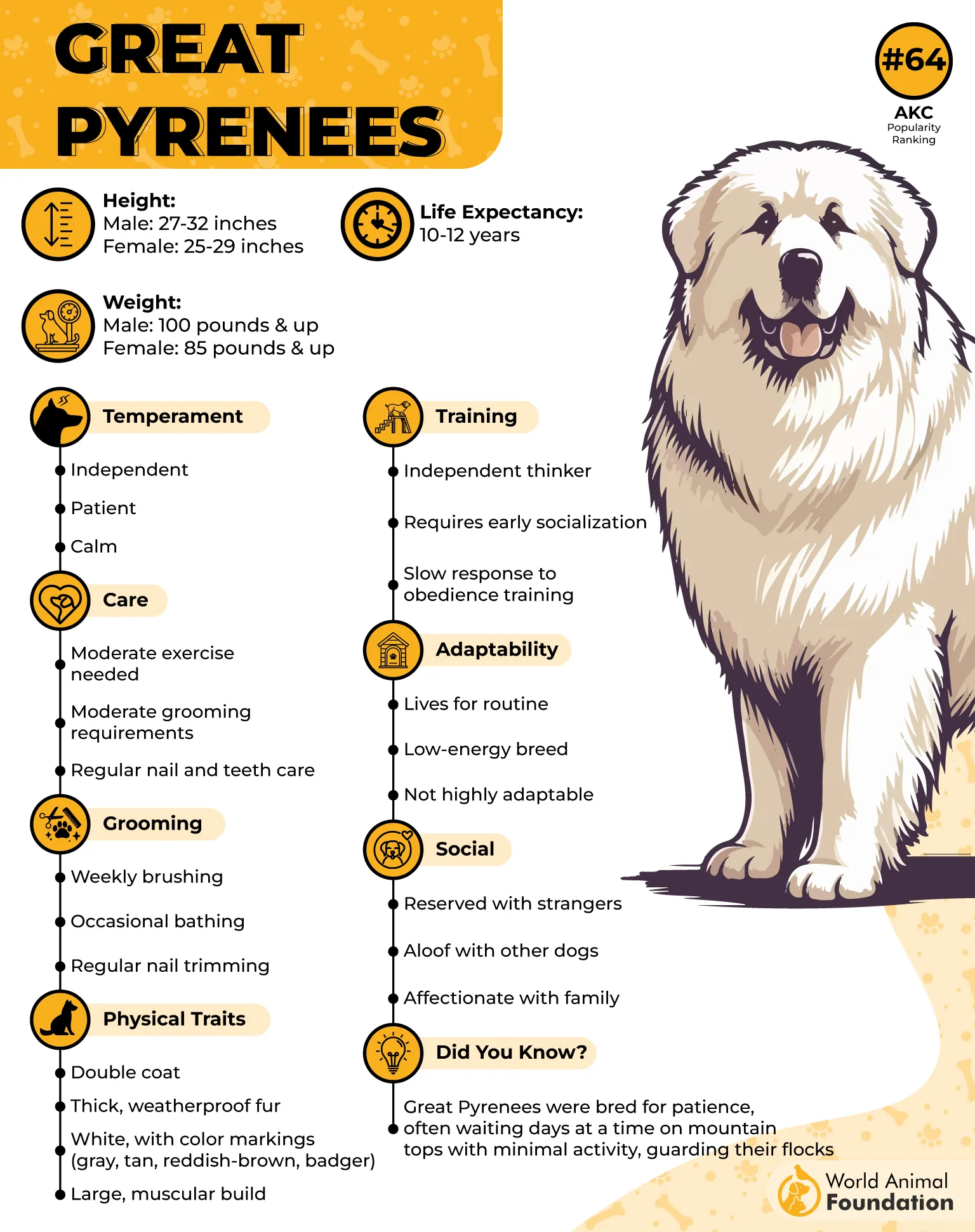
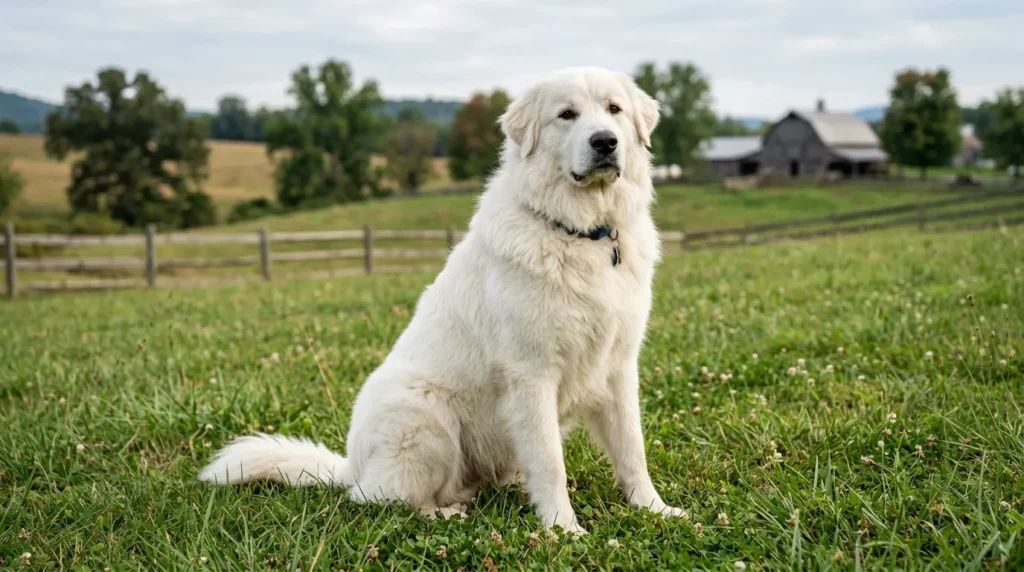
Great Pyrenees: This is a large, powerfully built breed that typically weighs between 85 and 100+ pounds. It has a broad head, deep chest, thick weather-resistant coat, and a graceful, plumed tail.One of its most distinctive features is the pair of double dewclaws on the hind legs, originally useful for navigating rugged mountain terrain.
Australian Shepherd: Noticeably smaller, the Aussie usually weighs between 40 and 65 pounds. Its compact, muscular frame allows for quick turns and endless movement.Eye color varies widely—from brown and blue to striking combinations—while the medium-length coat comes in eye-catching patterns like blue merle, red merle, black, and red.
So, if you want a gentle giant that naturally stands out, the Great Pyrenees fits the bill. Prefer a nimble, sporty companion? The Australian Shepherd is hard to beat.
Temperament & Personality
Here’s where these two breeds really start to show their true colors. They may both be loyal companions, but they express that loyalty in very different ways.
Great Pyrenees: Calm, gentle, and naturally protective, this breed prefers observing before reacting. It was bred to guard livestock without constant human direction, so an independent streak comes naturally. Around family, it’s affectionate and patient, but it also appreciates having quiet time to itself.
Australian Shepherd: The Aussie is highly intelligent, energetic, and thrives on interaction. It forms strong bonds with its family and often becomes your four-legged shadow, following you from room to room.Thanks to its herding instincts, it may even try to herd children or other pets if that behavior isn’t redirected through training, as per PetMD.
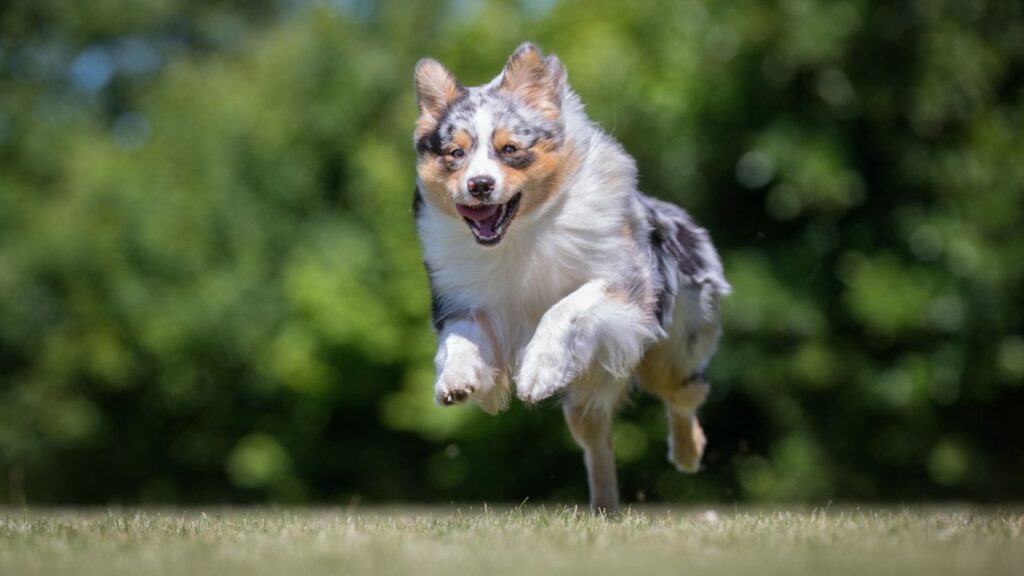
While the Great Pyrenees is content keeping a watchful eye from a distance, the Australian Shepherd wants to be right in the middle of the action. If you enjoy a calm household, the Pyrenees is a natural fit. If you prefer a playful, always-ready partner, the Aussie won’t disappoint.
Exercise Needs & Activity Level
If your idea of fun is relaxing in the backyard, one of these breeds will happily join you. If your weekends involve hiking boots and endless adventures… the other is already waiting at the door.
As per the AKC, the Great Pyrenees enjoys moderate activity and doesn’t need constant exercise to stay happy. The Australian Shepherd, on the other hand, is a high-energy breed that thrives on both physical activity and mental challenges. Without enough to do, an Aussie may become bored and destructive.
Great Pyrenees enjoys:
Daily walks
Leisurely outdoor patrols in a secure yard
Obedience training
Cart-pulling activities
Puzzle toys and scent games
Australian Shepherd loves:
Long walks and hiking
Running with its owner (once fully grown)
Agility courses
Herding games
Fetch and Frisbee
Obedience training
Dock diving and interactive puzzle toys
In short, the Great Pyrenees is happy with a steady routine, while the Australian Shepherd needs regular adventures and plenty of opportunities to stay busy.
Training & Intelligence
Training these breeds feels very different from day one. One prefers making their own decisions, while the other is always asking, “What’s next?” Neither approach is wrong—it simply depends on what you’re looking for in a canine companion.
Great Pyrenees: Bred to guard livestock independently, this breed isn’t eager to obey every command just because it’s asked. It learns best through patience, early socialization, and positive reinforcement. Short, engaging training sessions work far better than repetitive drills, as the Great Pyrenees can quickly lose interest.
Australian Shepherd: Highly intelligent and eager to please, the Aussie loves learning new skills and working alongside its owner. It excels in obedience, agility, herding, and trick training.Early socialization and consistent training are essential to channel its energy into positive behaviors and prevent boredom-related mischief.
The Great Pyrenees is a better match for owners who appreciate an independent thinker, while the Australian Shepherd shines with people who enjoy regular training sessions and an enthusiastic partner that’s always ready to learn.
Health & Lifespan
Both breeds are generally healthy, but each is susceptible to certain inherited health conditions that can affect their quality of life. Understanding these risks can help you prepare for long-term care.
Great Pyrenees
Average lifespan: 10–12 years
Can suffer from hip and elbow dysplasia, leading to joint pain, stiffness, and reduced mobility.
May develop patellar luxation, where the kneecap slips out of place and causes limping.
Is prone to eye conditions like cataracts and entropion, which can impair vision if left untreated.
Faces a higher risk of gastric dilatation-volvulus (GDV), a life-threatening condition in which the stomach twists and requires emergency surgery.
Rare inherited disorders, such as neuronal degeneration, can affect the nervous system and coordination.
Australian Shepherd
Average lifespan: 12–15 years
Can develop hip and elbow dysplasia, resulting in arthritis and difficulty moving.
May suffer from progressive retinal atrophy (PRA), which gradually leads to permanent blindness.
Is at risk of collie eye anomaly and hereditary cataracts, both of which can reduce vision.
Can inherit epilepsy, causing recurring seizures that often require lifelong medication.
Some carry the MDR1 gene mutation, making common medications potentially toxic.
Double-merle dogs may suffer from partial or complete deafness.
With routine veterinary care, health screenings, and responsible breeding practices, many dogs from both breeds can still enjoy long, active, and fulfilling lives.
Suitability as Family Pets vs. Guard Dogs
Both breeds are incredibly loyal, but they show that loyalty in different ways. One is a born protector that quietly watches over its home, while the other is an affectionate companion that wants to be part of every family moment.
Great Pyrenees: Originally bred to guard livestock, this breed has strong protective instincts and naturally keeps a watchful eye on its family and property. Despite its impressive size, it is gentle, patient, and calm around children. Britannica states that it tends to be reserved with strangers but is devoted to the people it loves, making it an excellent choice for families seeking both a companion and a dependable guardian.
Australian Shepherd: The Aussie is an energetic, people-oriented dog that thrives on spending time with its family. It is affectionate, playful, and usually gets along well with children and other pets when properly socialized.While it makes a reliable watchdog by alerting owners to unfamiliar visitors, its focus is on companionship rather than guarding.
The Great Pyrenees is ideal for families looking for a calm, protective guardian, while the Australian Shepherd is better suited to active households wanting a fun-loving companion that’s always ready to join the action.
Conclusion
The Great Pyrenees and Australian Shepherd are both exceptional dogs, but they thrive in very different lifestyles. If you want a calm, independent guardian that naturally watches over your home and loved ones, the Great Pyrenees is a fantastic choice. If you’re looking for an energetic, highly trainable companion that loves adventures and staying involved in every family activity, the Australian Shepherd is hard to beat.
Before bringing either breed home, take an honest look at your daily routine, available space, and the amount of time you can dedicate to training, exercise, and companionship. The happiest dogs aren’t simply matched with the right owners—they’re matched with the right lifestyle.
At the end of the day, the best choice isn’t about which breed is “better.” It’s about finding the one whose personality feels like it was made for your home. When that match happens, you’ll gain far more than a pet—you’ll gain a loyal companion for years to come.
