




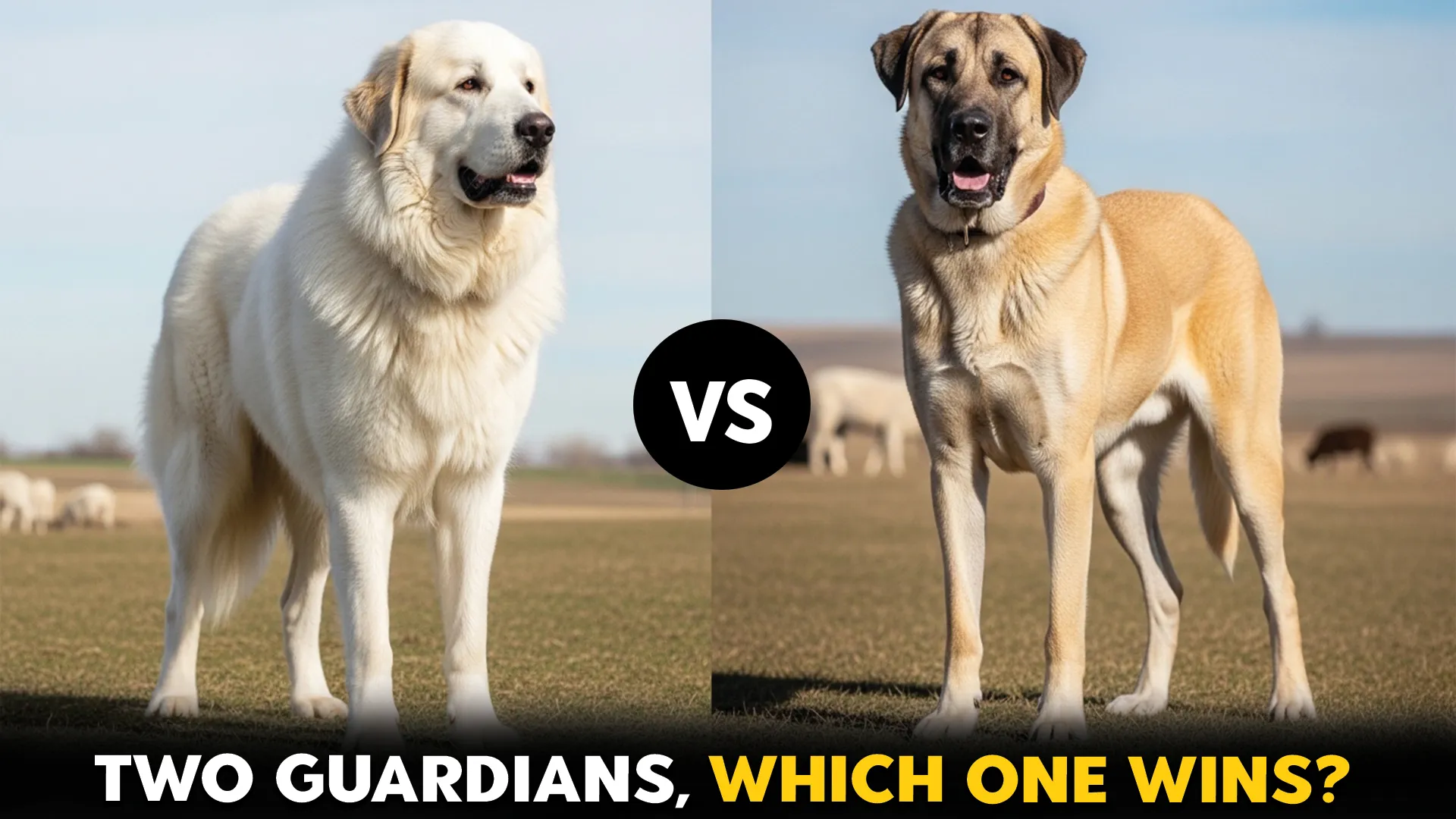
Out on the pasture, things can go from calm to chaos real quick. One minute, your flock is grazing peacefully, the next, something out there is testing the fence line. That’s exactly why livestock guardian dogs exist… but here’s the twist, they don’t all guard the same way.
Some stay close, quietly watching every movement like loyal shadows. Others take a more active approach, patrolling boundaries and confronting trouble head-on. And when you’re choosing between the Great Pyrenees and the Anatolian Shepherd, those differences are not just interesting; they are everything.
Because in the end, picking the right guardian is less about the breed name and more about how they work… so let’s take a closer look at these two incredible breeds and see which one truly fits the job.
Did you know?
Livestock guardian dogs do not herd animals like typical farm dogs. Instead, they stay near their livestock and instinctively protect them, using independence and strong guarding behavior shaped by both breeding and how they are raised.
Great Pyrenees vs Anatolian Shepherd: Which Livestock Guardian Is Better?
Size and Strength
There is something oddly satisfying about watching two livestock guardians handle space so differently. One feels like a quiet mountain holding its ground, while the other gives off the energy of a patrol unit that never really clocks out.
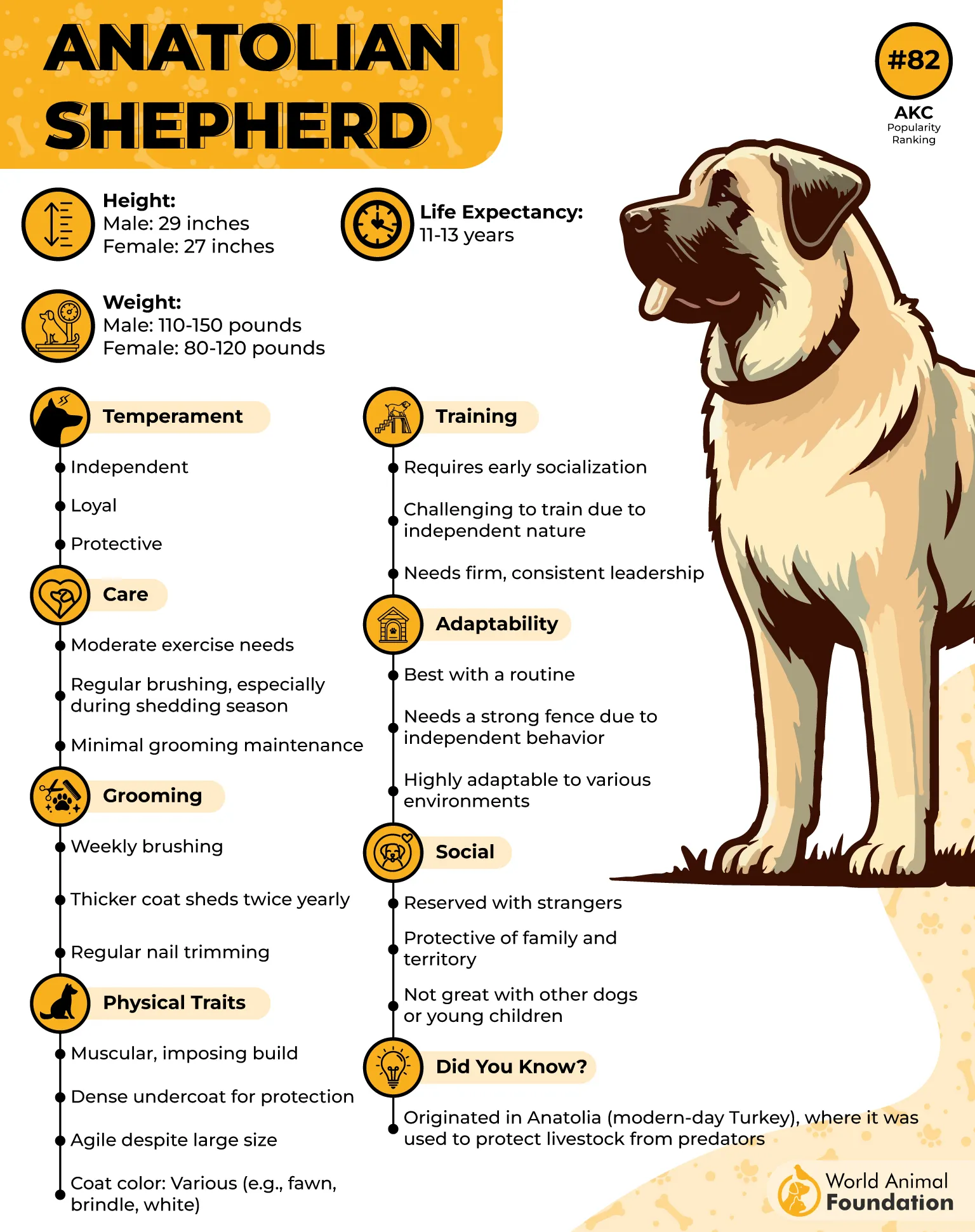
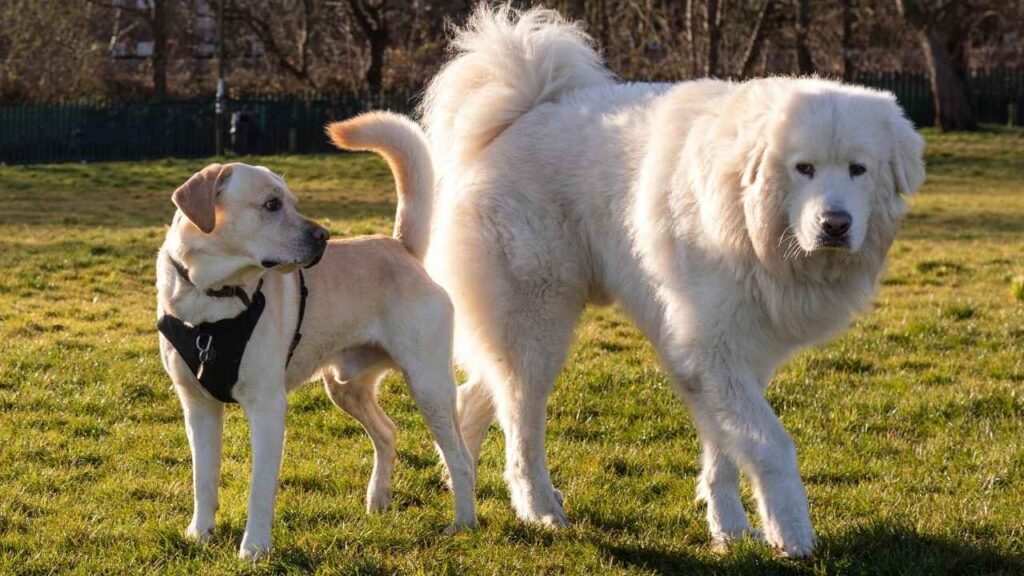
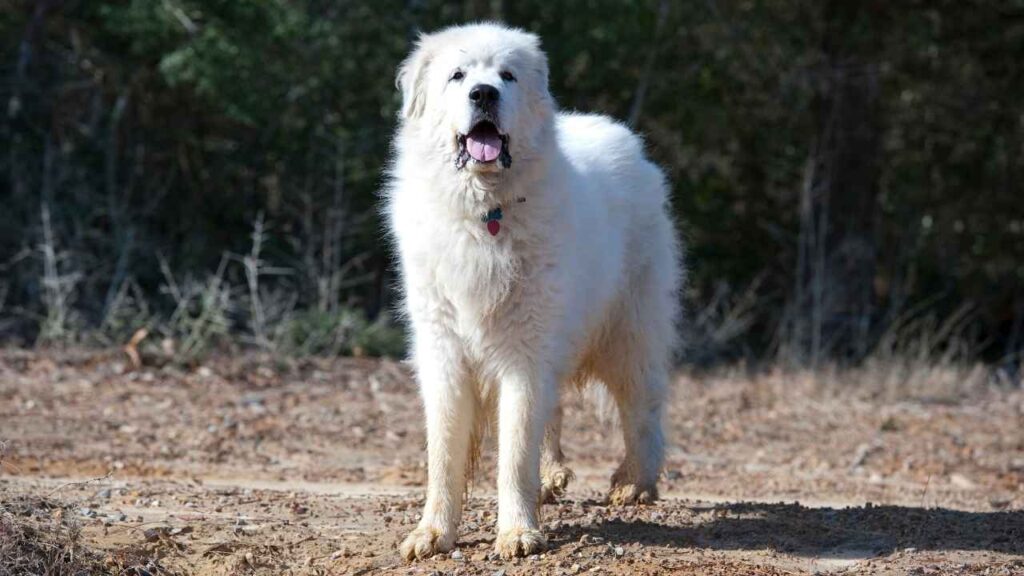
The Great Pyrenees carries an immense, powerful build with a thick frame and strong presence. Its body is designed for strength and protection rather than speed, giving it a solid, grounded feel that makes it look naturally built to stand firm against threats.
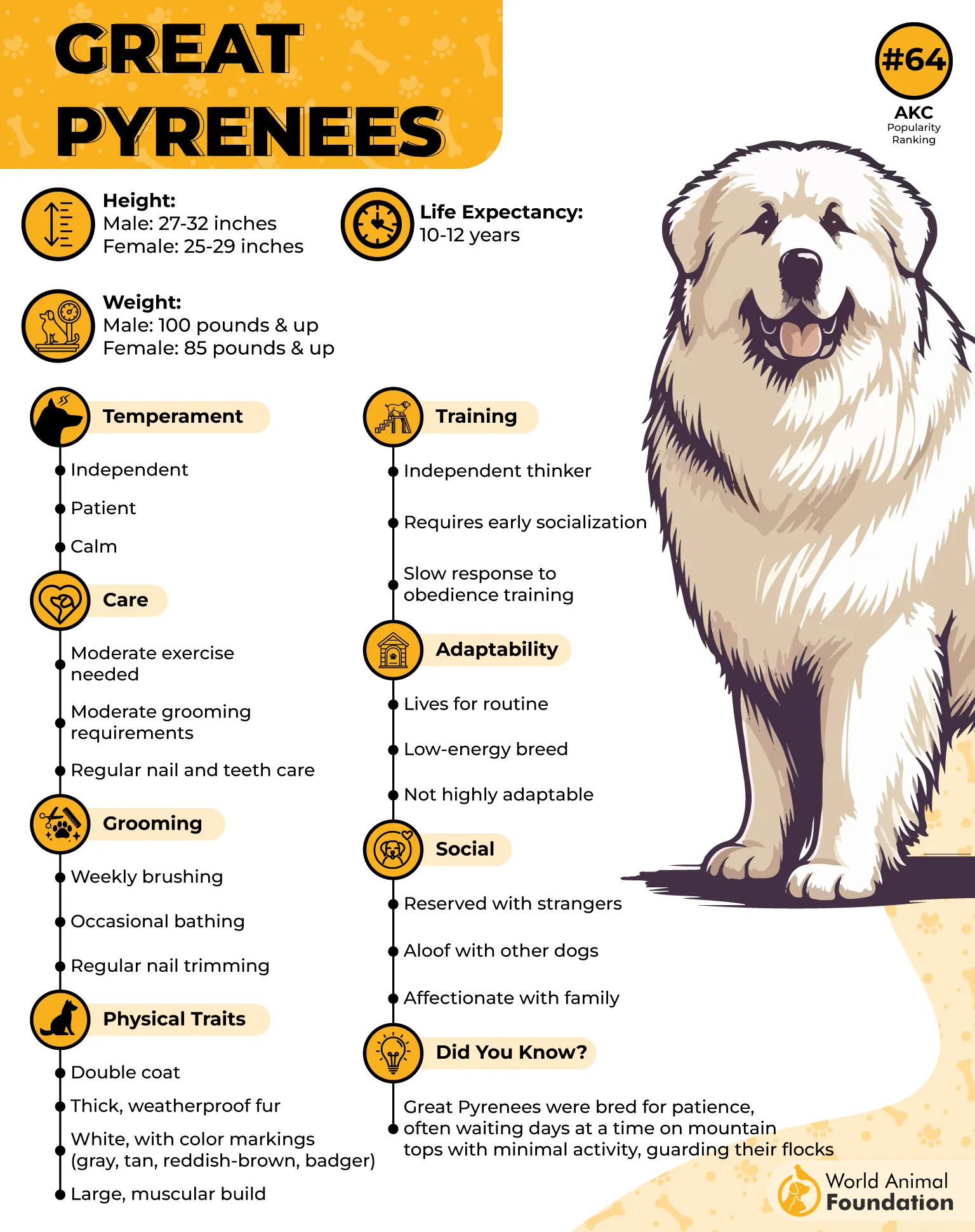
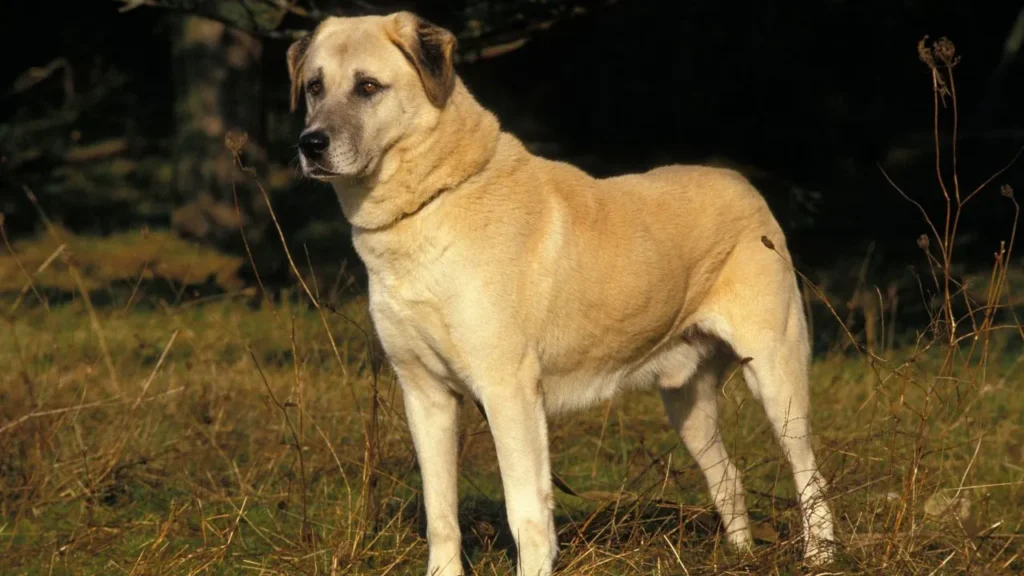
The Anatolian Shepherd has a leaner and more athletic build, with long legs, a deep chest, and a strong yet agile frame. Its structure supports movement and stamina, making it well-suited for covering large areas while still maintaining impressive strength.
Temperament
This is where things stop feeling similar and start getting personal. One dog feels like it is quietly watching over everything with patience, while the other carries a sharper edge, always thinking, always assessing, never fully switching off.
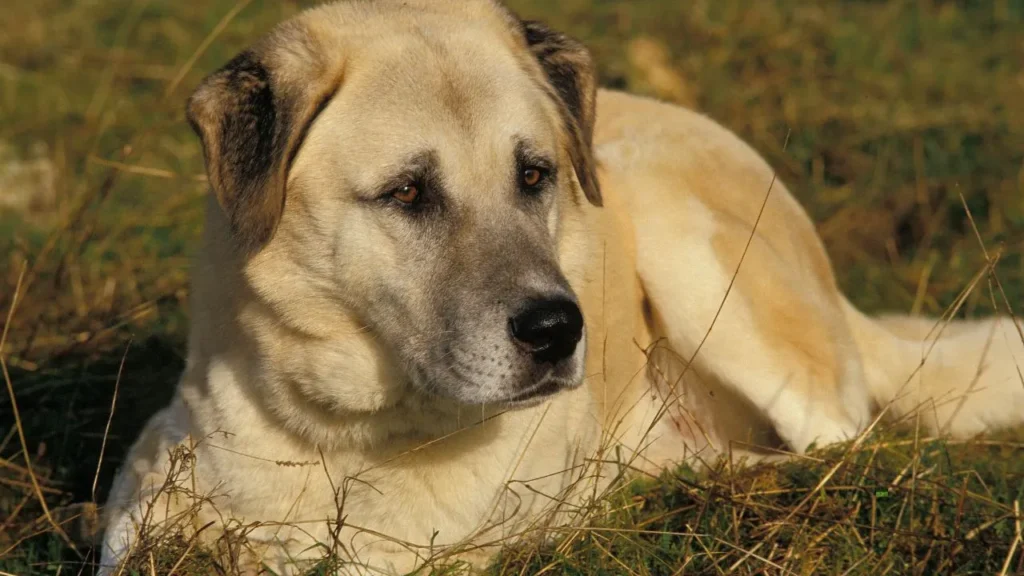
As noted by PetMD, the Anatolian Shepherd stays calm and subdued but reacts instantly when it senses danger. Bred as a guardian, it can be vocal and territorial, often barking at perceived threats, which may not suit homes with close neighbors.
The Great Pyrenees offers a softer contrast with its smart, patient, calm nature. It is more affectionate with family and often forms close bonds, balancing its protective instincts with a gentler, more relaxed personality around familiar people.
Health
Health rarely gets attention until something goes wrong, but with large working dogs, it quietly shapes everything from daily care to long-term commitment. Both breeds are strong, yet they come with their own patterns that show up over time.
Great Pyrenees dogs can face issues like hip dysplasia, eye disorders, patellar luxation, and bloat. These concerns mean owners need to stay observant, especially when it comes to joints and digestion, as some conditions can escalate quickly if ignored.
According to WebMD, the Anatolian Shepherd is generally healthy and hardy, handling varied temperatures well due to its undercoat. Still, issues like hip dysplasia, bloat, entropion, and ear infections can occur, making regular vet visits and early detection especially important for long-term health.
Training
Training these two can feel less like teaching commands and more like negotiating with strong personalities. Both were built to think independently, so expecting instant obedience usually leads to frustration instead of smooth progress.
The Anatolian Shepherd can be difficult to train because of its independent thinking and decision-making nature. It requires an experienced handler, consistent structure, and early socialization, as it does not naturally look to humans for constant direction.
As mentioned by the AKC, the Great Pyrenees was bred to think independently and work without constant direction, which shows clearly during training. It understands commands but often responds slowly or with disinterest, making early socialization and consistent, patient guidance important for better behavior.
Endurance
Some dogs treat guarding like a shift, others act like they signed up for overtime without asking. Watching these two over time really highlights how differently they handle long hours, especially when the job stretches across land and changing conditions.
The Great Pyrenees approaches work with a slower rhythm, conserving energy and stepping in when necessary. It does not rush or roam constantly, instead relying on patience and timing, which allows it to stay effective without burning out quickly.
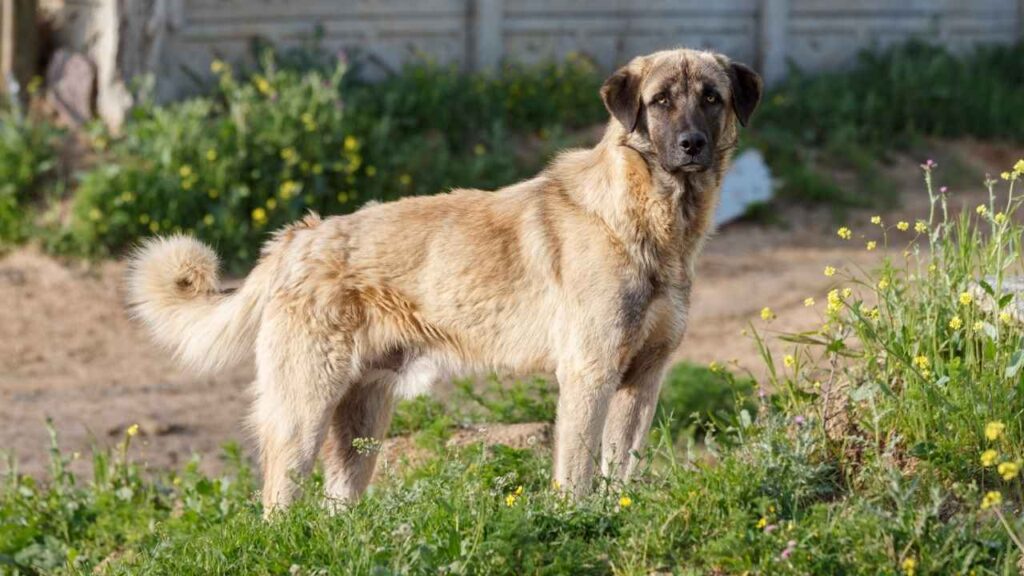
The Anatolian Shepherd, a livestock guardian dog breed, takes a far more active approach. Built for endurance, speed, and agility across wide areas, it keeps moving, scanning, and responding, making it better suited for situations that demand constant presence and long-distance coverage.
Calmness
Calmness here does not mean the same thing for both dogs, and that is where it gets interesting. One feels relaxed and almost peaceful, while the other stays composed but carries a quiet tension, as if it is always paying attention.
Anatolian Shepherd dogs stay calm in a controlled, serious way, rarely switching off their awareness. This wonderful dog remains reserved and watchful, holding a steady mindset that feels more like readiness than relaxation, even when nothing obvious is happening.
The Great Pyrenees shows a different kind of calmness, often described as smart, patient, and calm. It settles easily into its surroundings, creating a relaxed atmosphere while remaining alert enough to respond when something actually needs attention.
Protective and Guarding Instinct
This is where both of these guardian breeds truly show what they were made for. You do not teach this behavior, as it is already there, built into how they move, react, and position themselves when something feels even slightly off.
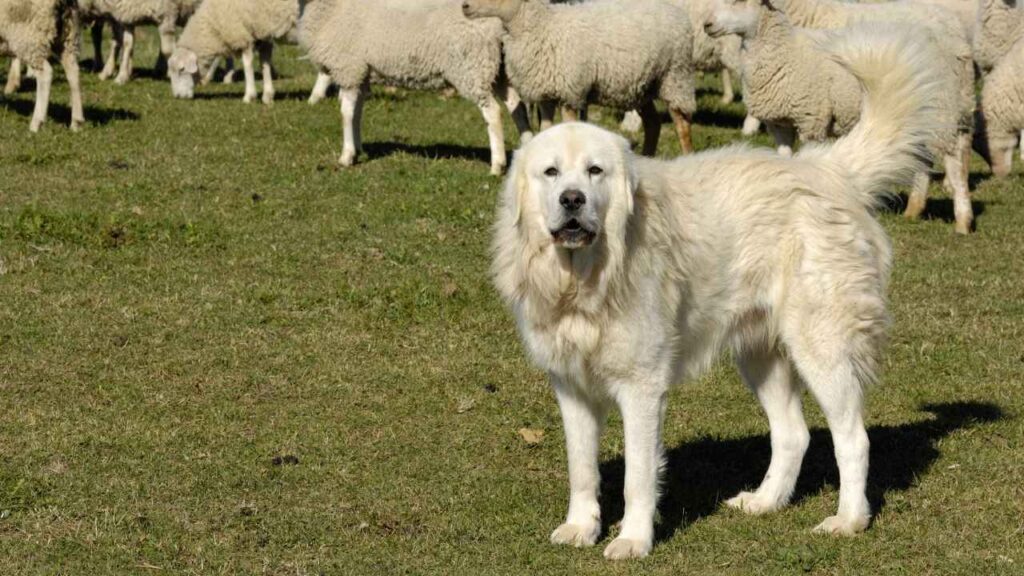
The Great Pyrenees is widely used to protect livestock such as chickens, sheep, goats, and other animals from larger predators. It handles protection in a more stationary way, staying close to what it guards and using alertness to signal danger. Its guarding style focuses on holding its ground, stepping in when needed rather than actively chasing threats away.
Anatolian Shepherds take a more proactive approach, patrolling territory and intercepting threats before they get too close. They are more likely to move outward, creating distance between danger and what they are protecting, instead of waiting.
Conclusion
When it comes down to it, both of these guardians bring something seriously special to the table. One offers calm, steady protection that feels reassuring and close to home, while the other brings bold, independent energy that actively manages everything around it.
At the end of the day, it is not about which one is “better” overall; it is about what fits your land, your animals, and your lifestyle. Take a moment, picture your setup, think about how you want your guardian to work, and go with the one that truly feels right for you.
