




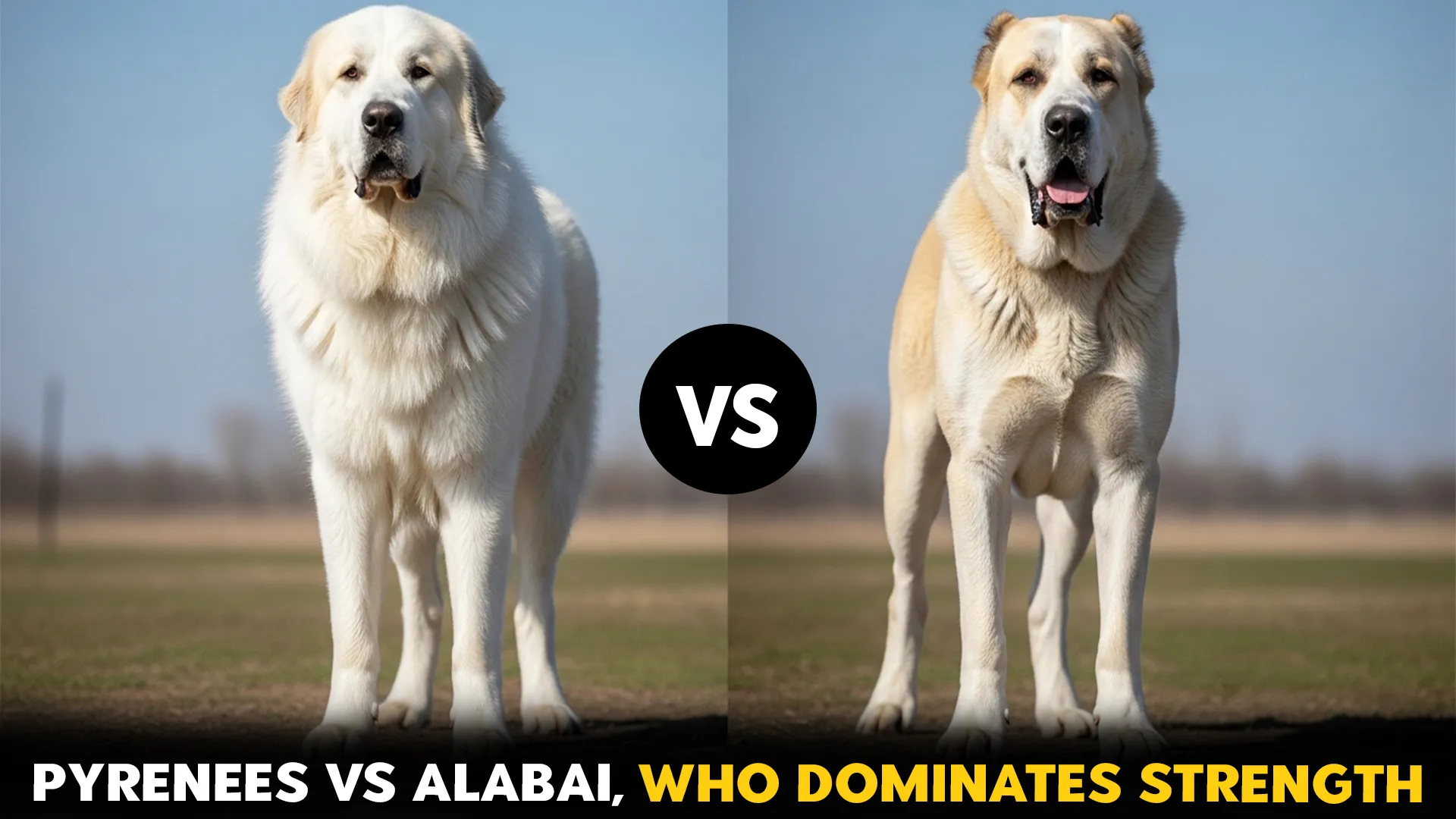
Which matters more in a guardian dog: raw physical power or tactical intelligence? Most people assume the biggest, most aggressive dog wins every confrontation. That assumption ignores how real livestock protection works.
A guardian that charges every threat wastes energy and sustains unnecessary injuries. The most effective protectors assess situations, use intimidation before force, and know when retreat beats confrontation. Two breeds have mastered this balance through completely different evolutionary paths.
One developed in the European mountains, the other in Central Asia. Their environments shaped not just their bodies but their approaches to threats. Comparing them reveals surprising truths about what genuine strength means. Size tells part of the story. Temperament, endurance, and decision-making abilities complete it.
The following analysis cuts through romantic breed mythology to examine actual capabilities.
Key Takeaways
Strength in livestock guardians is not as simple as size, especially when decisions in seconds decide survival.
Great Pyrenees brings calm control shaped in the European mountains, while Alabai carries a harder survival edge built across Central Asia.
One leans on steady observation and quiet confidence, the other relies on independent judgment shaped by harsh environments.
The real difference only becomes clear when their history, instincts, and working style are seen side by side till the end.
Great Pyrenees vs Alabai – Who is Stronger?
History
Great Pyrenees: From pasture to palace
The Great Pyrenees, originally bred as a flock guardian, worked with sheep and goats across mountainous terrain for centuries. Its role changed in 1675 when Louis XIV named it the royal dog of France, placing it within aristocratic estates. This shift connected rural guarding ability with the structured protection of large properties.
This large dog continued guarding expansive estates, adjusting from open grazing lands to defined boundaries without losing its protective focus.
According to Omlet, after the Second World War, its numbers declined due to the cost of maintaining such a large breed. Recovery efforts through breeding programs later restored its presence across regions.
Central Asian Shepherd Dog: Survival through harsh selection
Alabai, aka Central Asian Shepherd Dog, formed over thousands of years across vast territories stretching from the Caspian Sea to China. Its lineage connects to ancient Tibetan dogs and nomadic cattle guardians shaped by constant environmental pressure. Harsh living conditions influenced both its physical strength and resilient character.
They worked to protect herds, caravans, and homes, often facing predators and isolation in remote regions. Natural selection favored dogs that conserved energy while remaining fearless in critical moments. Organized breeding efforts began later in the USSR during the 1930s, refining its working consistency.
Size & Physical Build
Great Pyrenees: Size and structural presence
The Great Pyrenees stands in a tall range, with males reaching 27–32 inches and females 25–29 inches. Weight typically starts around 100 pounds for males and 85 pounds for females, reflecting their large guardian frame. This scale supports a strong, grounded physical presence suited to long-standing protective work.
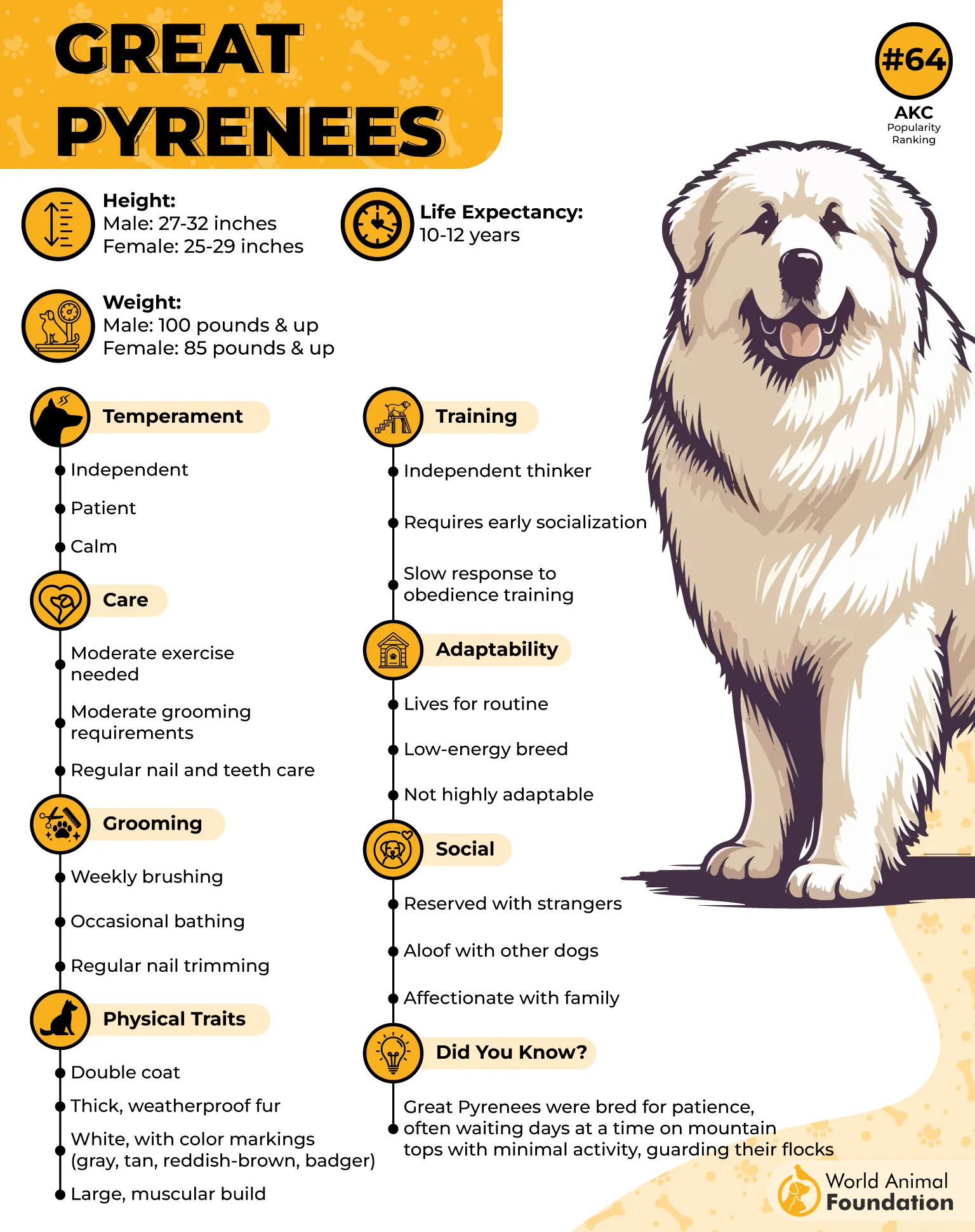
They show a powerful body structure built through broad chests, muscular shoulders, and developed thighs. Rounded, close-cupped feet with padded toes support steady footing across uneven ground. The wedge-shaped head, V-shaped ears, and almond eyes complete a balanced and alert outline.
Central Asian Shepherd Dog: Mass and form variation
The Alabai dog measures around 25.5–27.5 inches in height, with a weight commonly between 88 and 110 pounds. Its structure reflects a compact yet heavy build designed for strength under demanding conditions. Overall proportions emphasize durability over refinement.
This giant breed is known for sexual dimorphism, where males appear larger with heavier bones, broader chests, and more massive heads. A thicker neck and fuller ruff create a more imposing outline in males, while females maintain a lighter, more streamlined structure.
Temperament & Personality
Calm strength within familiar spaces
The Great Pyrenees shows a quiet, steady nature at home, often remaining composed around the people it trusts. Its strong build contrasts with a gentle indoor presence that feels balanced and controlled. This calmness forms the base of its everyday behavior.
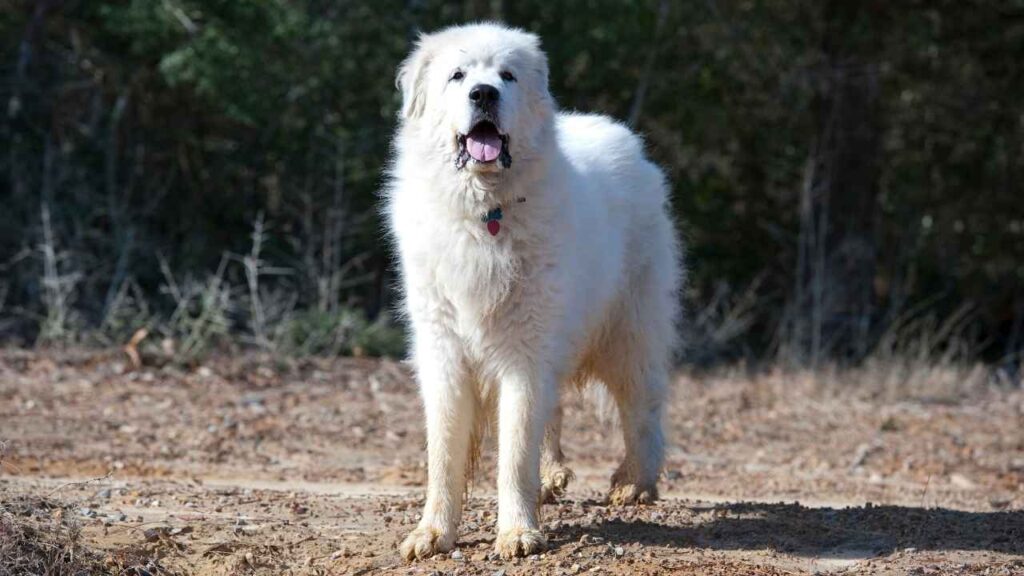
These gentle giants are generally independent and observant, preferring to assess situations rather than react quickly. Its alert nature stays active without creating unnecessary disturbance in familiar surroundings. This mix of calm and awareness shapes how it interacts with its environment.
Steady bonds with structured space
Alabai forms a firm connection with its family group, showing dedication without constant closeness-seeking behavior. It can interact well with other dogs and children when early introductions and supervision are in place, as PetMD writes. Its social comfort depends heavily on clear structure and familiarity.
This dog breed functions best with a defined space where it can observe and patrol without restriction. It does not rely on constant human presence but still maintains awareness of its household environment. This balance reflects a grounded, self-directed temperament.
Exercise & Energy Levels
Exercise Balance in Guardianship Breeds
The Great Pyrenees holds a calm energy level, shaped by its long history of guarding livestock rather than chasing activity. Its role in mountain regions focused more on watchful presence and territory patrol than constant motion. Energy was traditionally reserved for moments that demanded response rather than routine exertion.
Daily movement stays moderate, often suited to steady walks that support overall health without pushing intensity. Alongside physical movement, structured activities like cart-pulling or obedience-based tasks offer controlled engagement.
Space and Controlled Movement Needs
Central Asian Shepherd Dog performs best in open, secured areas where independent behavior can be safely managed during exercise. Its intelligence and self-direction make containment important during outdoor time, especially on walks or open ground.
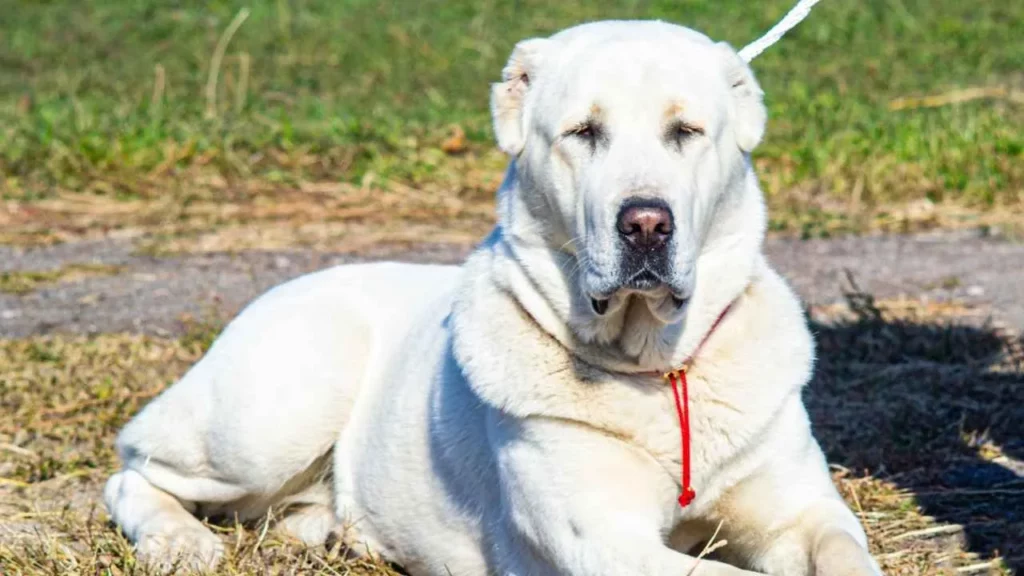
Despite a generally low-energy profile, it maintains strong endurance for longer walks and extended hiking routes. Some lines are also tested through endurance-based evaluations that reflect their working background. Regular movement is most effective when spread across steady, uncomplicated routines.
Training & Intelligence
Great Pyrenees: Independent thinking in work
Great Pyrenees operates with strong independence shaped by its history of guarding flocks without close direction. It evaluates commands slowly, often showing little urgency for repetitive obedience tasks. This creates a training style that depends heavily on patience and clarity.
Early socialization helps balance this independent mindset, especially when introduced during puppy stages. Structured training classes support steadier behavior in home environments. Without early guidance, responses can remain slow and self-directed.
Central Asian Shepherd Dog: self-directed intelligence
Central Asian Shepherd Dog approaches training with independence and strong self-reliance, making obedience work more challenging but still possible. Its intelligence shows through judgment-based responses rather than immediate compliance. This influences how quickly it adapts to structured instruction.
Indoors, this lgd breed usually remains quiet while staying highly alert to its surroundings and protective of its space. Its awareness of family and territory shapes how it reacts to unfamiliar presence. This creates a training profile centered on control and consistent handling.
Grooming Frequency
Coat behavior and natural maintenance
The Great Pyrenees carries a dense double coat made of a long outer layer and a soft undercoat that naturally resists dirt and tangling. This texture reduces the need for frequent intensive grooming despite the heavy appearance of fur. Seasonal changes trigger noticeable undercoat release in large volumes.
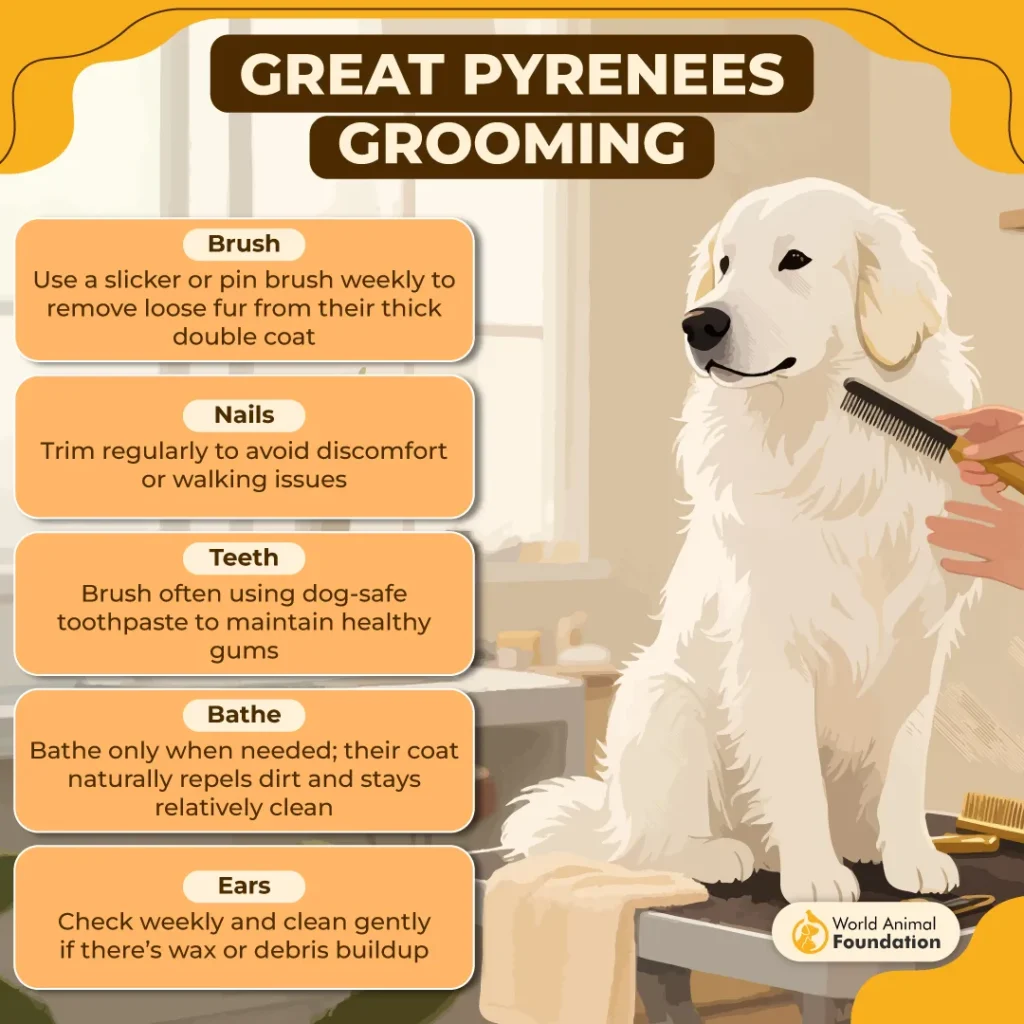
The shedding cycle becomes especially visible during seasonal transitions when loose undercoat spreads quickly through the home environment. Regular brushing helps manage this coat behavior before buildup occurs indoors. Maintenance remains more about consistency than intensity.
Coat density and environmental adaptation
The Central Asian Shepherd Dog develops a thick protective coat shaped by harsh climates and long-term survival conditions. Its dense structure supports insulation rather than ornamental grooming patterns. Seasonal shedding occurs, but in a controlled cycle compared to continuous light shedding.
Coat upkeep focuses on removing loose undercoat during seasonal transitions while maintaining skin comfort. Regular brushing supports airflow through dense fur layers without disrupting natural protection. Basic hygiene care complements its naturally self-regulating coat structure.
Health & Lifespan
Great Pyrenees: health focus and key risks
Health management in this breed centers around careful screening for inherited conditions such as hip and elbow dysplasia, eye disorders, and luxating patellas.
Neurological and immune-related concerns also appear within the breed line. Some individuals may face cancer risks and gastric bloat, which can become life-threatening if not recognized early.
Additional concern in this breed involves sudden gastric dilation, where the stomach expands and may twist, requiring immediate awareness of early warning signs. Responsible care includes understanding these risks before they escalate. Monitoring overall physical condition plays a key role in long-term well-being.
Central Asian Shepherd Dog: genetic stability and screening
Health patterns in this breed show fewer inherited genetic disorders compared to many selectively bred dogs. Hip dysplasia remains a primary concern, making structural screening an important part of responsible breeding. This reflects a shift from natural selection toward controlled health management.
Breeding practices focus on genetic testing to reduce the likelihood of inherited issues in offspring. Working with informed breeders helps identify potential health concerns early. Selection based on health clearances supports stronger structural stability across generations.
Suitability as Family Pets vs Guard Dogs
The Great Pyrenees feels easier to settle into a home that already has some structure in place. For someone with limited experience, it can still work well if routines are steady and space isn’t cramped, since this dog naturally prefers calm observation over constant action. It’s the kind of presence that quietly watches the surroundings rather than reacting to every small change.
Alabai, on the other hand, is a different level of responsibility from the start, especially with its large size, which takes up space physically and mentally in a home.
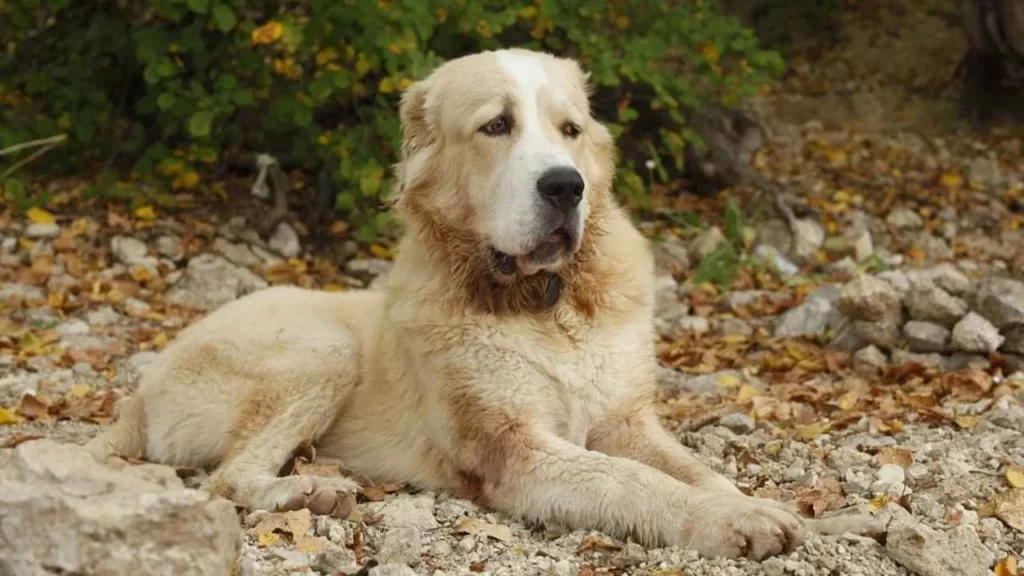
It needs clear rules and confident handling, because it won’t blindly follow situations or people without first assessing them itself. This is more of a “you guide it, but it still thinks for itself” type of guardian, better suited to owners who are fully ready for that independence.
Conclusion
The question of which breed is stronger depends on how strength is defined in real working conditions. The Great Pyrenees represents controlled power, where patience and steady observation guide its actions. Alabai carries a more direct form of strength, shaped by survival and independent decision-making.
Both dogs are built for protection, yet they follow different paths to achieve it. Their differences are not about one being better, but about how each responds to challenges.
When viewed closely, it becomes clear that strength is tied to purpose, environment, and behavior. This understanding gives a more accurate picture than size or reputation alone.
