




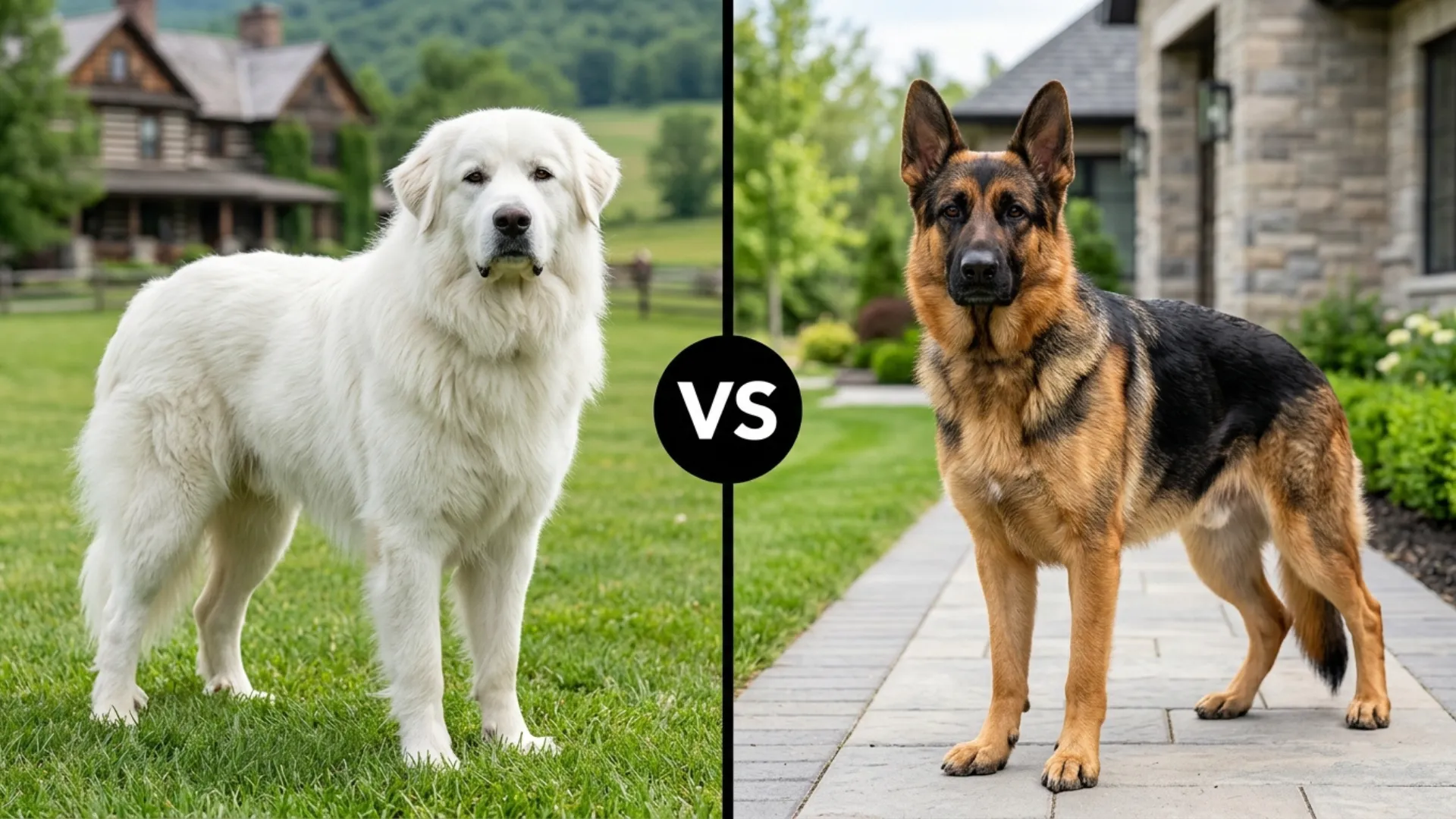
Ever wondered what happens when a majestic mountain guardian meets one of the dog world’s most famous working breeds? The Great Pyrenees and German Shepherd both bring serious protective instincts, intelligence, and loyalty, but they go about the job in very different ways.
One tends to be calm, independent, and quietly watchful, while the other is more alert, driven, and eager to stay busy. One may prefer to keep a steady eye on everything from a comfortable spot, while the other often seems ready for the next task before you have even finished asking.
So, which protective powerhouse feels more like your kind of dog and fits your everyday routine best? Let’s compare them side by side.
Did you know?
German Shepherds can take on an impressive range of jobs, from police and military work to search-and-rescue, bomb detection, and scent tracking, thanks to their intelligence and adaptability. Meanwhile, the Great Pyrenees were developed as livestock guardians in the Pyrenees Mountains, helping protect flocks from predators such as wolves and bears.
Great Pyrenees vs. German Shepherd Dog Breeds: A Side-by-Side Comparison
Origins & Purpose
These two working breeds arrived at protection from very different directions. One began with organized herding work in Germany, while the other spent generations watching livestock in rugged mountain country. Their original jobs still explain plenty about how each dog approaches responsibility today.
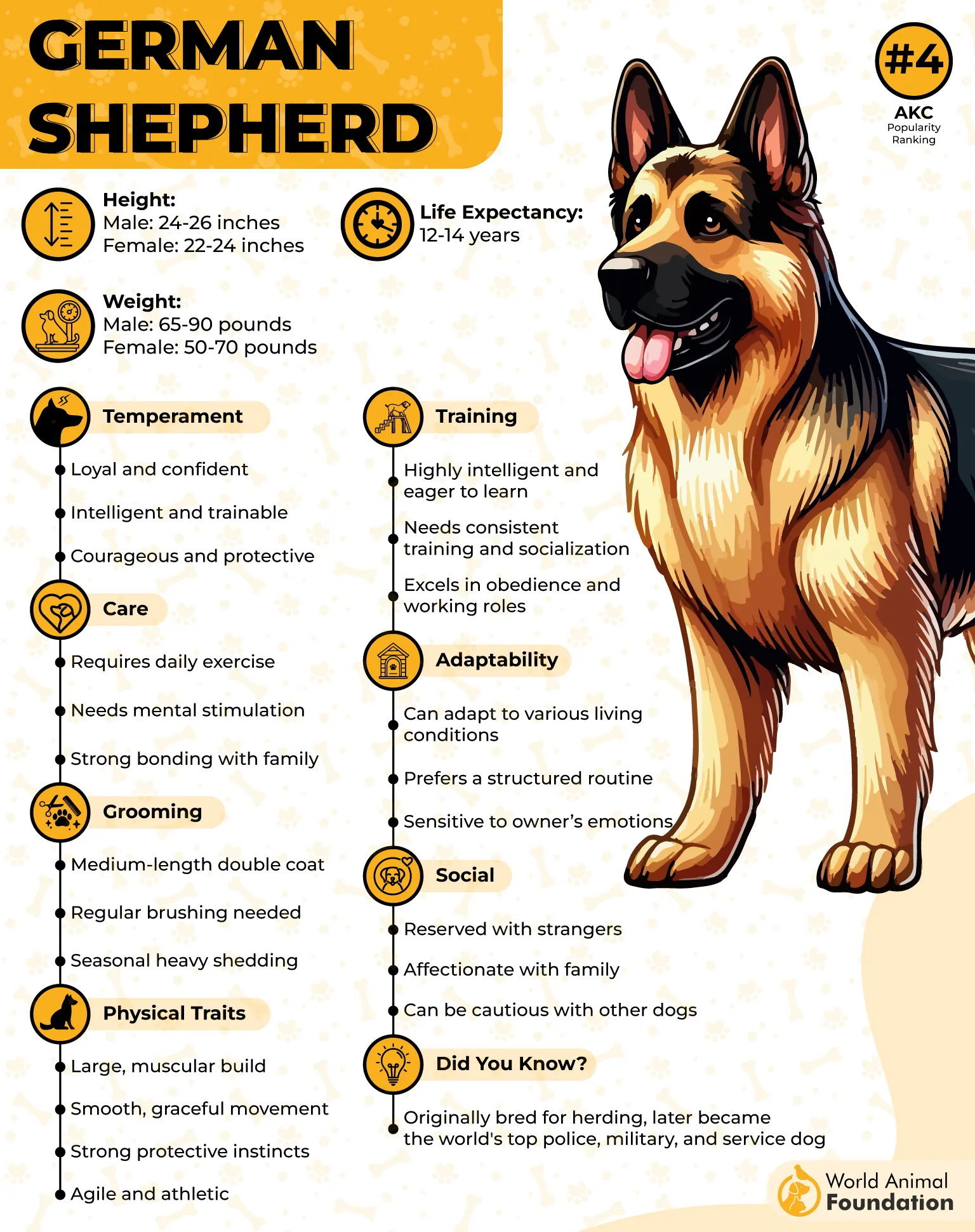
The German Shepherd began as a German herding dog, developed for working ability, intelligence, and versatility. Herding sheep came first, but those useful talents later opened the door to police, military, guide, and detection work. Talk about a résumé that refused to stay short.
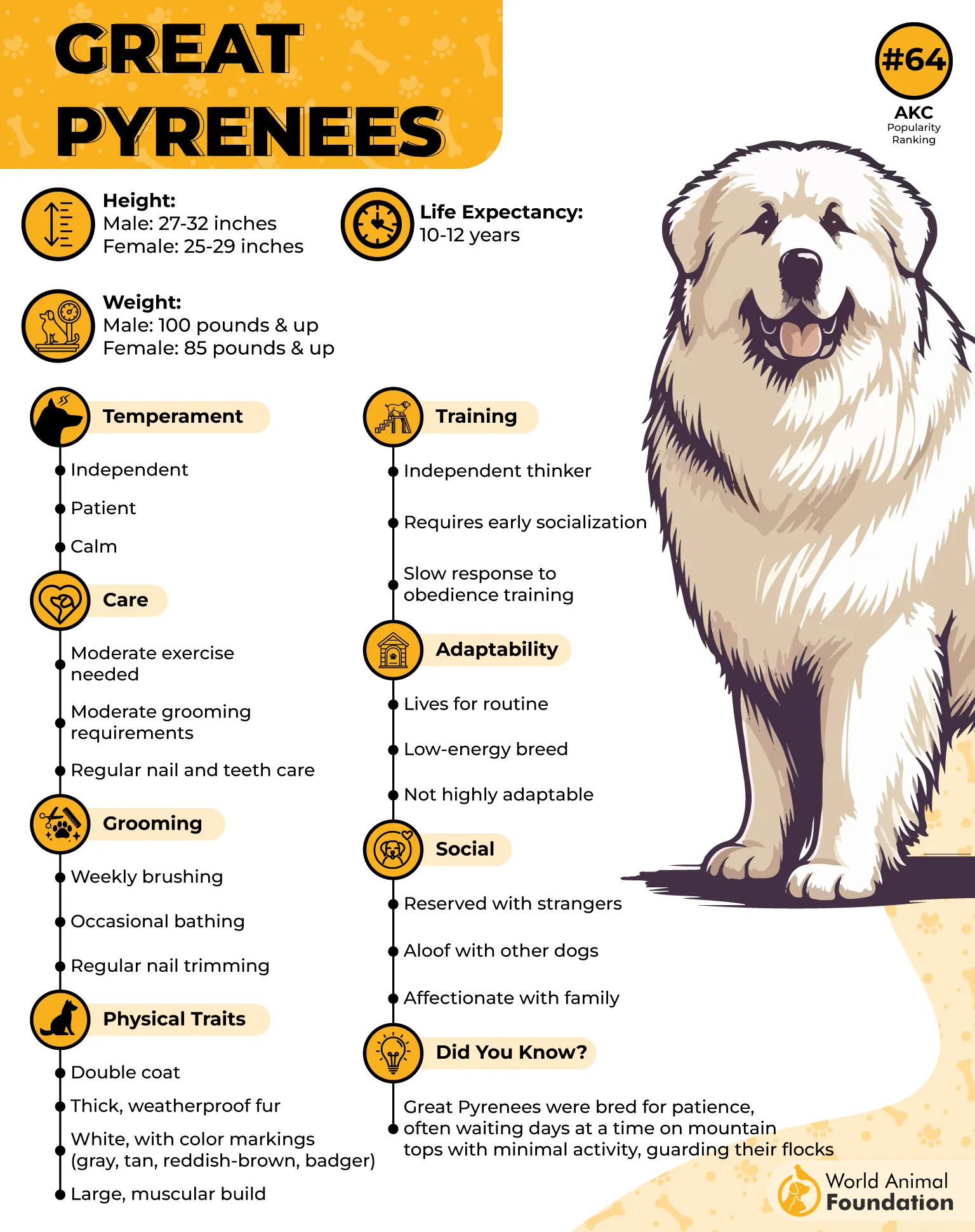
The Great Pyrenees took the mountain route. Developed around the Pyrenees between France and Spain, these dogs guarded livestock from predators and learned to work independently. That old guardian job explains why a Pyr can look wonderfully calm while still keeping tabs on everything nearby.
Size & Build
Put these dogs side by side and the visual difference becomes pretty obvious. Both bring serious presence, but the Great Pyrenees falls into giant territory, while the German Shepherd carries a large, athletic frame built around movement, balance, and practical working ability.
The Great Pyrenees has the kind of build that makes “substantial” feel almost understated. Beneath that thick coat sits an immensely powerful dog, created to confront predators and move quickly when necessary. The fluffy exterior is impressive, but there is plenty of muscle underneath.
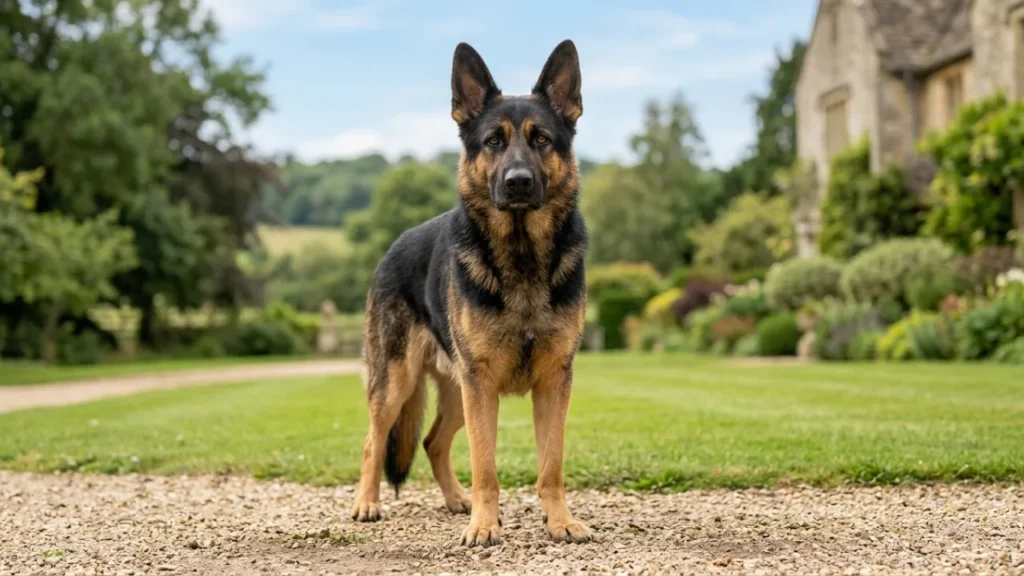
The German Shepherd looks more streamlined, with an agile, muscular body and smooth outline designed for efficient movement. Strength is certainly part of the package, yet the overall impression is athletic rather than bulky. Basically, this is a working build that likes having somewhere to go.
Pricing & Availability
Now comes the part where the dogs politely hand the conversation over to your wallet. Both breeds are rated as highly available, although their listed puppy prices differ. That makes this comparison less about finding either breed and more about what price range you encounter.
German Shepherd puppies are generally widely available, though costs can vary considerably depending on the breeder, location, and individual dog. For prospective owners, availability is usually less of a hurdle than finding a responsible source that suits their needs.
Great Pyrenees puppies are also generally available, and their purchase cost may be lower in some comparisons. The main consideration is still finding a reputable breeder or rescue, rather than focusing only on which breed appears easier or cheaper to obtain.
Temperament & Personality
Here is where the comparison gets especially interesting because these dogs do not bring identical personalities to the job. Both can be confident, yet one leans toward calm independence while the other brings a more alert, responsive style. Same serious presence, very different flavor.
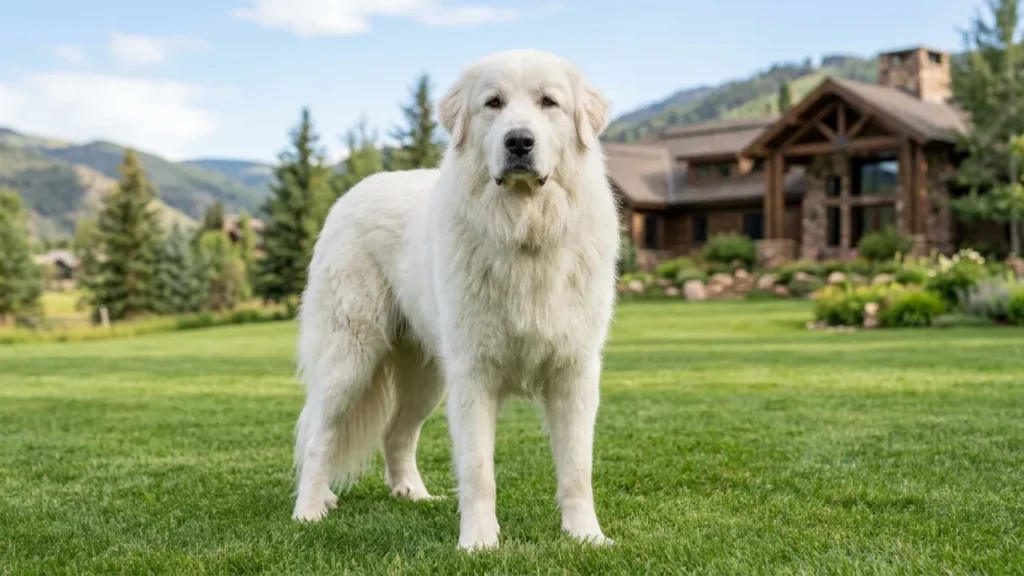
The Great Pyrenees mixes affectionate, fearless, patient, confident, gentle, and strong-willed traits. That last one matters because this breed was expected to make decisions independently. A Pyr may adore its people while still carrying the unmistakable attitude of a dog comfortable using its own judgment.
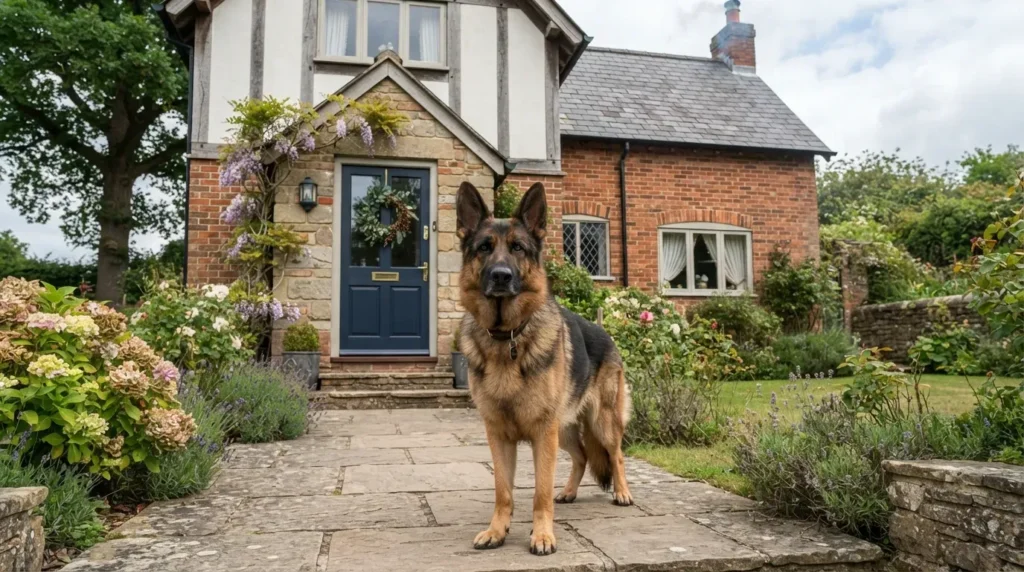
German Shepherd personality reads more like an enthusiastic job description: alert, courageous, intelligent, obedient, confident, curious, loyal, and watchful. These dogs are known for staying engaged with what is happening around them, bringing an attentive personality that fits naturally beside their long history of working roles.
Exercise Needs & Energy Levels
If these breeds shared a fitness tracker, the German Shepherd would probably keep the numbers moving faster. Both need activity, but their energy patterns are clearly different. The Shepherd trends more active, while the Great Pyrenees typically approaches exercise with a noticeably more measured pace.
As mentioned by Purina, adult German Shepherds may need two hours or more of varied exercise to stay satisfied. Training, puzzle-solving games, and changing routes can keep their sharp minds engaged while giving all that working-dog energy somewhere useful to go.
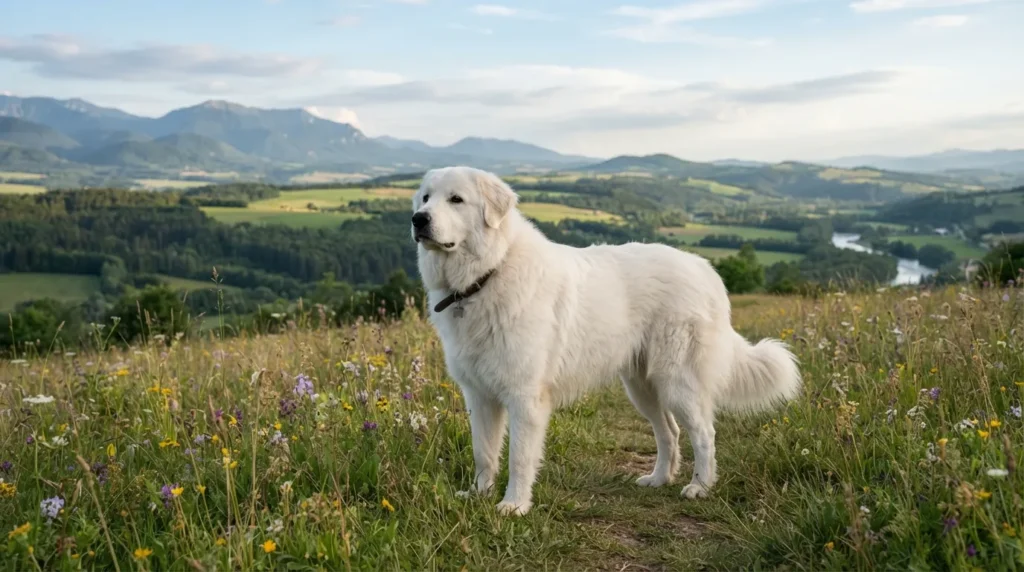
Great Pyrenees take a calmer approach to movement. Their guardian background encouraged conserving energy until something actually required action, and about an hour of moderate exercise and mental stimulation is sufficient. They are not motionless giants, just far less interested in treating every afternoon like boot camp.
Trainability & Obedience
Here is where these two dogs show completely different classroom personalities. One tends to ask, “What’s the assignment?” while the other may quietly wonder whether the assignment was necessary in the first place. Both are intelligent, but cooperation comes in different flavors.
As noted by PetMD, Great Pyrenees are typically calm, independent, and alert, with a gentle nature around family members. Their independent flock-guardian background can make training a little challenging, so consistency, positive reinforcement, and early socialization work best.
German Shepherds generally bring a much more eager attitude to lessons. Their intelligence, willingness to please, and quick learning ability help them respond well to structured training. Add mental challenges alongside physical activity, and this working dog usually appreciates having another job to master.
Grooming Needs & Shedding
Now for the furry evidence that a dog lives in your house. Both breeds carry double coats and require regular brushing, but their shedding patterns can keep the grooming brush surprisingly busy. The furniture may occasionally join the conversation by wearing some fur too.
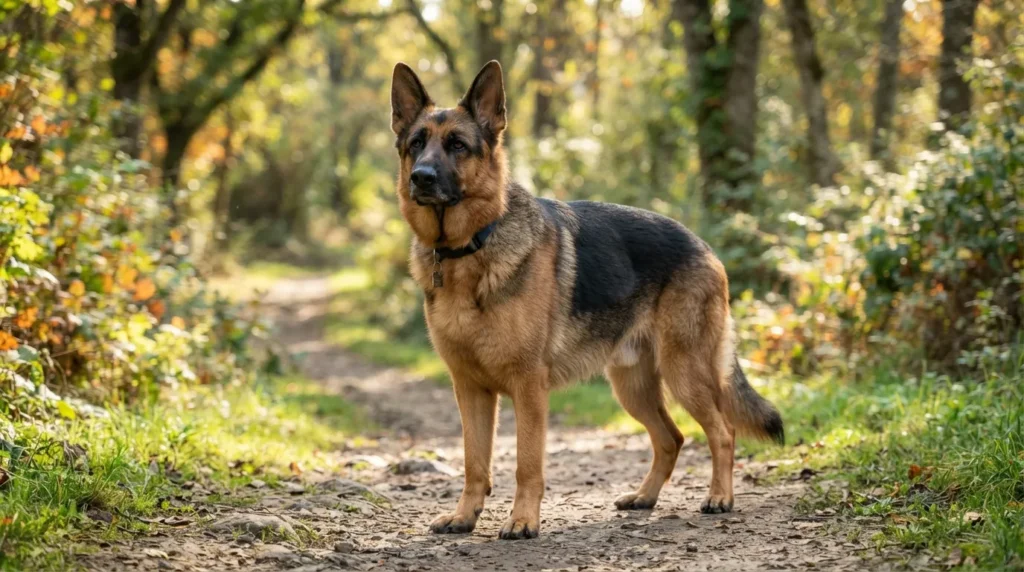
According to the American Kennel Club (AKC), the German Shepherd’s double coat is fairly easy to manage with brushing every few days. Shedding gets heavier once or twice yearly, so extra brushing helps keep loose hair under control.
The Great Pyrenees brings a thick double coat that naturally resists dirt and tangles. Weekly brushing is generally sufficient, although seasonal undercoat shedding calls for extra attention. That impressive white coat looks wonderfully majestic, but yes, some of that majesty eventually reaches the floor.
Guarding Instincts & Alertness
Some dogs notice the mail carrier. These two may notice the mail carrier, the gate, the unfamiliar sound outside, and possibly your suspiciously late snack run. Guarding runs deep in both breeds, though each developed those instincts through very different working backgrounds.
The Great Pyrenees was created to protect livestock from serious predators, so watchfulness and independent judgment are firmly rooted in this giant breed. Calm does not mean unaware. A Pyr can appear wonderfully composed while remaining ready to respond when something genuinely needs attention.
German Shepherds bring alertness together with confidence, courage, and a strong ability to learn commands. Their protective qualities helped move them from herding into police and military roles. They tend to stay engaged with their surroundings, making their watchful nature hard to miss.
Health & Lifespan
No breed comparison is complete without looking beyond personality and into long-term care. Both dogs can face breed-specific health concerns, which makes responsible screening especially important. Their expected lifespans also fall within fairly similar territory, though the listed ranges vary slightly by source.
German Shepherds are generally healthy, but responsible breeders screen for inherited concerns such as hip dysplasia, elbow dysplasia, and degenerative myelopathy. Their typical lifespan is 12 to 14 years, making long-term health care and responsible breeding especially important.
Great Pyrenees typically have a lifespan of about 10 to 12 years. Health screening may cover hip and elbow dysplasia, eye disorders, luxating patellas, and other conditions. Bloat is another concern owners should understand, so informed care plays an important role.
Which Protective Breed Fits Your Lifestyle Best?
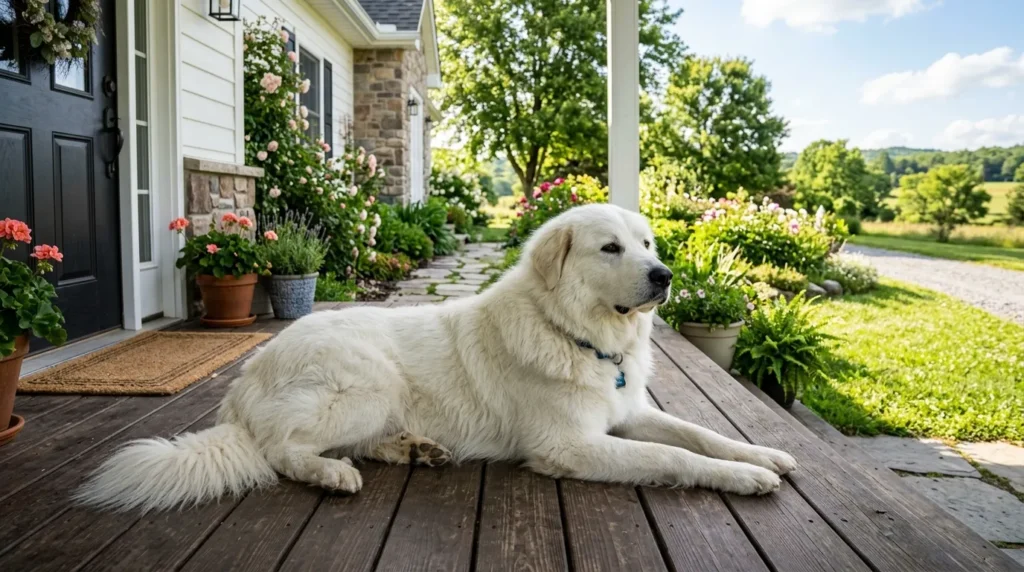
This final matchup really comes down to the rhythm you want around the house. The Great Pyrenees brings a calmer, more independent nature, while the German Shepherd tends to prefer greater activity and involvement. Neither personality is interchangeable, and that is exactly the point.
The Great Pyrenees may appeal to someone who appreciates a watchful dog with moderate exercise needs and an independent streak. These guardians are calm, patient, and comfortable making decisions themselves. Give them space, consistent guidance, and meaningful interaction, and their personality makes much more sense.
The German Shepherd suits a lifestyle with plenty of daily exercise, consistent training, and mental engagement. Highly intelligent, driven, loyal, and attentive, this breed tends to enjoy having something useful to do. For owners who like an involved working partner, that enthusiastic mindset can be especially appealing.
Conclusion
Great Pyrenees and German Shepherds both bring serious loyalty and protective instincts, but they fit very different kinds of owners. The Great Pyrenees offers a calmer, more independent presence, while the German Shepherd brings energy, focus, and an eagerness to stay involved.
So, think about your routine, your activity level, and the kind of relationship you want with your dog. The best match is the one whose natural personality feels right for your everyday life. Pick with care, and you could gain a truly remarkable four-legged partner.
