




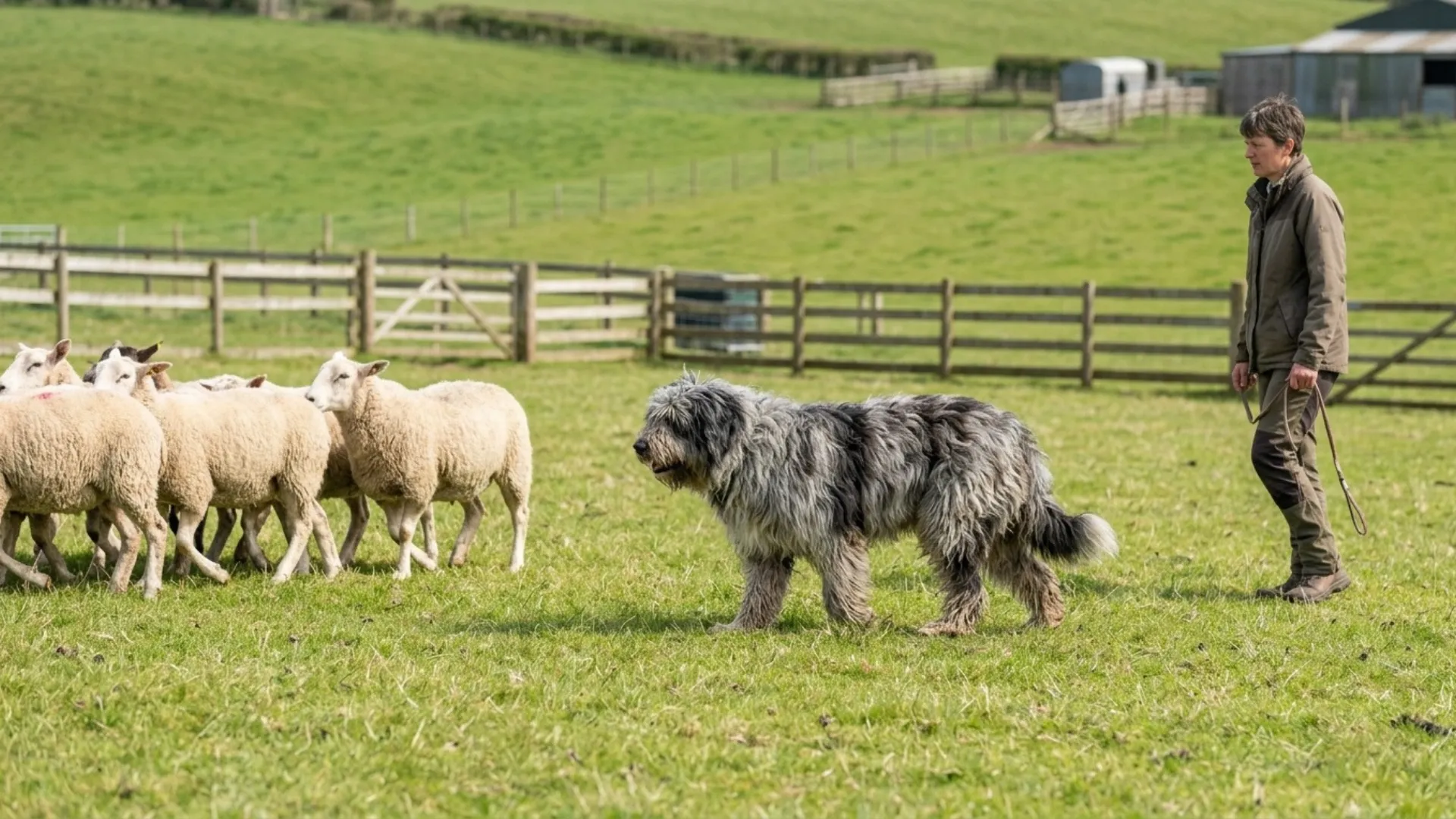
So you want a herding dog. Respect.
But let’s get real for a second…
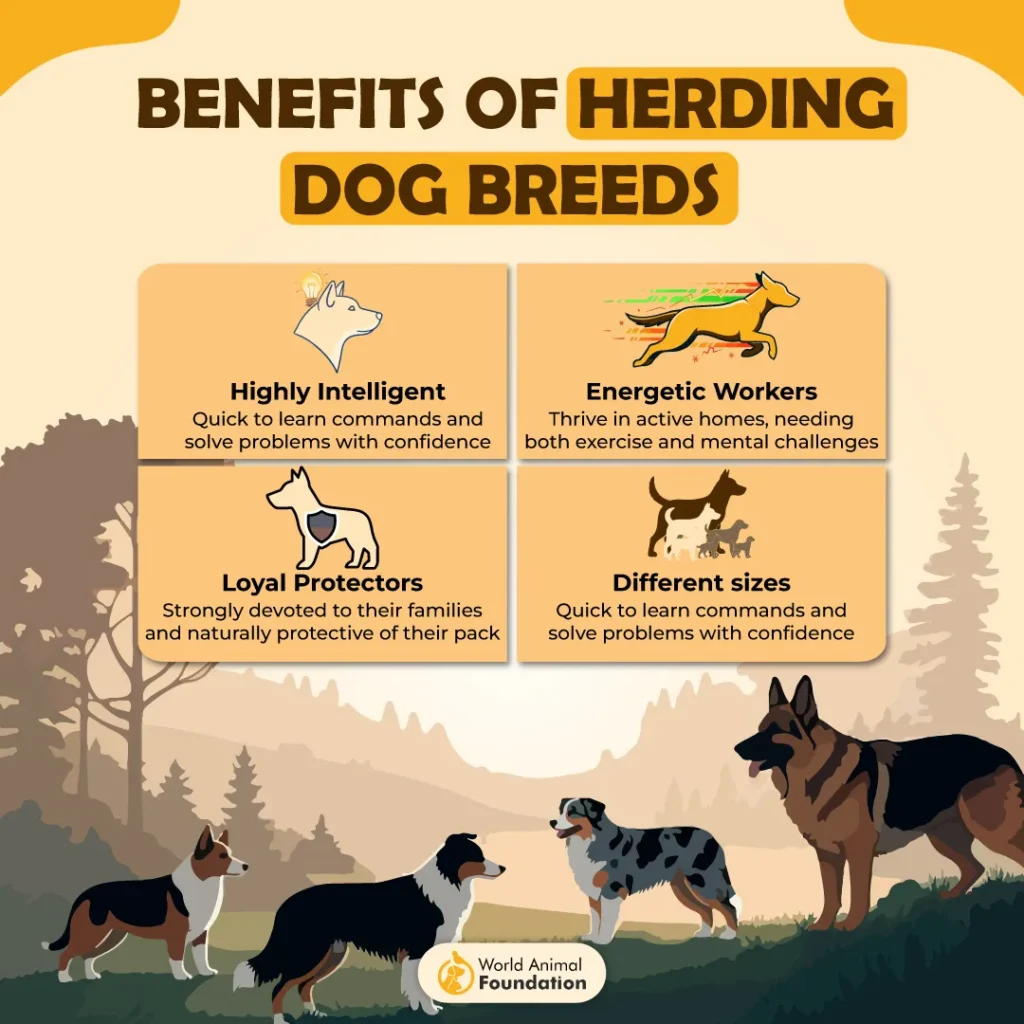
Herding breed dogs are NOT like picking a golden retriever off an “easiest dog for beginners” list and calling it a day. These dogs come with brains, drive, and a strong herding instinct that needs an outlet. Skip that part, and you will end up with a smart, bored dog rearranging your living room furniture out of sheer frustration.
Herding dog breeds can absolutely work for a first-time dog owner… as long as you go in with realistic expectations. These dogs were originally bred to herd sheep, herd reindeer, move cattle, or, in some cases, moonlight as guard dogs and police dogs.
That history is important.
It shapes everything from their energy level to how much mental and physical stimulation they will demand from you daily.
So if you are going to bring home a furry friend from the herding group for the first time, this is what you should look for. We have broken it down, breed by breed.
Great Dog Breeds for New Herding Owners: What to Look For
1. Border Collie
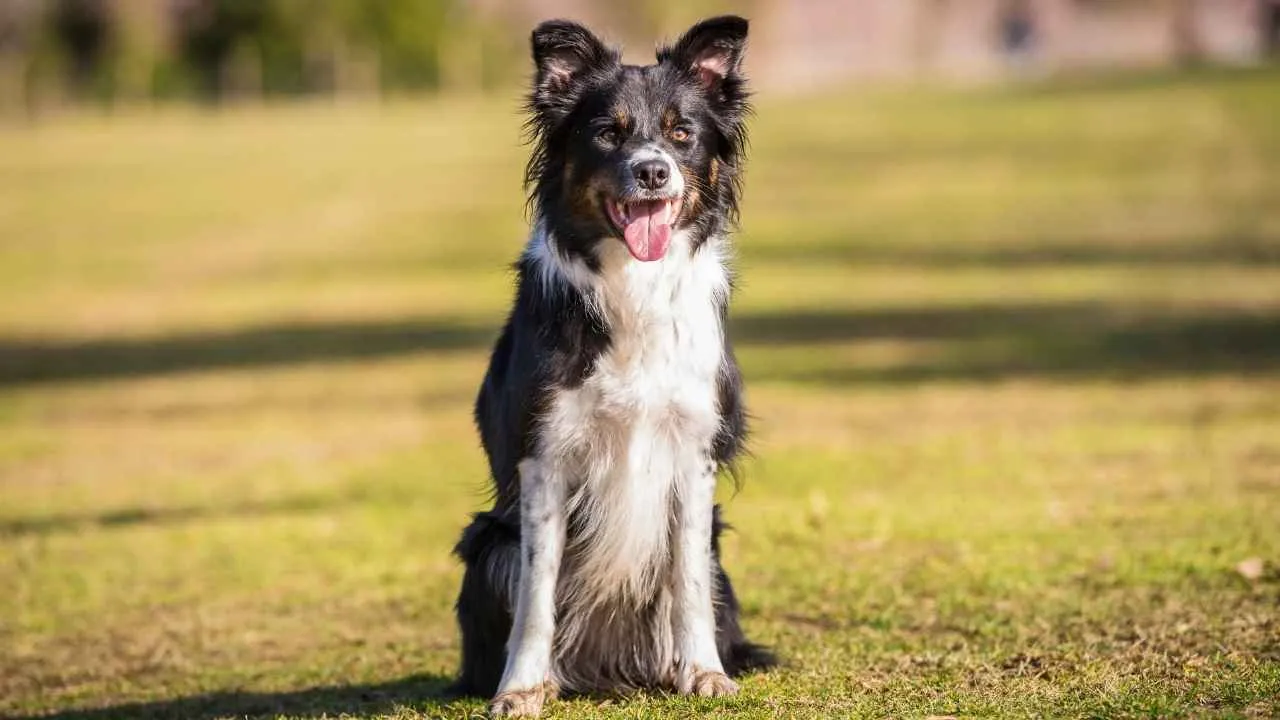
Let’s start with the #1 herding dog breed in the world.
And also one of the most intelligent dogs.
The Border Collie was originally bred along the England-Scotland border to herd sheep. They use an intense stare (herders call it “the eye”) to control a flock without ever touching it.
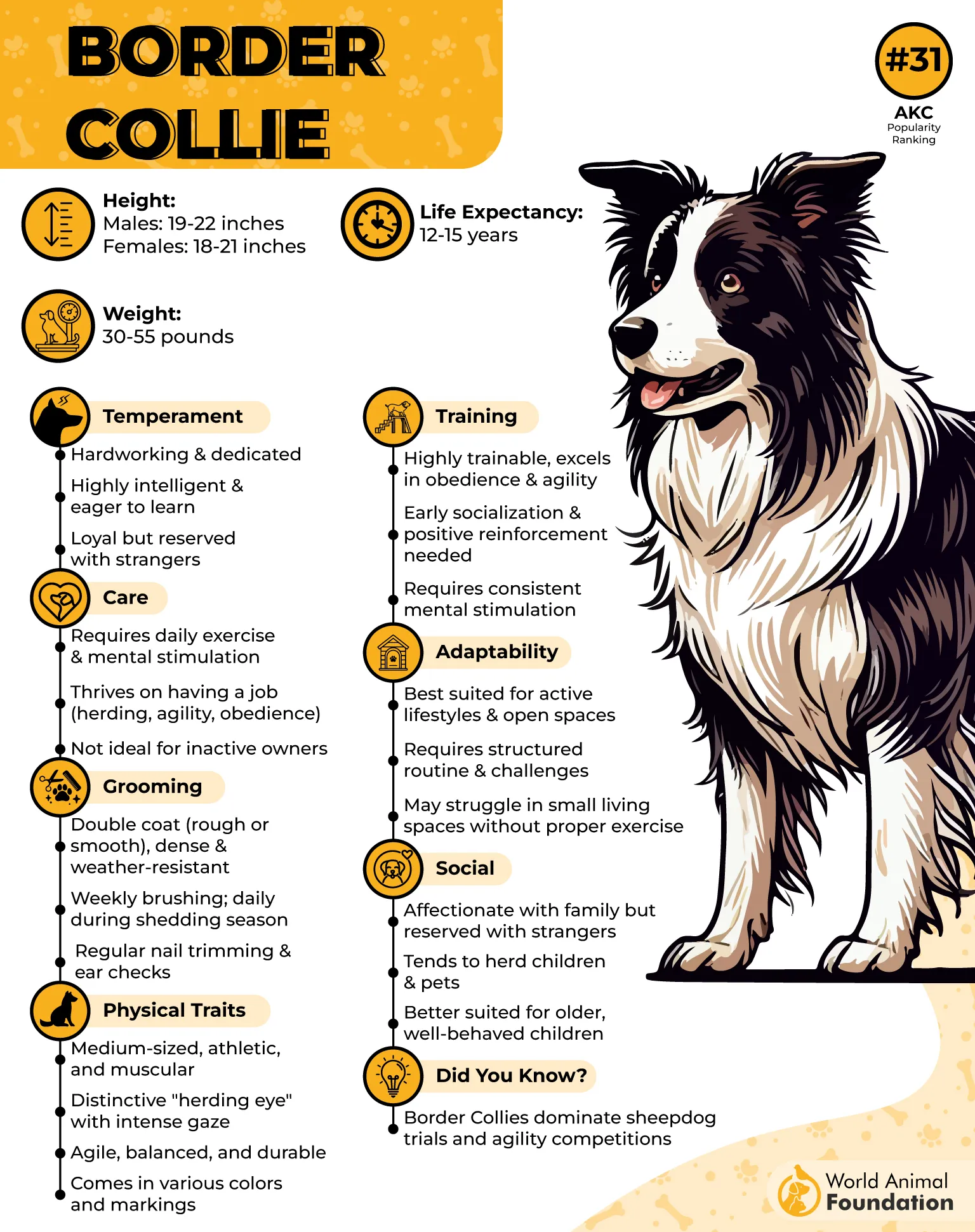
This breed is highly trainable and insanely smart. That sounds great until you realize that intelligence needs constant mental stimulation, or it turns into anxiety, barking, or chaos.
According to PetMD, Border Collies do best with active families who can offer daily exercise, agility work, or some kind of “job” to focus that brainpower. That could be herding trials, flyball, or even advanced obedience work, as well as substitutes when there’s no actual flock around.
For a first-time owner, this breed CAN work, but only if you are genuinely ready to commit serious time to training and physical stimulation.
2. Polish Lowland Sheepdog
A little less famous, a little more manageable.
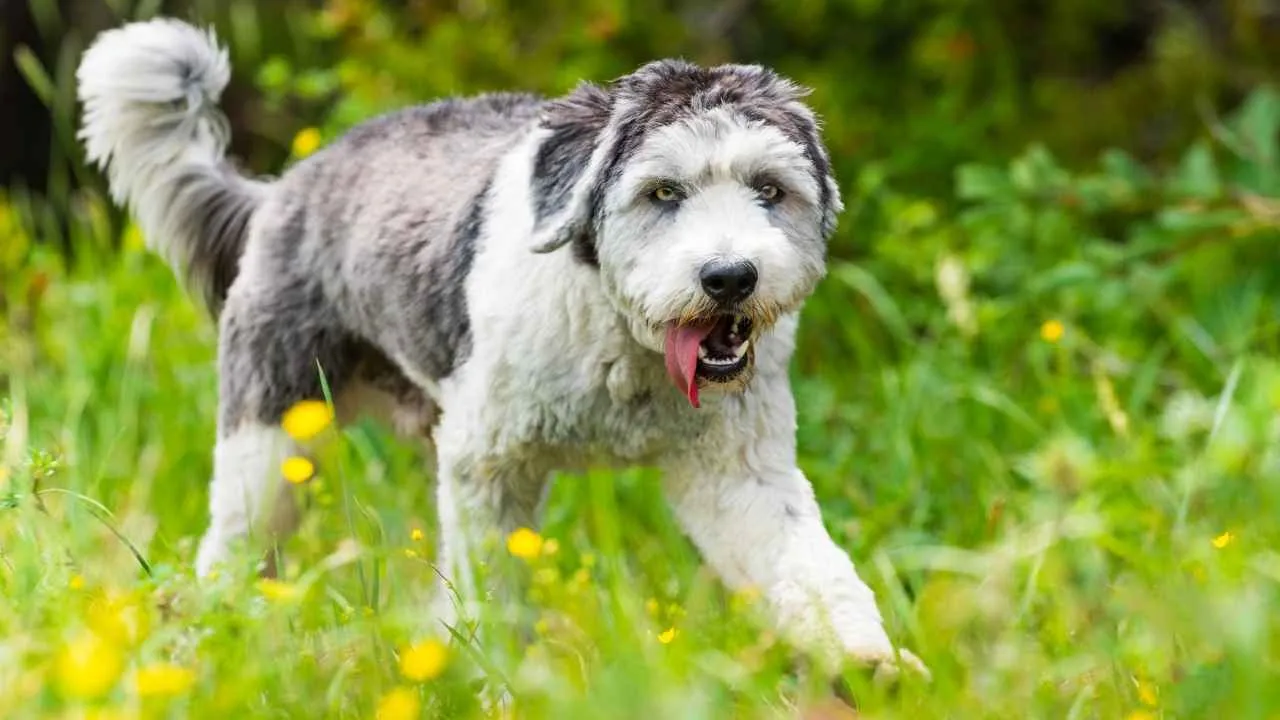
The Polish Lowland Sheepdog (you can shorten it to PON) has been herding sheep and cattle in Poland for centuries. With that shaggy coat and medium build, it looks almost like a smaller, scruffier Old English Sheepdog, and honestly, it is just as charming.
This herding dog breed brings strong herding instincts but tends to have a slightly more relaxed energy level than the Border Collie. That’s why they are a bit easier to live with.
They are smart, loyal, and easy to train with positive methods. That is a BIG PLUS for owners still learning the ropes of dog training.
Regular grooming is a must thanks to that thick, shaggy coat. Expect to spend real time brushing out mats. Purina mentions these high-maintenance dogs need daily attention. Their gentle temperament with kids, watchful nature, and overall adaptability make them a solid pick for new owners who want a capable working dog.
3. Bergamasco Sheepdog
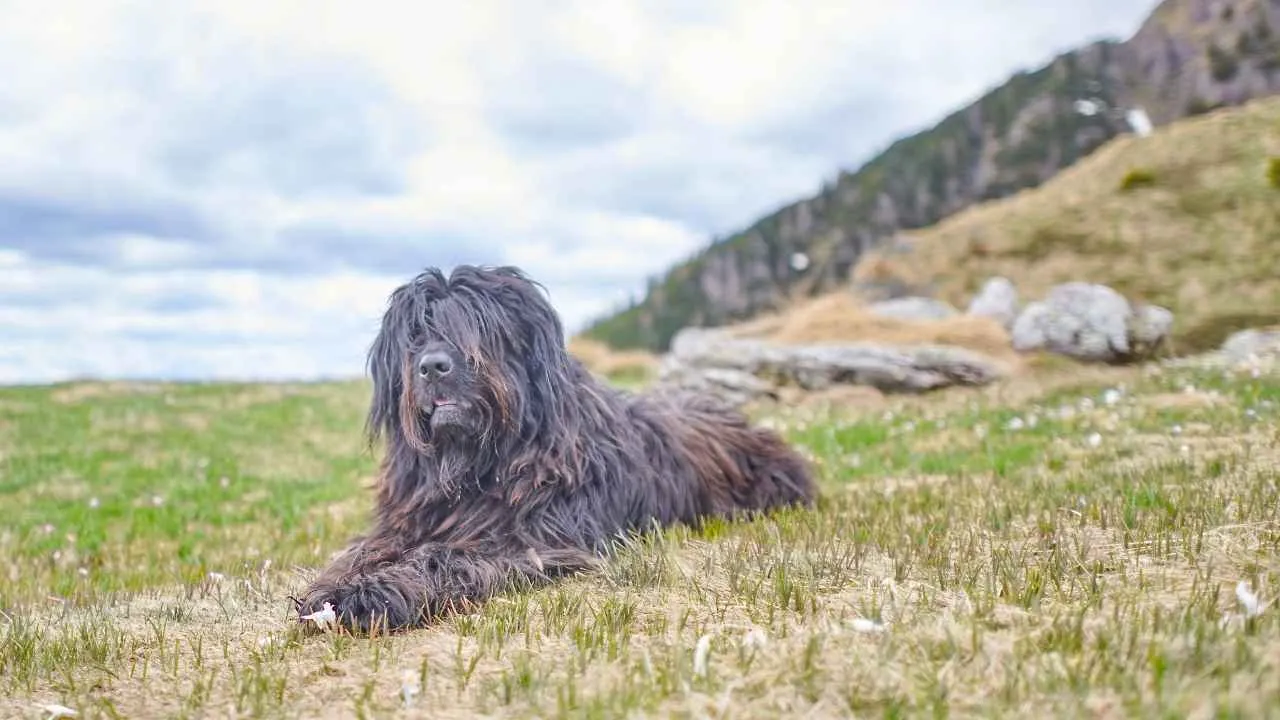
The Bergamasco Sheepdog looks unlike LITERALLY any other breed on this list thanks to that famous corded coat that forms naturally over time. Those are like living dreadlocks.
Originally bred in the Italian Alps to herd sheep across rugged terrain, this breed combines toughness with a calm, patient personality that many people don’t expect.
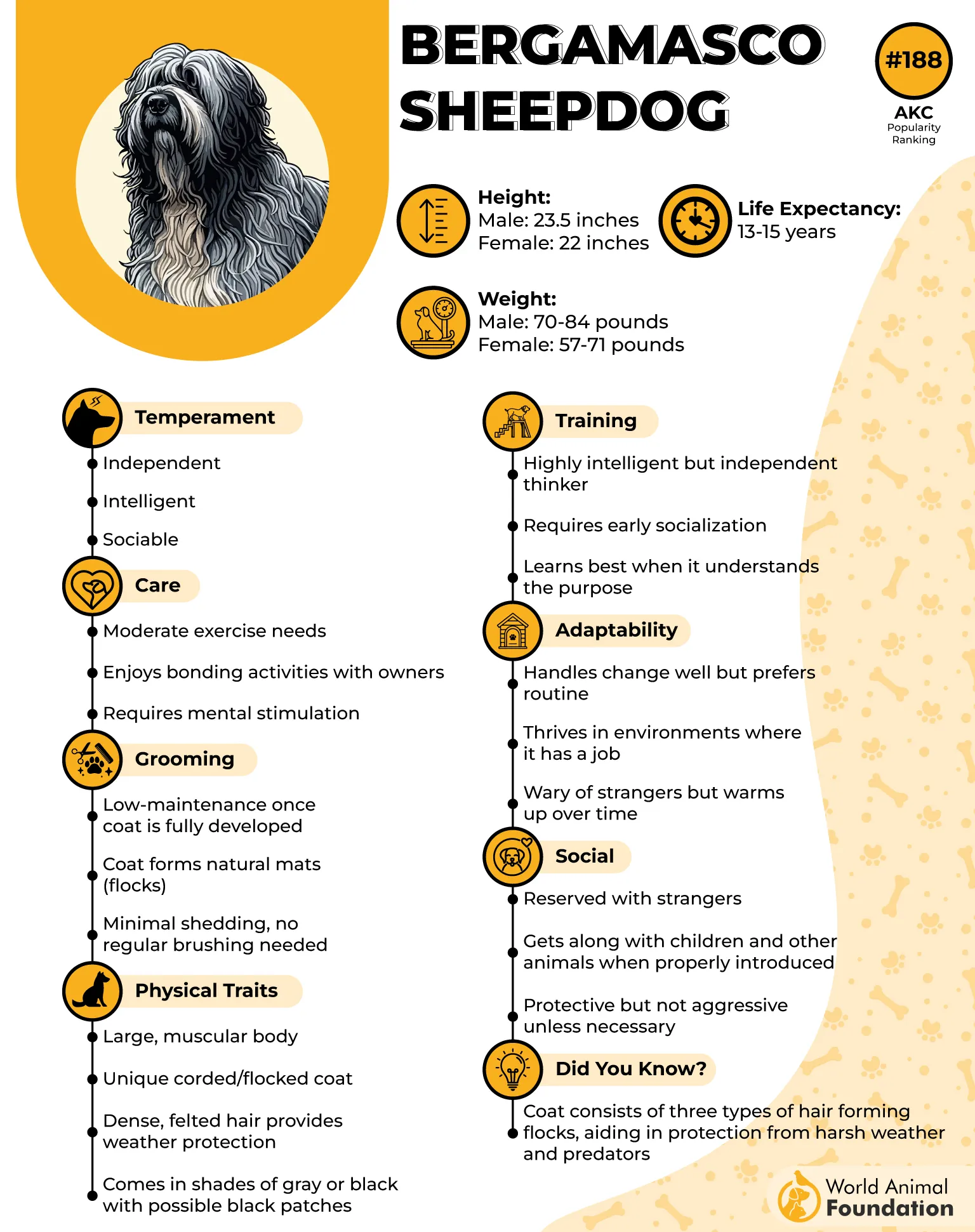
Despite that wild appearance, Bergamascos are low-maintenance in terms of exercise once past the puppy stage.
Moderate daily walks and some mental stimulation usually keep these Italian dogs content and settled. Their coat, ironically, needs less regular grooming than you’d expect once the cords fully mat together and lock into place, since brushing actually becomes unnecessary at that point.
They are affectionate, loyal, and great companions for families. They form strong bonds without being overly demanding. THAT combo makes them an approachable choice for someone newer to herding breeds.
4. Belgian Malinois
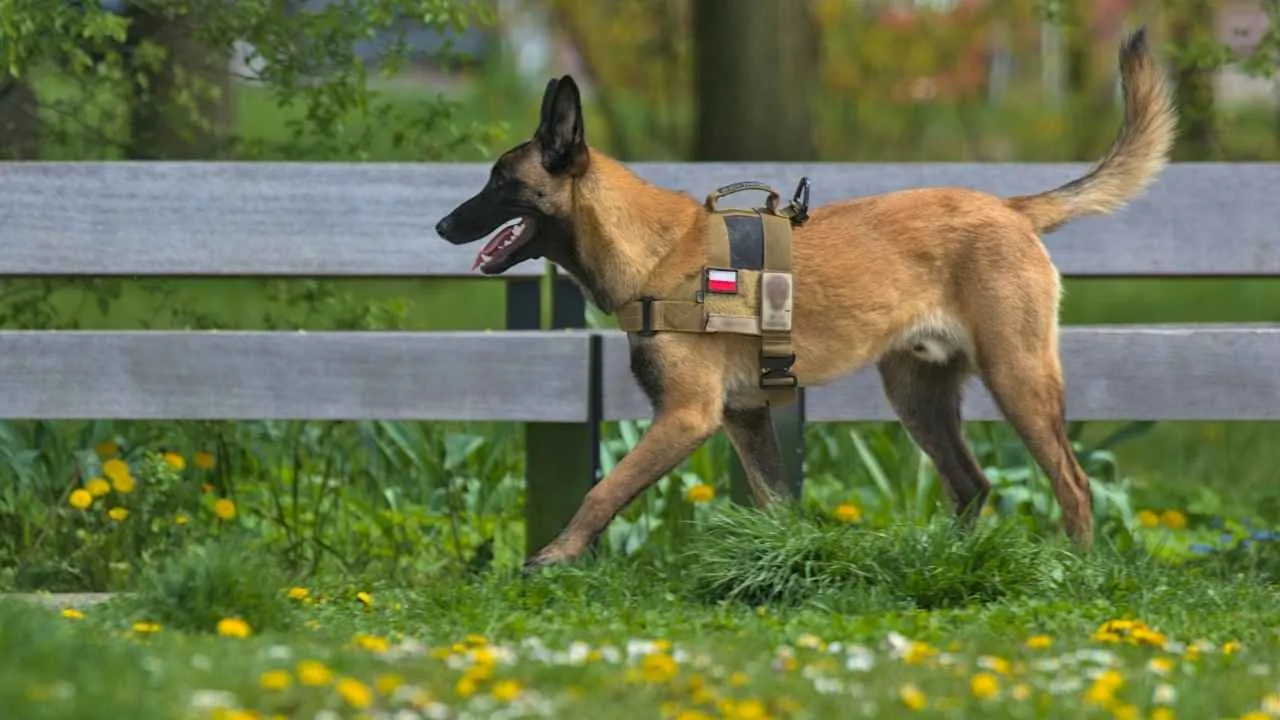
Now here’s a breed that gets thrown around a lot in police work and military circles. The Belgian Malinois was bred as a herding dog in Belgium before transitioning into one of the most respected working dogs in the world. They were prized for their focus, drive, and physical capability.
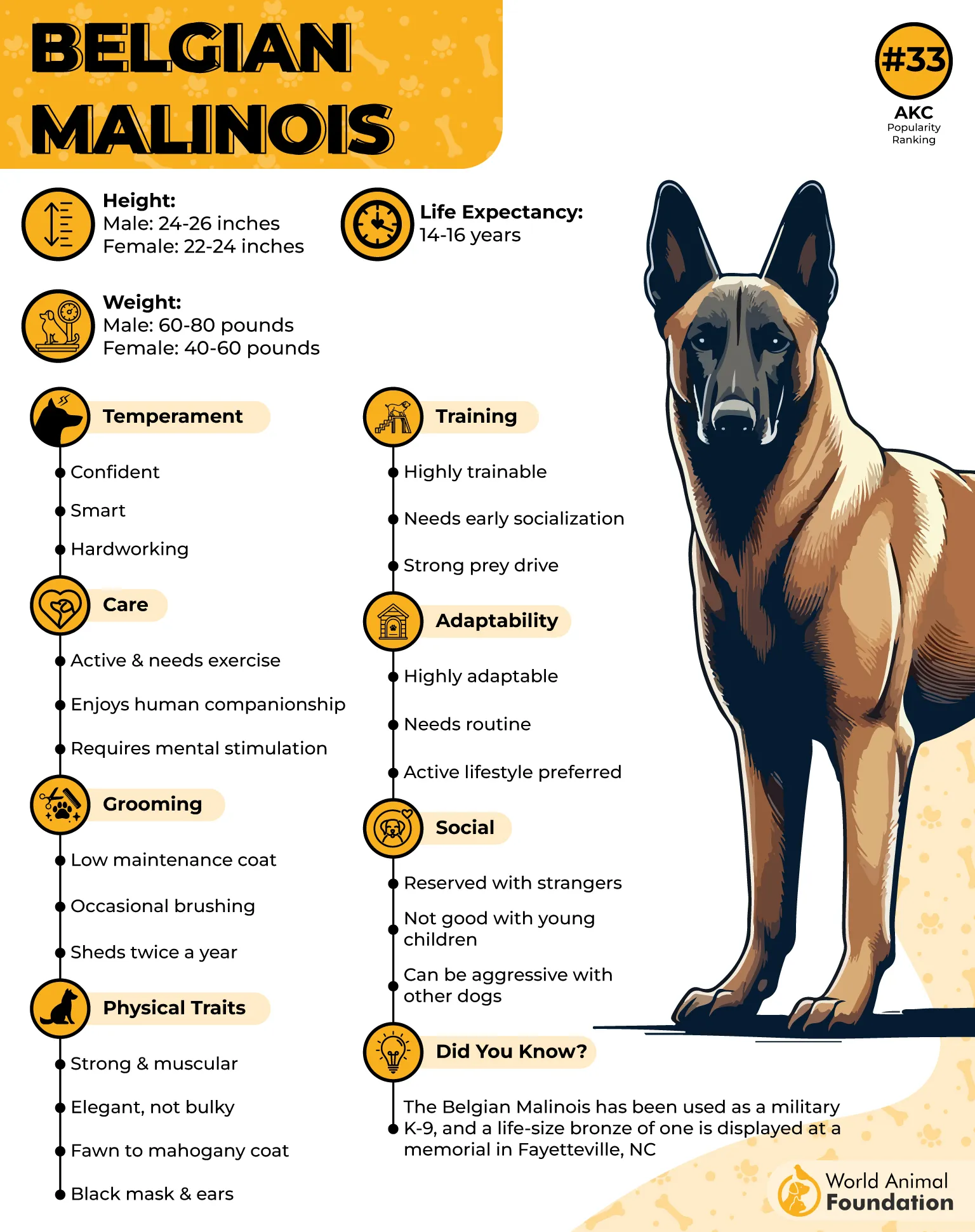
This breed is intense, like, seriously high-energy, smart, and NOT for the faint of heart. Belgian Malinois requires an active lifestyle, tons of mental and physical stimulation, and firm, consistent training from day one. Inconsistent handling can lead to serious behavioral problems.
This one is a stretch for most first-time owners. If you are new to herding dogs and considering a Belgian Malinois, go in with eyes wide open. Talk to breeders and trainers honestly about the commitment, or maybe consider building some experience with a calmer herding breed first before taking this one on.
5. German Shepherd
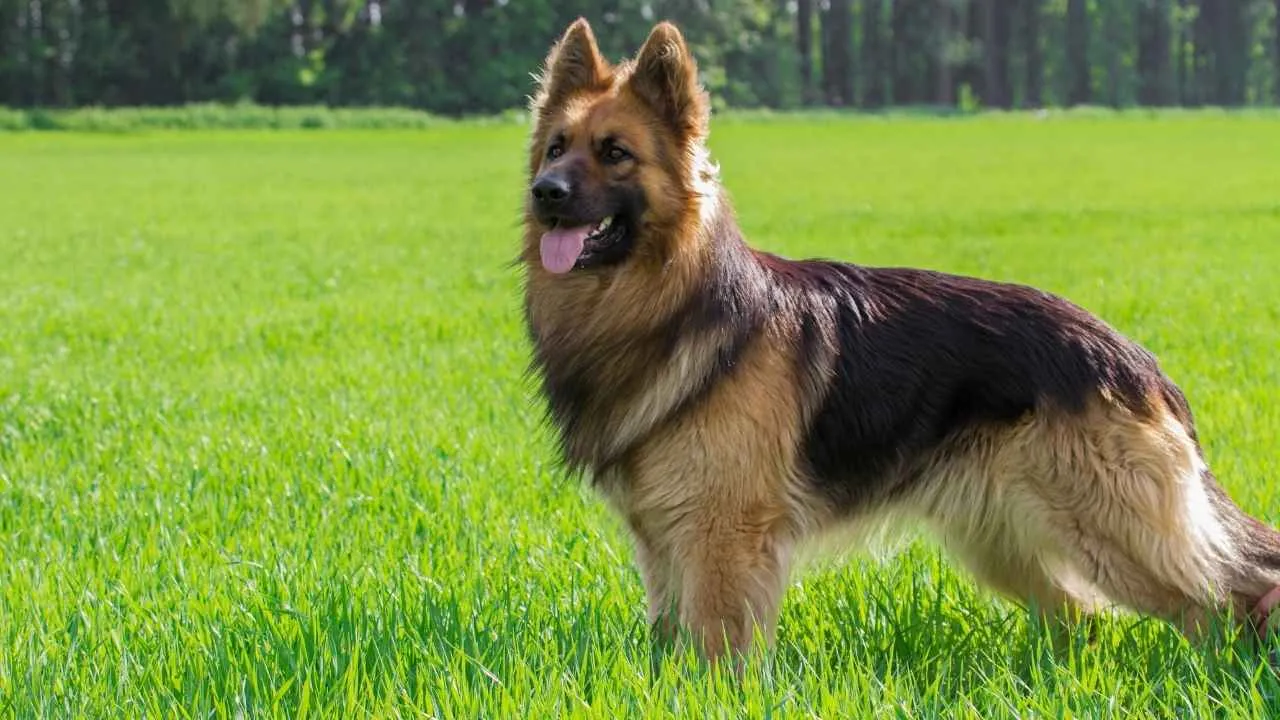
German Shepherd might be the most well-rounded name on this list. These dogs were bred to herd sheep in Germany. ORIGINALLY. But this Shepherd dog breed has since become one of the most versatile adult dogs. They work as police dogs, service dogs, and beloved family pets, sometimes all within the same lifetime.

German Shepherds are highly trainable, loyal, and eager to please. That makes the training process smoother for new owners than for some other herding dog breeds on this list.
They still require regular exercise and mental stimulation to stay busy and avoid boredom-driven behaviors. But their adaptability and steady temperament make them one of the most forgiving choices for someone building confidence as a dog owner.
Give them proper training and physical outlets. And your German Shepherd will become an incredible FIRST herding dog breed.
6. Bouvier Des Flandres
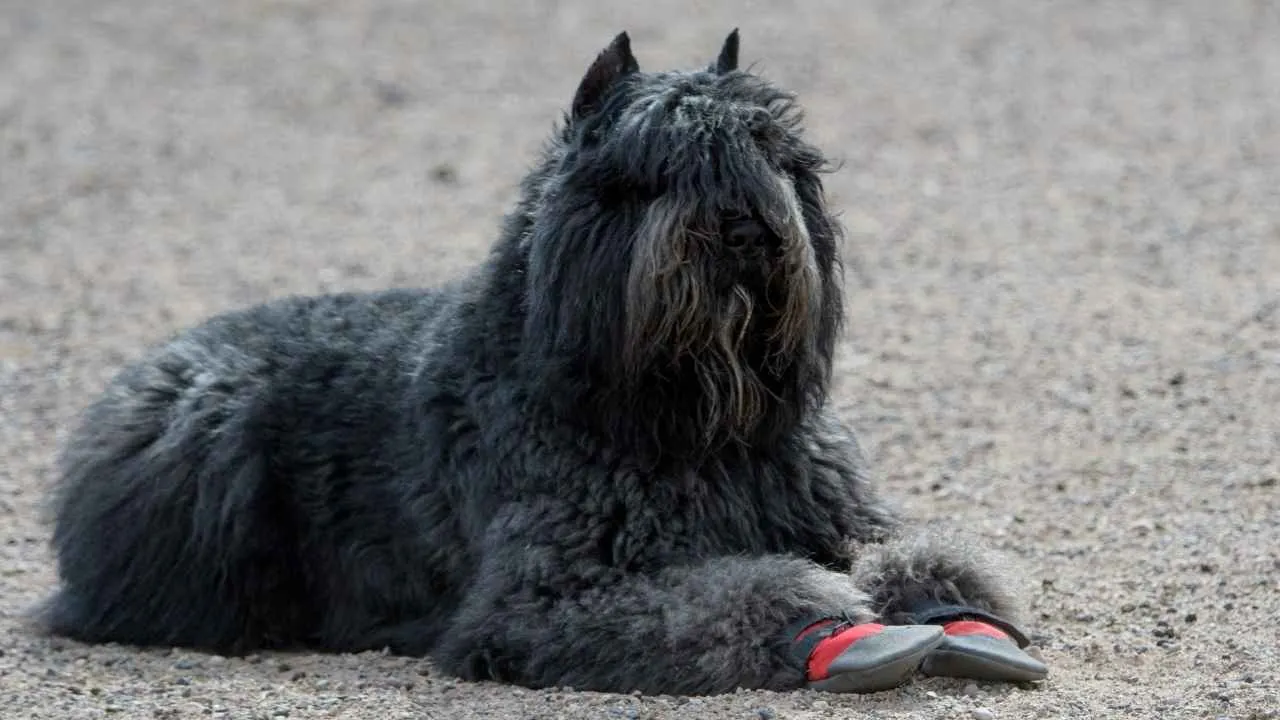
The Bouvier Des Flandres brings a big, bearded, slightly goofy energy to the herding world. Originally bred in Belgium for general farm work, including herding cattle and pulling carts, this breed has strength and a calm demeanor. According to WebMD, their name literally translates as “cow herders of Flanders.”
Isn’t that cute?
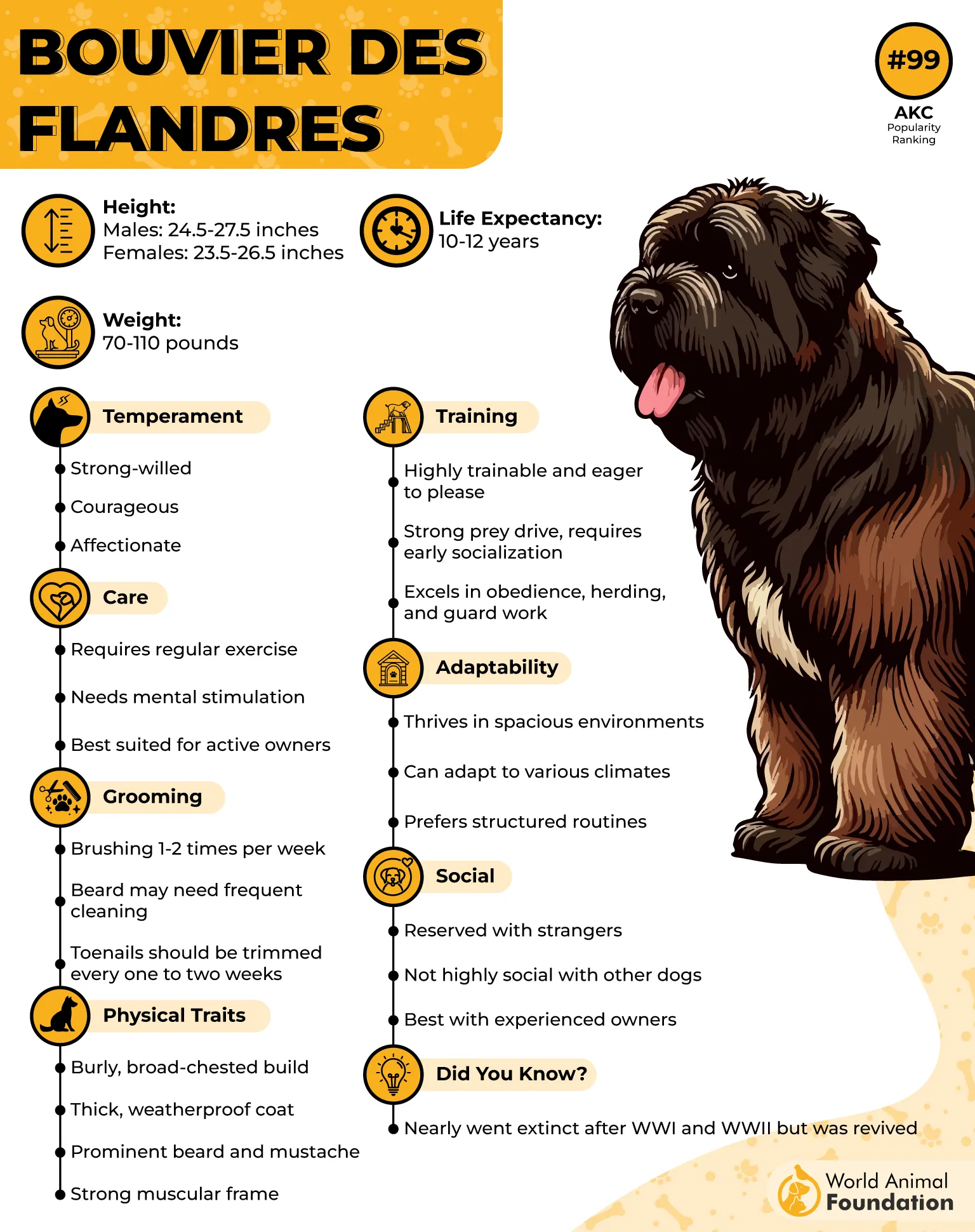
Bouviers are smart and trainable, but they are also a bit independent-minded, so patient training works better than repetitive drilling.
Their thick coats require regular grooming to prevent matting, so budget time (or money for a groomer) into your routine.
Exercise needs are moderate. They enjoy staying busy and appreciate a job, but are not quite as relentlessly driven as a Border Collie or Malinois.
For new owners wanting a large, loyal herding breed with a laid-back edge and a strong protective streak, the Bouvier is generally worth consideration.
7. Beauceron
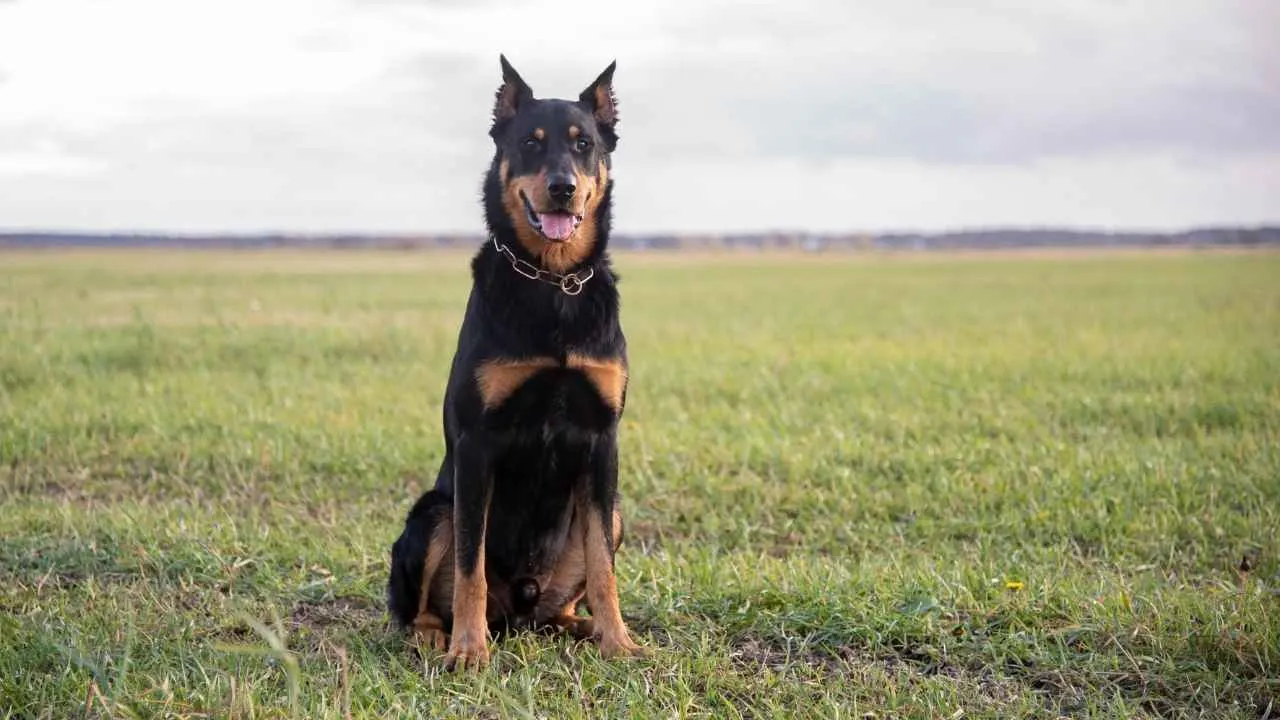
Rounding out the list is the Beauceron, one of France’s oldest herding dog breeds.
These dogs used to herd sheep and guard property across the French countryside. This breed brings both herding instincts and a solid guard dog presence in one confident, capable package.
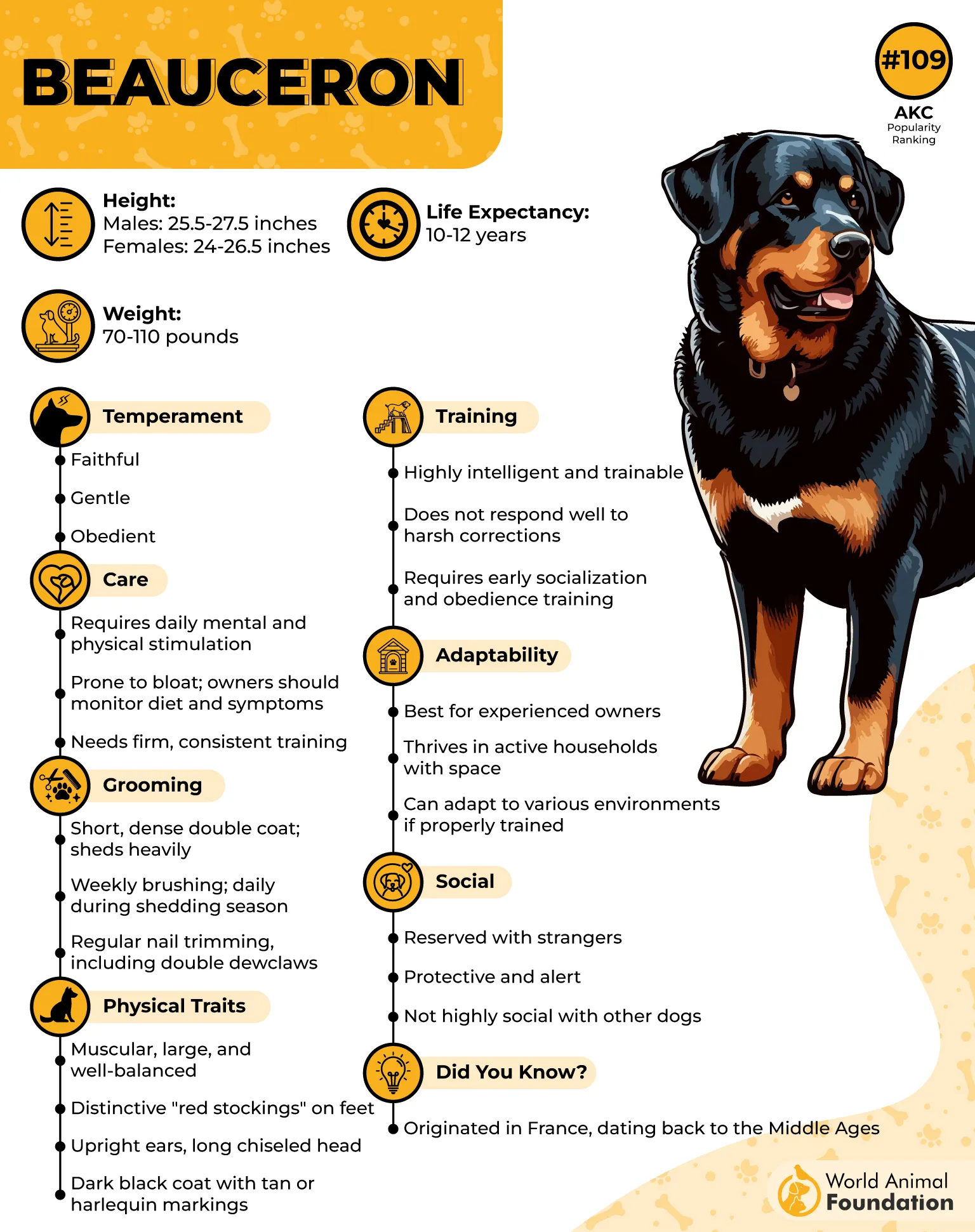
Beaucerons are intelligent, loyal, and highly trainable. They do best with owners who provide clear structure and boundaries.
This breed does NOT respond well to inconsistency. They are not small dogs by any means. This is a big, muscular dog breed that needs regular exercise and mental stimulation to stay balanced.
First-time owners can succeed with a Beauceron, but early socialization and proper training are important. You can’t skip those.
Get that foundation right, and you end up with an incredibly loyal, protective companion who takes its role in the family seriously.
Conclusion
Herding dog breeds bring intelligence, loyalty, and serious working potential.
But they also come with real requirements that first-time owners need to take seriously before signing up. Not every breed on this list fits every household, and that’s okay.
Some offer a gentler entry point into herding breeds for someone still building confidence. Others ask for a lot more time, energy, and commitment upfront.
Consistent training, regular exercise, and mental stimulation keep that herding instinct satisfied.
Get that right, and any of these breeds can become one of the most loyal, hardworking, and excellent companions you will ever bring into your home.
