




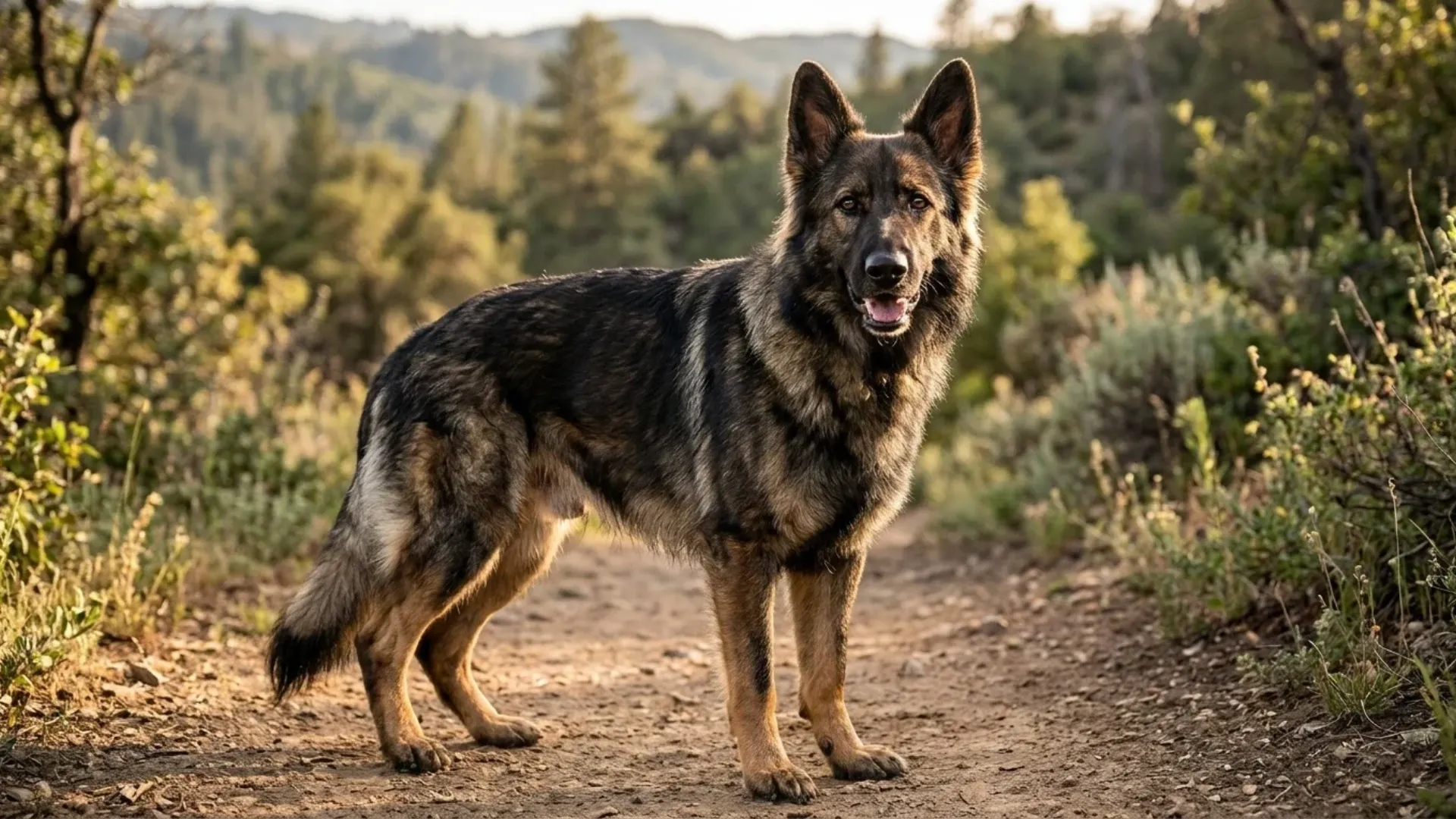
Sable dogs have coats that make you stop and stare. Instead of one flat color, each hair shades from light to dark, giving the coat a rich, layered look. One minute a dog looks almost tiger-like, and the next it looks like a wolf. There are several types of sable coats, including clear sable and the wolf-like pattern known as the agouti effect.
That’s why we’ve put together a list of sable dog breeds in this guide. We’ll cover their coat patterns, color variations, and grooming routines.
We’ll also look at their personalities, exercise needs, training, work history, and the type of owner each breed suits best. So if you’re after a dog with a sable or brindle coat, this guide will help you find a pup that fits your lifestyle. Stick around!
Gorgeous Dog Breeds Featuring Sable Coat Variations
1. German Shepherd
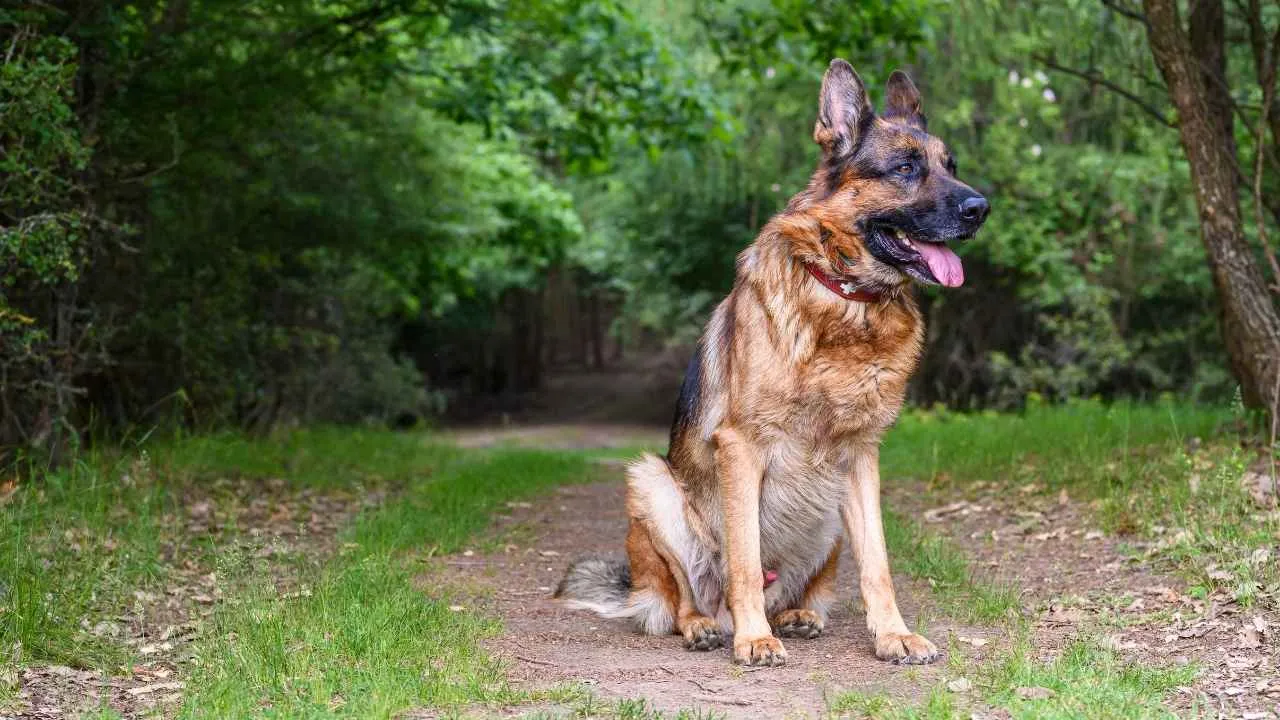
German Shepherds are famous for being protective, devoted, and confident. They’re total softies with their loved ones but keep a watchful eye on strangers. GSDs were originally bred for versatile herding work, and they’ve also served as search and rescue dogs.
Among sable dog breeds, the German Shepherd’s coat starts with warm shades like fawn, grey, or light tan, with dark charcoal or black tips. When sunlight hits it, the coat looks layered and almost wild. They have a medium-length double coat that sheds moderately all year.
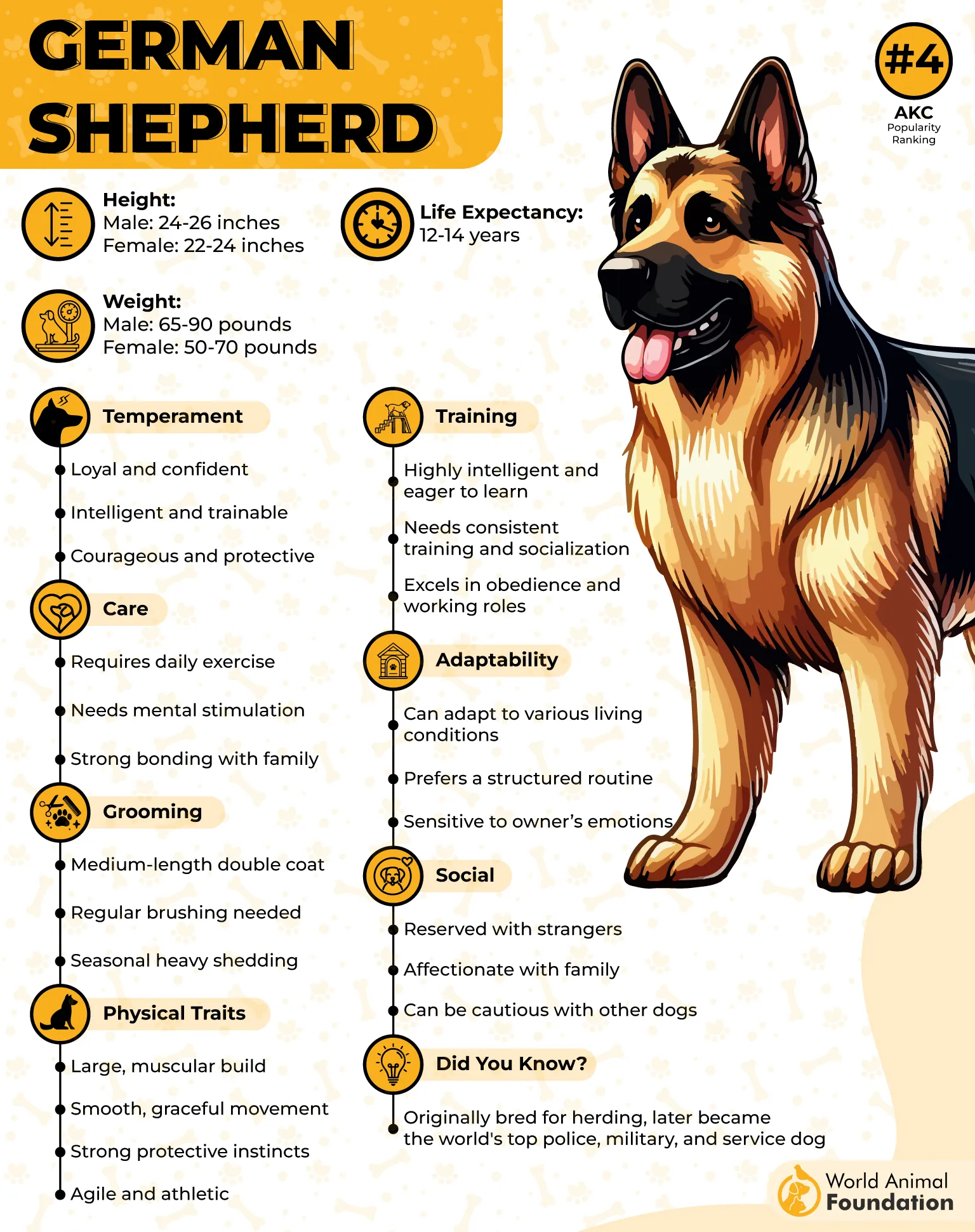
These large dogs are highly energetic and need 1-2 hours of exercise a day, as PetMD notes. They rank among the smartest breeds, but their size and drive usually call for an experienced owner. GSDs respond well to confident, consistent obedience training.
2. Shetland Sheepdog
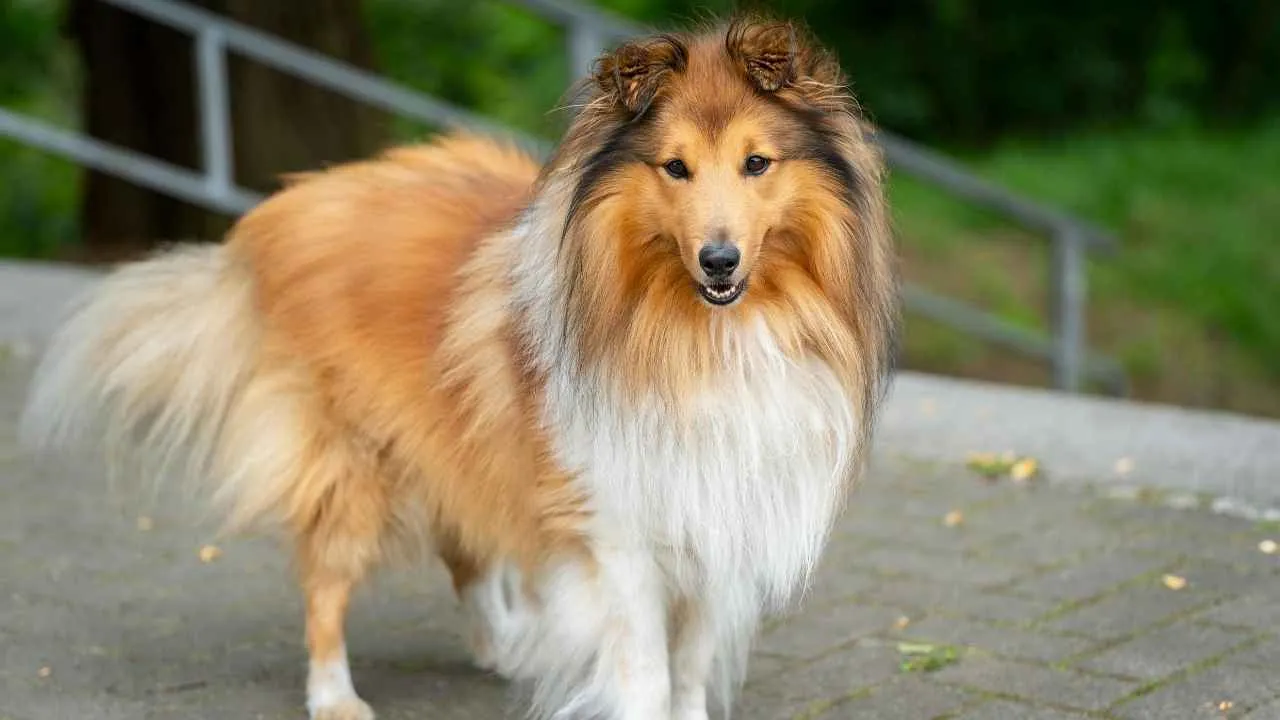
Shetland Sheepdogs, affectionately known as Shelties, are smart, intuitive, and very affectionate. They’re sweet, gentle, and eager to please, and they have a way of making you feel like the most important person in the room. They’re also alert watchdogs.
They were originally bred as all-purpose herding dogs. Their iconic sable coats have a warm base of gold, mahogany, or rich tan that darkens at the tips. The result looks like a watercolor of copper and gold, sometimes with touches of black and white markings.
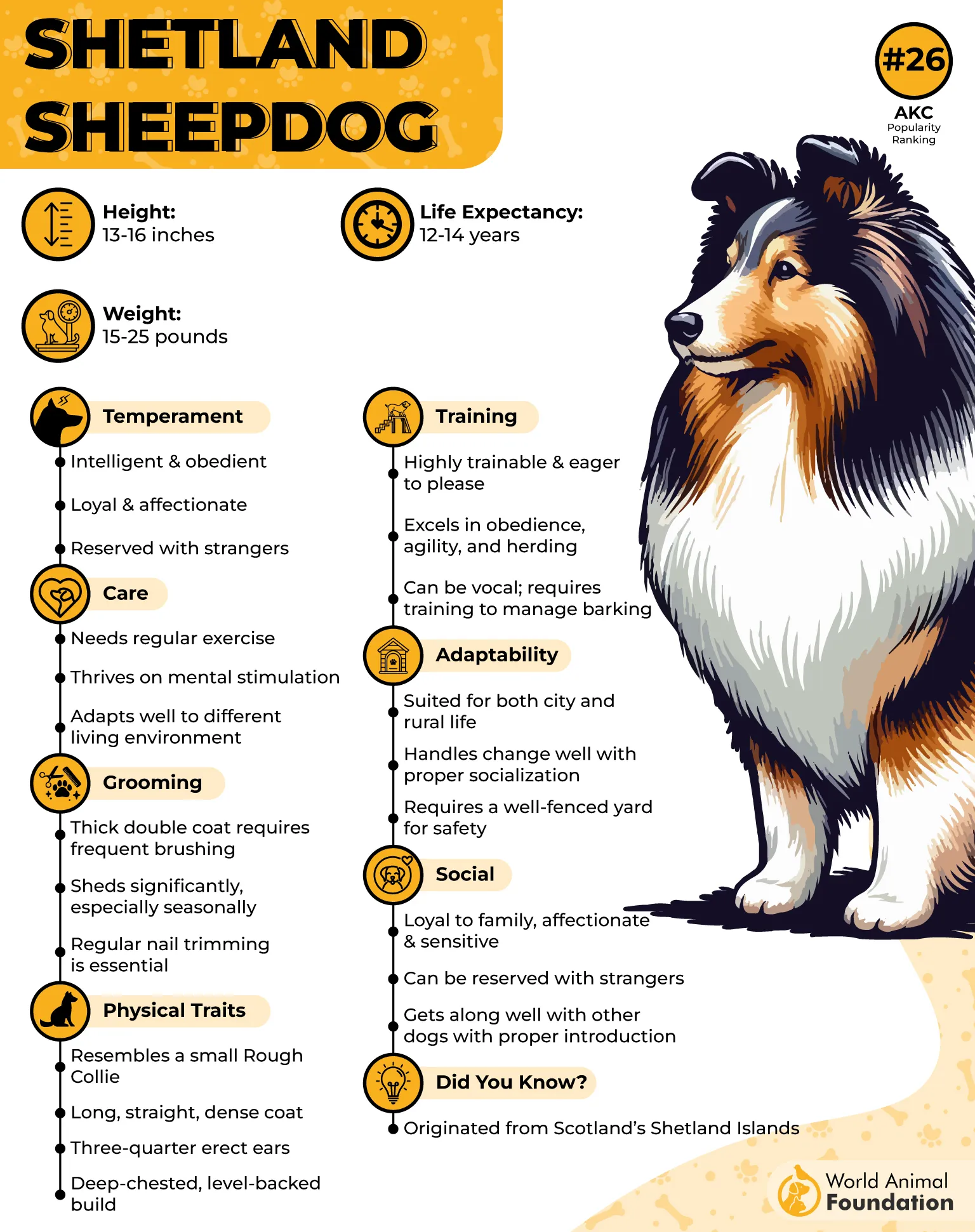
Shelties have a long double coat that sheds and needs thorough brushing two to three times a week. They’re moderate to high energy dogs and need 45-60 minutes of daily activity to stay physically and mentally stimulated. They pick up commands quickly but are sensitive to harsh tones, so patience goes a long way in training.
3. Belgian Malinois
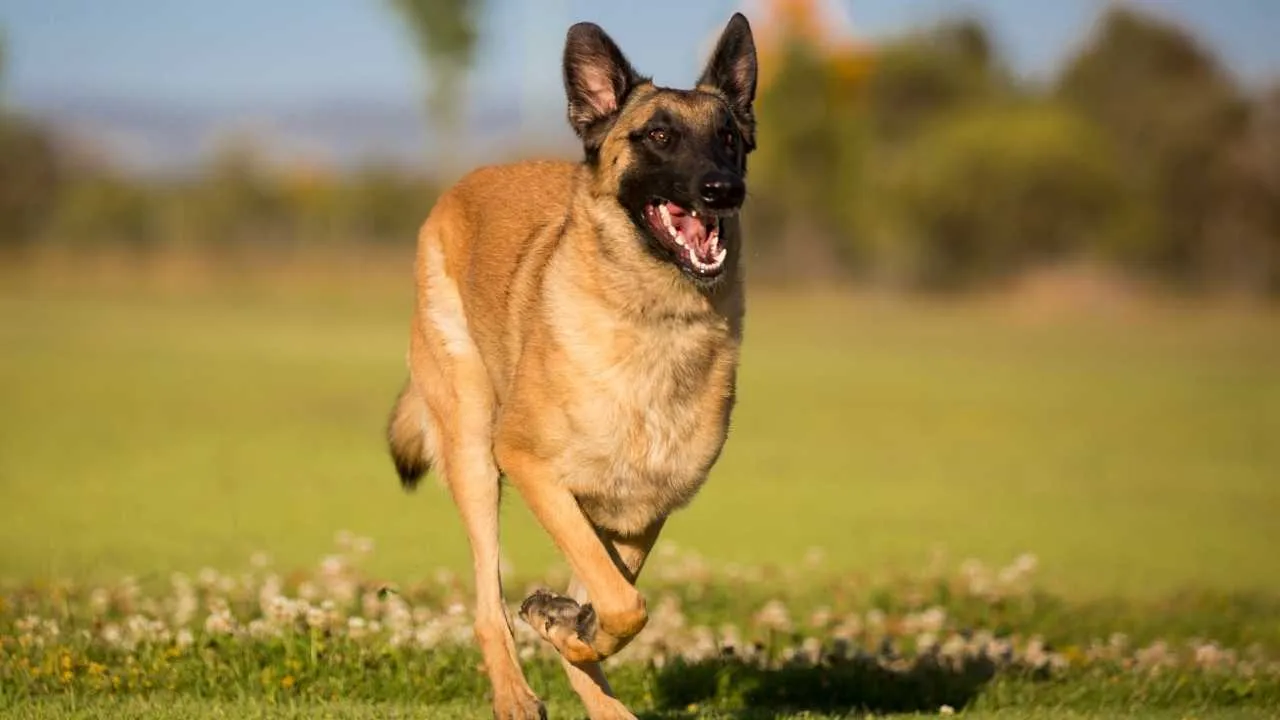
Belgian Malinois have laser-sharp focus, boundless confidence, and a work ethic that puts overachievers to shame. Don’t let that intimidate you, though, because they’re deeply devoted to their humans. Mals are active, alert, and protective, thanks to their strong herding background.
Most people picture a fawn dog with a black mask. In reality, their coat has a warm fawn or golden tan base that gradually shifts into darker bands, creating a shimmering effect in the sun. Brindle patterns are uncommon but can appear.
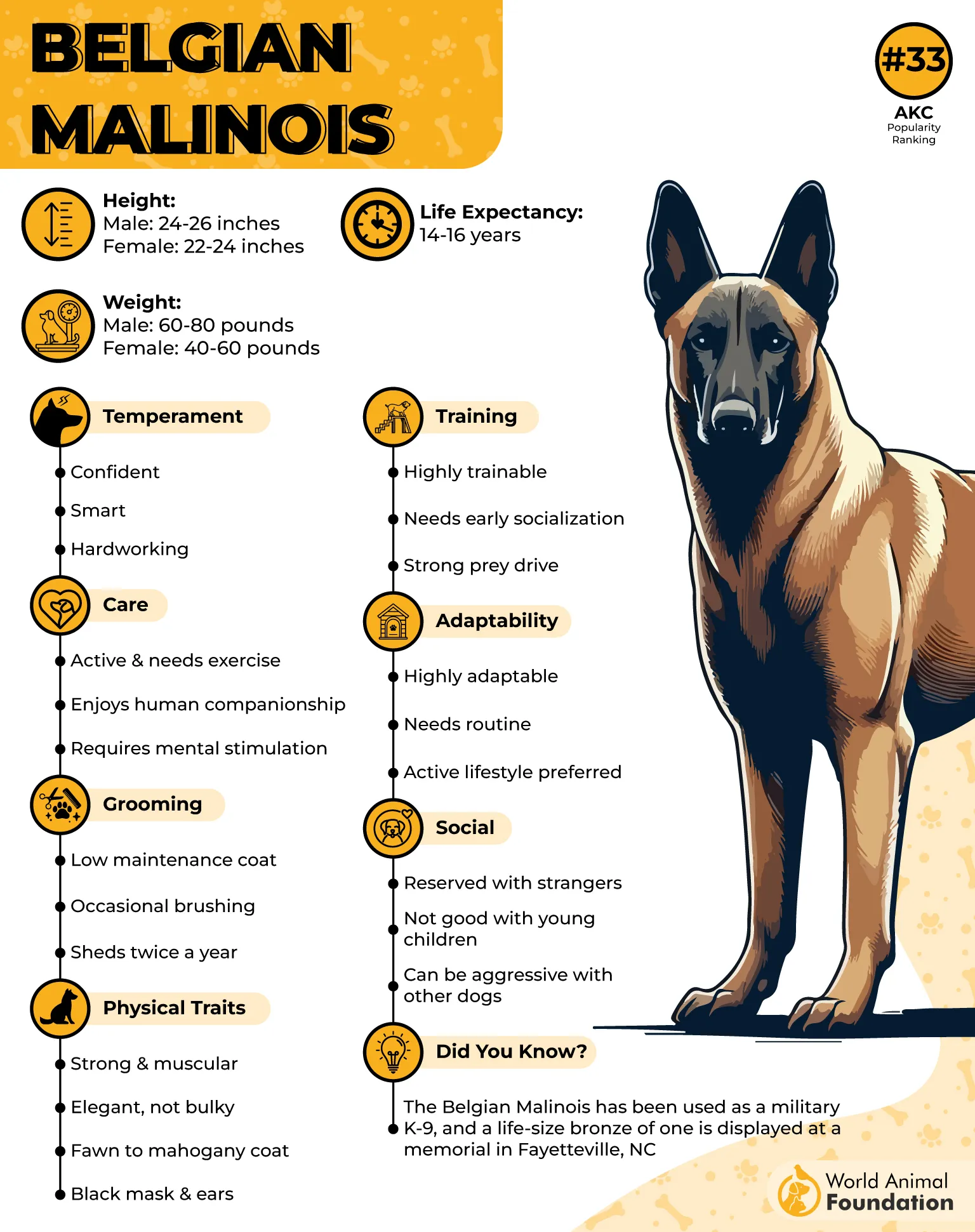
Their short coat sheds all year steadily and needs a quick brush once a week. Belgian Malinois are extremely high energy and need around 1-2 hours of exercise a day. Because of their strong herding drive, they also need an experienced owner, as Chewy points out.
4. Keeshond

Keeshonds are cheerful, friendly, and outgoing. They look like they’re smiling at you all day long, and they’re total family dogs. They’re smart, empathetic, and make wonderful watchdogs who will happily bark a friendly hello at anyone walking past.
These medium-sized dogs have a signature multi-toned coat, traditionally known as wolf sable or ash grey. Each hair often has a pale cream or silver-grey base that shades into warmer tones and ends in a dark charcoal or black tip.
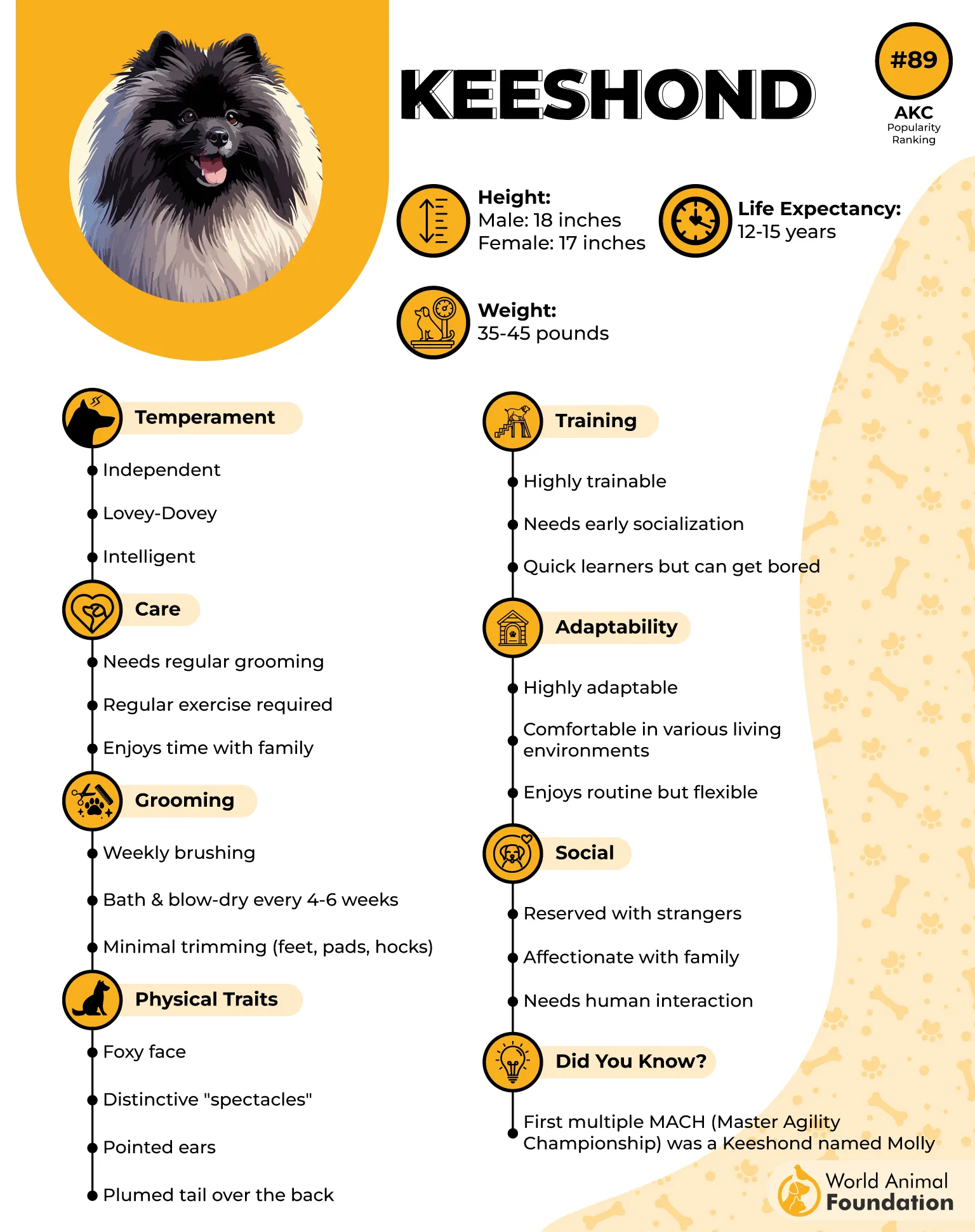
The double coat sheds heavily all year and blows twice a year, so be ready to embrace the fluff life. Frequent brushing is a must. Keeshonds have moderate energy levels and are easy to train with kind words, tasty treats, and positive reinforcement.
5. Pomeranian
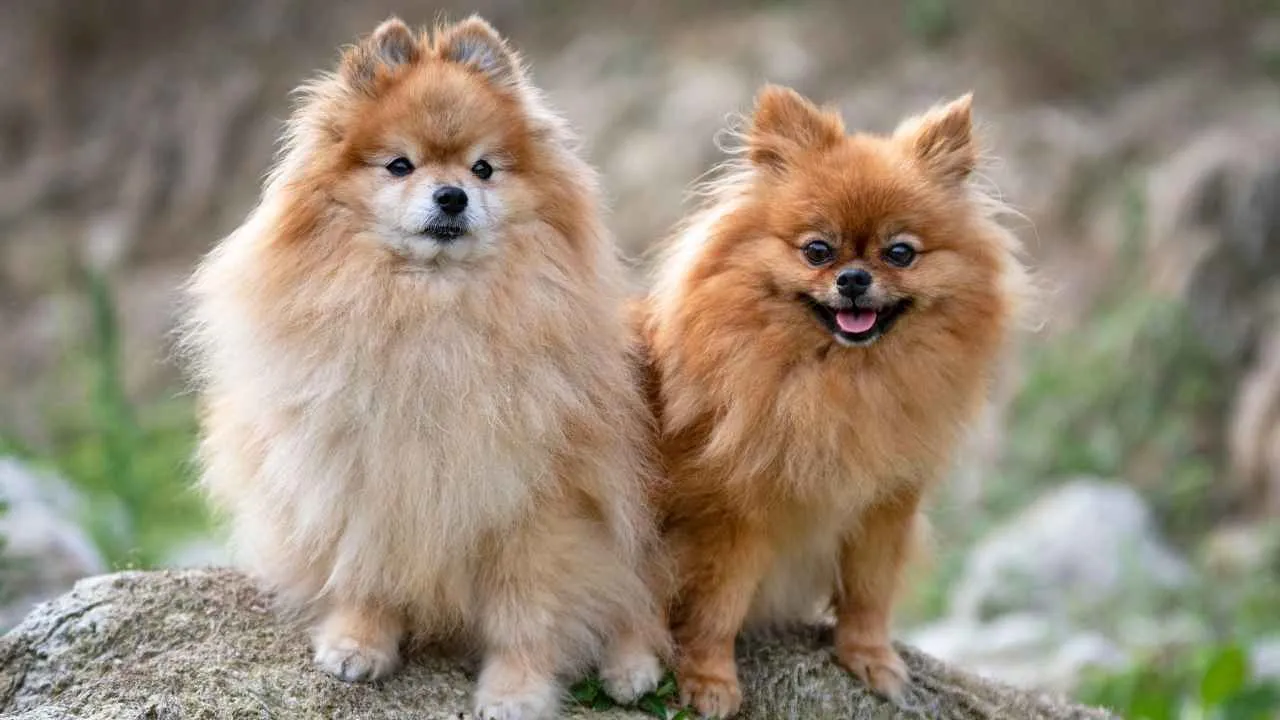
Pomeranians are bright, curious, spunky, and total little clowns who love putting on a show. They’re deeply devoted and adore curling up in your lap, but they take their watchdog duties very seriously too. Poms were originally bred down in size for companionship.
These little dogs can have beautiful sable coats with a light base of warm gold, rich orange, cream, or silver-grey that gradually shifts into a darker, contrasting band. Brindle coats with dark tiger stripes can also appear, though they’re less common.
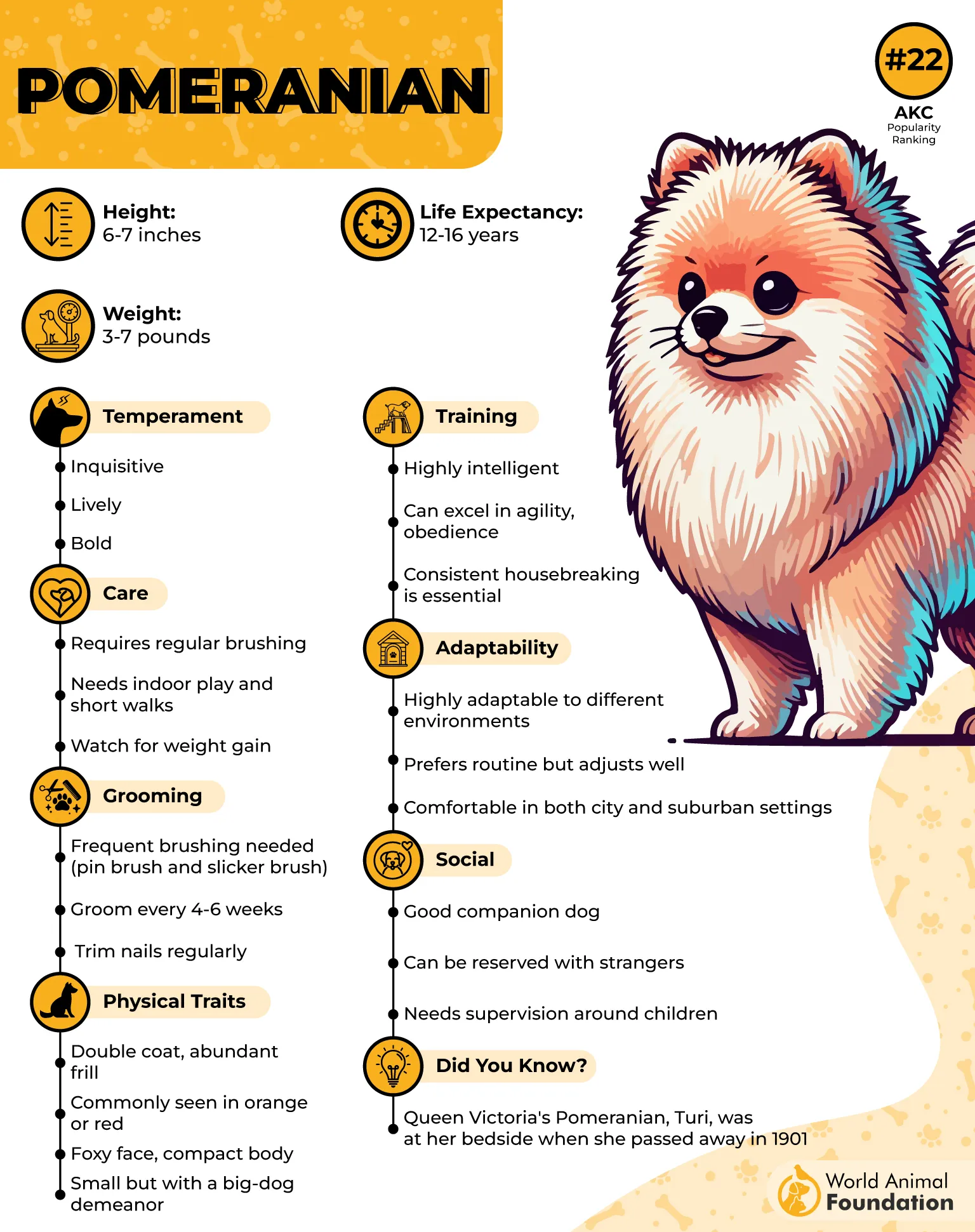
Poms have a foxy face, as AKC describes, and a fluffy double coat. They need 20-30 minutes of daily exercise to stay happy and mentally stimulated. They’re smart, clever, and eager to please, so they may try to run the household (the classic small dog syndrome). Keep training sessions short and fun to avoid boredom.
6. Siberian Husky
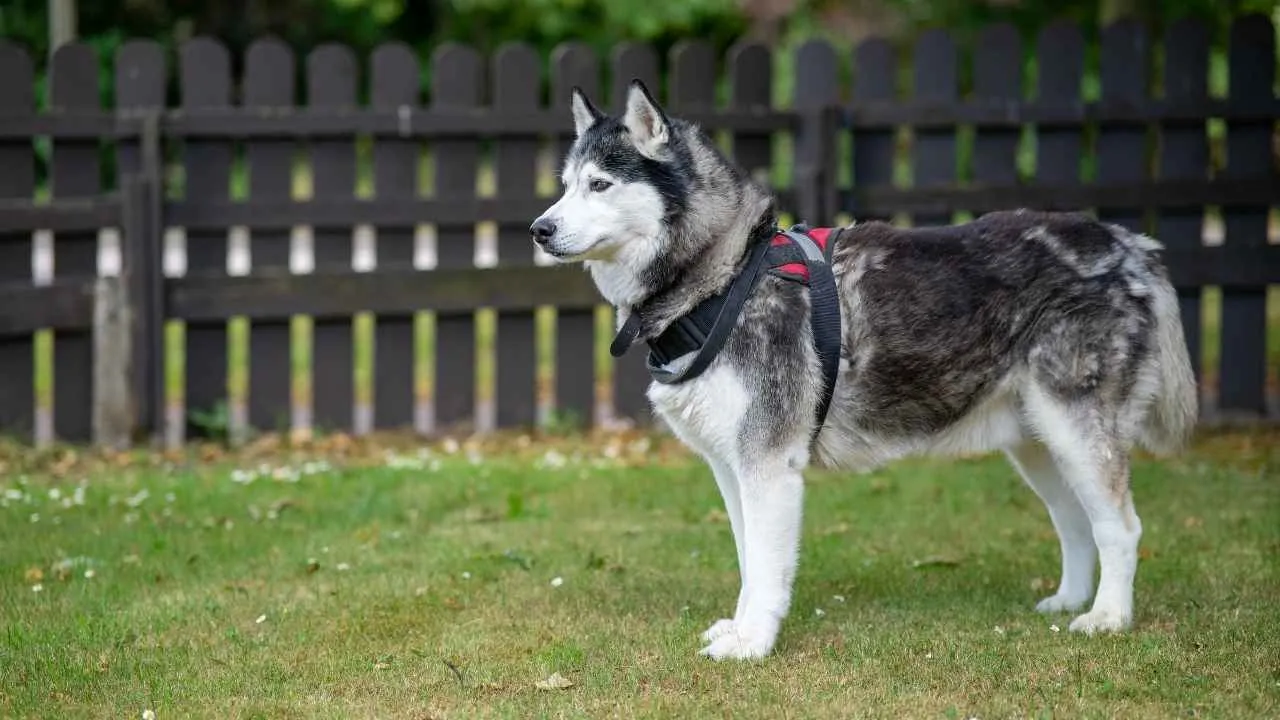
Siberian Huskies are friendly, outgoing, gentle, and utterly mischievous. They don’t just bark. They talk to you with hilarious yodels, howls, and sassy sighs. They’re independent thinkers who love a good snuggle and thrive in an active family. Huskies were originally bred to pull loads.
Some also have sable coats with a warm reddish-gold, biscuit, or cream base and dark tips, giving them a toasted copper glow with smoky shadows, especially in sunlight. These medium-sized dogs have an incredibly dense double coat that sheds heavily all year.
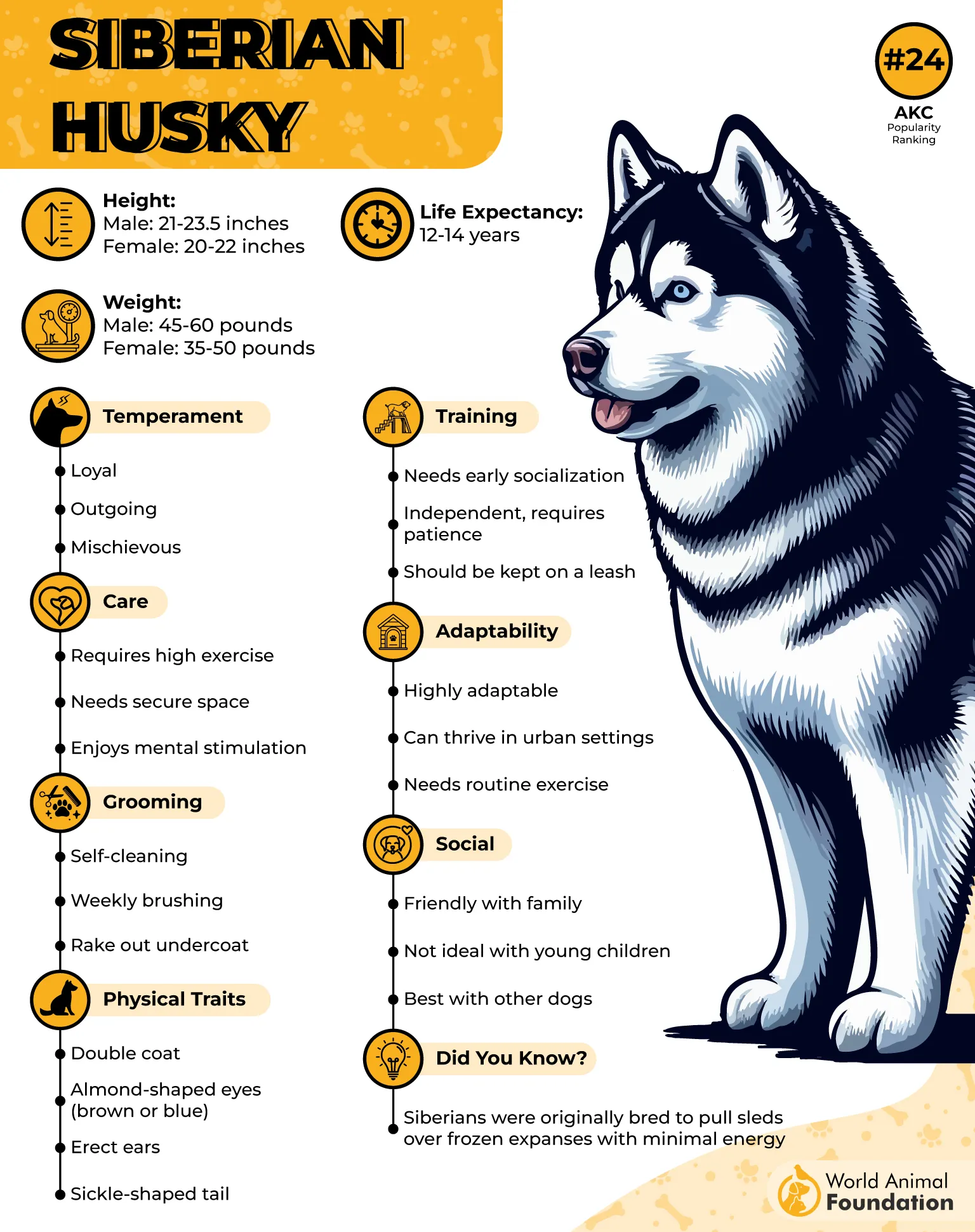
Huskies have very high energy and need at least 60-90 minutes of vigorous exercise daily. They’re clever, so training works best with confident handlers and short sessions. They handle cold weather well but are prone to overheating in the heat.
7. Borzoi
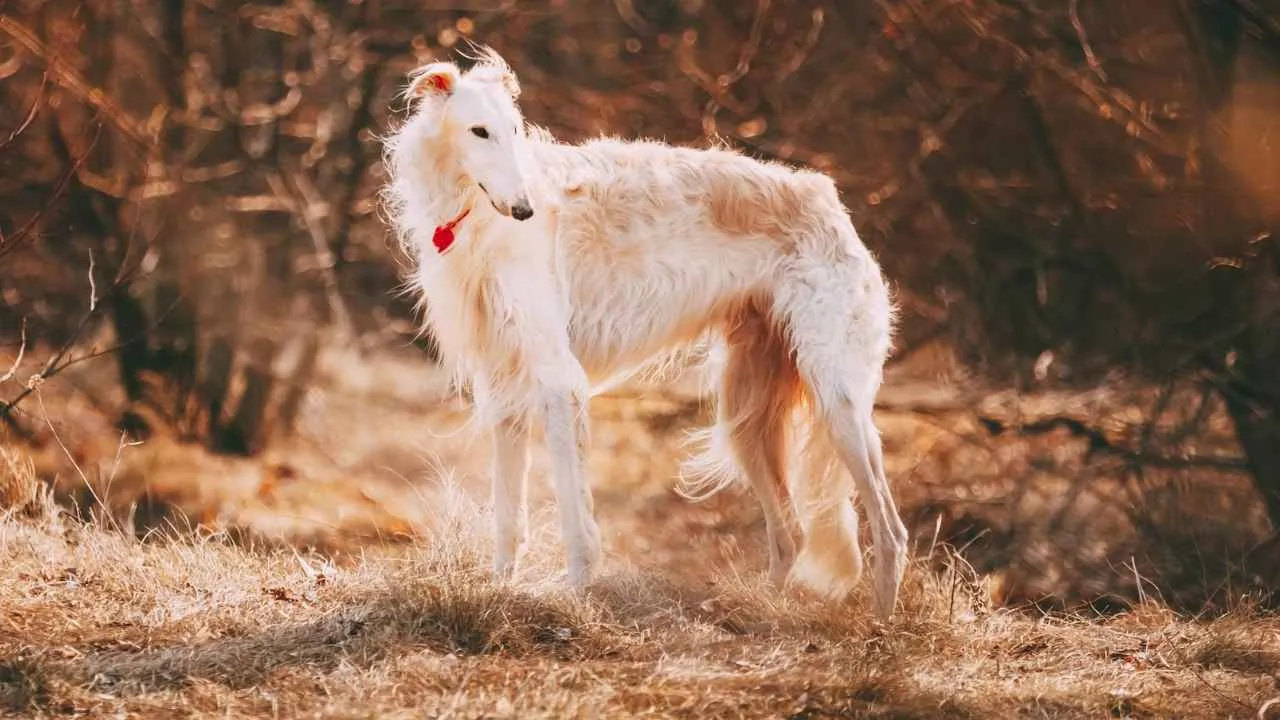
Borzoi are famously quiet, polite, and fiercely devoted to their chosen humans. They don’t demand attention with bouncy chaos. Instead, they gently rest their long noses in your hand, which can melt away stress in an instant. These large dogs were bred as high-speed coursing hounds.
They come in many coat colors, but sable is one of the most beautiful. A sable Borzoi has hairs with a warm golden, fawn, red, or mahogany base that darkens into bands and finishes with a black tip. The long coat sheds moderately and needs brushing once or twice a week.
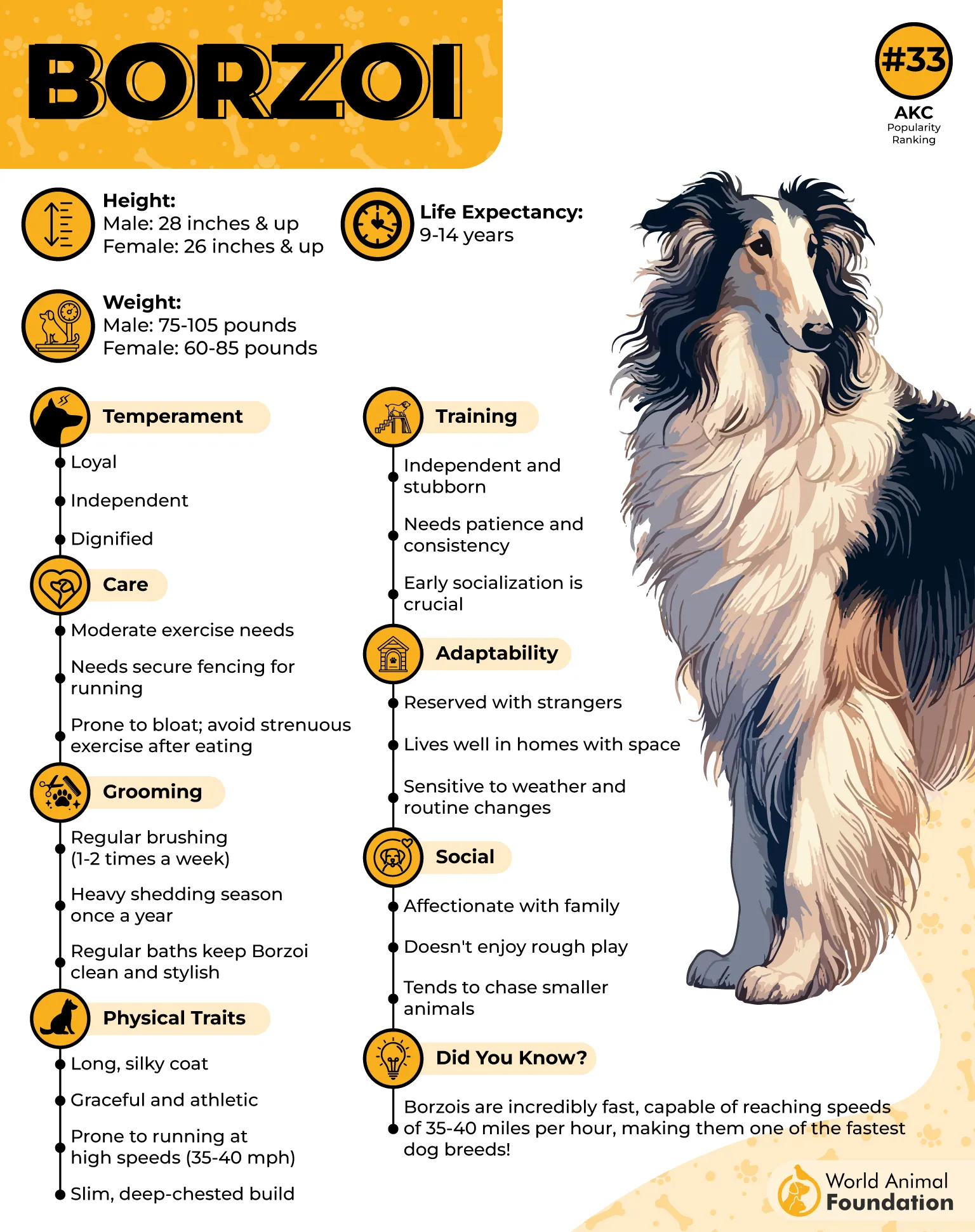
Borzoi are smart but also independent, so they do best with experienced, patient owners who use gentle, positive training. They’re happiest in quiet homes and calm spaces.
Conclsuion
The seven breeds above come in a range of coat colors, but we’ve focused mainly on their sable patterns. Sable dogs have a lighter base color with dark or charcoal tips, which creates a beautiful effect when they move or when sunlight hits their coats. They do differ in grooming, exercise, and training needs, so read each breed’s details carefully before choosing your match.
