




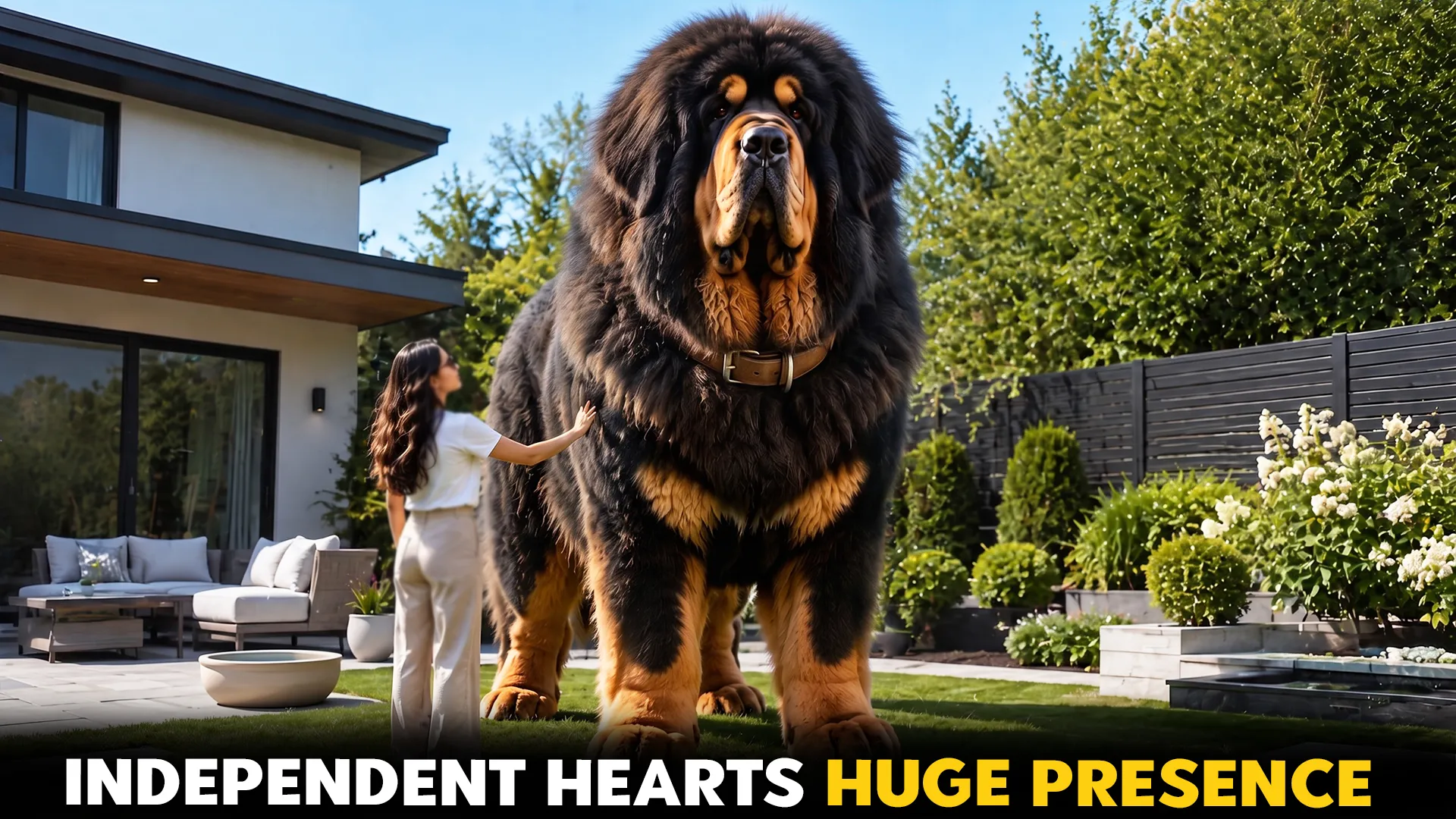
Not every dog wants to be glued to your hip 24/7.
Some large-breed dogs prefer a little space. They will still love you fiercely, sure, but they are not the type to follow you into the bathroom or panic every time you leave the house.
These are the giant breeds who think for themselves, make their own decisions, and, honestly, kind of expect you to respect that about them.
If you are the type of dog owner who values a little independence…
And you are not looking for a Velcro dog who needs constant reassurance…
These big breeds might be exactly what you’re after.
Fair warning,
though. Big dogs come with big everything.
More food, bigger vet bills, more grooming costs, and a serious need for early training so that “independent” doesn’t turn into “ignores everything you say.”
But if you are ready for that, these are some of the smartest, most self-sufficient giant dog breeds out there.
Giant Dog Breeds Perfect for Owners Who Value Independence
1. Anatolian Shepherd
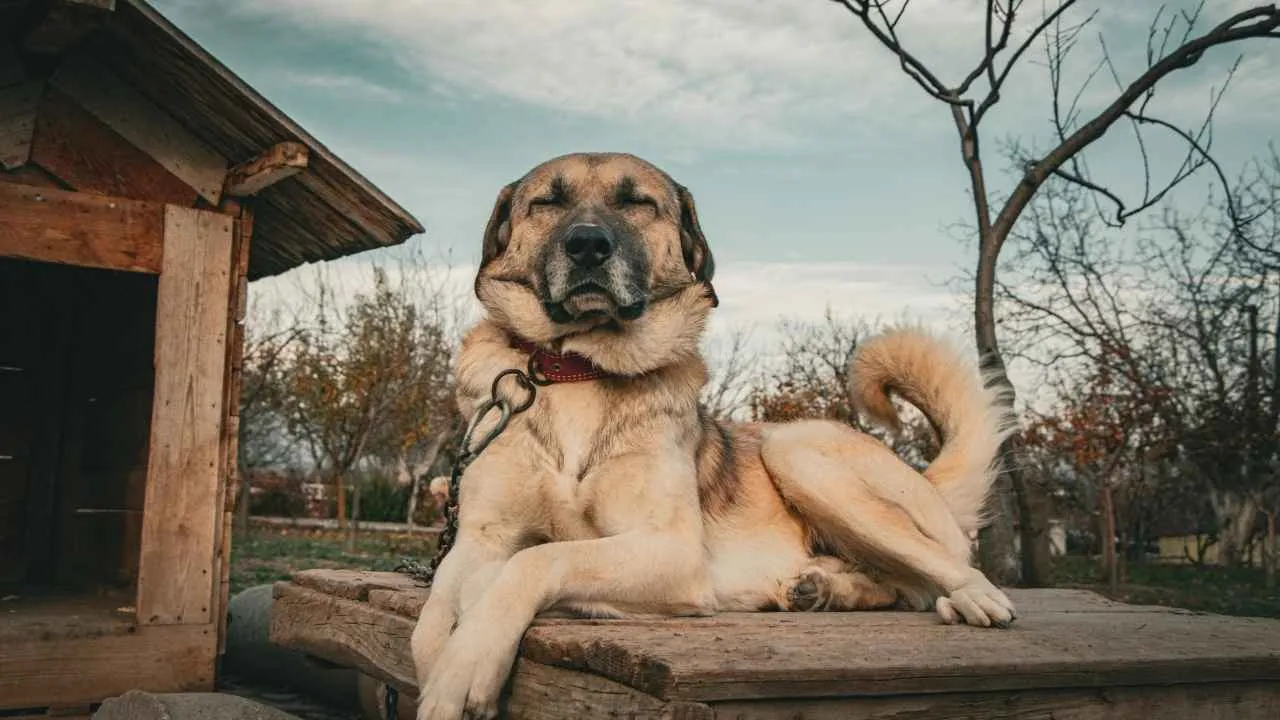
The Anatolian Shepherd was originally bred in Turkey to guard livestock alone, for days at a time, with ZERO human supervision.
So yeah, independence is not just a personality trait here. It’s literally in their DNA.
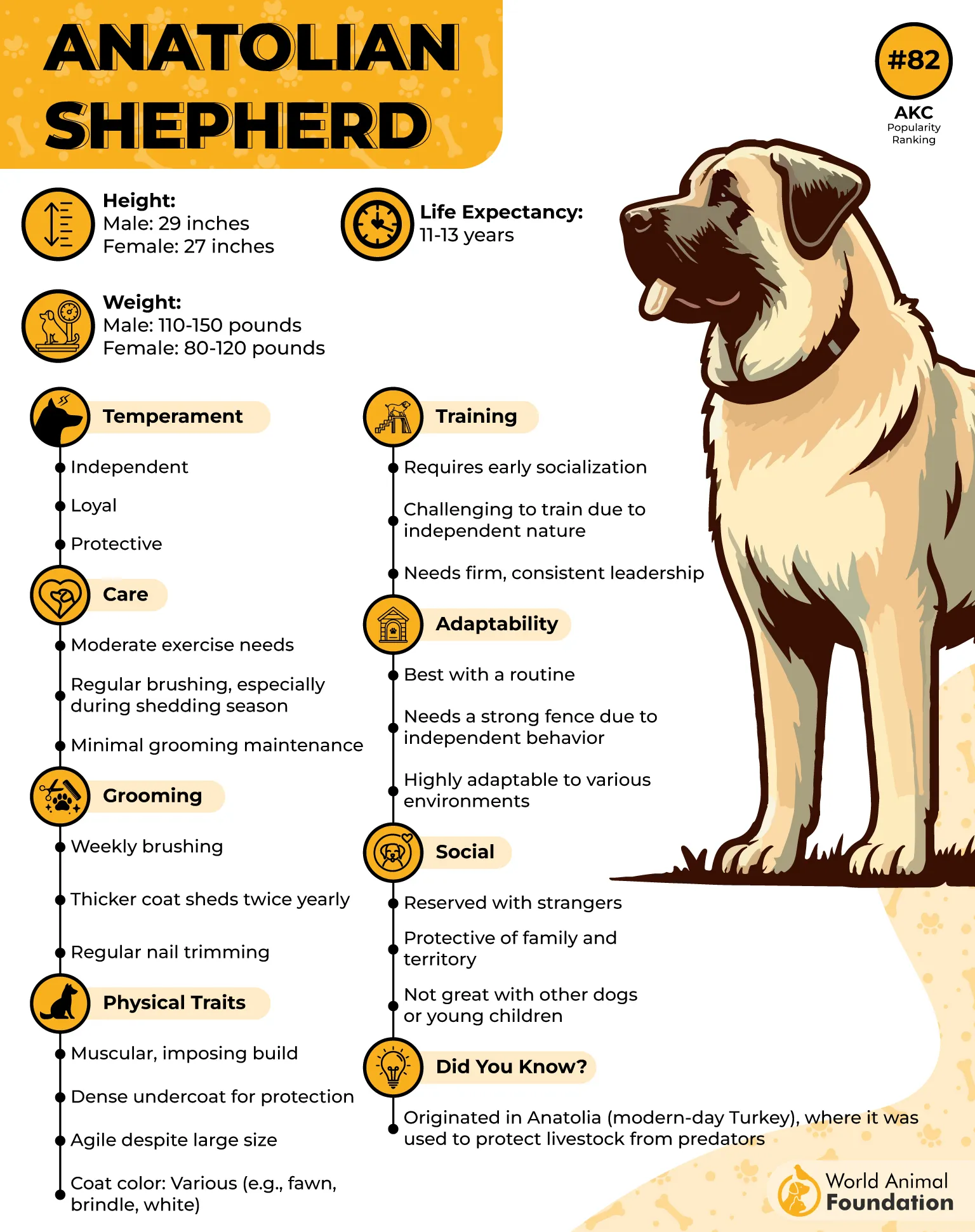
These are large dogs who are intelligent, alert, and fiercely loyal to their families, but they are not seeking constant affection or attention. These Shepherd dogs would rather patrol the yard than sit in your lap, and honestly, that’s kind of the point.
According to the Royal Kennel Club, Anatolian Shepherds need early training and a confident owner because these dogs are smart enough to test boundaries if they think they can get away with it.
They do best with dog owners who understand working breeds and won’t be offended when their dog prefers a solo patrol over a cuddle session.
2. Tibetan Mastiff
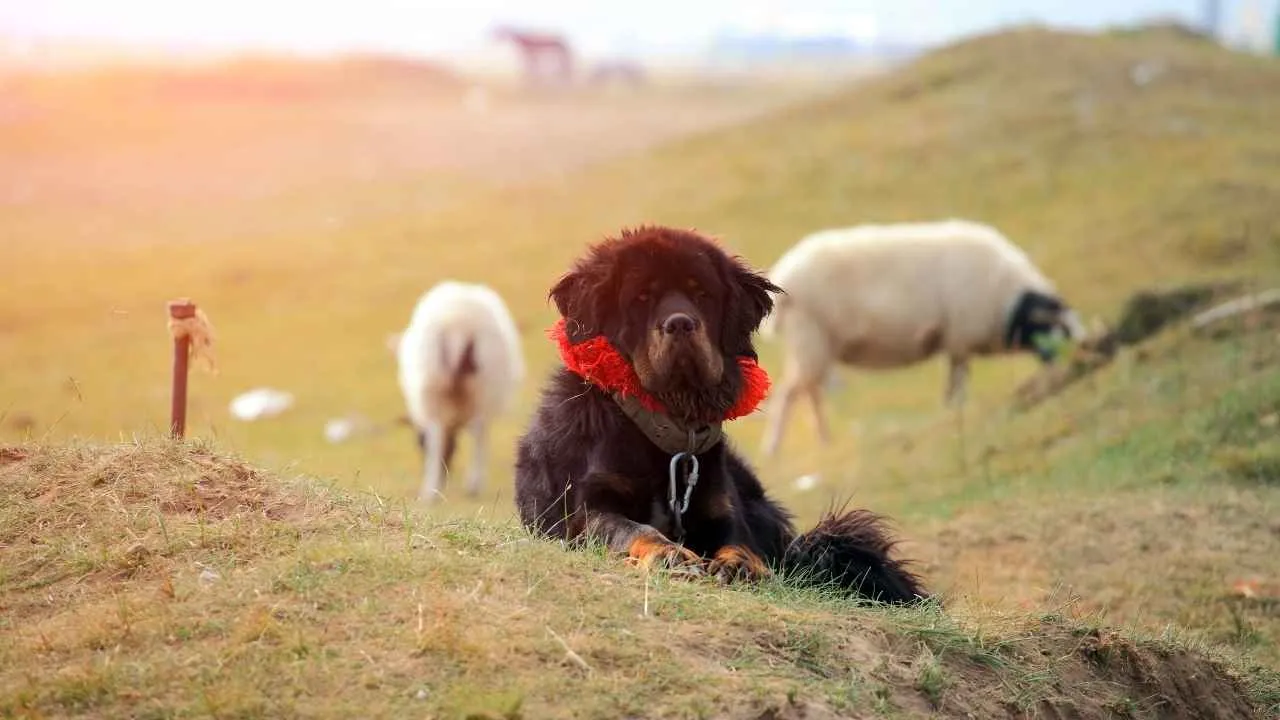
The Tibetan Mastiff has been guarding monasteries and villages in the Himalayas for centuries. That means they are used to making their own calls in extreme conditions with no backup.
These Mastiff dogs are aware, alert, and deeply protective, but also famously aloof with strangers.
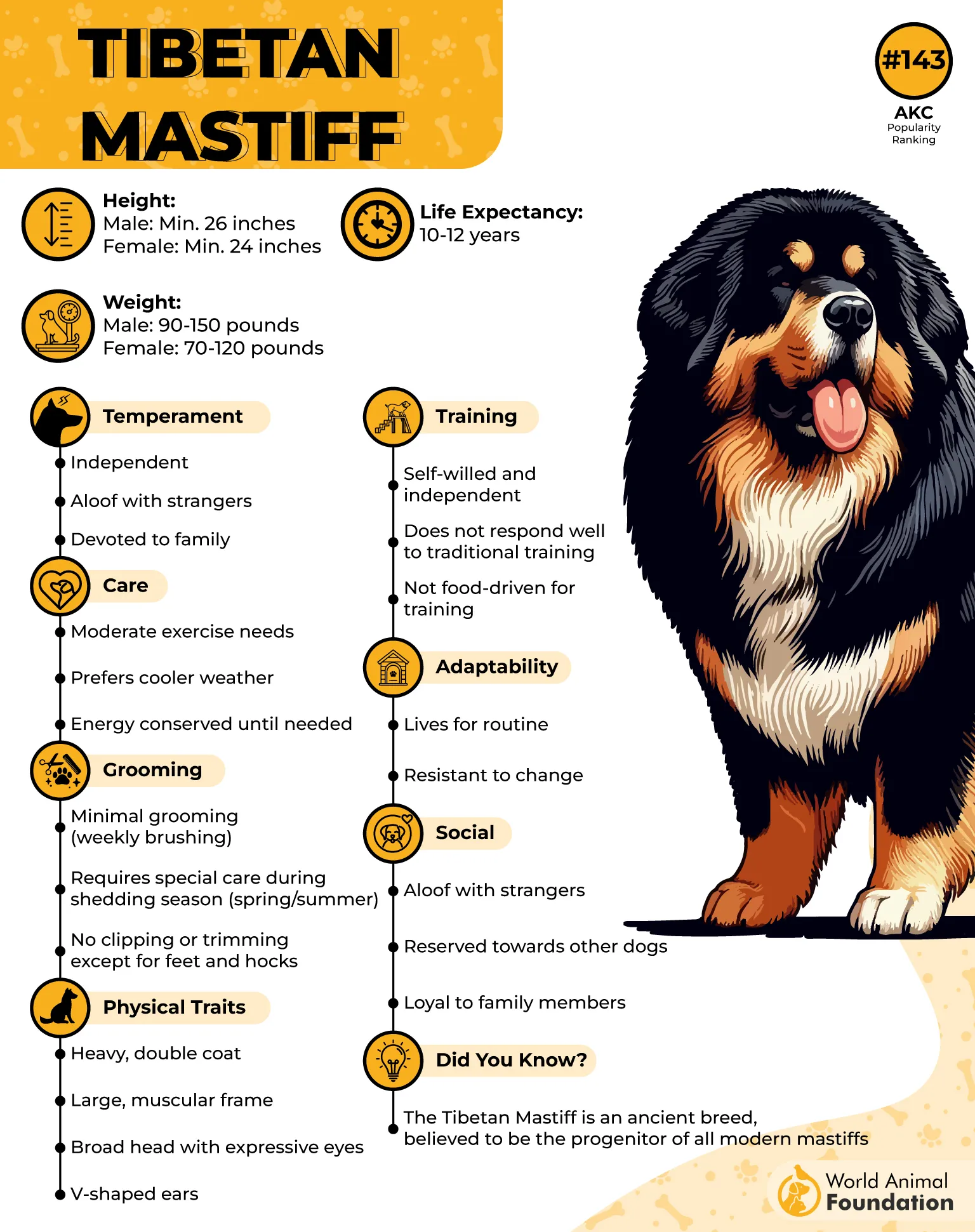
They bond with family on their own terms and can be a bit stubborn. That is exactly why guidance from a reputable breeder and consistent training are important here.
According to PetMD, Tibetan Mastiffs are calm indoors during the day and much more active at night. That tracks with their history as nighttime guard dogs.
They are not a good fit for small apartments, and they are definitely not a breed for first-time large-breed owners.
3. Great Pyrenees
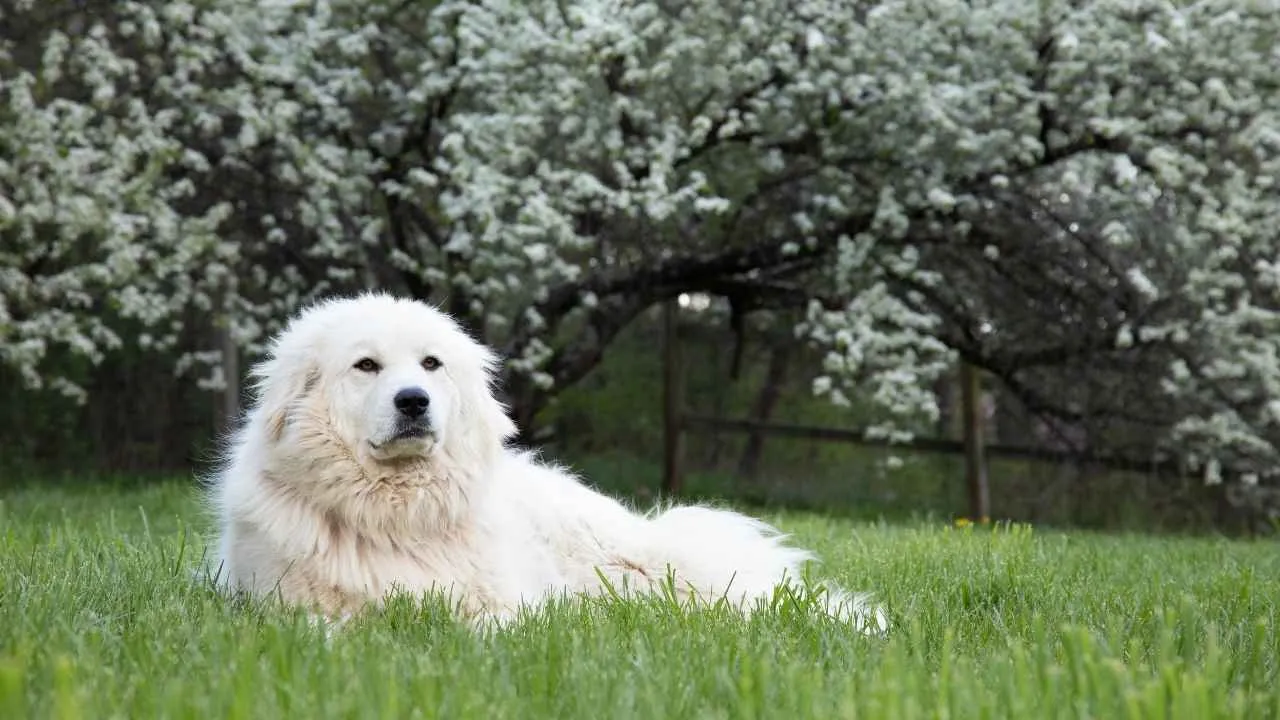
The Great Pyrenees might be one of the most well-known giant breeds.
These dogs were bred to guard sheep in the mountains without any human direction, which means independent decision-making is basically their whole thing.
Hill’s Pet Nutrition calls them “gentle, majestic guardians” who are very affectionate with their family, kids, and other dogs.
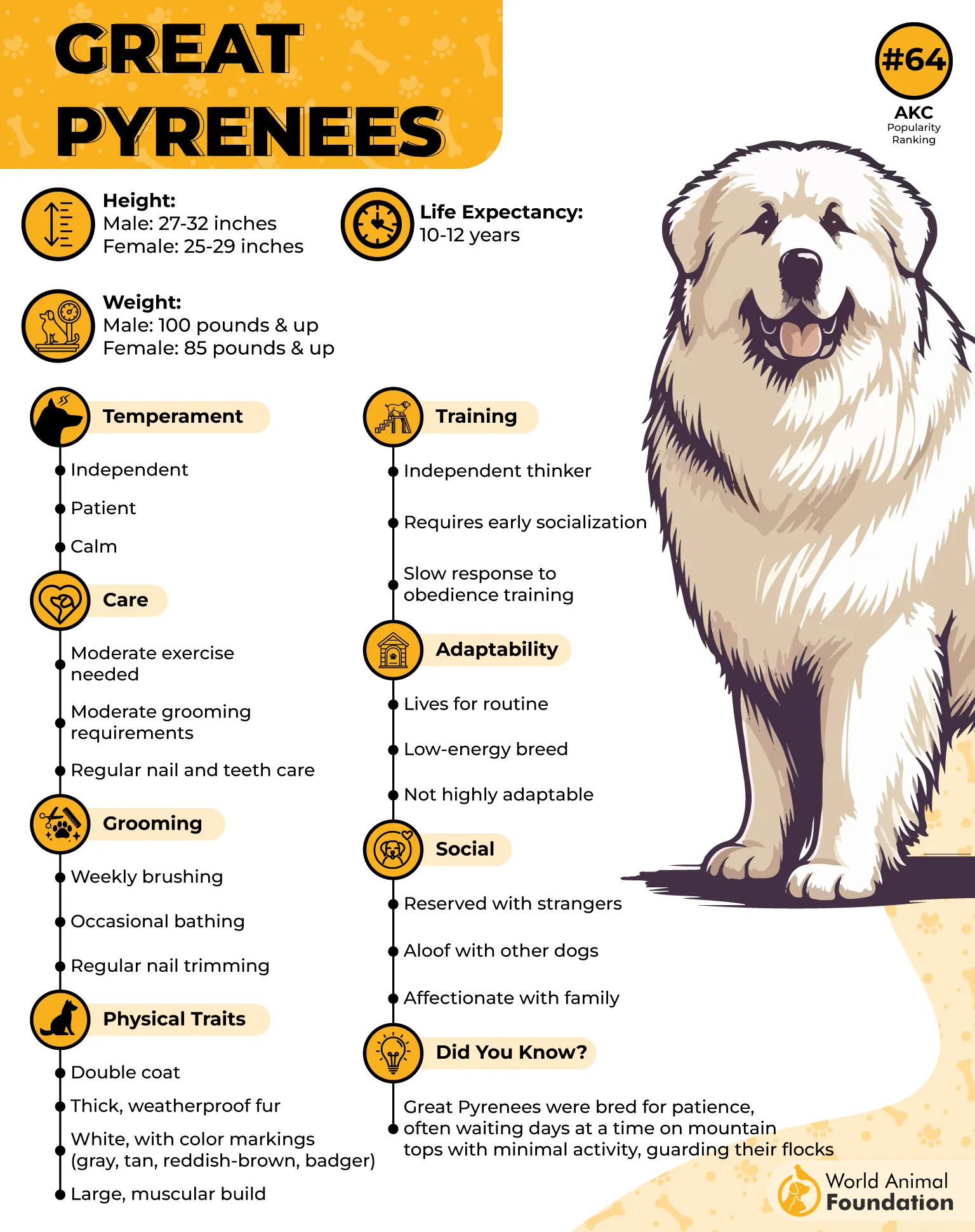
These beautiful white dogs are confident, calm, and perfectly happy doing their own thing as long as their family and territory are safe.
They do bark a lot, which is worth mentioning if you have close neighbors. But for dog owners with some space and an appreciation for a dog who thinks for itself, this breed is hard to beat.
4. Irish Wolfhound
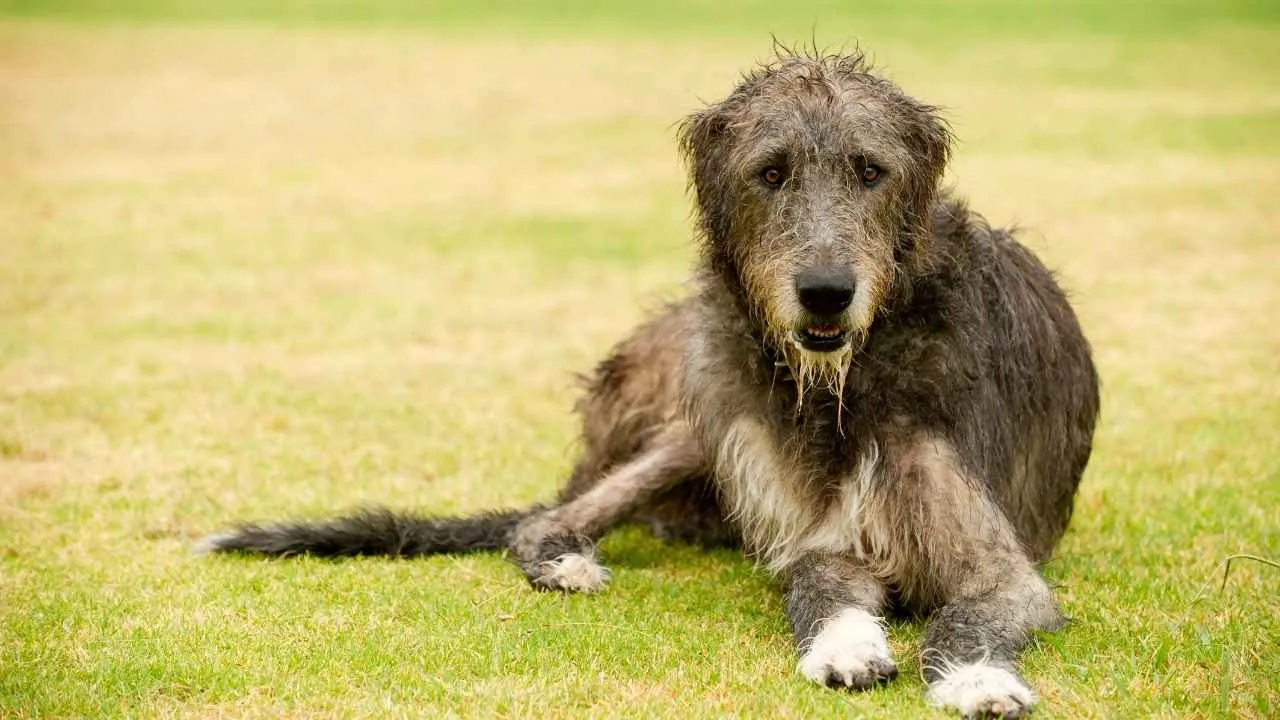
The Irish Wolfhound is MASSIVE, historic, and surprisingly low-energy for its size.
These are gentle giants who’d rather relax than run laps. According to WebMD, they have an imposing size, yes, but they have a calm demeanor to offset people who get nervous about their stature.
Oh, and they are one of the tallest dog breeds.
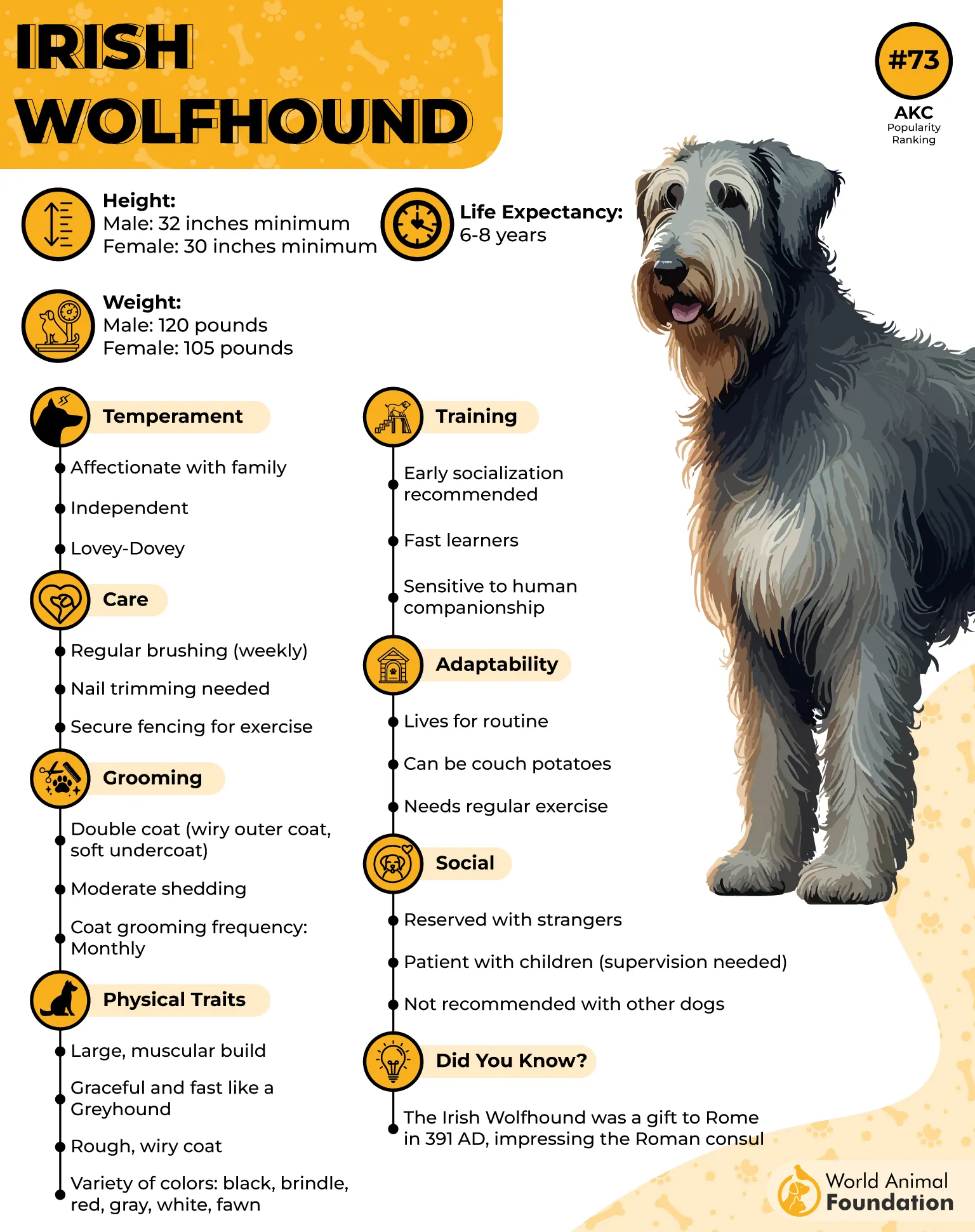
Irish Wolfhounds are affectionate with family but not needy. They are intelligent, calm, and tend to do their own thing around the house without needing constant supervision or interaction.
A short daily walk and some downtime are enough to keep them content.
One thing to be aware of: like other large breeds, Irish Wolfhounds unfortunately don’t live as long as small dogs. So they can be prone to health issues like hip dysplasia. Working with a reputable breeder and staying on top of vet visits makes a big difference for these big dogs.
5. Black Russian Terrier
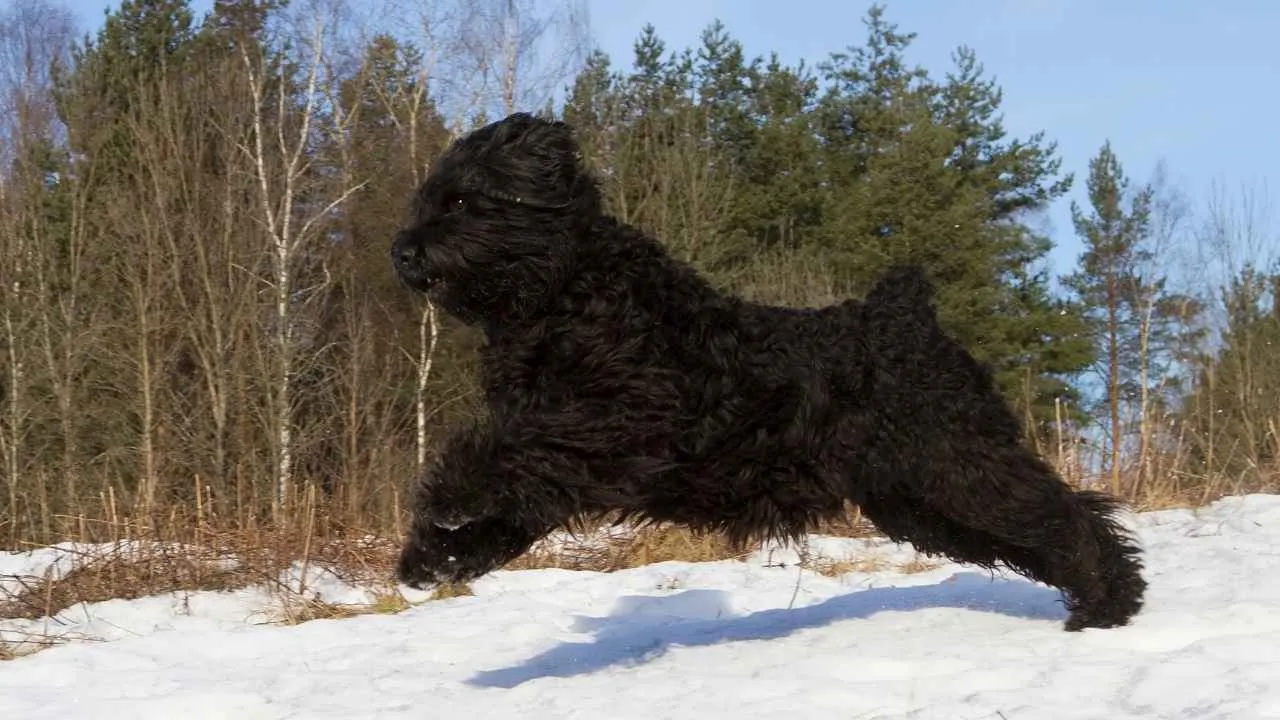
The Black Russian Terrier was developed by the Soviet Military as a working dog. So, naturally, independence and confidence are baked into this military dog breed.
This is a smart, powerful dog breed that bonds closely with family but is not going to be clingy about it.
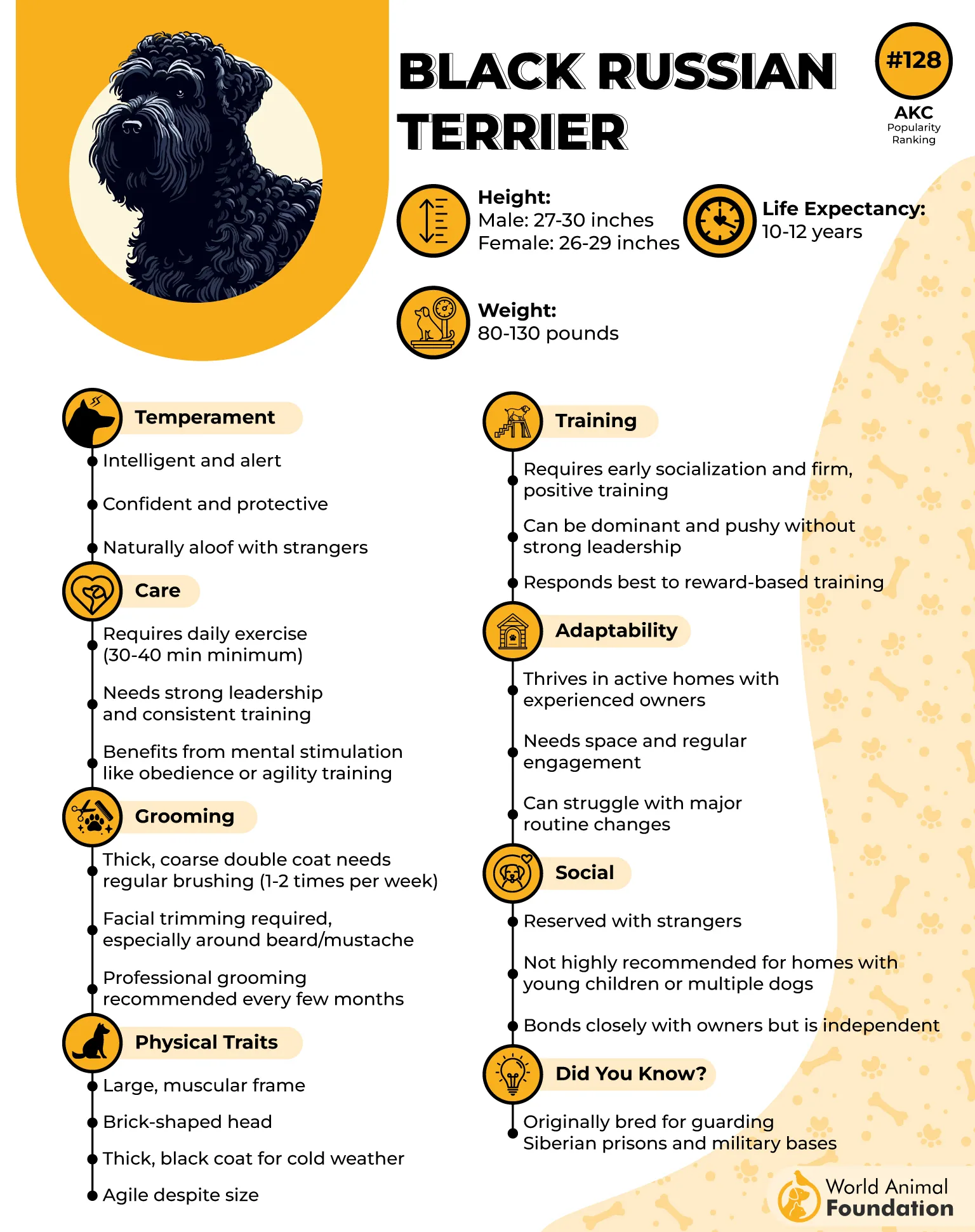
Black Russian Terriers need early training and mental stimulation, or their intelligence can turn into stubbornness. They do well with experienced dog owners who can offer structure and daily exercise.
They have a medium-sized coat that is NOT hypoallergenic. Grooming is a bit of a commitment, too. That thick, shaggy coat needs regular upkeep, so factor that into the overall cost of owning one of these big breeds. Health problems such as joint issues are common in this Russian dog.
This is a rare breed in America, but they are every bit as important as giant, independent dog breeds.
6. Central Asian Shepherd Dog

Again, this is a rare breed in the United States, but incredibly popular throughout Central Asia, where they have guarded the livestock and property for thousands of years.
According to PetMD, they are one of the oldest natural breeds. Somewhere on the Silk Road, these dogs have travelled with the nomadic tribes.
Central Asian Shepherds are tough, independent, and naturally wary of strangers.
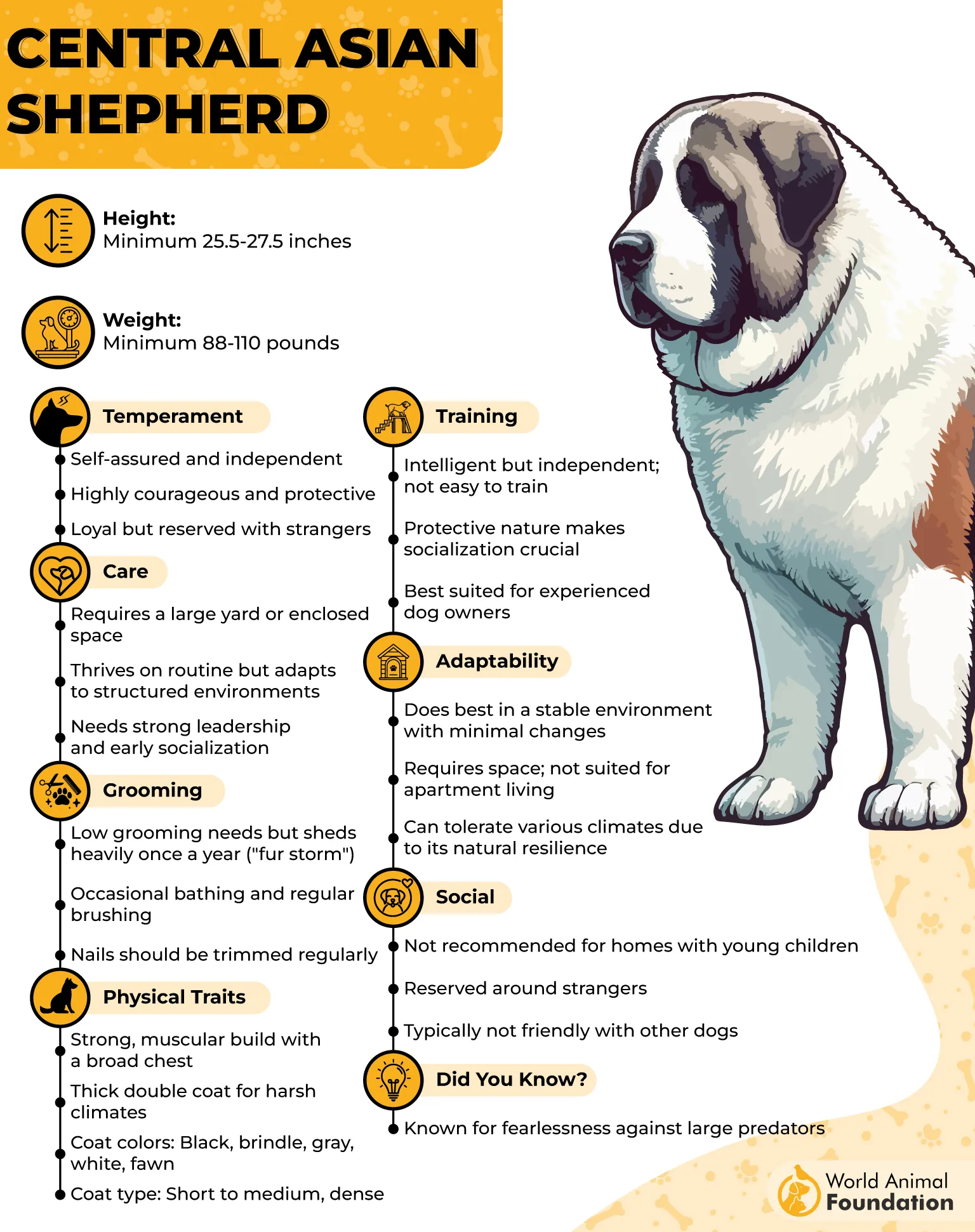
These dogs don’t seek out attention. They are perfectly content patrolling the property on their own. But they do need experienced owners, solid training, and enough space to do their job.
These puppies are loyal to their family in their own quiet way. While they are not overly affectionate dogs, they take protecting their people, small children, and animals extremely seriously.
7. Scottish Deerhound
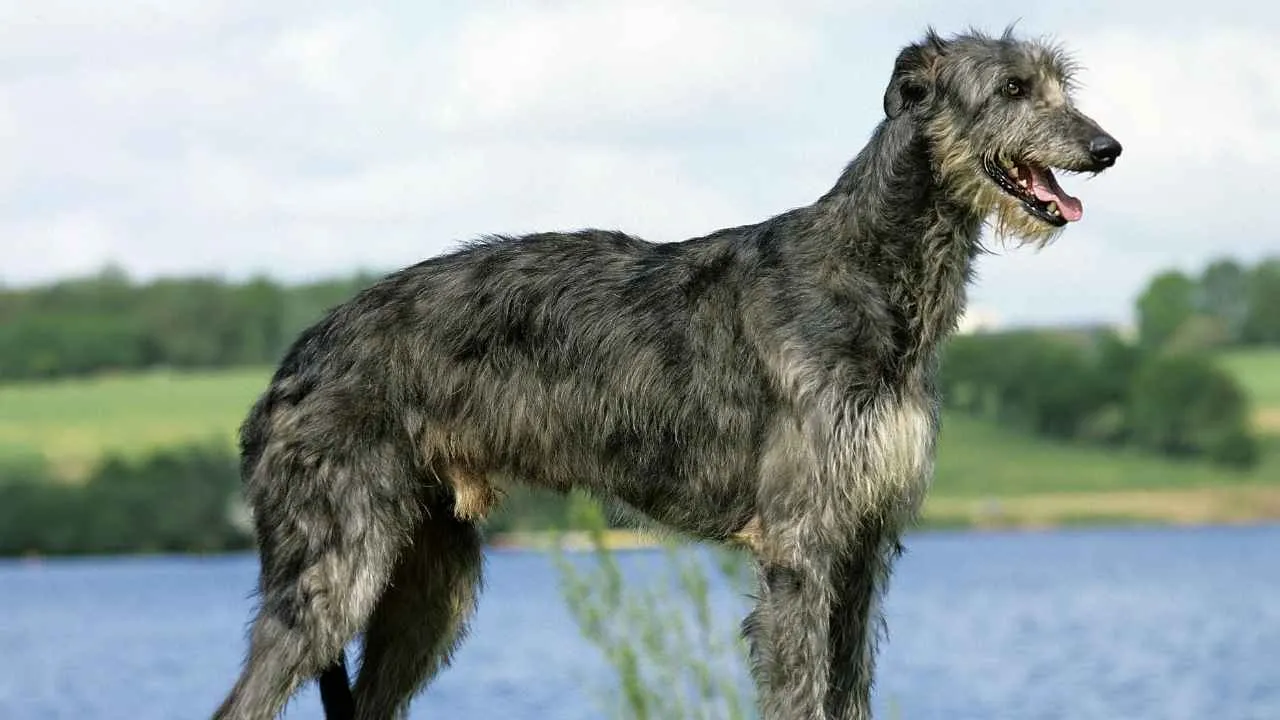
The Scottish Deerhound looks like the Irish Wolfhound’s slightly smaller cousin, and the comparison is not far off.
Both breeds share the same traits: tall, calm, and low-energy indoors. Omlet calls its temperament “mellow and chilled out.”
These hound dogs are gentle, dignified, and pretty independent by nature. They enjoy their family’s company but don’t need constant interaction to be happy.
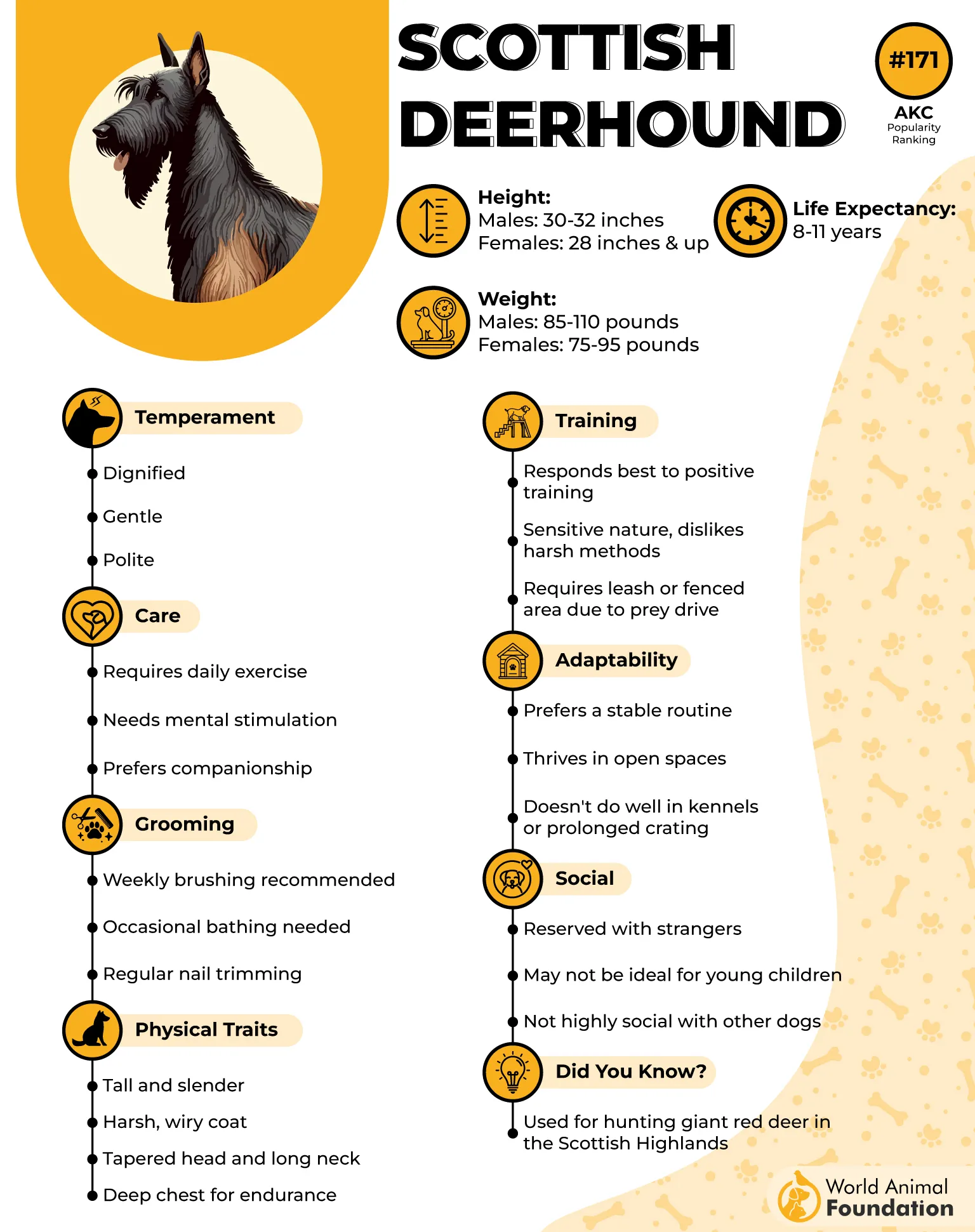
A good walk and some open space to stretch their legs cover most of their exercise needs.
Like other large dog breeds, Deerhounds can be prone to certain health problems, so working with a reputable breeding program is important if you are looking to bring one home.
8. Caucasian Shepherd Dog
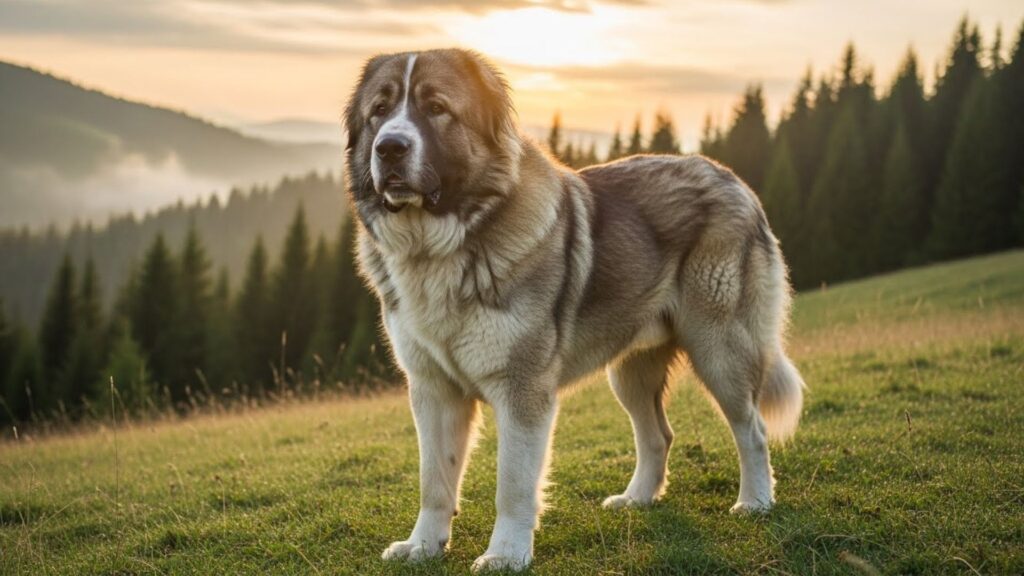
The Caucasian Shepherd Dog is an absolute unit.
We are talking serious size, a thick coat, copious amounts of drooling, and a temperament for guarding livestock in the mountains of the Caucasus region.
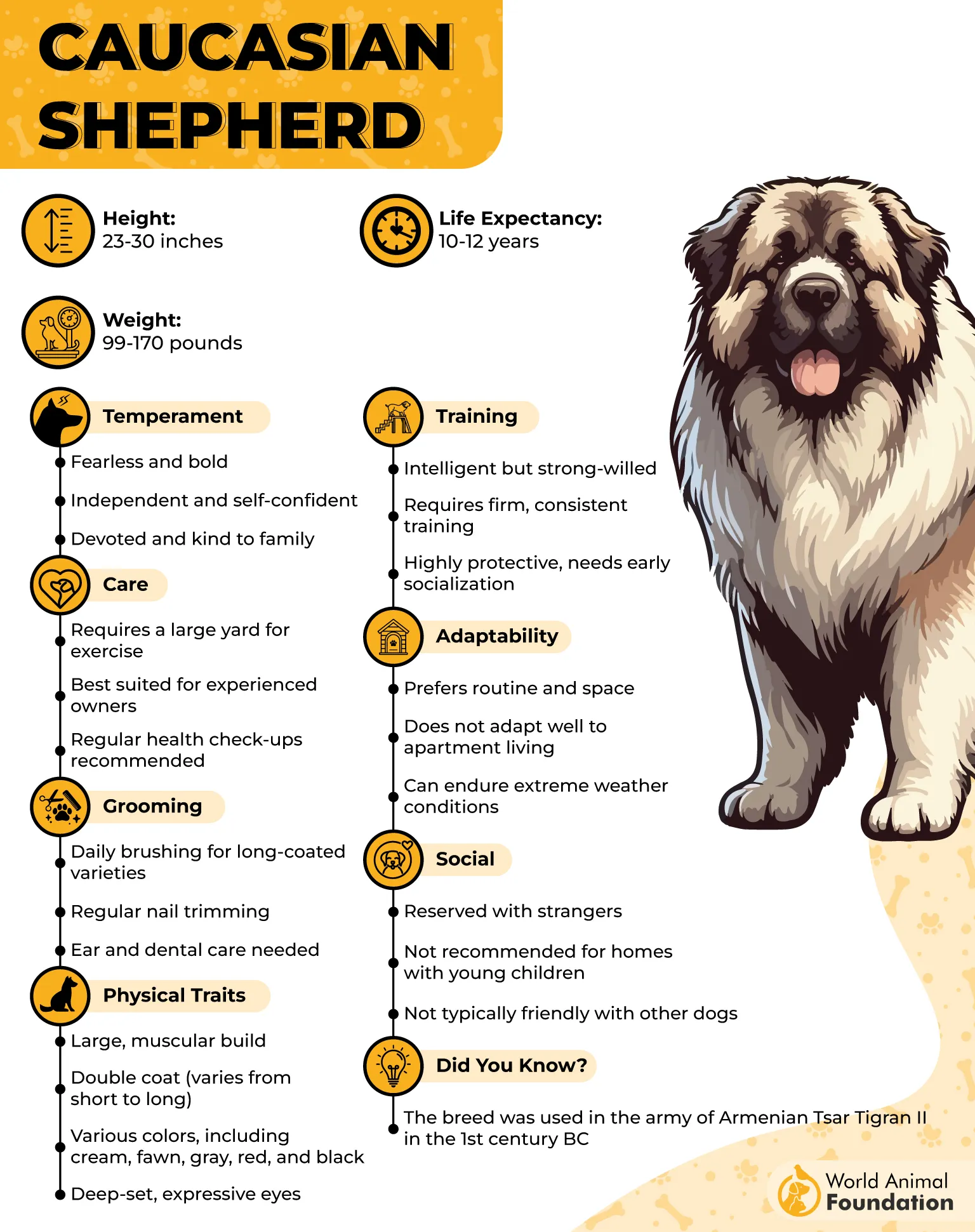
These drooly dogs are intelligent, independent, and naturally suspicious of anyone or anything unfamiliar. They bond with family but are not going to be the type to curl up in your lap.
Early training and proper socialization are non-negotiable with these guard dogs, given their size and protective instincts.
Caucasian Shepherds do best with experienced large-breed owners who have the space, time, and confidence to handle a dog this powerful.
9. Kuvasz
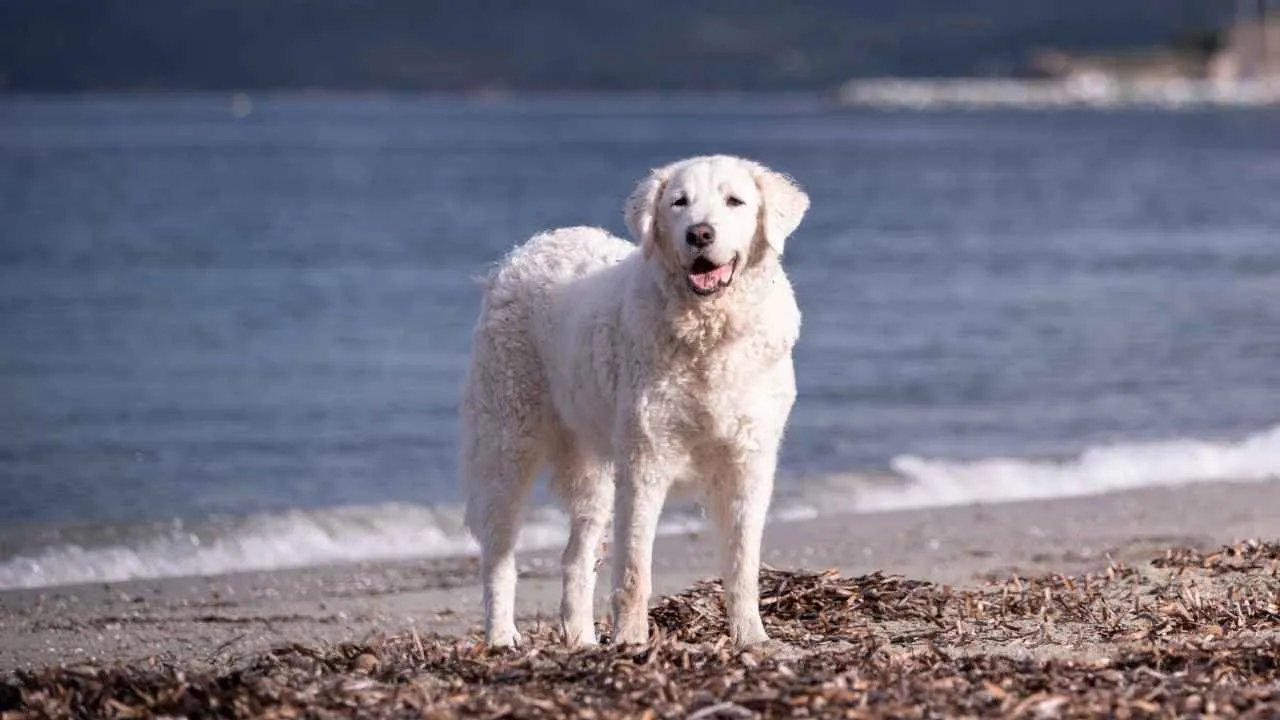
The Kuvasz is a Hungarian livestock guardian breed with a long history of working independently, often at night, without much human involvement.
Kuvasz dogs are loyal, protective, and smart, but they also have a stubborn streak that makes early training pretty important.
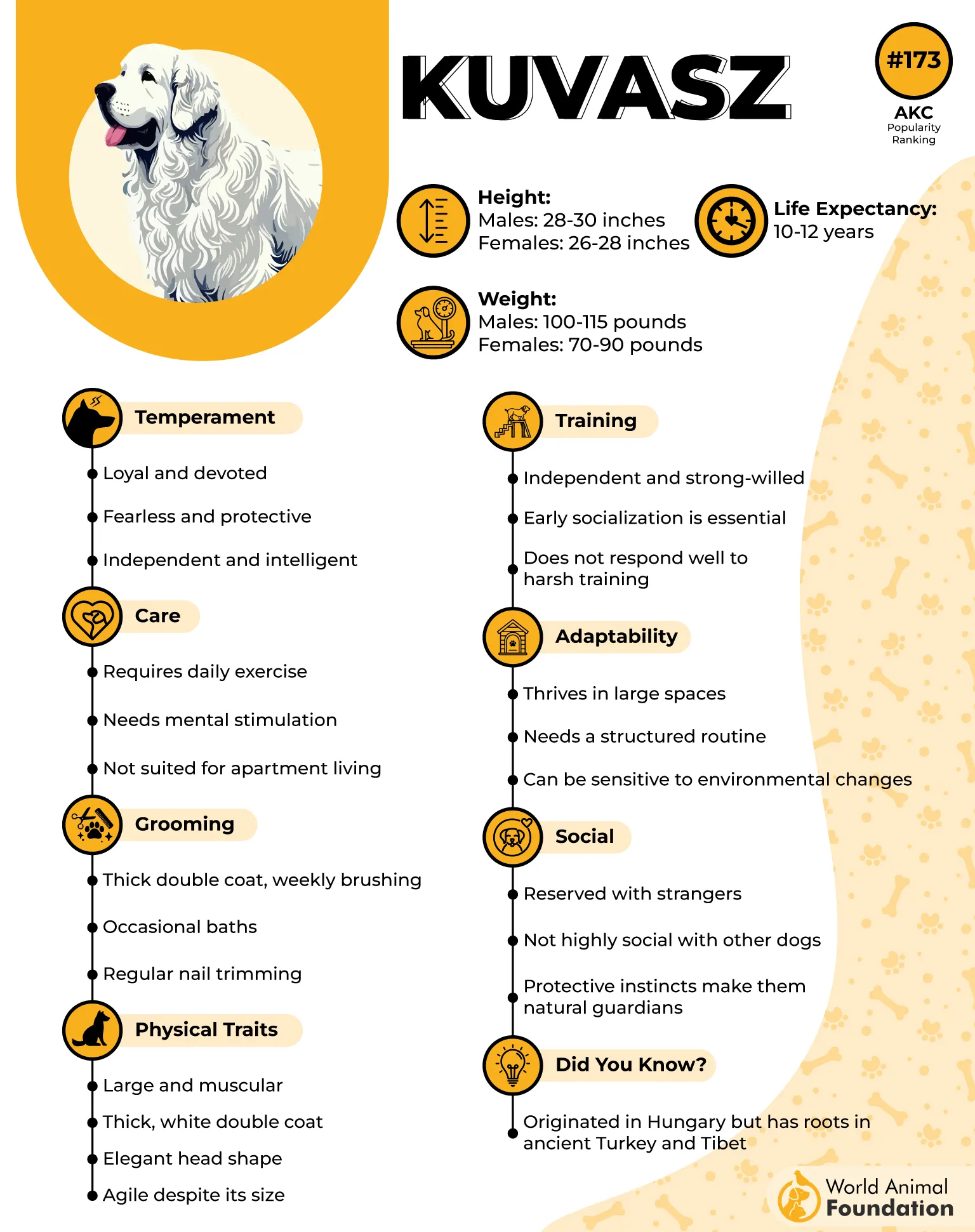
They are affectionate with their family, but naturally aloof with strangers and other dogs they don’t know.
This breed does best in a house with some outdoor space rather than a small apartment, and they need an owner who won’t take their independent streak personally.
Conclusion
Giant dog breeds like these are NOT for everyone.
If you want a dog who’s constantly underfoot, a Labrador Retriever or a Bernese Mountain dog might be more your speed. But if you are a dog owner who values a little independence and you don’t mind a big dog who thinks for itself, these gentle giants offer something different.
Just remember: large dogs mean bigger responsibilities. More food, more grooming, higher vet bills and doses of medication, and a real commitment to early training.
Work with a responsible breeding program, stay on top of common health issues in large dog breeds, and give these dogs the space and respect they need.
Do that, and you will end up with a loyal, intelligent dog who’s just independent enough to keep life interesting and fun.
