




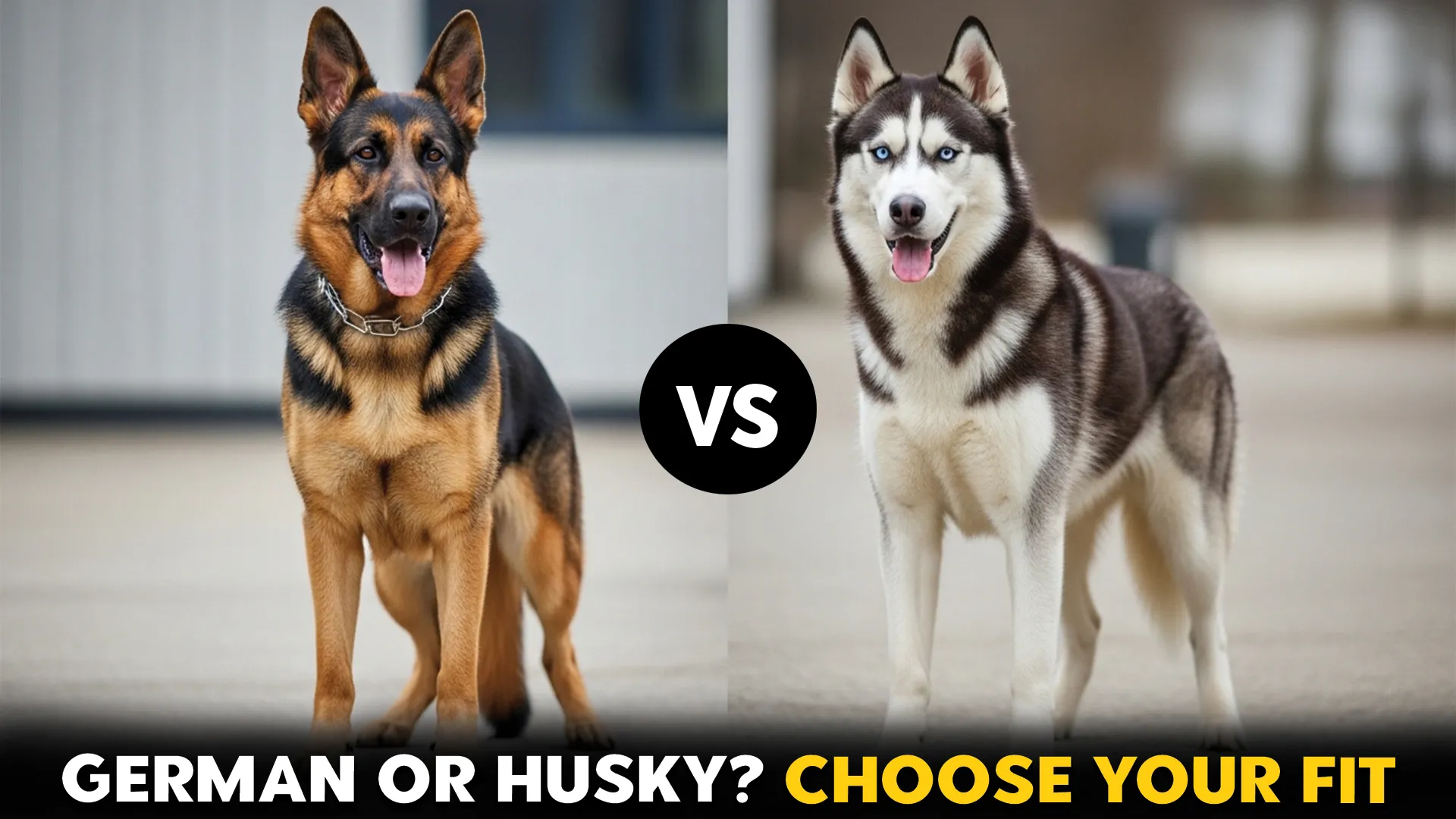
Choosing a dog is more than picking a pet—it’s about finding a loyal companion who fits seamlessly into your lifestyle. For many pet parents, the debate often comes down to two iconic breeds: the German Shepherd and the Siberian Husky.
Both are intelligent, striking, and beloved across the country, yet their personalities, energy levels, and training styles differ in ways that can shape your daily life as a dog owner.
At first glance, these breeds may look alike with their expressive eyes, fluffy tails, and commanding presence, but their origins and temperaments tell very different stories. Understanding these differences is key to making the right choice for your home, climate, and routine.
Whether you’re drawn to the disciplined intelligence of a German Shepherd or the captivating energy of a Siberian Husky, this article will help you explore the traits, behaviors, and care needs of both breeds.
Key Takeaways
See why German Shepherds are perfect for loyal, protective companions.
Find out why Huskies shine with playful, energetic families.
Compare size, exercise, grooming, and health needs quickly.
Learn training tips and personality traits to choose your ideal pup.
German Shepherd vs. Siberian Husky: Which Dog Breed Fits Your Lifestyle?
Origins & History
German Shepherd
The German Shepherd dog originates from Germany, where it was first bred as a herding dog. These dogs were used to guide and protect livestock, helping farmers manage their flocks efficiently. Their intelligence, loyalty, and quick learning abilities made them stand out as dependable working dogs.
As Germany industrialized, the breed’s role expanded beyond herding. German Shepherds began serving in police, military, and service roles worldwide, excelling in tasks such as search and rescue, tracking, and personal protection.
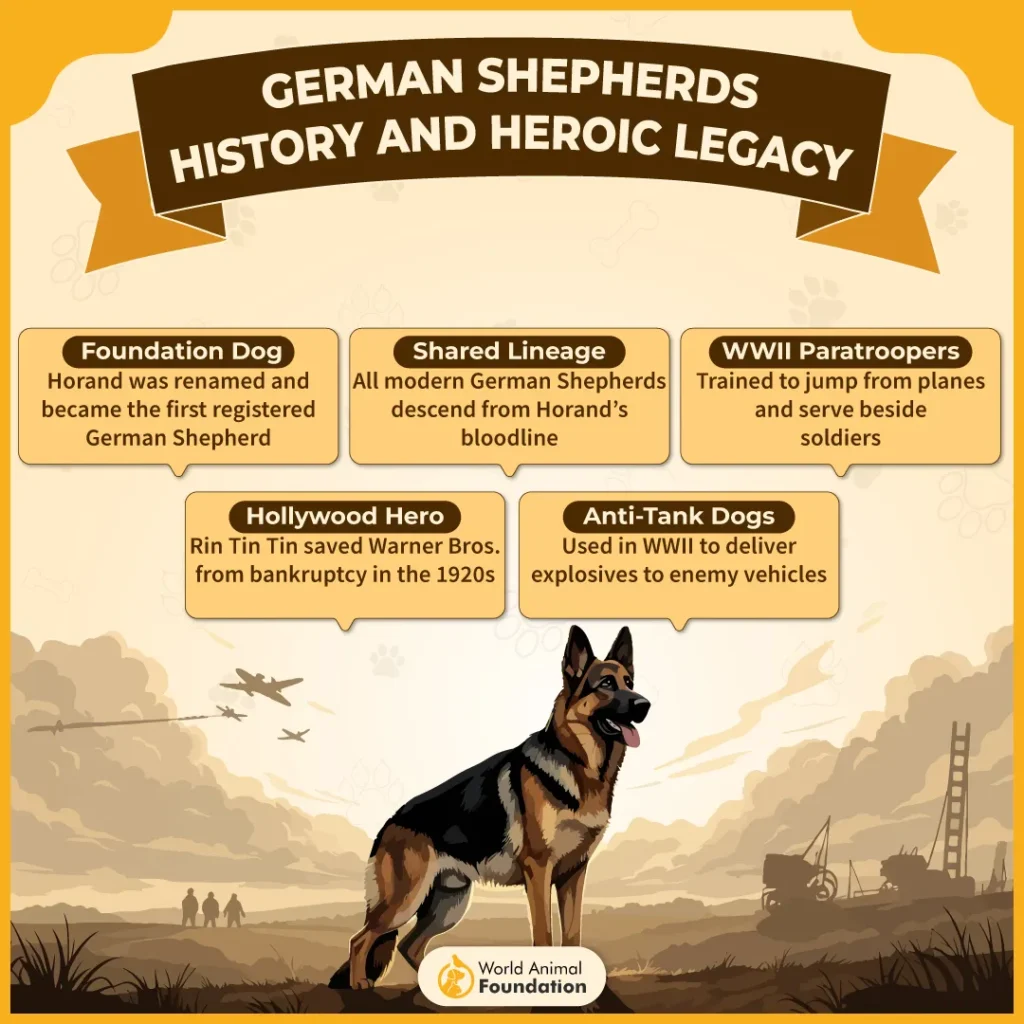
Their structured lifestyle, strong sense of duty, and eagerness to please make them highly trainable and reliable companions.
Siberian Husky
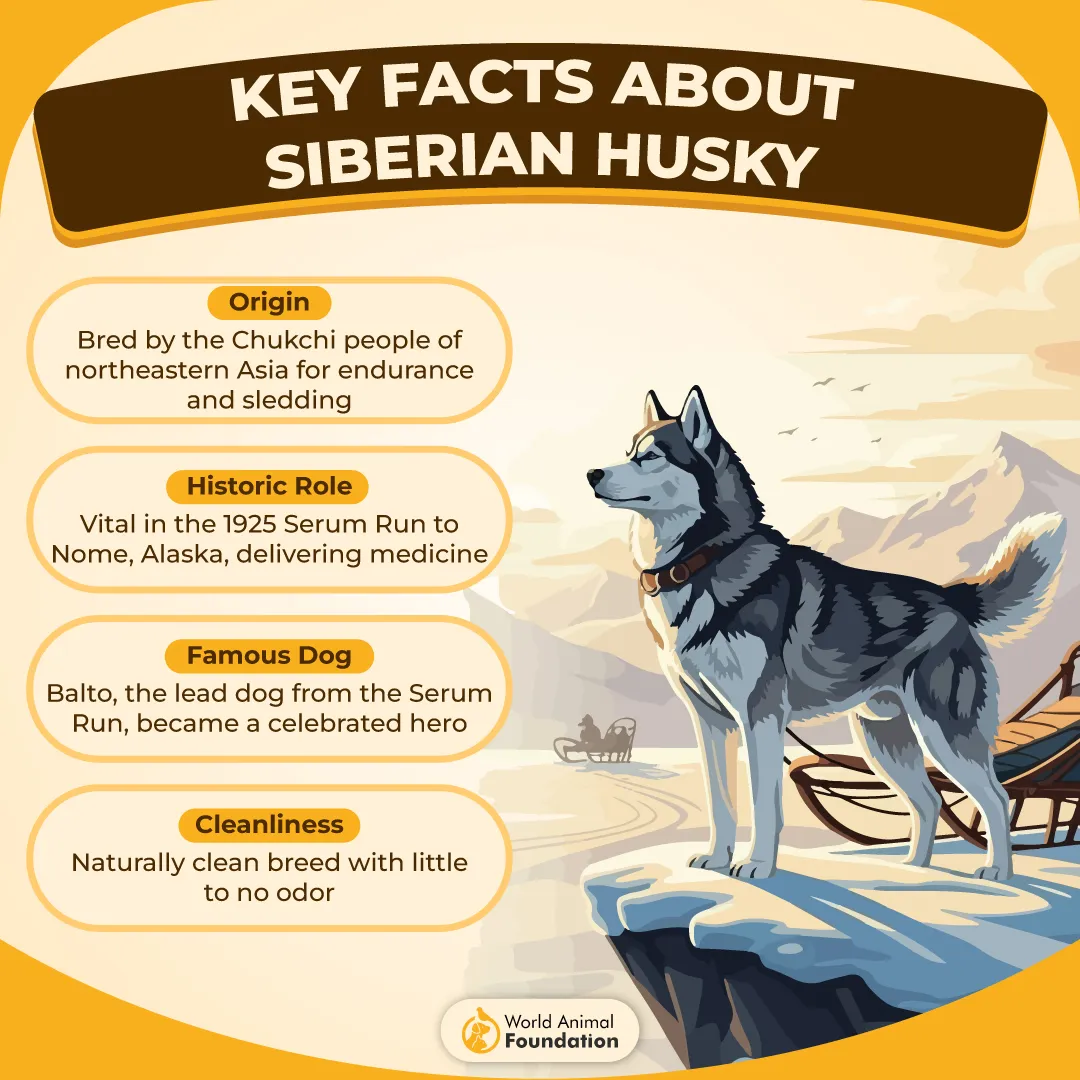
The Siberian Husky comes from Siberia, where it was bred by the Chukchi tribe, as mentioned by Britannica. These dogs were originally used to pull sleds over long distances in freezing conditions, assist in hunting, and even sleep with the tribe’s children to provide warmth. Huskies developed endurance, independence, and a friendly, social nature from this demanding work.
Siberian Huskies became famous in 1925 when a team of Huskies traveled 658 miles in less than six days to deliver diphtheria serum to Nome, Alaska, saving countless lives. Later, during the Gold Rush, they were exported to Alaska for sled racing and transportation.
Their thick double coat, wolf-like appearance, and boundless stamina reflect centuries of adaptation to harsh climates and physically demanding tasks.
Size & Physical Build
German Shepherd
German Shepherds are larger and more muscular than Huskies, making them ideal for work that requires strength and endurance.
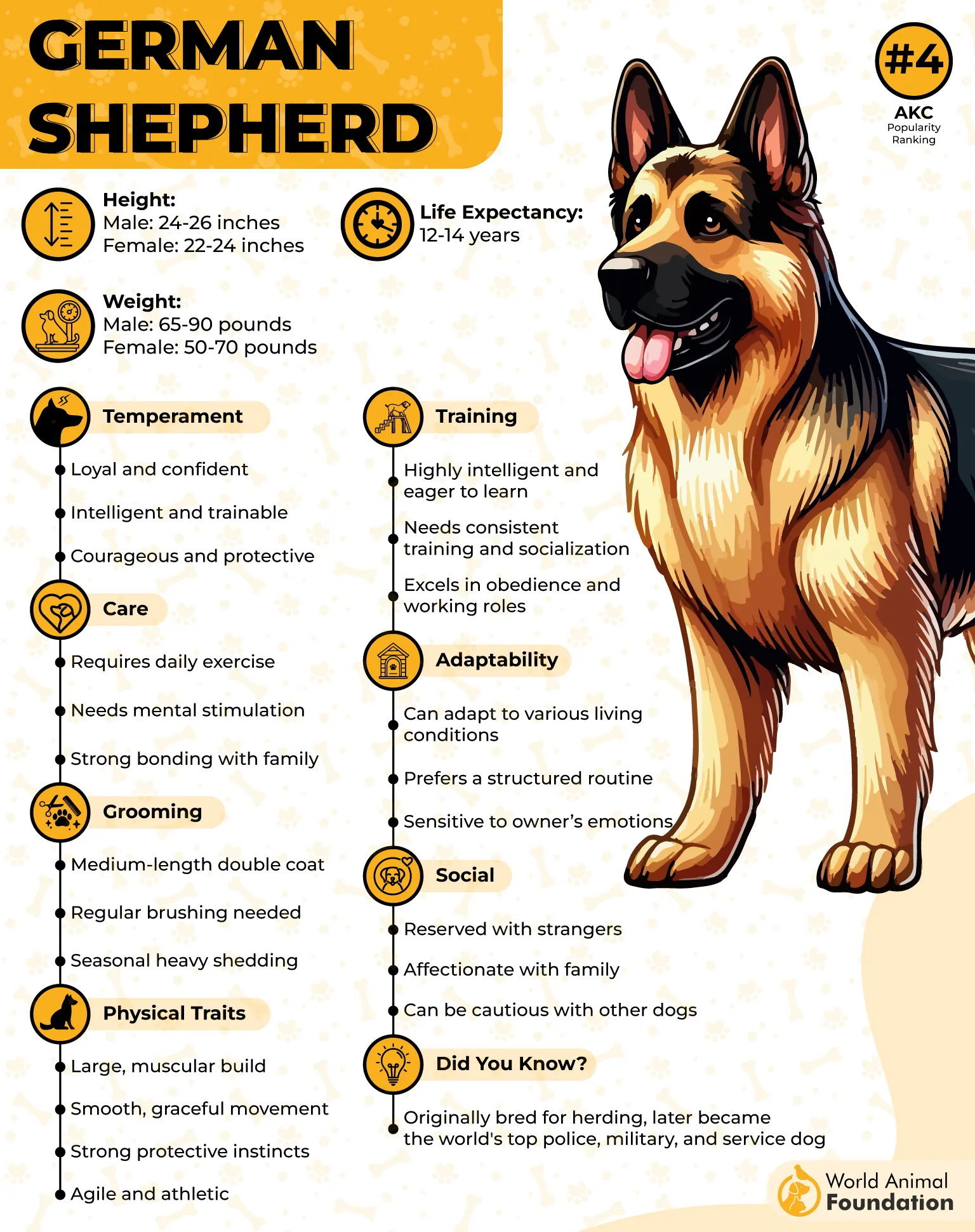
Both males and females carry significant weight, reflecting their powerful build. According to the Royal Kennel Club, they belong to the Pastoral dog breed group and are classified as large herding dogs.
Height: Males 61–67 cm, females 55–61 cm
Weight: Males and females 34–44 kg
Build: Muscular and strong, bred for protection, work, and guarding
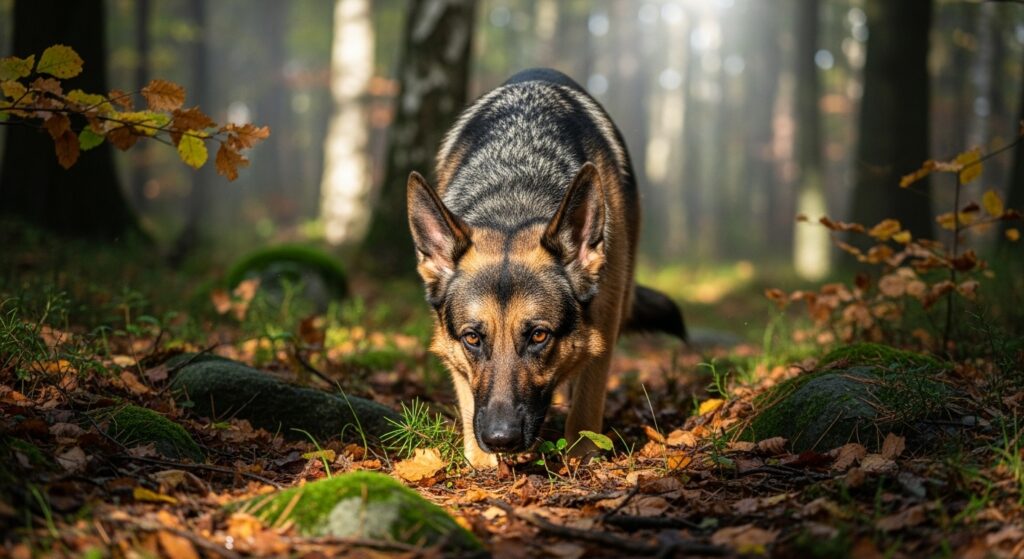
Coat Colors: Most commonly black and tan, but can also be pure white, black, or other variations
German Shepherds are known for their protective instincts and powerful bites, trained to perform in police, military, and service roles. Their size and strength make them formidable, but this also requires careful management when choosing toys and treats to avoid accidental tooth damage.
Siberian Husky
Huskies are medium-sized working dogs, built for endurance rather than sheer strength. These sled dogs were bred to pull sleds in packs across harsh, icy conditions, and their leaner body reflects agility and stamina rather than raw power.
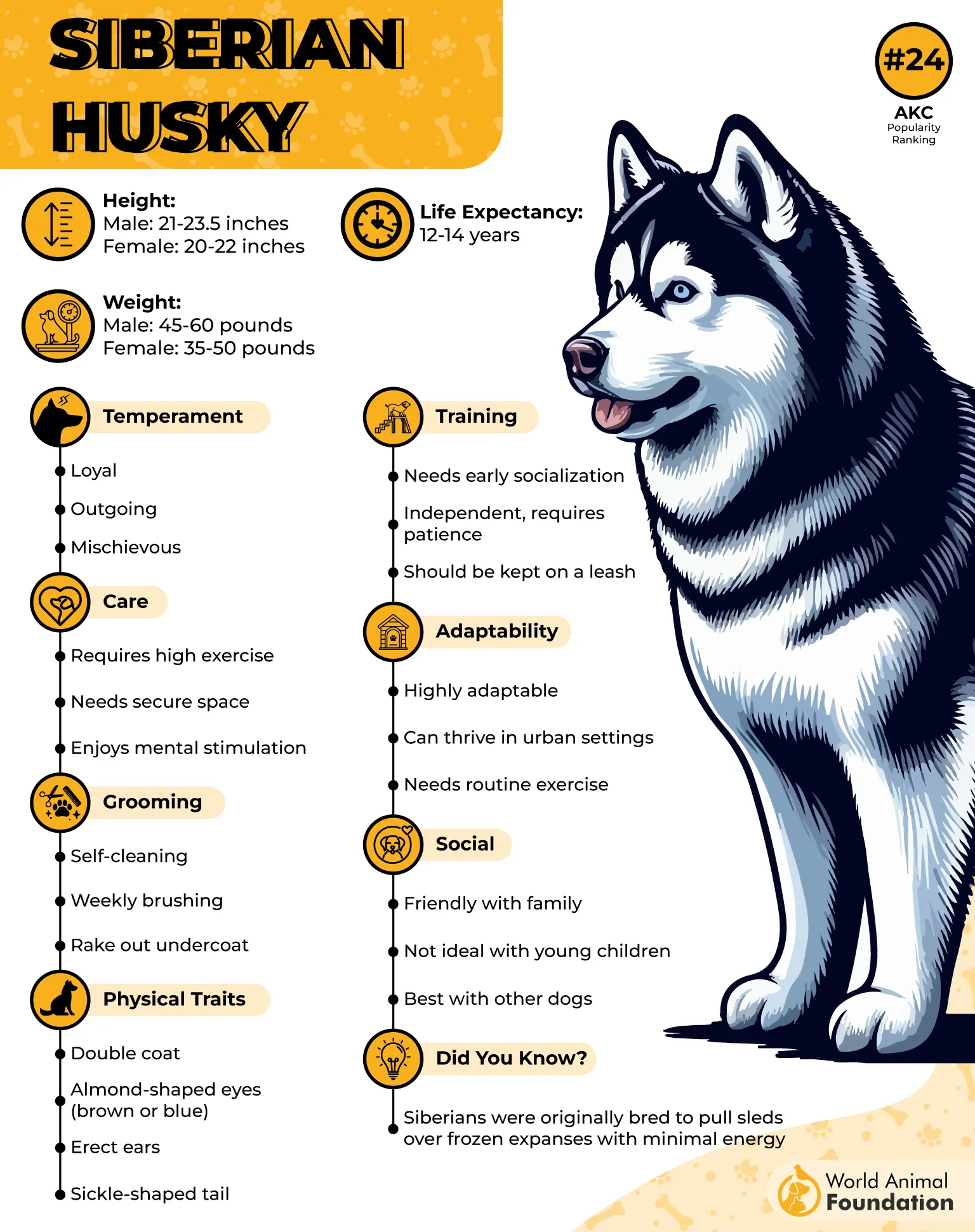
Height: Males 53–60 cm, females 50–56 cm
Weight: Males 20–27 kg, females 16–22 kg
Build: Lean, muscular in packs, designed for long-distance work
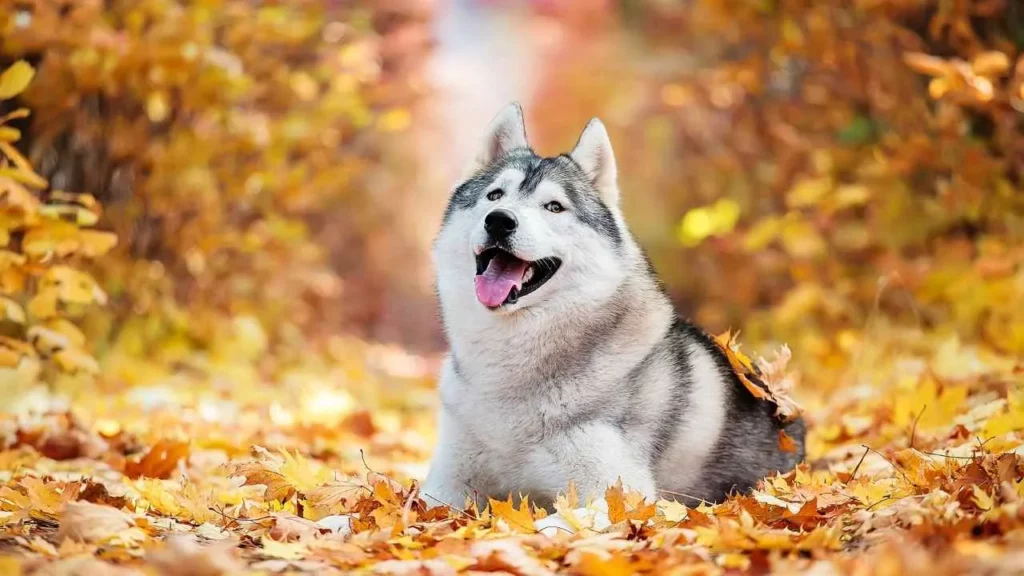
Coat & Features: Thick double coat, bushy tail, erect triangular ears, “snow nose” (pink or black), and striking eyes that can be blue, brown, or parti-colored
Coat Colors: Recognized in nine color variations by the AKC
While Huskies are not bred for guarding or protection, they are strong, independent, and capable of defending themselves if threatened. Their size and weight make them easier to manage in smaller spaces, but they still require plenty of exercise due to their high energy and endurance.
Temperament & Personality
German Shepherd
German Shepherds are renowned for their intelligence, loyalty, and adaptability. They form strong bonds with their families and often attach closely to one person or household, making extremely loyal pets.
While loving and affectionate with family members, they tend to be aloof or reserved with strangers, which makes them excellent watchdogs.
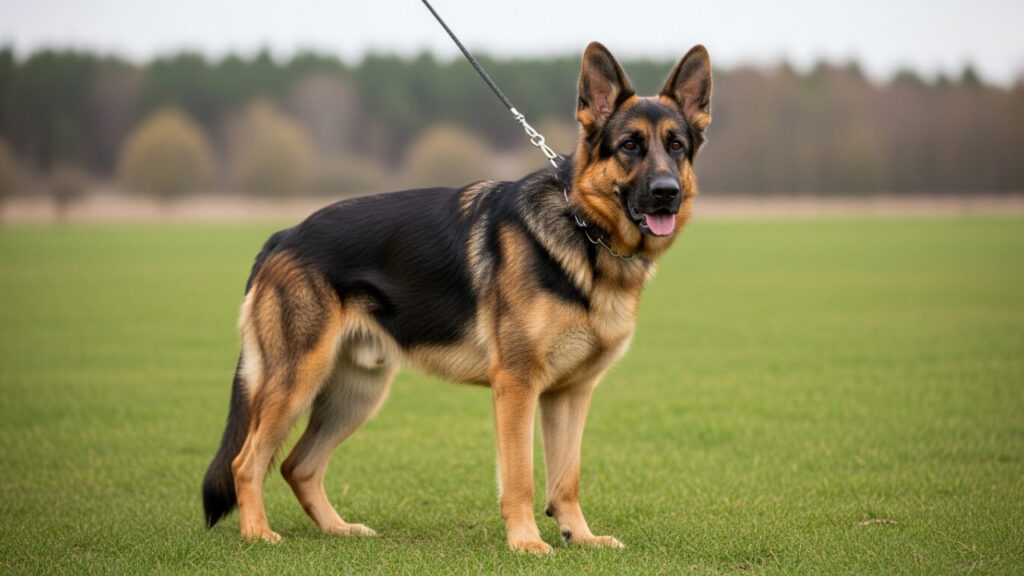
Protective Instincts: Naturally guarding, making them great for security or police work
Trainability: Highly intelligent and eager to learn, making training easier than many other breeds
Energy Levels: Active and strong, requiring both physical exercise and mental stimulation
Work Ethic: Thrives when given a task or job, whether it’s herding, rescue, or service roles
German Shepherds need a structured environment and plenty of engagement. Bored or under-stimulated dogs may act out by chewing, barking, or digging. Providing appropriate chew toys, large bones, and mental challenges helps keep them happy and healthy.
Siberian Husky
Huskies are social, energetic, and playful dogs with a mischievous streak. They are friendly with nearly everyone, including strangers, and prefer a pack environment, whether that pack is human or canine.
Unlike German Shepherds, Huskies are not natural guard dogs—they are more likely to greet new people warmly than to act suspiciously.
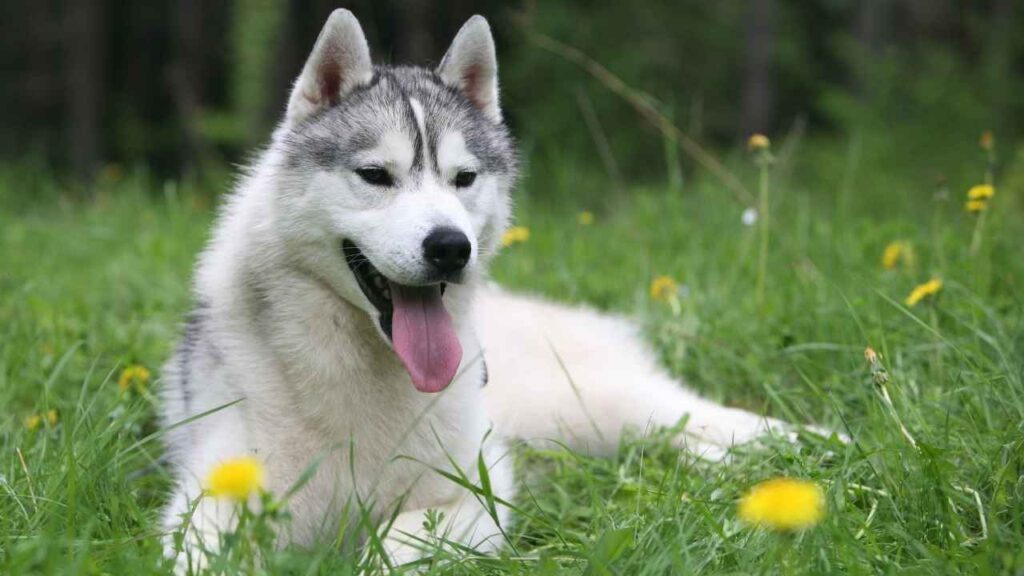
Personality: Outgoing, affectionate, and playful, but independent and stubborn
Energy Levels: Very high; require regular exercise and mental engagement to prevent boredom
Communication Style: Less barking, more howling and vocalizations
Behavioral Traits: Can be mischievous, dig, and escape if not properly supervised
Huskies are best suited to confident owners who can provide guidance and leadership, as their independent nature can make training challenging. They thrive in environments where they can socialize, exercise, and be part of an active household.
Energy Levels & Exercise Needs
German Shepherd
German Shepherds are highly active and intelligent dogs that thrive on both physical and mental stimulation. They need daily walks, playtime, and engaging tasks to prevent boredom, which can lead to destructive behaviors such as chewing, barking, or digging.
Activities like obedience training sessions, puzzle games, or agility exercises help channel their energy productively and keep them happy and balanced.
Siberian Husky
Siberian Huskies are extremely energetic and endurance-driven, requiring plenty of exercise every day. They love running, exploring, and outdoor activities, and will often become mischievous if bored or under-stimulated.
Huskies also need mental challenges, such as interactive games or treat puzzles, to satisfy their curious and independent nature, and a secure outdoor area is essential to prevent them from wandering or escaping.
Trainability & Intelligence
German Shepherd
German Shepherds are among the smartest dog breeds, known for their eagerness to learn and strong work ethic. They bond closely with their family, enjoy pleasing their owners, and thrive on structure and routine.
Short daily training sessions, early socialization, and mental stimulation—such as obedience drills or puzzle games—work exceptionally well for them.
Best Training Approaches for German Shepherds:
Positive reinforcement techniques
Obedience training starting at 8–12 weeks
Regular mental challenges to keep them engaged
Consistent rules and clear communication
German Shepherds excel in roles that require intelligence and discipline, including assistance work, police duties, and rescue missions. They respond well to repetition, follow tasks with confidence, and adapt easily to apartments or homes with enough exercise and mental engagement.
Siberian Husky
Siberian Huskies are smart and independent, but can be notoriously stubborn. Their Arctic heritage means they were bred to work in packs rather than follow a single leader, which can make training a challenge—especially for first-time dog owners.
Best Training Approaches for Siberian Husky:
Train during cooler hours—early mornings or evenings
Use high-value treats to maintain interest and motivation
Provide plenty of physical exercise through running, structured play, or treadmill sessions
Ensure secure fencing due to their love of escaping
While Huskies are affectionate and social, they are not natural guard dogs and rarely bark, preferring to howl instead. They respond best to confident, experienced dog owners who can establish themselves as the pack leader and provide consistent guidance and engagement.
Coat Grooming & Shedding
German Shepherds have a medium double coat that can be short or long-haired. ASPCA states that they shed year-round, earning them the nickname “German Shedder,” with particularly heavy shedding during seasonal changes in spring and autumn.
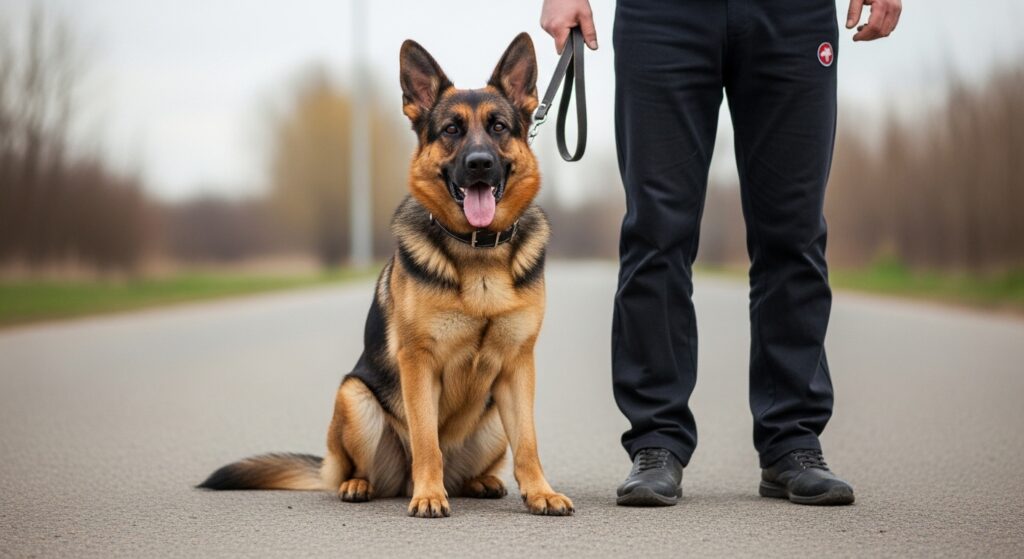
Brushing three times a week is recommended, with more frequent brushing during peak shedding periods. Despite all the fur, they are relatively clean and have little odour, making regular brushing the key to keeping their coat healthy and minimizing hair tumbleweeds around your home.
Coat Colors: Most commonly black and tan, but also white, sable, or fully black
Grooming Needs: Brush at least three times a week; vacuum regularly due to high shedding
Shedding Pattern: Constant throughout the year with “blowouts” twice yearly
Siberian Husky: Voluminous and Clean
Huskies also have a thick double coat, often compared to wolves in appearance. They are beautiful, energetic dogs with striking eyes, sometimes even one blue eye and one brown. Huskies shed heavily twice a year, in spring and autumn, a process called “blowing their coat.”
Outside of these periods, weekly brushing is usually sufficient to keep their fur healthy. Huskies are naturally clean, emit little odour, and rarely need frequent bathing.
Coat Colors: Wide range, including black, white, gray, red, and combinations
Grooming Needs: Brush weekly, daily during coat-blowing seasons; occasional baths
Shedding Pattern: Seasonal “blowouts” in spring and autumn; moderate shedding the rest of the year
Health & Lifespan
German Shepherd
German Shepherds are strong and athletic dogs, but due to their large size and selective breeding, they are more prone to certain health conditions.
One of the most common problems is hip and elbow dysplasia, which can lead to pain, reduced mobility, and arthritis as the dog ages.
Another serious condition that affects this breed is gastric dilatation-volvulus (bloat), where the stomach fills with gas and twists, requiring immediate veterinary treatment.
German Shepherds may also experience conditions such as degenerative myelopathy, cauda equina syndrome, and immune-related skin diseases.
Because of these risks, responsible breeding and regular vet visits are very important for maintaining their health. German Shepherds’ life expectancy is typically 10–14 years.
Siberian Husky
Siberian Huskies are often considered the healthier of the two breeds and generally have fewer genetic health issues. However, they are prone to certain eye conditions, including cataracts, corneal dystrophy, and progressive retinal atrophy, which can affect their vision over time.
Huskies can also develop hip dysplasia, although it is less common than in many large breeds. In addition, they may gain weight if they do not receive enough exercise, and some may experience separation anxiety when left alone for long periods.
Despite these concerns, Huskies tend to live longer than German Shepherds, with an average lifespan of 12–15 years when provided with proper care, nutrition, and regular veterinary checkups.
Role & Lifestyle Suitability
German Shepherd
German Shepherds were originally bred in Germany as working and herding dogs, and they still thrive when given structure and purpose. They are highly intelligent, loyal, and eager to please, which is why they are often used in police, military, and service roles.
These dogs tend to bond strongly with their families and are naturally protective, making them excellent guard dogs.
With proper training and socialization, German Shepherds can be patient and gentle with children while remaining vigilant watchdogs. They do best with owners who can provide routine, training, and mental challenges.
Best suited for:
Families looking for a loyal and protective dog
Owners who enjoy training and structured routines
Homes where the dog has a clear role or purpose
Siberian Husky
Siberian Huskies are energetic, friendly, and highly social dogs that enjoy being part of a pack. Unlike German Shepherds, which often bond closely with one person, Huskies tend to share their affection with everyone in the family. Their playful, outgoing personalities make them good family dogs for active households.
Huskies usually get along well with children and enjoy interactive play, though their high energy can sometimes be overwhelming for very young kids. Because they are naturally friendly, they are not good guard dogs but rather lively companions who thrive with plenty of activity and attention.
Best suited for:
Active families who enjoy outdoor activities
Owners looking for a playful, social dog
Homes that can provide plenty of exercise and interaction
Which Dog Breed Fits Your Lifestyle?
Choosing between a Siberian Husky and a German Shepherd ultimately depends on your lifestyle, living environment, and the kind of companion you want.
German Shepherds are ideal for families looking for a loyal, protective, and disciplined dog. They are highly intelligent, easy to train, and thrive in homes where they have structure, routine, and mental challenges.
Their natural guarding instincts make them excellent watchdogs, and with proper socialization, they can be patient and gentle with children. However, they still require regular exercise, training, and engagement to stay balanced and happy.
Siberian Huskies, on the other hand, are best suited for active families who can manage their high energy levels and playful personalities. They are friendly, social, and affectionate dogs that enjoy being part of a pack, but their independent nature can make training more challenging.
Huskies need plenty of physical activity, space to run, and consistent supervision, as they are known for digging and escaping if bored.
While they may not be good guard dogs due to their friendly nature, they make lively and loving companions for households that can provide the exercise, attention, and active lifestyle they need.
Conclusion
Choosing between Huskies and German Shepherds ultimately comes down to understanding their personalities, energy levels, and the kind of lifestyle you can provide.
Before bringing either breed home, take time to consider your living space, daily routine, and ability to meet their exercise, grooming, and training needs. When the right dog meets the right environment, the result is a loyal companion and a happier home.
Whether you choose the devoted German Shepherd or the spirited Siberian Husky, both breeds have the potential to become incredible lifelong members of your family.
