




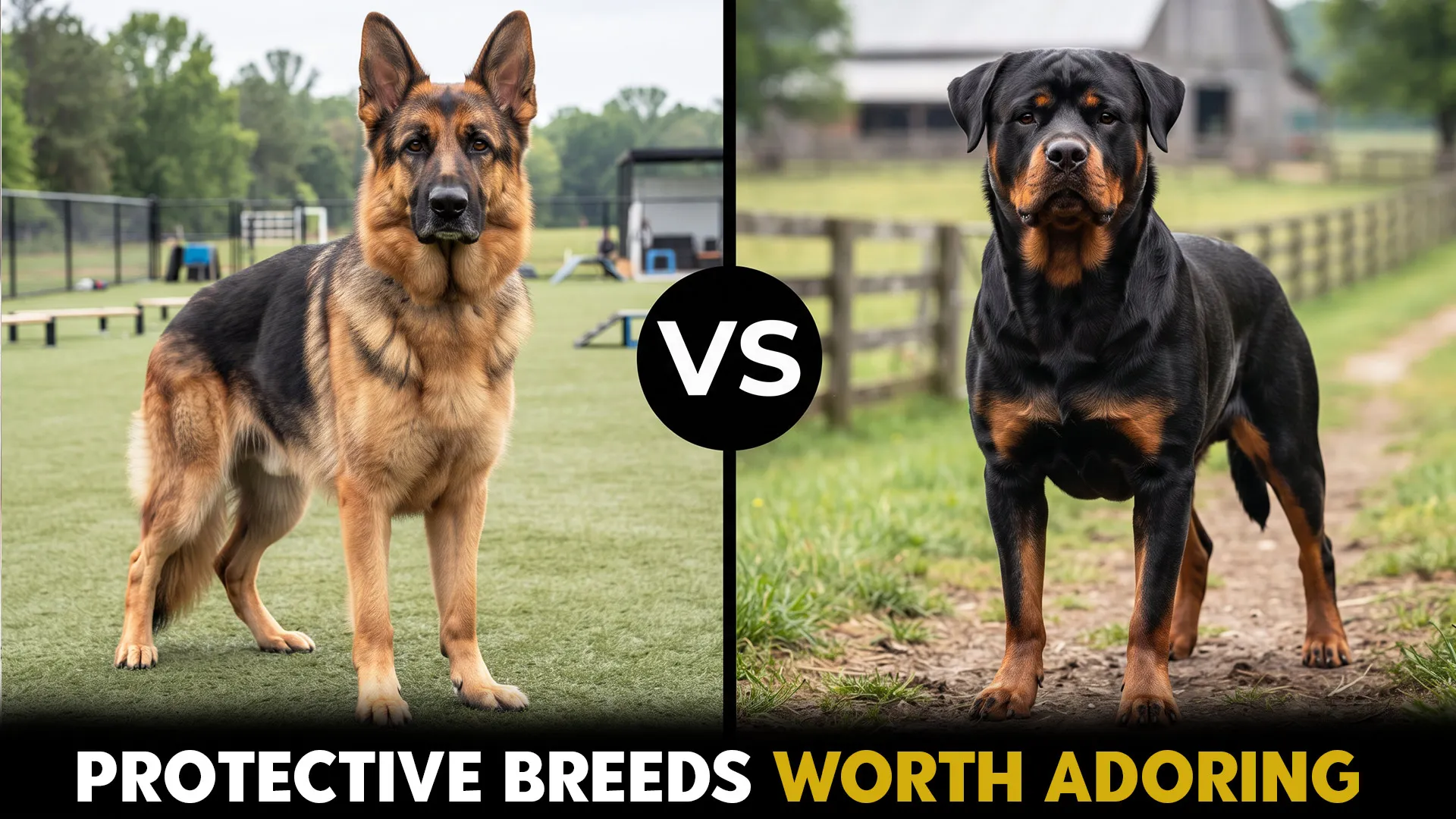
What happens when two powerful dogs enter the same debate?
Things can get joyous, lively, and a little ruff! The German Shepherd and Rottweiler are both loyal, smart, and strong.
Yet, which one fits your home better? How do their builds differ? Which dog has more energy? Which one learns faster? What are their personalities like? How much grooming will each need?
Which breed has stronger guarding instincts? What health needs should you expect? And finally, which loyal protector suits your lifestyle?
These questions matter before bringing either dog home. German Shepherds often thrive with active owners who enjoy daily engagement. Rottweilers can suit families seeking a powerful yet steadier companion.
Still, both need exercise, socialization, clear guidance, and responsible care. This guide compares their key traits in simple terms. It’s for families, active owners, and dog lovers choosing between them. There is no perfect winner. The right choice depends on your routine, experience, and home.
German Shepherd vs. Rottweiler: Essential Traits of These Powerful Dog Breeds
Both breeds bring strength, loyalty, and courage to the home. Yet, their needs and working styles can differ greatly. Let’s compare their key traits to see which powerful companion may fit your lifestyle best.
Origins & Purpose
German Shepherd
The German Shepherd was developed in Germany as a versatile herding dog. In 1899, Max von Stephanitz helped shape the breed around working ability and strong character.
He chose Horand von Grafrath as the breed’s foundation dog. German Shepherds later became valued as police and military dogs. Their intelligence and willingness to work made them useful in many roles. Today, they remain dependable partners for handlers and families.
Rottweiler
According to Wikipedia, the Rottweiler has roots linked to dogs brought through Germany by ancient Rome. In Rottweil, these dogs became valued for moving livestock and pulling meat carts. They earned the name “butchers’ dogs” from this work.
Their strength also helped them serve as a guardian dog. Over time, their protective nature became a defining trait. Today, the Rottweiler can work as a guard dog, service dog, or loyal family companion.
Size & Build
German Shepherd
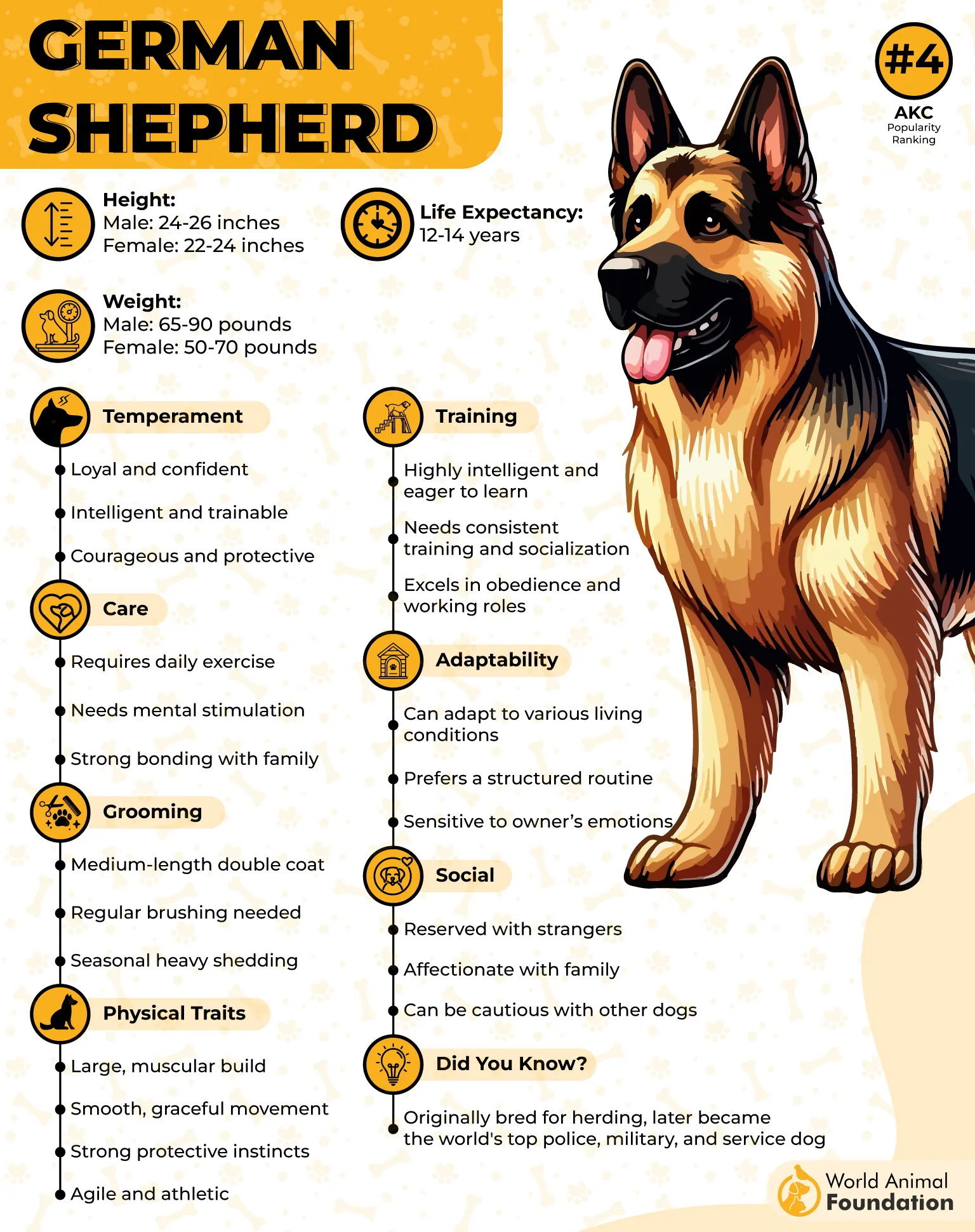
According to the American Kennel Club, the German Shepherd is a large, agile, muscular dog. Its body looks athletic rather than bulky. A sloping back, long muzzle, and strong legs support quick movement.
This build helps the breed work with speed and control. It also gives the dog a noble, confident look. Physically, it can appear imposing without seeming overly heavy.
Height: Males stand 24–26 inches; females stand 22–24 inches.
Weight: Males weigh 65–90 pounds; females weigh 50–70 pounds.
Rottweiler
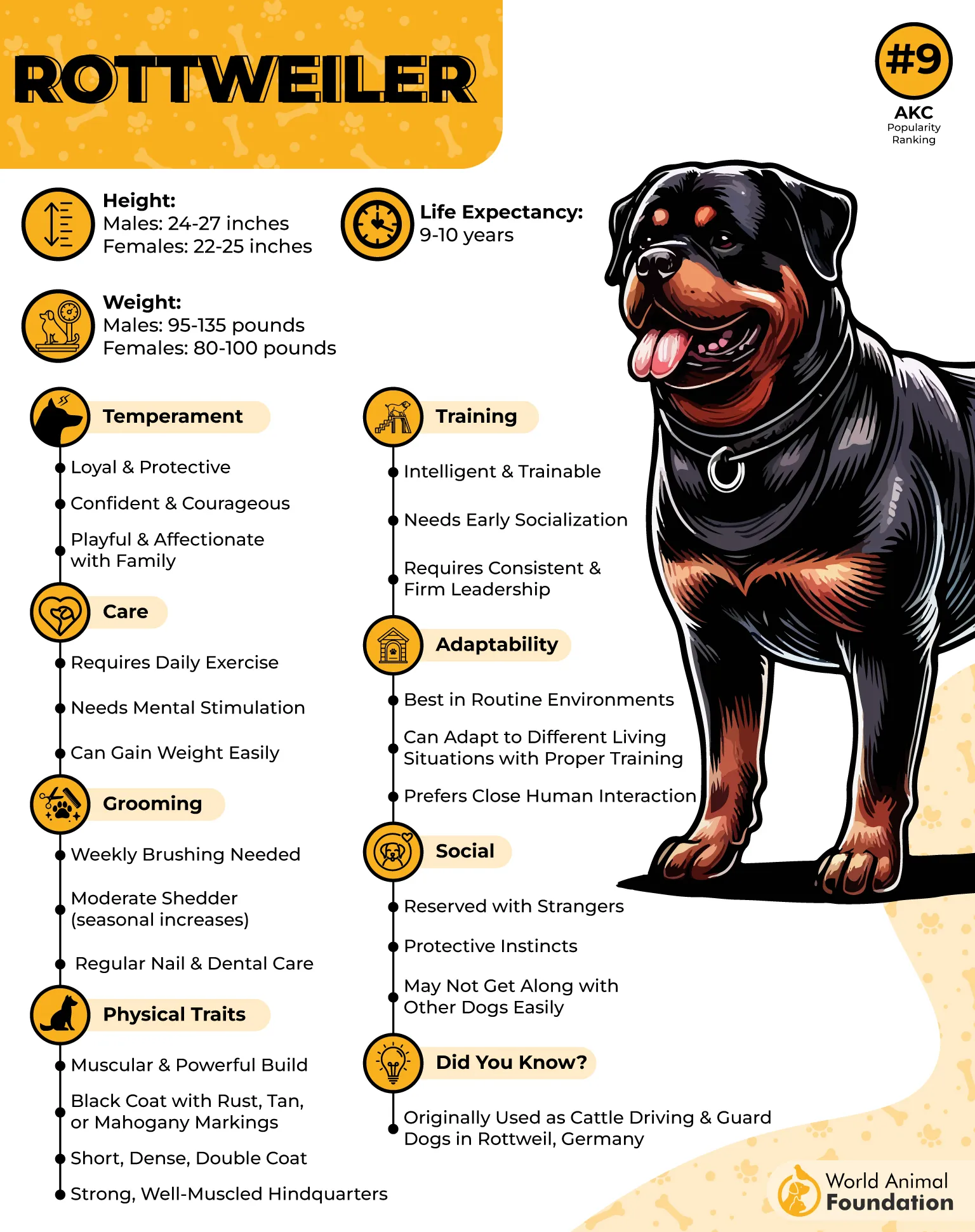
The Rottweiler has a heavier frame and a broad chest. Its head looks broad, while its shorter muzzle adds to its solid appearance. This large dog breed carries dense muscle across its body.
Its size can seem intimidating, especially beside smaller animals. Still, its structure serves a purpose. Strong bones and powerful muscles help this working breed handle demanding tasks throughout its life.
Height: Males stand 24–27 inches; females stand 22–25 inches.
Weight: Males weigh 95–135 pounds; females weigh 80–100 pounds.
Pricing & Availability
German Shepherd
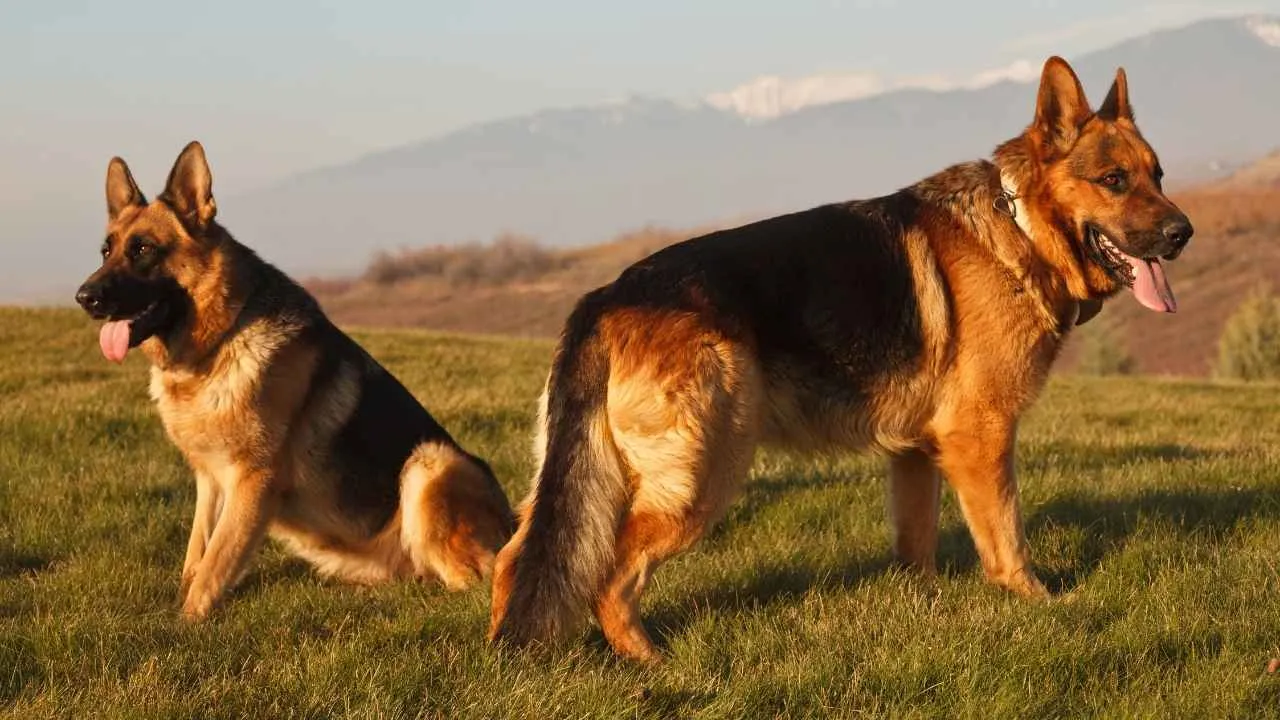
A German Shepherd puppy from a reputable U.S. breeder usually costs about $1,500–$3,500. Working, show, or imported lines can reach $5,000 or more. These dogs are widely available through established breeders and rescues.
Reputable breeders should provide health testing and clear records. Working lines may cost more because of their pedigree and purpose. Adoption can be cheaper, often around $50–$600.
Rottweiler
A well-bred Rottweiler puppy typically costs $2,000–$3,000 in the U.S. Health-tested or premium lines can cost $2,500–$5,000+. Rescue adoption often costs about $250–$600. Remember, food, supplies, grooming, and vet care add to the long-term cost.
Temperament & Personality
German Shepherd
The GSD often develops a deep bond with its loved ones. It likes staying close to its human family and enjoys being involved. Its alert nature can make it quick to notice changes around home.
Without early socialization, some dogs may become reactive in new situations. Positive experiences with people and animals can build better balance. A well-raised GSD can become a confident and devoted companion.
They often enjoy having a clear role within the household.
Early socialization can help it handle unfamiliar people more calmly.
It may become strongly attached to the humans who care for it.
Rottweiler
According to Omlet, Rottweilers are calm, dependable, affectionate, and loving toward their owners. They can be good with kids, although their size may cause accidental knocks.
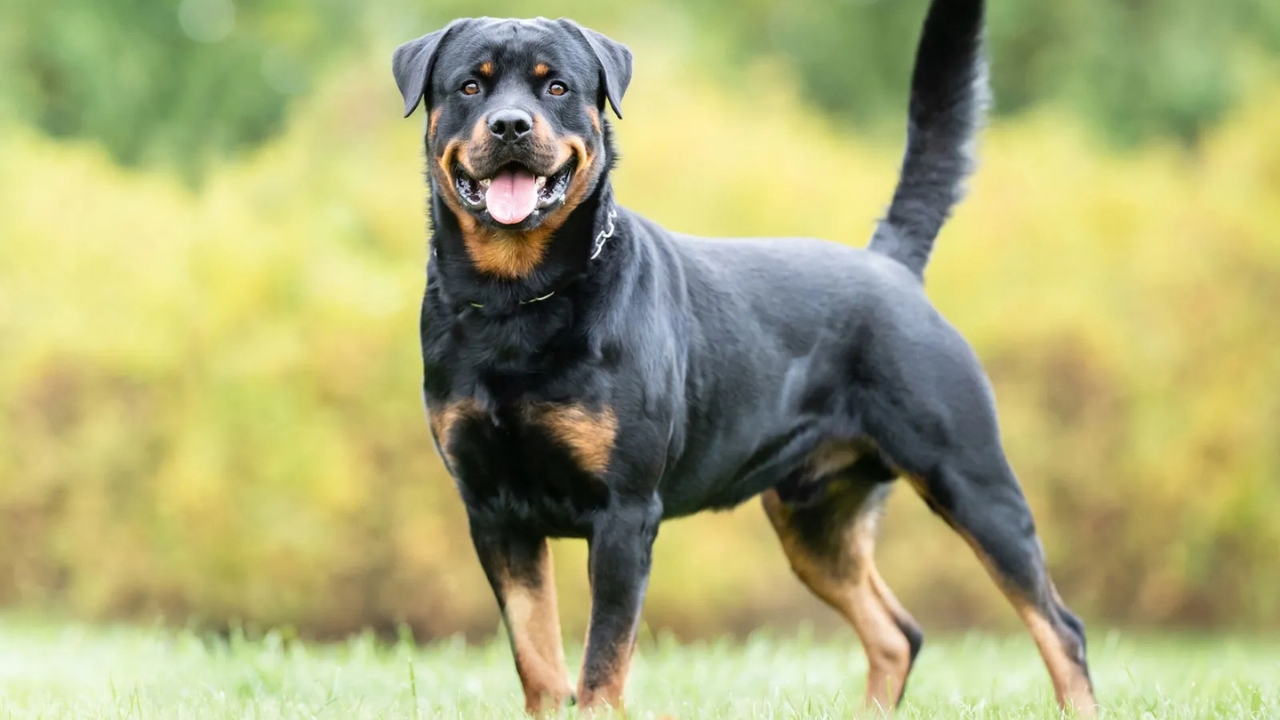
Their protective instinct may also appear when children argue. With proper socialization, they can live peacefully with other pets. However, owners should understand this breed’s guarding nature before they decide if it suits their home.
Rottweilers can be gentle and affectionate with trusted family members.
Supervision is wise when large dogs interact with young kids.
Some unneutered males may become aggressive toward same-sex dogs.
Exercise Needs & Energy Level
German Shepherd
According to Hill’s Pet, German Shepherds are active dogs that like having something to do. This breed needs about 90–120 minutes of exercise each day. Long walks alone may not be enough. Agility, scent work, and obedience games can keep the German Shepherd busy.
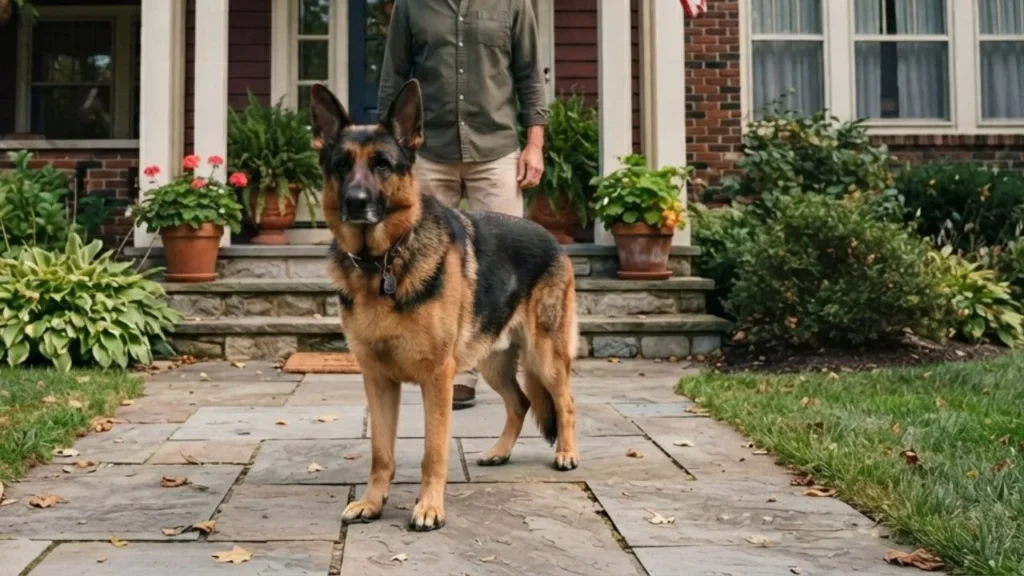
These activities also give its sharp mind a useful outlet. Without enough exercise, boredom may lead to mischief or restless behavior. Unlike poodles, this working dog needs tasks that challenge both body and mind. Its drive comes from generations of work alongside humans, not from chasing wolves.
Rottweiler
A Rottweiler usually needs about 60–90 minutes of exercise daily. Its pace can be steadier than the German Shepherd’s. Structured walks, play, and simple working games can suit this breed well.
Regular activity also helps the Rottweiler remain calm at home. Too little exercise may create boredom and unwanted habits. A consistent routine gives this powerful dog a healthy outlet and supports a more settled life.
Trainability & Obedience
German Shepherd
The German Shepherd is known for its exceptional trainability and quick learning. It ranks as the third most intelligent dog breed. Many German Shepherds learn new commands after only five repetitions. Their eagerness to please makes lessons more rewarding for owners.
With proper training, this breed can become highly responsive and dependable. Short sessions, clear cues, and fun rewards can keep it focused. A professionally trained German Shepherd can excel in obedience and many working roles.
Rottweiler
According to Pawlicy Advisor, Rottweilers are smart, highly trainable, and eager to please. Their intelligence helps them understand new tasks, but stubbornness can sometimes slow progress. Consistent training is especially important with this powerful breed.
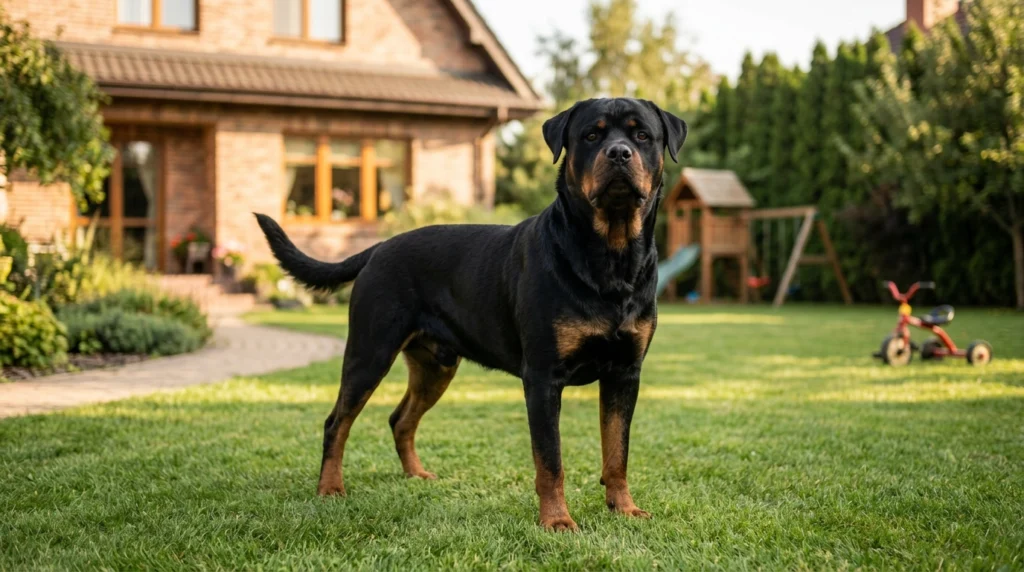
Some adolescents may test their handler’s authority, so owners should stay calm and firm. Small treats can encourage good choices during lessons. Early socialization also brings major benefits. When owners properly guide their dogs, a Rottweiler can become a confident, obedient companion.
Grooming Needs & Shedding
German Shepherd
The German Shepherd has a medium-length double coat that sheds throughout the year. According to Purina, frequent brushing several times each week helps remove loose hair and keeps the coat in good shape.
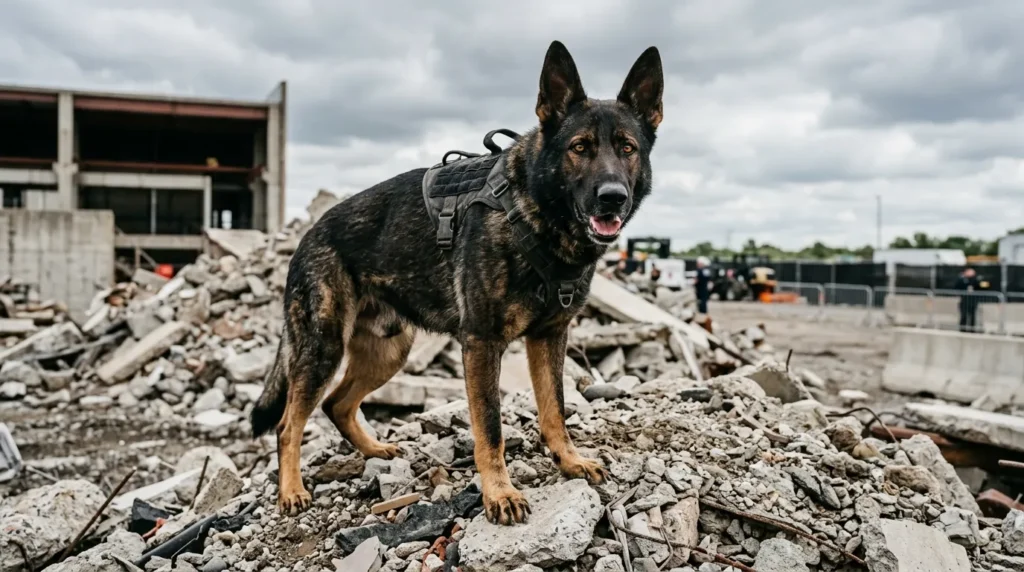
A long-haired German Shepherd may also need combing. There is no need for regular trimming. Bathing should happen only when needed. Avoid excessive grooming, since too much brushing can irritate the skin or damage the coat.
Rottweiler
The Rottweiler has a short, dense coat that needs less upkeep. Weekly brushing can remove dead hairs and keep its coat neat. Its shorter fur also tends to collect less dirt than longer coats.
Occasional bathing can help when the dog gets dirty or develops an odor. Overall, its simple coat makes grooming easier for owners with busy schedules.
Guarding Instincts & Alertness
German Shepherd
The German Shepherd was originally bred for herding and later became valued for police and military work. Its alert nature makes it an excellent guard dog for many homes. A sleek, muscular body supports its working ability, while its sharp awareness helps it notice unusual activity.
These traits can make it highly focused when its family needs protection. With proper socialization, it can learn when to respond and when to stay calm. Its working background also reflects qualities once needed in a livestock guardian dog.
Rottweiler
According to WebMD, the Rottweiler falls into the guard dog category. Yet, there is more to these dogs than guarding. They are often even-tempered and affectionate with trusted people. Their protective side usually appears when they sense danger or potential threats involving their family.
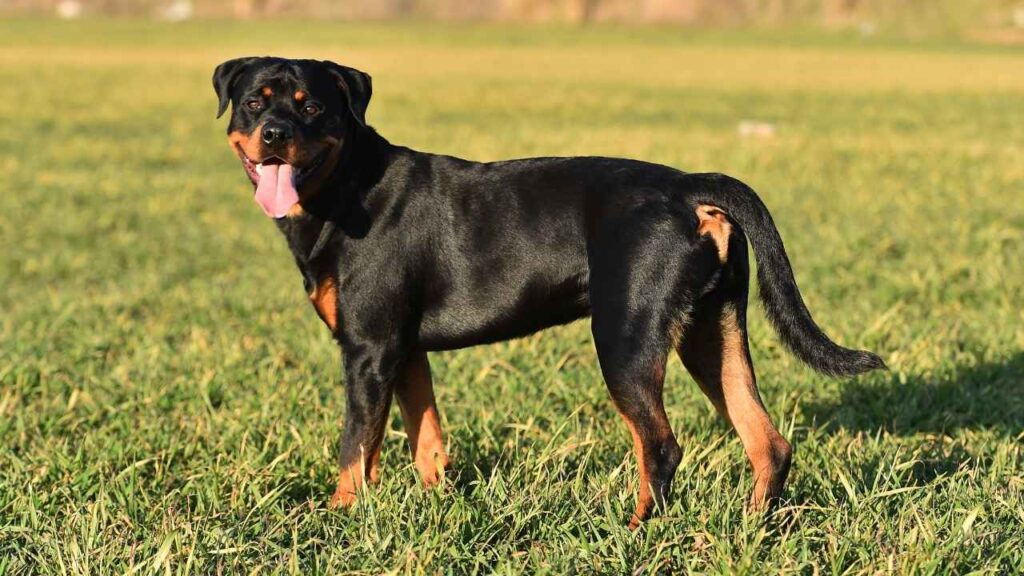
Rough play, poor boundaries, or improper handling can encourage unwanted behavior. Therefore, owners should never mistake natural potential traits for a reason to ignore responsible care. The goal is to protect without creating unnecessary fear or aggression.
Health & Lifespan
German Shepherd
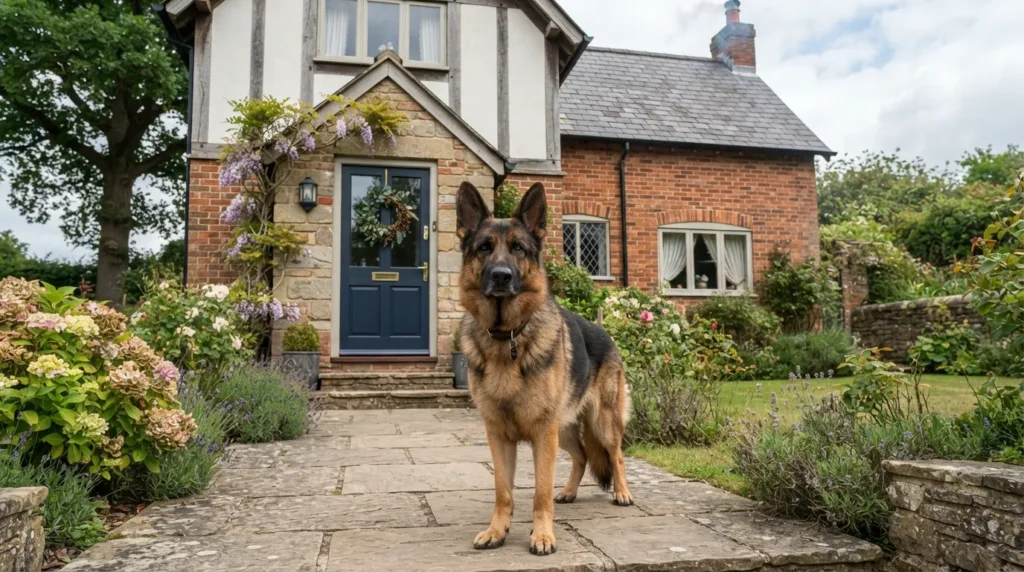
A German Shepherd usually has a 9–13 year lifespan. That is a moderate range for a large breed, rather than an unusually long one. Some healthy dogs can enjoy more years with good genetics and care. Still, owners should watch for joint and nerve-related health problems throughout their life.
Common Health Concerns
Hip dysplasia
Elbow dysplasia
Degenerative myelopathy
Epilepsy, eye disorders, and bleeding conditions
Rottweiler
A Rottweiler generally lives 8–10 years, although some reach 14 years. It is not among the longest-living dogs. Regular veterinary checks can help spot health issues early.
Common Health Concerns
Hip dysplasia and elbow dysplasia
Heart conditions
Cruciate ligament injuries
Cancer, eye disorders, and skin sores
German Shepherd vs. Rottweiler: Which Loyal Protector Is Right for You?
A German Shepherd May Suit You If:
The German Shepherd tends to suit active owners who want an intelligent and highly involved companion. This breed suits people who enjoy outdoor time and engaging activities.
It can also appeal to owners interested in advanced obedience, agility, or scent games. However, consistent training and daily mental challenges are important for a happy dog.
Choose this breed if you want a responsive working partner.
It may fit homes with time for active daily involvement.
Its close bond can appeal to owners wanting a devoted companion.
A Rottweiler May Suit You If:
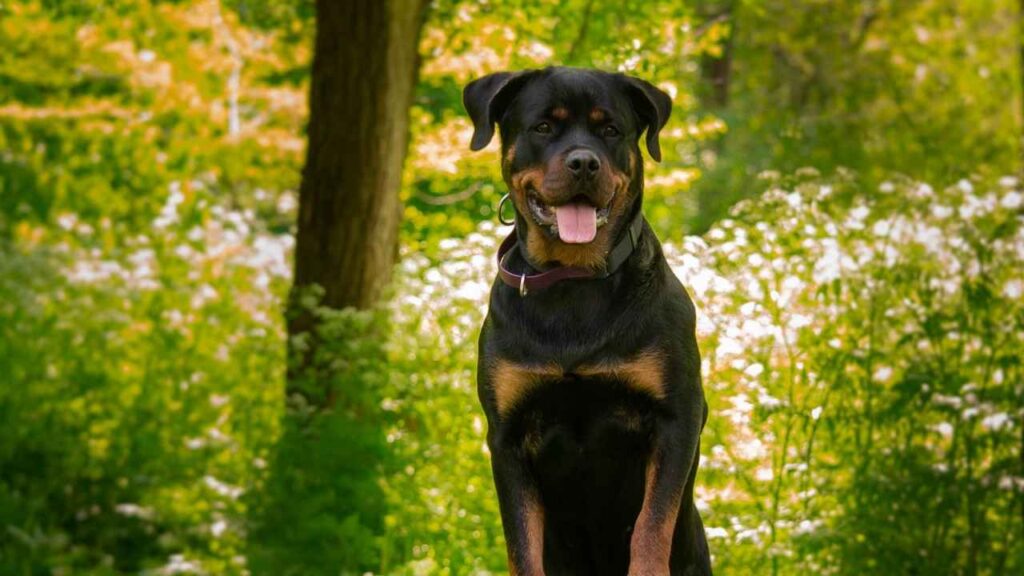
A Rottweiler can suit owners who prefer a powerful yet steady companion. Its natural protection instinct may appeal to families seeking a watchful dog. However, owners should feel comfortable managing its strength and independence. Consistent training remains important for building reliable behavior.
Choose this breed if you prefer a calmer home presence.
It can suit experienced owners who value confident dogs.
Early socialization can help it live well with other pets.
Conclusion
Choosing between these powerful dogs is not about finding one winner. It is about finding the right match for your life. Both offer loyalty, strength, and natural protection, but their working styles differ.
One may thrive with constant activity and mental challenges. The other may suit owners who prefer a steadier presence at home. Size, energy, grooming, and health needs should all shape your choice. Good training also matters, especially when handling a strong and confident dog.
Be sure to socialize your companion early and use calm, responsible guidance. Their fearlessness can be impressive, but it should never encourage careless handling. An intimidating appearance does not tell the whole story.
Consider your routine, experience, and home before you decide. When the match feels right, both breeds can bring lasting companionship and many benefits.
