




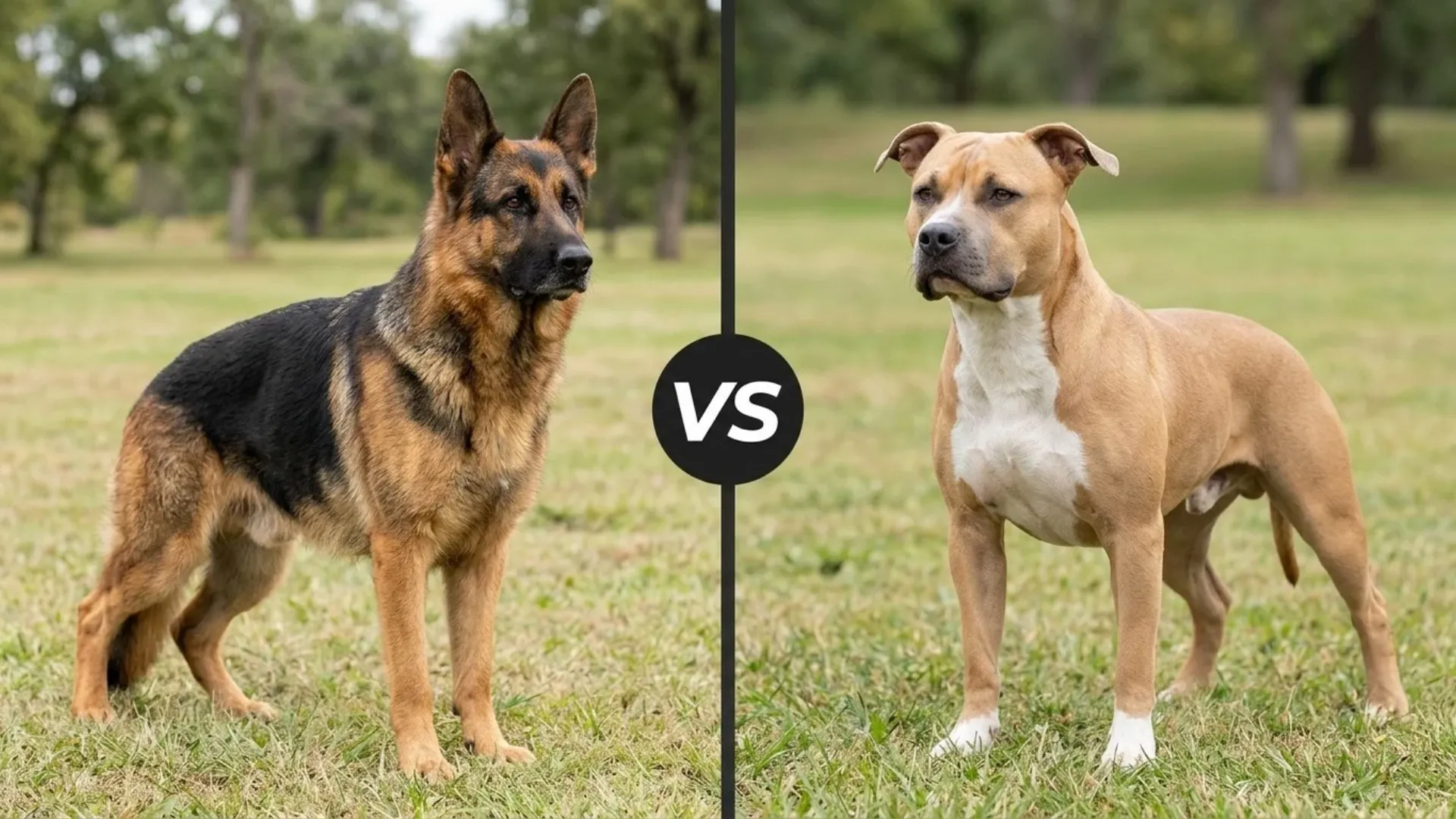
German Shepherds and Pit Bulls are both strong, powerful dogs, and each breed has its own distinctive look and behavior. Both are energetic and athletic, but they differ in build, temperament, and grooming needs.
Understanding the key differences between German Shepherds and Pit Bulls can help potential owners make the right call. Both breeds come up often in conversations about loyalty, strength, and courage.
It’s easy to judge a dog by its reputation, and that can lead to confusion when choosing a pet for your home. Instead of relying on stereotypes, match the dog to your lifestyle.
Here are the main differences between German Shepherds and Pit Bulls.
German Shepherd vs. Pit Bull: Temperament and Strength Compared
This German Shepherd vs Pit Bull comparison will help you understand the main differences in their temperament, strength, loyalty, and training needs. Explore their unique traits to discover which breed best suits your lifestyle and preferences.
Origins and Purpose
German Shepherds and Pit Bulls were originally bred for very different purposes in different parts of the world.
German Shepherds were developed in late 19th-century Germany by Max Emil Friedrich von Stephanitz. He admired the intelligence and toughness of herding breeds and focused on a dog’s working ability rather than its looks, as the AKC explains.
They started out as herding dogs but were later put to work as guard dogs, police and military dogs, and search and rescue dogs. GSDs gained popularity after World War I thanks to their bravery and courage.
Modern Pit Bulls descend from old English bull-baiting dogs, which were bred to bite and hold bulls and other large animals by the face and head. When bull baiting was outlawed, some people turned to dog fighting instead.
PetMD describes “Pit Bull” as an umbrella term for several breeds, including American Pit Bull Terriers, American Staffordshire Terriers, Staffordshire Bull Terriers, and American Bullies.
Size and Physical Characteristics
German Shepherds and Pit Bulls are athletic and strong dogs, but the two breeds differ significantly in their size and build.
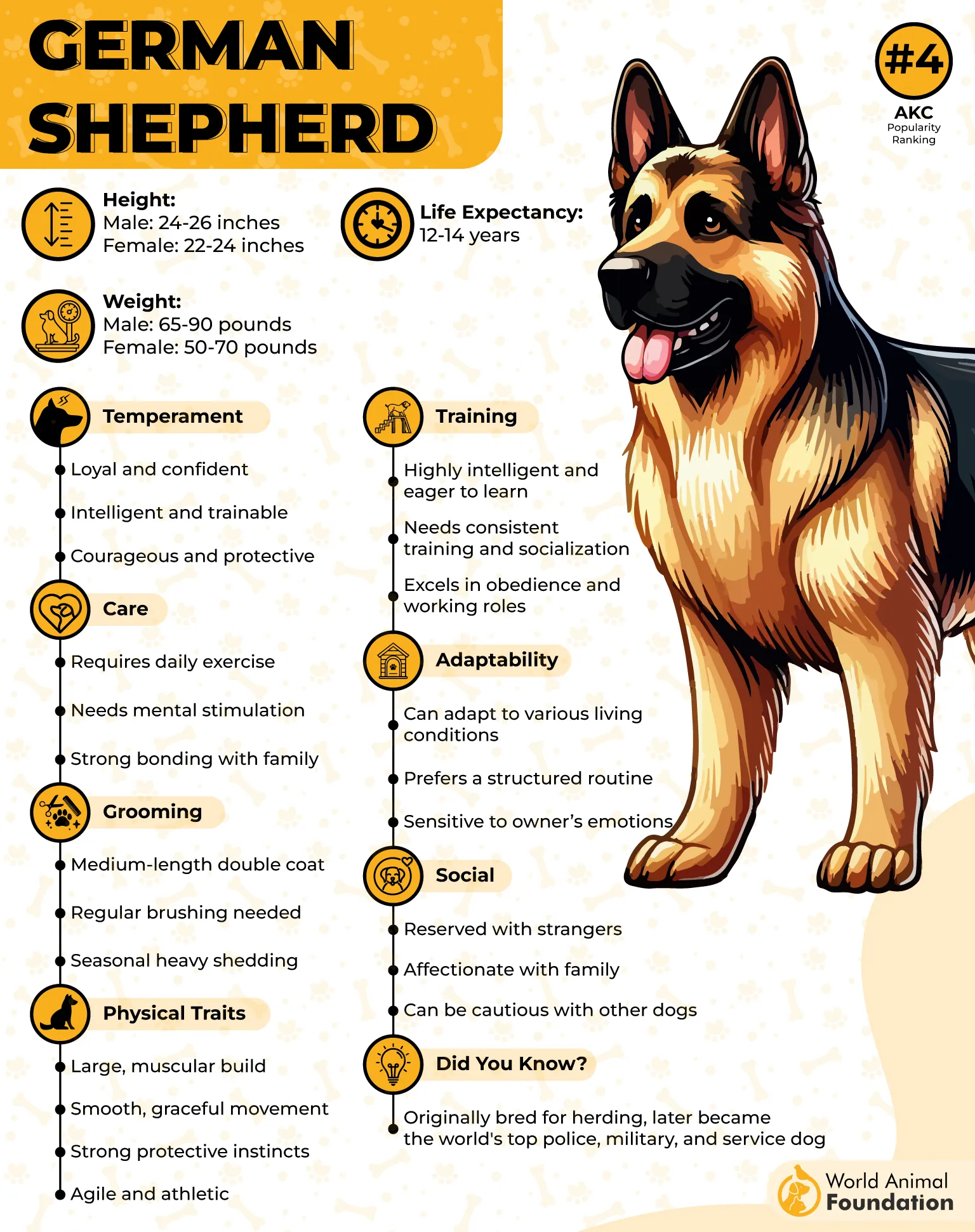
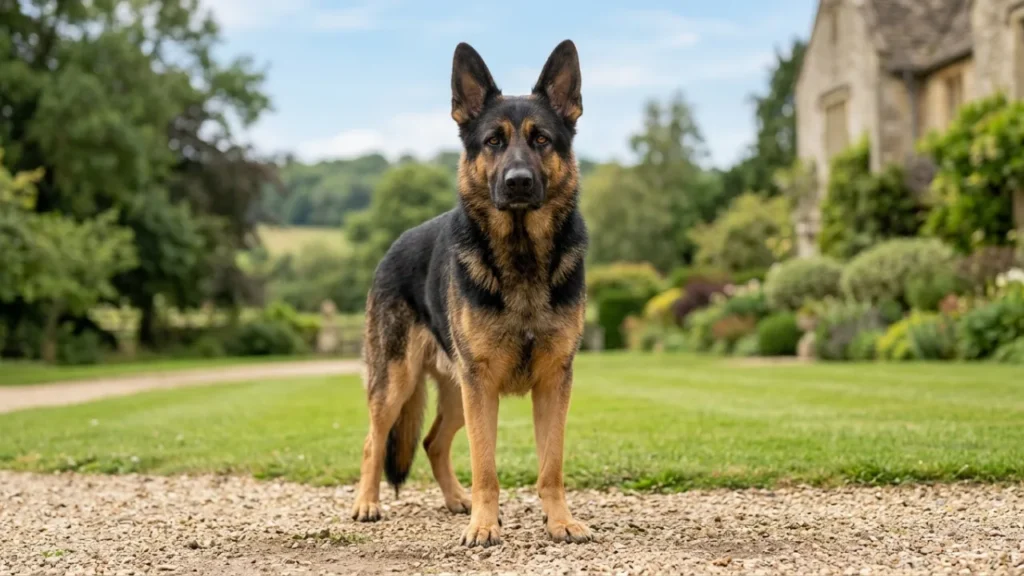
German Shepherds are large, agile, and muscular dogs standing 22 to 26 inches at the shoulder and weighing between 50 and 90 pounds. Females tend to be smaller than males. Having a wolf-like appearance, GSDs present a picture of smooth and graceful curves rather than angles.
German Shepherds are big dogs with a commanding presence. They tend to be larger and heavier than Pit Bulls.
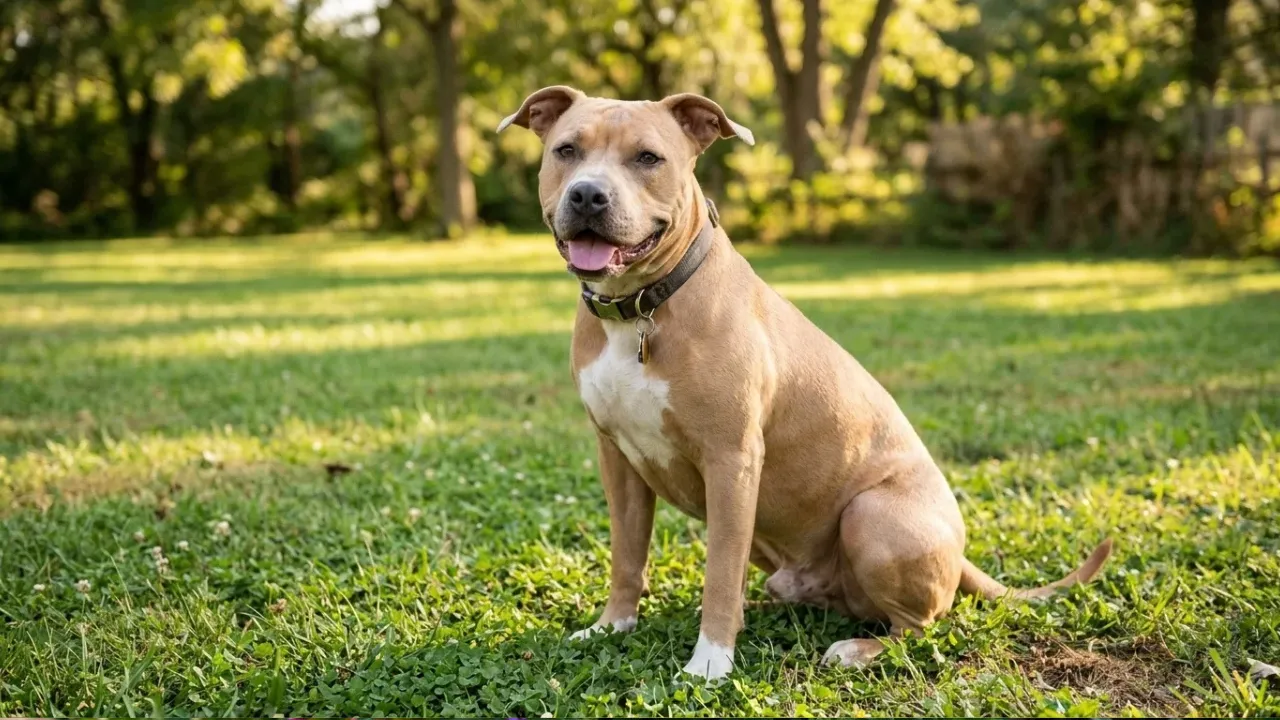
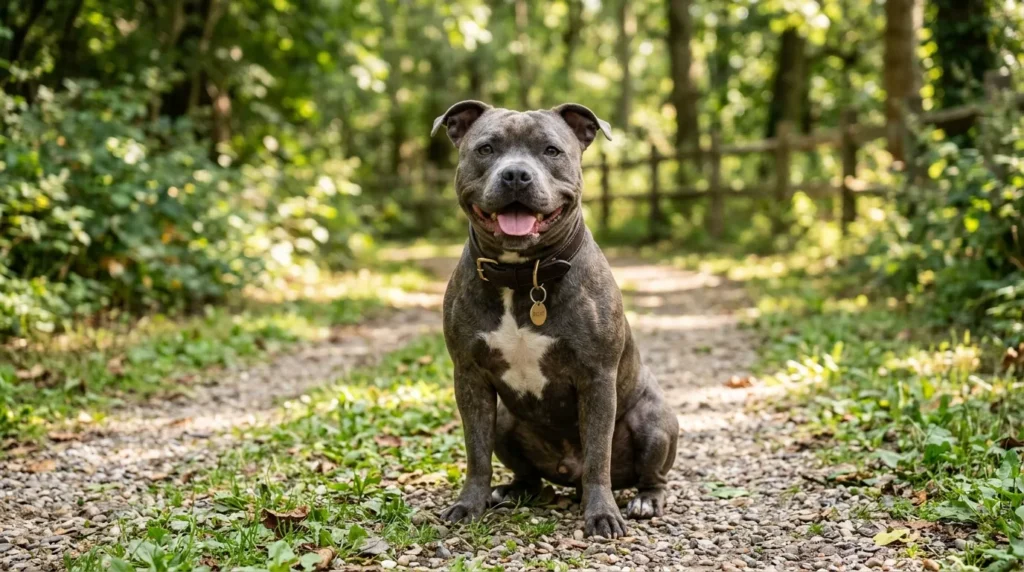
Pit Bulls are stocky dogs with wide and powerful jaws. Their ears are set high on a broad and flat head. Pit Bulls stand 17 to 21 inches tall at the shoulder and weigh between 40 and 70 pounds. Females are smaller than males.
They are more compact than GSDs and have strong muscular development through the chest and shoulders.
Temperament and Personality
Differences in temperament stand out more than structural differences. German Shepherds are valued for their confidence, bravery, and protective instincts.
They are unwaveringly loyal to their humans and love spending time with them. Otherwise, they may develop separation anxiety. GSDs are gentle with kids and other animals when properly trained and well socialized. They are well suited for multi-breed households.
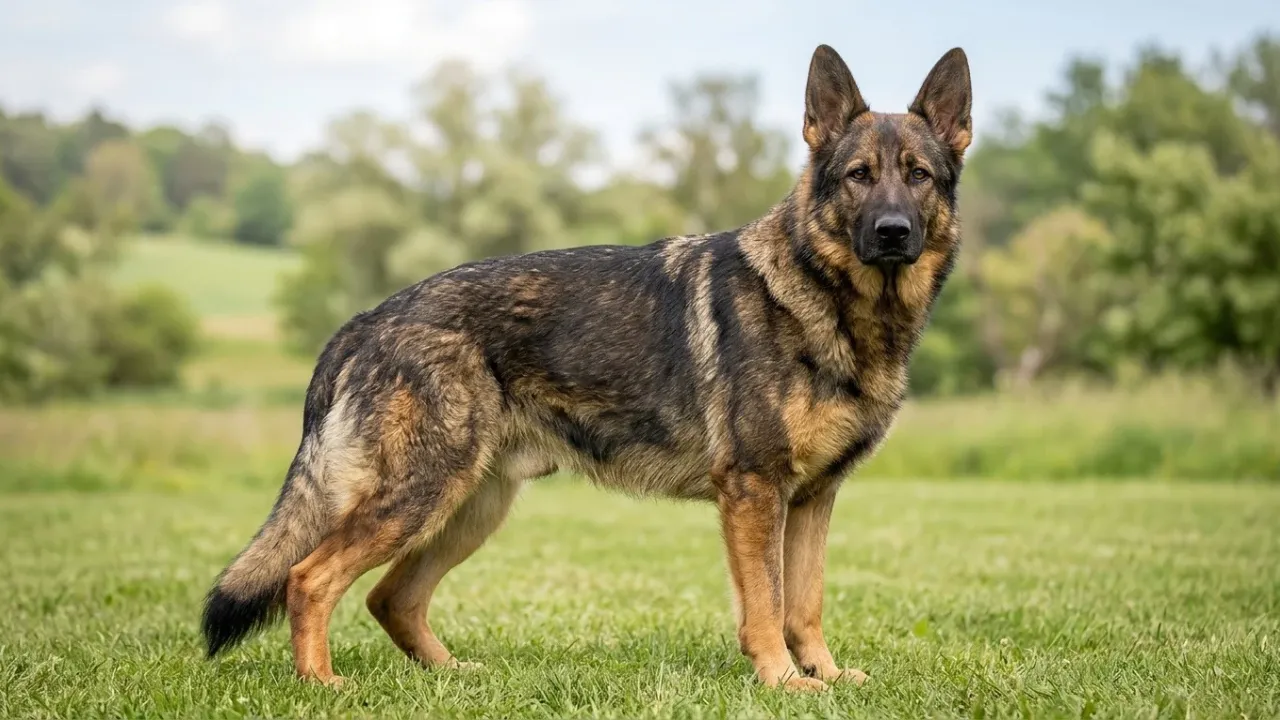
Their natural alertness and wariness towards strangers make them excellent guard dogs. German Shepherds also have a territorial nature.
Pit Bull-Type dogs are people-oriented and highly affectionate. Britannica describes them as playful and willing to please. They often seek close contact with their humans and display a high level of enthusiasm and social engagement.
Like GSDs, Pit Bulls also form strong bonds with their humans and can develop separation anxiety when left alone for extended periods.
Exercise and Energy Needs
Both German Shepherds and Pit Bull Terriers are highly energetic and active dogs who need regular exercise for physical and mental enrichment.
Having lots of energy and athleticism, German Shepherds thrive on having a job to do. They need at least one to two hours of daily exercise for physical and mental stimulation. Canine sports like herding, tracking, and agility are a great way to burn off excess energy.
German Shepherds make wonderful hiking and running companions. Their exceptional strength and coordination make them well suited for such activities.
Like GSDs, Pit Bull-Type dogs also require lots of activity for physical and mental enrichment. At least one to two hours of daily exercise is needed to have a healthy and satisfied Pit Bull. Puzzle toys, nose work, and training exercises keep their minds engaged.
Lack of adequate exercise and mental stimulation can lead to destructive behaviors such as excessive barking or chewing in both breeds.
Training and Intelligence
German Shepherds and Pit Bulls, both are highly intelligent dogs. However, German Shepherds outshine Pit Bulls in terms of intelligence.
German Shepherd Dogs were originally bred as working dogs and possess high brain power. They rank as one of the smartest dog breeds. Their situational awareness and sharp sense of vigilance are reflective of their high instinctive intelligence.
GSDs possess exceptional problem-solving skills and are highly trainable. They learn new commands in less than five repetitions and follow them 95% of the time.
Pit Bulls, on the other hand, are considered average to above-average intelligent dogs. They are incredibly adaptive and versatile dogs. They are quick, independent learners who adapt easily to new situations.
They pick up on new commands quickly and are easy to train. Like GSDs, Pit Bulls also possess exceptional problem-solving skills.
Proper training and early socialization are important to turn GSDs and Pit Bulls into well-mannered family dogs. Both breeds respond well to positive reinforcement-based training.
Grooming and Coat Care
German Shepherds and Pit Bulls have different coat types and grooming needs.
GSDs have a medium-length double coat comprising a soft undercoat and a rough outercoat. These dogs shed a lot and require daily brushing to stay in top-notch condition. Frequent brushing helps control the amount of fur that ends up on your floor and furniture.
Pit Bulls have a single-layered short coat that requires minimal grooming to stay in good condition. Brushing the coat once or twice a week is usually enough. Bathing is only needed every month or two.
Pit Bulls shed moderately throughout the year. However, heavy shedding is expected during shedding season.
Health and Lifespan
German Shepherds are long-lived dogs having a lifespan of 12 to 14 years. However, they may be prone to several health issues during their life. German Shepherds may suffer from degenerative myelopathy, hip and elbow dysplasia, cancer, bloat (GDV), and heart disease.
Pit Bulls can have an average life expectancy of 10 to 14 years. During their lifetime, Pit Bulls are prone to certain health problems like aortic stenosis and other heart problems, allergies, and orthopedic conditions like hip dysplasia.
Conclusion
German Shepherds and Pit Bulls are both known for their strength and stamina. GSDs are large and muscular dogs with a wolf-like appearance, whereas Pit Bulls are medium-sized dogs with a broad head and high-set ears.
Both are highly active and energetic dogs requiring lots of daily exercise for physical and mental stimulation. GSDs and Pit Bulls are highly trainable, but GSDs surpass the latter in terms of intelligence.
With proper training and early socialization, both breeds can make loving and loyal family pets.
