




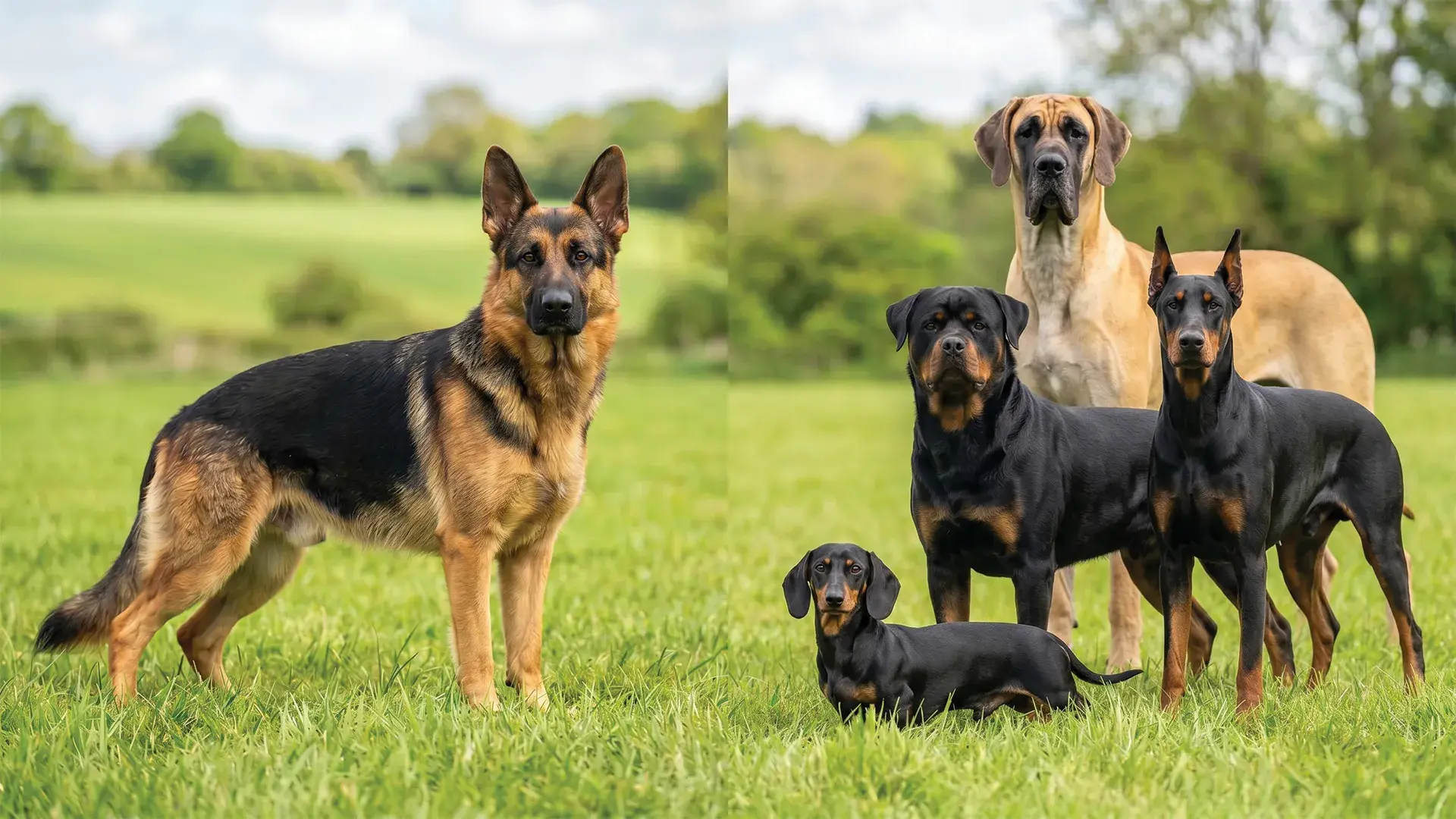
German Shepherds often carry a larger-than-life reputation, from fearless police partners to “perfect” family protectors.
But how much of that is fact, and how much is myth? When you compare them to other Germanic dog breeds like Dobermans, Rottweilers, or even smaller companions like Dachshunds, the picture becomes a lot more interesting.
Germany has produced a wide variety of breeds with different sizes, temperaments, and roles, yet many people still lump them together or make assumptions based on stereotypes.
In this guide, we’ll clear up common misconceptions about German Shepherds and see how they really stack up against their German-bred cousins in everyday life.
German Shepherd Dog Breeds vs. Other Germanic Dog Breeds: Myths Busted
1. Dachshund
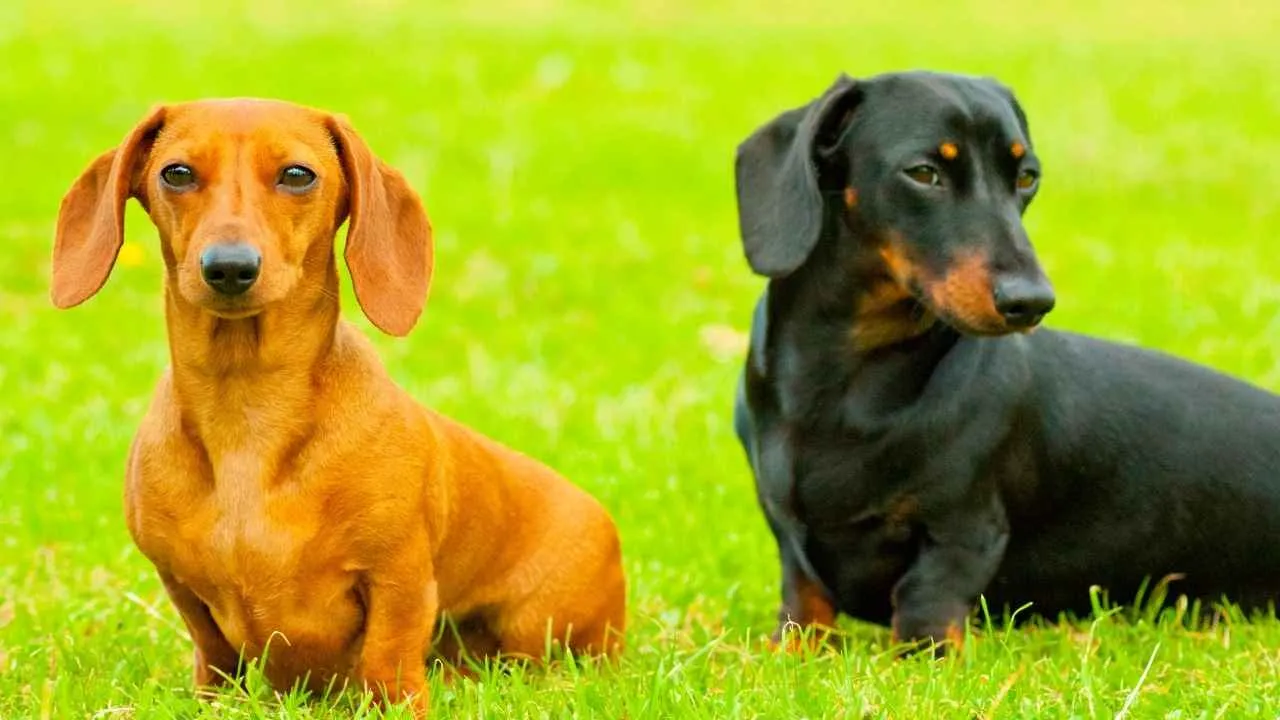
Dachshunds are often underestimated because of their size, especially when compared to a commanding breed like the German Shepherd. But their origins tell a very different story. Bred in Germany to hunt badgers, these dogs were designed to be fearless, persistent, and independent enough to face prey underground.
As per PetMD, Dachshunds are clever and playful, but also headstrong, often preferring to follow their instincts rather than instructions. While German Shepherds tend to thrive on structured training and direction, Dachshunds can challenge owners with their stubborn streak.
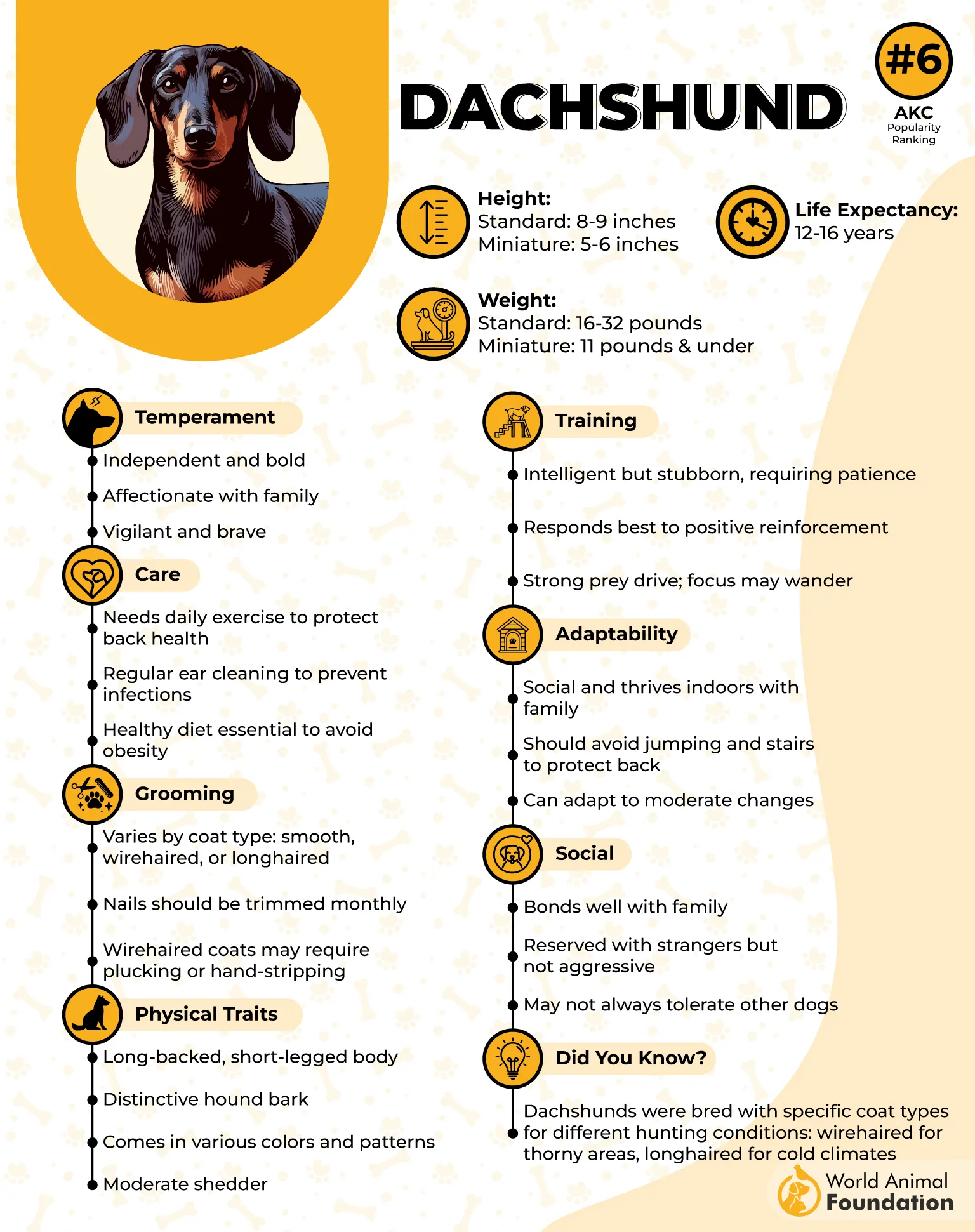
Their long-backed build also requires careful management. Activities that involve jumping or twisting can increase the risk of spinal issues, making controlled exercise essential.
Small in size, built for bold work
Originally bred for hunting, not just companionship
An independent mindset can make training challenging
Requires careful exercise to protect the spine
2. Rottweiler
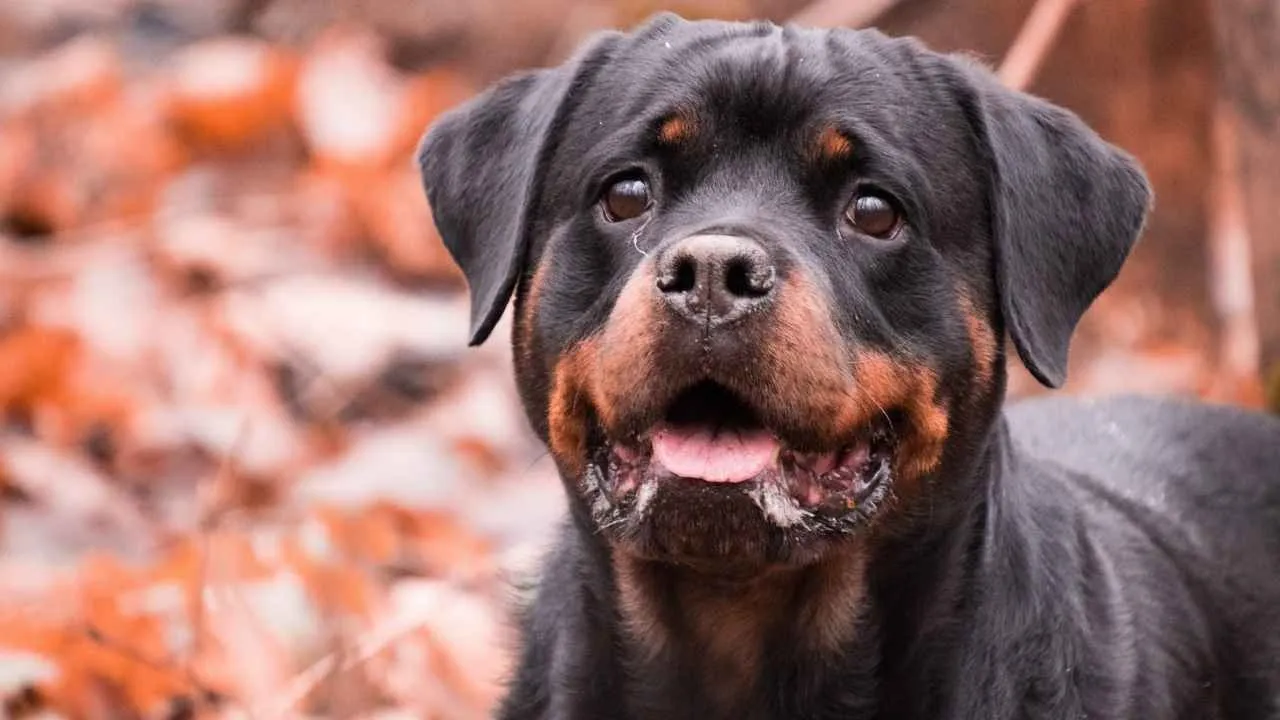
Rottweilers are often placed in the same category as German Shepherds, yet they tend to carry a heavier stigma. Their muscular build and guarding instincts have led to a reputation for aggression, but that view overlooks their working roots. Originally used by farmers and butchers, Rottweilers were bred to protect, herd, and stay close to their people.
In the right environment, they are loyal, confident, and even playful companions. Like German Shepherds, they respond well to training and structure, but they need consistency from an early age to channel their natural protective instincts appropriately.
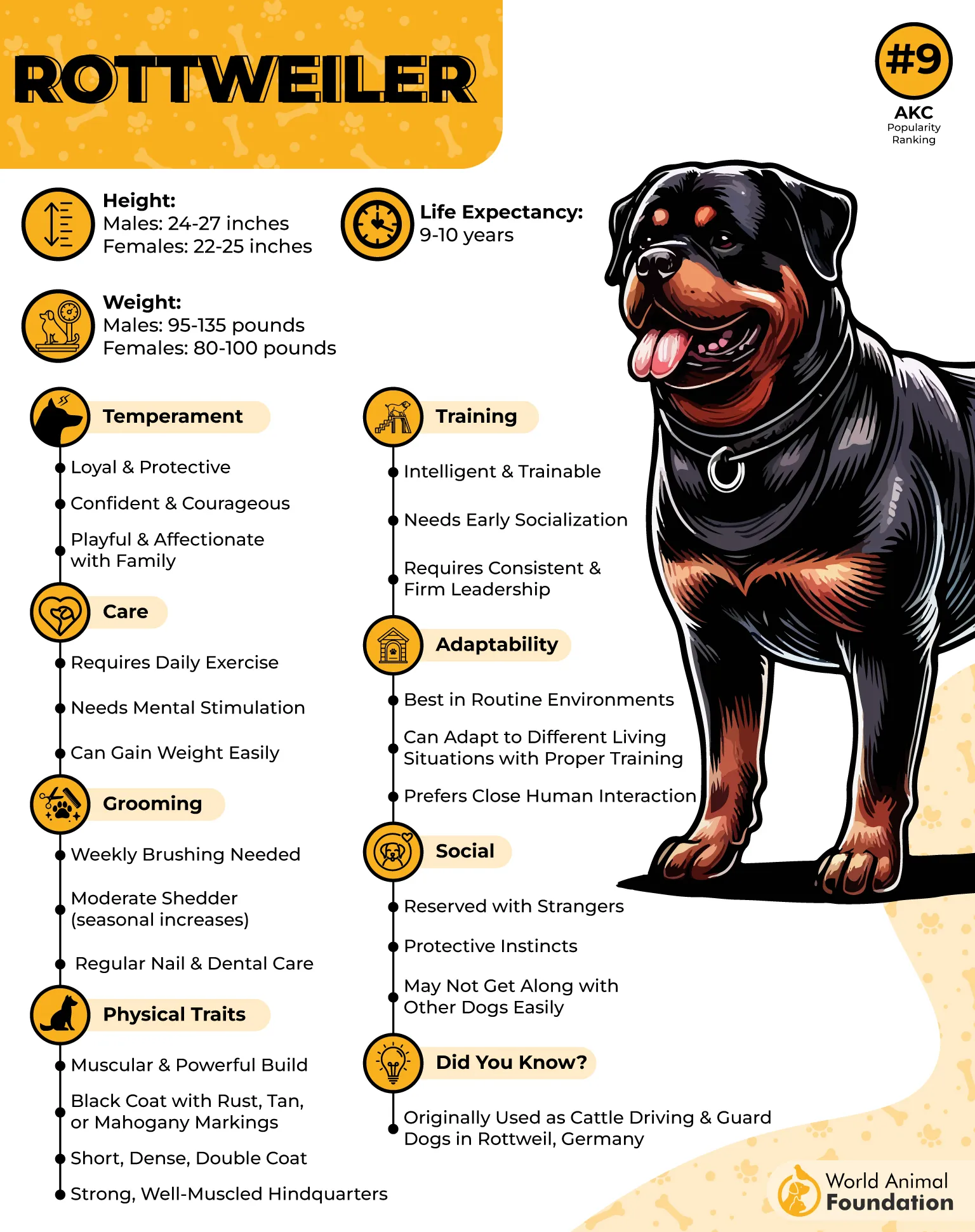
PetPlan notes that they demand a high level of physical and mental engagement. Daily exercise, interactive play, and firm guidance are not optional with this breed.
Where German Shepherds often excel in versatility, Rottweilers stand out for their strength and steady confidence.
Powerful protector shaped by training
Strong guarding instinct rooted in working history
Needs experienced handling and consistent training
Loyal and playful when properly socialized
3. Doberman Pinscher
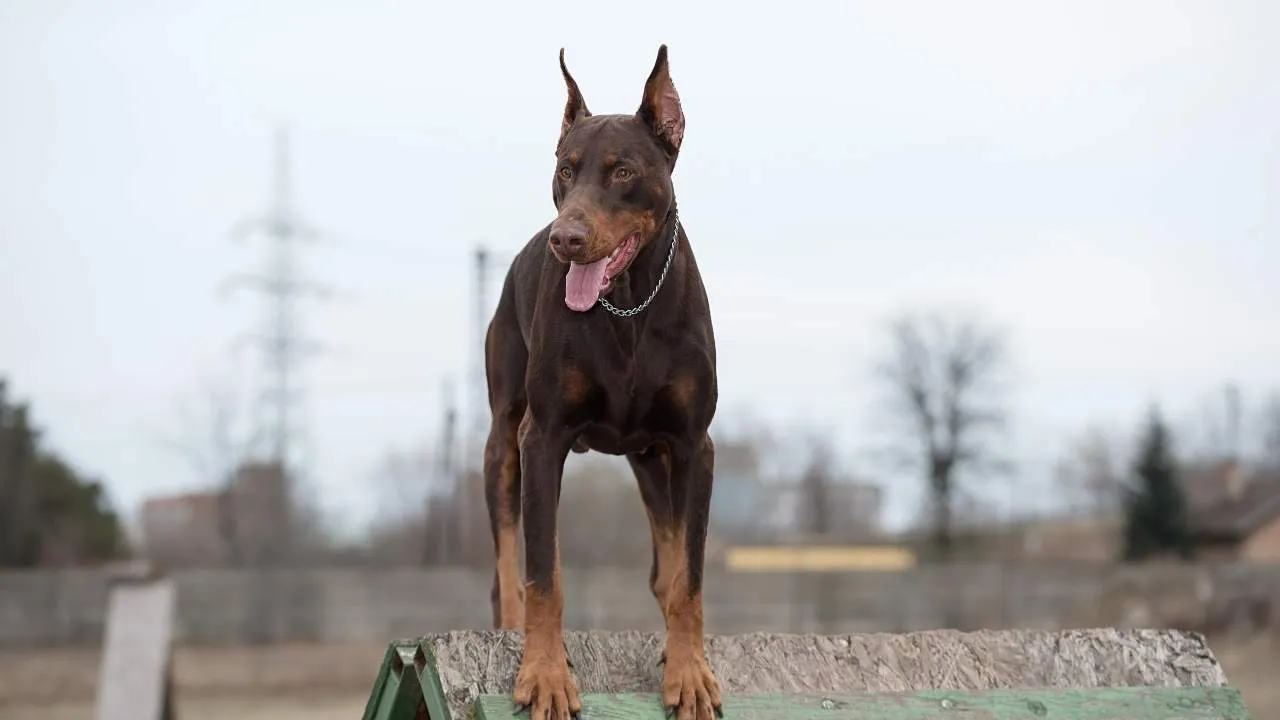
Dobermans are frequently viewed as the sleek, high-performance alternative to German Shepherds. Their origin reinforces that image. Developed in the late 1800s by a German tax collector, they were bred specifically for protection, combining speed, intelligence, and strength.
Today’s Doberman still reflects that purpose. They are highly trainable, energetic, and deeply loyal to their families. But they’re not just guard dogs. They’re affectionate companions that form strong bonds and thrive on interaction.
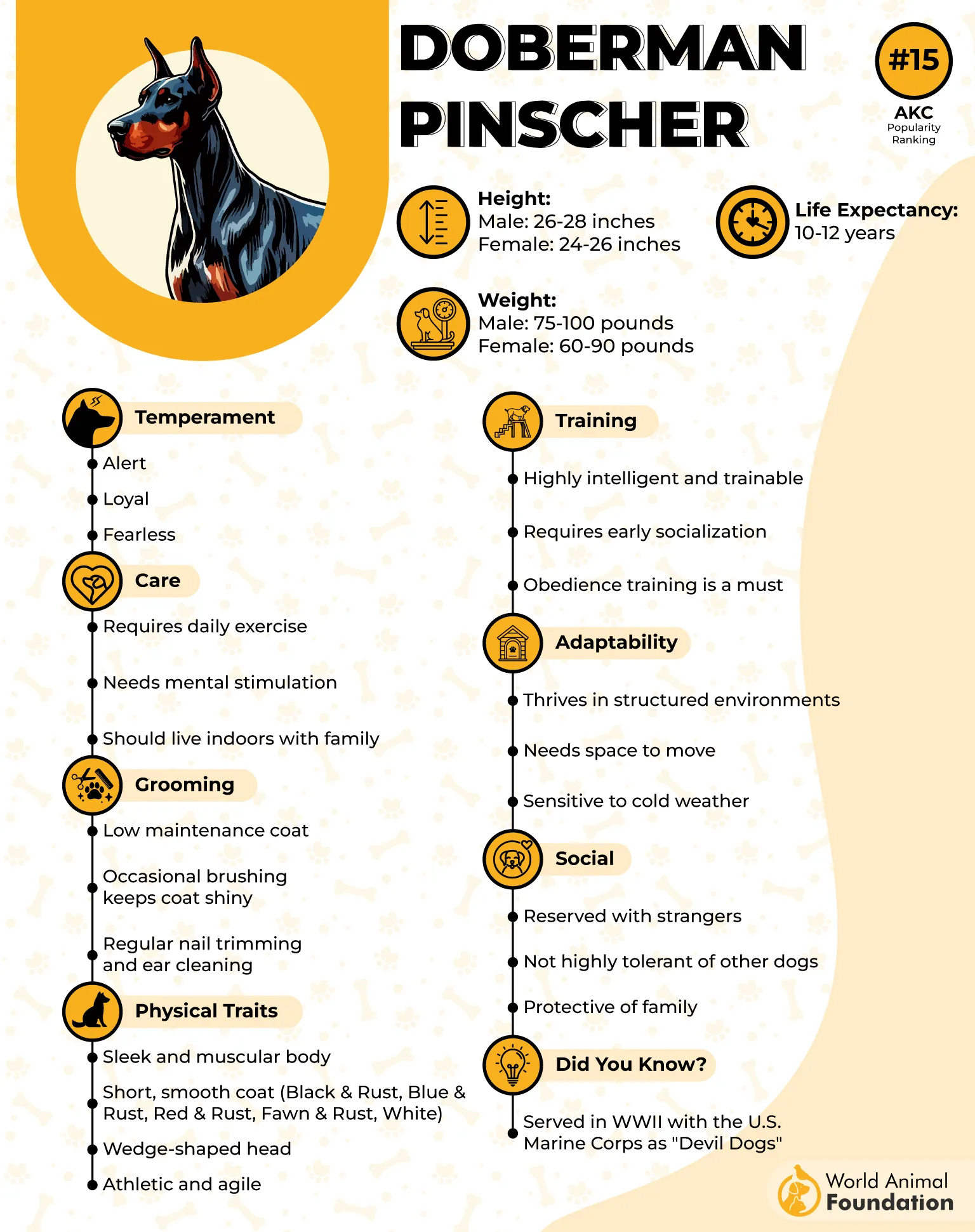
Without proper socialization, however, their protective instincts can become excessive. According to WebMD, training and regular activity are essential to keep them balanced and confident.
Compared to German Shepherds, Dobermans are more streamlined and fast-moving, while Shepherds tend to be more adaptable across different roles.
Precision-built guardian with strong bonds
Bred specifically for protection and companionship
Highly trainable but needs early socialization
Energetic and thrives on close human interaction
4. Great Dane
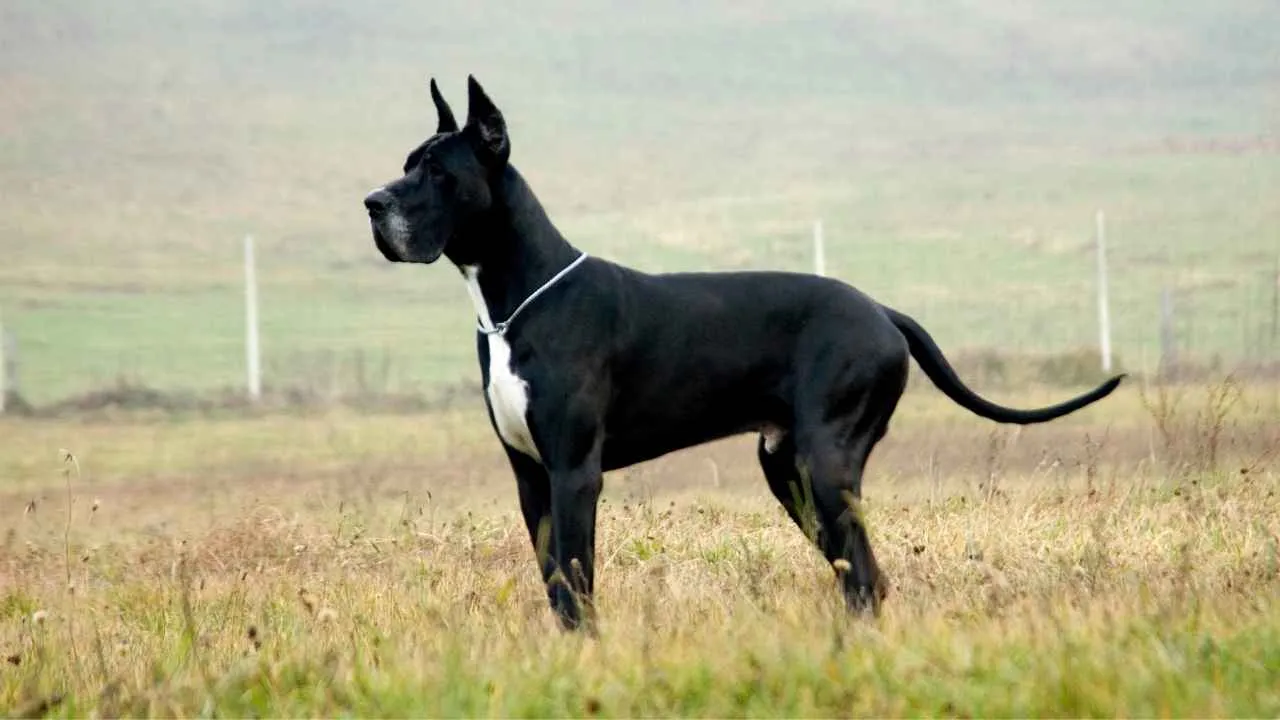
At first glance, the Great Dane seems like it should outmatch a German Shepherd in every physical sense. Its towering size and powerful frame suggest a formidable working dog. But temperament tells a different story.
Originally bred in Germany for hunting large game like wild boar, Great Danes are now known for their calm, friendly nature. Despite their size, they’re often described as gentle and affectionate, making them better suited as companions than high-drive working dogs.
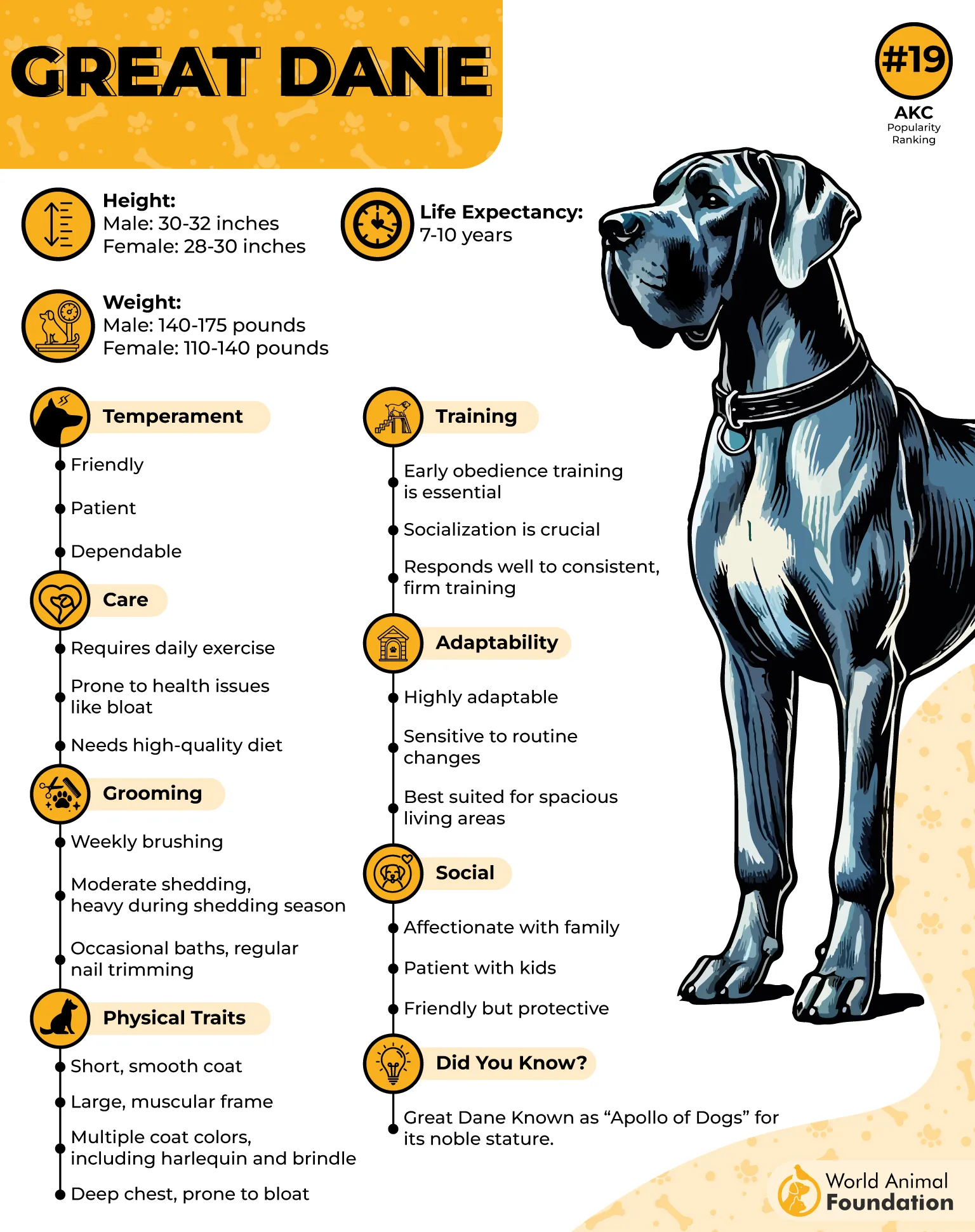
They still retain protective instincts, but their energy levels are lower, and their approach is more relaxed compared to the focused intensity of a German Shepherd.
Their size also brings practical challenges. From higher food costs to space requirements and shorter lifespans, owning a Great Dane is a commitment that goes beyond temperament.
Massive size with a calm temperament
Known as gentle and affectionate despite a large build
Lower energy compared to typical working breeds
Requires space, resources, and careful management
5. Weimaraner
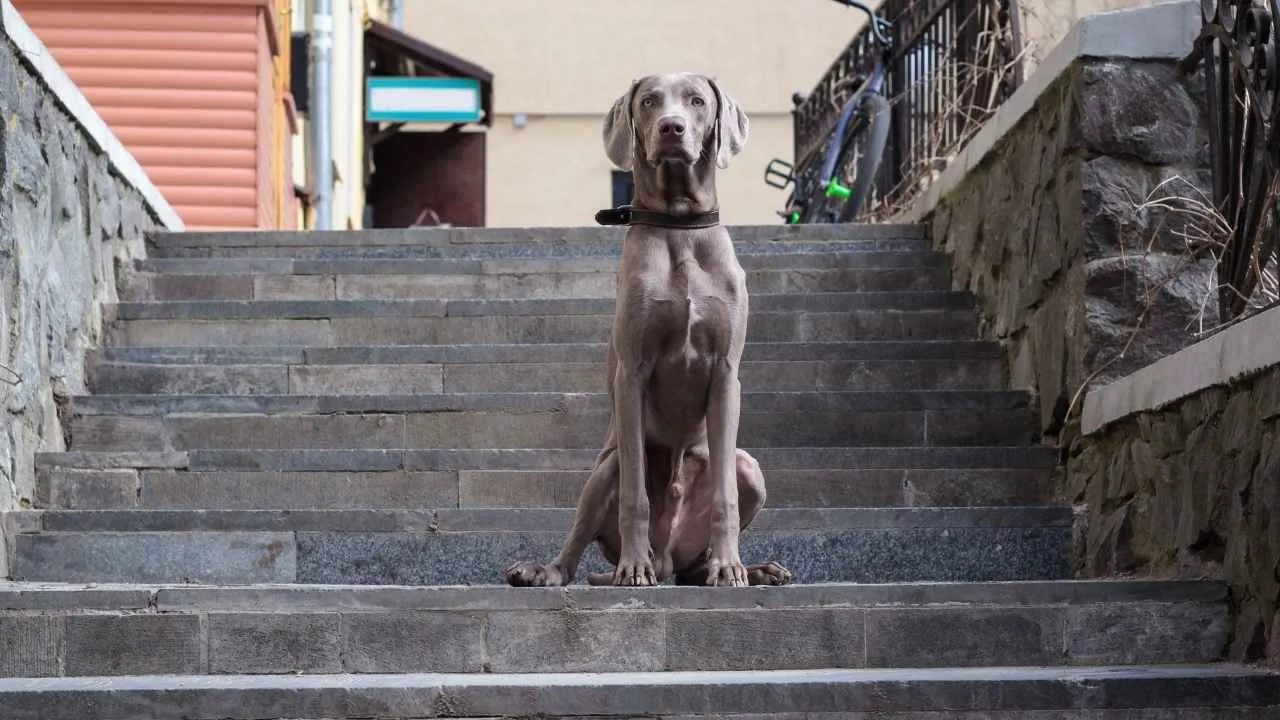
Weimaraners bring a different kind of intensity to the conversation. While German Shepherds are known for versatility, Weimaraners were developed with a sharper focus on hunting performance. German nobles bred them for speed, stamina, and tracking ability.
That purpose is still evident today. They are energetic, intelligent, and highly trainable, but they need constant physical and mental engagement. Without enough activity, they can quickly become destructive or restless.
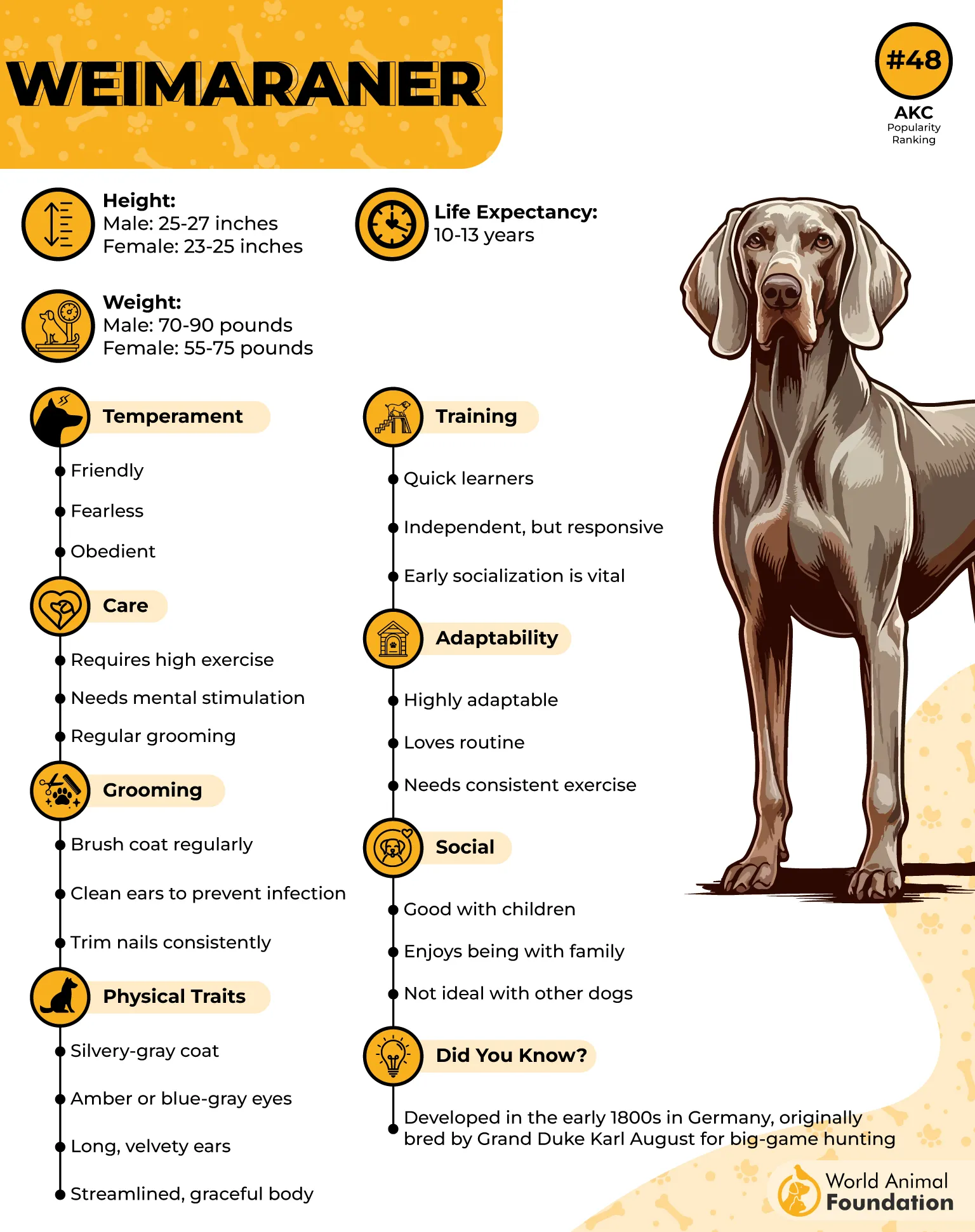
They are affectionate and loyal, making them great family dogs in active households. However, their strong prey drive means they may not be ideal around smaller pets.
Compared to German Shepherds, they are less adaptable to sedentary lifestyles and demand more consistent activity.
High-energy hunter that thrives on activity
Bred for speed, endurance, and tracking
Requires significant daily exercise and stimulation
Strong prey drive may limit compatibility with small pets
6. Affenpinscher
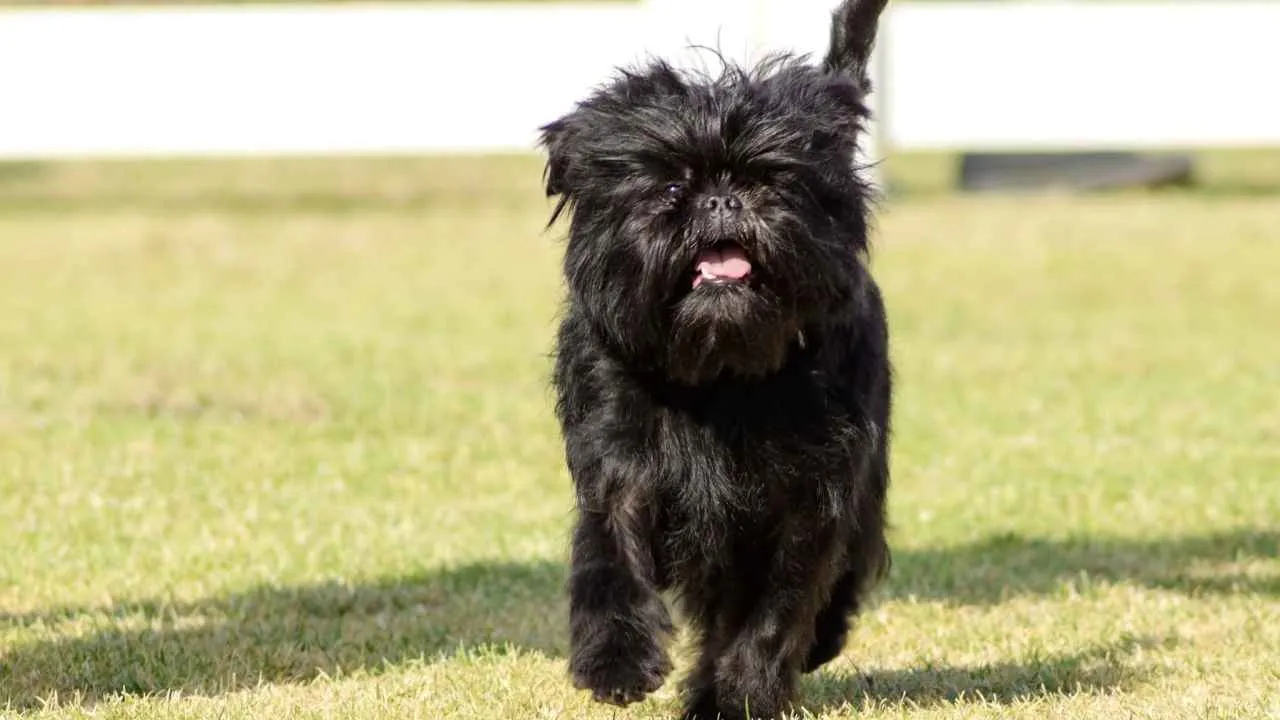
The Affenpinscher stands in sharp contrast to larger German breeds, yet it shares a surprisingly bold personality. Originally bred to hunt rats, this small dog carries a fearless attitude that often surprises first-time owners.
They are curious, alert, and loyal, forming strong bonds with their families. While they don’t have the working versatility of a German Shepherd, they bring confidence and character in a compact form.
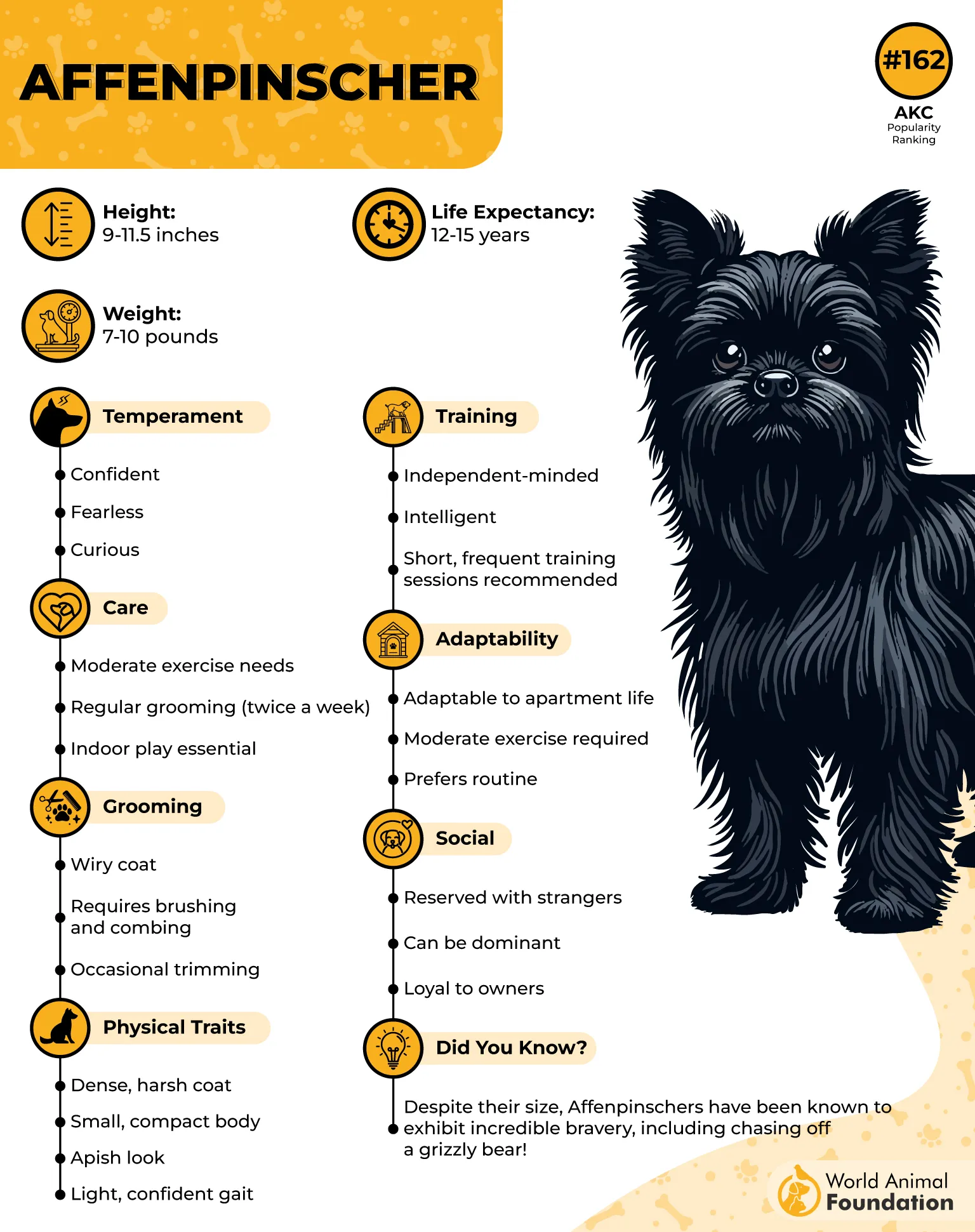
Their small size makes them well-suited for apartments and travel, but they can also be independent and occasionally stubborn. Training requires patience and consistency, much like with larger working breeds.
Despite their appearance, they are not passive companions. They remain alert and engaged, often acting far bigger than they are.
Small companion with a fearless streak
Originally bred for pest control, not just companionship
Loyal and alert with a strong personality
Independent nature requires patient training
7. German Shorthaired Pointer
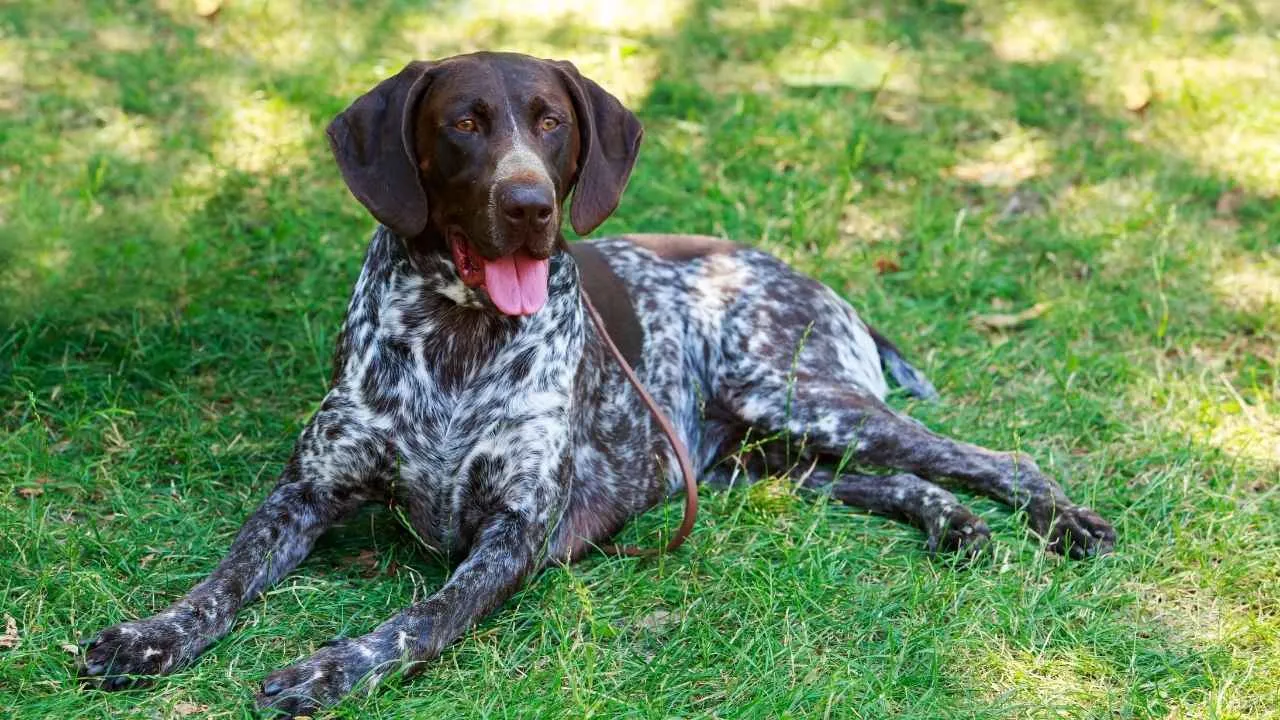
German Shorthaired Pointers are often overlooked in favor of German Shepherds, yet they represent one of the most physically capable German breeds. Developed as versatile hunting dogs, they excel in speed, endurance, and scent work.
Their energy levels are among the highest of any breed. They require at least one to two hours of intense daily activity, far beyond what many pet owners expect. Without it, they can become destructive or difficult to manage.
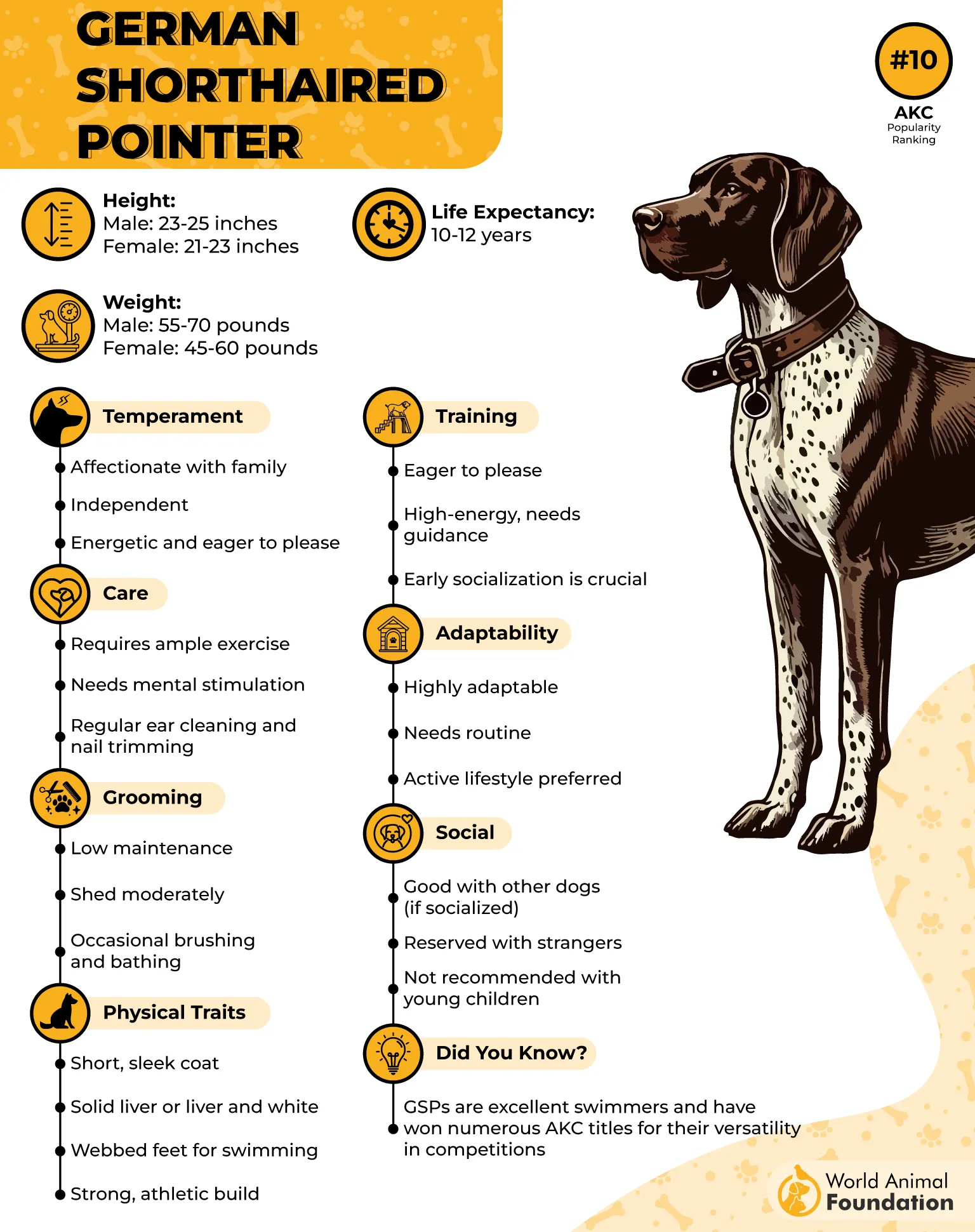
They are intelligent and eager to learn, though their independence can occasionally make training more demanding. When their needs are met, they are loyal, affectionate, and excellent companions for active families.
Compared to German Shepherds, they are less about versatility and more about sustained physical performance.
Athletic specialist built for endurance
Known for speed, agility, and hunting ability
Requires high levels of daily exercise
Loyal and affectionate in active households
Conclusion
German Shepherds may be the face of the German dog world, but they’re far from the only standout. From the fearless Dachshund to the high-energy Weimaraner and the powerful Rottweiler, each breed brings its own strengths, challenges, and personality traits.
What becomes clear is that reputation alone doesn’t define a dog. Training, environment, and individual temperament matter far more than breed stereotypes. Whether you’re drawn to a loyal guardian, an athletic partner, or a compact companion, the right choice comes down to your lifestyle.
Other dogs, such as the Belgian Malinois, Pit Bulls, and Bulldogs, have a dangerous reputation as people claim that they bite harder. Belgian Malinois is more similar to GSD as it also has the same skull shape, the same size, and similar behavior.
Understanding these differences helps you move beyond myths and choose a dog that truly fits your home and expectations.
