




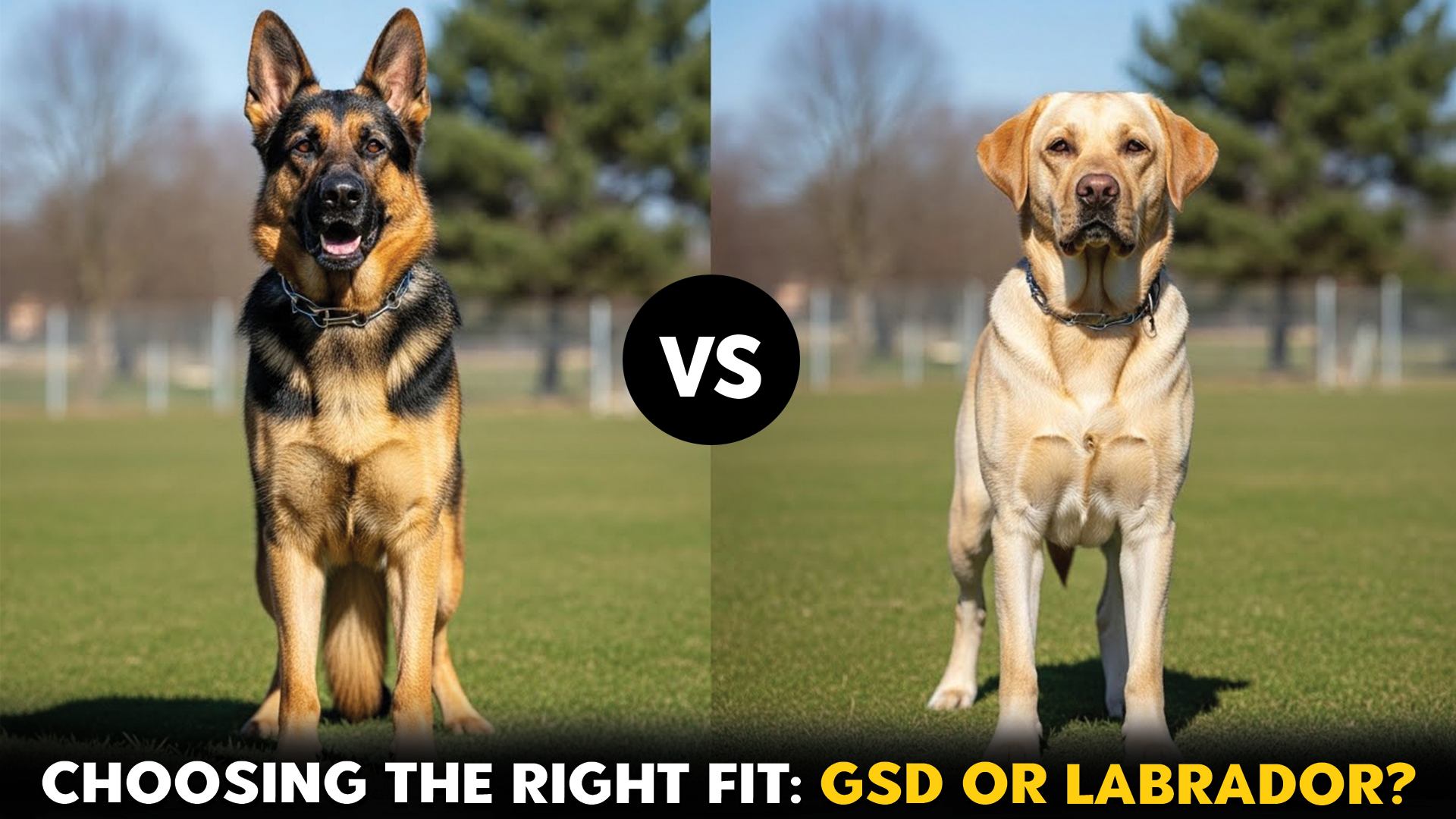
You know the comparison is tough when both dogs regularly top American Kennel Club’s most popular dog breed’s list every year. German Shepherd and Labrador Retriever are immensely different dog breeds with unique traits, personalities and temperaments! That being said, both play a big role in family life, daily care, and even in service roles.
German Shepherds are famous as versatile dog breeds with naturally strong instincts, excelling in both athleticism and jobs such as police, military, and service. Labradors, meanwhile, are famously friendly. Though they have strong work ethics, Labs still choose to be good family dogs.
Understanding their nature and requirements is the key. This article is written to guide, not to judge. Both breeds may differ in personality but it’s hard to choose for a dog lover, as they’re both nearly perfect dogs!
German Shepherd vs Labrador Retriever
German Shepherd Overview
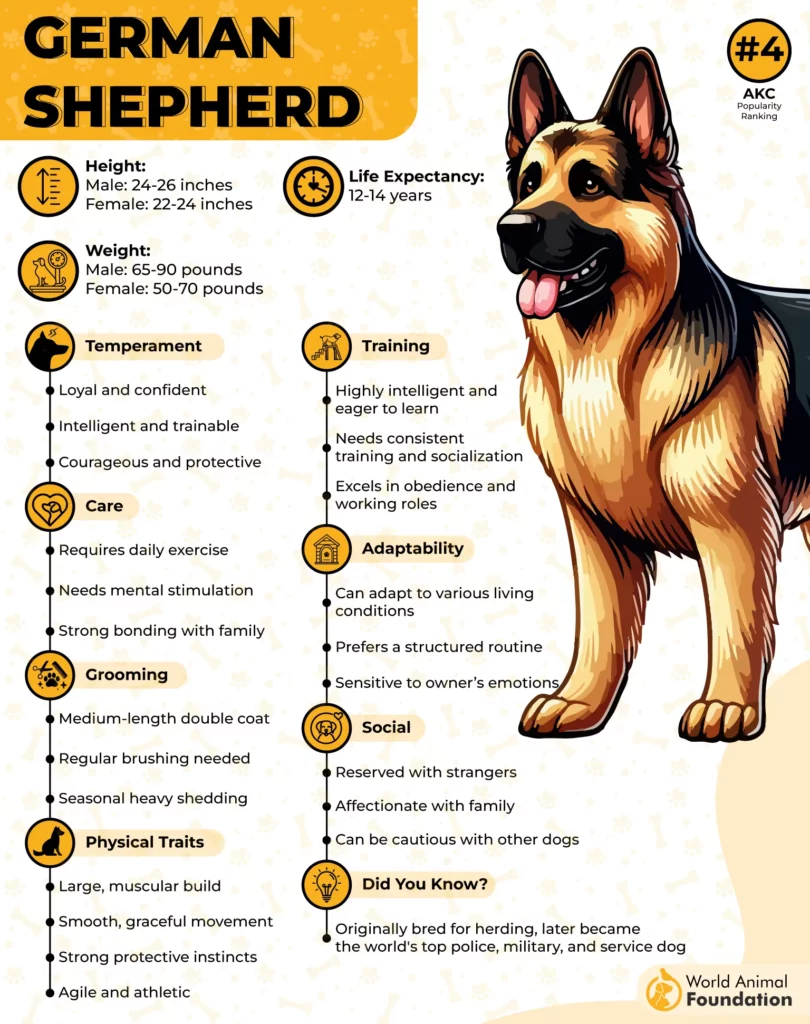
German Shepherd stands out as all-purpose working breed, with roots tracing back to the late 19th century. It can seamlessly fit into any role you want, whether it’s about being a companion, police dog or a service dog. These traits come from its historical development as working and herding dog breed. In 1908, the German Shepherd was recognized as the 60th breed by the AKC.
Labrador Retriever Overview
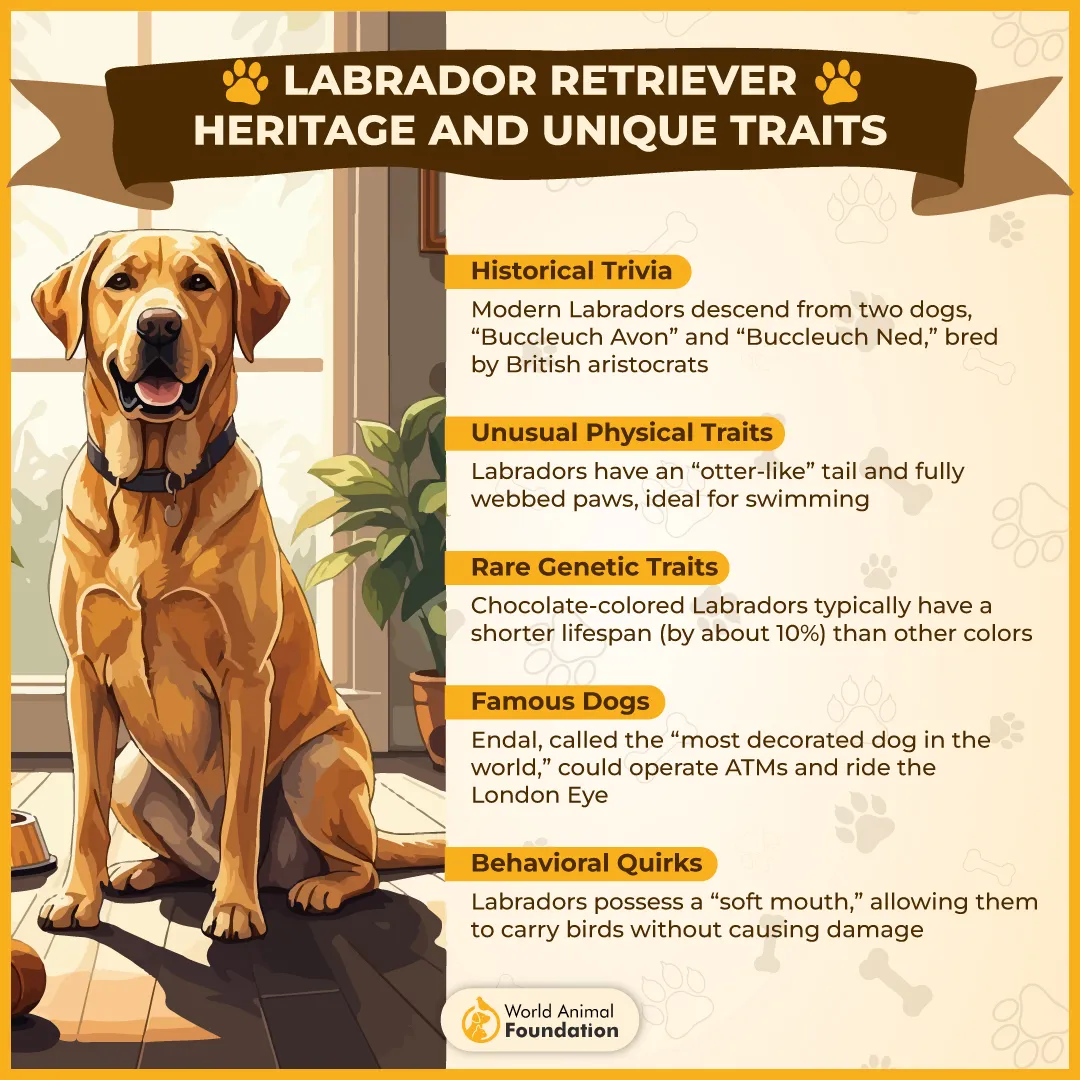
Affectionally called, “Labs” was originally bred as gun dog. Lab is a family-oriented dog with great temperament, shaped by its working heritage. This breed originated in Newfoundland and was later brought to England by fishermen. These hardworking dog breeds are used for hunting and other jobs like search-and-rescue missions.
1. Size & build differences
| Feature | German Shepherd | Labrador Retriever |
| Height | Males: 24-26 inches Females: 24-25 inches | Males: 22.5-24.5 inches Females: 21.5-23.5 inches |
| Weight | Males: 65-90 Ibs Females: 50-70 Ibs | Males: 65-80 Ibs Females: 55-70 Ibs |
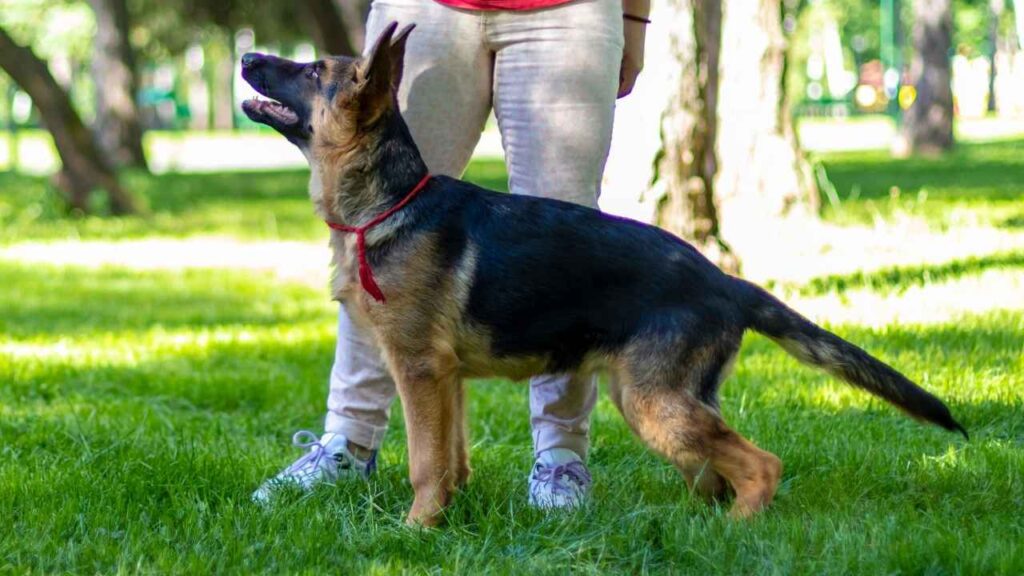
| Build | Longer and leaner build Well-developed muscles Erect ears | Solid and sturdy frame Built for retrieving Floppy ears |
2. Temperament & Personality
German Shepherd dogs are loyal, confident, and courageous. They have natural protective instincts for their family, making them beloved household companions. The main reason behind this breed’s popularity is its intelligence and obedience.
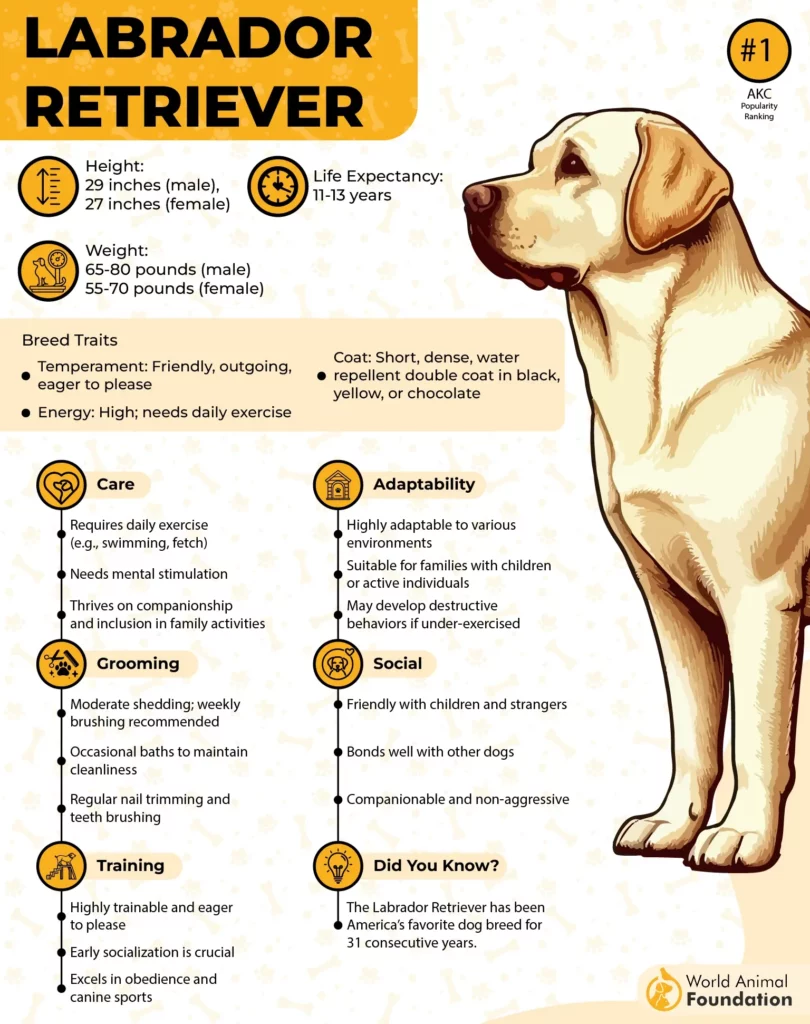
Labradors are one of the friendliest breeds you’ll ever meet. They are playful, gentle, and pleasant, which is why they hold the title as ‘popular family dogs’. According to Hill’s Pet, Labs were bred to work hard and are highly skilled at retrieving.
3. Exercise & Energy levels
German Shepherd
Highly energetic, these dogs need regular exercise to support physical and emotional well-being. German Shepherds require two hours of strenuous activities each day including:
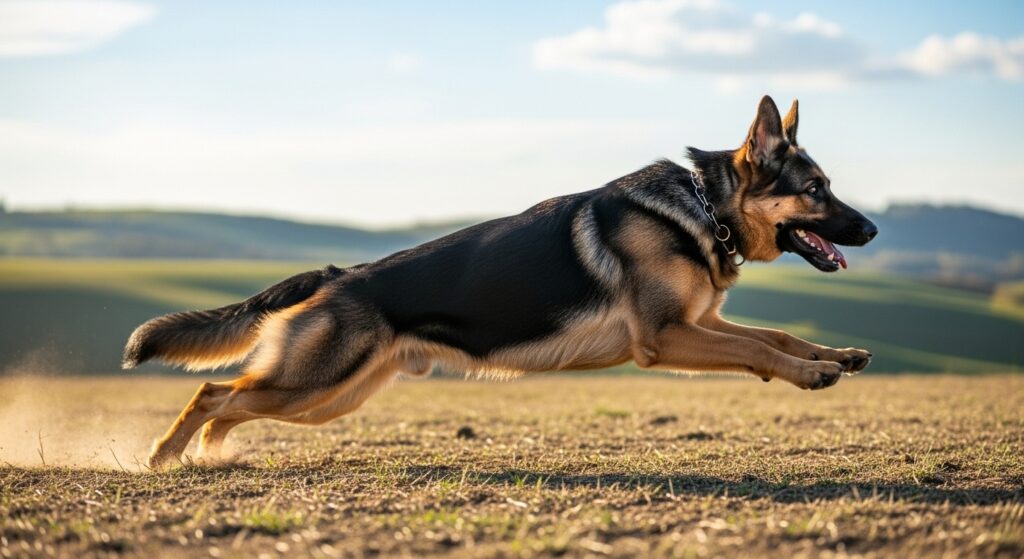
Walking or running
Scent-driven tasks
Retrieval games
Labrador Retriever
Labs are also very energetic, and they need several hours of daily exercise to thrive. They enjoy retrieving and swimming, but there are also other activities like:
Dog surfing
Dock diving
Running
4. Training & Intelligence
German Shepherds are the third smartest breeds in the world. They learn quickly and excel in many roles, from protection work to obedience training. Due to their history as sheep herding dogs, they have strong work ethics and are happiest when kept busy.
Training Tips:
Be consistent with training sessions
Daily mental enrichment
Early training for new owners
Labrador Retrievers tend to be more eager to please. They are also highly trainable and intelligent, ranking as the seventh smartest dog breed. Labs are quick in learning new commands and tricks. They were initially bred as water retrievers, so they’re incredibly agile when in water.
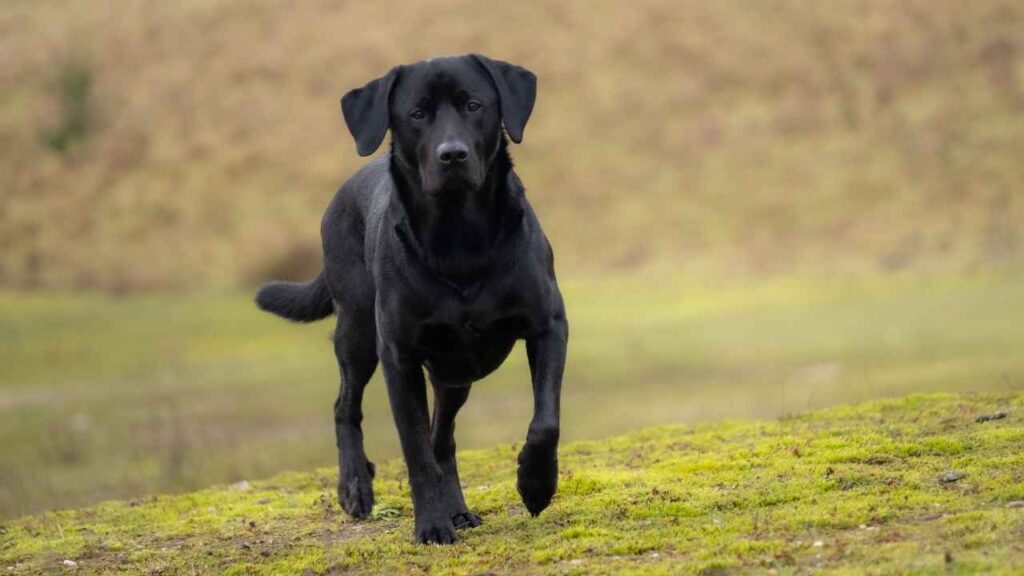
Training Tips:
Use reward-based training methods
Praises for motivation
Play sessions with learning
Properly socialize them in early years
5. Vocal Behavior
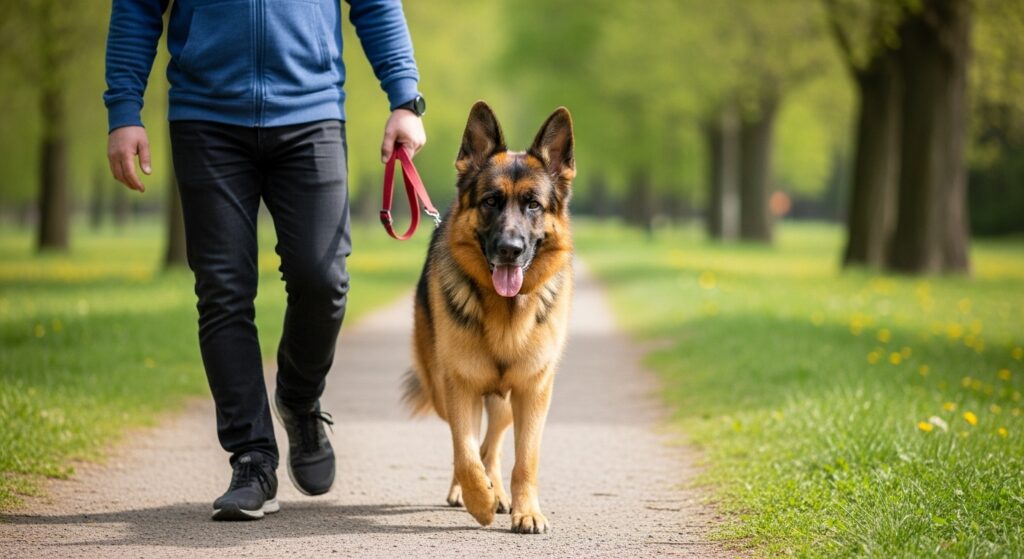
German Shepherd
Usually bark to alert their owners or deter intruders.
They’re born vocal, so they might bark often to express their boredom.
These active dogs make sounds like groaning and sighing, when they don’t get exercised enough.
Labrador Retriever
Generally vocal and instantly bark when they see something they want to retrieve.
Use different vocalizations such as howling, whining, and whimpering.
Factors such as age and personality can influence on breed’s vocalization pattern.Note: If your dog’s vocalizations are becoming a serious problem, consider seeking a professional’s help. Otherwise, try to understand their communication style, so your bond can become stronger with your furry friend.
6. Coat & Grooming
German Shepherd
Coat Color
They have dense, double coat that comes in variety of colors such as:
Black and tan (most common)
Sable
All black
Blue
Liver
Grooming Needs
Daily brushing is necessary, as these dogs shed heavily.
Grooming is simple, just check for their nails every week and brush their teeth regularly.
Occasional bathing after 2-3 months is enough for them to stay clean and healthy.
Labrador Retriever
Coat Color
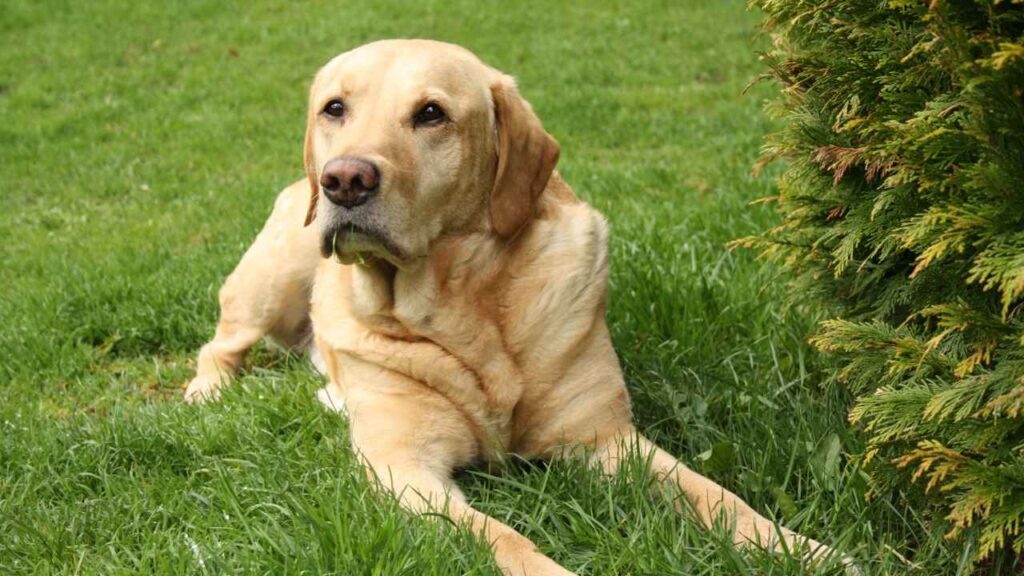
Labradors have short, water-resistant coat that comes in various colors:
Yellow
Chocolate
Black
Grooming Needs
Regular brushing helps them stay clean and waterproof.
Check for nails, teeth, and ears frequently to ensure good health.
Never bathe them more than once a month, or only when they get dirty.
7. Health Issues & Lifespan
German Shepherd
Life Expectancy: 7-10 years
Health
German Shepherds were quite healthy before they got into certain amount of inbreeding during their early years. This became the reason for many health problems in this breed. They are prone to hip and elbow dysplasia. Arthritis is also a common health condition in German Shepherds.
Labrador Retriever
Life Expectancy: 10-12 years
Health
Labradors are prone to only few genetic conditions, like all other purebred dogs. Overall, they are generally healthy companions. It is important to feed them a diet packed with nutrition, as they can become obese. Ear infections, hip dysplasia, progressive retinal atrophy are potential health issues, according to PetMD. They can also suffer from vision loss.
Are German Shepherd & Labrador best for:
8. Home Security Vs Good dogs for Families
| Feature | German Shepherd | Labrador Retriever |
| Home Security | Fantastic watchdogs Alert and protective Natural guarding ability Strong territorial instincts | Keen sense of smell Natural protective instincts Active and watchful High energy and stamina |
| Family-friendly | Loyal and devoted Fun side for family only High adaptability Form deep bonds with loved ones only | Gentle and affectionate Patient around children People oriented Friendly nature with everyone |
Conclusion
This comparison isn’t about choosing a better dog- both breeds are best of the dog world. These popular breeds make wonderful companions for any dog owner. While both pups have their own challenges, German Shepherds don’t qualify as great family pets compared to Labs, due to their reserved nature.
However, when it comes to faithfulness, people refer to German Shepherds as the most loyal dog breeds. Due their aloofness towards strangers, they make great guard dogs for their family members. On comparison, Labradors are very friendly, so they may not be protective at all times. Pet parents need to know that these two breeds require early socialization and training from young age.
It’s also important to consider a temperament testing before choosing a breed. If you want a dog that’s always happy and cheerful, then Labrador Retriever is the best option. On contrary, for those seeking out a protective companion who’s more on guarding duty rather than being playful, then look no further than a German Shepherd. Good luck with your decision!
