




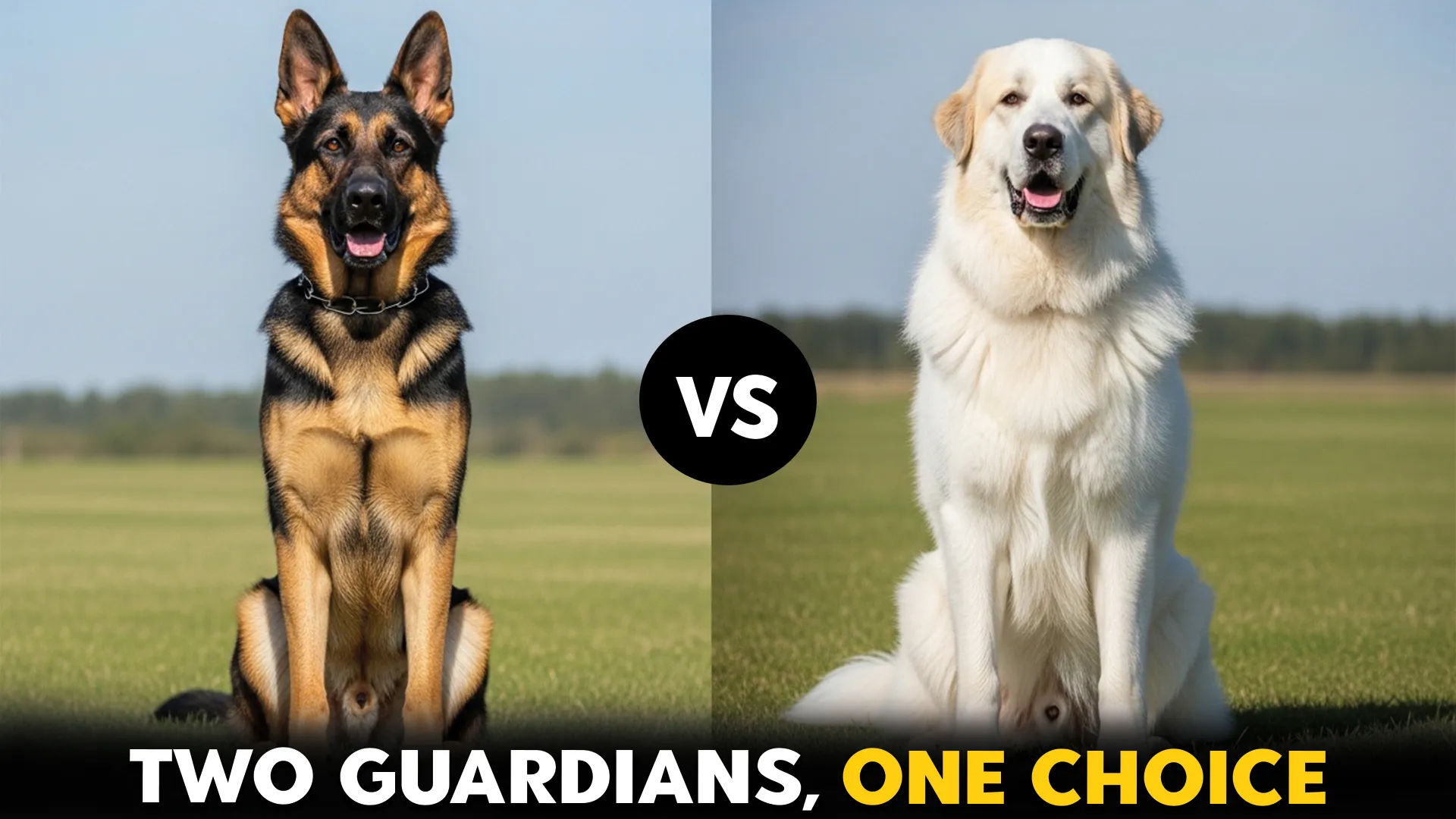
Choosing the perfect dog to welcome into your home can feel like a big decision — and it should be! After all, this furry friend will be part of your family for years to come.
You might find yourself torn between two very different dogs: the German Shepherd, known for its sharp intelligence, incredible loyalty, and impressive working skills; and the Great Pyrenees, a gentle giant famous for its calm nature, majestic appearance, and strong protective instincts.
Both breeds have rich histories working alongside humans, often guarding livestock or helping on farms, but each brings a unique personality and set of needs to the table.
In this article, we’ll break down the key differences between the German Shepherd and the Great Pyrenees to help you figure out which one fits your life best — whether you want a loyal working companion or a calm, majestic protector. Let’s dive in and make that decision a little easier!
Key Takeaways
Dive into the key differences between the German Shepherd’s energy and the Great Pyrenees’ calm nature.
Find out which dog matches your lifestyle—active protector or gentle giant?
Learn their exercise and grooming needs, so you’re ready for the real deal.
Know the health risks and lifespan before bringing one home for good.
German Shepherd vs Great Pyrenees: What’s The Best Choice?
Origins & Purpose
German Shepherd
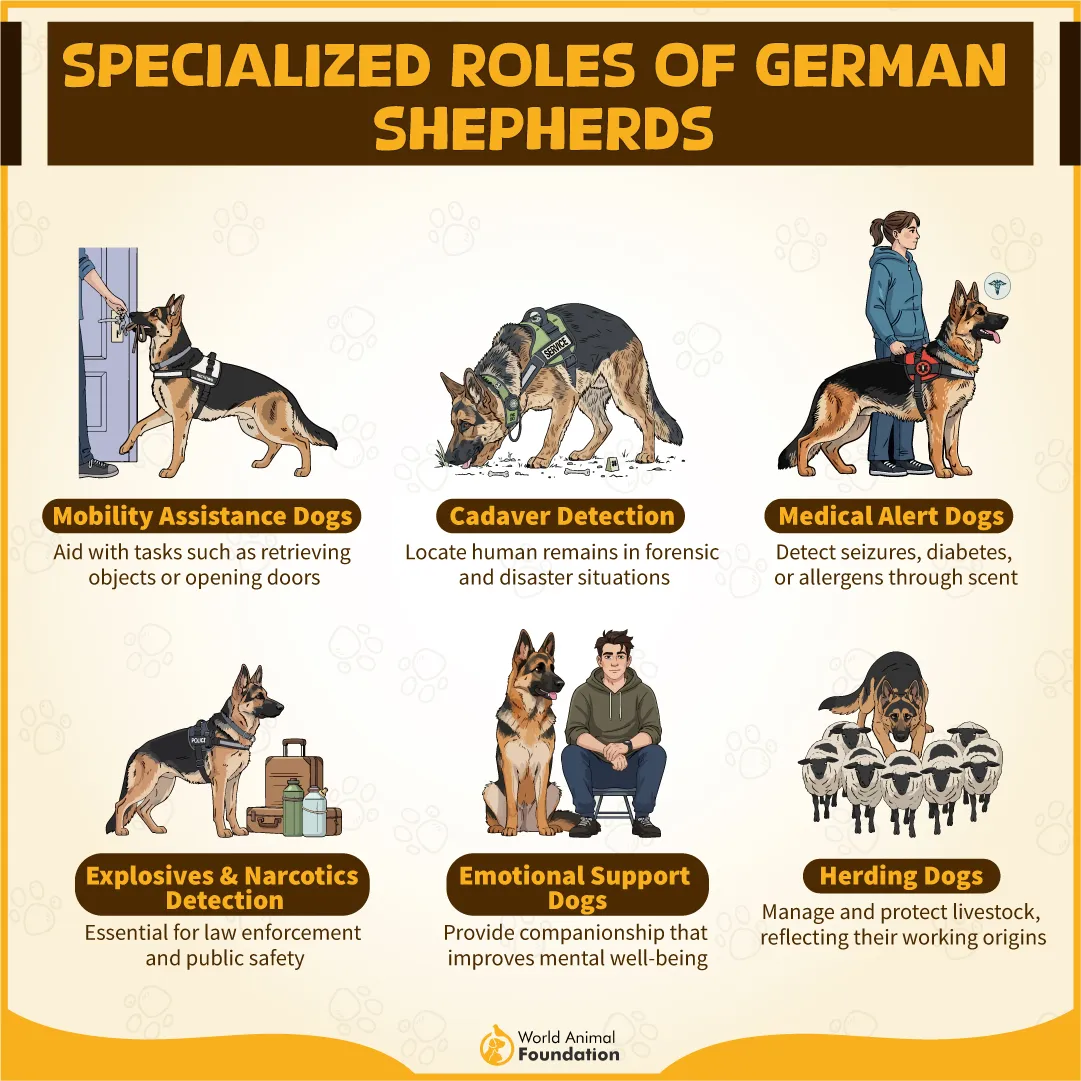
The German Shepherd was developed in Germany in 1899, primarily bred as a herding dog to help farmers manage and protect their sheep. Their intelligence, strength, and loyalty made them perfect for this role.
During both World Wars, German Shepherds were widely used for military duties, which unfortunately exposed many of them to dangerous and harsh conditions. After World War II, the breed saw a brief decline in popularity but quickly regained favor worldwide.
Today, German Shepherds are incredibly versatile, serving in K-9 police units, search and rescue missions, as service dogs, and, of course, as beloved family pets.
Great Pyrenees
The Great Pyrenees, also known as the Pyrenean Mountain Dog, is believed to have originated in Asia, though some sources suggest France as its birthplace.
Romans are thought to have brought these dogs from Asia to the Pyrenees Mountains, where their size, calm temperament, and protective instincts made them ideal livestock guardians. In France, the breed is officially called Chien de Montagne des Pyrenees or, more casually, Patou, as mentioned by Animalia.
Bred to be calm and strong protectors, Great Pyrenees dogs were trusted to guard flocks from predators for long hours, often in rugged mountain terrain. Their majestic appearance and relaxed personality reflect their role as patient and watchful guardians.
Size & Build
German Shepherd
German Shepherds are medium to large-sized dogs known for their strong, well-muscled, and agile bodies. They typically stand between 22 and 26 inches tall at the shoulder and weigh anywhere from 50 to 90 pounds, depending on their sex, as noted by the American Kennel Club.
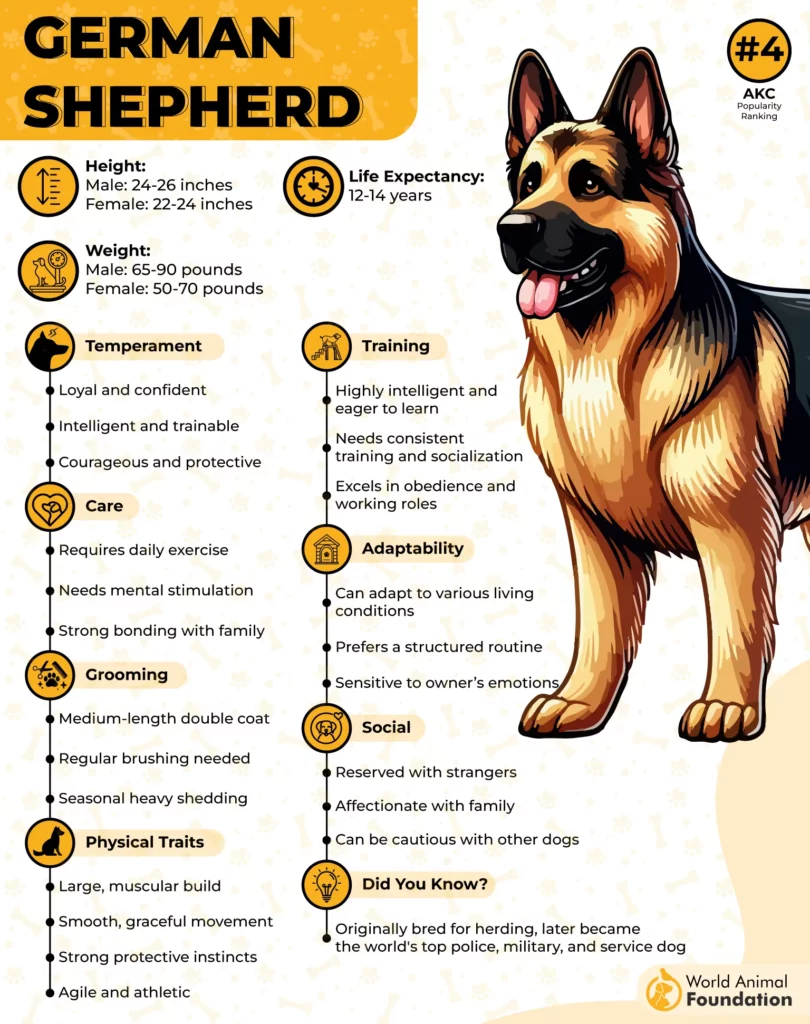
Their bodies are well-balanced, longer than tall, with smooth, flowing curves that give them a fit and athletic appearance. The tail is long, fluffy, and slightly curved, usually held low rather than high, and is never docked.
Their shoulders are muscular and slightly angled, while broad, powerful thighs support their movement. Dewclaws on the front legs generally aren’t removed, but if present on the hind legs, they are typically clipped.
Great Pyrenees
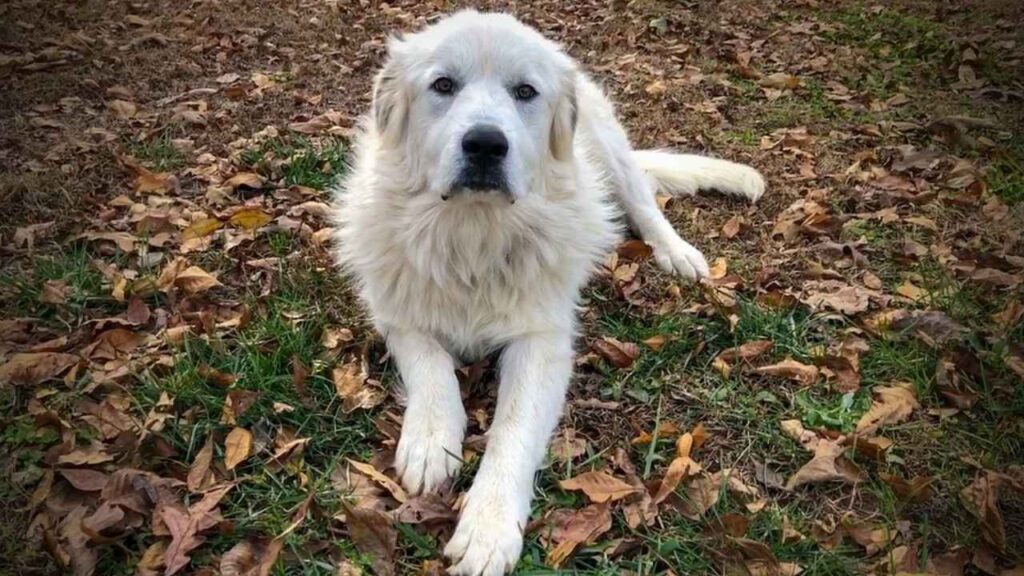
The Great Pyrenees is a large breed with a dignified and graceful presence. Males usually stand between 27 and 32 inches tall at the shoulder, while females range from 25 to 29 inches. Their healthy weight generally falls between 85 and 100 pounds.
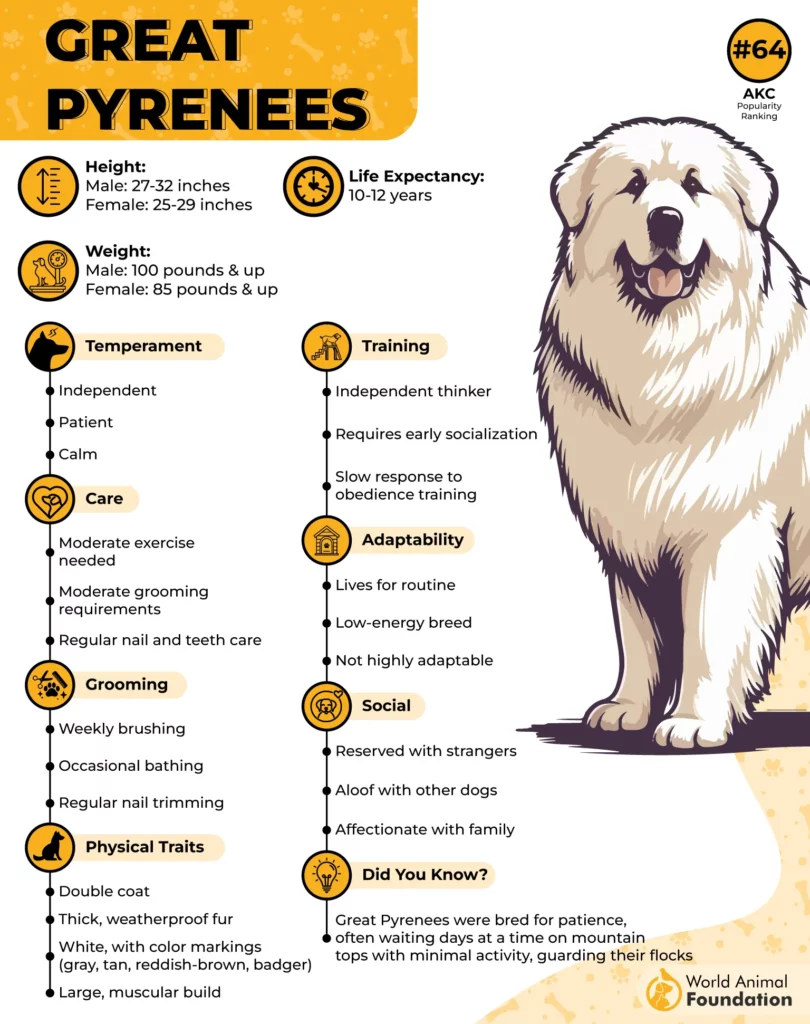
Their body is thick, broad, and rectangular—longer than tall—reflecting their role as powerful guardians. They have a long, feathered tail that often flips upward over their back, adding to their majestic look.
Strongly muscled shoulders and straight forelimbs give them a sturdy frame, while the front feet often have a single dewclaw, which may or may not be removed.
The Great Pyrenees sports a mainly white coat, sometimes accented with gray or brown markings on the ears, tail, and head. A thick undercoat protects them from harsh weather conditions.
Temperament & Personality Style
German Shepherd
German Shepherds are intelligent, brave, and fiercely loyal. They are naturally cautious around strangers, so early socialization and training sessions are essential to prevent overprotectiveness or aggression. These dogs thrive on attention and need plenty of physical and mental stimulation.
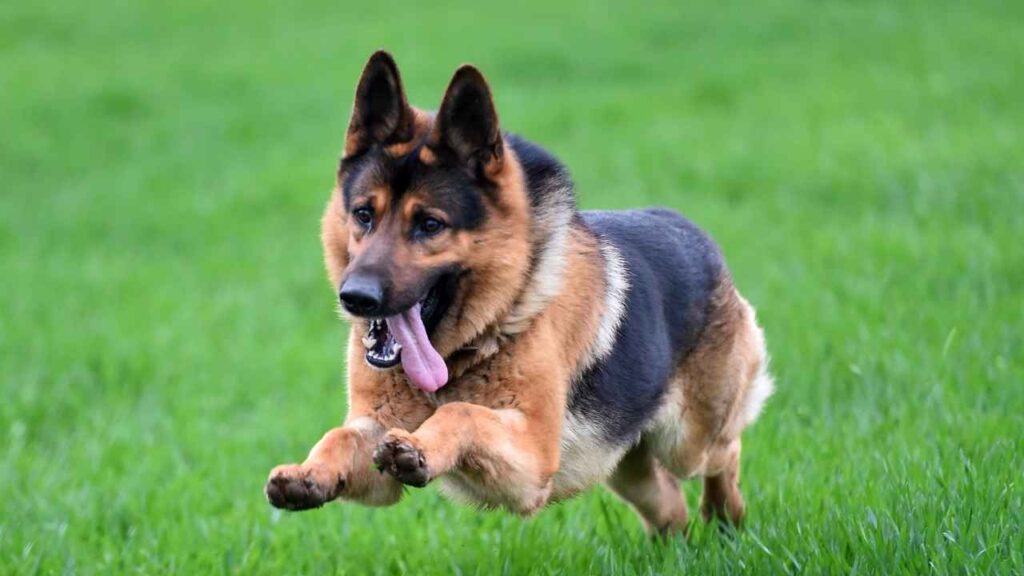
They make excellent family companions and devoted child guardians. Though they can seem aloof at first, once they trust you, their affectionate and protective side shines through. Their willingness to protect makes them favorites in police and military work.
Highly intelligent and quick learners
Naturally suspicious of strangers without proper socialization
Require lots of exercise and mental challenges
Deeply loyal and protective of their family
Great Pyrenees
The Great Pyrenees is calm, patient, and independent by nature. Bred to guard livestock, this giant breed remains alert to any threats but is generally gentle and affectionate with family members, especially children.
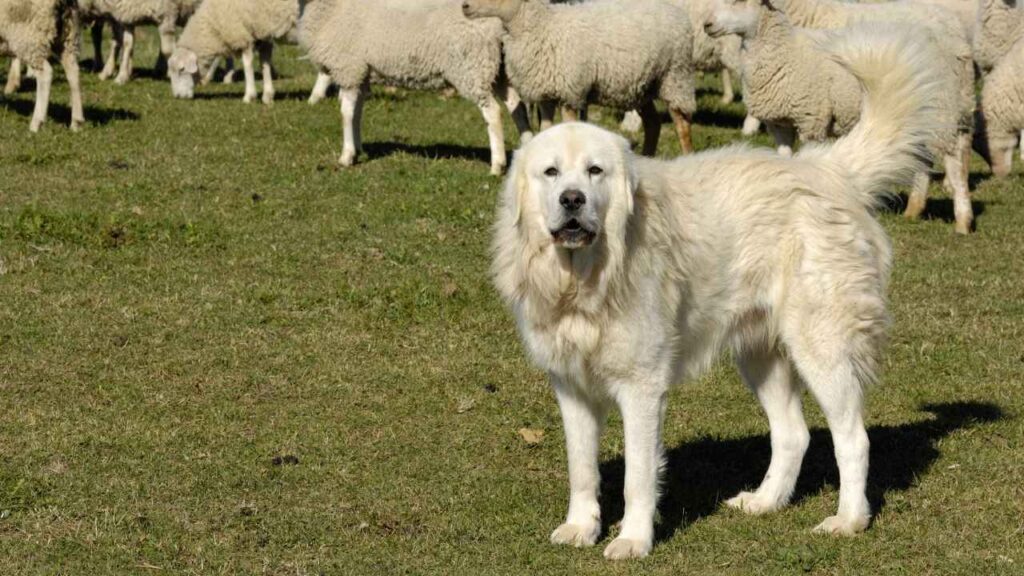
Their large size can be overwhelming for small kids, and they appreciate having some alone time, making them a good fit for households where people may be out during the day.
They usually get along with other animals as long as their space is respected. Known as “cold on the outside, warm on the inside,” they balance dignified calmness with deep loyalty and protectiveness.
Calm and patient with a mellow personality
Independent thinkers, but very protective when needed
Good with children and other pets if space is allowed
Enjoy alone time, fitting well with less active households
Exercise Needs & Energy Level
German Shepherd
German Shepherd dogs are known for their high energy levels, especially when young. Bred to herd and guard livestock, these dogs need plenty of vigorous exercise to stay healthy and happy.
Ideally, they require at least two hours of physical activity daily, which can include jogging, hiking, running off-leash in a safe area, or participating in canine sports like agility and tracking.
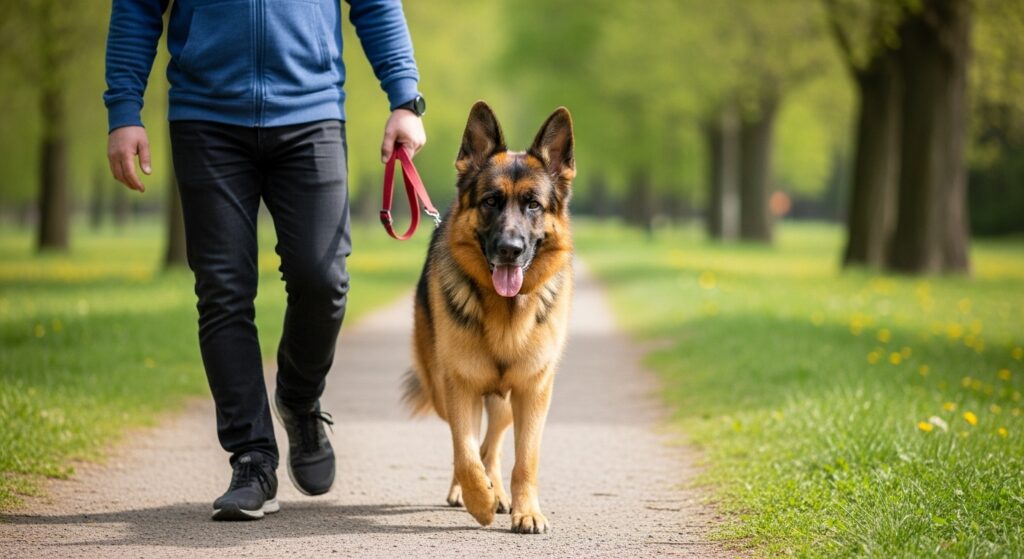
If their exercise needs aren’t met, German Shepherds can develop problem behaviors such as excessive barking, chewing, digging, or obsessive habits like tail chasing.
Because of their intense energy, they’re not the best fit for someone with a more sedentary lifestyle or limited time for regular activity.
Require at least 2 hours of vigorous daily exercise
Thrive with activities like running, hiking, and agility sports
Can develop destructive behaviors if under-exercised
Need consistent mental and physical stimulation
Great Pyrenees
Unlike the high-energy German Shepherd, the Great Pyrenees is a more laid-back breed that prefers to lounge and relax most of the day. They usually need around 20 to 30 minutes of moderate exercise daily to maintain their health and well-being.
While they’re not overly active, Pyrs can enjoy bursts of energy, especially as puppies and young adults, but generally they’re mellow and prefer to chill rather than constantly be on the move.
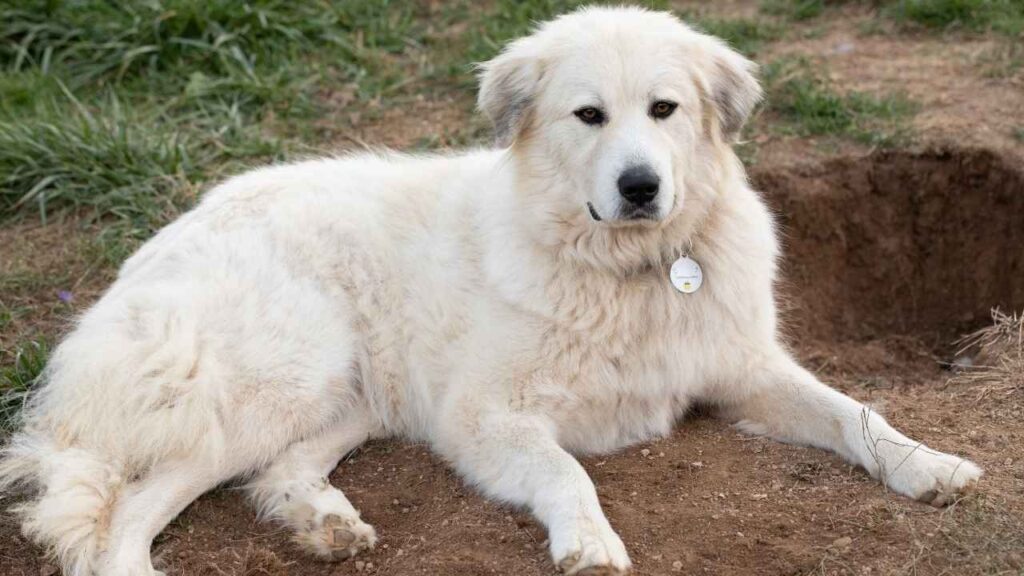
That said, Great Pyrenees do enjoy outdoor activities like hikes and benefit from soft toys for chewing and cuddling. They’re happy to snuggle up with their owners after some light play, showing a perfect balance between relaxation and occasional activity.
Moderate exercise: about 20–30 minutes daily
Enjoy daily walks and hikes, but are mostly calm
Tend to conserve energy, barking mainly when alerting
Love cuddling and relaxing with their family
Trainability & Obedience
German Shepherd
German Shepherds are widely recognized as one of the most intelligent dog breeds and are eager to please their owners. This combination usually makes them relatively easy to train—if you put in the effort. However, training isn’t optional with this breed; it’s essential.
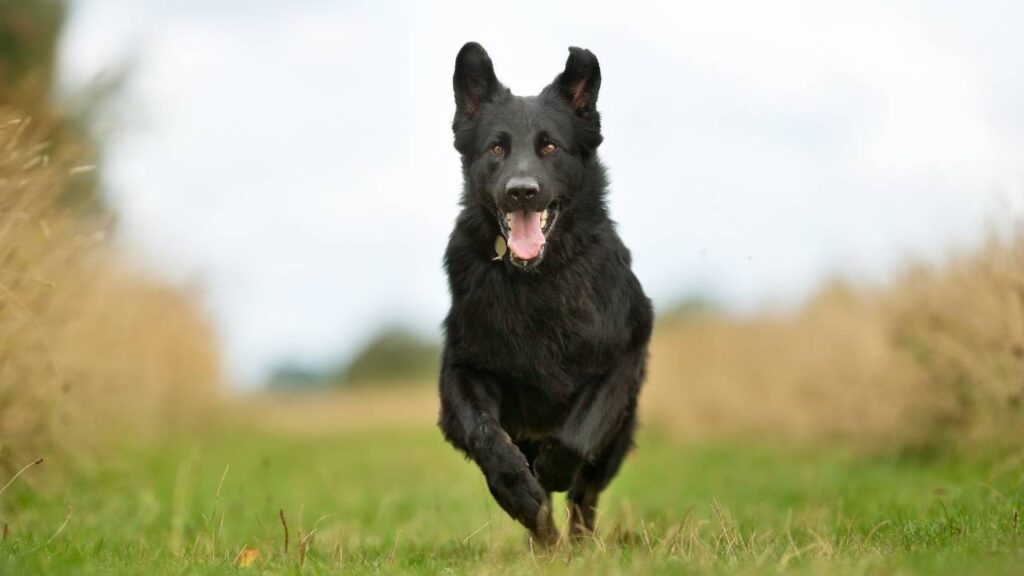
Without proper socialization and discipline, German Shepherds can develop behavioral problems due to their natural suspicion of strangers and strong protective instincts.
Because of their reputation and working background, owners must ensure their German Shepherds are always well-mannered and under control. Early and consistent socialization, along with mental stimulation, is crucial.
Great Pyrenees
The Great Pyrenees is also an intelligent breed, but its intelligence comes with a streak of independence. Bred to guard sheep with little human guidance, they often think for themselves and may not always follow commands simply because they’re asked.
This independent nature can make training more challenging compared to more eager-to-please breeds.
Because of their large size and protective instincts, early socialization and basic manners are a must. Positive reinforcement and consistency work best when training a Great Pyrenees, but sessions should be kept short to prevent boredom and loss of interest.
Grooming Needs & Shedding
German Shepherd
German Shepherds shed frequently year-round, with heavier shedding during seasonal changes. To manage this, weekly brushing is recommended, and more frequent brushing during peak shedding helps keep loose hair under control.
Their coarse, double coat resists dirt, so bathing about once a month is enough to maintain cleanliness without stripping natural oils.
In addition to grooming their coat, regular nail trims and ear cleaning are important to prevent discomfort or infections. Routine teeth brushing also supports good dental health.
Despite your best grooming efforts, be prepared for dog hair to be a regular part of your life, so frequent vacuuming is a must to keep your home tidy.
Brush every few days, more often during heavy shedding seasons
Bathe about once a month to preserve coat oils
Regularly trim nails and clean ears to prevent issues
Maintain dental hygiene with routine teeth brushing
Great Pyrenees
The Great Pyrenees has a thick double coat that requires regular care to stay healthy and manageable. Brushing the coat once a week is usually sufficient, but during seasonal shedding, you’ll want to increase brushing frequency to keep loose fur from taking over your home.
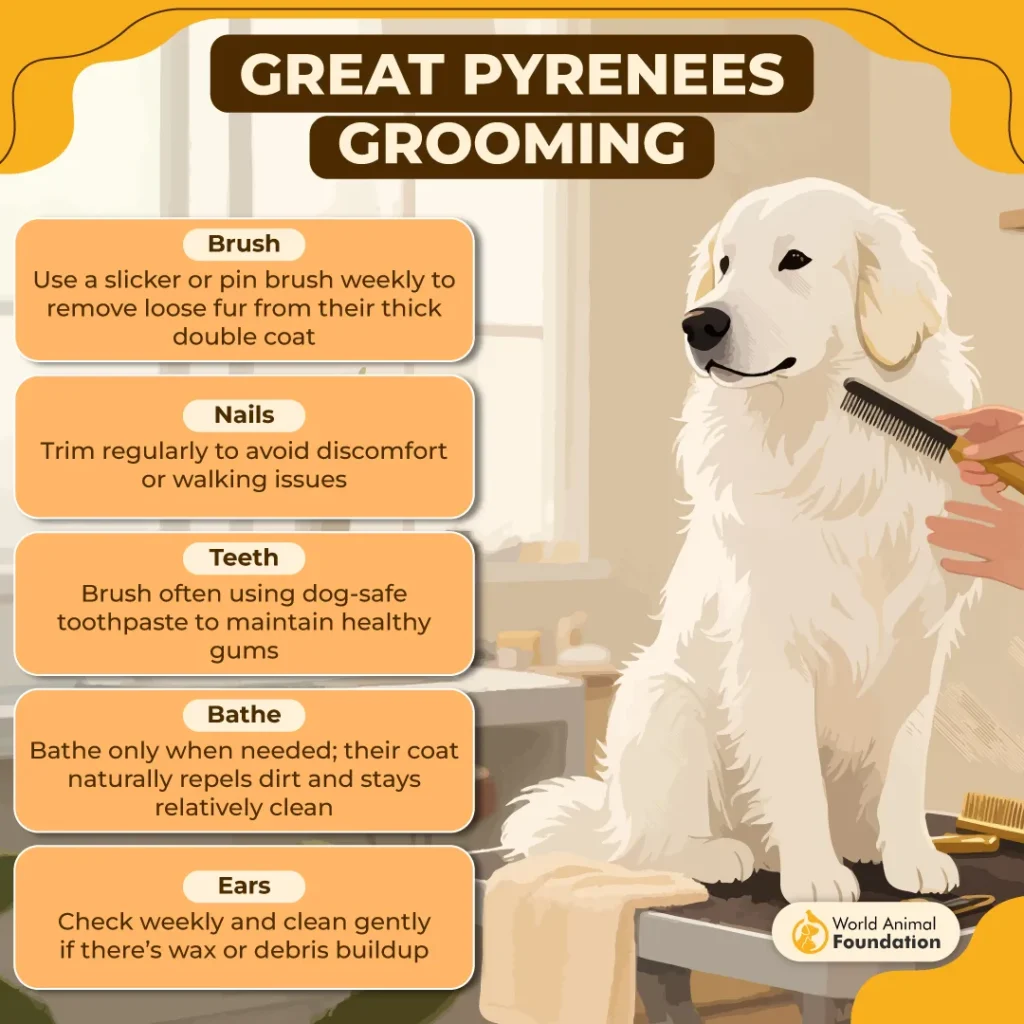
Because their coat naturally repels dirt, bathing every few months is enough to keep them clean. It’s important not to shave or trim their coat during hot weather, as it protects them from the sun.
Regular nail trimming, ear cleaning, and dental care are essential to keep your Great Pyrenees comfortable and in good health. Due to their size and dense white fur, expect to find some fur around the house and on your clothes, but consistent grooming will minimize this.
Brush the coat weekly, increasing frequency during seasonal shedding
Bathe only every few months, as their coat naturally repels dirt
Avoid shaving or trimming in hot weather to protect against sun exposure
Regularly trim nails, clean ears, and maintain dental hygiene
Guardian Nature & Alertness
German Shepherd
The German Shepherd’s physical strength and agility play a huge role in their effectiveness as protection dogs.
Their muscular build, erect ears, and intense, alert expression give them an imposing presence that naturally deters potential threats. This commanding appearance alone can often prevent trouble before it even starts.
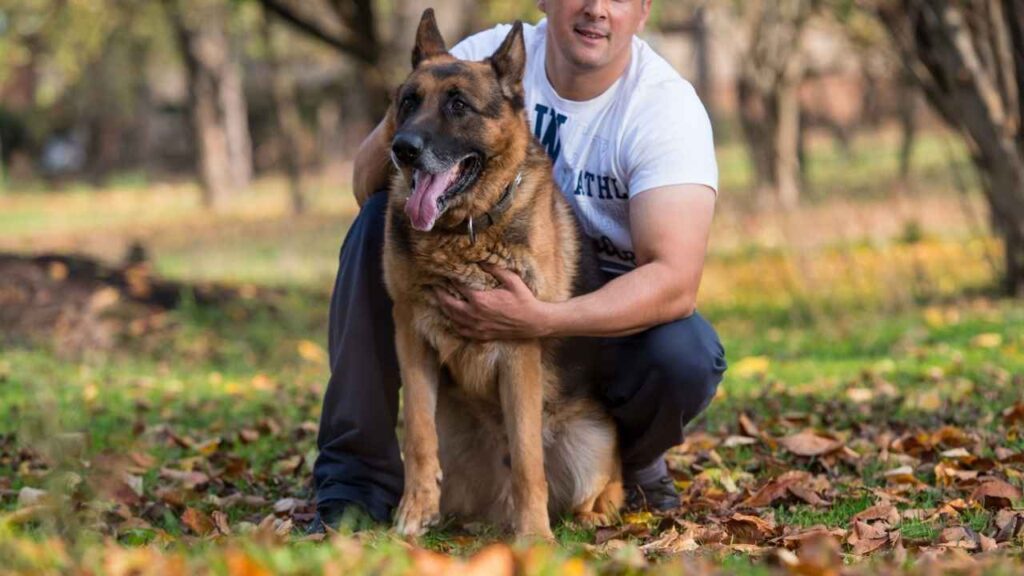
Known for their speed and strength, German Shepherds can quickly respond to danger and pursue threats when necessary. Their endurance also allows them to stay vigilant for long periods without tiring, making them reliable guardians who can handle extended protection duties.
Striking, muscular appearance that commands respect
Agile and strong, capable of quick response and pursuit
Exceptional stamina for sustained vigilance
Great Pyrenees
Great Pyrenees are known for their calm and patient demeanor, paired with a strong protective instinct. They are fiercely loyal and affectionate with their families but tend to be reserved around strangers.
This natural wariness, combined with independent thinking, makes them excellent guardians who carefully assess threats before taking action.
Though their approach is less overtly aggressive than some protection breeds, Great Pyrenees are highly effective at alerting their owners and standing guard when needed.
Their protective nature requires consistent training and socialization from a young age. This means they are not ideal for first-time dog owners.
Calm and patient with strong independent instincts
Loyal and affectionate with family, reserved with strangers
Naturally alert and protective, effective guardians with proper training
Health & Lifespan
German Shepherd
German Shepherds have remained one of the most popular dog breeds in the United States for decades. Unfortunately, with popularity comes increased demand, which can lead to unethical breeding practices that jeopardize the health of the dogs.
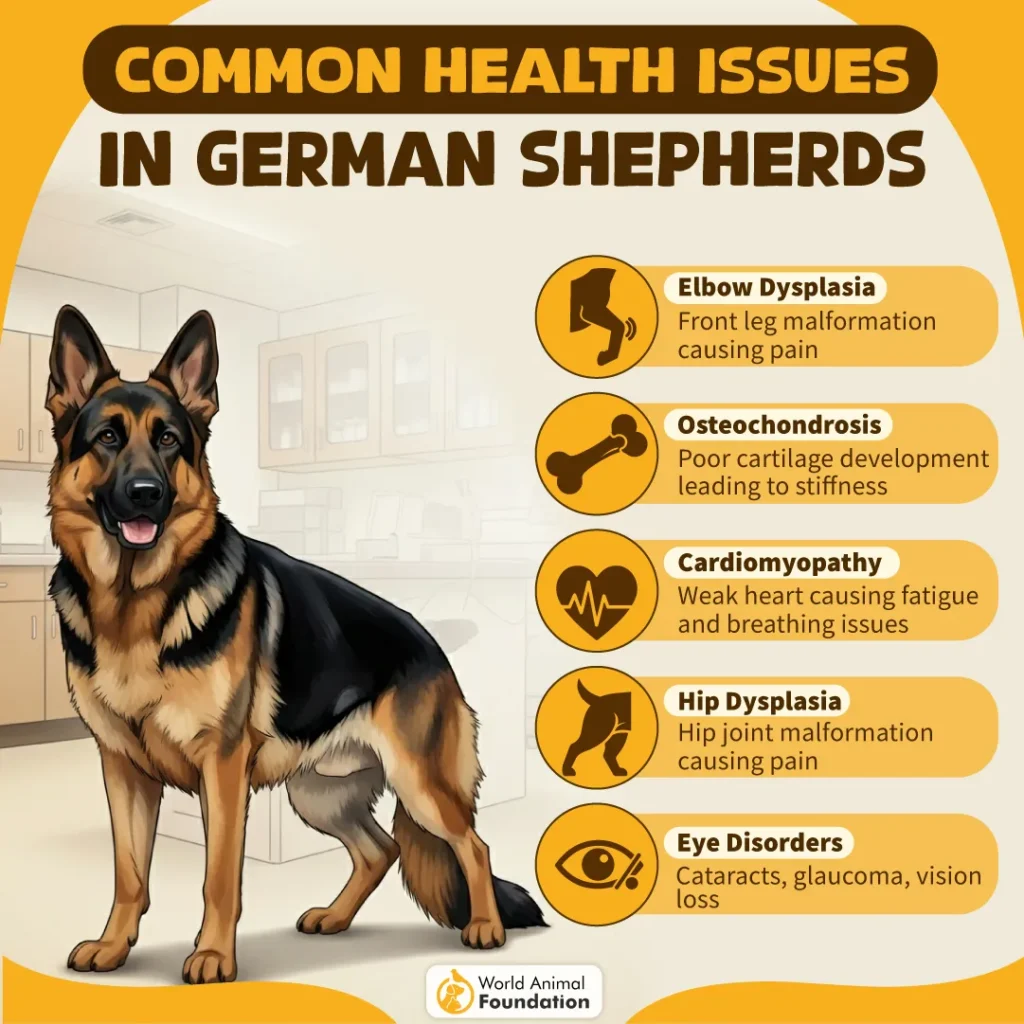
This breed is prone to several inherited health conditions, making it essential to choose reputable breeders who conduct thorough genetic testing.
Some of the common health issues German Shepherds face include:
Hip and elbow dysplasia (orthopedic conditions)
Degenerative myelopathy (progressive spinal disease)
Dilated cardiomyopathy (heart condition)
Cancer
Epilepsy
Various eye conditions
Exocrine pancreatic insufficiency (digestive disorder)
While these conditions can be serious, responsible breeders screen for them to reduce risks. With proper care and attention, German Shepherds typically live around 12 to 14 years.
Great Pyrenees
The Great Pyrenees is considered a generally healthy breed with a robust constitution, but like many large, deep-chested dogs, it is susceptible to certain health issues.
PetMD mentions that bloat, a life-threatening condition, is a concern for this breed. They are also prone to genetic joint problems and some neurological and eye conditions.
Common health concerns for Great Pyrenees include:
Bloat (gastric dilatation-volvulus)
Hip and elbow dysplasia
Luxating patella
Osteochondrodysplasia (bone development disorder)
Various eye conditions
Neuronal degeneration (degenerative neurological disease)
Selecting a breeder who performs recommended health screenings is crucial to maintaining the breed’s overall health. Great Pyrenees usually have a lifespan of about 10 to 12 years.
German Shepherd vs Great Pyrenees: Best Choice for Your Lifestyle
German Shepherd
If you have an active lifestyle and want a dog that thrives on physical and mental challenges, the German Shepherd might be your ideal match. They need plenty of exercise, consistent training, and mental stimulation to stay happy and balanced.
German Shepherds excel in agility, endurance, and protective instincts, making them great for families or individuals who enjoy outdoor activities or have experience with strong-willed dogs. However, their high energy and protective nature require time, patience, and dedication.
Consider a German Shepherd if you:
Enjoy daily vigorous exercise and outdoor adventures
Want a highly trainable, intelligent working dog
Can commit to consistent socialization and mental stimulation
Are you experienced or willing to learn about handling protective, energetic breeds
Great Pyrenees
If you prefer a calm, laid-back companion who is still fiercely protective, the Great Pyrenees may be the better fit. These gentle giants are independent but loyal guardians, suited for families who appreciate a dog that enjoys moderate exercise and plenty of downtime.
Their mellow temperament fits well with homes where alone time is normal. While they need regular grooming and consistent training, they demand less high-energy engagement than the German Shepherd.
Consider a Great Pyrenees if you:
Prefer a calm, patient, and independent dog
Want a reliable guardian with a gentle nature toward family
Have space for a large dog that requires moderate exercise
Are prepared for seasonal grooming and shedding
Conclusion
Choosing between a German Shepherd and a Great Pyrenees means weighing your lifestyle against what each breed offers. The German Shepherd brings energy, intelligence, and a strong drive to work and protect, making it ideal for active owners who enjoy training and adventure.
Meanwhile, the Great Pyrenees offers calm strength, gentle loyalty, and steadfast protection—perfect for those who want a laid-back yet dependable guardian.
Whichever breed you lean toward, remember that both need love, attention, and proper care to thrive. Take the time to consider your daily routine, living space, and experience with dogs to find the best match.
Bringing home the right dog isn’t just about breed—it’s about building a lifelong friendship that fits your unique life. So take that step thoughtfully, and get ready for an incredible journey with your new four-legged family member.
