




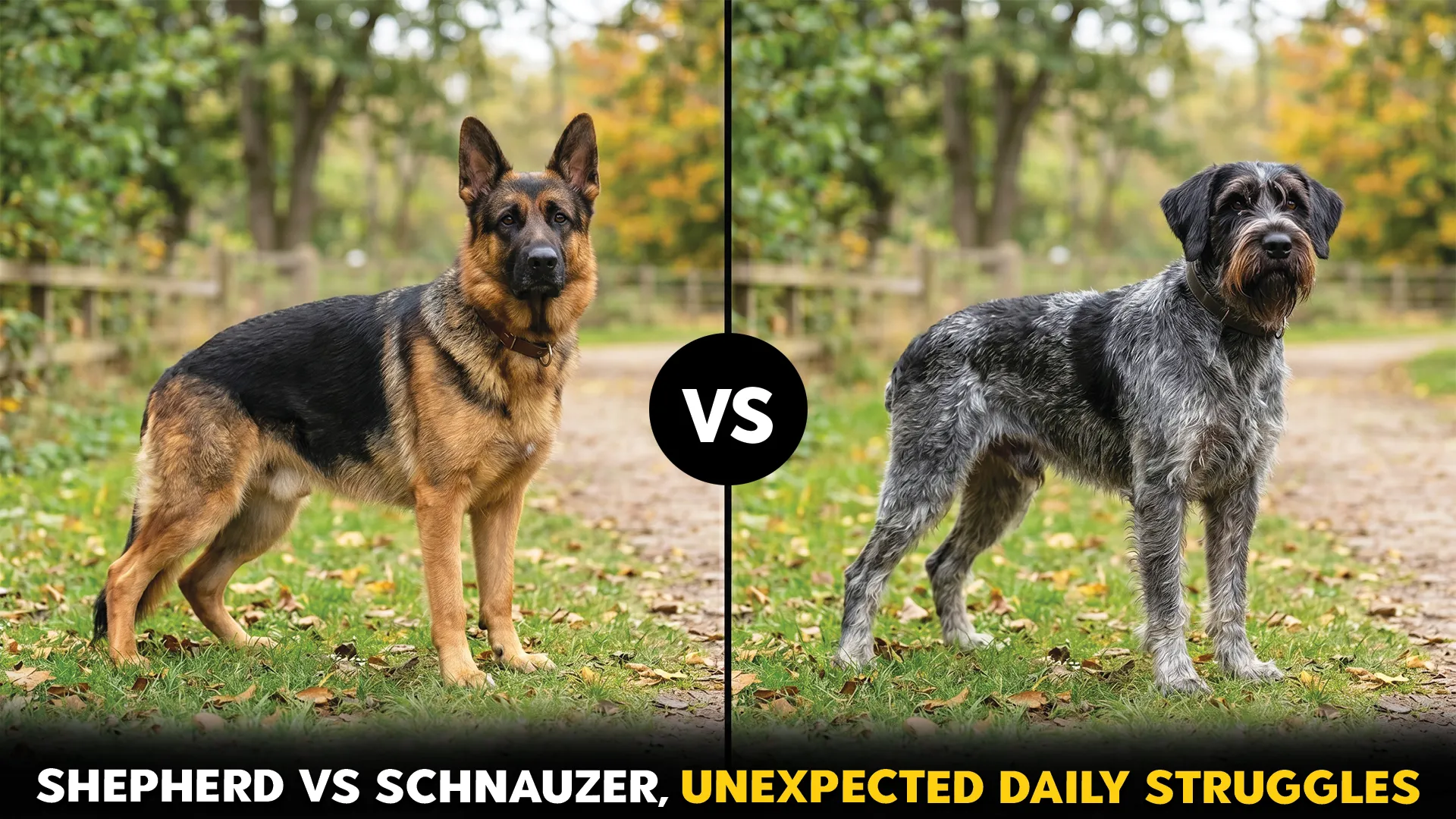
On paper, both the German Shepherd and the German Wirehaired Pointer look like elite-tier dogs. Smart, loyal, athletic—basically the kind of dogs that feel like they’d carry your entire life on their back if needed. And honestly? That reputation isn’t random.
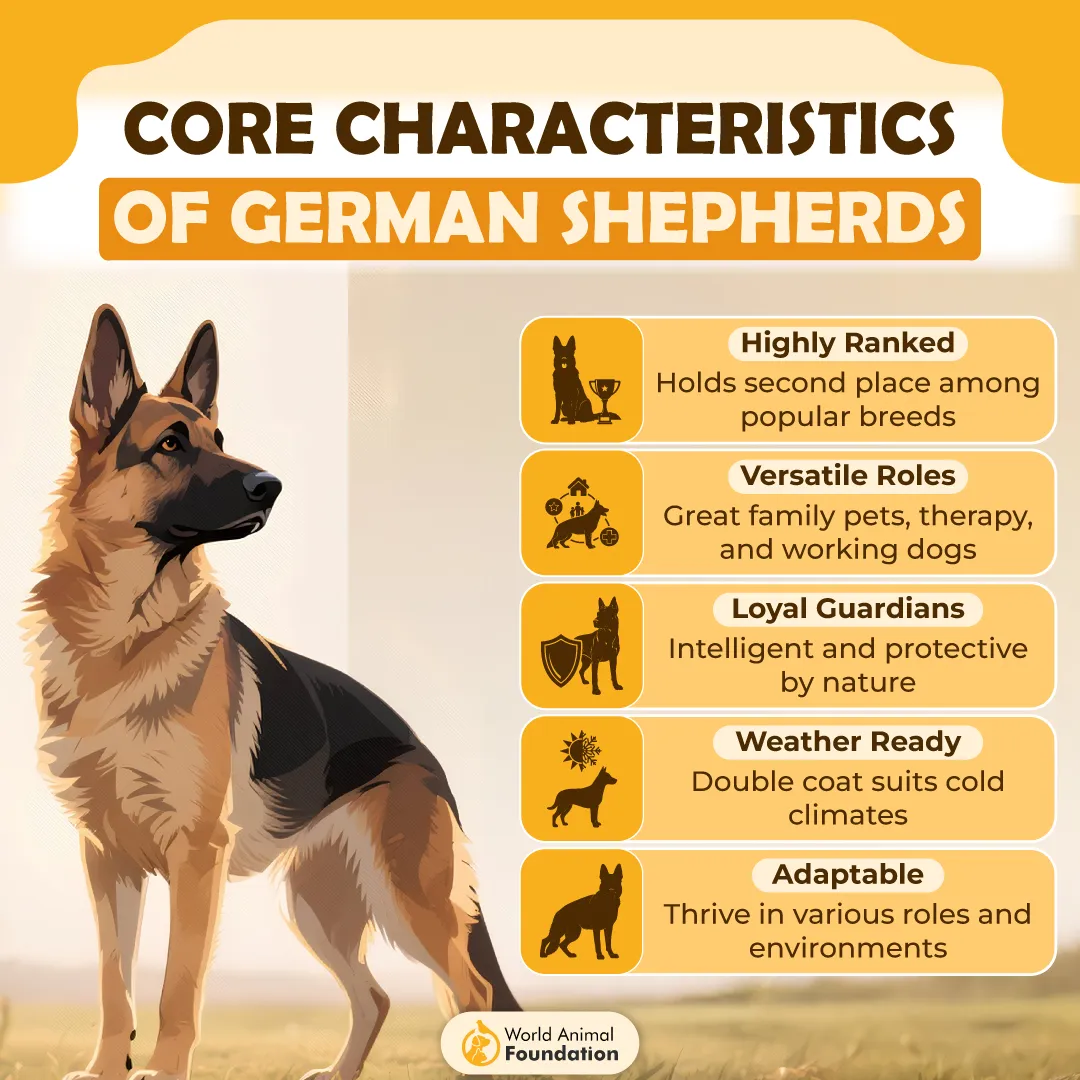
The German Shepherd consistently ranks among the top 3 most popular dog breeds worldwide, largely due to its unmatched versatility in police, military, and service roles. Meanwhile, the German Wirehaired Pointer was literally engineered to be an all-in-one hunting system—track, point, retrieve, repeat—no extra downloads needed.
These aren’t just pets; they’re purpose-built performers with centuries of selective breeding behind them.
But here’s the part that doesn’t trend on social media: high performance comes with high maintenance. Studies and behavior reports suggest that working breeds like these require daily physical and mental stimulation to stay balanced.
Let’s talk about the hidden challenges of German Shepherds vs German Wirehaired Pointer dog breeds.
German Shepherd vs. German Wirehaired Pointer
Whether you’re choosing between a versatile guardian and a rugged hunting partner, these two breeds offer very different levels of intensity. Explore the unique grooming needs, energy levels, and training challenges that set these German powerhouses apart.
Origins & Purpose
The German Shepherd wasn’t randomly created—it was engineered. In the late 1800s, Max von Stephanitz set out to breed the ultimate working dog, combining intelligence, control, and protection into a single breed.
That sounds impressive—and it is—, but it also means this dog was never designed for chill domestic life. Herding sheep, guarding flocks, making independent decisions… those instincts didn’t disappear. They just moved into your living room.
That’s why modern owners often struggle. A German Shepherd without a “job” doesn’t just relax—it starts creating its own tasks. And those tasks might include guarding the house from your guests or reorganizing your furniture.
The German Wirehaired Pointer (GWP) was built with a completely different mission: to do everything, everywhere, in any condition. Hunt birds, track animals, retrieve in water, survive rough terrain—it’s basically the all-terrain vehicle of dogs.
Unlike the Shepherd, which leans into control and protection, the GWP, as a hunting dog, leans into movement and problem-solving in the wild. It’s not guarding your house—it’s scanning the environment like it’s always mid-mission.
This difference matters. Because where a Shepherd may overthink and overprotect, a GWP may overmove and overstimulate itself.
Size & Physical Build
Both the German Shepherd and the German Wirehaired Pointer are medium-to-large, athletic working breeds, but their body structure reflects very different purposes.
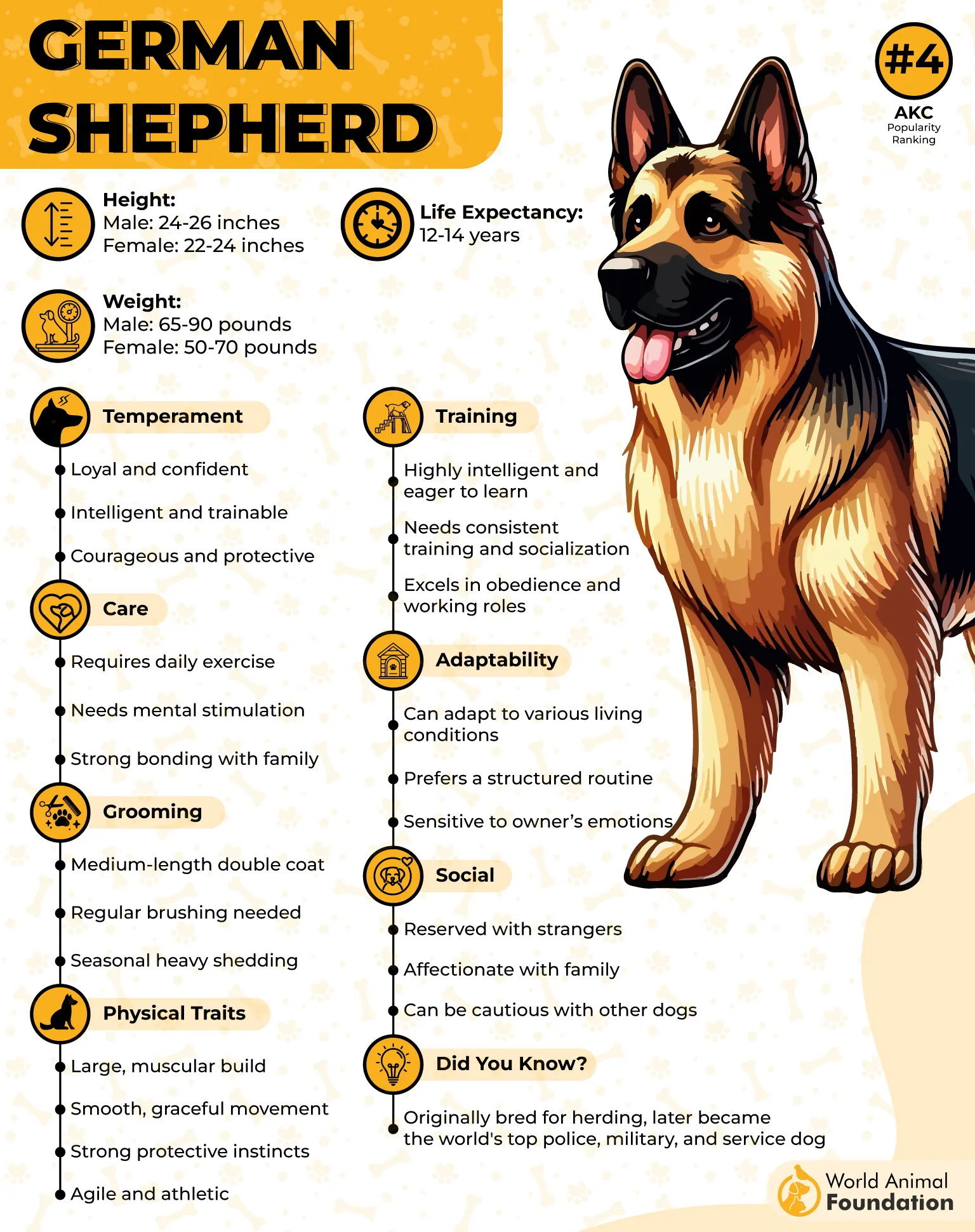
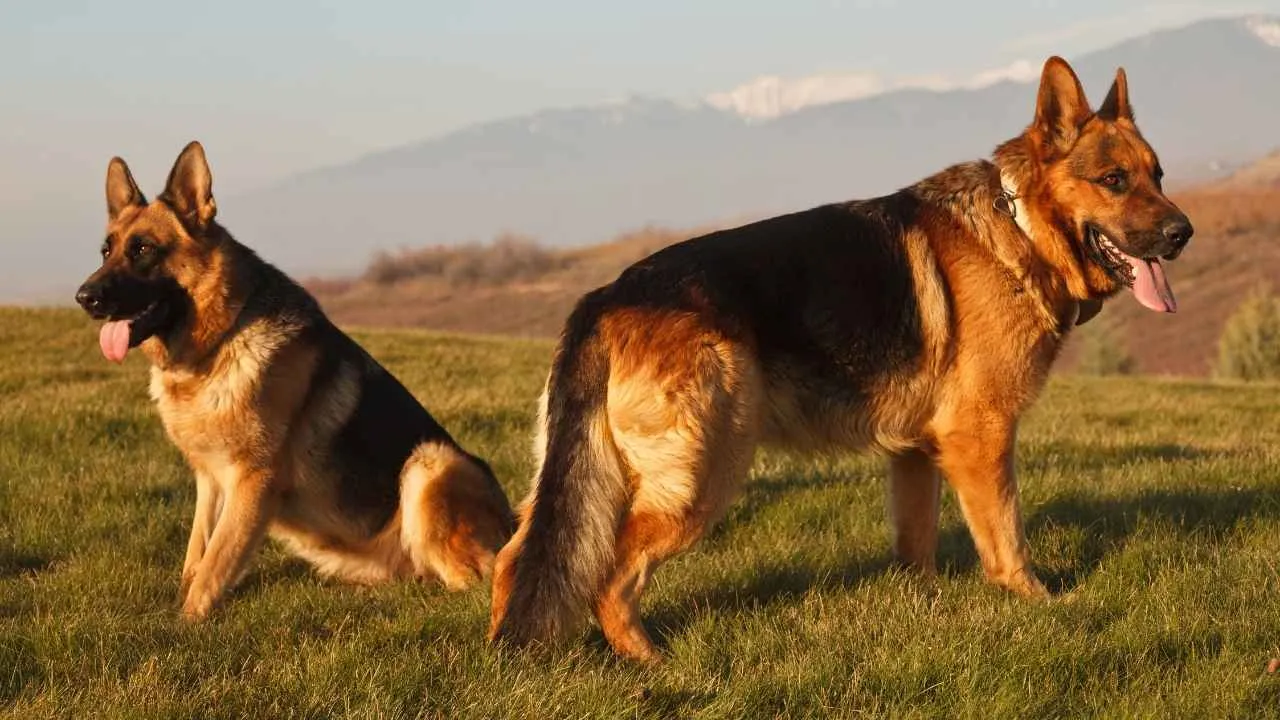
The German Shepherd has a strong, slightly elongated frame with well-developed muscles and a solid bone structure. This build gives it power, stability, and endurance, which are essential for tasks like guarding, tracking, and service work. Its posture is balanced but purposeful, showing both strength and agility in controlled movement.
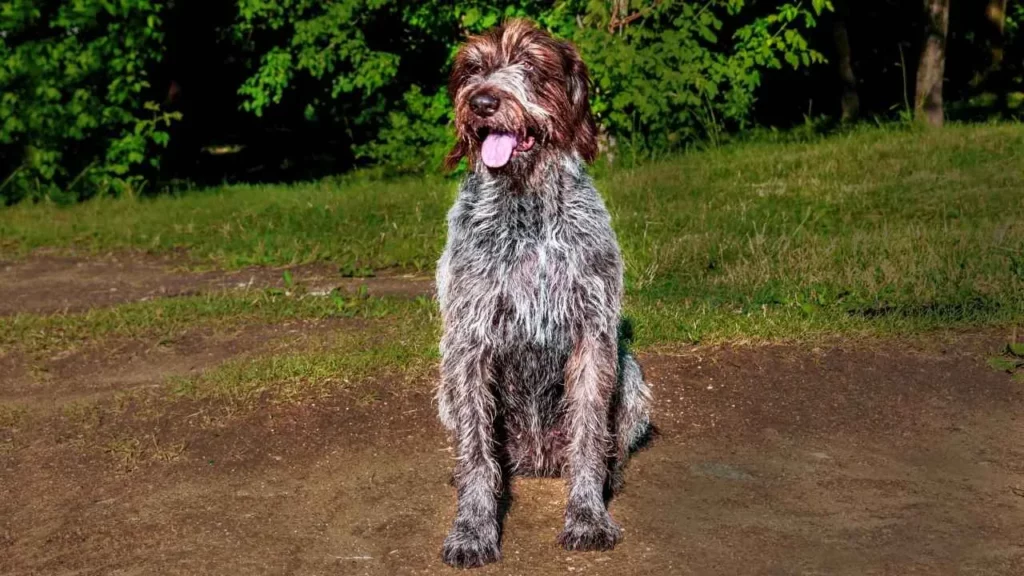
In contrast, the German Wirehaired Pointer has a leaner, more streamlined build designed for speed and long-distance field work. It is lighter on its feet, with a wiry coat and a more flexible frame that supports constant motion across rough terrain. This makes it especially efficient in covering ground quickly during hunting and outdoor activity.
While both breeds are athletic and built for work, the Shepherd leans more toward strength and control, whereas the Wirehaired Pointer emphasizes endurance, agility, and continuous movement in the field.
Temperament & Personality
German Shepherds are deeply loyal—but that loyalty can get intense. They don’t just “like” their owners—they attach in a way that can turn into dependency if not handled properly.
They’re naturally protective, which sounds great… until it turns into suspicion of strangers, guests, or even normal situations. Without proper socialization, they can become reactive instead of confident.
These Shepherd dogs also emotionally sensitive. If left alone too much, they don’t just get bored—they get anxious. And that anxiety can show up as barking, destruction, or obsessive behaviors.
The Hidden Challenge: They’re not aggressive by default—but they will step into that role if they feel it’s needed. And sometimes… they decide that on their own.
GWPs are energetic, social, and surprisingly affectionate—but in a very different way. This pointing breed loves the family, but they’re not emotionally clingy like Shepherds.
Their main personality drivers are curiosity and drive. They want to explore, sniff, track, and move constantly. Sitting still for long periods? Not their thing.
These pointing dogs are also naturally wary of strangers, which gives them decent watchdog ability—but they’re less emotionally reactive than Shepherds. More “alert observer” than “protective enforcer.”
The Hidden Challenge: These puppies don’t overprotect—they over-explore. And if they’re bored, they’ll create their own adventure… without asking. upland game birds
Exercise & Energy Levels
German Shepherds need about 1.5–2 hours of daily activity, says PetPlan, but here’s the catch—it’s not just physical. Mental stimulation is just as important.
You can walk them for an hour and still have a restless dog if their brain isn’t engaged. Training sessions, problem-solving games, structured tasks—that’s what actually tires them out.
Without that balance, they don’t just get bored—they get destructive. Think digging, chewing, pacing, barking… basically DIY chaos.
The Hidden Challenge: You’re not just exercising a dog—you’re managing a working mind that expects purpose.
GWPs don’t do “light activity.” Purina says they need real, intense exercise—running, hiking, tracking, swimming. A casual walk? That’s just a warm-up.
They thrive on activities that tap into their instincts. Scent work, retrieval games, outdoor exploration—this is what actually satisfies them.
If you don’t provide that outlet, they’ll find one. And it might involve digging your yard, chasing things, or turning your home into a playground.
The Hidden Challenge: You’re not just walking a dog—you’re managing a full-time athlete with hunting instincts.
Training & Intelligence
German Shepherds are insanely intelligent—but that’s a double-edged sword. As AKC says, they learn fast, but they also notice inconsistencies in your training.
If you’re unsure, inconsistent, or slow with timing, they’ll pick up on it immediately. Training them isn’t hard because they’re dumb—it’s hard because they’re too aware.
They thrive with confident, structured training. Without it, they may start making their own decisions—and that’s where problems begin.
The Hidden Challenge: They don’t just follow commands—they analyze them.
GWPs are also highly intelligent, but their challenge is different. They’re eager to learn—but easily bored.
If training feels repetitive or dull, they’ll mentally check out. You need to keep sessions engaging, varied, and rewarding.
These pointer dogs respond best to positive reinforcement. Harsh training methods can backfire, making them resistant or stressed.
The Hidden Challenge: They’re not stubborn—they’re just not interested in boring routines.
Health & Structural Challenges
German Shepherds come with some serious health concerns, largely due to breeding practices. Hip and elbow dysplasia are common, especially in poorly bred lines.
Degenerative Myelopathy is another major issue—a progressive spinal disease that can lead to paralysis. It’s one of the breed’s most heartbreaking conditions.
They’re also prone to digestive issues and bloat, which can be life-threatening if not handled quickly.
The Hidden Challenge: Owning a Shepherd often means preparing for long-term medical care and higher vet costs.
GWPs are generally healthier, but that doesn’t mean low-maintenance. Their high activity level increases the risk of injuries, especially during intense outdoor work.
Their wiry coat is functional but requires maintenance to stay in good condition. It protects them—but it’s not “zero effort.”
They also need consistent care to avoid behavioral stress, which can indirectly affect their health.
The Hidden Challenge: They’re physically tough—but lifestyle-dependent. Neglect their needs, and problems show up fast.
German Shepherd vs. German Wirehaired Pointer Suitability as Family Pets vs. Guard Dogs
Being extremely people-oriented, German Shepherds can be amazing family dogs—but only with proper structure, training, and socialization. They can handle dry land physically—they’re strong, athletic, and versatile—but hunting isn’t their main game.
They’re naturally suited for guarding roles. That instinct is strong and reliable, but it needs careful management.
In the wrong environment, that same instinct can turn into anxiety, overprotection, or reactivity.
Reality Check: They’re not just pets—PetMD says they’re protectors. And that role comes with responsibility.
GWPs are better suited as active family companions than guard dogs. They’ll alert you to strangers, but they’re not built for protection work.

This breed was literally designed to handle land + water hunting in tough conditions. These waterfowl dogs got:
A dense, water-resistant, wiry coat that protects them in cold water
Webbed feet for strong swimming
Natural ability to track, point, AND retrieve birds from water
They do great in families that love outdoor activities. Hiking, running, exploring—this is where they shine.
With proper socialization, they can live well with kids and other pets, though their prey drive needs to be managed.
Reality Check: They’re not here to guard your house—they’re here to live an active life with you.
Conclusion
Deciding to purchase either a German Shepherd or a German Wirehaired Pointer isn’t about which dog is better—it’s about which challenge you’re ready to take on. Get them from an ethical breeder, and you will never regret!
The German Shepherd is intense, protective, and emotionally driven. This friend of yours demands structure, leadership, and commitment—but rewards you with unmatched loyalty and intelligence.
The German Wirehaired Pointer is energetic, curious, and physically driven. It demands activity, engagement, and space—but rewards you with versatility and adventure-ready companionship.
Both dogs are incredible—but neither is “easy mode.”
Pick wrong, and you’ll feel overwhelmed.
Pick right, and you’ll have one of the most rewarding dog experiences possible.
And yeah… that choice?
That’s the real test.
