




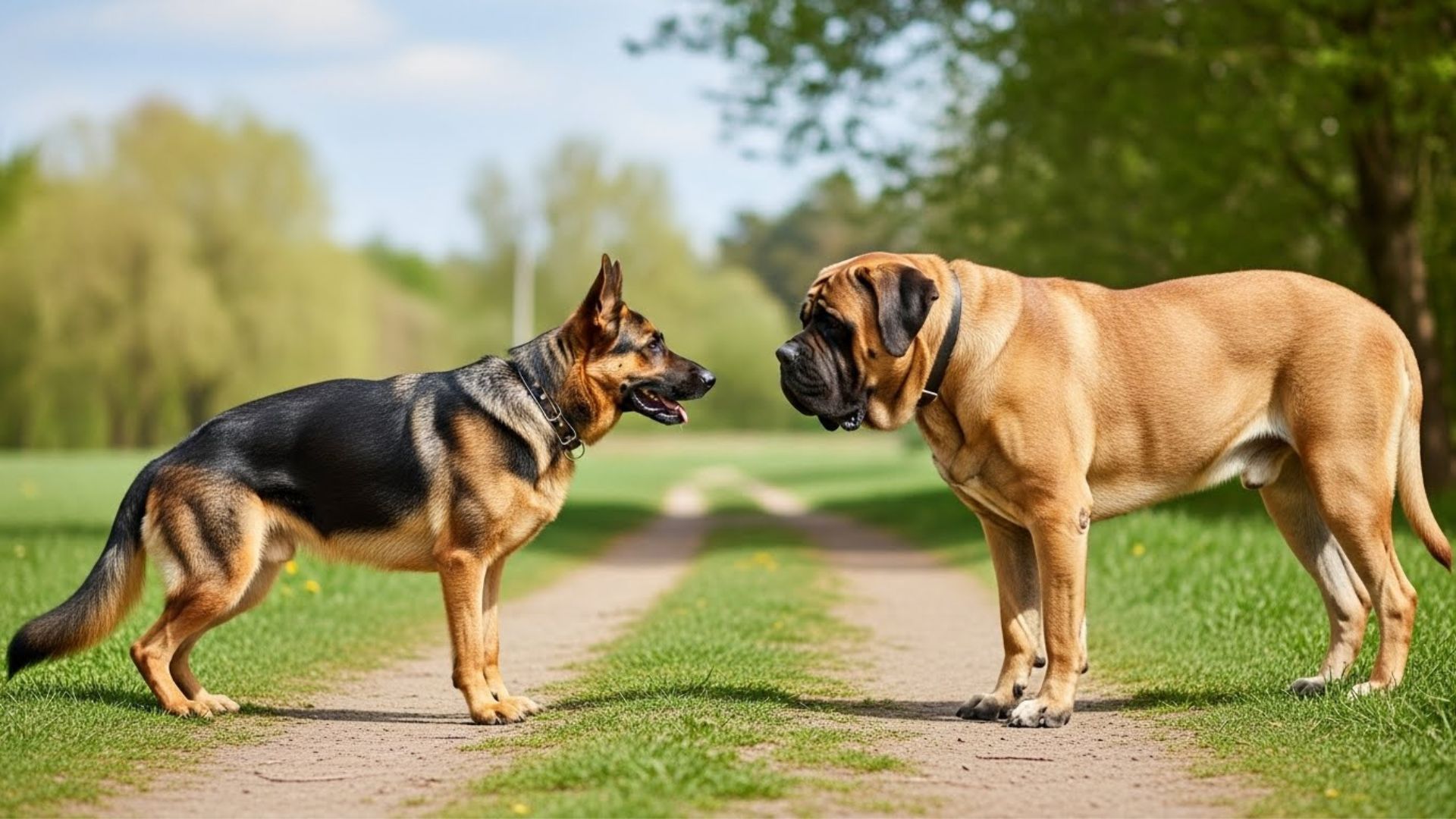
Some comparisons are easy. Like… a Chihuahua vs a Great Dane! You don’t need a calculator for that!
But a German Shepherd vs English Mastiff: understanding these dog breeds? You are comparing two legends that show up in totally different ways.
One is the sleek and driven “I am ready for work” type. The other is the calm and heavyweight “I am watching” type.
And, if you are a dog enthusiast, you are probably asking the same question most pet owners ask:
“Which one fits my life… and my couch?”
Because yes, your couch is important! So does your schedule. And whether your neighbor hates barking.
German Shepherd vs. English Mastiff: Understanding These Dog Breeds
Size & Build Differences
Let’s not pretend this part is subtle.
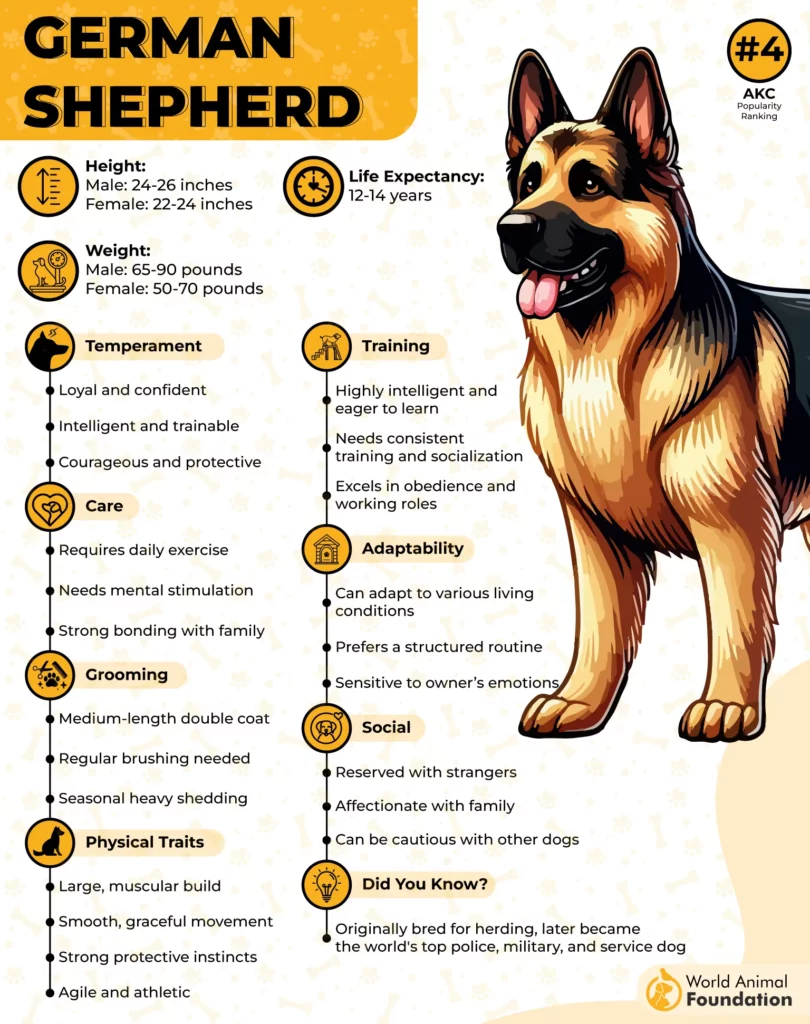
The German Shepherd dog is a large and athletic breed made for movement, speed, and control. The American Kennel Club calls the German Shepherd the “finest all-purpose worker” with high intelligence, and you can see it in the body… agile, muscular, and ready to go.
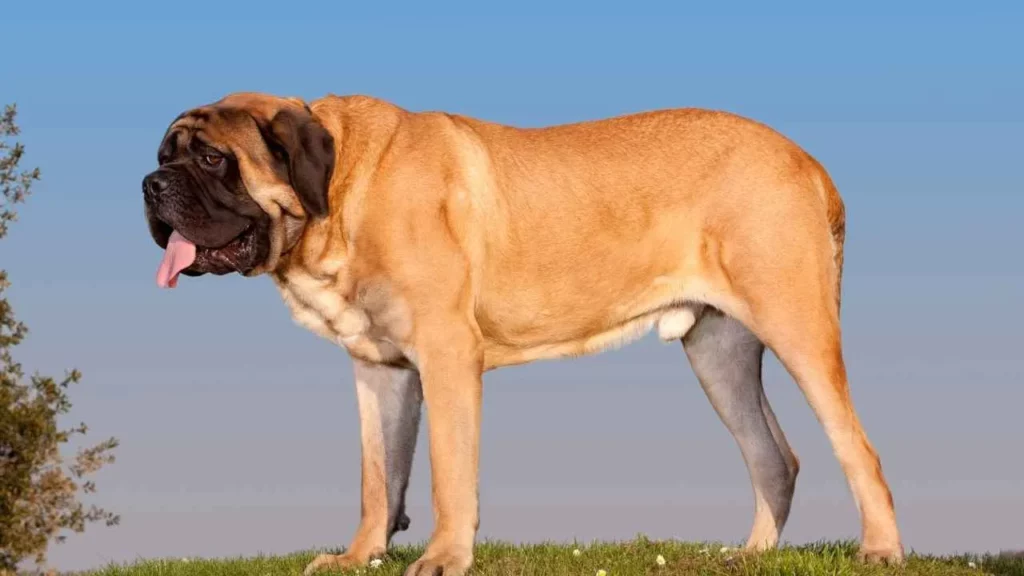
The English Mastiff is … a different situation.
This is one of those giant breeds where you don’t pick them up. You don’t “scoot them over”. You negotiate.
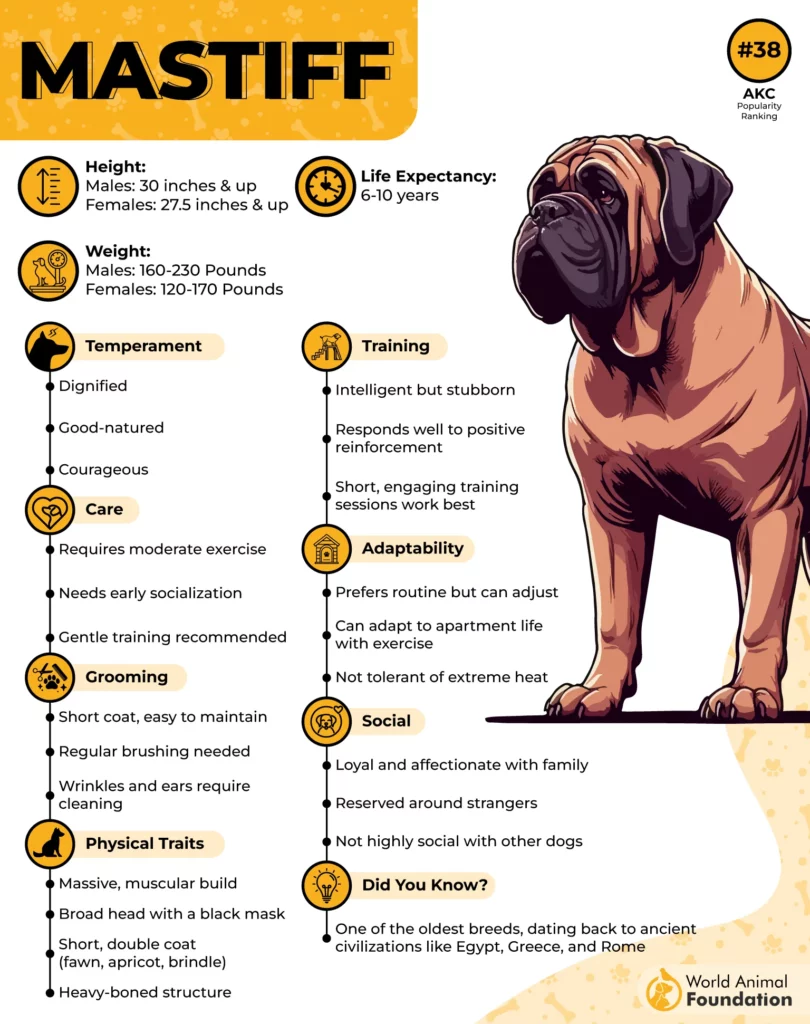
AKC describes the Mastiff as “massive” and “heavy-boned” with courage and stamina. And, also a formidable protector.
So, yeah! We are talking big dogs.
Like, ‘your guest says “OH WOW” when they walk in’ big.
A Quick Comparison
|
Feature |
German Shepherd |
English Mastiff |
|
Overall build |
Athletic, agile, working dogs |
Massive, heavy-boned, powerful dogs |
|
Energy style |
Active and ask-driven |
Calm, steady, usually low energy indoors |
|
Space Needs |
Does best with room + movement |
Needs space mostly, because… size. |
|
Barking |
More vocal and alert |
Can be quieter, but an intimidating presence |
|
Grooming |
Double coat, seasonal shedding |
A short coat, still sheds and drools, is common. |
|
Typical Vibe |
“Let’s do something”. |
“Let’s sit and watch.” |
Temperament & Personality
This is where people get surprised.
A lot of dog lovers assume the larger one must be more “aggressive”. Not really. Size does NOT automatically equal attitude.
The German Shepherd tends to be confident, alert, and very tuned in to the person they consider their humans.
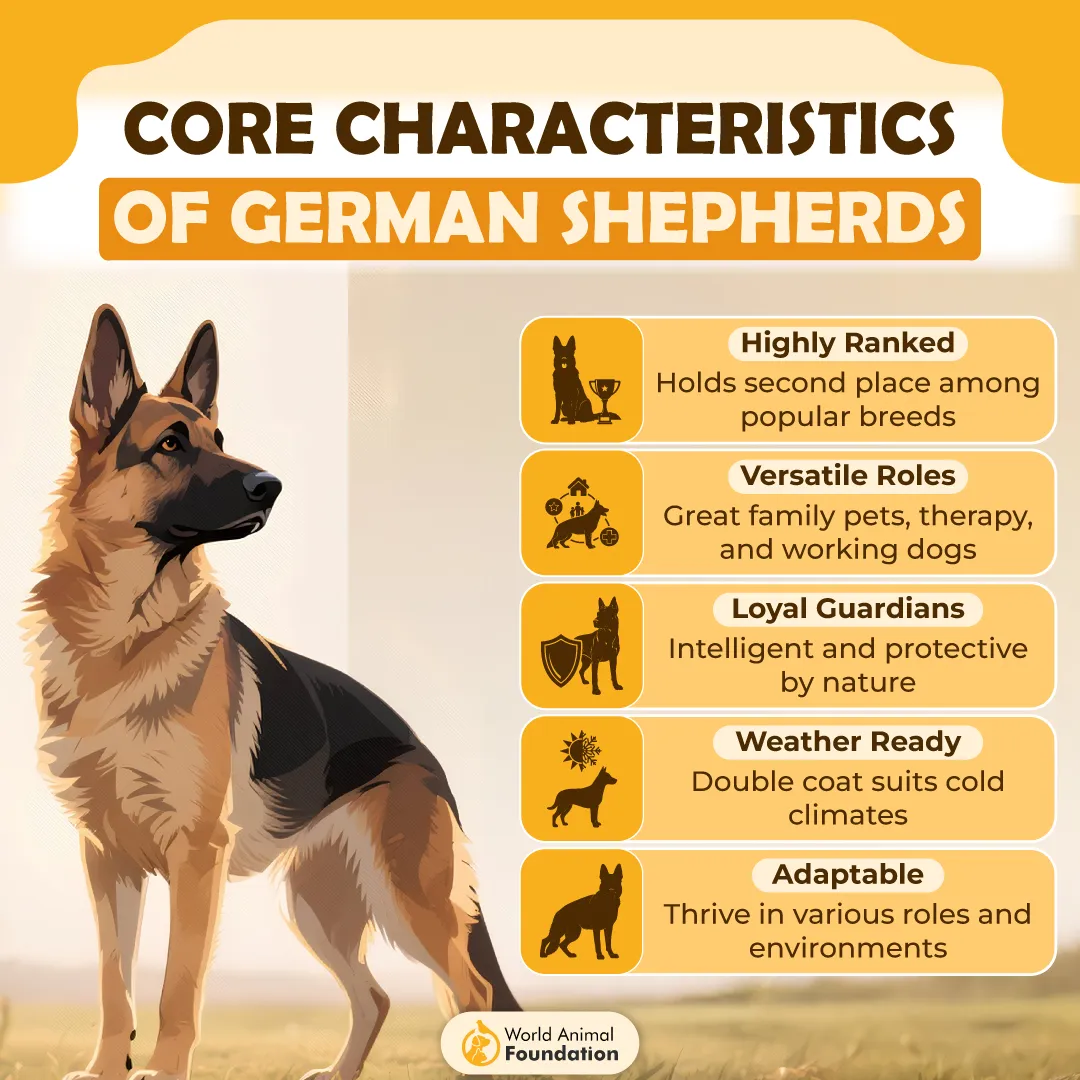
These dogs were originally bred as herding dogs in the 19th century. They were used for herding sheep and livestock. And that’s why it is that a loyal friend wants a job, a routine, and a clear role in the family world.
Fast forward to today, and they are extremely versatile dogs: police dogs, military dogs, service dogs, therapy dogs, and whatnot?
On the other hand, the English Mastiff (just like many Mastiff breeds) usually comes across as calmer and dignified. AKC literally uses “docile and dignified” when describing the Mastiff. This is quite an ancient dog breed, and they were around when Julius Caesar led the invasion of Britain.
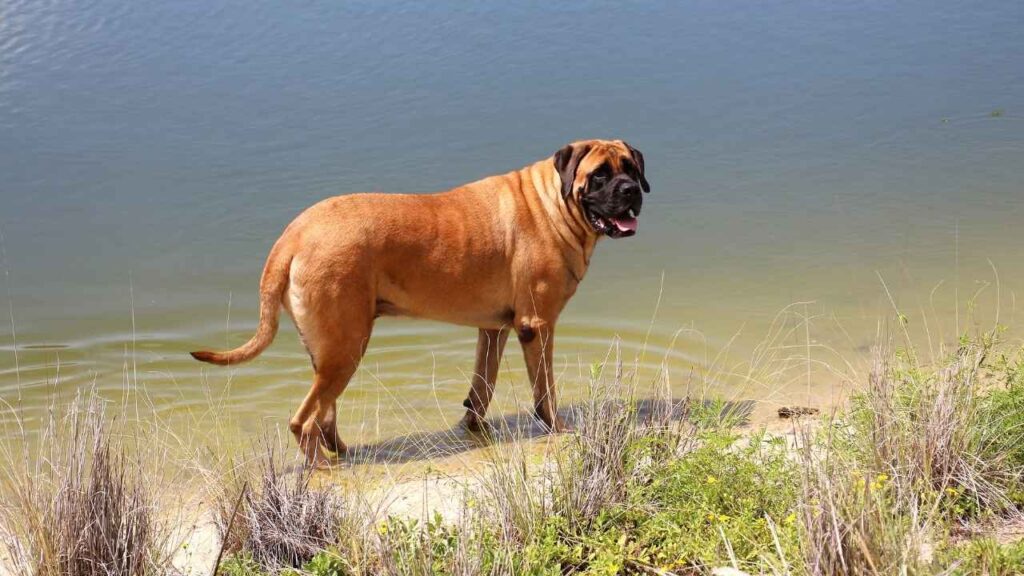
So you might see:
German Shepherd: “What is happening? I am on it.”
Mastiff: “I saw it. I am not moving. But, I know.”
Both have strong personality traits, just expressed differently. And yes, both can be affectionate in their own way.
Exercise & Energy Levels
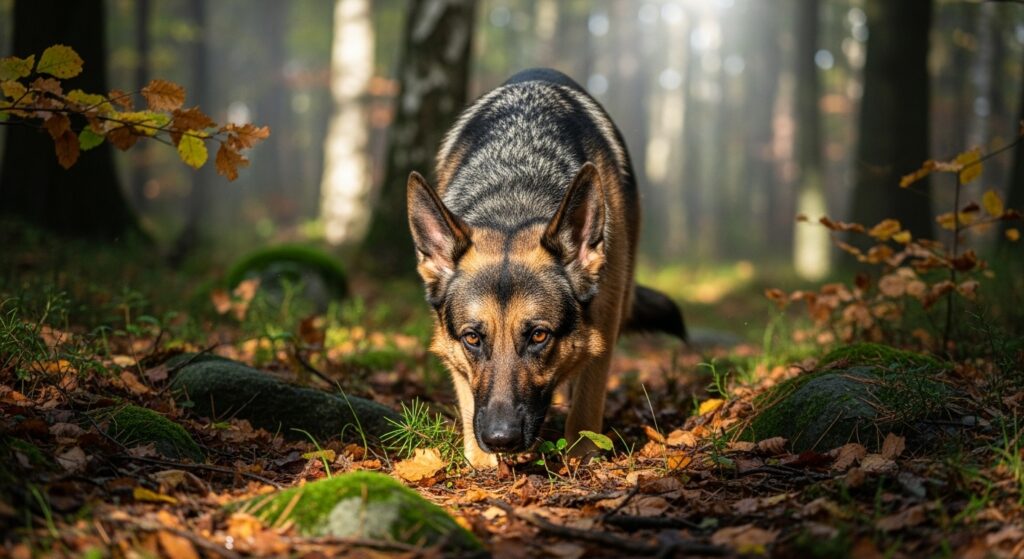
If you want a dog that will happily play ball, run drills, learn tasks, and still ask for more… you are usually looking at the Shepherd dog’s side.
A German Shepherd dog is typically more high-energy and needs real exercise, agility courses plus mental stimulation. Plus, a good chase around the block. If you skip that for long periods, you will get chaos. Or chewed furniture. Or a pup that invents “jobs”. Or, aggression.
The English Mastiff is usually more chill. Not lazy in a bad way.. just built for steady presence. Not constant motion. Many owners describe them as couch-heavy and calm guardians. But, they still need movement for joints and an overall healthy weight.
A fenced yard helps for either one breed, but for different reasons:
Shepherd: yard = play + training space
Mastiff: yard = stretch + sniff + patrol vibes
Training & Intelligence
This part is BIG.
The German Shepherd is famously trainable. PetMD describes their high intelligence and steady nature, and how they are oh-so-enthusiastic when it comes to training. This intelligent dog thrives with obedience training and a strong drive. It learns patterns fast and remembers them and be the good obedient dog.
But… intelligence cuts both ways.
A smart dog can also outsmart you if your training is inconsistent.
The English Mastiff can learn well, too. But the approach usually needs patience. These dogs need early training for behavioral control. They are not always in a rush to impress you. Sometimes, they are like, “I heard you. I am thinking about it.” As per Britannica, they enjoy games, tug of war, swimming, nose work, and trick training.
And yes, positive reinforcement matters for both dogs.
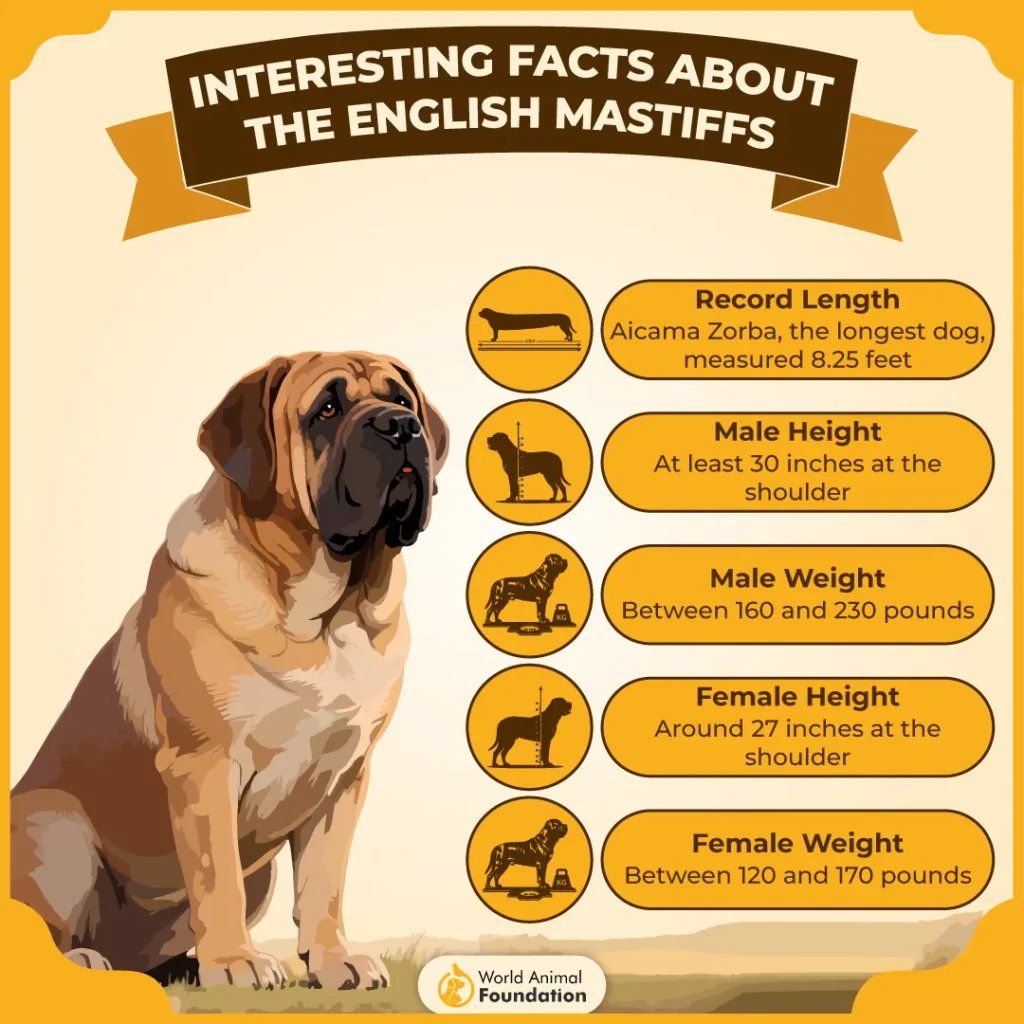
And please, don’t skip basics like manners. A 230-pound dog (Mastiff) or even a leaner one with 90 pounds (Shepherd) with no manners is not “cute stubborn”. It is a safety issue.
And, training should be a MUST thing from a young age for these two dogs. Early socialization is a MUST for both Shepherd and Mastiff to become ‘well-mannered dogs’.
Vocal Behavior
Okay, barking.
This is where dog lovers’ houses either thrive or suffer.
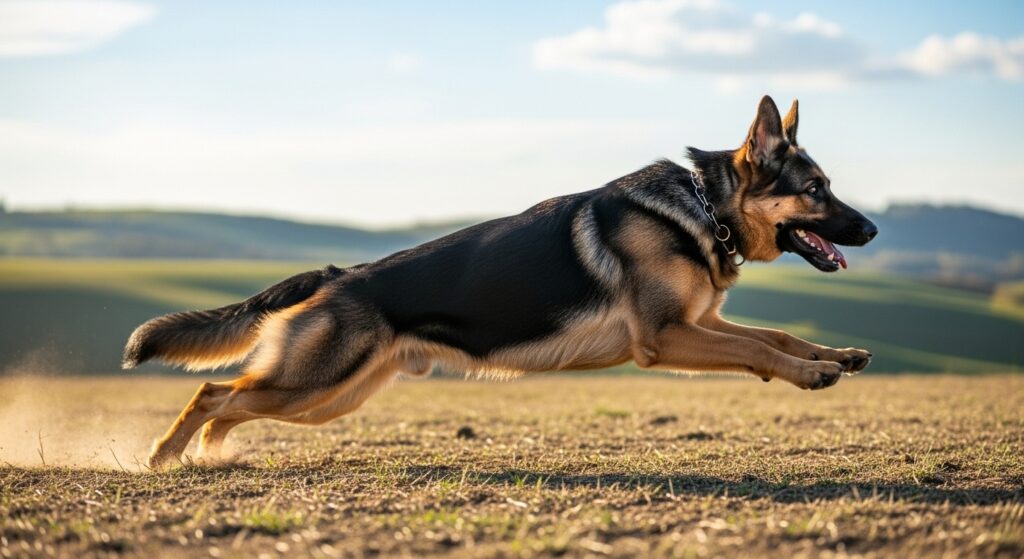
As per PDSA, the German Shepherd, the famous farm dog, tends to be vocal and reactive to motion, sound, and strangers. They can bark, howl, grumble, moan, and whine. “Alert” is basically part of the package these police dogs offer. That can be great… or exhausting. All depending on your neighborhood and lifestyle.
The English Mastiff can be quiet overall. Not always, but often. These large dogs may not bark at every noise. Their history shows they were bred to be guard dogs, and guard dogs tend to be watchdogs first. They tend to silently observe the movements. But when they do bark, it weighs it.
Also, don’t ignore body language. Sometimes, the Mastiff does not need to bark. The “I am standing up now” move is enough.
Coat & Grooming
Let’s talk about hair now.
And the realities nobody posts on Instagram.
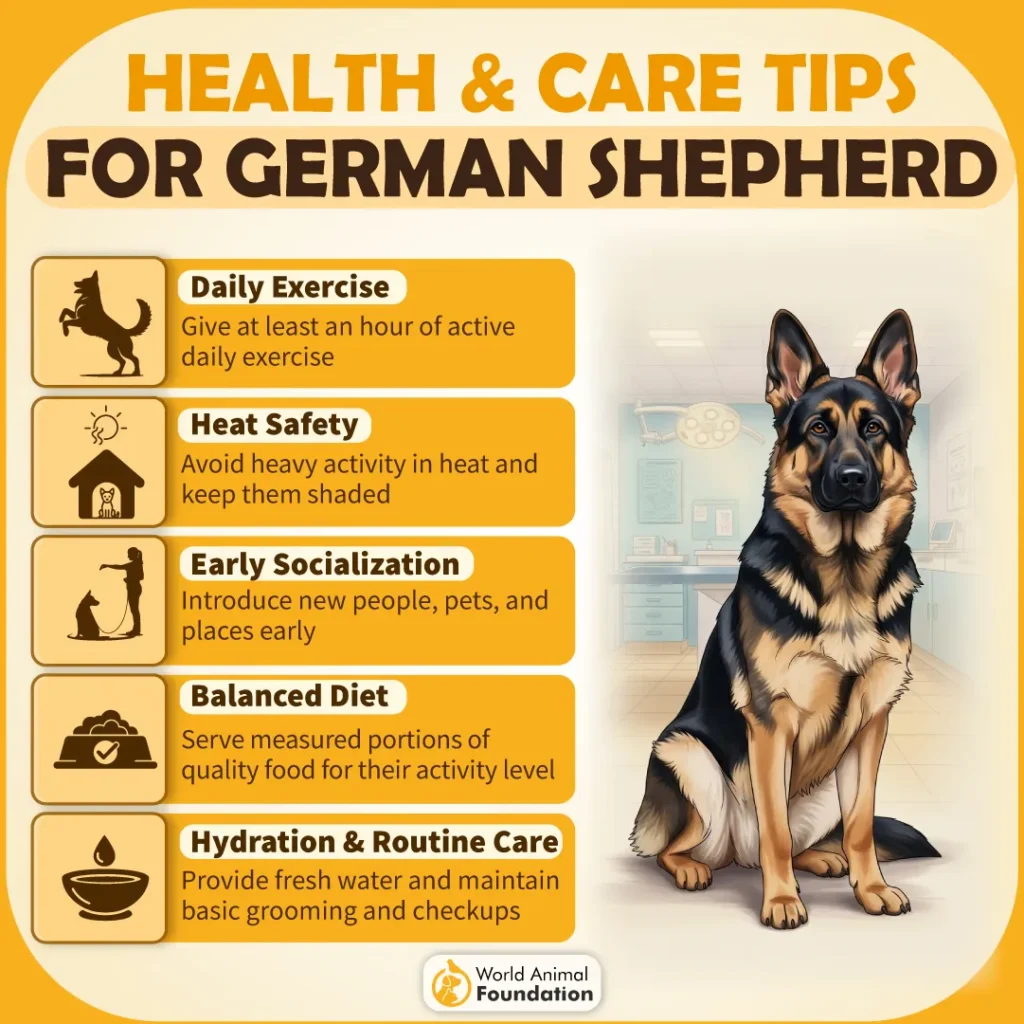
The German Shepherd has a double coat, which needs frequent brushing. That means seasonal shedding can be intense. They are heavy shedders. You will find fur in your socks. In your car. On your black hoodies, the second you put them on.
You will deal with dead hair, and yes! Daily/weekly brushing is the tradeoff for that gorgeous coat.
The English Mastiff usually has a shorter coat. But, shedding still happens. Although it is not as much as some other dogs of the same size. Plus, a lot of Mastiff homes also deal with drool. Not all, but enough that it is worth saying it out loud.
Because hair and saliva BOTH can trigger allergies in humans. So, both are not hypoallergenic dog.
Both German Shepherds and English Mastiffs need bathing every 8-12 weeks to maintain the shine of their coats.
And don’t take the grooming as part of some aesthetics. It is comfort. Skin health. Bonding time. It is also how you notice issues easily (lumps, irritation, etc.).
TIP: Grooming sessions also help save time later with these two breeds. Because matting and neglected coats become “why is this taking three hours” situations.
Oh… and invest in a good pet-style vacuum cleaner.
Health Issues & Lifespan
This is the serious part.
Big dogs with bigger bodies usually have shorter life spans. That is a tough truth with many giant breeds. Including the Mastiff-type dog breeds.
For the German Shepherds, their life span is usually 7 to 10 years. One well-known concern is Degenerative Myelopathy. It is a progressive spinal cord disease that can affect older dogs. Some other health issues include Elbow and Hip Dysplasia, allergies, bloat, and cancer.
For English Mastiffs, because of size and build, you will mostly hear about joint stress, weight management needs, and general large dog health monitoring (Your vets will talk to you about this a lot). And the sad part is, the lifespan of these canines is usually 6 to 10 years. They are prone to almost the same health issues, including epilepsy and eye anomalies.
But, this is the vibe:
Shepherd: You manage energy, joints, genetics, and long-term mobility risks.
Mastiff: You manage size-related strain, weight, and comfort.
Either way, food is important. Dog food quality is important. A steady schedule is important.
And yes, FEED routines are important for your puppy. Take notes.
Tiny Note About Choosing a Puppy Between these Two!
If you want purebred German Shepherds or well-bred Mastiffs, look for reputable breeders who do health testing and actually care where the puppy goes.
A well-bred puppy is a pretty good idea for your future sanity.
Suitable For Home Security vs Good for Families
Home Security Vibe
German Shepherd is a TRUE protector, in the sense that they notice everything. They are classic service dogs with alertness and drive, and many traits that make them a good guard dog. Many people pick them because they respond fast and can be trained with structure.
The Mastiff can be powerful for security, too. Just differently. A formidable protector, that is, presence-based protection where just existing is a deterrent.
Shepherd: active protection + response + trainable tasks
Mastiff: quiet authority + deterrent + steady guarding
Family Life
For family houses, both can work. But, they are not “plug and play”.
If you have children, the English Mastiff can be gentle and calm, but you still supervise, because size is size.
If you have a busy household and want a dog that can go on hikes, learn games, and stay engaged, Shepherd energy can match well.
If you have a cat or small animals, management becomes mandatory. Some Shepherd lines have strong chase instincts, and they may chase when not trained early. Some Mastiffs can be mellow, but again… it depends on the individual dog and early socialization.
Conclusion
So… German Shepherd vs English Mastiff?
If you are still torn between these two breeds, ask yourself one honest question, and you will get the answer:
Do you want a dog that needs you to do more…
… or a dog that needs you to manage more?
Because Shepherds need a mix of activity and training. Mastiffs need more lifestyle adjustment and space management.
Either way, if you do it right, you get a pet. And, a “best friend”.
Both are iconic dog breeds. Both can protect, both can love hard.
Just make sure your home, your time, your training commitment, and your expectations match the dog you pick.
Because… these dogs will fit your whole world. Not just something from ordinary life.
