




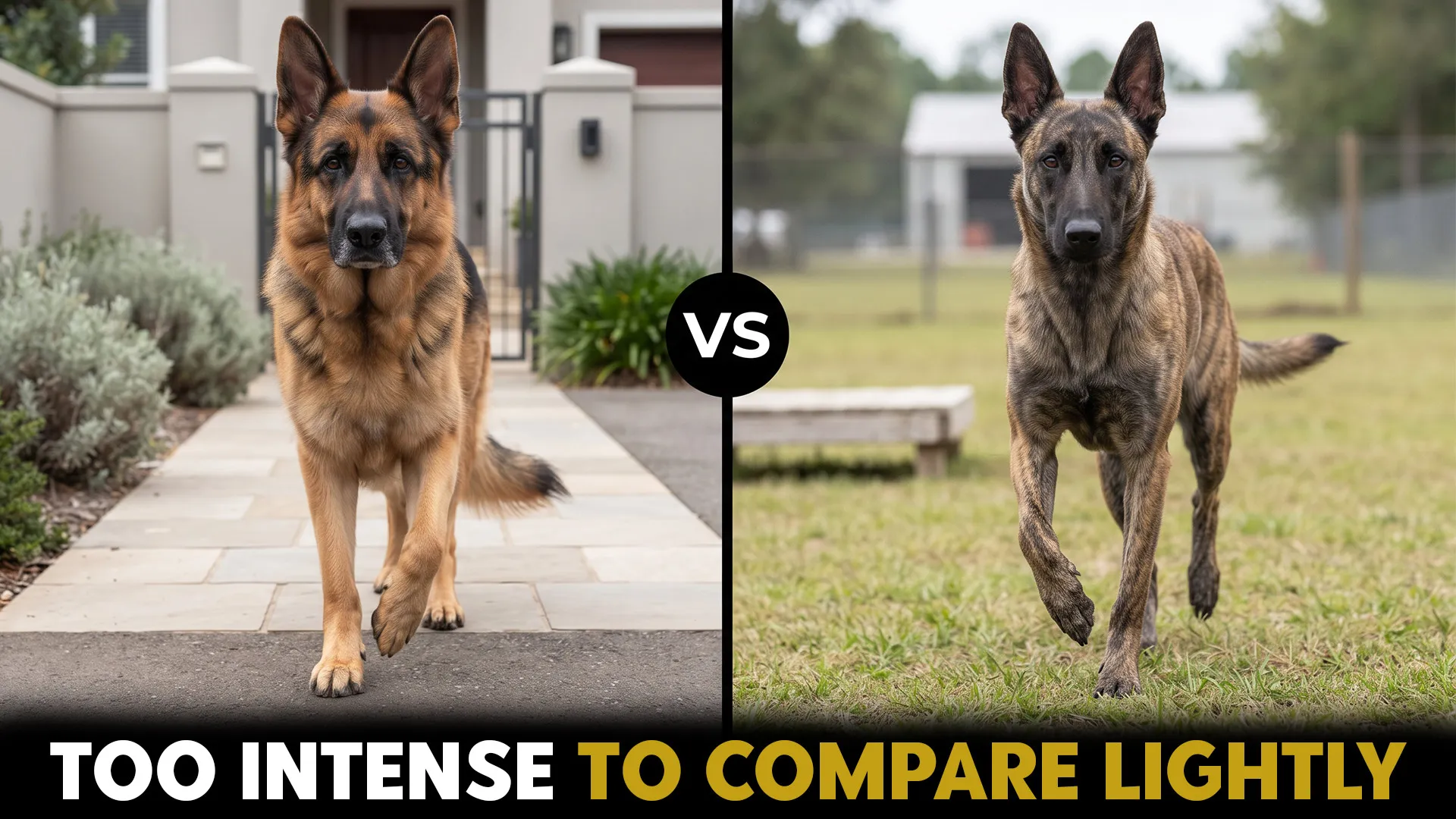
German Shepherds get the fame. Dutch Shepherds get the quiet respect of anyone who has actually worked a dog for a living. Both breeds trace back to farm stock bred for herding sheep, both carry serious intelligence behind those alert ears, and both routinely top the list of the most proficient working dog breeds on the planet.
This guide breaks down the real personality characteristics and physical differences between these two devoted companions, from body structure to grooming needs to the kind of household each one actually suits.
If you’re weighing a German Shepherd against a Dutch Shepherd, or you want to understand what makes these guardian breeds distinct rather than interchangeable, you’re in the right spot. We’ll compare them trait by trait and let the specifics do the talking.
German Shepherd vs. Dutch Shepherd Dog Breeds: Which One Fits You
Overview
Which shepherd breed actually earns its reputation, the famous one or the less well-known specialist? Both are proficient working dogs built for endurance, but different landscapes and jobs shaped them differently.
The German Shepherd was engineered for versatility across police work, guarding, and companionship. The Dutch Shepherd stayed closer to its general farming dog roots, herding sheep and cattle while guarding the homestead.
At a glance:
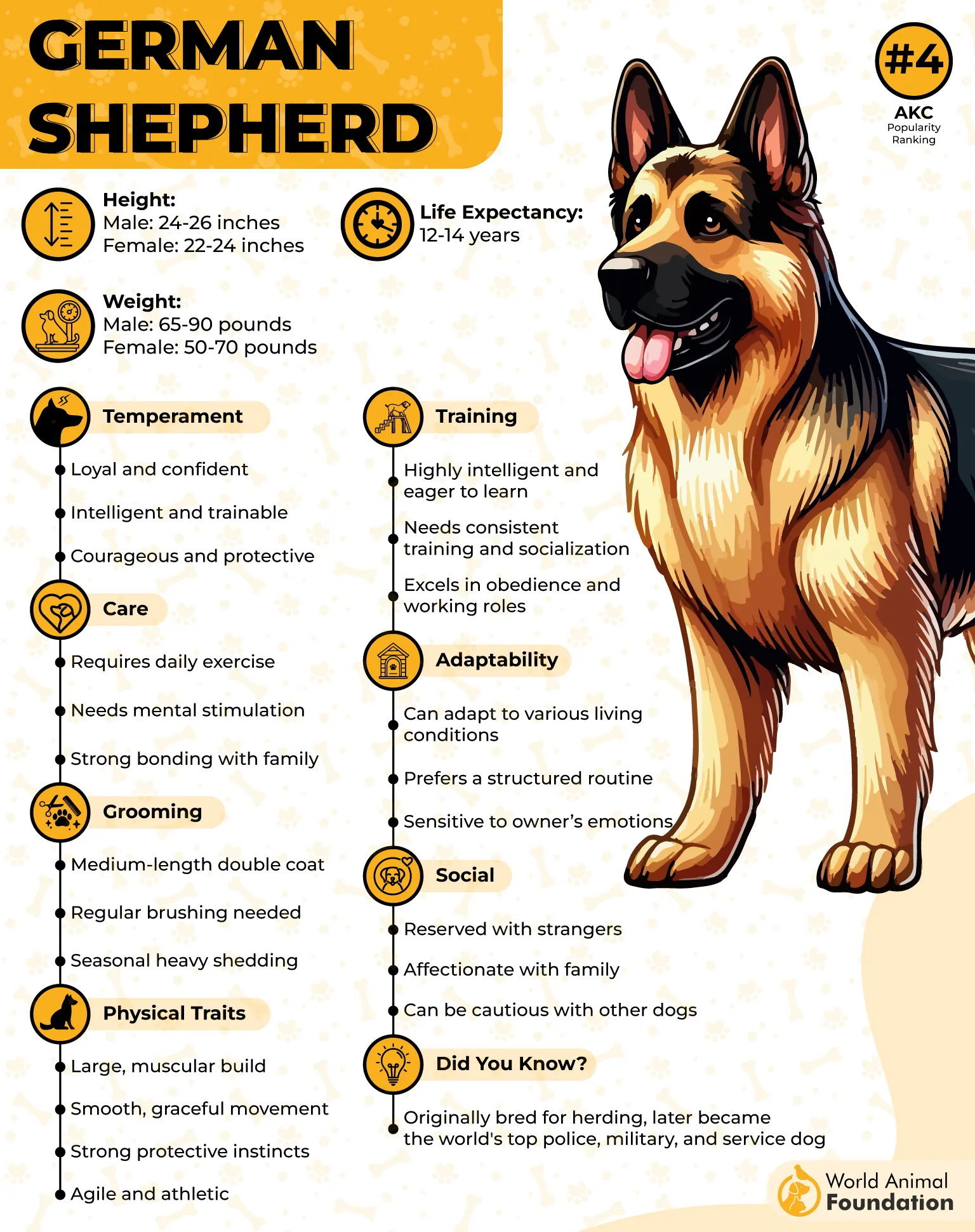
German Shepherd: 22-26 inches tall, 50-90 pounds, heavy year-round shedding
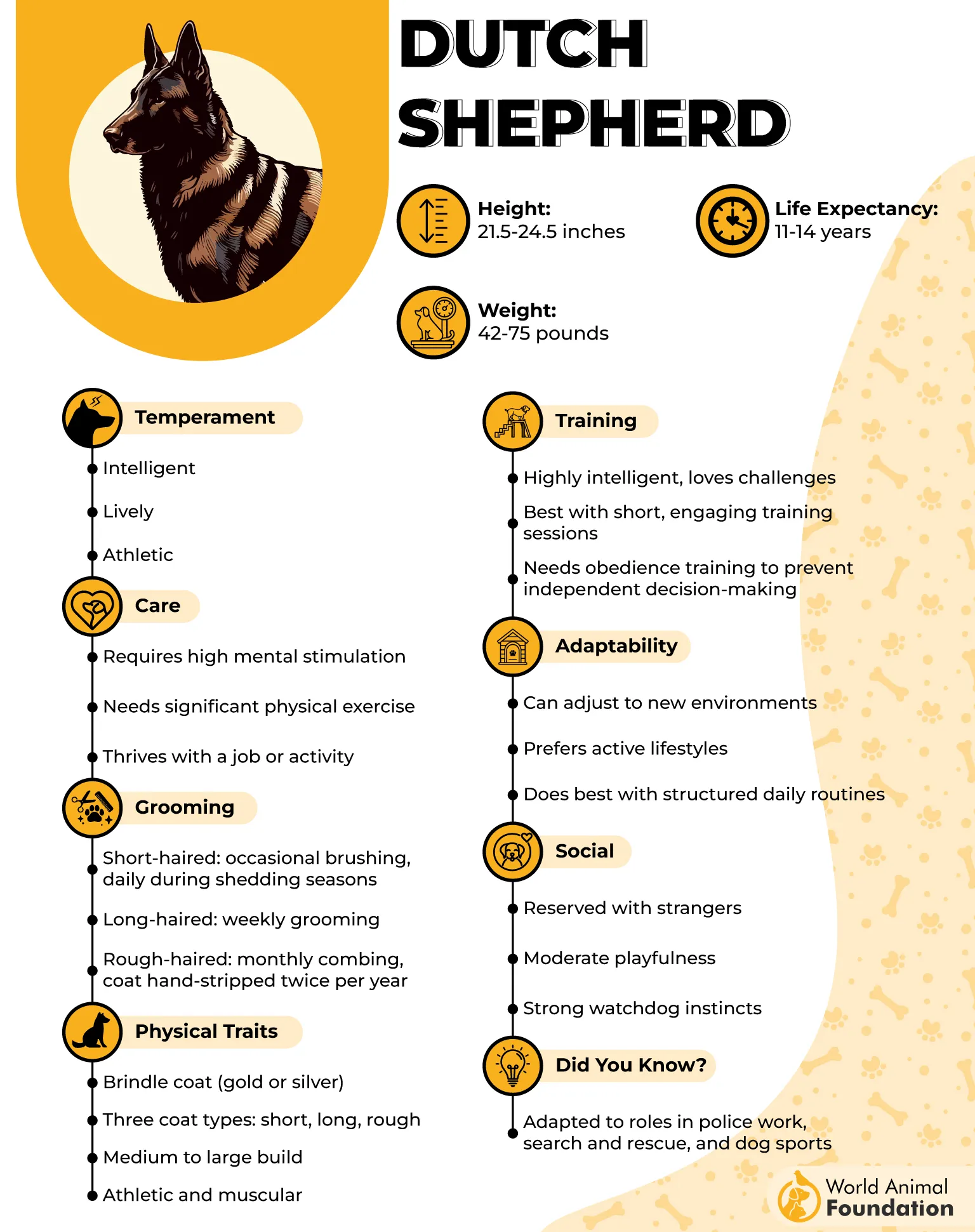
Dutch Shepherd: 21-25 inches tall, 42-70 pounds, moderate shedding with seasonal blowouts
Similar size, similar drive, very different coats and temperaments underneath. The rest of this article digs into why that matters for your furry friend and your household.
Breed Origins & Functional Background
Here’s a number that surprises most people: the Dutch Shepherd nearly vanished from the general farming scene by the mid-twentieth century once mechanized agriculture replaced flocks of sheep across the Netherlands, according to DutchShepherd.org.
The German Shepherd, meanwhile, was deliberately standardized starting in 1899 by Captain Max von Stephanitz, who wanted one dog capable of herding, guarding, and later, policing.
That single difference in origin story explains a lot. The German Shepherd was built top-down, with a breeder actively shaping temperament and structure toward an all-purpose working dog.
The Dutch Shepherd developed bottom-up, surviving because farmers needed an undemanding, adaptable herding dog that made few fusses and asked for little.
One breed was engineered. The other simply endured, and that resilience still shows in the personality of the Dutch Shepherd today.
Physical Characteristics & Body Structure
Stand them side by side and the similarity in frame is obvious before you notice the differences underneath.
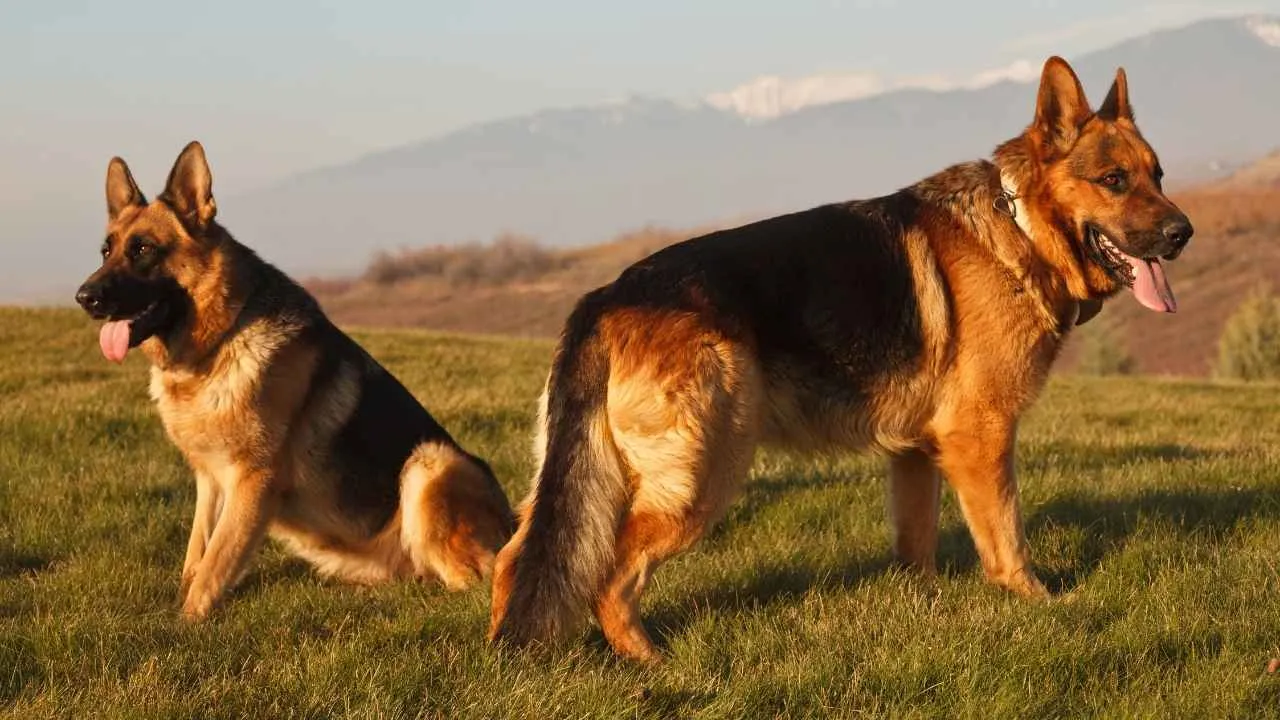
Male German Shepherds run 24-26 inches at the shoulder and weigh 65-90 pounds, according to the AKC, while females sit slightly smaller at 22-24 inches and 50-70 pounds.
Dutch Shepherds land in a nearly identical height range but often carry less bulk, typically 42-70 pounds on a leaner, more wiry frame.
The coat is where the two breeds really part ways. German Shepherds sport a dense double coat built for cold climates and shed it constantly.
Dutch Shepherds come in three coat varieties, short, long, and rough, all finished in that unmistakable brindle pattern that no other shepherd breed wears quite the same way.
Same silhouette, different engineering underneath the fur.
Temperament & Behavioral Profile
Is one of these breeds simply calmer than the other? Not exactly, but their intensity shows up differently. The German Shepherd tends toward loyal, watchful aloofness with strangers and deep devotion to family, making it a classic devoted companion once trust is earned.
The Dutch Shepherd runs hotter and is more independent-minded. It was bred to make herding decisions without constant human direction, so it can be a touch obstinate and strong-willed compared to the more biddable German Shepherd. Both breeds are excellent guard dogs, and neither tolerates being ignored for long stretches.
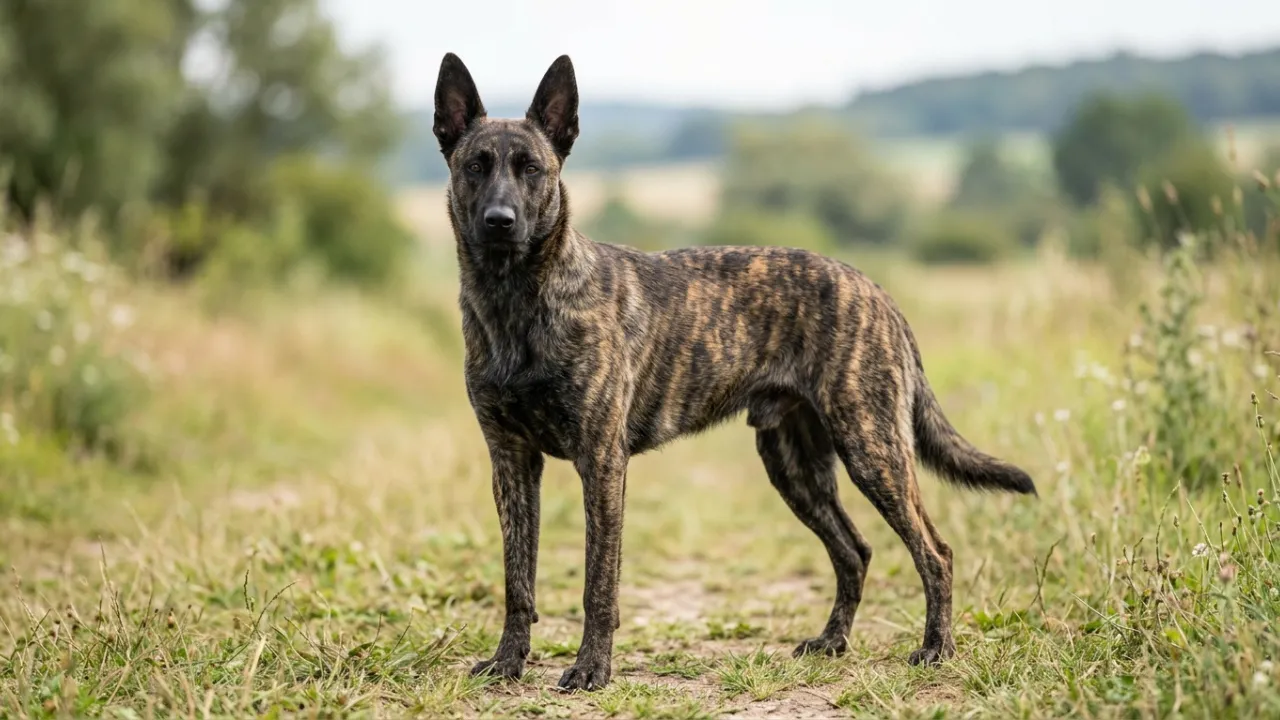
Owners describe the German Shepherd relationship as steady and protective, while the Dutch Shepherd bond feels more like a working partnership between equals who each pull their weight.
Activity Requirements & Energy Levels
Ask any German Shepherd owner how much daily exercise their dog needs, and the answer rarely comes in under an hour. Most experienced owners recommend at least 90 minutes as the daily floor, and the Dutch Shepherd asks for even more, often 90 minutes to two hours of vigorous activity according to PetMD. Neither breed does well with a single lazy stroll around the block.
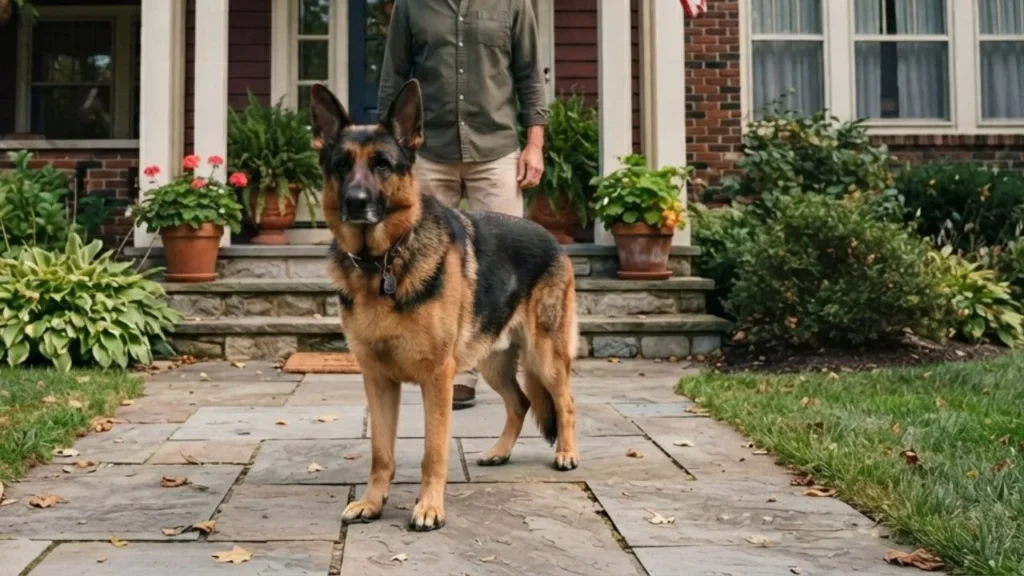
Both thrive on structured outlets rather than aimless zoomies in the backyard. The German Shepherd channels energy well into obedience work, tracking, and protection sports. The Dutch Shepherd, true to its farming dog roots, often prefers a job with a clear objective, like agility courses, herding trials, or scent work.
Skip the exercise, and both breeds invent their own entertainment, usually at the expense of your furniture and your patience.
Trainability, Intelligence & Learning Ability
Both breeds rank among the smartest working dogs bred anywhere in the world, full stop. The German Shepherd is famously eager to please, which makes personality training relatively straightforward for owners willing to stay consistent and patient.
The Dutch Shepherd learns just as fast but wants a reason behind the command, not blind obedience for its own sake. This independent streak means new skills stick quickly once the dog sees the point of the exercise, but it can frustrate owners expecting the more compliant German Shepherd style of learning.
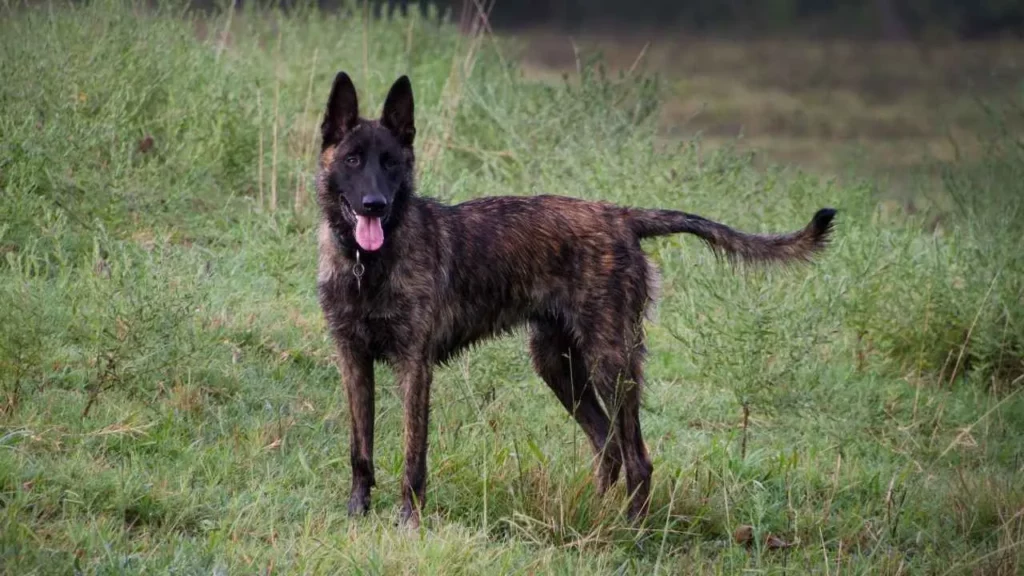
Neither breed forgives inconsistency. Skip training sessions with either dog, and you’ll watch confident intelligence curdle into stubborn mischief within weeks, not months.
Coat Maintenance & Grooming Needs
Ready for a serious grooming commitment? The German Shepherd sheds heavily year-round and needs brushing several times a week, with daily sessions during its twice-yearly coat blow in spring and fall.
The Dutch Shepherd is comparatively low maintenance, with moderate shedding that increases only during shedding season transitions.
Grooming needs by coat type:
German Shepherd: brush 2-3 times weekly, daily during shedding season, rare baths
Dutch Shepherd short coat: Weekly brushing, minimal upkeep otherwise
Dutch Shepherd long or rough coat: Brushing two to three times weekly to prevent matting
If a tidy home matters to you, the Dutch Shepherd’s thick coat is noticeably easier to live with than the German Shepherd’s relentless output.
Average Lifespan & Longevity
Here’s a gap worth knowing before you commit to either breed. The average German Shepherd lifespan runs 7 to 10 years, while Dutch Shepherds typically reach 12 to 15 years. That’s a meaningful difference across the lifetime of a family pet.
Genetics play a role. The German Shepherd’s popularity as a champion pet and working breed has led to more inbreeding-related health issues, including hip dysplasia, than the smaller, less commercially bred Dutch Shepherd population sees.
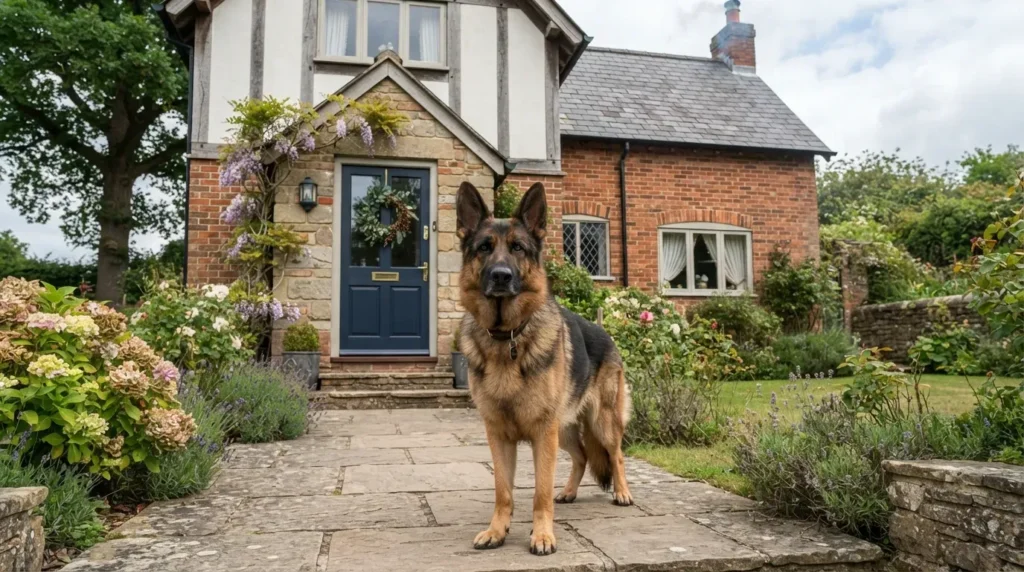
Neither breed is fragile, and good breeders on either side screen aggressively for joint and health problems. But if longevity weighs heavily in your decision, the numbers lean toward the Dutch Shepherd.
Suitability for Family Life vs. Guard Duties?
Family life and guard duty pull in different directions, and that tension is exactly what separates these two breeds. The German Shepherd was built to do both at once, which is why it dominates as a family protector. It stays watchful with strangers, gentle with children once bonded, and steps into a guarding role almost instinctively, with little specialized training required.
The Dutch Shepherd guards on its own terms. It reads a situation and reacts with calculated restraint rather than constant vigilance, a trait that suits handlers running dedicated protection or property work more than a household full of visiting relatives and neighborhood kids.
Family with children and frequent guests: German Shepherd, since its loyalty and protective reflex adapt well to a busy, social household.
Property needing focused guard duties with minimal outside contact: Dutch Shepherd, bred for independent decision-making under pressure.
Household wanting a guard dog that also excels at everyday family life and obedience: German Shepherd.
Anyone wanting a guard dog without time for real training or socialization: Neither breed, since undertrained guarding instincts in either dog create liability instead of protection.
Conclusion
So which breed actually wins this comparison? Neither, and that’s the honest answer any experienced dog person will give you. The German Shepherd remains the more famous, more biddable, more thoroughly documented of the two breeds, ideal for families ready to commit to serious training and heavy shedding season cleanup.
The Dutch Shepherd offers a longer average lifespan, lighter grooming requirements, and an independent streak that rewards experienced handlers who want a genuine working partner rather than a follower. Both are proficient, loyal, and endlessly capable dogs once their needs are met.
Pick based on your lifestyle, your climate, and your appetite for training, not on which name sounds more familiar at the dog park.
