




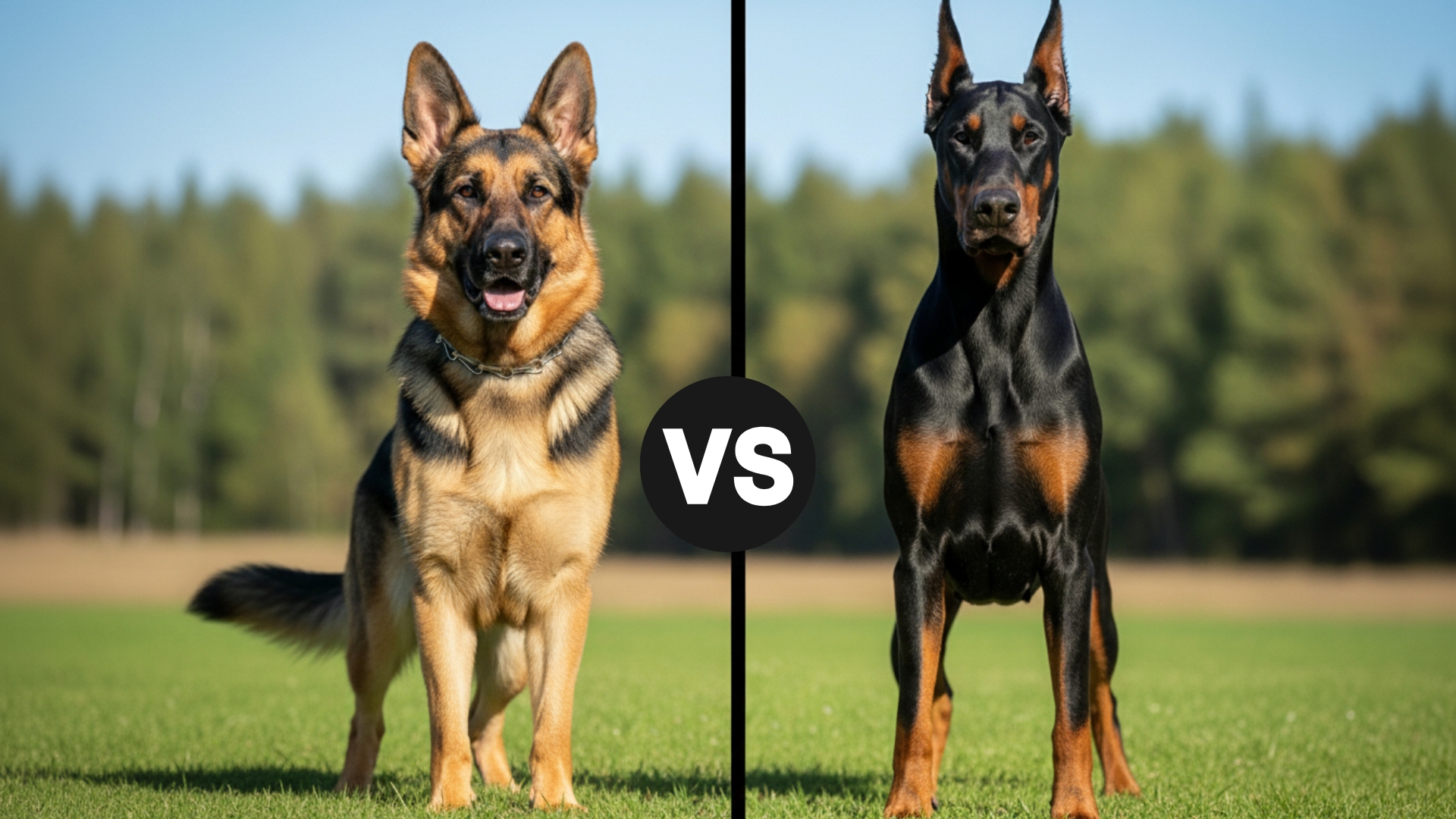
Big ears, sleek builds, sharp eyes, and that unmistakable “don’t mess with me” vibe. When it comes to guard dogs, German Shepherds and Dobermans are basically the celebrities of the canine security world. They are smart, loyal, and always alert, but living with one is a whole different story than just admiring them from afar.
Because here’s the thing. These two may look similar in purpose, yet they behave very differently at home, during training, and even in how they bond with you. Choosing between them is not just about looks or reputation. It is about lifestyle, personality, and expectations.
Let’s break it all down and see which one truly fits your world.
Did you know?
German Shepherds are great family dogs, as they tend to bond well with the entire family and can happily include other pets in their circle, while Dobermans often form a close attachment to one favorite person and stick to them like glue.
German Shepherd vs. Doberman: A Complete Dog Breed Comparison
When choosing between two of the world’s most iconic guardians, the decision often comes down to “soulful devotion” versus “sleek sophistication.” Both the German Shepherd and the Doberman Pinscher are legendary for their intelligence and protective instincts, but they bring very different energies to a home.
Whether you are looking for the rugged, versatile worker or the elegant, high-speed athlete, this comparison will help you decide which of these elite protectors is the right partner for your lifestyle.
Size and Strength
When it comes to size and strength, this matchup feels like choosing between a sleek athlete and a steady powerhouse. German Shepherds and Dobermans both bring a serious presence, but they carry it in completely different ways that you will notice instantly.
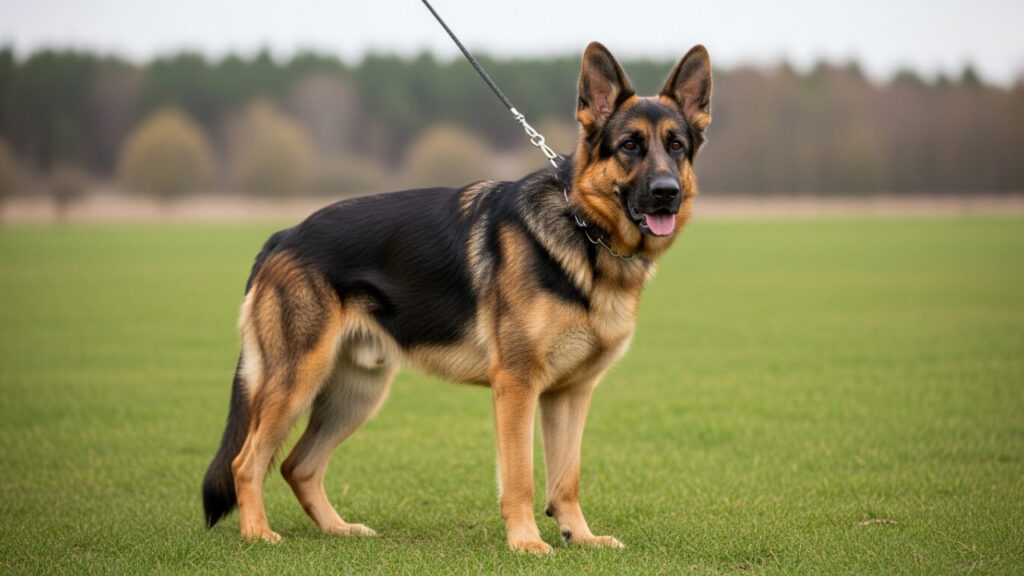
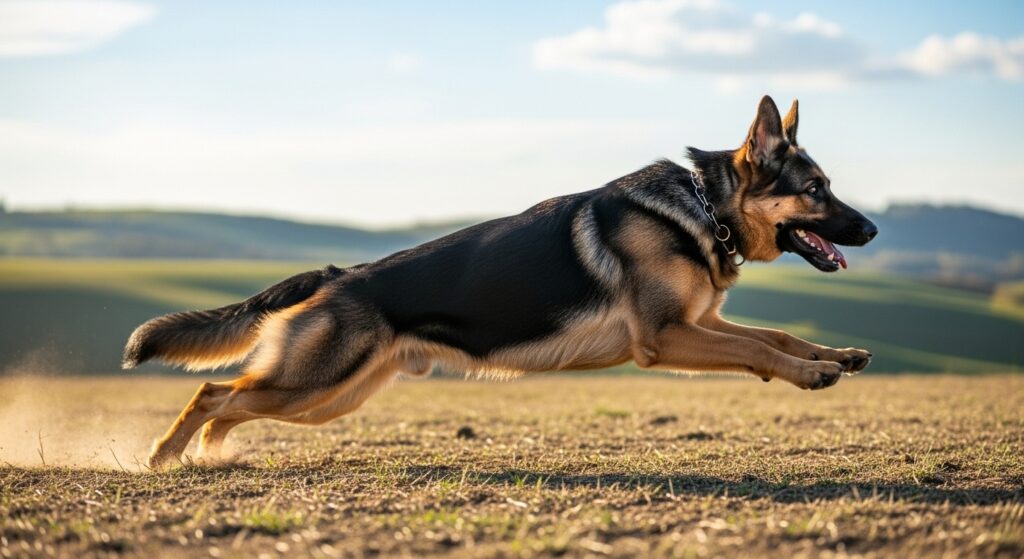
German Shepherds have a strong, slightly longer body with a more substantial frame that feels solid and grounded. Their medium-length double coat adds to that full, powerful look, giving them a steady presence that handles colder environments with ease.

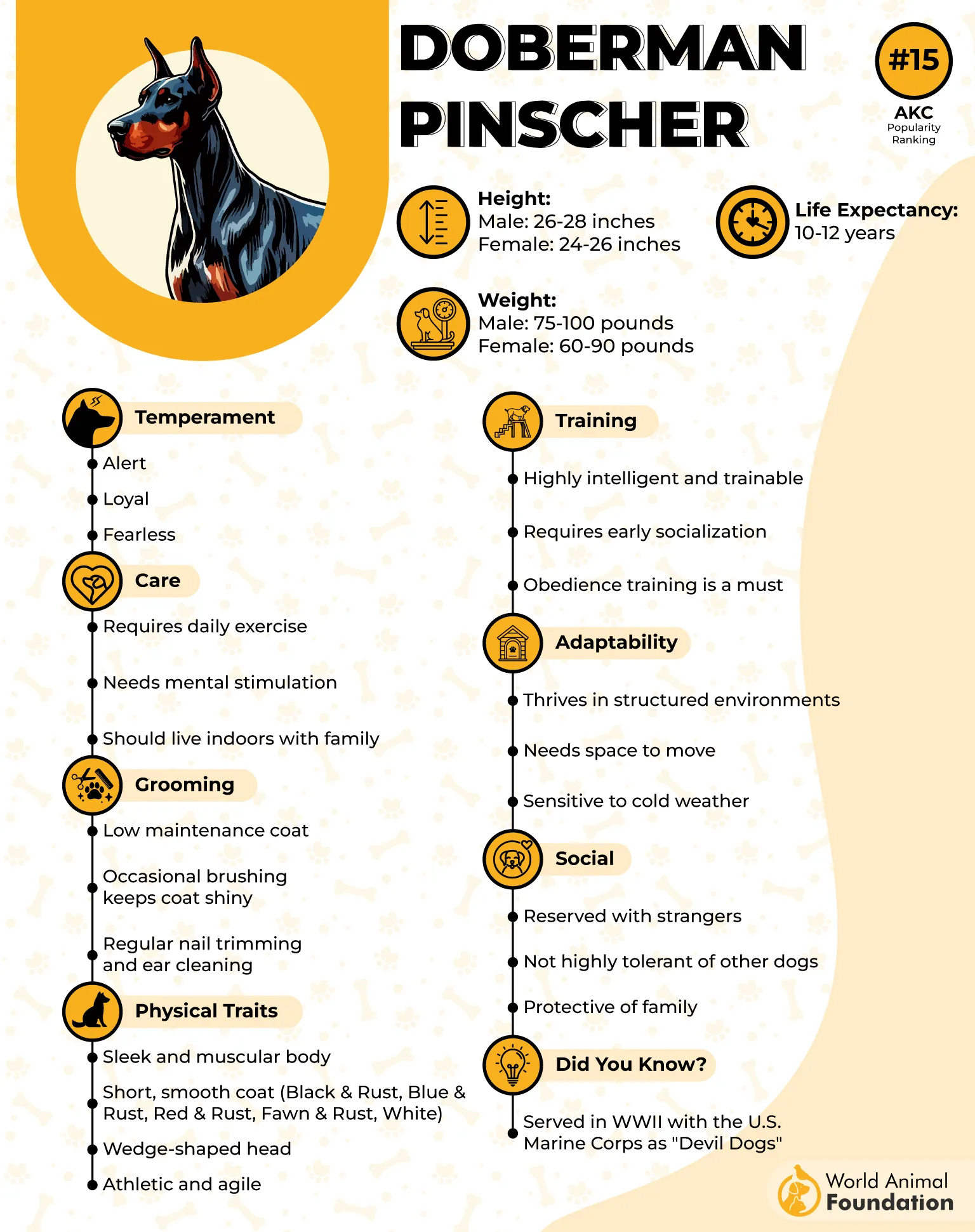
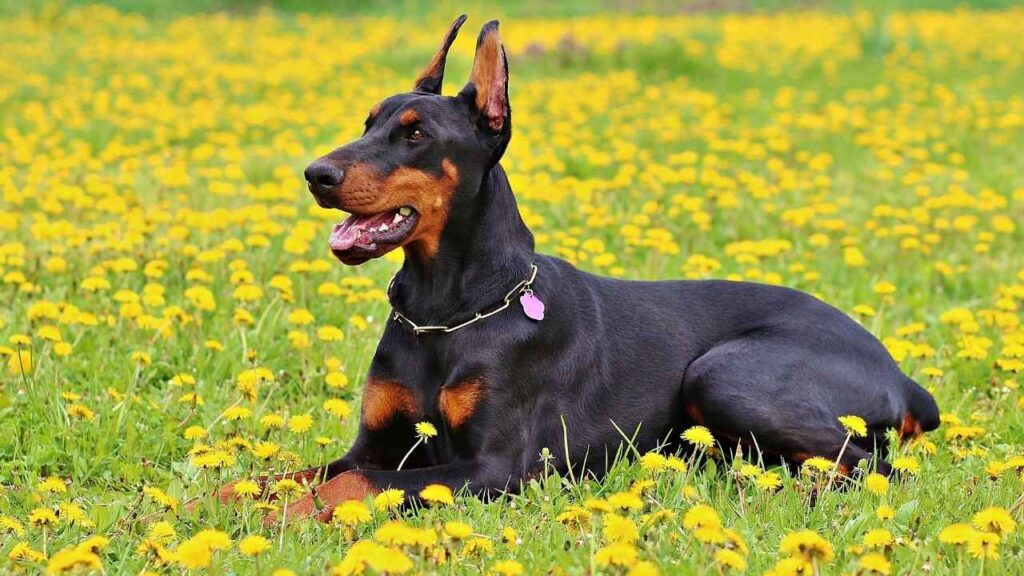
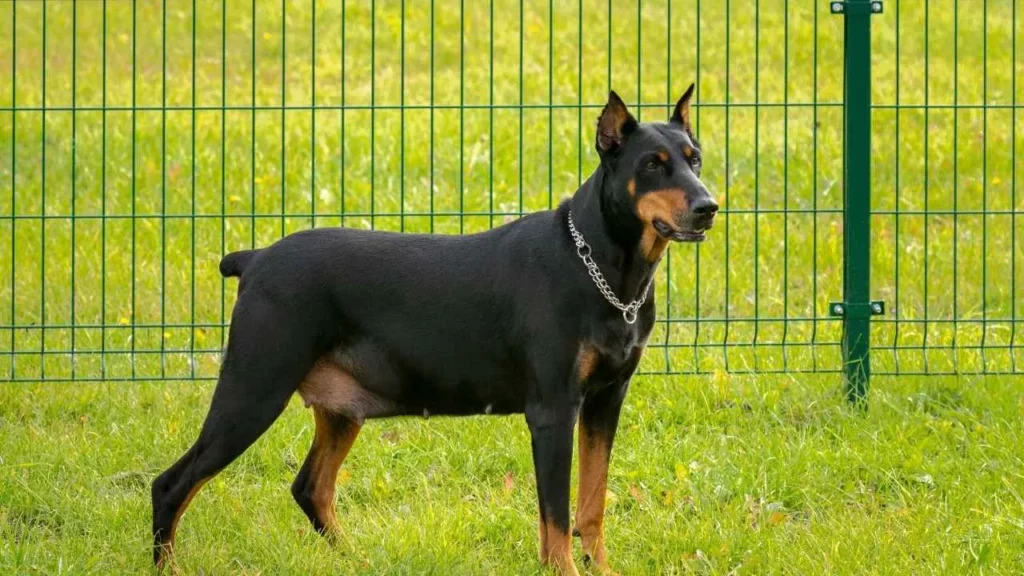
Dobermans lean into a different kind of strength, with a lean, athletic, and muscular build that looks ready for action at any second. Their smooth, short coat highlights a sleek silhouette, and their structure is built for speed and agility.
Temperament and Personality
Some dogs quietly observe, others react in a split second, and these two iconic breeds fall right into those roles. German Shepherd and Doberman both protect what they love, but how they go about it feels like two completely different personalities in motion.
Dobermans are extremely loyal, highly alert, confident, and energetic, with a guarding style that is direct and decisive. They form intense attachments and stay closely connected to their chosen people, always ready to respond when something feels off.
According to PetMD, German Shepherds are loyal and alert, often gentle with their family but more reserved around strangers. With proper training and socialization, they do well with kids, though supervision and early obedience work are key to shaping balanced behavior.
Health and Lifespan
Behind all that strength and confidence, both breeds come with their own set of health considerations that are worth knowing. German Shepherds and Dobermans may look unstoppable, but their long-term well-being depends on understanding what can come up over time.
German Shepherd dogs are generally healthy, especially when coming from a reputable breeder who screens for health issues like degenerative myelopathy and hip and elbow dysplasia. They can also experience bloat, a serious condition, so staying aware helps. They typically have a life expectancy of around 12 to 14 years.
As noted by the AKC, Dobermans typically live 10 to 12 years and are generally considered a healthy breed, but they do come with a few health concerns to watch. Conditions like dilated cardiomyopathy, hip dysplasia, Von Willebrand’s disease, and bloat can develop over time.
Training and Exercise
German Shepherds and Dobermans are both highly intelligent dogs. These two breeds need early training, engagement, structure, and something to do, or they will happily invent their own activities that you probably will not enjoy.
Doberman Pinschers require daily vigorous exercise, along with structured and consistent training sessions, agility, and interactive play to stay balanced. They respond well to firm, positive leadership and need clear boundaries to manage their protective instincts.
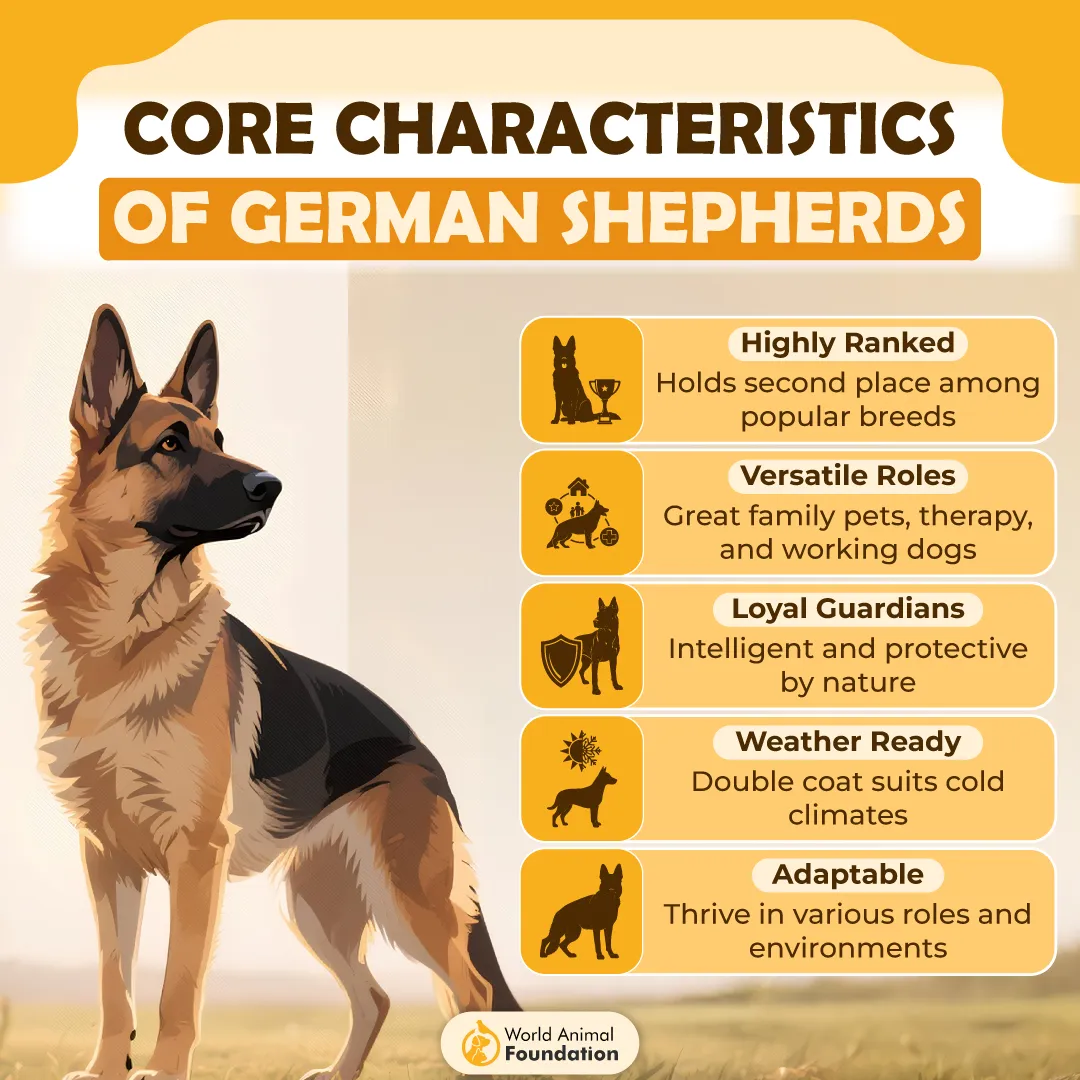
As mentioned by Purina, German Shepherds need two hours or more of exercise with variety, along with training and puzzle games, to stay engaged. Early socialisation and reward-based training are key, as they are easy to train but take time to fully mature mentally.
Energy Level
Some dogs enjoy a relaxed afternoon, and then there are these two who seem to have a full schedule planned before breakfast. German Shepherds and Dobermans both bring high energy, but how they use that energy feels completely different in everyday life.
German Shepherds carry a high-energy drive that is closely tied to purpose, often needing both physical activity and mental stimulation to stay balanced. They enjoy structured tasks, problem-solving games, and activities that give them a clear sense of direction.
Dobermans also have strong energy levels, but theirs leans more toward constant movement and engagement. They thrive on vigorous exercise, interactive play, and being actively involved, making them happiest when they are moving, training, or doing something alongside their person.
Natural Guard Instincts
When it comes to natural guarding ability, both of these incredible dogs are built for the job, but their instincts show up in very different ways. German Shepherd and Doberman each have their own style of protection that becomes clear the moment something feels out of place.
Dobermans were originally bred by Karl Friedrich Louis Dobermann, a German tax collector, as protection dogs, so they have strong guarding instincts built in. Their approach is direct and decisive, reacting quickly to perceived threats while staying naturally alert and watchful around strangers.
German Shepherds are excellent guard dogs, as they approach guarding with a more controlled and strategic mindset, often assessing situations before reacting. Their protective instincts are balanced with awareness, allowing them to respond in a steady and calculated way.
Protective Temperament
Protection is not just about reacting; it is also about how a dog carries itself in everyday situations. German Shepherds and Dobermans both offer protection, but their temperament shapes how that protection feels in real life.
German Shepherds show a naturally protective temperament that blends confidence with composure, staying calm while still being ready to act. They often balance strong guarding instincts with steady companionship, making them dependable in both quiet and tense moments.
Dobermans are versatile working dogs that express protection through a more intense and closely bonded temperament, staying deeply connected to their family. Their alert nature and strong attachment make their protective behavior feel immediate, focused, and always switched on.
Conclusion
At the end of the day, when it comes to choosing between Doberman vs German Shepherd, this is less about picking the “better” dog and more about finding the one that fits your life. German Shepherds bring that steady, thoughtful presence, while Dobermans offer a deeply attached, always-right-there kind of loyalty.
Spend some time thinking about your routine, your patience for training, and how much time you can truly give. Then go meet them, observe them, and trust your instinct, because the right choice will feel less like a decision and more like a connection.
