




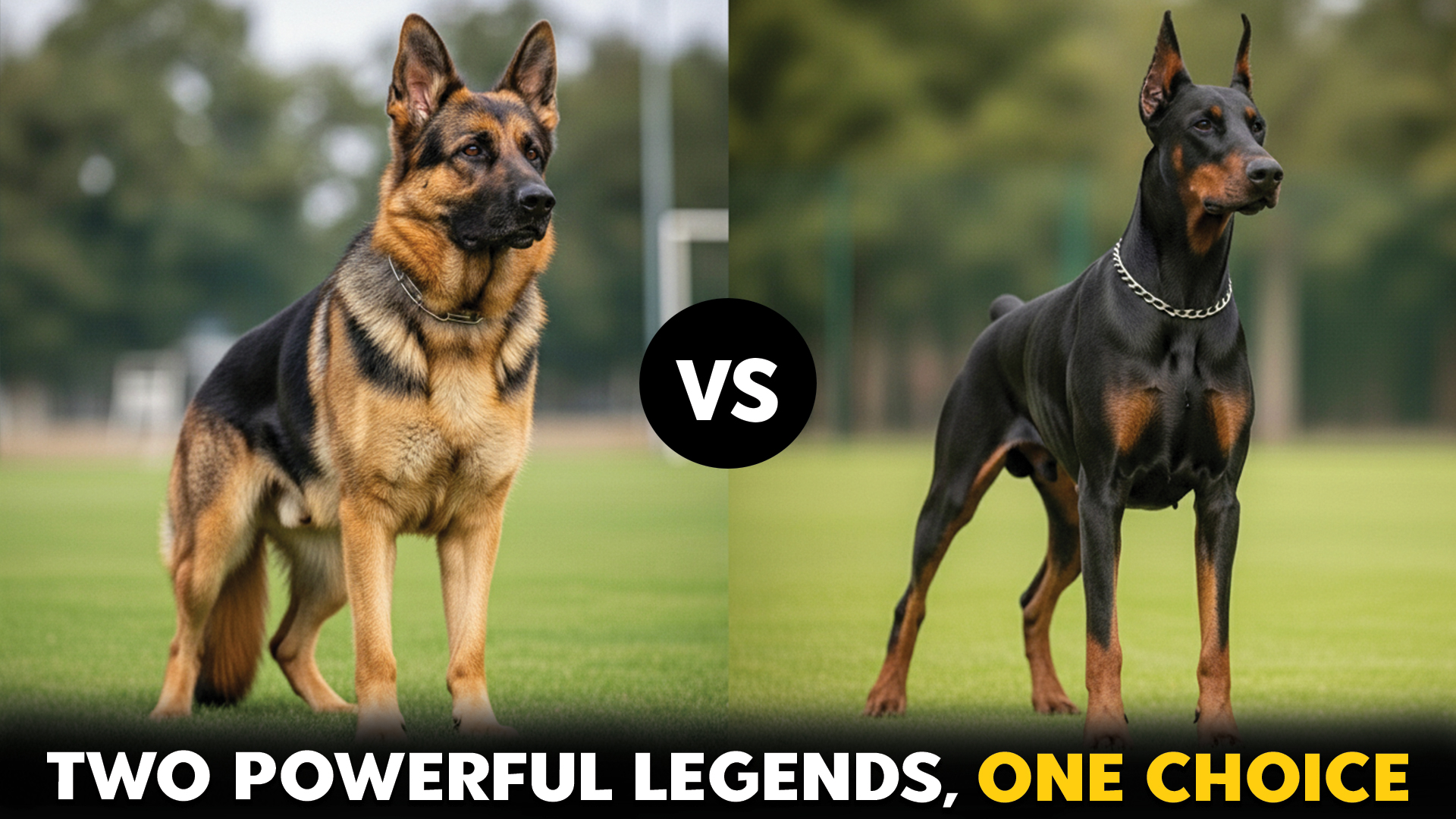
Choosing a strong and loyal dog is an exciting moment for many families. Pet parents often look for a companion that offers protection, intelligence, and affection.
This search often yields two powerful and popular breeds: the German Shepherd and the Doberman Pinscher. Both are respected for their confidence, loyalty, and close bond with humans, which is why owners across the USA often compare them when deciding on the right dog.
The challenge comes from how similar they seem at first. Both are trusted guard dogs with sharp instincts and strong awareness. They are highly intelligent, respond well to proper training, and can grow into great family dogs when raised with care.
With good socialization, they can live well with children, other dogs, and even smaller animals. Still, their energy levels, daily needs, and lifestyle fit are not the same. They were originally bred in the late 19th century for specific roles that reflected the needs and vision of their creators.
One was shaped for herding and organized work, while the other focused on personal protection. Because of this, choosing between them means looking beyond appearance. Training time, exercise, grooming, and family routine all matter.
Do you know that according to the American Kennel Club, a German Shepherd named Buddy was the first official service dog, aslo known as a seeing eye dog, in 1928 for Morris Frank in the United States—helping establish the modern service dog movement.
Let’s now explore each breed and see what truly sets them apart.
German Shepherd vs. Doberman: Comparing Two Powerful Dog Breeds
At a glance, both breeds stand out as confident, devoted, and capable protectors. The German Shepherd is known for versatility, steady focus, and strong problem-solving skills, which is why it excels in herding, service, and military work.
The Doberman, on the other hand, is admired for its alertness, speed, and intense loyalty, making it a natural choice for personal protection and guarding.
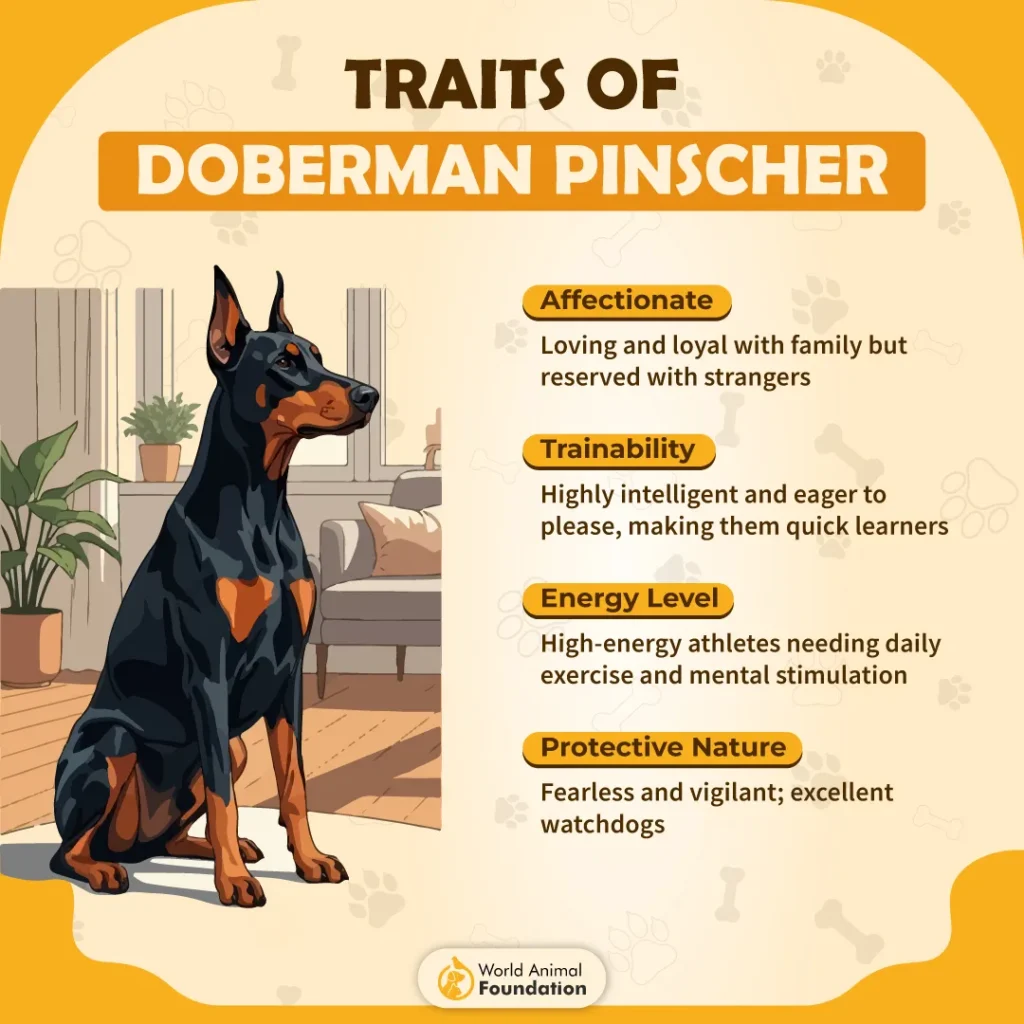
While both dogs are highly intelligent and deeply devoted to their families, the right choice depends on lifestyle, experience, and daily commitment.
In the end, choosing the right breed is less about strength and more about finding the best match for your home and experience level.
Origin & Purpose
Although both breeds come from Germany, their histories and purposes are very different. Each was shaped by the needs of its time and the vision of its creator.
German Shepherd
They are built for work and versatility. It was developed in Germany in the late 19th century. It was originally bred for herding sheep and managing farm work. The goal was to create a dog that was intelligent, reliable, and easy to train. This strong working background later made it an ideal dog for service roles beyond the farm.
According to Wikipedia, the breed was developed in 1889 by Captain Max von Stephanitz. He used traditional German herding dogs and focused on ability rather than appearance. He wanted the perfect working dog. Because of this, they quickly proved useful in many areas.
Historical Roles
Herding and Farm Work: They were first used to herd sheep and protect livestock. They learned to think independently and follow commands with precision.
Military and Police Service: Their intelligence and discipline led to military and police work. They served in World War I as messengers, guards, and rescue dogs.
Search, Rescue, and Disability Assistance: The breed later became known for its search-and-rescue missions. It also helps people with disabilities through guide and service work.
Companion and Family Dog: Despite their serious jobs, German Shepherds are also loyal companions.
Today, it is one of the most popular dog breeds in the United States. It ranked first in popularity in 2016 and remains near the top. Its history explains its confident mindset and strong work ethic.
Doberman Pinscher
They are designed for personal protection. Britannica notes that the breed was developed in Apolda, Germany, by Karl Friedrich Louis Dobermann. He was a tax collector and night watchman who needed protection while working.
The Doberman was human-focused from the start. The breed was meant to stay close, react fast, and protect its owner without hesitation.
Origins and Working History of the Doberman
Breed Development: No one knows the exact mix of breeds used. Experts believe it includes German Pinschers, Rottweilers, Greyhounds, and Black and Tan Terriers. This mix created speed, strength, and alertness.
Military and Police Roles: Dobermans became popular military and police dogs. During World War II, the U.S. Marine Corps used them as war dogs. They earned the nickname “Devil Dogs” for their bravery.
Registration and Recognition: The Doberman was first registered with the American Kennel Club in 1908. This marked its official recognition as a distinct breed.
Protection and Loyalty: From the beginning, the Doberman was bred to protect people. This protection-based focus created a dog that is deeply loyal and highly alert. Modern Dobermans still show this strong connection to their families.
Size & Physical Differences
When it comes to Dobermans vs German Shepherds, there are as many similarities as differences. Both breeds fall into the medium-to-large dog category. Their size alone can feel intimidating, which is one reason they work so well as guard dogs.
German Shepherd
It is a medium-to-large dog with an athletic and well-balanced frame. Its body is built for endurance rather than speed. This structure allows the breed to work for long hours without tiring quickly. The deep chest and slightly tucked belly support strong lung capacity and smooth movement.
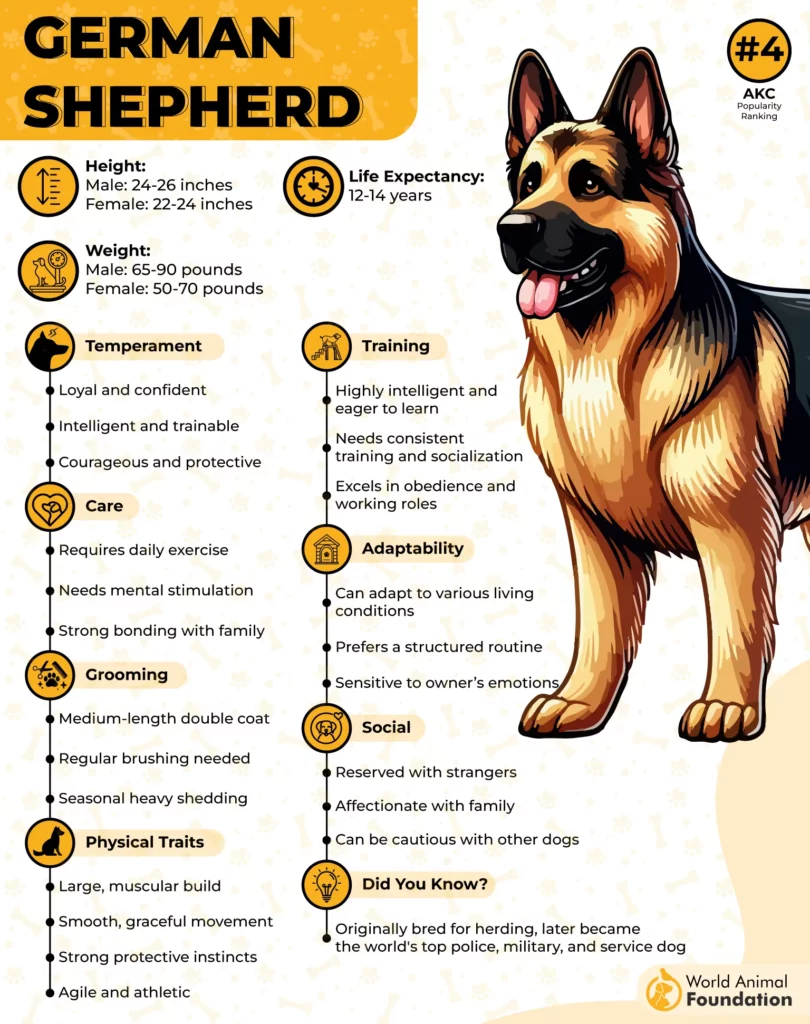
They have a dense double coat. The outer coat is firm, while the thick undercoat provides insulation. This causes seasonal shedding but also protects the dog in harsh conditions. Their erect ears sit high on the head, adding to their alert look.
The body is well muscled, with a straight back and powerful hind legs. The tail is bushy and carried low. Coat colors often include black and tan, sable, or solid black.
German Shepherd Size
Male height: 24–26 inches
Female height: 22–24 inches
Male weight: 65–90 pounds
Female weight: 50–70 pounds
Doberman Pinscher
The Doberman Pinscher has a very different look. Its body is lean, muscular, and built for speed. Clean lines and a tight frame allow fast movement and quick direction changes. This design supports guarding and protection roles where reaction time matters.
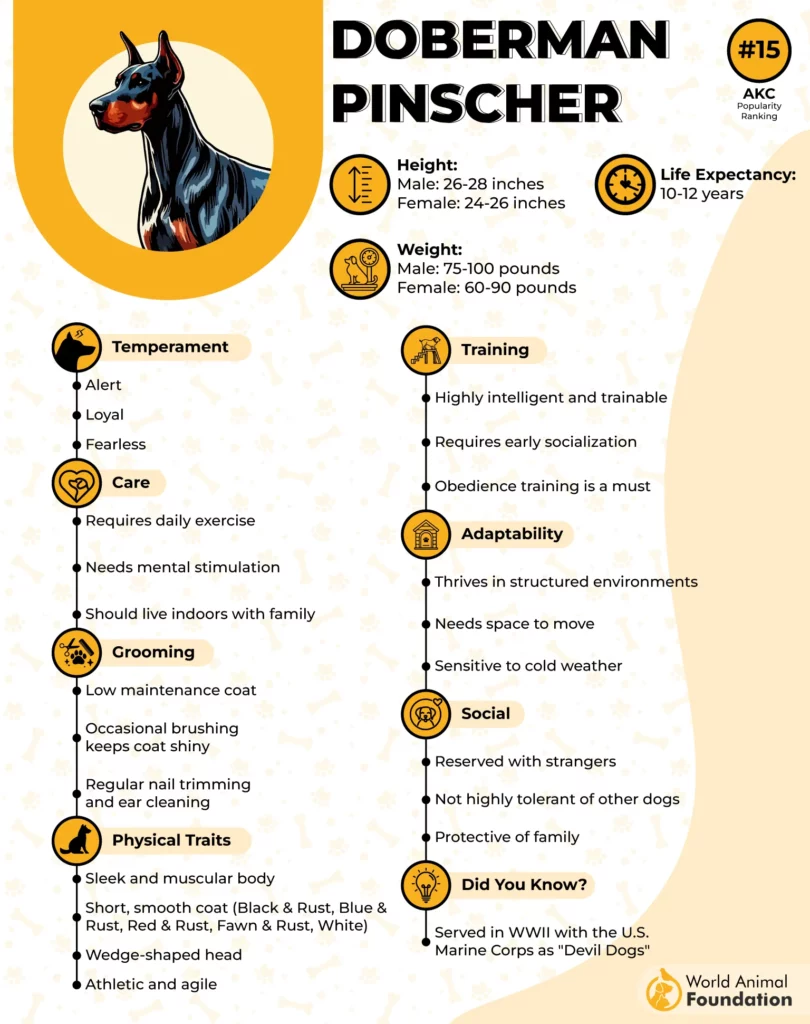
They have a short coat that lies close to the body. This makes grooming easy and maintenance low. The head is long and wedge-shaped, giving the breed a sharp and alert appearance. They have naturally floppy ears and almond-shaped, usually dark eyes.
The chest is deep, the legs are long, and the stance is confident. Purina states that they come in several colors, including black, red, blue, and fawn. Rust markings typically appear above the eyes, on the muzzle, chest, legs, feet, and under the tail.
Doberman Size
Male height: 26–28 inches
Female height: 24–26 inches
Male weight: 75–100 pounds
Female weight: 60–90 pounds
Temperament & Personality
Both breeds are intelligent, loyal, and protective. Still, they express these unique traits in very different ways. Understanding how each dog thinks and reacts helps families choose the right match for their home.
German Shepherd
It has a long history as a herding and guardian dog. This background shaped a personality that is calm, thoughtful, and dependable. Around family members, German Shepherds show quiet confidence and deep loyalty.
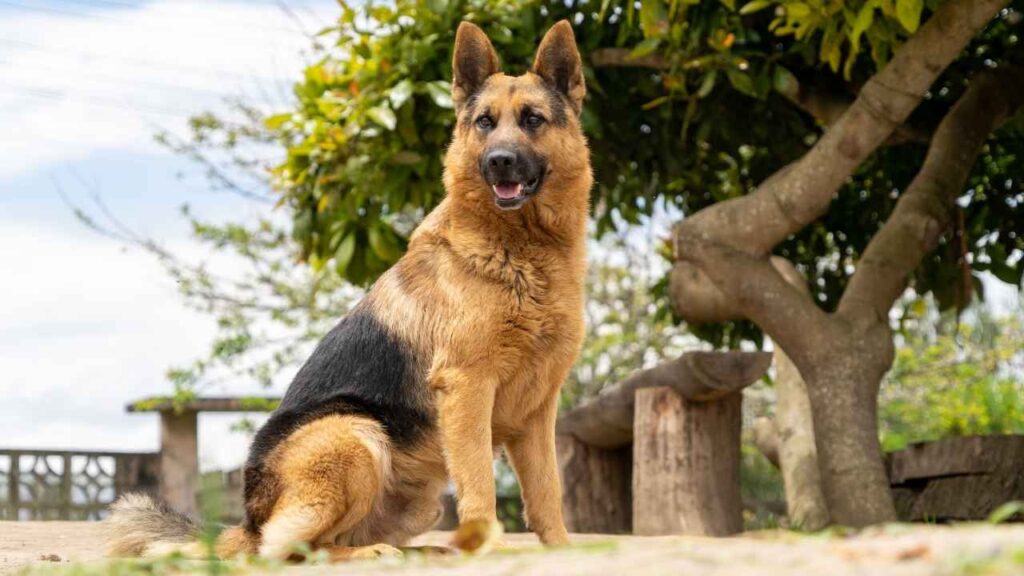
According to PetMD, they often form strong bonds with small children and are gentle when raised with care and consistency. They are naturally protective without being constantly aggressive. They watch first, then act if needed.
This makes them a strong choice for families who want security without tension. They tend to be reserved with strangers, which is normal for a guardian breed, but they warm up once trust is built. As guard dogs, they are alert, courageous, and confident.
Early socialization helps them feel comfortable in new environments and around other pets. They also bark more than Dobermans, which makes them excellent watchdogs.
Doberman Pinscher
The Doberman Pinscher is known for intense loyalty and sharp awareness. Dobermans are deeply people-oriented. Dobermans tend to stay very close to their owners and often follow them from room to room. This strong attachment makes them excellent personal protection dogs.
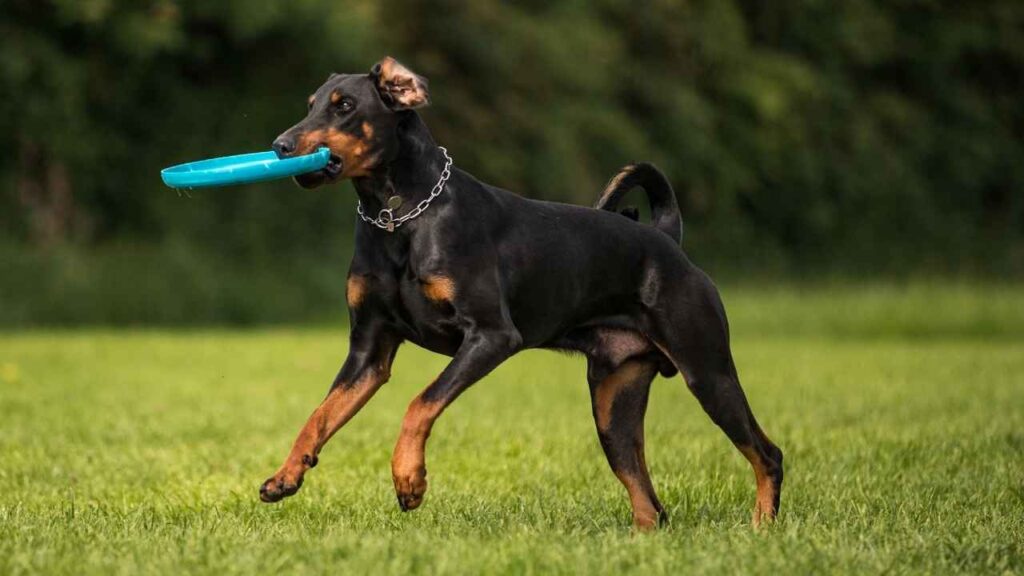
They are highly alert and constantly aware of their surroundings. Their personality fits protection roles naturally. They are fearless, confident, and quick to react when something feels off. Despite their reputation, Dobermans are not naturally aggressive. They are playful, intelligent, and emotionally sensitive dogs.
This breed is one of the smartest dogs and thrives on clear communication. They appreciate straightforward interaction and consistent leadership.
Exercise & Energy Needs
Both breeds are energetic and active dogs. They need daily exercise and movement to stay happy and balanced. However, how they use that energy differs.
German Shepherd
They are a high-energy breed that thrives on structure. They enjoy daily walks combined with task-based play. Mental stimulation matters as much as physical exercise. Routine helps them stay calm and focused.
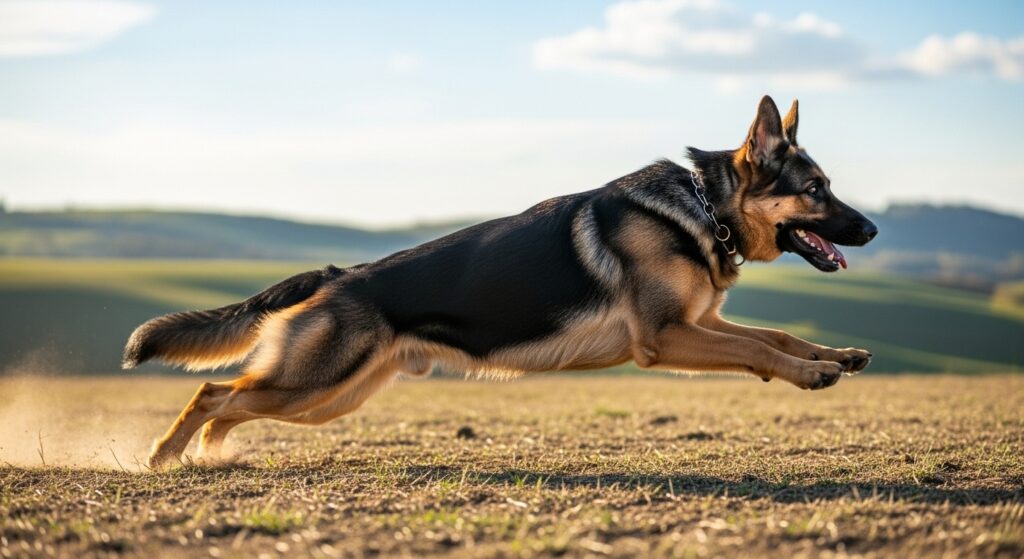
Plenty of exercise keeps them relaxed at home. Without it, they may become restless or bored. They enjoy work that feels meaningful and engaging.
Activities They Love:
Hiking
Tracking
Herding games
Agility training
Dock diving
Doberman Pinscher
They are fast-moving and highly focused dogs. Their energy comes in strong bursts, which makes structured exercise sessions very important. They do best when activities are planned and purposeful. Active households suit them best, especially families who enjoy spending time outdoors.
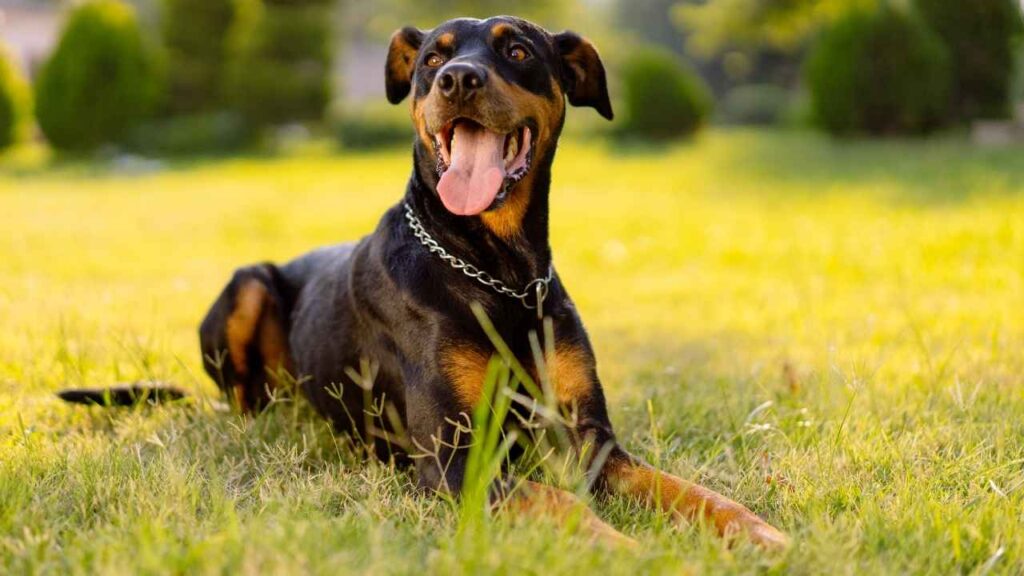
A fenced yard is ideal for letting Dobermans burn off excess energy safely. Without enough exercise, they may become bored or frustrated, which can lead to destructive behavior.
Activities They Love:
Obedience work
Sprinting games
Hiking
Advanced training drills
Training & Intelligence
Both breeds are highly intelligent guard dogs, which means training is not optional. German Shepherd puppies are task-driven learners who enjoy structure and purpose. They respond best to clear commands and consistent routines.
Because of their strong protective instincts, good training helps reduce unwanted aggression and builds control. They learn quickly and remember lessons well. This makes them a great fit for experienced dog owners who can offer firm guidance, patience, and daily mental challenges.
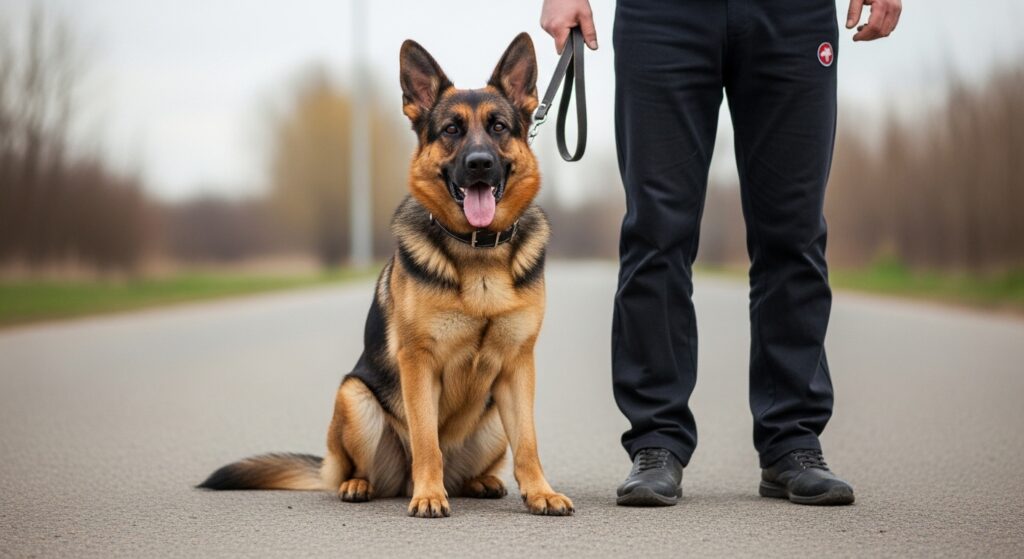
Doberman Pinschers also learn fast, but in a different way. They have a sharp learning style and pick up patterns quickly. Dobermans do best with firm yet positive reinforcement methods. They are sensitive to their owner’s tone, mood, and feedback.
Early structure is key to shaping good behavior and confidence. Without guidance, their intelligence can turn into stubborn habits. With consistent training, they become focused, obedient, and great companions.
Grooming Requirements
When it comes to grooming, the Doberman vs the German Shepherd shows clear differences. The German Shepherd has a thick double coat that needs regular care. Brushing several times a week helps manage loose hair and keeps the coat healthy.
During seasonal shedding, grooming becomes even more important. This breed sheds heavily, so owners should expect fur around the home. Because of the coat type, German Shepherds require more time and effort to stay clean and comfortable.
Dobermans are much easier to groom. Their short, smooth coat needs very little upkeep. A quick weekly brush is usually enough to remove loose hair. Bathing is simple and infrequent. Grooming tools are minimal, and sessions are short.
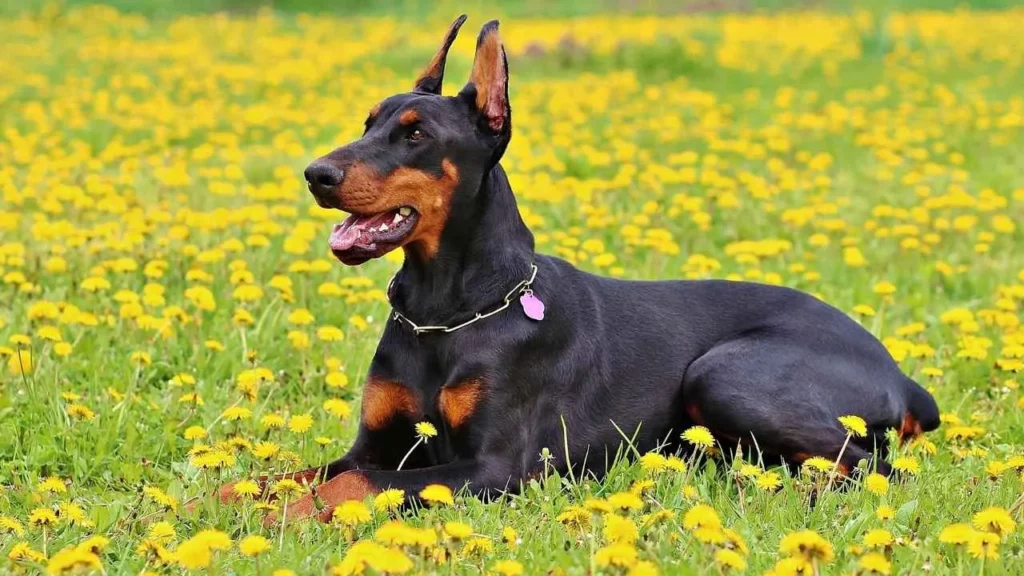
Because of this easy routine, Dobermans fit well into busy households that want a clean, low-maintenance dog without demanding grooming.
Lifespan & Health
Both breeds are generally healthy and strong when properly cared for. However, like all giant dogs, they can face certain health issues over their lifetime.
German Shepherd
German Shepherds usually live 9 to 13 years. They are known for durability, but long-term wellness needs attention. Their active lifestyle and body structure mean some areas need extra care.
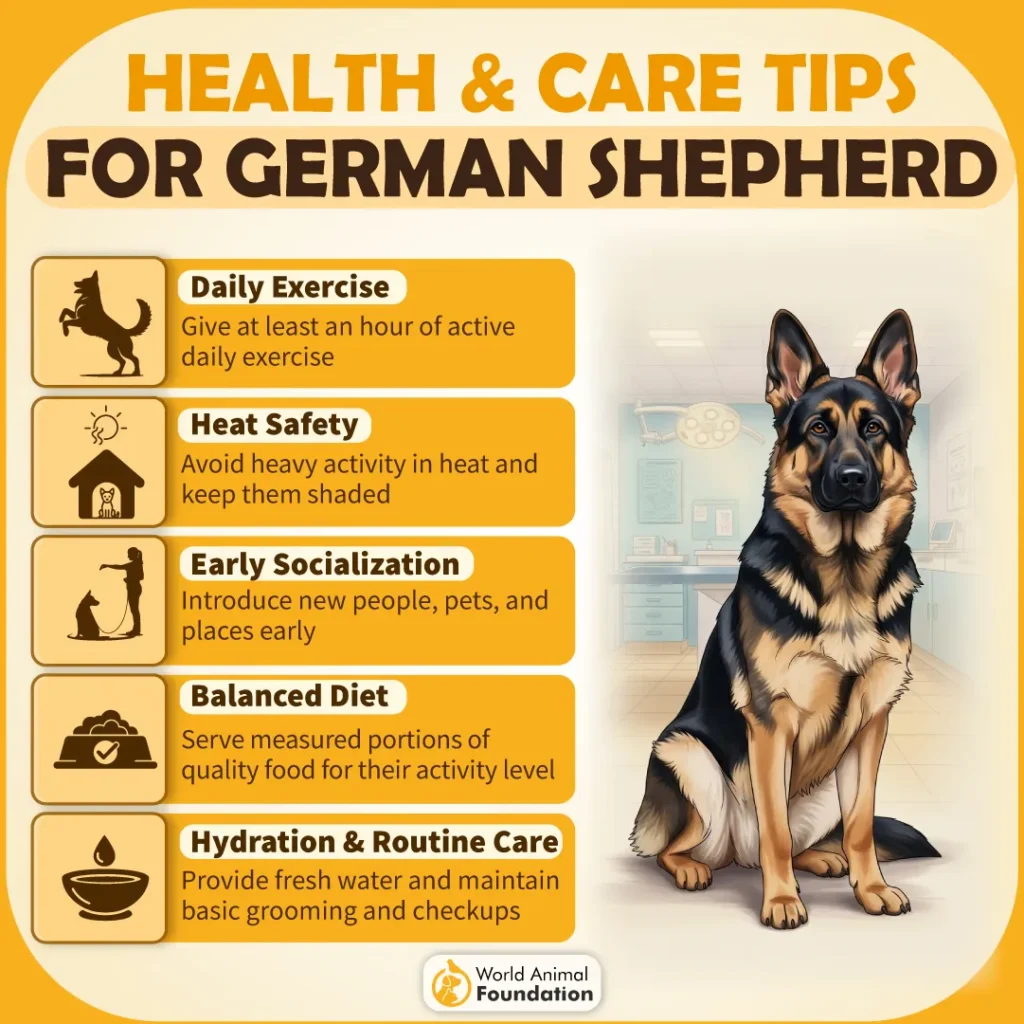
Joint health considerations are very important
Common concerns include elbow dysplasi
Dilated cardiomyopathy
Pet insurance can help manage long-term medical costs
Choosing a reputable breeder lowers genetic health risks
Doberman Pinscher
Dobermans tend to live 10 to 13 years when well cared for. They have a different set of breed-specific health risks. Their lean build and genetics require close monitoring throughout life.
Heart-related conditions are a major concern
Von Willebrand’s disease awareness is essential
Monitoring minor wounds helps prevent infections
Regular vet care plays a key role in early detection
Guarding & Working Roles
Both breeds are respected for their guarding abilities, but they shine in different types of work. Their roles reflect the original purposes for which they were developed.
The German Shepherd is one of the most versatile dogs for protection work worldwide. It has been used in herding, search and rescue, service work, and law enforcement. This breed adapts well to many environments, from farms to cities. German Shepherds can work calmly around other animals and people.
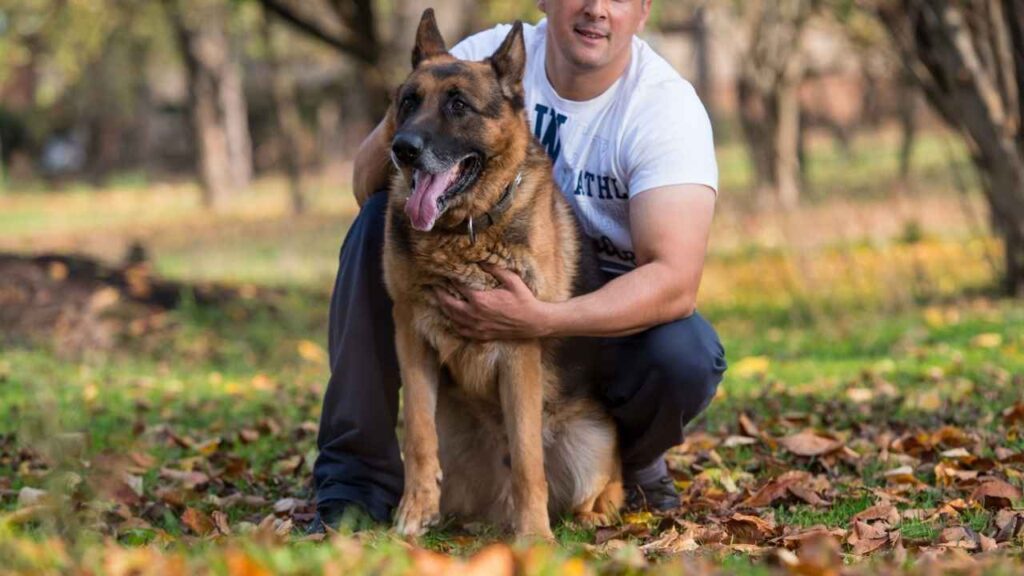
Their ability to learn complex tasks makes them reliable partners in demanding jobs. They are known for discipline, focus, and endurance. Because of this, they have a long and proven record as excellent working dogs across many fields.
The Doberman Pinscher was designed for protection. It excels at personal and property guarding. Its alert nature and confident stance create a strong presence that can quickly deter threats. Dobermans respond fast and stay highly aware of their surroundings.
This pup performs best in controlled environments with clear leadership. Dobermans form deep bonds with their families and respond well to guidance. Their focus and devotion make them outstanding protection dogs when trained correctly.
German Shepherd vs. Doberman: Comparing Two Powerful Dog Breeds
Choosing between these two breeds depends on lifestyle and experience. Both are devoted, protective, and intelligent dogs, but they fit into homes differently.
German Shepherds are highly adaptable to structured family life. They enjoy routine and steady exercise. Their balanced nature works well in homes with kids and other pets. They are a good choice for first-time owners who want a dependable guard dog that is flexible.
Dobermans need clear leadership and active engagement. They form strong bonds with their owners and prefer close contact. Their energy and focus suit experienced handlers and calm, organized homes. They excel when given a consistent routine and daily activity.
In the end, the right pup is the one that matches your time, energy, and commitment to guidance.
Conclusion
Choosing between a German Shepherd and a Doberman is not about which dog is better. It is about which dog fits your life.
Both breeds are powerful, devoted, and intelligent. Each offers protection, companionship, and a deep bond with family when raised the right way.
German Shepherds stand out for versatility and balance. They work well in active family homes and enjoy structure and routine.
Dobermans shine with focused loyalty and strong personal protection. They do best with experienced owners who can provide clear guidance and daily engagement.
No matter the breed, success depends on proper guidance, early socialization, and commitment.
Choosing a responsible breeder, planning for exercise, and staying mindful of health needs all matter. When the right puppy matches your lifestyle, both breeds can become trusted protectors and loving companions for many years.
