




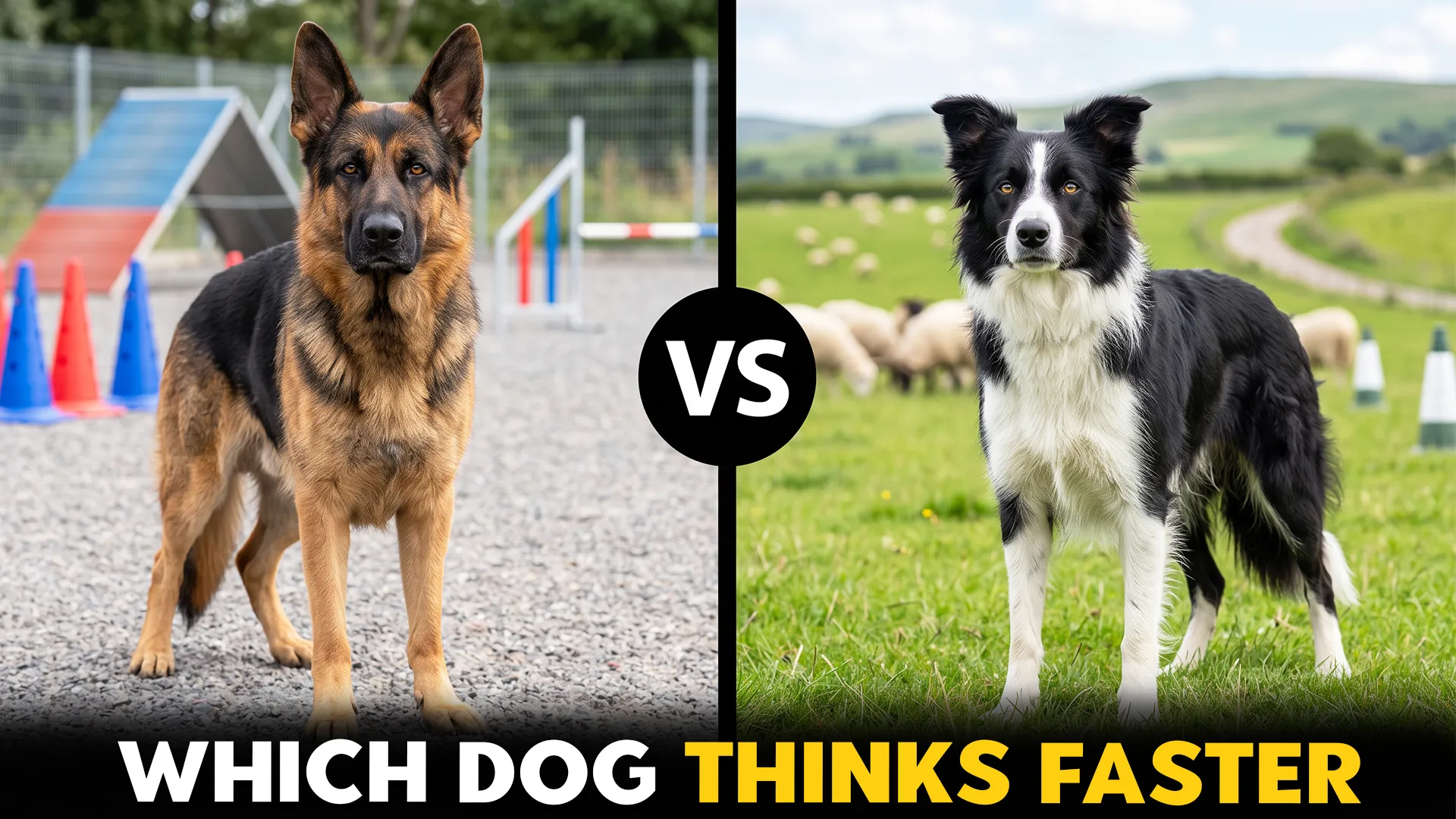
When it comes to smart dog breeds, two names always come up: the German Shepherd and the Border Collie. One is known as the ultimate all-purpose working dog, and the other is often called the smartest breed in the world.
Both are highly energetic herding breeds, and both take real effort to keep up with. That’s actually what makes comparing them so tricky. They share a lot of the same traits, from their sharp minds to their sheer drive to work.
If you’re looking for a dog that’s both physically capable and mentally sharp, you’re in the right place. Let’s break down how these two brilliant breeds compare when it comes to intelligence.
German Shepherd vs. Border Collie: Intelligence Differences Explained
|
German Shepherd |
Border Collie | |
|---|---|---|
|
Size |
50-90 lbs; 22-26 in tall |
30-55 lbs; 18-22 in tall |
|
Appearance |
Medium-length, coarse double coat in black and tan, black and red, black and silver, or black and sable; erect ears, long snout, large paws |
Medium-length rough coat or smooth short-haired coat in black and white, blue, red, sable, merle, gold, or brindle; erect, fluffy ears with distinct markings |
|
Ancestry |
Developed in Germany, refined by a German cavalry officer who prioritized utility and intelligence over looks; bred for herding, police, and service work |
Developed along the Anglo-Scottish border for herding sheep and retrieving birds |
|
Temperament |
Loyal, intelligent, and protective, though somewhat independent and aloof; heavy shedder; can be prone to separation anxiety |
Widely regarded as the smartest dog breed; highly active, playful, and occasionally mischievous; heavy seasonal shedder; can become destructive without enough mental stimulation |
|
Lifespan |
12-14 years |
12-15 years |
|
Trainability |
Highly trainable, though some benefit from professional guidance |
Highly trainable, but their sharp minds and endless energy suit only very active owners |
|
Unique Traits | Territorial, deeply loyal nature that makes them standout guard dogs |
Known for an intense herding stare, often directed at kids, sheep, or anything that moves |
Origins, Background & Purpose
German Shepherd: This impressive mix of strength, intelligence, and loyalty comes from the German regions of Württemberg, Thuringia, and Bavaria, where breeders crossed long-haired, short-haired, and wire-haired shepherd dogs to create one seriously capable protector and herder.
A German cavalry officer and dog enthusiast named Max von Stephanitz is credited with refining the breed, and his work basically changed the course of canine history. German Shepherds became one of the first breeds to shift from herding into roles like guide dogs and police work, proving just how versatile they really are.
Balanced, confident, and steady in everything they do, these big dogs with even bigger paws make excellent protection dogs for both individuals and families.
Border Collie: Born along the border of England and Scotland, the Border Collie combines a tough, determined Scottish work ethic with a sharp, spirited English streak. Bred specifically to herd and control sheep, this breed has proven time and again just how capable it really is.
Focused, razor-sharp, and occasionally a little sneaky, Border Collies hold multiple Guinness World Records tied to their impressive skills.
There’s really nothing quite like a Border Collie. They carry a natural intensity and instinctive responsiveness in everything they do, and they’re always ready for the outdoors. Believed to descend from a mix of old Roman dogs and Viking spitz breeds, they bring a rare combination of grit and agility that’s hard to match in the dog world.
Size, Stature & Build Differences
German Shepherd: Authoritative and noble, German Shepherds are sturdy, muscular, and well-built from nose to tail. With straight backs, curved tails, and deep chests, they carry a naturally balanced frame.
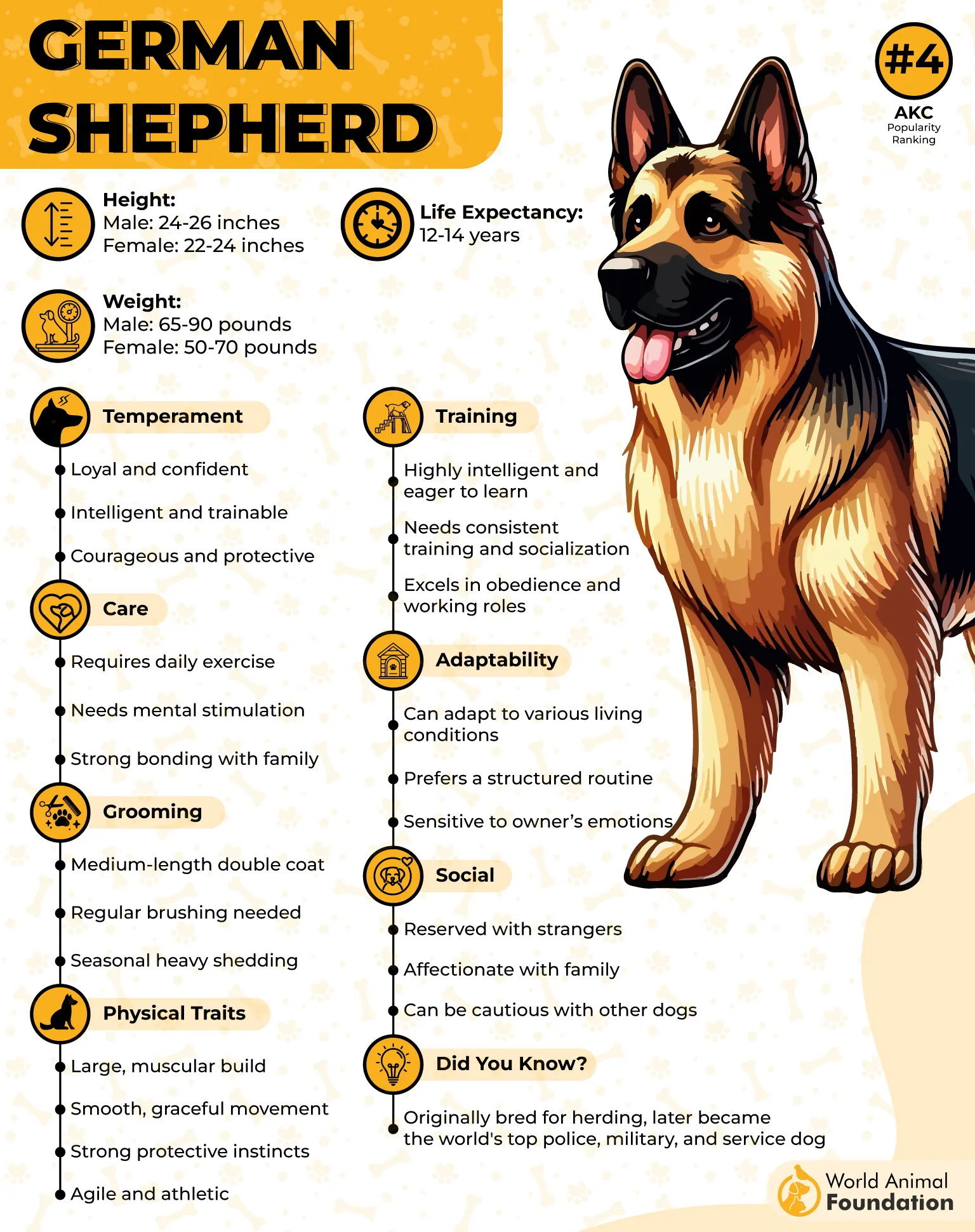
Their long muzzles, black facial mask, erect ears, and dark almond-shaped eyes give them that powerful, alert look they’re known for.
Border Collie: According to the AKC, Border Collies are noticeably smaller than German Shepherds, but they’re still athletic, medium-sized dogs with solid, muscular bodies, strong, straight backs, and deep chests.
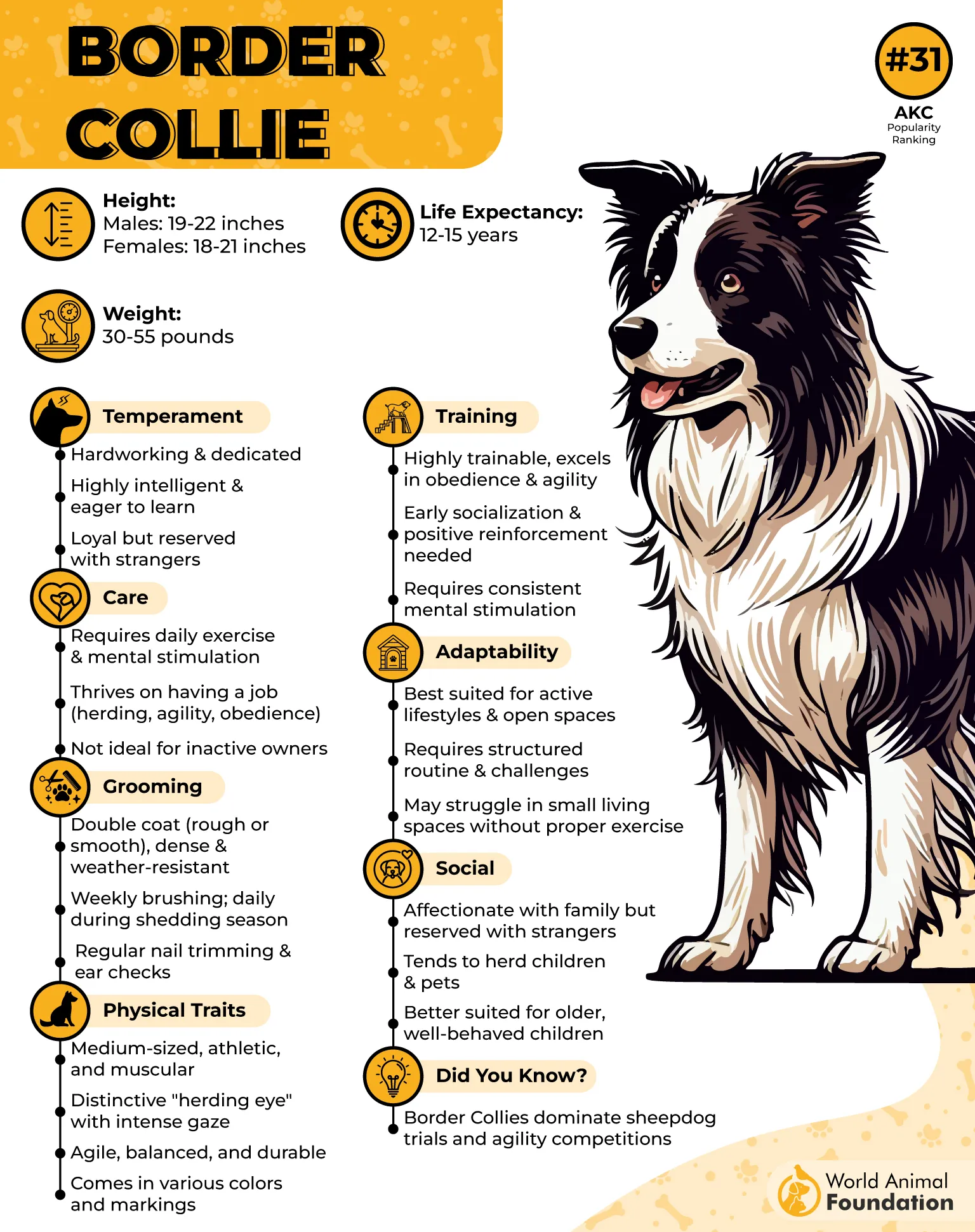
Their movements are smooth and effortlessly graceful. They may be lighter than their German counterpart, but don’t let that fool you. They’re every bit a force of nature.
Coat Type, Grooming & Maintenance
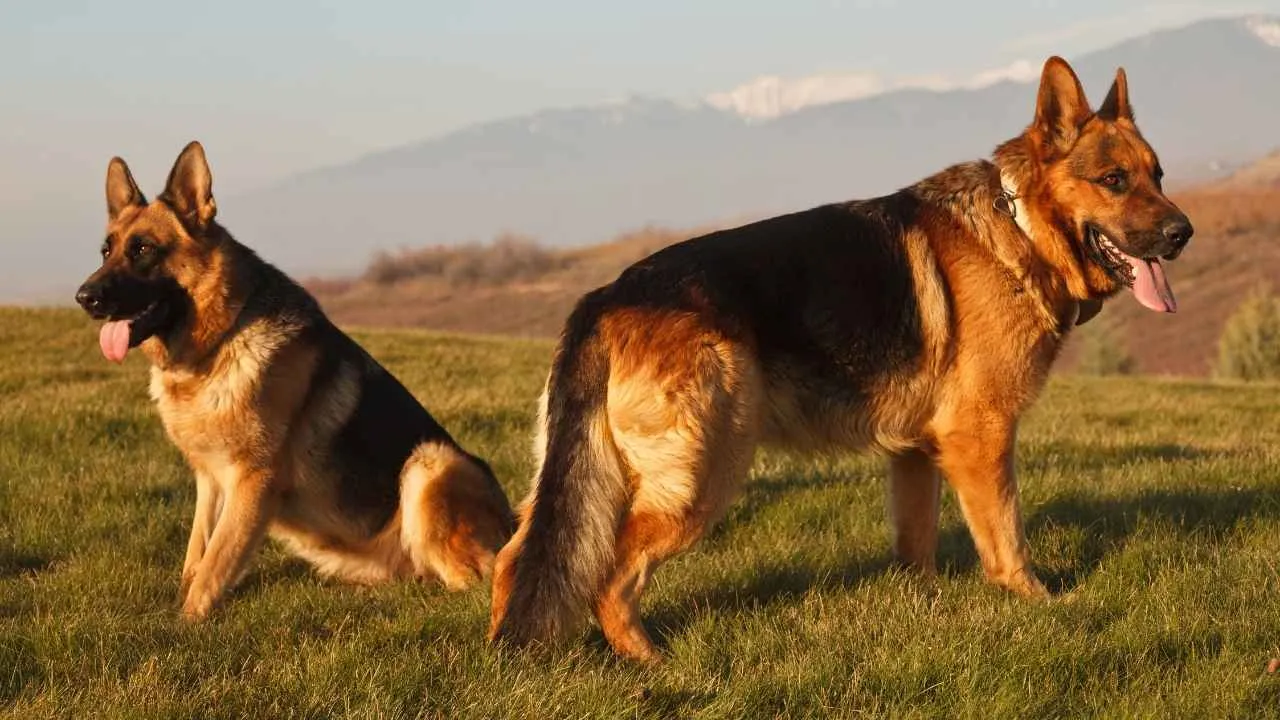
German Shepherd: German Shepherds come in two coat varieties: a medium-length double coat and a long, harsh-coated variety. Both include an undercoat. The medium-length coat is dense, straight or slightly wavy, and lies close to the body, staying short on the head and front legs while growing longer around the neck and hindquarters.
The long-coated variety, on the other hand, is softer and longer overall, with tufts of fur on the ears and legs, a bushier tail, and feathered “trousers” on the hind legs. The extra length around the neck also gives this variety a mane-like look.
Border Collie: Border Collies also come in two coat types: rough and smooth. Both are weather-resistant, with soft, dense undercoats and straight or slightly wavy outer coats.
Rough-coated Border Collies have longer fur overall, typically 2 to 4 inches, with feathering on the ears, forelegs, haunches, chest, underside, and tail, giving them that classic shaggy look. Smooth-coated Border Collies, by contrast, have a shorter, denser coat of just 1 to 2 inches covering the entire body.
Temperament, Personality & Behaviour Traits
German Shepherd: Widely known as one of the most intelligent and recognizable breeds around, German Shepherds are far from the strong, silent type. They’re chatty dogs who love expressing themselves through barking, playful antics, and plenty of personality.
Here’s what a lot of people don’t expect: underneath that confident, imposing exterior is a genuinely affectionate dog that craves attention just like a small lapdog. German Shepherds tend to be goofy, caring, and deeply devoted to the people they trust, saving their softer side just for family.
Around strangers or in unfamiliar situations, though, that same dog becomes alert and reserved. According to Chewy, they can grow suspicious, protective, and territorial the moment something feels off. Fearless when it counts and silly at home, German Shepherds are a lot of dog in the best way.
Border Collie: Border Collies are the kind of dogs that walk with purpose and thrive on routine. They want their days filled with meaningful tasks and things to do.
Smart, caring, and a little possessive, they often prefer being the only pet in the household. They’re also sharper and sneakier than most intelligent breeds, with impressive endurance and energy packed into that fluffy frame.
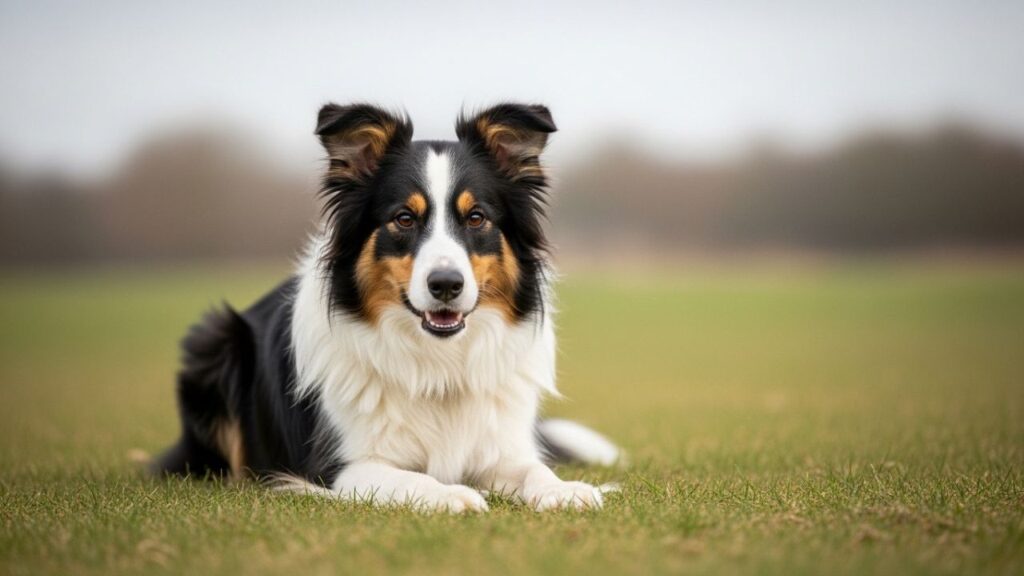
According to Purina, Border Collies have strong memories and alert personalities, taking in the world around them with genuine excitement. They’re highly observant, emotionally perceptive, and quick to express exactly how they’re feeling.
Trainability, Intelligence & Responsiveness
German Shepherd: Bred for demanding work like scaling mountains and serving on the battlefield, German Shepherds are sharp, capable dogs with incredible scenting skills. They’re always up for exploring new environments and thrive when they have a job to do.
When it comes to training, the possibilities are genuinely wide open. These dogs can learn agility, tracking, herding, search and rescue, detection work, and more.
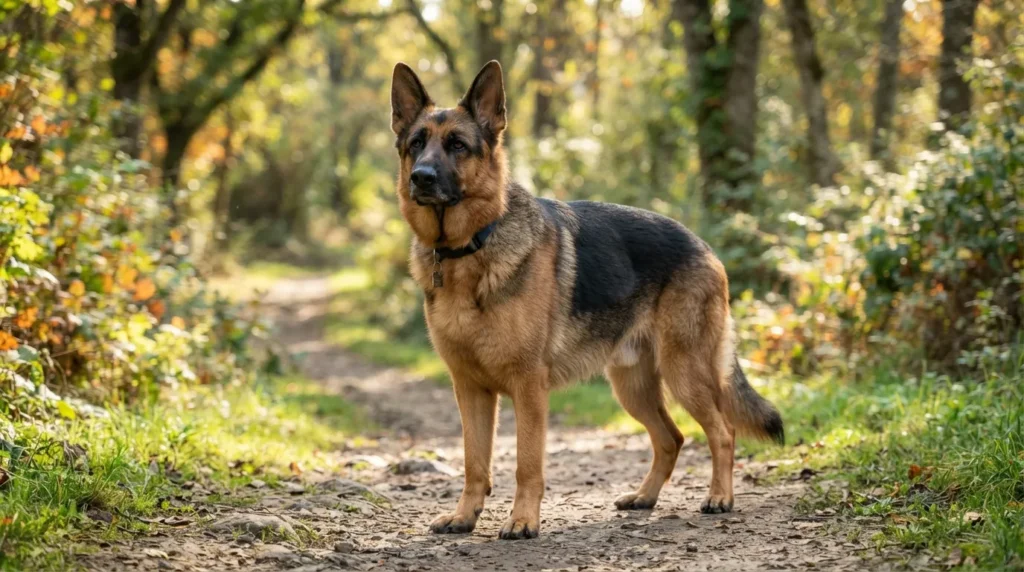
Start with early socialization and solid obedience training, then take things further with scent walks that tap into their natural tracking instincts. Basic commands like sit, stay, and come come easily to this breed, so it’s worth investing in a certified trainer to help unlock their full potential. Push their limits a little. These are independent, capable dogs that can genuinely excel in a wide range of activities.
Border Collie: Border Collies genuinely love making their owners proud, and they tend to be some of the quickest learners you’ll ever come across. This is a breed that truly loves to learn.
Once you’ve built a solid obedience foundation using plenty of positive reinforcement (encouragement, praise, and treats all work great), the key is to keep raising the bar with more advanced and challenging tasks.
Consistency really is everything with this breed. Once the basics are mastered, which usually doesn’t take long, it’s worth moving into agility training to keep their sharp minds engaged. Their curiosity and drive to learn rarely slow down.
One more tip: canine sports or a professional trainer can be a great way to keep a Border Collie mentally challenged and fulfilled long-term.
Energy Levels, Activity Needs & Work Drive
German Shepherd: German Shepherds run on high energy and a genuine need to stay busy. They’re natural leaders who are always looking for the next challenge, and their minds need just as much engagement as their bodies. Most days, they’ll need 1-2 hours of solid exercise or focused physical activity to feel truly satisfied.
They love learning new things and tend to thrive when you keep raising the difficulty a little at a time. A boring, repetitive routine just isn’t going to cut it for this breed.
They genuinely crave variety, action, and a bit of adventure in their day-to-day life. Give them that, and you’ll have a loyal companion who sticks by your side and protects you fiercely for life.
Border Collie: Border Collies are famous for their extremely high energy levels, bred from generations of running for hours to manage livestock. So if you’re picturing a dog that’ll happily lounge around and look cute all day, this probably isn’t the breed for you. Border Collies don’t do “downtime” well, and a slower-paced household can leave them a little restless.
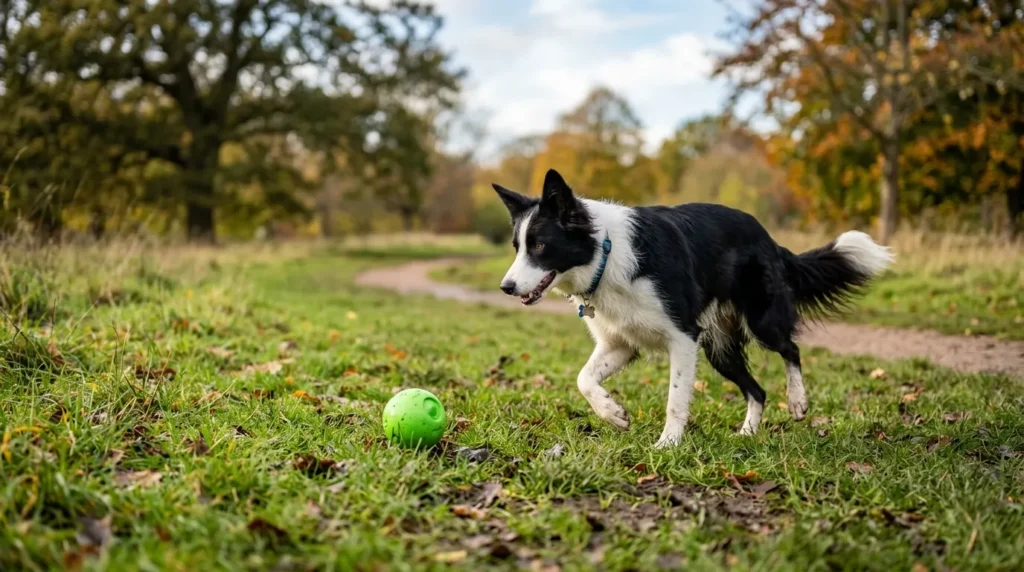
Sleep in on the weekend, and don’t be surprised if you catch them giving you a confused look with those big expressive eyes. For a Border Collie, “relaxing” usually means a full day at the dog park, running, sprinting, and playing fetch from morning to night.
These dogs are driven, independent, and love having a say in how their day goes. They typically need at least 2 hours of vigorous exercise or active play daily, so it’s not something to shortchange. Skip it, and you’ll likely end up with one very restless, hard-to-manage dog on your hands.
Health Concerns, Average Lifespan & Durability
German Shepherd: German Shepherds are prone to a fair number of health issues and tend to have a slightly shorter average lifespan, so early awareness and prompt vet care really matter with this breed.
These loyal, brave dogs can be predisposed to certain cancers, including lung cancer, bone cancer, intestinal cancer, and hemangiosarcoma.
They’re also prone to dilated cardiomyopathy, epilepsy, bloat and GDV (gastric dilatation volvulus), hip and elbow dysplasia, food allergies, and pannus, an eye condition where abnormal tissue develops on the eyes and can lead to pain or even blindness if left untreated.
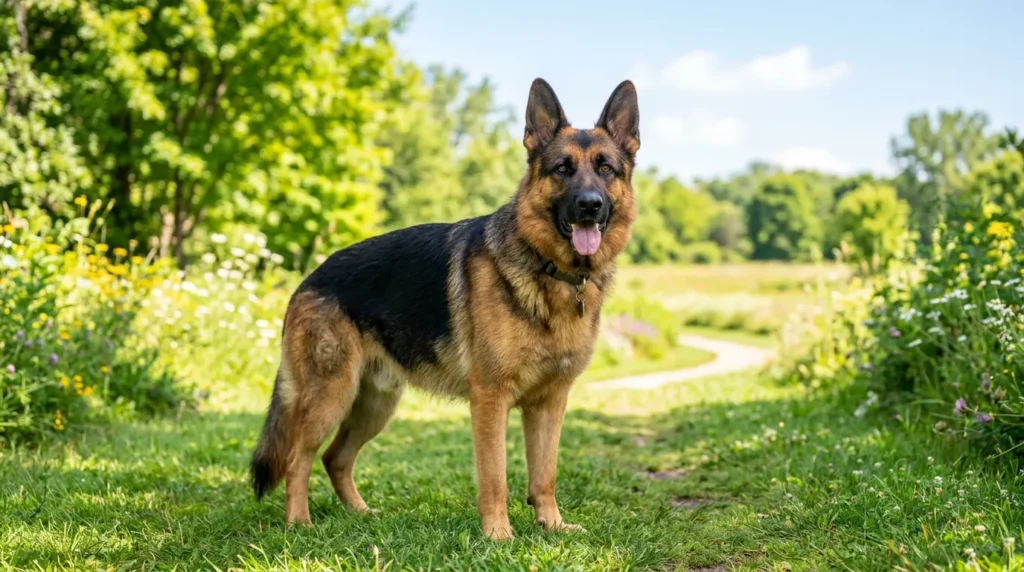
Border Collie: Border Collies have their own set of genetic and breed-specific health concerns, including Border Collie Collapse (BCC), where an otherwise healthy dog becomes disoriented or dazed during or after intense exercise.
They’re also prone to congenital deafness, epilepsy, and eye conditions like collie eye anomaly and progressive retinal atrophy. Hip dysplasia is fairly common too, even in such an active, high-performing breed.
The tougher part is that Border Collies can carry genetic disorders like MDR1, CL, and TNS, which can cause serious reactions to certain medications, weaken the immune system, and lead to tremors, seizures, or blindness, all of which can shorten their lifespan.
Working Roles, Expertise & Instinctive Mindset
German Shepherd: The German Shepherd is a true all-rounder, capable of handling all kinds of working roles across different industries. From military work and search and rescue to problem-solving, explosive detection, and security, this breed has a genuinely impressive track record, earning recognition and honors for its work in these fields.
But that’s not all they’re capable of. German Shepherds also excel as guide dogs for the visually impaired, medical assistance dogs, and therapy dogs.
Many families also choose this breed for personal protection and keeping an eye on their kids, and on top of all that, they make deeply loyal companions for life.
Border Collie: Border Collies were originally bred for herding, and that instinct still runs deep in the breed today. But their talents don’t stop there. They’re also skilled at hunting-related tasks like tracking, flushing, and retrieving, along with general watchfulness.
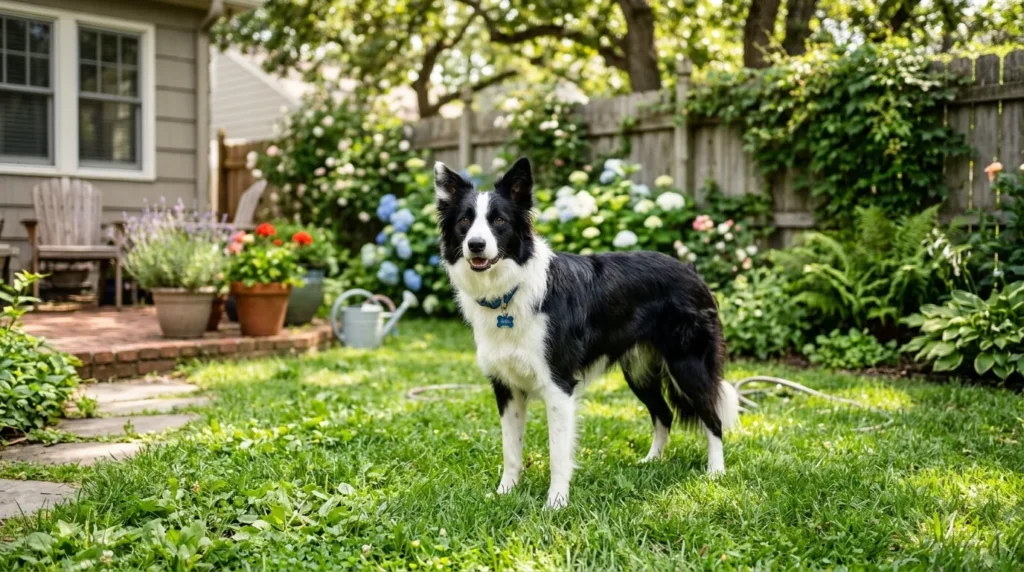
Their quick reflexes, speed, and sharp instincts make them incredibly capable working dogs, and they’re often used in search and rescue and therapy work as well.
Always eager to learn and please their people, Border Collies genuinely love exceeding expectations. With the right guidance, this breed’s potential is pretty remarkable.
Best Suitability for Different Owners & Lifestyles
German Shepherd: These energetic, adventure-loving dogs need active, responsible owners who understand how to meet their physical and mental needs. Because of their natural protective and territorial instincts, they also need an owner confident enough to guide and correct them when they get a little too worked up or reactive.
This breed does best with people who genuinely have the time and energy to invest in raising them. Patience, consistency, and a stable environment go a long way in keeping German Shepherds calm and well-balanced.
Worth noting: this breed thrives with access to open space, whether that’s a yard, meadow, or somewhere to roam and play. If you don’t have enough room or can’t commit to daily walks and regular activity, a German Shepherd probably isn’t the best fit for your lifestyle.
Border Collie: Bursting with energy and often considered one of the smartest breeds around, Border Collies aren’t exactly a low-effort dog to raise. If you’re taking one on, be ready for it. With near-endless stamina and curiosity, this breed can be genuinely frustrating to live with if you’re not fairly active yourself.
Unlike more easygoing, adaptable breeds, Border Collies don’t do well without enough mental stimulation. If their need for work, play, and new challenges isn’t being met regularly, you’ll likely see their mischievous side come out. Digging under fences, tearing up garden beds, and generally getting into trouble are all fairly common when this breed gets bored.
Chewed shoes, scratched furniture, and a generally challenging home life often follow. Border Collies thrive on routine and plenty of activity, so if you don’t have time for canine sports like agility, obedience, herding trials, or flyball, or can’t commit to regular mental engagement, this probably isn’t the right breed for your household.
Conclusion
By now, it’s probably clear that Border Collies and German Shepherds are anything but average. Both breeds genuinely amaze their owners with their sharp instincts, sturdy builds, and anything but quiet personalities. Alongside Poodles, they rank among the smartest breeds out there, and their independent, quick-thinking nature is honestly a lot to keep up with.
Choosing between them isn’t easy, but it really comes down to lifestyle. If you’re after a driven herder and an active adventure companion, the Border Collie is a great match. But if you need a steady guardian, a reliable watchdog, and a loyal companion, especially if you live somewhere more rural with livestock to protect, the German Shepherd is likely the better fit.
