




Choosing a dog can feel like choosing a partner for life. You imagine daily walks, strong bonds, and a devoted friend who fits your family.
When people compare German Shepherd vs Belgian Shepherd dog breeds, they often wonder which Shepherd dog truly matches their life. Both breeds are intelligent, active, and known for strong working roles. Yet their paths, energy, and needs can feel very different.
German Shepherds are one of the most common police dogs and service dogs in the United States. Their loyalty, training ability, and calm focus make them trusted partners, according to the American Kennel Club.
Belgian Shepherd dogs are also widely used in military and police work. They are fast, alert, and eager to work. However, according to Pet Curious, Belgian Shepherds often have a longer life expectancy than German Shepherd Dogs.
Both breeds are herding dogs with high energy, strong instincts, and deep devotion to loved ones. But how much time can you give? Which dog suits your family, training goals, and daily life best?
This guide helps you decide.
German Shepherd vs. Belgian Shepherd Dog Breeds: A Guide
Overview
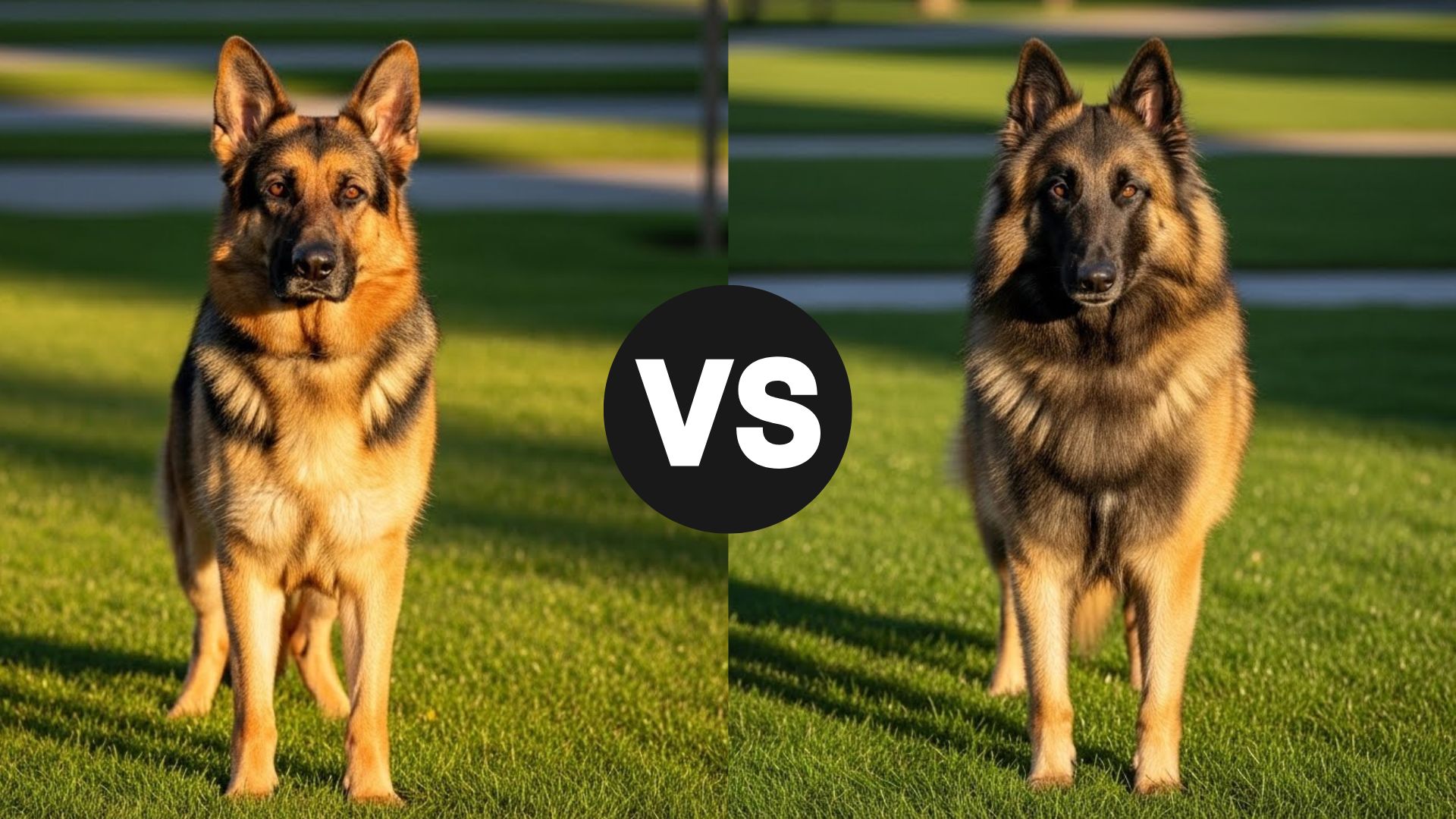
At first glance, the German Shepherd Dog and the Belgian Shepherd Dog may look similar. Both are powerful Shepherd dog types with proud stances and sharp focus. Still, their differences become clear once you look closer.
German Shepherd dogs are usually larger and heavier. They have a longer body and a thick coat. Their temperament is calm and steady, which suits family life and structured jobs. According to Britannica, they were bred for control, protection, and herding work.
Belgian Shepherds are leaner and more agile. They often show higher energy and faster movement. Many experts describe them as intense and alert.
Wikipedia notes that Belgian Shepherds need more daily exercise and mental stimulation than many other breeds, making them ideal for active owners. Belgian Shepherds include distinct varieties with different coat types and working styles.
Both dogs excel in work, but their lifestyles can feel very different.
History & Purpose
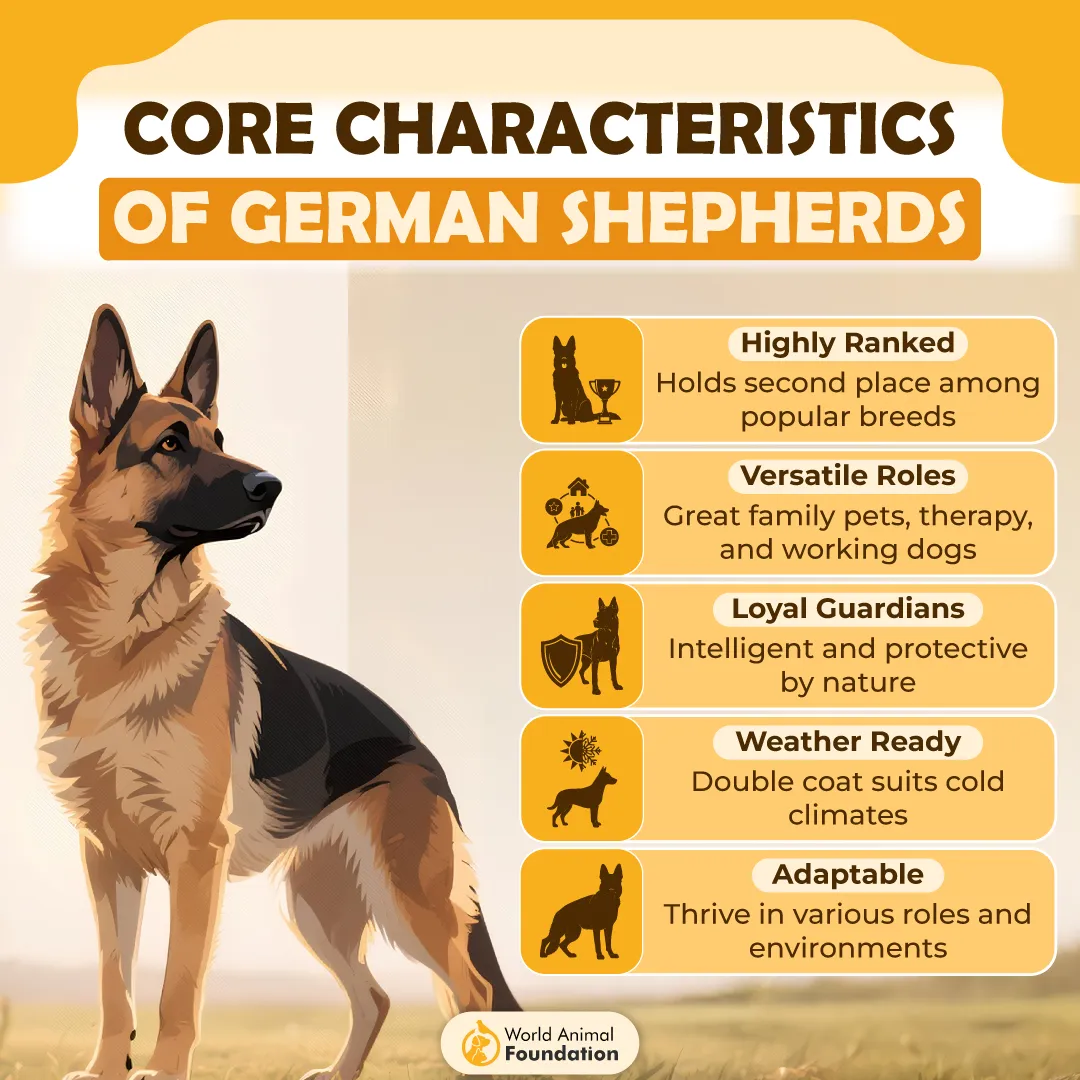
The story of the German Shepherd Dog begins in late-1800s Germany. Farmers needed a reliable shepherd who could herd sheep, guard land, and follow commands with precision. Breeders focused on intelligence, strength, and balance.
Over time, this Shepherd became known for steady nerves and strong loyalty. These traits later shaped its working roles in policing, service work, and family protection. The breed was designed to combine herding skill with control and obedience, not speed alone.
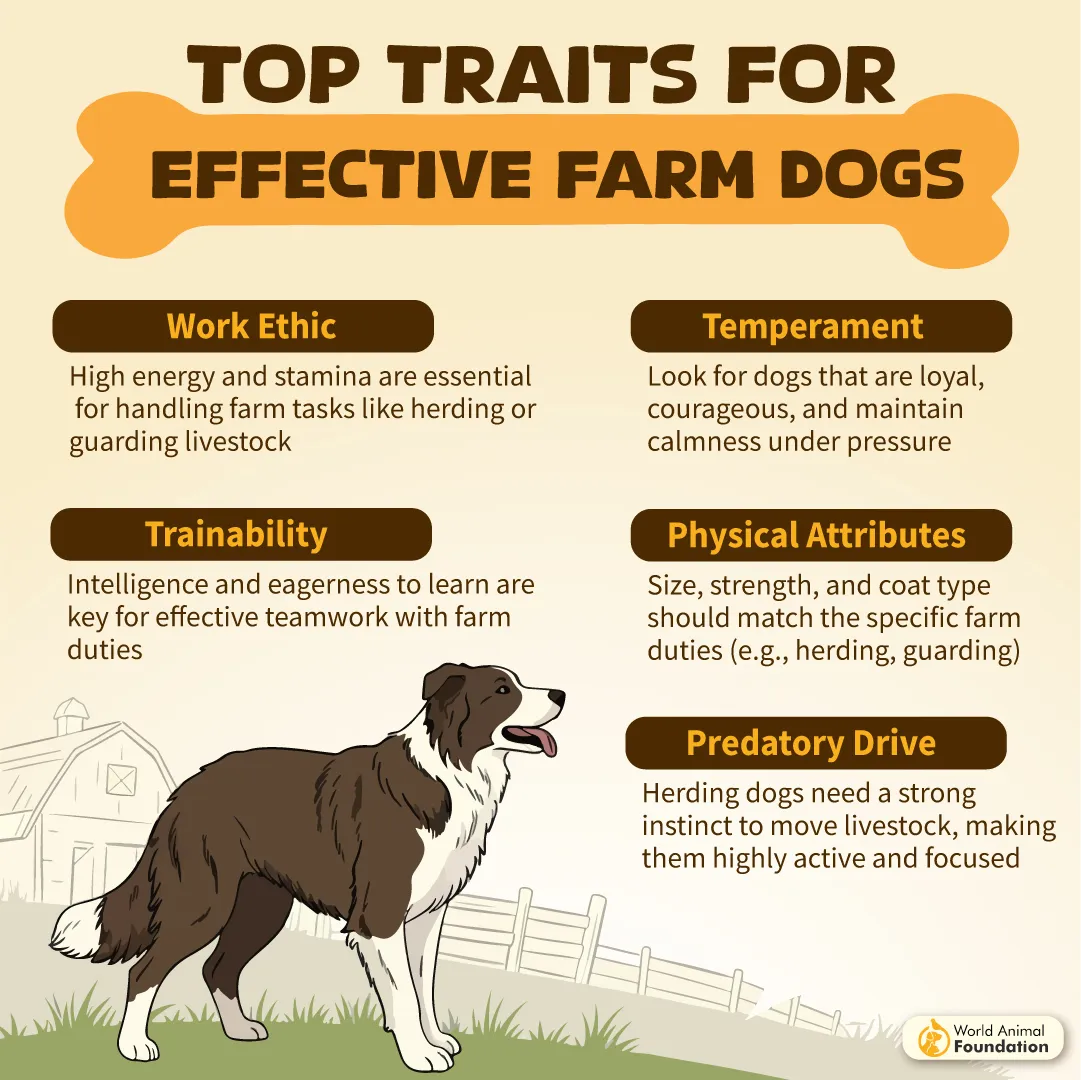
The Belgian Shepherd has a different path. It developed in Belgium as a group of skilled herding dogs rather than one single breed. Farmers valued quick movement, sharp awareness, and endurance.
This history explains why many Belgian Shepherd Dogs still show intense focus and high drive today. There are four distinct varieties, each bred for similar work but with different coats and styles.
Key historical purposes at a glance
German Shepherd
Herding sheep with calm control
Guarding farms and property
Later adapted for police and service work
Belgian Shepherd
Fast herding and boundary control
Long hours of active work
Belgian Shepherd was later favored for military roles
Because of these roots, both remain true shepherd dogs today. Their history still shapes their energy, training needs, and purpose-driven nature.
Size & Physical Build
The physical build of German Shepherds and Belgian Shepherds shows how each breed was shaped for work. At first glance, both appear strong and athletic. Still, their body structure and coat type set them apart.
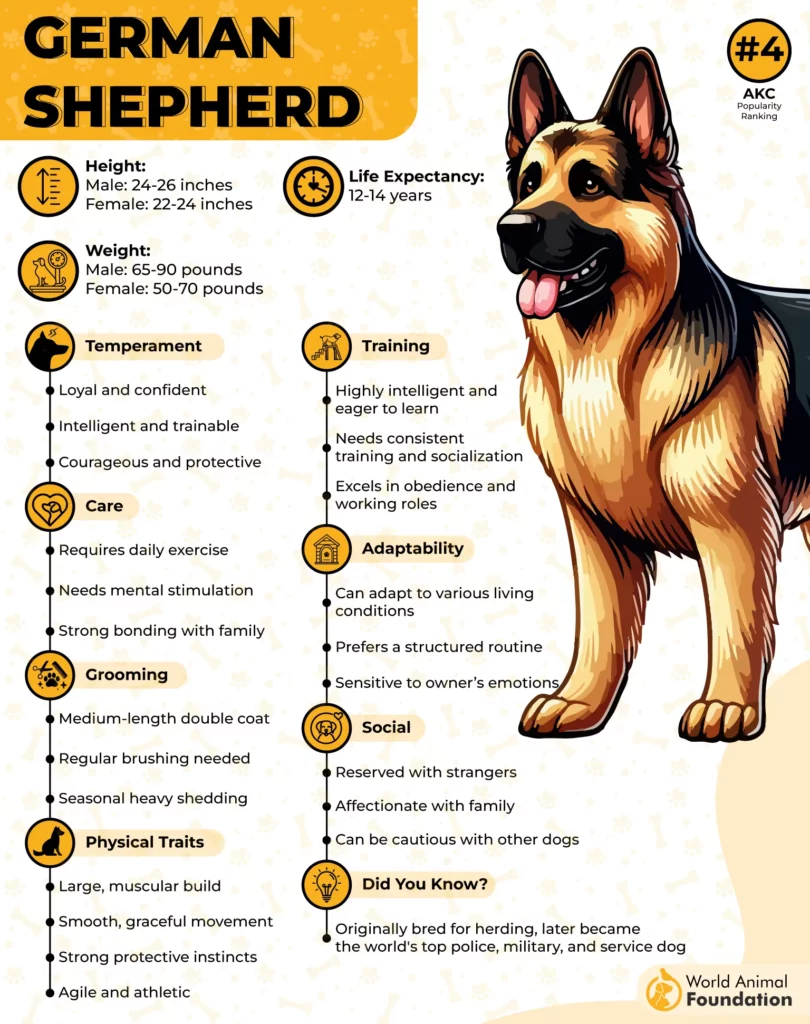
German Shepherd Dogs are larger and heavier. They have a long body, a deep chest, and powerful legs. Their coat is thick and dense. This coat helps protect them in cold weather, but also means more shedding and grooming. The coat often appears fuller around the neck and back.
The Belgian Shepherd Dog is more streamlined. Its body looks lighter and leaner. The movement feels quick and smooth. Most have a medium-length coat that lies closer to the body, making grooming easier for many owners.
Key Physical Differences
German Shepherd
Larger frame and heavier build
Thick coat
Strong, muscular appearance
Belgian Shepherd
Lean and athletic body
Medium-length coat
Faster, lighter movement
These traits affect daily care, grooming needs, and overall handling.
Temperament & Personality
The temperament of these shepherd dogs shapes daily life at home.
German Shepherd Dogs are known for being loyal, calm, and alert. They watch their surroundings closely. They form strong bonds with their people. Many families value their steady nature.
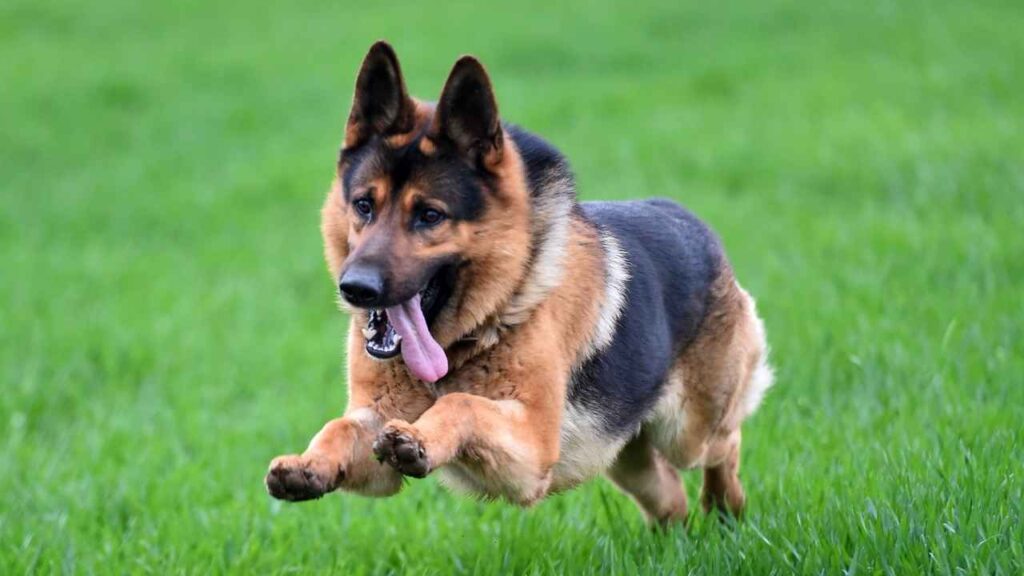
They often stay gentle with kids. They can live well with other dogs when socialized early. Their protective instinct feels natural, not pushy. This balance makes them a trusted family companion and working partner.
Belgian Shepherds show a different energy. They are fast and highly intelligent. Their focus stays sharp for long periods. They love tasks and learning new skills. This breed thrives on mental and physical action.
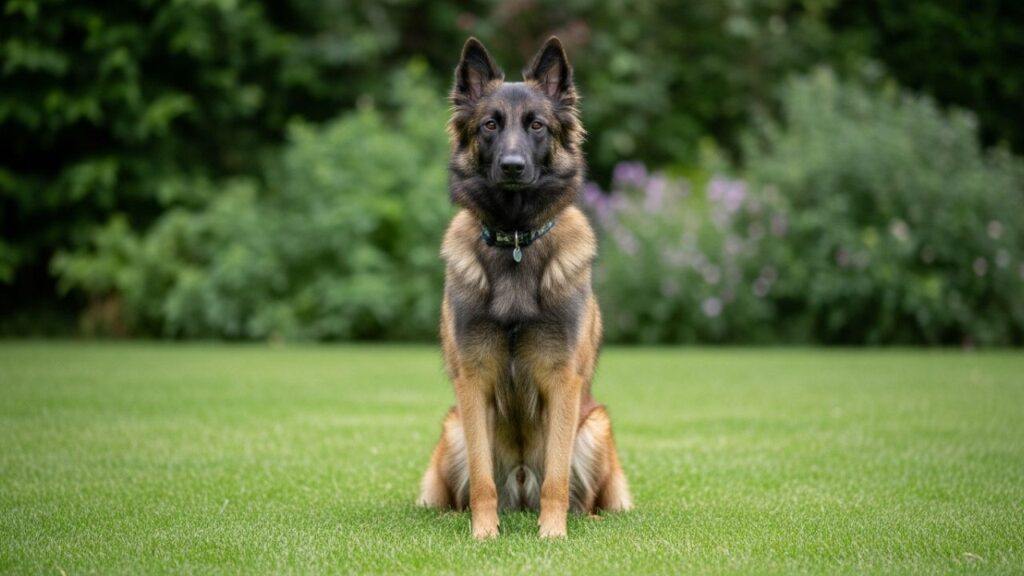
They bond deeply with their family but need clear direction. With kids, they do best in active homes. Early socialisation helps them live calmly with other pets. Their drive and curiosity mean they need guidance every day.
Both breeds are highly trainable. Both need structure and praise. One leans toward calm control. The other leans toward intensity and speed. Choosing the right match depends on your family rhythm and time.
Exercise & Energy Levels
Both breeds are active dogs that need regular exercise to stay happy. Daily walks are not optional for either one.
German Shepherd Dogs enjoy steady physical activity. Long walks, light jogging, and playtime in the yard work well. They like routine and balance. Mental challenges also matter. Simple training games or scent work keep their minds calm and focused.
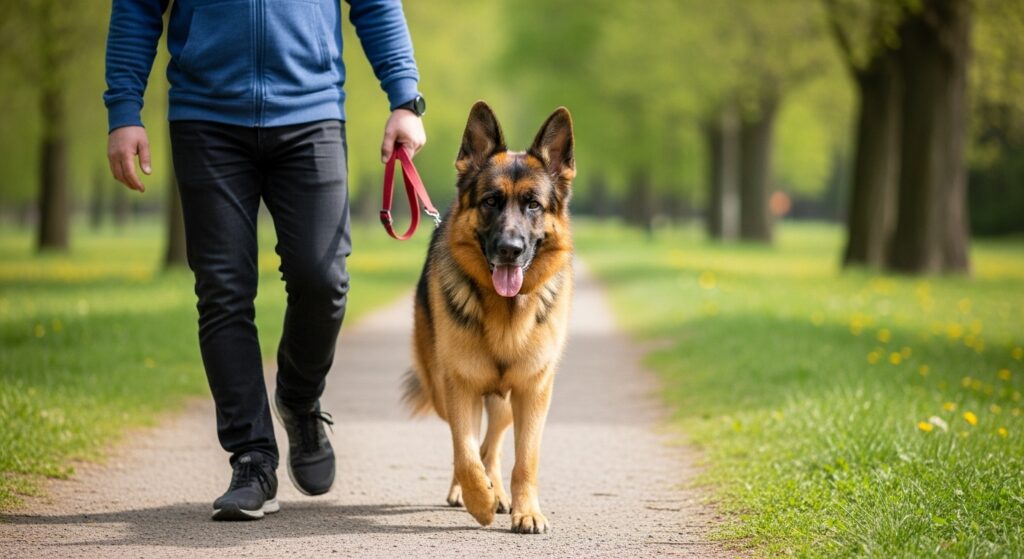
Belgian Shepherds have higher energy. They need more intense exercise each day. Short walks are not enough. They thrive on fast movement and challenge.
Activities like fetch, agility, and structured dog sports suit them well. Mental engagement is just as important as physical activity. Puzzle toys and advanced training help prevent boredom.
Without enough exercise, both breeds can become restless. With the right outlet, they stay healthy, focused, and eager to learn.
Training & Intelligence
German Shepherds and Belgian Shepherds are highly trainable and extremely intelligent. Both excel in police work, service roles, obedience, and sports.
Their natural problem-solving ability makes them quick learners, but consistency is key. Proper socialisation and mental stimulation help puppies grow into confident, well-behaved adults.
German Shepherds respond well to structured training, praise, and routine. They enjoy learning commands and tasks that make them feel useful.
Belgian Shepherd dogs, especially Malinois, are eager and alert, thriving on challenging activities that engage their minds. Without enough mental challenges, they can become bored or restless.
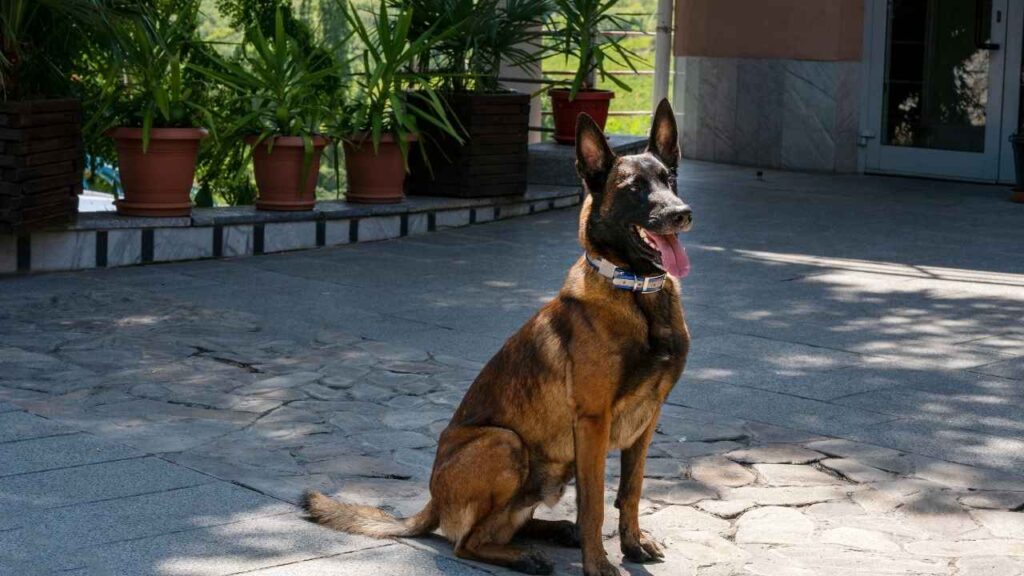
Training tips at a glance
Start early socialisation with other pups, people, and environments.
Use positive reinforcement and consistent commands.
Incorporate mental exercises like puzzle toys, obedience drills, and scent work.
With proper guidance, both breeds can be loyal, focused, and highly trainable companions for active families or working roles.
Grooming Frequency
Grooming plays an important role in keeping German Shepherds and Belgian Shepherds healthy.
German Shepherds have a thick double coat that sheds year-round. They require more frequent brushing, at least several times a week, to remove loose hair and prevent mats. Regular grooming also helps monitor skin health and reduces allergens in the home.
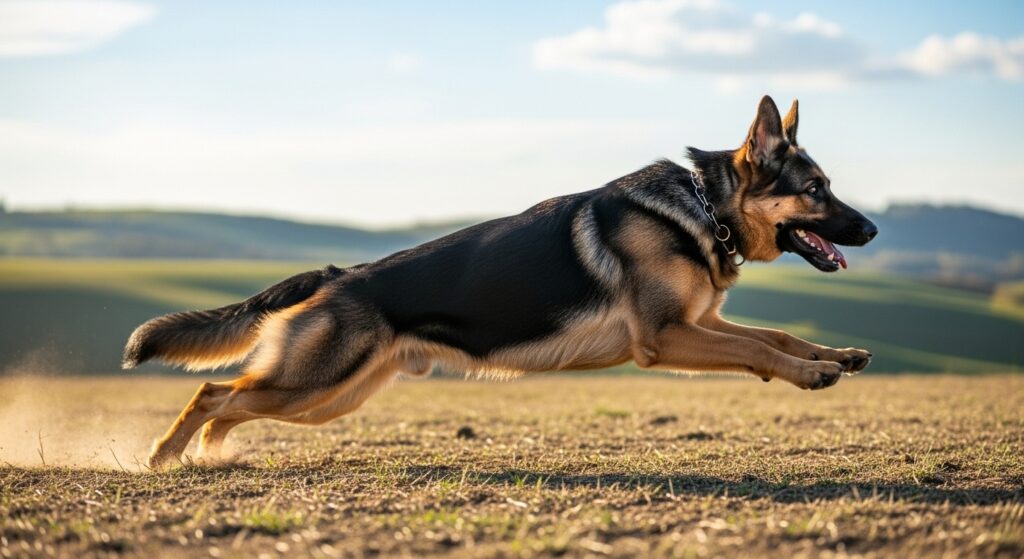
Belgian Shepherd dogs generally have a medium-length coat. Their grooming needs are less intensive, but brushing a few times a week is still recommended to maintain coat health and shine. Proper coat maintenance keeps both breeds comfortable and supports healthy skin.
Grooming tips at a glance
Brush German Shepherds more frequently due to their dense coat and heavy shedding.
Brush Belgian shepherds regularly to prevent tangles and maintain coat quality.
Check ears, nails, and teeth during grooming for overall health.
Regular grooming strengthens the bond between owner and dog while keeping them looking their best.
Lifespan Expectancy
German Shepherds typically live between 9 and 13 years. They are strong and devoted, but prone to certain health conditions such as hip dysplasia, elbow dysplasia, and degenerative myelopathy. Regular vet checkups, balanced nutrition, and proper exercise can help manage these risks and support healthy dogs.
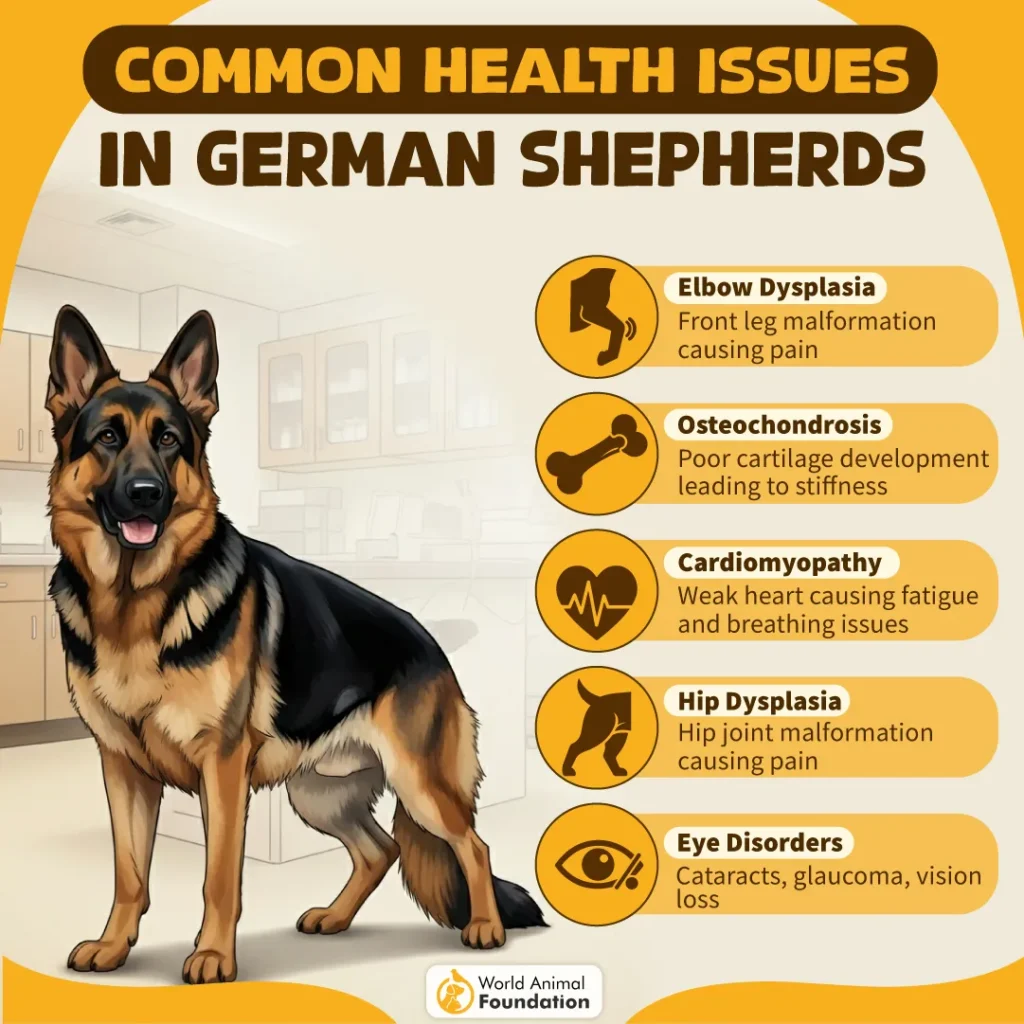
Belgian Shepherds often live a bit longer, around 12 to 14 years. They are generally healthy dogs with fewer genetic health issues. Maintaining an active lifestyle helps them stay fit and alert throughout their lives.
Key points at a glance
German Shepherd: 9–13 years, watch for hip dysplasia, elbow dysplasia, and degenerative myelopathy.
Belgian Shepherd: 12–14 years, generally healthy with fewer genetic problems.
Both breeds benefit from regular vet care and exercise to maximize life expectancy.
Suitability as Family Pets vs Guard Dogs
Both German Shepherd Dogs and Belgian Shepherd Dogs can be excellent companions, but their suitability depends on family lifestyle and the role you expect them to play.
German Shepherds are calm and highly trainable. They form strong bonds with loved ones and children, making them ideal family pets or best friends for active households.
Their protective instincts are balanced, allowing them to guard without being overly aggressive. With early socialisation, they can live peacefully with other dogs and adapt to different homes.
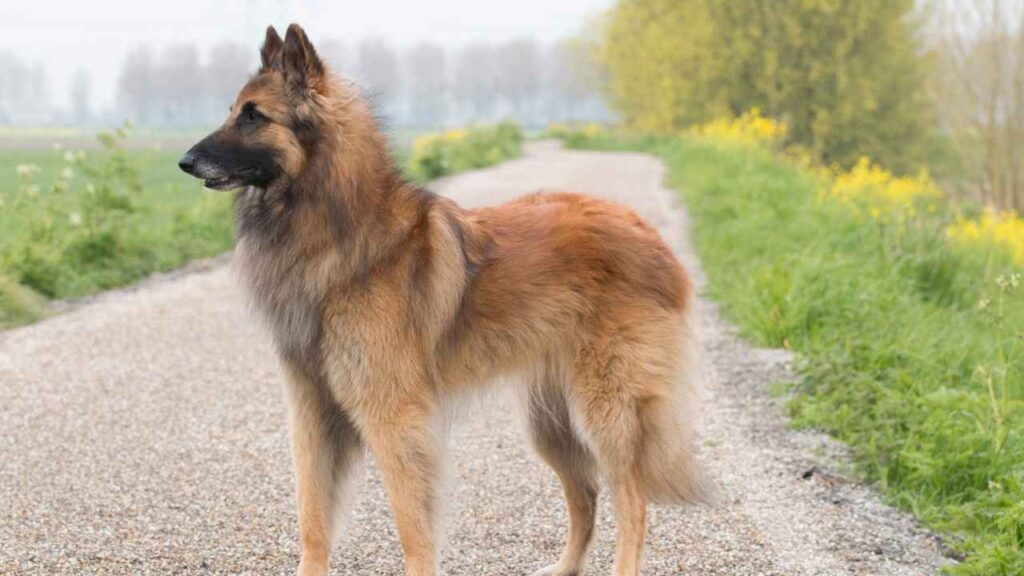
Belgian shepherd dogs are more intense and energetic. They thrive in active environments where their high energy and focus can be channelled into working roles or sports.
They are also devotedand alert, making them excellent guard dogs, but they require more mental stimulation and daily activity. Families with busy schedules or small children may find them less suitable as a quiet companion.
Key points at a glance
German Shepherd: Family pet, protective, compatible with children.
Belgian Shepherd: Active, alert, suited for working roles, needs high mental and physical stimulation.
Conclusion
Choosing between a German Shepherd Dog and a Belgian Shepherd Dog depends on your family, lifestyle, and activity level.
German Shepherds are calm, loyal, and highly trainable, making them perfect for families who want a protective yet loving pet.
Belgian Shepherds are energetic, alert, and highly intelligent, thriving in active homes or for working roles that require focus and stamina.
Both breeds need consistent training, regular grooming, and daily exercise to stay healthy and happy. While one may be better suited as a family companion, the other excels in high-energy or protective roles.
Which Shepherd dog fits your lifestyle best?
To make the right choice, research both breeds thoroughly.
