




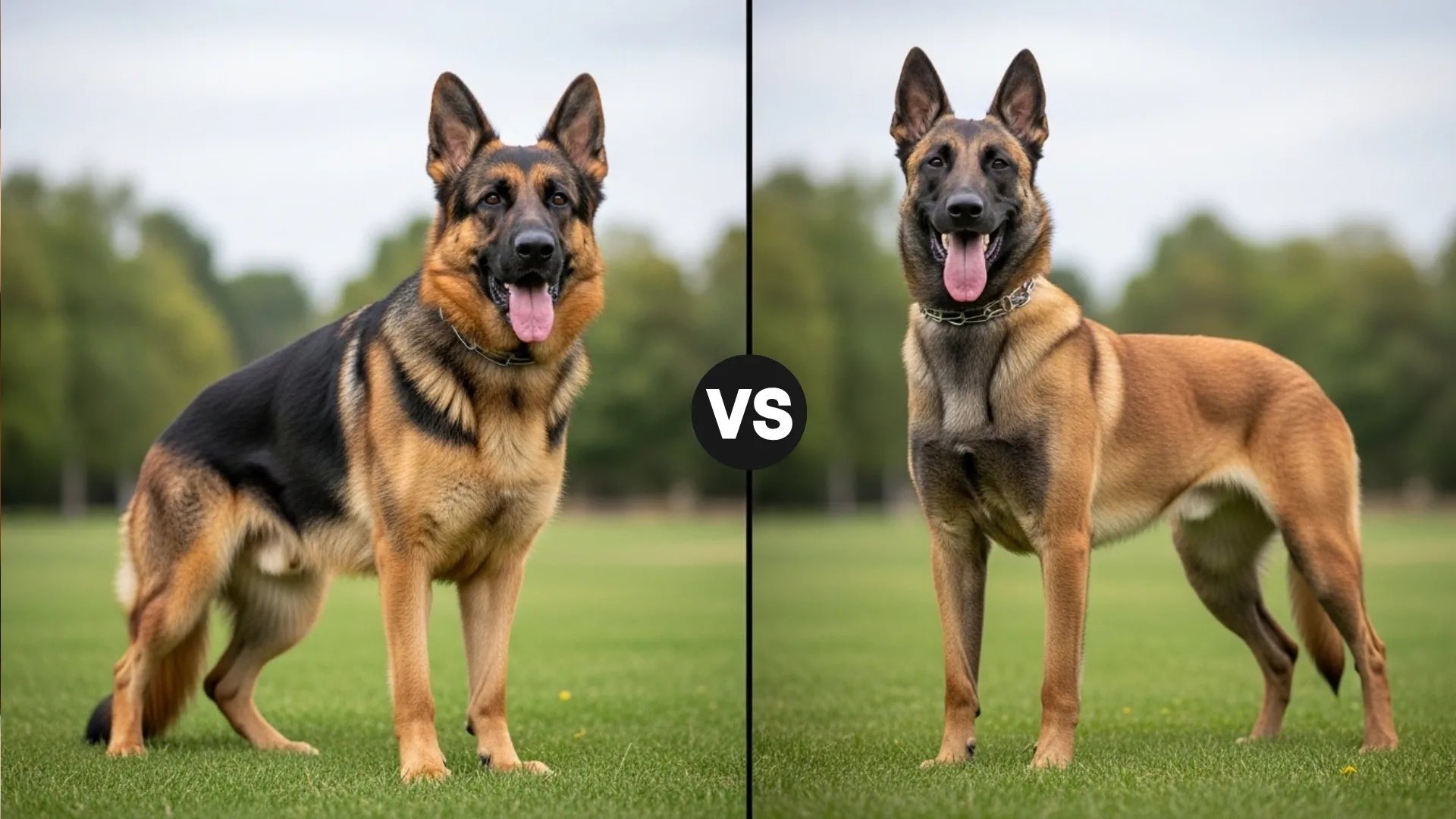
While they are frequently mistaken for one another, both the German Shepherd and the Belgian Malinois are distinct herding breeds that have earned global fame for their unrivaled work ethic. Originally developed for managing livestock, both have spent decades serving as the gold standard for vigilant protection and guardianship.
Because of their keen senses, high intelligence, and unwavering focus, both breeds are the primary choices for demanding police and military roles. However, despite their shared professional background and sharp capabilities, these two dogs are far from identical.
To choose the right partner, you must look beyond their silhouettes and understand the core differences in their physical build, temperament, and training requirements. In this guide, we’ll break down the Belgian Malinois vs. German Shepherd to help you distinguish between these iconic working breeds.
German Shepherd vs. Belgian Malinois: Understanding These Working Dog Breeds
Choosing between these two powerhouses requires a deep dive into what makes them tick, from the German Shepherd’s steadfast loyalty and balanced temperament to the Malinois’s high-octane intensity and lightning-fast reflexes.
Understanding these nuances is the key to discovering which of these iconic guardians is the perfect match for your home or mission.
Origins & Purpose
Both German Shepherds and Belgian Malinois were bred for herding sheep and are members of the herding group. As the name indicates, the German Shepherd was originally bred in Germany, whereas the Belgian Malinois was bred in Belgium.
Captain Max Von Stephanitz developed the German Shepherd in the 1800s. He was impressed by the herding breeds he saw around the globe and was interested in creating a dog for herding sheep. He was thinking of creating a wolf-like pooch with an independent, persistent, and obedient personality.
Belgian Malinois, on the other hand, is one of the four varieties of Belgian Shepherd dogs, the other three being Belgian Sheepdog, Belgian Laekenois, and Belgian Tervuren, as mentioned by the American Kennel Club. Mal was first recognized by Professor Adolphe Reul.
Size & Build Differences
Both German Shepherd dogs and Belgian Malinois share a striking and athletic wolf-like appearance. These sturdy dogs have erect ears, dark eyes, and black masks and muzzles. However, German Shepherds are larger than Belgian Malinois.
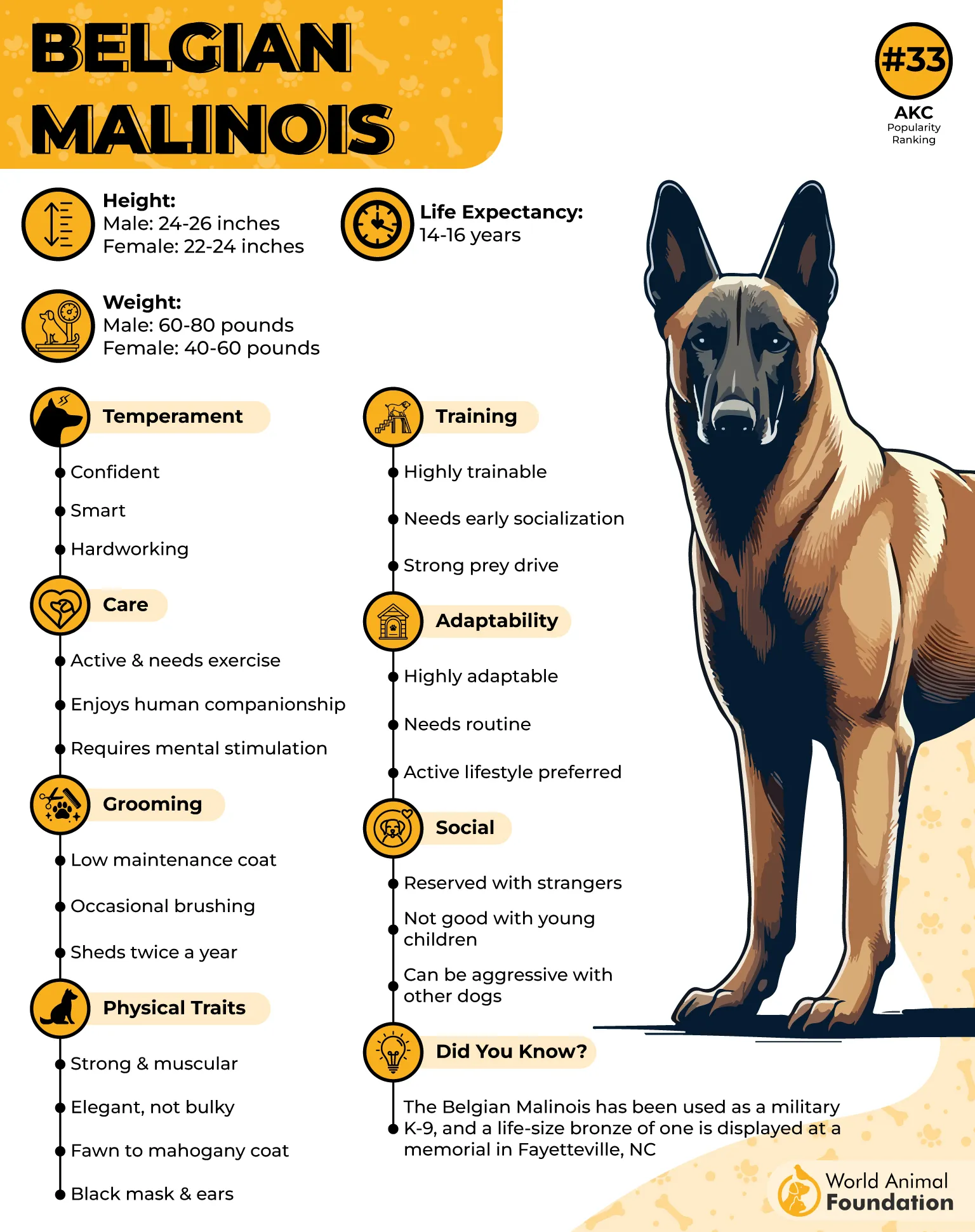
German Shepherds are muscular and large dogs of noble character. They have a unique, extremely efficient, and effortless gait. GSDs have an outline of smooth curves rather than angles. Mals, on the other hand, have slightly boxy bodies.
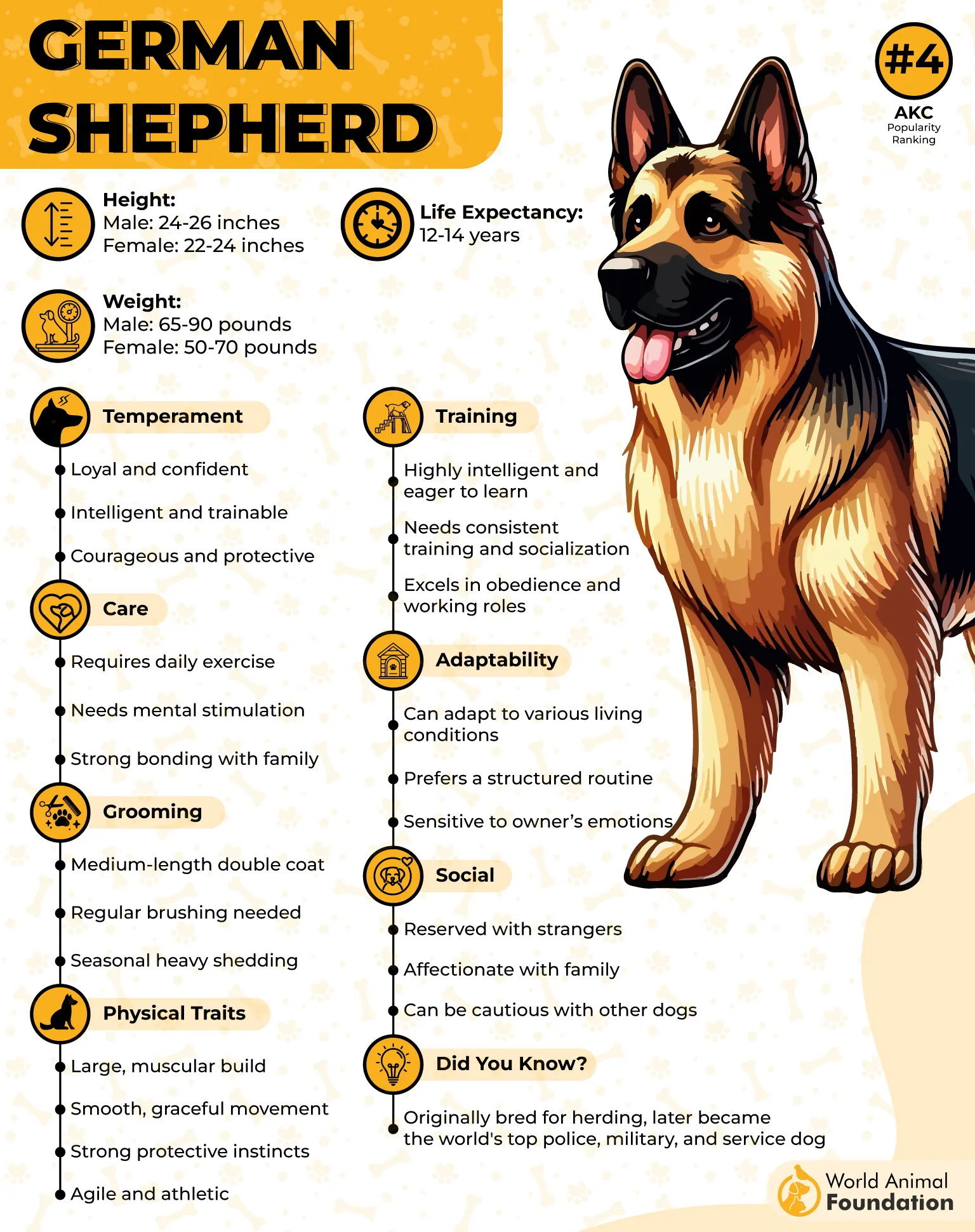
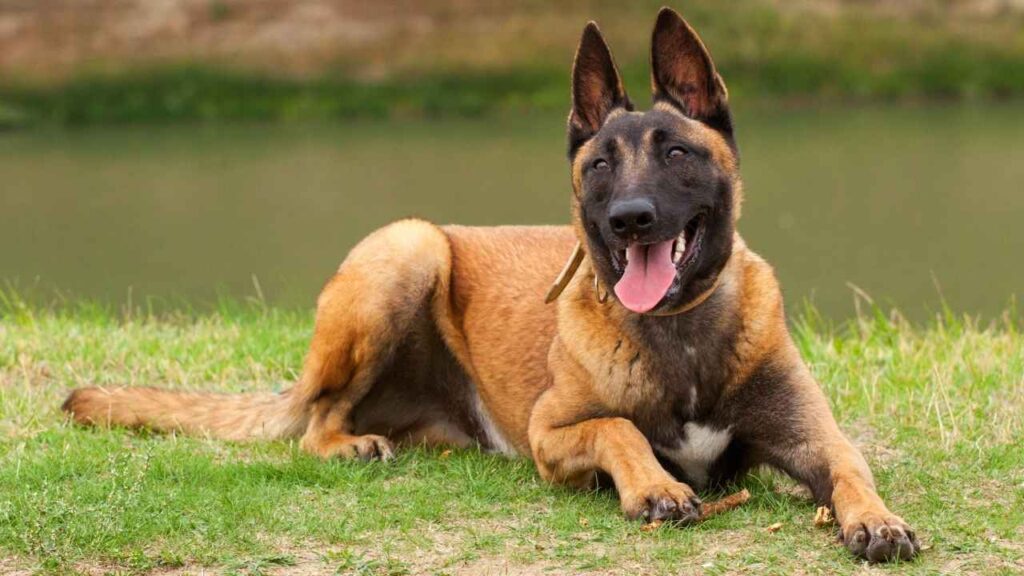
Malinois looks like a lighter and blonde version of a German Shepherd. They have an aerodynamic build and a darker mask. A German Shepherd looks more like a versatile worker, while a Belgian Malinois seems to be a high-speed athlete with a more agile body.
Coat & Grooming
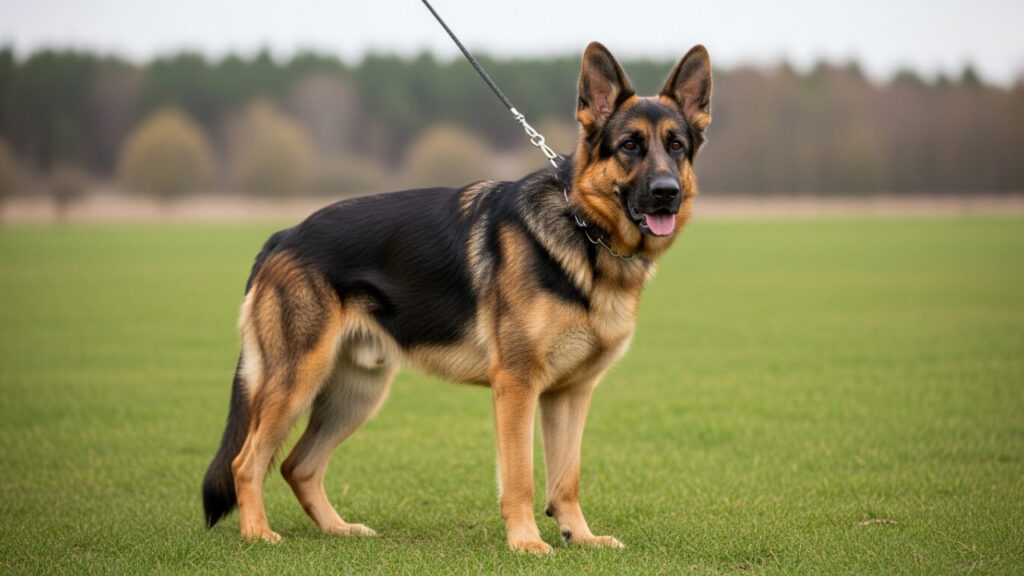
German Shepherd has a medium-length double coat comprising a harsh, dense, and close-lying outer coat and a softer undercoat. The coat is easy to maintain and requires a quick brushing every few days or so to remove loose hair.
Mals have a relatively shorter, waterproof coat that needs occasional brushing to stay in top-notch condition. You can use a bristle brush or a grooming mitt for this purpose.
However, both Malinois and German Shepherd shed profusely during shedding season. During this period, frequent brushing is required to control the amount of hair that ends up around the house or on the furniture. Occasional baths help keep the coat healthy.
Temperament & Personality
Both German Shepherds and Belgian Malinois are incredibly loyal canines blessed with strong protective instincts. However, there are some key differences between the two breeds.
German Shepherds are loving dogs who form strong bonds with their family members. They are naturally wary of strangers and have a territorial nature. GSDs can willingly sacrifice their lives in defense of their loved ones.
PetPlan mentions that they love spending time with their families but can develop separation anxiety when left alone for too long.
Mals bond more closely with one specific person. Like GSDs, these devoted canines also love nothing more than spending time with their humans. Being watchful of their loved one is a significant personality trait.
Energy Levels & Work Drive
German Shepherds and Belgian Malinois are high-energy dogs. Their athleticism, high endurance, and unmatched stamina enable them to work tirelessly for long hours. Malinois and German Shepherd make good working dogs, but GSDs are more versatile.
Belgian Malinois, however, are relatively more energetic and have an intense work drive. Having a tornado of energy, Mals are one of the most active dog breeds known to humans. They can run hard all day and still have energy left over.
Trainability & Intelligence
Belgian Malinois and German Shepherds are both blessed with intense intelligence. Their eager-to-please nature and strong minds make them highly trainable.
Ranking third on the American Kennel Club’s list of the smartest dog breeds, German Shepherds surpass Belgian Malinois in intelligence. Their high brain power, combined with the firm bonds that they form with their people, makes them very easy to train.

However, early socialization and consistent training are required to keep them from becoming overprotective of their people and help them grow into adaptable and well-mannered adults.
Belgian Malinois are also fast learners, claims PetMD. But they have a high prey drive and are strongly interested in moving objects. It may lead them to chase vehicles, children, or other animals. Obedience training and early socialization can help overcome such behavioral problems.
Health & Lifespan
Belgian Malinois tend to live slightly longer than German Shepherds. German Shepherds have a lifespan of 12 to 14 years, while Mals live up to 14 to 16 years.
Compared to many other breeds, Belgian Malinois don’t have a lot of health concerns. However, they may be prone to some common canine problems like elbow dysplasia, hip dysplasia, and some eye diseases such as cataracts and progressive retinal atrophy (PRA).
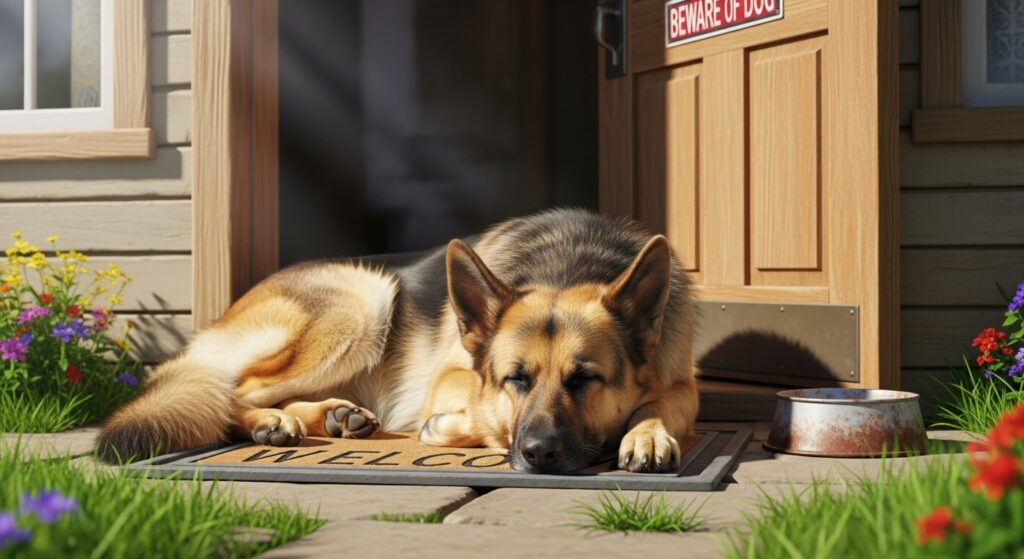
German Shepherds, on the other hand, are vulnerable to several health issues throughout their lives. Apart from hip and elbow dysplasia, they may also develop degenerative myelopathy, cancer, bloat and gastric dilation volvulus (GDV), heart disease, and allergies.
Exercise & Lifestyle Needs
German Shepherd and Belgian Malinois, the two breeds, require at least one to two hours of exercise every day for physical and mental stimulation. Both are better suited for pet parents with an active lifestyle who can keep up with their exercise requirements.
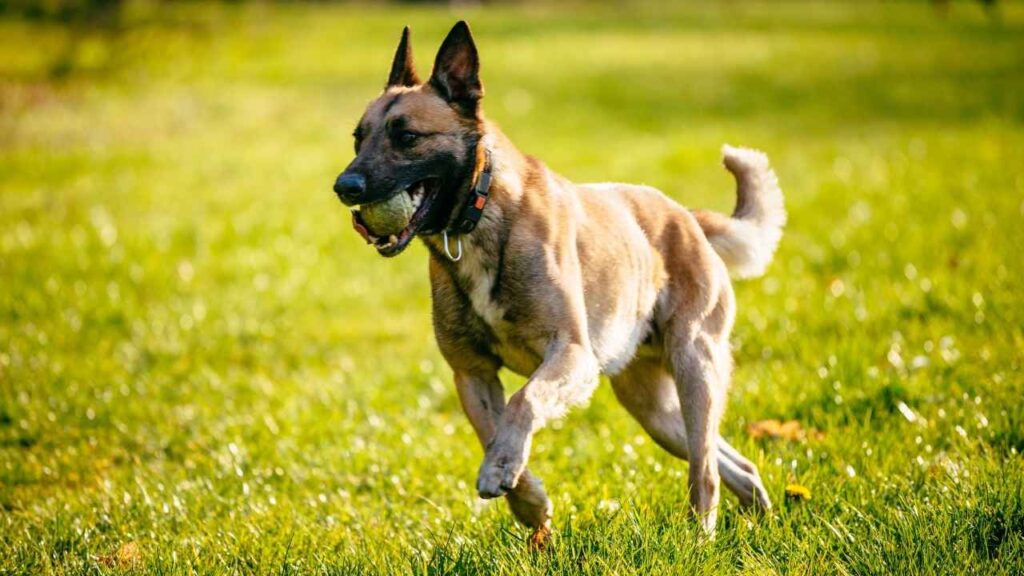
GSDs are highly active and athletic dogs who excel at a variety of canine sports like agility, herding, tracking, Schutzhund, and dock diving. Malinois also enjoys these dog sports and can even beat a German Shepherd in an agility competition.
Both breeds thrive on human companionship and make great running, hiking, biking, and swimming partners. These outdoorsy canines will never miss a chance to accompany you on a long walk, jog, or a hike.
Working Roles & Suitability
Both German Shepherds and Belgian Malinois make wonderful service dogs. They make great guard dogs and police dogs. Thanks to their keen senses and high intelligence, Mals and GSDs are a part of many search and rescue missions. They are also well-suited for military work.
However, Belgian Malinois make better police and military dogs while German Shepherds are better suited for the role of a guard dog.
Conclusion
When comparing Belgian Malinois vs German Shepherd, we notice there are many similarities between the two breeds. However, some key differences set them apart. Mals are lighter and more blonde than German Shepherds, while GSDs are larger in size.
Belgian Malinois are relatively high-energy dogs with higher agility and athleticism. If you are looking for a more family-oriented guard dog, you should adopt a German Shepherd. But if you want a better police dog, a Belgian Malinois may be a better choice for you.
