




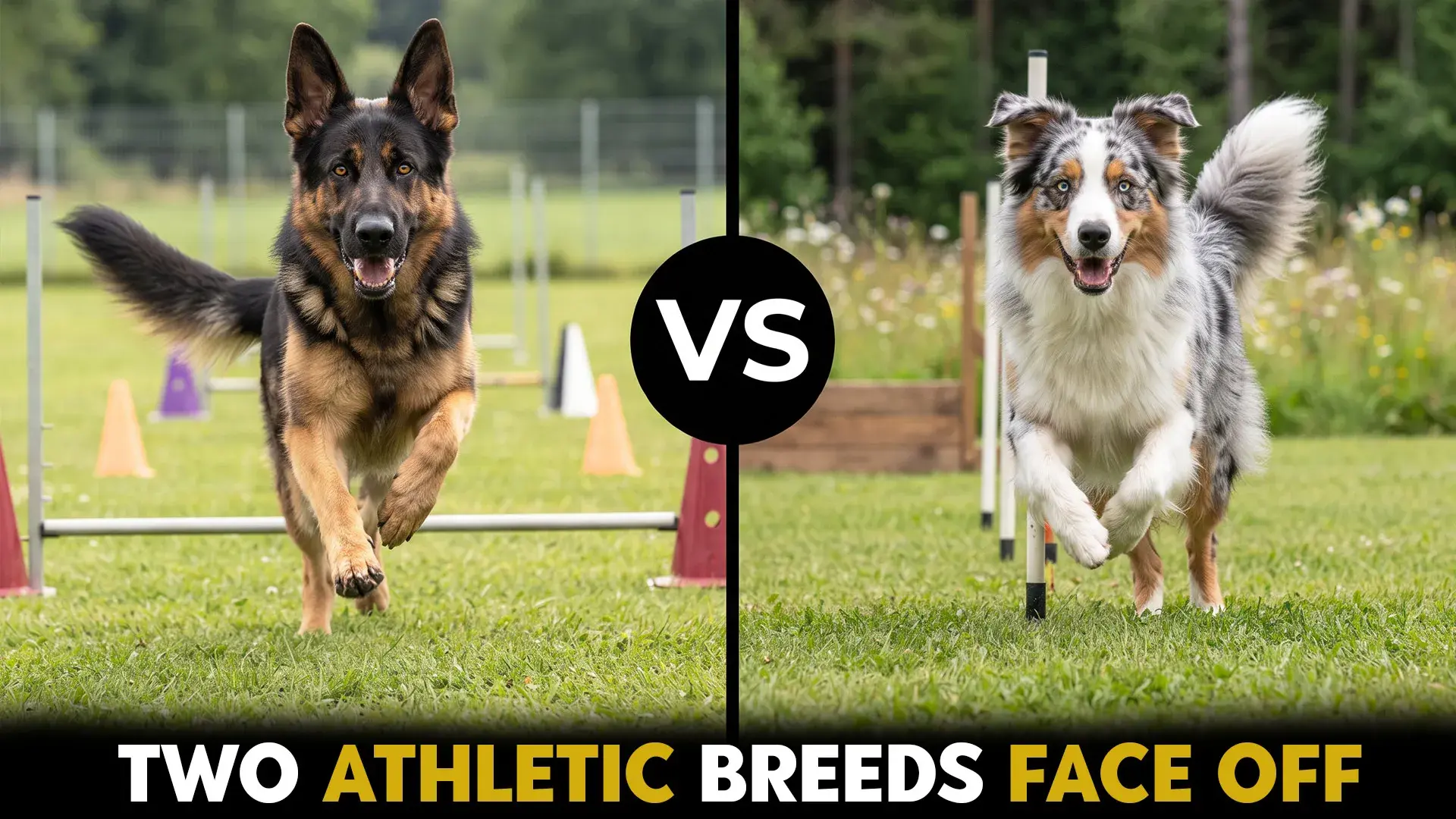
Choosing between a German Shepherd and an Australian Shepherd can feel like picking between two equally impressive athletes. Both are intelligent, energetic, loyal, and happiest when they have something meaningful to do. But while they share a strong work ethic, they differ in size, personality, exercise needs, and everyday care.
The Australian Shepherd brings a lively, agile personality to the table, making it a great match for active owners who enjoy training, outdoor adventures, and keeping their dog mentally engaged.
The German Shepherd, meanwhile, combines athleticism with confidence and a protective nature, making it a versatile companion for families and owners who want a larger, highly trainable dog.
So, which active breed fits your lifestyle better? From energy levels and exercise demands to grooming, temperament, and family life, this comparison breaks down what really sets these two hardworking dogs apart and what you should know before choosing your perfect companion dog.
German Shepherd vs. Australian Shepherd: Active Dog Comparison
Origin, History & Purpose
German Shepherd
The German Shepherd originated in Germany from traditional herding and farm dogs and was developed primarily under the direction of cavalry captain Max von Stephanitz.
In 1899, von Stephanitz purchased a herding dog named Horand von Grafrath, who became the breed’s foundation stud. The breed was carefully developed for intelligence, stamina, obedience, and working ability rather than appearance alone.
After arriving in the United States in the early 1900s and gaining AKC recognition in 1908, the German Shepherd became one of the world’s most versatile working dogs, serving in police, military, guarding, and guide-dog roles.
Australian Shepherd
Despite its name, the Australian Shepherd was developed in the western United States, particularly in California, during the late 1800s, according to Britannica.
Its ancestors included British herding dogs brought to the American West, along with some dogs that arrived from Australia.
Basque immigrants from the Pyrenees may have also contributed to the breed’s development. Originally valued for its strong herding and guarding instincts, the Australian Shepherd became closely associated with ranches and the American rodeo circuit.
Today, it continues to excel in herding and has also been used in search and rescue, police work, therapy, and assistance roles.
Size, Weight & Physical Build
German Shepherd
The German Shepherd is a large, muscular breed with a strong, slightly elongated body that is typically longer than it is tall. Adults generally stand 22–26 inches tall and weigh about 50–90 pounds.
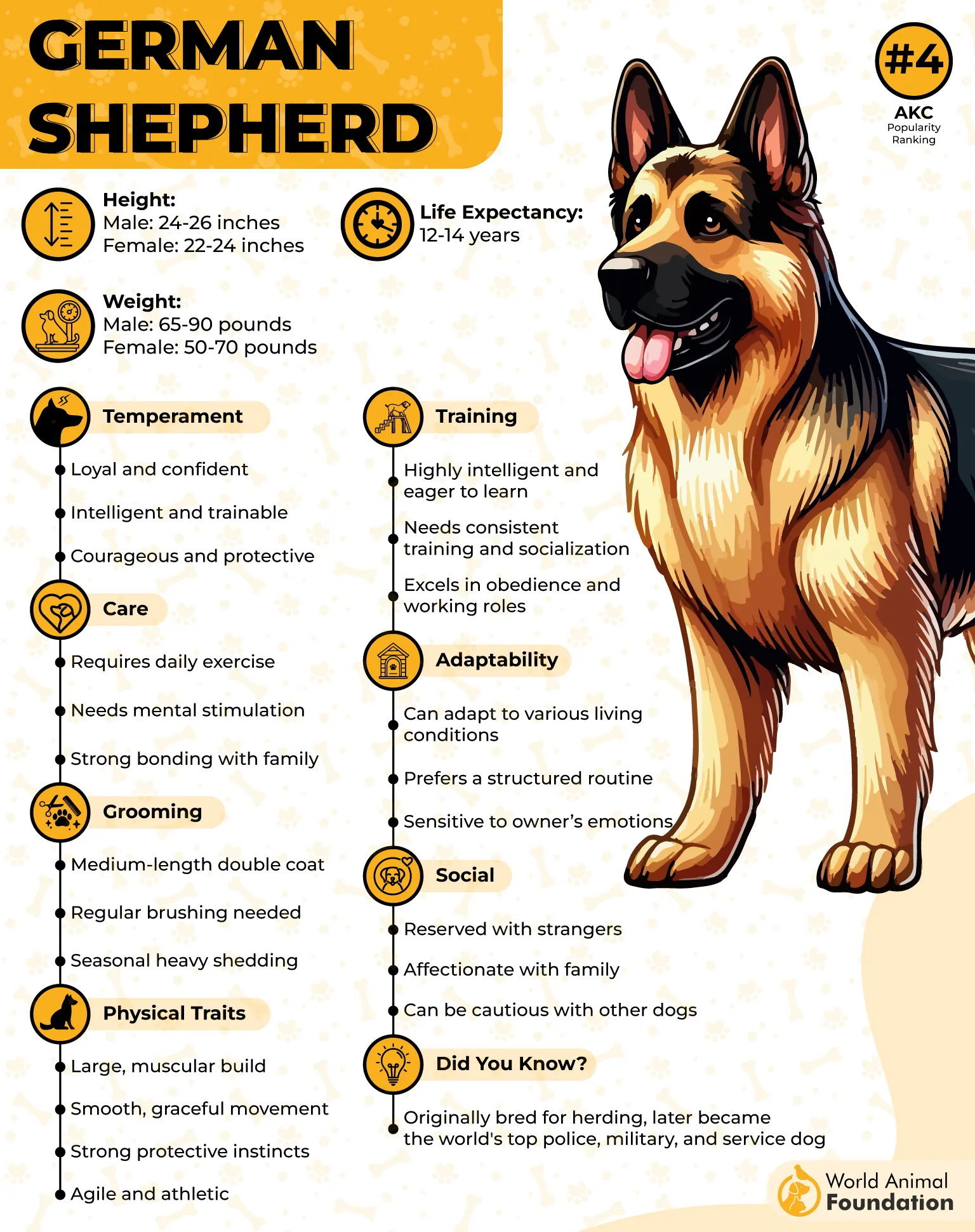
Their upright ears, long, straight muzzle, dense double coat, and bushy, slightly curved tail contribute to their distinctive, powerful appearance. Despite their substantial size, German Shepherds are built for athletic movement, endurance, and demanding physical work.
Australian Shepherd
The Australian Shepherd is a medium-sized dog with a lean, athletic build designed for agility and endurance. Adults typically stand 18–23 inches tall at the shoulder and weigh around 40–65 pounds, with males generally being larger than females.
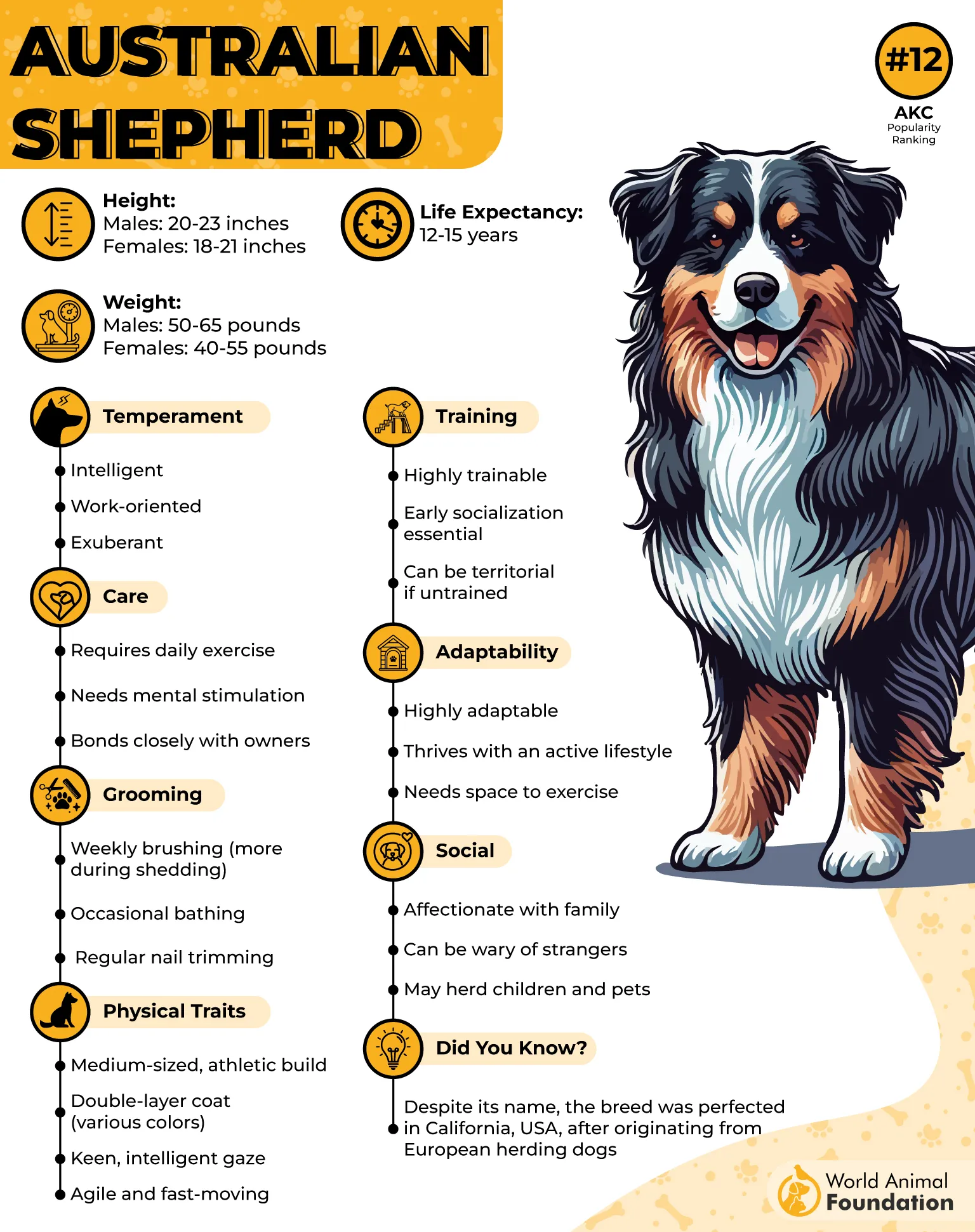
Their well-proportioned bodies, fluffy double coats, and feathered legs give them a sturdy yet agile appearance. Their tails may be naturally bobbed, long and furry, or traditionally docked.
Coats, Grooming & Maintenance
German Shepherd
German Shepherds have a dense double coat with a coarse, medium-length outer layer and thick undercoat.
They are relatively heavy shedders, so expect loose hair around the home, especially during heavier shedding periods. Brushing every few days can help remove dead hair and keep their coat in good condition.
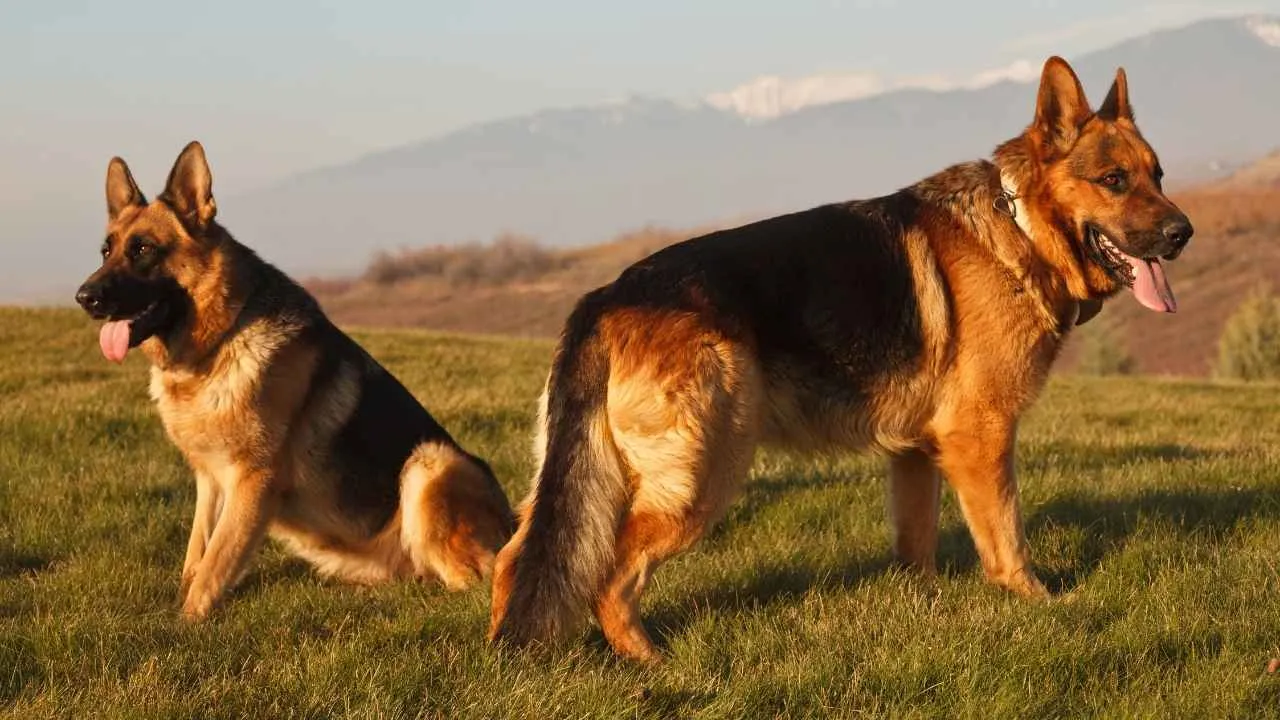
Their coat naturally resists dirt and debris, meaning frequent baths are unnecessary. Bathing about once a month, or when they become particularly dirty, is usually sufficient. Too much bathing can strip the natural oils from the skin and coat.
Brushing: Brush every few days to manage shedding and remove loose undercoat.
Dental care: Brush their teeth a couple of times a week to support good oral hygiene.
Nail care: Keep the nails trimmed so the dog can walk and move comfortably.
Home maintenance: Regular vacuuming may be necessary because German Shepherds can leave noticeable amounts of hair on furniture, clothing, and floors.
Australian Shepherd
Australian Shepherds have a medium-length double coat with a soft undercoat and a thicker outer layer that helps protect them from changing weather conditions.
Their beautiful coat comes with regular shedding, so consistent grooming is important to keep loose hair under control and prevent matting.
Brushing: A thorough weekly brushing with a slicker brush followed by an undercoat rake can help remove loose hair and keep the coat healthy.
Bathing: A bath every six to eight weeks is generally enough unless your Aussie gets particularly dirty during outdoor activities.
Dental care: Daily tooth brushing is ideal for maintaining good oral hygiene and reducing the risk of dental disease.
Nail care: Trim the nails when they become long or start clicking against hard floors. Active Aussies may naturally wear them down to some extent.
Temperament, Personality & Behavior
German Shepherd
German Shepherds are loyal, intelligent, alert, and naturally protective. They are affectionate with their families but can be reserved around strangers. With early socialization and training, they can be excellent family companions and generally do well with children under supervision.
They are highly intelligent and thrive when given a job or an engaging activity. Regular exercise and mental stimulation help prevent boredom and excessive barking.
Australian Shepherd
Australian Shepherds are intelligent, loyal, energetic, and eager to stay involved with their families. Chewy says they are often friendly but may be cautious around strangers, making early socialization important.
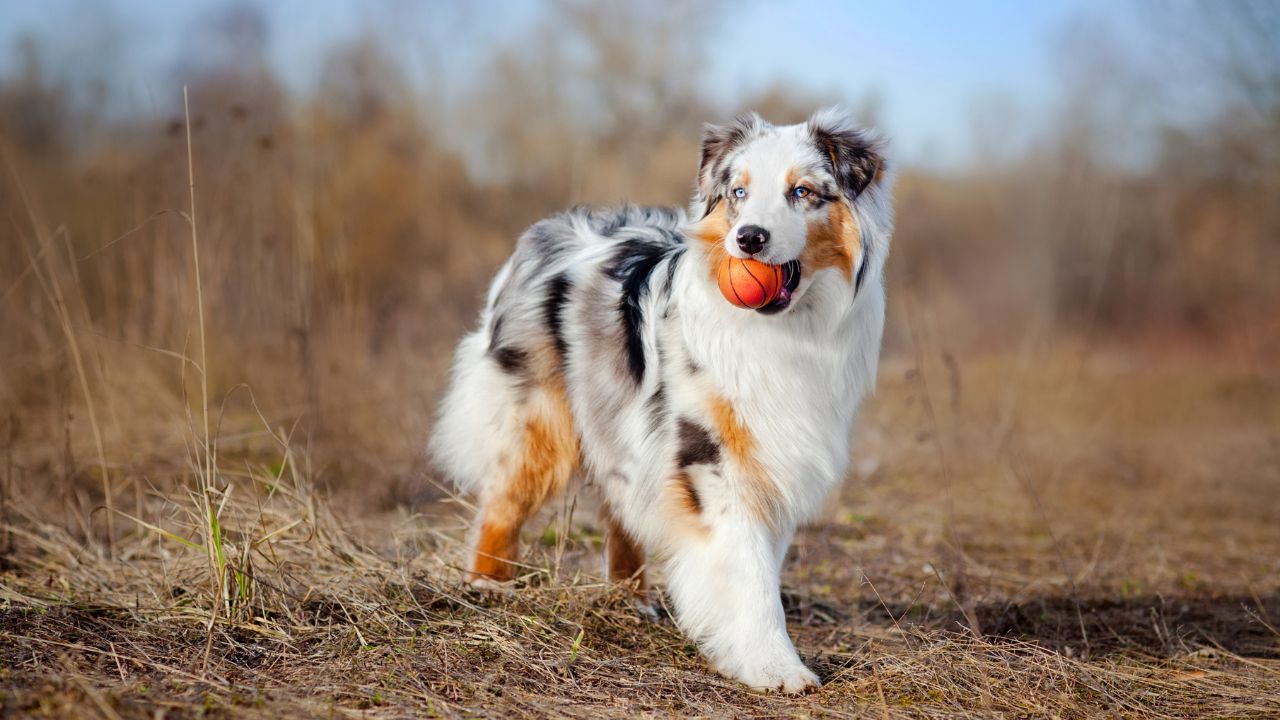
Their strong herding instinct may lead them to herd children or other pets. They need plenty of exercise, training, and mental stimulation to prevent boredom and unwanted behaviors such as digging or chewing.
Intelligence, Trainability & Responsiveness
German Shepherd
German Shepherds are highly intelligent, eager to learn, and naturally responsive to training. Their strong desire to work makes them quick to pick up commands and purposeful tasks.
Early training and socialization are important to help them remain confident and well-behaved around unfamiliar people, animals, and environments.
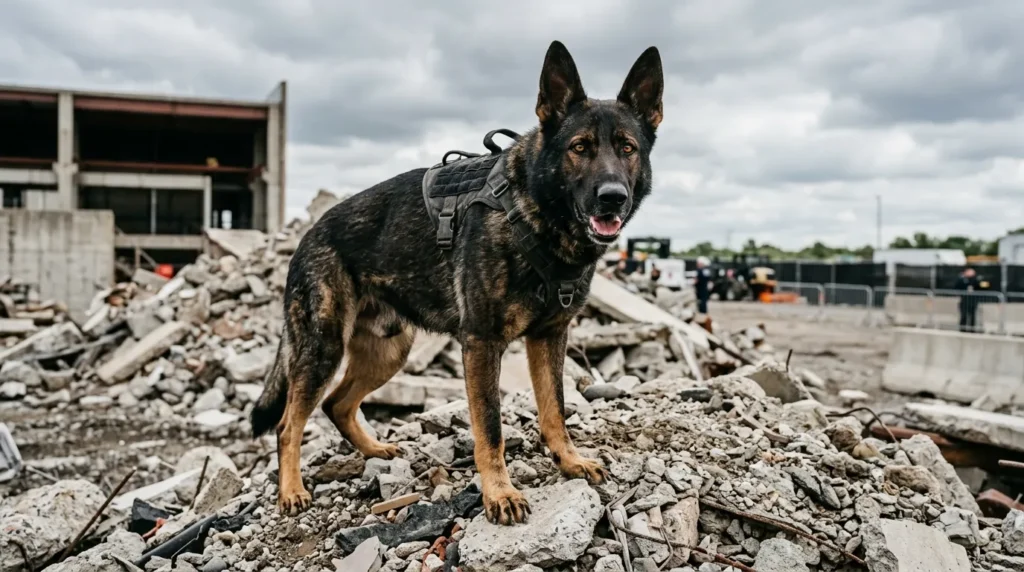
They respond well to consistent, positive training and enjoy activities that challenge both their minds and bodies. Their intelligence also makes them well-suited to obedience, canine sports, tracking, and other working activities.
Australian Shepherd
Australian Shepherds are exceptionally smart and eager to please, making them highly trainable when given clear direction. Their natural working instinct means they enjoy having a job, and early training helps channel their energy and herding tendencies appropriately.
They respond especially well to positive reinforcement and enjoy learning advanced tricks and activities. Agility, flyball, and other mentally and physically challenging sports can keep an Aussie engaged and satisfied.
Energy Levels, Exercise Needs & Work Ethic
German Shepherd
German Shepherds have very high energy levels and need plenty of daily activity to stay balanced and well-behaved. Aim for around two to three hours of combined physical exercise and mental stimulation each day.
They enjoy brisk walks, jogging, hiking, fetch, scent games, swimming, and interactive challenges at home. Their strong work ethic means they thrive when exercise gives them a purpose rather than simply tiring them out.
Australian Shepherd
Australian Shepherds are extremely energetic and need regular daily exercise to stay happy and healthy. Around one to two hours of active time, including walking, running, play, and training, can help meet their needs.
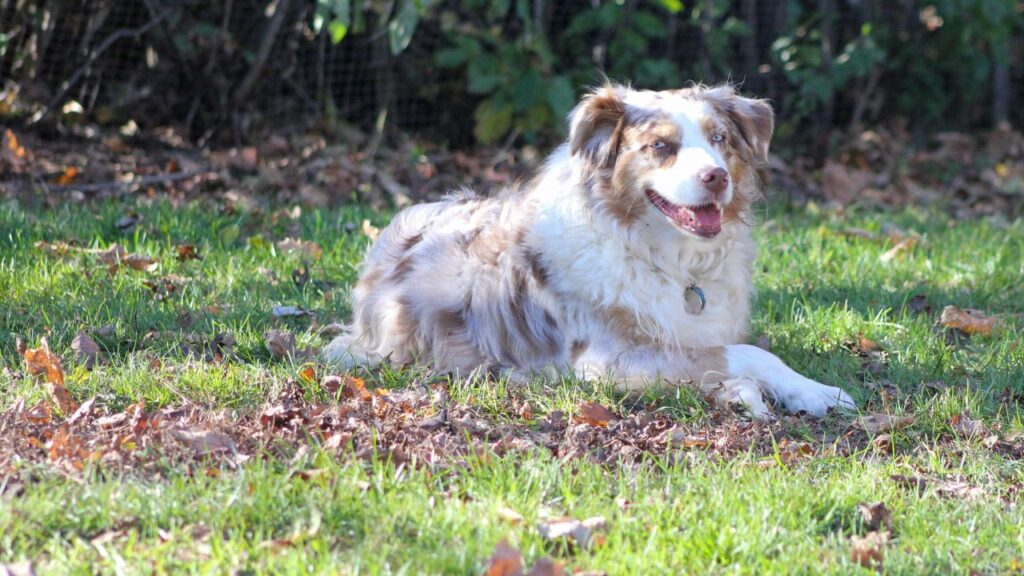
Aussies particularly enjoy activities that challenge both their body and mind, such as hiking, agility, and disc games. Without enough stimulation, their unused energy can lead to unwanted behaviors such as digging or chewing, as mentioned by PetMD.
Health Concerns, Lifespans & Durability
German Shepherd
German Shepherds typically live around 12–14 years. Common health concerns include:
Allergies
Bloat and gastric dilatation-volvulus (GDV)
Cancer
Degenerative myelopathy
Dilated cardiomyopathy
Elbow dysplasia
Hip dysplasia
Epilepsy
Exocrine pancreatic insufficiency
Pannus
Australian Shepherd
Australian Shepherds generally live around 12–15 years, with some reaching 16 years. Common health concerns include:
Cancer
Epilepsy
Cataracts
Collie eye anomaly
Distichiasis
Hip dysplasia
Multidrug resistance 1 (MDR1) mutation
Working Roles, Primal Instincts & Traits
German Shepherd
German Shepherds were originally developed as herding and farm dogs, but their intelligence, loyalty, alertness, and strong work ethic have made them highly versatile working dogs. Their natural protective instincts also make them excellent watchdogs and dependable companions.
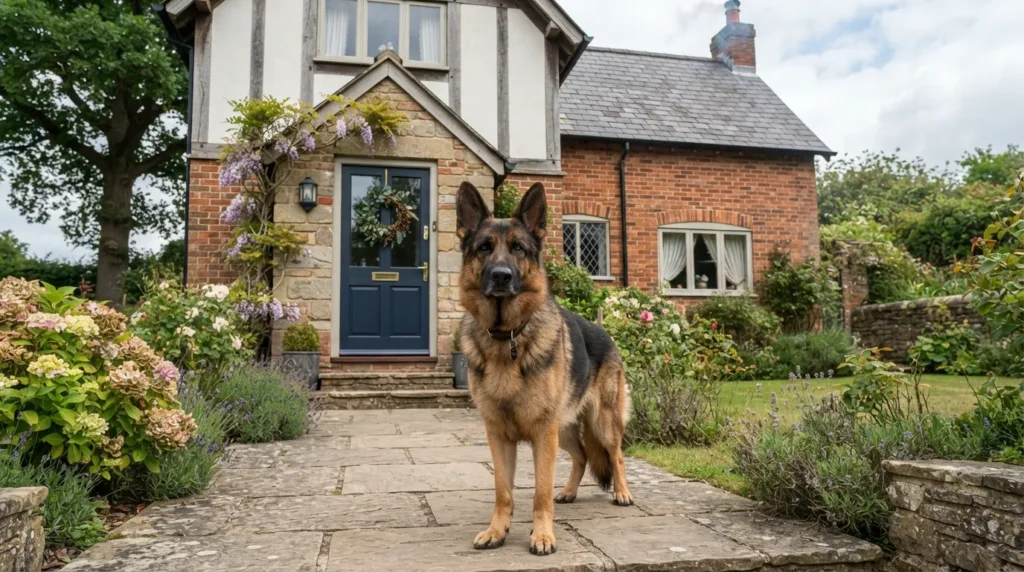
They have been widely used in police and military work, search and rescue, tracking, and as guide dogs. Their instinct to work, protect, and stay close to their people remains a defining part of their personality.
Australian Shepherd
Australian Shepherds were developed primarily as hardworking herding dogs and became closely associated with ranches and the American rodeo circuit.
Their strong herding instinct, agility, intelligence, and stamina make them natural working companions who enjoy having a job to do.
Beyond herding, Aussies have also been used in search and rescue, police work, therapy, and assistance roles. Their energetic nature, curiosity, and eagerness to work continue to shape their behavior and everyday needs.
Family Compatibility & Lifestyle Suitability
German Shepherd
German Shepherds can be excellent family companions when properly trained and socialized. They are loyal, protective, and affectionate with their families, and can do well with children when interactions are supervised.
However, their high energy and protective nature make them best suited to active households that can provide regular exercise, training, and mental stimulation.
They may chase cats or small pets and can be reserved around unfamiliar dogs, so early socialization is especially important in multi-pet or busy households.
Australian Shepherd
Australian Shepherds can be loving and devoted family dogs, particularly for active households. They generally do well with children and other pets when properly socialized, although their natural herding instinct may cause them to try to herd children or smaller animals.
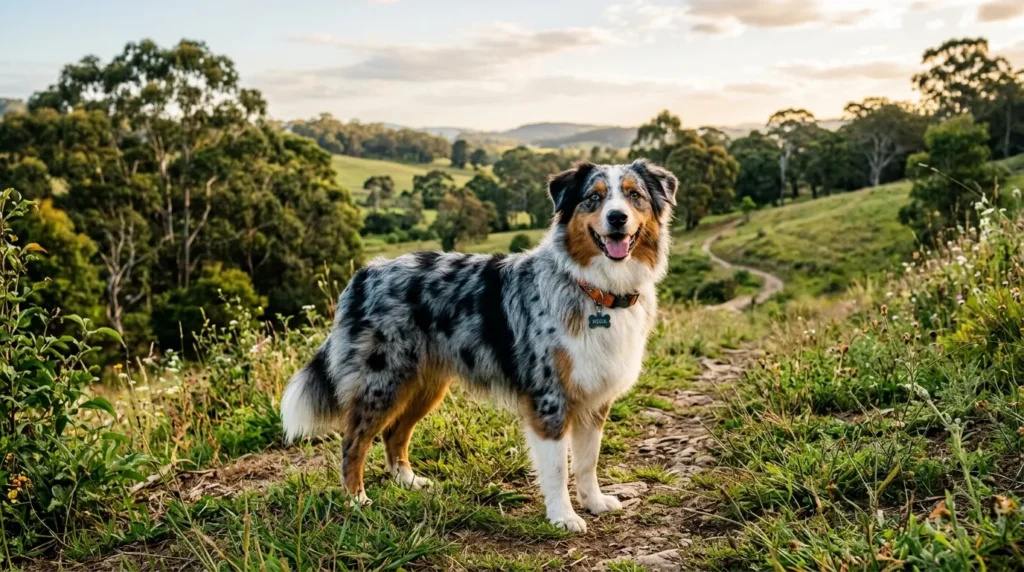
Their high energy makes them a better fit for families who enjoy outdoor activities and can provide plenty of exercise, play, training, and mental stimulation every day.
Conclusion
Choosing between a German Shepherd and an Australian Shepherd ultimately comes down to the kind of companion that fits your everyday life.
Both are intelligent, loyal, energetic, and hardworking, but the German Shepherd is larger and more protective, while the Australian Shepherd is smaller, highly agile, and strongly driven by its herding instincts. Both also need plenty of exercise, training, mental stimulation, and regular care.
Before bringing either breed home, think beyond appearance and consider your space, activity level, family setup, and ability to meet their daily needs.
The best choice isn’t simply the more impressive dog. It’s the one whose energy, personality, and working instincts fit naturally into your life.
