




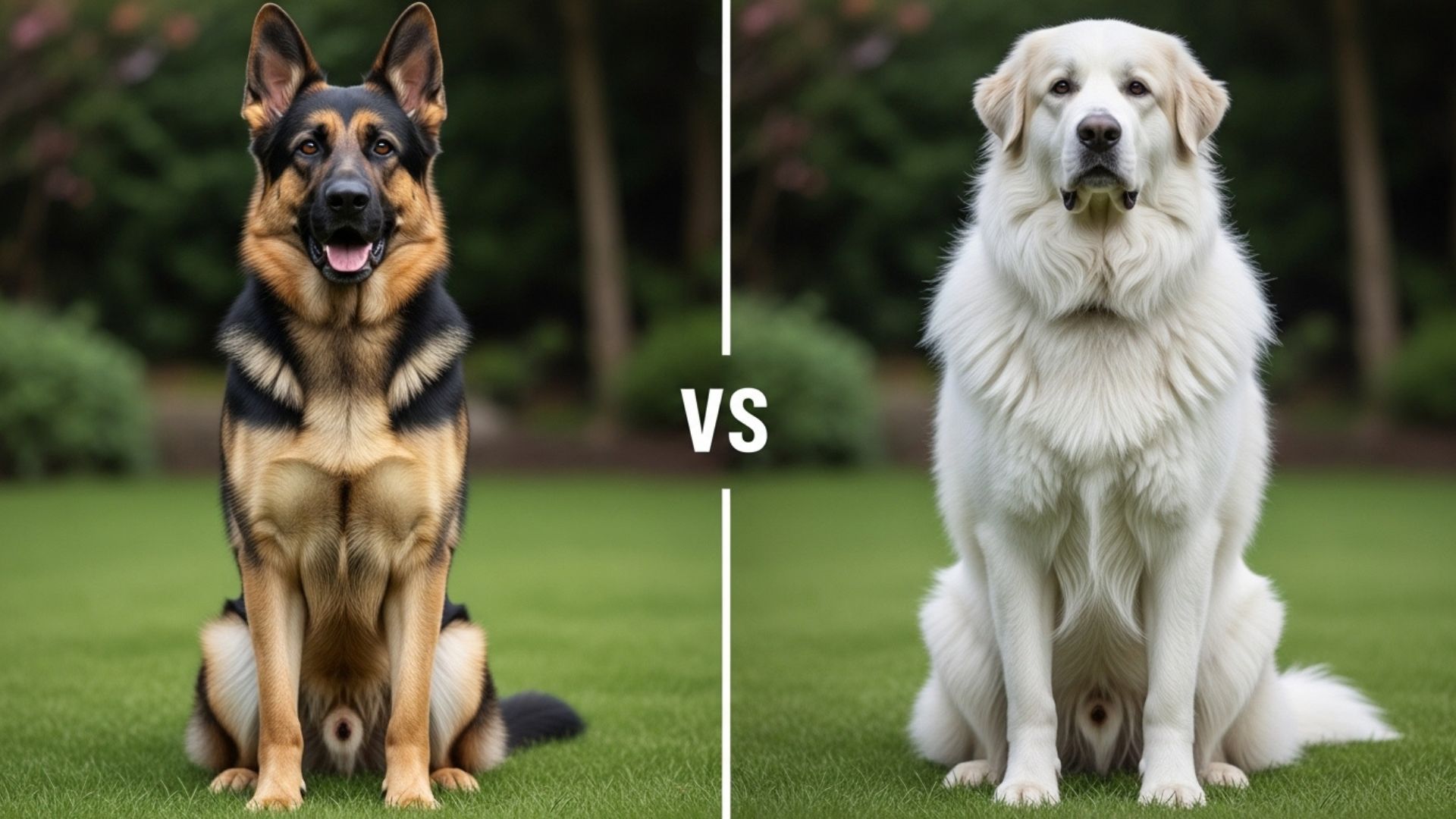
Thinking about adding a furry family member but feeling stuck between two amazing options? It’s totally normal to feel torn when both the German Shepherd and the Great Pyrenees come with their own unique charm and skills.
Choosing the right dog isn’t just about looks—it’s about finding a companion who fits your lifestyle, personality, and home environment perfectly.
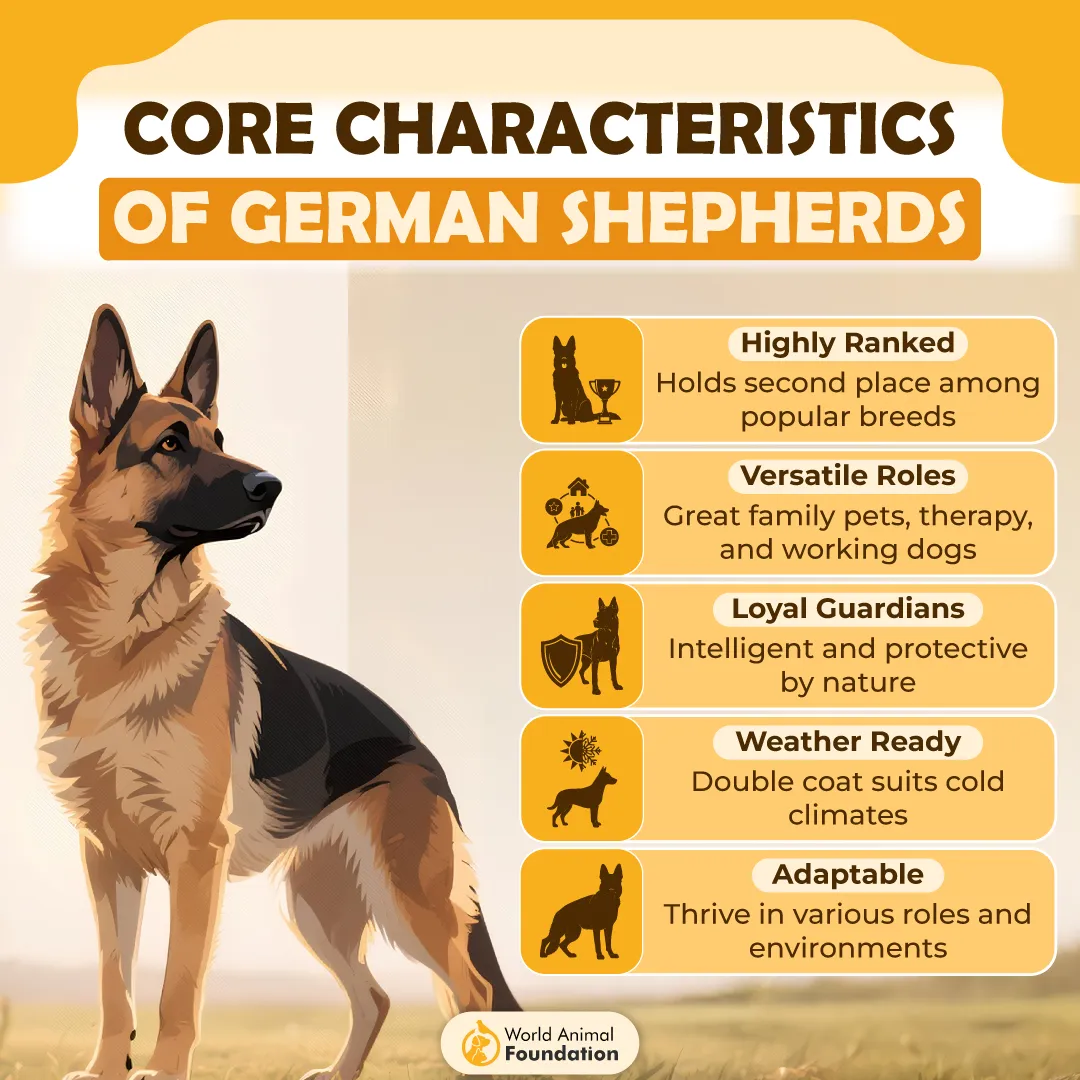
The German Shepherd is famous for its intelligence, loyalty, and versatility. They’ve been trusted partners in police work, search and rescue, and as loving family pets.
On the other hand, the Great Pyrenees impresses with its majestic size and calm, gentle nature, traditionally guarding livestock but now often winning hearts as a devoted family protector.
In this article, we’ll explore what makes each breed special and highlight its key differences. By the end, you’ll have a clearer idea of which one fits your needs best—so you can bring home the perfect four-legged friend with confidence and excitement!
German Shepherd Or Great Pyrenees: What Will Work Out Best
Origin & Historical Background
German Shepherd
The German Shepherd breed as we know it today was officially developed in Germany in 1899 by Capt. Max von Stephanitz, as mentioned by Britannica. He refined the breed from various old shepherd and farm dogs that had long served as both workers and companions to humans.
The breed quickly gained worldwide attention, and by 1908, the American Kennel Club (AKC) had officially recognized the German Shepherd.
During World Wars I and II, the breed’s name was changed to avoid negative associations, often being called simply “shepherd dog” or “Alsatian” in Europe.
Over time, cross-breeding has produced variations such as the King Shepherd, a mix of German Shepherd and Shiloh Shepherd.
German Shepherds have a strong legacy as versatile working dogs and loyal family pets.
Great Pyrenees
The Great Pyrenees boasts a history stretching back thousands of years. Fossil evidence suggests ancestors of this breed were brought to the Pyrenees Mountains of southern France between 1800 and 1000 B.C., likely evolving from Central Asian mountain sheepdogs.
The breed was developed by the Basque people to guard sheep and homes in the region.
By the 17th century, the Great Pyrenees had earned favor with French royalty and nobles.
General Lafayette brought the breed to the U.S. in 1824, but it wasn’t recognized by the AKC until 1933.
Known as the Pyrenean Mountain Dog in Europe, the breed continues to work as a livestock guardian.
Famous fans include Queen Victoria in the 19th century and, more recently, actress Jennifer Aniston, who adopted a Great Pyrenees mix.
Size, Build & Physical Appearance Comparison
German Shepherd
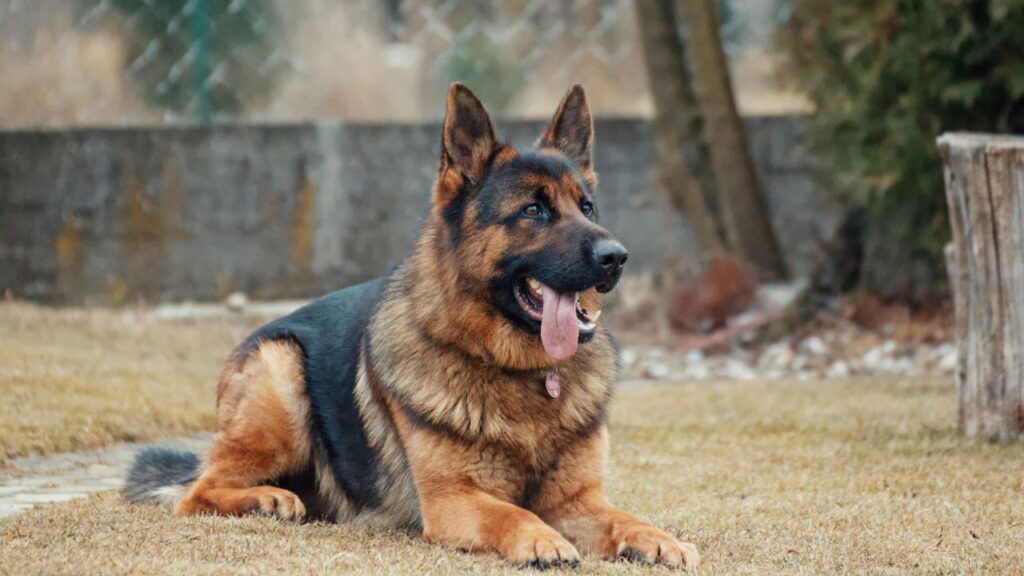
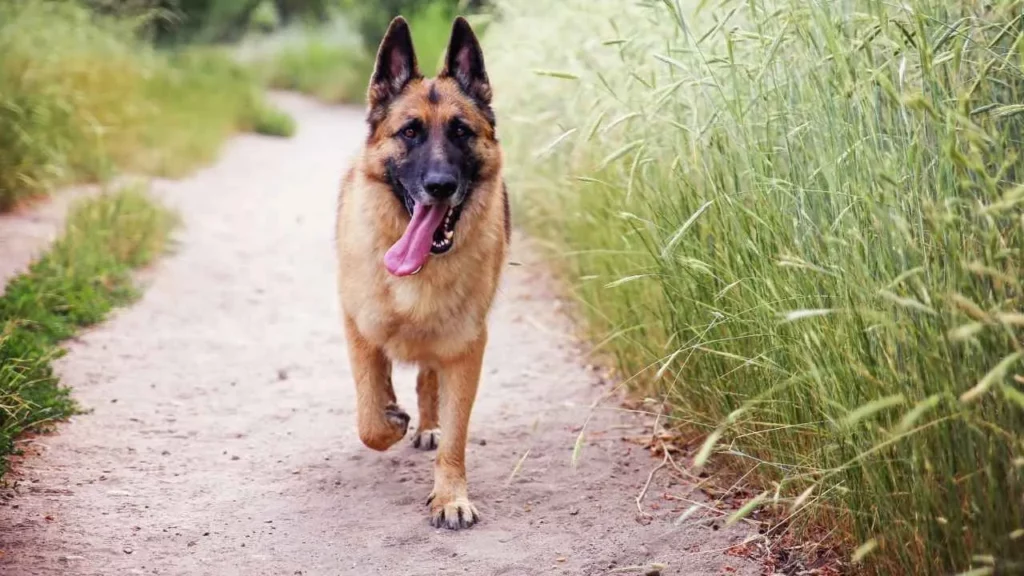
German Shepherds have a noble and stately presence, combining strength with agility. They are large, muscular dogs known for their impressive energy and speed. Their relaxed, loping stride allows them to cover ground quickly, which makes them ideal herding dogs.
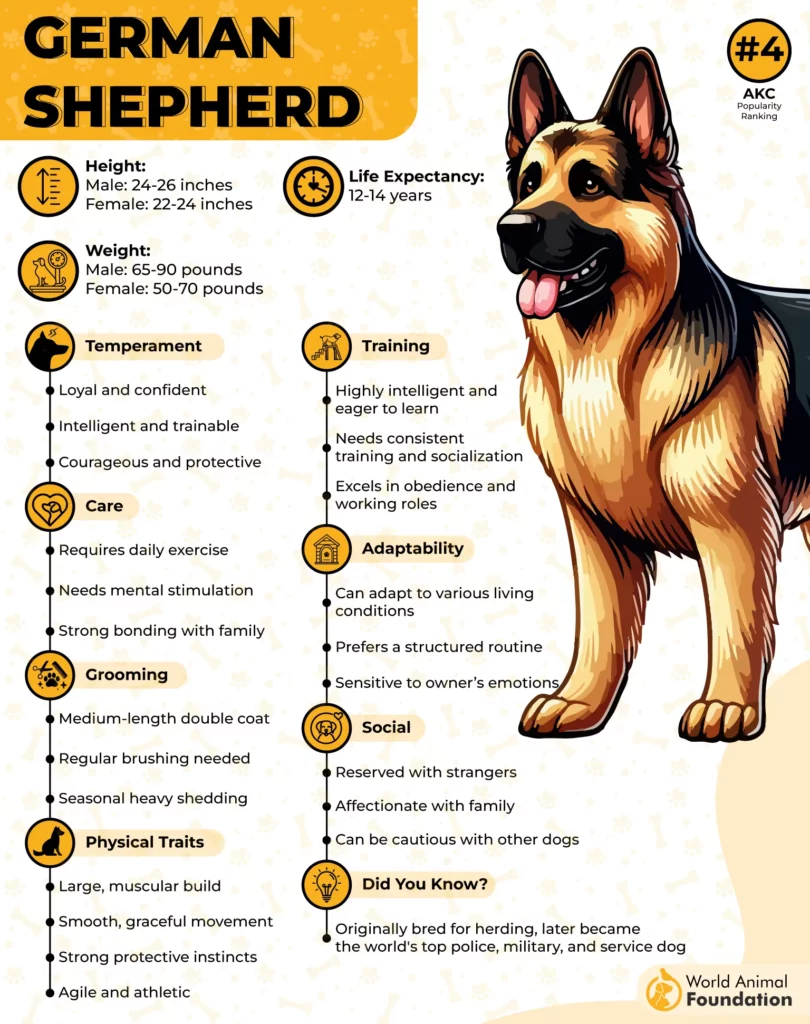
Head & Face: Square-shaped head with a long muzzle, pointed ears, and big, expressive eyes that give them an inquisitive look.
Coat: Medium-length double coat with a thick undercoat for warmth and a straight or slightly wavy outer coat.
Colors: Typically a mix of dark brown, golden, and black, with darker fur around the eyes, ears, mouth, paws, and sometimes the back.
Size: Generally stand around 24 inches tall and weigh between 49 and 88 pounds, depending on sex, diet, and lifestyle.
Unique Traits: Many have pink skin peeling on their underbellies and inside ears, especially noticeable in puppies.
Great Pyrenees
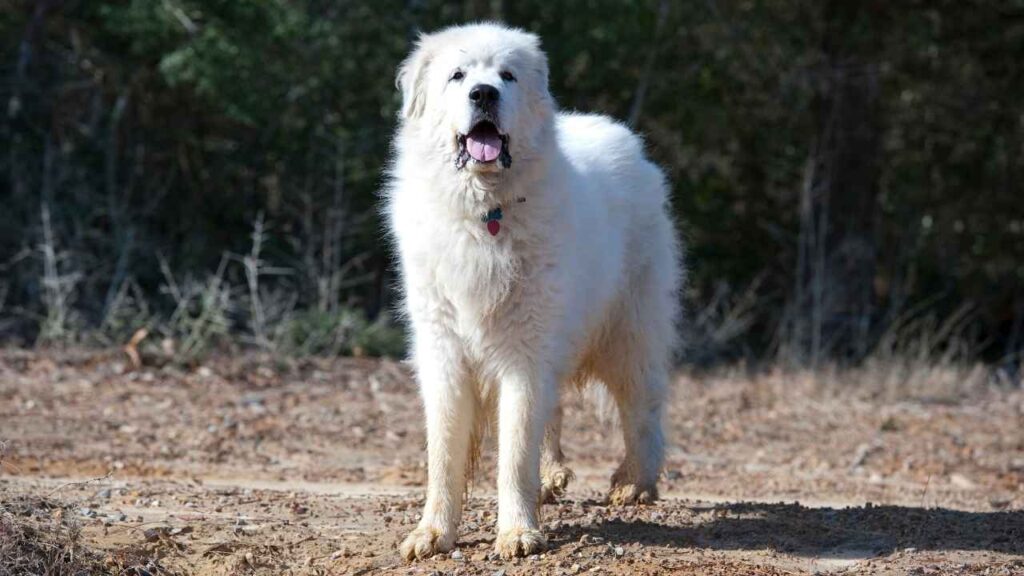
The Great Pyrenees is a very large and muscular dog that carries a regal and majestic look.
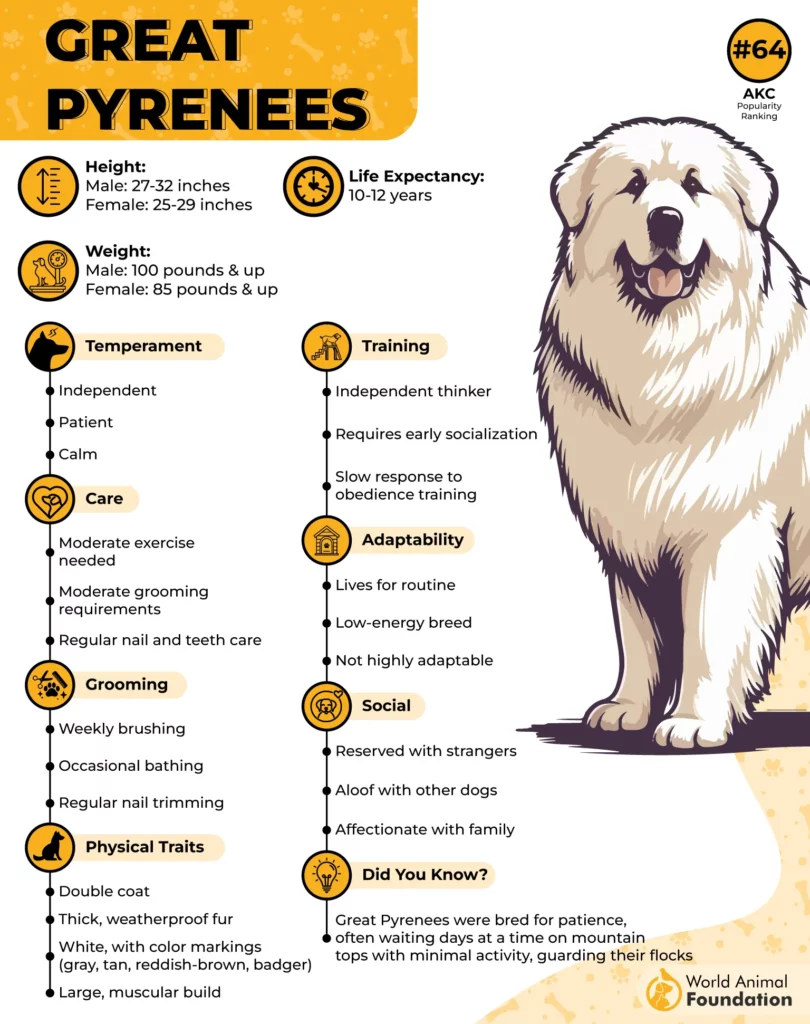
Coat: Thick double coat designed for mountain climates — a long, coarse, usually wavy or wiry outer coat with a soft, dense undercoat for insulation.
Colors: Mostly solid white or white with patches of tan and yellow.
Eyes: Large, dark brown eyes that add to their gentle yet powerful presence.
Size: Larger than German Shepherds, these dogs require plenty of space to move around comfortably.
Living Needs: Due to their size and energy, they do not do well in apartments or small living spaces. A large backyard or access to dog parks is essential to keep them happy and healthy.
Temperament & Personality Traits
German Shepherd
German Shepherds are known for their intelligence, drive, and fierce loyalty. Always alert and active, they thrive on mental and physical challenges and form strong bonds with their families.
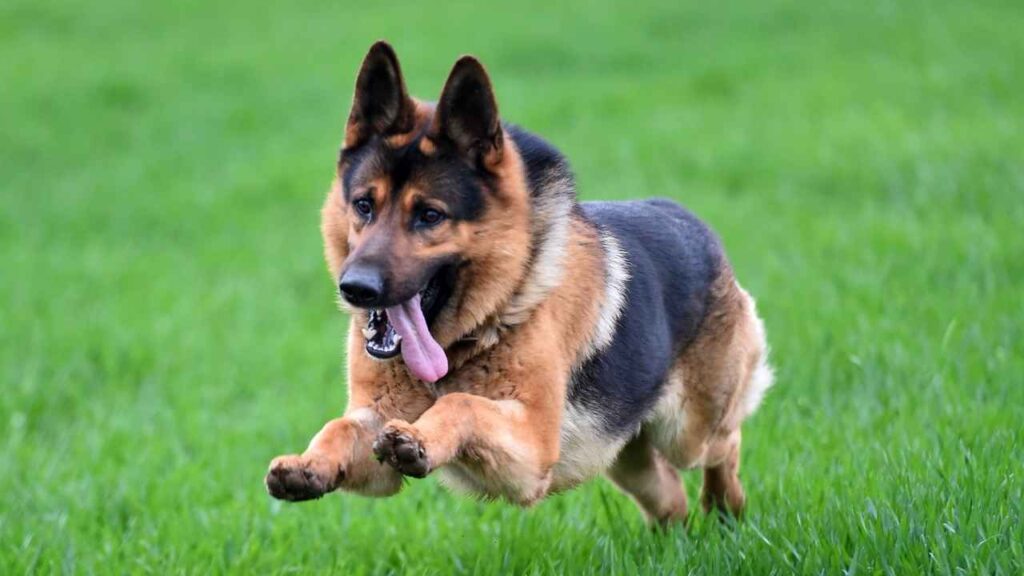
Their natural suspicion of strangers means proper socialization is essential to prevent over-protectiveness or aggression.
Alert & Protective: Naturally watchful and brave, making them excellent family guardians and working dogs.
Social Needs: Require consistent training, socialization, and plenty of exercise to stay balanced.
Family Compatibility: Great with children and other dogs when well-trained, but can become wary if not properly introduced to new people or situations.
Human Interaction: Thrive on attention and close contact with their owners and can suffer from separation anxiety.
Great Pyrenees
The Great Pyrenees is a calm, gentle, and patient dog by nature, bred to live with and protect livestock in harsh environments.
While they have a mellow personality at home and usually get along well with children and other pets, they are always alert and ready to defend their family or flock if they sense danger.
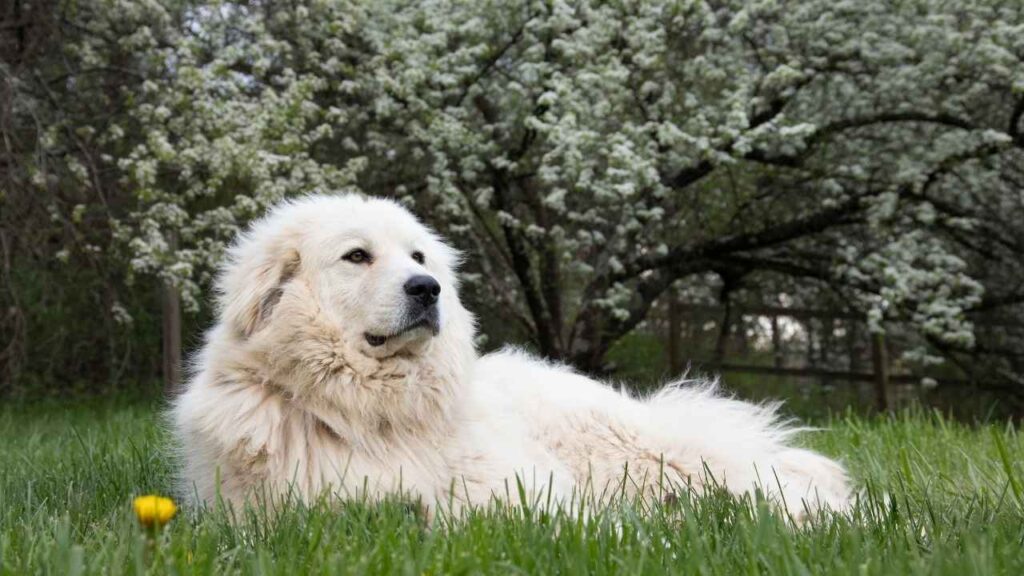
Protective Instincts: Watchful and independent, they rely on their strength and speed to handle threats.
Family Life: Great for families who want a loyal companion, but may not be ideal for households with very small kids due to their large size.
Alone Time: They appreciate having their own space and can do well in homes where people are away for part of the day.
Socialization: Generally sociable with other pets if given room to retreat when needed.
Both breeds make devoted protectors but express their personalities differently—one calm and steady, the other energetic and highly alert. Understanding these traits will help you decide which dog matches your family’s lifestyle and needs.
Exercise Needs & Energy Levels
German Shepherd
German Shepherds are bursting with energy and need much more than just a daily walk to stay happy and healthy. These dogs thrive when given plenty of opportunities to run, play, and explore.
If you’re a jogger or enjoy outdoor activities, a German Shepherd can make a great running companion. Without enough exercise and mental stimulation, they may become bored and develop unwanted behaviors like barking, digging, or chewing.
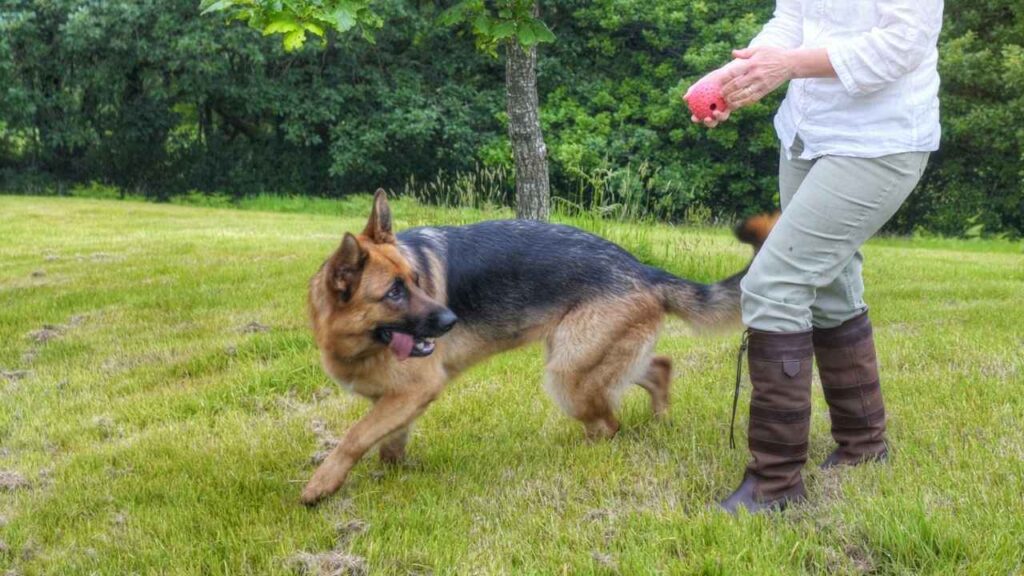
Because of their strong jaws and natural tendency to chew, it’s important to provide durable toys to keep them busy.
German Shepherds do best in homes with a fenced yard where they can safely expend their energy, but even more crucial is regular attention and companionship—they don’t like being left alone for long.
Great Pyrenees
While the Great Pyrenees isn’t as high-energy as the German Shepherd, it still requires a fair amount of daily exercise to stay fit and content.
Typically, these large dogs need at least 30 to 40 minutes of walking every day, with some dogs doing well with up to two hours of activity.
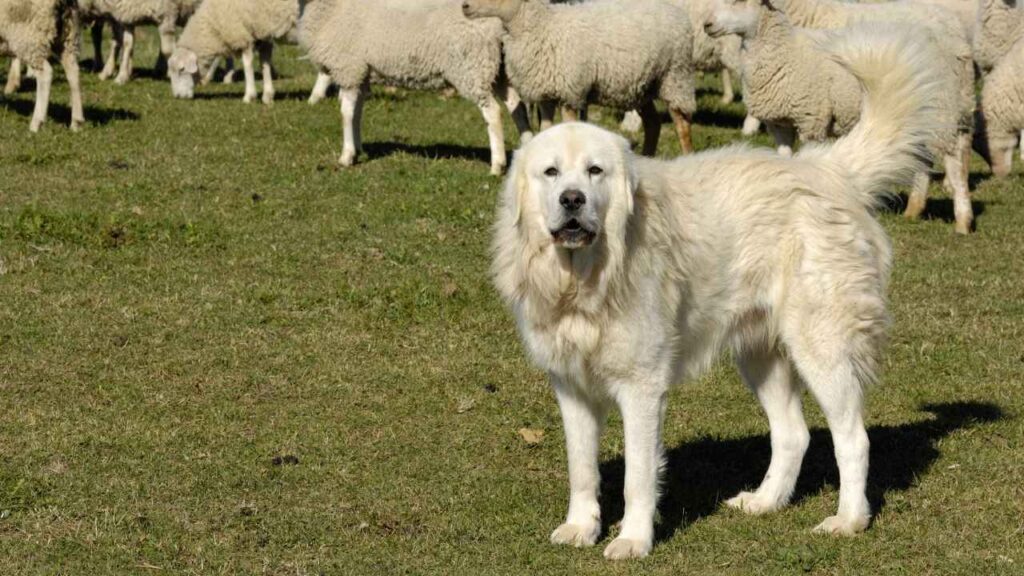
This breed enjoys roaming and patrolling when given access to a large, secure yard, but may tend to wander if off-leash, so fencing is essential.
Due to their thick double coat, Great Pyrenees dogs are more comfortable exercising in cooler weather and need special care to avoid overheating in hot temperatures.
Intelligence, Trainability & Working Ability
German Shepherd
German Shepherds are considered one of the most intelligent breeds and are eager to please their owners, which usually makes training a smooth process.
Their intelligence and strong work ethic mean they thrive when given a job or task, whether it’s canine sports, obedience training, or working roles like police or service dogs.
Trainability: Responds very well to consistent, positive training methods and enjoys mental challenges.
Socialization: Early socialization is critical to prevent anxiety, aggression, or fearfulness around strangers, other animals, and new environments.
Behavior: Without proper training and socialization, they may become anxious or display aggressive behaviors.
Responsibility: Owners need to commit to regular mental and physical exercise to keep their German Shepherd balanced and happy.
Great Pyrenees
The Great Pyrenees is intelligent but far more independent than the German Shepherd. Bred to guard livestock without human supervision, they are natural problem-solvers who sometimes choose to do things their own way rather than following commands blindly.
Trainability: Can be challenging to train because they may ignore commands if they don’t see the point.
Training Tips: Positive reinforcement and short, consistent training sessions work best to keep their attention.
Socialization: Early socialization is essential to managing their natural suspicion of strangers and ensuring good manners.
Working Ability: Excellent guardians, they are calm, watchful, and protective without needing constant direction.
Vocal Tendencies & Alertness Levels
German Shepherd
German Shepherds are very vocal dogs, known for their loud, booming barks that can reach up to 106 decibels—louder than a moving truck. This barking is a natural part of their role as alert watchdogs and protectors.
They use their voice to signal potential threats or unusual activity, which makes them excellent guardians. However, their frequent barking can be challenging if you live in an apartment or close quarters with noise restrictions.
Without enough physical and mental exercise, boredom can cause even more barking, so consistent training and activity are essential to manage their vocal tendencies.
Great Pyrenees
Great Pyrenees dogs also tend to be vocal, using deep, resonant barks that can carry over long distances. Their barking is often triggered by their strong guarding instincts, alerting their owners to any unfamiliar sounds or visitors.
While this makes them effective watchdogs, it can also create conflicts in neighborhoods with noise sensitivities. Due to their size and vocal nature, Great Pyrenees are not well-suited for apartment living and need plenty of space to feel comfortable and avoid feeling confined.
Coat Type, Shedding & Grooming Requirements
German Shepherd
German Shepherds have a coarse, sometimes wiry, medium-length coat with a dense undercoat that protects them in various weather conditions. They are continuous shedders, losing fur throughout the year, so daily brushing is important to remove dead fur and reduce loose hair around your home.
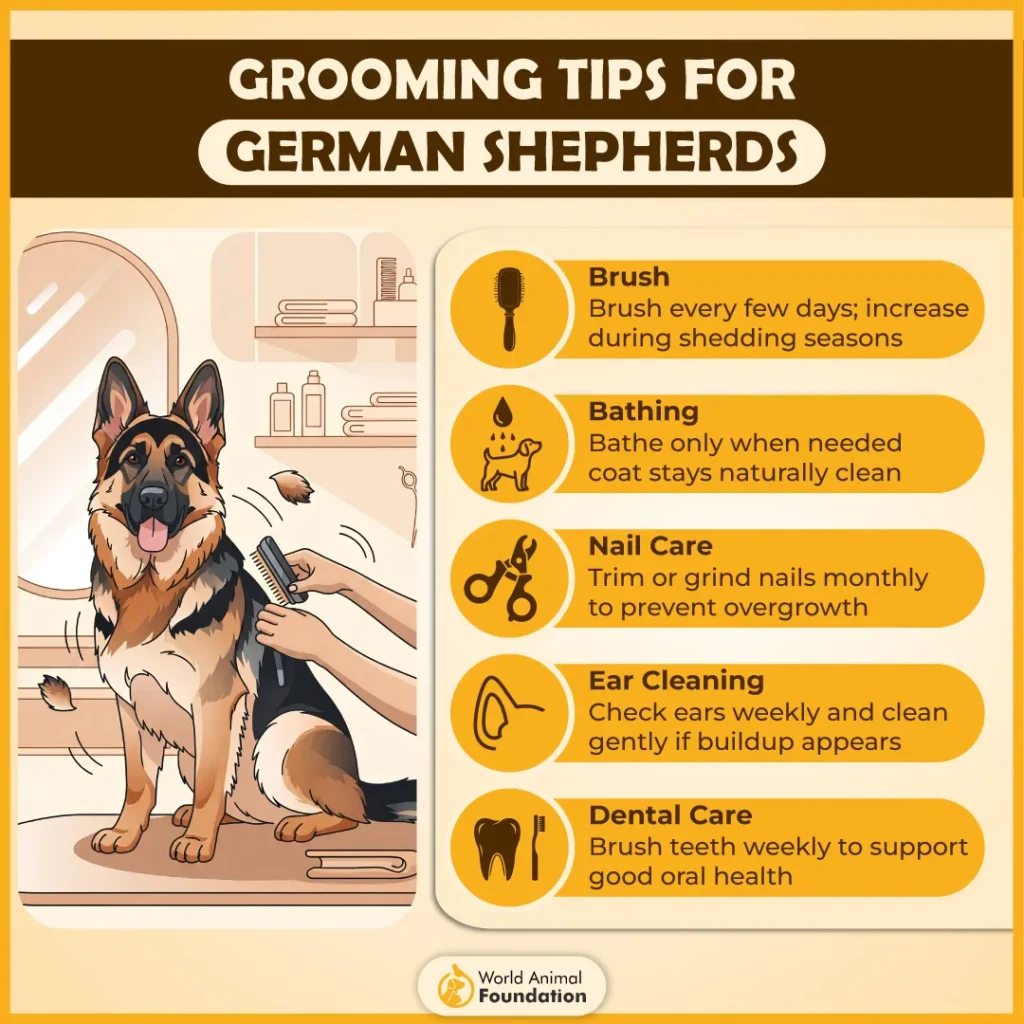
Brush daily to manage shedding and keep the coat healthy.
Bathe about once a month to avoid stripping natural oils.
Nail trimming is necessary to ensure comfortable movement.
Brush teeth a couple of times a week for dental health.
Great Pyrenees
The Great Pyrenees has a long, thick, primarily white coat with a coarse outer layer and a soft, woolly undercoat. Their moderate to high shedding means regular grooming is key to preventing mats and keeping loose hair under control.
Brush one to two times per week to prevent matting and remove loose fur.
Bathe every few months to maintain coat cleanliness without drying it out.
Trim nails regularly, especially considering their extra dewclaws.
Clean ears weekly to avoid wax buildup and infections.
Health Concerns & Lifespan Comparison
German Shepherd
German Shepherds are generally healthy dogs, especially when bred responsibly according to kennel club standards. However, they can be prone to several hereditary health conditions. Some of the most common issues include:
Hip and elbow dysplasia
Gastric dilatation-volvulus (bloat)
Degenerative myelopathy
Osteochondrosis (OCD)
Eye problems (entropion, cataracts)
Von Willebrand’s disease
Patellar luxation
With proper care, regular veterinary checkups, and a healthy lifestyle, German Shepherds typically live between 12 and 14 years. Being aware of these potential health concerns helps owners provide timely care and maintain their dog’s quality of life.
Great Pyrenees: Health Concerns
The Great Pyrenees also has its share of hereditary health conditions, although responsible breeding programs can reduce their occurrence. Common concerns include:
Hip dysplasia
Elbow dysplasia
Gastric dilatation-volvulus (bloat)
Patellar luxation
Heart conditions
Skin issues
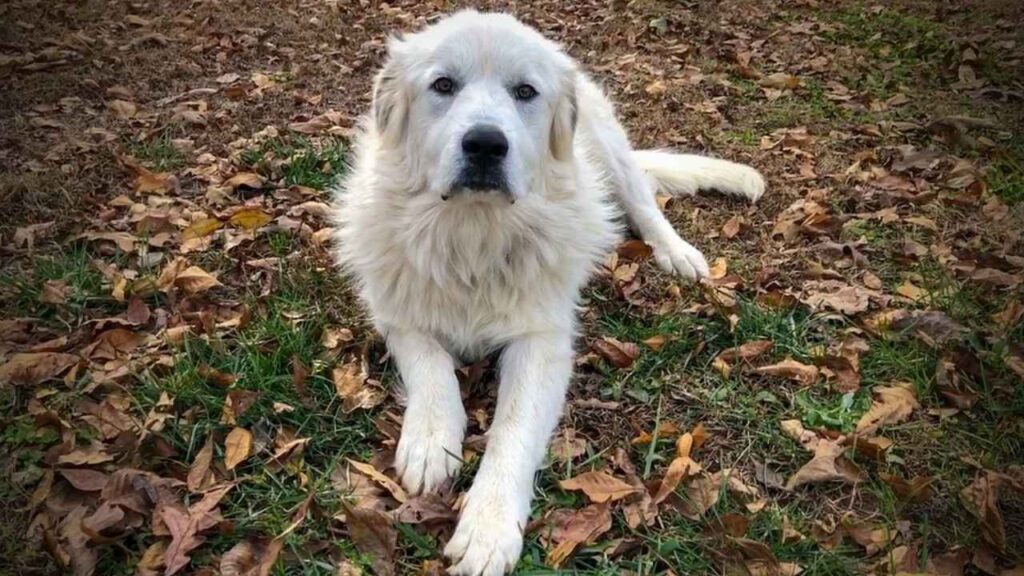
According to the AKC, this breed generally enjoys a lifespan of about 10 to 12 years. Like German Shepherds, they benefit greatly from regular vet visits, a balanced diet, and exercise to keep them healthy and happy.
Suitability for Families, Guarding & Home Environment
German Shepherd
German Shepherds make excellent family dogs, especially for active households that can meet their exercise and mental stimulation needs. They are fiercely loyal and protective, naturally alert to any potential threats, which makes them outstanding guard dogs.
Orvis notes that with proper training and socialization, they tend to do well with children and can be trusted family companions. However, their high energy levels and strong protective instincts mean they thrive best in homes with enough space to play and regular engagement.
They may be wary of strangers, so early socialization is important to ensure they’re well-rounded pets.
Great Pyrenees
The Great Pyrenees is a calm, patient, and gentle dog, well-suited for families looking for a loyal protector with a more relaxed temperament.
Bred to guard livestock, these gentle giants are watchful and independent, often acting as quiet but effective guardians of their home and family. While they generally get along well with children and other pets, their large size means supervision is important around small kids.
They appreciate having space to roam and do best in homes with large yards or rural settings. The Great Pyrenees can be reserved with strangers, so early socialization helps them adapt comfortably to visitors.
Conclusion
Choosing between a German Shepherd and a Great Pyrenees comes down to understanding what fits best with your lifestyle and home.
The German Shepherd is a high-energy, intelligent protector who thrives on activity and close companionship, while the Great Pyrenees offers calm, gentle guardianship with a need for space and independence. Both breeds bring loyalty and heart, but they shine in different ways.
If you’re ready to welcome a new furry friend, think about the kind of personality, exercise needs, and living environment that suit you best.
Whichever breed you choose, you’re inviting a devoted companion who will stand by your side through thick and thin. Remember, the right dog isn’t just about the breed—it’s about the bond you build together.
