




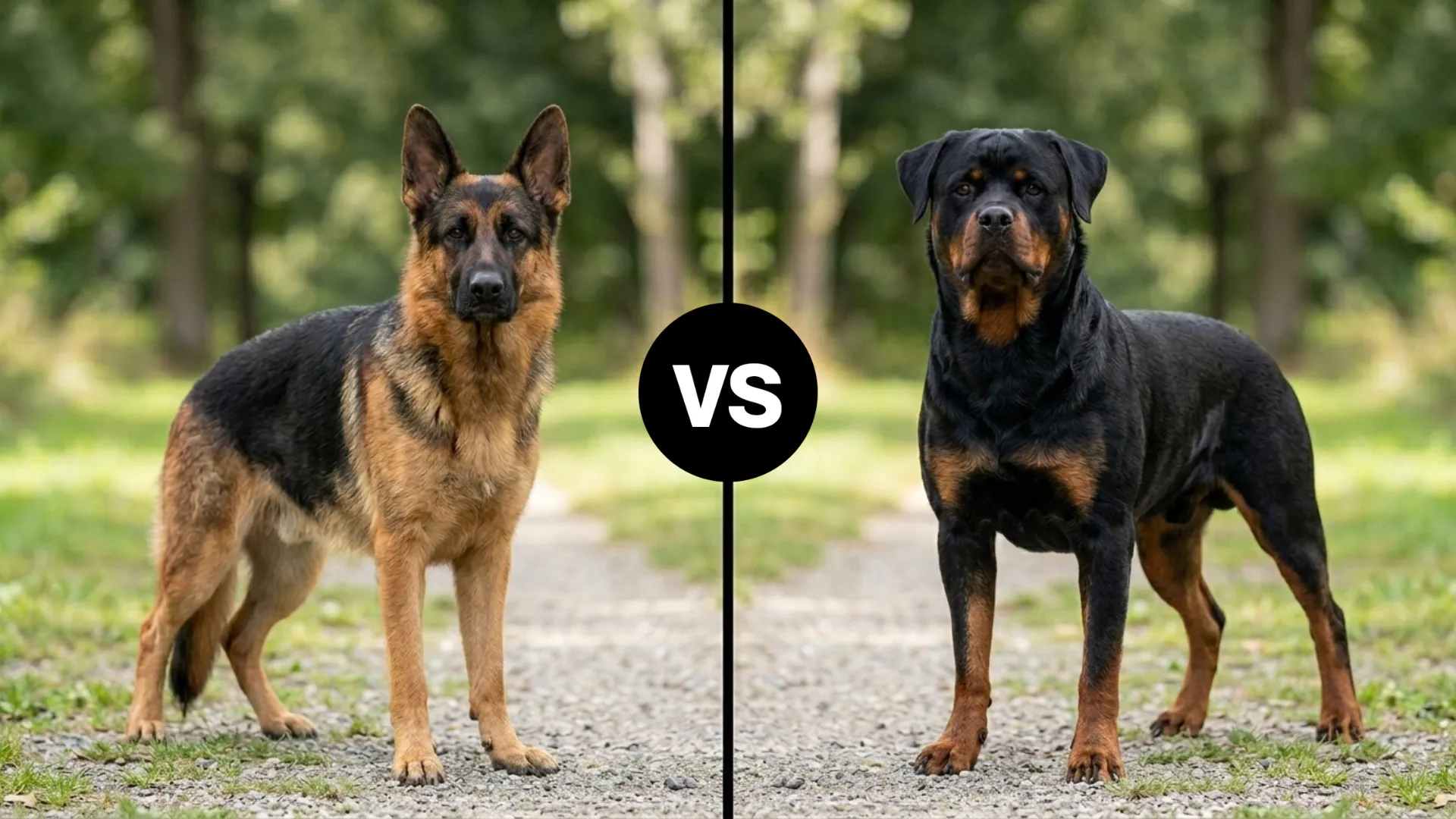
Are you trying to decide between two of the most loyal and powerful dogs in the world?
The debate around German Shepherd vs. Rottweiler is common among families and dog lovers looking for smart and excellent companions.
Both the German Shepherd and Rottweiler are respected working dogs known for their loyalty, courage, and strong bond with people. However, these two popular breeds are very different in personality, energy, care needs, and daily lifestyle.
One may suit active owners who enjoy outdoor adventures, while the other may fit homes that prefer a calmer but confident protector. That is why choosing between them takes careful thought.
Choosing between these two powerful dogs is not always simple. While both breeds are loyal, smart, and protective, they differ in many important ways.
From their history and personality to their energy level and care needs, each breed brings something unique to family life and daily companionship.
In this guide, we will compare their background, behavior, exercise needs, grooming, and family compatibility, so you can better understand which dog fits your home and lifestyle the best.
German Shepherd vs. Rottweiler: Understanding Their Key Traits And Differences
Origins & Purpose
Both the German Shepherd and Rottweiler come from strong working backgrounds. Their history shaped them into loyal, intelligent, and highly dependable dogs used for different working roles today.
The German Shepherd’s Working Background
The German Shepherd was developed in Germany in the late 1800s from traditional herding dogs. According to Wikipedia, the breed was carefully created by Max von Stephanitz in 1899 to build the ideal herding and protection dog.
Over time, its intelligence, focus, and problem-solving ability made it an outstanding working breed. Initially bred for herding sheep, the German Shepherd quickly moved into police, military, and rescue roles across the world.
Today, it is known for strong discipline, sharp learning ability, and excellent service work performance.
The Rottweiler’s Historic Role
The Rottweiler was originally bred in Germany as a cattle-driving and cart-pulling dog. It earned the name “butcher’s dog” because it helped move livestock and deliver meat to markets. Known for strength, confidence, and steady guarding instincts, the breed became highly valued for protection work.
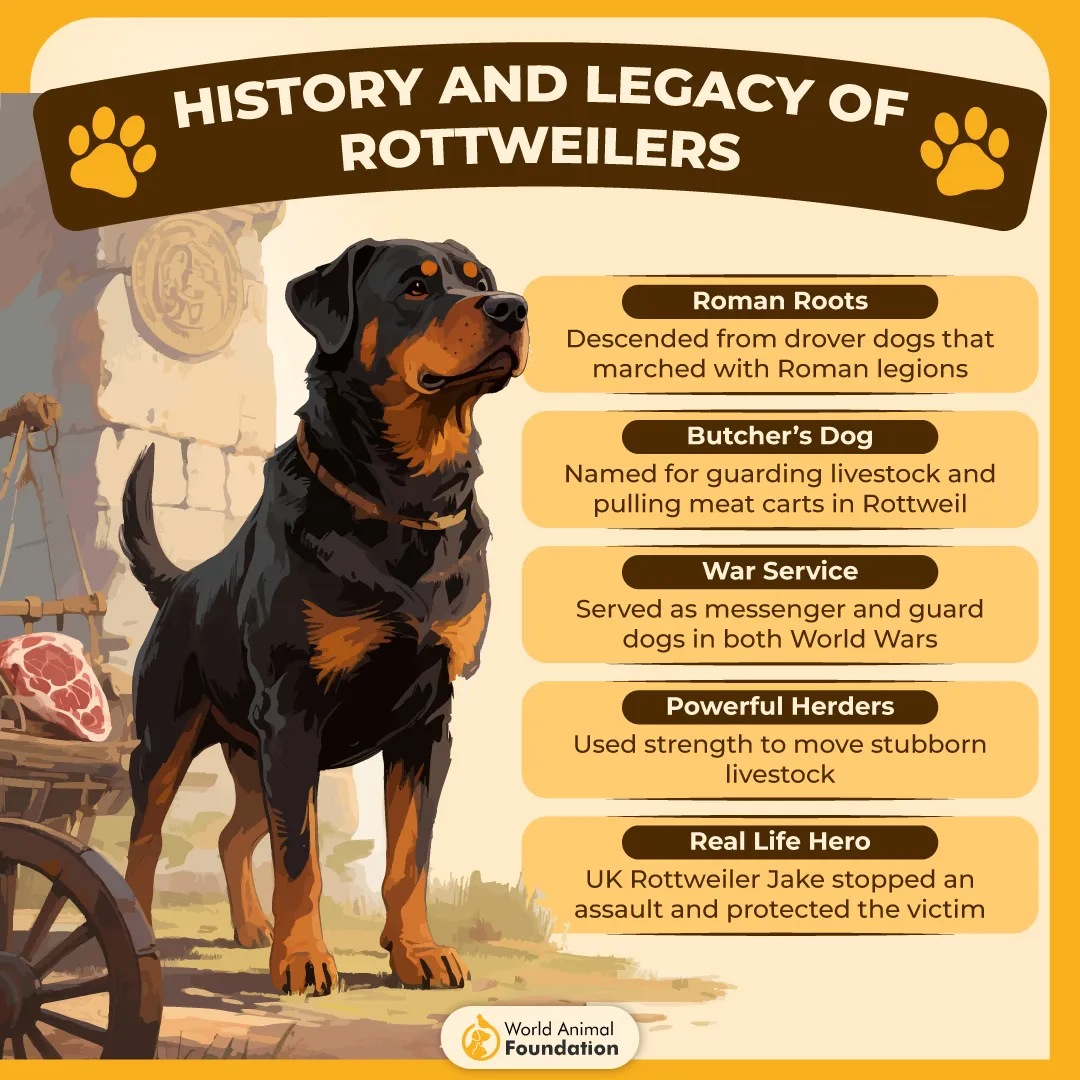
Over time, Rottweilers shifted into modern roles such as police work, search and rescue, and security tasks. Despite their powerful build, they are known for a calm but highly alert personality.
How Their Histories Still Shape Them Today
Both German Shepherd and Rottweiler still reflect their working past today. The German Shepherd is quick, alert, and highly responsive, while the Rottweiler is calm, steady, and deeply protective. Their history explains why both remain trusted working companions and loyal family dogs.
Size & Build
The size of these two dogs clearly shows their different strengths and working styles.
German Shepherd Structure
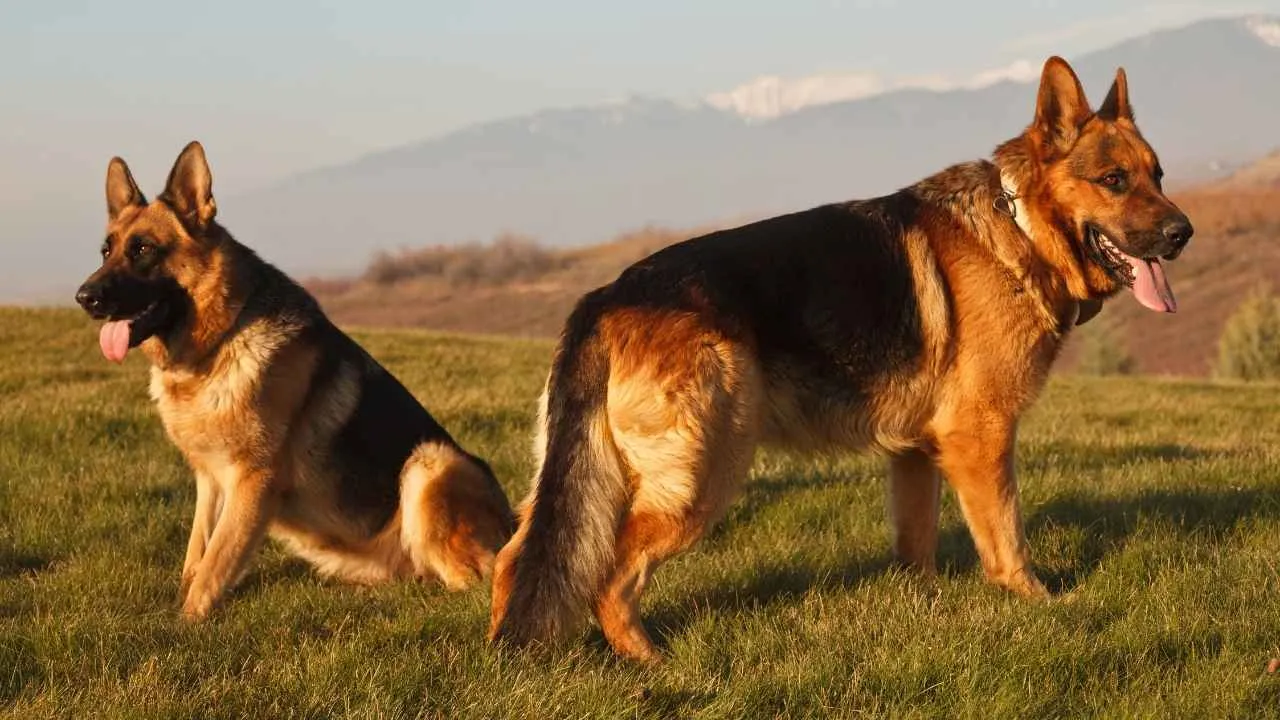
The GSD has an athletic frame with a longer body and smooth, agile movement. Its coat comes in black and tan, sable, or solid black, giving both protection and a strong visual appeal.
This breed is built for speed, endurance, and control, allowing it to move quickly and stay active for long hours. In the Rottweiler vs. German Shepherd ultimate showdown, the German Shepherd’s lighter structure and balanced appearance stand out in fast-moving and task-focused work.
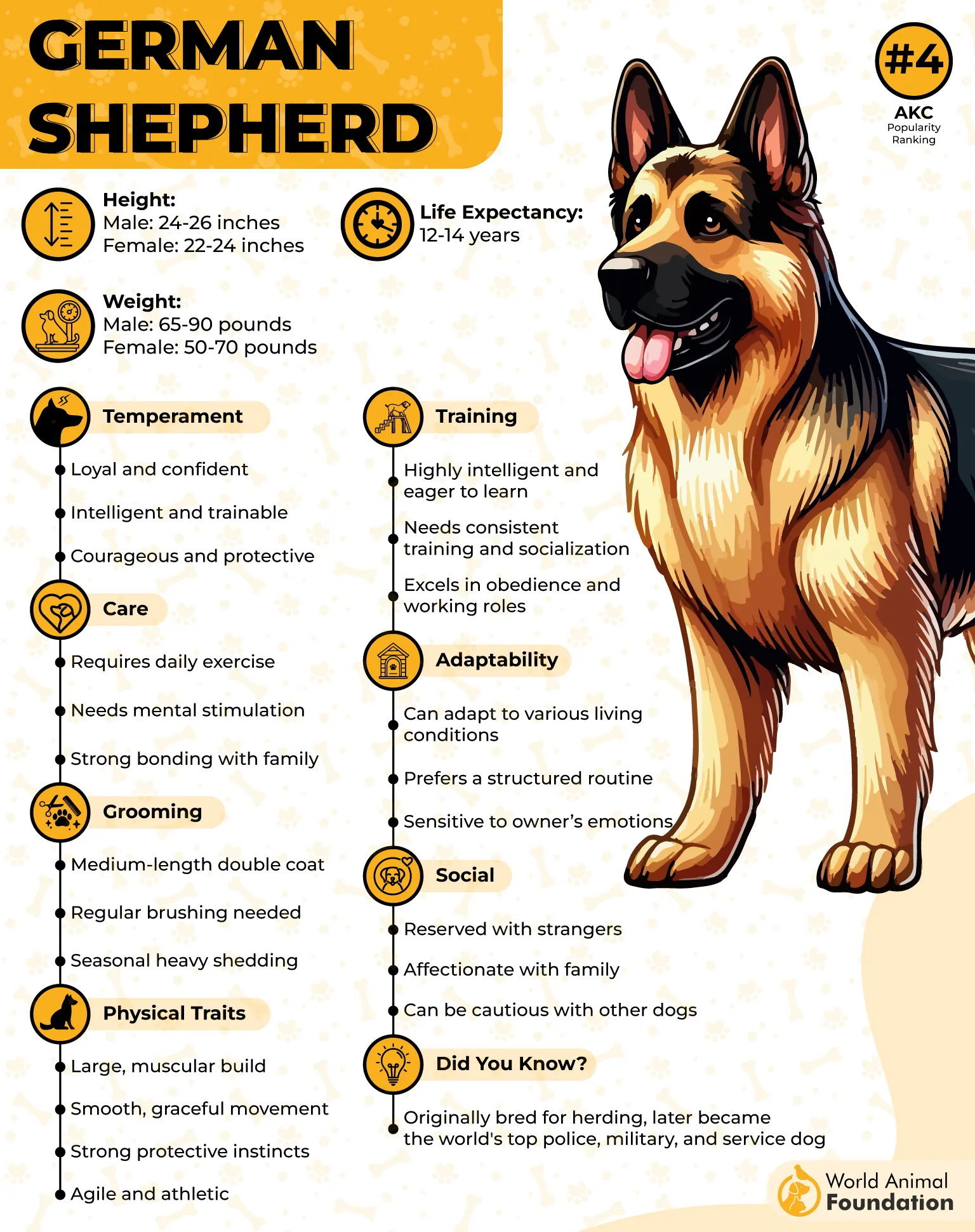
It is known for its smart, flexible, and highly responsive body style.
Male German Shepherd height: 24–26 inches
Female German Shepherd height: 22–24 inches
German Shepherd weight: 50–90 lbs
Rottweiler Body Type
The Rottweiler carries a powerful, muscular build with a broad chest, strong neck, and wide frame. Its coat is usually black with clear rust markings, creating a bold and confident appearance.
This breed has an imposing size that reflects natural strength and steady control. The Rottweiler shows calm power and strong presence. Its body is designed more for strength than speed, making it a solid and dependable protector.
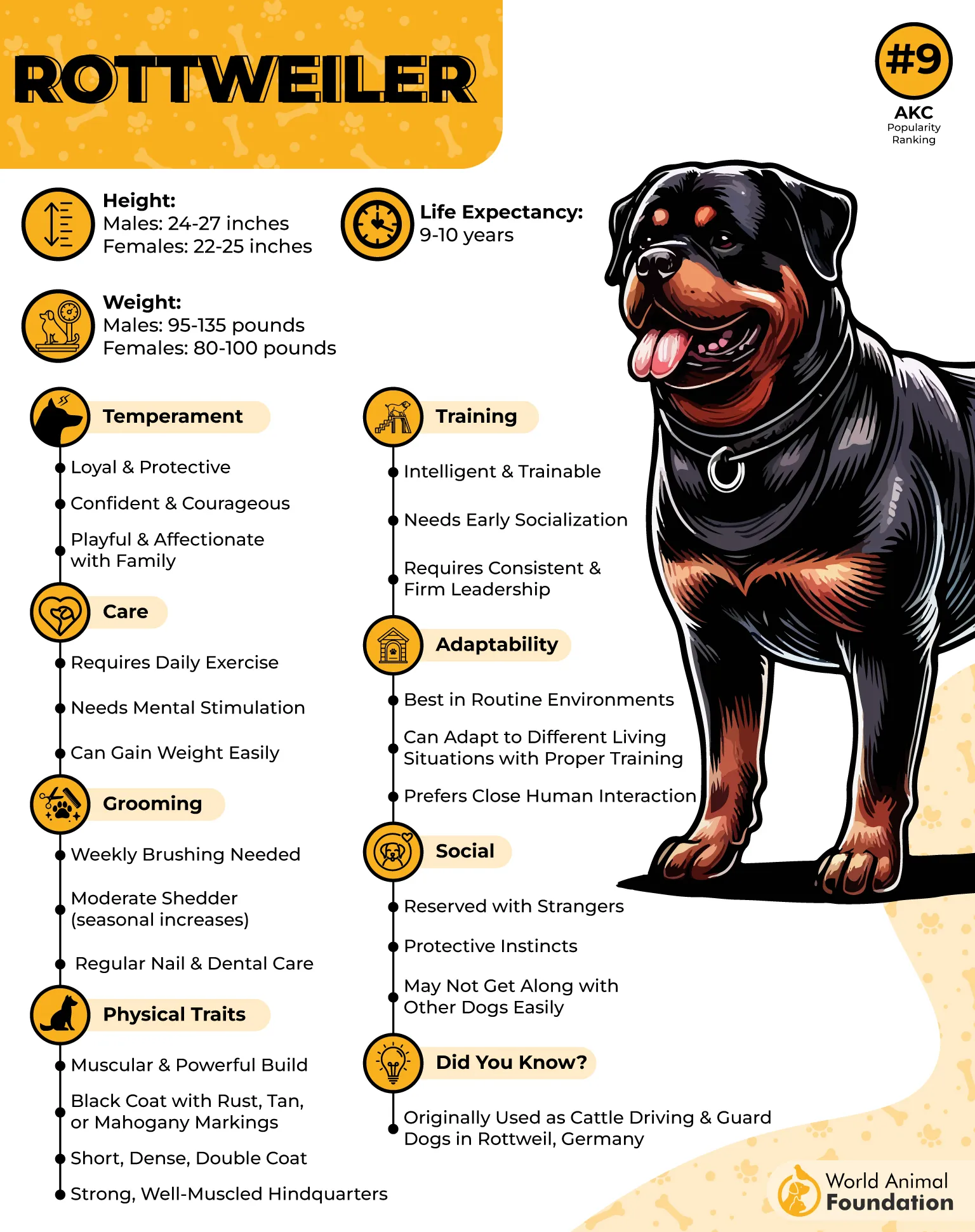
Male Rottweiler height: 24–27 inches
Female Rottweiler height: 22–25 inches
Rottweiler weight: 80–135 lbs
Key Physical Differences
GSDs are lighter, faster, and more agile, while Rottweilers are heavier, stronger, and more grounded. Their movement style and body balance reflect their working roles and energy levels.
The overall size of each breed plays a big role in choosing the right home and lifestyle fit.
Smaller, active homes often suit German Shepherds better, while larger, structured homes with confident handling are better for Rottweilers.
Pricing & Availability
The GSD is one of the most in-demand working dogs in the United States. Most puppies cost around $800 to $2,500, depending on bloodline and training level. Some trained or show-quality dogs can cost even more.
This breed is seen as a long-term investment because of its intelligence, loyalty, and strong working ability. Its strong dominance traits and versatility also increase demand in working roles.
The Rottweiler vs. German Shepherd comparison also shows differences in price trends. A Rottweiler puppy usually costs between $1,000 and $3,000. Well-bred working lines may cost more due to their strength and protection skills.
Many pet owners choose this breed for its calm confidence and guarding nature. Responsible breeders focus on health and temperament, which can increase the price but ensure better quality dogs.
Availability and Market View
Both breeds are widely available, but demand stays consistently high. In the debate of German Shepherd and German Shepherd, availability often depends on region and breeder quality.
Reputable breeders are always recommended, as they contribute additionally to healthier and more stable dogs. Overall, both breeds remain popular choices for families and working roles.
Temperament & Personality Style
A dog’s behavior and heart matter just as much as its strength and looks.
German Shepherd
The German Shepherd is known for its sharp alertness, strong sensitivity, and deep attachment to its owners. This temperament makes it a loyal canine companion that stays closely involved in daily routines with the family.
Many German Shepherds may develop separation anxiety when left alone for long periods because they form strong bonds with their people. They often stand watch over new situations and may remain cautious around strangers before trusting them.
According to the American Kennel Club, they “stand in the front rank of canine royalty,” valued for loyalty, courage, and their willingness to protect loved ones. Their active mind and emotional depth make them a strong part of family life, especially under clear leadership.
Rottweiler Personality
The Rottweiler shows steady confidence, calm behavior, and a naturally protective nature. They are deeply loyal and form strong bonds filled with their loved ones.
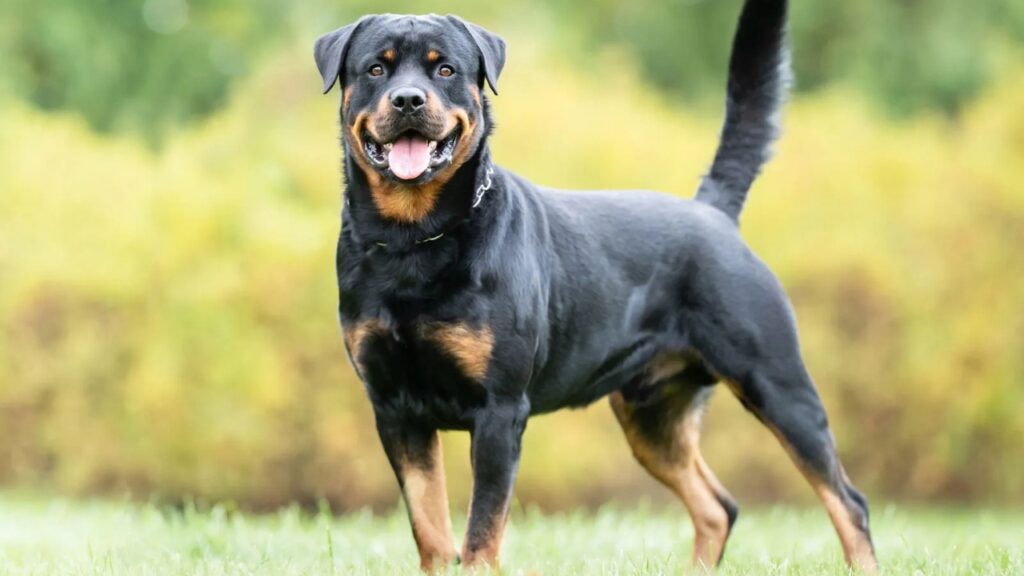
Their temperament ranges from playful and affectionate to more reserved, as noted by PetMD, which describes them as “natural clowns” yet also serious guardians. They are usually quite observant and do not react quickly without reason.
This calm approach helps them provide quiet protection while staying balanced around familiar people and strangers.
Family Compatibility
Both breeds can fit well in family homes when guided with proper leadership. German Shepherds stay more active and involved with family members, while Rottweilers are calmer but deeply loyal to their circle.
Around children and guests, training and structure are important to ensure safe behavior. Good guidance helps both breeds stand as reliable protectors and loving companions throughout life, making them trusted dogs when raised with care and respect.
Exercise Needs & Energy Level
Both breeds need regular activity, but their energy styles are very different.
German Shepherd
The German Shepherd is a highly active and intelligent working dog that needs a busy daily routine. This breed depends on mental stimulation and exercise to stay balanced and happy, noted by Britannica.
German Shepherds stand strong in training-based lifestyles where structure, games, and obedience work are part of everyday life. Without enough activity, they can quickly develop boredom and unwanted behaviors, so consistency in exercise is very important for their well-being.
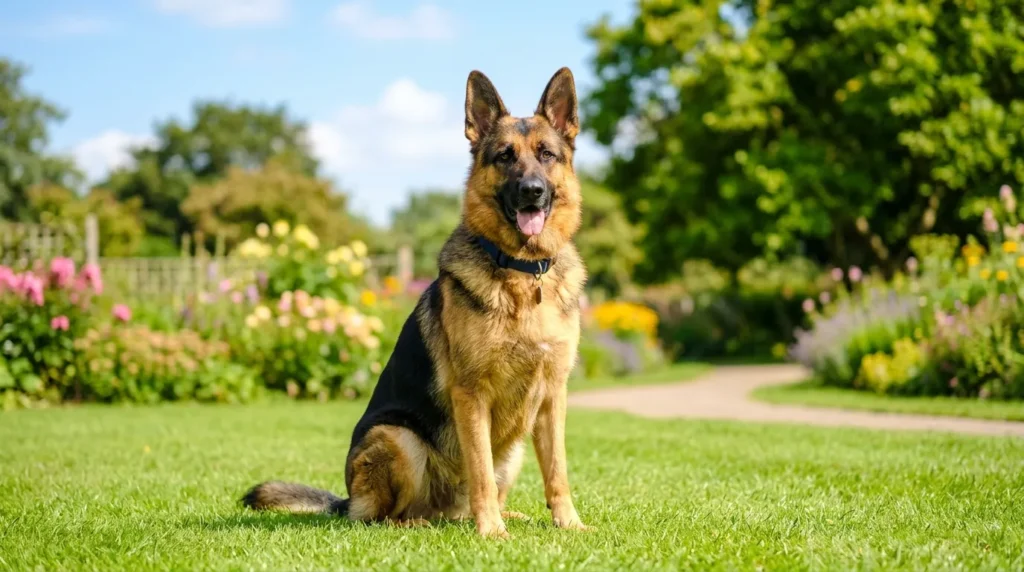
Fun Activities German Shepherds Love
Herding
Agility
Tracking
Hiking
Nose work
Dock diving
Rottweiler
Rottweilers love a more balanced energy style that mixes strength-based play with calm downtime. They do not need constant high-speed activity, but they still require exercise to stay healthy and fit.
Controlled physical exercise helps manage their weight and keeps them stable in behavior. With proper routine and leadership, they remain confident, calm, and well-balanced companions.
Fun Activities Rottweilers Love
Camping
Running
Dock diving
Tracking
Agility
Trekking
Best Lifestyle Match
German Shepherds suit very active owners who enjoy outdoor work and structured routines. Rottweilers fit better in calmer households that still provide steady exercise and balanced activity.
Trainability & Obedience
Training plays a key role in shaping both breeds into balanced companions.
German Shepherd
The German Shepherd is known for its highly trainable nature and strong focus on tasks. These dogs learn quickly when given structure and purpose. They respond well to consistent training and clear direction, which is why they are widely used in military work and service roles.
Their ability to stay focused in action makes them ideal for advanced obedience, agility, and protection tasks. Because of their sharp mind, they require proper training from an early age to reach their full potential.
Rottweiler
The Rottweiler is confident and steady, and needs calm but firm leadership. This breed responds best to proper training that is consistent and patient. Harsh corrections do not work well, while calm direction builds trust and better behavior.
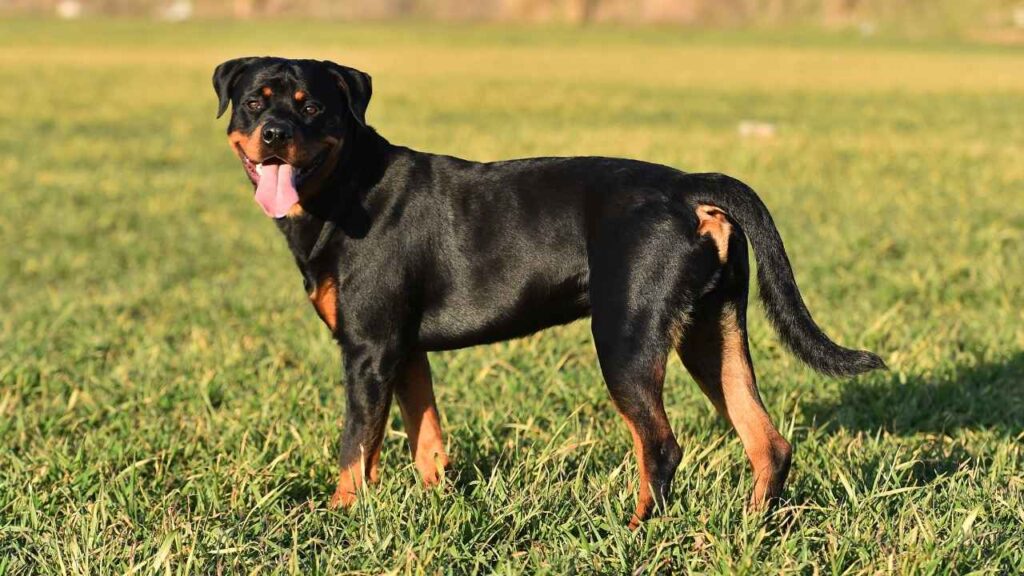
According to Hill’s Pet, training is a must and should start in early puppyhood. With consistent training, a Rottweiler becomes a well-balanced and properly trained companion, especially under an experienced owner who understands its strength and personality.
Training Challenges to Expect
German Shepherds tend to end up more sensitive and reactive if not guided properly, while Rottweilers may show more independence in decision-making.
Both breeds require socialization to build stability, confidence, and safe behavior in different environments.
Without good training requirements and structure, focus levels can drop, affecting obedience and control in daily life and action situations.
Grooming Needs & Shedding
In the Rottweiler vs. German Shepherd breed comparison, grooming plays a major role in long-term care and maintenance. The German Shepherd has a thick double coat with a dense coat structure, often seen in black and tan, sable, or solid black colors.
According to Pawlicy Advisor, German Shepherds may need occasional baths, but more importantly, their coat requires consistent attention to stay healthy.
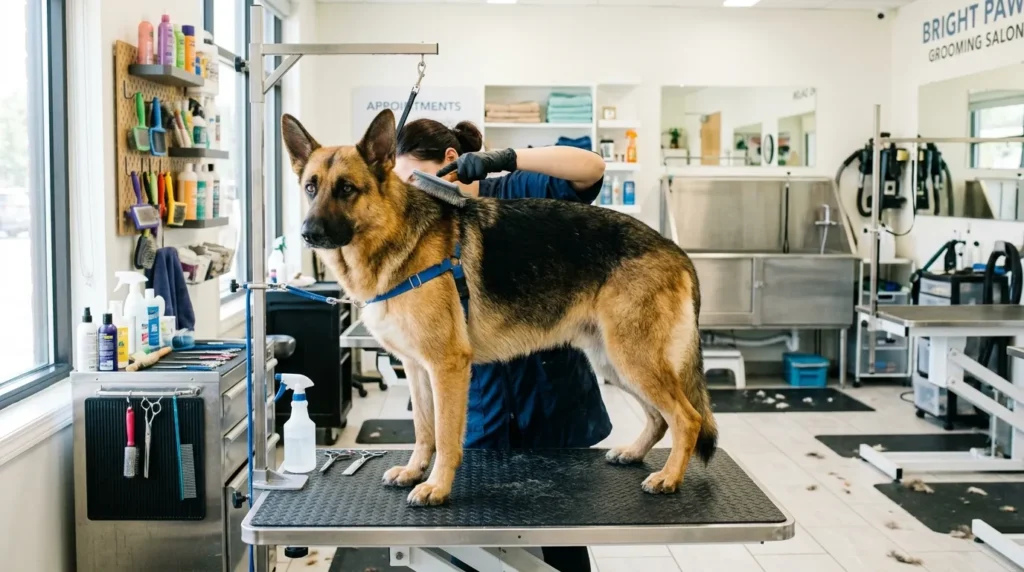
They experience heavy shedding, especially during seasonal changes, which makes frequent brushing and weekly brushing essential to control loose hair around the home. Regular nail trimming every month also supports comfort and hygiene.
Rottweilers, in contrast, have a short, smooth coat that is mostly black with rust markings, making them a lower-maintenance breed. They shed less and require only basic grooming care with occasional brushing and routine nail trimming.
Overall, German Shepherds are higher maintenance due to their coat type, while Rottweilers are easier to manage for busy owners.
Guarding Instincts & Alertness
Guarding behavior is one of the strongest traits in both breeds. These dogs are naturally protective and highly aware of their surroundings, which makes them reliable companions in security roles.
Their alertness and instinct to respond to change help them react quickly when they sense anything unusual. This is why they are often trusted in homes, working fields, and professional protection environments.
German Shepherd
The German Shepherd is known for sharp alert barking and extremely fast reactions. This breed stays highly alert and can respond quickly when it senses danger, making it one of the top choices for guard dogs, military dogs, and service dogs worldwide.
Historically, the breed was also known as the Alsatian, and its name was changed during wartime periods, but it later regained its original identity. According to Omlet, it remains one of the most popular breeds used in police, war, customs, and search and rescue work.
Its strong protective instincts and intelligence make it ideal for serious working roles.
Rottweiler
The Rottweiler shows quiet confidence and strong physical presence. Instead of reacting loudly, it observes calmly and steps in only when needed, especially to protect family members. These protective instincts make it a natural guard dog breed that stays composed under pressure.
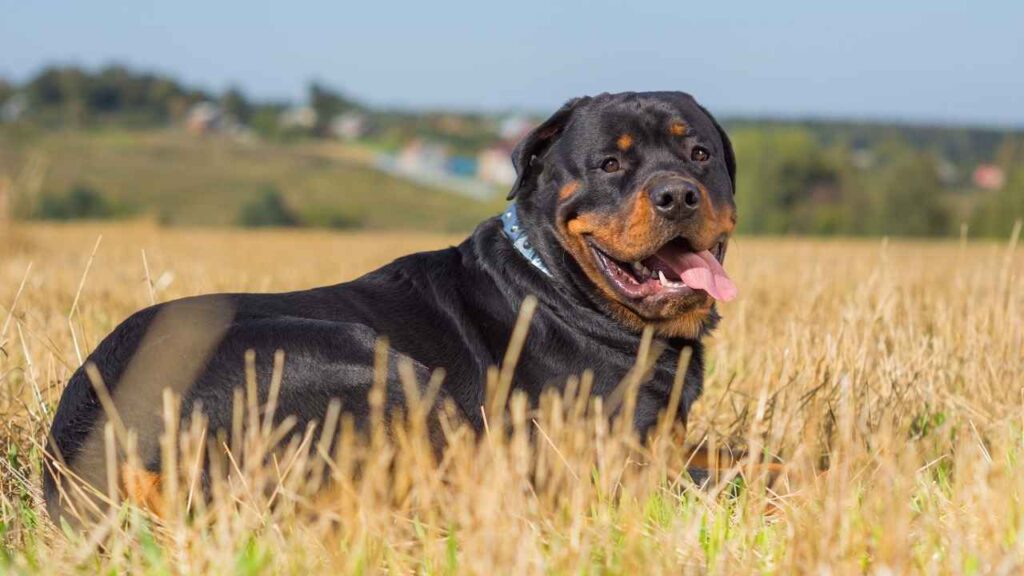
According to Purina, Rottweilers make exceptional therapy, search and rescue, and police dogs due to their balanced temperament. In the Rottweiler versus German Shepherd comparison, this breed relies more on strength and calm control than speed, but still remains deeply loyal and protective of loved ones.
Safe Ownership Matters
Both breeds require responsible ownership and early socialization to manage their protective instincts safely. When guided well, these two breeds become dependable companions that can handle responsibility without becoming a danger to others.
Health & Lifespan
Both breeds are strong, but they are still prone to certain health issues due to their large size and working background. With care, regular checkups, and healthy routines, many health issues can be managed or reduced over time.
German Shepherd
The German Shepherd is often affected by common concerns such as hip dysplasia, elbow dysplasia, degenerative myelopathy, and joint stress. According to PDSA, German Shepherds are great dogs for the right owners, but they are at risk of breed-related conditions that require careful monitoring.
Their life expectancy can be affected if these issues are not managed early. Regular exercise, a balanced diet, and proper care can help prevent worsening joint problems and support better mobility throughout life.
Lifespan: 9–13 years
Rottweiler
Rottweilers are also prone to joint problems, heart concerns, and weight-related health problems. Their heavy size increases pressure on bones and joints, making routine care very important.
The life expectancy of Rottweilers can be improved with consistent vet checkups, a controlled diet, and regular activity. Good management helps reduce common concerns and supports long-term health and stability.
Lifespan: 8–10 years
German Shepherd vs. Rottweiler: Which One Should You Choose?
Choosing between these two powerful breeds depends on your lifestyle, energy level, and experience as a dog owner.
Both the German Shepherd and Rottweiler are loyal, intelligent, and protective companions, but they fit different types of homes and daily routines. Understanding your own needs is the key to making the right decision.
Choose a German Shepherd If
You want an active and highly trainable dog
You enjoy daily exercise and outdoor activities
You prefer a smart companion that stays involved in your routine
You can provide a consistent structure and mental stimulation
You want a dog that excels in work, sports, or service roles
Choose a Rottweiler If
You prefer a calm but strong protective companion
You want a confident dog with steady behavior
You can provide firm but calm leadership
You like balanced exercise with more relaxed downtime
You want a loyal family guardian with natural guarding instincts
Final Decision Tips
The best choice depends on your energy, experience, and home environment. Pick the breed that matches your lifestyle, not just appearance, for a long-term happy bond.
Conclusion
The Rottweiler vs. German Shepherd comparison shows that both breeds are truly incredible dogs with strong loyalty and working abilities. Each dog has its own strengths, personality style, and care needs, which makes the choice depend fully on the owner’s lifestyle.
German Shepherds are active, intelligent, and quick learners, while Rottweilers are calm, powerful, and steady natural protectors. Some families may find themselves leaning toward the energetic nature of one, while others prefer the balanced confidence of the other.
Their size difference, exercise needs, and temperament all play an important role in decision-making. With training, love, and comfortable living conditions, both breeds can become lifelong companions.
In the end, the best choice is the one that matches your home, energy level, and ability to provide care, ensuring a strong and happy bond for years to come.
