




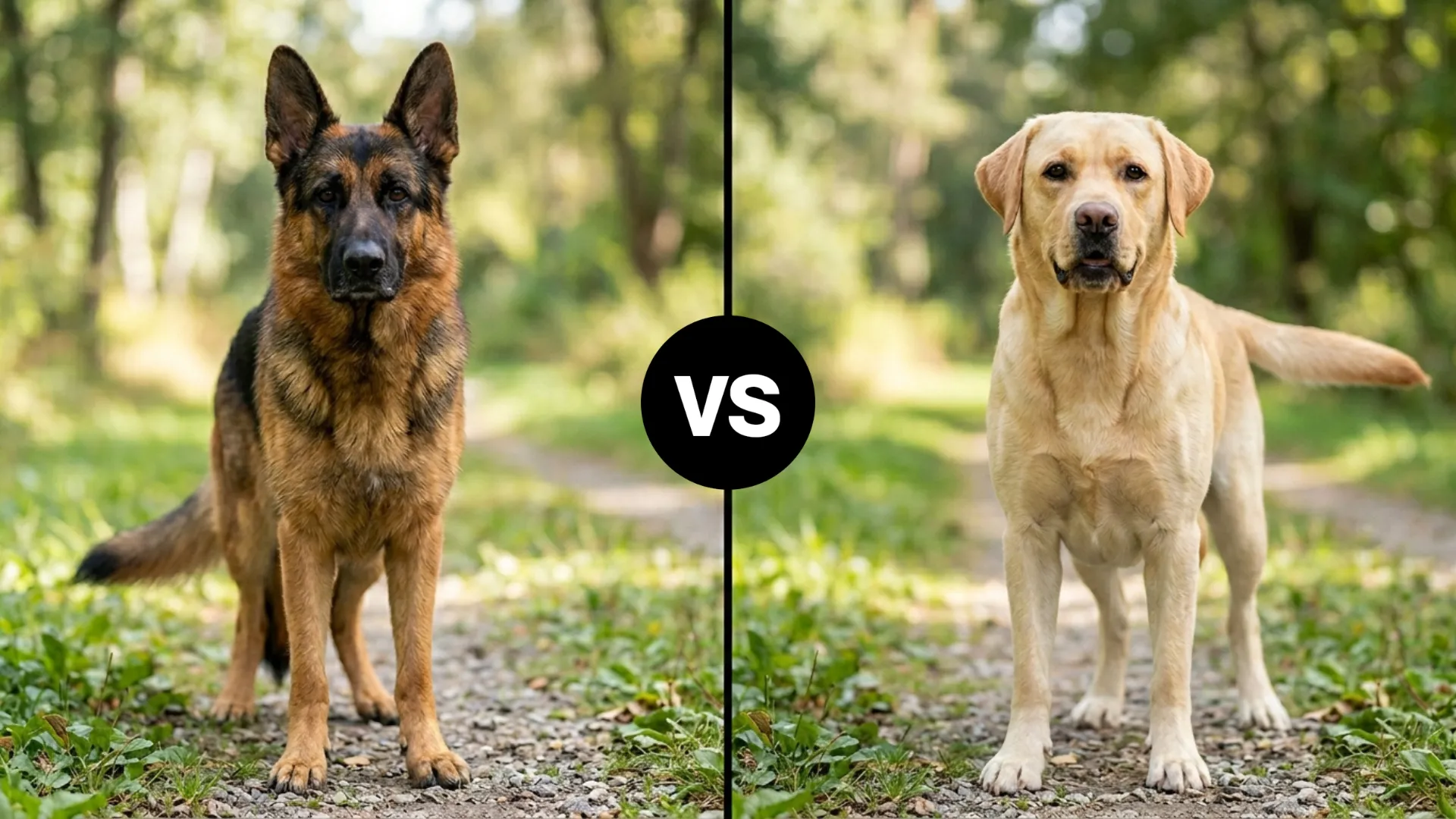
Choosing a dog breed involves much more than updating your daily routine; it fundamentally reshapes your entire lifestyle. A dog is not simply a pet, but a distinct personality and a long-term daily commitment wrapped in fur and energy.
When deciding between a German Shepherd and a Labrador Retriever—two of the world’s most beloved family and working dogs—the choice seems simple on the surface. You are balancing one breed known for sharp focus, fierce loyalty, and intense working drive against another celebrated for friendliness, patience, and easygoing charm.
However, expectations and reality do not always match. A German Shepherd may demand far more structured leadership than you anticipated, while a Labrador might exhibit significantly more high-octane energy than you imagined.
Before making this serious decision, here are the critical differences you need to know to ensure a perfect match for your household. Let’s break it down.
German Shepherd vs. Labrador Retriever Dog Breeds
Origins & Functional Background
In late 19th-century Germany, Captain Max von Stephanitz began shaping the German Shepherd by selectively breeding highly capable rural herding dogs known for stamina, control, and sharp intelligence. His goal was to create a premier working partner capable of managing large flocks over long distances while fiercely guarding livestock from predators.
These dogs were bred for intense focus, independent problem-solving, and a remarkable ability to track complex scent trails—instincts that effortlessly transitioned them from agricultural fields into modern police and military roles worldwide.
The Labrador Retriever, in contrast, originated on the coast of Newfoundland, Canada, developing from the now-extinct St. John’s water dog. Originally bred to work alongside fishers in the icy Labrador Sea, these hardy dogs excelled at hauling heavy nets, retrieving escaped fish, and recovering lost gear from freezing waters, as the AKC states.
When British aristocrats imported them to England in the 1800s, they refined the breed for upland game hunting. Through this selective breeding, Labradors perfected an exceptional “soft mouth”—the vital ability to grip and carry delicate downed game gently without causing damage.
Physical Characteristics & Body Structure
While both breeds fall into a similar weight class, their physical silhouettes and athletic designs are built for entirely different tasks. The German Shepherd is an aerodynamic, agile trotter designed for herding and patrolling, whereas the Labrador Retriever is a sturdy, muscular powerhouse built for swimming and heavy lifting.
|
Physical Attribute |
German Shepherd |
Labrador Retriever |
|
Body Build |
Elongated, muscular, with an athletic, sloping topline (backline). |
Compact, blocky, and well-balanced with a level topline. |
|
Coat Type |
Medium-length, plush double coat; harsh outer hair with dense undercoat. |
Short, exceptionally dense, water-resistant double coat. |
|
Distinctive Features |
Large, erect ears, a slightly domed forehead, and a bushy tail. |
A broad skull, expressive eyes, and a thick, tapered “otter tail” that acts as a rudder. |
|
Gait & Movement |
A long, ground-covering, effortless stride built for covering vast distances. |
A powerful, driving, steady gait built for endurance and water propulsion. |
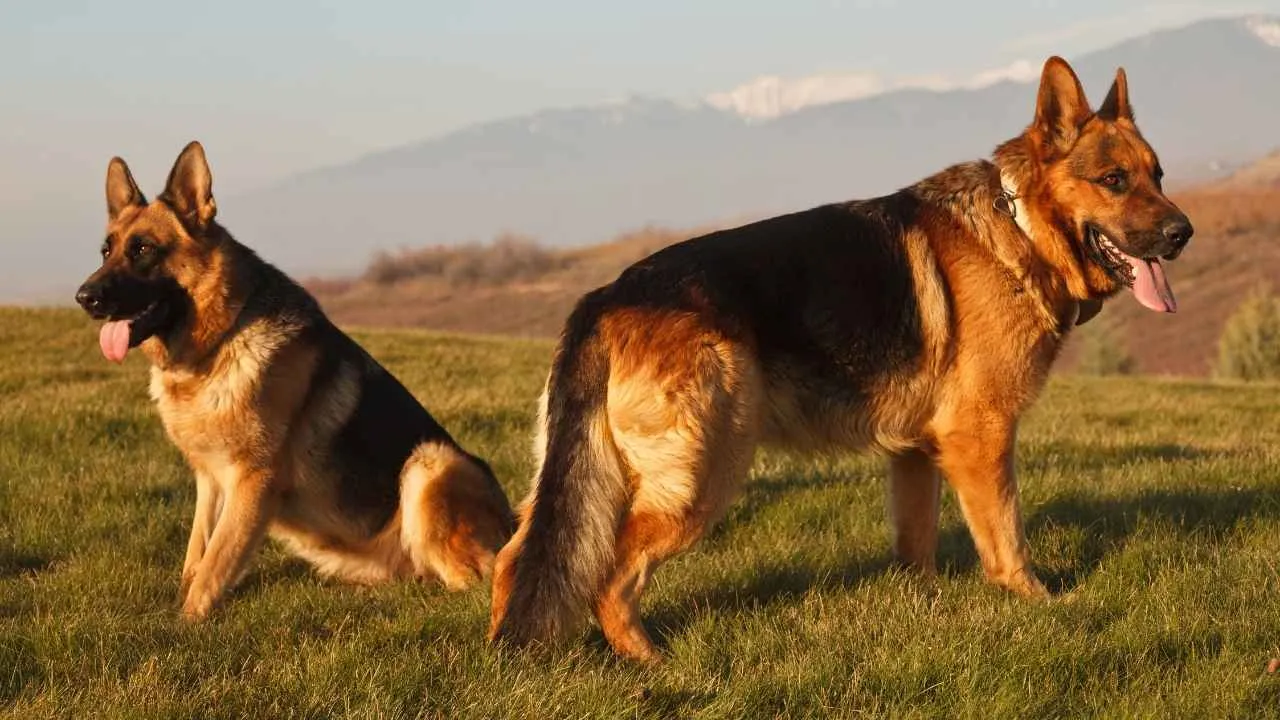
The German Shepherd’s striking, wolf-like outline features structural angles designed for rapid acceleration and sharp, agile turns. Their iconic coat typically showcases a dark “saddle” pattern contrasted against tan, black, or silver tones, which historically helped them blend into rural landscapes.
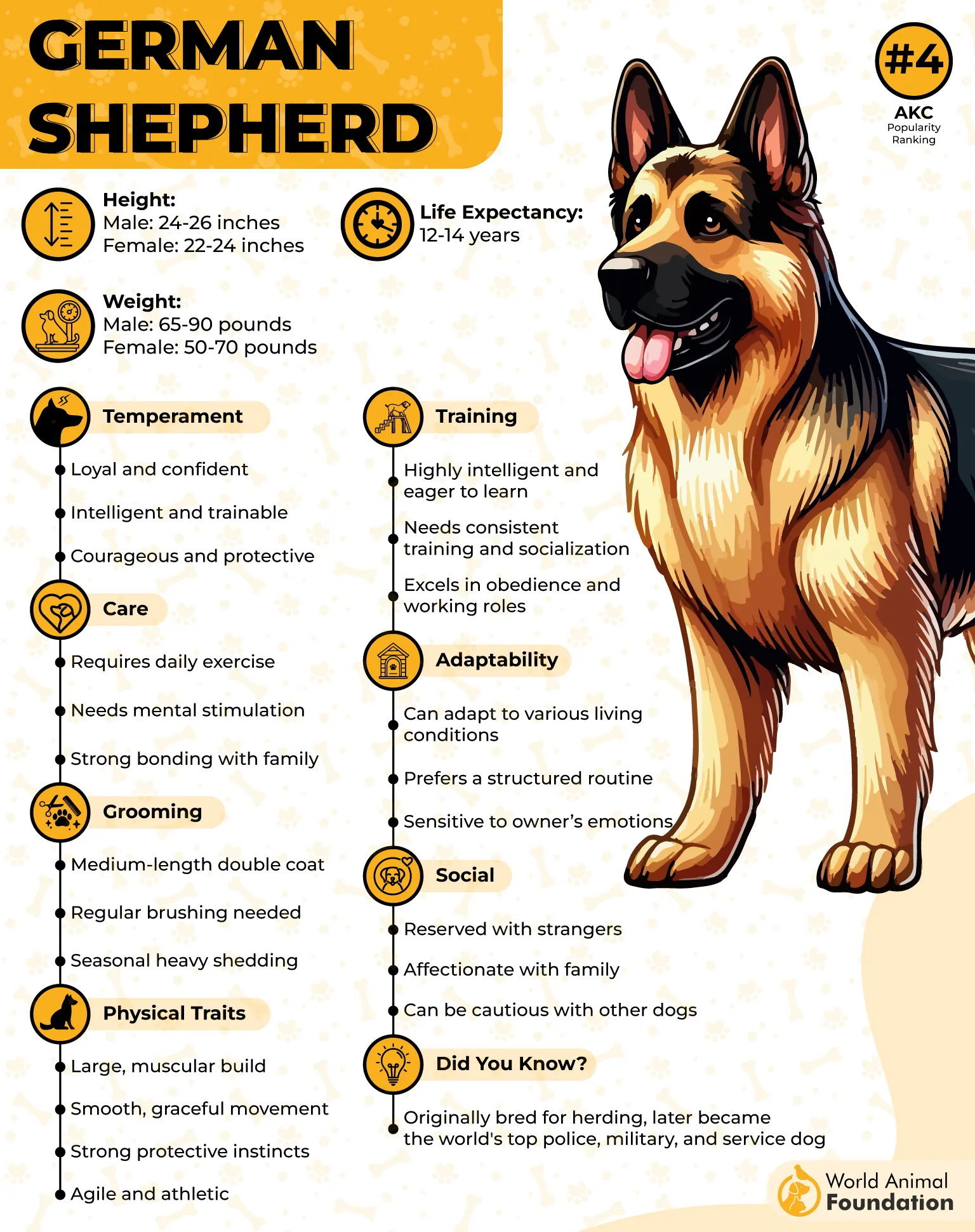
In stark contrast, the Labrador Retriever carries a broader, more robust frame designed to withstand cold, wet environments. Their weather-resistant coat lies close to the body in solid shades of black, yellow, or chocolate.
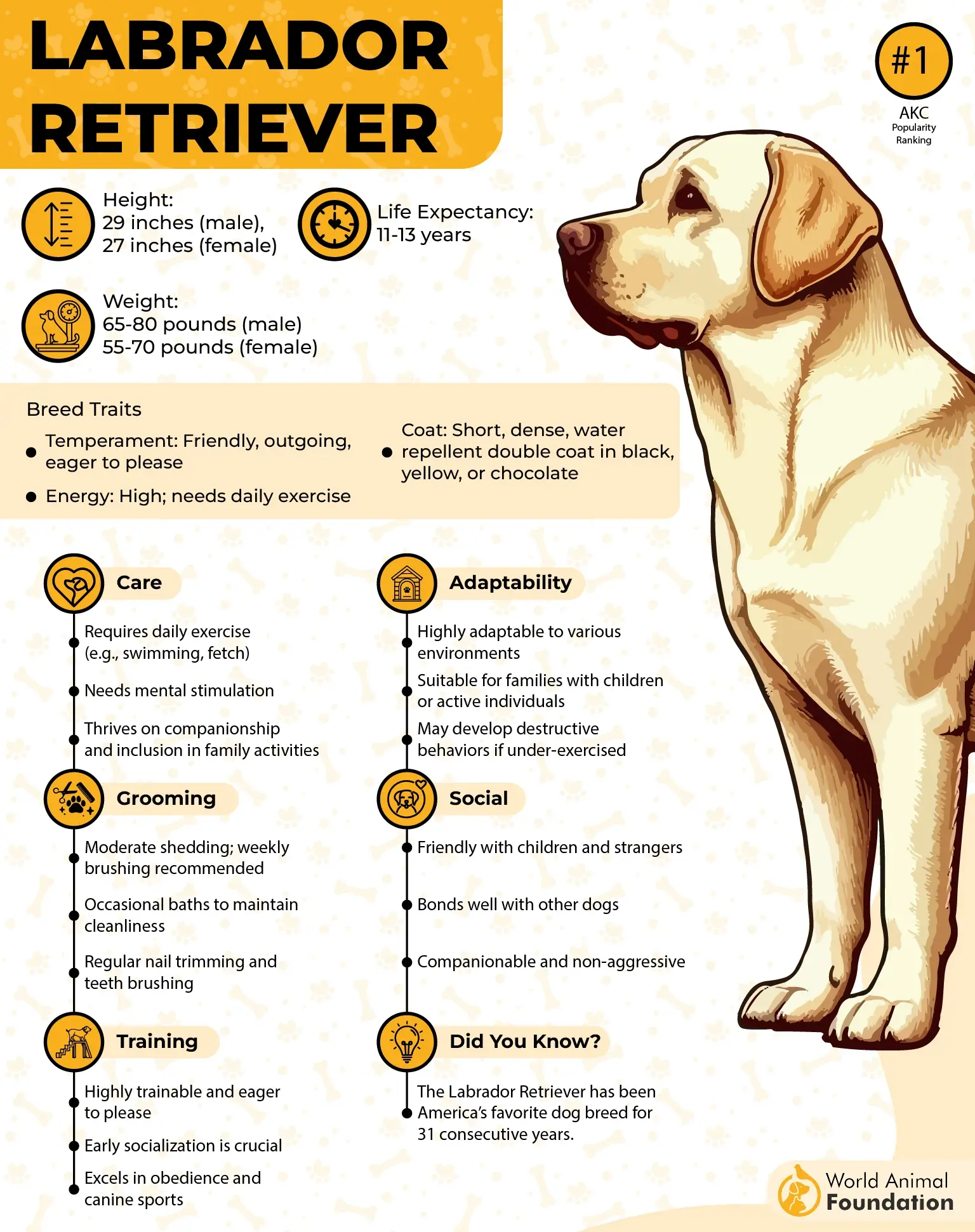
Every part of the Labrador’s anatomy serves its retrieving heritage—from its webbed toes that aid in swimming to its blocky muzzle designed to hold game securely yet gently.
Temperament & Behavioral Profile
While both breeds are deeply human-centric, they express their loyalty in completely opposite ways. The German Shepherd acts as a vigilant guardian, while the Labrador operates as an open-hearted diplomat.
According to Britannica, German Shepherds often show a sharp, alert, and highly responsive nature, staying closely tuned to their surroundings and their handler’s actions.
They form strong bonds with family members and naturally take on a protective role, which is why they are widely used in police units, search operations, and service support tasks that demand focus and control under pressure.
Labrador Retrievers, in contrast, are known for their easygoing and friendly nature, often showing warmth toward children, strangers, and other animals without hesitation.
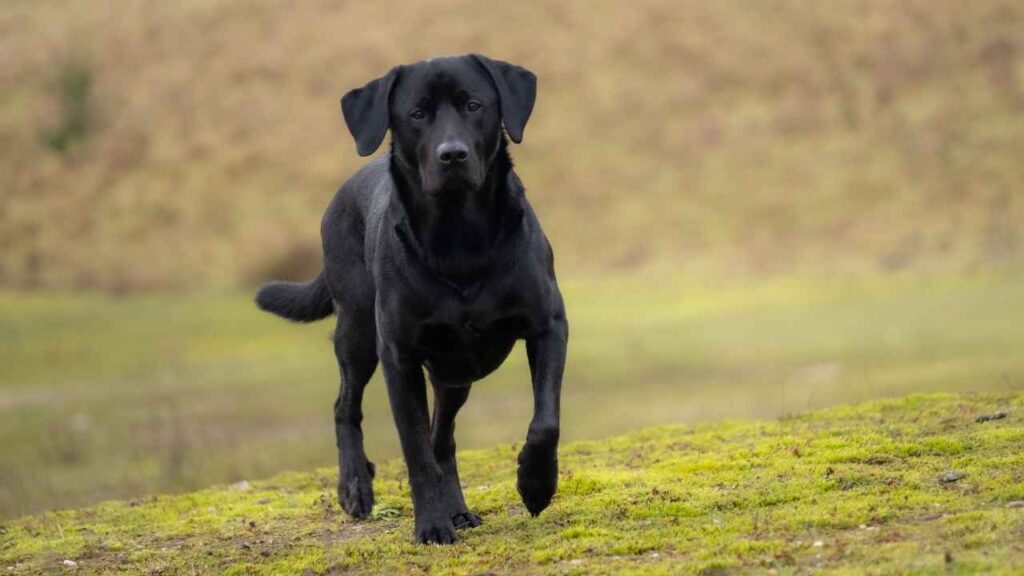
PetMD mentions that their cooperative attitude makes them common choices for family homes, therapy support, and assistance work where calm social behavior is essential.
|
Behavioral Trait |
German Shepherd |
Labrador Retriever |
|
Social Strategy |
Reserved; focuses entirely on their core inner family circle. |
Universally friendly; views strangers as best friends they haven’t met yet. |
|
Default Mindset |
Discerning, protective, and naturally analytical of environments. |
Eager to please, cooperative, and highly socially adaptable. |
|
Under-Stimulation Risk |
Hyper-vigilance, barking, or protective over-steering. |
Mouthiness, destructive chewing, and chaotic over-excitement. |
A German Shepherd needs a confident handler who provides clear structure and boundaries; otherwise, they will naturally step up to make independent decisions to manage the household.
A Labrador requires patience during their prolonged, high-energy puppyhood where their boundless enthusiasm can easily translate into playful household chaos.
Activity Requirements & Energy Levels
Neither of these breeds is built for a sedentary lifestyle. Both require significant daily commitments to exercise, but they burn their energy in fundamentally different ways: the German Shepherd craves structured, task-oriented mental focus, while the Labrador Retriever thrives on pure, joyous physical stamina.
|
Activity Metric |
German Shepherd |
Labrador Retriever |
|
Daily Exercise Needed |
1.5 to 2 hours minimum. |
1 to 1.5 hours minimum. |
|
Energy Type |
High-intensity, serious, and task-focused. |
Steady, bouncy, and socially interactive. |
|
Ideal Outlets |
Agility, tracking, scent work, and advanced obedience. |
Fetching games, swimming, hiking, and running. |
|
Boredom Risk |
Hyper-vigilance, pacing, and barrier-frustration. |
Destructive chewing, digging, and chaotic hyper-activity. |
The Mindset of the Working Shepherd
The German Shepherd possesses a sharp, analytical working drive. Physical movement alone will not tire this breed; they require mental puzzles to truly exhaust their large brains. Without structured problem-solving, their natural protective instincts can manifest as hypervigilance and unwanted behavior.
The Royal Kennel Club states that they excel when given a clear “job,” making advanced training sports like tracking, herding games, and agility courses perfect for channeling their intense drive.
The Stamina of the Playing Labrador
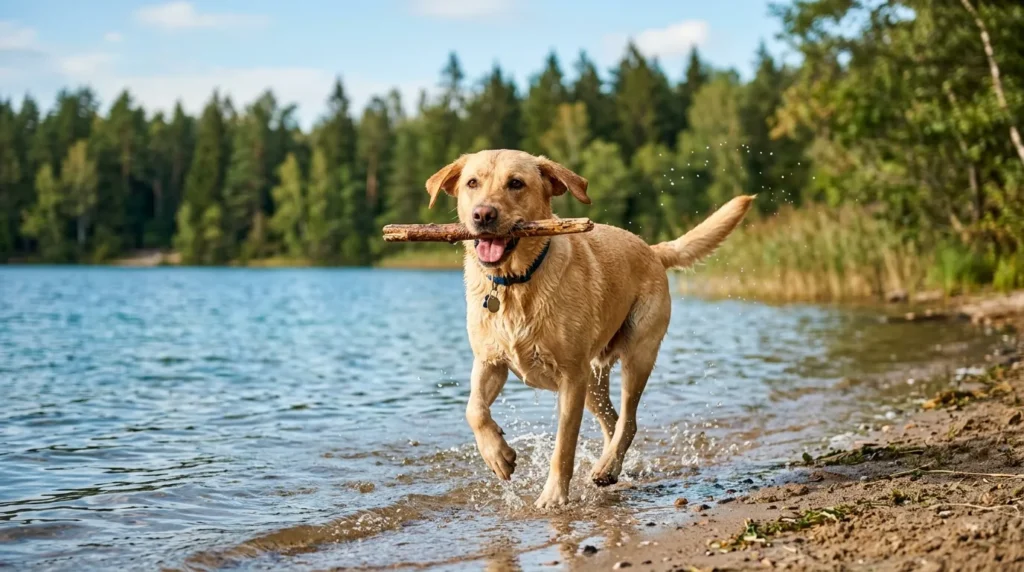
The Labrador Retriever, by contrast, operates on boundless, joyful stamina. They are notoriously “mouthy” and high-energy for their first few years of life, requiring consistent outlets to prevent them from chewing up your furniture.
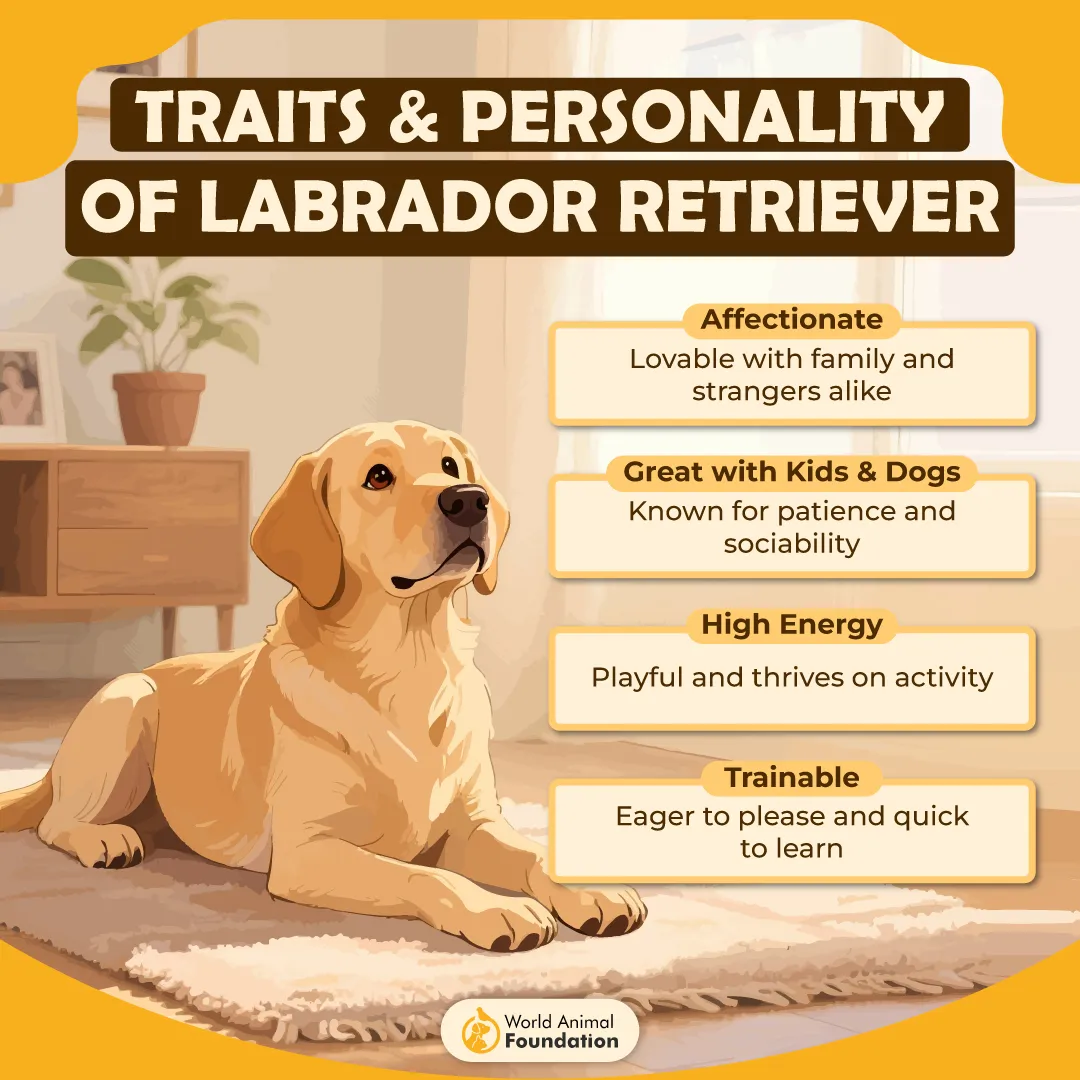
Labradors are repetition champions; they will happily fetch a tennis ball or dive into a lake for hours without tiring, viewing the exercise as a game rather than an obligation. Giving them interactive tasks keeps their friendly, eager-to-please personalities perfectly balanced.
Trainability, Intelligence & Learning Ability
While both breeds frequently dominate the top slots of canine intelligence rankings, they learn and execute commands with entirely different motivations.
The German Shepherd works for the sake of the job and respect for their handler, while the Labrador Retriever works for cooperation, rewards, and the sheer joy of the interaction.
|
Training Category |
German Shepherd |
Labrador Retriever |
|
Intelligence Style |
Analytical, strategic, and deeply pattern-focused. |
Adaptive, cooperative, and highly socially intuitive. |
|
Primary Motivation |
Strong leadership, consistent routine, and clear purpose. |
Eager-to-please attitude, food rewards, and playful praise. |
|
Handler Compatibility |
Best for experienced owners who understand working drives. |
Excellent for first-time owners due to their forgiving nature. |
|
Core Training Need |
Early socialization to manage intense protective instincts. |
Early impulse control to manage high curiosity and energy. |
The German Shepherd: Tactical Focus
German Shepherds possess a sharp learning ability that allows them to grasp new commands and complex behavioral patterns in just a few repetitions. They excel in highly structured environments, which is precisely why they are the premier choice for demanding roles in police, military, and search-and-rescue units.
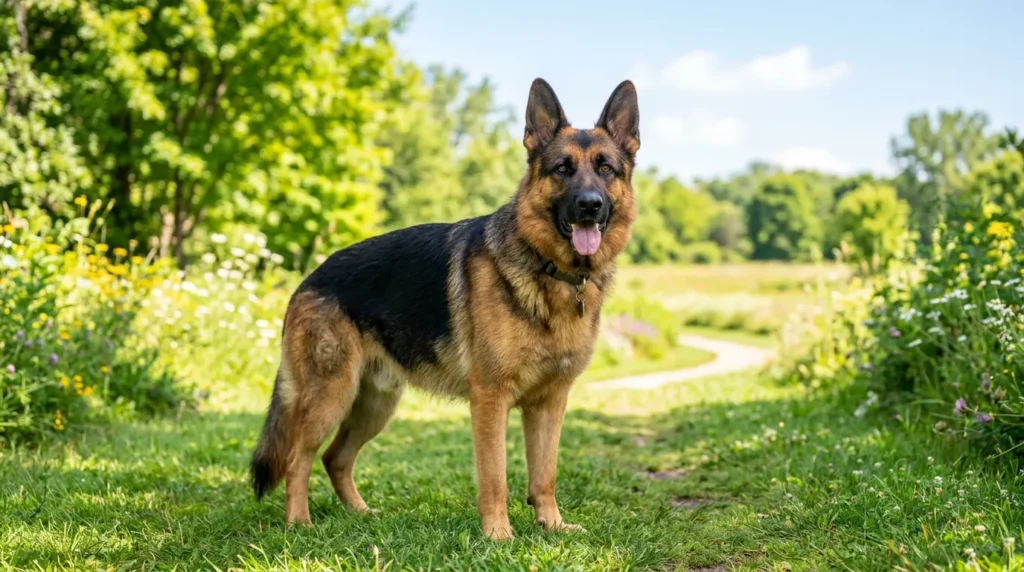
Because they form intense, deep attachments to their handlers, they require consistent, reward-based guidance. Without a firm routine and ongoing mental stimulation, a German Shepherd’s brilliant mind will quickly begin making independent—and often protective—decisions to manage their environment.
The Labrador Retriever: Joyful Cooperation
Labrador Retrievers are equally intelligent but filter their brainpower through a lens of enthusiastic adaptability. They are incredibly forgiving of novice training mistakes, making them the gold standard for first-time dog owners.
Labradors look at training as a game or a collaborative puzzle; they thrive on positive reinforcement and will happily repeat a task if it involves food or enthusiastic praise. This highly social intelligence and gentle nature make them exceptionally suited for therapy, medical alert, and service dog roles where peaceful public interaction is mandatory.
Coat Maintenance & Grooming Needs
Both breeds possess high-shedding double coats designed to protect them from weather elements, requiring consistent maintenance to control loose fur throughout your home.
|
Grooming Metric |
German Shepherd |
Labrador Retriever |
|
Coat Characteristics |
Medium-length, plush, and dense. |
Short, sleek, and exceptionally water-resistant. |
|
Shedding Pattern |
Heavy year-round shedding with intense seasonal blowouts. |
Sudden, massive bursts of hair loss during seasonal transitions. |
|
Brushing Routine |
Weekly minimum; daily during seasonal coat changes. |
Weekly minimum; frequent short sessions during peak sheds. |
|
Special Care Needs |
Frequent ear checks to prevent trapped moisture and wax buildup. |
Regular baths with gentle shampoo post-swimming to avoid dry skin. |
Managing the Shedding Load
The German Shepherd: This breed sheds continuously throughout the year. Regular brushing is mandatory to manage the loose undercoat before it spreads across your living spaces. Routine maintenance must be paired with regular nail trims and dental care to preserve their comfort during active movement.
The Labrador Retriever: While their fur is shorter, Labradors release substantial amounts of hair all at once when seasons change. Because they love outdoor activities and swimming, they require occasional bathing to maintain hygiene, alongside attentive nail care to prevent splitting and cracking.
Average Lifespan & Longevity
While both are large, athletic breeds with overlapping hereditary risks, their lifespans and aging patterns differ slightly. Notably, German Shepherds typically live around 10 to 14 years, whereas Labrador Retrievers average 11 to 13 years.
|
Health & Longevity Metric |
German Shepherd |
Labrador Retriever |
|
Average Lifespan |
10 to 14 years |
11 to 13 years |
|
Primary Hereditary Risks |
Hip/elbow dysplasia, degenerative myelopathy (back issues), and bloat. |
Hip/elbow dysplasia, hereditary cataracts, and exercise-induced collapse. |
|
Common Late-Life Challenge |
Mobility and joint degradation paired with a stubborn, active mindset. |
Obesity management and age-related vision loss. |
|
Aging Temperament |
Retains a serious, vigilant working drive even as physical strength slows. |
Retains a youthful, playful, and highly social energy well into senior years. |
Aging and Wellness Needs
The German Shepherd: A critical factor in a Shepherd’s longevity is managing hereditary orthopedic and digestive concerns. Because their intense working drive frequently outpaces their physical longevity, senior Shepherds require proactive joint support and careful lifestyle management to protect their spine and hips as they age.
The Labrador Retriever: Generally considered a robust and sturdy breed, a senior Labrador’s lifespan heavily relies on strict weight management. Their natural propensity for obesity can rapidly accelerate joint issues like hip dysplasia, making a controlled diet and low-impact exercise vital to keeping them active late into life.
German Shepherd Dog Breeds vs. Labrador Retrievers: Suitability for Family Life vs. Guard Duties
Ultimately, choosing between these two breeds comes down to the specific role you want a dog to play in your household. A German Shepherd brings vigilant security and structured loyalty, while a Labrador Retriever offers open-hearted companionship and effortless social adaptability.
The Natural Protector
The German Shepherd is hardwired for protection, structure, and close observation. They bond profoundly with their inner circle but maintain a default state of controlled alertness.
This instinct makes them an exceptional choice for households where personal safety, boundary guarding, and dedicated training routines are top priorities. They thrive when they know exactly who belongs in their space and what task they are expected to perform.
The Ultimate Diplomat
The Labrador Retriever, by contrast, adapts seamlessly to bustling, relaxed family environments. Rather than monitoring boundaries, their main focus is total inclusion in daily family activities.
Because they lack a strong, innate guarding drive, they welcome visitors, children, and other animals without hesitation. While a Labrador will not actively defend a property, their sheer physical size and confident presence can still offer a comforting sense of everyday security.
Conclusion
In the end, the choice comes down to lifestyle, not just appearance or popularity. One type brings structure, alertness, and a natural drive to protect, thriving in homes where training, purpose, and clear roles are part of daily life.
The other offers warmth, friendliness, and an easygoing nature that fits beautifully into active family routines and social environments.
Both Labrador Retrievers and German Shepherds are intelligent, loyal, and deeply people-focused, but they express it in very different ways. Understanding these differences helps ensure a better match, leading to a happier home for both dog and owner.
