




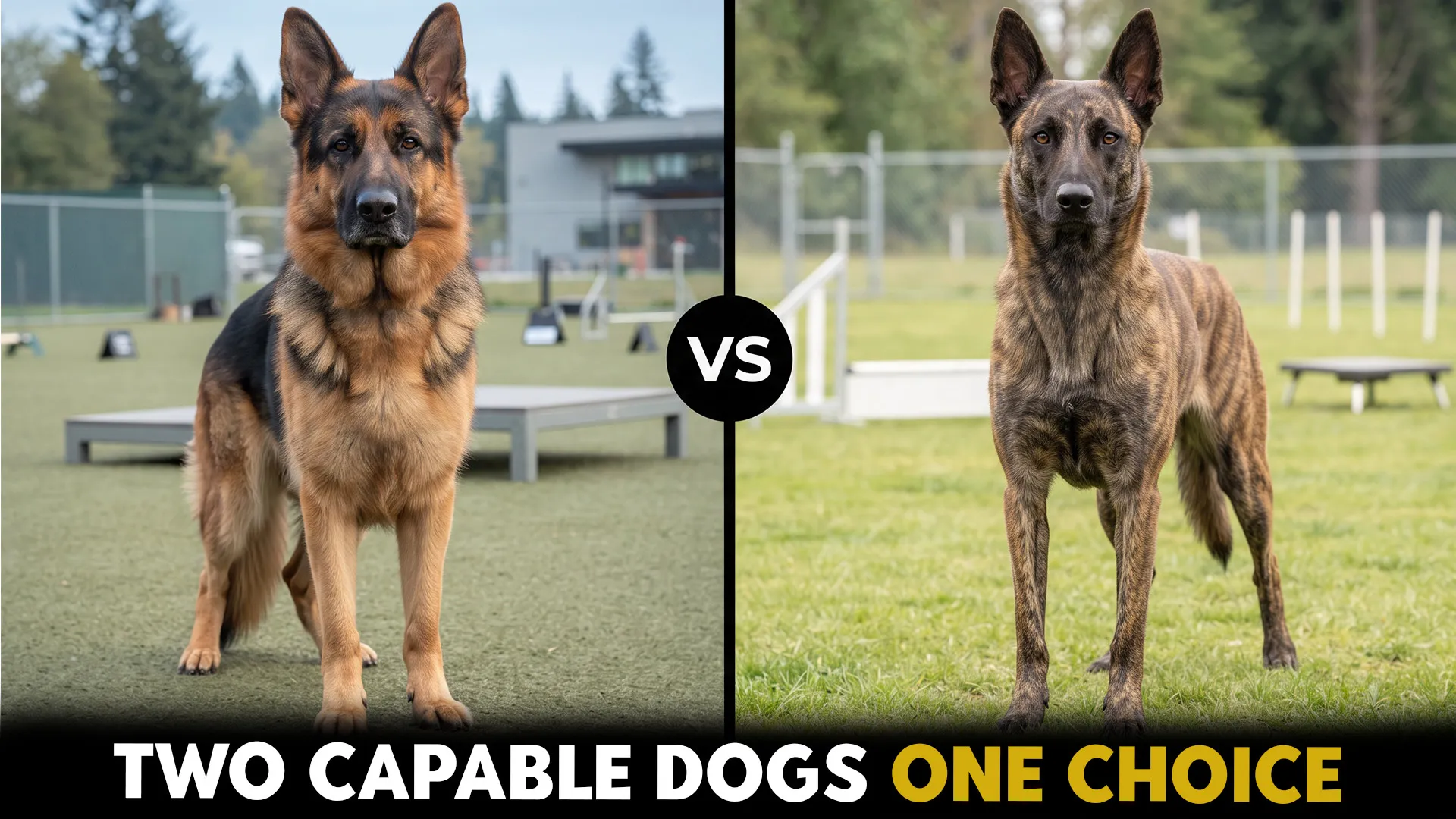
German Shepherds and Dutch Shepherds may look like close relatives, but each breed brings its own personality, working style, and care needs to the table.
Both are intelligent, athletic, loyal, and happiest when they have a purpose, whether that means training, outdoor activities, herding, protection, or simply staying busy with their family.
The German Shepherd is one of the world’s most recognizable working dogs, known for its versatility, courage, and strong bond with its handler. The Dutch Shepherd, meanwhile, is a rarer breed celebrated for its athletic build, tireless energy, and distinctive brindle coat.
Although both were developed as herding dogs, their differences can make one a better fit for certain owners and lifestyles.
In this article, we’ll look at their size, appearance, temperament, intelligence, exercise needs, trainability, grooming, health, lifespan, and overall ownership experience.
German Shepherd vs. Dutch Shepherd: Complete Breed Comparison Guide
Origins & Purpose
German Shepherd
The German Shepherd originated in Germany in the late 19th century, with Captain Max von Stephanitz playing a major role in establishing the breed in 1899. He focused on developing a dog that combined intelligence, strength, endurance, and a reliable working temperament.
Originally bred to herd and protect livestock, German Shepherds soon became valued for their versatility and ability to learn demanding tasks. Today, they work in many roles, including police and military service, search and rescue, protection, and assistance work, while remaining popular family companions.
Dutch Shepherd
The Dutch Shepherd originated in the rural regions of the Netherlands during the 18th century, according to PetMD. Farmers valued these versatile working dogs for more than herding livestock; they also guarded farms, helped manage animals, and performed practical tasks such as pulling carts.
Unlike breeds developed around a specific appearance, Dutch Shepherds were shaped primarily by their ability to work efficiently in challenging farm environments. The breed later faced a serious decline during World War II, but dedicated breeders helped preserve it.
Today, Dutch Shepherds remain capable working dogs used in obedience, protection, police work, and other demanding activities.
Size & Build
German Shepherd
German Shepherds are medium-to-large dogs with a powerful, well-muscled body. They have a strong presence and substantial bone structure, particularly in males. Their build gives them the strength and endurance needed for herding, protection, and other demanding working roles, as noted by the AKC.
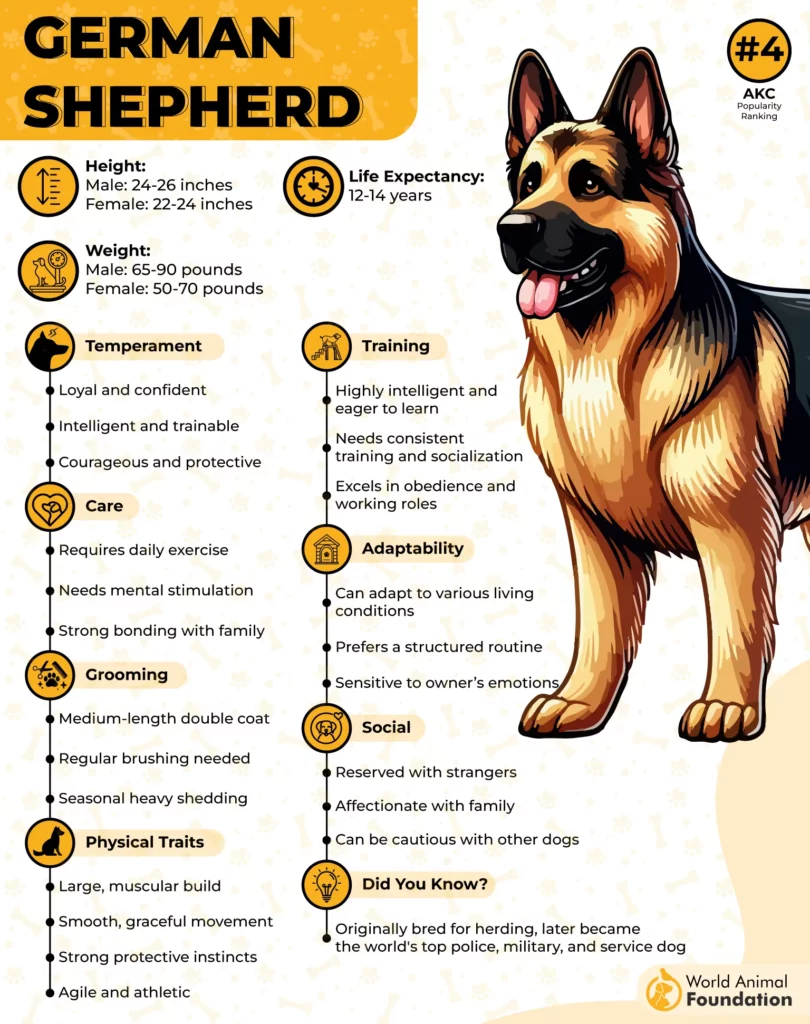
- Height: Up to about 26 inches
- Weight: Up to about 90 pounds
- Build: Muscular, sturdy, and slightly heavier
- Overall impression: Powerful and substantial
Dutch Shepherd
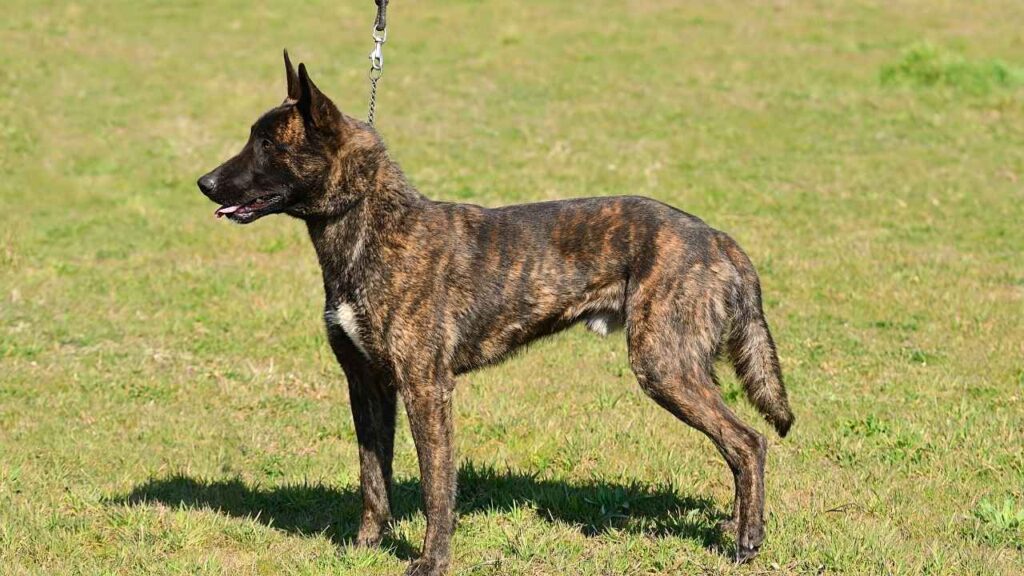
Dutch Shepherds are medium-sized dogs with a more streamlined and athletic build. They are generally lighter than German Shepherds, which can give them an advantage when quick movement, agility, and fast changes in direction are required. Their lean frame reflects their history as versatile farm and working dogs.

- Height: Up to about 25 inches
- Weight: Up to about 75 pounds
- Build: Lean, muscular, and athletic
- Overall impression: Agile and lightweight
Pricing & Availability
German Shepherd
German Shepherds are widely available because of their popularity, making them relatively easy to find through breeders, shelters, and rescue organizations. Adoption is often the more affordable option, with rescue dogs typically costing under $500.
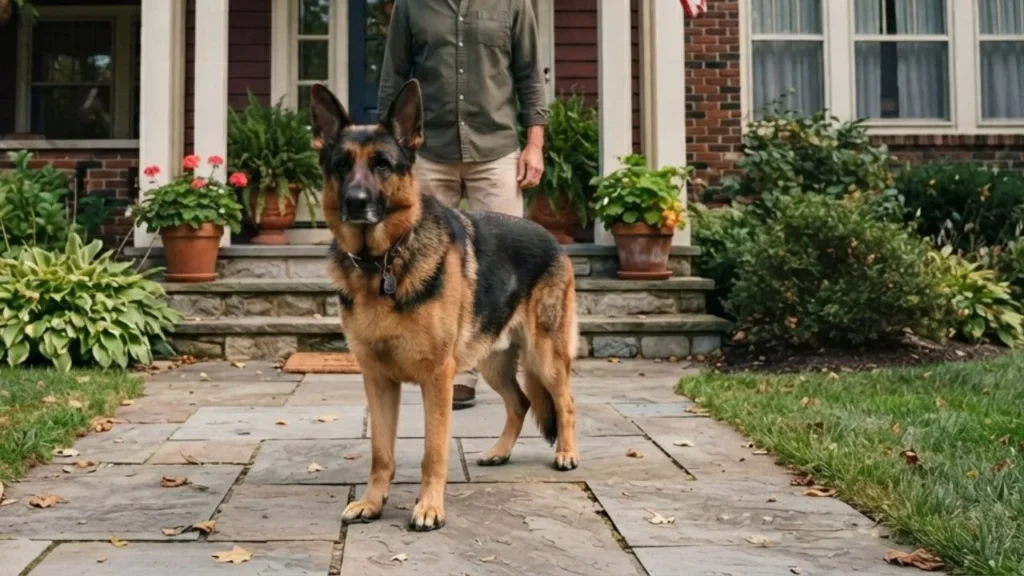
If purchasing from a breeder, a German Shepherd puppy may cost around $450–$1,000, although well-bred working lines and puppies from highly reputable breeders can be more expensive.
Dutch Shepherd
Dutch Shepherds are much rarer, especially outside the Netherlands, so finding a reputable breeder can take more time. Their limited availability also makes them more expensive than German Shepherds in many cases.
A Dutch Shepherd puppy from a breeder may cost around $1,500 or more, while adoption can provide a less expensive alternative when one is available through a rescue organization.
Temperament & Personality Style
German Shepherd
German Shepherds are loyal, confident, and naturally protective dogs that often form a very strong bond with their families. They tend to be cautious around unfamiliar people and have a strong instinct to watch over their home and loved ones.
Their alert nature makes them excellent watchdogs, but early socialization and consistent training are important to help them respond appropriately to strangers and new situations.
Despite their protective side, German Shepherds can be affectionate and devoted family companions. They generally enjoy spending time with their people and can do well with children when properly trained and socialized, as mentioned by Britannica.
They may not cope well with being left alone for long periods, particularly when they become overly dependent on their owners.
Dutch Shepherd
Dutch Shepherds are alert, intelligent, affectionate, and highly aware of their surroundings. Like German Shepherds, they have strong protective instincts and may bark when they notice unfamiliar people or activity around the home.
However, they are often somewhat more approachable and tend to be friendlier toward children and other pets.
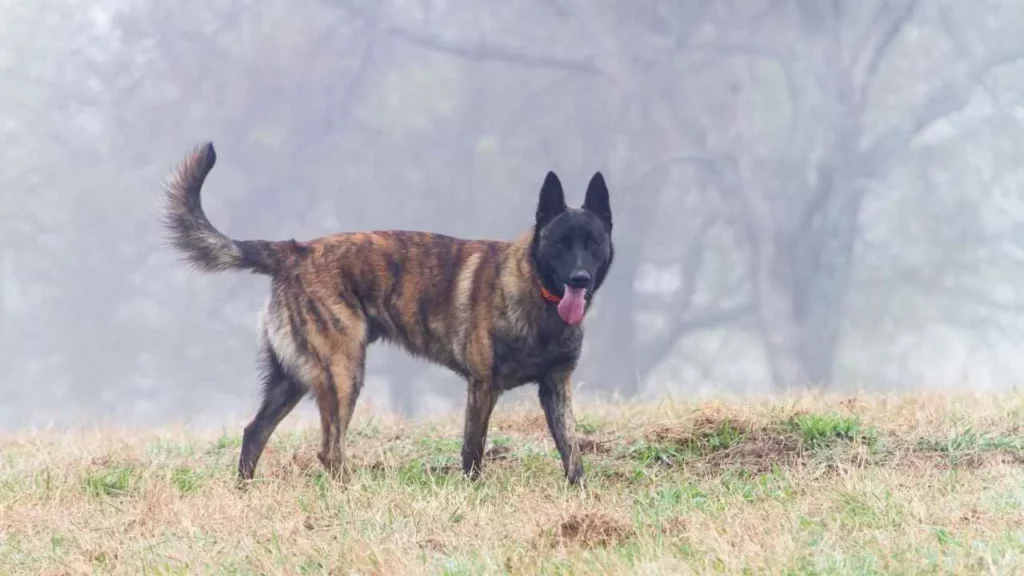
Their confident but affectionate personality allows them to combine the qualities of a capable watchdog with those of a devoted family companion.
They still require early socialization and consistent guidance, but their generally friendly nature can make them a little easiergoing in social settings than German Shepherds.
Exercise Needs & Energy Levels
German Shepherd
German Shepherds are high-energy dogs that need vigorous exercise to stay healthy and balanced. Long walks, running, hiking, obedience training, agility, tracking, and other structured activities can help meet their exercise needs. These dogs can run up to 30 miles an hour!
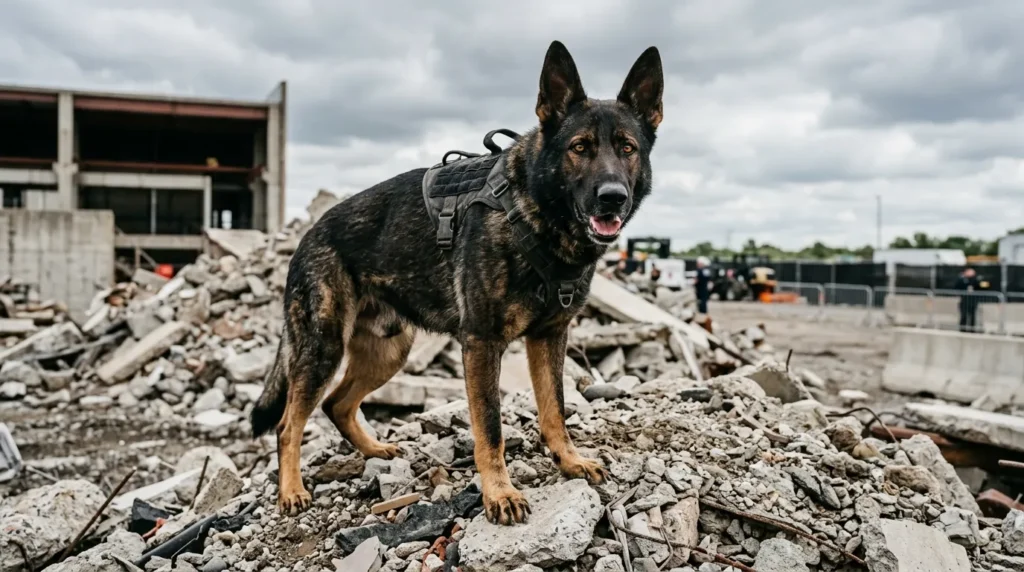
Because they are highly intelligent, physical activity alone is not enough. They also need regular mental stimulation and purposeful activities to prevent boredom, frustration, and destructive behavior.
Dutch Shepherd
Dutch Shepherds are equally active and thrive when they have regular opportunities to run, explore, work, and learn. Their versatile nature makes them well suited to activities such as agility, tracking, nose work, and dock diving.
They may be slightly less demanding than German Shepherds in some settings, but they still need an active lifestyle and plenty of mental engagement to remain happy.
Trainability & Obedience
German Shepherd
German Shepherds are highly intelligent, responsive dogs that generally learn new commands and skills quickly. They enjoy having a job to do and often respond particularly well to positive reinforcement, treats, toys, and game-based training.
Their intelligence allows them to master everything from basic obedience to advanced scent work, tracking, protection, and service tasks.
Early training and socialization are especially important for this powerful breed. Puppy classes and regular exposure to different people, animals, and environments can help develop a confident and well-mannered adult dog.
Dutch Shepherd
Dutch Shepherds are also intelligent, versatile, and eager to work, making them capable learners across many different disciplines.
They can excel in obedience, agility, tracking, herding, search and rescue, police work, and other dog sports. Their natural drive and willingness to work make training rewarding for experienced owners.
However, Dutch Shepherds can have an independent side and may require patience and consistency during training. Positive reinforcement, varied exercises, and mentally challenging activities can help keep them engaged.
Like German Shepherds, they benefit greatly from early socialization and structured training to channel their intelligence and working instincts in a positive direction.
Grooming Needs & Shedding
German Shepherd
German Shepherds have a dense double coat that requires regular grooming to manage their heavy shedding. Brushing every few days helps remove loose fur and keep the coat healthy, while daily brushing is often useful during seasonal shedding periods.
- Coat maintenance: Medium to high
- Shedding: High
- Dander: High
- Overall grooming: Moderate
Regular brushing is the most important part of their grooming routine, along with occasional bathing, nail trimming, and ear cleaning. Owners should also expect loose hair around the home throughout the year.
Dutch Shepherd
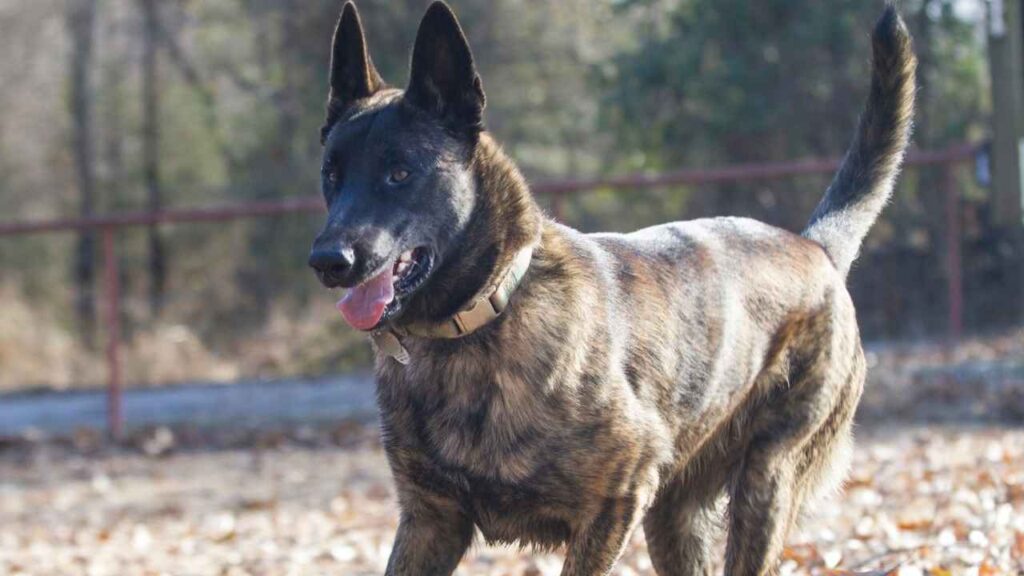
Dutch Shepherds come in three coat types, and grooming requirements vary depending on the type. Short-haired dogs generally need occasional brushing, while long-haired dogs benefit from weekly grooming.
Rough-coated Dutch Shepherds need monthly combing and hand-stripping about twice a year.
- Coat types: Short, long, or rough
- Coat maintenance: Medium
- Shedding: Medium
- Dander: Low
- Drooling: None
- Accepted colors: Gold brindle or silver brindle
Despite their different coat types, Dutch Shepherds are generally manageable to groom. Their distinctive brindle coats give them a striking, tiger-like appearance, while regular brushing helps keep loose fur under control.
Herding & Work Drive
German Shepherd
German Shepherds were developed primarily as herding and livestock-working dogs, and their strong work ethic remains an important part of their personality.
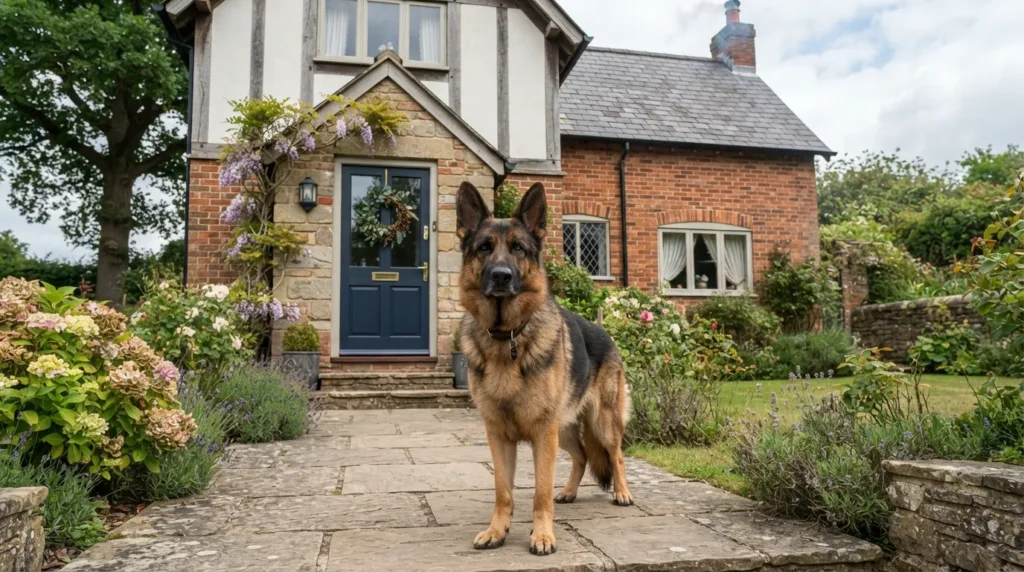
They are naturally attentive, responsive, and eager to stay busy, making them well suited to tasks that require focus, endurance, and close cooperation with their handler.
Their ability to learn quickly and remain composed under pressure has also helped them transition into police, military, search and rescue, protection, and service roles.
Dutch Shepherd
Dutch Shepherds were developed as versatile farm dogs with a strong instinct to herd, guard, and manage livestock. They were expected to handle a variety of tasks independently, which helped create a breed with considerable stamina, alertness, and determination.
Their natural work drive remains strong today, and they often thrive when given a clear purpose through herding, tracking, agility, scent work, protection, or other working activities.
Health & Lifespan
German Shepherd
German Shepherds are generally healthy and active dogs, with an average lifespan of around 12 to 14 years. However, their size, deep chest, and genetic predispositions can make them vulnerable to several health conditions.
Regular veterinary examinations, a balanced diet, appropriate exercise, and responsible breeding can help support their long-term health.
Common health issues include:
- Hip and elbow dysplasia
- Gastric dilatation-volvulus (bloat)
- Degenerative myelopathy
- Heart disease
- Allergies
- Cancer
Dutch Shepherd
Dutch Shepherds are generally considered a robust and healthy breed, with a typical lifespan of around 11 to 14 years. They can still develop certain inherited and breed-associated conditions, so health screening and responsible breeding are important.
With proper nutrition, regular exercise, and routine veterinary care, many Dutch Shepherds remain active well into their senior years.
Common health problems include:
- Hip and elbow dysplasia
- Gastric dilatation-volvulus (bloat)
- Degenerative myelopathy
- Progressive retinal atrophy (PRA)
Which Loyal Working Dog Is Right for You?
Choosing between a German Shepherd and a Dutch Shepherd ultimately comes down to your lifestyle, experience, and what you want from a working companion.
Both breeds are intelligent, loyal, athletic, protective, and happiest when they have plenty of physical and mental stimulation. Neither is ideal for a sedentary household, as both need regular exercise, training, and meaningful activities.
German Shepherd
A German Shepherd may be the better choice if you want a highly versatile dog with strong protective instincts and excellent trainability. They tend to form deep bonds with their families and can make dependable companions when properly socialized and trained.
Their larger build, higher energy level, and greater availability also make them a popular choice for families and experienced handlers looking for a capable working or companion dog.
Dutch Shepherd
A Dutch Shepherd may suit you better if you prefer a slightly smaller, agile, and less common working breed. They have a strong work drive and excel in activities such as tracking, agility, herding, scent work, and protection.
Their affectionate yet alert personality can also make them wonderful family companions for active owners who are prepared to keep them mentally and physically engaged.
Conclusion
German Shepherds and Dutch Shepherds may share a working-dog heritage, but they have their own strengths. German Shepherds are larger, highly trainable, protective, and widely available, while Dutch Shepherds offer a leaner build, strong work drive, distinctive brindle coats, and a slightly rarer profile.
Both breeds need plenty of exercise, mental stimulation, training, and companionship to truly thrive.
Before choosing either dog breed, consider your daily routine, experience with active dogs, and ability to meet their physical and mental needs.
Whether you choose the dependable German Shepherd or the agile Dutch Shepherd, the right match can become far more than a working partner. It can become a loyal companion for years to come.
