




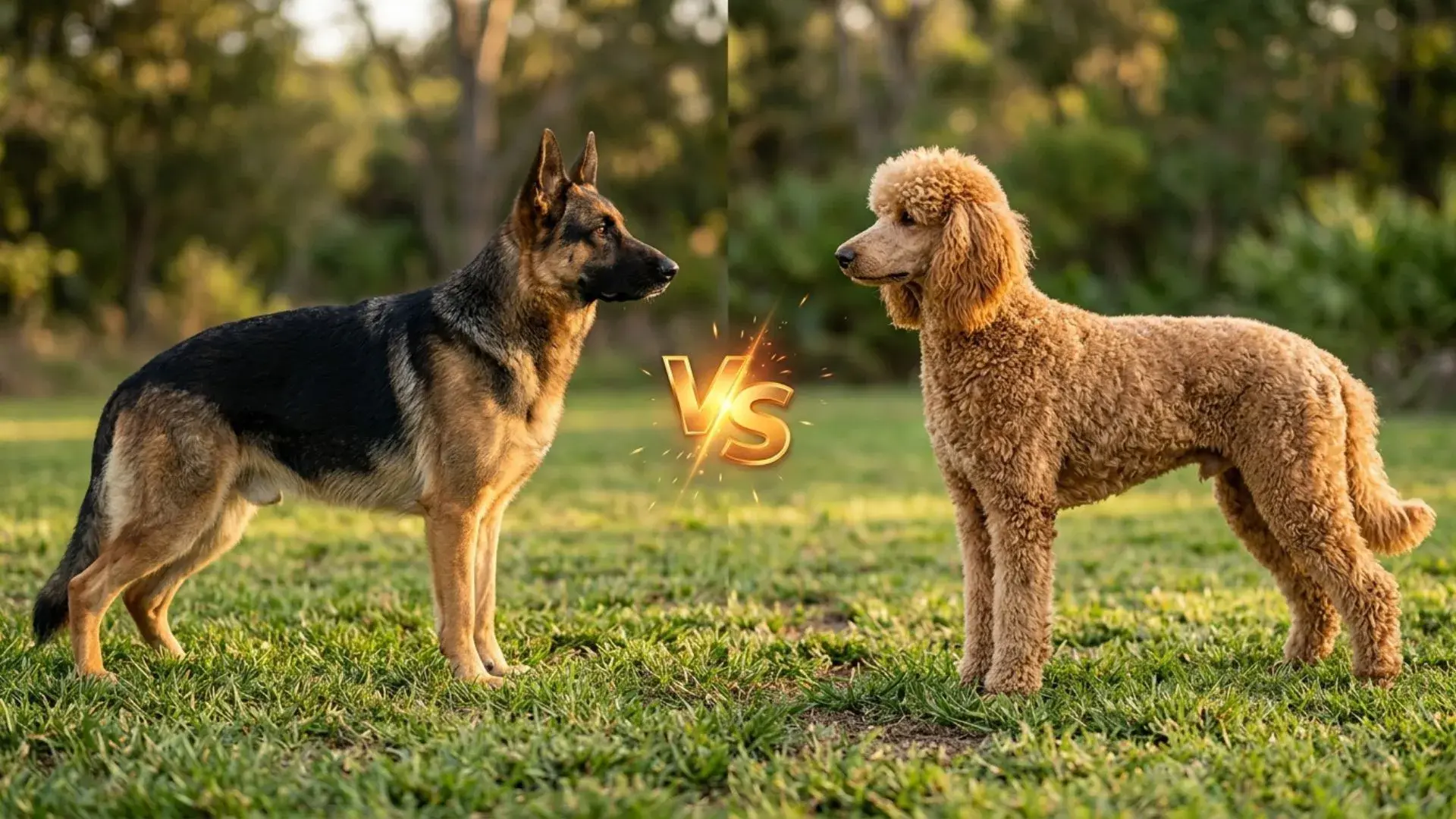
Ever noticed how some dogs look like they’re always on duty while others look like they just stepped out of a grooming ad?
It’s funny how different breeds like German Shepherds and Poodles can feel like they belong in totally different lifestyles, yet both are incredibly smart and loyal in their own way.
One carries that serious, alert vibe, always watching, always ready, like it has a mission to complete. The other feels lighter, stylish, and clever, the kind of pet that quickly wins attention without even trying.
Here’s the interesting part… both are highly intelligent, but they don’t show it the same way. One thrives on structure, obedience training, and purposeful tasks where focus matters most.
The other enjoys trick training, agility, and mental stimulation that feels more like play than work. “Same smart level, different style,” you could say.
And when it comes to energy level, the contrast gets even clearer. One needs regular walks and constant activity to stay balanced, while the other adapts more easily to different lifestyles. So it’s really about matching the dog’s energy with your own world.
German Shepherd Dog Breeds vs. Poodle Dog Breeds
German Shepherds continue to be the most popular working dogs around the world, often used by police, military, and search-and-rescue teams because of their focus and ability to learn quickly. Responsible breeders are also working to improve their health and strengthen future generations of working lines.
At the same time, poodles, particularly standard and toy varieties, are becoming increasingly popular as intelligent, low-shedding pets that are great at agility and learning tricks.
This side-by-side comparison explores how these two incredibly intelligent, high-energy breeds differ in temperament, grooming demands, and household compatibility to help you choose the right partner.
History & Purpose
If dogs had resumes, one would proudly list “security expert with serious field experience,” while the other would casually add “former hunter turned fashion icon.” Sounds dramatic, but that’s exactly how these two breeds evolved over time.
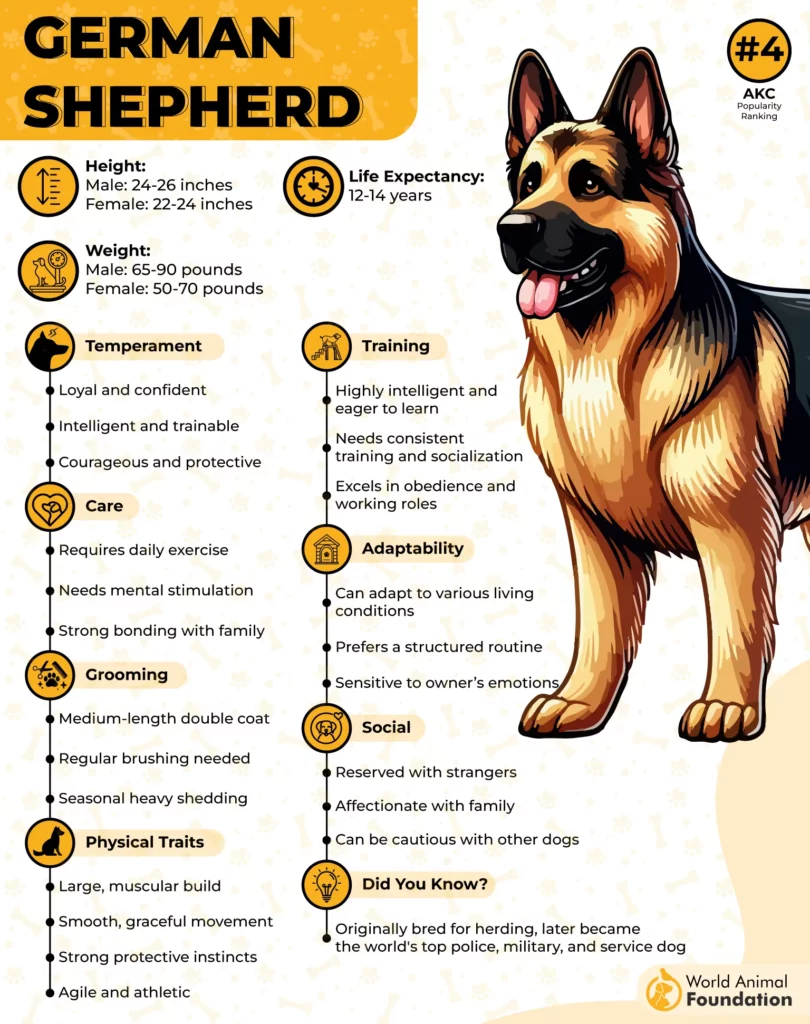
German Shepherds were originally bred for herding, but quickly proved they were capable of much more. As per PetMD, with their intelligence, strength, and confidence, they moved into roles like police work, military tasks, and search-and-rescue. Basically, they went from farm life to full-on “protect and serve” mode—and they still take that job very seriously.
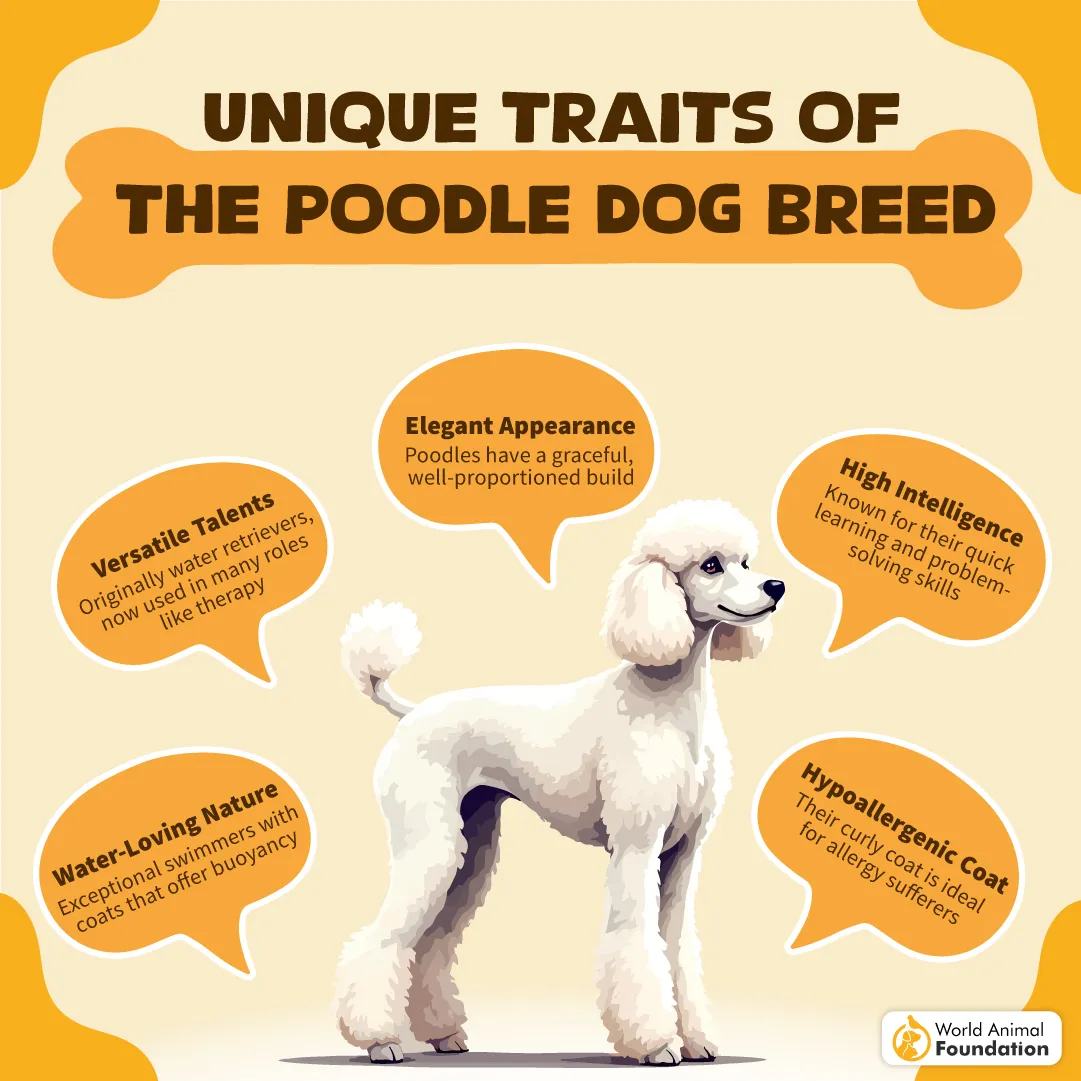
Now here’s the plot twist… Poodles didn’t start as elegant show dogs. They were actually waterfowl hunters in Germany before becoming popular in France. Behind that stylish look is a highly skilled, active dog that excels in agility, obedience, and even tracking. So yes, all that fluff comes with real working talent underneath.
Size & Physical Build
If size really mattered in personality, things would be simple—but with these two, it’s a whole different story. German Shepherds show up big, strong, and ready to take charge, usually weighing between 50 and 90 pounds and standing tall with a muscular, athletic build. You look at it and instantly think, “Yep… this one means business.”
Now, enter the stylish shape-shifter of the dog world. Poodles come in three sizes—standard, miniature, and toy—so whether you want a big companion or a tiny lap buddy, there’s an option waiting, as per WebMD. And the funny part? No matter the size, their personality stays surprisingly consistent—smart, lively, and always a little dramatic.
So while one brings power and presence, the other brings flexibility in size without losing charm. Big or small, both know how to stand out—you just have to decide what fits your space (and your couch).
Temperament & Personality
If personalities could talk, one would say, “I’ve got your back—always,” while the other would go, “I’ve got brains, charm, and a few tricks…watch this.” That’s the vibe difference right away.
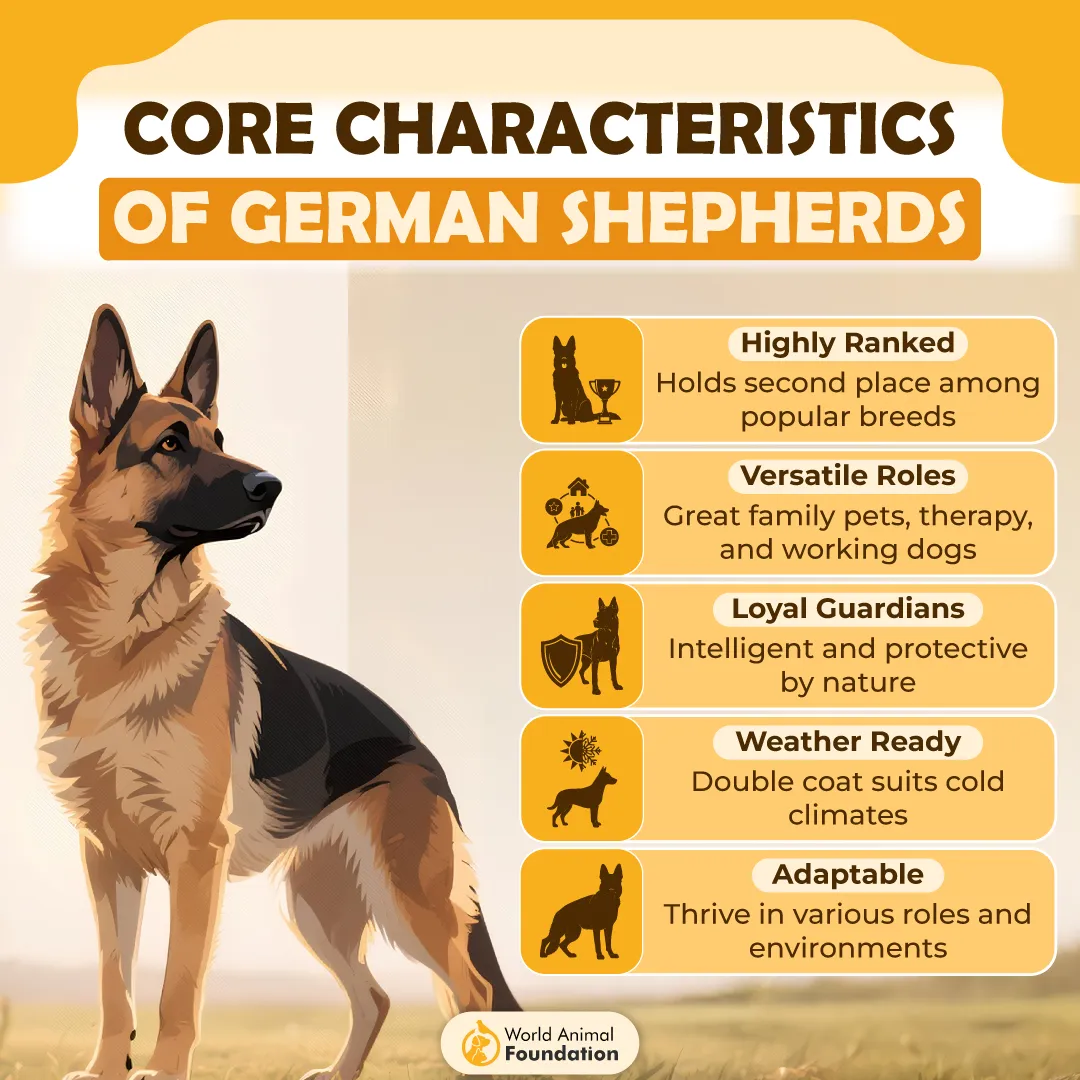
As per Britannica, German Shepherds are loyal, protective, and always alert, the kind of dog that naturally steps into a watchdog role without being asked twice. They bond deeply with family and are great with kids, but here’s the catch—they need proper training. Without clear guidance, they might decide they’re the boss of the house (and honestly, they’ll try).
Now flip the mood… Poodles bring a more playful, friendly, and socially confident personality. They’re highly intelligent, easy to train, and love showing off, whether it’s in agility or simple tricks. Unlike the more serious type, they’re welcoming and less intense.
So, one leans protective and focused, while the other leans clever and charming—both smart, just with totally different attitudes.
Exercise & Energy Levels
If you’re thinking a quick walk around the block will do the job… think again. One of these dogs treats exercise like a full-time commitment, not a casual hobby.
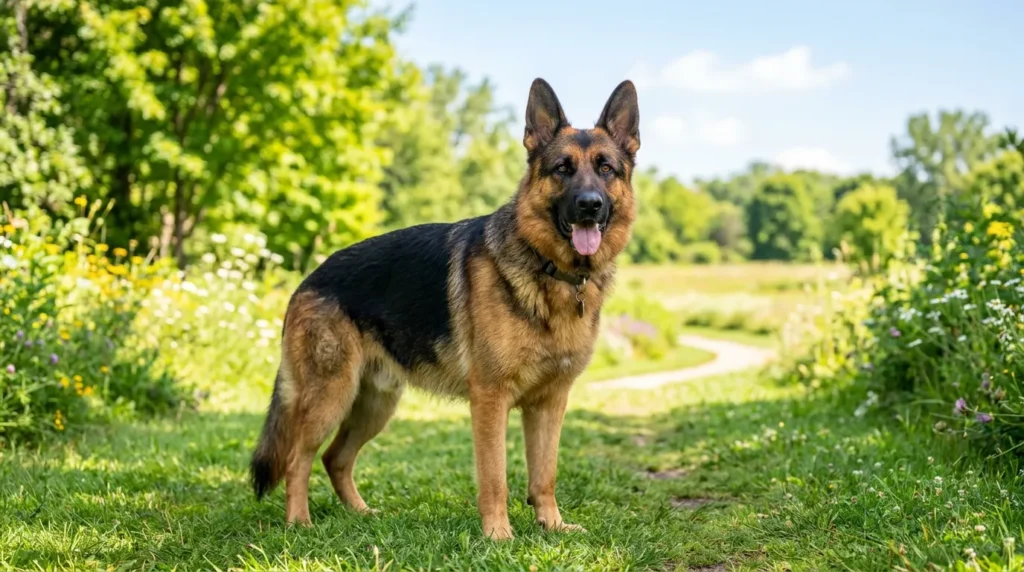
GSD’s are athletic, powerful, and always ready for action. They don’t just enjoy walks—they generally need activities that challenge both body and mind, like agility, tracking, or even a serious game of fetch. Leave them bored, and they’ll find their own “projects,” which may not make you happy.
Now here comes the twist… Poodles may look elegant, but they’re far from lazy and being couch potatoes. They also need regular exercise to stay happy and healthy, mixing physical activity with mental stimulation. The activity level difference? They turn it into fun—less “mission mode,” more playful energy.
So while one thrives on intense, purpose-driven activity, the other keeps things humor-based and engaging. Either way, be ready to move—because a tired dog is definitely a happy dog.
Training & Intelligence
Training these two can feel like teaching a disciplined officer versus a clever entertainer—and both will keep you on your toes.
German Shepherds are highly intelligent and take training seriously. Start early, because this breed quickly learns patterns and may try to “rewrite the rules” if you’re not consistent. They thrive on structure, obedience, and purpose-driven tasks, making them excellent in service roles—but they do expect a confident handler.
Now here’s where things get fun… Poodles are just as smart, but with a playful twist. As per PetPlan, they love learning, respond quickly to positive reinforcement, and genuinely enjoy showing off new tricks. Training sessions often turn into mini performances.
So while one respects discipline and clear leadership, the other thrives on interaction and fun. Either way, consistency and engagement are key—because a bored smart dog is basically planning mischief.
Grooming Frequency
If you think regular grooming is just a “once in a while” task… these two might completely change your routine (and your vacuum cleaner’s workload).
German Shepherds come with a thick double coat that sheds—a lot. We’re talking fur on GSD owners’ clothes, couch, and somehow even places you didn’t know existed. Regular brushing is a must to keep things under control, especially during seasonal shedding. Baths? Only a few times a year, unless you want to mess with their natural oils.
Now here’s the twist… Poodles don’t shed much, but don’t celebrate just yet. Their curly coat needs daily brushing to avoid tangles and frequent professional grooming every few weeks. Skip it, and things get messy—fast.
So one fills your home with fur, the other fills your calendar with grooming appointments. Either way, you’re signing up for maintenance—it just comes in different forms.
Health & Lifespan
Let’s be honest—no one likes thinking about health issues, but knowing this stuff early can save you a lot of stress (and vet visits later).
As per PDSA, German Shepherds are strong and capable, but they can be prone to joint problems like hip and elbow dysplasia, along with conditions affecting mobility over time. With proper care, screening, and a responsible breeder, many of these risks can be managed. Their average lifespan usually falls between 12 and 14 years.
Now here’s the flip side… Poodles may look low-maintenance health-wise, but they have their own list, including joint issues, epilepsy, and even serious conditions like bloat in larger sizes. Regular checkups really matter here.
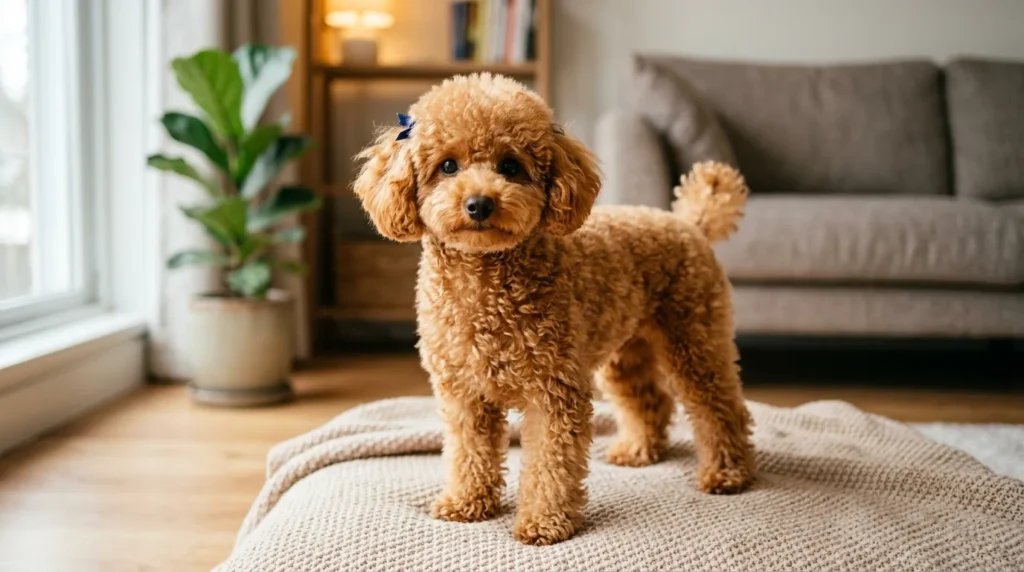
The good news? Poodles often live slightly longer, around 12 to 15 years. So in the end, both need care and awareness—because a healthy dog means a happier, longer companionship.
Suitability as Family Pets vs. Guard Dogs
Choosing between these two really comes down to one simple question… do you want a natural protector or a charming all-round companion?
German Shepherds are built for protection. They are loyal, alert, and naturally protective of their family, making them one of the best guard dogs. They don’t just sense danger—they react to it. With proper training, they become reliable protectors, but without it, their strong instincts can become a bit overwhelming for some households.
Now here’s the softer side… Poodles are more about companionship than guarding. They are friendly, social, and generally welcoming, which makes them excellent family pets. While they can alert you with barking, they’re not the “stand between you and danger” type.
So the choice is pretty clear—if your priority is security and protection, one fits better. But if you want a loving, adaptable family companion, the other easily wins hearts (and couches).
Conclusion
So, when it comes down to it, you’re not just choosing between two dog breeds—you’re choosing between two completely different lifestyles. One brings strength, protection, and a sense of security, but asks for structure, training, and an active routine.
The other offers intelligence, adaptability, and easy companionship, but comes with its own grooming needs and playful energy.
There’s no “better” option here—only the better fit for your life. Think about your space, your daily routine, your energy level, and honestly… how much effort you’re ready to give.
Because at the end of the day, the right dog isn’t just the one that looks good on paper—it’s the one that feels right when they’re sitting next to you on your couch, as they’ve always belonged there.
