




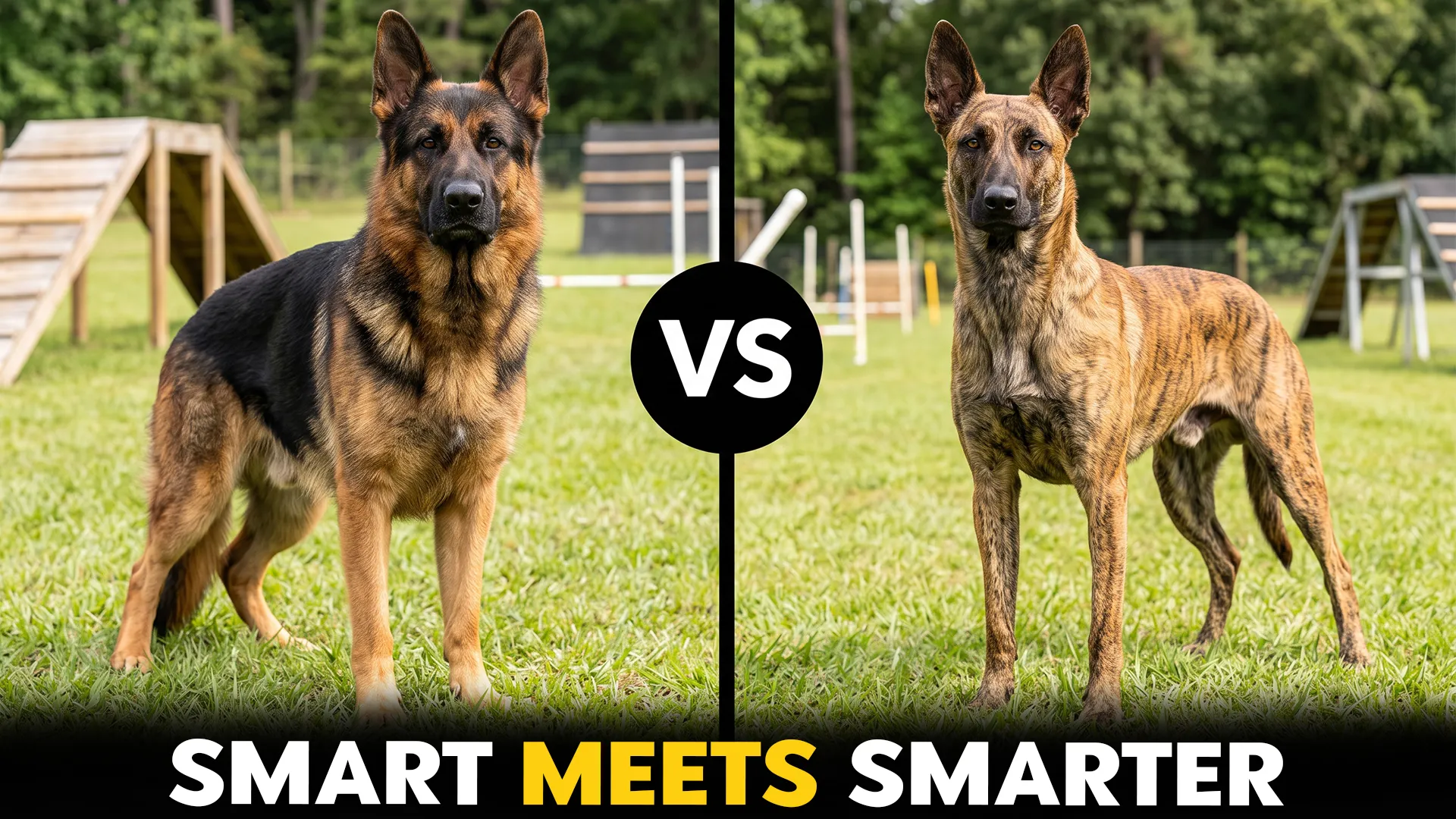
If you’re comparing two closely related shepherd-type dogs, you’ll quickly notice that they may look similar at first but differ in several important ways. Both are intelligent, energetic, and widely respected as working and family companions, yet they vary in size, appearance, popularity, and even lifespan.
One of the biggest differences is how common each one is. One is extremely popular worldwide, especially in countries like the United States, and is widely seen in service and protection roles.
The other dog is much rarer and not as commonly found outside its country of origin, which makes it less familiar to many dog lovers.
Despite these key differences, both share many traits like loyalty, trainability, and strong working ability. Understanding these similarities and contrasts can help you better decide which type of shepherd dog might suit your lifestyle.
Key Takeaways
They may look similar, but their origins and roles set them apart in surprising ways.
German Shepherd stands out as a popular global working and family companion.
Dutch Shepherd brings a rare, agile, and highly driven working-dog energy
From training to care needs, this guide shows which shepherd fits your lifestyle best
German Shepherd Dog Breeds vs. Dutch Shepherds
Breed Origins & Functional Background
German Shepherd
The German Shepherd was developed in late 19th-century Germany with a focus on creating a highly intelligent and reliable working dog. A key foundation dog, originally named “Hektor Linksrhein” and later renamed “Horand von Grafrath,” played a major role in shaping the breed’s standards, according to the American Kennel Club.
Its intelligence, structure, and temperament became the basis for early selective breeding, along with the formation of the first German Shepherd breed club in 1899.
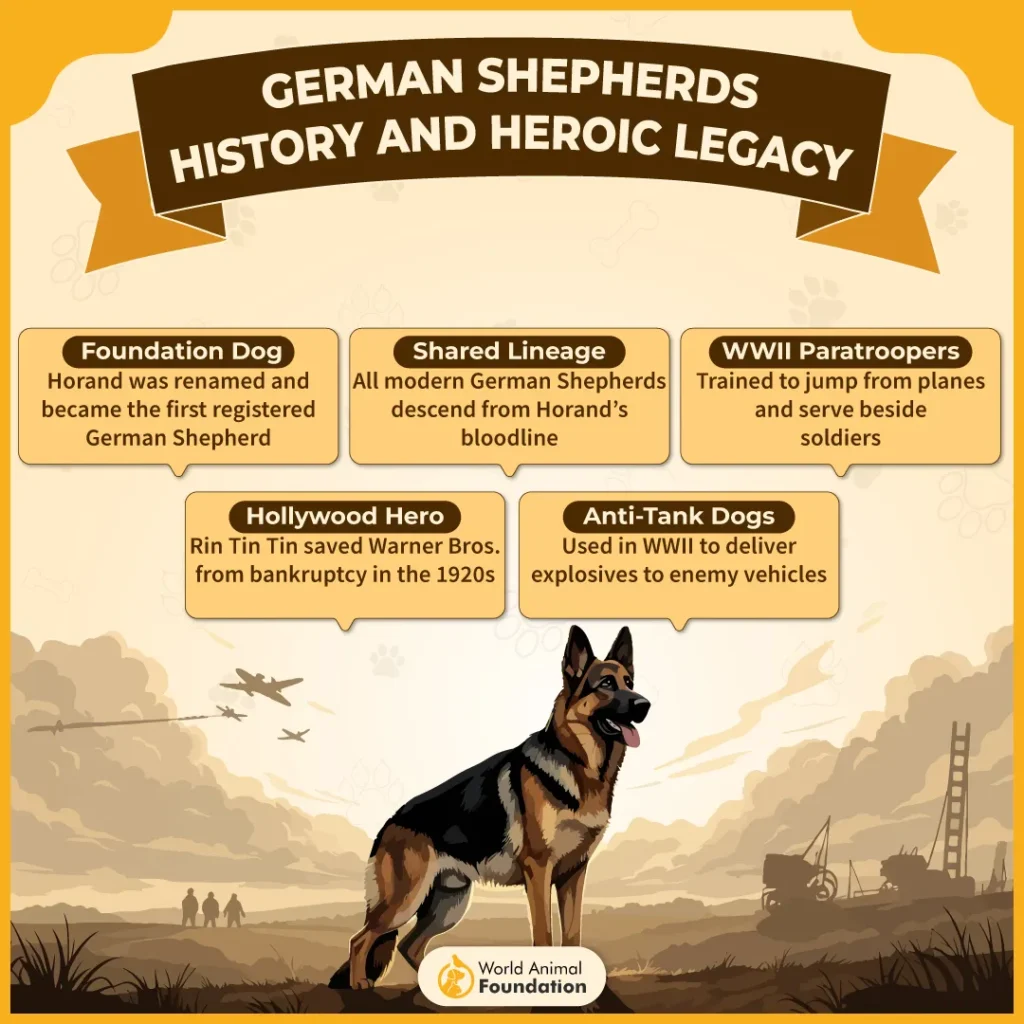
From the beginning, the breed was designed for versatility, especially herding and protection work. Over time, its strong work ethic, trainability, and loyalty made it one of the most widely used working dogs in the world.
Today, this wonderful dog is especially known for its roles in police and military work, including tracking, patrol, detection, and search and rescue. It is also commonly used as a service and guide dog due to its intelligence, discipline, and strong bond with handlers.
Dutch Shepherd
The Dutch Shepherd originated in the rural farming regions of the Netherlands during the 18th century. It was developed as a practical farm dog, mainly used by shepherds to herd livestock and assist with general farm duties.
By the late 1800s, the breed was being shown in dog events, and a formal breed standard was established in 1898. It also served in military roles in the Netherlands before World War II, proving its adaptability beyond farm work.
However, the breed suffered a severe population decline during World War II, bringing it close to extinction. Responsible breeding efforts helped restore it, but it remains relatively rare compared to other shepherd breeds today.
In modern times, the Dutch Shepherd is still recognized for its versatility and strong working ability. It is used in obedience, tracking, search and rescue, and sometimes police or service work. While less common globally, it continues to be valued for its intelligence, agility, and natural herding instincts.
Physical Characteristics & Body Structure
German Shepherd
GSDs are large, powerful dogs with a slightly elongated body compared to their height. They are strongly built and muscular, with a structure designed for endurance, speed, and long working hours.
Their overall balance and angulation of the fore and hindquarters allow for a smooth, far-reaching gait—one of their most recognizable traits.
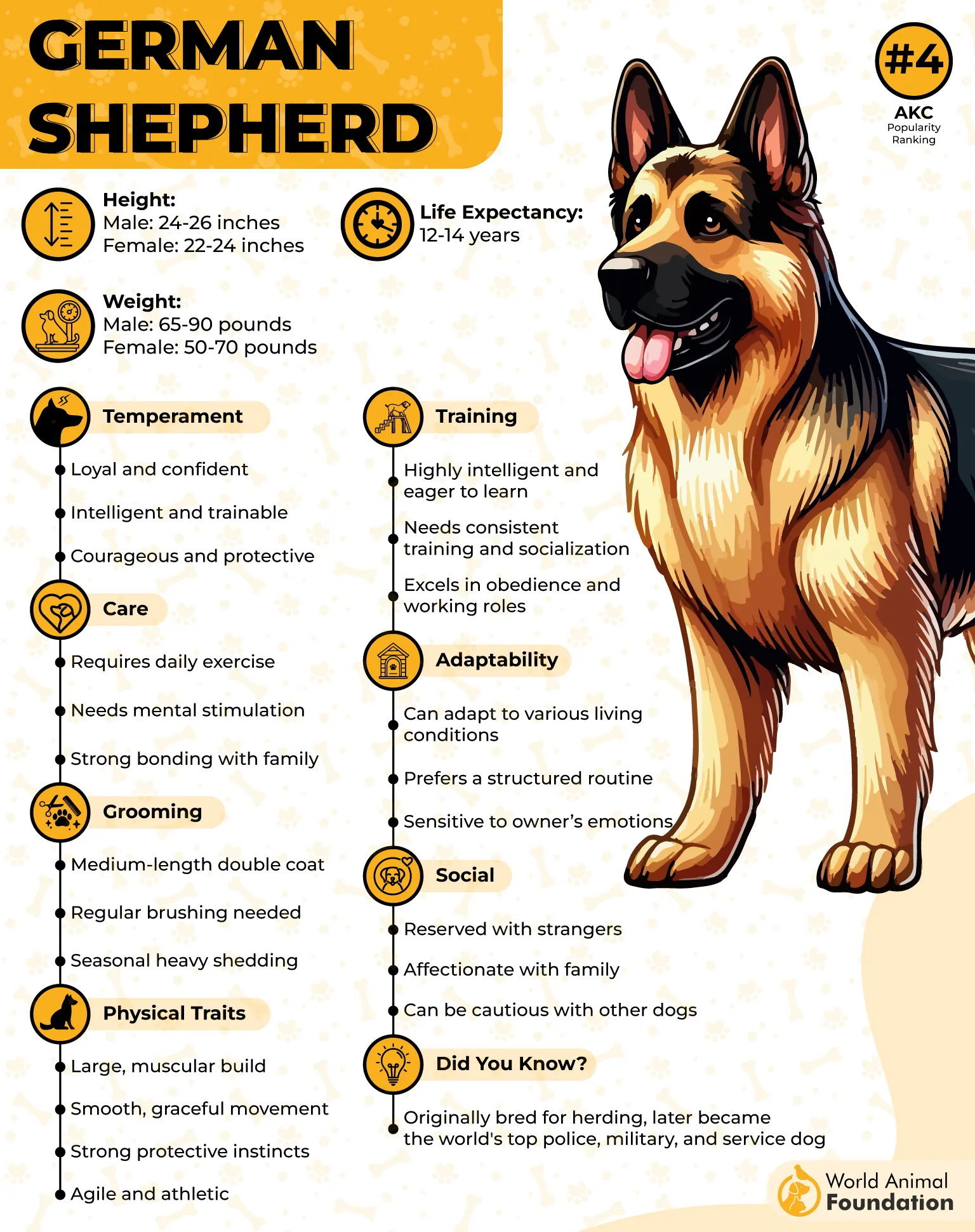
They typically stand around 22–26 inches tall and weigh between 50–90 pounds. Their double coat is dense and weather-resistant, ranging from medium to long in length, with heavy seasonal shedding. Common colors include black and tan, sable, solid black, and bi-color variations.
Dutch Shepherd
Dutch Shepherds are medium-sized, well-proportioned, and highly athletic dogs with a balanced and powerful structure.
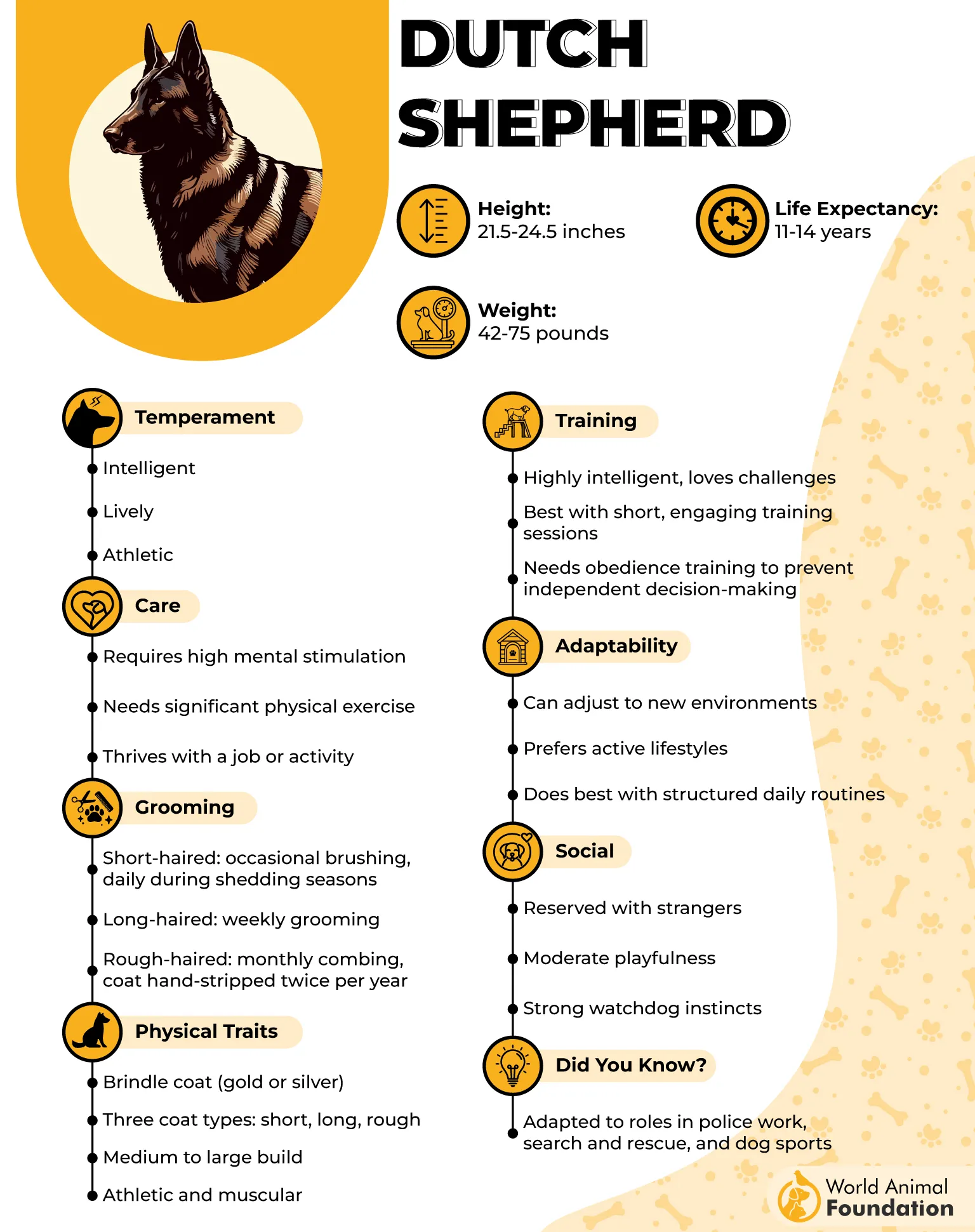
Their body is slightly longer than tall, giving them a functional, agile frame suited for endurance work and agility-based tasks. They are known for their natural, relaxed posture combined with constant alertness.
They generally stand 21–25 inches tall and weigh between 42–70 pounds, with an average lifespan of 12–15 years. Their coat comes in three types—short, long, and rough—though the short coat is most common. The coat is dense, weather-resistant, and typically shows a brindle pattern.
Temperament & Behavioral Profile
German Shepherd
German Shepherds are loyal, intelligent, and naturally protective dogs, as mentioned by Britannica. Their temperament can vary slightly from dog to dog, but most share a strong instinct to guard and stay close to their family. They are usually gentle and affectionate with people they know, while remaining cautious around strangers.
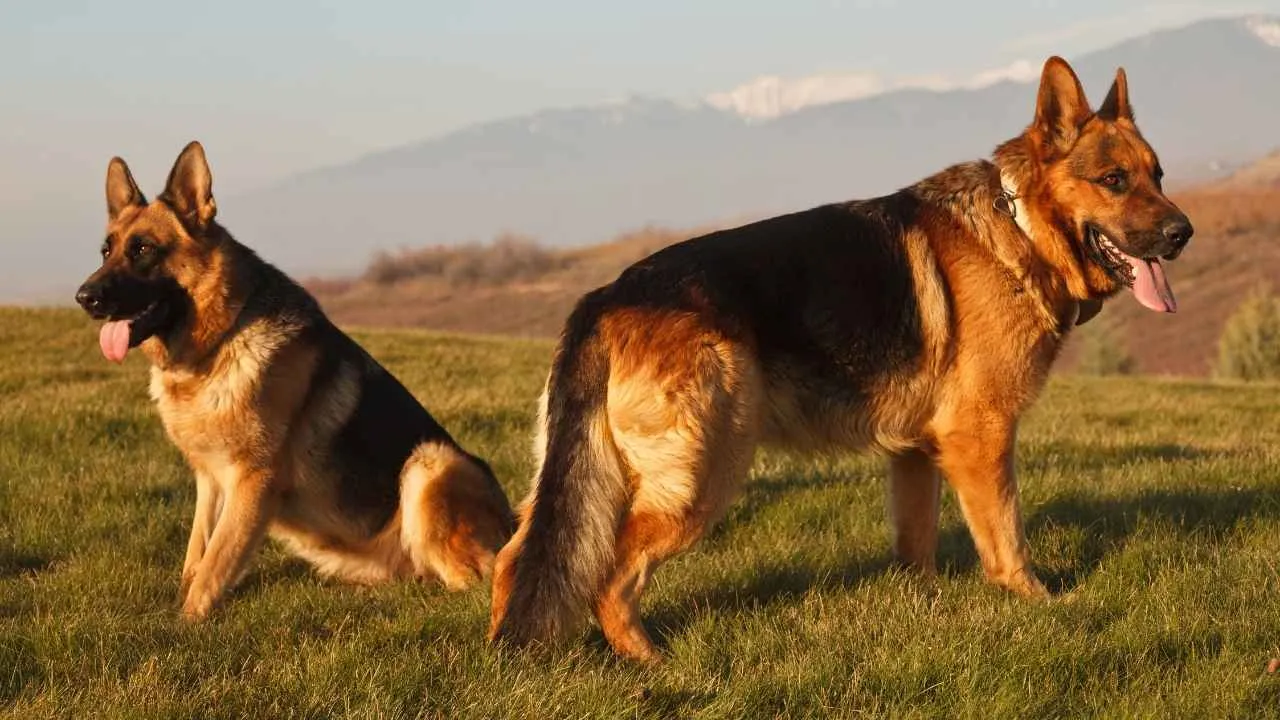
They are highly intelligent and need regular mental and physical activity. Without enough stimulation, they can become bored and may bark more than usual. Early training and socialization of German Shepherd puppies is very important to help them grow into well-behaved adults.
Key traits:
Loyal and family-focused
Alert and protective
Intelligent and easy to train
Can be vocal when bored
Good with kids if socialized early
Dutch Shepherd
Dutch Shepherds are smart, energetic, and highly alert dogs. They bond closely with their family and are usually friendly, but they may be reserved with strangers at first. Their working background makes them naturally active and observant.
They need daily exercise and mental challenges to stay happy. If bored, they may develop behaviors like barking or trying to herd other pets. Consistent training helps positively channel their energy.
Key traits:
Intelligent and task-oriented
Loyal and affectionate with family
Naturally alert and watchful
High energy and exercise needs
May be shy or reserved with strangers
Activity Requirements & Energy Levels
German Shepherd
German Shepherds are extremely high-energy dogs that need more than just a short daily walk. They thrive on regular physical activity combined with mental stimulation to stay balanced and well-behaved. Without enough exercise, they can quickly become bored and may show unwanted behaviors like barking, chewing, or digging.
They do best with active owners who can dedicate time each day for structured exercise and engagement. Running, hiking, fetch, and scent-based games are especially beneficial for them.
Typical needs:
Around 2–3 hours of daily physical and mental activity
Activities like jogging, hiking, fetch, and scent work
Strong preference for open spaces or a fenced yard
Mental challenges like puzzle toys or hide-and-seek games
Dutch Shepherd
Dutch Shepherds also have very high energy levels and are built for endurance, speed, and constant activity. They are happiest when given a job or regular outlet for their energy, whether through exercise or structured training activities.
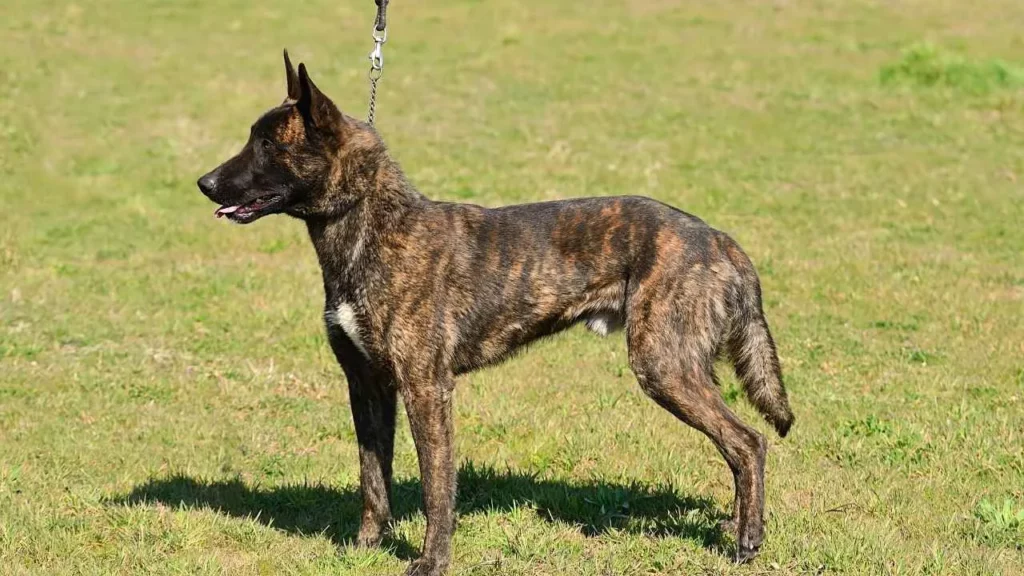
They require consistent daily activity and do especially well with owners who enjoy outdoor sports or active lifestyles. When their energy needs are met, they are calm, relaxed, and easy to manage indoors.
Typical needs:
About 1–2 hours of daily exercise and stimulation
Activities like running, agility training, fetch, and long walks
Strong interest in dog sports such as obedience or nose work
Needs both physical exercise and mental engagement
Trainability, Intelligence & Learning Ability
German Shepherd
German Shepherds are highly intelligent and very easy to train. They learn commands quickly and respond best to consistent, positive reinforcement like treats and praise. Because of their working background, they naturally enjoy having a job to do and a clear direction.
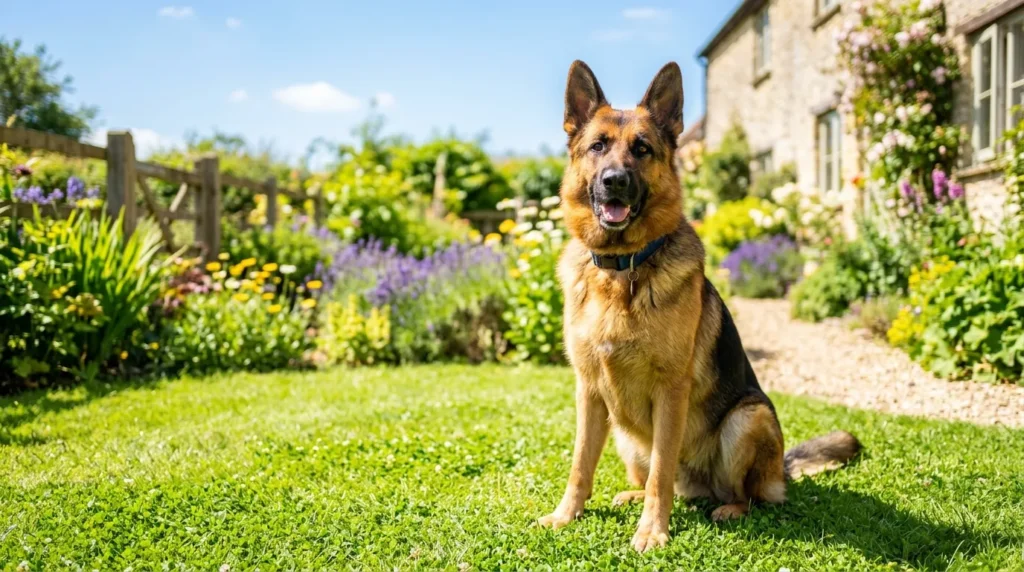
Training should start early, along with proper socialization, so they grow into confident and well-behaved adults. Without mental stimulation, they can get bored and develop unwanted behaviors.
Very intelligent and quick learners
Easy to train with consistency
Thrive on structure and routine
Need early socialization
Do best with mental stimulation
Dutch Shepherd
Dutch Shepherds are also very smart and learn fast, but they are more independent in thinking. This means they may need more engaging and focused training to stay interested and responsive.
Short, active training sessions work best for them, along with early guidance to manage strong instincts like herding and guarding. With the right approach, they excel in advanced training and working roles.
Highly intelligent and fast learners
Independent thinkers
Best with short, engaging training
Strong instincts
Excel in advanced working tasks
Coat Maintenance & Grooming Needs
German Shepherd
German Shepherds have a double coat with a dense undercoat and a coarse outer layer. This makes them heavy shedders, especially during seasonal changes. Regular grooming is important to keep their coat healthy and reduce loose hair around the home.
They should be brushed every few days to manage shedding and maintain coat condition. While their coat naturally resists dirt, occasional baths are enough, as over-bathing can remove essential oils.
Basic care needs:
Frequent brushing (every few days)
Heavy shedding, especially seasonally
Bathing only when necessary (about once a month or less)
Regular nail trimming for comfort
Dental care a few times a week
Dutch Shepherd
Dutch Shepherds have a dense, weather-resistant coat that comes in short, long, or rough varieties, with brindle being the most common pattern. Their grooming needs are generally moderate compared to heavier-coated breeds.
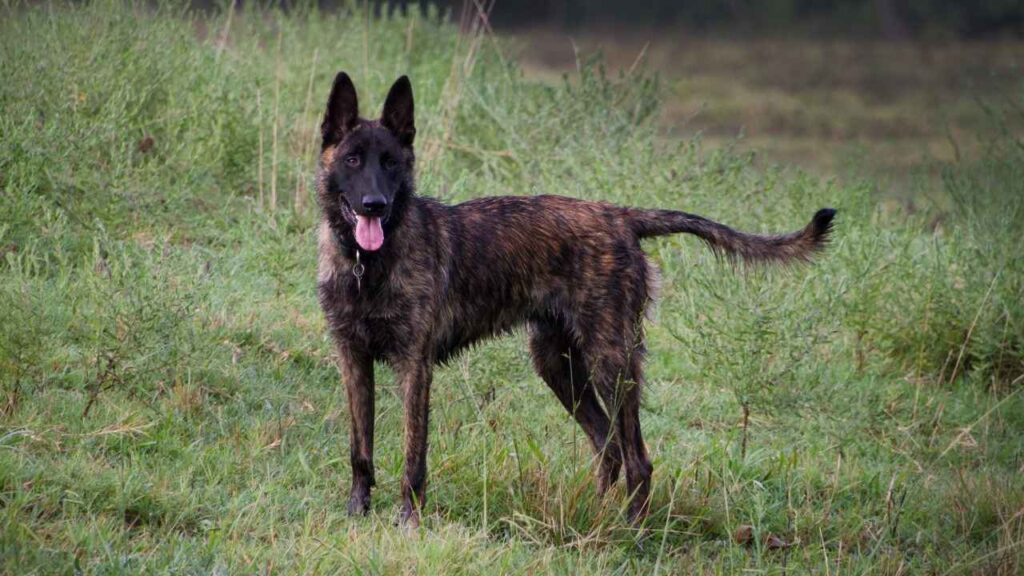
PetMD says they moderately shed throughout the year, with more noticeable shedding during seasonal changes. Occasional brushing is usually enough to keep their long coat clean and reduce loose hair. During heavy shedding periods, more frequent grooming and de-shedding tools may be needed.
Basic care needs:
Weekly brushing (more during shedding seasons)
Moderate, seasonal shedding
Occasional bathing only
Regular ear, nail, and dental care
Slightly low-maintenance overall coat care
Average Lifespan & Longevity
German Shepherd
German Shepherds typically have a shorter lifespan compared to some medium-sized breeds, mainly due to their larger size and genetic health risks. On average, they live around 9 to 13 years, depending on genetics, diet, exercise, and overall care.
They are prone to certain hereditary health problems that can affect longevity, especially if not responsibly bred. Common concerns include hip and elbow dysplasia, bloat, and degenerative myelopathy, all of which can impact mobility and quality of life over time.
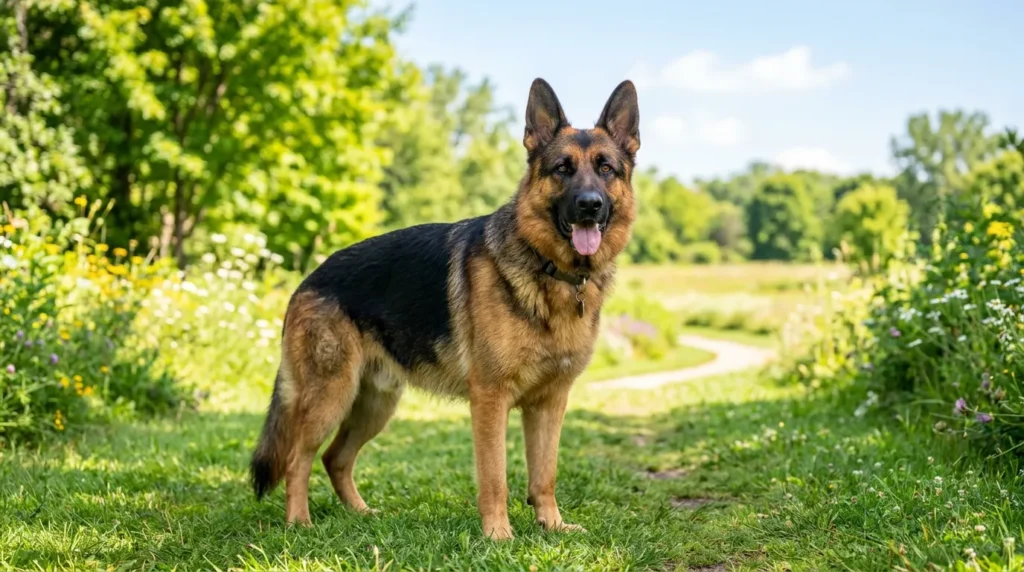
With proper care, regular vet checkups, a healthy diet, and regular exercise, many German Shepherds can enjoy a full and active life well into their senior years.
Dutch Shepherd
Dutch Shepherds generally enjoy a slightly longer and healthier lifespan compared to many larger working breeds. They typically live around 11 to 14 years, depending on lifestyle and genetics.
This breed is considered relatively healthy, with fewer inherited conditions overall. However, they can still be affected by issues like hip dysplasia, eye conditions, or rare muscle disorders, which reputable breeders screen for.
With good breeding, proper nutrition, and an active lifestyle, Dutch Shepherds often remain energetic and capable well into their senior years, maintaining their working ability longer than many similar breeds.
Suitability for Family Life vs. Guard Duties
German Shepherd
German Shepherds are highly adaptable and can fit well into family life when properly trained and socialized. These great dogs are affectionate with their family and often form strong emotional bonds, making them loyal family pets at home.
With children, they can be gentle and protective, but training and supervision from a young age are important to ensure positive interactions.
At the same time, they are one of the most popular guard dogs in the world. Their alert nature, confidence, and willingness to protect make them excellent for security roles. They naturally observe their surroundings and respond quickly to anything unusual.
They are best suited for:
Active families who can provide training and exercise
Homes where they are included in daily routines
Roles involving protection, police, or military work
Households that can manage their protective instincts
Dutch Shepherd
Dutch Shepherds are also very loyal and family-oriented, but they tend to bond closely with their household and keep strangers at bay.
They can do well in families with older children who understand how to interact with dogs, especially when they are well-socialized from an early age.
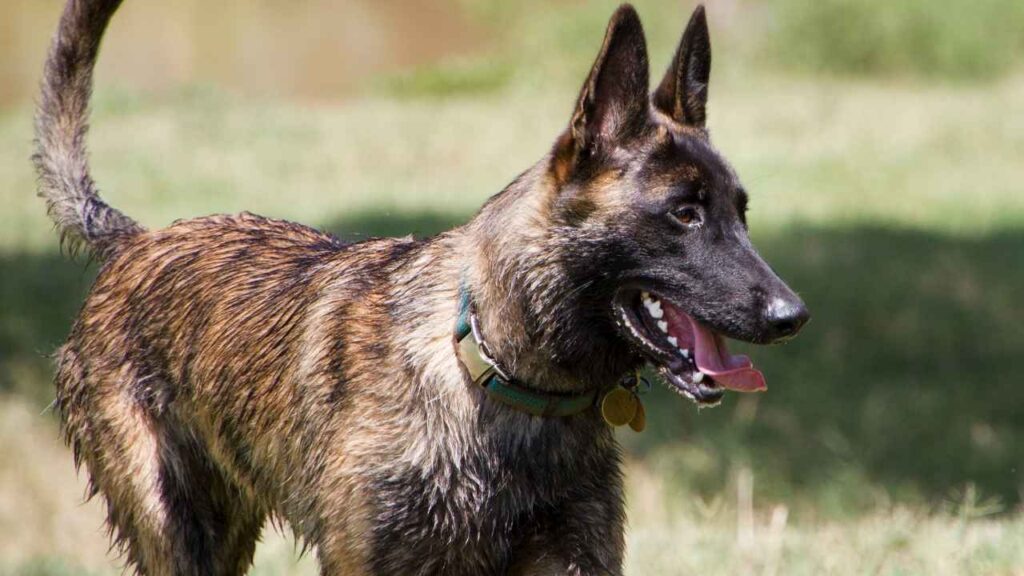
They are highly valued in guard and working roles due to their alertness, intelligence, and strong instinct to protect. They are often used in military and police work because they are focused, obedient, and quick to respond under training.
They are best suited for:
Active families with experience handling working dogs
Homes that provide structure, training, and daily activity
Security and protection-focused roles
Owners who can manage high energy and strong instincts
Conclusion
Both shepherd-type dogs share a strong working background, high intelligence, loyalty, and protective instincts, but they differ in popularity, size, coat type, and how commonly they are found around the world.
One is widely recognized and frequently used in police, military, and family environments, while the other is rarer and more regionally known, yet equally capable in work, sport, and active homes.
Both are energetic breeds that require consistent training, structure, and mental stimulation to stay balanced and happy.
Ultimately, the choice between them depends on your lifestyle, experience level, and what you want in a companion dog. If you can meet their exercise and training needs, both will reward you with strong loyalty, protection, and companionship.
In the end, it’s less about which breed is “better” and more about which one fits naturally into your daily life and long-term commitment.
