




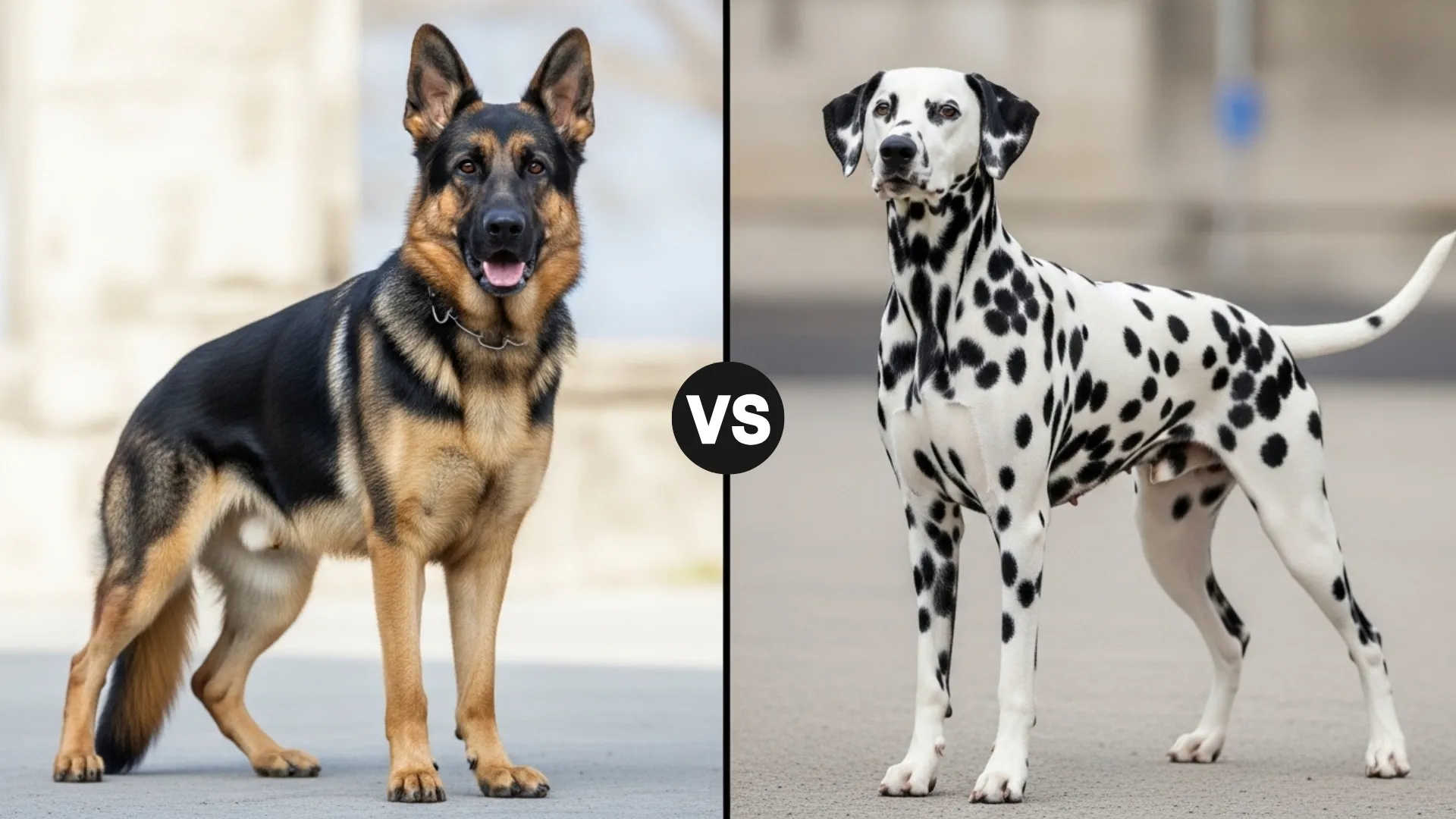
German Shepherds and Dalmatians are both iconic dogs, but they often get judged by very different stereotypes. One is known as a loyal working partner, while the other is remembered for its striking spots and energetic personality.
But how accurate are these assumptions? When you look closer, both breeds have unique strengths, needs, and quirks that can surprise even experienced dog owners. From temperament and training to lifestyle fit, the differences go far beyond appearance.
In this guide, we’ll break down what truly sets German Shepherds and Dalmatians apart so you can better understand which breed aligns with your home and expectations.
The Ultimate Step Guide to German Shepherd Dog Breeds vs. Dalmatian Traits
Origins & Purpose
German Shepherds and Dalmatians come from very different working backgrounds, which still shape how they behave today.
According to the AKC, German Shepherds were developed in Germany in the late 1800s as herding dogs, bred for intelligence, control, and responsiveness to commands. Over time, these traits made them ideal for police, military, and search-and-rescue roles.
Dalmatians followed an unusual path. Known as “coach dogs,” they ran alongside horse-drawn carriages, guarded them, and later became closely tied to firehouses. Their role relied more on stamina and alertness than strict obedience.
These origins explain a key difference: one breed is built for structured work, while the other thrives on movement and independence.
Purpose shapes behavior
German Shepherds excel in structured, task-based roles
Dalmatians were bred for endurance and guarding movement
Their original jobs still influence behavior today
Size & Physical Build
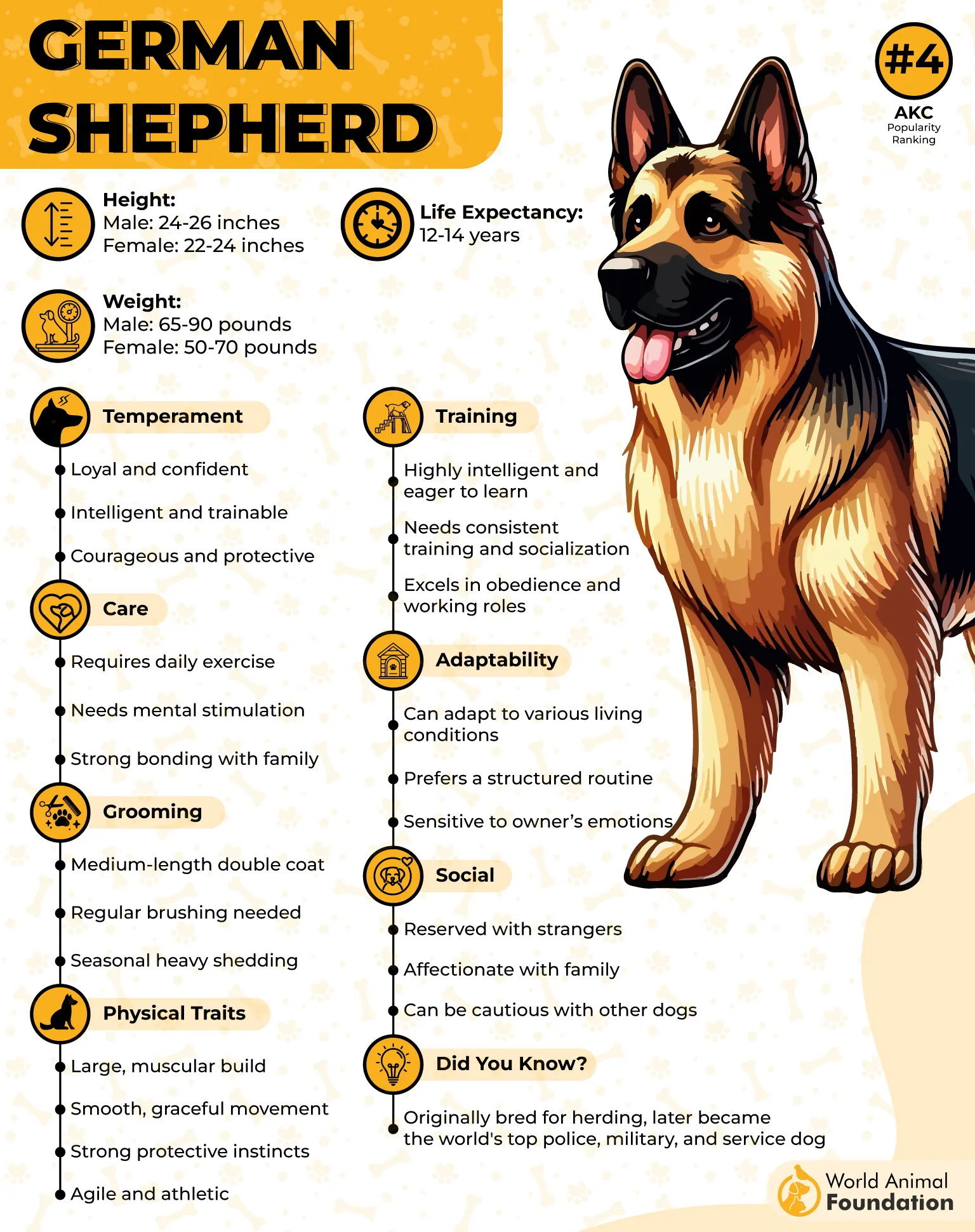
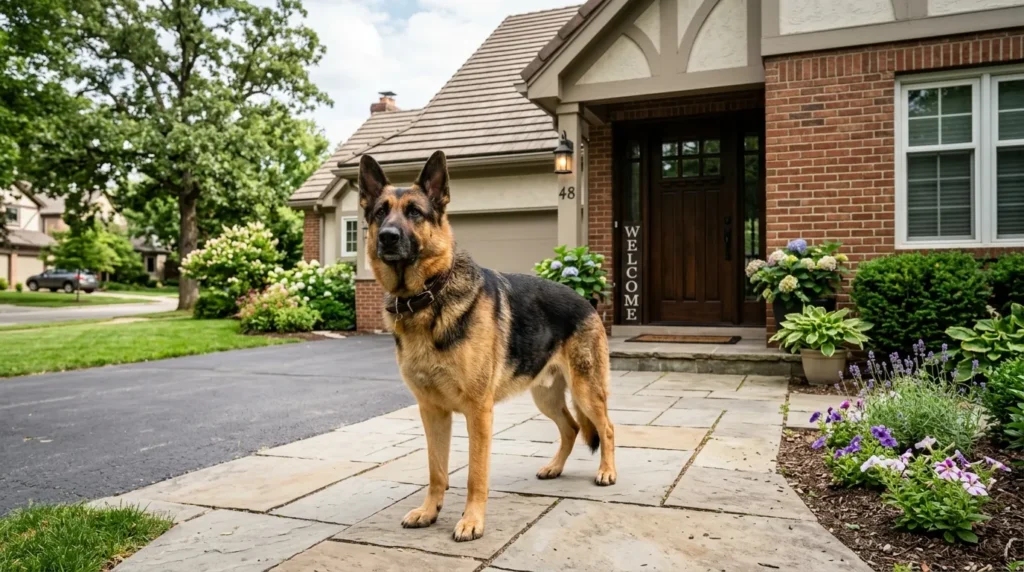
German Shepherds have a strong, commanding presence. According to AKC standards, males stand 24–26 inches tall and females 22–24 inches, with males weighing 65–90 pounds and females 50–70 pounds. Their build is muscular and balanced, designed for strength, agility, and control.
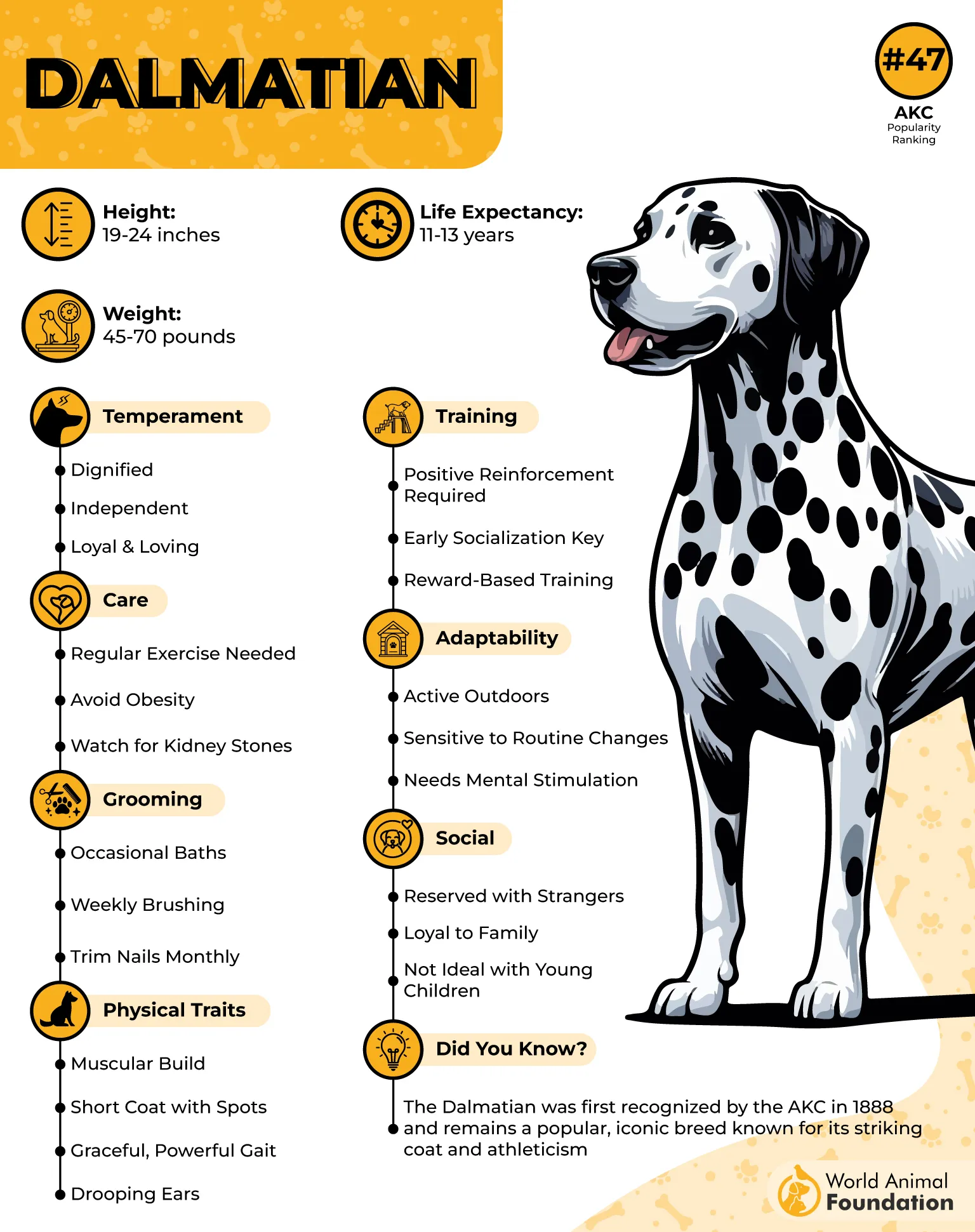
Dalmatians are more moderate in size, standing between 19 and 24 inches tall and weighing 45–70 pounds. Their bodies are lean and athletic, built for endurance and smooth, efficient movement over long distances.
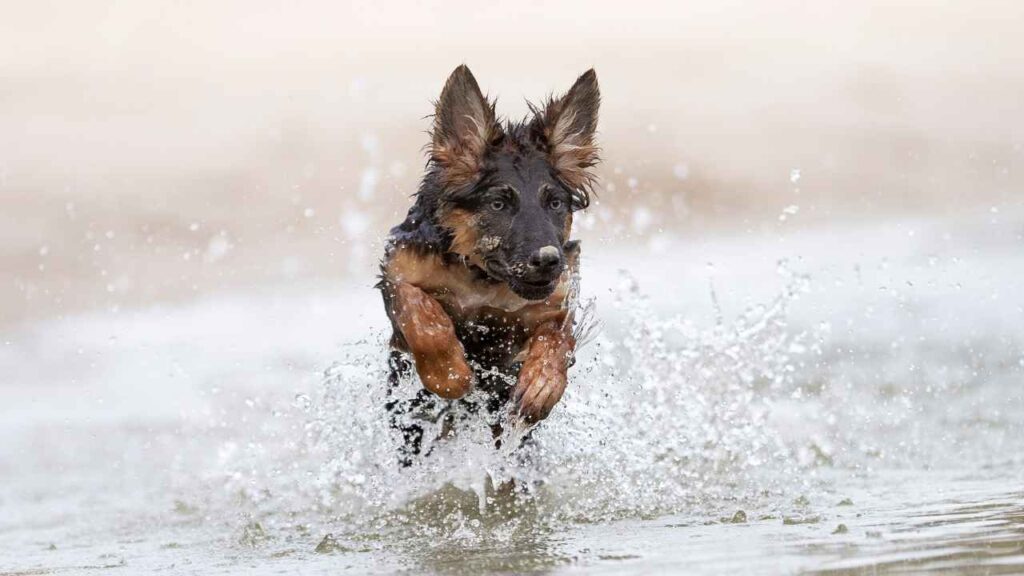
The contrast is clear in motion. German Shepherds combine power with precision, while Dalmatians are lighter and built to keep going for miles.
Power compared to endurance
German Shepherds are larger, muscular, and more powerful
Dalmatians are leaner with a lighter, athletic frame
Each build reflects a different type of work
Temperament & Personality
German Shepherds are known for their loyalty, confidence, and protective nature. They form strong bonds with their families, including kids and other pets, and tend to be reserved around strangers, which ties back to their guarding instincts.
Dalmatians are also loyal but express it differently. As per PetMD, they are playful, energetic, and affectionate with their family members, yet often appear more independent. Around strangers, they can be aloof or distant, especially without early socialization.
While both breeds are intelligent and devoted, German Shepherds are typically more focused on their owners, whereas Dalmatians balance affection with a stronger sense of independence.
Two loyal breeds, different attitudes
German Shepherds are protective and people-focused
Dalmatians are playful but more independent
Both need early socialization to stay well-balanced
Exercise & Energy Levels
Both breeds are active, but their energy plays out differently. German Shepherds need regular physical activity along with mental challenges like training or task-based games. Without enough stimulation, they can become frustrated or develop unwanted behaviors.
Dalmatians are equally energetic, if not more demanding in terms of movement. PetPlan states that they require long walks and runs, active play, and constant engagement to stay happy. Their history as carriage dogs means they’re built for endurance and sustained activity.
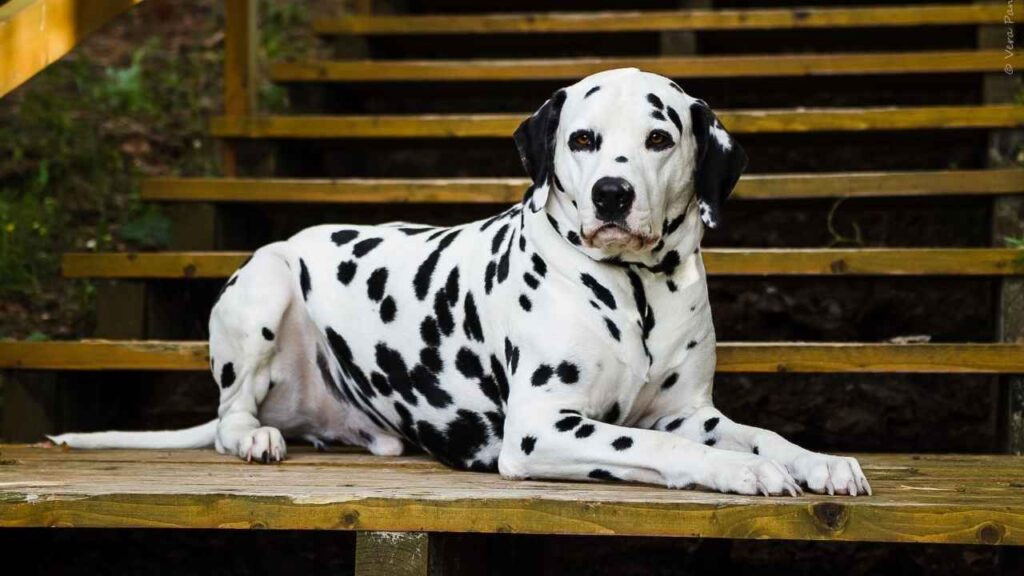
With proper care, exercise- both physical and mental stimulation, and weight maintenance, the German Shepherds live 10-13 years while the Dalmatians live 11-13 years.
The key difference is structure. German Shepherds enjoy purposeful work, while Dalmatians need continuous physical outlets.
Energy with different demands
Both breeds require high daily activity
German Shepherds prefer structured tasks
Dalmatians need constant movement and exercise
Training & Intelligence
German Shepherds are widely considered one of the easiest breeds to train. They are intelligent, eager to please, and respond well to consistent, structured training. This makes them highly reliable in both working and home environments.
Dalmatians are also intelligent, but can be more challenging to train. Their independent and sometimes headstrong nature means they may not always follow commands unless properly motivated. Positive reinforcement and patience are essential.
In simple terms, both breeds are smart, but one is naturally obedient while the other requires more persistence.
Intelligence with different training styles
German Shepherds are highly trainable and obedient
Dalmatians are smart, but more independent
Training success depends on consistency and approach
Suitability as Family Pets vs Guard Dogs
German Shepherds are well-known for their ability to balance family life with protection. Their natural guarding instincts, combined with loyalty and trainability, make them reliable watchdogs and devoted companions.
Dalmatians can act as alert watchdogs, but they are not typically used for protection work. Instead, they shine as energetic companions who thrive in active households.
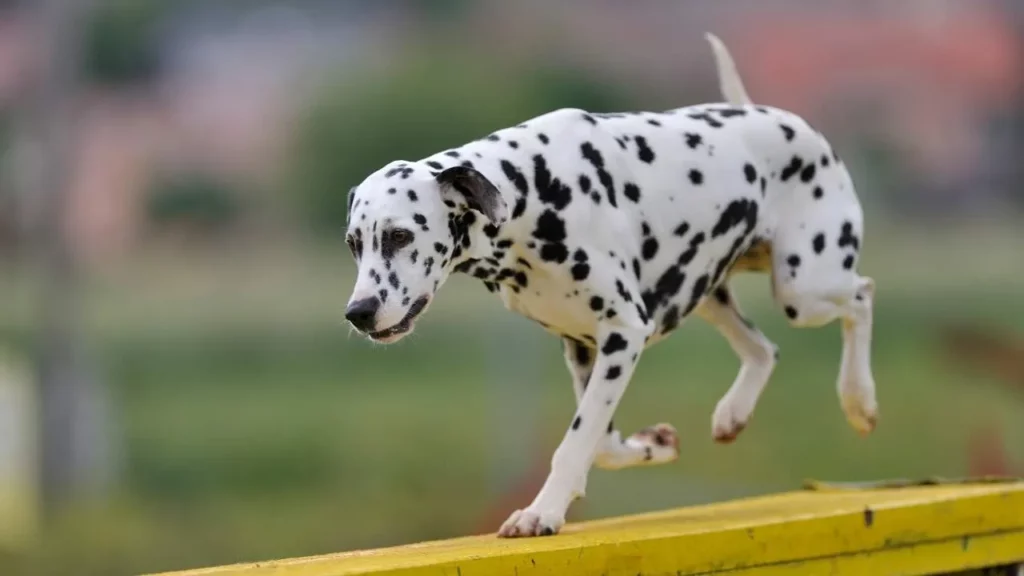
Both breeds can do well with families, including children, when properly trained and socialized. The difference comes down to expectations. German Shepherds fit homes looking for security and structure, while Dalmatians are better suited for active, on-the-go lifestyles.
Choosing the right fit
German Shepherds are strong guard and family dogs
Dalmatians are better suited as active companions
Lifestyle matters more than breed reputation
Conclusion
German Shepherds and Dalmatians may both be loyal, intelligent dogs, but they fit very different lifestyles. German Shepherds stand out for their versatility, strong work ethic, and natural guarding instincts, making them ideal for structured homes that want both a companion and protector.
Dalmatians, on the other hand, bring energy, endurance, and a playful spirit that suits active owners who enjoy outdoor activities. Neither breed is better, just different in what they offer. The right choice depends on how much time, training, and exercise you can provide.
Understanding these differences helps you move past assumptions and choose a dog that truly matches your daily life.
