




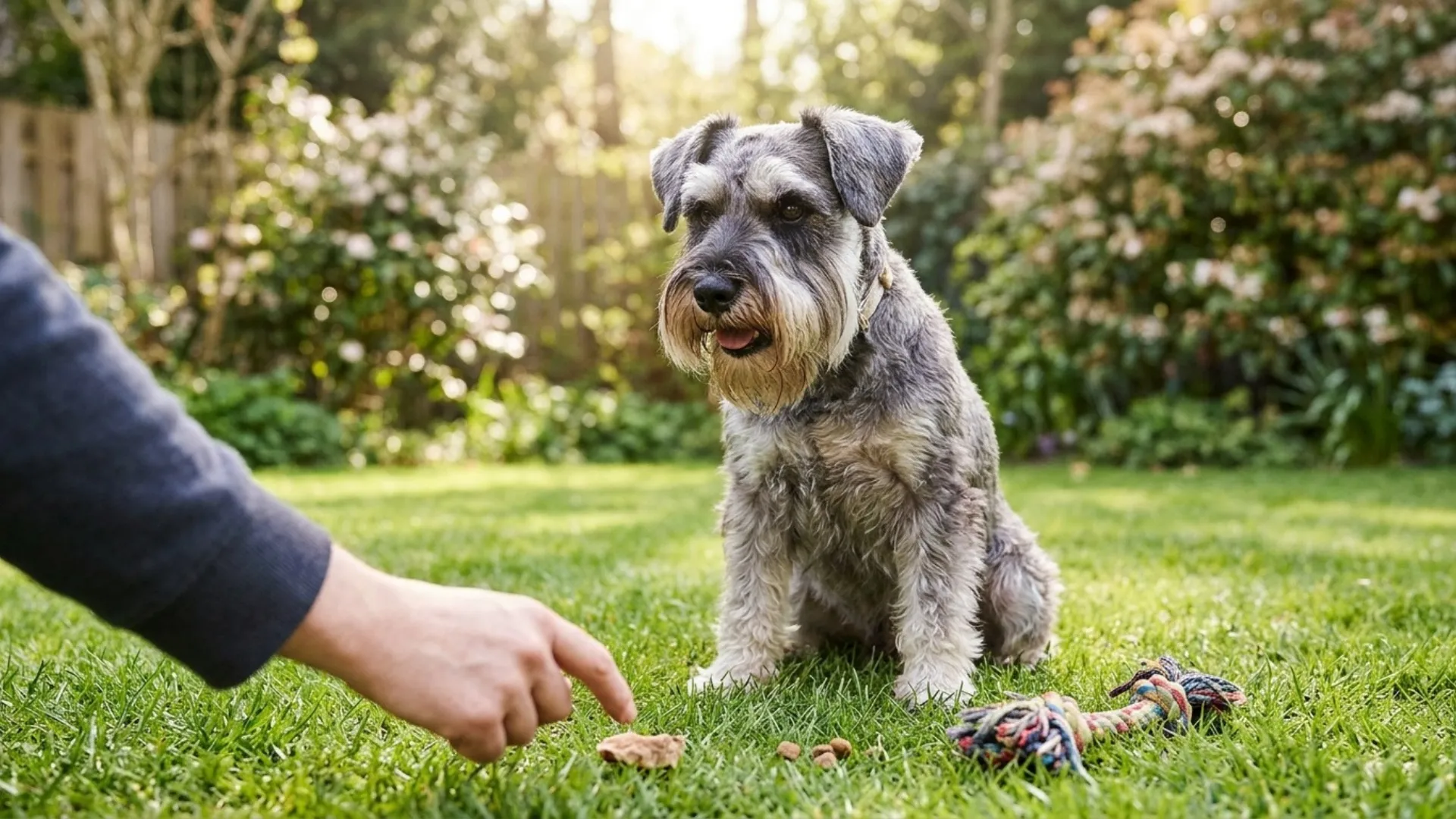
Ever met a dog that looks personally offended when you raise your voice even slightly? Some pups are such sensitive little sweethearts that harsh commands are the absolute last thing they need. These gentle dog breeds learn best when training feels like a fun bonding session, not a classroom with a grumpy teacher.
Here’s the thing: gentle training doesn’t mean letting your dog run the entire household like a tiny furry CEO. It’s about setting clear boundaries, rewarding good choices, and building confidence through patience and consistency.
From intelligent Poodles to affectionate Golden Retrievers, these seven breeds show how positive reinforcement can turn everyday lessons into a stronger, happier relationship.
Gentle Dog Breeds That Thrive on Gentle Training
1. Golden Retriever
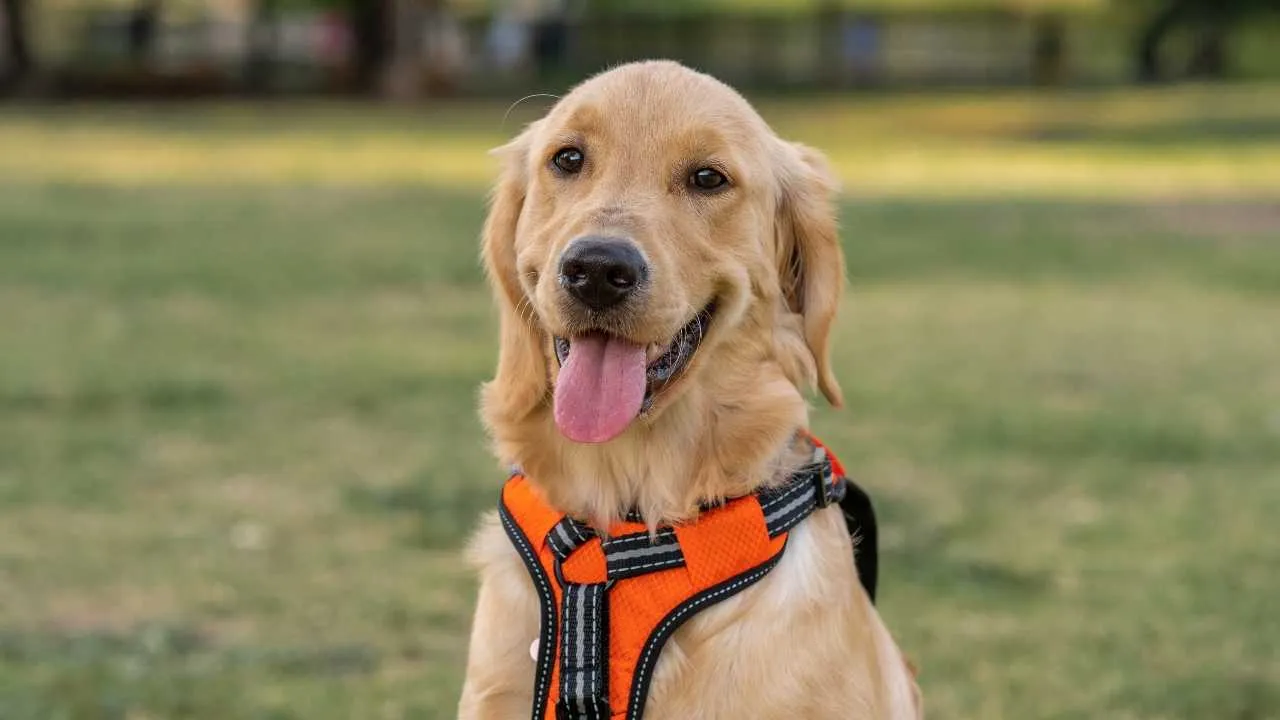
Golden Retrievers are affectionate dogs that often respond enthusiastically to praise, treats, and play rather than intimidating corrections. According to the American Kennel Club, their intelligence, friendly temperament, and cooperative nature make them highly trainable family companions.
Turning obedience lessons into entertaining games is one of the smartest ways to train a Golden Retriever. Instead of repeatedly demanding a command, encourage your dog to follow a treat into a sit, then reward the successful movement. This reward-based approach helps your Golden associate learning with positive experiences while strengthening attention and communication.
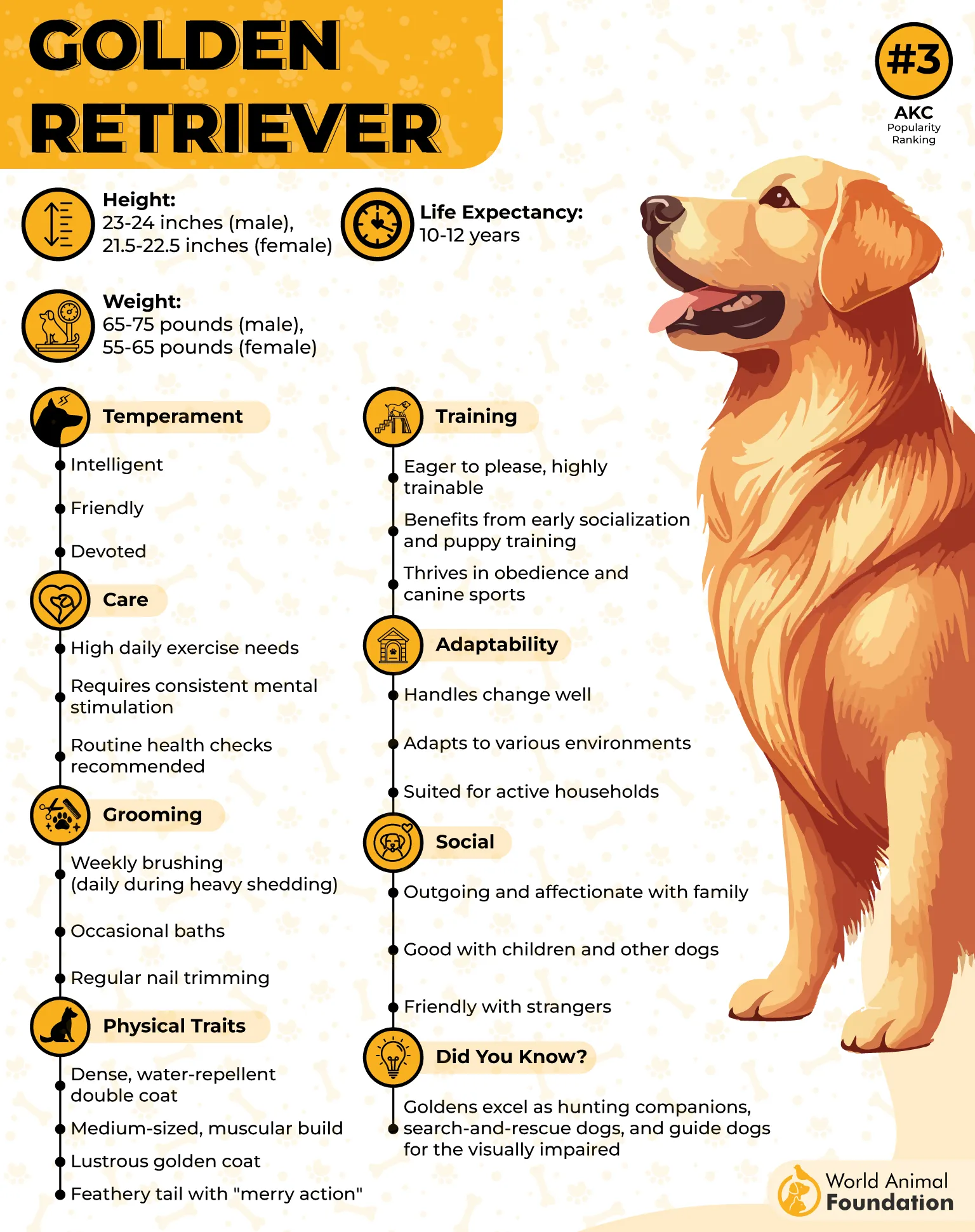
These puppies benefit enormously from early lessons in polite greetings, loose-leash walking, and impulse control. Because these enthusiastic dogs often greet people with their entire bodies, rewarding four paws on the floor can prevent jumping from becoming a lifelong habit.
Teaching a reliable “leave it” cue is equally important because their retrieving instincts sometimes encourage them to investigate questionable objects with their mouths.
Another effective parenting strategy involves recognizing when this intelligent dog breed is tired, distracted, or overwhelmed. Short sessions of approximately five to ten minutes can be more productive than lengthy drills, especially for young puppies with developing attention spans.
2. Miniature Schnauzer
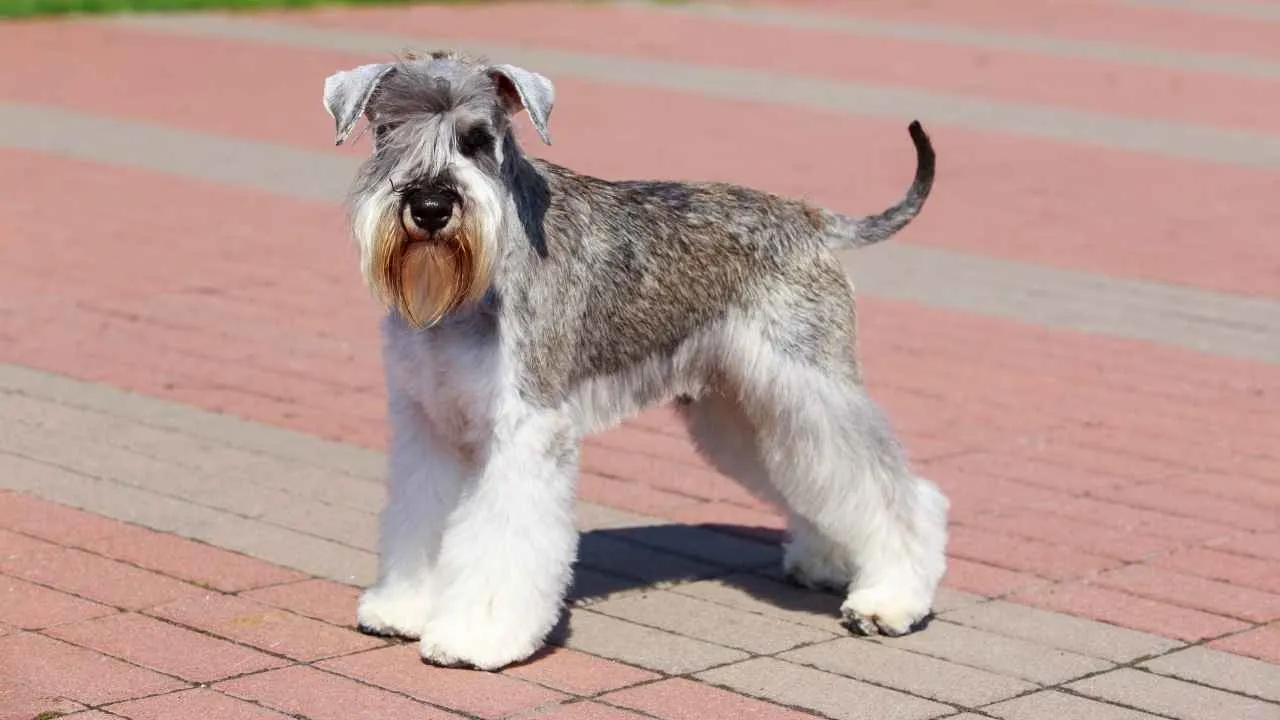
Miniature Schnauzers were developed in Germany as farm dogs and ratters; these clever companions inherited sharp instincts, strong curiosity, and impressive problem-solving abilities. PetMD mentions that their intelligence makes them enthusiastic learners, although their independent streak means gentle training needs clear expectations and plenty of variety.
One of the biggest challenges for Miniature Schnauzer owners is managing their naturally alert personalities. Footsteps outside, delivery drivers, or unfamiliar noises can trigger enthusiastic barking, making the household sound like it has its own security department.
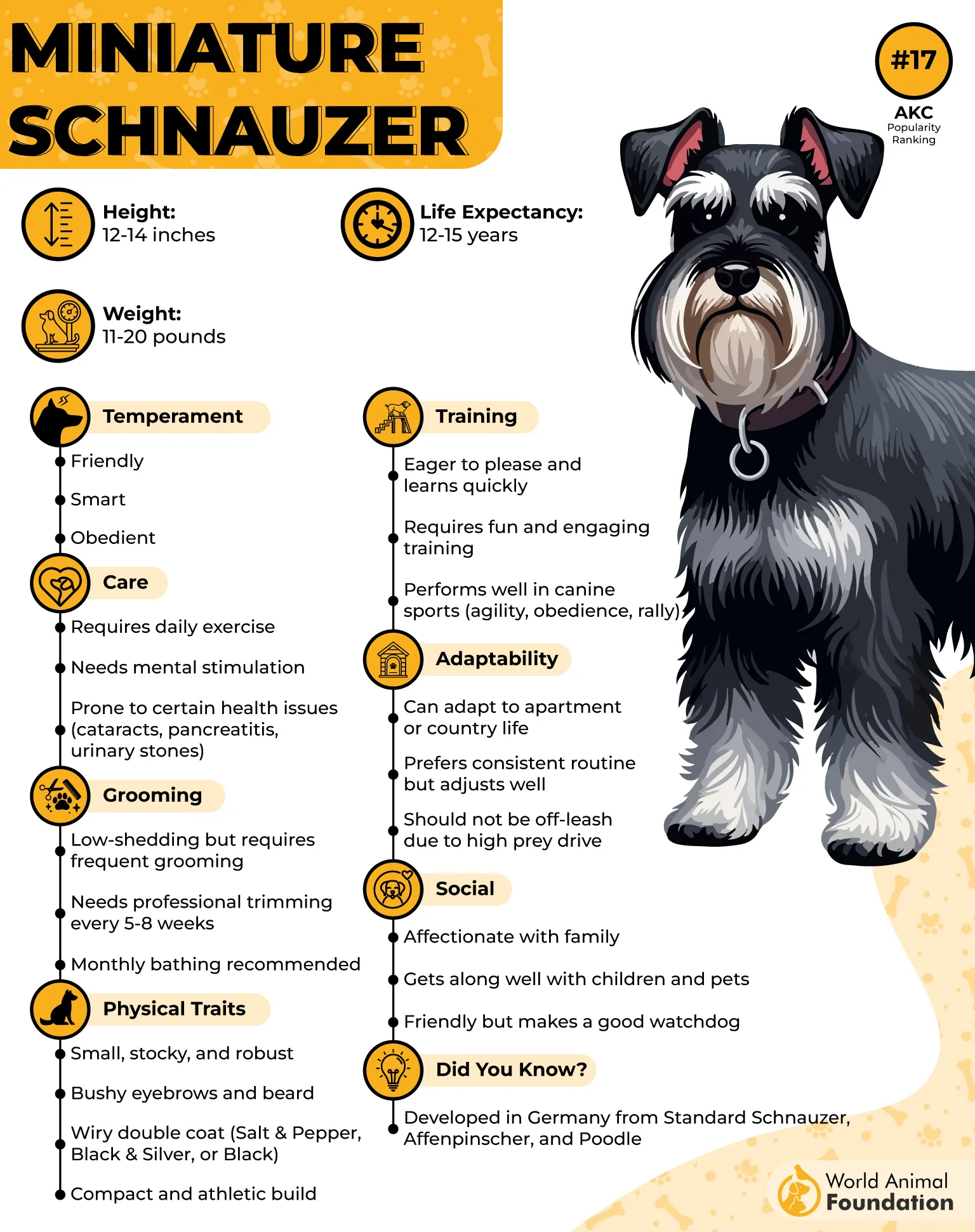
Environmental management is another underrated strategy that works beautifully with this observant breed. Privacy film on windows, comfortable resting areas away from busy entrances, and engaging chew toys can reduce opportunities to rehearse unwanted barking.
These adjustments don’t replace obedience training, but they create a calmer environment where your Schnauzer can focus on learning.
Because these furry friends are intelligent and easily bored, repetitive training sessions can quickly lose their appeal. Try three-to-five-minute lessons involving name recognition, recall, loose-leash walking, or simple scent games to keep their minds engaged.
3. Cavalier King Charles Spaniel
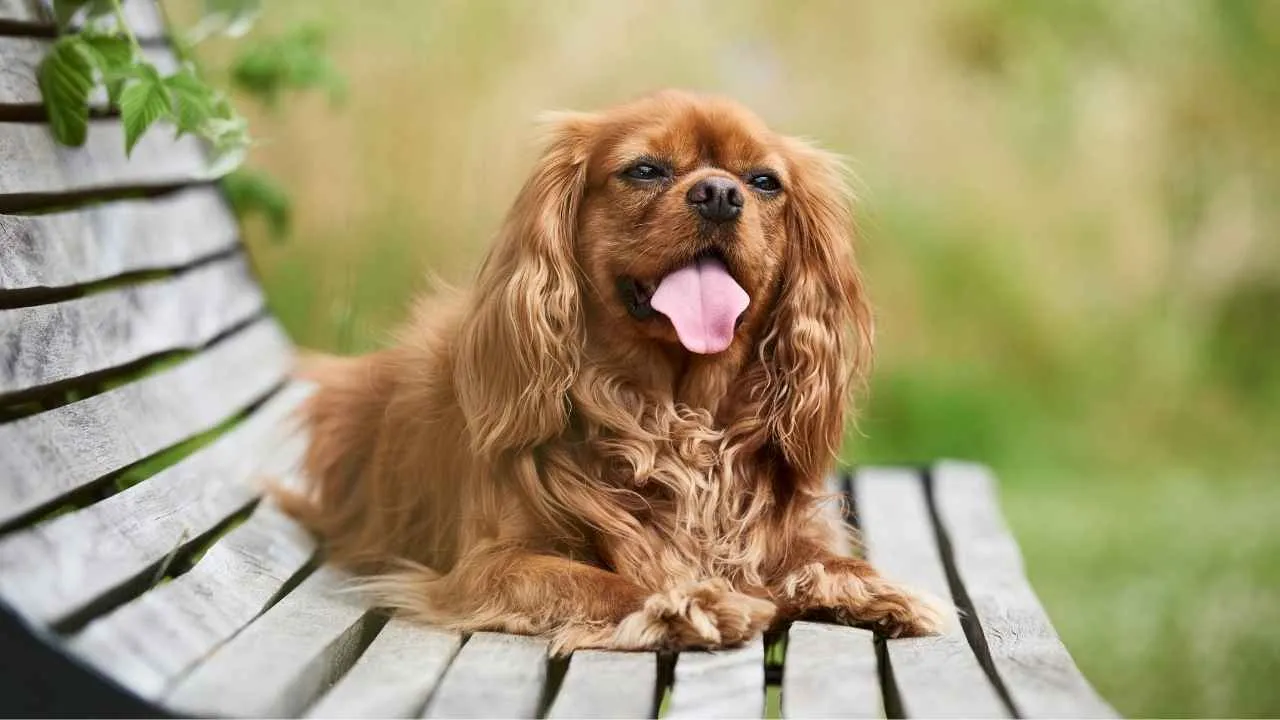
Bred primarily for companionship, Cavalier King Charles Spaniels are sweet-natured dogs that often develop strong emotional connections with their favorite humans. Their sensitivity means calm encouragement, well-timed treats, and predictable routines usually work better than raised voices or forceful handling.
One key training priority is helping a Cavalier feel comfortable spending short periods alone. Pet Plan says that these affectionate companions often prefer to stay close to their owners, which can make sudden, prolonged separation challenging for some. Start with brief departures, return before distress develops, and gradually increase the duration as your dog gains confidence.
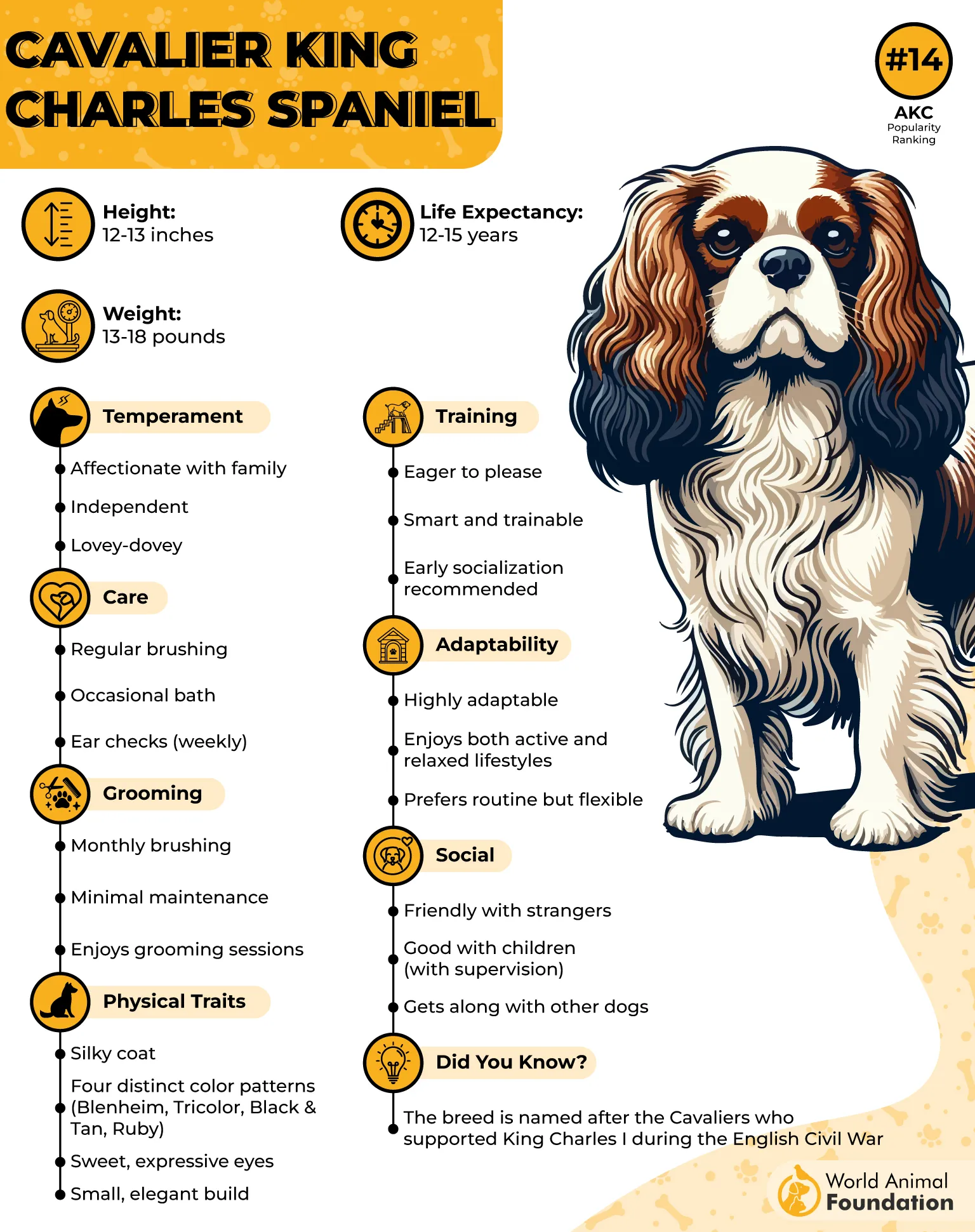
House training takes extra patience because Cavalier puppies have small bladders and need frequent opportunities to relieve themselves. Take your puppy outside after sleeping, eating, and playing, then immediately reward successful toileting in the appropriate location.
If an accident happens indoors, clean it thoroughly without punishment because scolding can create fear rather than teach the desired behavior.
Despite their reputation as adorable lapdogs, these gentle dogs still have sporting-spaniel instincts that can make birds and interesting scents surprisingly distracting. Teaching recall through cheerful games and generous rewards helps them learn that returning to their owner is always worthwhile.
4. Labrador Retriever
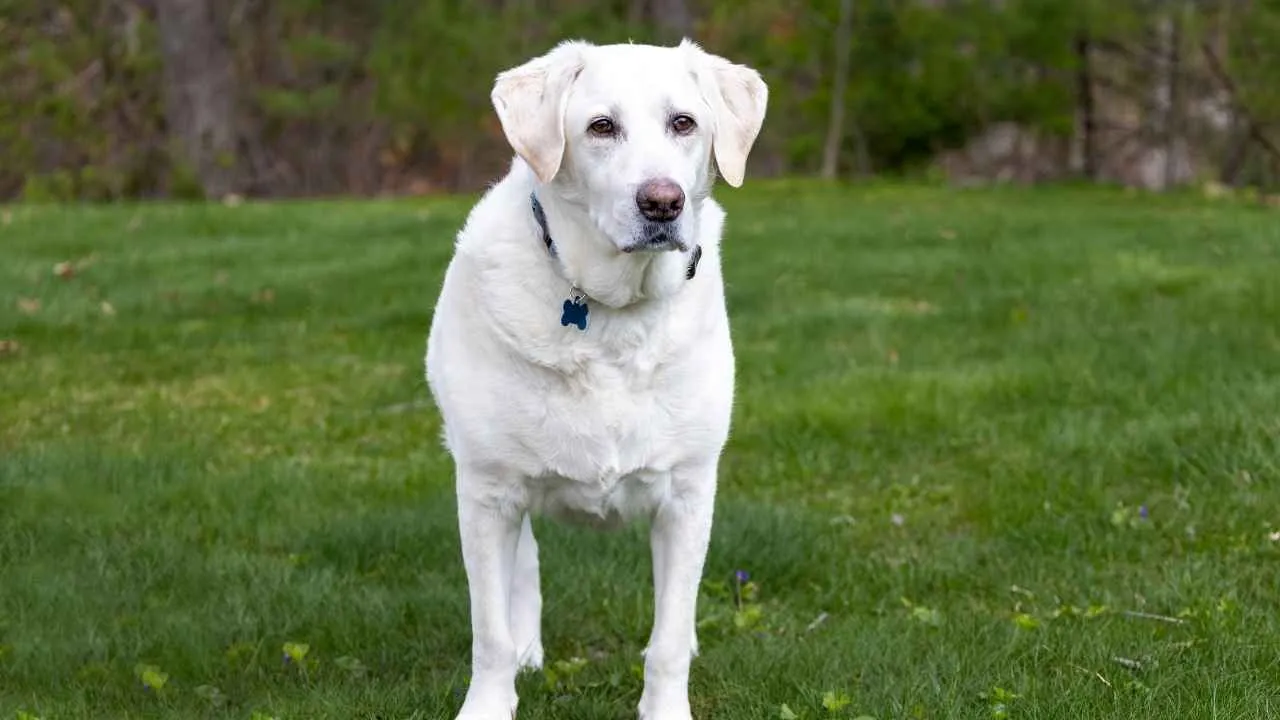
Labrador Retrievers have two major passions: hanging out with their humans and figuring out what they’re up to. Their intelligence, friendly personalities, and working heritage make them highly responsive to positive reinforcement, especially when you use food rewards effectively.
Before beginning structured lessons with a newly adopted Labrador, give the dog time to become comfortable with its surroundings. Exploring unfamiliar rooms, discovering household routines, and learning where to rest can help reduce the stress of entering a new environment.
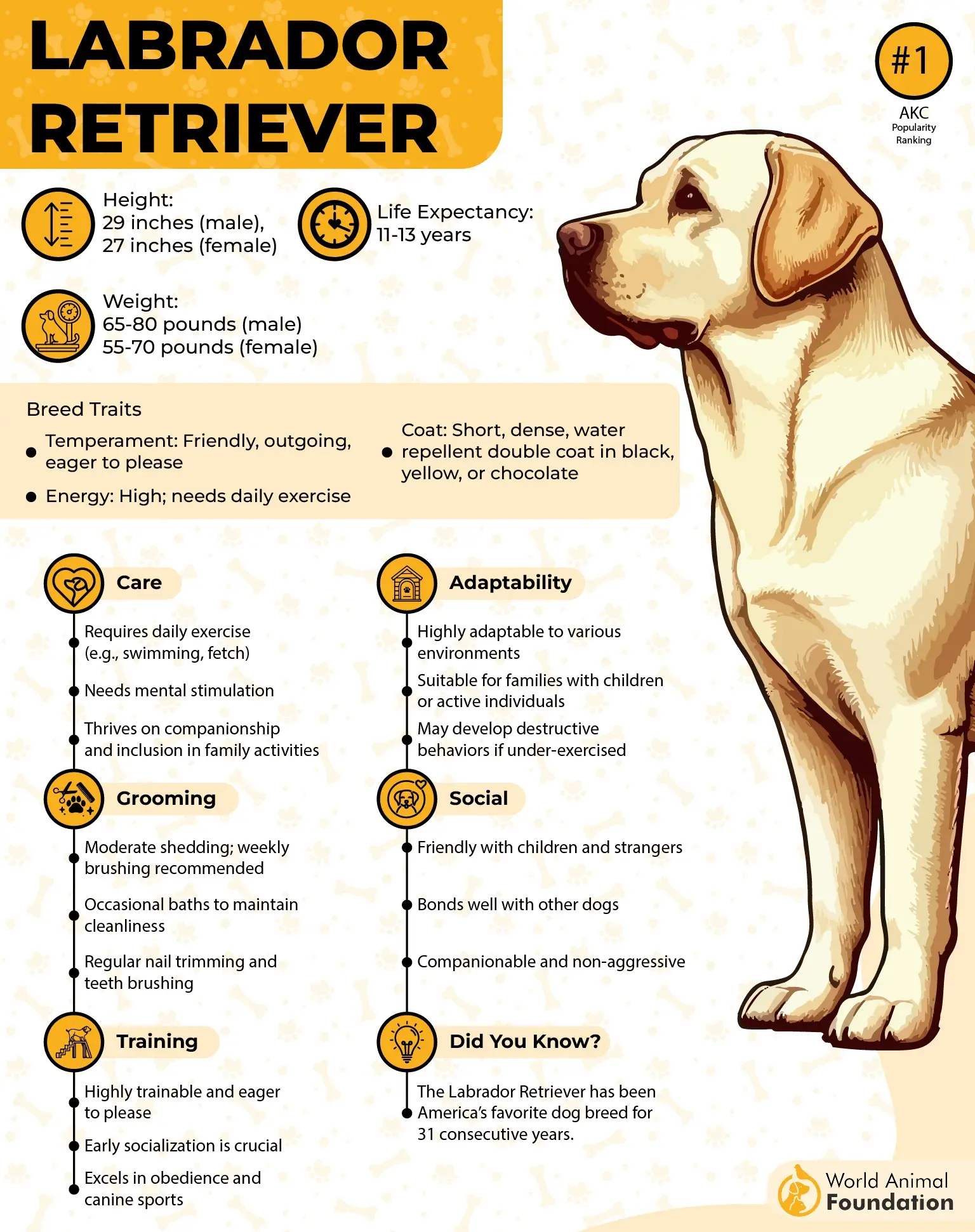
Food rewards can be incredibly useful, but Labradors are also prone to weight gain when owners overlook extra calories. Use small portions of their regular food or appropriately sized training treats to reinforce good behavior without turning every lesson into an enormous snack festival. Pairing food with verbal praise and play also helps create a wider range of effective rewards.
One common mistake is expecting a Labrador to behave perfectly in busy environments after practicing only inside the house. Dogs don’t automatically generalize learned behaviors, so a reliable sit in the kitchen may disappear when squirrels, visitors, or exciting smells enter the picture.
5. Bernese Mountain Dog
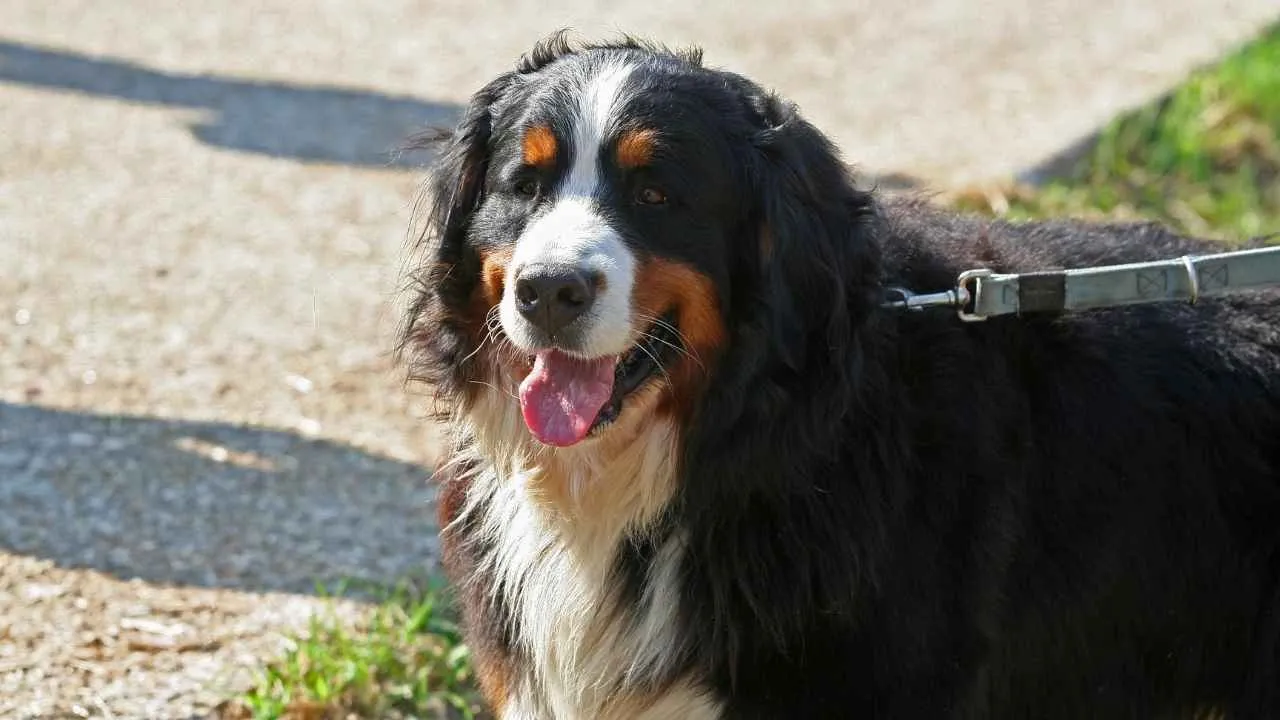
Bernese Mountain Dogs are enormous bundles of affection that somehow combine strength with a wonderfully soft-hearted personality. Their cooperative nature makes them receptive to reward-based training, although some individuals approach unfamiliar tasks with a thoughtful, independent attitude.
Starting obedience training in puppyhood matters because these mountain dogs grow into powerful adults. Teaching calm greetings, loose-leash walking, and reliable recall early helps prevent manageable puppy habits from becoming difficult adult behaviors.
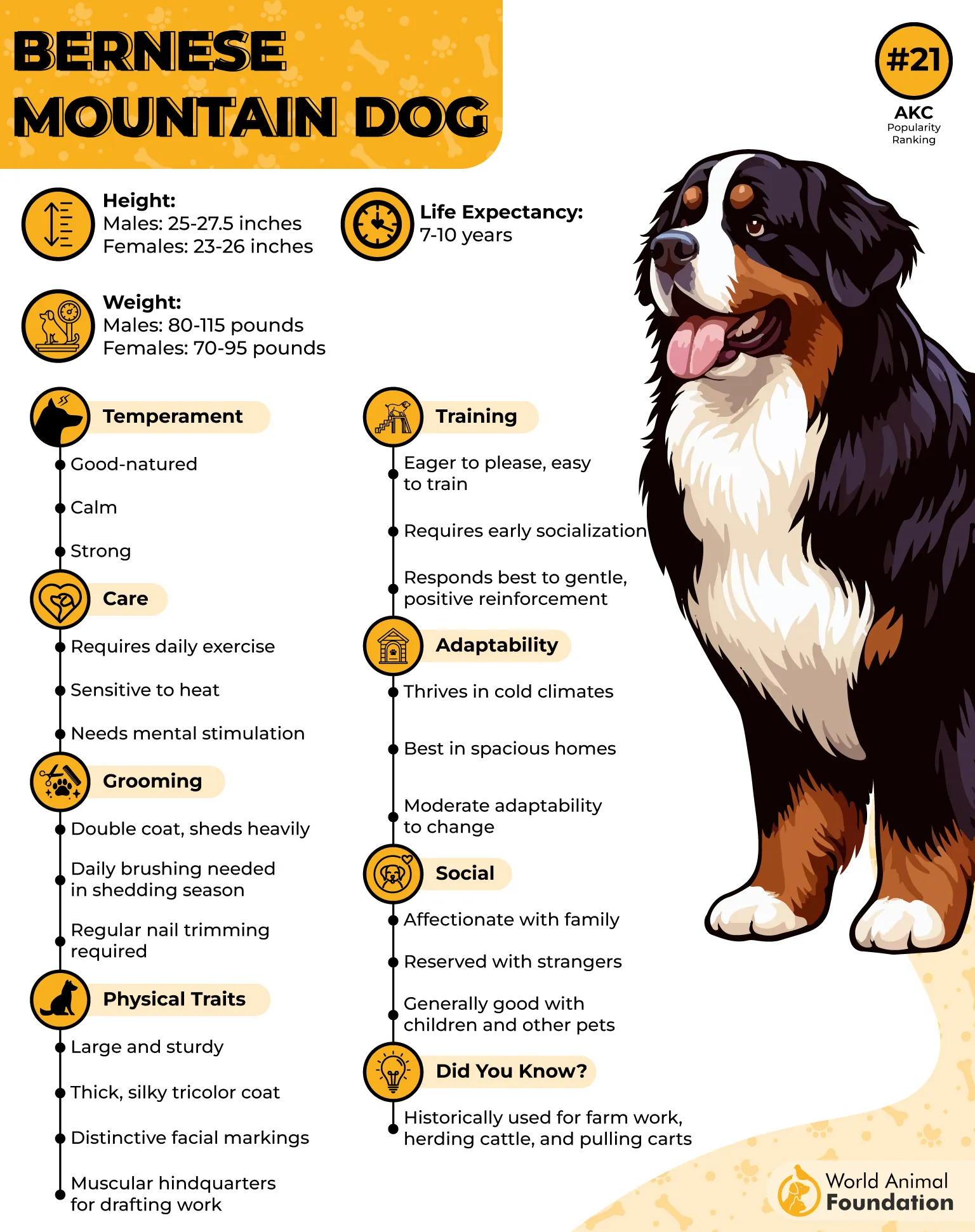
A gentle approach works particularly well because many Berners are sensitive to their owners’ emotional reactions. Instead of using intimidation, reward successful commands with enthusiastic praise, small treats, or a favorite toy. Their willingness to cooperate often improves when they understand exactly which behaviors earn positive attention.
An easy choice for first-time dog owners, they can also develop alert barking habits when unfamiliar visitors or unusual sounds appear around the home. Teach a comfortable “place” cue by rewarding your dog for moving to a designated mat whenever someone approaches the door.
6. French Bulldog
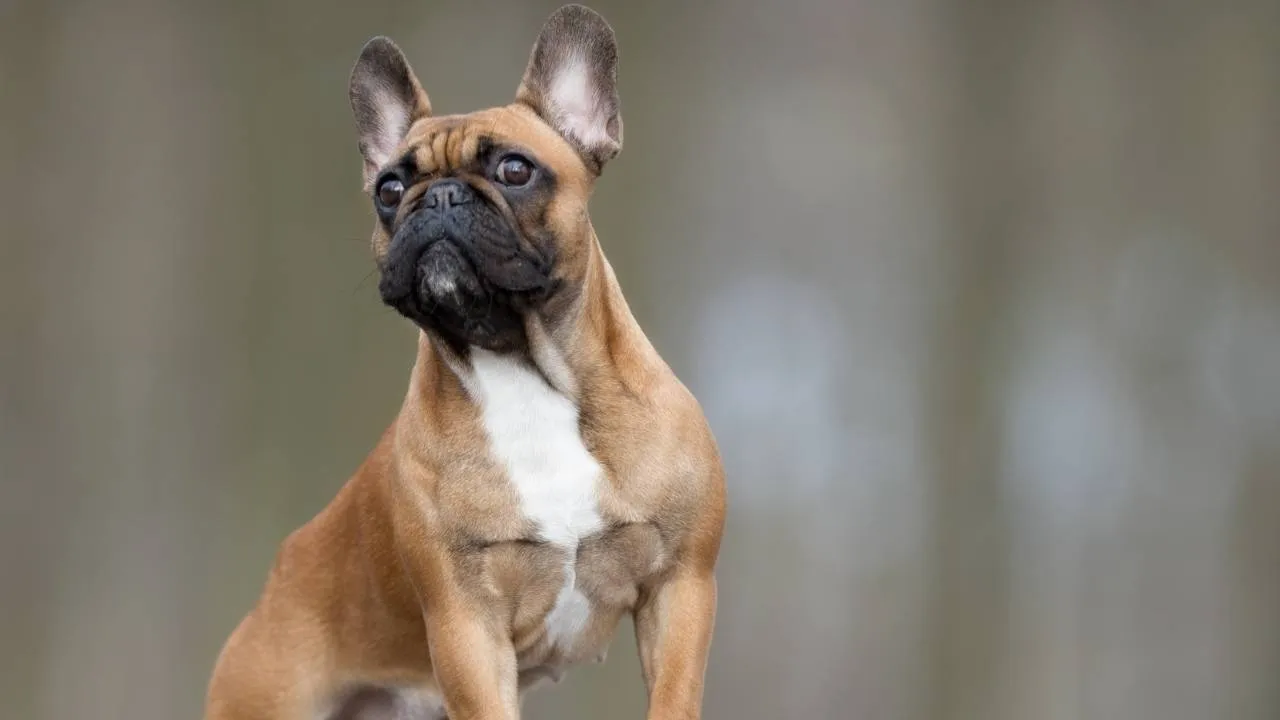
Despite their playful attitude, French Bulldogs are affectionate companions and can learn with patience, consistency, and rewards. Their compact bodies and distinctive flat faces also mean training methods must account for important physical limitations.
Because this calm dog breed is brachycephalic, meaning it has a shortened muzzle, it faces increased risks of breathing difficulties and overheating. Gentle indoor training, frequent breaks, and access to cool drinking water are essential for keeping lessons comfortable.
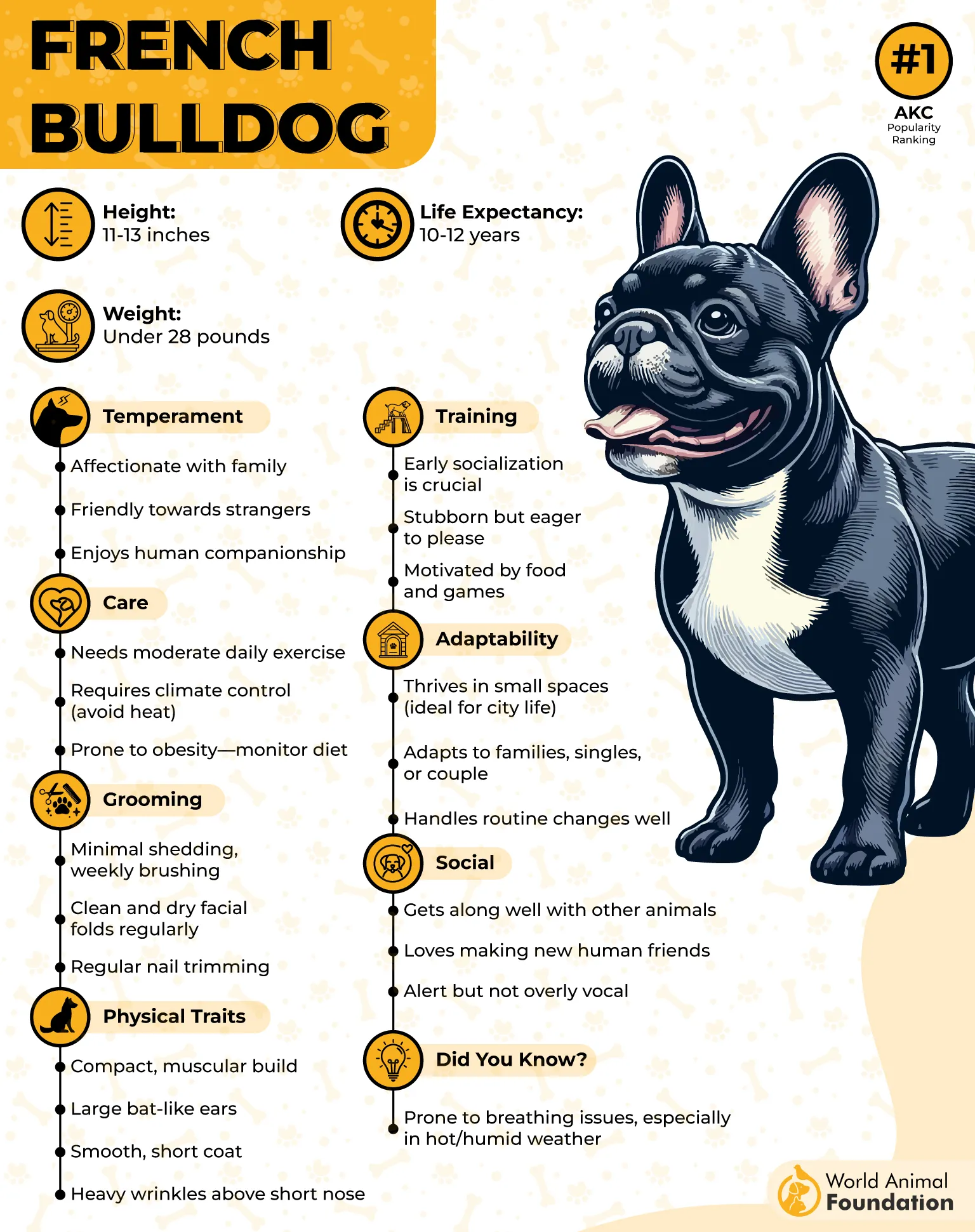
Short sessions work best because they may lose interest when exercises become repetitive or physically demanding. Practice simple commands such as sit, wait, and come using tiny food rewards and cheerful encouragement. If your dog starts breathing heavily, looks uncomfortable, or stops participating, end the activity and give it time to recover.
A predictable routine can also make house training and everyday behavior easier to manage. Offer regular toilet breaks, reward successful outdoor elimination, and establish comfortable sleeping arrangements that encourage relaxation. A crate or designated resting area that is safe and not associated with punishment or isolation.
7. Standard Poodle

Standard Poodles are the academic overachievers of the canine universe, with serious athletic talent. Their sensitivity and attentiveness make positive reinforcement effective when owners interact with them rather than punish them.
One of the smartest approaches is dividing training into small, achievable goals that build on previously learned skills. Begin with name recognition and sitting before introducing attention cues, waiting at doorways, and walking politely on a loose leash.
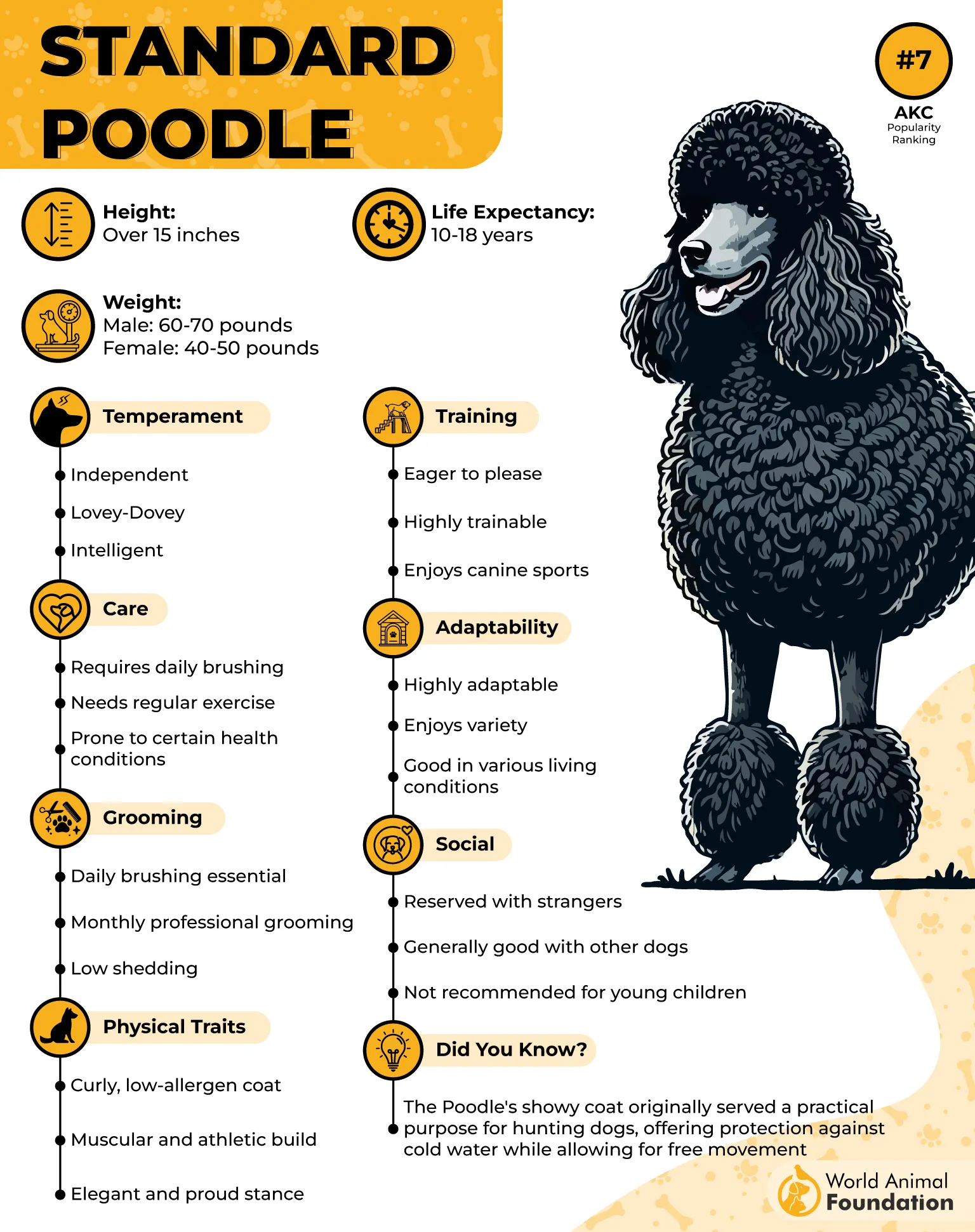
Clicker training and shaping exercises can be especially rewarding for Standard Poodles because these techniques encourage independent problem-solving. PDSA suggests that instead of physically positioning the dog, reward small movements that gradually lead toward the desired behavior.
As one of the most intelligent dog breeds, their alert personalities can sometimes lead to excessive barking when unfamiliar sounds or visitors interrupt the household routine. Reward relaxed behavior before barking begins, then gradually teach your Poodle to move toward a designated resting area when distractions occur.
Conclusion
Gentle dog training isn’t about being overly permissive or hoping your puppy magically figures out the rules. It’s about understanding your dog’s personality, communicating clearly, and reinforcing behaviors that make everyday life safer and more enjoyable.
The best part is that effective training strengthens your relationship while teaching practical life skills. Celebrate small improvements, remain consistent with boundaries, and remember that every dog learns at its own pace. With encouragement, understanding, and plenty of positive experiences, these seven gentle breeds can become confident and well-mannered companions.
