




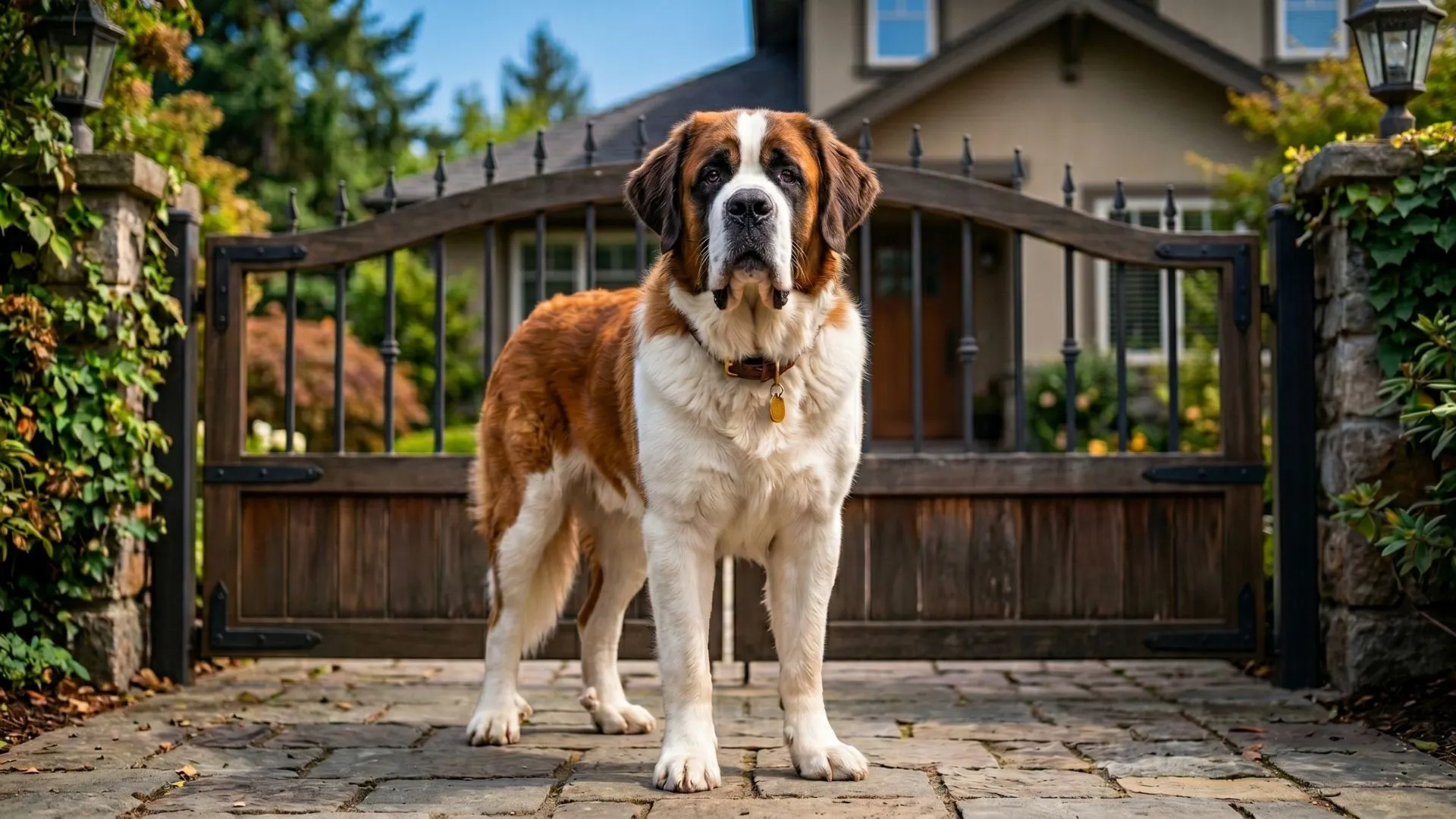
A good guard dog doesn’t have to be loud, scary, or aggressive to help you feel safe. Some of the best protectors are calm, gentle dogs that quietly keep an eye on their surroundings, stay close to their family, and only react when something truly seems wrong.
These protective dogs can be loving, patient, and relaxed with the people they trust, while still being watchful when strangers arrive or something feels unusual. A calm guard dog offers comfort and security without bringing constant chaos or high energy into the home.
Of course, even the gentlest guardian needs proper training, socialization, and clear boundaries. Protection should never mean aggression.
The goal is a steady, well-mannered companion who listens, stays calm, and knows how to respond in the right way. With the right care, these dogs can become loyal family friends and peaceful protectors at the same time.
Key Takeaways
Gentle guard dogs protect with loyalty, not aggression.
Newfoundlands, Saint Bernards, and Bernese Mountain Dogs are calm, family-friendly protectors.
Bullmastiffs, Boerboels, and Akitas need early training and strong socialization.
Great Danes, Leonbergers, Rhodesian Ridgebacks, and Shiba Inus bring watchful, loyal energy.
Gentle and Protective Dog Breeds: A Calm Guard
1. Newfoundland
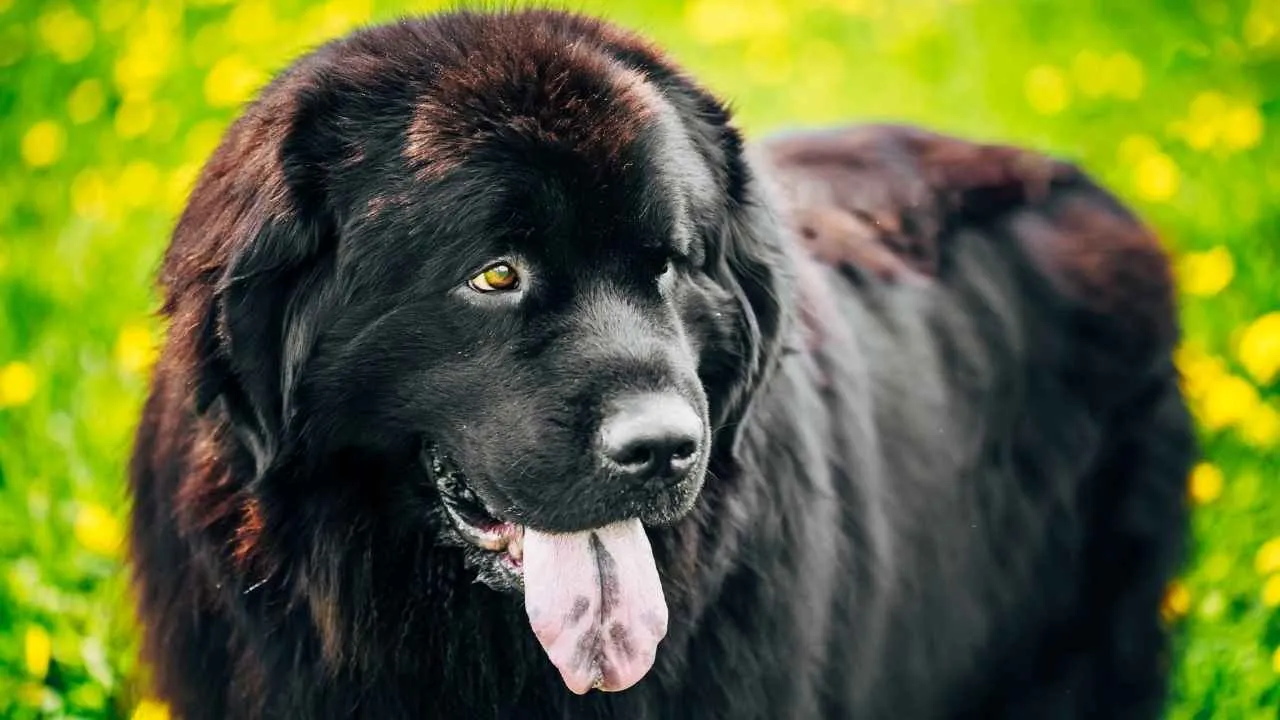
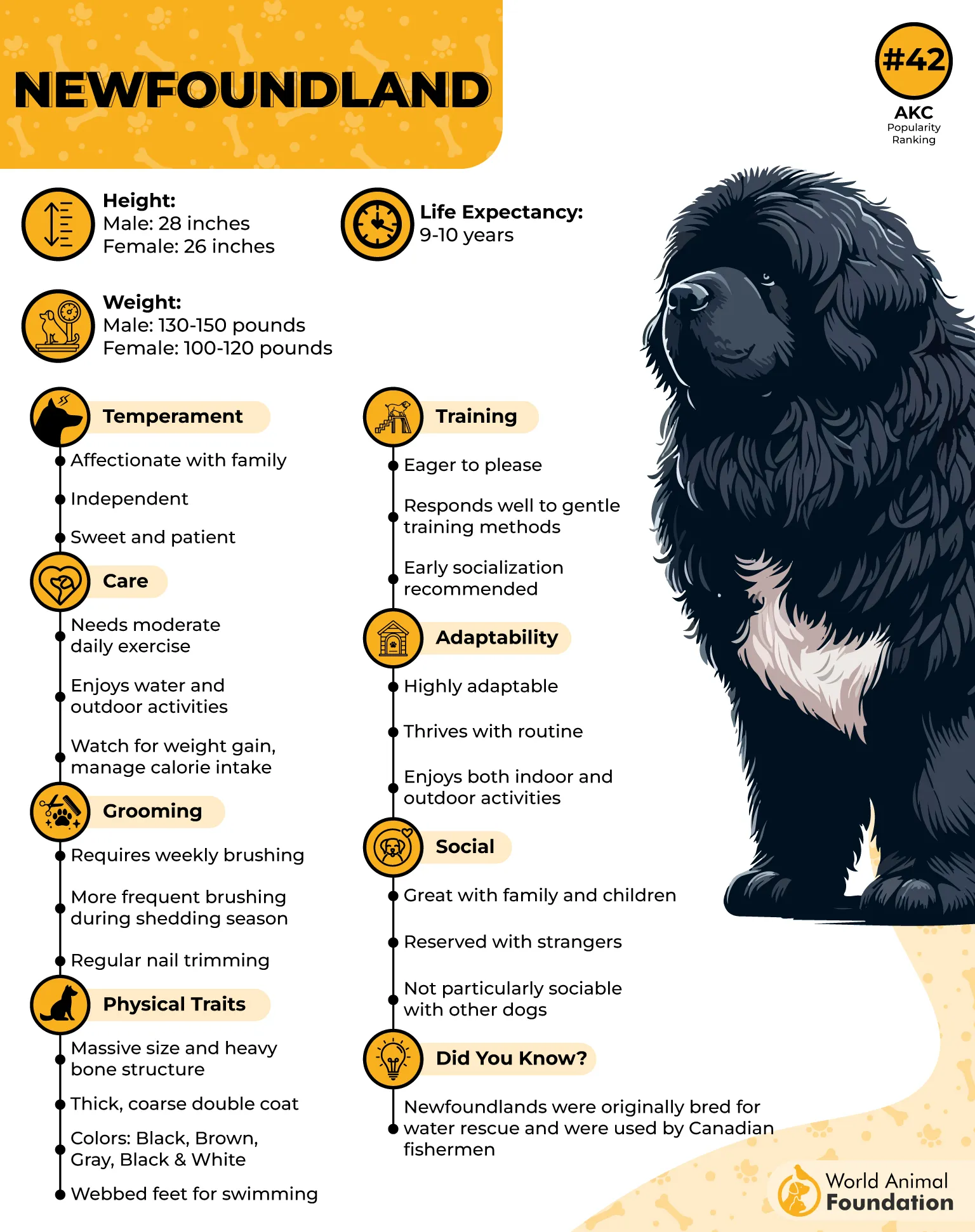
Newfoundlands are calm, sweet, and naturally protective dogs. They were first developed in Newfoundland, Canada, where they worked with fishermen and helped rescue people from cold water.
Because of this history, they are strong swimmers with webbed paws, thick coats, and a natural love for water. They are also called “Newfies” and “nanny dogs” because they are patient, loving, and gentle with families.
Calm Family Companions
These dogs are usually relaxed at home and do not need extreme exercise. Daily walks, short play sessions, hikes, swimming, cart pulling, or nose work can keep them happy and healthy.
They often get along well with children, other dogs, cats, and even strangers. Still, they are very large and strong, so they should always be supervised around small children. They may accidentally knock someone over without meaning to.
Training, Grooming, and Care
Newfoundlands are friendly, but they can still be effective protection dogs because they are watchful, loyal, and brave when needed. Early training is very important, especially because they can pull on the leash or become hard to manage as they grow.
They respond well to positive rewards, but they can be a little slow or strong-willed at times. They also need regular brushing, extra care during shedding season, and patience with drooling.
2. Great Dane
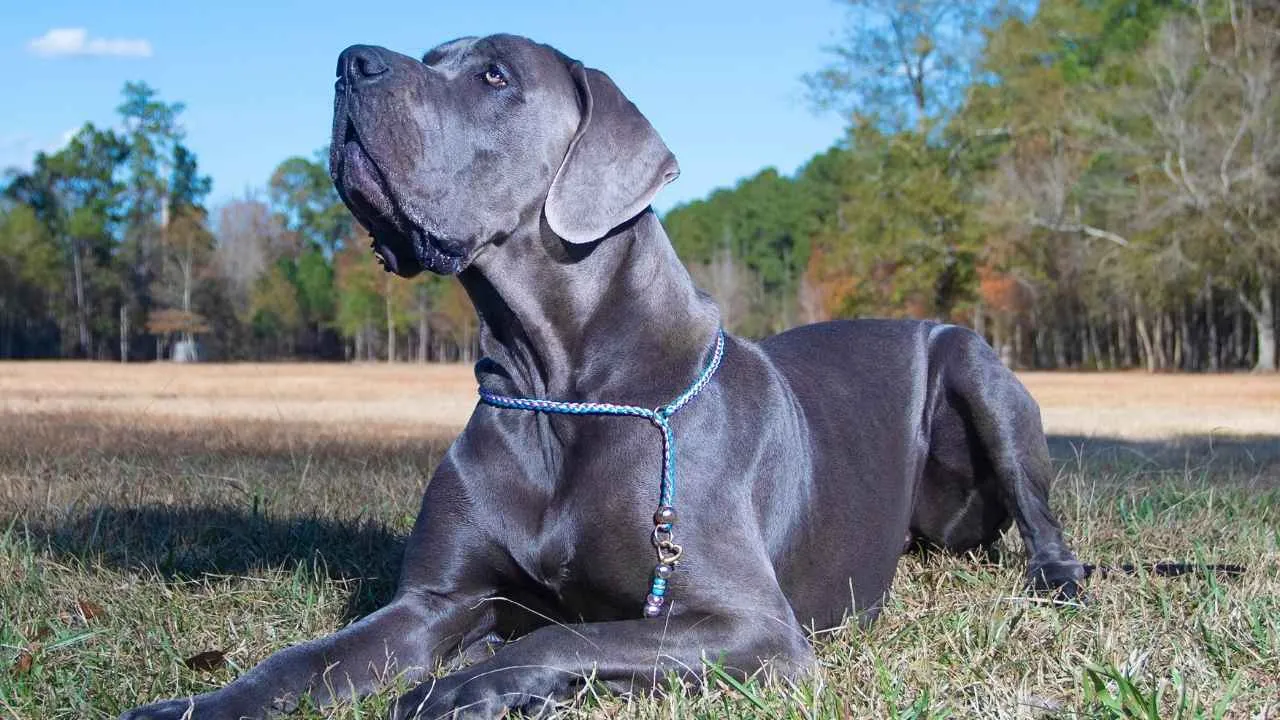
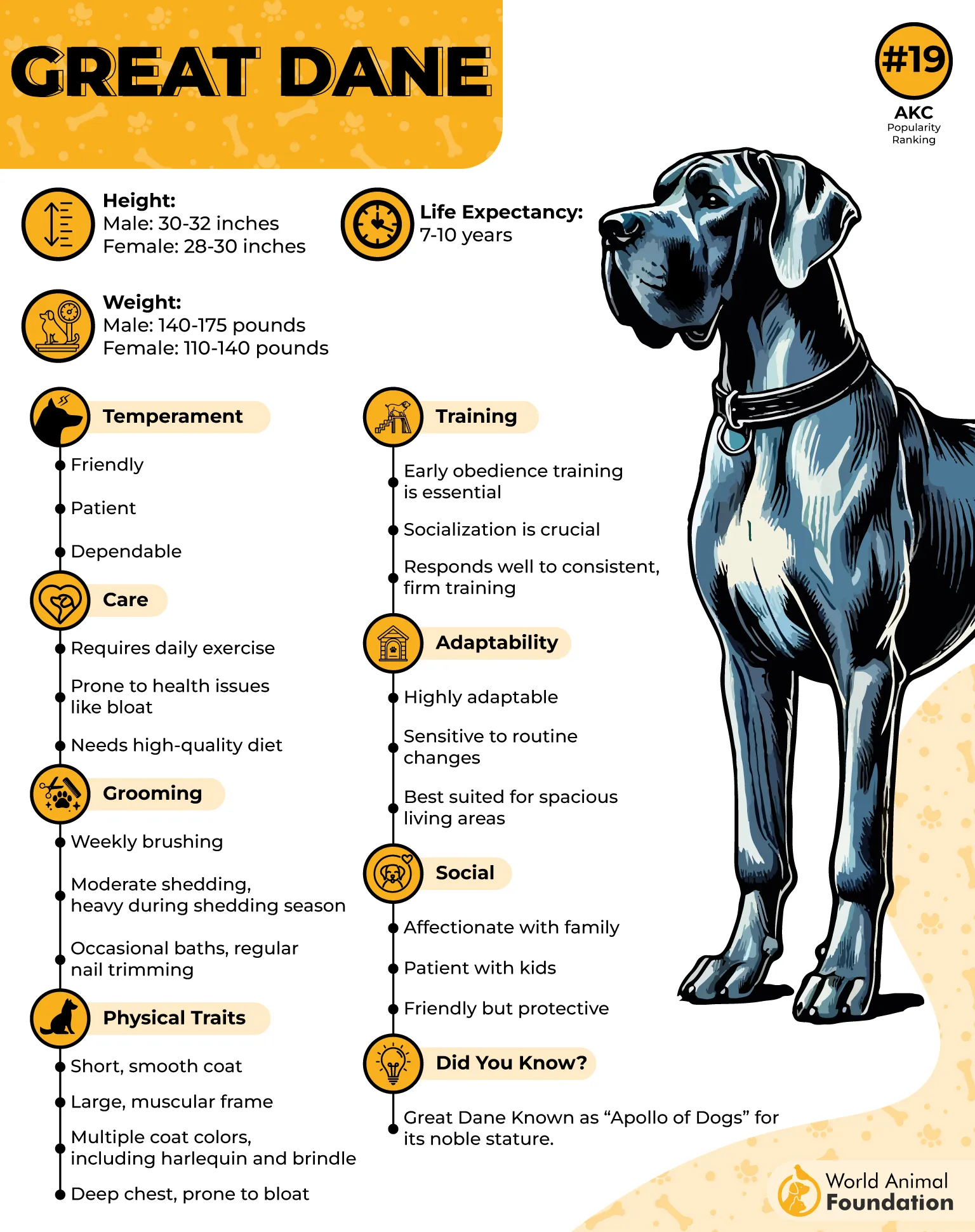
Great Danes are gentle, calm, and incredibly loyal dogs. They were originally bred in Germany to hunt wild boar and guard country estates. Today, they are better known as loving family companions.
Their huge size alone can make strangers think twice, but Great Danes are usually friendly, patient, and affectionate with the people they trust.
Gentle Family Protectors
Great Danes are often good with children and can get along with other pets, especially when raised with them. They are moderately playful, but they are not usually overly hyper.
They still need daily exercise, such as long walks, light play, or safe outdoor time. Because they are so large and powerful, children should always be supervised around them.
Training, Care, and Home Life
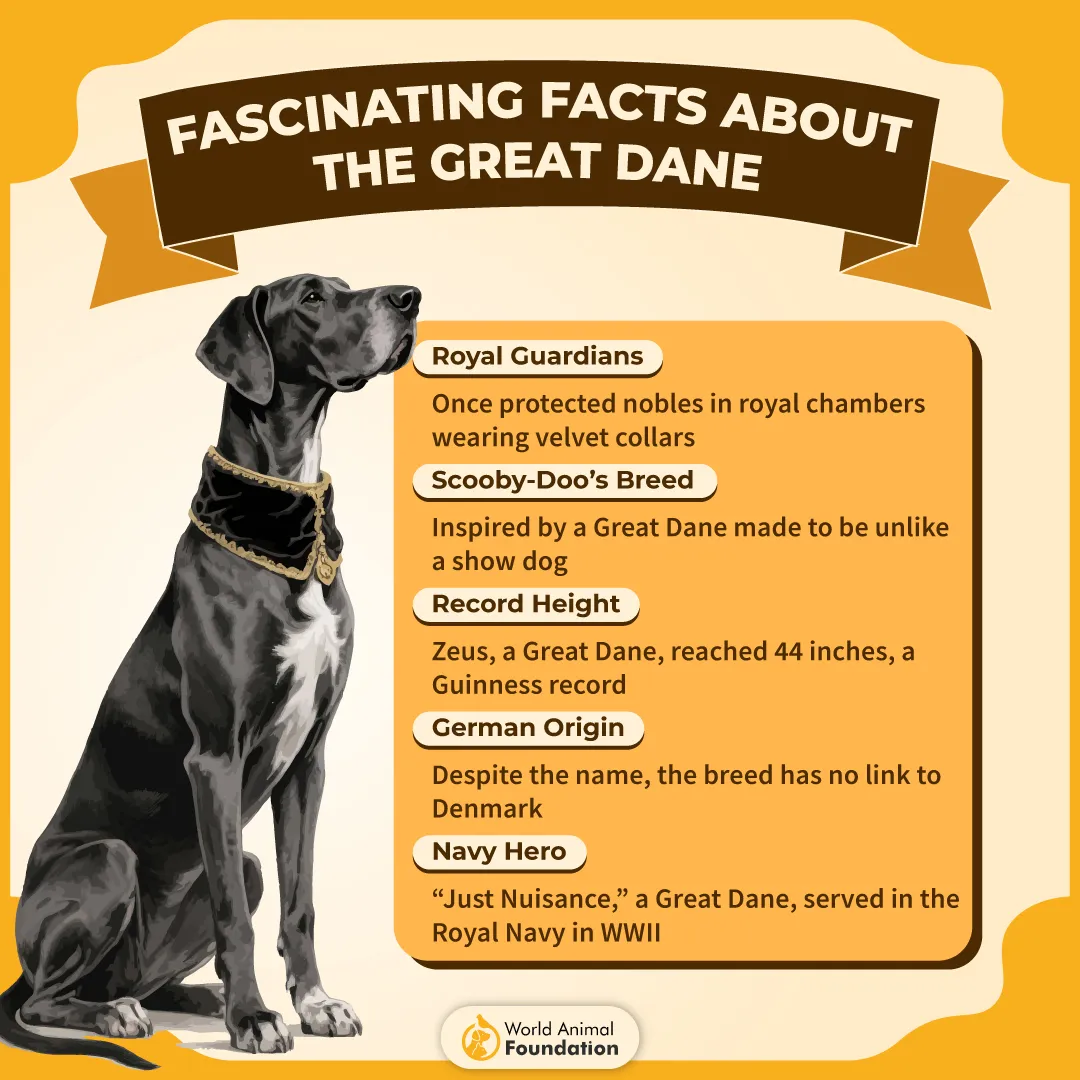
Great Danes need proper socialization and obedience training so they grow into confident, well-mannered adults. Some can be stubborn, but they are intelligent and respond well to firm, positive, and consistent training.
They also need enough space to move around, weekly brushing, regular nail trims, and careful feeding routines because giant breeds can be at risk of bloat. With the right care, Great Danes become excellent guard dogs with a sweet and protective heart.
3. Rhodesian Ridgeback
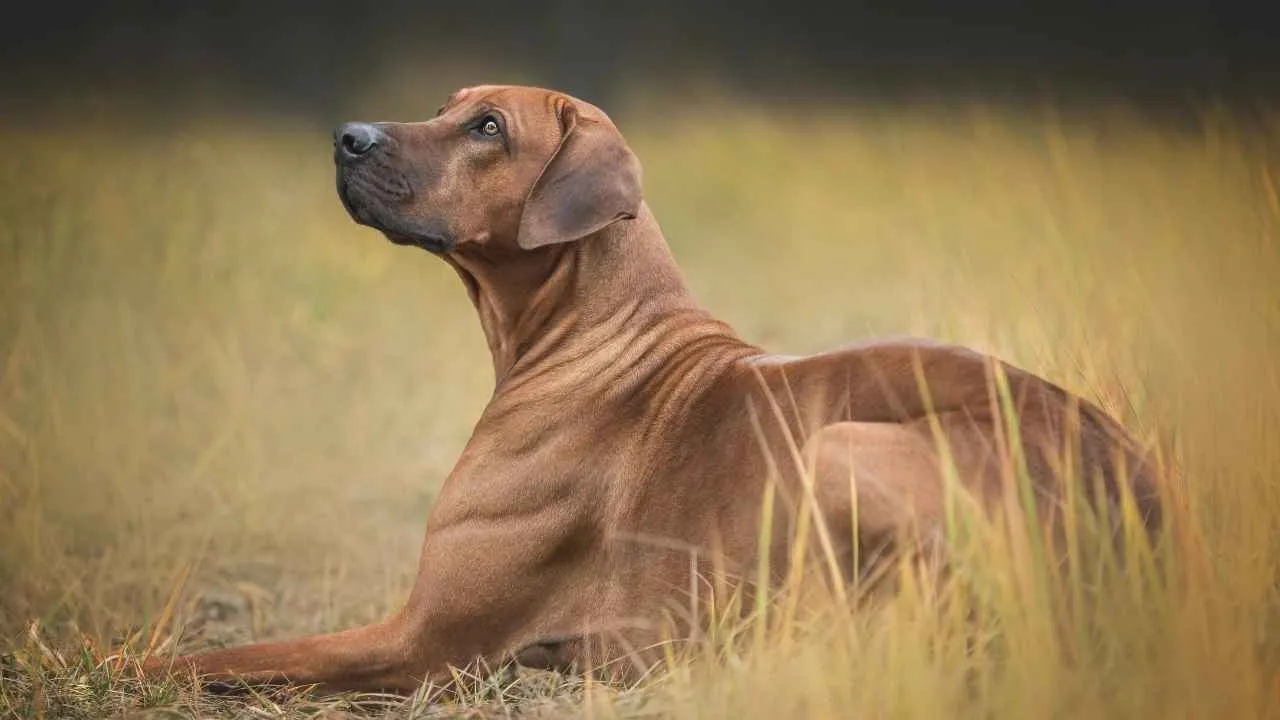
Rhodesian Ridgebacks are strong, intelligent, and loyal dogs with a calm side when their needs are met. They were originally bred in Africa to track and hold large game, including lions, which is why they are also called African Lion Hounds.
Their most famous feature is the ridge of hair that grows down their back in the opposite direction from the rest of their coat, according to PetMD.
Loyal Family Companions
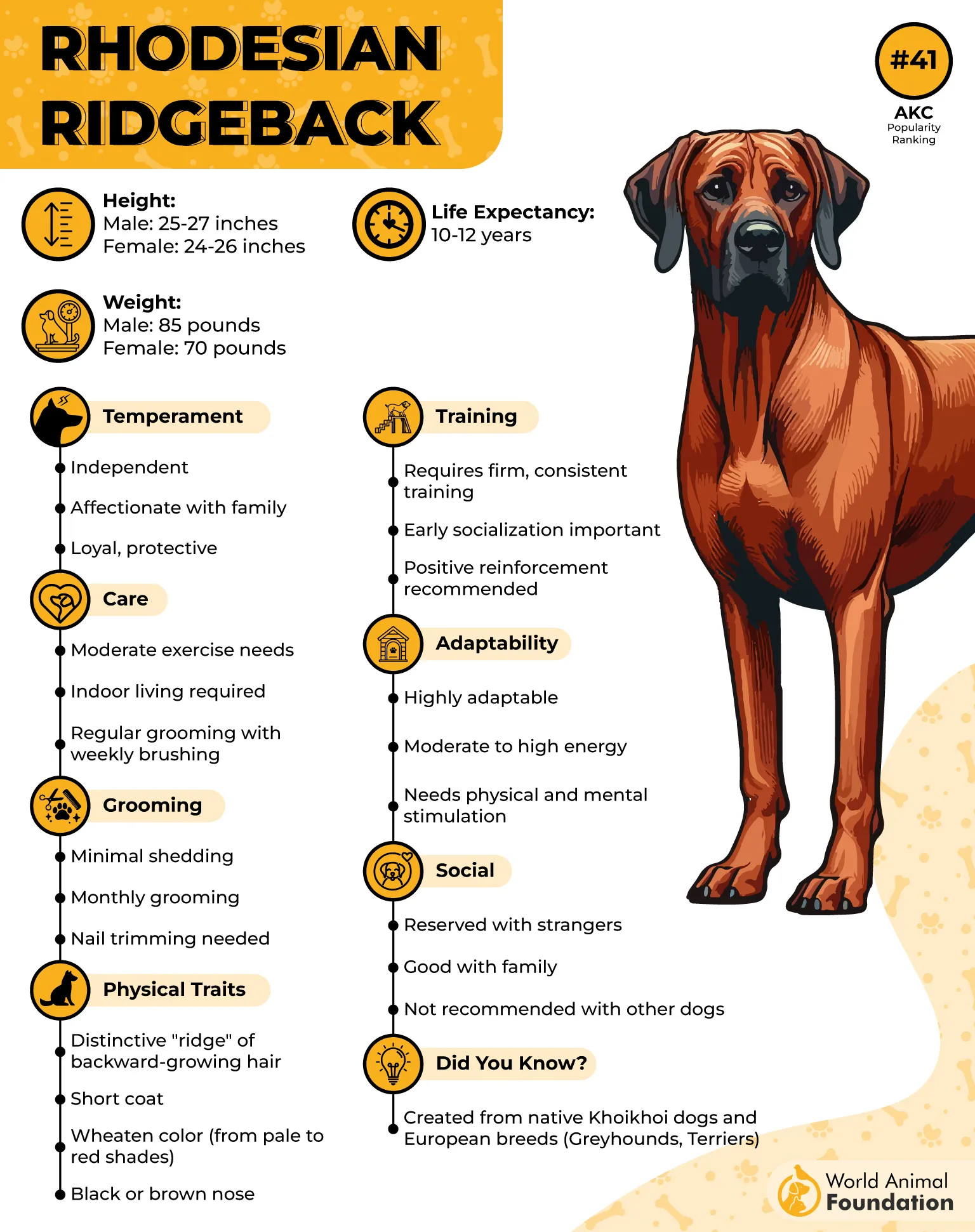
Rhodesian Ridgebacks often form deep bonds with their families. They can be gentle and quiet at home, and they usually do not bark too much. With proper training and socialization, they can be good with children and other dogs.
However, they may be aloof with strangers, which adds to their natural guarding ability. Because of their hunting background, they may not be the best match for homes with smaller pets.
Exercise, Training, and Care
Rhodesian Ridgebacks need daily exercise and mental stimulation to stay calm and well-behaved. Walks, hiking, jogging, fetch, puzzles, agility, tracking, and lure coursing are great options.
They are smart but can also be independent, so training should start early and continue throughout life. Positive reinforcement works best. Their short coat is easy to care for, but it does shed, so weekly brushing and monthly baths can help keep them clean and healthy.
4. Boerboel
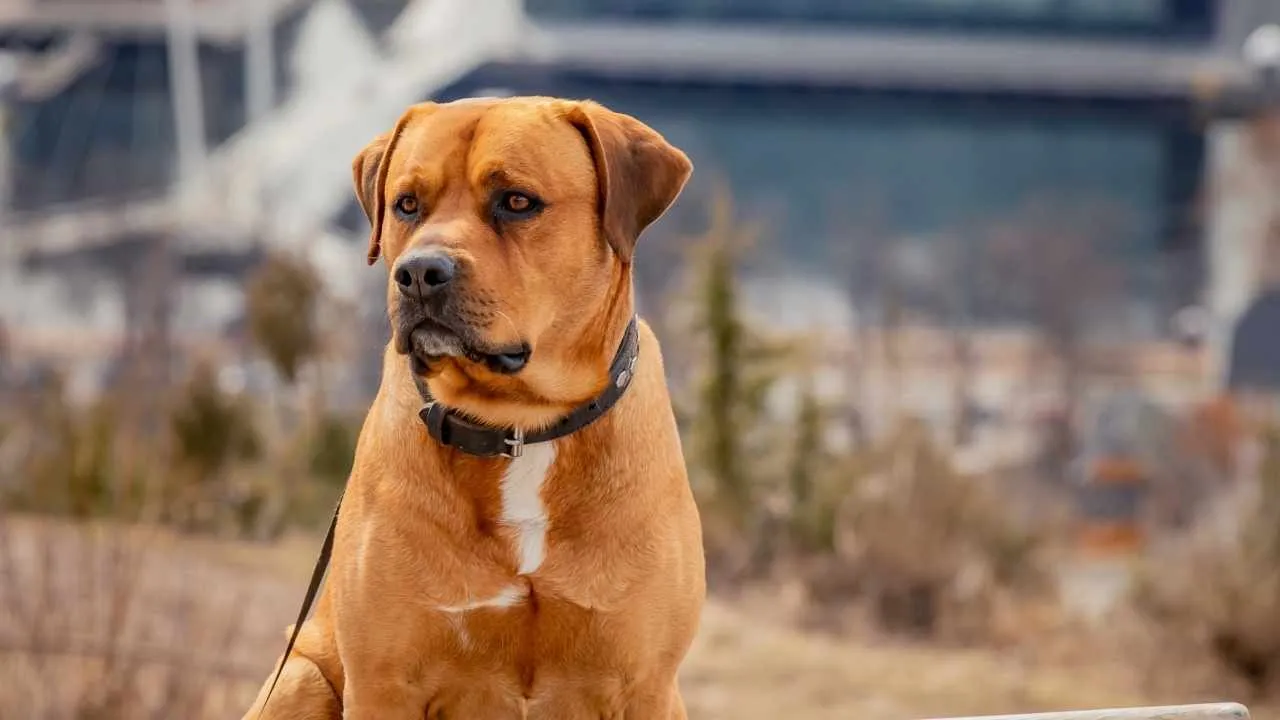
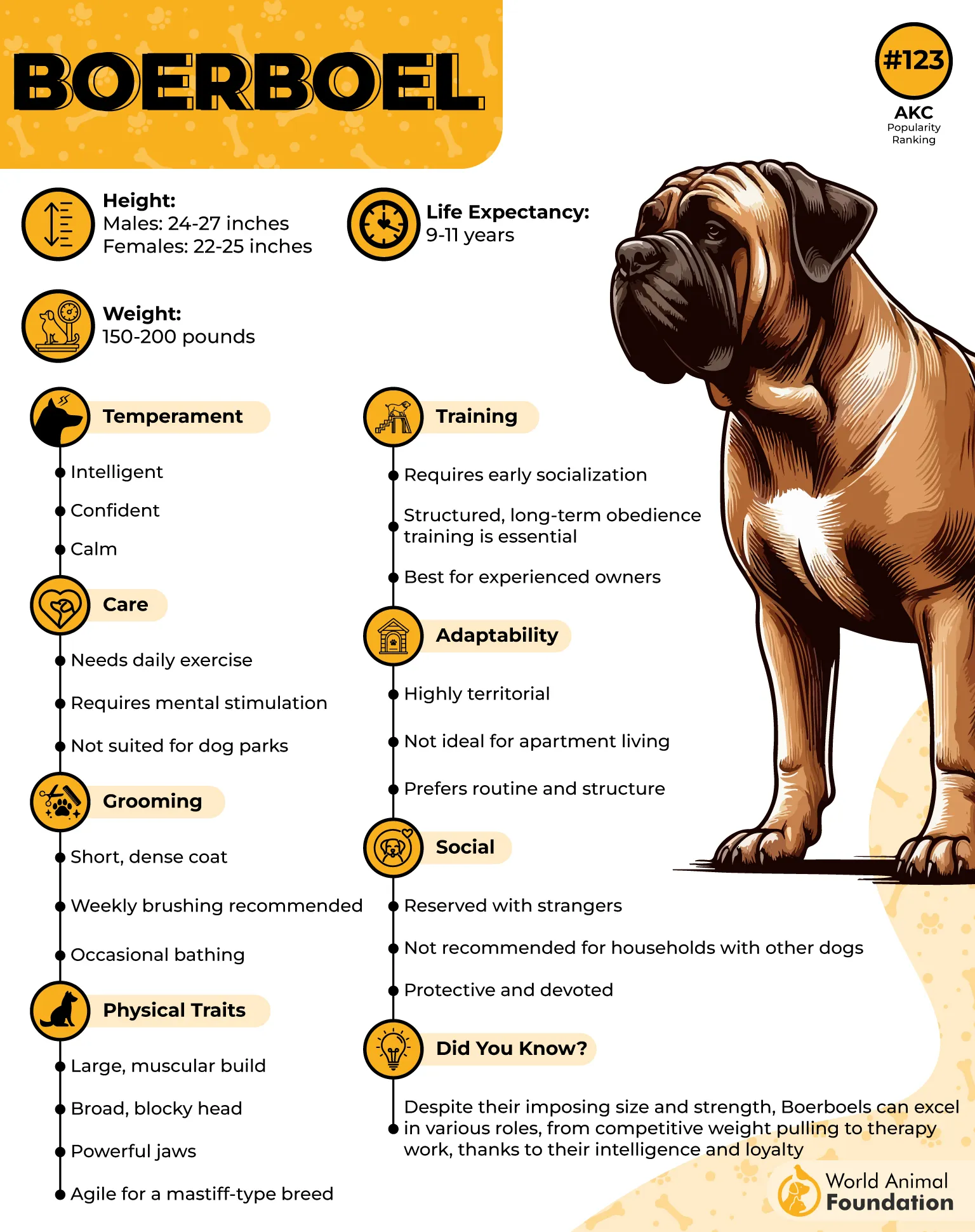
Boerboels are strong, confident, and deeply loyal dogs. They were originally bred in South Africa to protect farms, families, and property from serious threats.
Because of this history, they are natural guardians with a brave and watchful nature. They may look intimidating, but with their families, Boerboels can be affectionate, playful, and very devoted.
Protective Family Dogs
Boerboels love being close to their people and do best when they are treated as part of the family. They are often gentle with their owners’ children, but playtime should always be supervised because they are large and powerful.
They are usually reserved around strangers and may not welcome guests right away. Proper introductions help them understand who is allowed in the home.
Training, Exercise, and Care
Boerboels are intelligent, but they can also be headstrong and territorial. Early socialization and long-term obedience training are very important. They need daily exercise, such as long leash walks, secure playtime, obedience, rally, agility, weight pull, or puzzle games.
Their short, dense coats are easy to groom with weekly brushing and occasional baths. With the right dog owner, Boerboels become great family guard dogs.
5. Bullmastiff
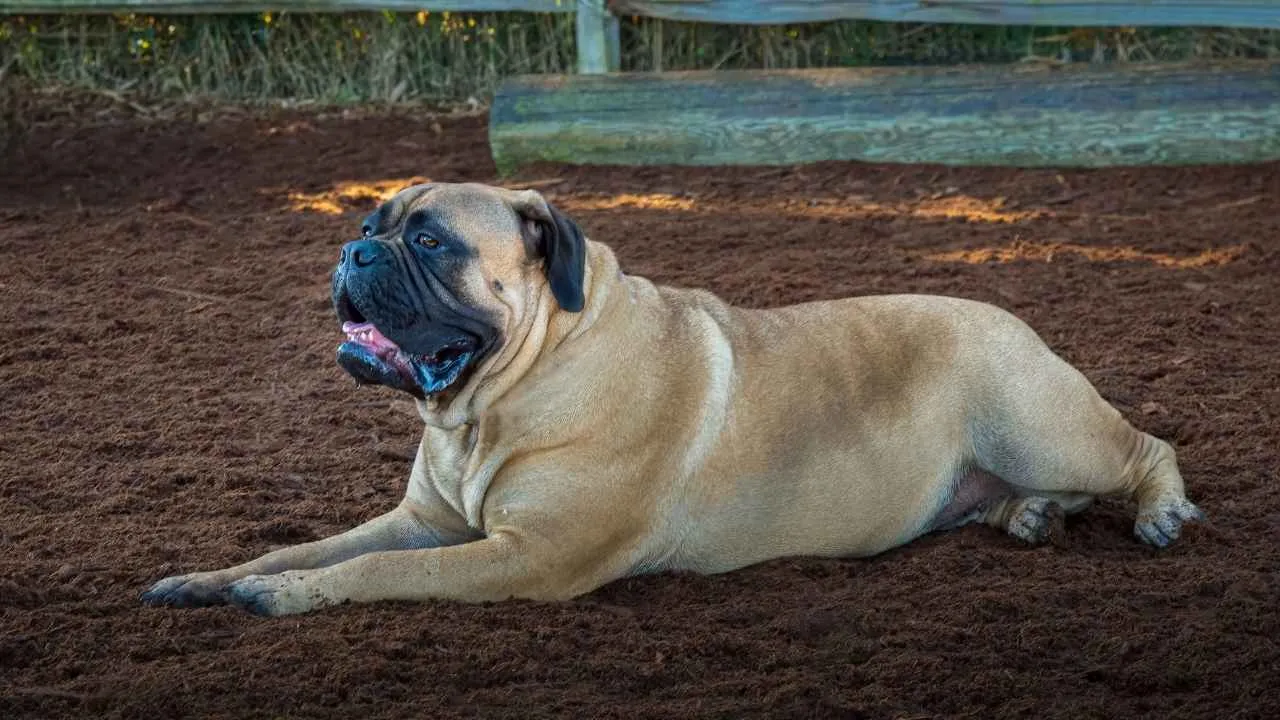
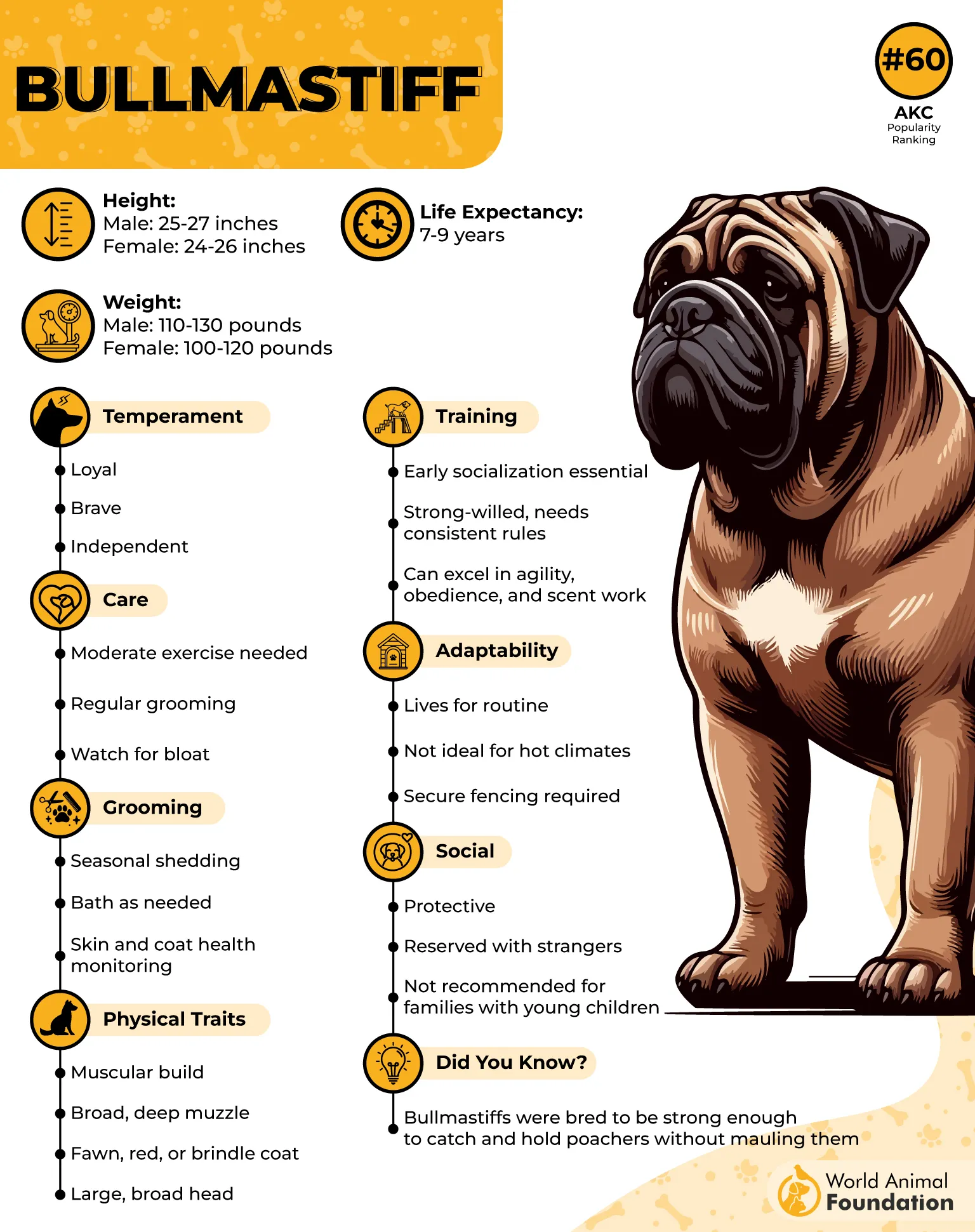
Bullmastiffs are calm, loyal, and extremely affectionate dogs with a strong guarding background. They were first developed in Britain by crossing Bulldogs with Mastiffs to help gamekeepers protect land from poachers.
This history gave them a fearless and watchful nature. At home, they are usually gentle with their family and love staying close to the people they trust.
Calm Family Companions
Bullmastiffs are often good with children and can get along with other dogs or pets when socialized early. They are not known for excessive barking, but they will alert their family when something feels unusual.
Around strangers, they may be reserved and suspicious until properly introduced. Because they are strong, children and visitors should always be supervised around them.
Training, Exercise, and Care
Bullmastiffs are intelligent and usually learn quickly, but training must start early. Puppies should learn basic cues, leash manners, and calm behavior around people and animals.
They need daily exercise, such as long walks, fenced-yard play, hiking, tracking, obedience, rally, or nose work, but they are not ideal running partners. Their short coats are easy to maintain with monthly brushing and occasional baths, though their drooly jowls may need daily wiping.
6. Saint Bernard
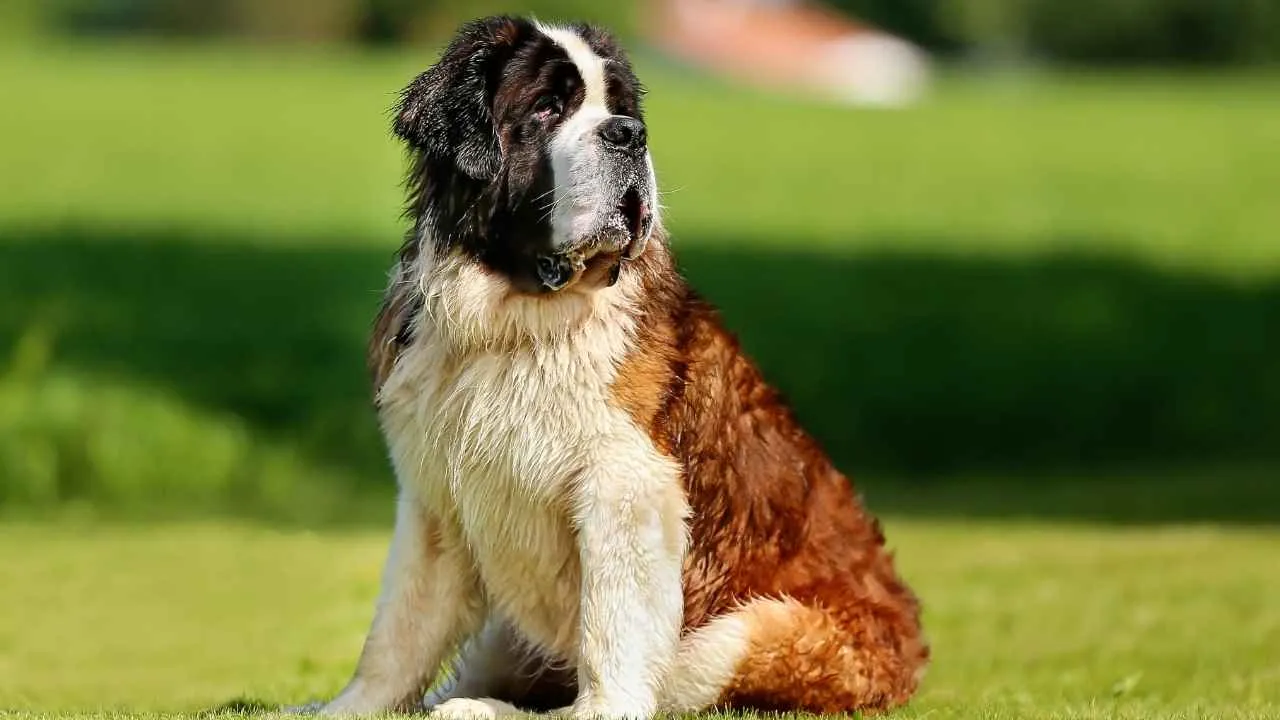
Saint Bernards are calm, friendly, and patient dogs with a loving nature. They became famous in the Swiss Alps, where their powerful build and watchful spirit made them trusted companions.
Even though they are huge and impressive, they are best known for being kind-hearted and loving family pets. Their soft expression, dark eyes, and gentle personality make them easy to love.
Patient Family Companions
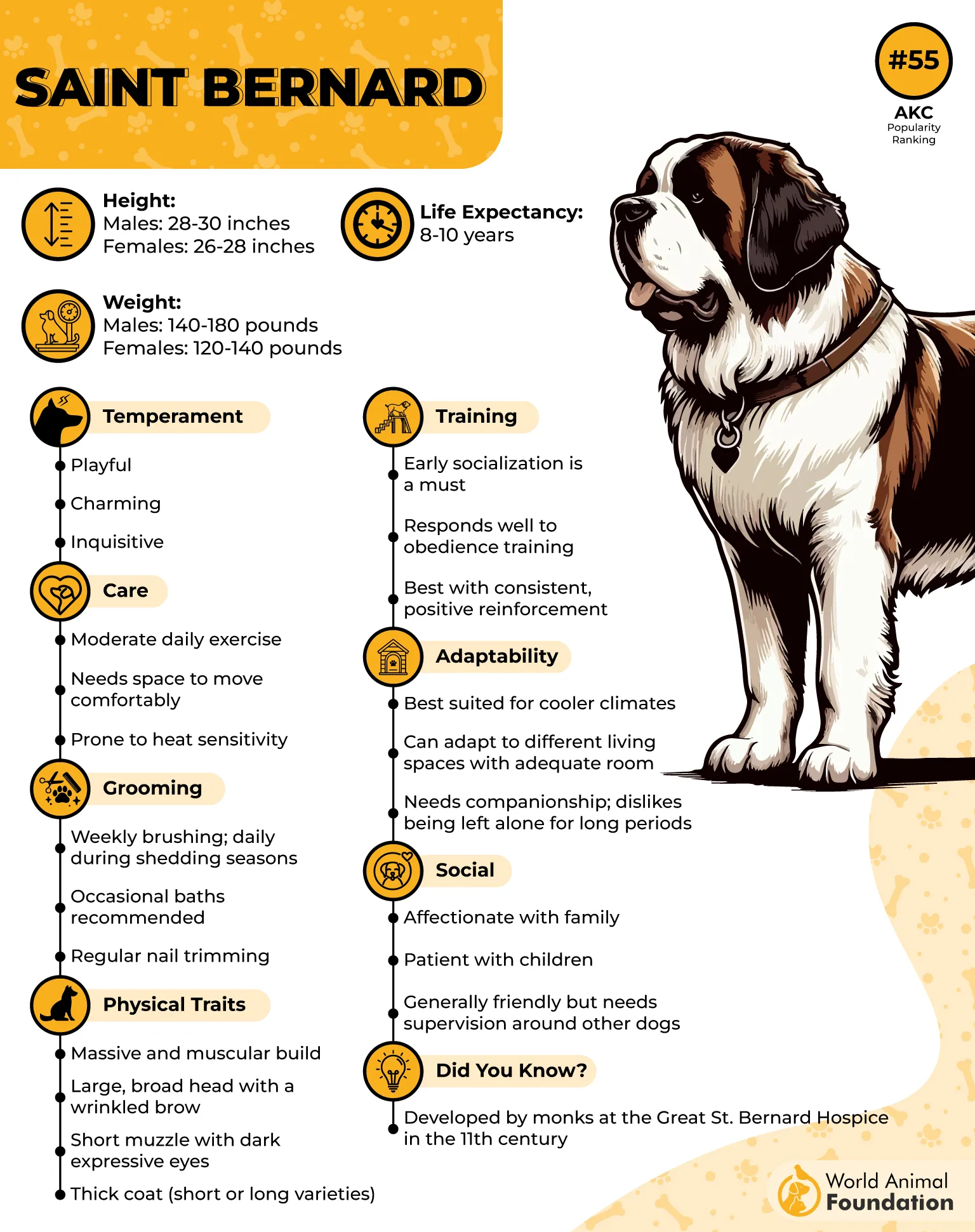
Saint Bernards are social dogs that enjoy being part of family life. They are usually gentle with children, friendly with neighbors, and accepting of other pets.
They love staying close to their people and may become unhappy if left alone too often. Although they are sweet and easygoing, they can still protect family members if they believe someone is in danger.
Training, Exercise, and Care
Saint Bernards need early socialization and obedience training because of their large size and strength. Training helps them learn not to jump, knock into children, or steal food from the table. They are eager to please, so they usually respond well once they understand what is expected.
They only need moderate exercise, such as one long walk, a short play session, carting, or easy hikes in cool weather. Their long or short coats need weekly brushing, daily brushing during shedding season, occasional baths, and regular nail trims.
7. Akita
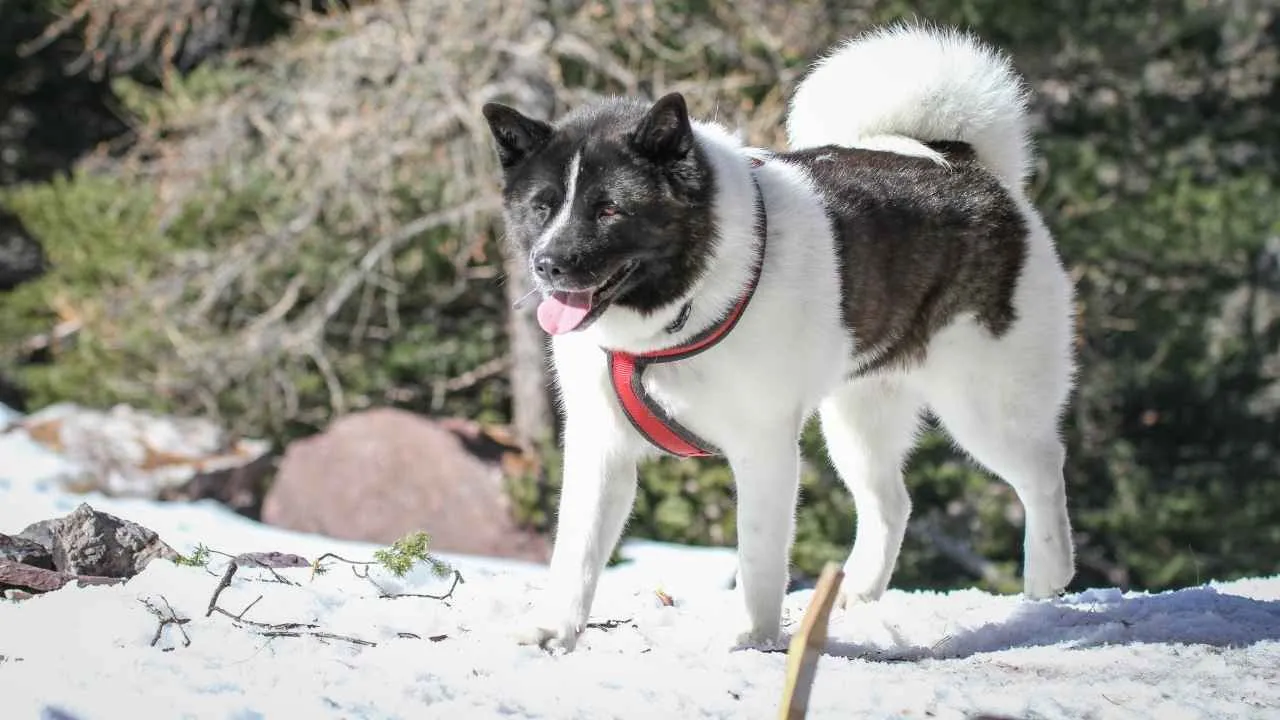
Akitas are powerful, quiet, and loyal dogs with ancient roots in Japan. In their native country, they are respected as family protectors and symbols of good health, happiness, and long life.
They have a bold, alert look, with upright ears, dark eyes, thick double coats, and curled tails. Akitas are often serious around strangers, but they can be silly and affectionate with the people they trust.
Calm But Watchful Companions
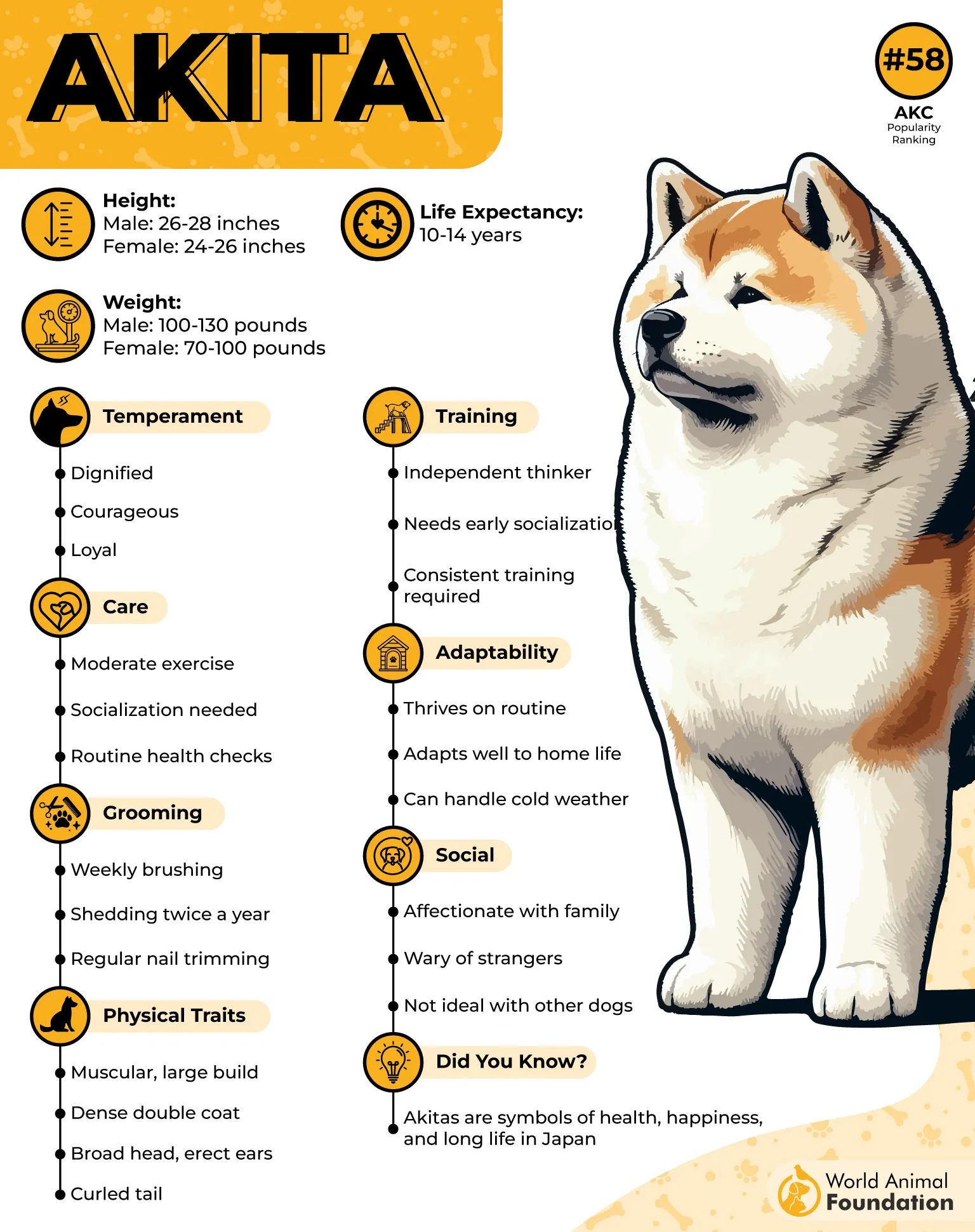
Akitas are devoted to their families and often like to stay close to their people around the home. They are naturally protective and will usually bark only when something seems wrong.
They can be good family companions, but they need respectful handling and supervision around children and other pets. Akitas are naturally wary of strangers and may not tolerate other animals, as mentioned by the American Kennel Club.
Training, Exercise, and Care
Akitas are intelligent, independent, and strong-willed, so early socialization and consistent training are very important. They should meet many people, places, and situations while young, so they do not see everything unfamiliar as a threat.
They need moderate daily exercise, such as a brisk walk, jog, playtime, hiking, or puzzle games. Their thick double coats need weekly brushing, with extra brushing when they shed heavily twice a year. With the right owner, Akitas become calm, loyal protectors and deeply devoted family dogs.
8. Shiba Inu
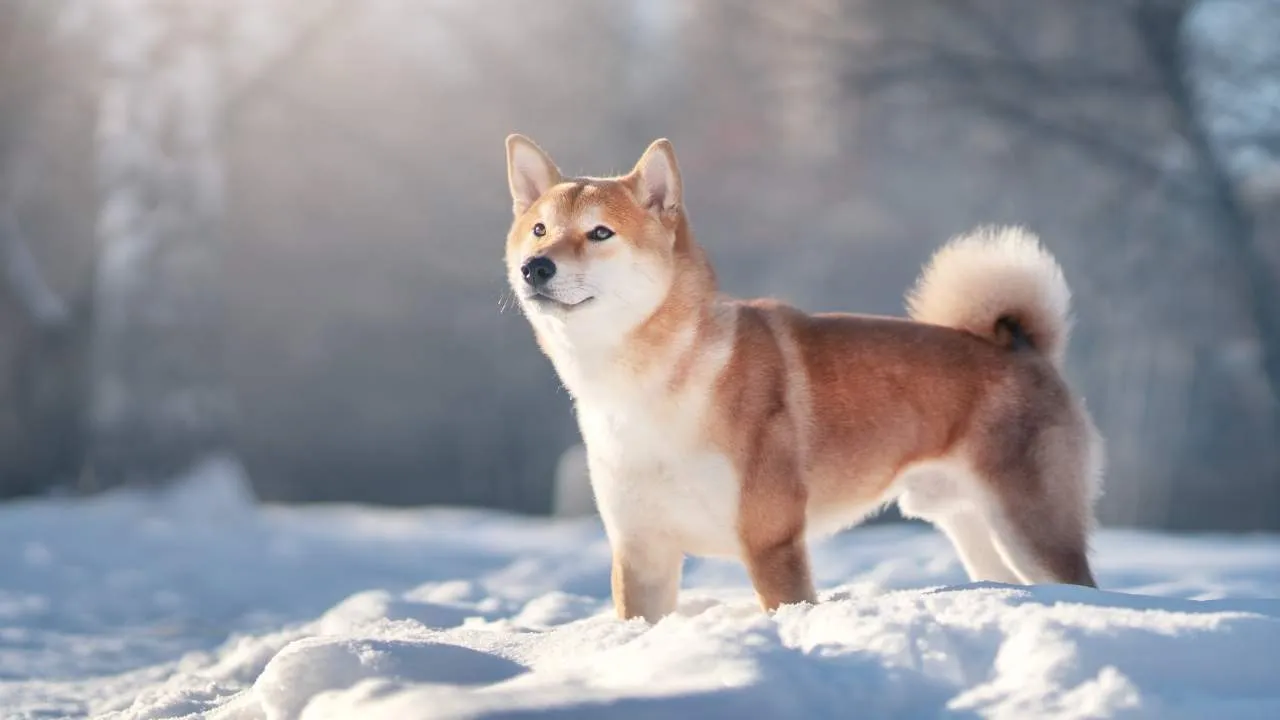
Shiba Inus are ancient Japanese dogs with a brave, alert, and confident nature. They were once used for hunting birds, small game, and sometimes wild boar.
Today, they are popular companion dogs, especially in Japan. Their foxlike face, upright ears, curled tail, and sturdy body give them a sharp and watchful look.
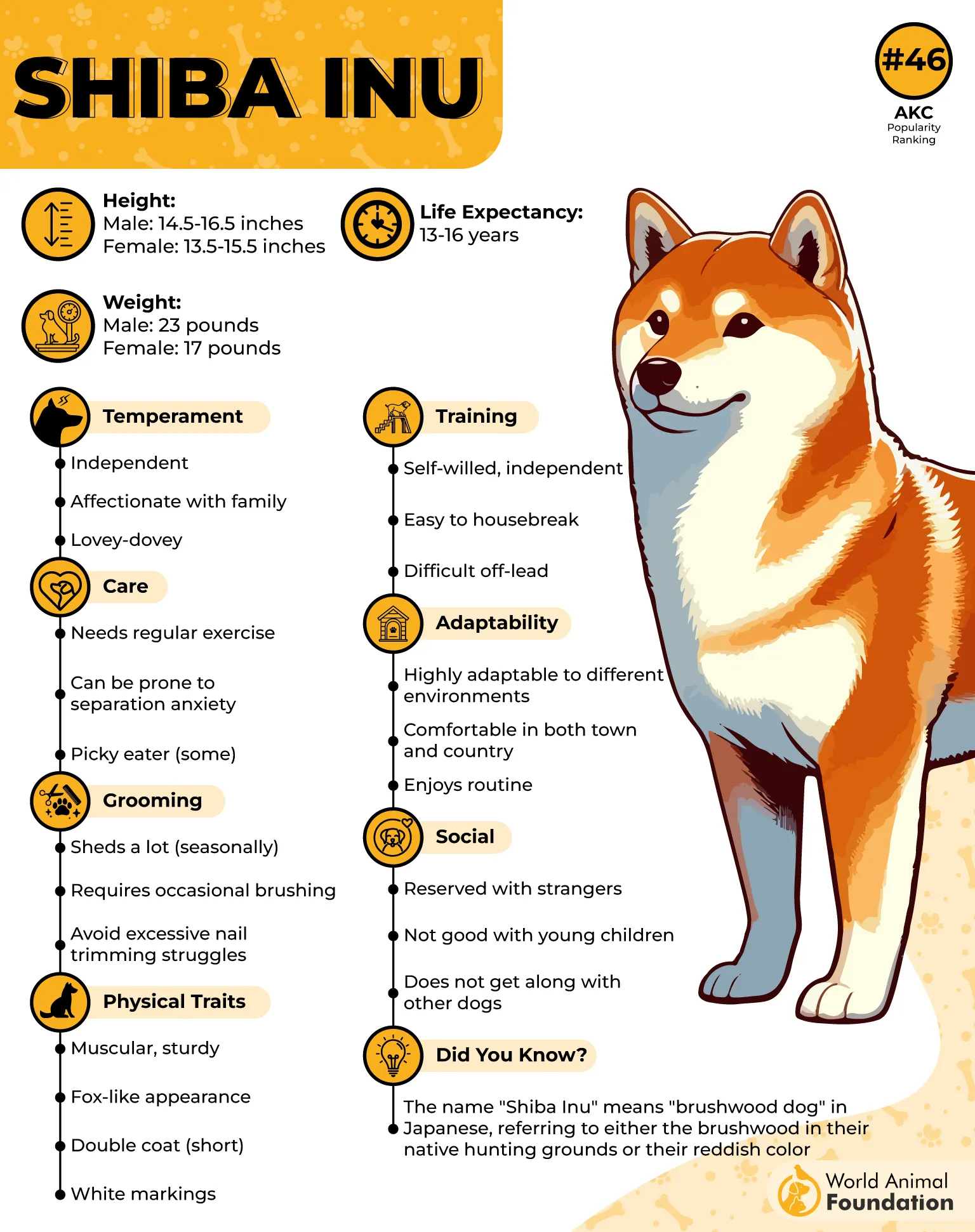
Loyal But Independent Companions
Shiba Inus can be friendly and loving with people they know, but they are also independent and opinionated. Some may be standoffish with strangers, especially without early socialization.
They are alert dogs and can be vocal when stressed, frustrated, or anxious. Their famous “Shiba scream” is one reason they may not be the best fit for homes with shared walls.
Training, Exercise, and Care
Shiba Inus are smart and energetic, but they can be stubborn if they are not interested in a cue. They need patient training, positive reinforcement, and early socialization. They should also stay on leash or in a secure area because they are not reliable off-leash.
Daily scent walks, fetch, food puzzles, toys, and scent work games help keep them calm and busy. Their double coats shed a lot, so regular brushing is important, especially during heavy shedding seasons.
9. Leonberger
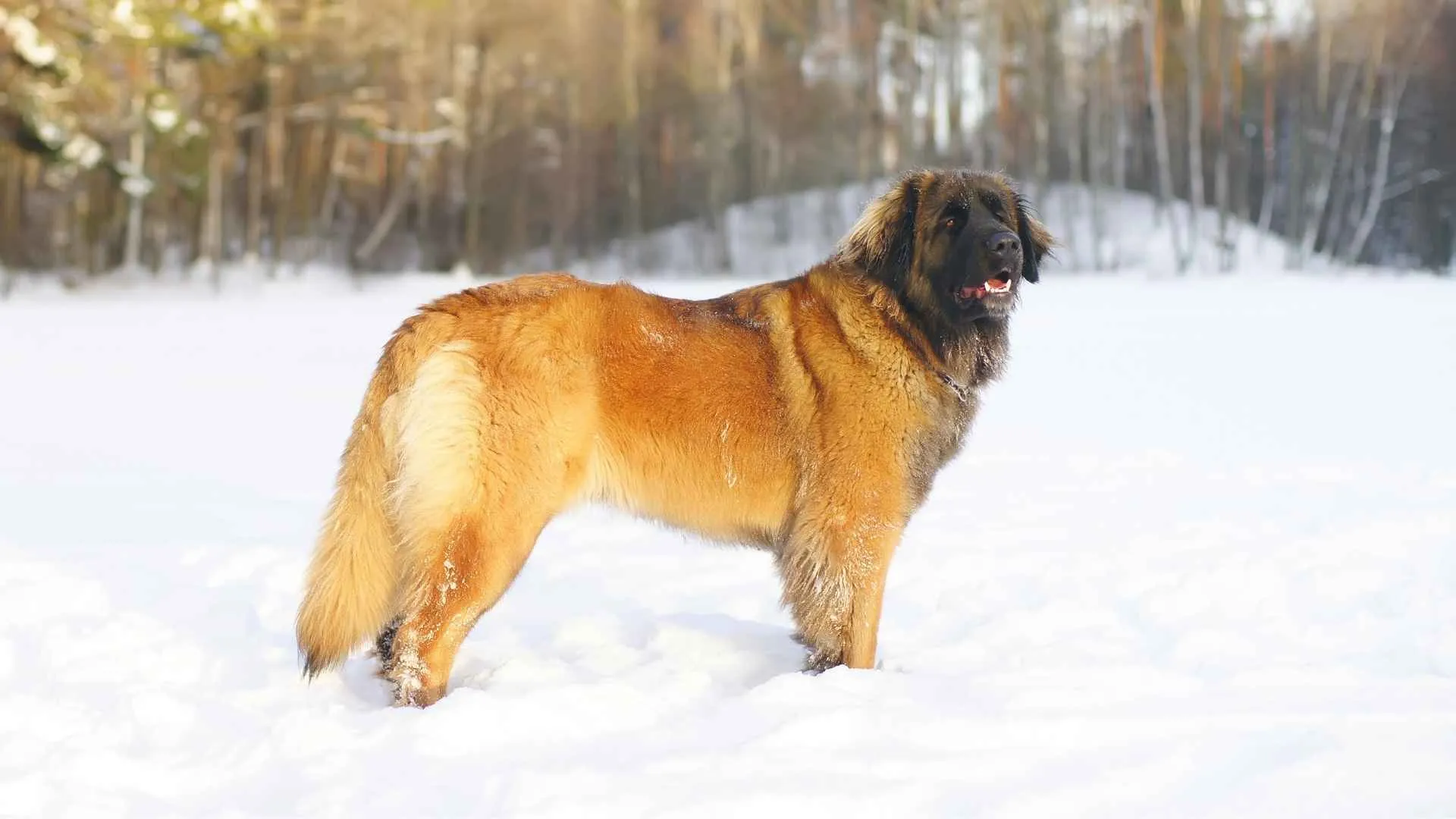
Leonbergers are large, calm, and loving dogs with German roots. They were named after the town of Leonberg, Germany, and are known for their lion-like look, thick coats, dark eyes, and black face masks.
Although they are powerful working dogs, they are also gentle, patient, and deeply attached to their families.
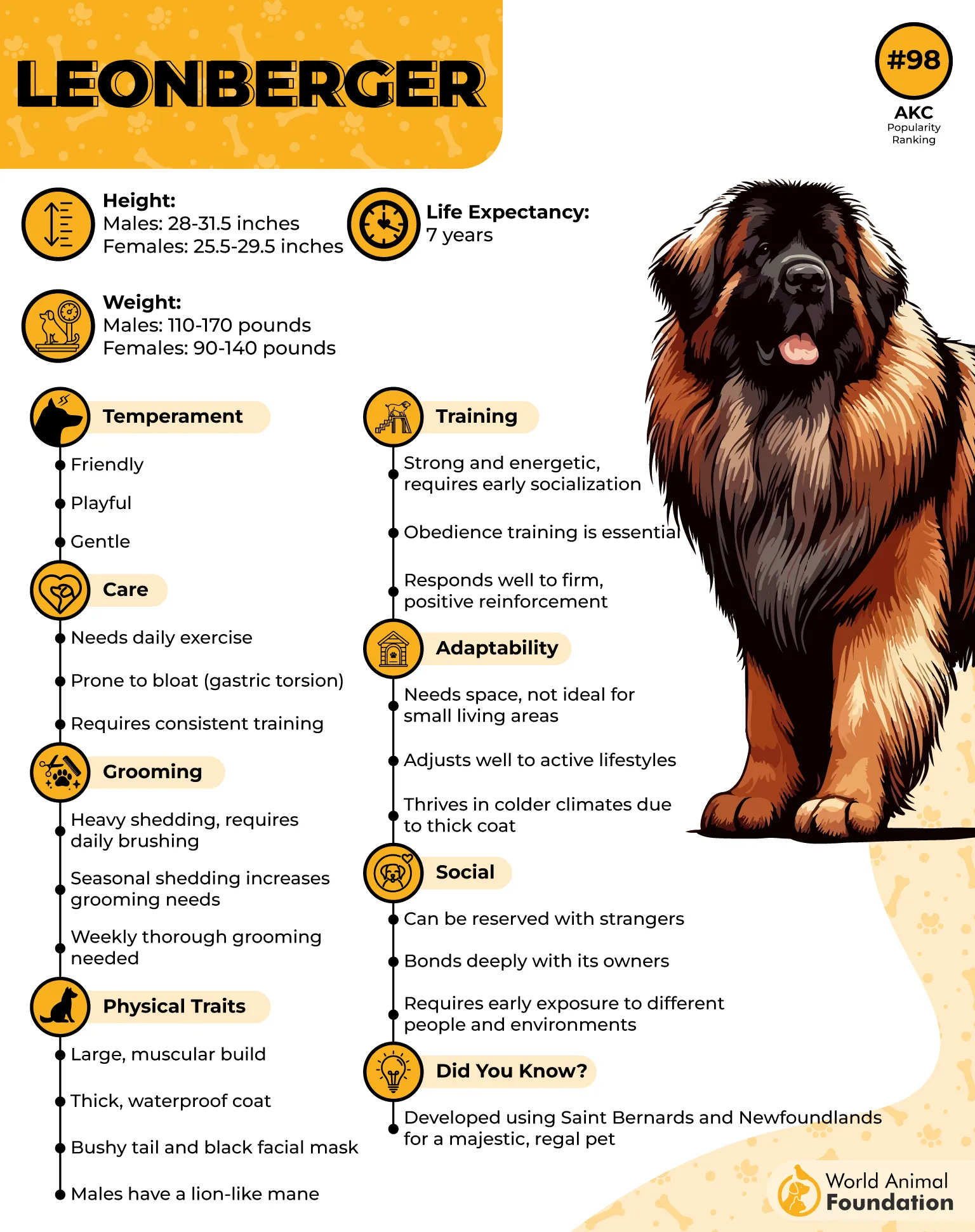
Calm Family Companions
Leonbergers are usually friendly, steady, and good with children when properly trained and socialized. They enjoy being part of the whole family and need plenty of love and attention.
They are often calm indoors, but they are still watchful and smart. As watchdogs, they use good judgment and are friendly without being careless.
Training, Exercise, and Care
Leonbergers need early socialization, group obedience classes, and consistent positive training. Puppies and young dogs can be energetic and strong, so manners should start early. They need daily exercise, such as brisk walks, hiking, swimming, agility, cart-pulling, sled-pulling, or safe yard play.
Their thick double coats shed all year and need frequent brushing, often daily, to prevent mats. With the right care, Leonbergers become calm, gentle protectors and devoted family companions.
10. Bernese Mountain Dog
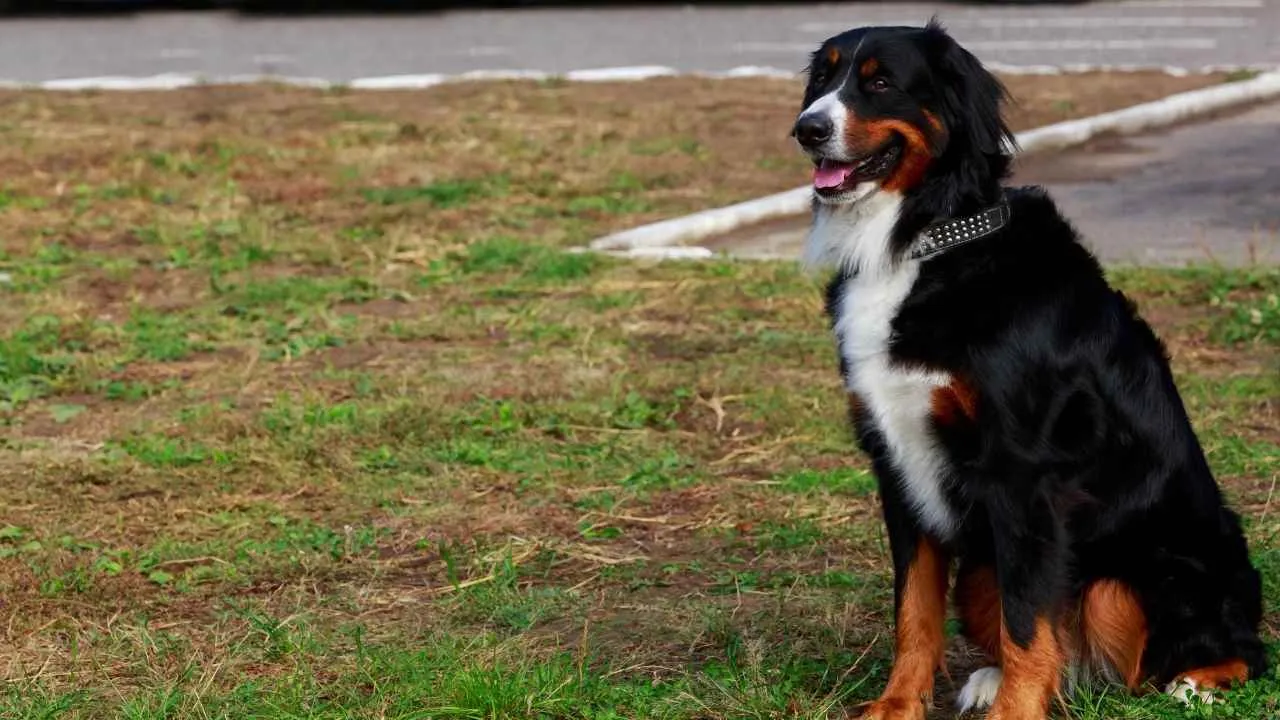
Bernese Mountain Dogs are strong, beautiful, and affectionate dogs from Switzerland. They were once used as farm dogs, helping with work in cold mountain areas.
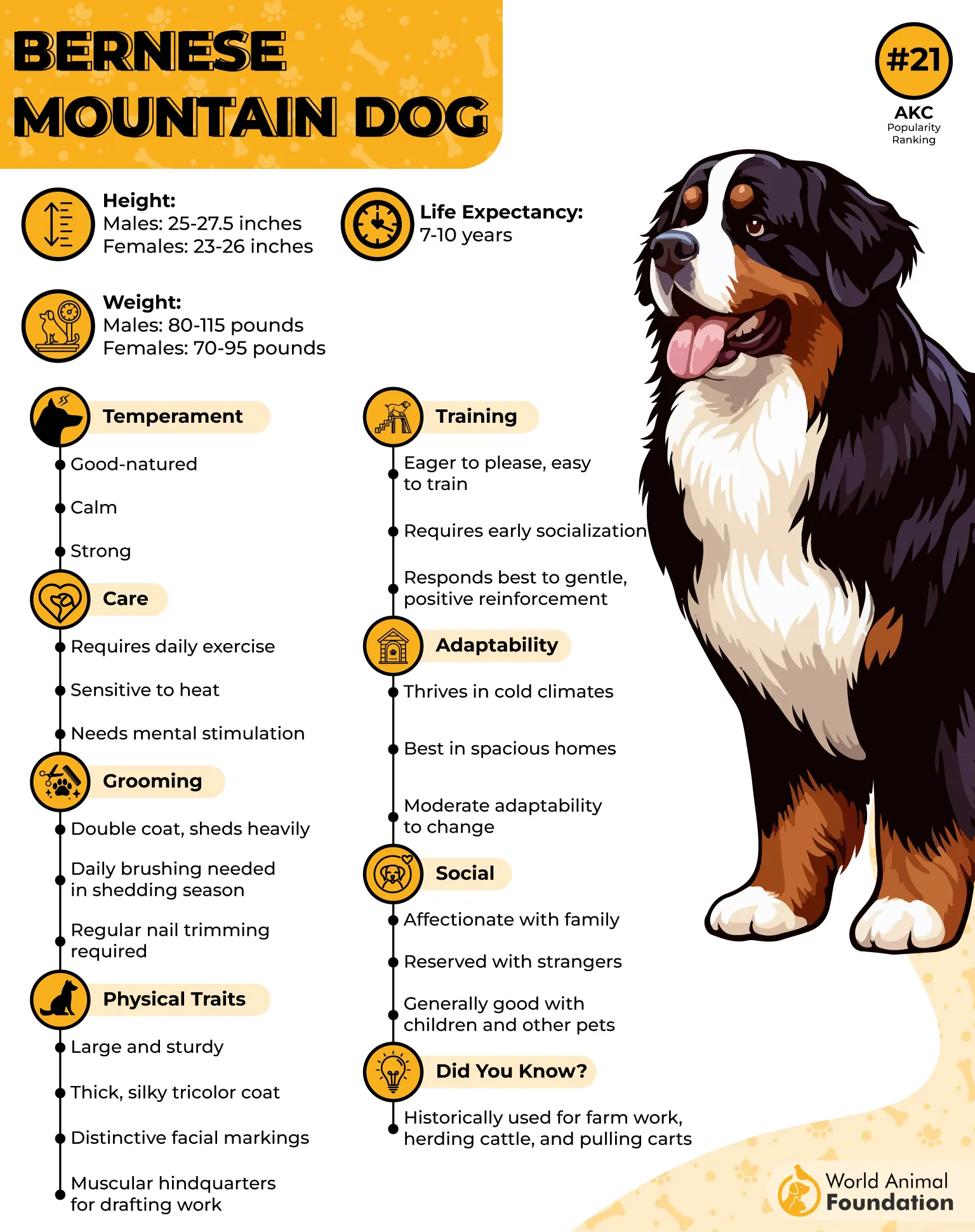
Today, they are mostly loved as family companions. Their thick tricolor coats, calm expression, and loyal nature give them a warm and noble look.
Calm Family Companions
Bernese Mountain Dogs are usually patient, gentle, and loving with their families. They often do well with children and other pets when properly socialized.
They can be a little shy or aloof around strangers, but they are not usually threatening. They like being close to their people and may become unhappy or anxious if l eft alone for long periods.
Training, Exercise, and Care
Orvis mentions that Bernese Mountain Dogs are intelligent and eager to please, so they often respond well to positive training. Harsh corrections do not suit them because they are sensitive dogs.
They need daily moderate exercise, such as neighborhood walks, hiking, camping, cart pulling, obedience, rally, tracking, herding, or nose work. Their thick double coats shed heavily all year and need regular brushing and bathing.
Conclusion
Choosing a gentle and protective dog is about finding the right balance. The best calm guard dogs are not aggressive or difficult by nature.
They are loyal, watchful, loving, and steady when raised with proper training, socialization, and care. These breeds can bring comfort, companionship, and a quiet sense of security to the right home.
Before bringing one home, think carefully about your space, lifestyle, experience, and time for training. A protective dog is a big responsibility, but the reward is just as big. With patience and commitment, you can build a bond with a dog that is not only a calm guardian but also a trusted family friend.
Looking for more great guard dog breeds? You can also check out the German Shepherd, Staffordshire Bull Terrier, Giant Schnauzer, Doberman Pinscher, Great Pyrenees, Tibetan Mastiff, and Belgian Malinois.
