




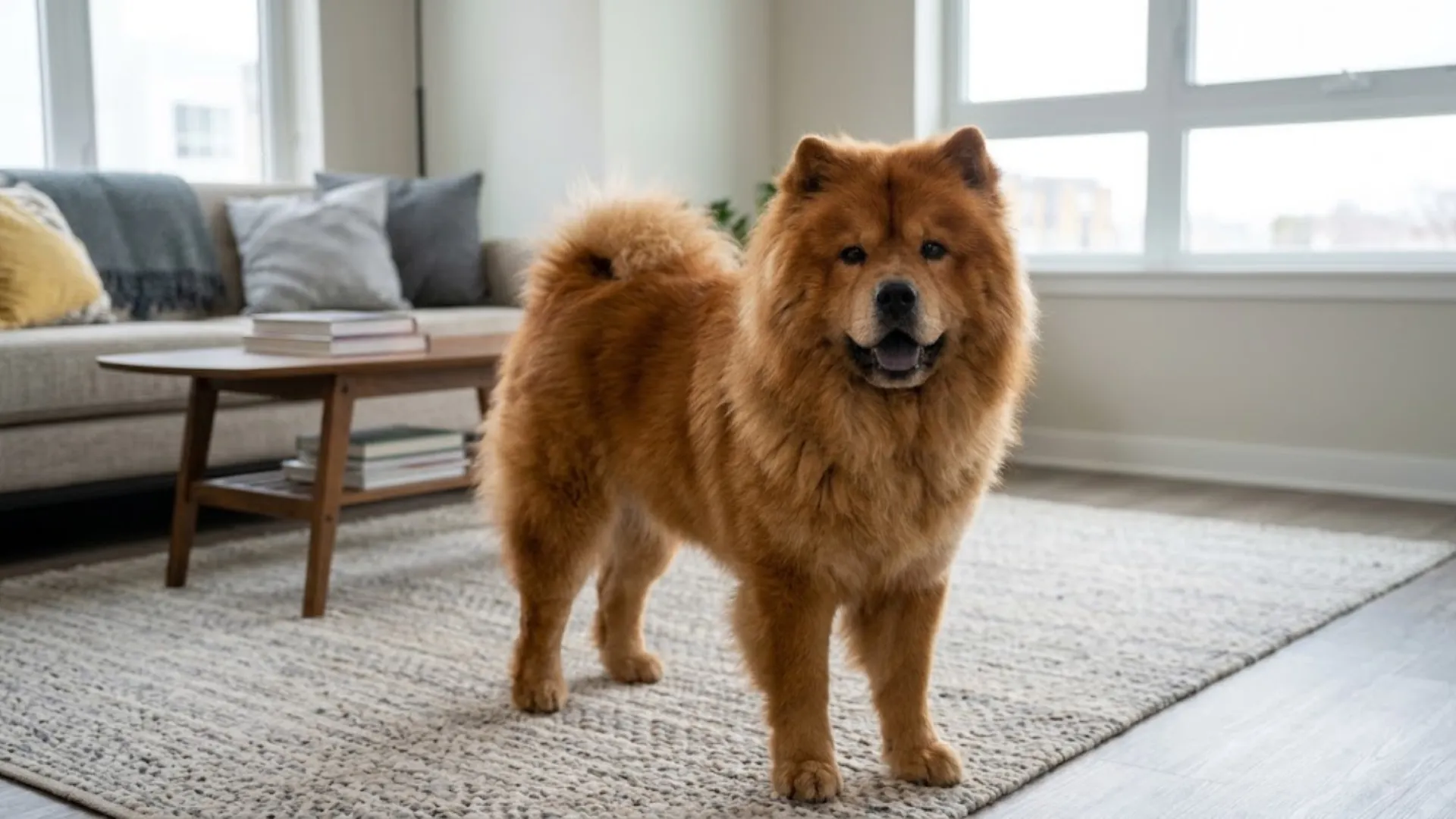
While your dog might be your favorite work partner, not every meeting, errand, or workday will require a furry partner. For instance, if you need to travel from the house from time to time, a pet with a more independent temperament may make things easier.
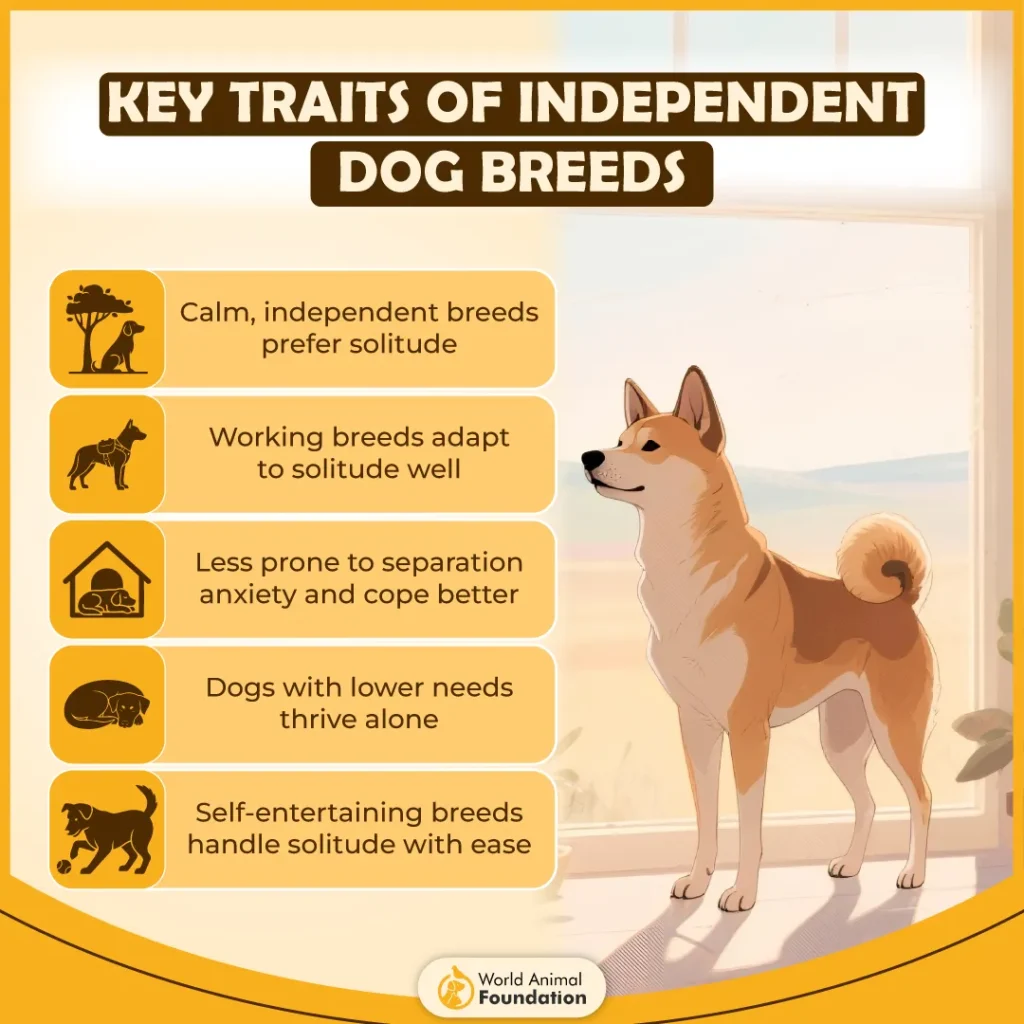
Many dogs, from young puppies to senior dogs, can have individual dog personalities. They do well even if you leave them in a doggy daycare. Unlike most breeds, these dogs understand your emotions and can act as your personal companion. They are less prone to separation anxiety than most dogs.
But being independent does not mean that your dog should be left alone all the time. Age, experience, training, and personality are as important as breed tendencies. If you wish to have a good and friendly dog that can handle time alone, you should consider the seven breeds listed below.
Friendly Dog Breeds That Can Be Left Alone Safely
1. Chow Chow
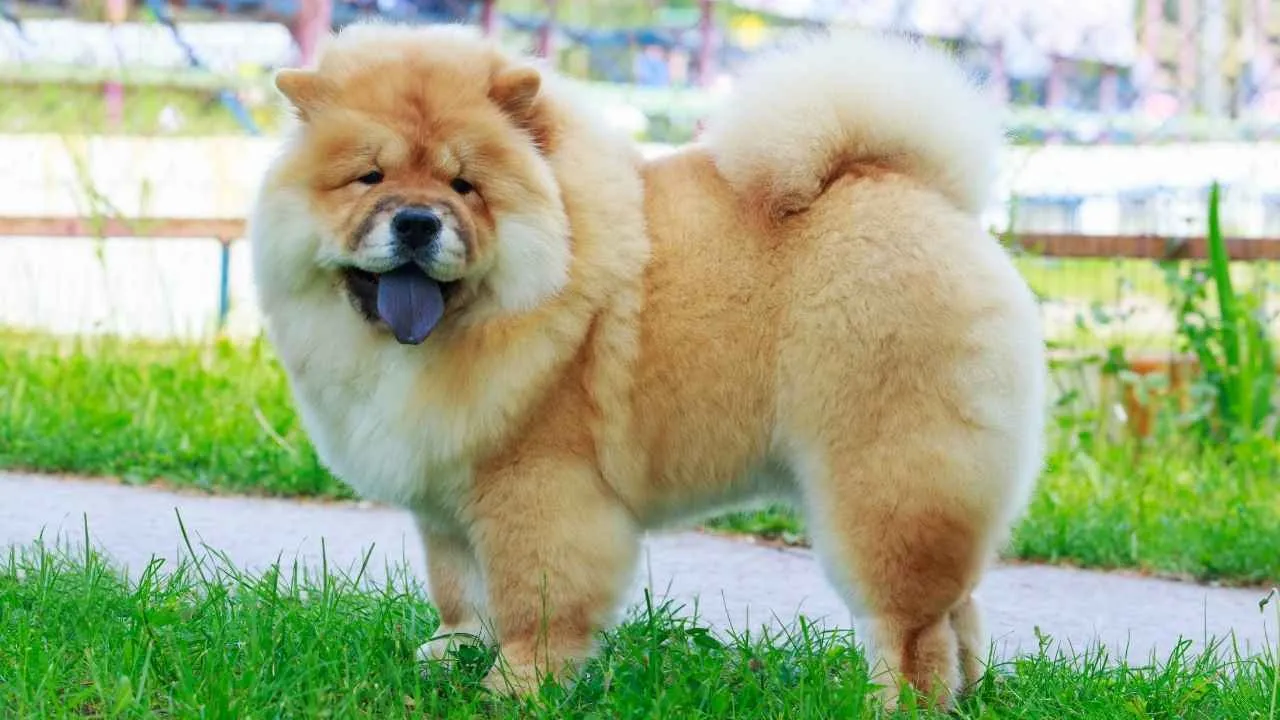
Chow Chows have a dignified expression, a fluffy coat, and an independent nature. This strong-boned breed is native to China and may develop a strong family bond without being needy. Chows are not as possessive of their families as other dogs, which follow their families around. They rest close by only.
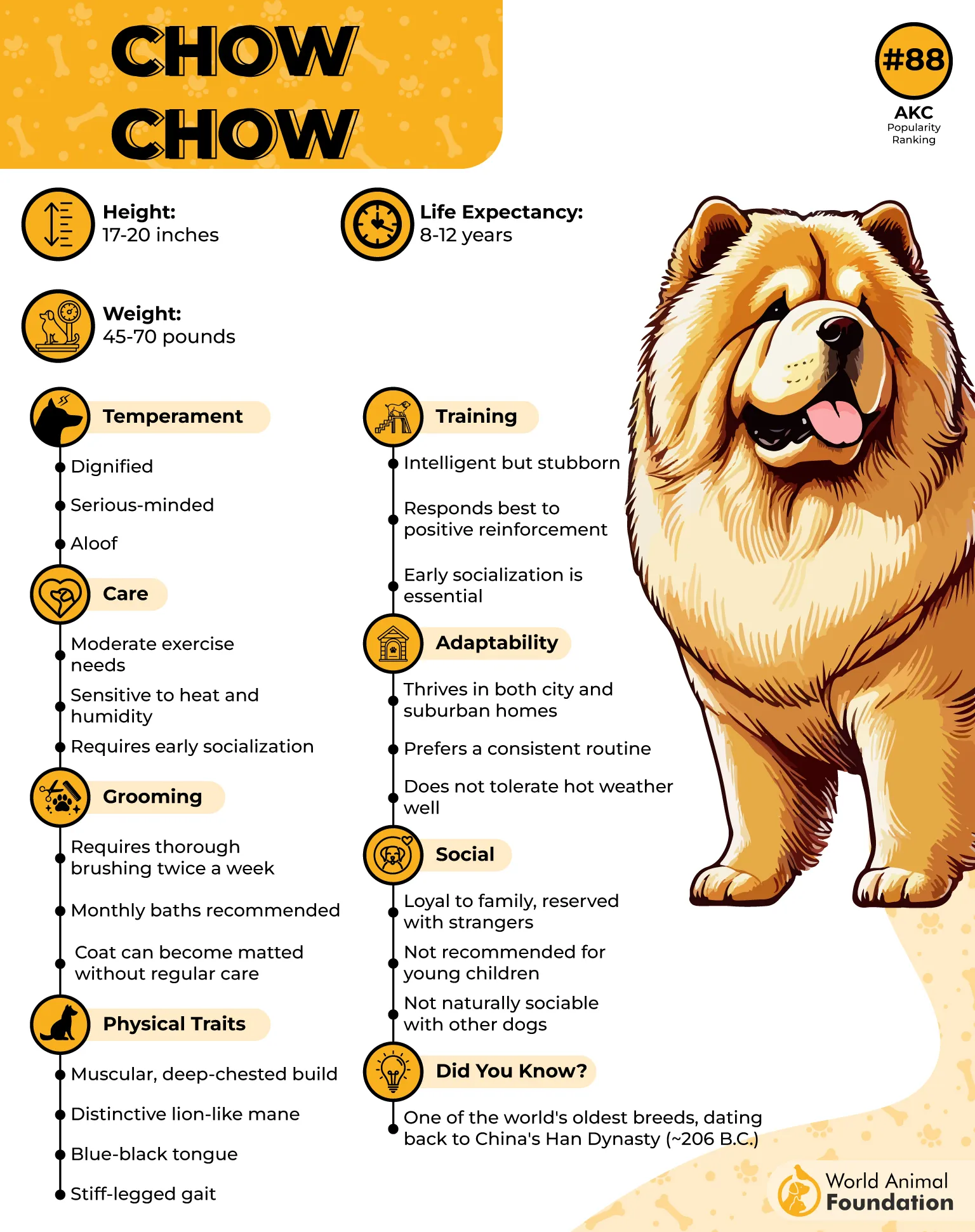
A Chow Chow’s self-contained nature makes it a good option for a family where spending time away is inevitable for short periods of time. They are reserved around strangers and can be stubborn, which makes training a challenge, so it is important to socialize these dogs from the beginning.
Daily strolls, interaction, clean water, and a quiet place to rest are vital for these dogs. They also have a thick double coat that must be groomed regularly and will need special attention, according to the American Kennel Club.
2. Boston Terrier
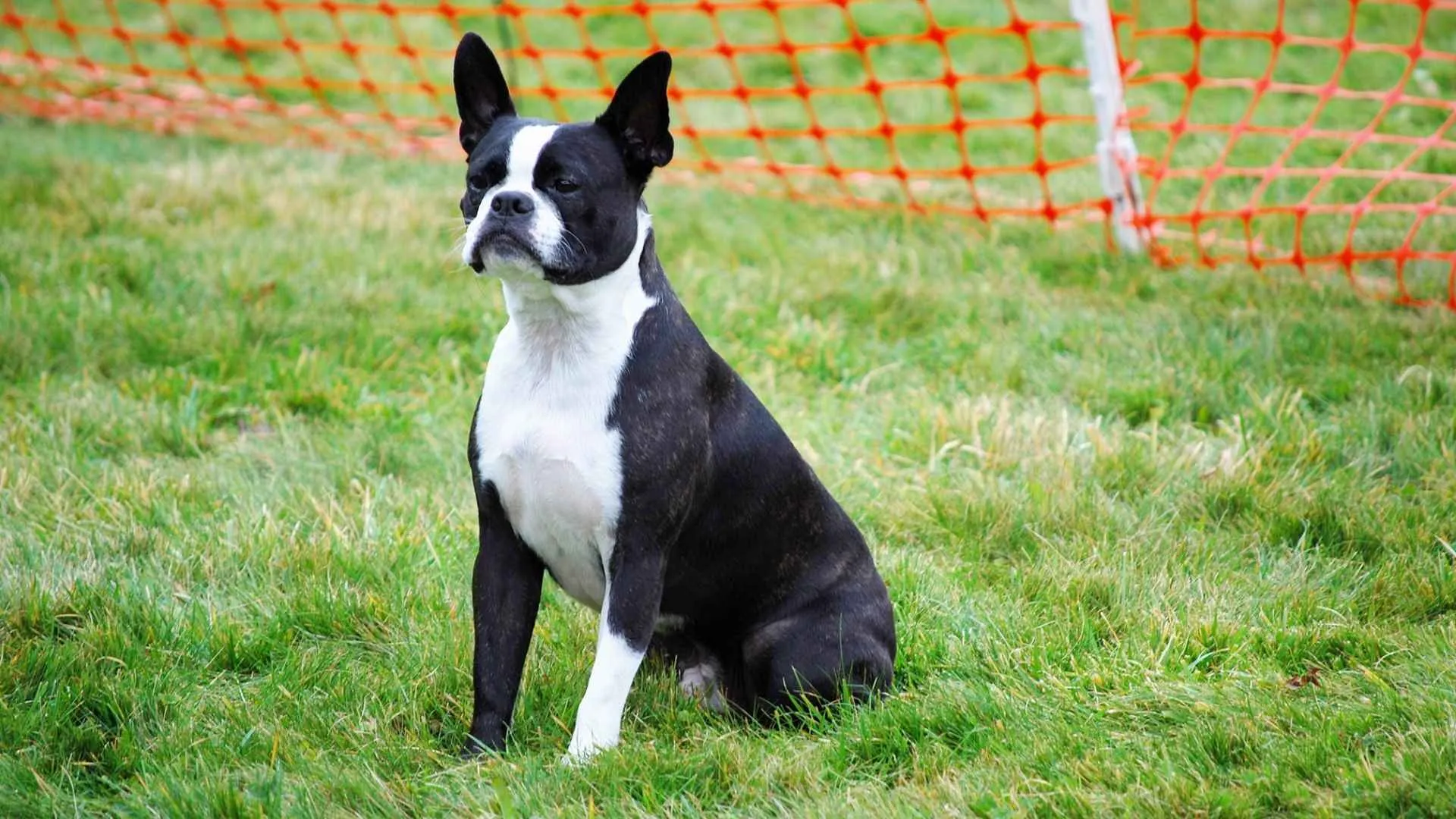
The Boston Terrier is a small, expressive pet dog and is often characterized by its tuxedo coat. It is friendly, lively, and people-oriented and can adapt to apartment living and smaller households. It is easy to care for for many owners due to its small size.
Boston Terriers have an independent streak, according to Purina. An adult Boston Terrier can be fine if there is no human contact for a time. Be sure to provide them with necessities before leaving them, such as shelter, clean water, and food so they can stay settled.
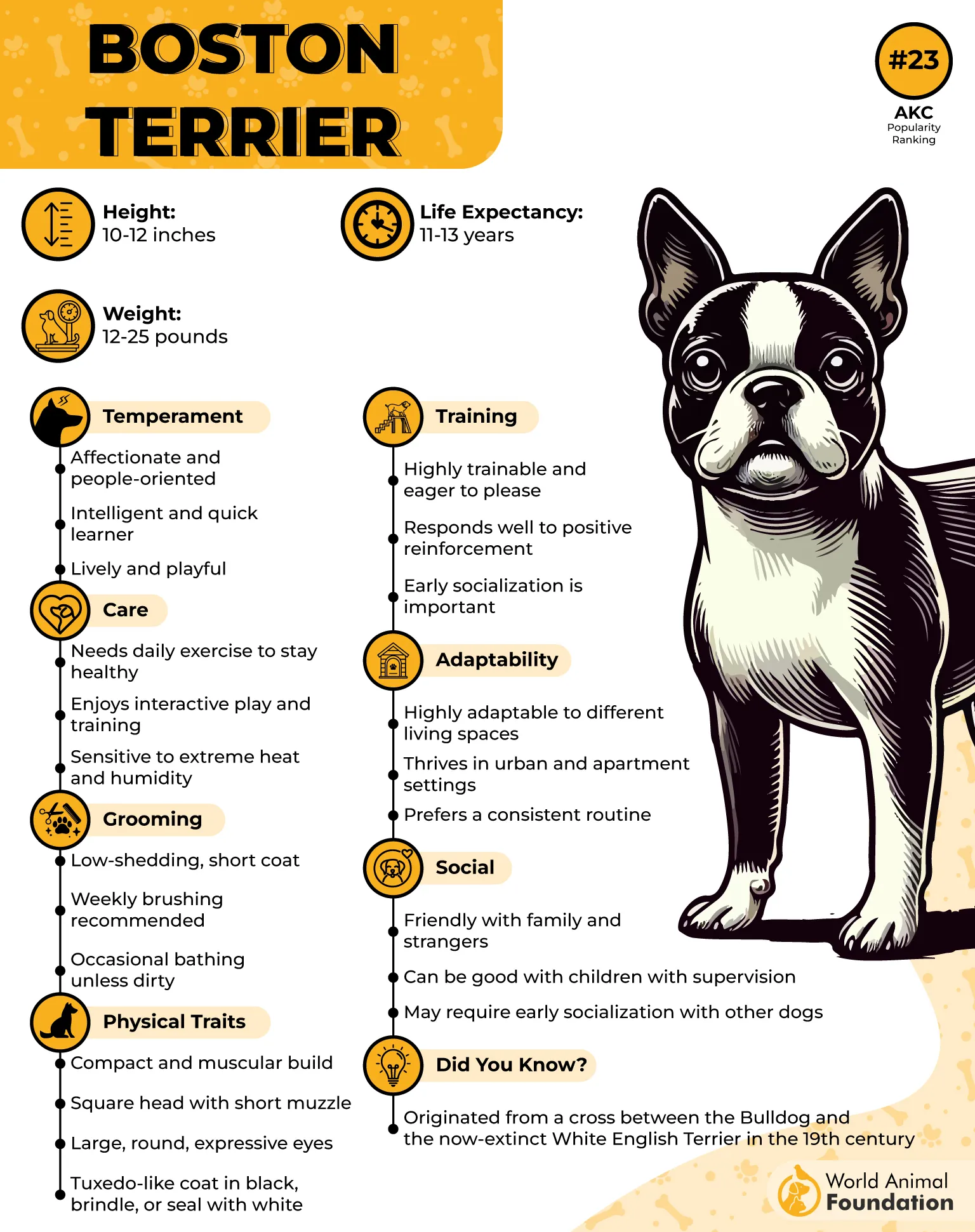
Exercise should be age- and health-appropriate. The short, flat muzzle makes these dogs susceptible to breathing problems and overheating.
Owners should maintain moderate and slow alone time practice. A familiar resting place and safe enrichment can help. Consider this breed for its loving nature and its ability to stay calm when left alone for some time.
3. Basset Hound
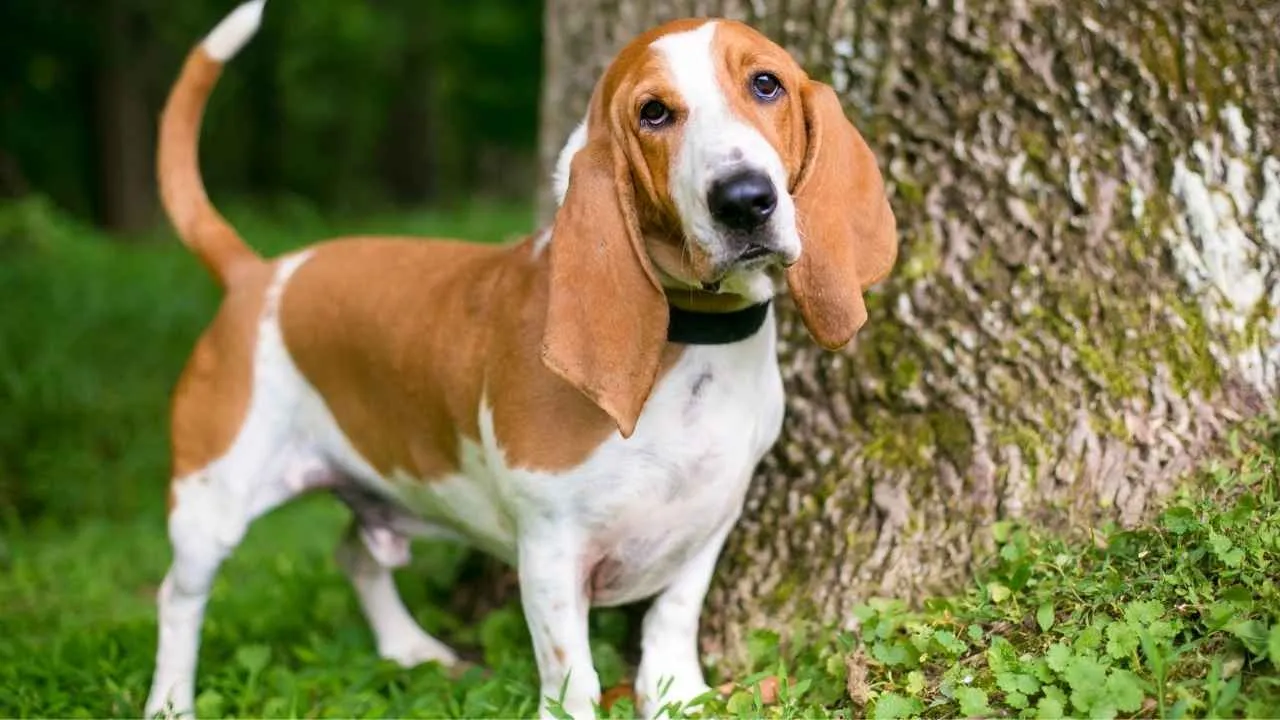
With droopy ears, soulful eyes, and a nose that seems to have its own agenda, the Basset Hound has a unique personality. It was developed for scent-based hunting but is described as peaceful and patient at home. It is popular for being a relaxing walking companion, and it sits and relaxes after walks as well.
But their casual demeanor can be deceptive. Bassets are scent hounds, and if they smell something interesting, they will investigate or run after it. They require regular activities, sniffing opportunities, and access to outdoor areas.
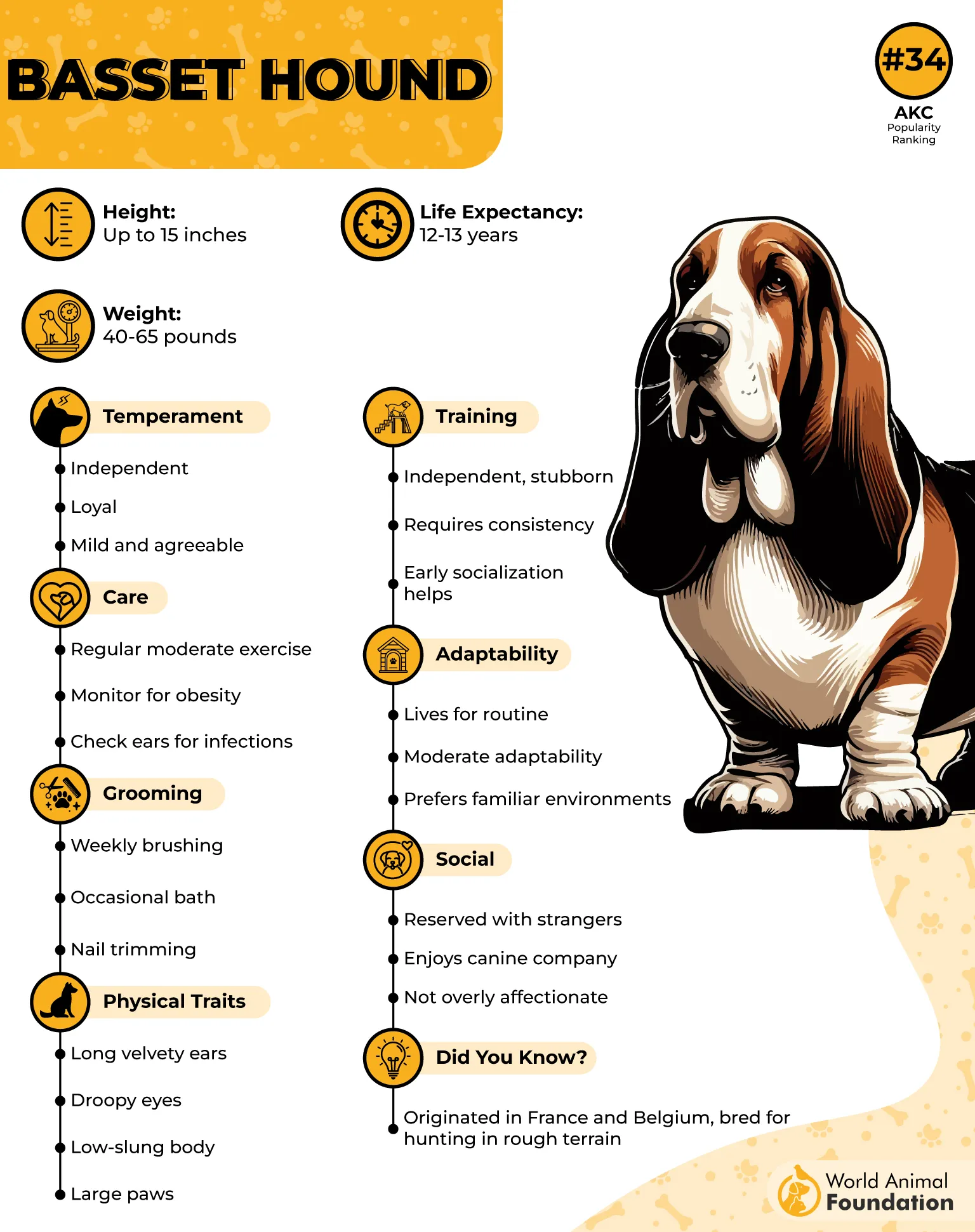
Basset Hounds can be taught to stay independent for brief periods inside homes when they are left alone. Be sure to make these dogs comfortable so they do not resort to unwanted behaviors. Also be sure to feed them appropriately, as they can gain weight easily, according to Dog Breed Info.
4. Basenji
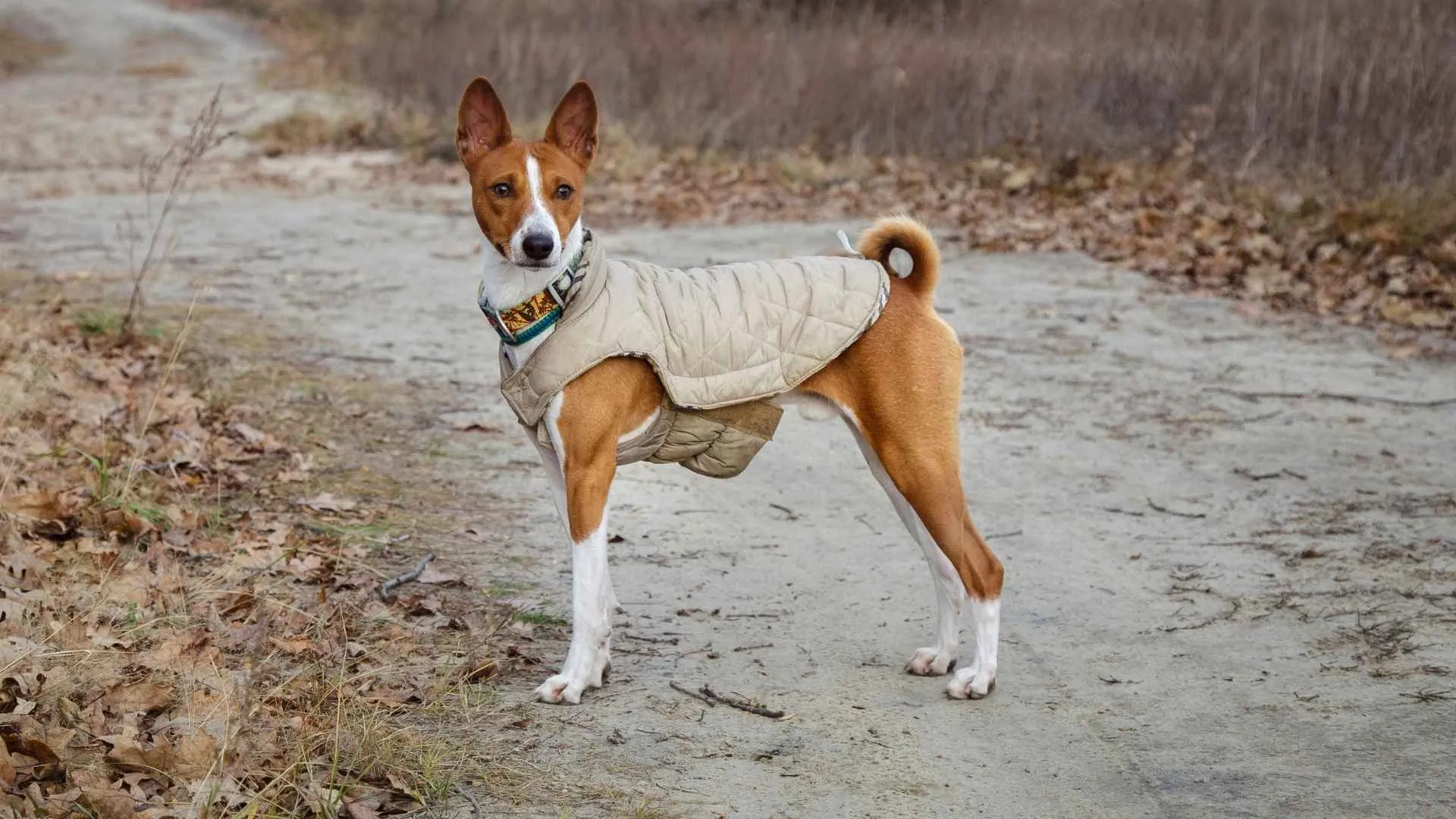
Originally bred as hunters in Central Africa, the Basenji is smart, alert and intelligent. It is well known not to bark like other dogs, but can make other sounds, including yodel-like vocalisations. Its independence might appeal to those who want a dog that isn’t seeking reassurance constantly.
Basenjis are inquisitive and active dogs. They require daily movement, brain stimulation, and a safe environment. They can be easily tempted into chasing small animals and may get bored if they are left idle, which can make them engage in destructive behaviors.
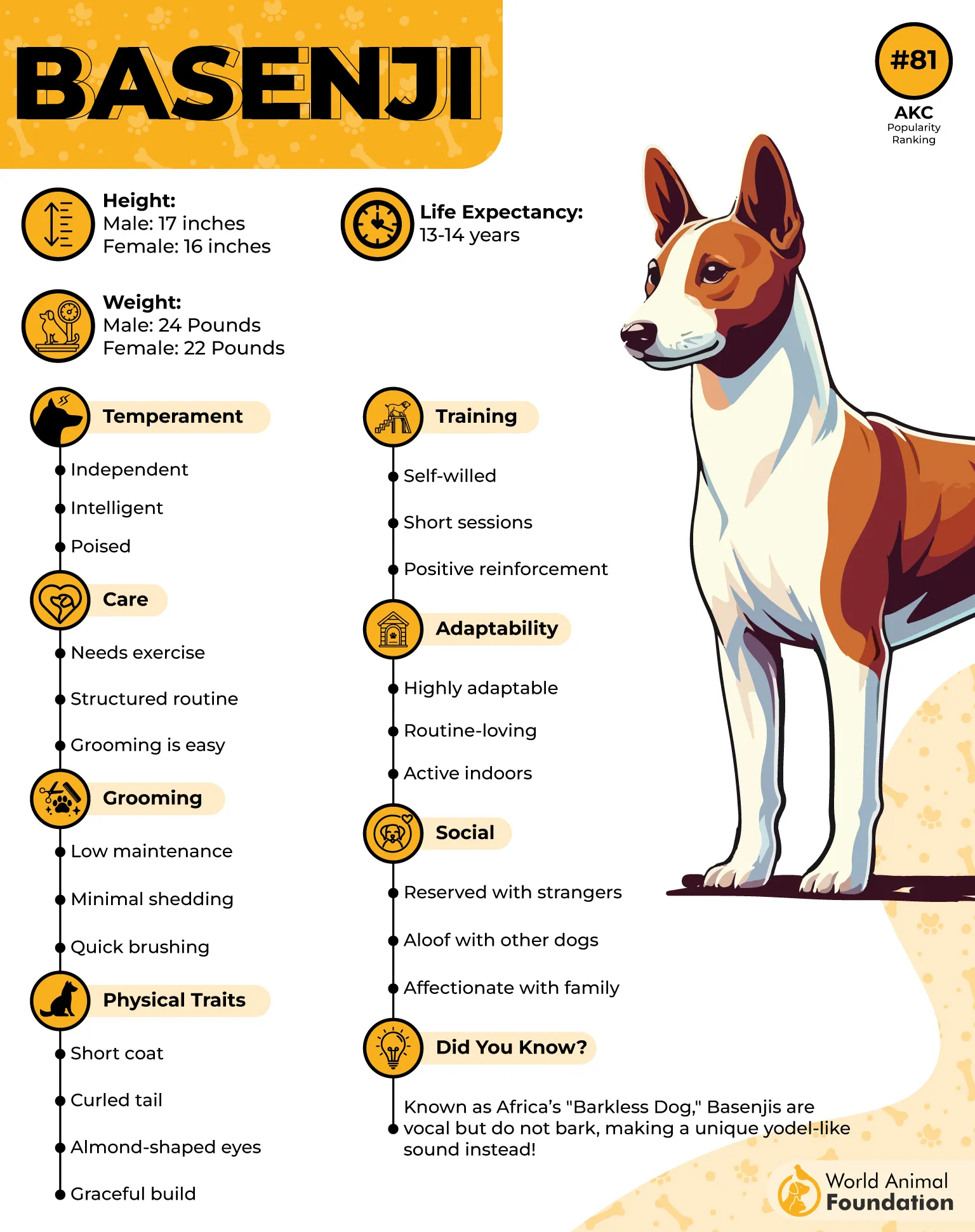
Alone time training should start with short time-out sessions. Prior to departure, provide exercise and opportunities to sniff and explore. Ensure that you have made the home dog-proof before leaving, particularly with regard to food, electrical cords, or items that can be chewed up.
A Basenji can be for a person who enjoys an active, intelligent dog with limited time for their pets.
5. Bullmastiff
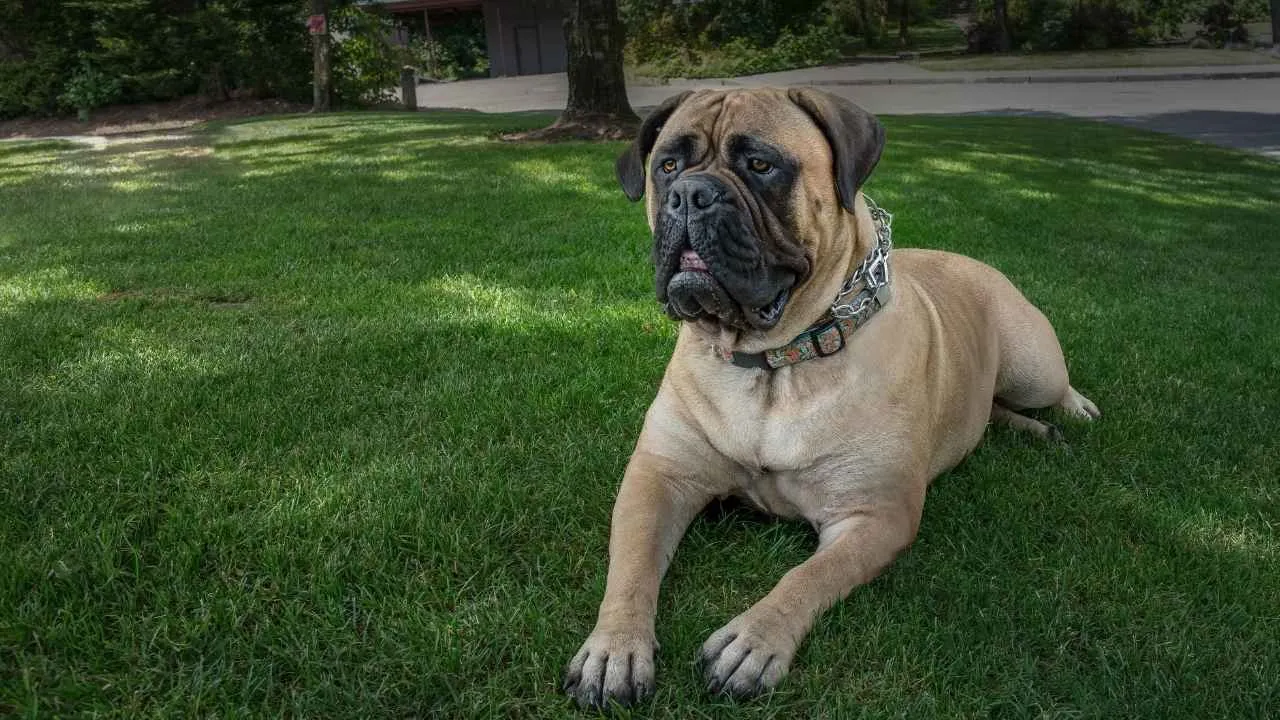
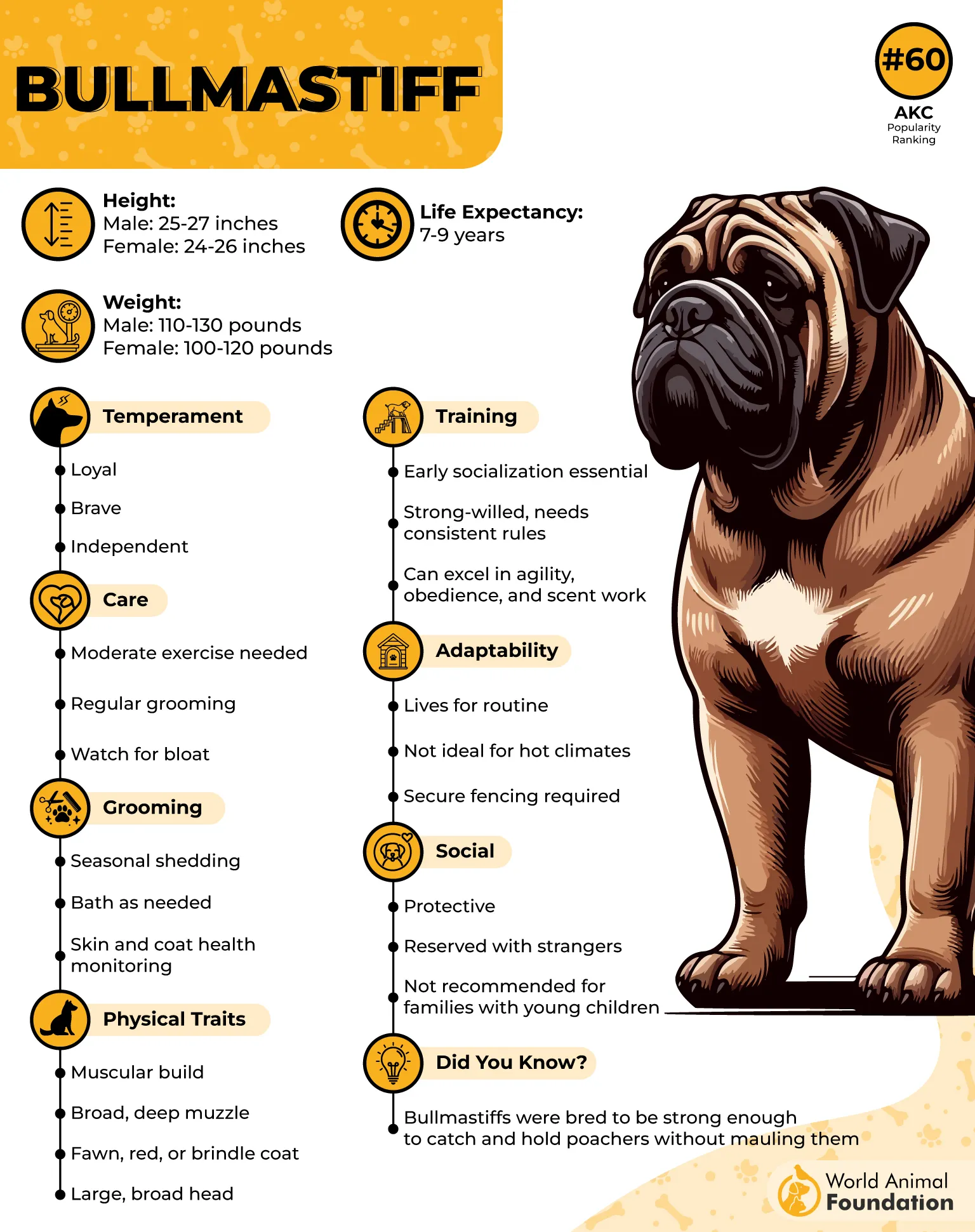
Bullmastiffs are large, quiet, and loving family dogs with a huge stature. They are guardians that were bred in Britain, are watchful, and might like to lie down after work and play. The relatively easygoing demeanor is a benefit to owners who don’t have much time to give their dogs.
These dogs can easily understand when you want to leave, although they will need to get used to it at the start through training sessions. First, move into other rooms and make them understand that this is nothing to be concerned about. Then slowly start to leave the house for small amounts of time.
Be sure to offer water, food, and a safe place to rest when going out so they can relax easily.
These dogs’ huge size means they need a large area to relax and play. Regular walks, training, and early socialization are crucial for dogs of this size. If they are not trained properly, they will become a nightmare to manage due to their huge size and weight.
6. Lhasa Apso
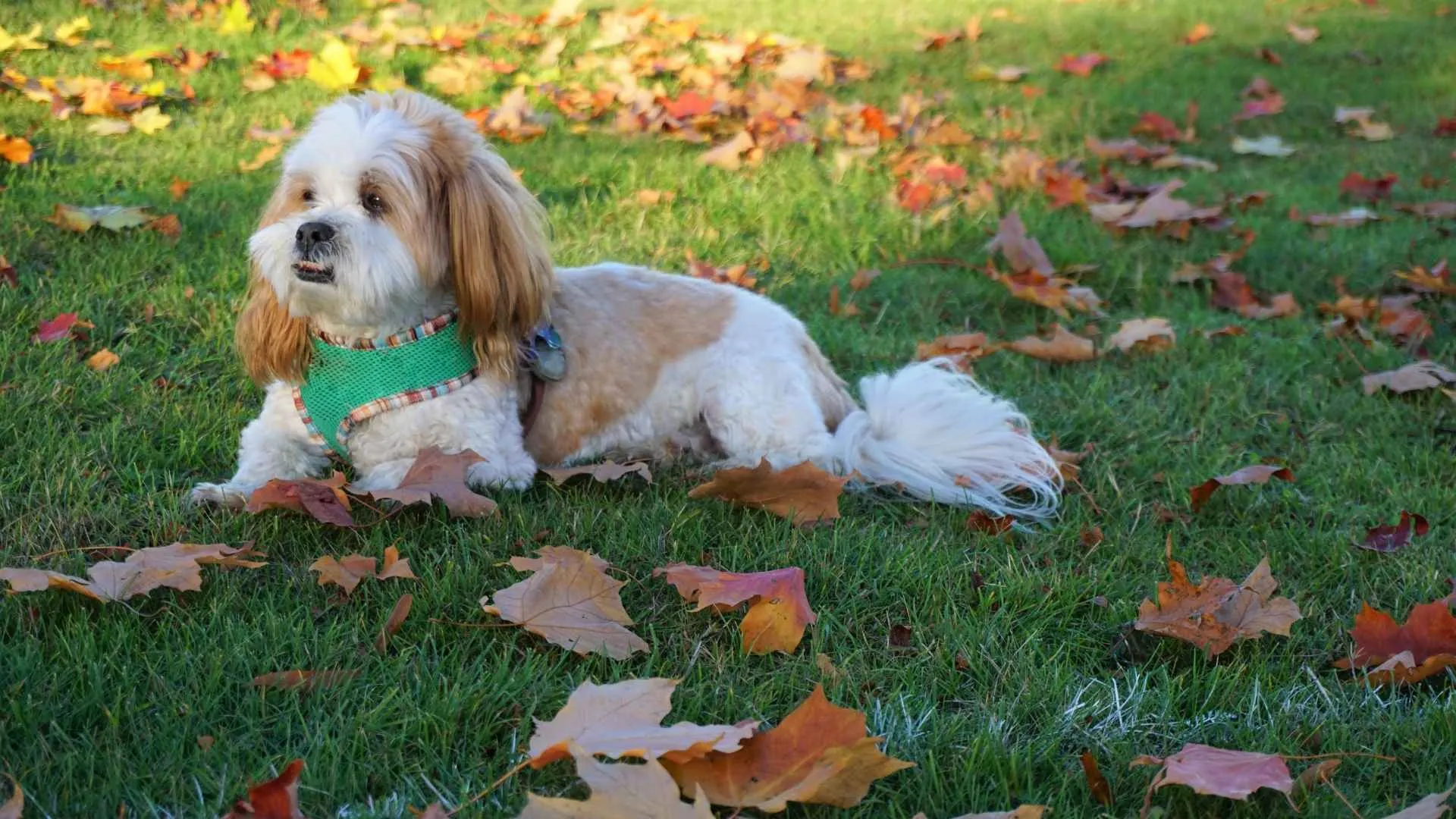
Although the Lhasa Apso appears to be a small lapdog, it has many years of service as a Tibetan home and monastery watchdog. It is affectionate with familiar people and cautious of strangers. They have a confident and independent temperament, which makes it easier for these dogs to be alone.
Consistency will make a Lhasa Apso feel more secure. Provide for a walk or play time, a toilet break, and a quiet rest area before departing. Slowly separate and look for signs of stress; don’t assume your dog is fine just because it is quiet. Slowly, these dogs will understand and be calm in their new isolated environment.
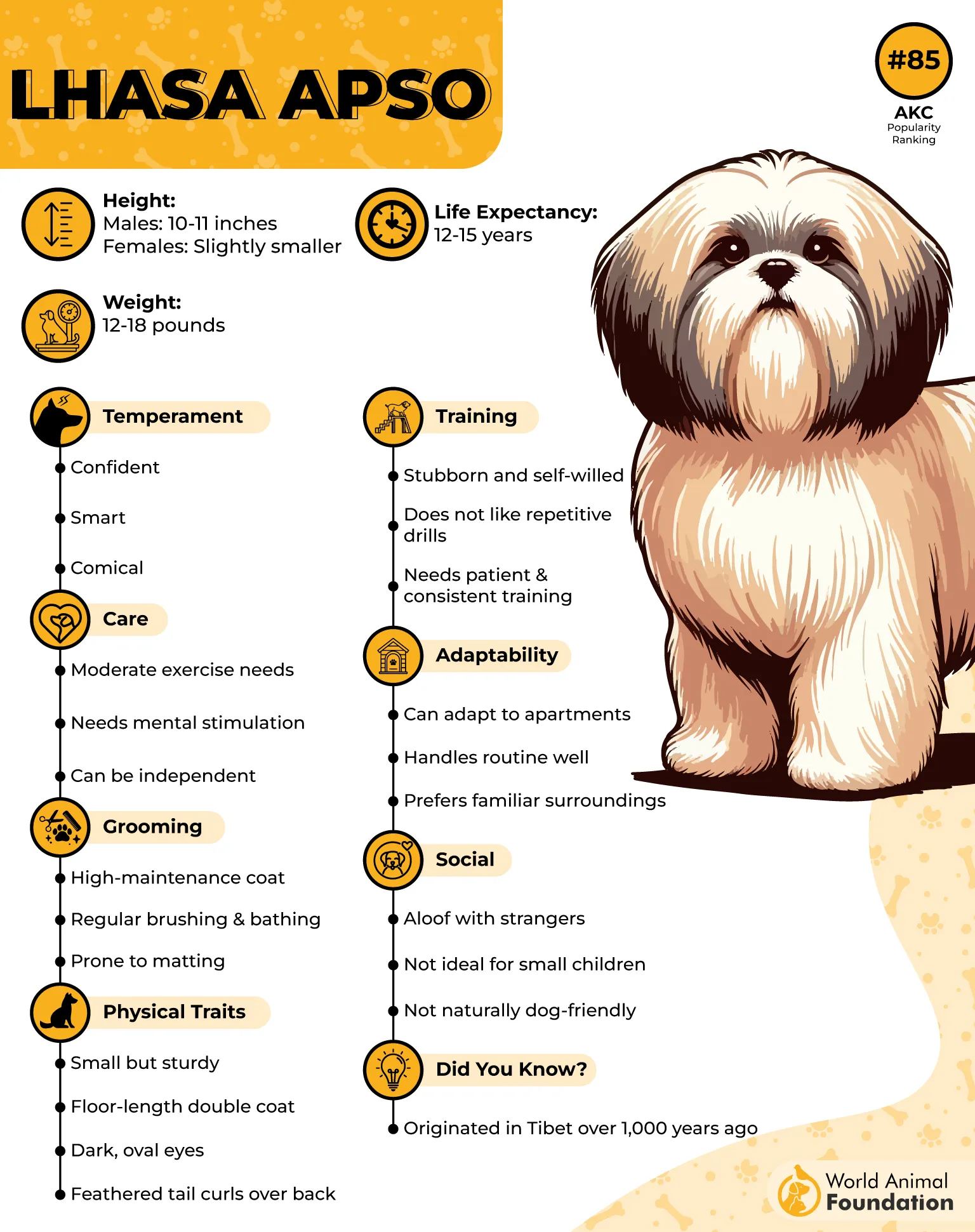
Even these little watchdogs demand a lot of attention, training, and companionship. They are effective watchdogs for sounds in hallways and at windows. Reward quiet behavior, which will further make these dogs peaceful.
They will also need regular grooming so they can look at their best all the time.
7. Shiba Inu
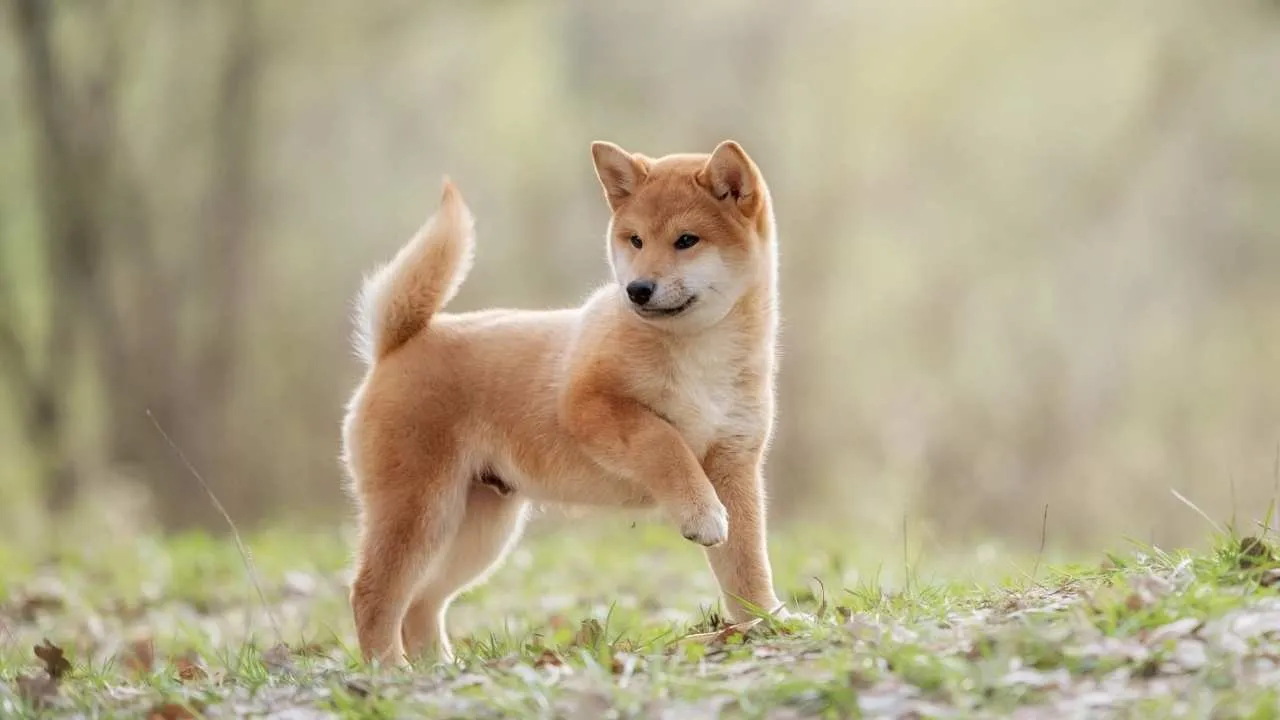
The Shiba Inu is a small Japanese dog that has the appearance of a fox, is alert, and has a self-reliant nature. They are high energy and may be inquisitive without being demanding. This independence is also a desirable trait for some owners, who prefer this dog in contrast to other clingy dog breeds.
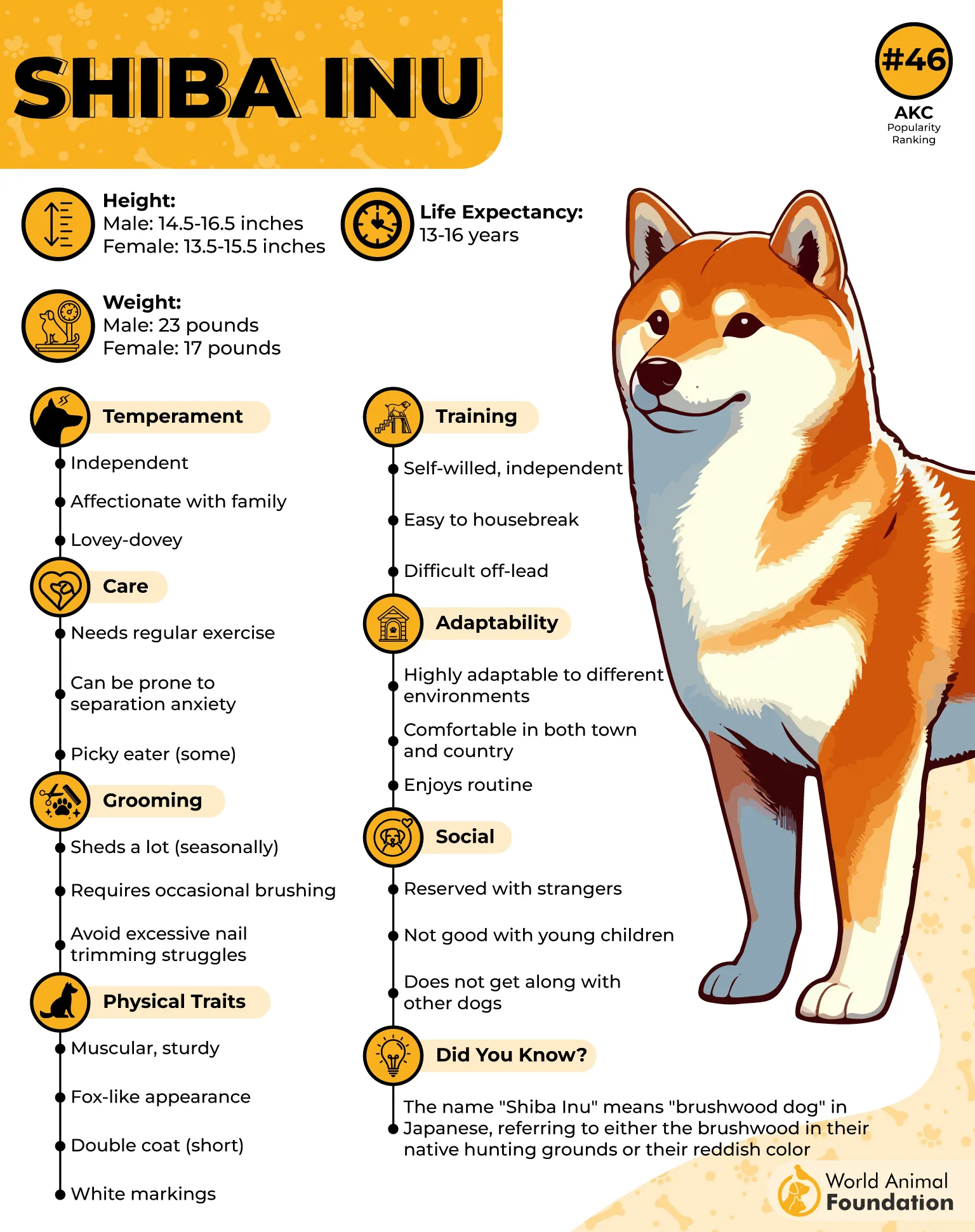
They are intelligent and love to follow routines. They are persistent, making it important to patiently and creatively train them with rewards and clear guidelines. They are very prey-stimulated, so it is essential to secure them and keep them on a leash.
Introduce alone time slowly and provide a safe, comfortable place for the dog to rest without any issues. If they appear anxious, decrease the time and slowly increase it over time.
Conclusion
Each dog breed has attributes that could match different families, but all of the breeds listed above can spend time alone without major hurdles. Some are more self-reliant; others might require additional support and comfort.
Dogs with lower energy are perfectly content when left alone for long periods. They are the right dogs to keep if you live in a small apartment or have busy schedules. Some of them can even be guard dogs with the right mental stimulation and training methods.
The best companion will be the one that can match your routines, so research carefully when adopting your pet and then enjoy time with them whenever possible.
