




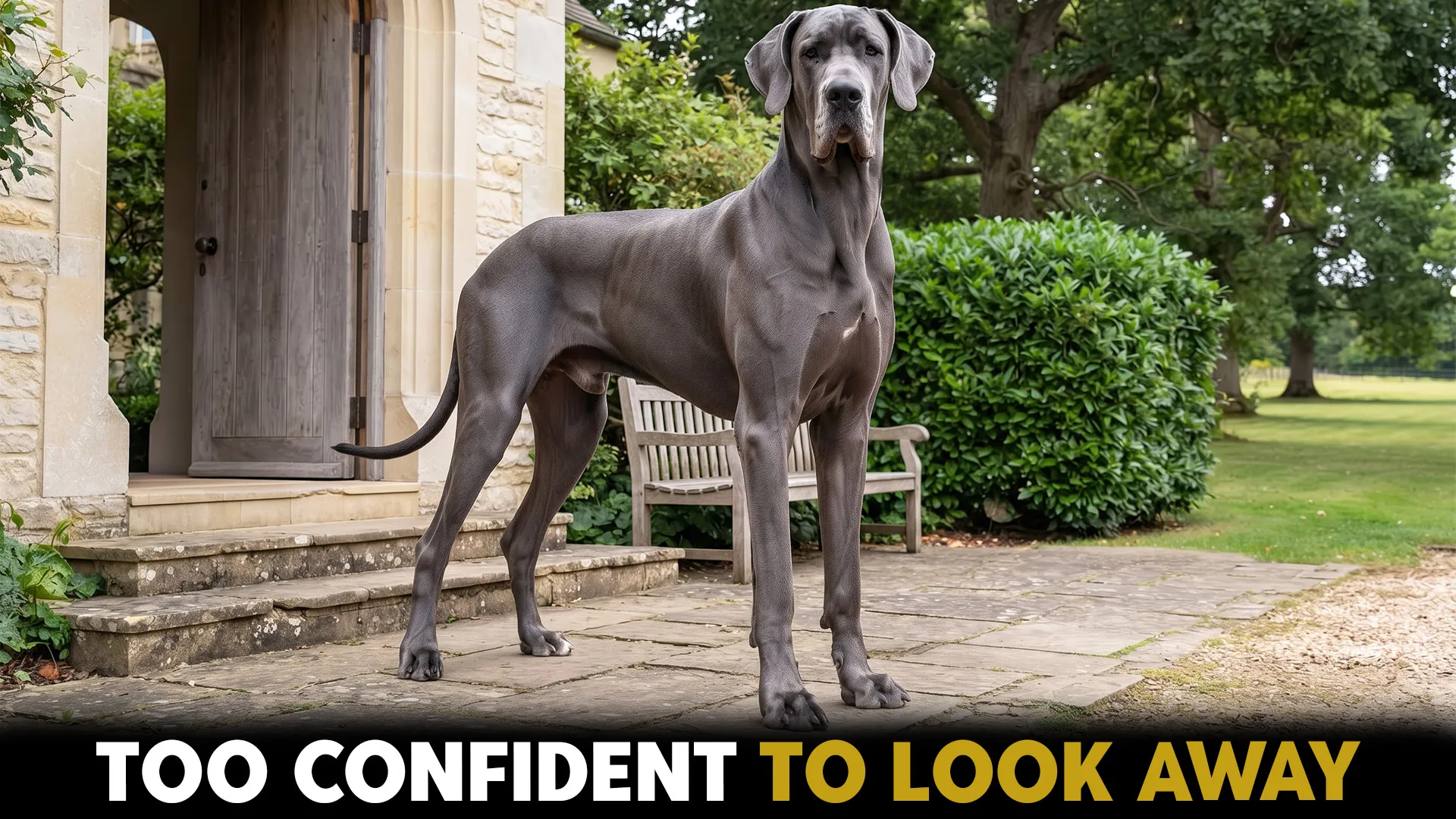
Large dogs have filled demanding roles throughout human history, from guarding estates and livestock to accompanying hunters across difficult terrain. Often, their jobs required more than physical power. A dependable working dog also needed enough confidence to assess unfamiliar situations, remain composed under pressure, and act without waiting for constant instructions.
Their self-assured behavior doesn’t necessarily mean they are unfriendly or difficult to handle, but it does mean owners should understand the breed’s instincts. A powerful dog with a strong personality benefits from early socialization, consistent training, and an owner capable of setting clear boundaries.
The large breed dogs below represent several different types of giant dog breeds, including historic guardians, hunting companions, and athletic hounds. Each possesses its own version of courage and self-reliance, while their physical size gives them a presence that is difficult to overlook.
Fearless Independent Large Dog Breeds That Pack Strength
1. Great Dane
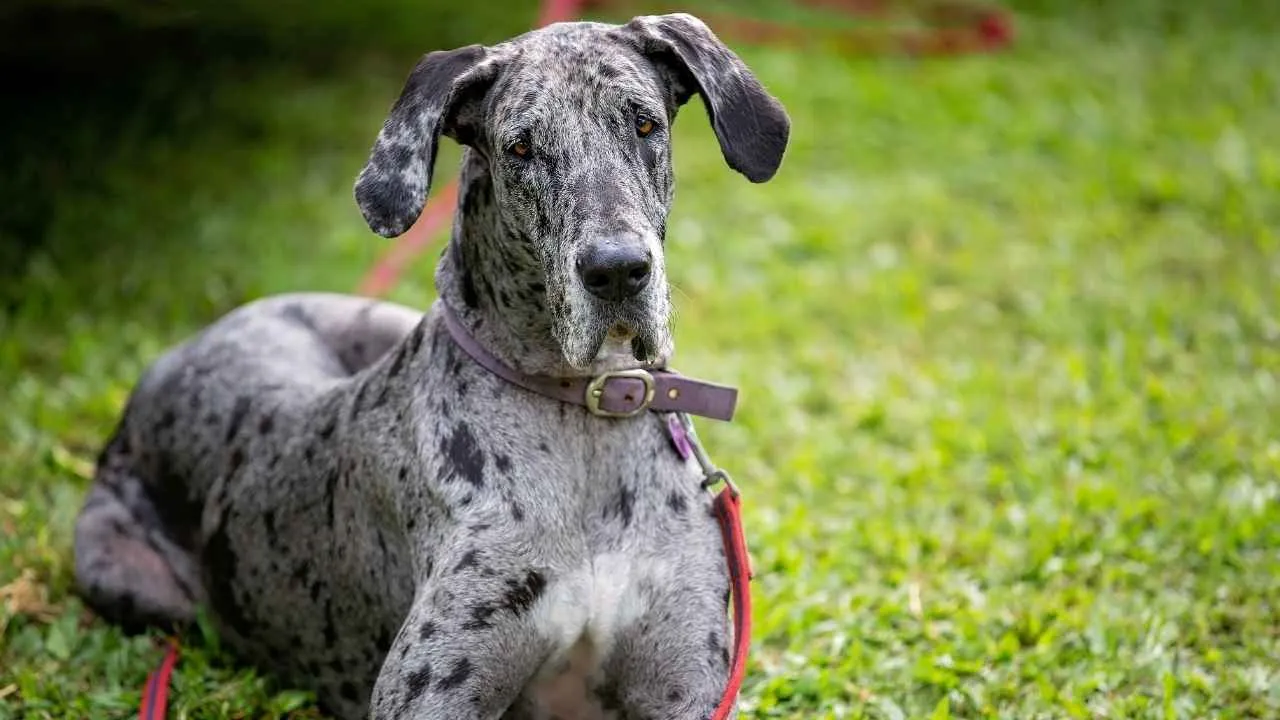
Great Danes have European roots, with their development shaped particularly in Germany despite the breed’s English name. Their ancestors included large hunting dogs used by nobles to pursue wild boar and other substantial quarry. Over time, selective breeding shifted the Great Dane toward the elegant companion and guardian type recognized today.
A Short Coat and Surprisingly Moderate Activity
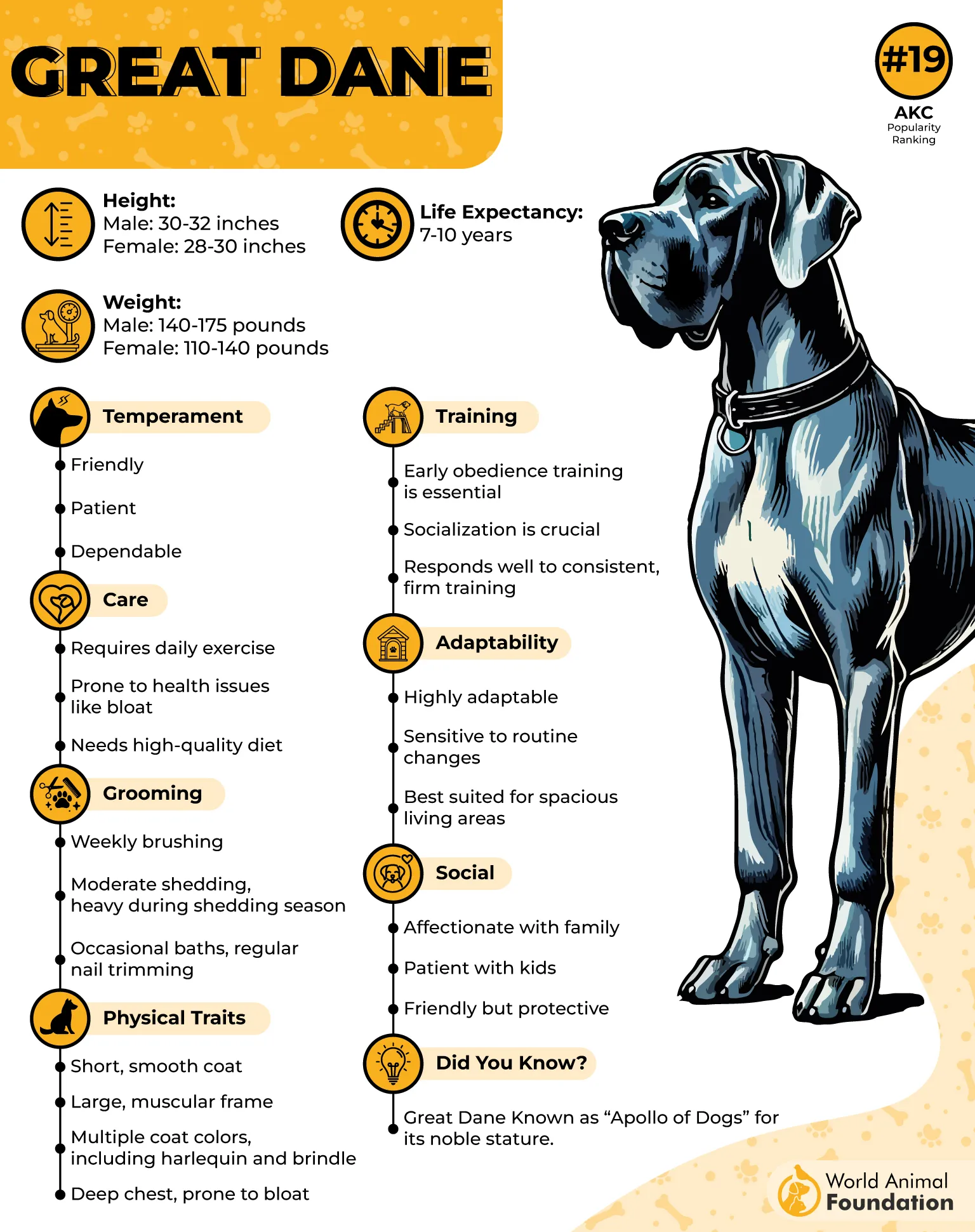
The Great Dane’s short coat is relatively easy to maintain, usually requiring occasional brushing and routine grooming. Despite its enormous frame, the breed does not need endless strenuous exercise. Regular walks and controlled activity are generally preferable, particularly while the dog is young and its skeletal system is still developing.
Quiet Confidence Behind an Enormous Frame
Great Danes can possess a calm, self-assured presence that makes them appear naturally imposing. Their hunting ancestry contributed to physical courage, while their later role as household companions encouraged a more composed temperament. A confident Great Dane may investigate unfamiliar situations without immediately becoming dependent on its pet parents for reassurance.
2. Mastiff
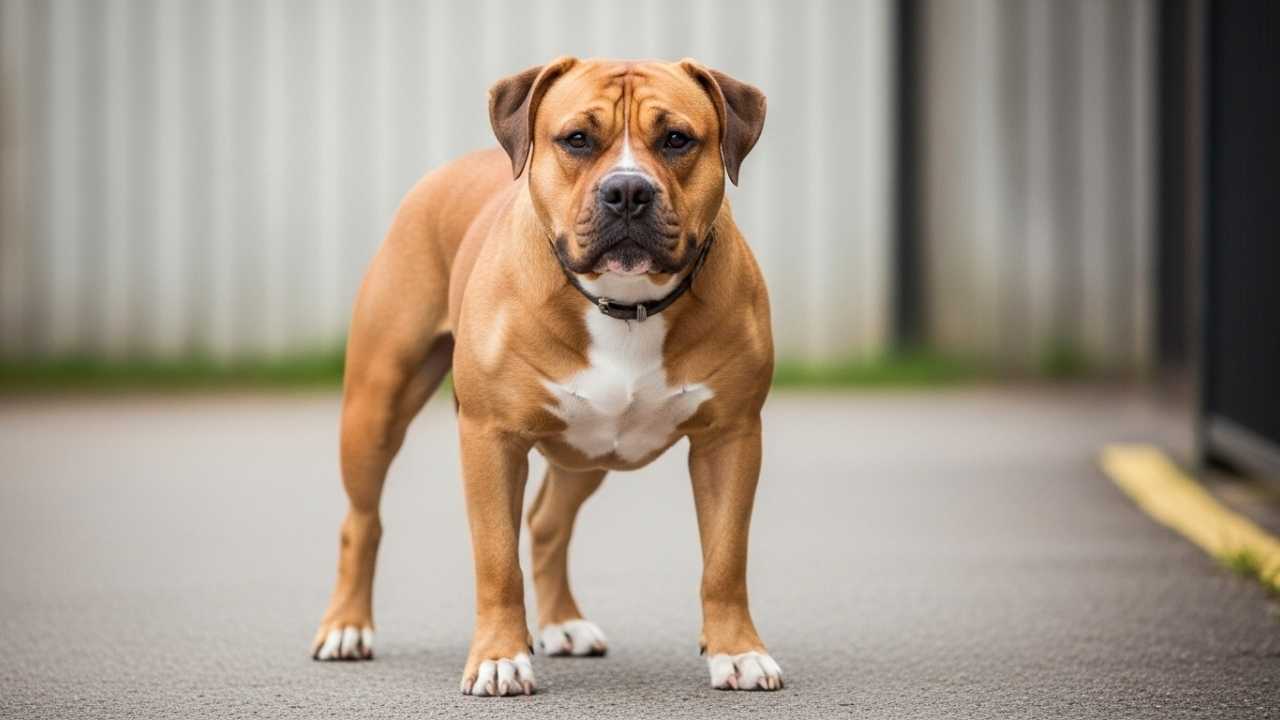
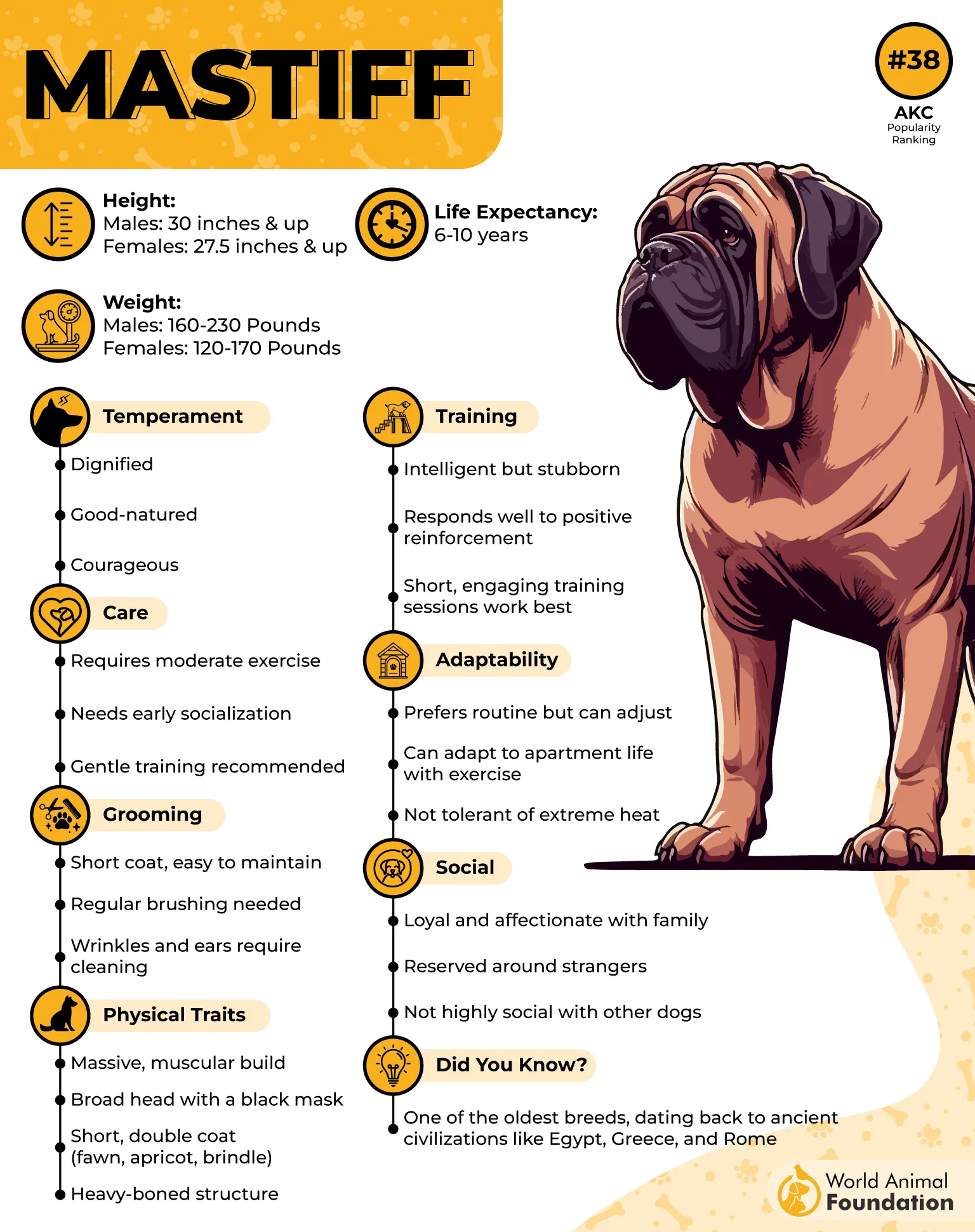
Mastiffs belong to one of the oldest families of large working dogs, with their history stretching back thousands of years. Ancient civilizations used mastiff-type dogs for guarding, warfare, hunting, and protecting settlements. In Britain, these powerful dogs eventually became associated with estate protection and property guarding.
A Dense Coat With Manageable Grooming Needs
The Mastiff’s short coat generally requires straightforward care, although regular brushing can help control shedding. Its exercise requirements should be approached sensibly because excessive strain can be unsuitable for such a heavy breed. Moderate walks, gentle play, and mental stimulation can provide an appropriate routine.
Strength Paired With a Steady, Self-Possessed Temperament
Mastiffs were historically expected to confront potential threats without constant human direction. That background helped produce a breed known for confidence and a strong protective instinct. Modern Mastiffs can be affectionate with their families while remaining watchful and deliberate when something unfamiliar enters their environment.
3. Irish Wolfhound
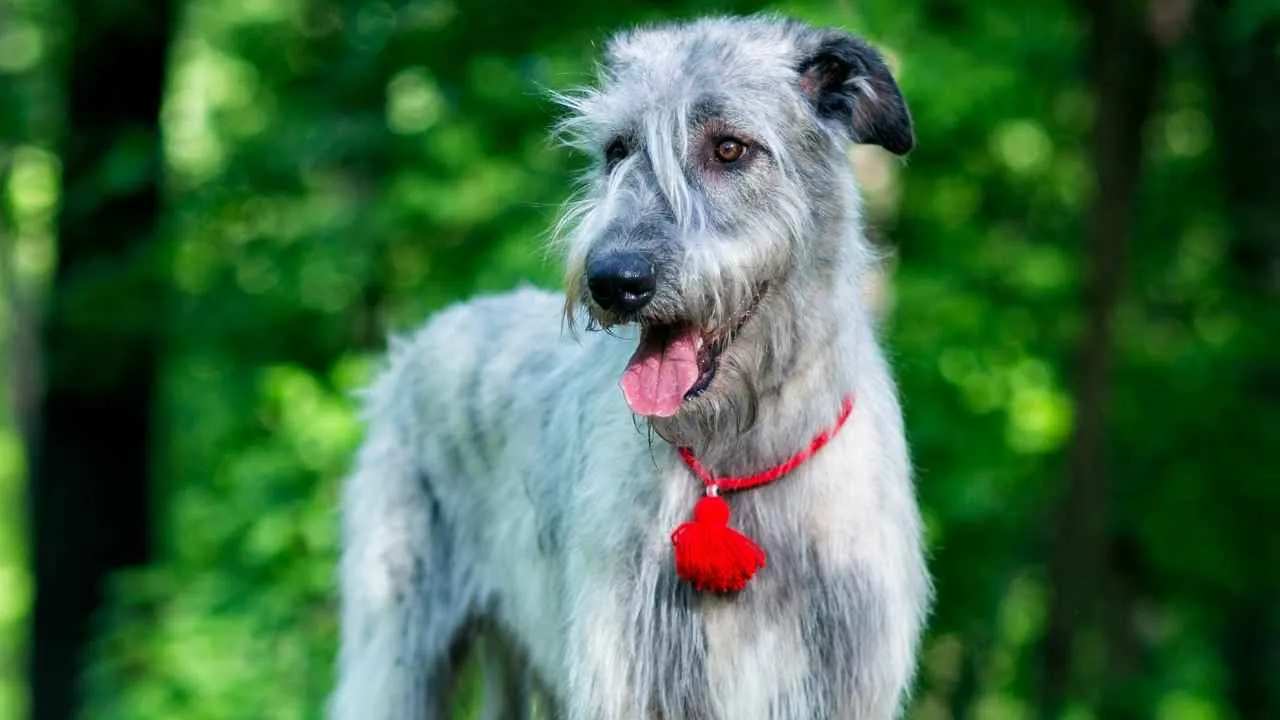
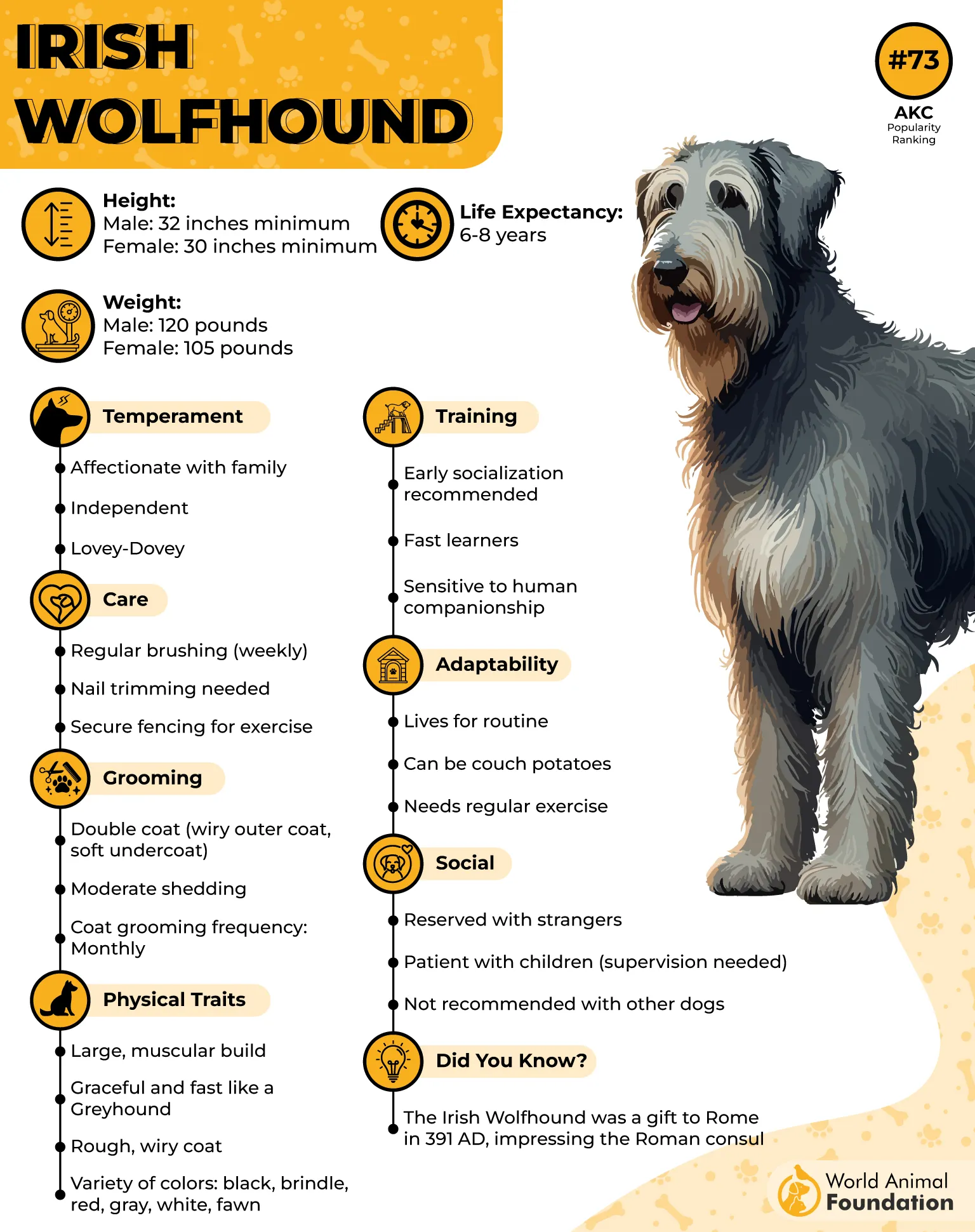
Irish Wolfhounds have an ancient history in Ireland, where enormous hounds were valued by nobility for hunting wolves, deer, and other large animals, as per Purina. Their imposing size made them formidable hunting partners, while their speed allowed them to pursue quarry across open country. Historical references portray them as prestigious animals associated with Irish rulers and warriors.
A Rough Coat and a Gentler Exercise Approach
The Irish Wolfhound’s coarse coat benefits from regular brushing and occasional trimming to maintain a neat appearance. Young dogs need carefully controlled exercise because they grow rapidly and place significant demands on their developing bones and joints. Mature individuals enjoy regular walks and room to move without requiring relentless high-intensity workouts.
A Courageous Hunter With a Calm Presence
Despite their remarkable size, Irish Wolfhounds are often noted for their gentle demeanor around people. Their historic hunting role required bravery and initiative, qualities that can still appear beneath their relaxed exterior. They may show confidence when confronted with unfamiliar circumstances without constantly seeking direction from their owners.
4. Greyhound
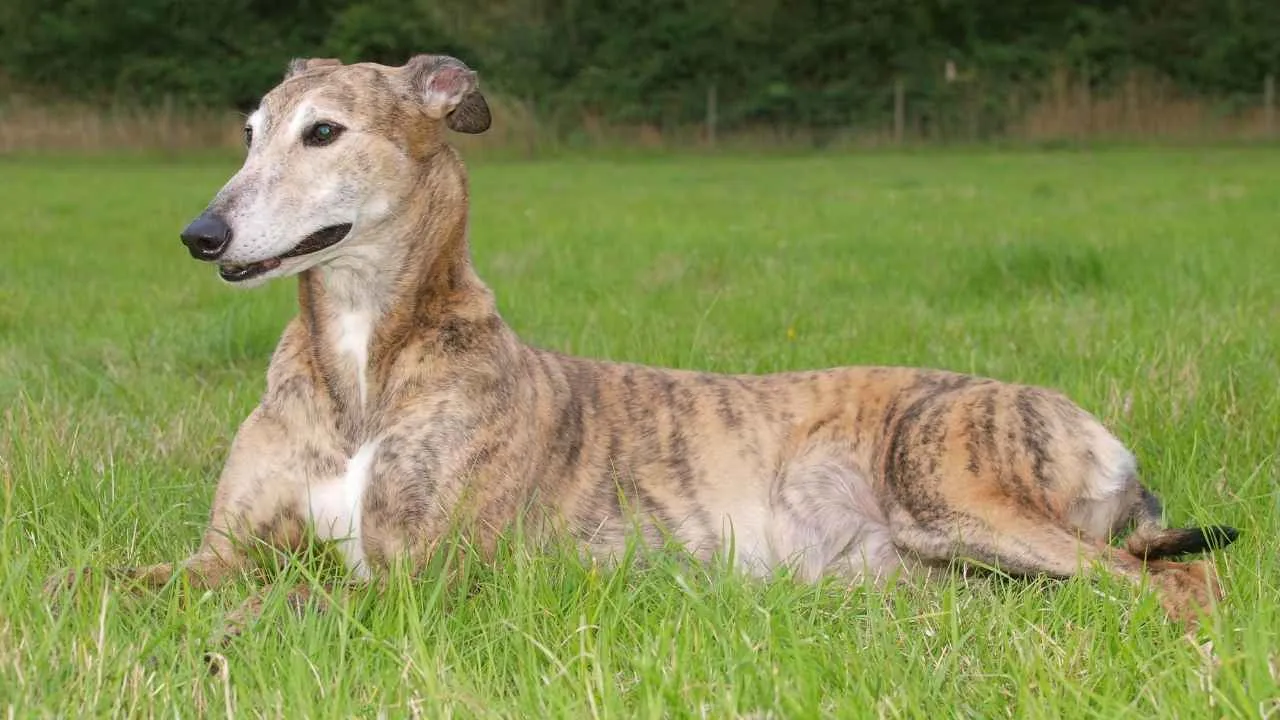
Greyhounds are an ancient sighthound type with roots reaching back thousands of years. Dogs resembling them appear in ancient art from regions of the Middle East and surrounding areas, while later development in Britain established the breed as a specialist in coursing. Their hunting method relied heavily on exceptional eyesight, speed, and independent reactions.
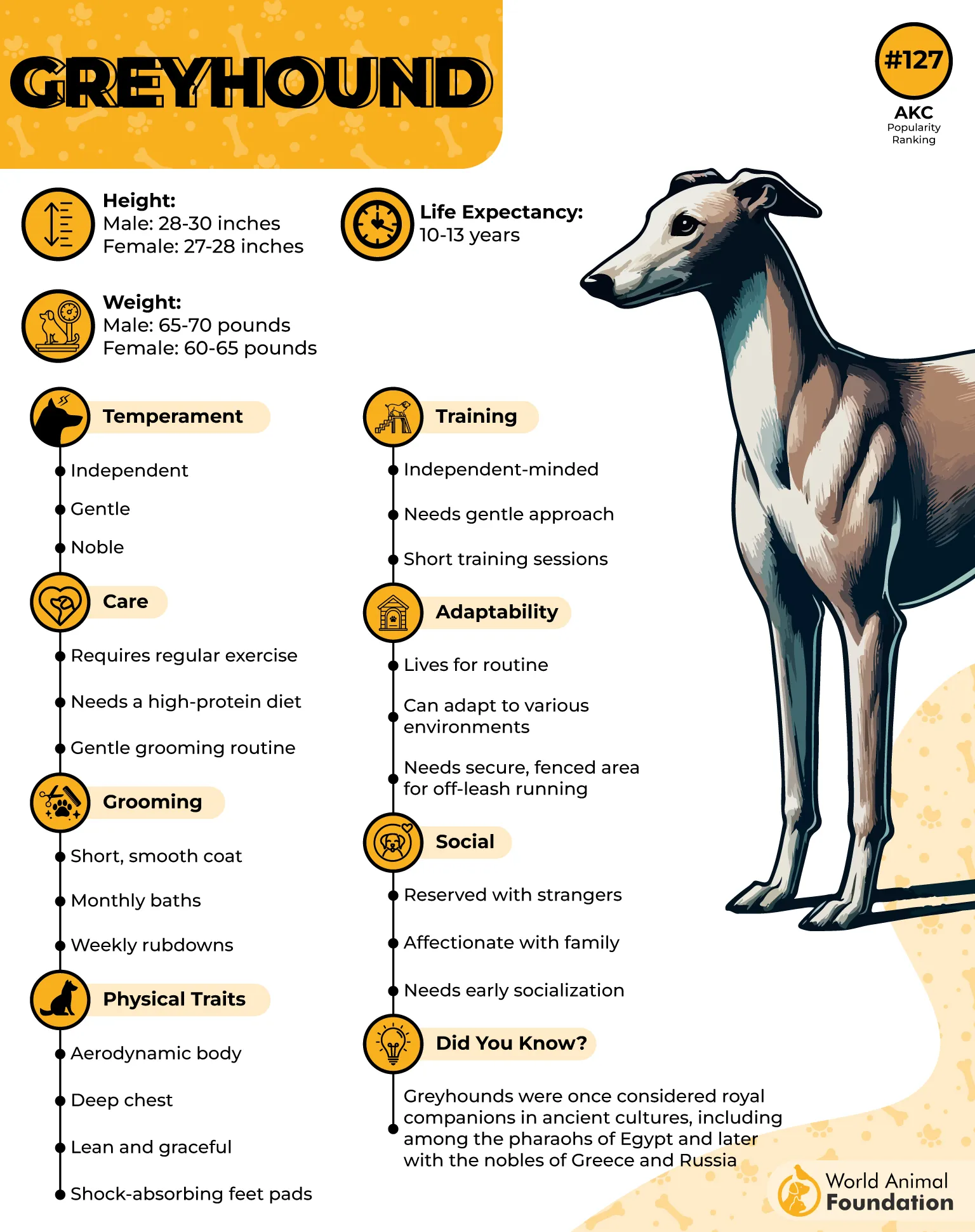
Little Grooming for a Breed That Loves Short Bursts
The Greyhound’s smooth coat requires very little maintenance, with occasional brushing usually sufficient. Its athletic reputation can be misleading when considering everyday exercise. Greyhounds often enjoy brief periods of fast running followed by long stretches of rest, with secure areas being important because their pursuit instinct can be powerful, as per ASPCA.
Fearless Speed Without a Need for Constant Attention
A Greyhound’s independence can become especially noticeable when it spots something moving at a distance. Its traditional work required rapid decisions based on visual information rather than continuous commands. At home, however, many Greyhounds can be quiet and self-contained once their exercise and companionship needs have been met.
5. Bloodhound
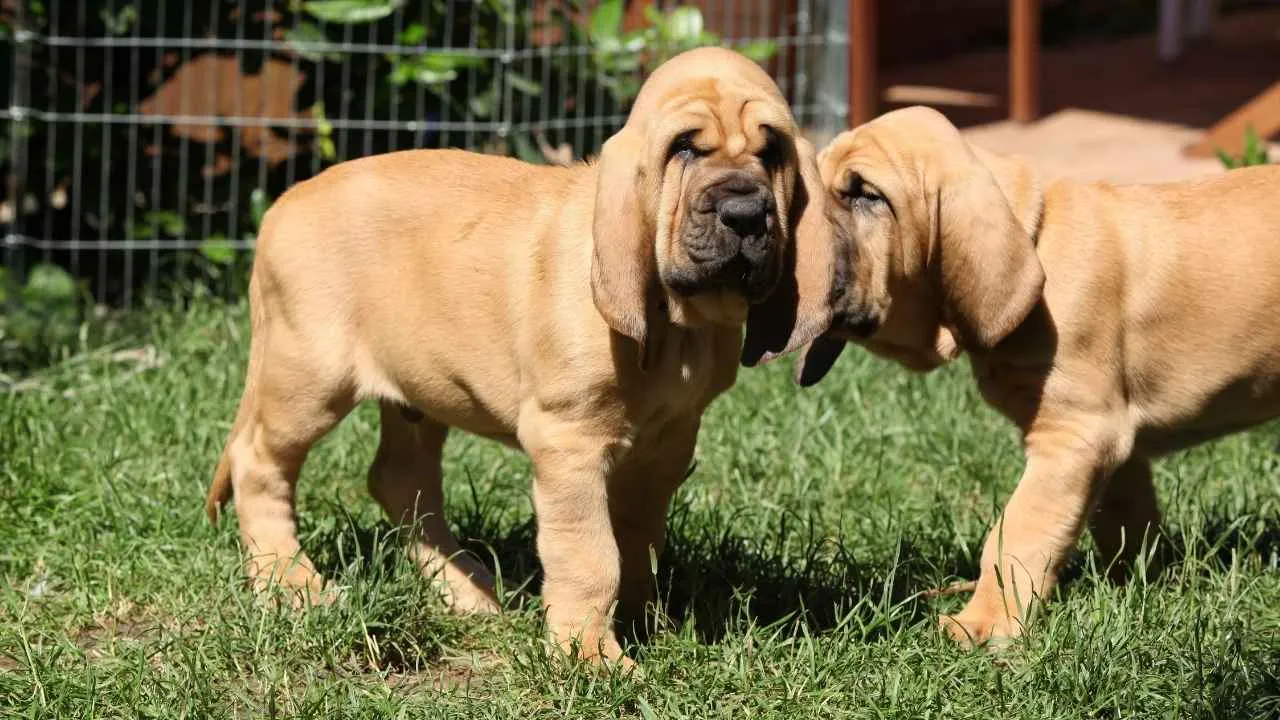
Bloodhounds have deep historical connections to European scent hounds, with the breed becoming particularly associated with monasteries in medieval Belgium and later developing in Britain, as per the AKC. They were bred for their extraordinary scenting abilities and eventually became renowned for following trails over considerable distances.
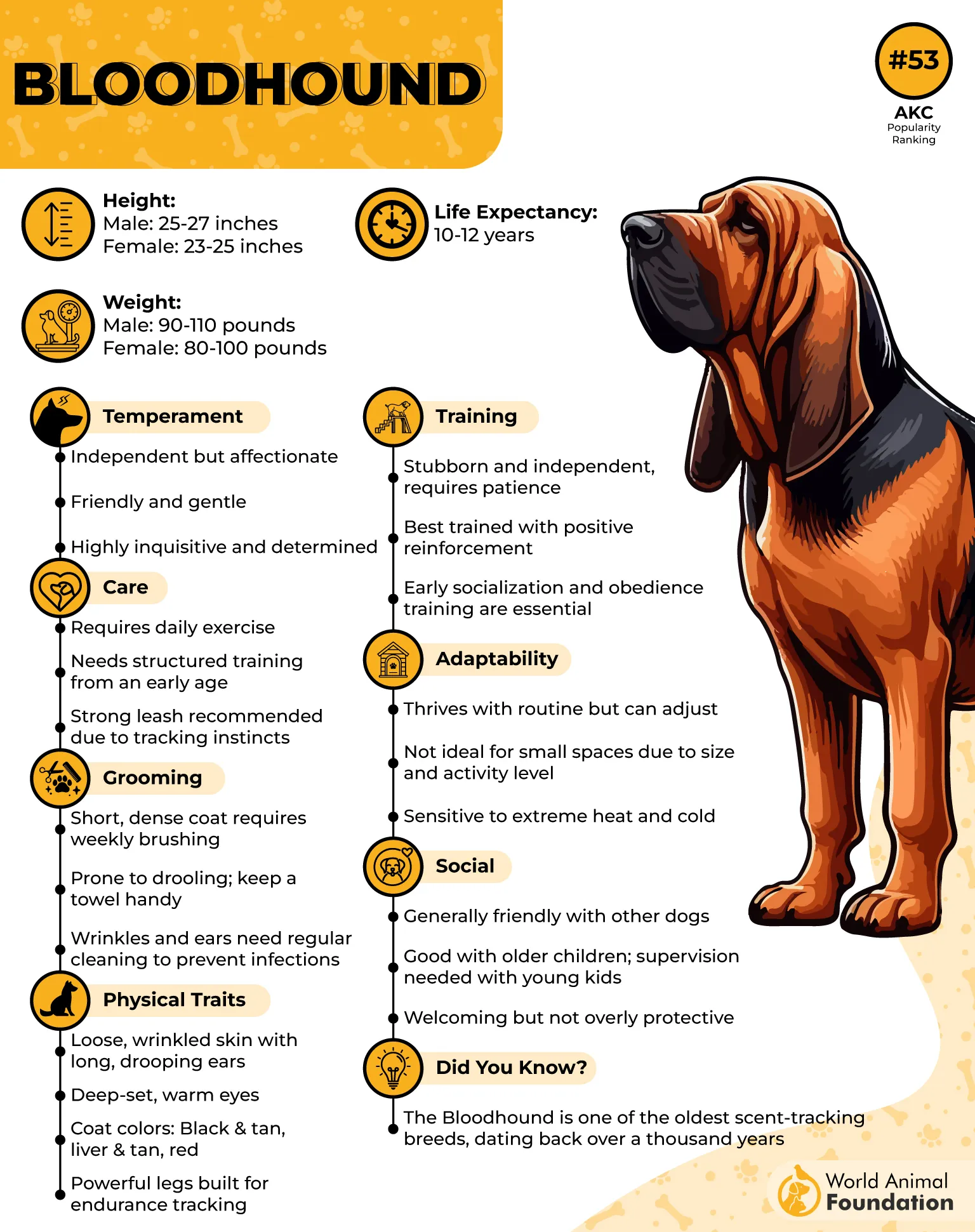
Droopy Features Require Care Alongside Daily Walks
The Bloodhound’s short coat is relatively simple to groom, but its long ears and facial folds need regular inspection and cleaning. These large hounds require regular exercise, although their ideal activity often involves slow, extended exploration rather than sprinting. Scent-based games can be particularly rewarding because they engage the ability for which the breed was developed.
Determined Tracking Instinct With Remarkable Persistence
Bloodhounds are famous for their ability to become deeply absorbed in a scent trail. Once interested, they can demonstrate extraordinary determination and may continue following a trail without much concern for distractions. This self-directed quality reflects generations of selection for independent tracking ability.
6. Boerboel
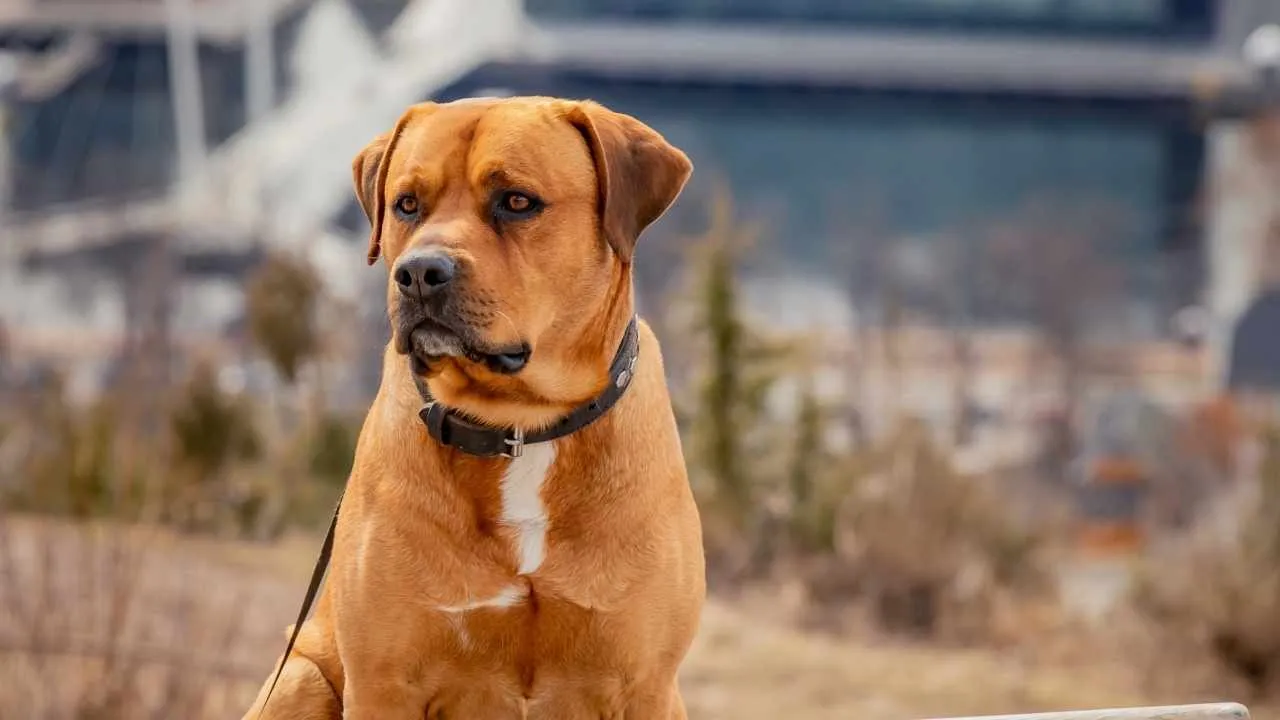
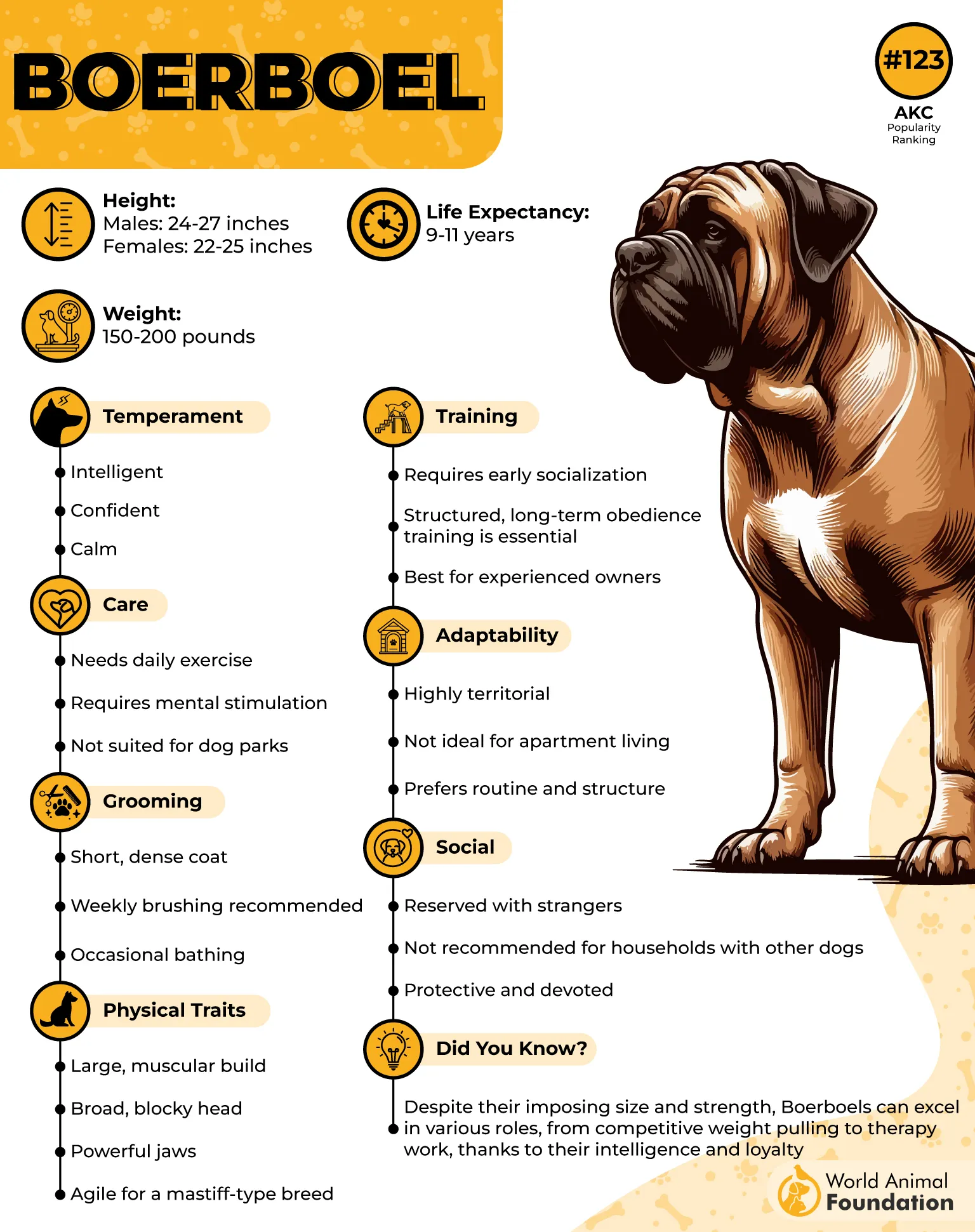
The Boerboel was developed in South Africa from large European and local dogs used by settlers to guard farms and homesteads. Its development emphasized physical strength, confidence, and the ability to protect property in challenging rural environments. This muscular breed became closely associated with farm guardianship.
A Short Coat and a Strong Need for Purposeful Exercise
The Boerboel’s short coat is uncomplicated to maintain with regular brushing and routine care. Its muscular body requires meaningful daily activity, including walks, structured play, obedience exercises, and controlled outdoor work. Mental engagement is equally important because a powerful dog with little direction may find its own ways to stay occupied.
A Fearless Guardian That Thinks for Itself
Boerboels can be highly confident and naturally protective. Their traditional work required them to distinguish between ordinary activity and genuine threats without waiting for someone to issue instructions for every situation. This independent guardian instinct makes early socialization and experienced handling particularly important.
7. Bullmastiff
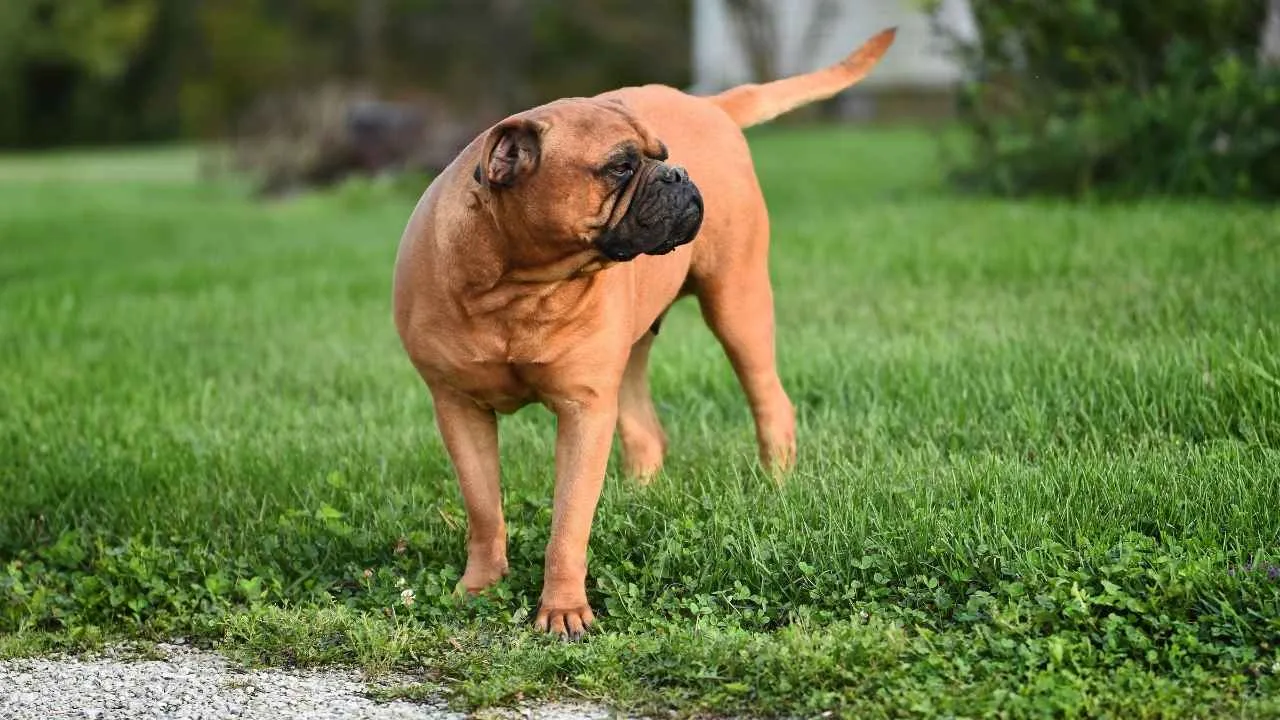
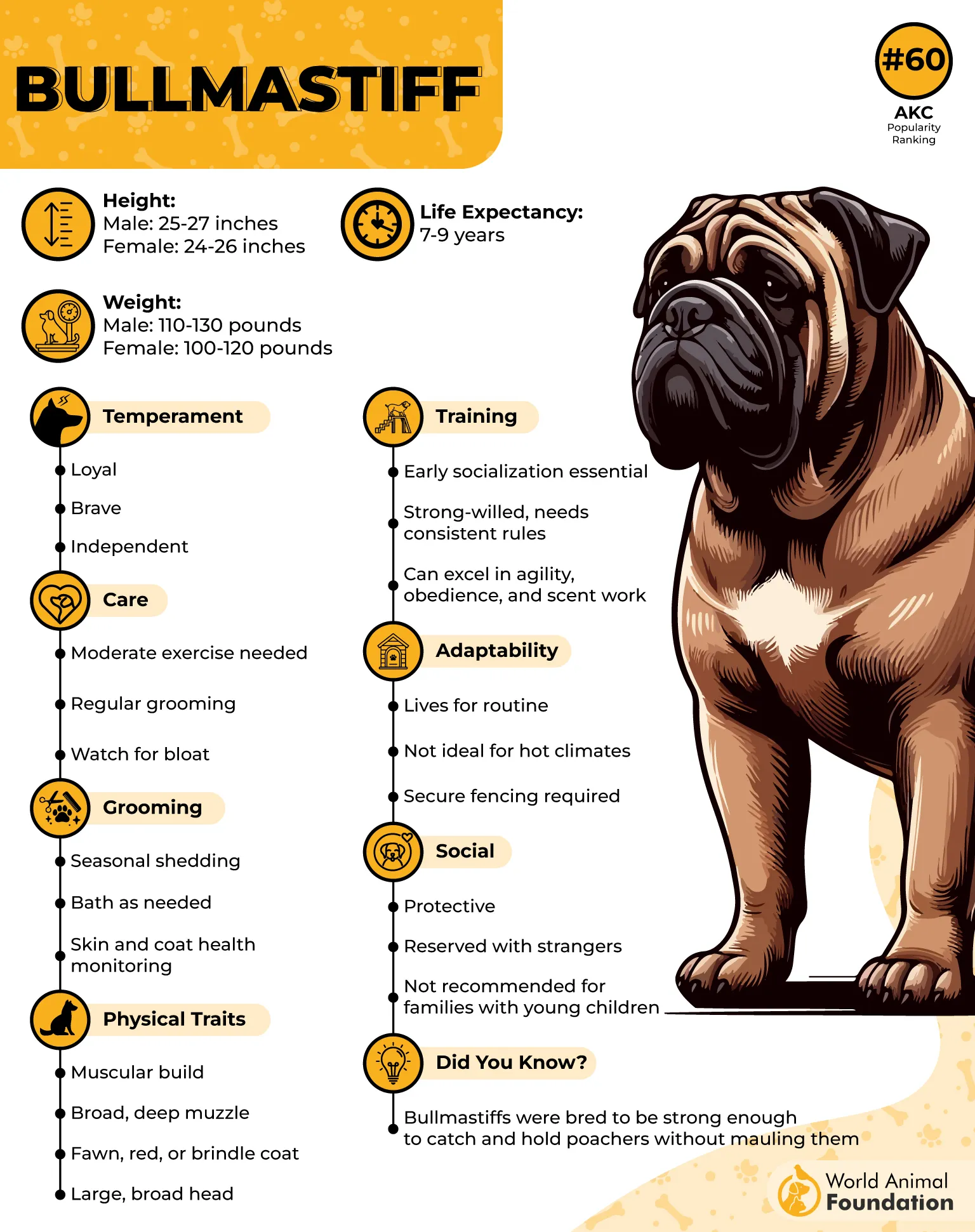
The Bullmastiff was developed in Britain during the nineteenth century to assist gamekeepers with protecting estates from poachers. Breeders combined Mastiff-type dogs with Bulldogs to create a large, powerful animal capable of quietly tracking and restraining intruders. Its working history emphasized strength, courage, and controlled action.
Short Fur and Moderate Physical Demands
Bullmastiffs have short coats that generally need little more than occasional brushing, as per Hill’s Pet. Their large bodies benefit from regular but sensible exercise, such as daily walks, gentle games, and obedience training. Excessive repetitive impact is best avoided, particularly during growth.
Brave Protection Without Constant Human Direction
The Bullmastiff was expected to work around large estates and react decisively when suspicious activity was detected. That background contributed to its confident and watchful personality. Modern Bullmastiffs can be devoted family dogs while retaining an instinct to assess unfamiliar people and situations independently.
Conclusion
Great Danes, Mastiffs, Irish Wolfhounds, Greyhounds, Bloodhounds, Boerboels, and Bullmastiffs each demonstrate how strength and independence can develop from very different working backgrounds. Some were created to hunt, others to track, and several were expected to protect people, livestock, or property without constant supervision.
Fearlessness should not be confused with aggression. A confident dog can remain composed, observant, and controlled while still possessing the physical ability to respond when necessary. The individual temperament of the dog, its upbringing, socialization, and training all influence how those instincts appear in a modern household.
Anyone considering one of these big dog breeds should be prepared for more than their impressive size. Responsible ownership involves suitable exercise, early social experiences, consistent rules, appropriate nutrition, and secure management. When those needs are met, these remarkable dogs can channel their historic strength and independence into stable, dependable companionship.
