




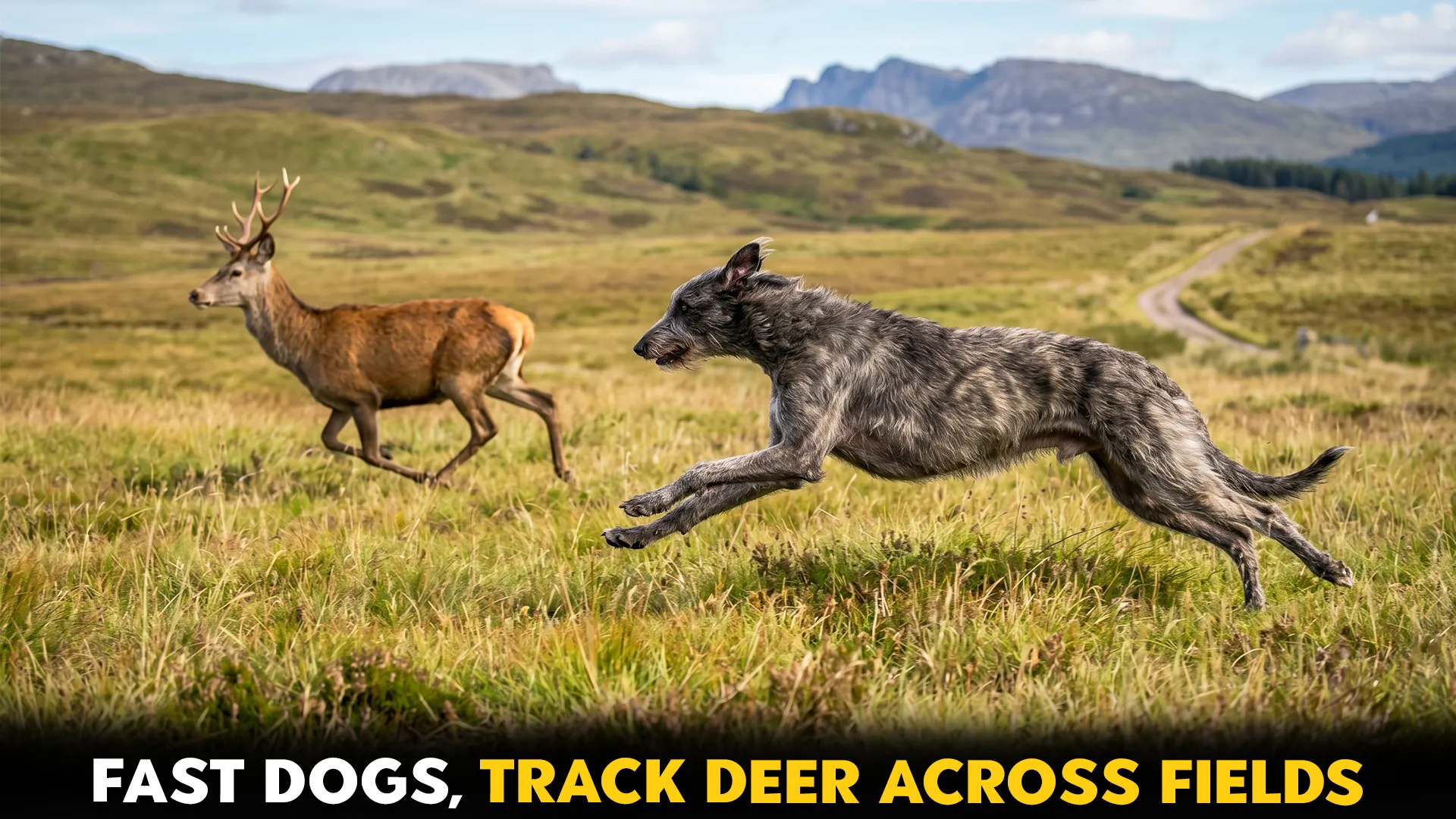
Tracking deer across open fields sounds simple until you actually try it. The ground stretches wide, the scent fades faster than expected, and within minutes, most dogs begin to slow down or lose direction.
What looked like a straightforward task quickly turns into frustration, especially when the dog cannot maintain both speed and focus at the same time. Many people assume any active dog can handle this kind of work, but that idea rarely holds up in real conditions.
Rugged terrain demands a very specific combination of pace, endurance, and scent awareness that not every breed can offer. Without it, even the most determined effort falls short. That is why choosing the right kind of dog matters more than most realize.
In the sections ahead, you will see which dogs actually keep up with the pace of deer and stay locked onto the trail without hesitation.
Key Takeaways
Some dogs are built for distance, where every chase stretches across fields, and only the most focused runners keep up.
Scottish Deerhound and Redbone Coonhound stand out with sharp focus and tracking instincts that stay locked on moving game without losing direction.
German Shorthaired Pointer and Weimaraner bring a mix of speed and control that turns open ground into a working field built for pursuit.
As the list unfolds, you start to see how each breed carries its own style of speed and endurance built for serious tracking work.
Fastest Dog Breeds for Tracking Deer Across Open Fields
1. Scottish Deerhound
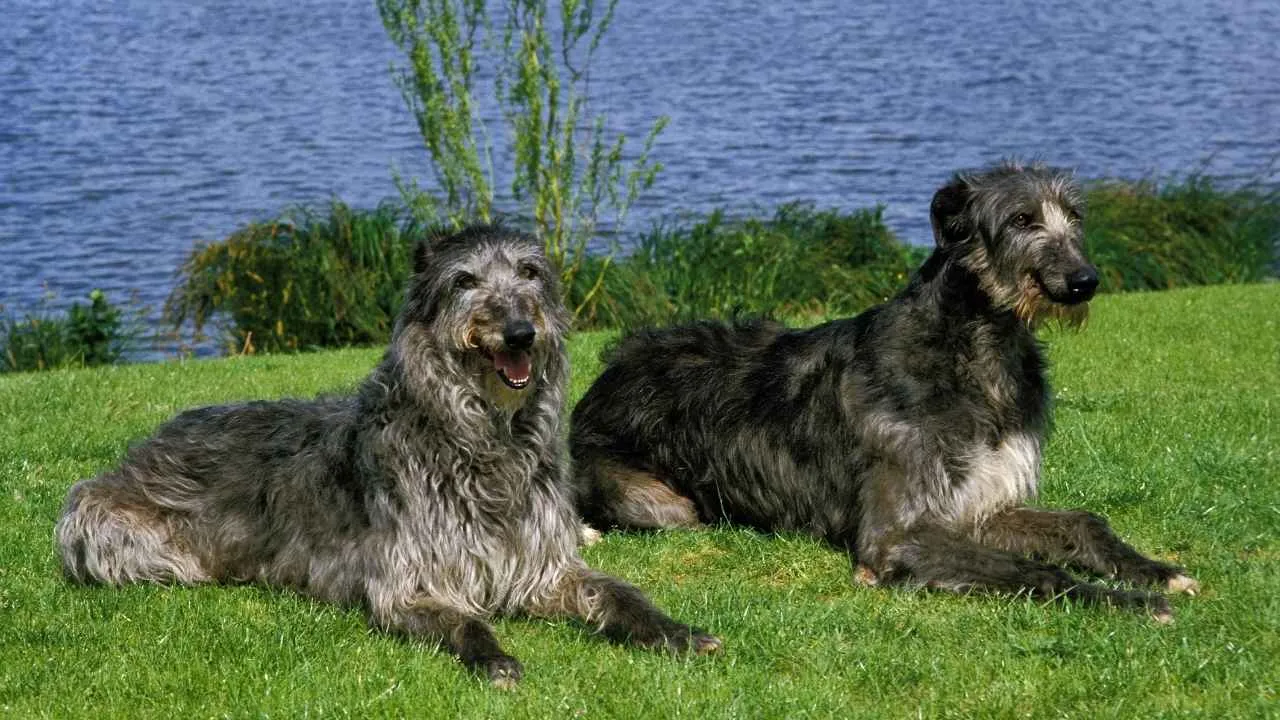
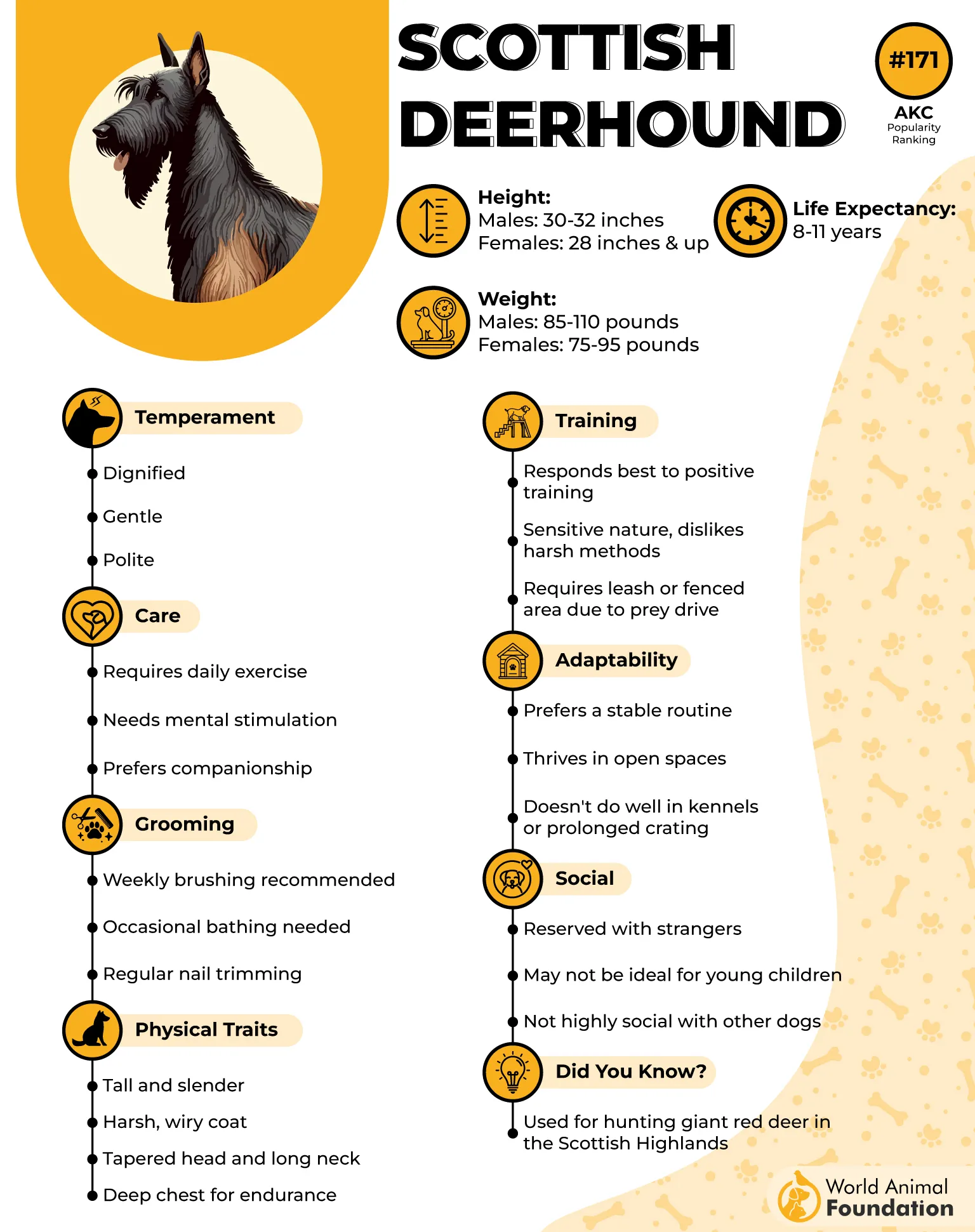
Scottish Deerhound presents a tall, lean frame with long legs suited for covering open Highland terrain. Its structure aligns with sight-based hunting, where visual tracking replaces close scent work. The wiry coat and Greyhound-like outline reflect a dog shaped for open-field pursuit.
Sight-led tracking behavior
This deer tracking dog follows game through visual focus, locking onto movement across distance rather than relying on ground scent. Its response activates quickly when prey appears within range.
This working style shows in clear patterns:
Fixes attention on distant movement
Accelerates quickly in open space
Engages prey through direct pursuit
Temperament away from the field
Scottish Deerhound shifts into a quiet, easygoing presence indoors, often spending long hours resting, as WebMD notes. Its personality ranges from reserved to expressive, though most settle into a relaxed daily rhythm. This contrast between outdoor drive and indoor calm is clearly defined.
2. Redbone Coonhound
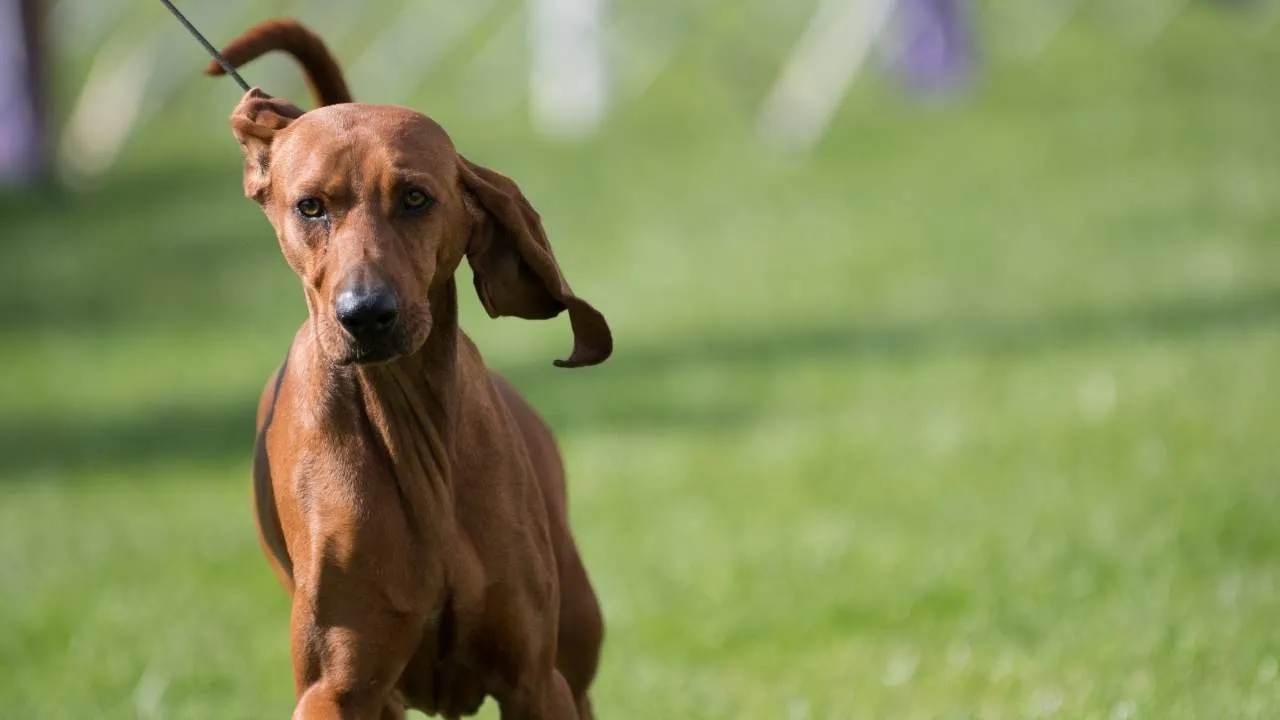
Redbone Coonhound draws attention with a rich, glossy red coat and expressive eyes that reflect alertness in the field. Its physical presence is tied to function, shaped for long pursuits rather than short bursts. This visual identity connects directly with its role in tracking larger North American game.
Trail tracking and sound signaling
This hunting dog follows scent trails with determination, using both nose and voice to guide the hunt across open ground. According to Chewy, its drawn-out bay gives hunters a clear way to track progress without visual contact.
That method becomes clear through these working traits:
Follows scent across long, open distances
Uses a distinct bay to signal location
Combines scent work with visual tracking
Terrain handling across wide landscapes
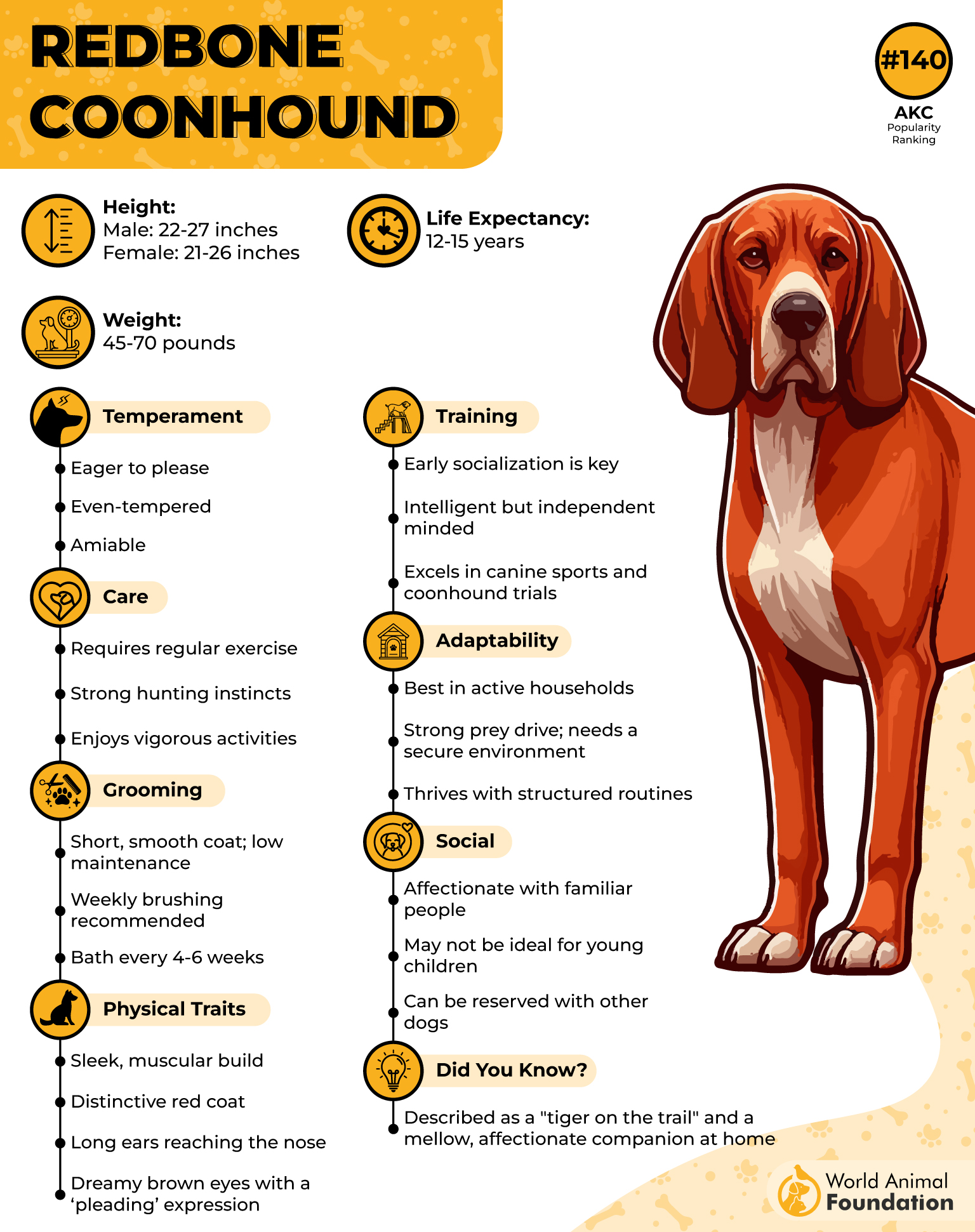
They adapt to challenging environments, from dense swamps to steep mountainous paths during pursuit. Its movement across uneven ground reflects resilience shaped for varied terrain. This ability supports long tracking sessions where conditions shift constantly.
3. German Shorthaired Pointer
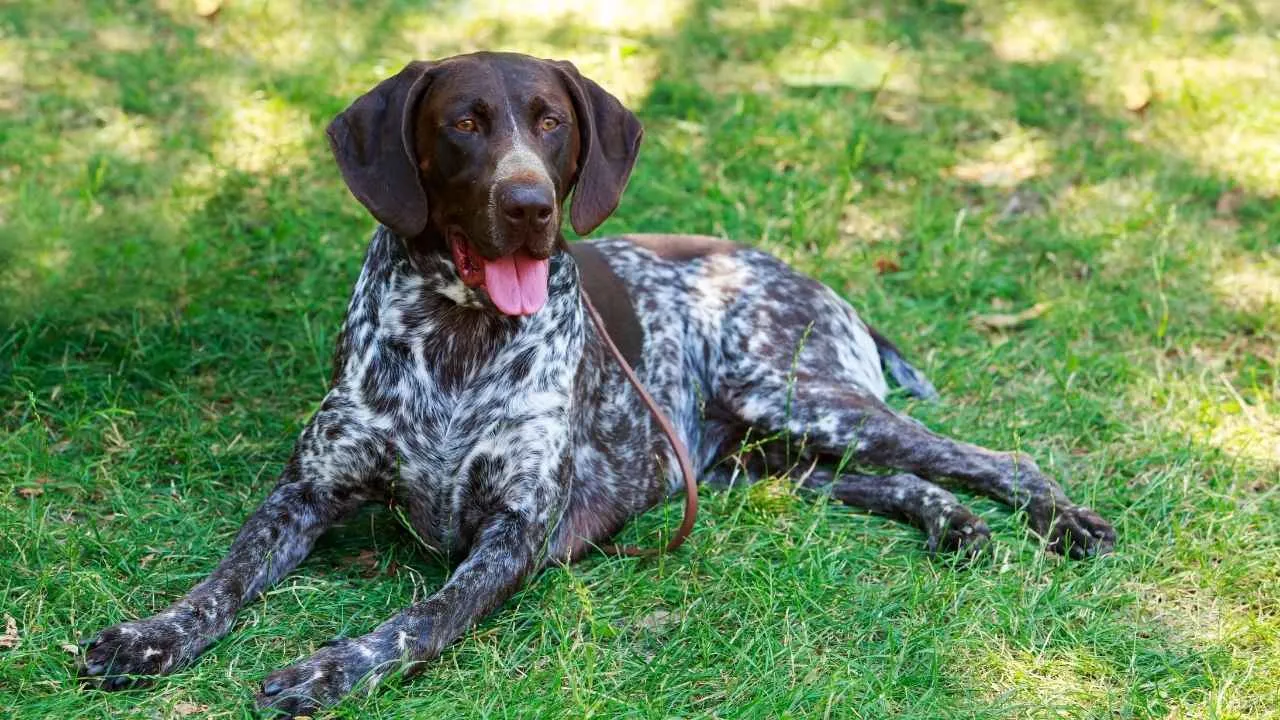
The German Shorthaired Pointer emerged from selective breeding focused on versatility, combining pointing, retrieving, and tracking into one working dog.
Its role was never limited to a single task, allowing it to handle varied games, including deer. This multi-skill design shapes how it approaches open terrain.
Scent detection and pointing style
This bird dog works through scent detection that leads into a fixed pointing stance, directing attention without immediate pursuit. Its body language becomes part of the hunting process, signaling direction clearly before action begins.
That field behavior reveals itself through:
Freezes with nose aligned toward the scent
Waits for the handler signal before flushing
Tracks a wide range of quarry types
Daily life beyond the field
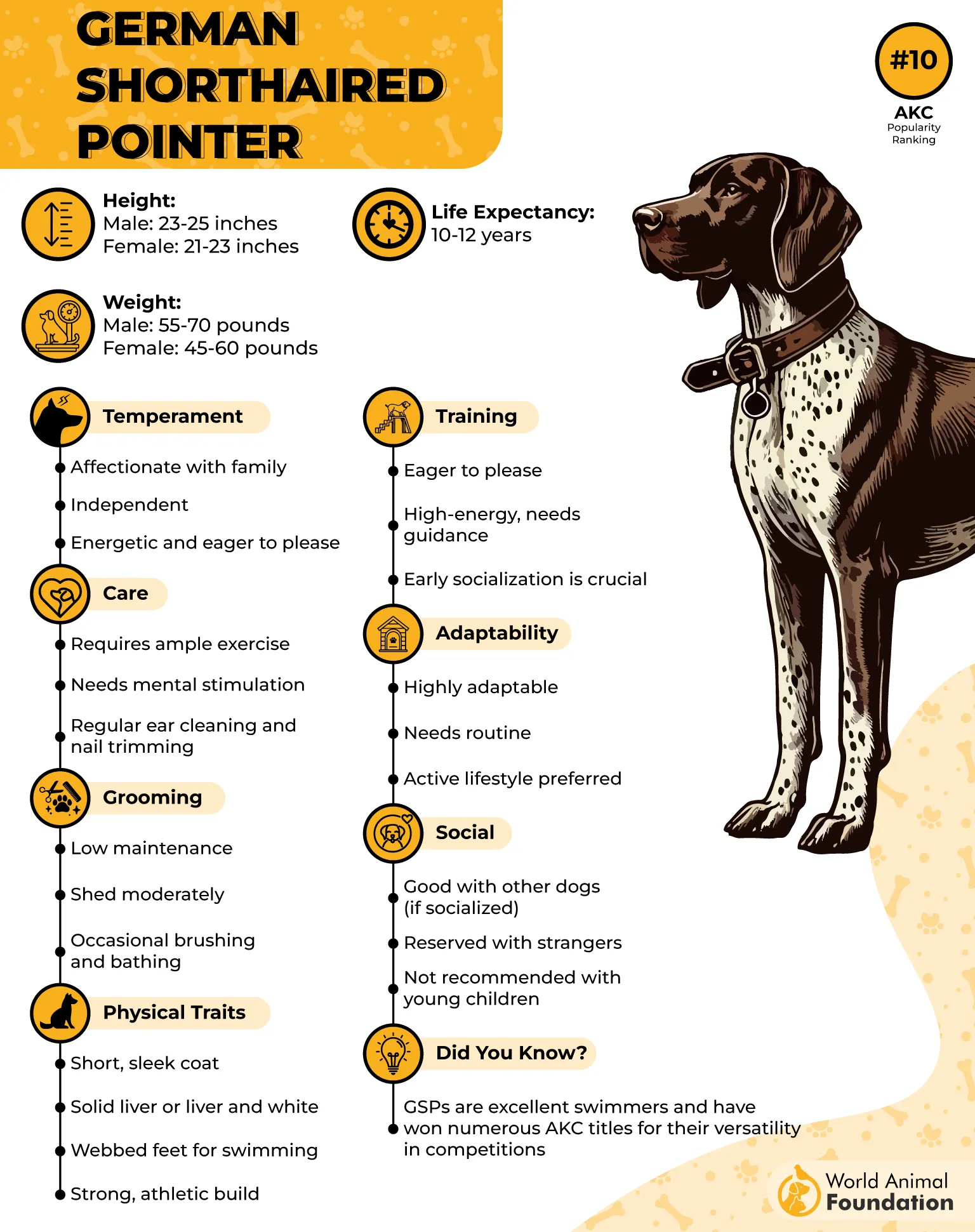
This pointer shows loyalty and social ease within family settings, interacting well with children and other pets, as PetMD describes.
Its high energy level links closely with outdoor engagement, often seeking activity beyond basic routines. The short coat adds practicality with minimal grooming needs.
4. Weimaraner
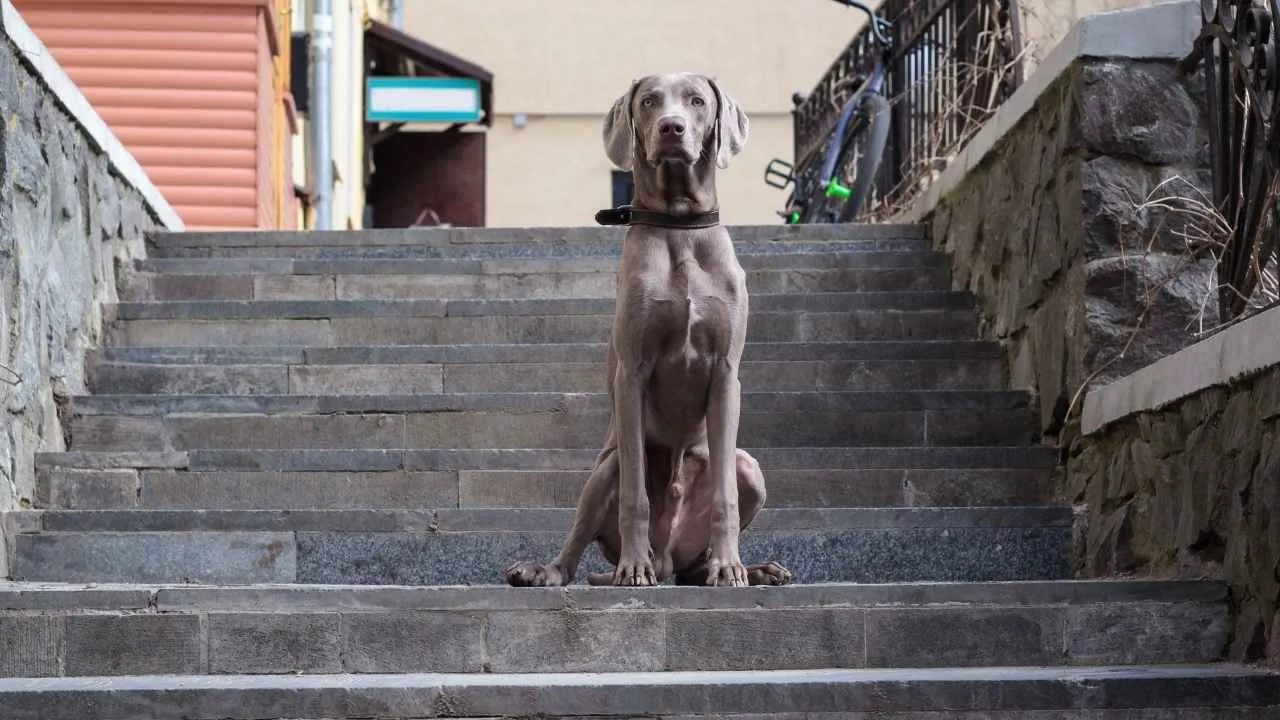
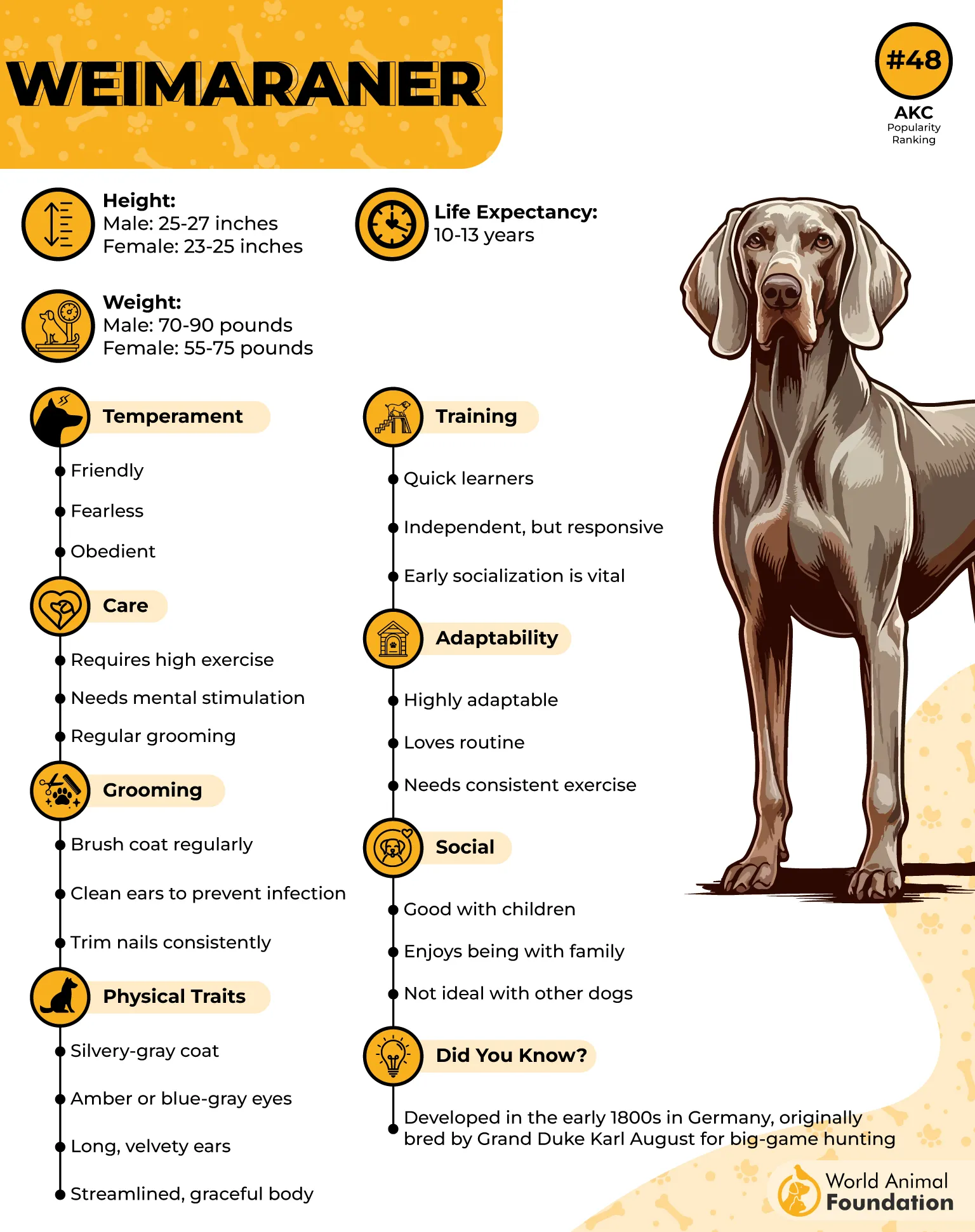
The Weimaraner began as a large-game hunting dog used by royalty, working on deer, boar, and even bear. Its sleek body and balanced structure reflect a dog shaped for covering ground with speed and control. The silvery-gray coat and focused expression give it a striking, unmistakable presence.
Field response and tracking style
As good tracking dogs, they approach hunting with forward drive, building speed while keeping attention fixed on scent and direction. Its ability to hold a pointing stance creates a clear signal once the target is located.
That working pattern becomes clear in action:
Accelerates quickly across open terrain
Locks into a steady pointing position
Follows scent with focused direction
Energy tied to engagement and routine
They require proper training and intense physical activity, often preferring full-speed runs over slower walks. Its behavior shifts based on activity level, becoming more settled after extended exertion. A strong need for interaction keeps it closely connected to daily human routines.
5. Plott Hound
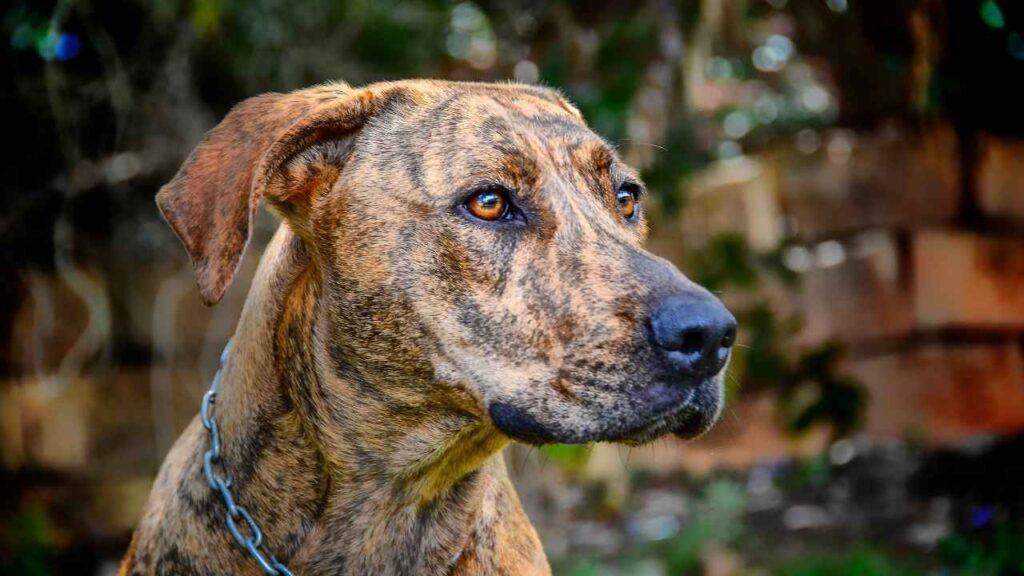
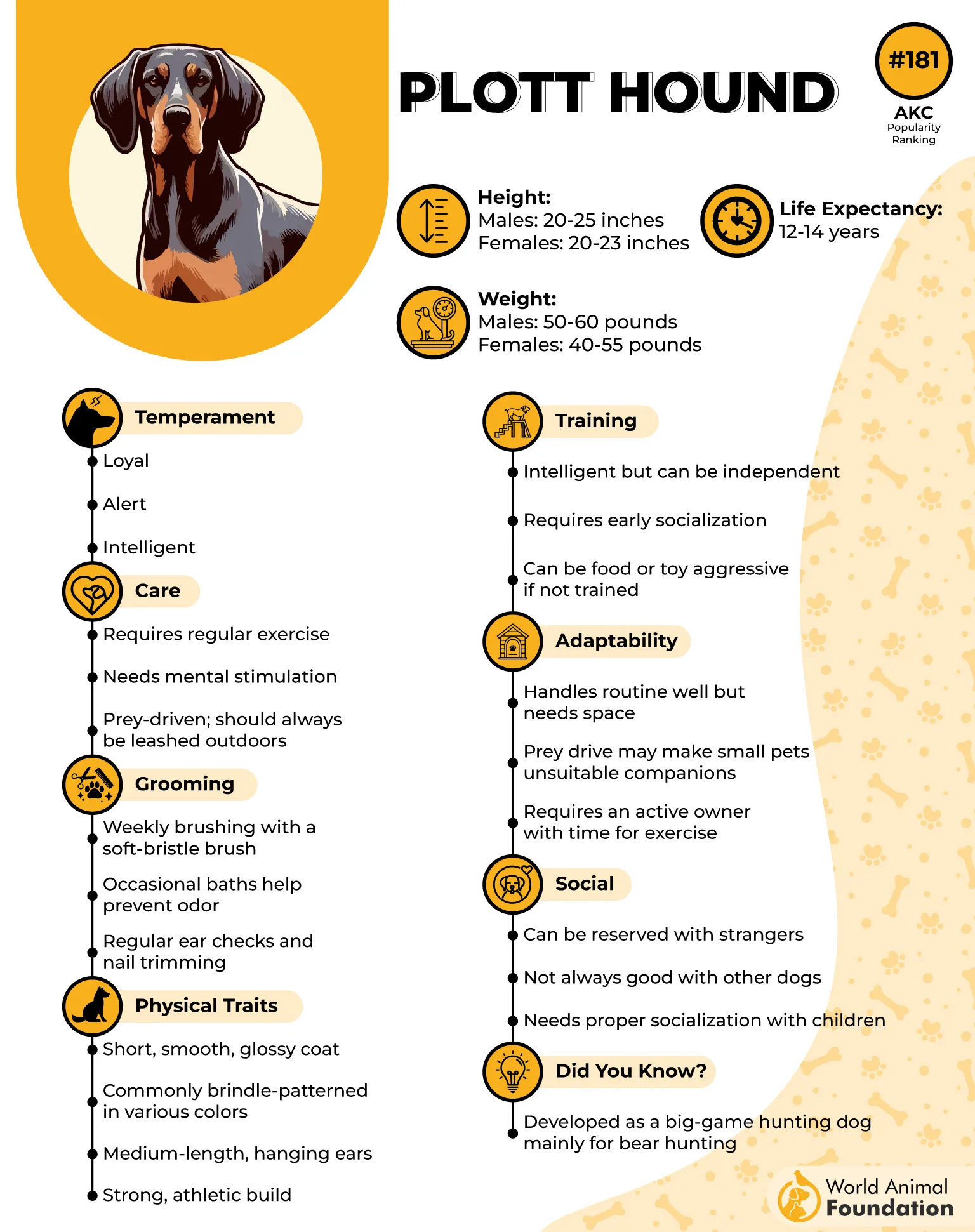
Plott Hound presents a streamlined, muscular frame paired with a light-footed gait that suits long-distance pursuit. Its brindle coat patterns and alert expression reflect a dog tuned for outdoor tracking work. The overall build emphasizes endurance combined with forward momentum.
Tracking drive in open terrain
They approach scent work with determination, pushing through terrain without hesitation when on a trail. Its athletic ability supports long chases where stamina becomes more critical than speed alone.
This pursuit style shows through clear working traits:
Sustains tracking effort over extended distances
Navigates uneven ground with agility
Responds to scent with focused intensity
Energy shaped by continuous work
This hound requires regular outdoor engagement, built for active conditions where movement is constant rather than occasional. Its physical strength aligns with tasks that demand repetition and endurance. Without this outlet, its working drive seeks other forms of release.
6. American Foxhound
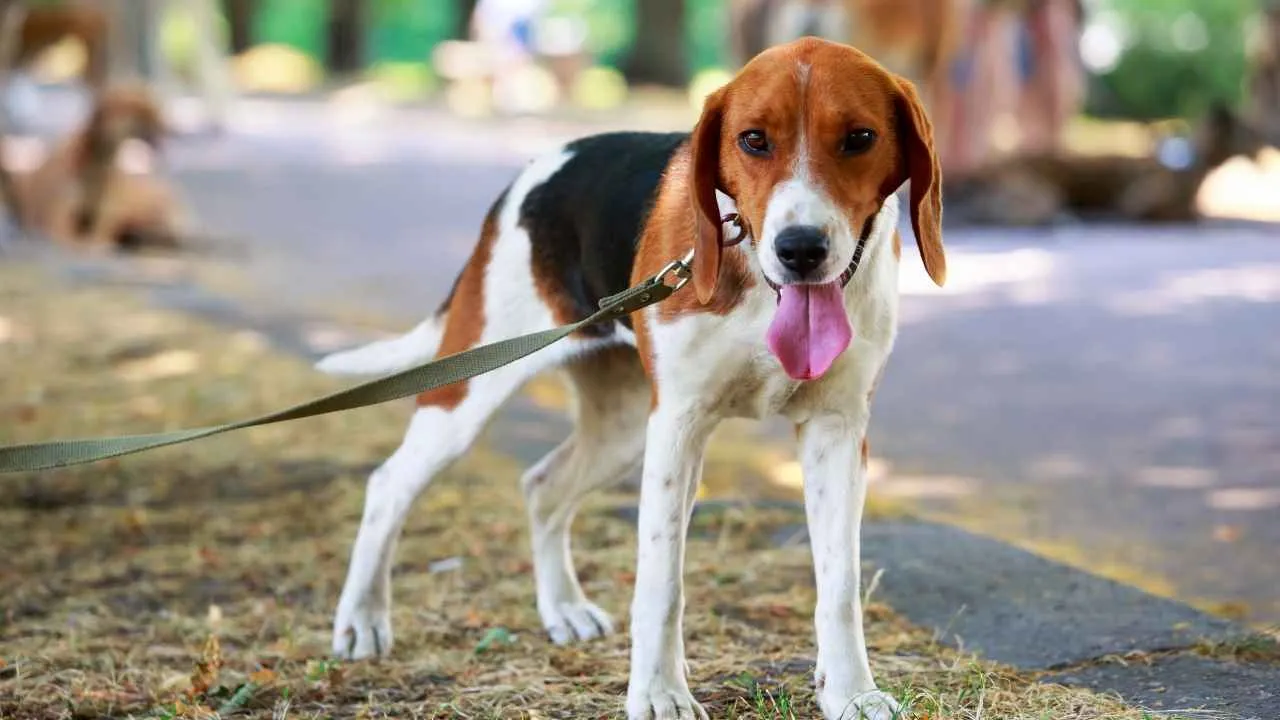
American Foxhound entered early American hunting culture alongside English imports, later shaped into a longer-legged, lighter-framed runner.
Its structure reflects a dog originally bred for covering wide terrain while following scent trails over long distances. The body design favors reach and endurance across open land.
Tracking style in open ground
They work through scent with a focused, forward drive, often continuing pursuit across miles without breaking rhythm. Its strong nose keeps direction steady even when terrain shifts or scent weakens.
That approach shows clearly in field behavior:
Follows scent trails across extended distances
Keeps pace over long, uninterrupted runs
Responds strongly to moving quarry signals
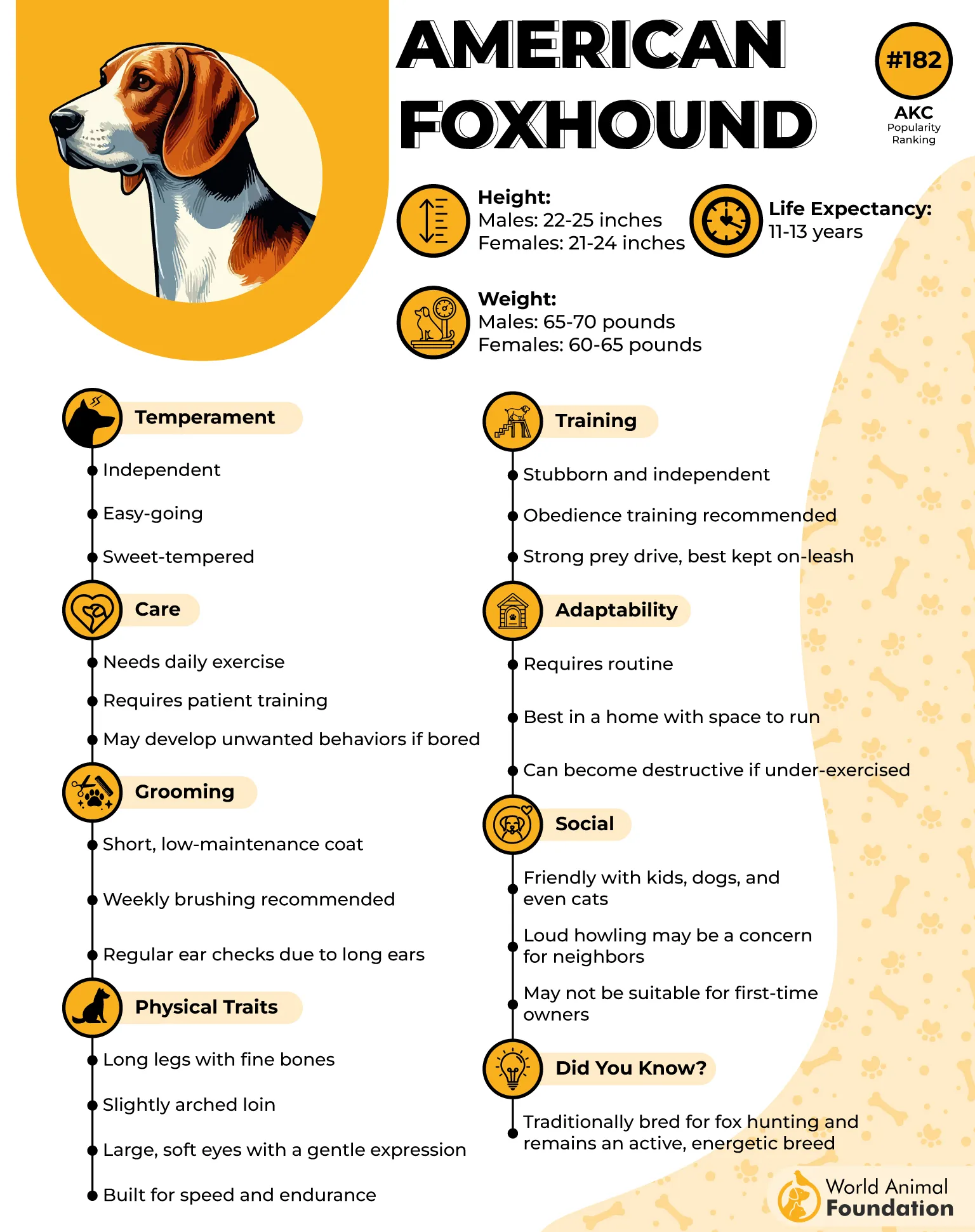
Physical traits linked to the pursuit
This breed shows longer, finely built legs and a slightly arched loin, supporting an extended stride across uneven ground. It’s short, hard coat protects against brush while requiring minimal upkeep after field work. Large, soft eyes contrast with the intensity shown during pursuit.
7. Rhodesian Ridgeback
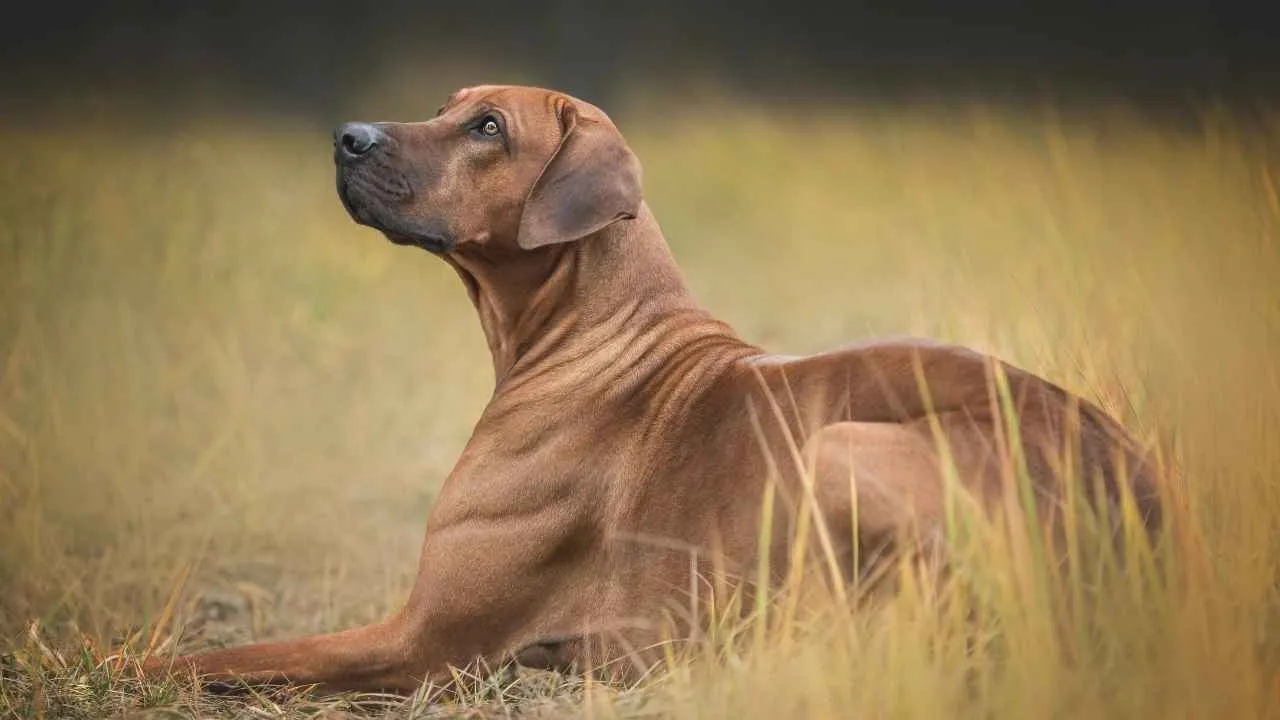
Rhodesian Ridgeback is recognized by a strip of hair along its spine growing in the opposite direction, a feature tied closely to its breed identity.
Beneath that, the body shows muscle and athletic structure built for sustained effort. This combination reflects a dog shaped for demanding outdoor pursuits.
Field role in large-game tracking
They work in hunting situations where tracking and flushing large predators require both control and endurance. Its approach focuses on locating and pressuring rather than reckless chasing.
That role becomes clearer through specific traits:
Tracks large game across open ground
Pressures targets without immediate attack
Works with endurance during extended hunts
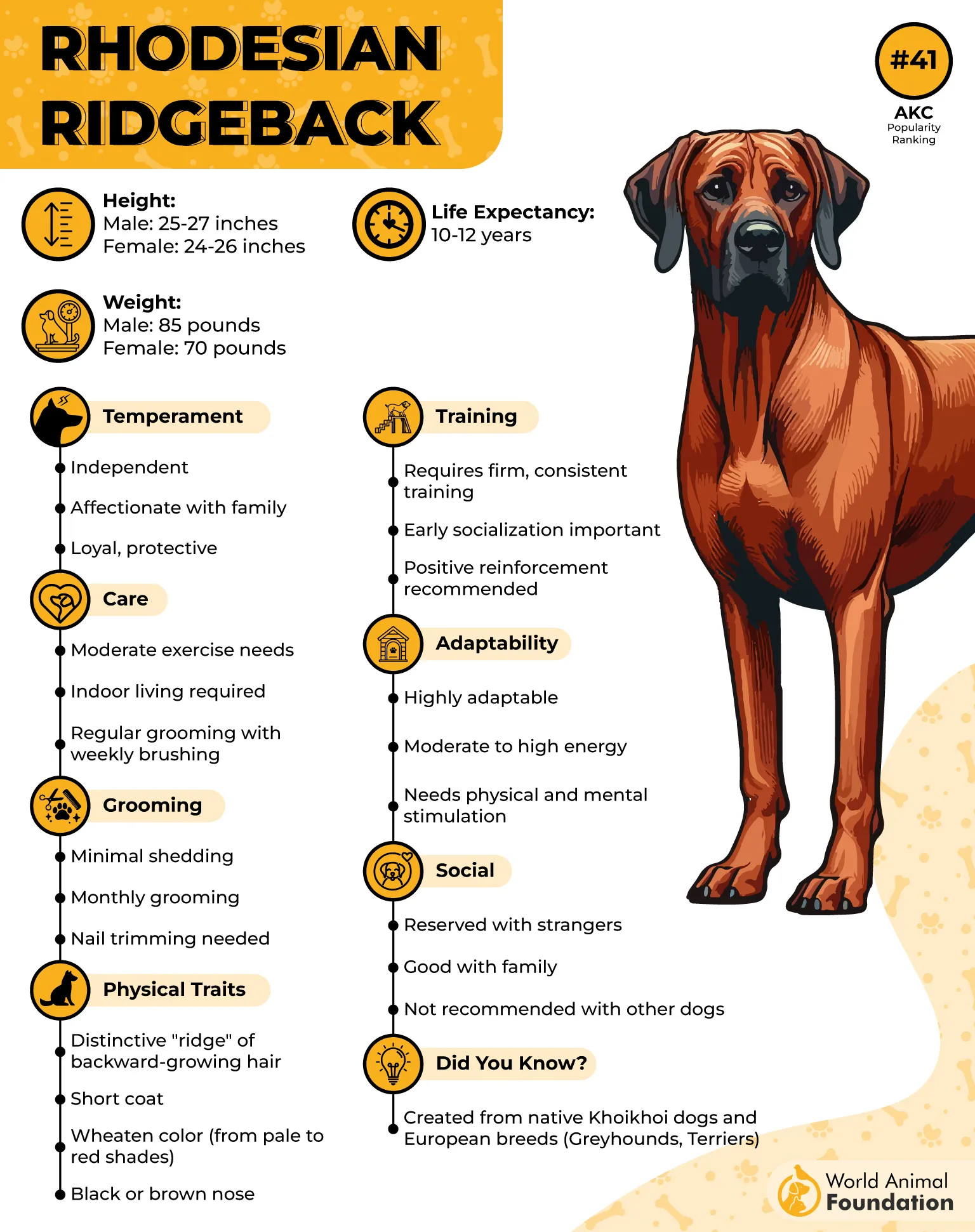
Physical stamina across distance
This hunting breed operates with strong endurance, suited for long periods of running, hiking, and outdoor activity. Its athletic build supports repeated effort across wide terrain without quick fatigue. Daily activity and mental engagement help keep this energy directed.
Conclusion
Open-field tracking depends on more than just quick movement. The breeds listed here reflect a balance of stamina, awareness, and control that holds up over long distances. Each one works with a steady rhythm that does not break when terrain or scent becomes difficult. That reliability builds confidence with every run.
Over time, tracking shifts from an uncertain effort to something more controlled and consistent. In the end, the right choice is the one that keeps moving forward, holds direction, and stays committed to the trail without slowing under pressure or losing focus when it matters most.
