




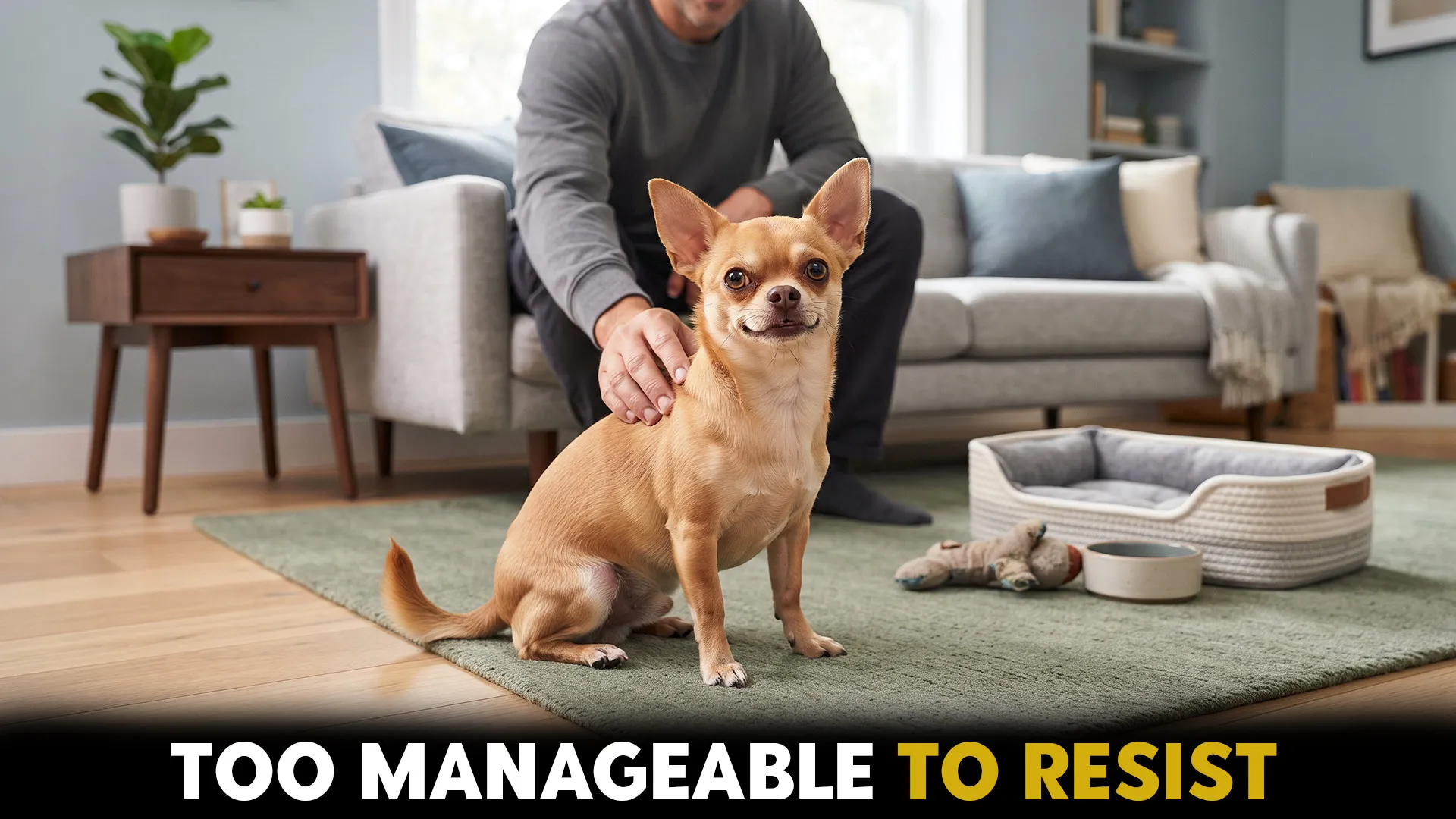
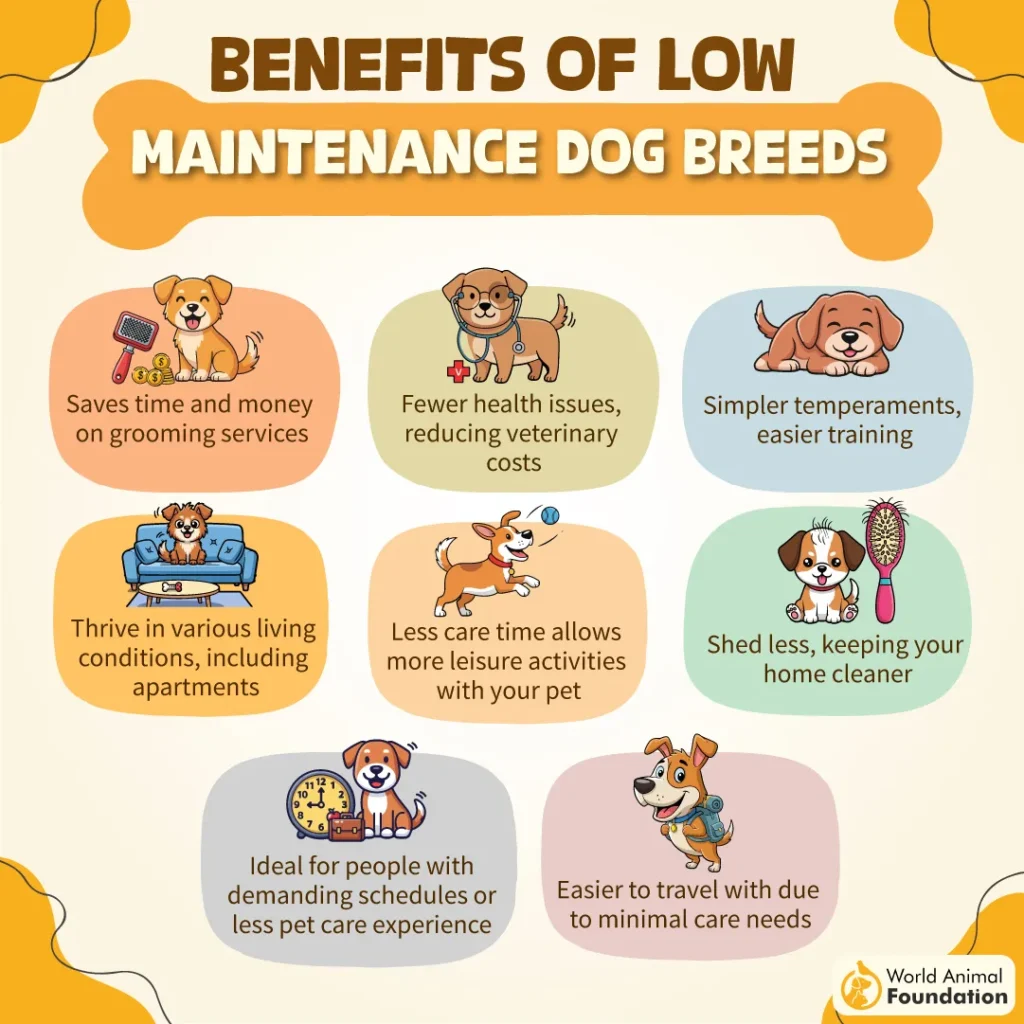
Low-maintenance does not mean choosing the least demanding dog. That matters because even a small dog can require extensive grooming, frequent exercise, or mental stimulation, while a larger dog may fit a household surprisingly well.
Coat type, energy level, trainability, exercise needs, and temperament all affect how much work a dog brings into your routine. Veterinary care, feeding, training, and social time remain essential regardless of breed, so there is no genuinely maintenance-free option.
What you may find instead is a better everyday balance. A manageable coat can cut down on brushing time. A moderately active companion may work well with busy schedules. An adaptable temperament can make daily routines feel easier and more natural.
If you want the companionship of a dog without taking on an unnecessarily demanding routine, the breeds covered here deserve a closer look. Each offers a practical mix.
Key Takeaways
A dog can be affectionate and fun without turning every day into a long list of chores.
Dachshunds keep coat care fairly simple, while Chihuahuas need only a little more brushing depending on their coat type.
Pugs and Russian Toys add their own easy-care qualities, with short coats and manageable routines that suit busy households.
Then come Rat Terriers, Miniature Pinschers, and Italian Greyhounds, each bringing a surprisingly different personality to the low-maintenance life.
Fantastic Low-Maintenance Dog Breeds You’ll Love
1. Dachshund

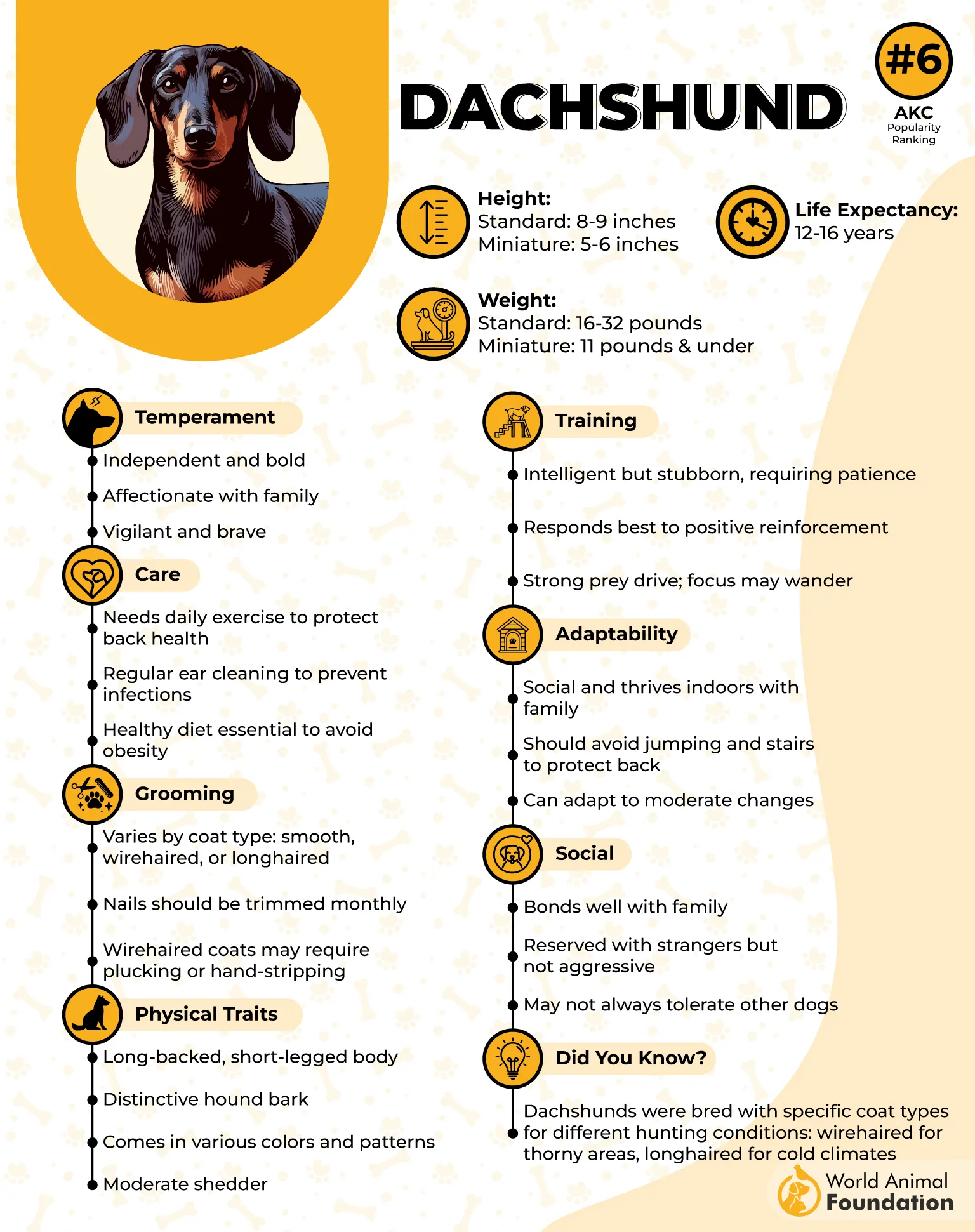
Dachshunds originated in Germany as a hunting dog, with roots reaching into the 15th century and more formal breeding efforts beginning in the 17th century. Its name means “badger dog,” reflecting the specific work for which this unusual little hunter was bred.
Easy Coat Care
For grooming, Dachshunds can be quite manageable, especially in their smooth-coated form, which needs little bathing and can often be freshened with a damp cloth.
Wirehaired varieties need brushing and coat stripping two or three times yearly, while longhaired dogs need regular brushing to prevent knots, as per Greencross Vets.
The details vary noticeably between coat types:
Long-haired dogs tend to be calmer
Wirehaired dogs can be more playful
Smooth coats need the least grooming among the three
A Mind That Keeps Busy
Dachshund needs about 30 minutes of easy-paced walking each day, along with play and short training sessions to give its active mind something to do. Its former hunting role also leaves a strong digging instinct, which can become destructive when the dog has too little to occupy its attention.
2. Chihuahua
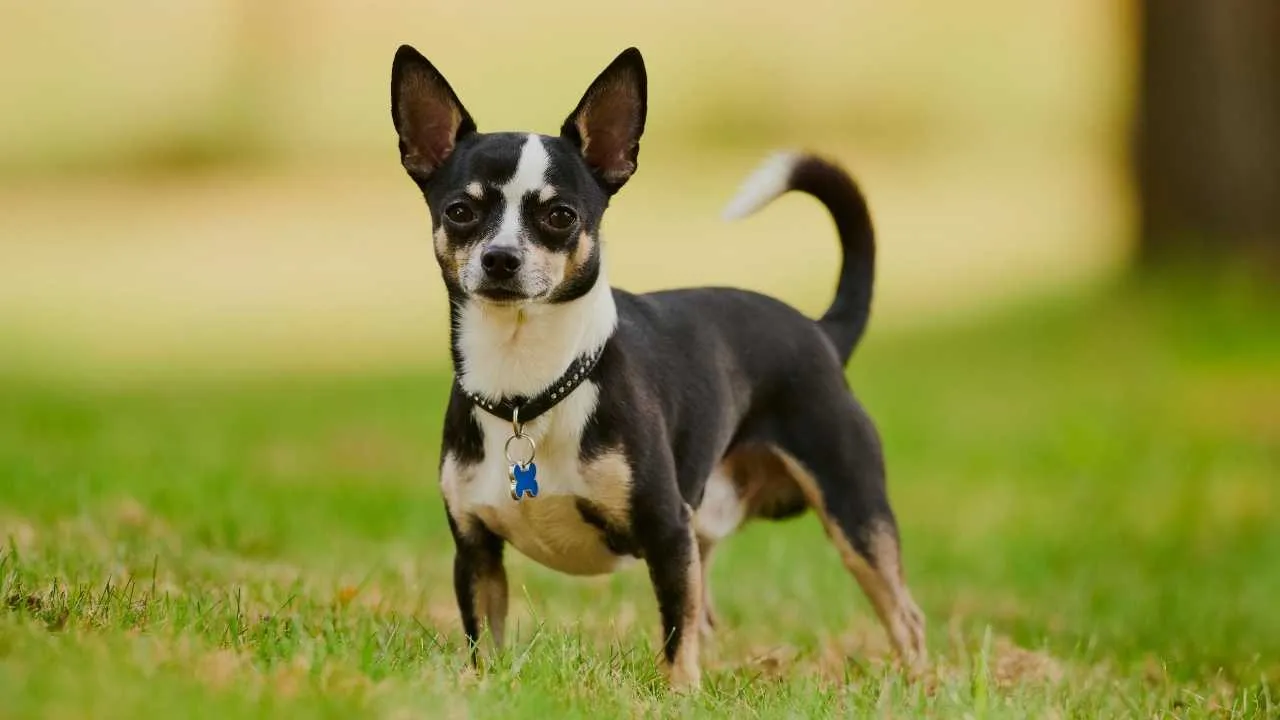
Chihuahua takes its name from the Mexican state where the breed originated, with possible links to the tiny Techichi kept by the Toltecs as early as the ninth century. The breed received official AKC recognition in 1904, then gained widespread attention nearly a decade later.
Simple Grooming
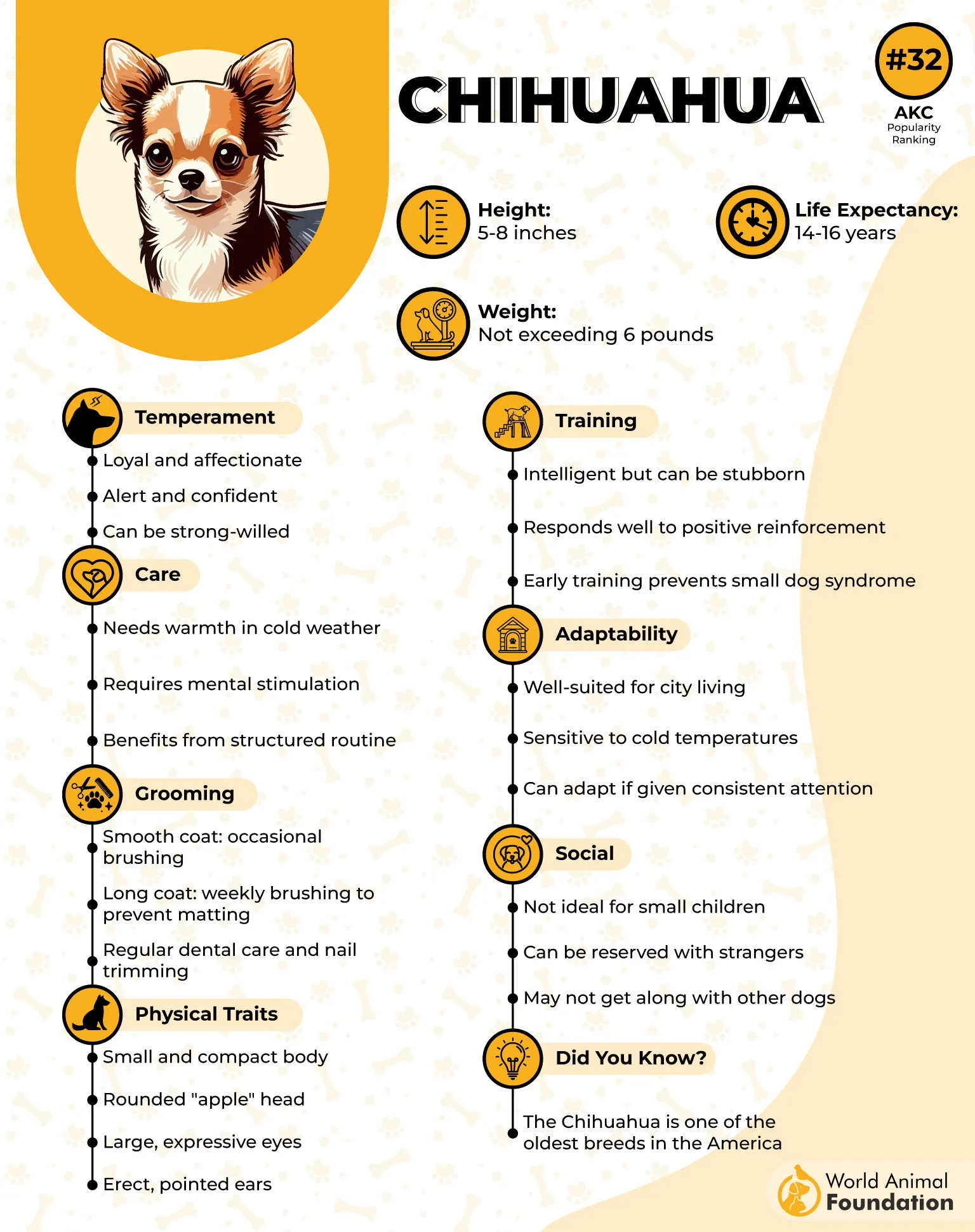
Chihuahuas need regular brushing and bathing, yet the amount of coat care depends on whether the dog has smooth or long hair. Short-coated dogs generally need weekly brushing, while longer coats benefit from brushing two or three times each week.
Beyond grooming, here’s the other side of this apartment-living breed:
Lively, affectionate, and attention-seeking
Needs patient, reward-based training
Better with older children who respect boundaries
Small Body, Real Energy
Chihuahuas may be tiny, but daily activity still matters, with short bursts of running around the block or backyard fitting their needs well. Long-distance or strenuous running is unsuitable for such a small-bodied breed, making brief energetic sessions a better choice.
3. Pug
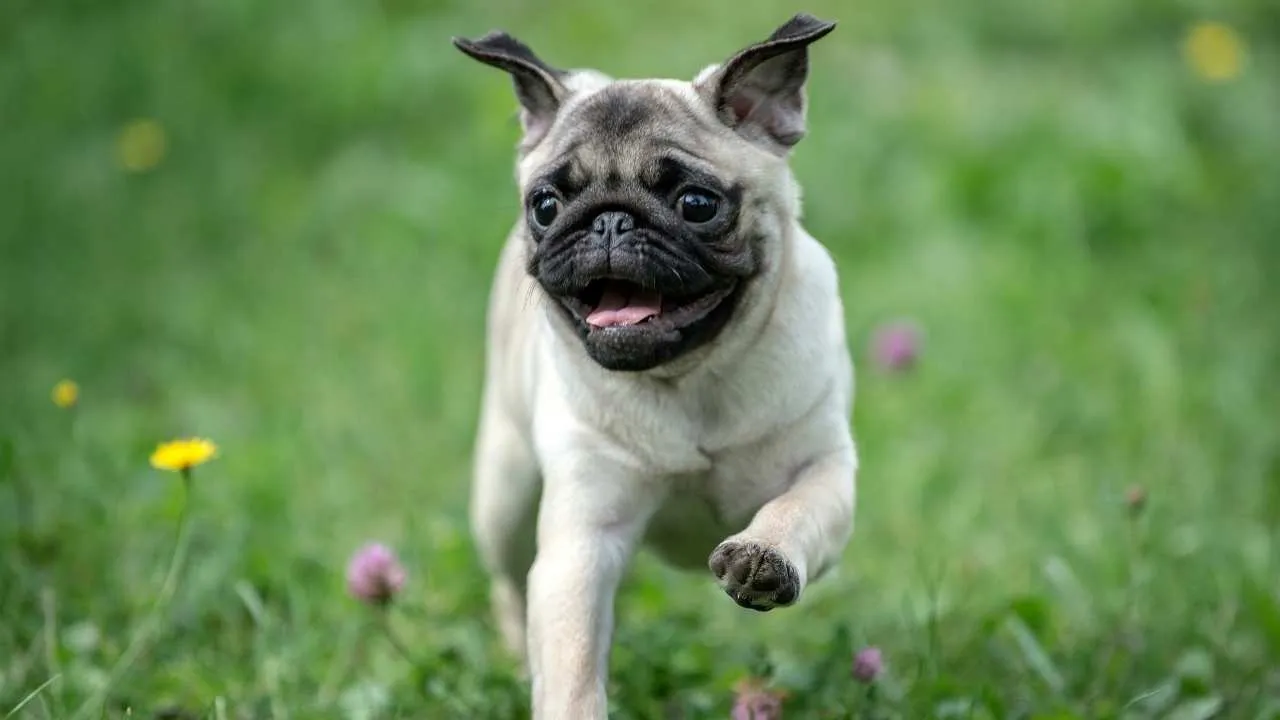
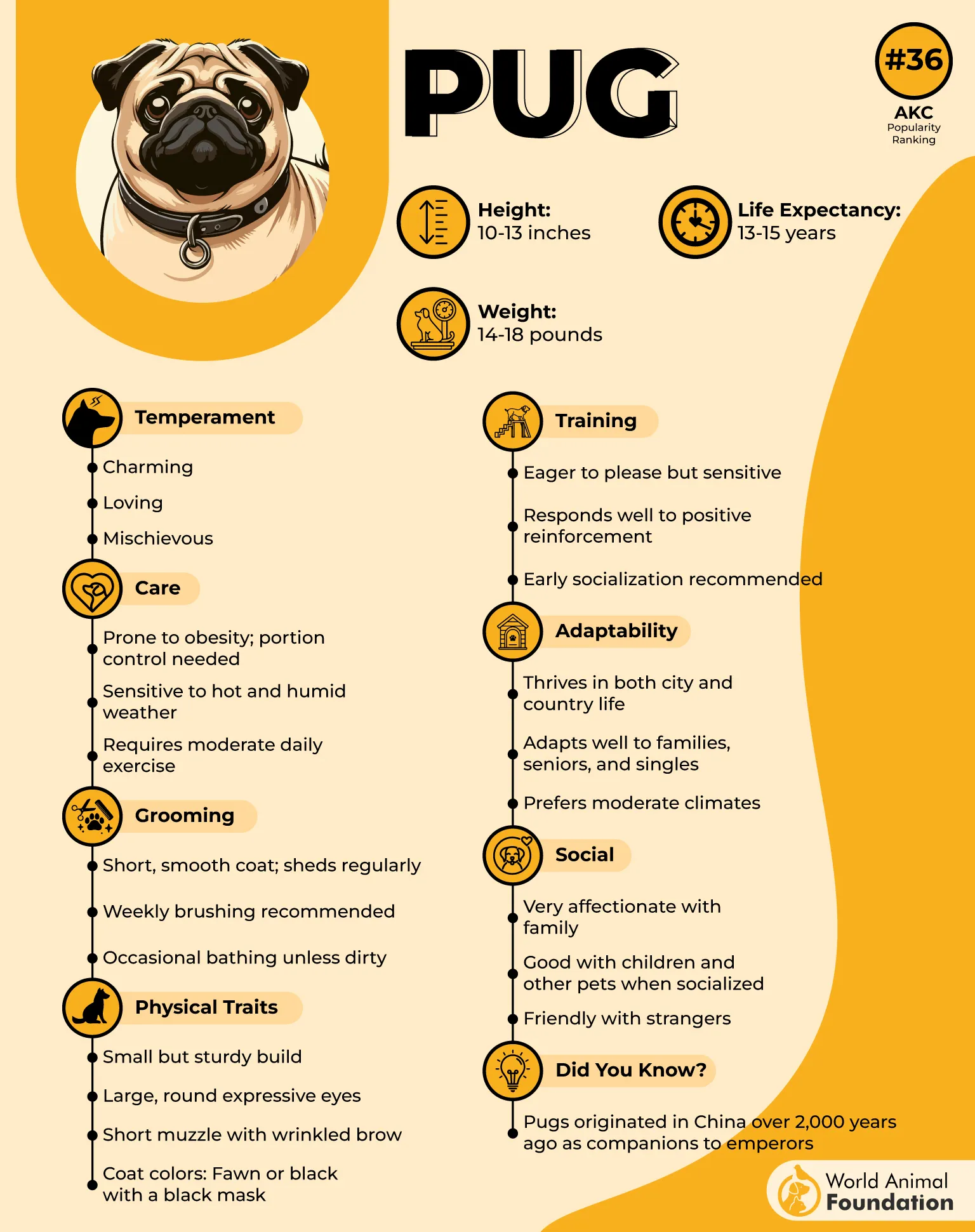
The pug was originally bred in China during the Han Dynasty, from 206 BC to 200 AD, with Pug-like dogs also linked to ancient Tibet and Japan. Chinese emperors prized these compact companions, placing them in luxurious royal households and even assigning soldiers to guard them.
Easy on the Grooming
Their short coat has minimal grooming needs, although loose hair is still part of the package. Weekly brushing with a medium-bristle brush, rubber grooming mitt, or hound glove helps remove shed fur without turning grooming into a major chore.
These care characteristics need a closer look:
Bathing is only needed when dirty or noticeably smelly
Several 15–20 minute walks suit most Pugs
Low-key fetch can replace demanding exercise
A Small Dog With Plenty to Say
According to Purina, pugs, even as a low-maintenance breed, pack a surprisingly playful personality into their stout frame, with the old phrase multum in parvo meaning “a lot in a little.”
They can be goofy, affectionate dogs, and eager for human attention, often choosing a couch, bed, or lap when the day slows down.
4. Russian Toy
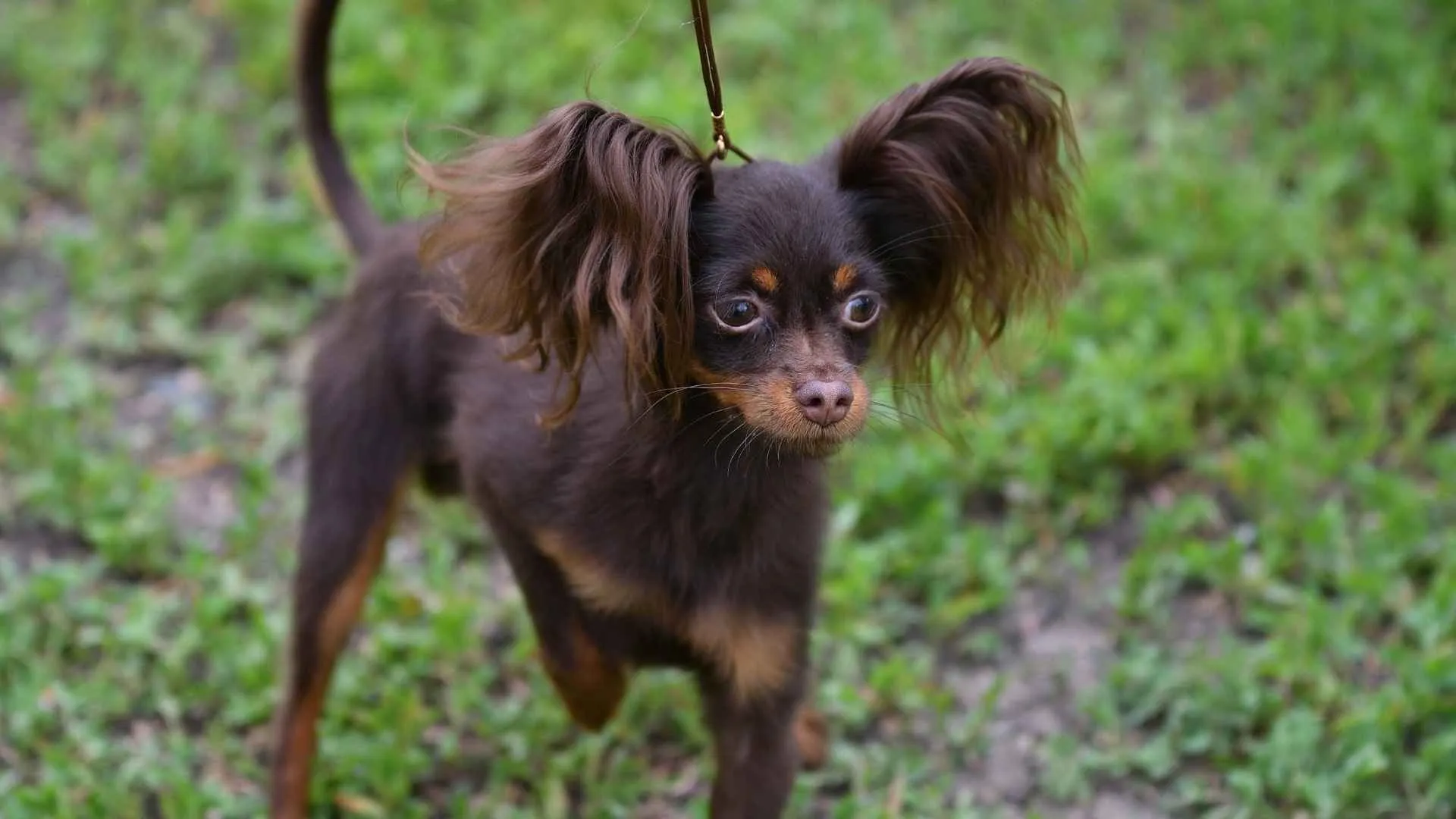
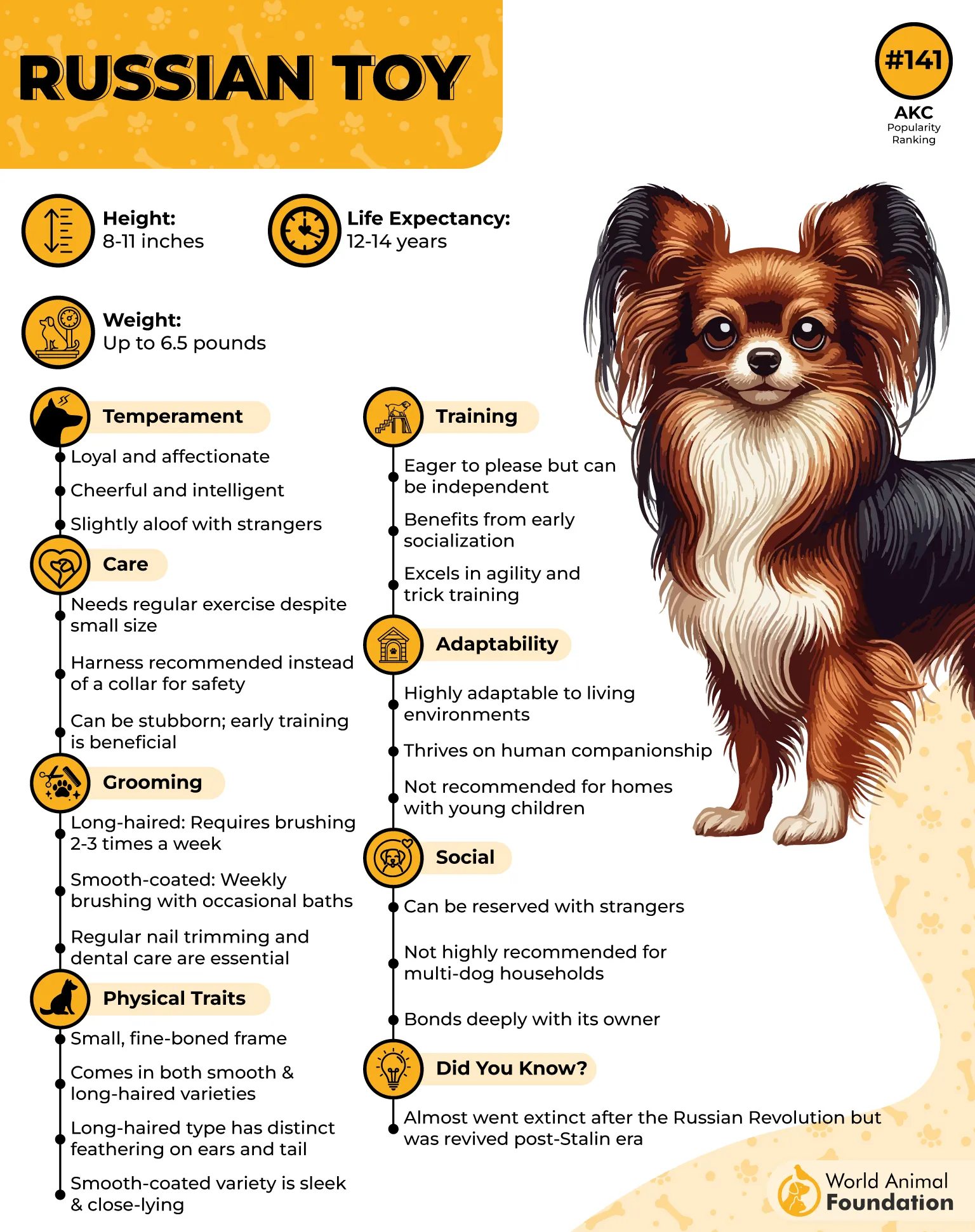
Russian Toy began with small toy terrier types from England, which became prized among Russian aristocratic and elite families. Small companion dogs appeared in Russia by the early 1700s, with Lizetta, a black-and-tan toy terrier, recorded at the Museum of Zoology in St. Petersburg.
Easy to Manage
For first-time dog owners, the Russian Toy can suit a routine built around short, active walks and simple training sessions. Its compact proportions also make feeding, housing, transportation, and everyday grooming relatively uncomplicated.
These details make their care routine more specific:
Smooth coat needs weekly bristle-brush grooming
Long coat needs combing every other day
Hairy feet can collect outdoor debris
A Big Personality
Russian Toy brings the spirited attitude associated with its terrier ancestry, along with a cheerful nature and strong interest in human company. It can be cautious around unfamiliar people, so early socialization matters especially when children, other pets, and other dogs are part of daily life.
5. Rat Terrier
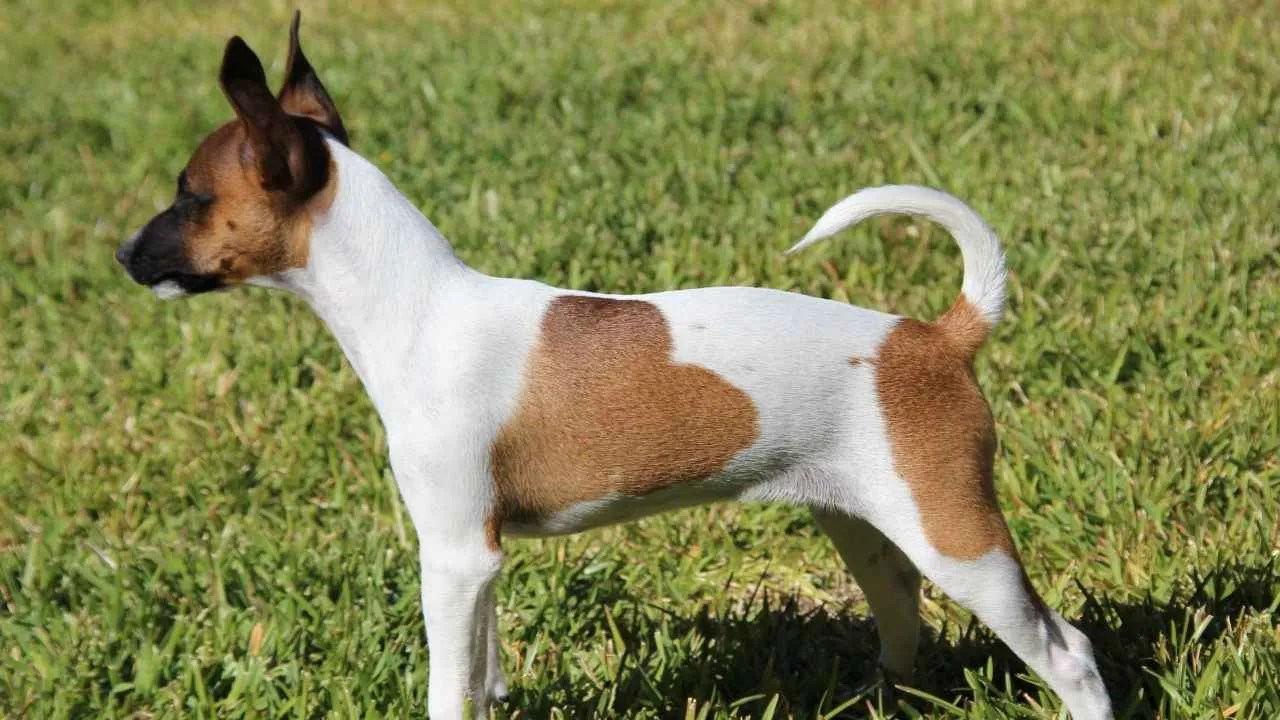
Rat Terrier traces its American roots to working-class immigrants from Britain who brought their dogs across the Atlantic in the late 1800s. Its ancestry may include Manchester Terriers, Smooth Fox Terriers, Whippets, Beagles, Italian Greyhounds, Miniature Pinschers, and Chihuahuas.
Did You Know: The Rat Terrier was used for vermin control on U.S. farms and also entered rat pit contests, where dogs were judged by how quickly they could kill rats. One documented dog reportedly killed 2,501 rats within seven hours inside an infested barn.
Easy Coat Care
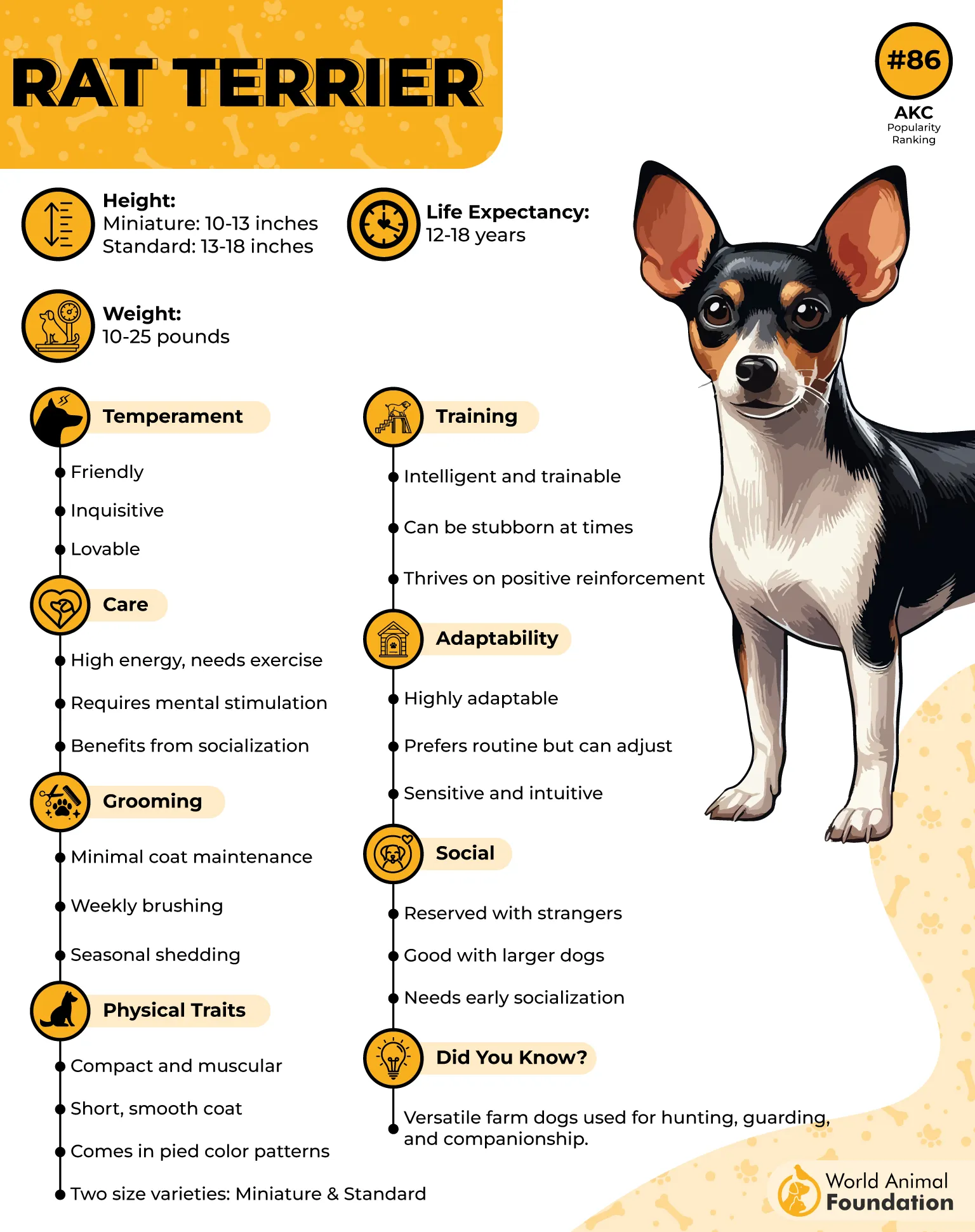
Rat Terrier’s short, smooth coat does not demand much grooming, with a weekly brush usually enough to remove loose hair, as the AKC notes. The breed sheds moderately, while its light coat and small frame make chilly weather less comfortable.
Here are the essentials of their grooming needs:
Weekly brushing removes dead hair
Average shedding throughout the year
Thin coat offers limited cold protection
Brainy and Busy
Rat Terrier is highly curious, playful, and quick to solve puzzle toys, so games and tricks give its sharp mind something useful to tackle. A daily neighborhood walk paired with several play sessions can help channel its energy, while some individuals may become pushy with smaller dogs at dog parks.
6. Miniature Pinscher
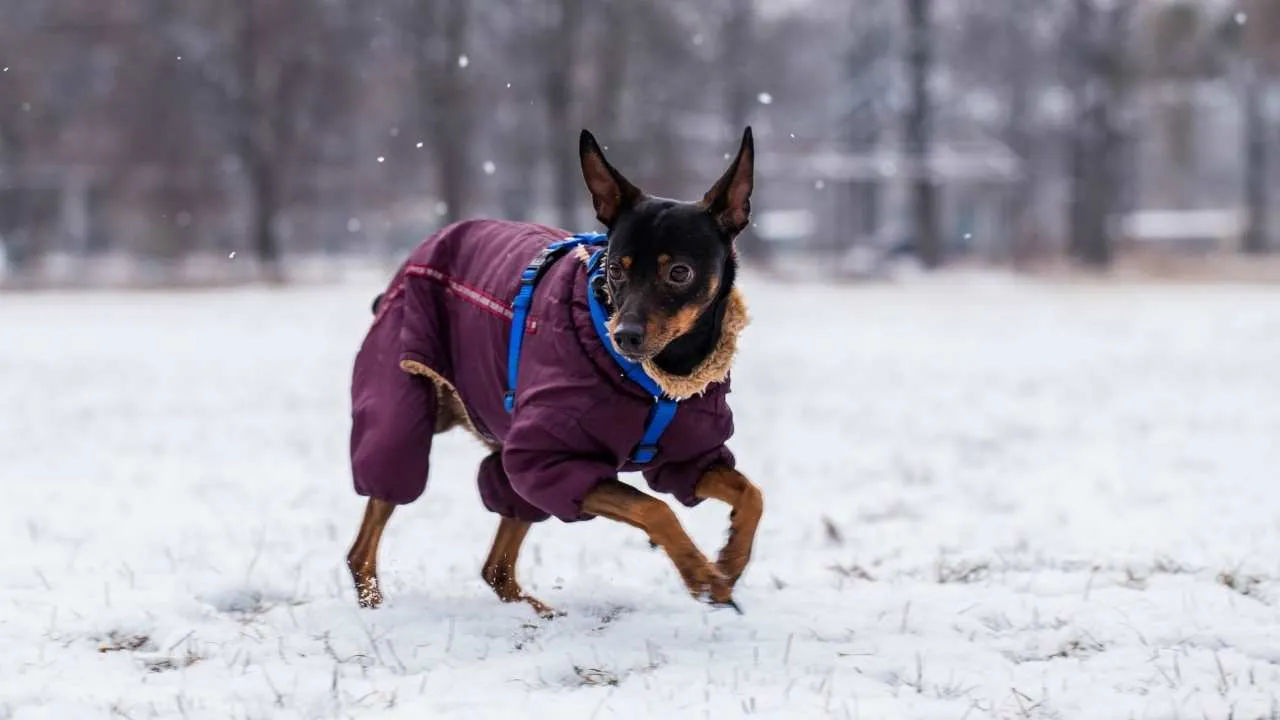
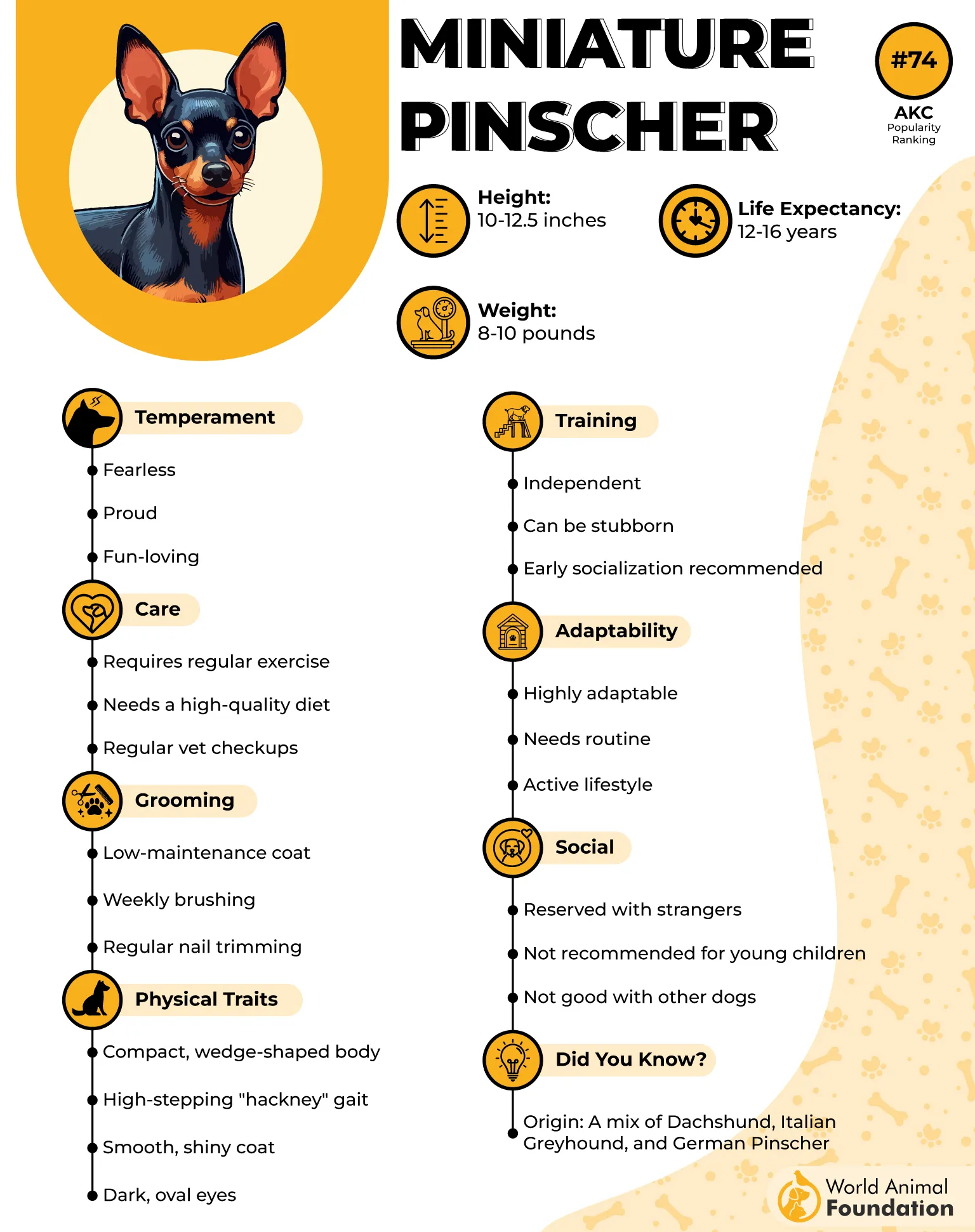
Miniature Pinscher comes from Germany and has existed for hundreds of years, although written records reach back only about two centuries. Its original job was catching rats and controlling vermin in homes and on farms, and it predates the Doberman Pinscher rather than being a smaller version of it.
Almost No Grooming
Min Pin has a very short, smooth coat that needs remarkably little attention compared with breeds requiring regular coat care. A soft brush or hound glove once a week is enough for routine grooming, while some dogs can go without brushing altogether.
The grooming routine can be kept especially simple:
Quick bath after muddy play
Light brushing after dusty outings
Short coat dries and cleans easily
A Lively Personality
Miniature Pinscher is confident, curious, and eager to join whatever is happening around the household. It can be affectionate and playful with its family, including plenty of sofa cuddles, while its comic antics often become part of everyday interaction.
7. Italian Greyhound
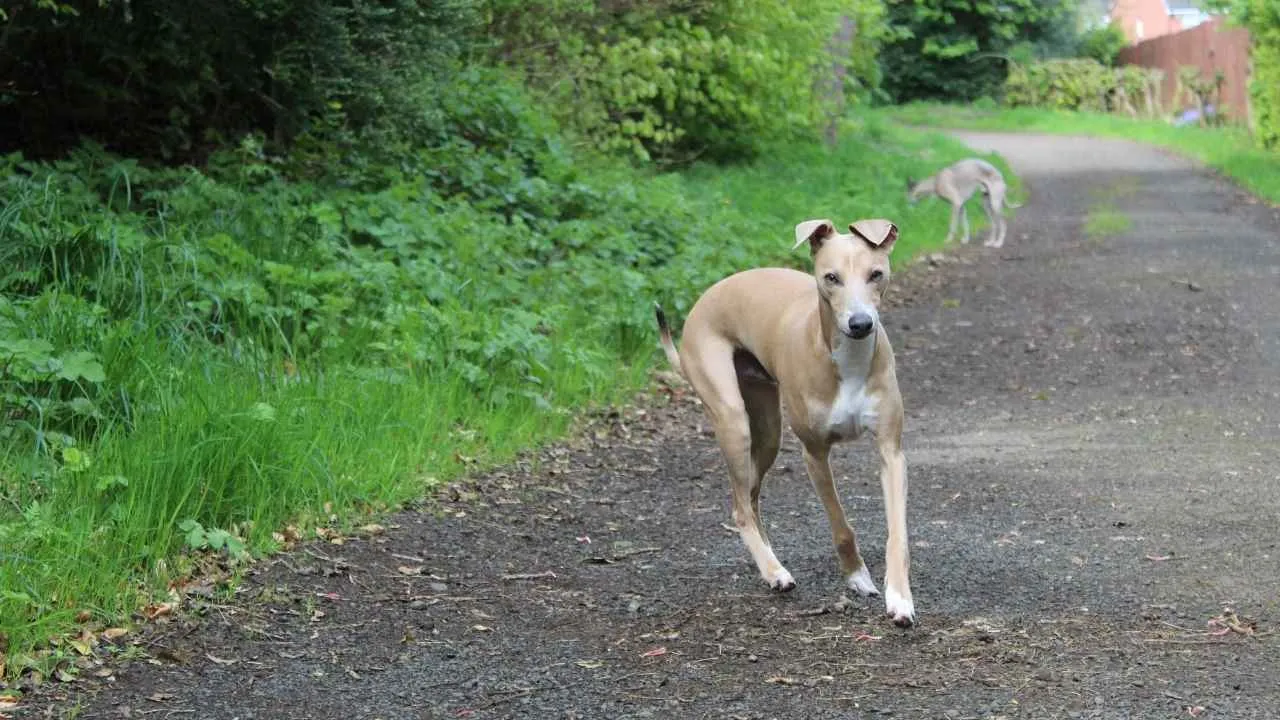
Italian Greyhound belongs to one of the oldest canine types, with sleek sighthounds appearing in temple drawings from around 6,000 BC in modern-day Turkey. Ancient Egyptians also depicted similar dogs on tomb walls, while Greek and Roman cultures included them in their mythology.
Minimal Grooming
Italian Greyhound wears a short, fine coat that demands very little grooming, helping keep coat care simple for households looking for a lower-maintenance routine.
Its delicate frame and elegant appearance also reflect the miniature sighthound type behind this affectionate companion.
A few details give this little sprinter extra character:
Reaches nearly 45 mph
Can hit top speed within six strides
Often called a “45 mph couch potato”
Sensitive Side
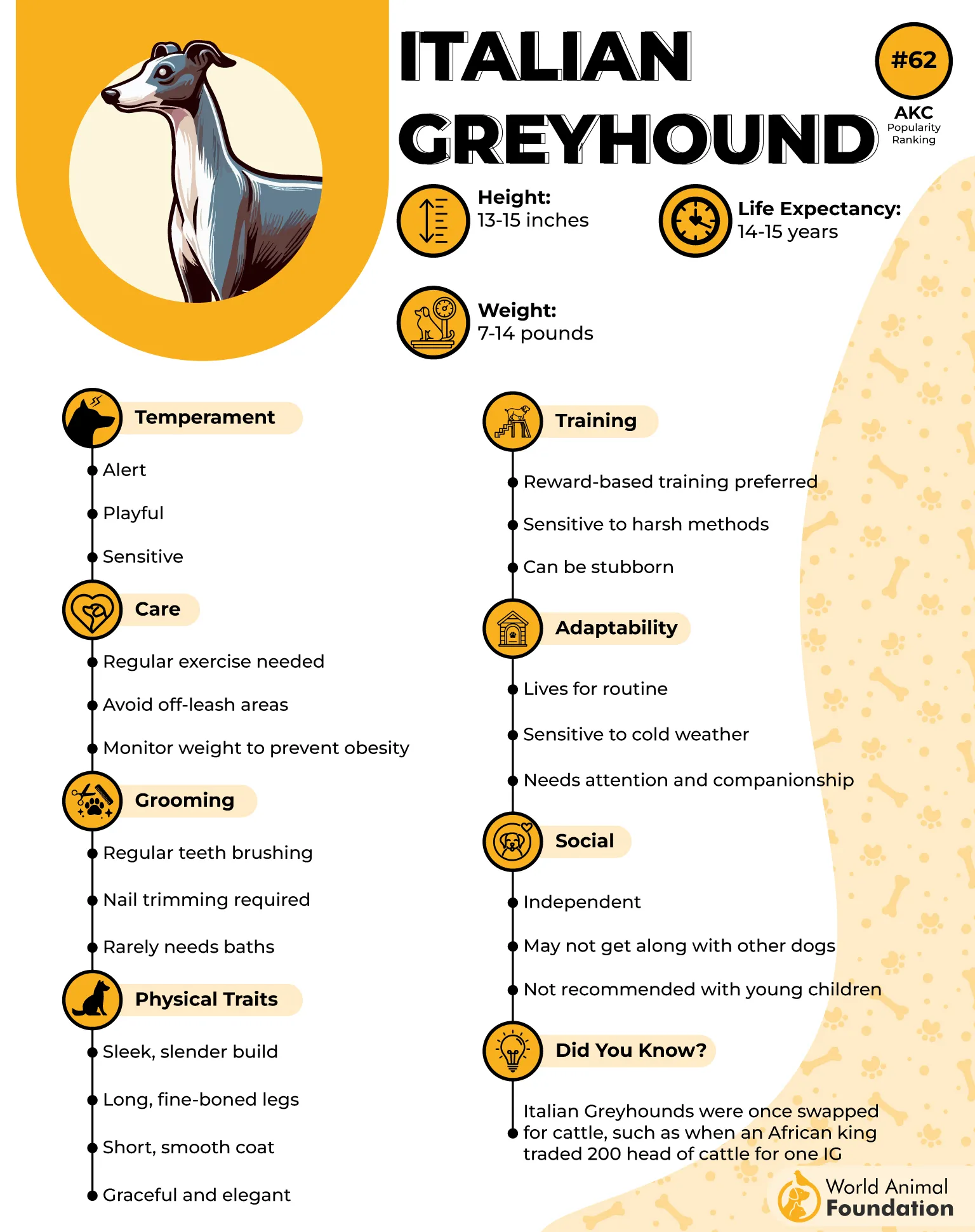
Italian Greyhounds can be easily startled by loud noises and may become distressed when there is shouting or tension around the home. This sensitive nature pairs with a gentle temperament, while unfamiliar visitors may receive a more reserved response than close family members.
Conclusion
Selecting a low-maintenance dog is really about finding a routine that feels manageable from one day to the next. Short coats can reduce grooming time, while moderate exercise may fit more easily around work, family, and other responsibilities for busy pet parents. That does not remove the need for training, socialization, veterinary care, or companionship.
Some dogs may also bring strong instincts or sensitive personalities that require extra attention. Looking at the whole picture helps you avoid choosing based on appearance or grooming alone. Among the most low-maintenance breeds, the best match is a companion whose care needs fit naturally into your schedule, home, energy level, and ability to provide consistent attention.
