




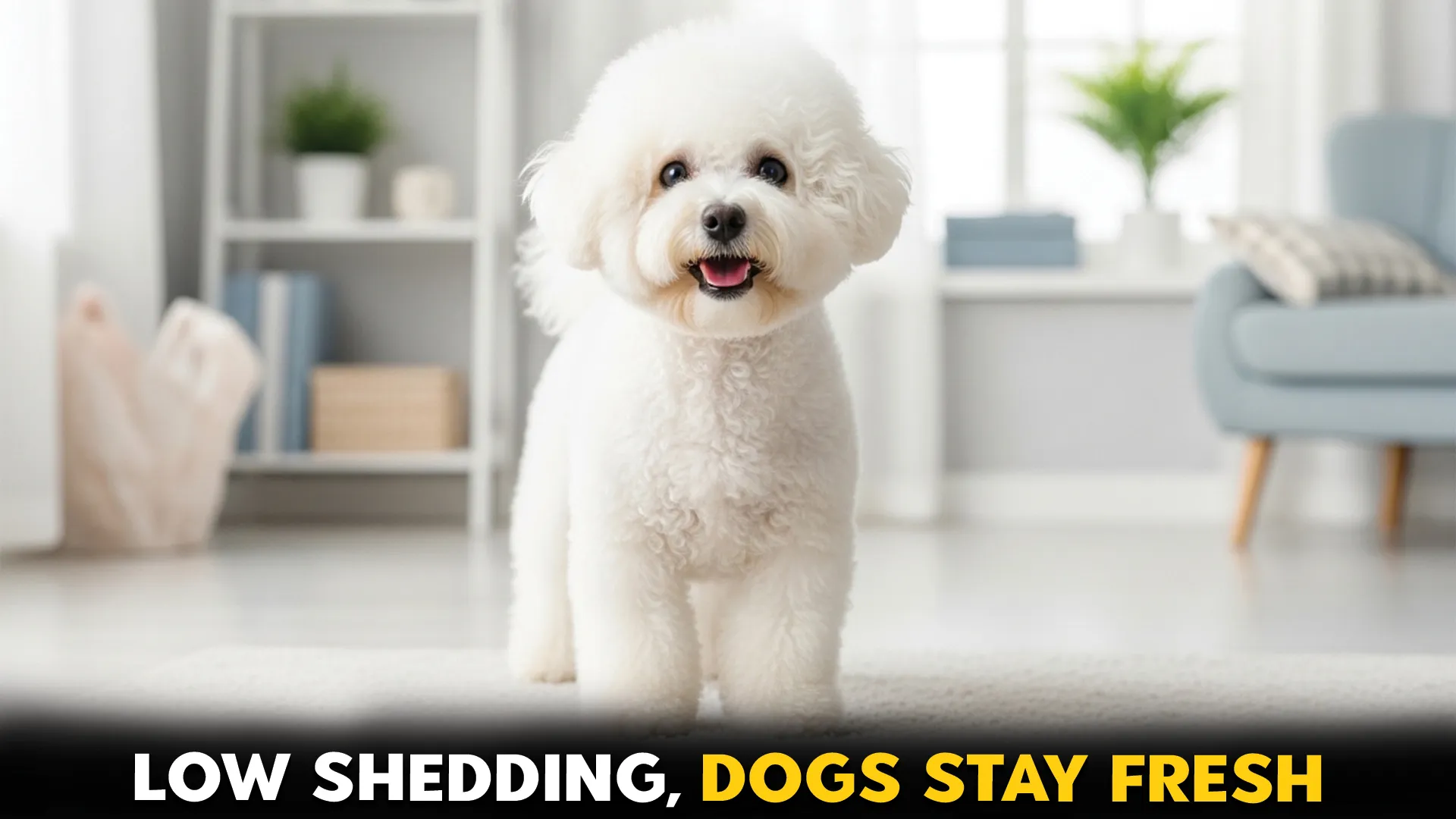
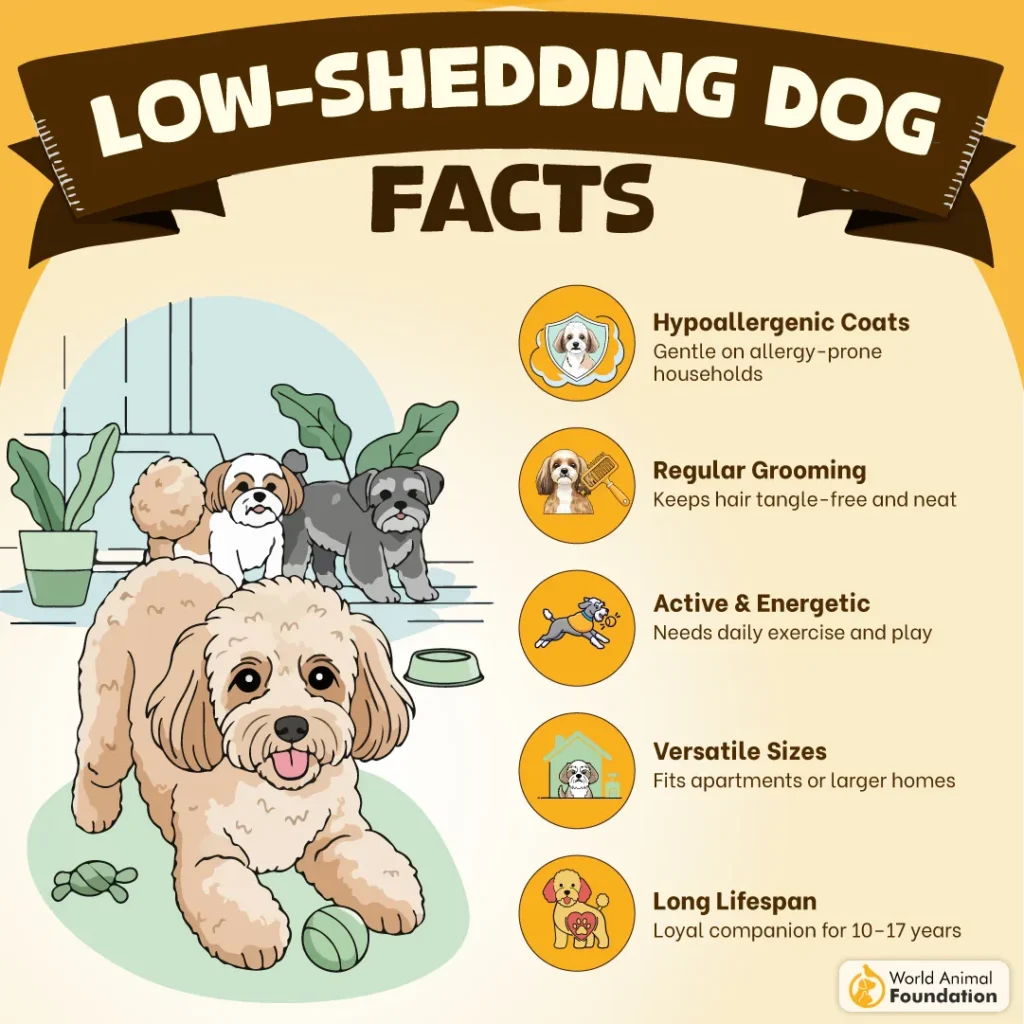
Shedding is more than a minor inconvenience—it has a direct impact on home cleanliness, how often cleaning is needed, and even indoor air quality. Excessive shedding can be a major drawback for many dog owners, especially those living in apartments or dealing with allergies.
However, not all low-shedding dog breeds work in the same way. There are breeds that shed less fur since their hair is constantly growing. Other ones have short coats that shed little hair.
Then, there are hairless breeds that do away with shedding and substitute it with other care requirements. Choosing the right low-shedding dog isn’t just about having less hair around the house—it’s about understanding the trade-offs that come with it.
Here, we discuss 7 truly low-shedding dog breeds, their mechanisms of operation, what they truly need from their pet parents, and what type of professional grooming is best for them.
Fantastic Dog Breeds With Minimal Shedding Concerns
1. Bichon Frise
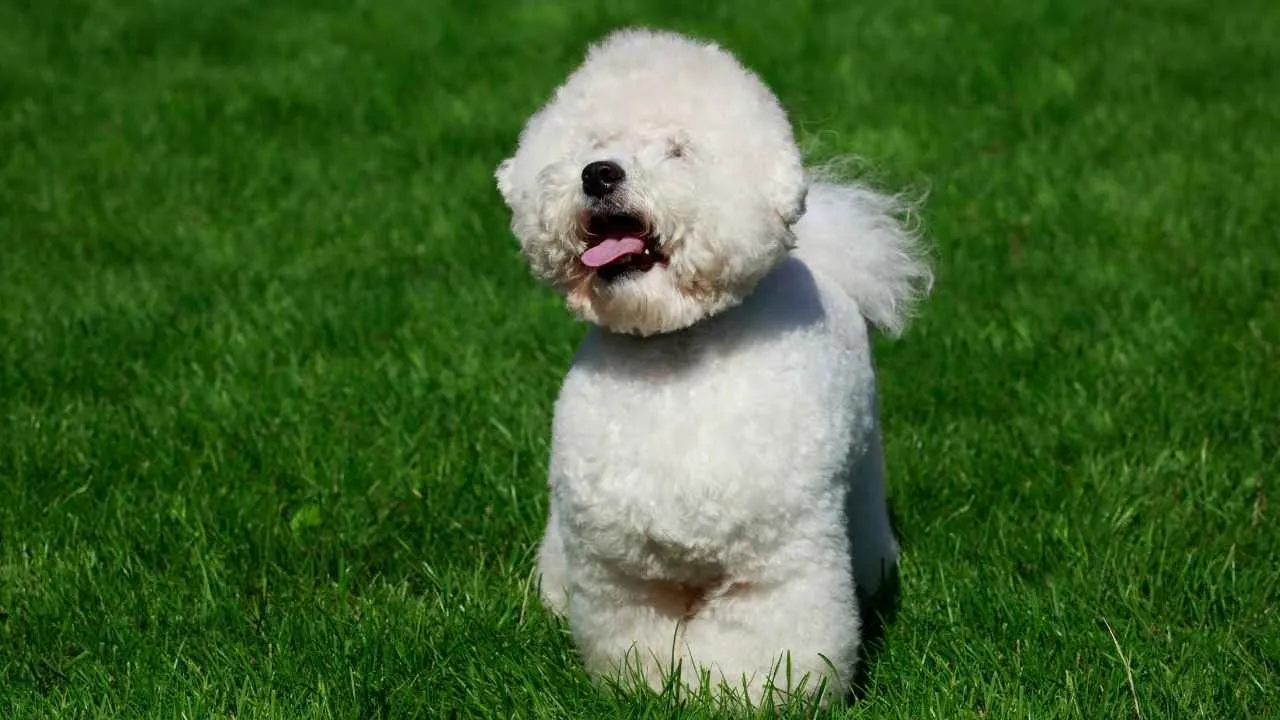
The Bichon Frise is known as a hypoallergenic dog breed, but the really great thing about it is the way its coat acts.
Loose hair does not shed freely, but rather gets stuck in its thick, curly coat. This vastly decreases conspicuous shedding in and about the house. But it leaves another burden, you must get their hair caught in the mats off yourself by grooming.
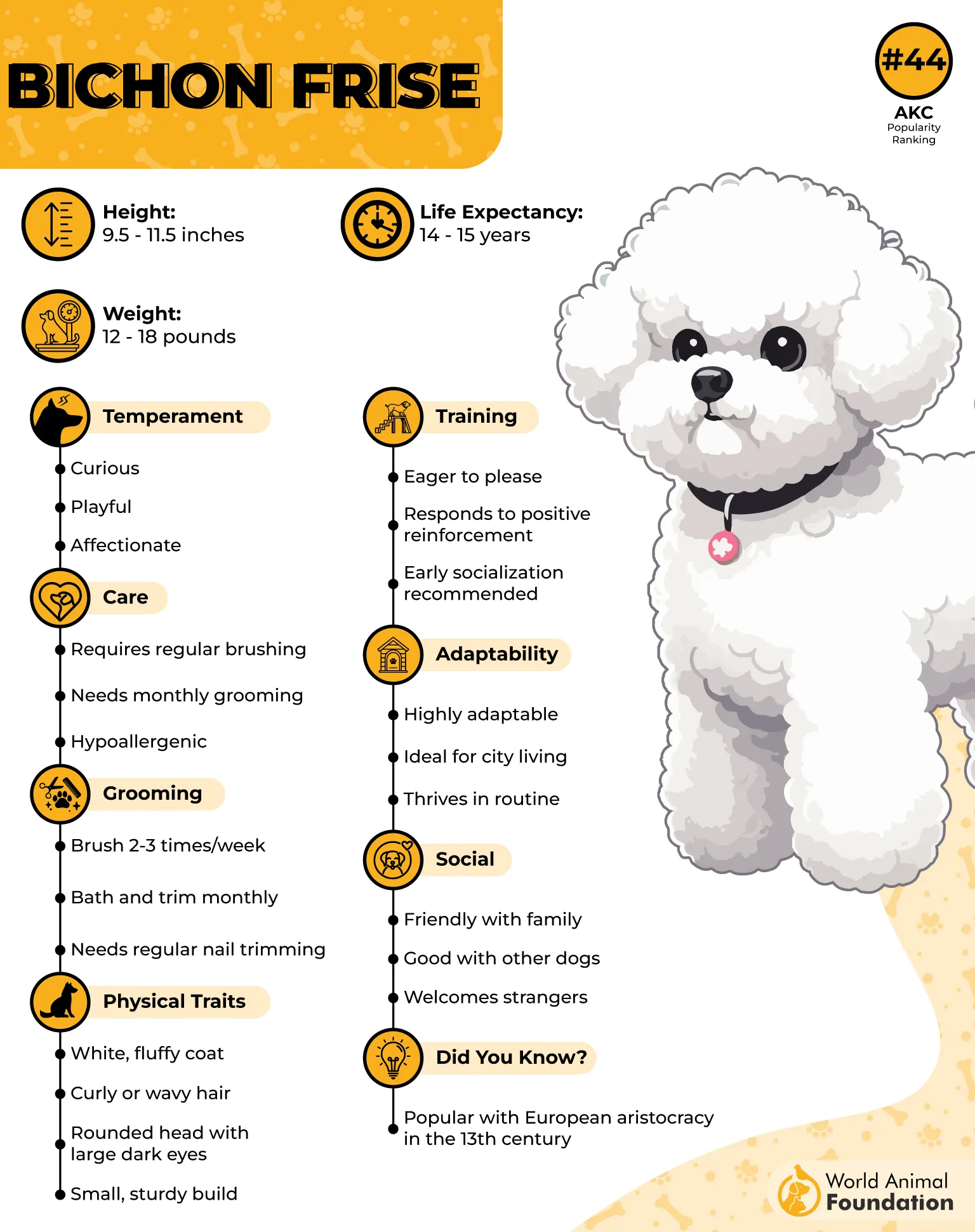
It does not mean that one can skip brushing, but it is structural maintenance. The coat must cling tightly to the skin.
Bichons are adaptable and emotionally stable, behaviorally, and this is significant since the regular grooming process involves cooperation. Their affectionate nature facilitates the maintenance of care more compared to other dog breeds.
What Makes Them Unique:
Low-shedding breed
Uniform texture of coats throughout the year
An accustomed way of grooming
They suit owners who like to keep in control of grooming rather than cleaning them all the time.
2. Maltese
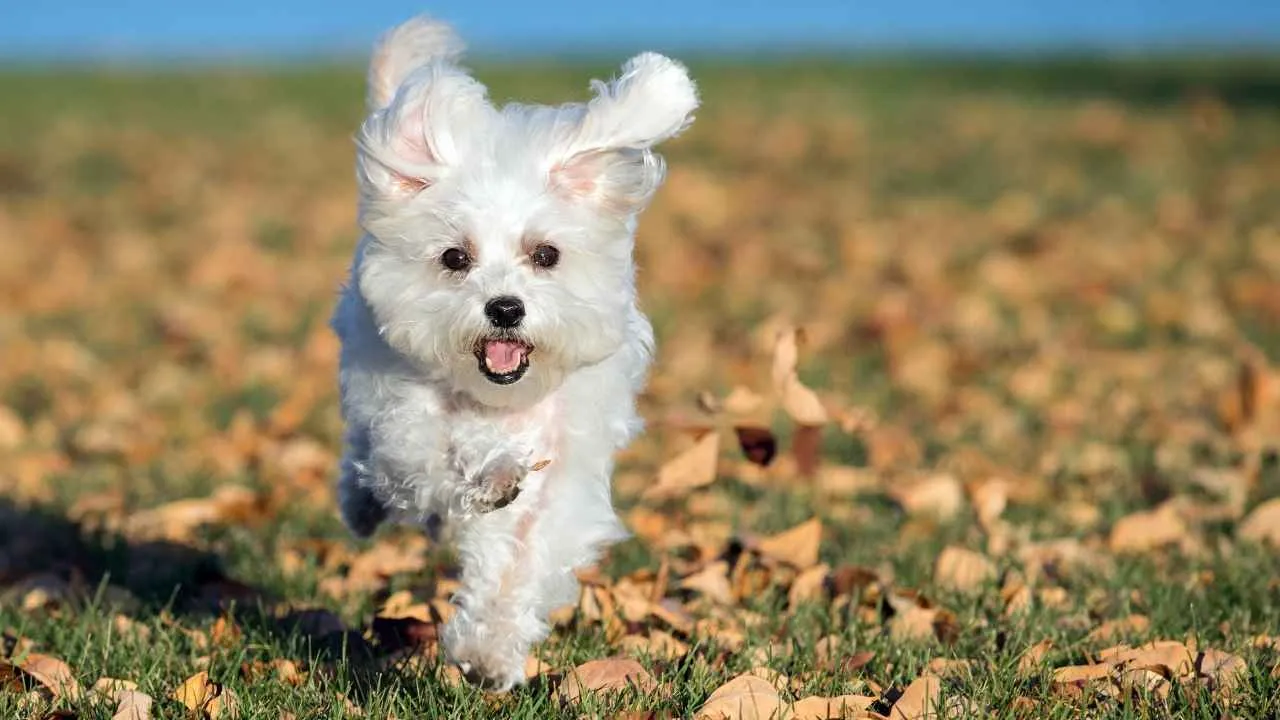
The Maltese is not truly a low-shedding breed and sits at the opposite end of the shedding spectrum.
Its fur acts more like human hair than dog hair. It does not shed in cycles but grows as well as sheds very little. This can be said to make it one of the cleanest low-shedding breeds as far as loose hair is concerned.
But a continuous increase implies neglect is fast forgotten. Tangles do not simply form on the silky white hair of this low-shedding dog breed, but they also squeeze. As per VCA Animal Hospitals, regular brushing or combing is required every day or two to prevent matting. It helps keep their coat healthy and avoid structural issues as well.
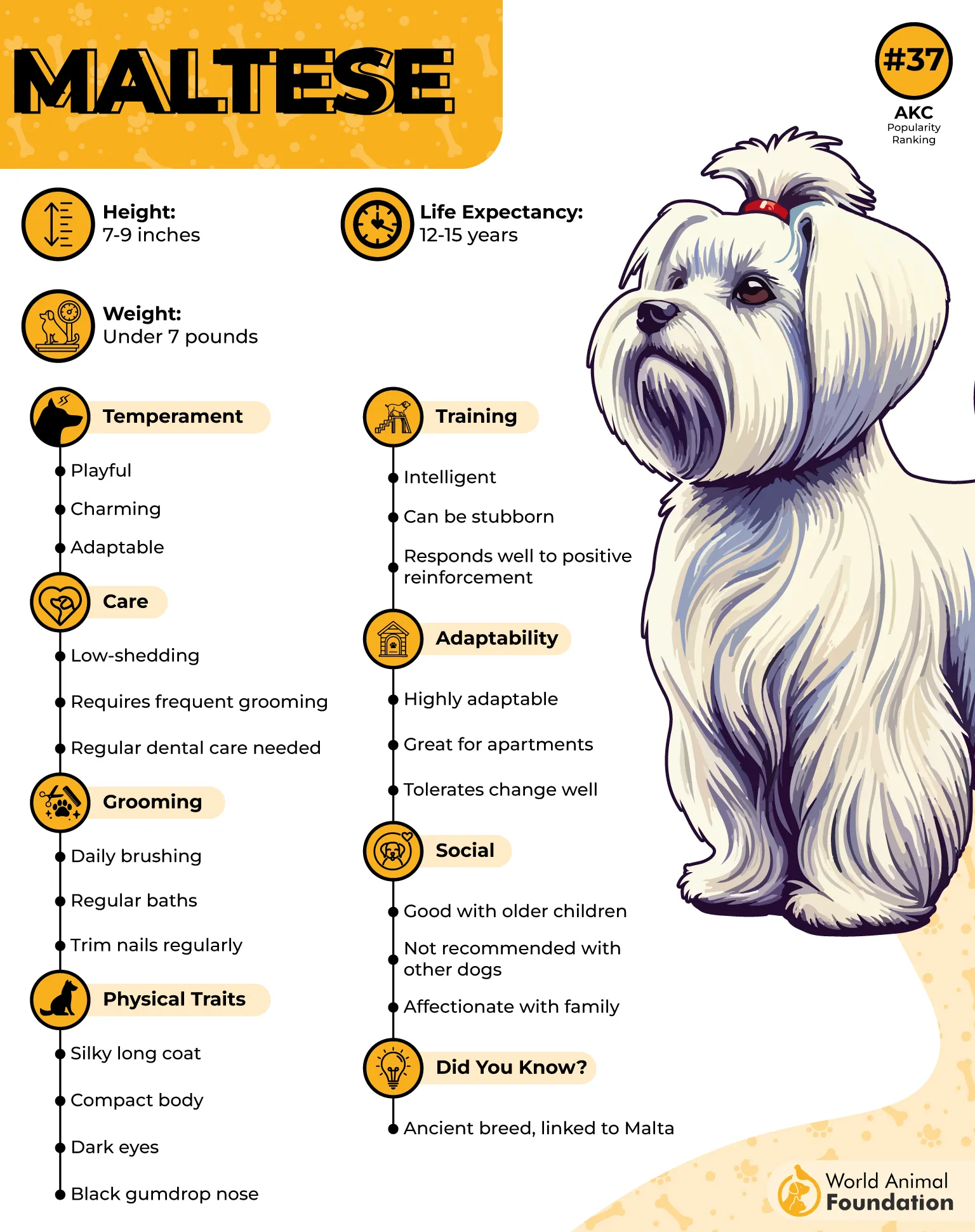
One more detail that should be considered is that Maltese dogs do not cause as much dander as other breeds, which can help them to become more welcoming to owners who are prone to allergic reactions.
What Sets Them Apart:
Extremely low hair fallout
No seasonal shedding spikes
Consistent grooming required
They are the best choice for owners seeking the least shedding and the most controlled coats, as well as perfect for families that might have dog allergies.
3. Shih Tzu
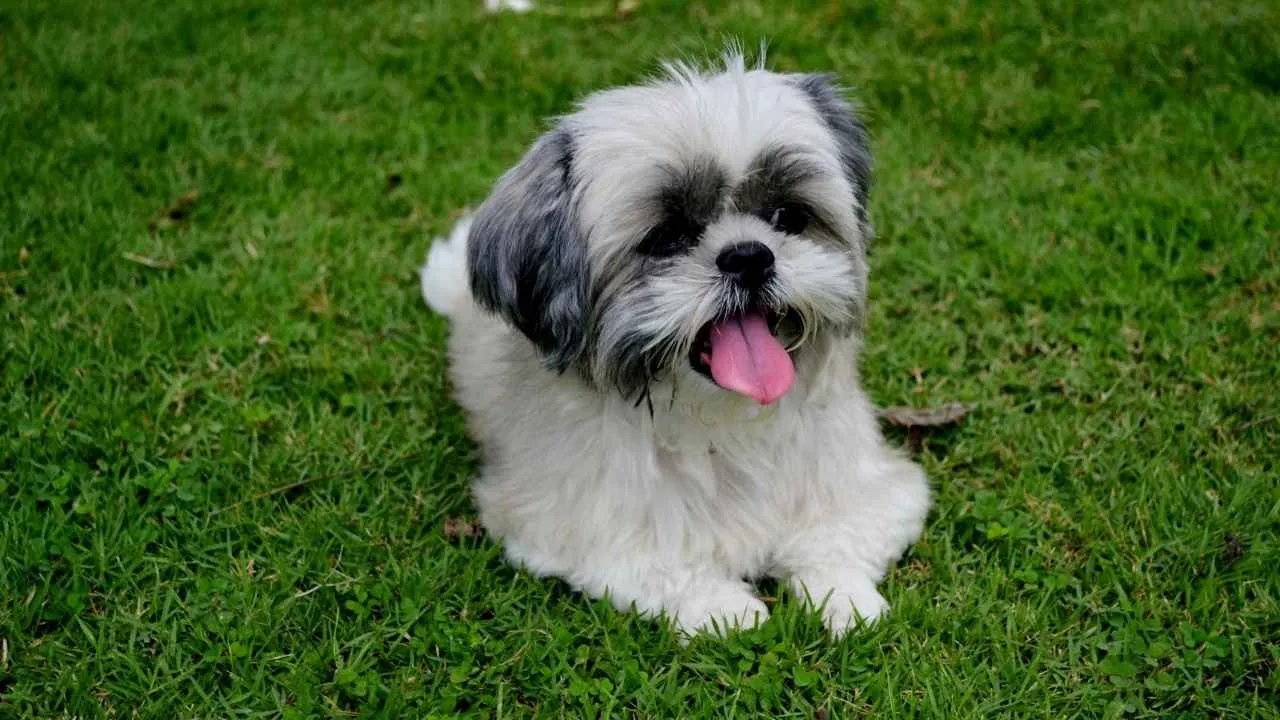
This low-shedding dog breed lies between the Bichon and Maltese in the way the coat behaves.
These dogs shed minimally, though not because they do not lose hair, but because of the way the coat is laid down, the hair drops gradually, and gets trapped in the other strands of the coat.
This makes shedding all but invisible in day-to-day life, though, like the Bichon, it raises the frequency of required de-tangling and maintenance.
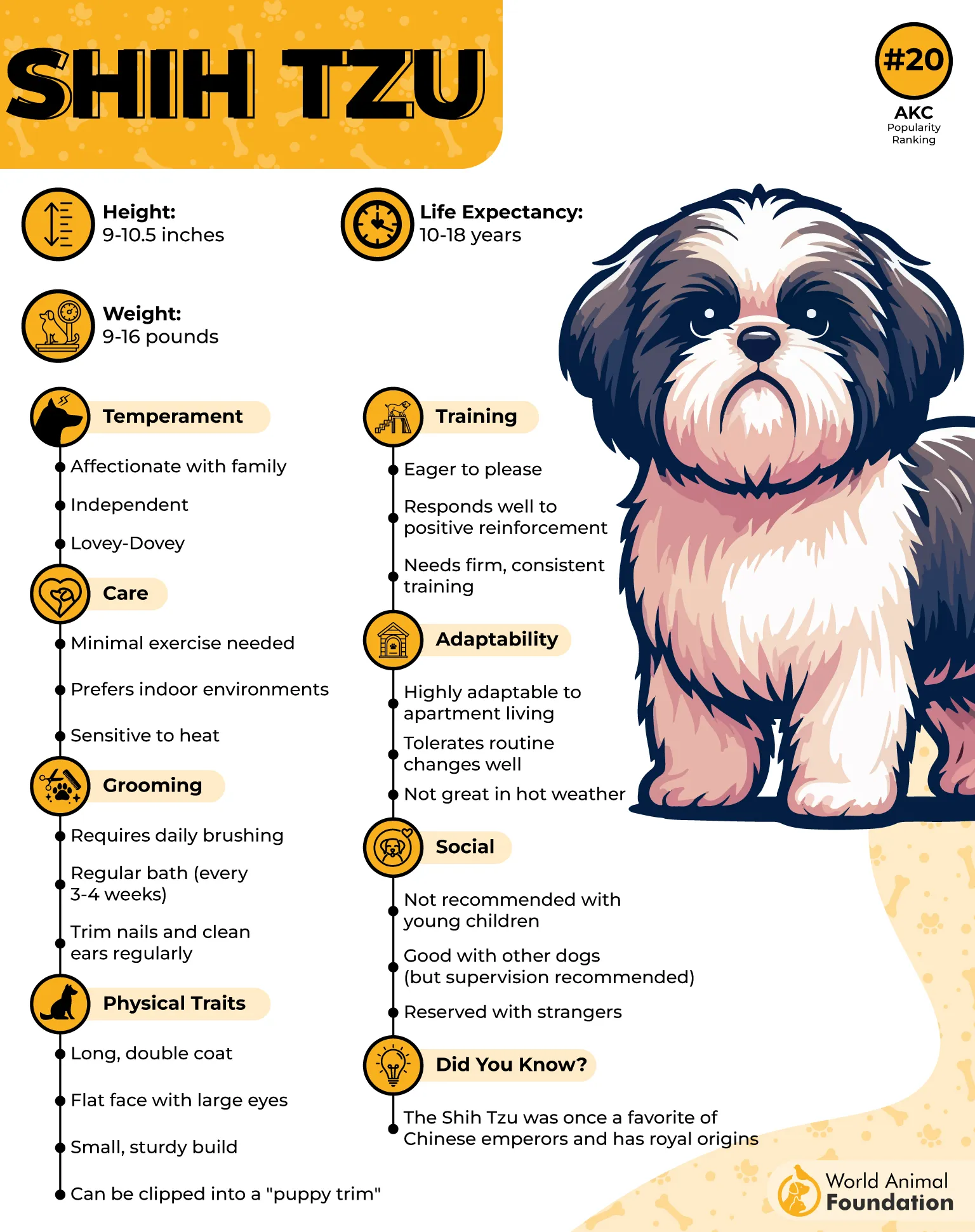
The only distinction of this low-shedding dog breed is not its coat but its compatibility with the lifestyle. As per the American Kennel Club, these dogs are especially loving with children. This small breed is also perfect for apartment living, as it was created as an indoor companion.
Key Distinctions:
Minimal visible shedding of their silky hair
Strong indoor adaptability
Average complexity of grooming
This low-shedding dog breed is the perfect match for owners as it does not shed much, and it has an easy-going temperament towards the family.
4. Xoloitzcuintli
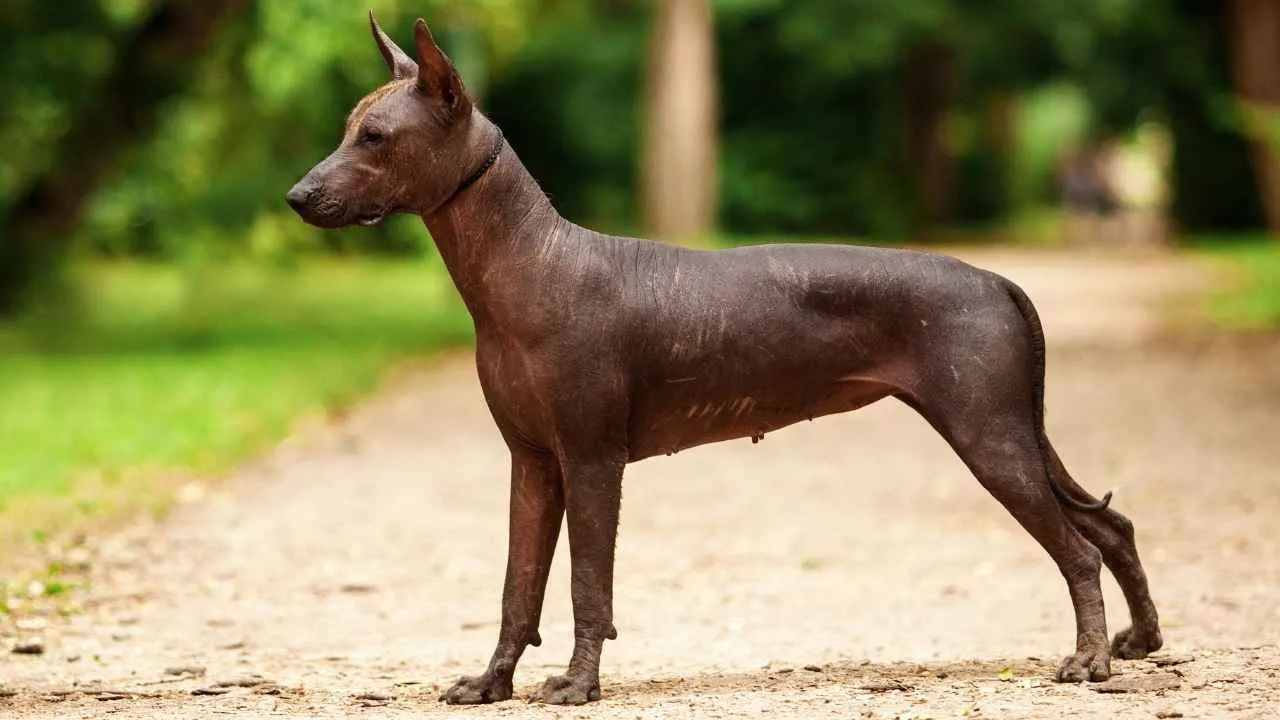
The Xoloitzcujici study completely changes all scientific research about shedding behavior. This hairless breed shows almost complete elimination of shedding through its physical appearance. The owners of this low-shedding dog face a confusing decision as they have to manage the dog’s skin instead of maintaining its coat.
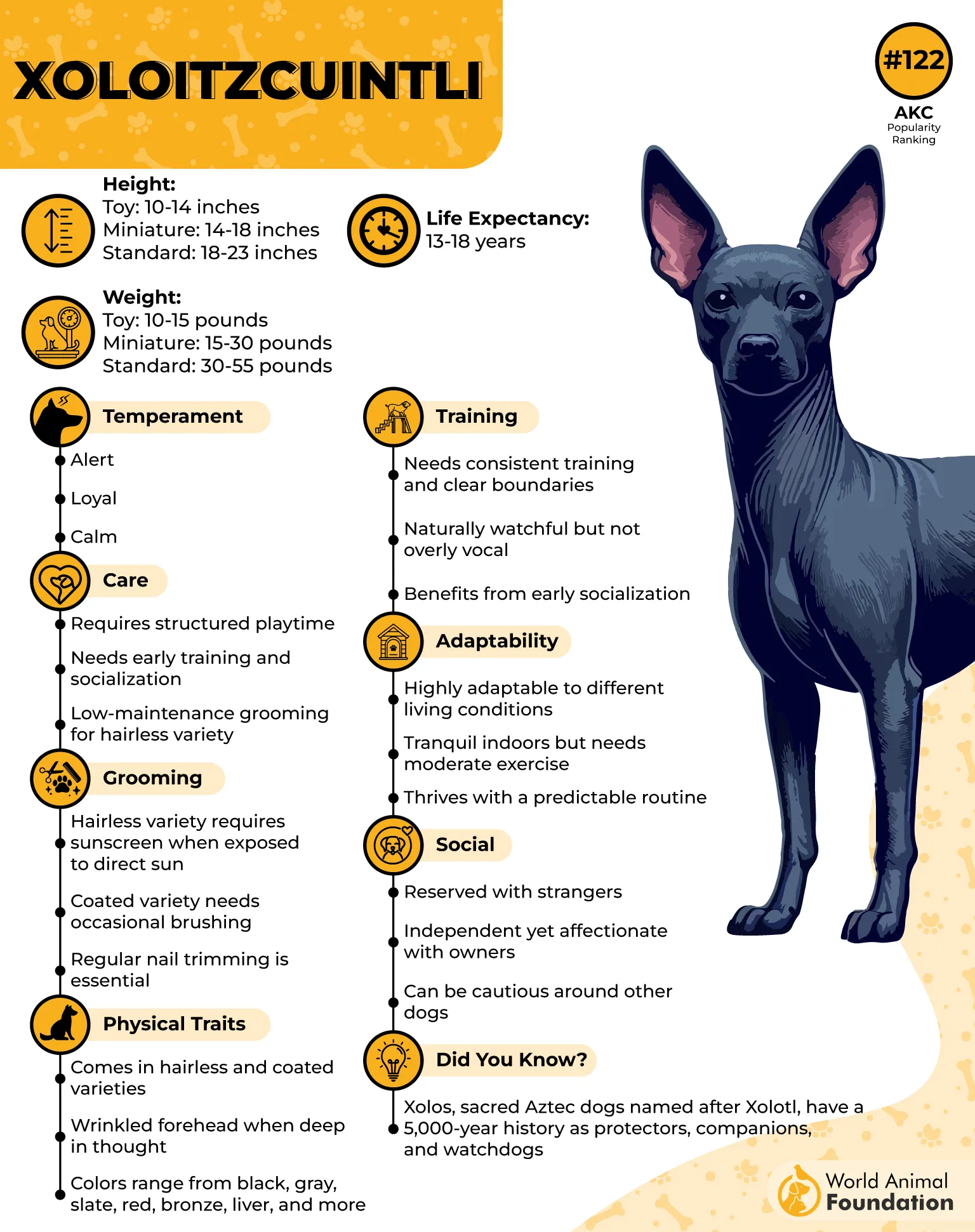
In the absence of fur, the skin is exposed directly. This means:
It has to be cleaned frequently
It may be sun-sensitive and trigger allergic reactions
It may need moisturizing
The most interesting part is that Xolos do not always shed much of the dander, and as such, they may be helpful to people who may have pet allergies.
They are psychologically composed, observant, and so loyal. They tend to attach themselves to one or two individuals.
The breed is perfect for people who desire:
Near-zero shedding
A unique companion who does not need daily brushing
Readiness to substitute grooming with skincare
5. Whippet
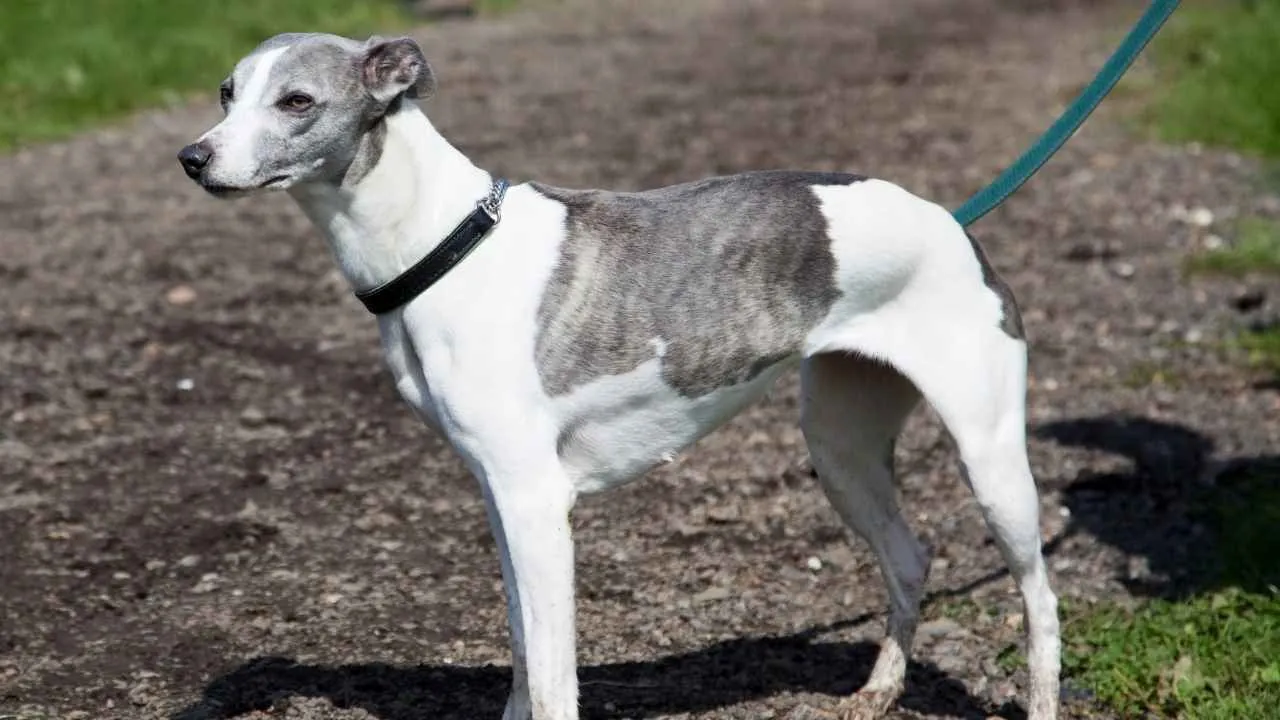
The Whippet pup is a totally different type: bare with coats.
It sheds its short, fine coat easily and does not trap hair like curly breeds. In place of intensive grooming, the maintenance is low – usually only done occasionally (by regular brushing).
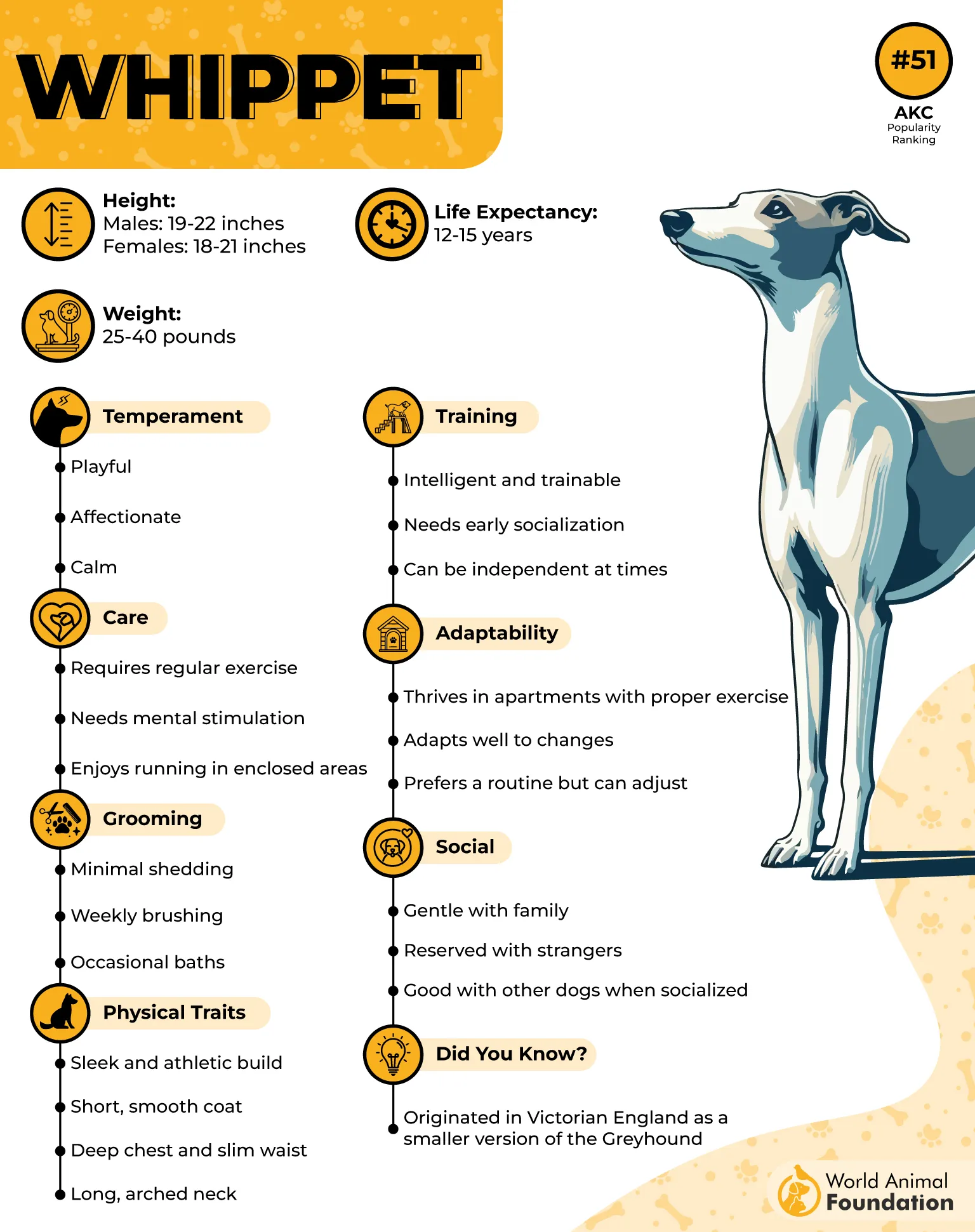
The energy opposite is what makes Whippets particularly suitable in modern life:
Outdoors: Quick, athletic, explosive.
Indoors: Relaxed, lazy, serene, and tranquil.
As per Orvis, Whippets have a peaceful, gentle demeanor. Their duality is what makes them ideal for individuals who desire to have an active dog that is low maintenance when it comes to grooming.
Key Advantages:
Extremely minimal grooming needs, but does require regular exercise
Minimal odor and less dander compared to other breeds
Low visible shedding
They are ideal for people who prefer their owners to be clean and not complicated to groom.
6. Dachshund
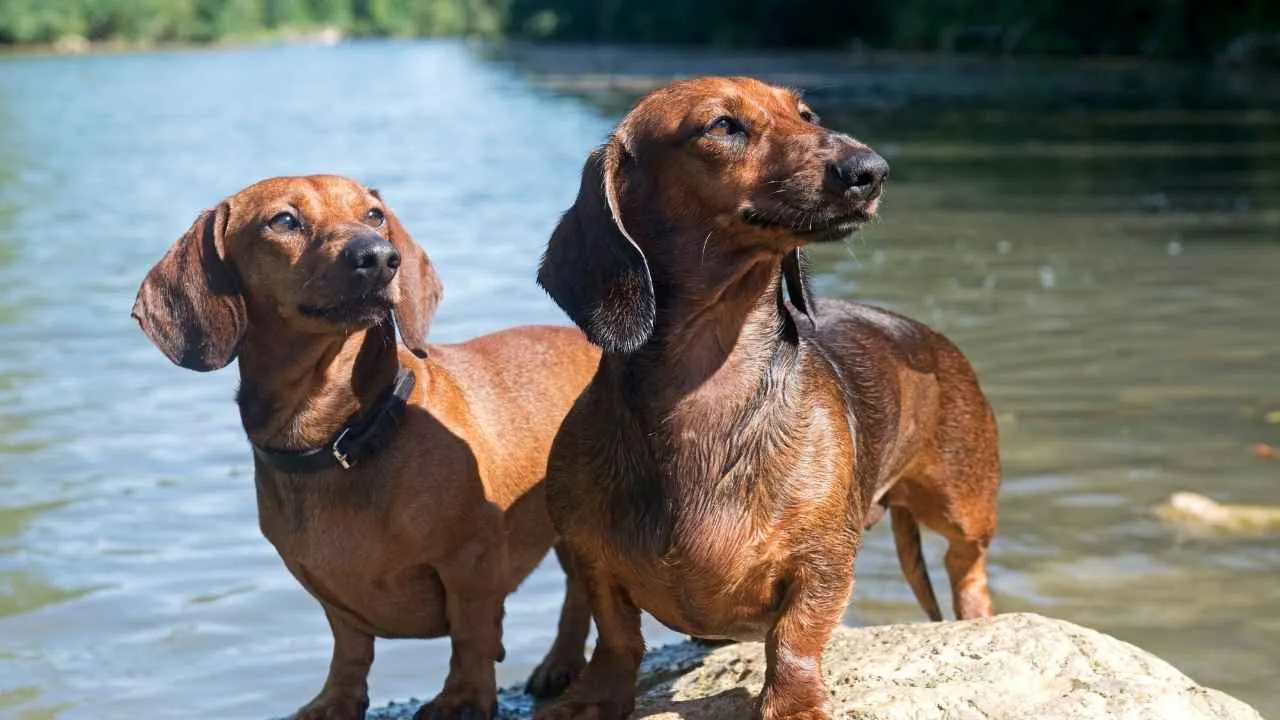
The shedding of the Dachshund also relies greatly on the type of coat; however, the smooth-coated one is the least-complicated type of coat out there.
Dachshunds do not have hair like curly or long-haired breeds. The minimal things they lose are manageable.
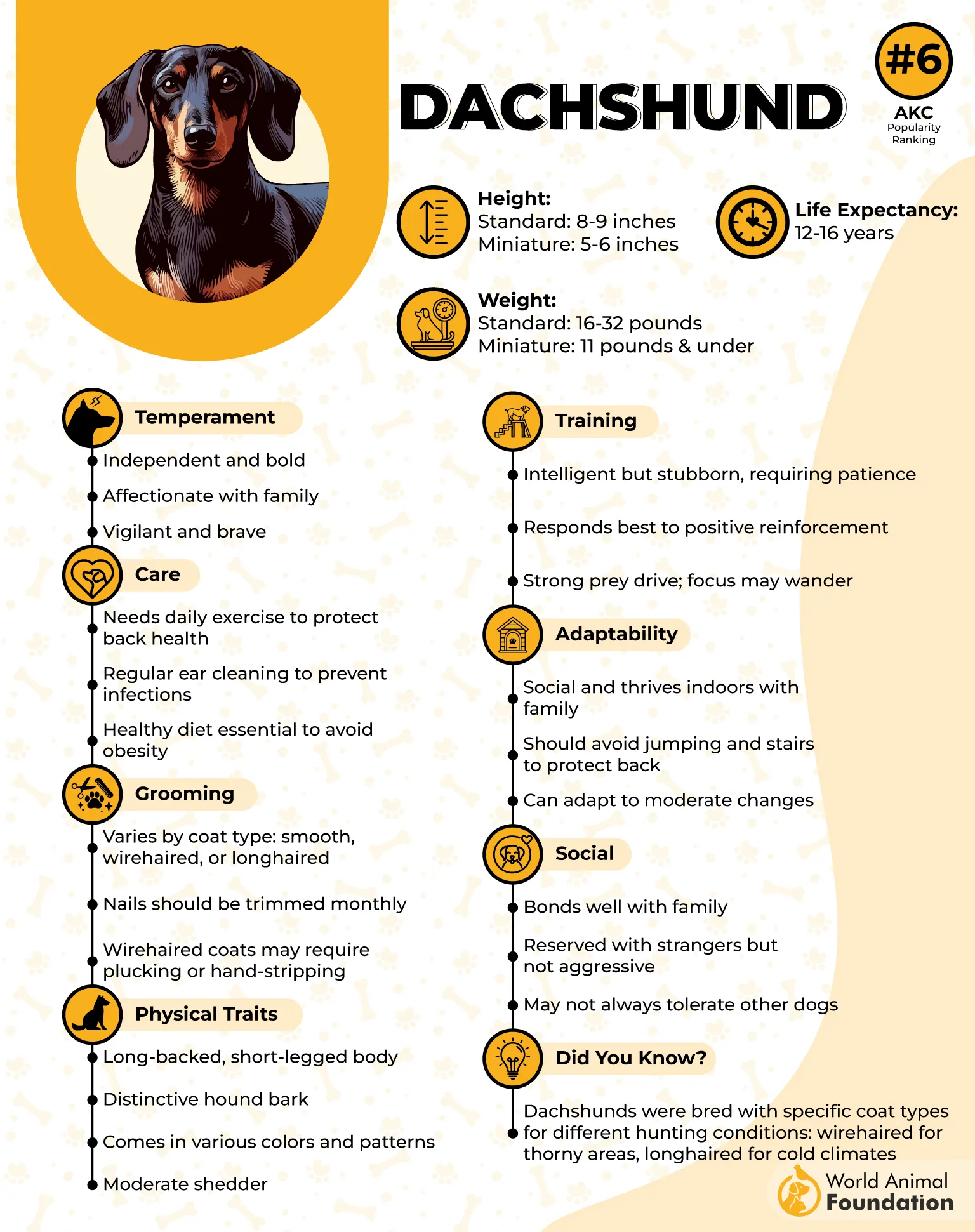
But what is interesting about them is not their color. It is their freedom of behavior. They are not averse to pleasing, but it is not always their inherent characteristic, so they must be trained consistently.
And in the aspect of cleanliness:
Weakness is low and controllable
Grooming needs are minimal
Coat care is simple, as it’s mostly in good condition
They are perfect with those owners who desire a dog that sheds little and clothes are not ruined, is not grooming committed, but can manage some personality.
7. Basset Hound
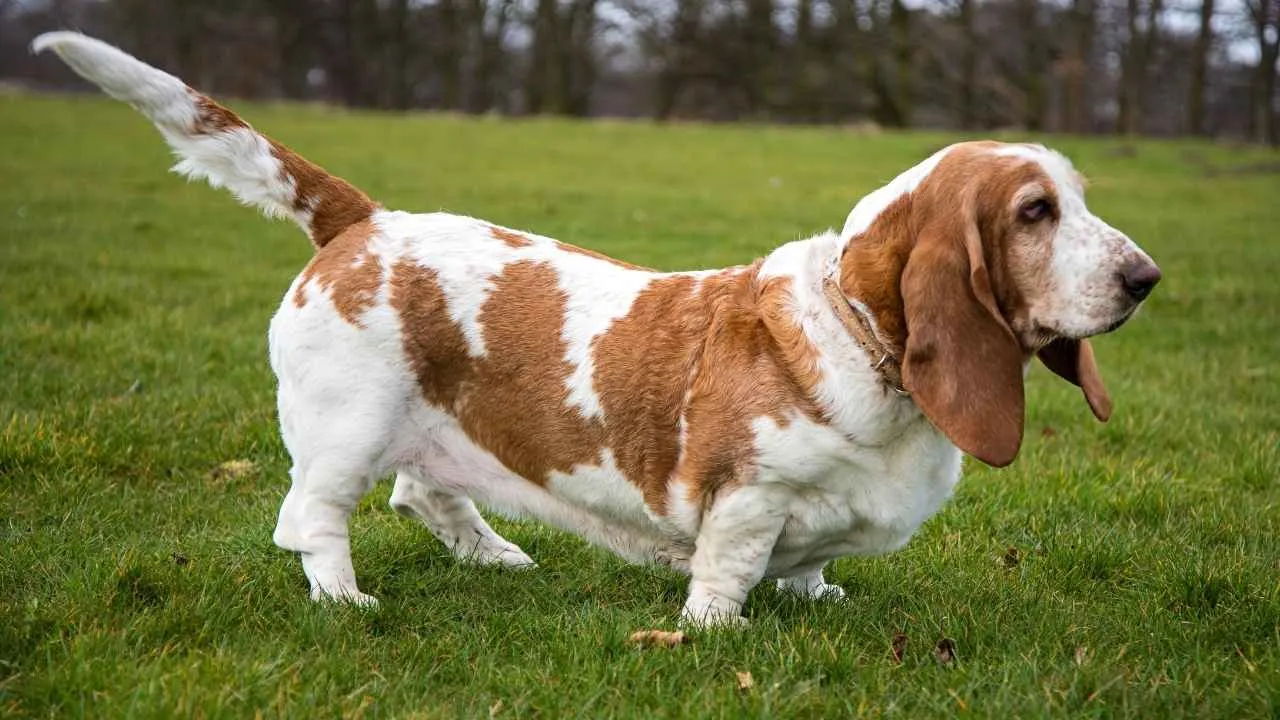
On the one hand, the Basset Hound does not appear to be a low-shedding dog breed; however, the shedding pattern is commonly misinterpreted.
Bassets shed, but their short, thick coat sheds slowly, so that it is not as apparent as heavy shedders.
Their peculiarity is that shedding is not the primary concern when it comes to maintenance, but skin folds and ears. Such ones need frequent cleaning to avoid problems.
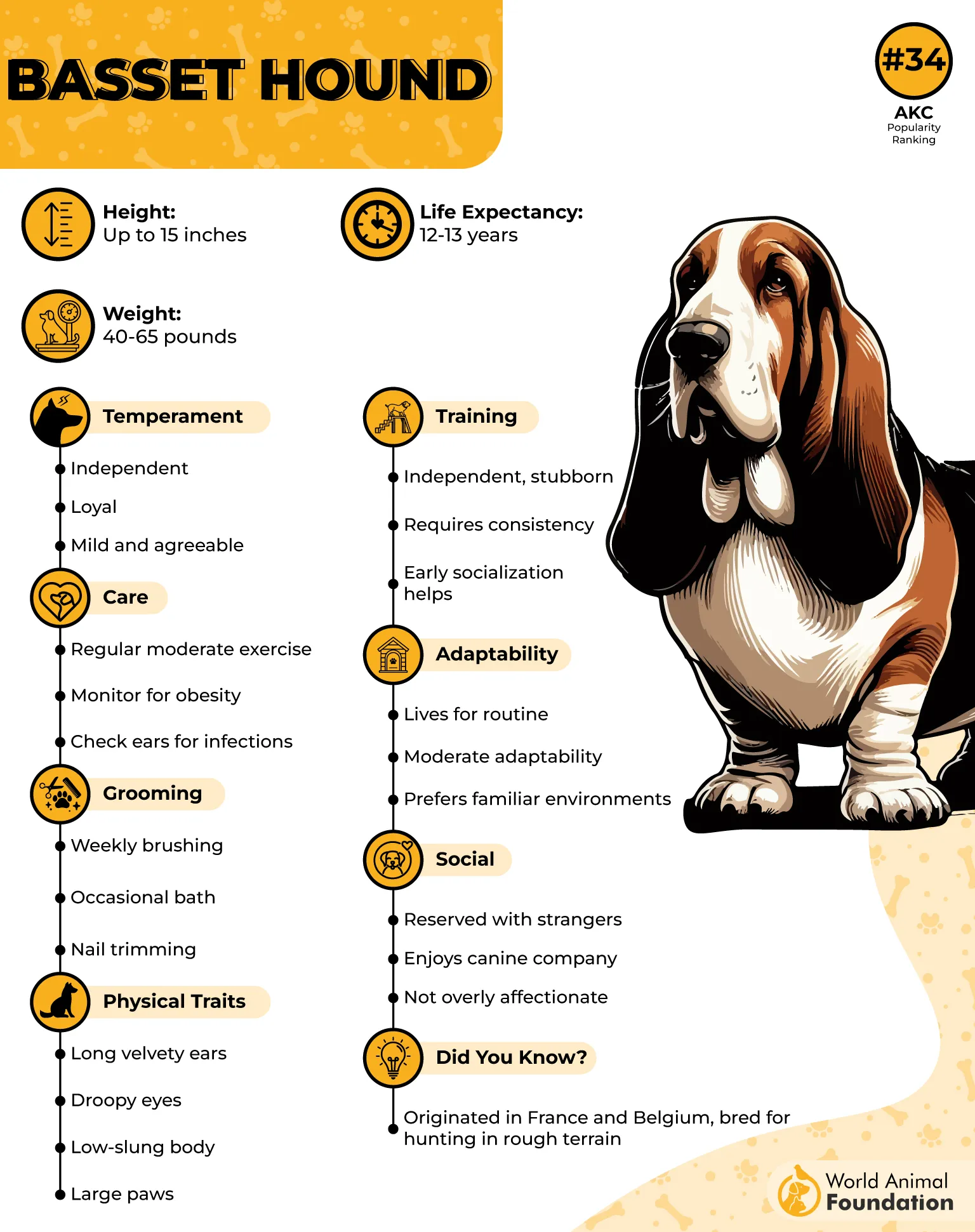
They have a temper, are slow-paced, and highly relaxed, and this is applicable to low-energy households.
Important Distinctions:
Moving but tolerable loss
Little sophistication in grooming
Increased emphasis on cleanliness rather than dress care
These Hounds can suit their owners who desire an easy-going dog with regular maintenance requirements.
Conclusion
Low-shedding dogs are not identical, and that is where most of the guides fall.
Certain breeds, such as the Bichon Frise and the Maltese, minimize shedding by keeping hair trapped, thus transferring it to grooming. Some, such as the Whippet and Dachshund, just shed less because of their coat type. And individual solutions, such as the Xolos, do not shed at all but require skin care.
Whether it’s shaving or not shaving is not the actual choice, but which form of maintenance you are comfortable with.
Ultimately, the ideal low-shedding dog is not the one that sheds the least but the one whose management can easily fit into your schedule.
