




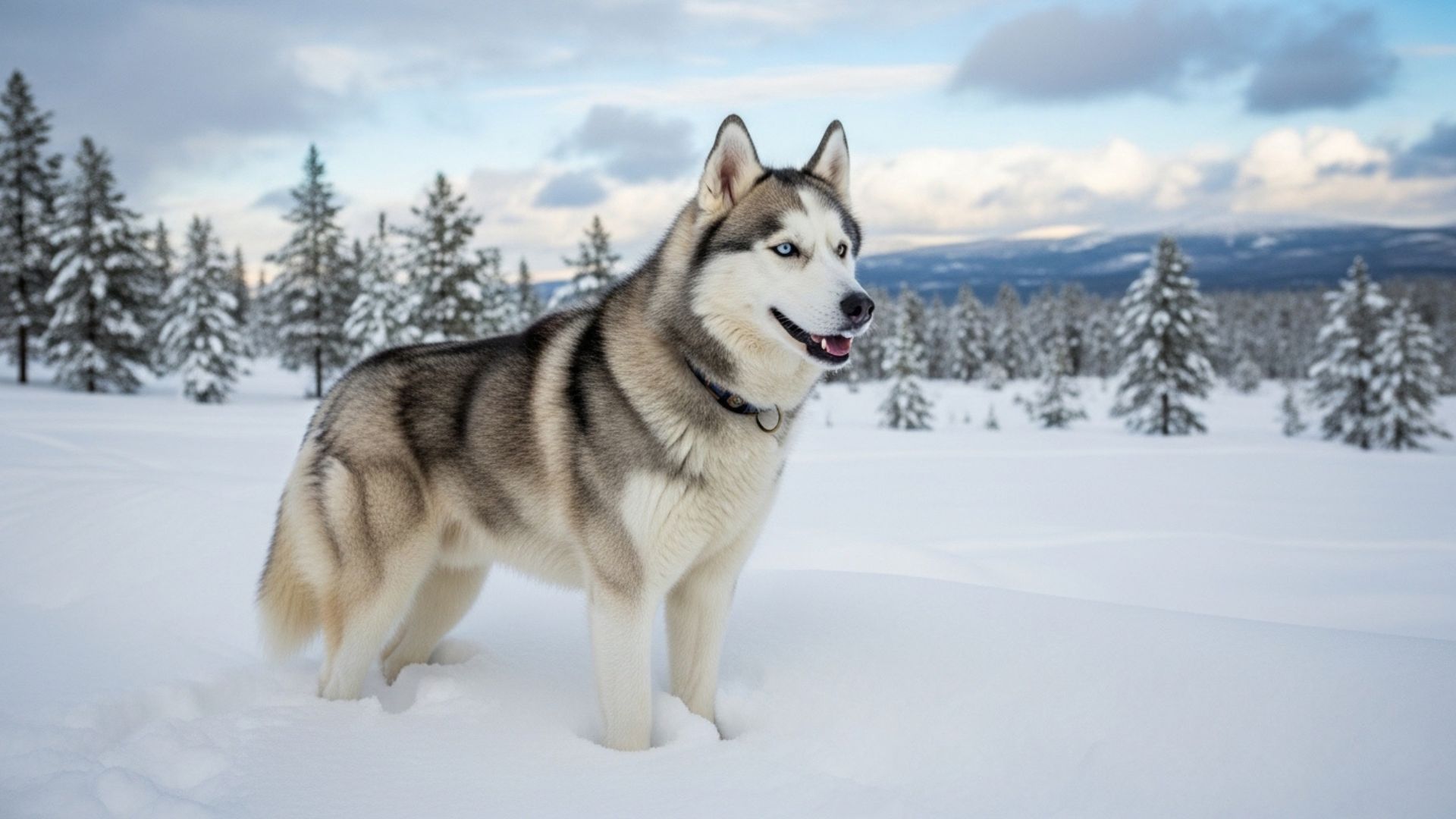
Some dogs see deep snow, blazing heat, rocky hills, or muddy trails and think one thing: adventure.
While many pups would rather nap on a couch when the weather turns wild, a few breeds seem almost designed for the chaos of nature. Snowstorms, dusty paths, chilly winds, or scorching afternoons barely slow them down.
That is because certain dogs naturally have the strength, stamina, and resilience needed to handle tough environments. Their coats, body structure, and natural endurance help them stay comfortable in conditions that might leave many other dogs searching for shade or warmth.
Curious which four-legged athletes truly thrive when the weather gets extreme? Let’s meet them.
Did you know?
Dogs cool themselves mainly by panting, but they also release a small amount of sweat through the pads of their paws, which helps them regulate body heat on warm days.
Extreme Weather Dog Breeds That Thrive in Snow, Heat, and Rough Terrain
1. Australian Cattle Dog
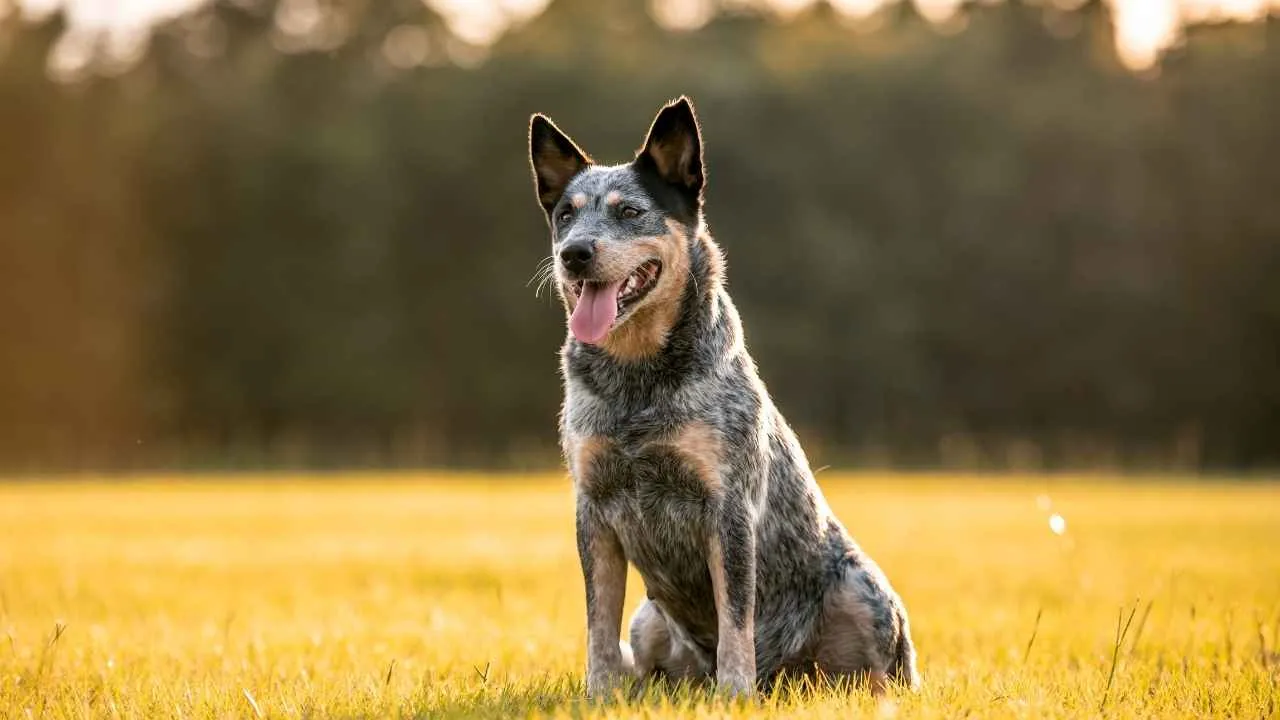
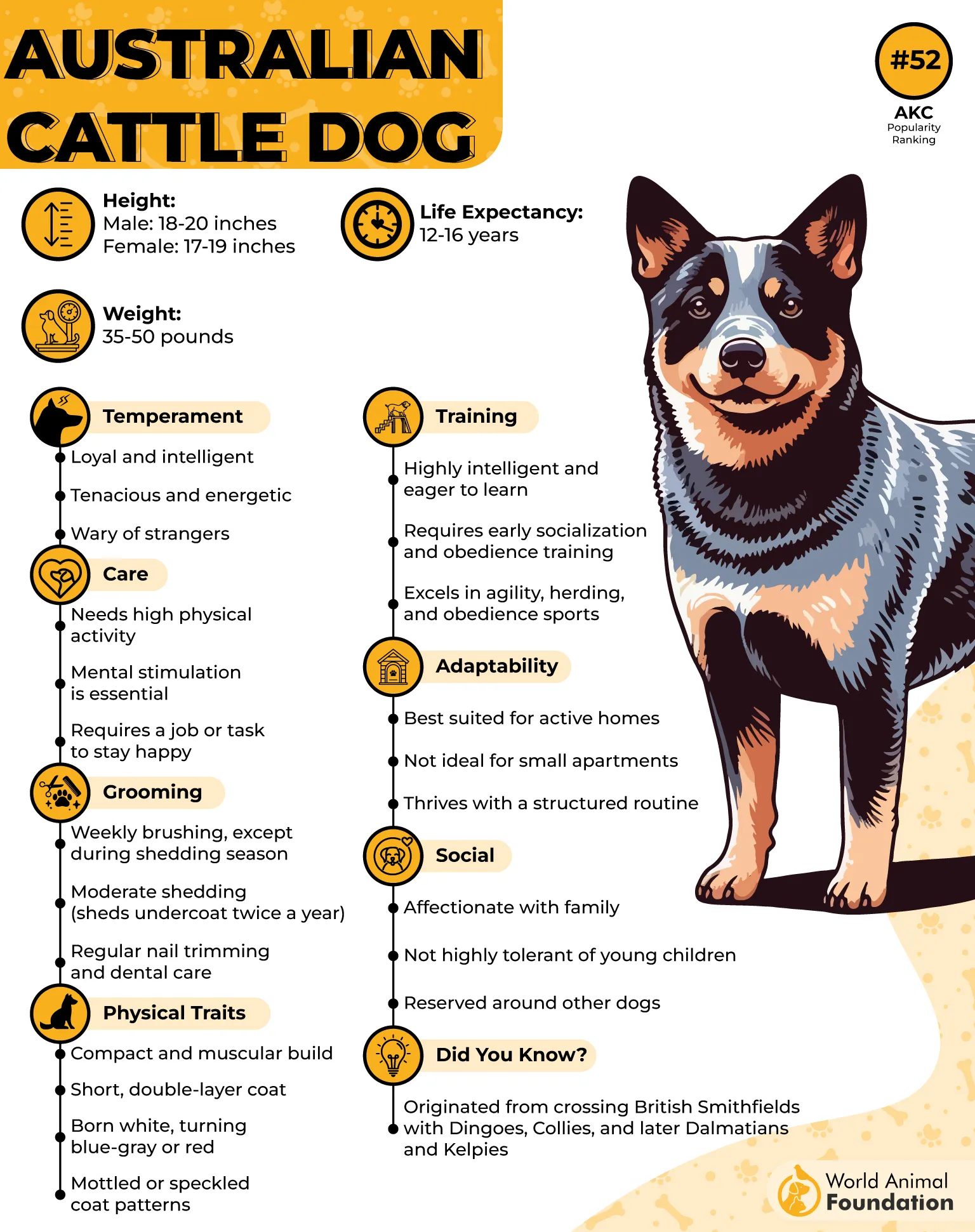
Out on dusty ranch land and rough trails, the Australian Cattle Dog behaves like a dog that refuses to slow down. Built with strength, agility, and sharp instincts, this hardworking herder happily tackles rugged ground, unpredictable weather, and long days beside its human.
The breed’s story traces back to Australia’s cattle country, where stockmen needed a tough dog that could handle heat, distance, and harsh terrain. Through careful breeding with Dingoes and working dogs, they developed a resilient herder suited for demanding outdoor life.
Its smooth double coat acts like practical outdoor gear. A dense undercoat provides insulation, while the outer layer helps block wind and shed rain. This natural protection lets the dog stay comfortable while moving through cold air, rough weather, and open land.
Special Considerations For this Breed
Not ideal for very sedentary lifestyles or inactive homes
Needs consistent training to manage independent decision-making tendencies
2. Siberian Husky
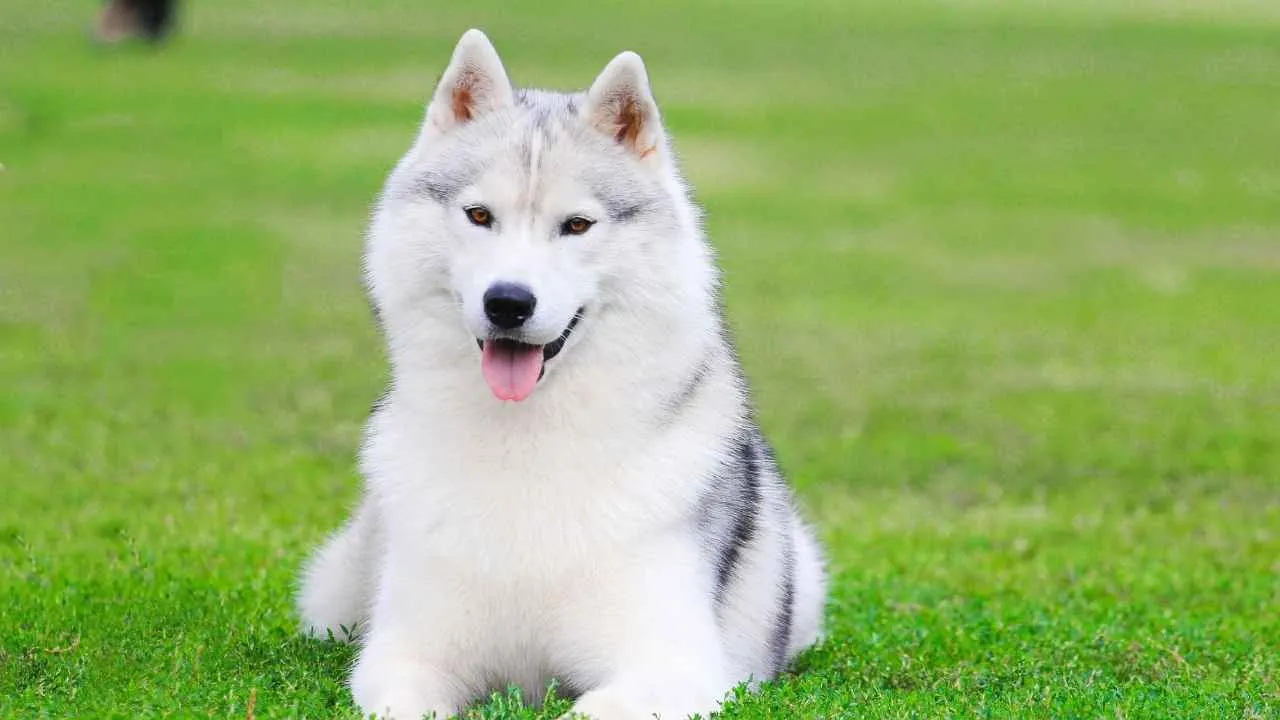
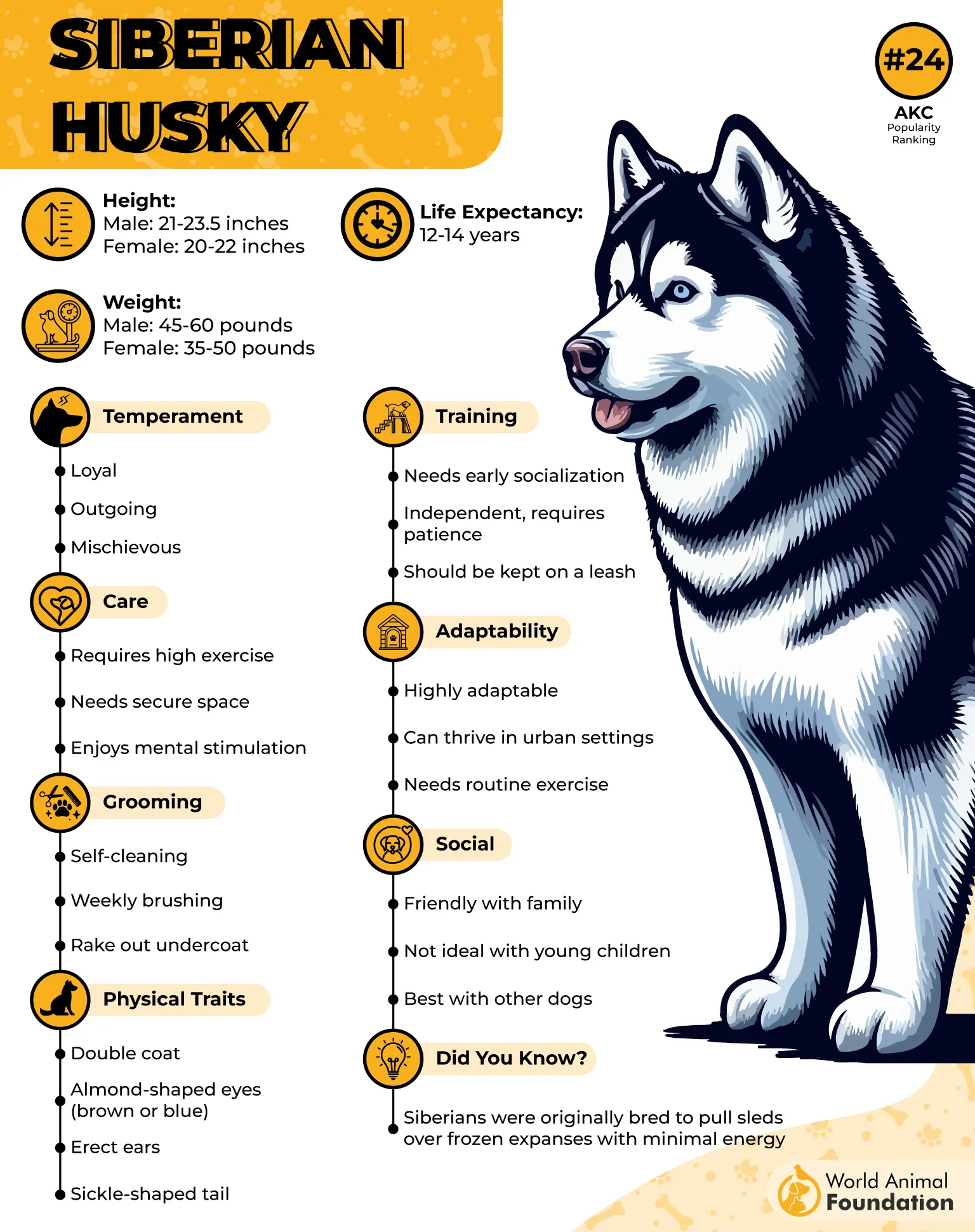
Some dogs stroll through life. The Siberian Husky prefers to dash through it with enthusiasm and a dramatic howl or two. With boundless energy and a famously talkative personality, this lively companion loves staying busy and rarely enjoys sitting still for long.
Long ago, Siberian Huskies helped people travel across frozen landscapes by pulling sleds through snow and ice. Their endurance allowed them to haul supplies over long distances while continuing to work in brutally weather.
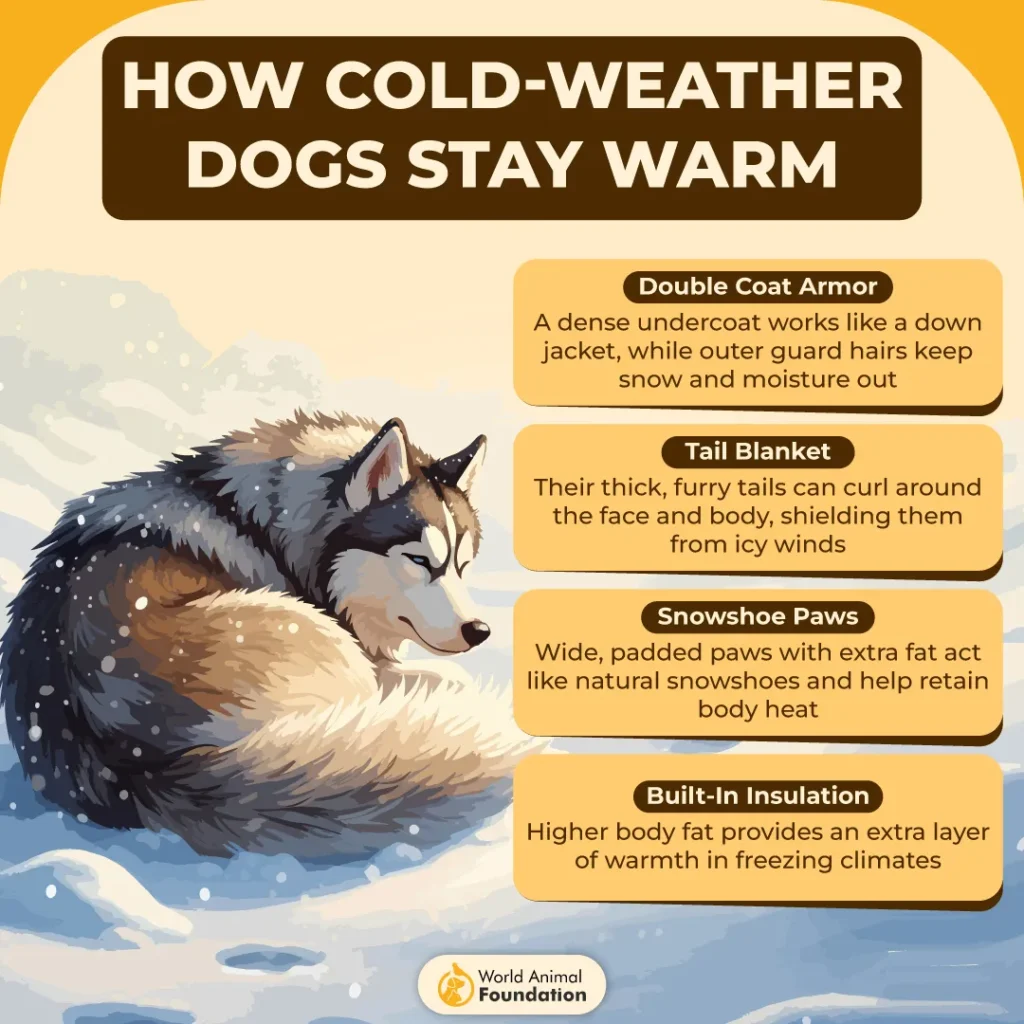
As noted by PetMD, Siberian Huskies have a thick double coat made up of guard hairs and a dense undercoat that sheds seasonally. Regular brushing helps remove loose fur and spread natural oils, which keep the coat healthy and manageable.
Special Considerations For this Breed
Known for loud howling and vocal behavior, which can be challenging in quiet neighborhoods.
Needs plenty of mental and physical stimulation, or the dog may dig, chew, or escape to entertain itself.
3. Tibetan Mastiff
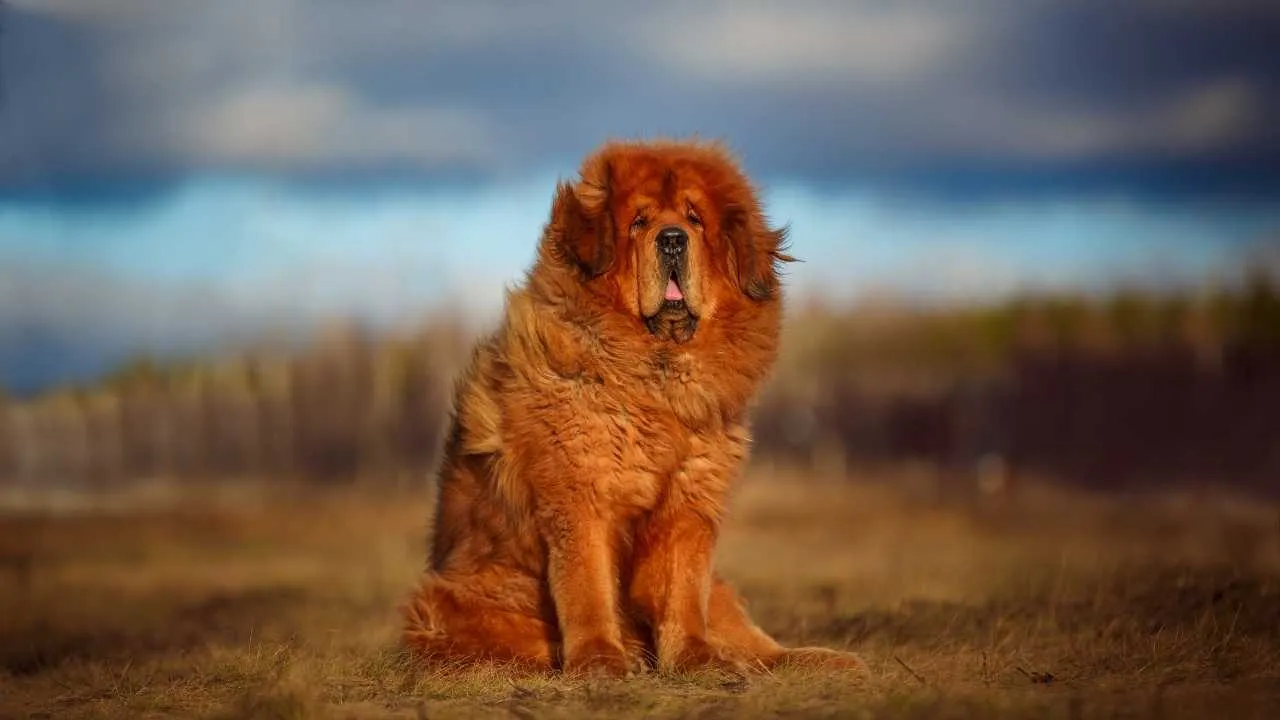
Standing watch across remote mountain landscapes for centuries, the Tibetan Mastiff carries quiet confidence. This ancient breed has long protected homes and livestock in rugged regions where the weather and terrain can be just as challenging as the threats.
Known as a loyal protector, this gentle giant often forms strong bonds with its family while remaining watchful around unfamiliar people. Calm indoors during the day, this thoughtful guardian tends to become more active at night, keeping a careful eye on its surroundings.
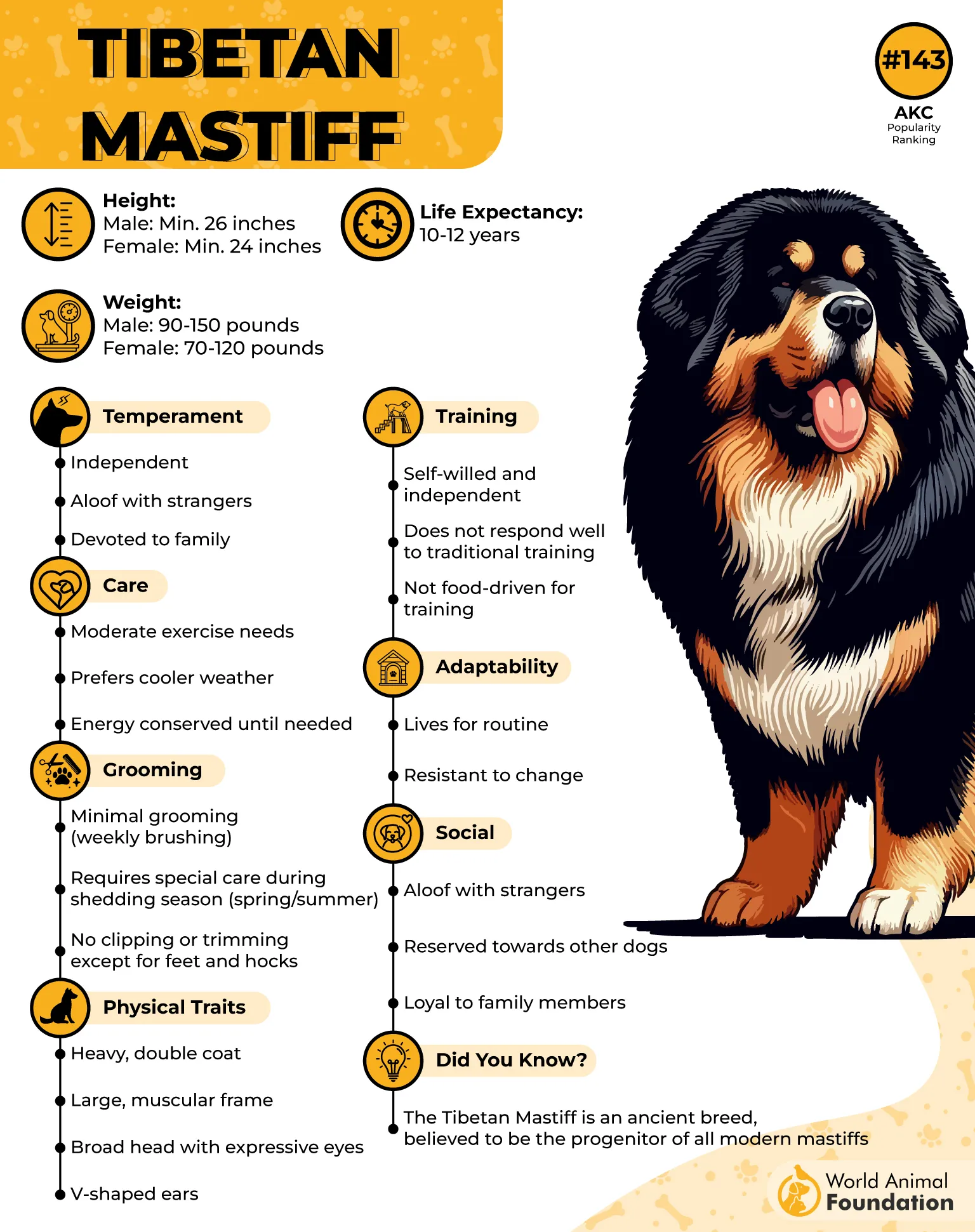
Its dense coat plays a big role in handling cold climates. A thick outer layer and soft undercoat provide insulation, helping the dog stay comfortable when temperatures drop or when moving through snowy landscapes.
Special Considerations For this Breed
Needs a spacious environment, such as a fenced property, where it can move and patrol comfortably.
Requires patient leadership rather than harsh correction methods
4. Bernese Mountain Dog
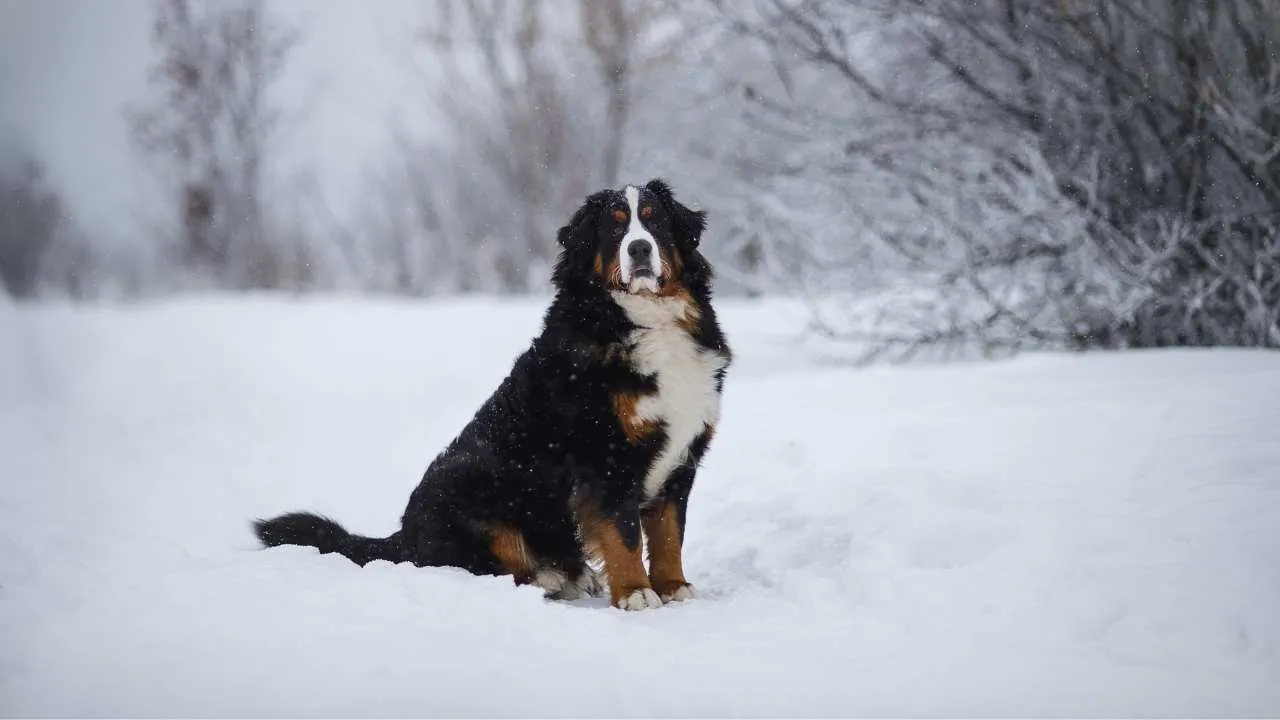
Snowy pastures and busy farmyards once had a dependable coworker trotting beside the farmer, and that coworker had four paws and a famously fluffy coat. The Bernese Mountain Dog earned recognition by the AKC in 1937 and quickly became a beloved working companion with serious mountain credibility.
Spending time with a Berner often feels like living with a calm giant who simply enjoys being helpful. These dogs are affectionate, eager to please, and surprisingly gentle. They usually stay placid, yet the moment their favorite human suggests a romp, they happily join.
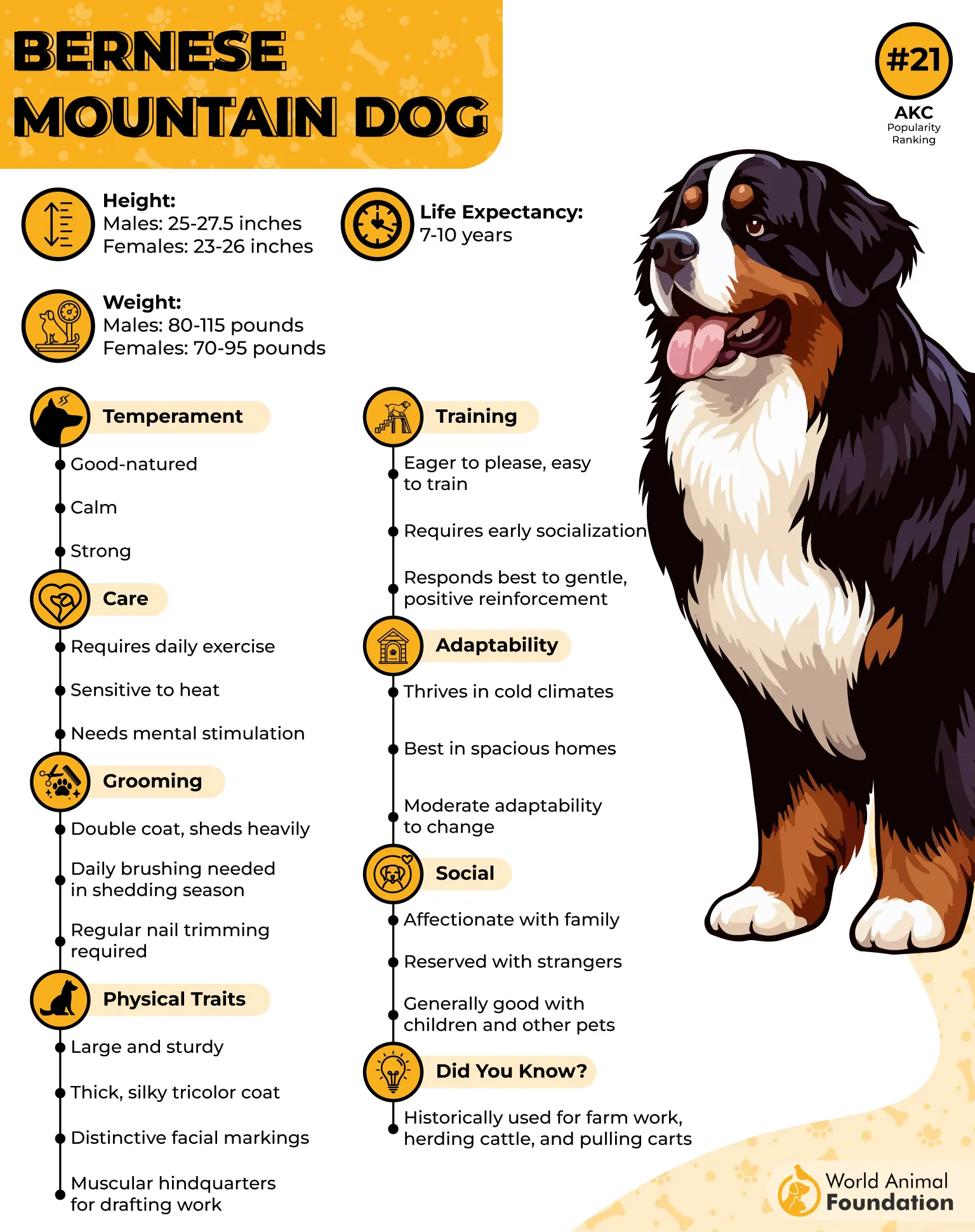
Mountain landscapes are basically their natural playground. Berners were built to handle farms, hills, and rugged alpine terrain where livestock needed guiding and property needed watching. Those powerful hindquarters once hauled carts loaded with farm goods across uneven countryside.
Special Considerations For this Breed
Early socialization is important so that they stay well-mannered around visitors and other animals.
Owners should learn the warning signs of bloat because the condition can become life-threatening very quickly.
5. Saint Bernard
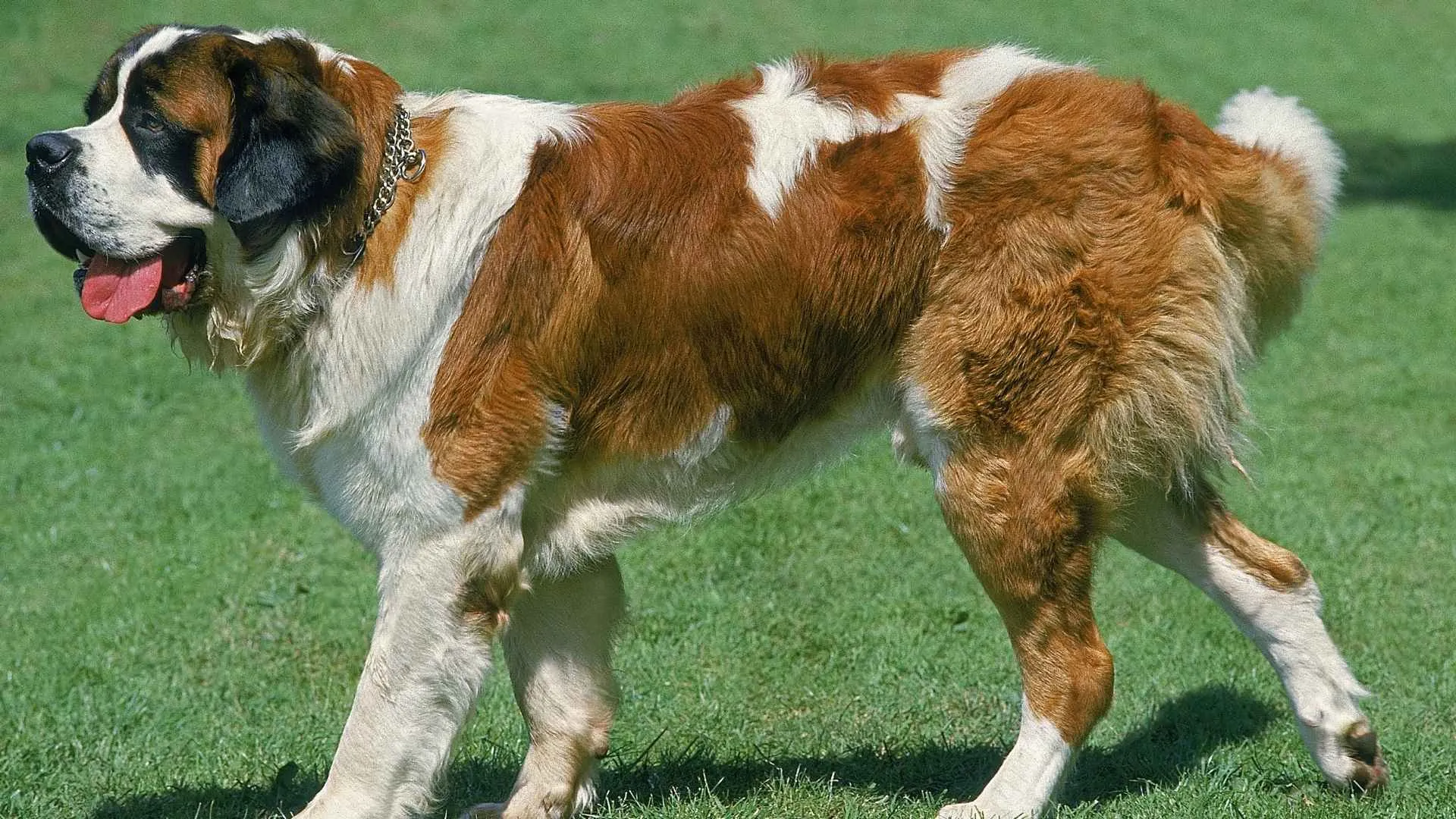
High in the snowy passes between Italy and Switzerland, a huge, fluffy hero once trudged through deep drifts searching for lost travelers. The Saint Bernard earned legendary status rescuing stranded people in brutal mountain conditions while calmly navigating icy alpine routes.
Saint Bernards respond best to clear, consistent training from everyone in the household. Using the same commands helps them understand expectations quickly. With patience and repetition, these gentle dogs learn routines well and grow into calm, reliable companions.
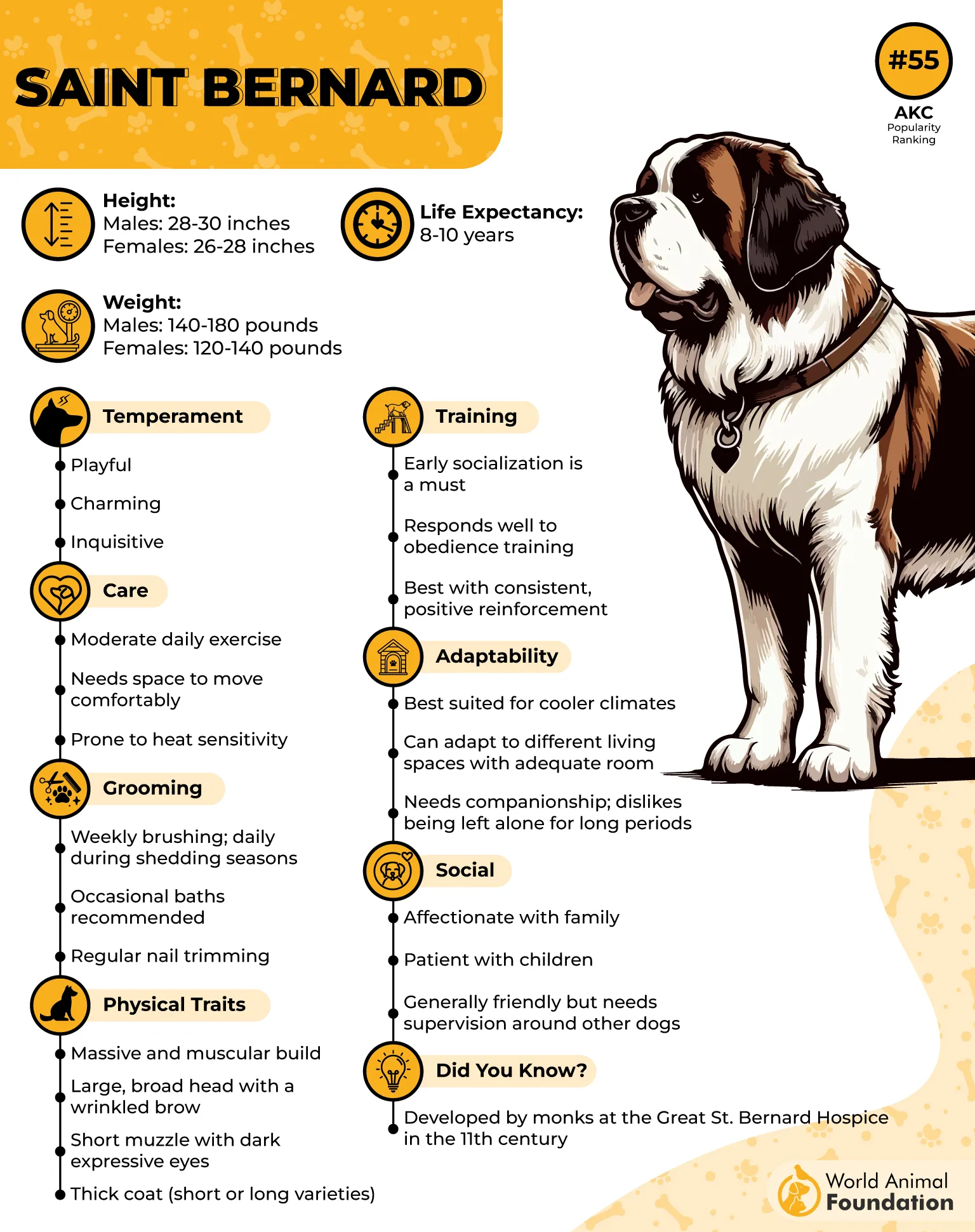
Life with a Saint Bernard often feels wonderfully warm and relaxed. These dogs are famously affectionate, tolerant, and gentle, especially with children. Their patient nature and ability to read human emotions help them fit comfortably into busy family households.
Special Considerations For this Breed
Owners should monitor signs of heat stress, such as heavy panting or lethargy, during warm weather.
Regular veterinary visits are important because the breed can develop heart problems or hip dysplasia.
6. Samoyed
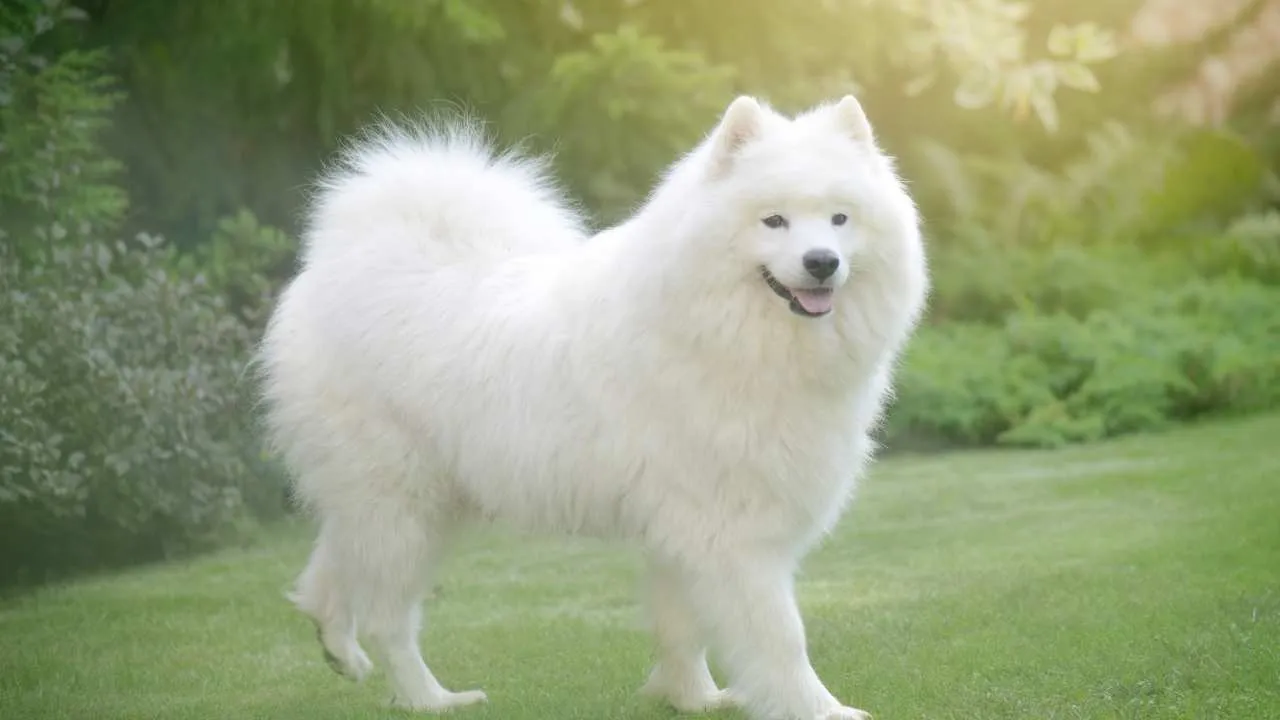
Some dogs run from the cold. The Samoyed practically smiles at it. Known as the cheerful sled dog with the famous “Sammy smile,” this bright white adventurer once worked in some of the coldest places on Earth, hauling supplies and helping humans survive harsh winters.
Because Sammies are energetic working dogs, they appreciate room to move and explore. A securely fenced yard works well for daily activity, though long walks with their people are just as exciting. When loose, their strong roaming instincts can carry them surprisingly far.
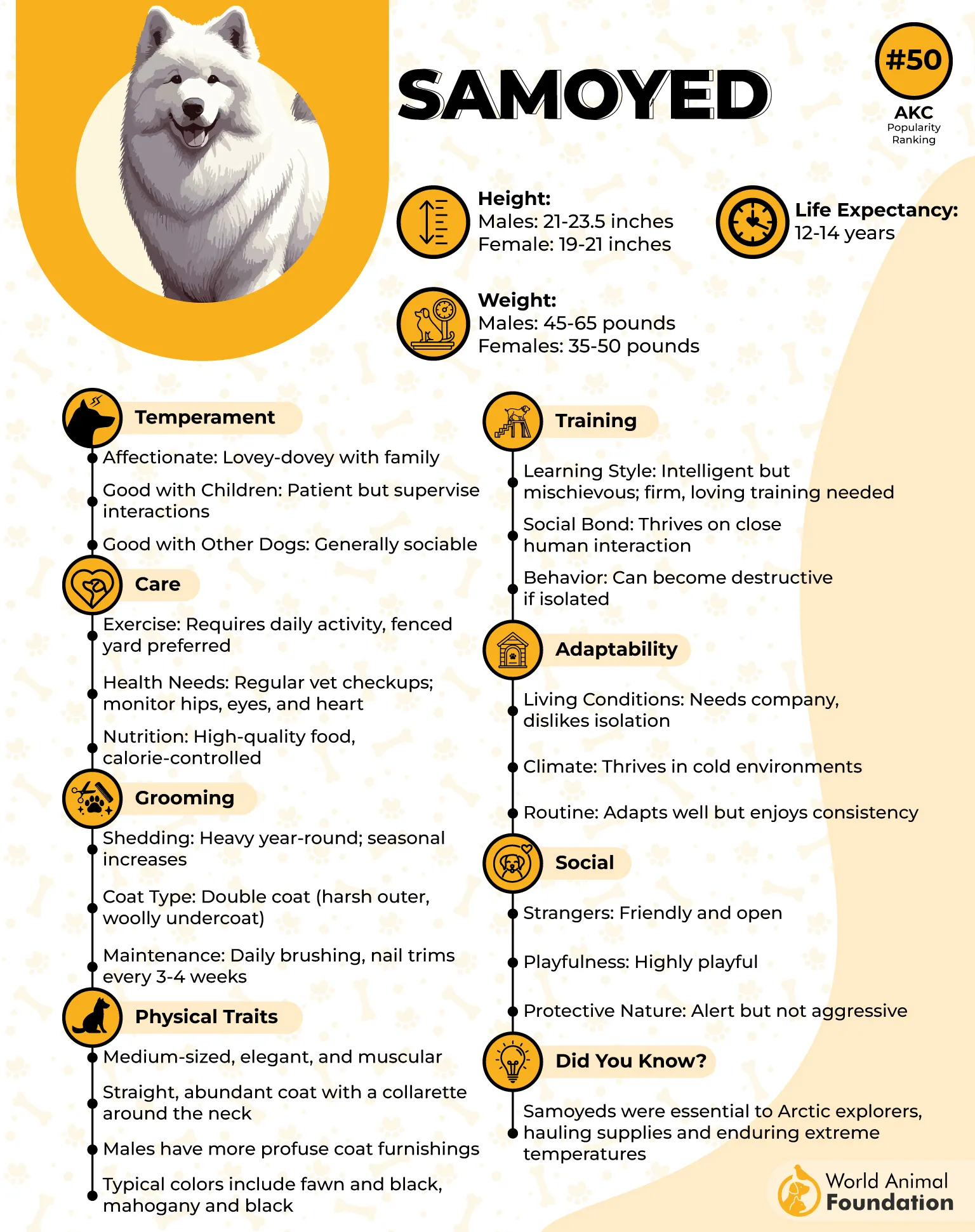
As mentioned by WebMD, Samoyeds have a thick white double coat with a longer outer layer and a soft, woolly undercoat. Because the coat is long and sheds seasonally, regular brushing with a metal comb or slicker brush helps remove loose hair and prevent tangles.
Special Considerations For this Breed
Long periods of isolation can lead to destructive behavior because they strongly prefer constant human companionship.
Owners should watch their calorie intake carefully since some individuals can gain excess weight easily.
7. Alaskan Malamute
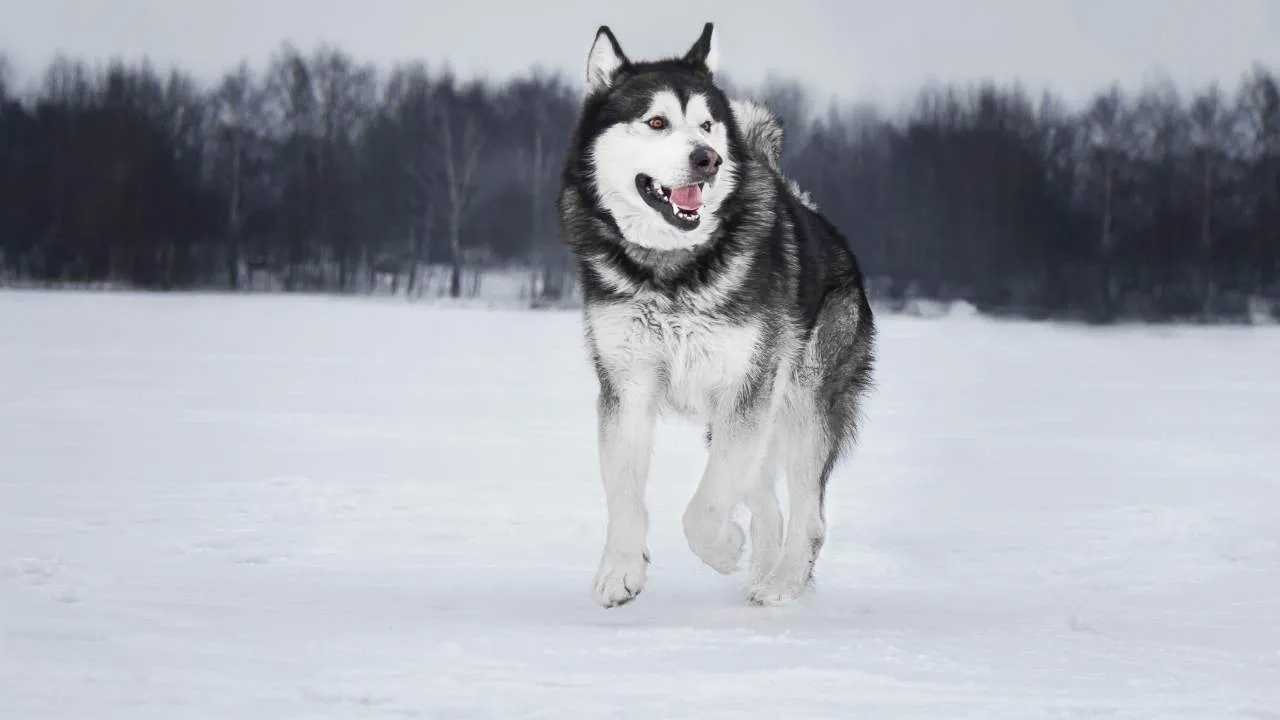
Long before snowmobiles existed, people relied on a powerhouse dog that treated blizzards like a normal workday. That dog was an Alaskan Malamute. Originally bred alongside the Mahlemut people of Alaska, this hardworking companion was built to handle life in the frozen wilderness.
Alaskan Malamutes do best with owners who enjoy outdoor activity and can match their energetic lifestyle. These powerful dogs appreciate space to move and explore. People who enjoy hiking, long walks, or cold-weather adventures often make the best companions.
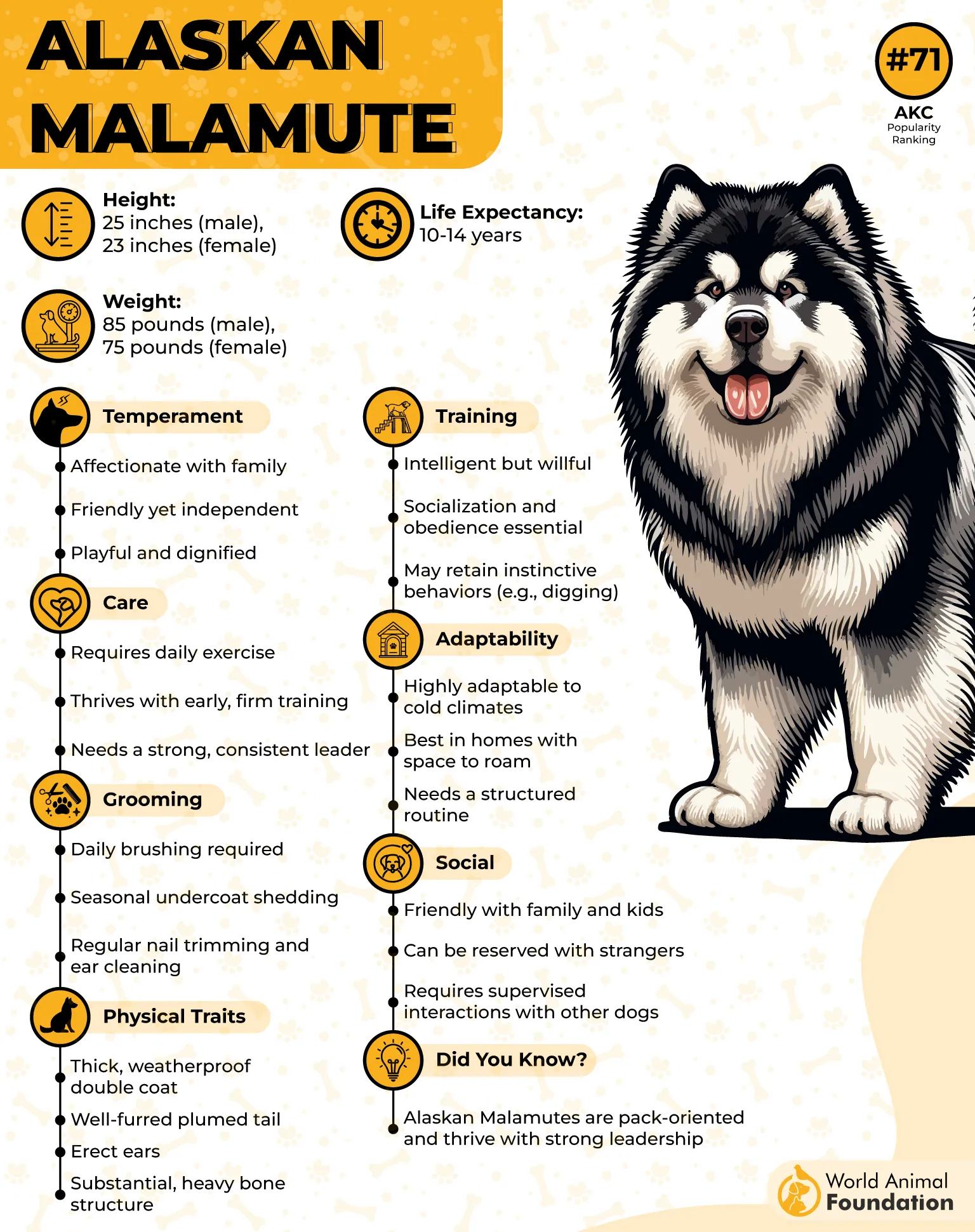
Living with a Malamute can feel like sharing your house with a playful athlete who also loves attention. These energetic dogs crave activity and interaction. If their day lacks exercise or engagement, they will absolutely invent their own entertainment.
Special Considerations For this Breed
Requires frequent brushing because seasonal coat shedding can quickly fill homes with loose fur.
Needs consistent supervision in yards since curiosity and determination can lead to escape attempts.
Conclusion
Extreme weather is not a problem for the right dog. Some breeds genuinely come alive when the snow falls, the trails get rough, or the temperature swings. When a dog’s natural abilities match the environment, everyday adventures feel easier, happier, and far more exciting for both of you.
So if your life includes snowy hikes, rugged trails, or unpredictable climates, choosing a breed built for those conditions can make all the difference. Explore the breeds above, learn their personalities, and pick a companion ready to tackle the weather with you.
If you are further interested in such wonderful breeds, some other dogs you can look up include the Greater Swiss Mountain Dog, Chow Chow, Great Pyrenees, Tibetan Terrier, German Shepherd, Shiba Inu, Norwegian Elkhound, and Afghan Hound.
