




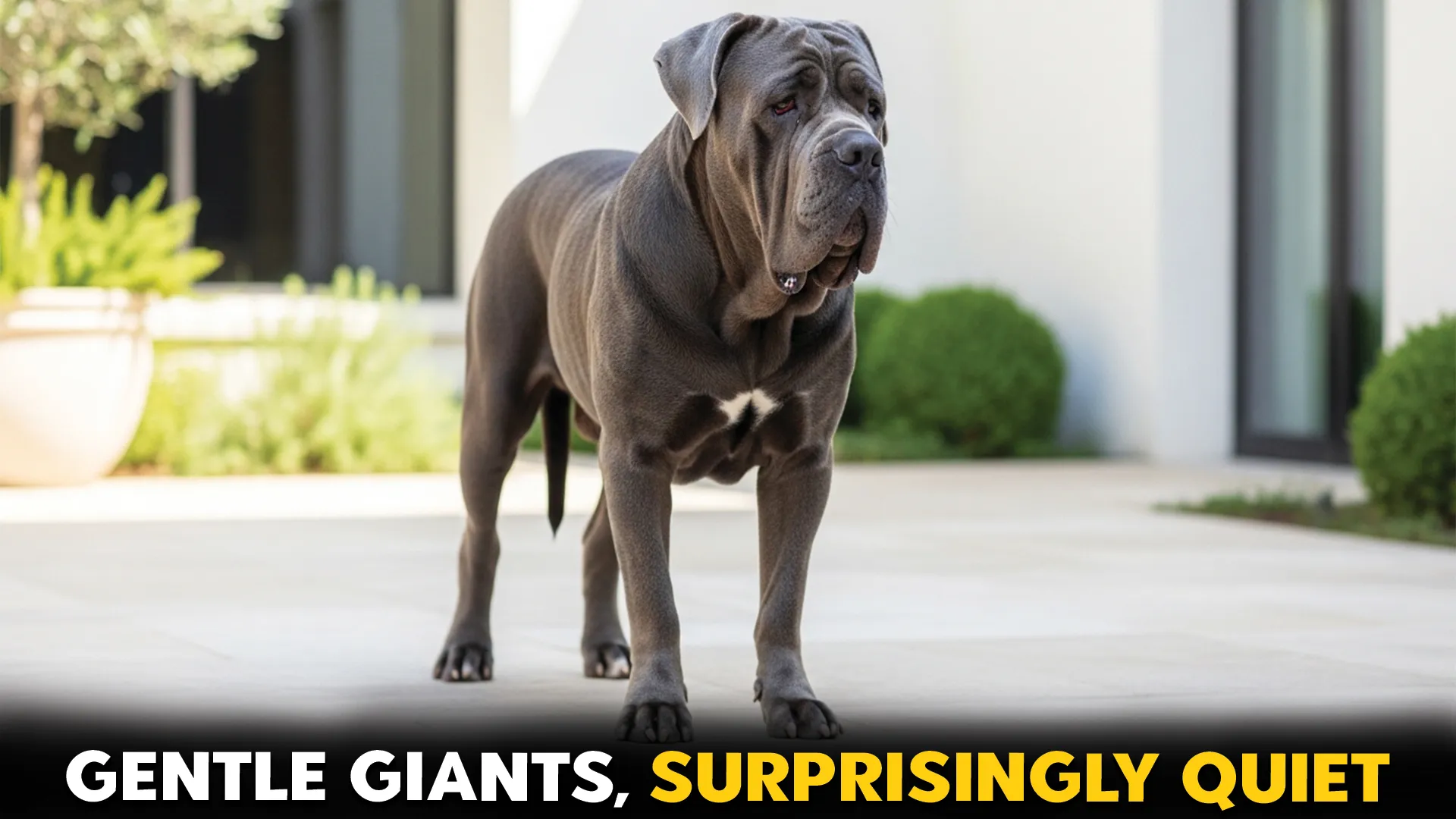
Giant dogs are usually expected to come with booming barks, floor-shaking zoomies, and a whole lot of noise. But some of the biggest pups out there are actually masters of calm, quiet living.
These gentle giants tend to observe more than they announce, making them ideal for people who love a large, impressive dog but also value peace and quiet at home.
They can look intimidating while quietly snoozing on the couch, barely making a peep. If you want a dog that offers size, presence, and a surprisingly low-volume lifestyle, these extraordinary giant breeds may be exactly what you’re looking for.
Did you know?
Dogs often seem to sense when their people are feeling stressed or down and may stick closer than usual. Many owners find that quiet moments like walks or cuddling with a dog can feel calming and grounding over time.
Extraordinary Giant Dog Breeds That Are Surprisingly Quiet
1. Neapolitan Mastiff
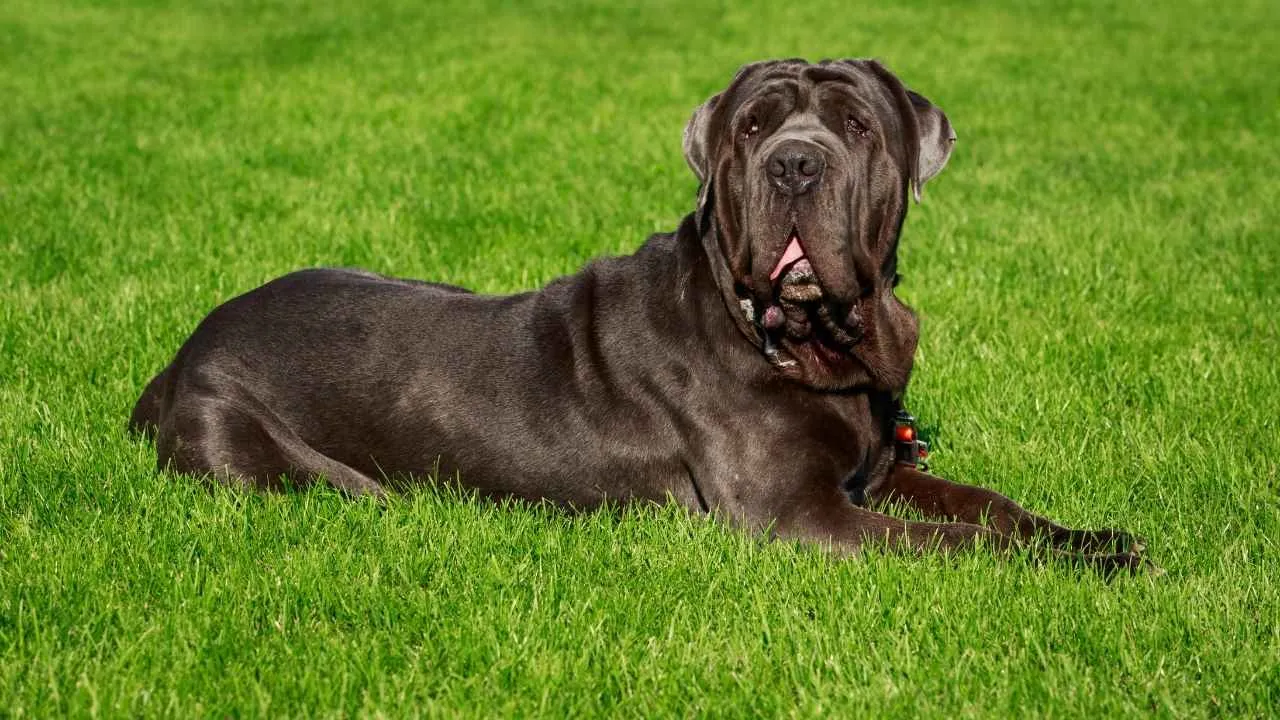
This breed does not rush, rush noises, or rush judgment. The Neapolitan Mastiff plants itself like a monument and lets the world adjust accordingly. One look at those wrinkles and massive frame sends a clear message that this home already has a watchful presence.
Silence is part of this dog’s style. Known for being quiet and not much of a barker, the Neapolitan Mastiff prefers observing from a distance, relying on its size and steady confidence to discourage problems before they ever knock.
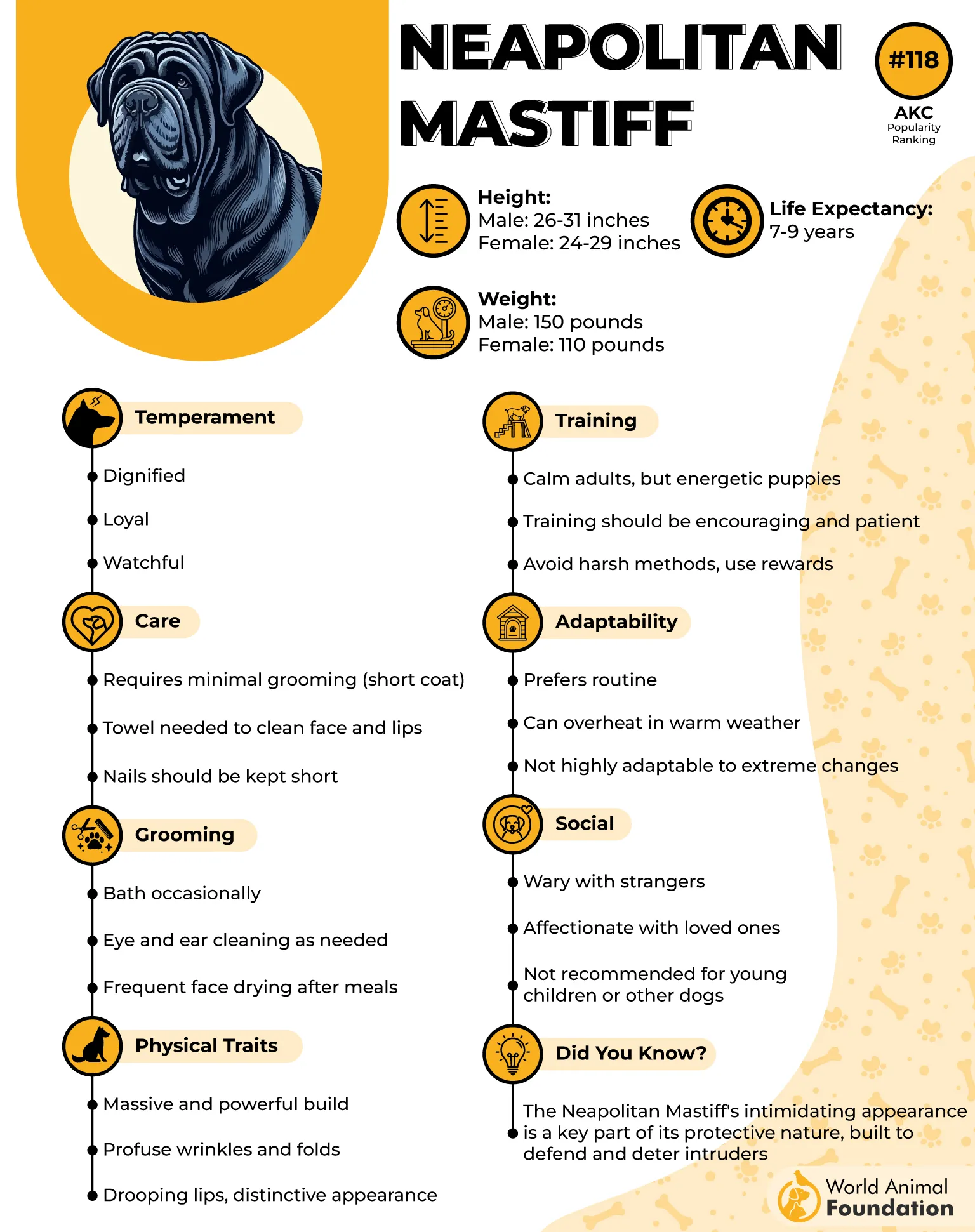
With its people, the loyalty feels heavy in the best way. The Mastino stays close, calm, and deeply devoted, offering protection through awareness rather than chaos, and settling into family life with a placid, almost soothing steadiness.
Special Considerations For this Breed
Facial folds need frequent cleaning to prevent irritation
Can overheat easily and needs careful temperature management
Requires firm leadership to prevent dominant behaviors
2. Scottish Deerhound

A Scottish Deerhound brings a quiet elegance that feels unexpected for a dog this large. Long legs, gentle eyes, and an almost regal posture give it a calm authority that fills space without demanding attention or making a sound.
This large dog breed was originally bred to hunt deer across the Scottish Highlands, where speed, focus, and independence mattered more than noise. That purpose shaped a dog that moves decisively and assesses situations without constant direction.
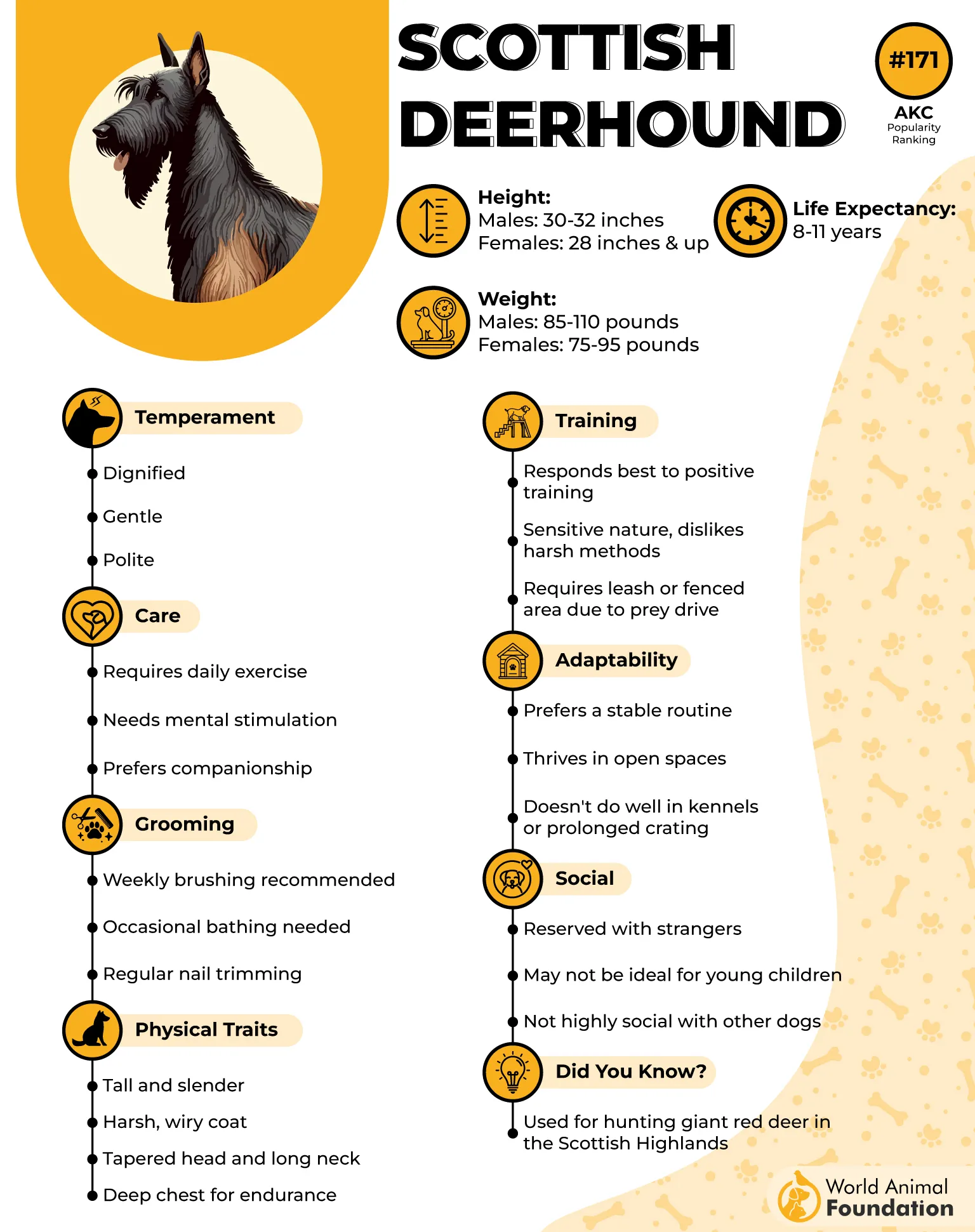
As noted by WebMD, Scottish Deerhounds like training that feels friendly, not pushy. They do best with gentle guidance, minimal repetition, and just a few easy social outings each week. Keep things relaxed, and they stay happy.
Special Considerations For this Breed
Requires a secure outdoor space due to strong chase instincts
Needs daily opportunities for high-speed running
Not suited for long periods of confinement
3. Tibetan Mastiff
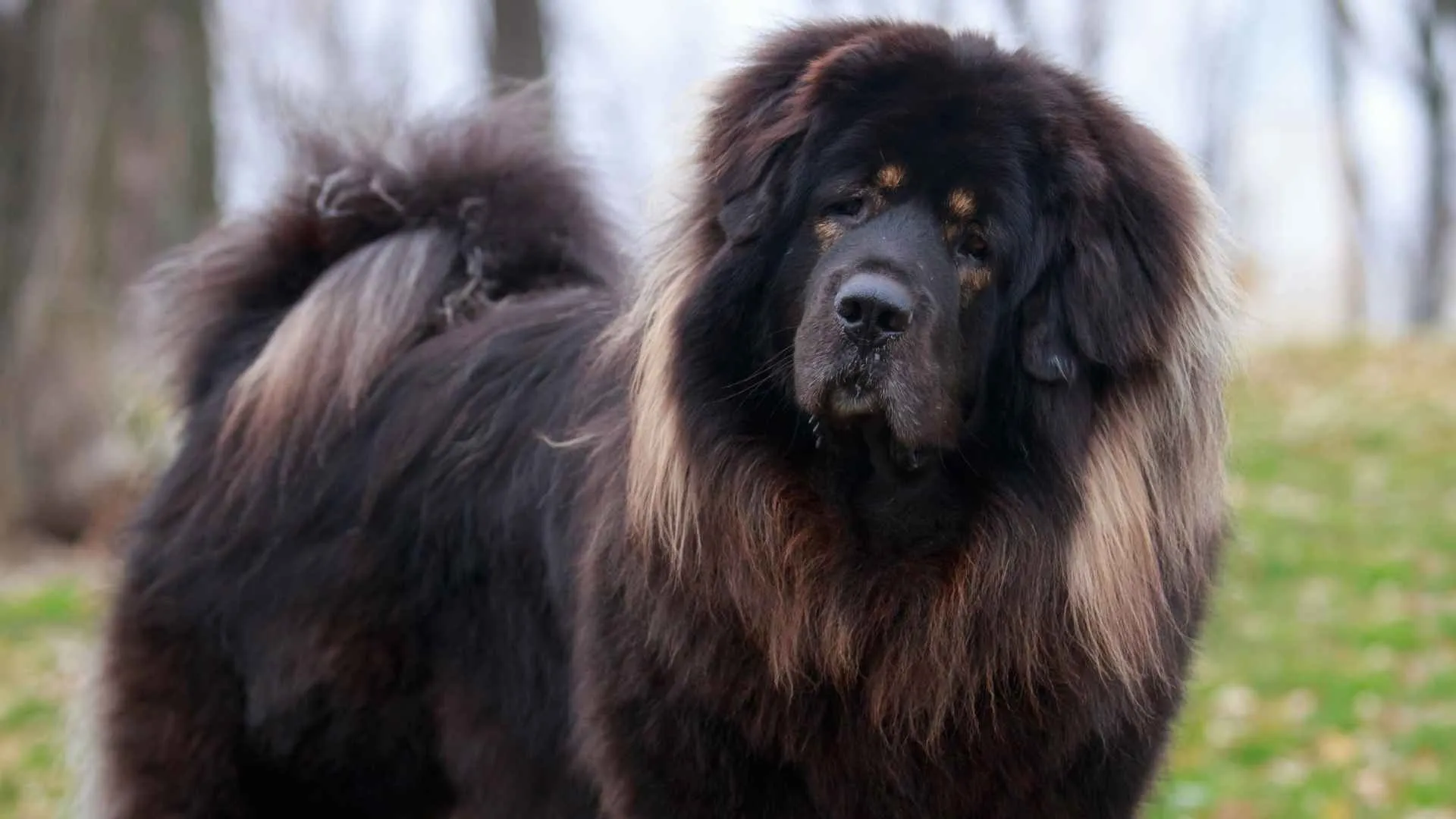
This breed carries history in its posture alone, with roots tracing back thousands of years in the mountains of Tibet. The Tibetan Mastiff looks ancient, powerful, and entirely unbothered by modern chaos unfolding around its territory.
Temperament leans toward aloof and thoughtful rather than outwardly affectionate. This gentle giant dog breed is intelligent, reserved, and quietly confident, often conserving energy indoors while keeping a mental checklist of anything unfamiliar happening nearby.
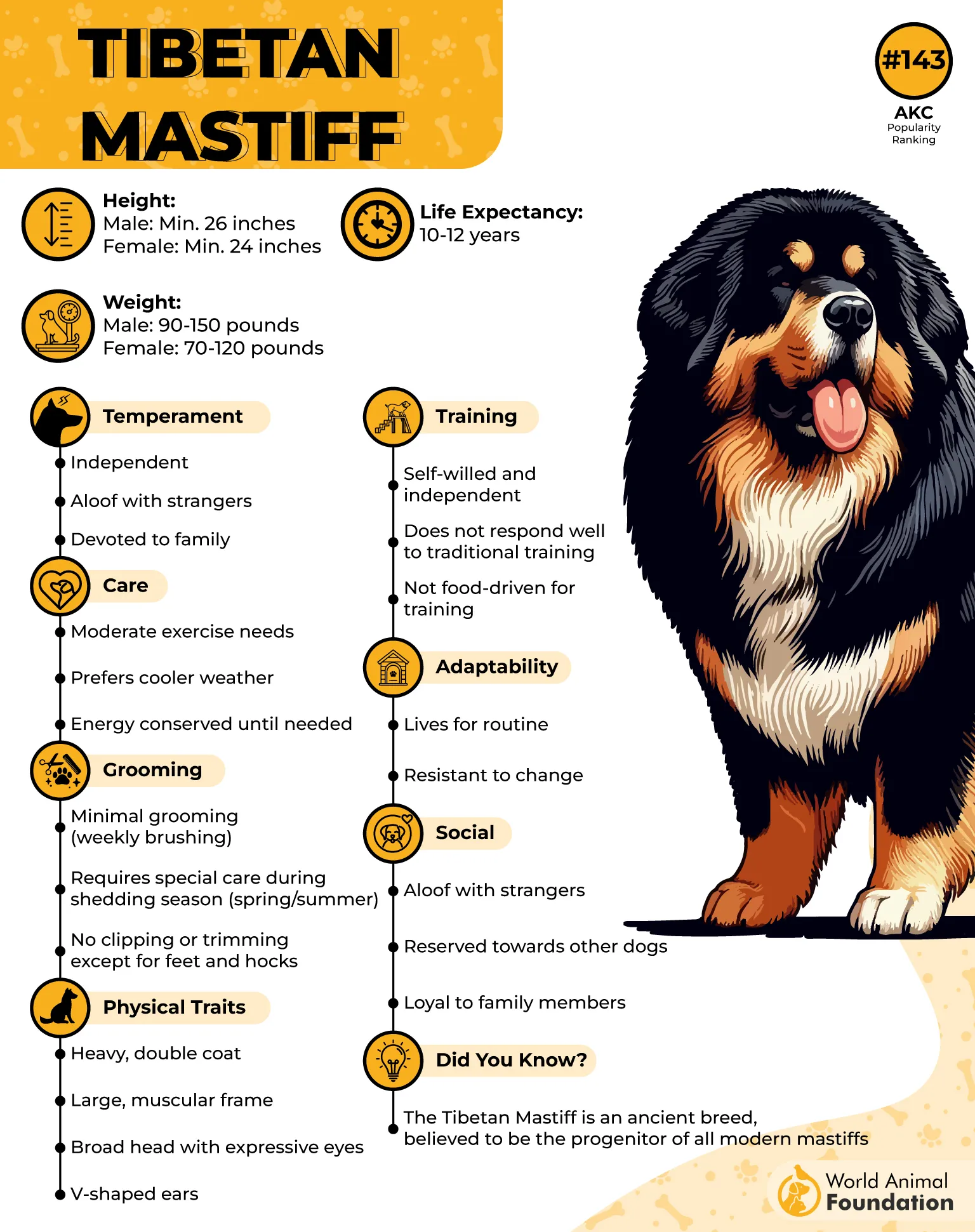
As guard dogs, their behavior is deliberate. They stay fairly quiet and will bark only when something genuinely feels off, relying more on instinct, timing, and presence than constant vocal warnings to protect what matters.
Special Considerations For this Breed
A thick coat requires extra care during shedding seasons
Heat sensitivity limits suitability for warm climates
Strong will means training must be consistent and patient
4. Kuvasz
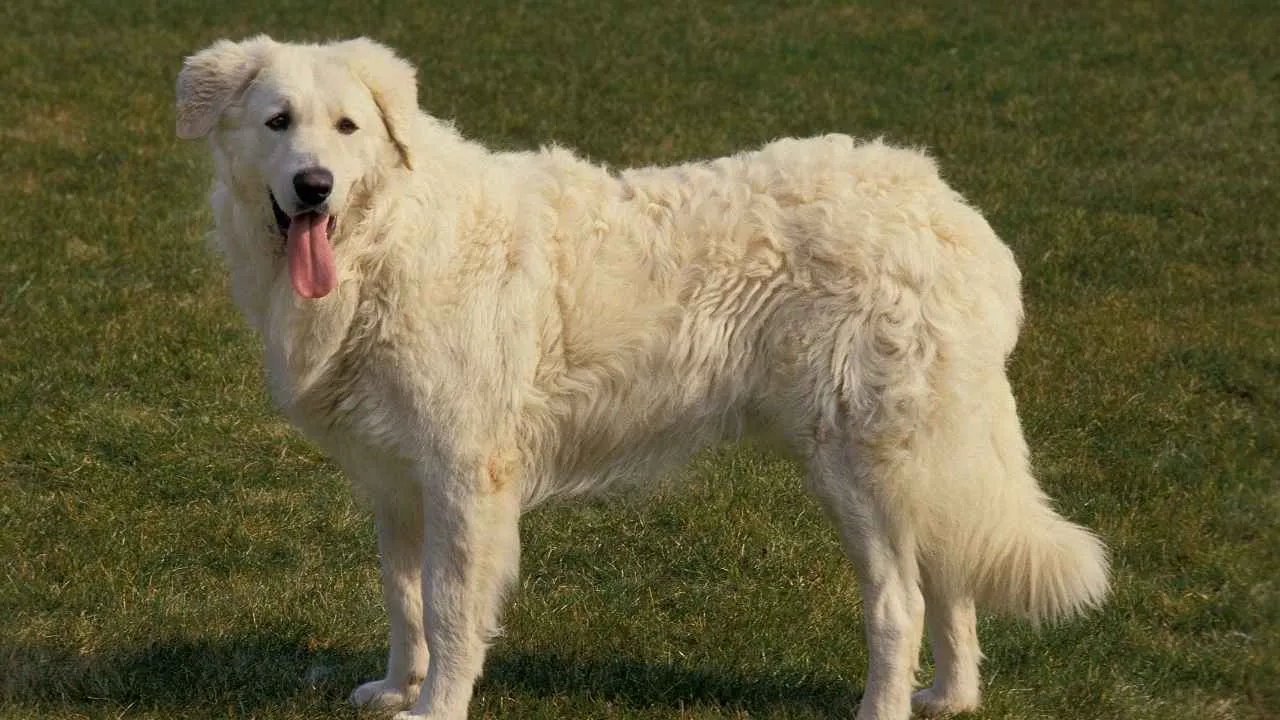
A Kuvasz does not look like it is guarding until you realize nothing escapes its notice. With a bright white coat and steady demeanor, this breed blends gentleness with quiet vigilance in a way that feels almost effortless.
The breed’s origins trace back through Siberia and Hungary, where it developed alongside herding cultures. That background shaped a dog that thinks independently and treats guarding as a responsibility rather than a reaction.
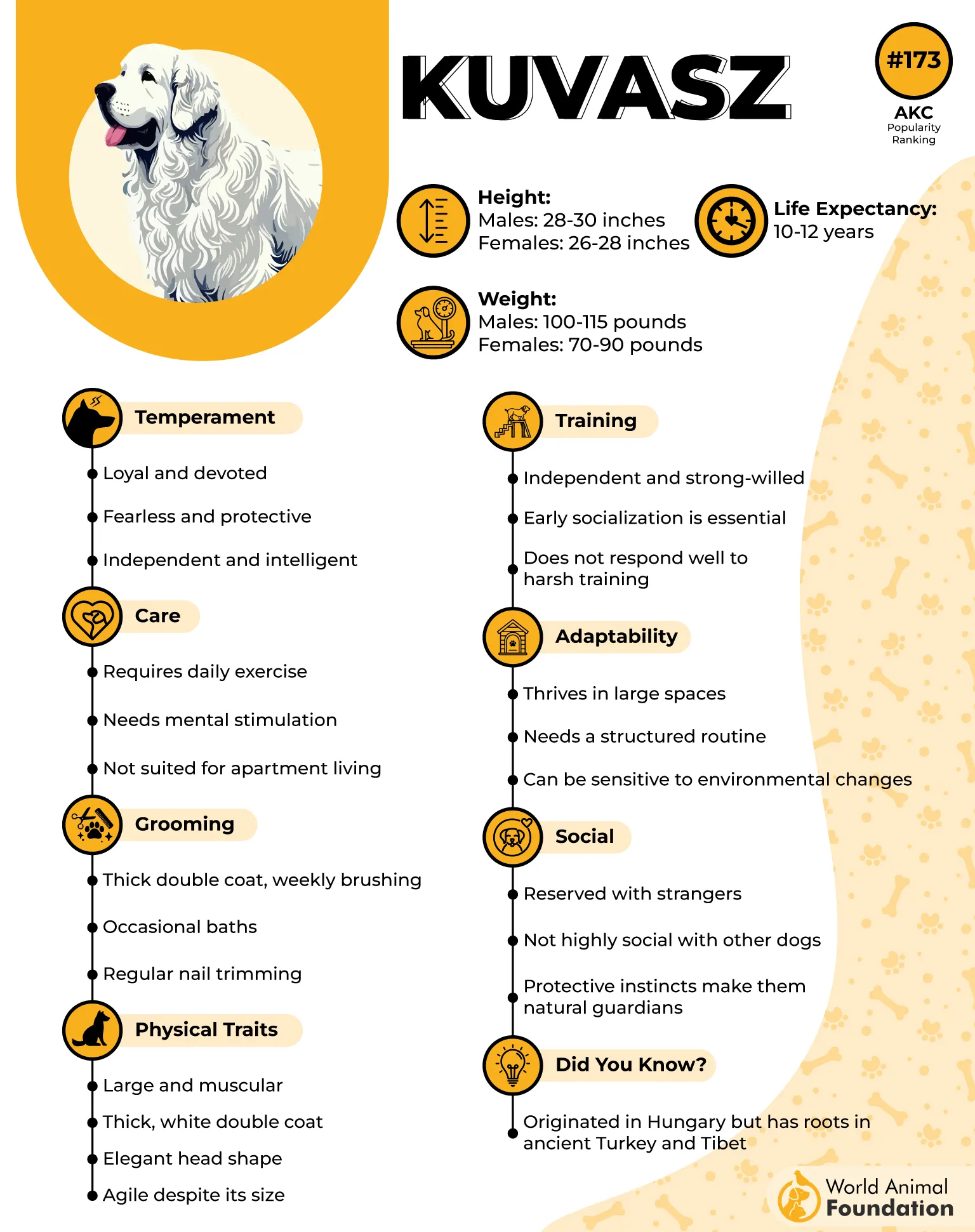
When raised carefully, the Kuvasz can coexist well with other animals. Early socialization helps balance its natural watchfulness, allowing it to remain calm and tolerant without feeling the need to control every movement around it.
Special Considerations For this Breed
Strong roaming instincts require secure fencing
Needs structured mental stimulation to prevent boredom
Independence can challenge inexperienced owners
5. Leonberger
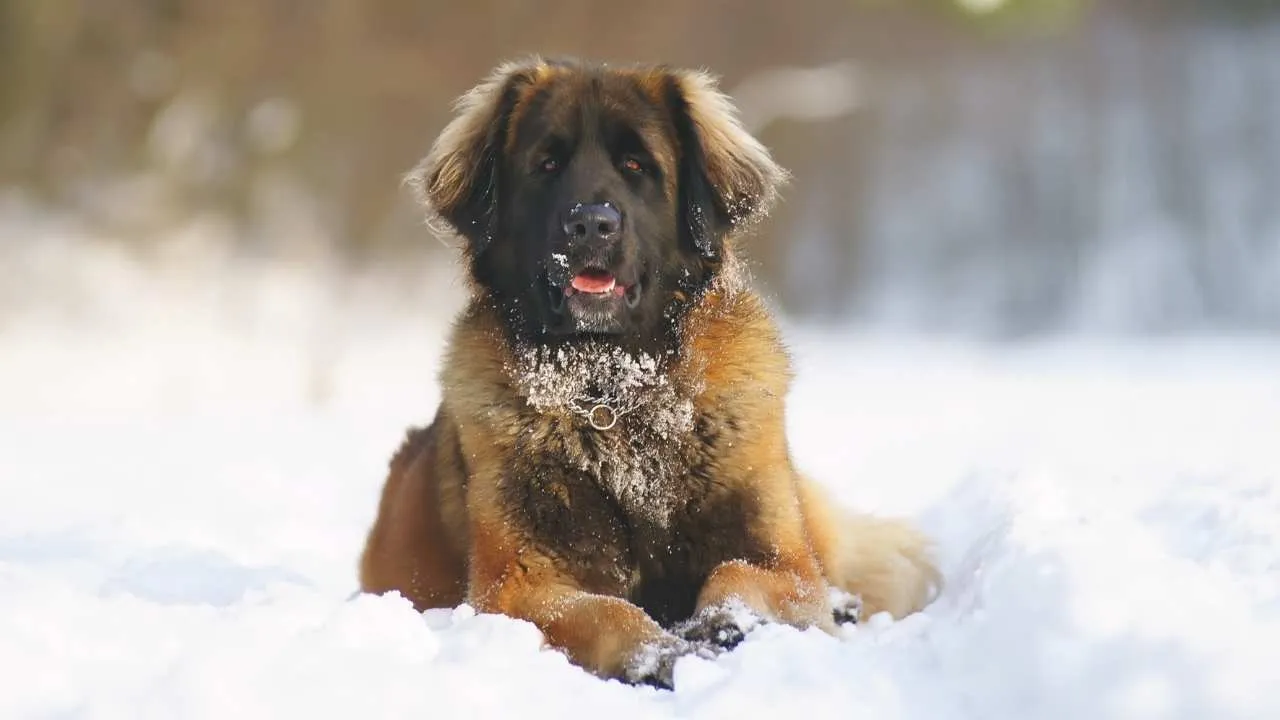
The Leonberger has a royal backstory that still shows up in its vibe today. Developed in Germany with European nobility in mind, this massive, lion-maned dog carries itself like it knows it was once bred to impress very important people.
Living with a Leonberger feels emotionally intuitive. They are deeply people-focused, tend to stay close to their humans, and often seem tuned in when moods shift. It is the kind of dog that notices silence and quietly fills it by sitting nearby.
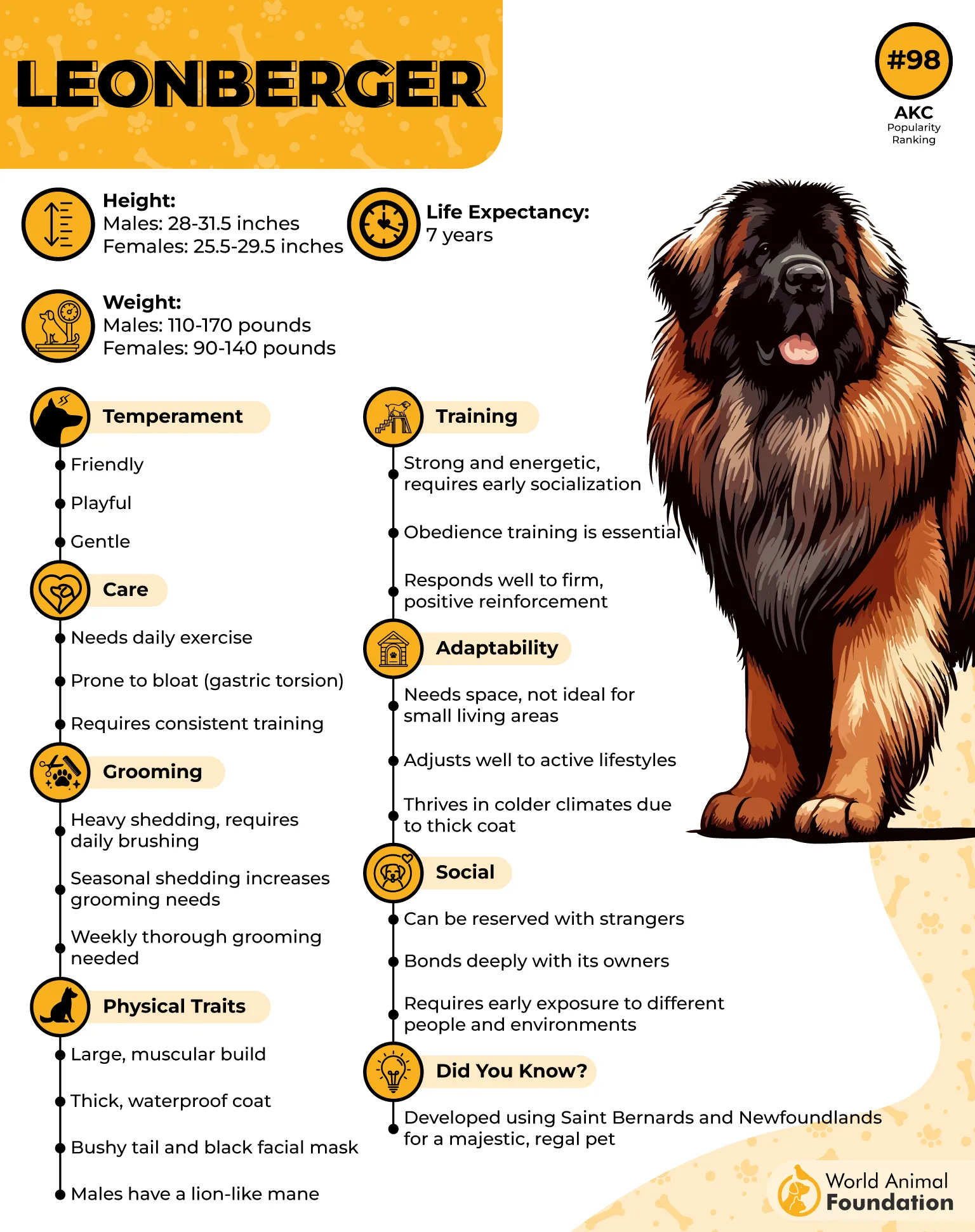
As mentioned by PetMD, Leonbergers are typically calm and quiet dogs that still need daily activity like long walks, hikes, or purposeful work. They thrive on human interaction and prefer being with their people rather than spending long stretches alone.
Special Considerations For this Breed
Heavy shedding occurs year-round with seasonal increases
Large body size requires careful monitoring during hot weather
Strong attachment can lead to stress if left alone too often
6. Irish Wolfhound
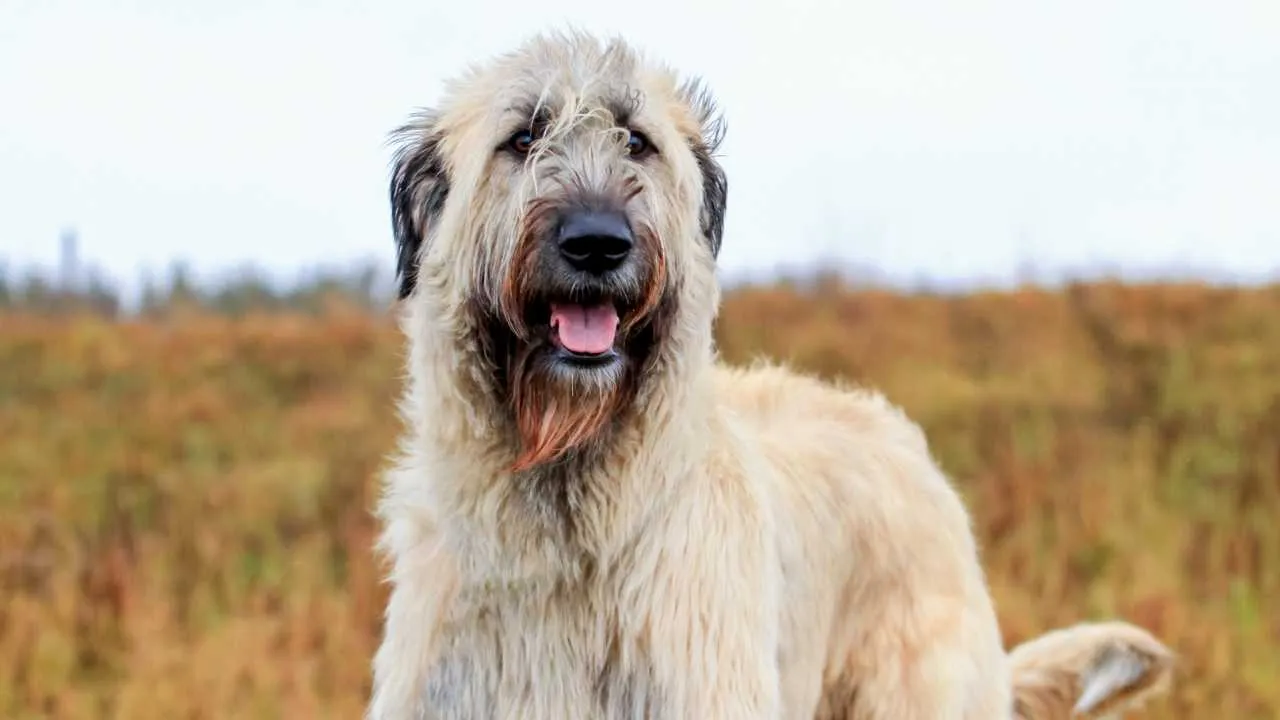
An Irish Wolfhound does not need to announce itself. Its sheer height does that automatically. Known as the tallest dog breed recognized by the AKC, this calm giant has a presence that fills space quietly and makes people stop mid-step without a single bark.
That towering frame is paired with a surprisingly gentle nature. While not designed to be a fierce guard, the Wolfhound’s size alone can deter unwanted attention. Most prefer observing calmly, stepping in only when something truly seems off or unfamiliar.
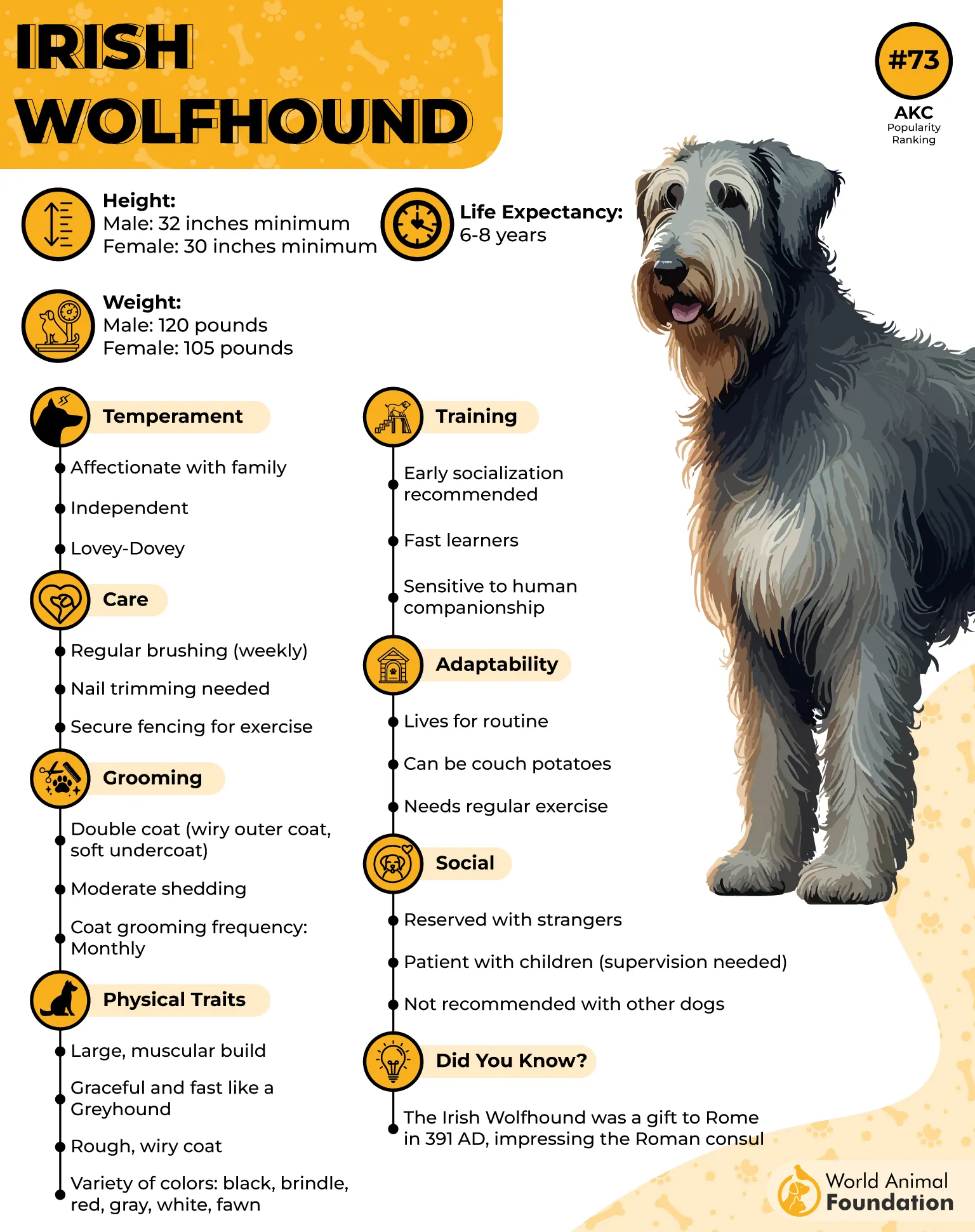
Guidance with this breed works best when it feels respectful. Irish Wolfhounds learn quickly, mature slowly, and respond to steady routines and positive direction. Early structure helps prevent chaos later, especially during their lengthy puppy phase when enthusiasm outweighs coordination.
Special Considerations For this Breed
Rapid growth requires controlled activity during puppyhood
Strong chase instincts mean leashes and fencing are essential
A short lifespan can be emotionally demanding for owners
7. Estrela Mountain Dog
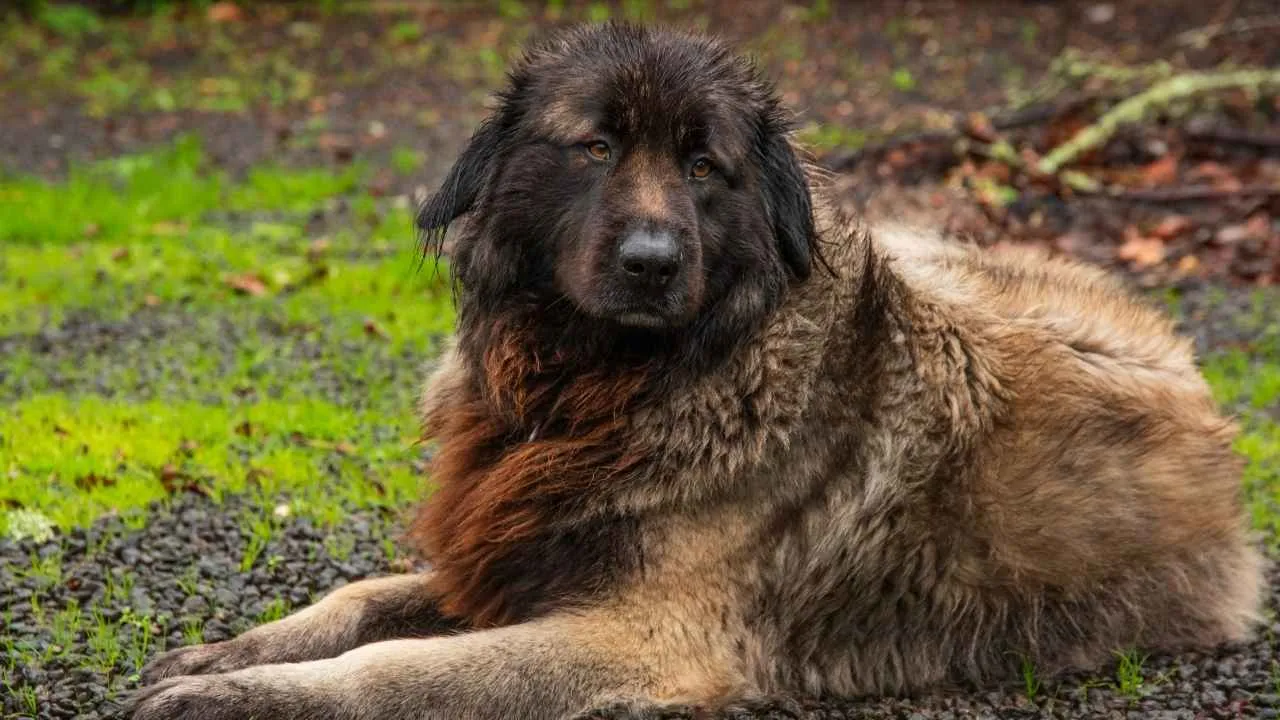
The Estrela Mountain Dog comes with centuries of working history baked into its instincts. Originating in Portugal’s mountain regions, this breed was shaped by isolation, responsibility, and independence, which explains its calm watchfulness and serious attitude toward guarding what matters.
Life with an Estrela requires intention. Space to roam, consistent routines, and mental engagement keep this dog balanced. Without enough stimulation or freedom, frustration can build quickly, and this breed has no interest in pretending everything is fine when it is not.
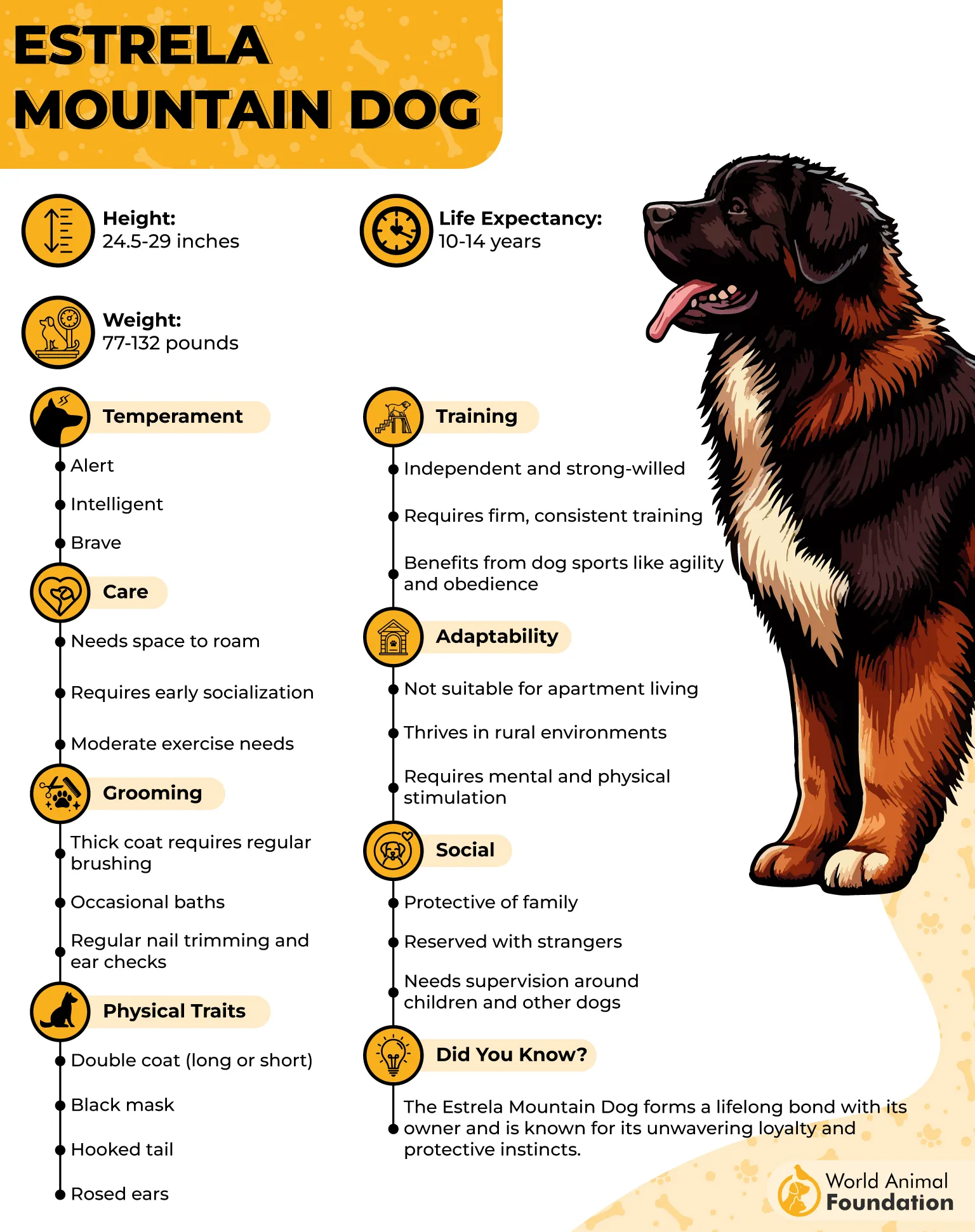
For a large breed, the Estrela is notably quiet. It does not bark without reason and prefers monitoring its surroundings silently. That restraint makes its reactions feel deliberate, not reactive, which adds to its reputation as a composed and capable home guardian.
Special Considerations For this Breed
Natural independence can challenge obedience training
Requires extensive socialization to manage distrust of strangers
Not well-suited to confined or urban living environments
Conclusion
Big, rare dogs bring more than impressive first impressions to the table. They offer quiet confidence, steady presence, and a sense of comfort that goes beyond locked doors and fences. Each breed in this list proves that protection does not have to be loud or chaotic to be effective.
Take a moment to think about your space, daily routine, and comfort level with giant dogs. When the fit feels right, welcoming one of these breeds into your home can become a deeply rewarding experience that grows stronger with time.
