




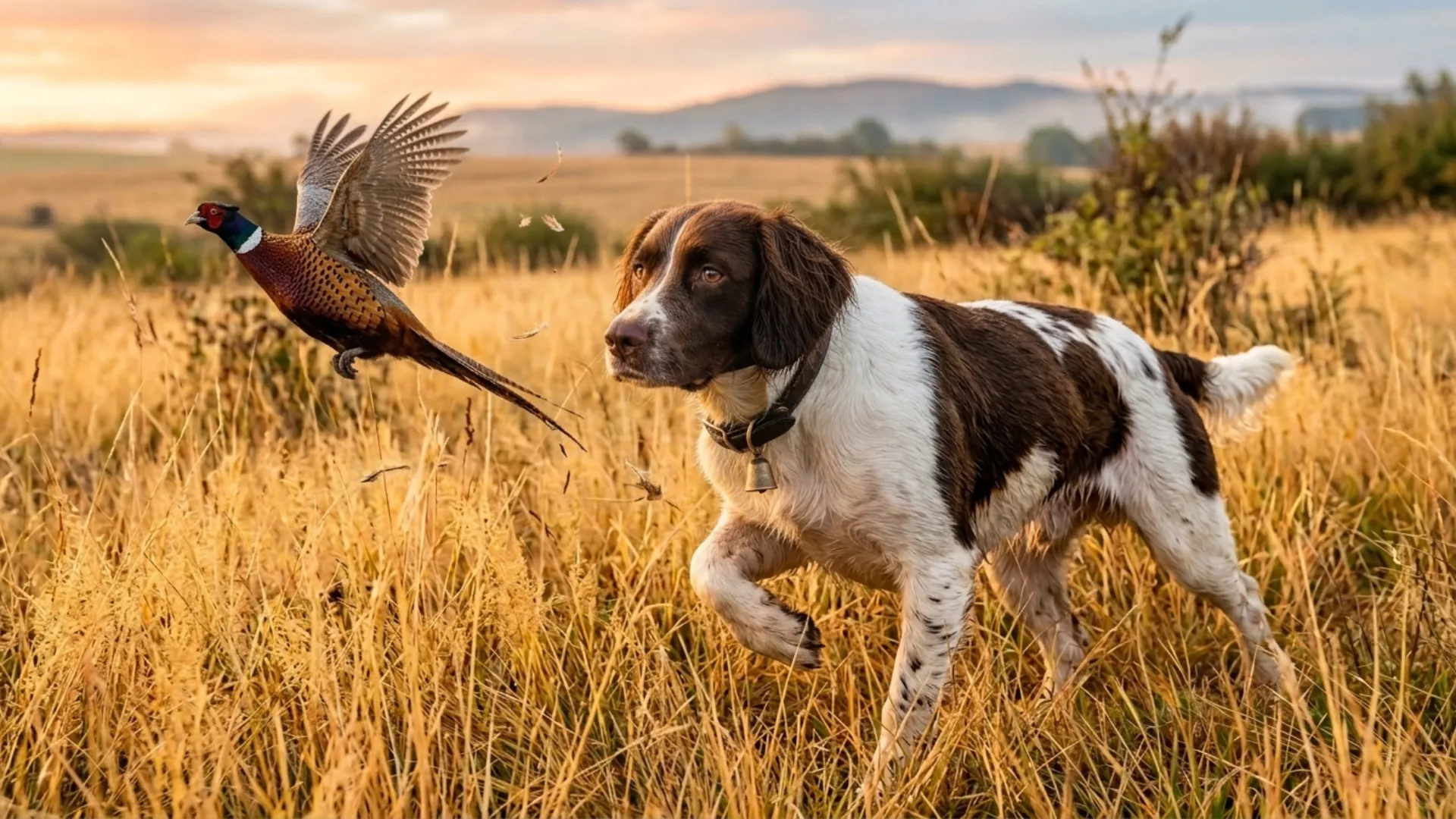
Some hunting dogs seem to understand the field long before their owners say a word. They adjust to changing conditions, work with purpose, and react to birds with remarkable timing that almost feels effortless.
That kind of performance is rarely accidental, yet many people assume it comes from training alone. The truth becomes clearer after watching different dogs face the same cover, the same weather, and the same challenge with completely different results.
Certain qualities simply give one dog an advantage where another struggles to keep pace. Knowing what those qualities are can completely change the way you choose your next hunting partner. It also helps explain why experienced hunters often value instinct just as much as obedience.
Whether you’re new to bird hunting or looking for a better companion, this guide explores the breeds trusted for the job and what makes each one excel in the field.
Key Takeaways
A great hunting dog often knows where the bird is before anyone else has a clue, and watching that instinct unfold is part of the experience.
German Shorthaired Pointers can freeze the instant they catch a bird’s scent, while English Springer Spaniels work through thick cover with remarkable control.
Then there is the Labrador Retriever, trusted by generations of hunters for finding and bringing back birds with dependable precision.
Keep reading because every bird dog breed on this list brings something different to the field, and one of them could surprise you the most.
Expert Dog Breeds for Upland Bird Hunting
1. German Shorthaired Pointer
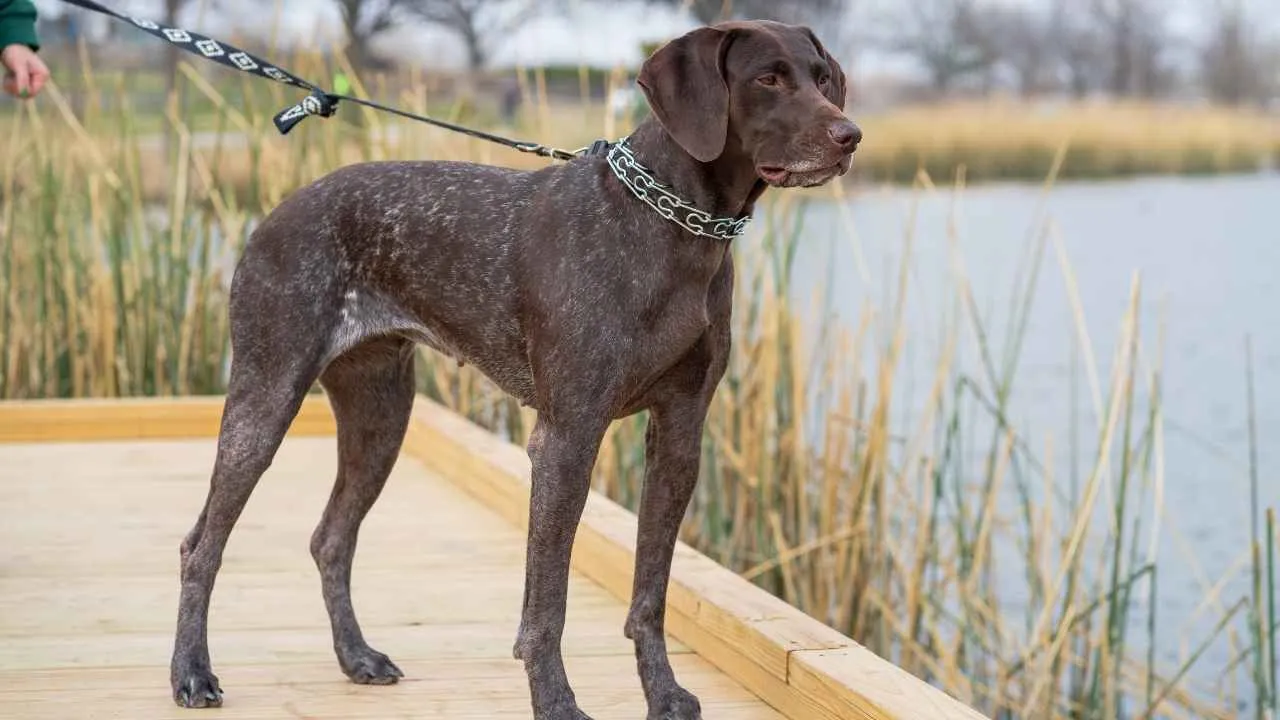
German Shorthaired Pointer catches attention with an instinct that upland bird hunters value above all else. Instead of rushing forward after catching a scent, this breed freezes with its nose aimed toward the hidden bird and waits for the next command before flushing game.
Built for the Hunt
Speed, agility, and lasting endurance allow this breed to work confidently across large hunting grounds without fading quickly. That combination explains why it remains a trusted choice for long days spent searching fields and brush.
A closer look reveals a few field-ready qualities:
Holds a steady pointing stance
Waits for the hunter’s signal
Trained to locate and retrieve game birds
Beyond the Field
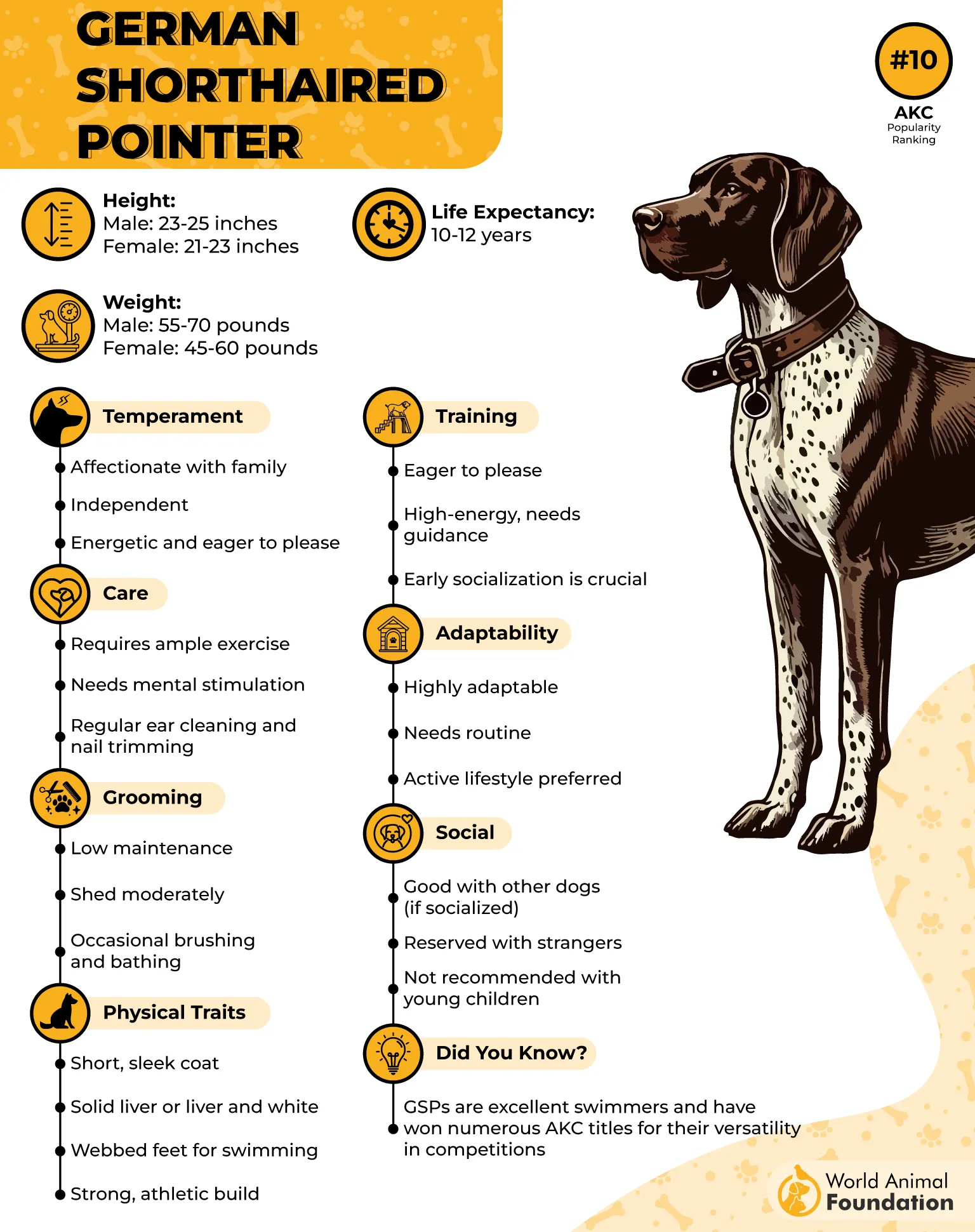
German Shorthaired Pointer also fits an active family life when enough daily activity becomes part of its routine. According to PetMD, running, agility work, and retrieving games provide productive outlets, while one to two hours of vigorous exercise helps direct their energy in positive ways.
2. Brittany
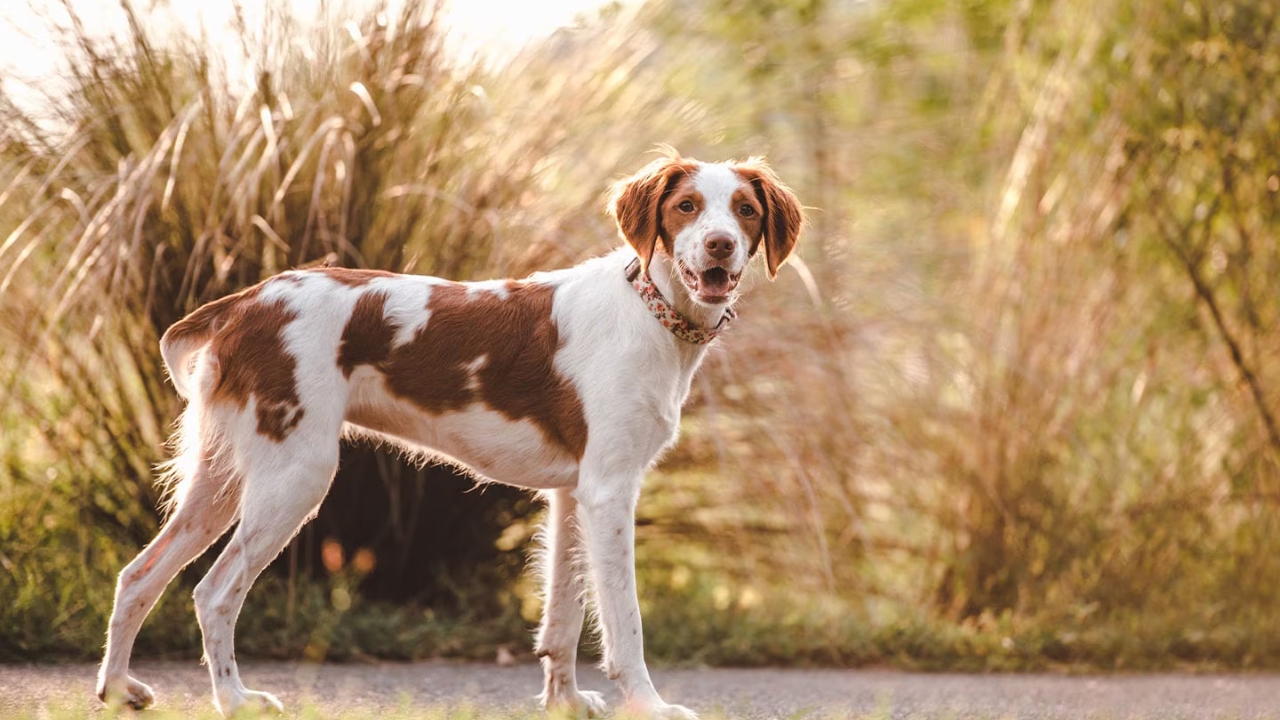
Brittany first took shape in the Brittany region of France, where breeders combined small field spaniels with English setters to create a versatile gun dog.
From the beginning, this breed gained attention for locating upland game birds with remarkable confidence before the hunt advanced.
Reading the Cover
Brittany relies on an accurate nose and natural bird sense to work through thick cover without rushing birds into flight too early. Its close-to-medium hunting style also makes it effective across timber, brush, open prairie, and rocky ground where different game species are found.
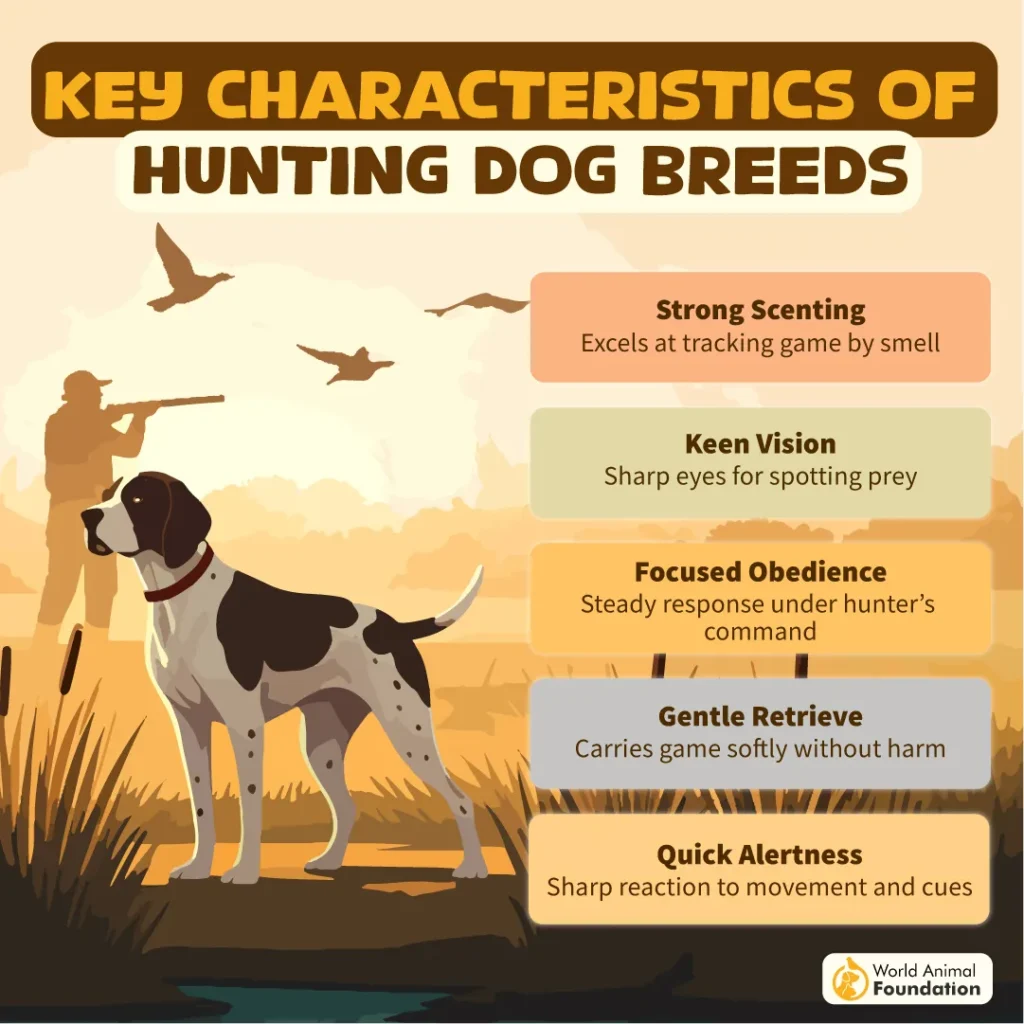
Several field qualities deserve a closer look:
Strong pointing instinct
Tracks running pheasants efficiently
Covers quail and chukar habitat well
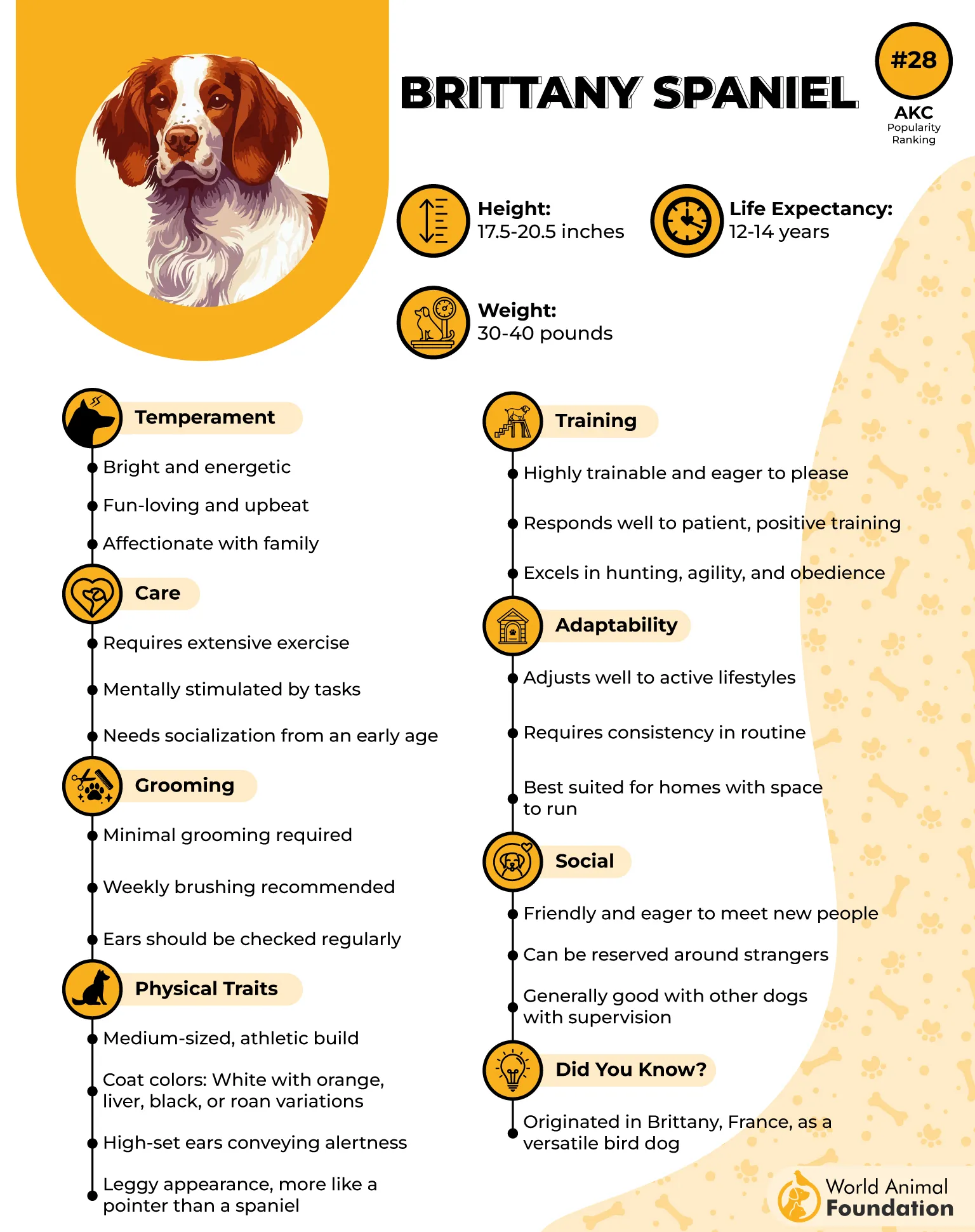
Beyond the Hunt
Brittany keeps a close connection with its handler while exploring and responds willingly to direction during long hours in the field. That balance of independence and cooperation explains why the breed is often appreciated by experienced handlers as well as active families with children and other pets, as per the AKC.
3. English Springer Spaniel
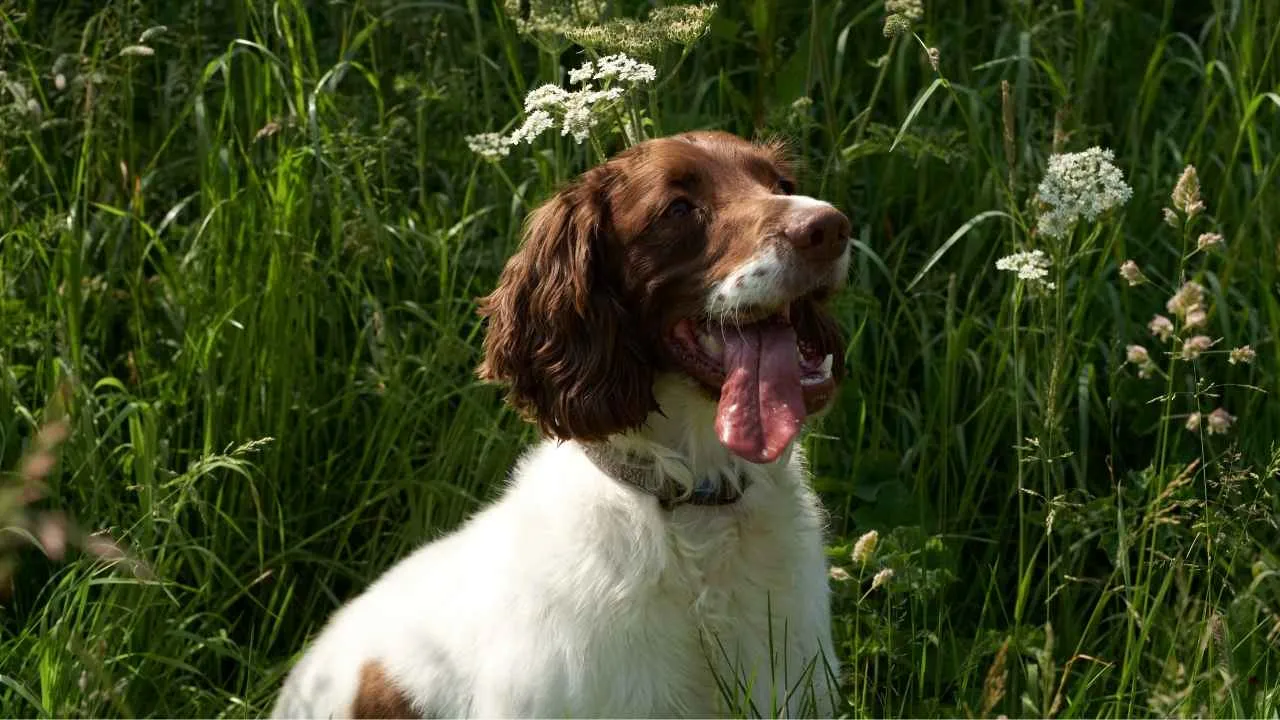
English Springer Spaniel gained recognition in Britain for pushing hidden game from dense cover, giving hunters clear opportunities in the field. Its eager attitude, sharp nose, and natural enthusiasm through heavy undergrowth explain why this breed remains the best dog choice for upland work.
Field Precision
They work with impressive control by sweeping ahead in a natural zigzag quartering pattern, usually keeping within 30 to 40 yards of the hunter. That disciplined approach is a true specialty, helping experienced handlers make full use of the breed’s hunting skills in changing terrain.
Several field habits reveal even more:
Responds instantly to the “hup” command after a flush
Excels at trailing running game through ground scent
Frequently selected for Customs scent detection work
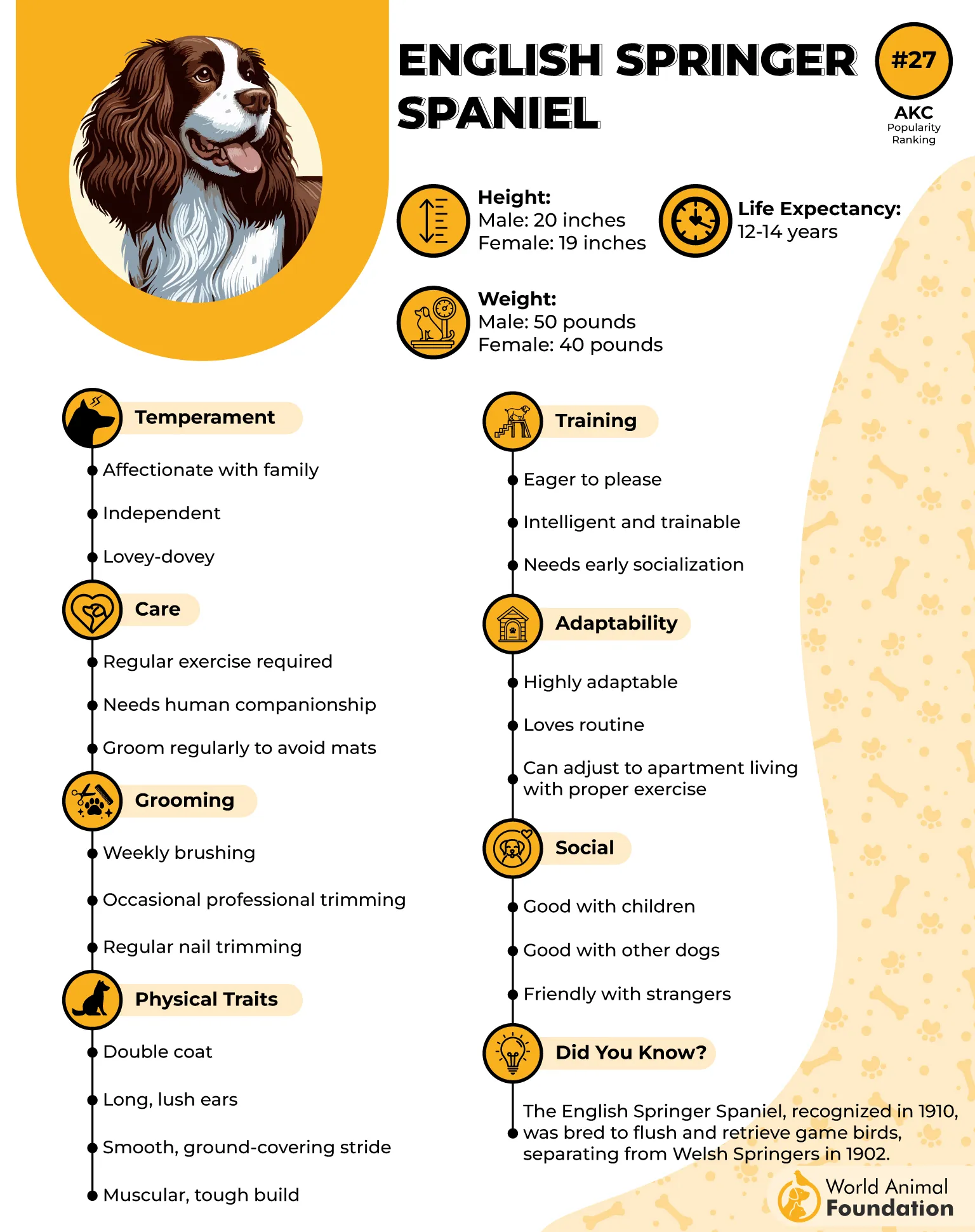
Through Thick Cover
English Springer Spaniel pushes confidently into briars, cattails, and tangled hedgerows where heavier sporting breeds can have a harder time working. A compact, muscular frame and a nose that stays close to the ground help this knowledgeable hunting partner search difficult cover with remarkable efficiency.
4. English Setter
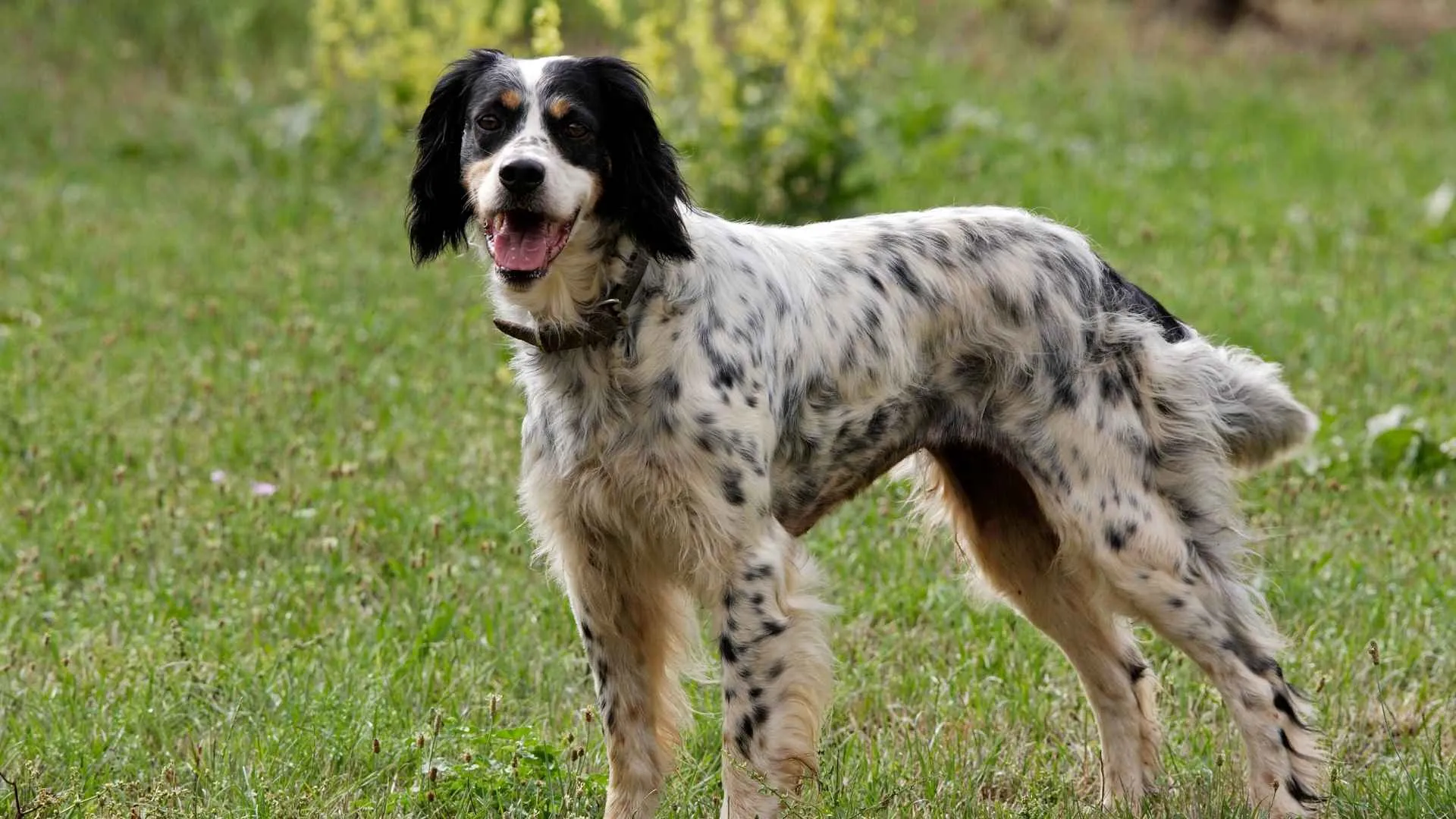
English Setter ranks among the oldest setter breeds used for game hunting, with a hunting style centered on locating birds before locking into position. This canine became famous for freezing instead of chasing, giving hunters a clear indication of where birds were hiding.
Reading the Field
They work through fields with a steady, methodical search, following scent until the game is located with remarkable precision. Long before firearms became common, its low “setting” posture allowed hunters to cast nets over both the birds and the dog, a practice that helped shape its name.
That hunting tradition also includes a few fascinating details:
Modern lines finish with a rigid standing point
Field and show lines differ in coat length
Springer Spaniels, Spanish Pointers, and Water Spaniels contributed to its ancestry
Ready for Long Days
English Setter can cover miles while exploring new scents, making long outings a natural fit for this good upland dog. Once the day’s adventure ends, this elegant breed enjoys relaxing indoors, often attempting to squeeze onto a sofa or even a person’s lap despite its size, as Orvis noted.
5. Labrador Retriever
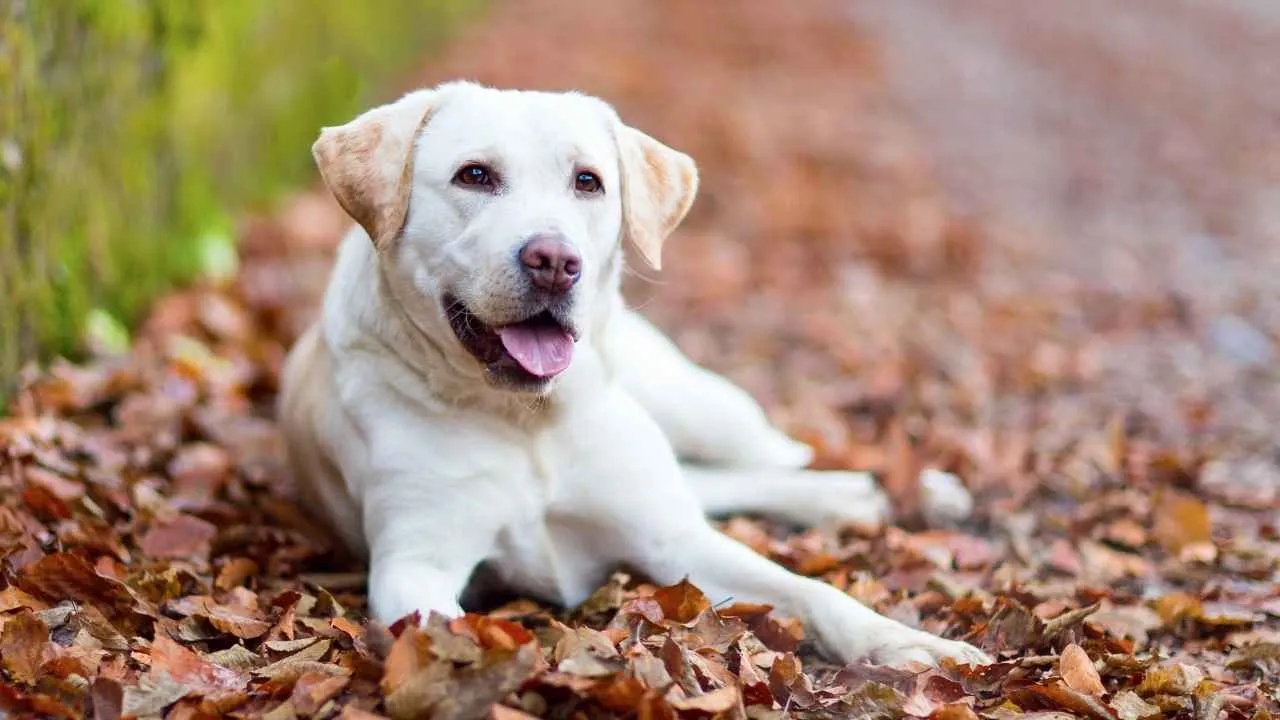
Labrador Retriever has become the first choice for countless upland hunters because of its confident flushing style and dependable retrieving ability.
Long before gaining worldwide popularity, its ancestors worked in Newfoundland retrieving game, fish, and even helping pull boats across lakes.
Reading the Field
This family pet works by quartering the field in a steady zigzag pattern, usually 15 to 25 yards ahead, keeping every pass within comfortable gun range. Fresh bird scent quickly changes its behavior, as an excited tail signals that a flush could happen within seconds.
One hunting sequence explains its effectiveness:
Charges directly into thick cover
Marks the bird’s exact fall location
Retrieves with a gentle mouth grip
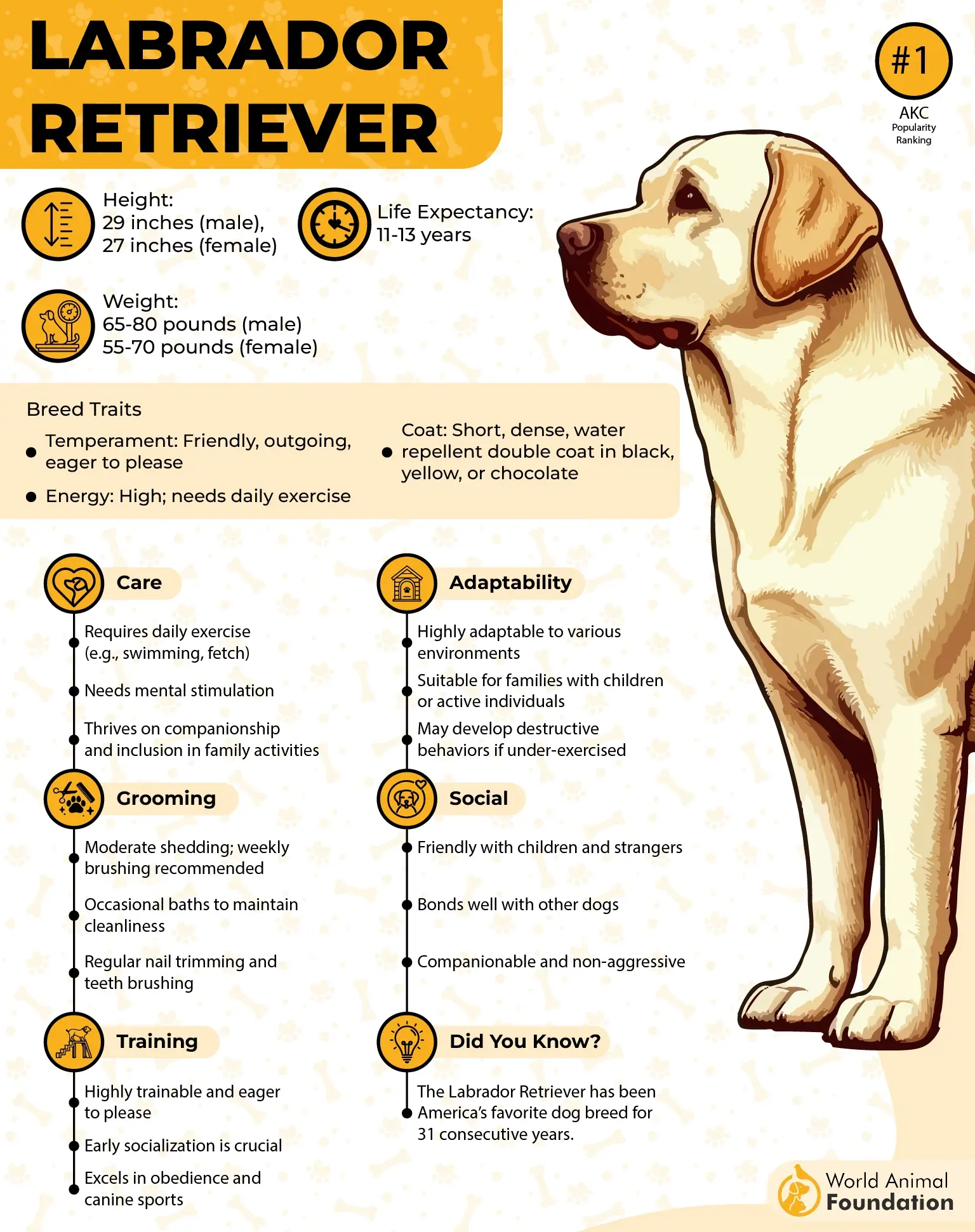
Beyond the Hunt
Labrador Retriever also adapts well to work outside the field, serving as an assistance, therapy, detection, and family dog with equal enthusiasm. Its patient nature around children and eagerness to learn have helped make it one of the world’s most widely recognized breeds.
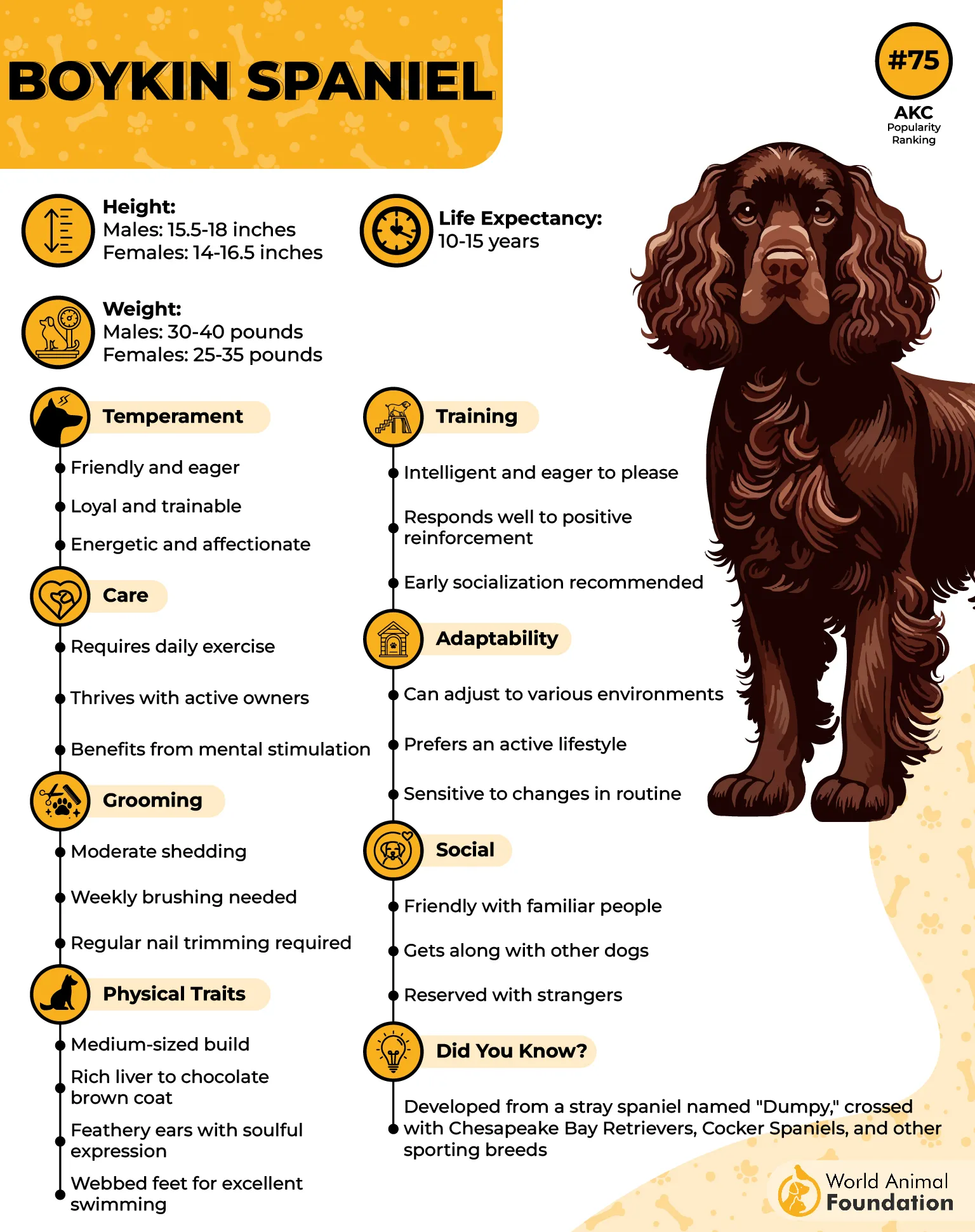
6. Boykin Spaniel
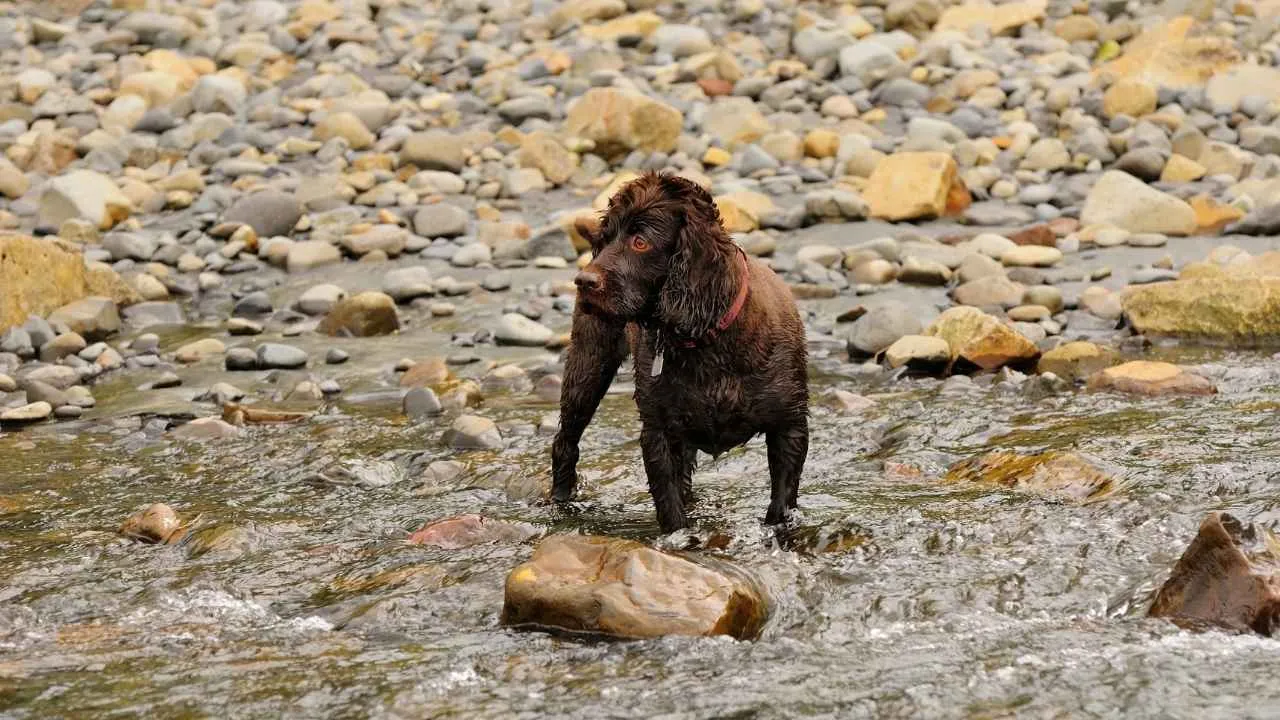
Boykin Spaniel was bred in South Carolina, where its compact frame and quick reactions suited turkey and duck hunting through dense swamps. That combination of agility and determination still makes this breed a practical choice when thick upland cover demands close, efficient work.
Working Within Range
They work close to the hunter instead of pushing birds too far ahead, helping create better shooting opportunities in upland fields. Its measured hesitation flush gives hunters an extra moment to prepare before birds take flight, making each pass through cover more controlled.
Some more field qualities deserve extra attention:
Natural desire to retrieve downed birds
Webbed toes for confident water work
Compact size for briars, brushes, and canoes
Quick to Learn
Boykin Spaniel picks up training quickly thanks to its intelligence and attentiveness during lessons, making new field skills easier to reinforce. Proper socialization also helps this breed greet unfamiliar people and other dogs with a friendly, outgoing attitude away from the hunt.
7. Pointer
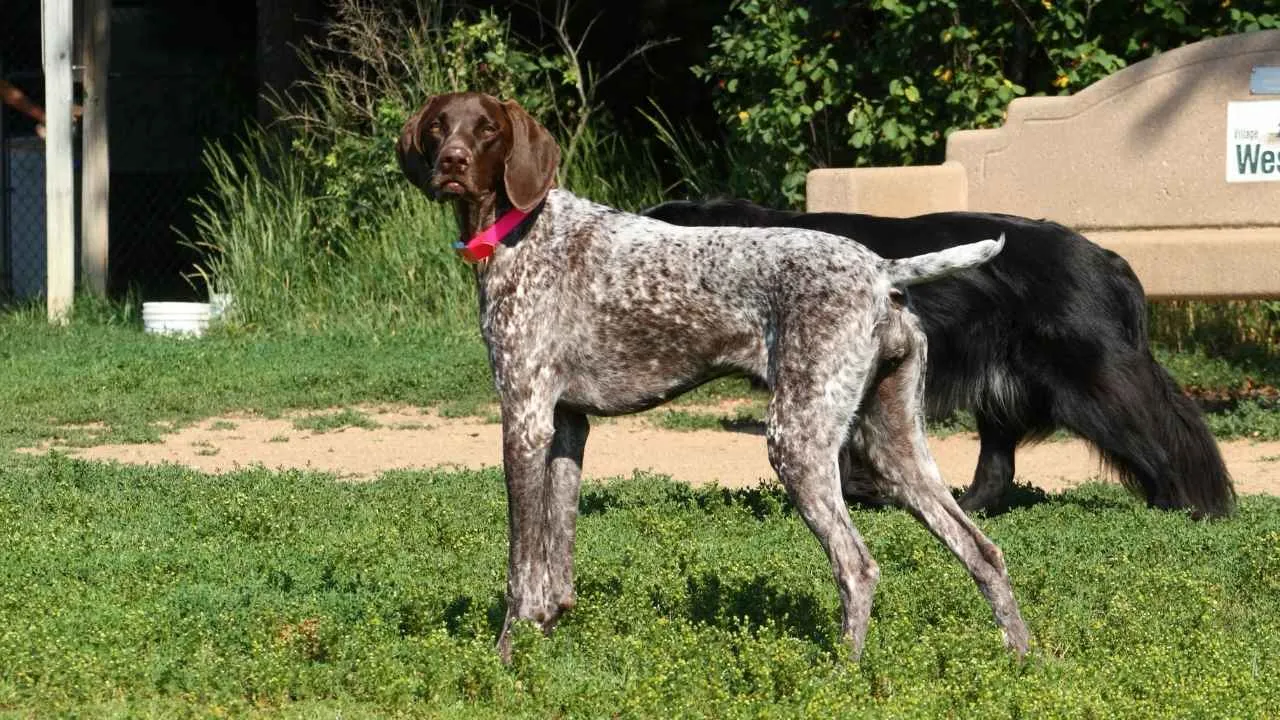
Pointer transforms the instant it catches bird scent, freezing mid-stride with one paw lifted, tail raised, and nose locked toward the hidden location. That unmistakable pose gives hunters a clear indication of where game is holding before anyone takes another step.
Covering Open Country
They shine across expansive fields where quail and prairie chickens often spread over large areas instead of holding close together. Its natural habit of sweeping well beyond shotgun range allows it to map broad sections of ground before relocating a distant covey.
A closer look explains why this breed fits the job so well:
Handles hot, dry conditions efficiently
Graceful, high-speed ground coverage
Repositions carefully on running pheasants
More Than Speed
These dogs combine athletic ability with an even temperament, making them an enjoyable companion once the day’s work is finished.
Early socialization encourages confident behavior around children, cats, other dogs, and unfamiliar visitors while supporting good manners in different settings.
Conclusion
A productive day in the field begins long before the first bird takes flight. It starts with choosing a versatile hunting dog whose instincts, working style, and energy naturally fit your expectations and the places you hunt most often.
Among the top pointing breeds, those bred and trained for the job often display an impressive bird sense, giving your dog a valuable foundation from the very beginning.
As experience grows, both hunter and dog learn to anticipate each other in ways that make every outing feel more rewarding, whether enjoying hunting and fishing or exploring the outdoors as a rugged adventurer.
Those shared moments continue earning admiration throughout the dog world and become the memories that keep hunters returning to the field season after season together.
