




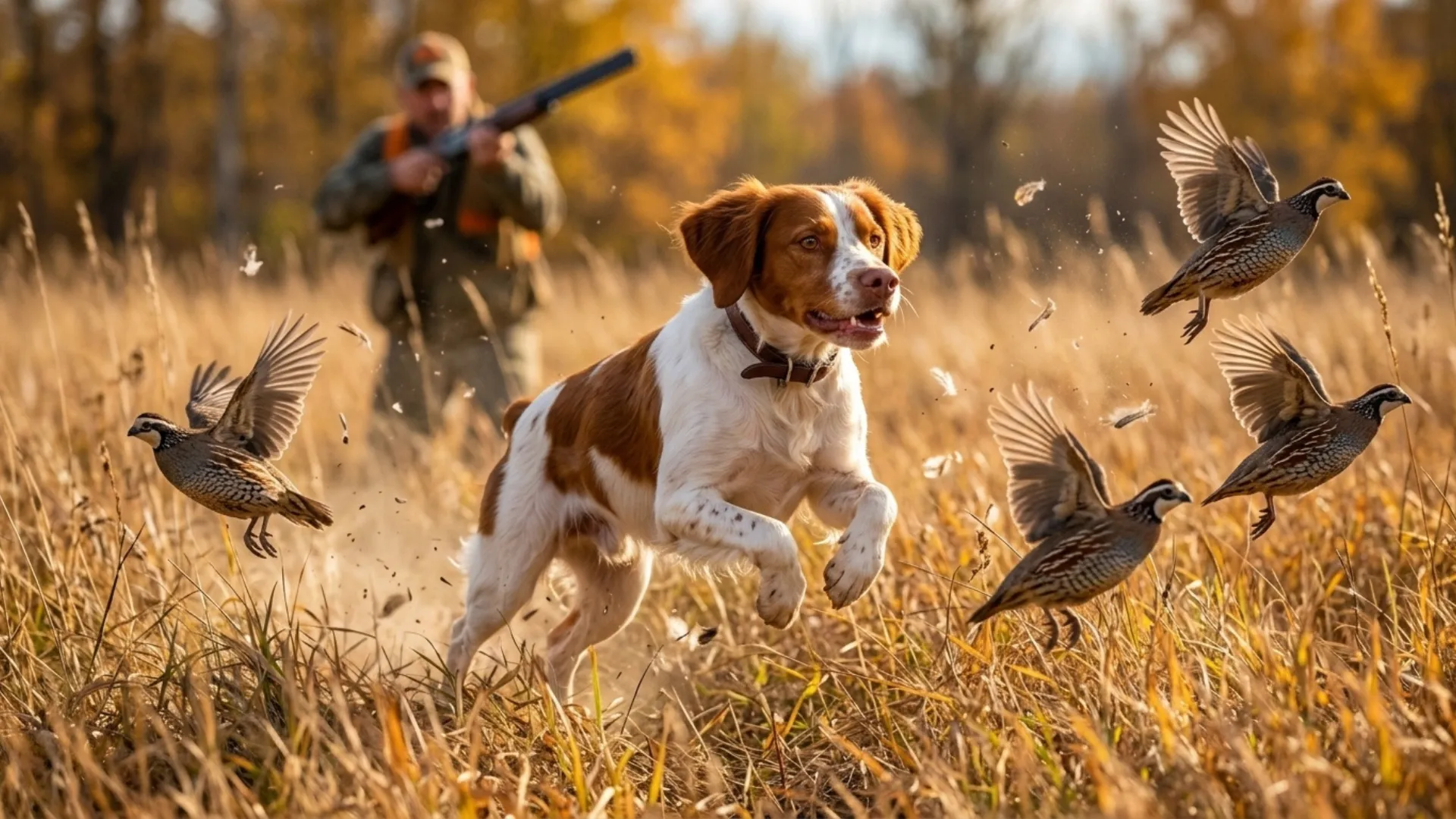
The morning starts quietly, but the pace changes as soon as you reach the upland cover. Your boots hit uneven ground, the wind shifts, and the dog begins working the area ahead of you with its nose close to the scent trail.
Every step matters because upland birds rarely make the hunt easy. They can hold tightly in cover, run before flushing, or burst into the air without warning. A good hunting dog keeps the search moving while staying connected to the person carrying the gun.
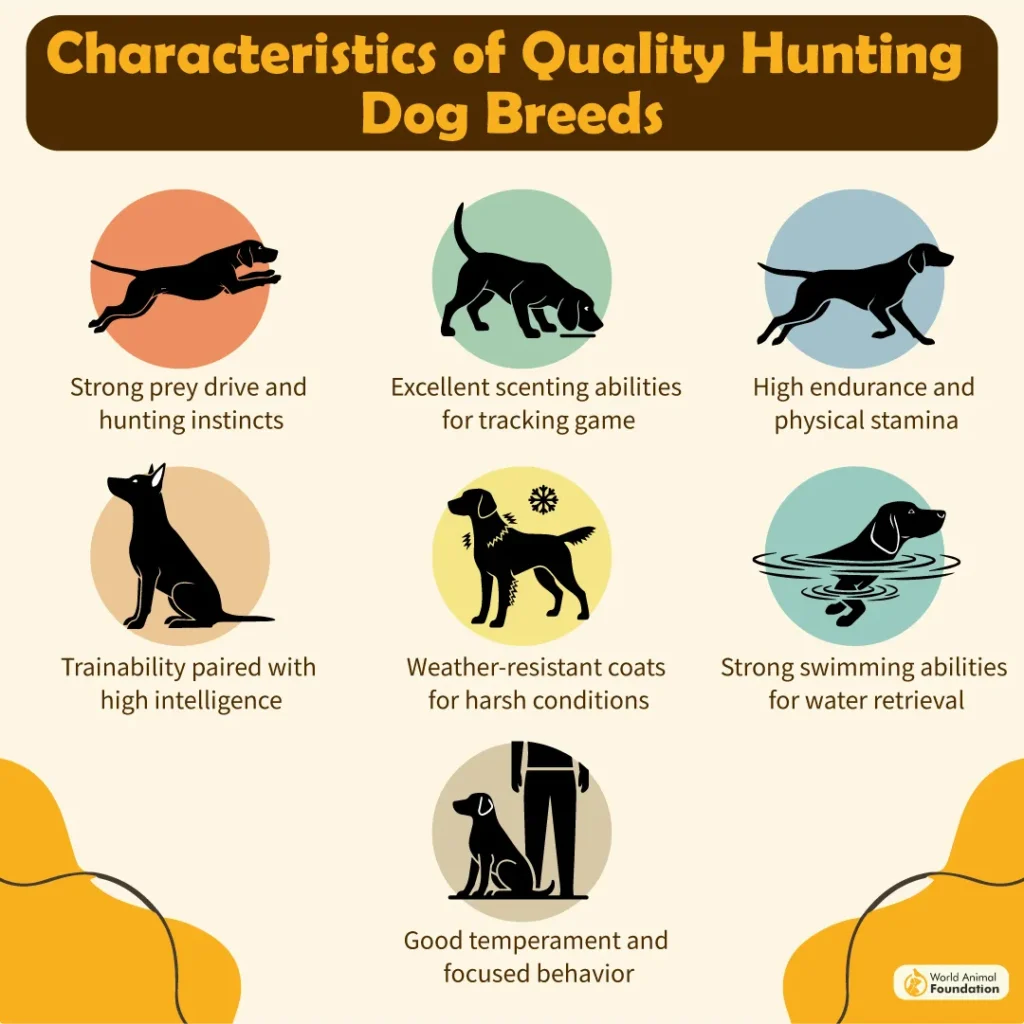
That relationship becomes especially valuable during long days when rough ground and changing conditions test both hunter and dog. The strongest breeds bring a natural blend of scenting skill, stamina, responsiveness, and bird sense that can turn scattered clues into a clear opportunity.
If upland bird hunting is your passion, knowing which breeds bring these qualities together can help you choose a partner that belongs in the field. This article breaks them down for you.
Key Takeaways
A bird can be hiding deep in the brush, running ahead of you, or suddenly taking flight, and that is where a truly skilled hunting dog earns its place.
German Shorthaired Pointers can freeze with their noses locked onto a scent, while English Setters use a low, careful approach to track down birds hidden across open ground.
Then there are breeds such as the Boykin Spaniel, which grew from a stray dog named Dumpy into South Carolina’s official state dog and a trusted hunting companion.
From thornproof coats to powerful noses and tireless stamina, these seven breeds bring something special to the upland field, and some of their stories are just as fascinating as their hunting skills.
Expert Dog Breeds for Upland Bird Hunting
1. German Shorthaired Pointer
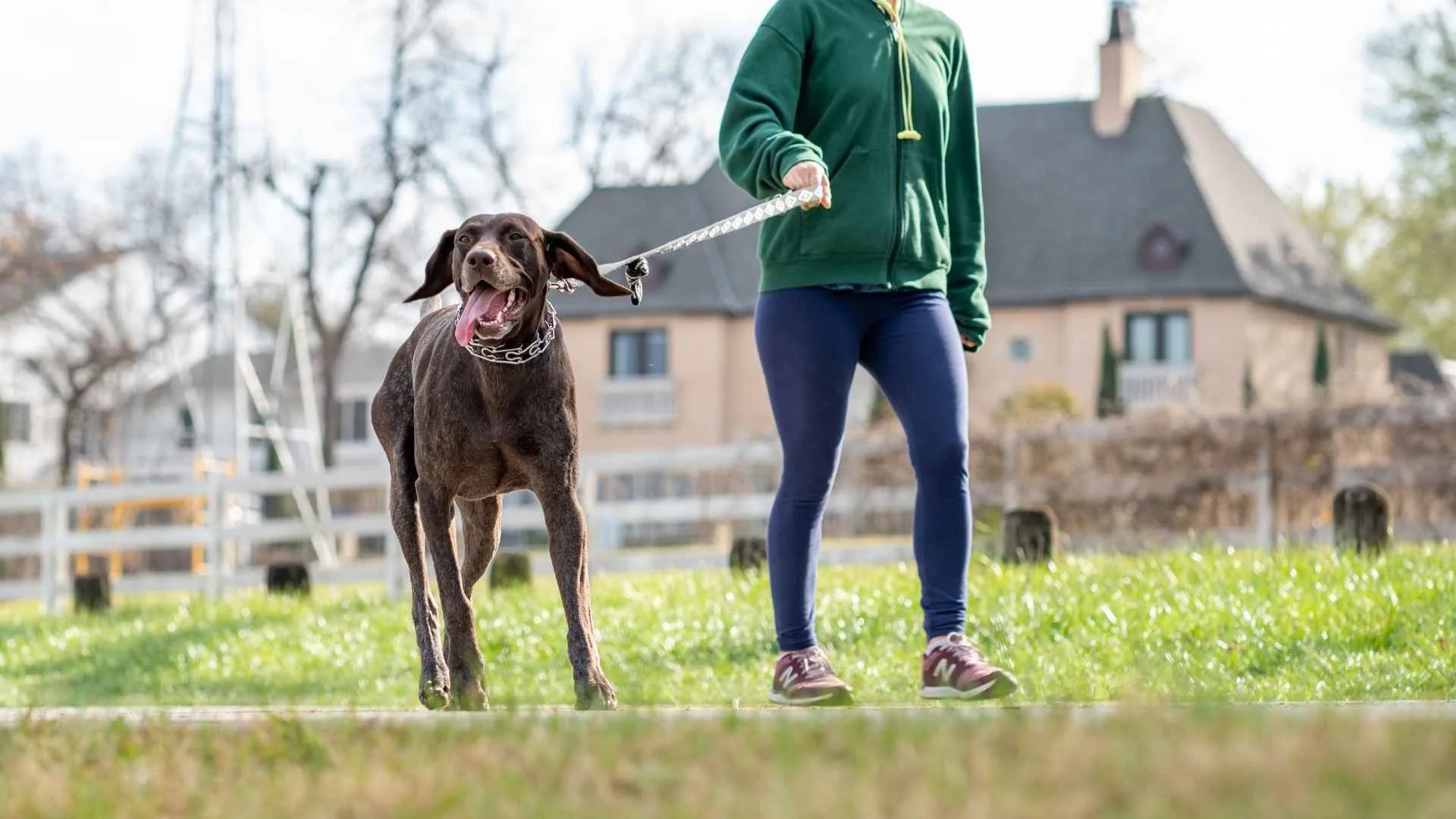
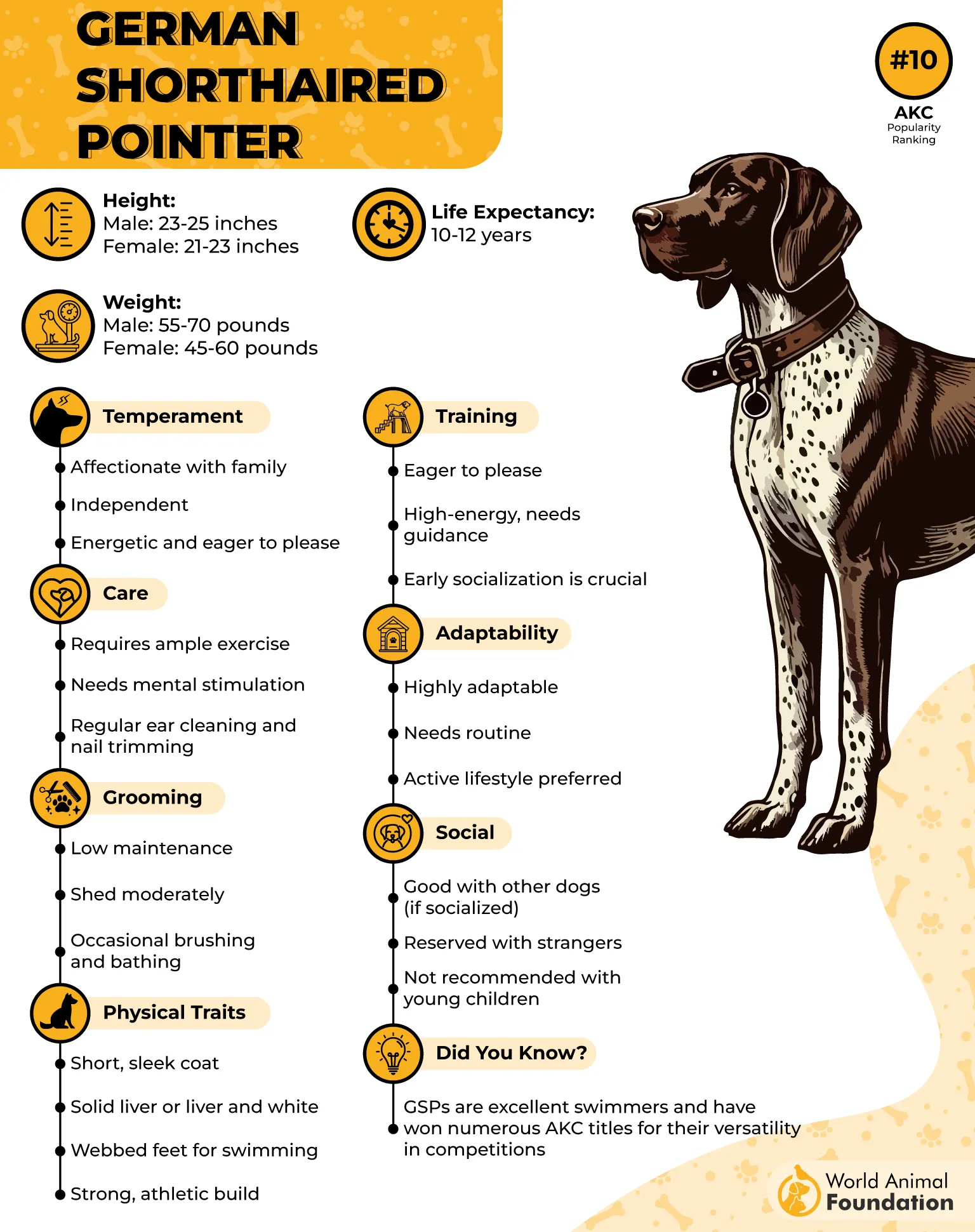
German Shorthaired Pointer is linked to the German Bird Dog, with older influences including the Old Spanish Pointer that reached Germany during the 17th century. English Pointer blood and the Arkwright Pointer were also added later, shaping the lineage behind this versatile hunting breed.
Field Precision
This pointing dog works across open fields and dense cover with an exceptional nose that can pick up scent where game birds are difficult to locate. Its hunting method is especially distinctive because it can freeze with its nose directed toward the scent, then wait for the hunter’s cue.
The fieldwork becomes even more precise through:
Zigzag tracking through tall grass for ringneck pheasants
Deep chest and short back for prolonged work
Dense coat that resists mud, stickers, and ice
Relentless Stamina
German Shorthaired Pointer has the speed and endurance required for demanding upland work, with enough energy for one to two hours of intense daily activity when hunting is not part of the routine, as Purina noted. Running, fetching, and agility games provide more substantial outlets than casual walking alone.
2. Brittany
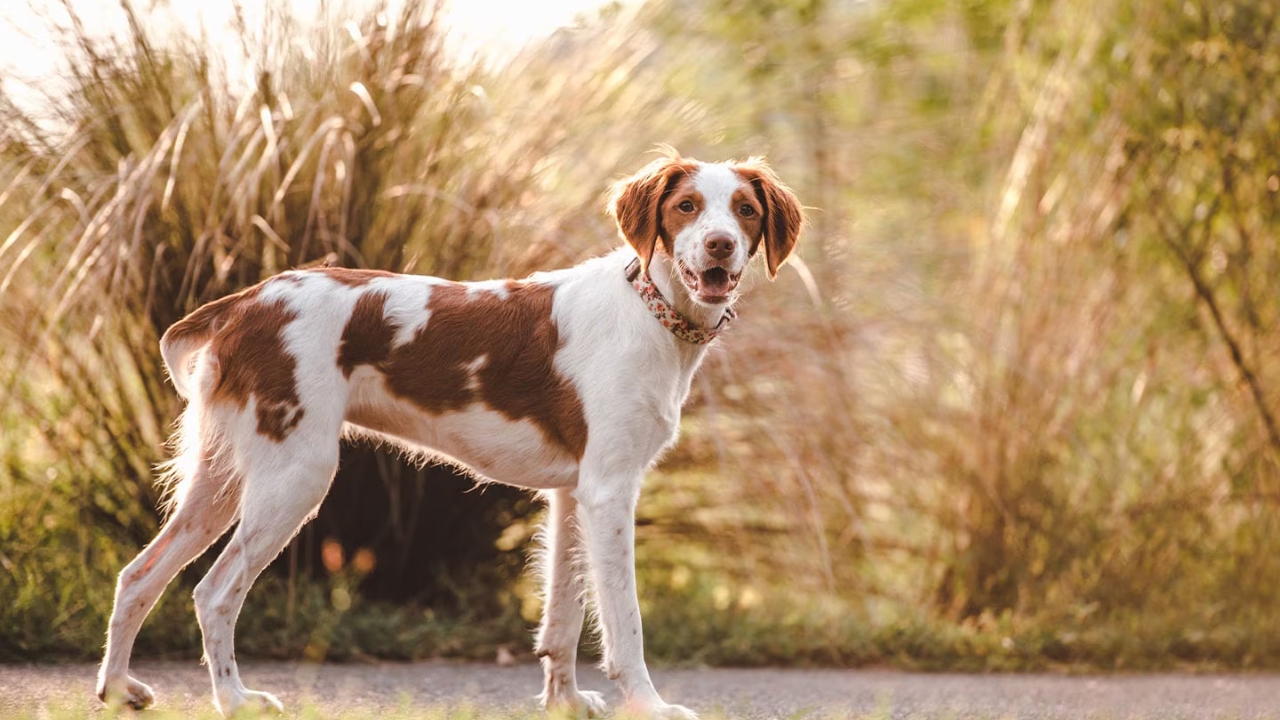
Brittany originated in France’s Brittany region as a gun dog shaped for pointing, hunting, and retrieving. Early breeding of this hunting dog involved small field spaniels and English Setters, while tailless or naturally short-tailed puppies were selected for further breeding.
Built for Bird Work
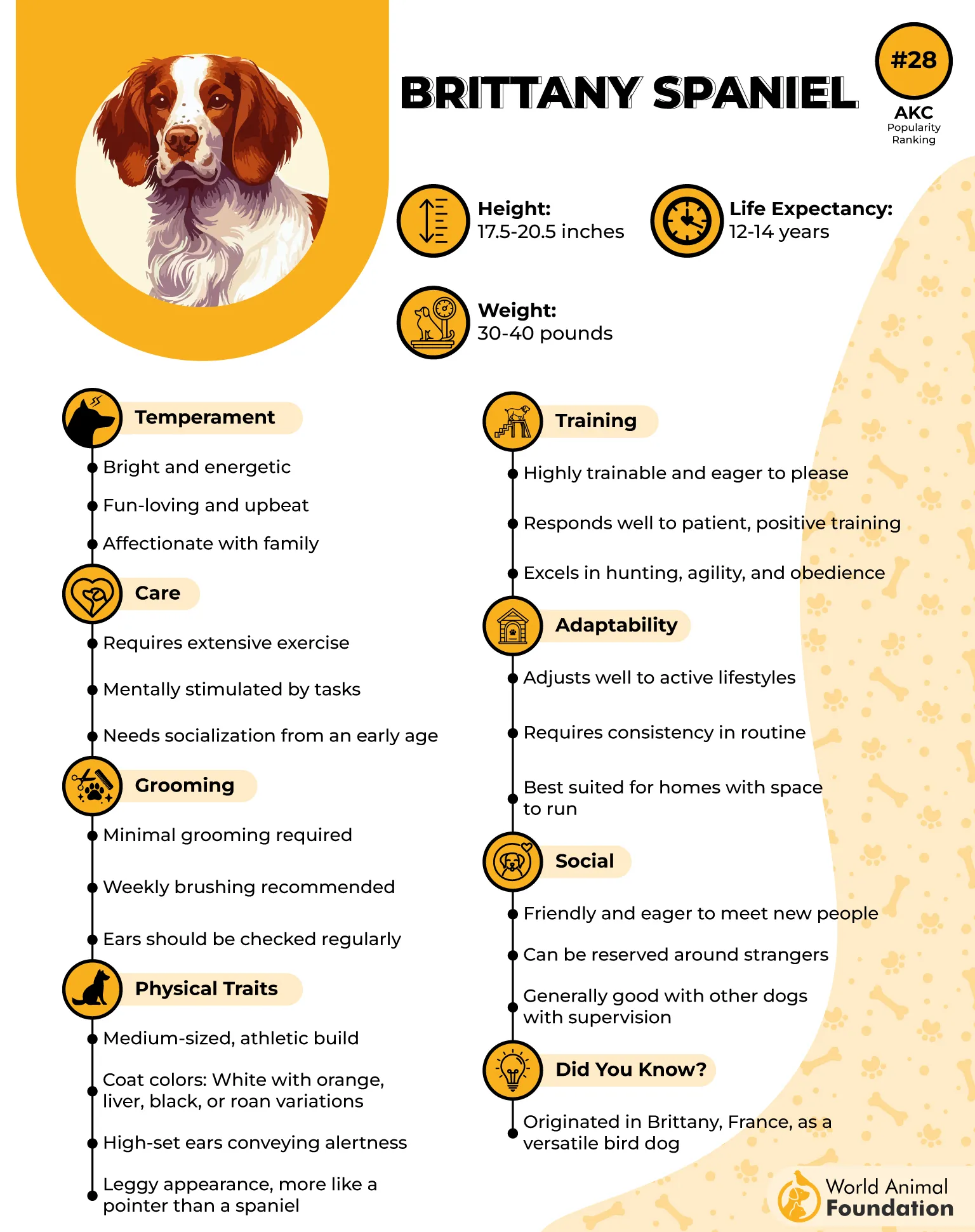
Brittany’s compact 30 to 45-pound frame, long legs, and deep chest give it an efficient build for covering demanding upland terrain. That body shape helps the breed pass through thick brush without tiring quickly during extended hunts.
A closer look at its field ability reveals:
Enduring gallop for long pursuits
Large lung capacity for oxygen intake
High-scenting nose for locating birds
Wide-Ranging Game
Brittany is particularly suited to pheasant, ruffed grouse, woodcock, quail, and chukar, giving hunters a versatile partner across several upland species. According to Omlet, its ability to run, hunt, and play for hours pairs with a willingness to respond closely to human direction.
3. English Springer Spaniel
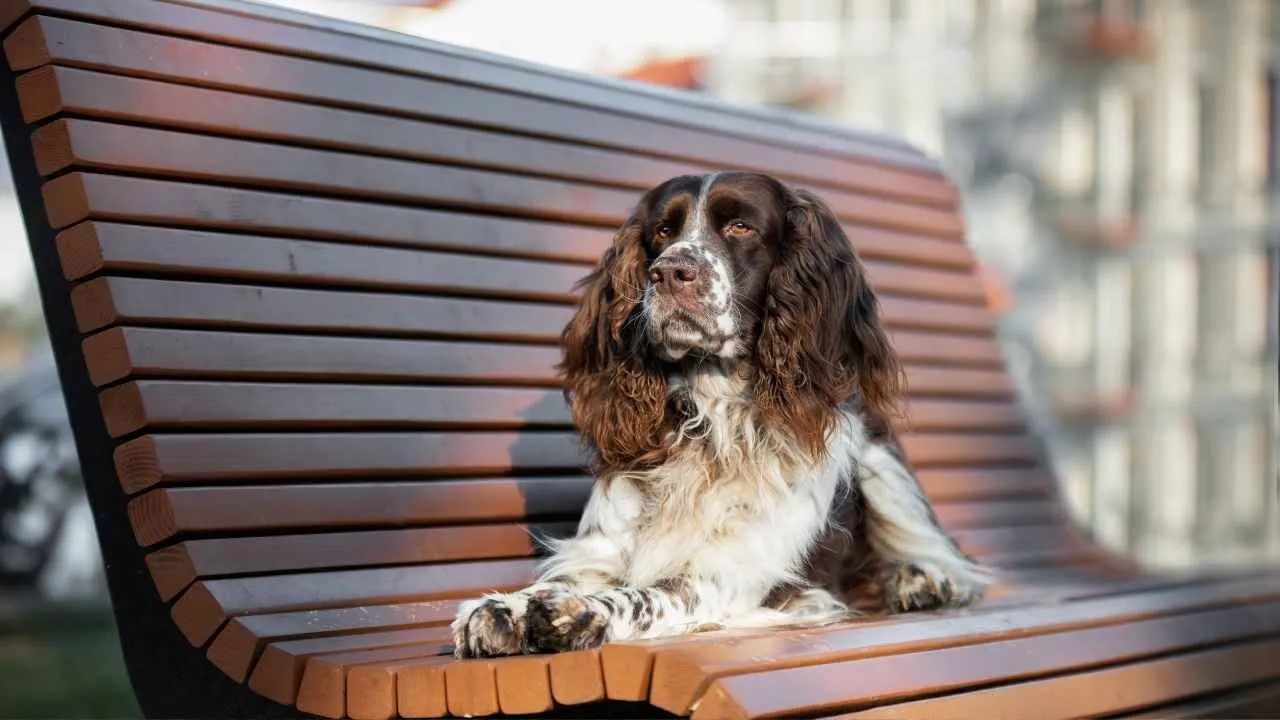
English Springer Spaniel gets its name from the old hunting task of “springing” game, a term first used for the breed in 1902. The job involved pushing birds from cover into flight so hunters could take their shot, giving the name a direct link to its working purpose.
Methodical Ground Work
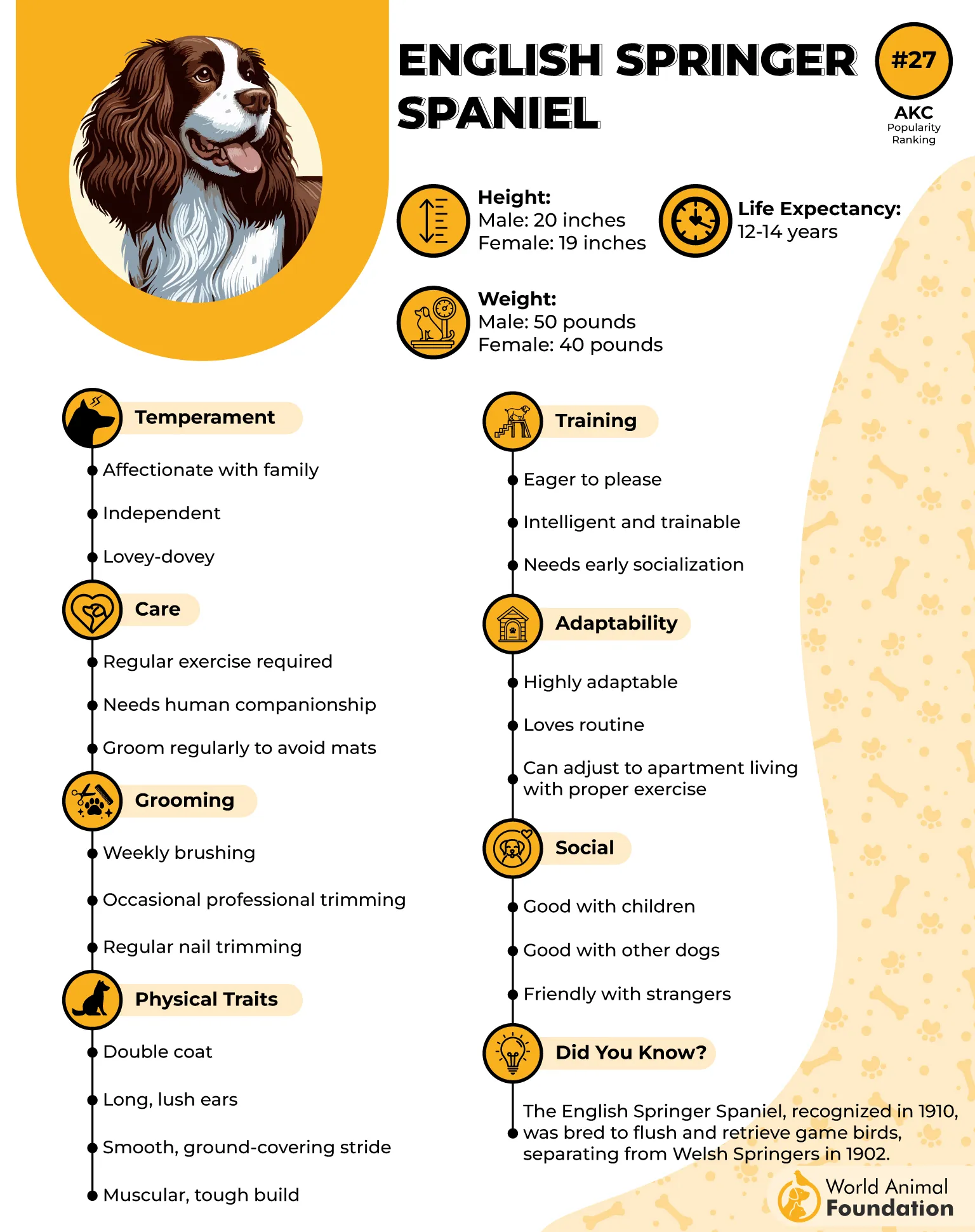
This popular dog breed has a distinctive way of covering upland ground, quartering back and forth ahead of the hunter while instinctively keeping within shooting range. Its dense double coat also lets it push through briars, cattails, and thick brush where birds may be hiding.
Three field abilities make that work especially effective:
Tracks running pheasants by scent
Excel at trailing and stopping running roosters.
Retrieves across land and water
Ready for the Work
English Springer Spaniel was bred for active duties and responds well to training, regular exercise, and opportunities to use its energy purposefully. Its willingness to please also makes patient training worthwhile, while puppies need consistent time and enrichment as they mature.
4. English Setter
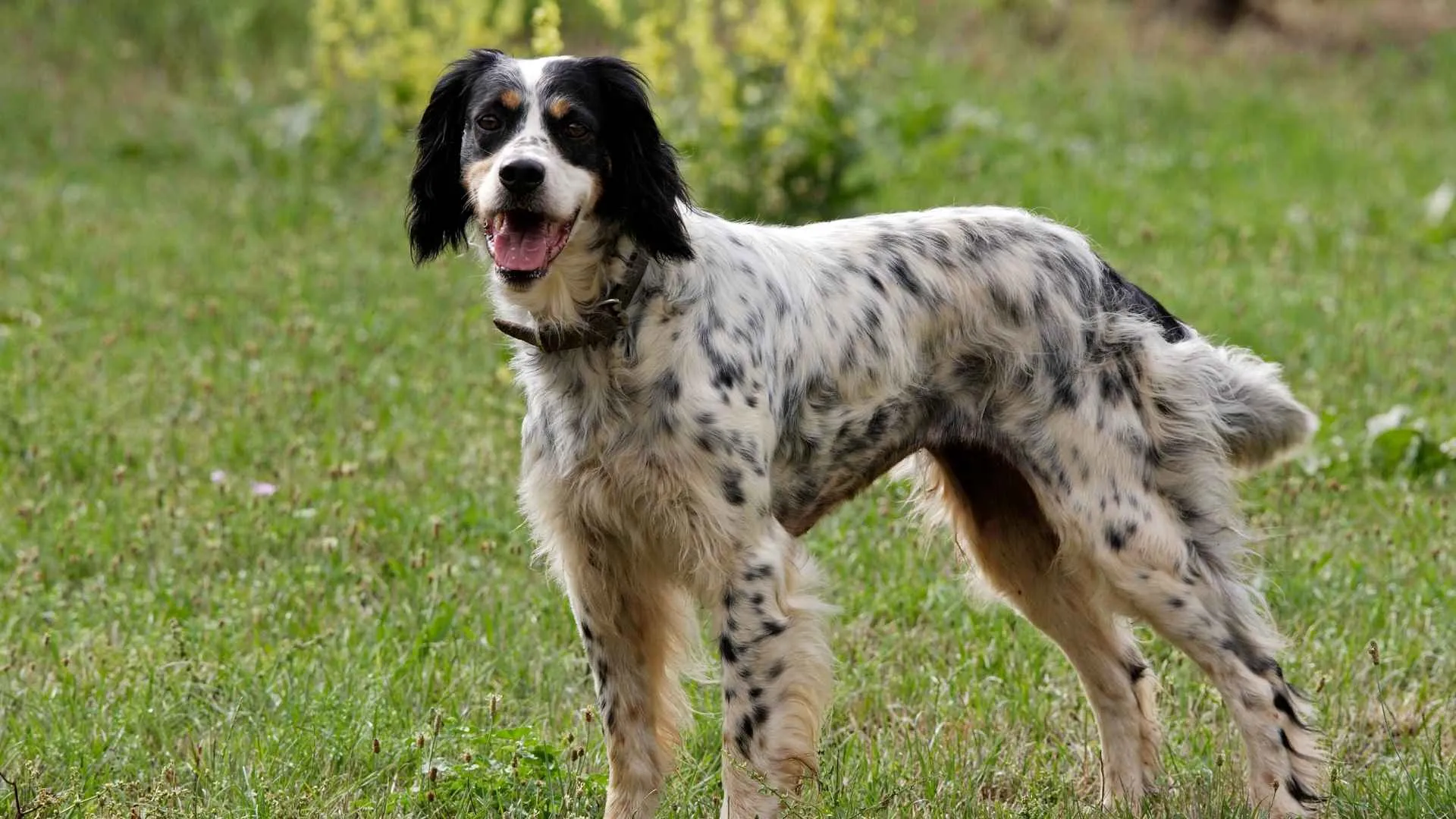
English Setter emerged in England as a bird-hunting breed, with records reaching into the 19th century. Its name comes from the distinctive crouching position it used after locating game, allowing hunters to approach birds with greater control.
A Specialist’s Nose
They bring an unusually focused hunting style to upland terrain, using a powerful nose to locate well-camouflaged birds across broad distances. It naturally works in a methodical zigzag pattern, using changing wind currents to search more effectively.
The field work becomes even more precise through these details:
High, steady pointing stance in modern lines
Low crawl toward concentrated scent
Strong focus on birds over ground game
Gentle at Home
English Setter is affectionate, sensitive, and highly people-oriented, with a strong preference for being near its family rather than spending long periods alone, as per the AKC. It can be patient with children and sociable with other pets after suitable introductions, though feathered pets may trigger its hunting instincts.
5. Wirehaired Pointing Griffon
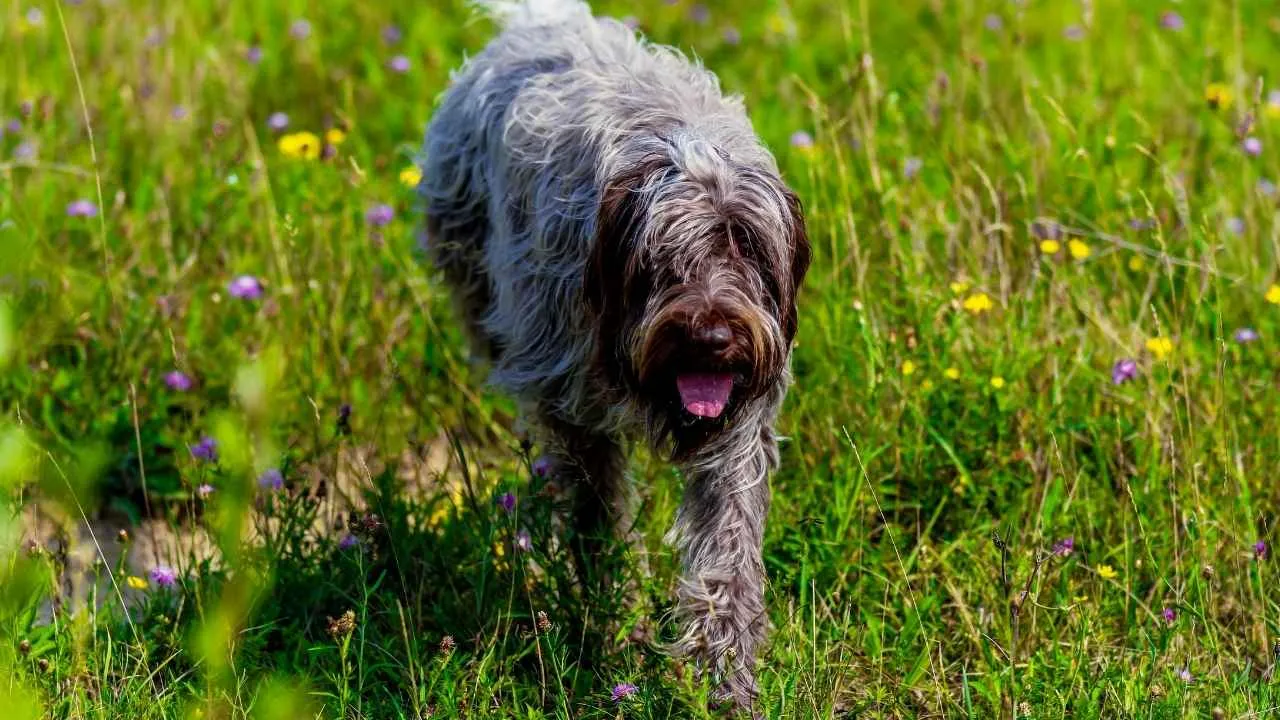
Wirehaired Pointing Griffon originated in the Netherlands, with much of its breed formation taking place in France during the 1800s. Its early purpose centered on helping hunters, giving the breed a long association with fieldwork across different types of terrain.
Close-Range Specialist
This pointing breed works close to its handler, carefully checking dense cover where upland birds may hold tight. That methodical range can give hunters better opportunities when pursuing pheasants, quail, grouse, and woodcock in thick vegetation.
These field details make that approach especially useful:
Points birds before the shot
Works dry land and water
Retrieves waterfowl with ease
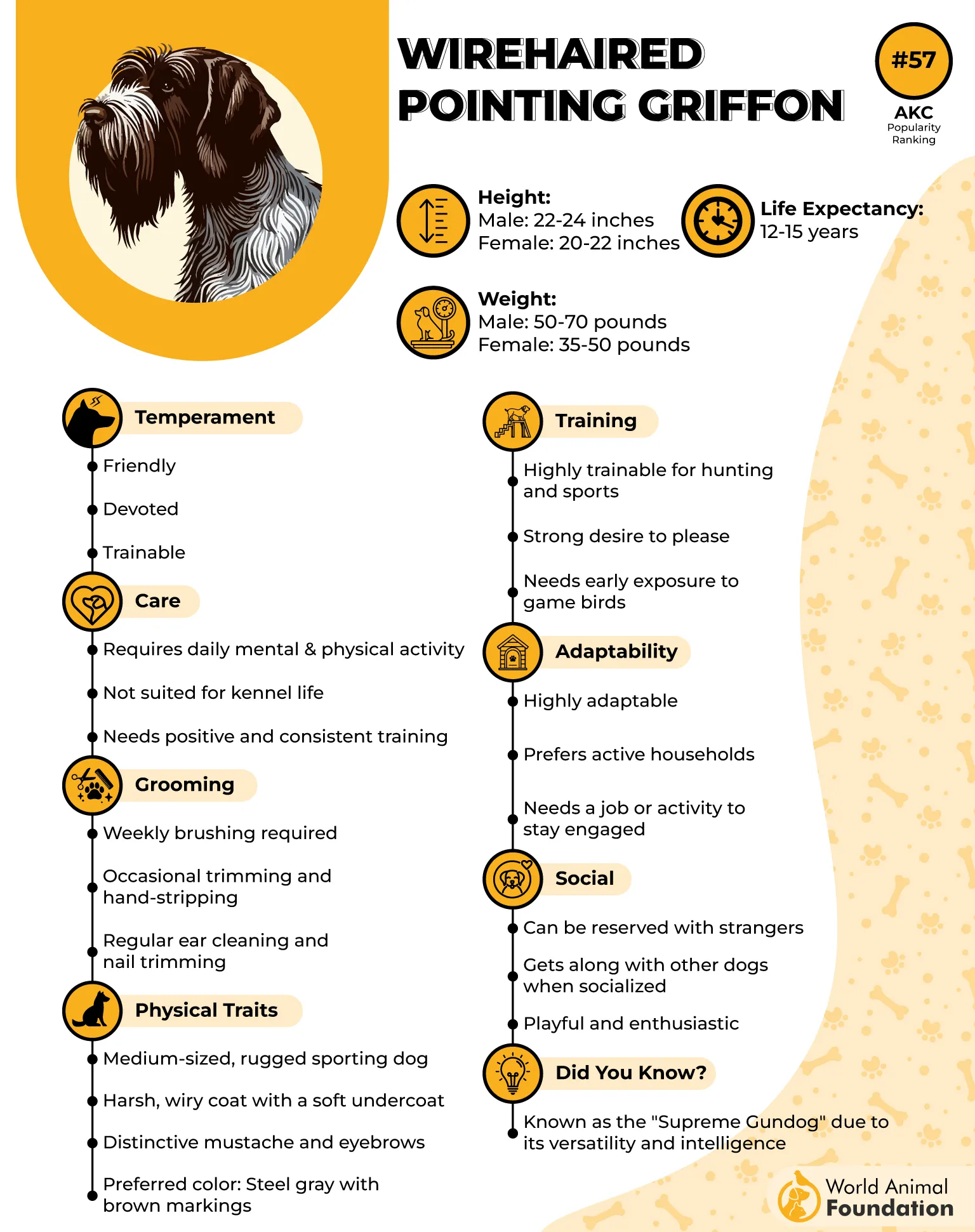
Thornproof Protection
Wirehaired Pointing Griffon has a harsh, wiry double coat that helps shield the body from thorns, burrs, and cold weather encountered in difficult cover. Its prominent eyebrows and full beard also provide added protection around the eyes and muzzle during brush-heavy hunts.
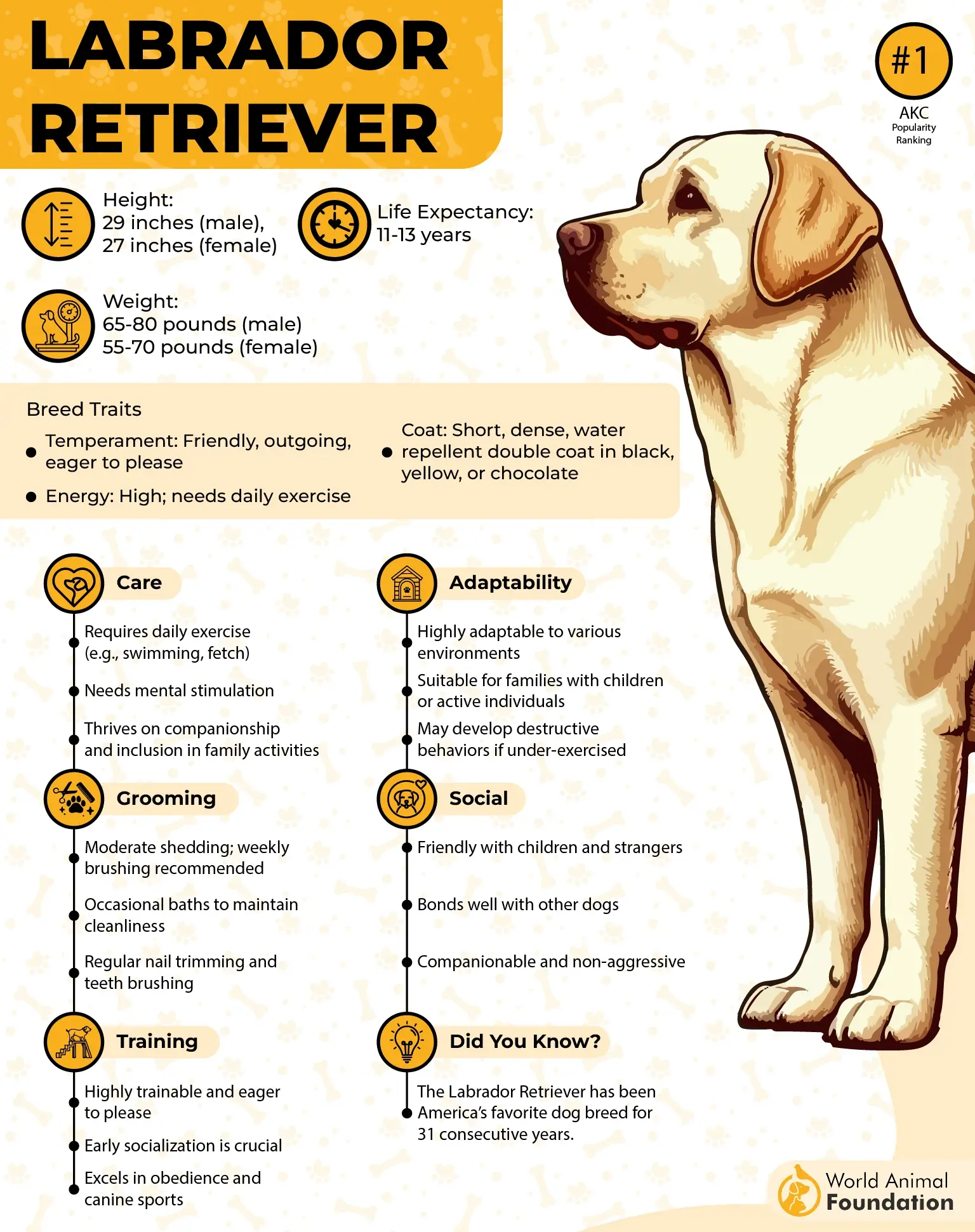
6. Labrador Retriever
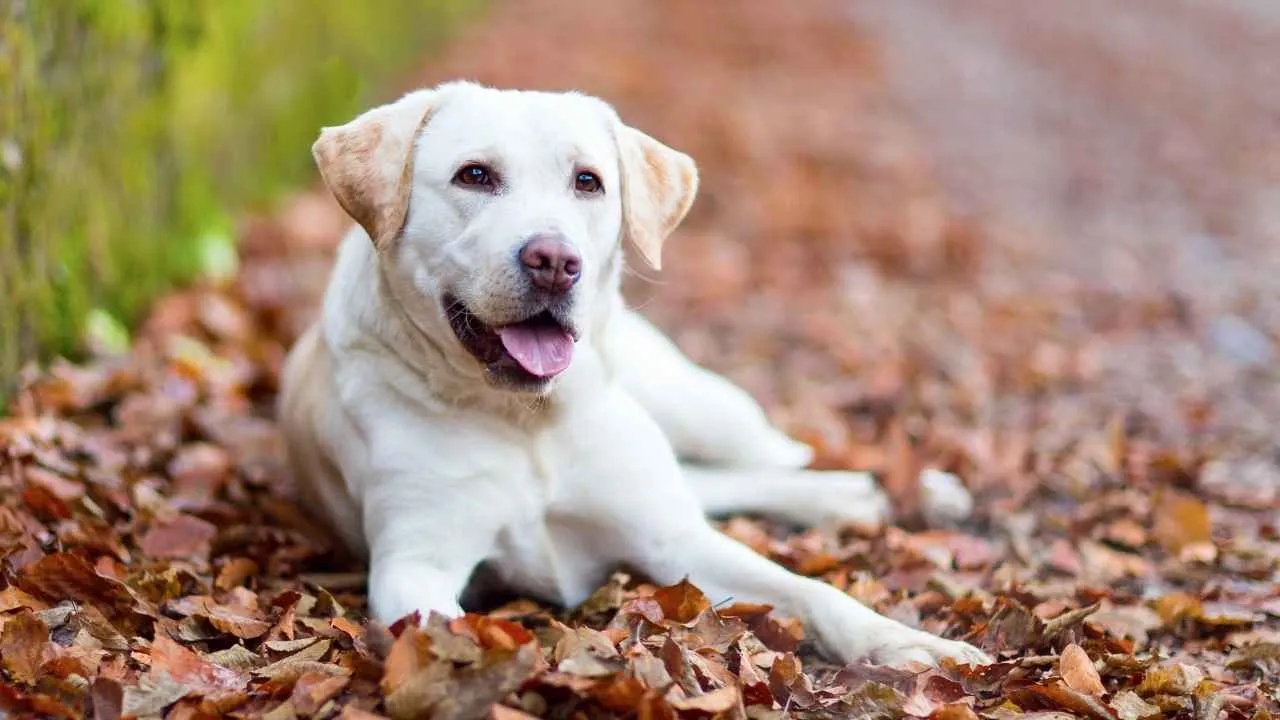
Labrador Retriever began in Newfoundland as a leaner, all-black working dog quite different from the heavier Newfoundland breed familiar today. These dogs retrieved game and fish, hauled boats across lakes, and assisted fishermen with tasks that demanded a strong affinity for water.
Upland Specialist
This flushing dog brings a powerful nose, intense drive, and quick learning to upland hunting, where its job can include locating, flushing, and retrieving pheasants, quail, and grouse. Its visual marking is especially valuable because the dog can watch a bird fall and follow its exact line to the ground.
That field work gets even more precise with the right training:
Works within 20 to 30 yards for cleaner shots
Pushes birds into flight rather than holding a point
Can retrieve through briars, cattails, and heavy brush
Ready for the Field
Labs learn quickly and respond well to structured routines, while their sociable nature makes it comfortable around people, children, and other dogs. After a demanding hunt, it often seeks close human attention, including leaning against its favorite person or following them around the home.
7. Boykin Spaniel
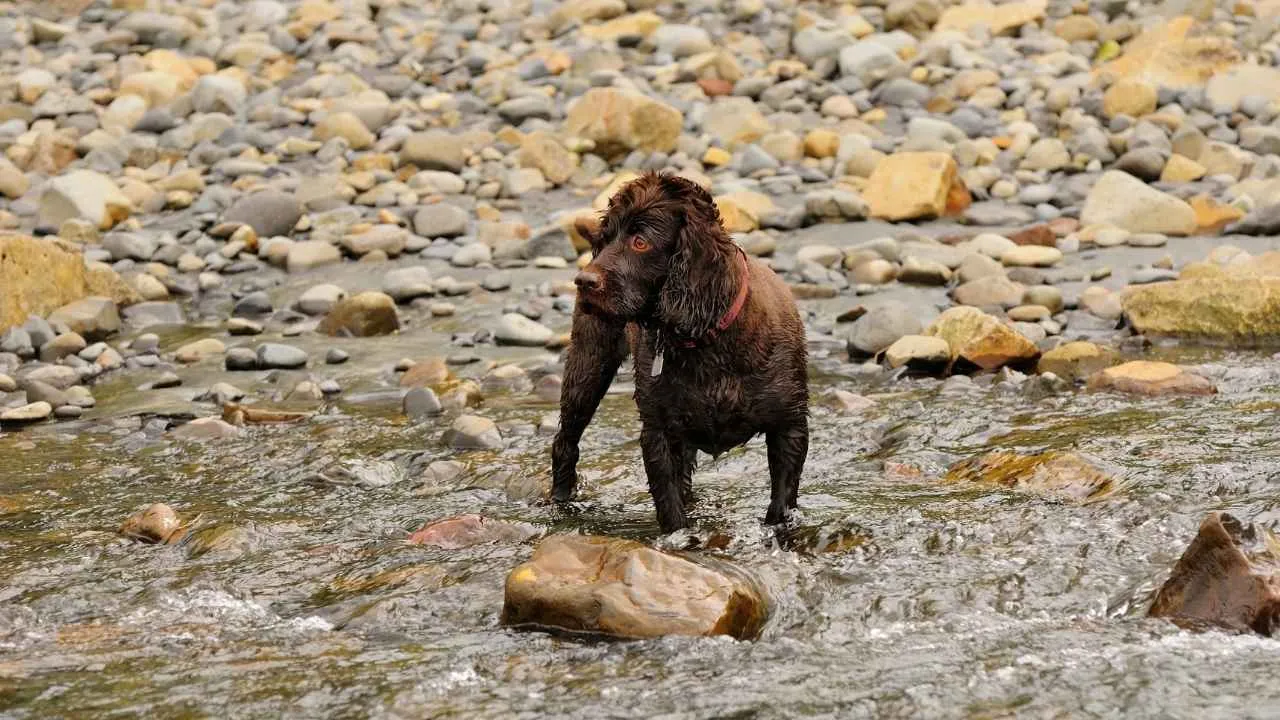
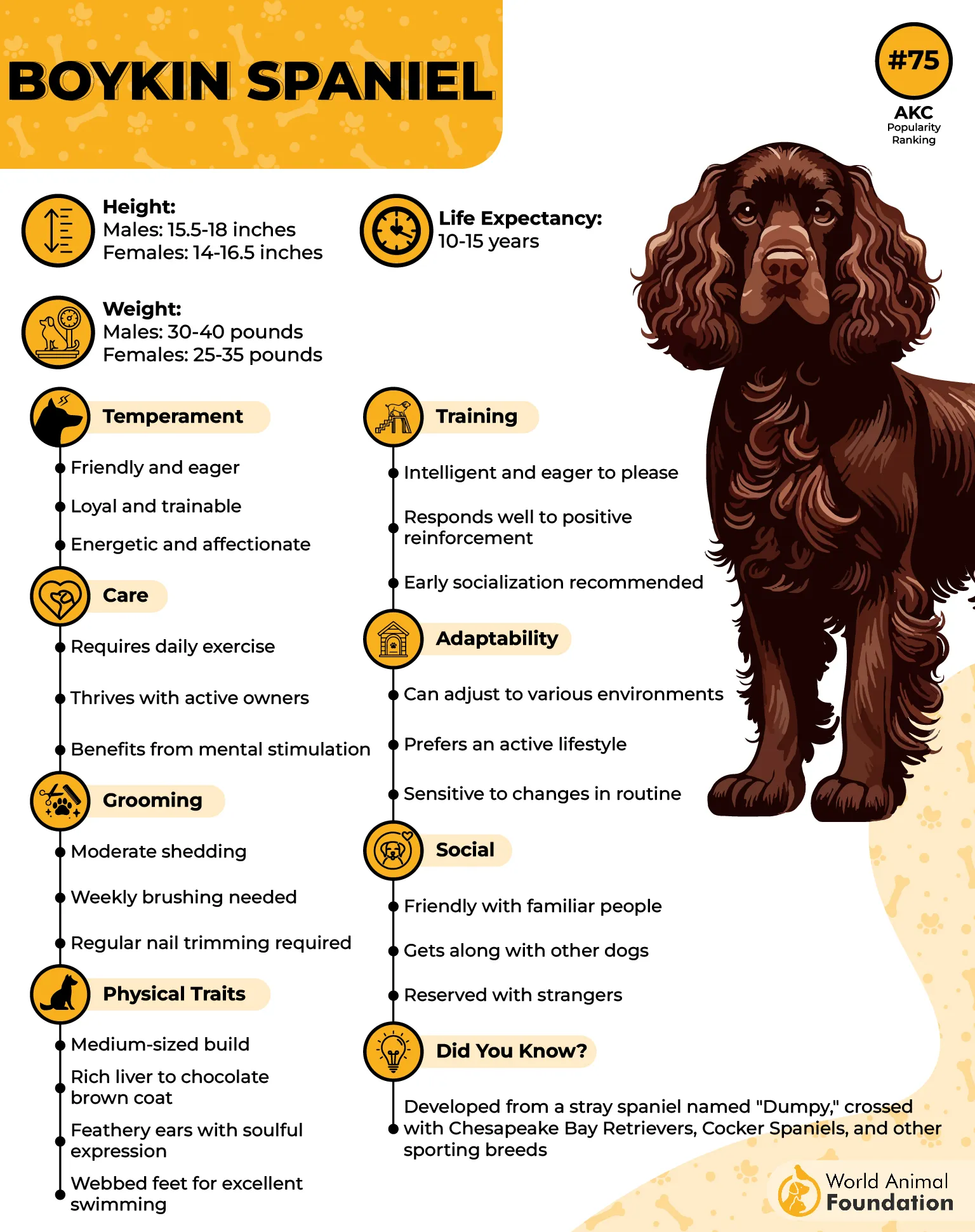
Boykin Spaniel was developed with a stray dog named Dumpy after Whit Boykin received him from a hunting partner in South Carolina during the early 1900s. From that single dog, the breed gained recognition for its dependable field work and eventually became the official state dog of South Carolina.
Made for the Hunt
This best dog works by flushing and retrieving rather than pointing, and is well-suited for waterfowl hunting and upland pursuits. Its compact size, sharp nose, and impressive heat tolerance help it work through dense cover where several bird species are commonly found.
This is how this breed continues to impress in the dog world:
Webbed toes for confident swimming
Excels in dense briars and cattails
Hunts pheasant, quail, grouse, and woodcock
Energy That Lasts
Boykin Spaniel was bred for long days in the field, so regular hikes, swimming sessions, and active outings fit naturally into its routine. Easy trainability and an eager attitude also explain why this breed is counted among the most versatile dogs for active families and hunting companions alike.
Conclusion
Success in upland hunting depends on much more than carrying the right equipment. A dependable dog brings confidence, determination, and natural ability that cannot be replaced by experience alone. Among the best bird dog breeds, some excel at flushing upland birds through dense woods, while others adapt to different hunting scenarios with equal skill.
Every breed offers its own advantages, making the right choice a personal decision rather than a universal answer. Taking time to understand those differences helps create a partnership built for years of memorable hunts. It is no surprise that many of the most popular dog breeds for upland hunting continue earning the trust of experienced hunters season after season.
