




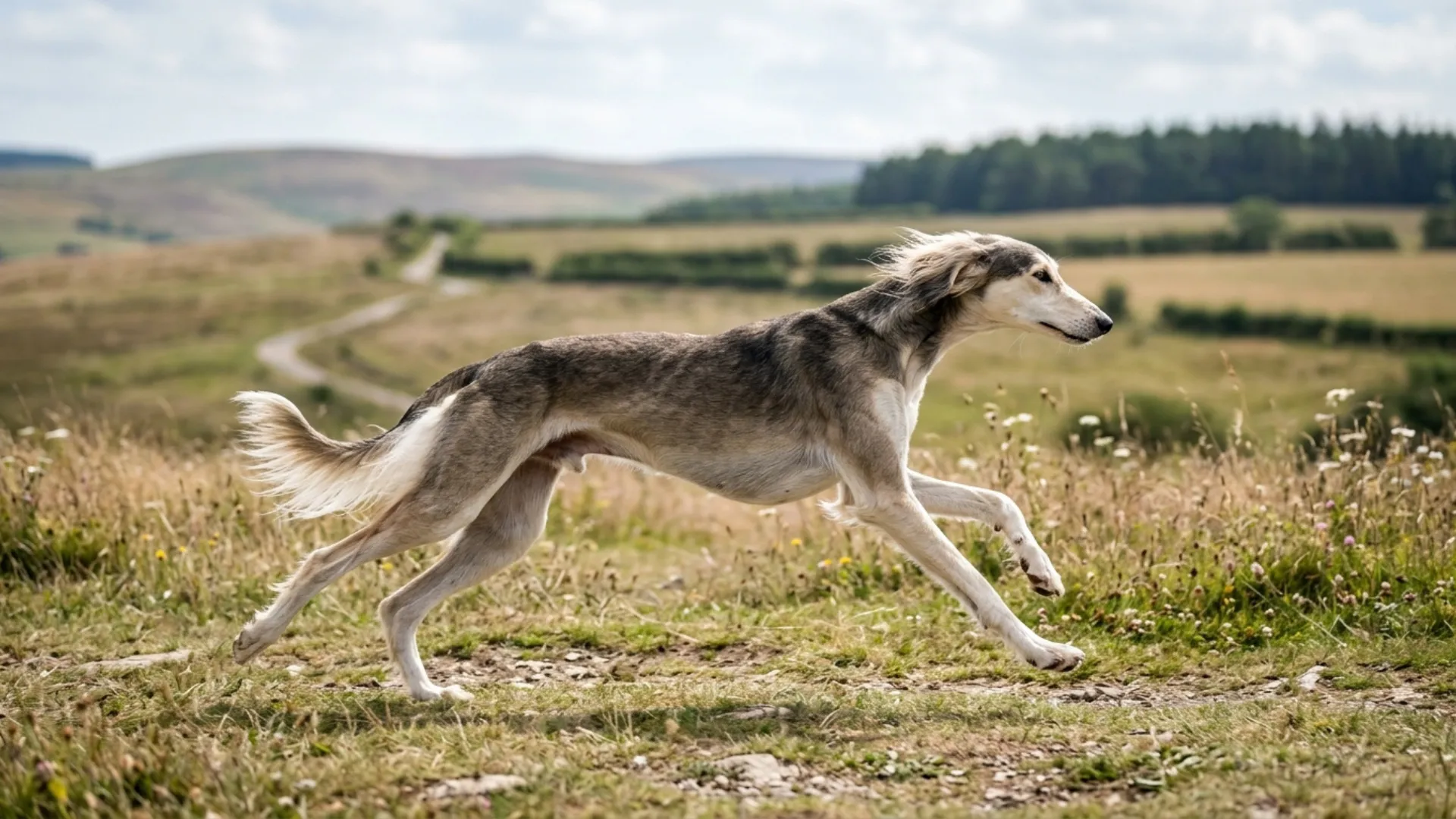
Ever seen a dog suddenly freeze, lock eyes, and zoom off like it just remembered an important meeting with a squirrel?
That, my friend, is prey drive in action. It’s not bad behavior—it’s your dog’s instinct kicking in like a superhero mode you didn’t ask for.
Many dogs were bred for hunting, chasing, and tracking small animals, so that sudden burst of energy is deeply wired into them.
Whether it’s birds, rabbits, or even a suspicious leaf, the chase is the reward. For some dogs, life is basically one long action movie.
But living with dogs with high prey drive can feel like managing a tiny, furry athlete with endless energy and focus.
The good news?
With proper training, mental stimulation, and a little patience, these high-energy companions can become wonderful pets for the right owners.
Exceptional Dog Breeds With High Prey Drive
1. Greyhound
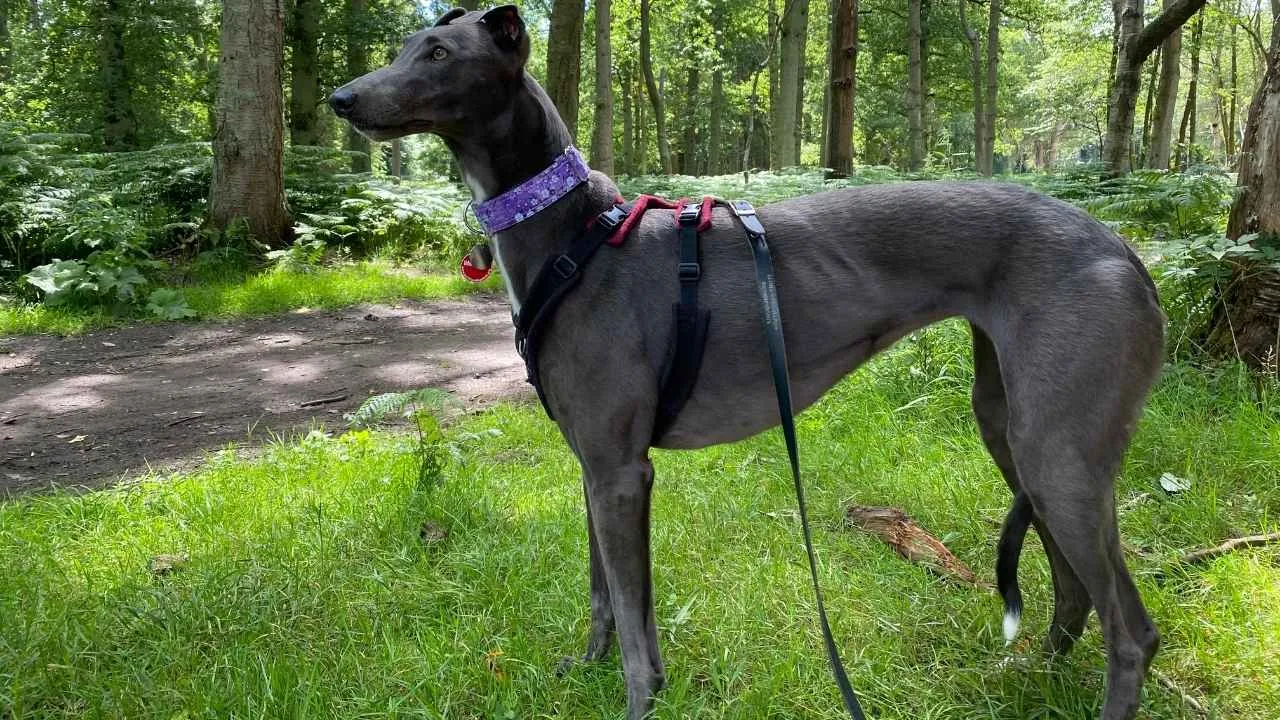
This sleek dog is basically a living rocket with a built-in radar for anything that moves.
Originally bred as hunting dogs and chasing fast animals, their sharp eyesight and lightning speed make them masters of the chase, as per PetPlan.
One second, they’re a calm couch potato, the next they’re locked onto birds or small animals like it’s an Olympic sport.
Their quiet, gentle nature hides an intense focus that switches on instantly outdoors.
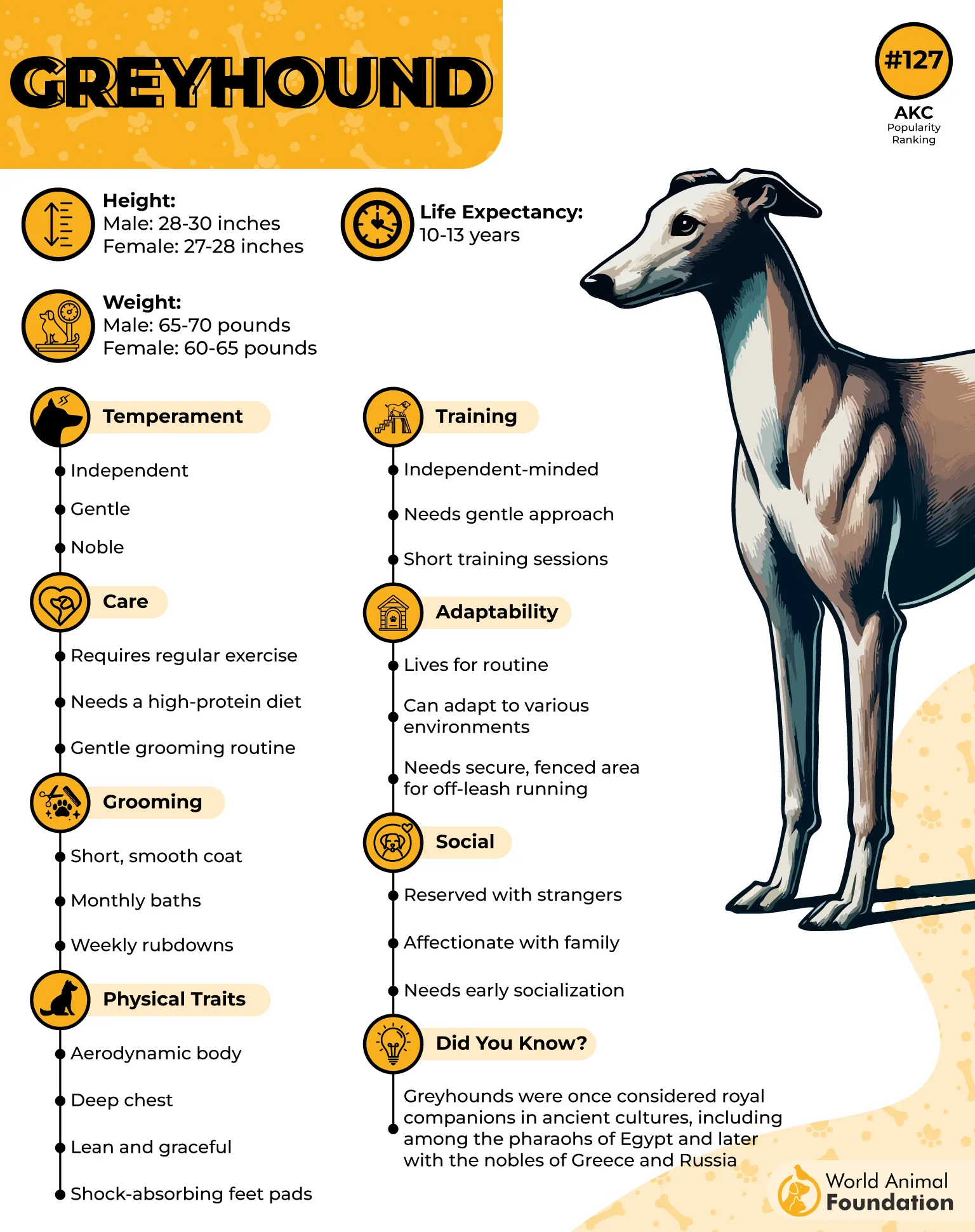
High Prey Drive Breeds with Gentle Soul
Despite their sprinting talent, they’re friendly, calm indoors, and happiest lounging for hours.
But that chase instinct means cats and other small pets can quickly become targets.
Keep walks on a lead, use secure spaces for off-leash play, and rely on short, fun training sessions with food rewards.
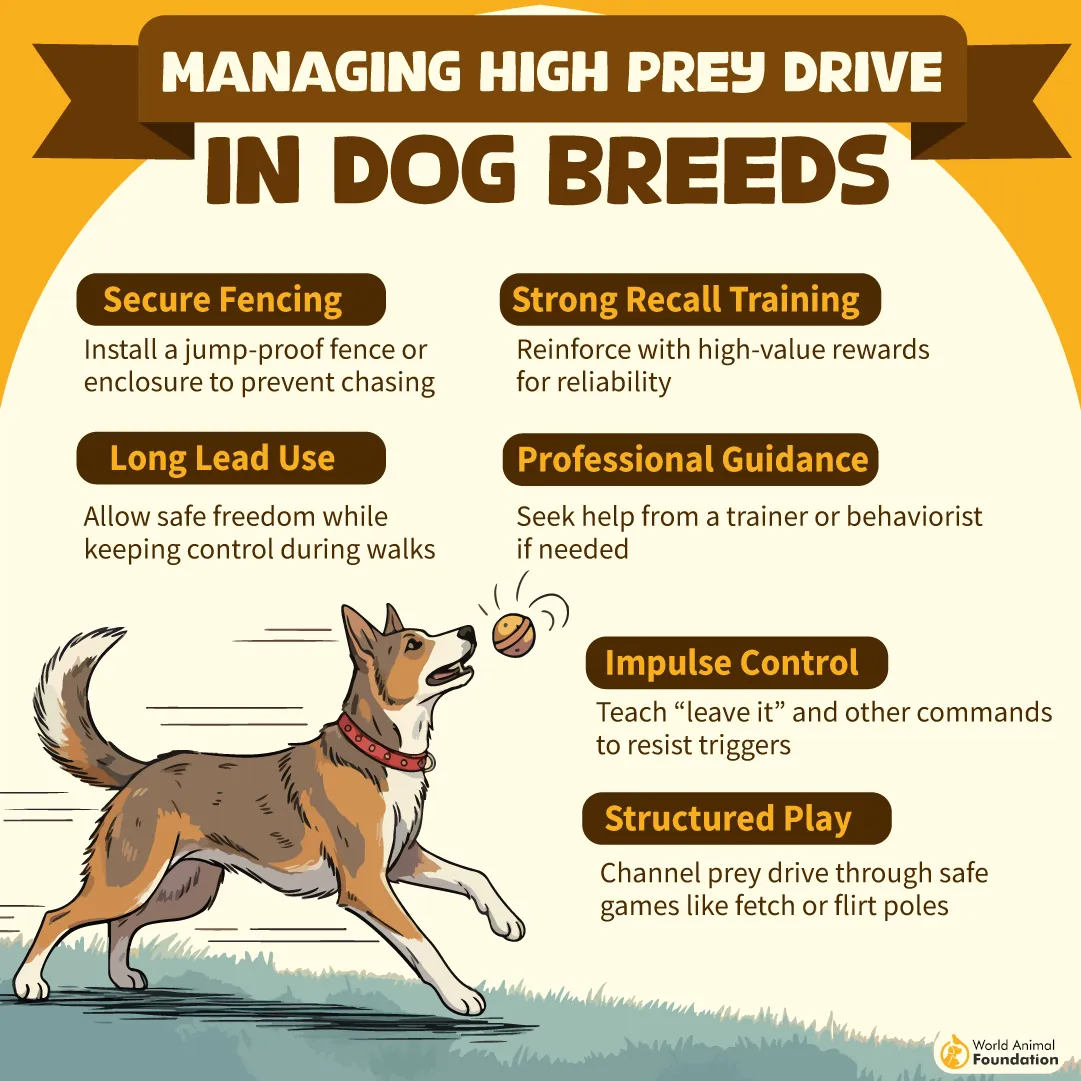
Early socialization, supervision, and structured play, like controlled chase games, help manage their impulses without dulling their spark.
2. Saluki
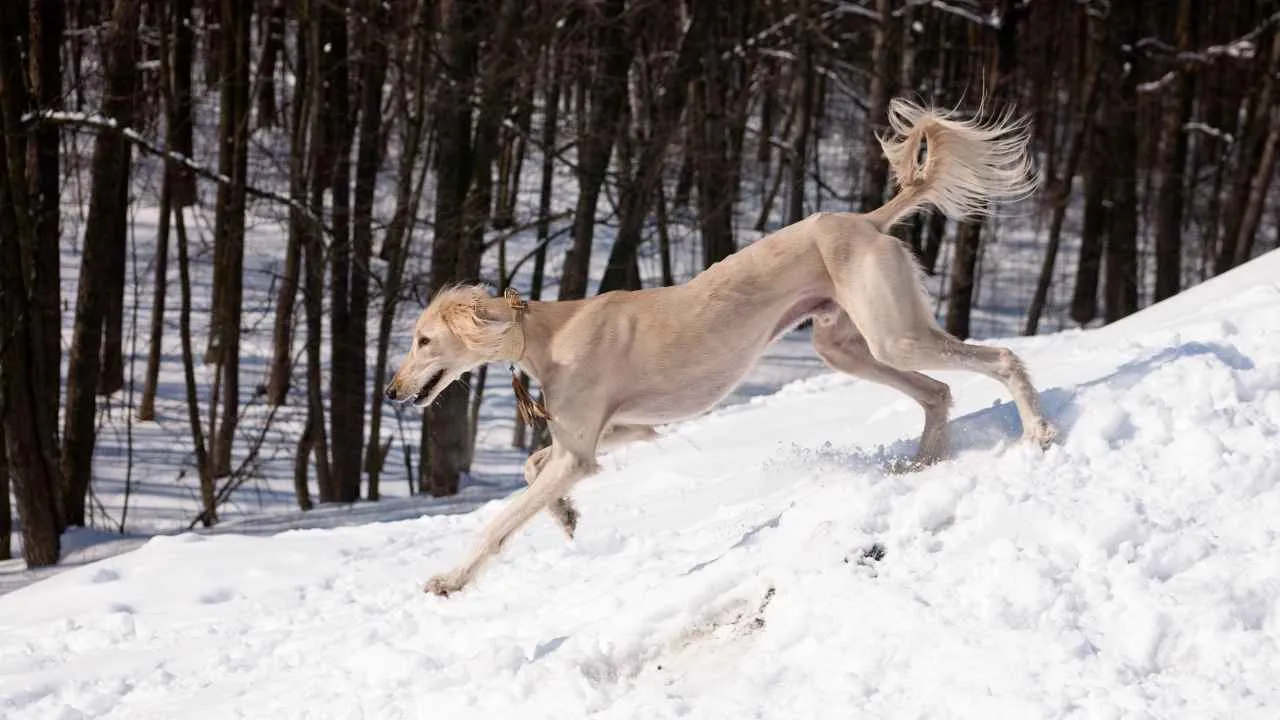
One of the oldest and best hunting dogs in the world, this graceful athlete was once the prized hunting companion of kings.
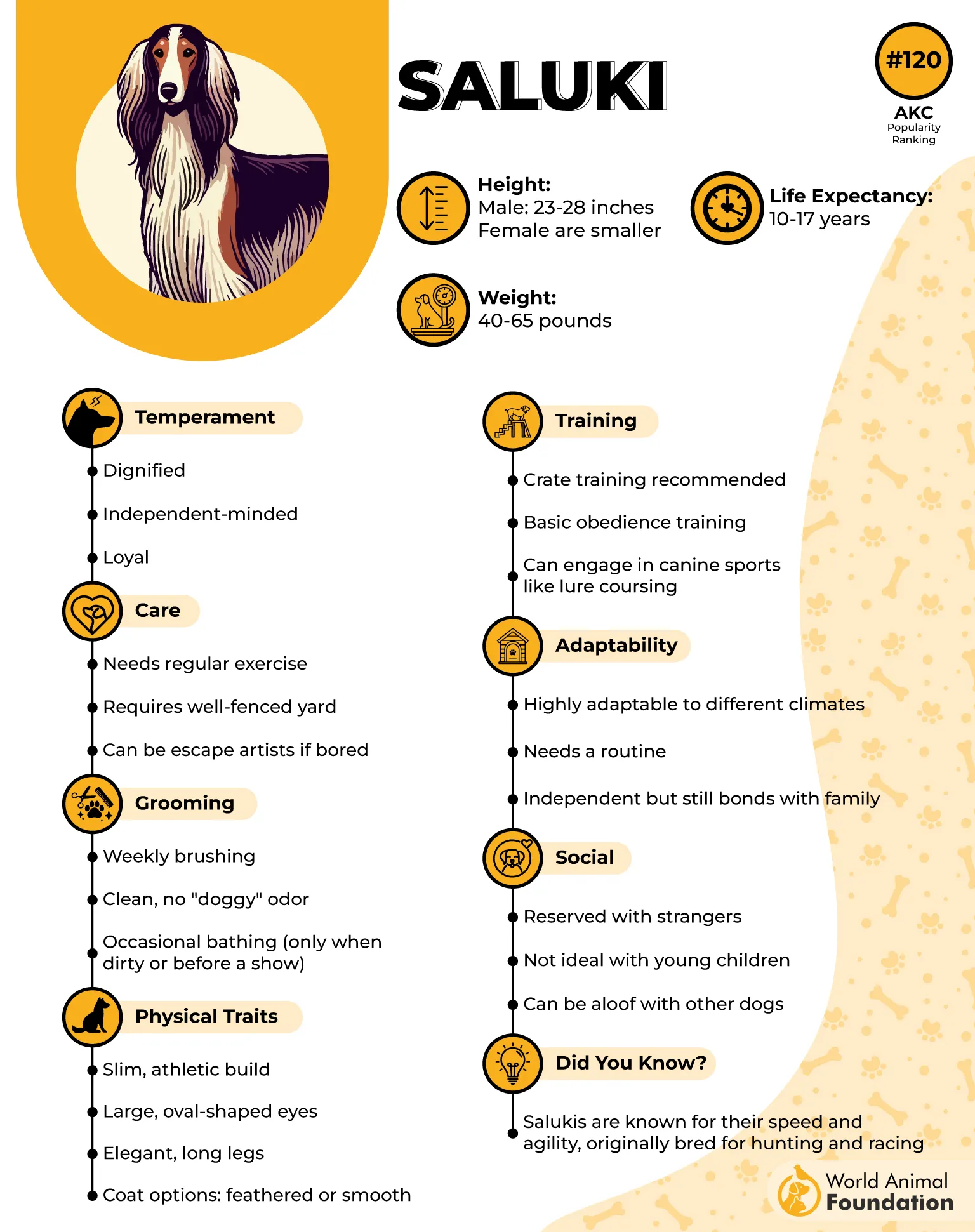
Built slim yet strong, they are designed for speed, balance, and effortless movement. Their love for the chase isn’t a hobby—it’s an ancestral trait.
With keen vision and explosive bursts of high speed, they instinctively pursue fast-moving prey, especially rabbits and birds, showing intense focus the moment something moves.
Elegant Indoors, Instinct-Driven Outdoors
At home, they’re calm, dignified, and quietly affectionate, often happy to relax for hours. Step outside, though, and their high prey instincts take over.
Daily walks on a lead are a must, as they can sprint after animals in seconds. A secure, well-fenced space lets them run safely.
To prevent boredom or destructive habits, keep walks controlled with a lead, provide safe spaces for running, and provide mental stimulation to channel energy, as per the AKC.
Early training, consistency, and supervision around small pets are key to keeping both your dog and other animals safe, especially in busy outdoor environments.
3. Afghan Hound
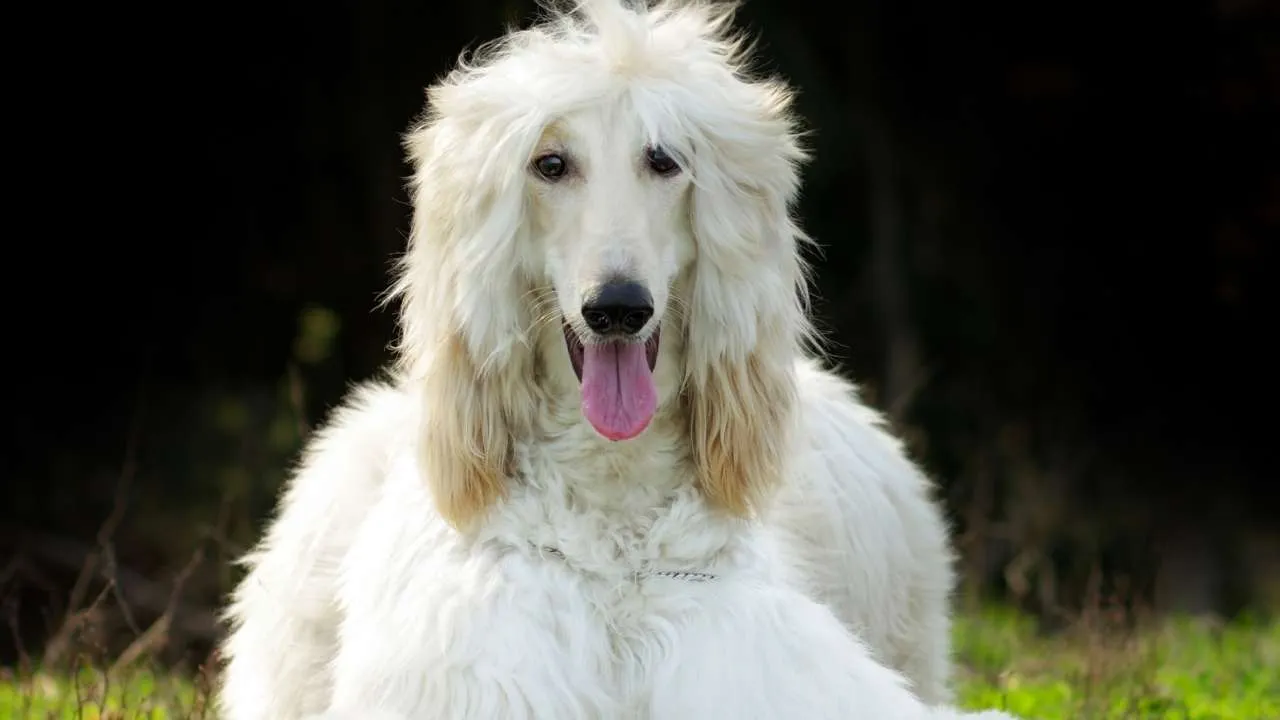
This elegant hunting dog looks like royalty but thinks like a sprinter on a mission.
Bred specifically in harsh mountain regions, its silky coat and strong build were made for survival—and speed, as per Wikipedia.
With sharp eyesight and a natural urge to hunt, this dog quickly locks onto moving animals and gives chase without hesitation.
That graceful appearance hides a powerful instinct to pursue small animals and even larger game.
Independent Mind, Fast Feet
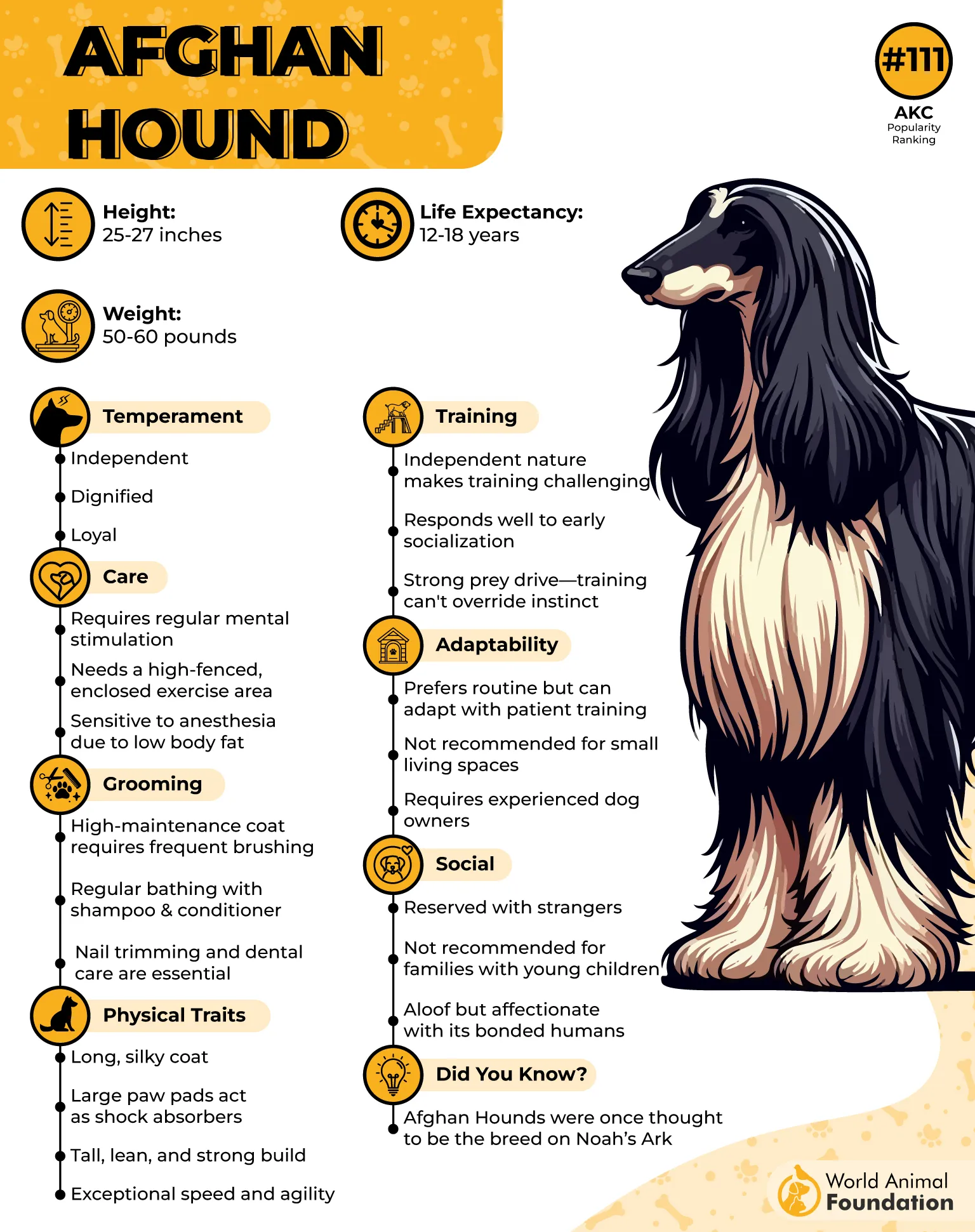
At home, they can seem aloof yet playful, mixing dignity with surprising silliness.
Watchful eye outdoors, strong prey instincts, and independent thinking can make recall a challenge.
Early training and consistent handling are key to making them great family dogs, along with secure spaces.
Mental stimulation, structured exercise, and supervision around small pets help manage their natural drive while keeping them happy and balanced in busy environments.
4. Pharaoh Hound
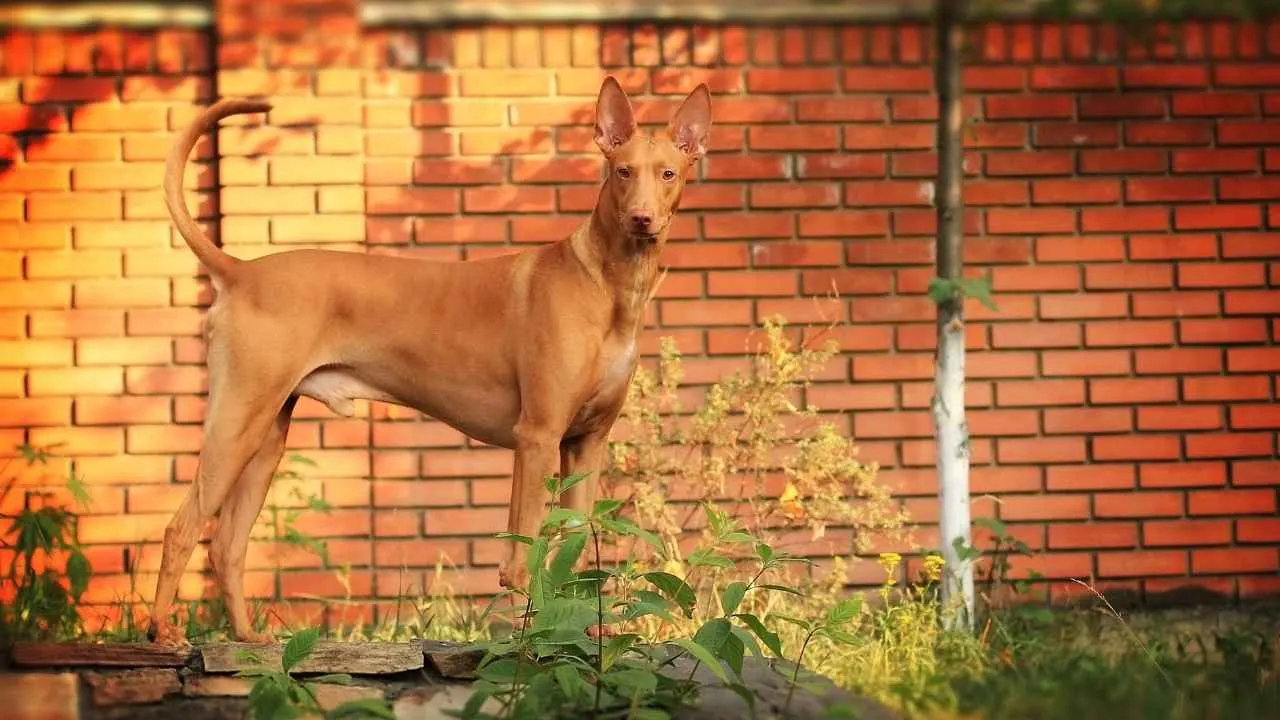
This striking hunting dog looks like it stepped out of ancient art, but don’t be fooled by the royal vibe—it’s built for action.
As a sight hound, it relies on keen vision to spot fast-moving animals and instantly switch into chase mode.
Whether it’s birds, rabbits, or any other dog or other pet that moves quickly, this dog reacts in seconds with speed and precision.
That famous “blush” when excited just adds to the drama while the chase instinct quietly takes over.
Playful at Heart, Alert Outdoors
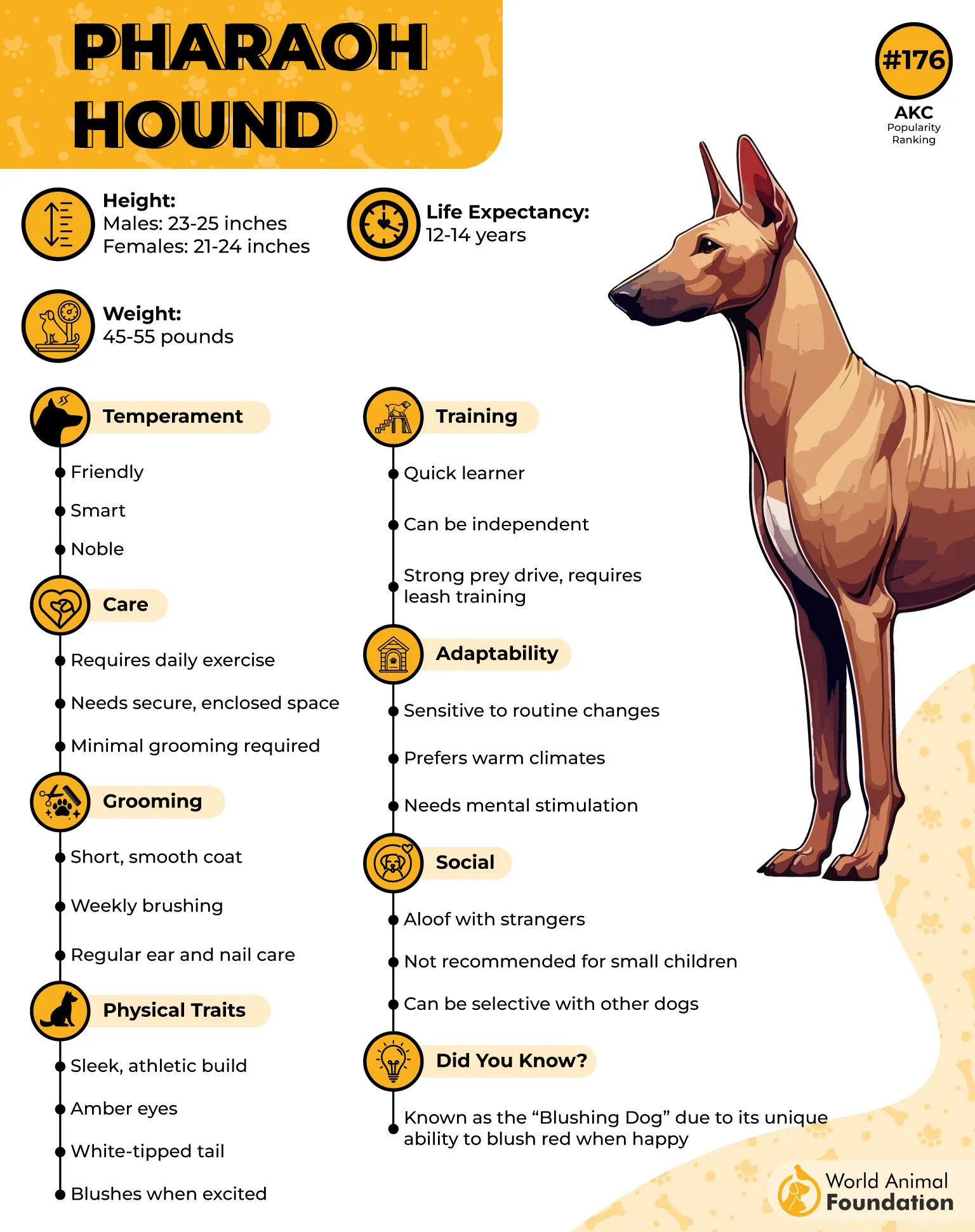
Friendly, social, and great with pet owners and their families, this dog balances energy with affection.
Indoors, it can be calm after a good activity session, but outside, it needs a secure, fenced space or a firm lead to prevent sudden sprints after small animals.
Training requires patience due to their independent thinking, but positive management strategies work well.
Daily exercise, structured play, and careful introductions to small pets help manage their instincts while keeping them happy and well-behaved.
5. Jack Russell Terrier
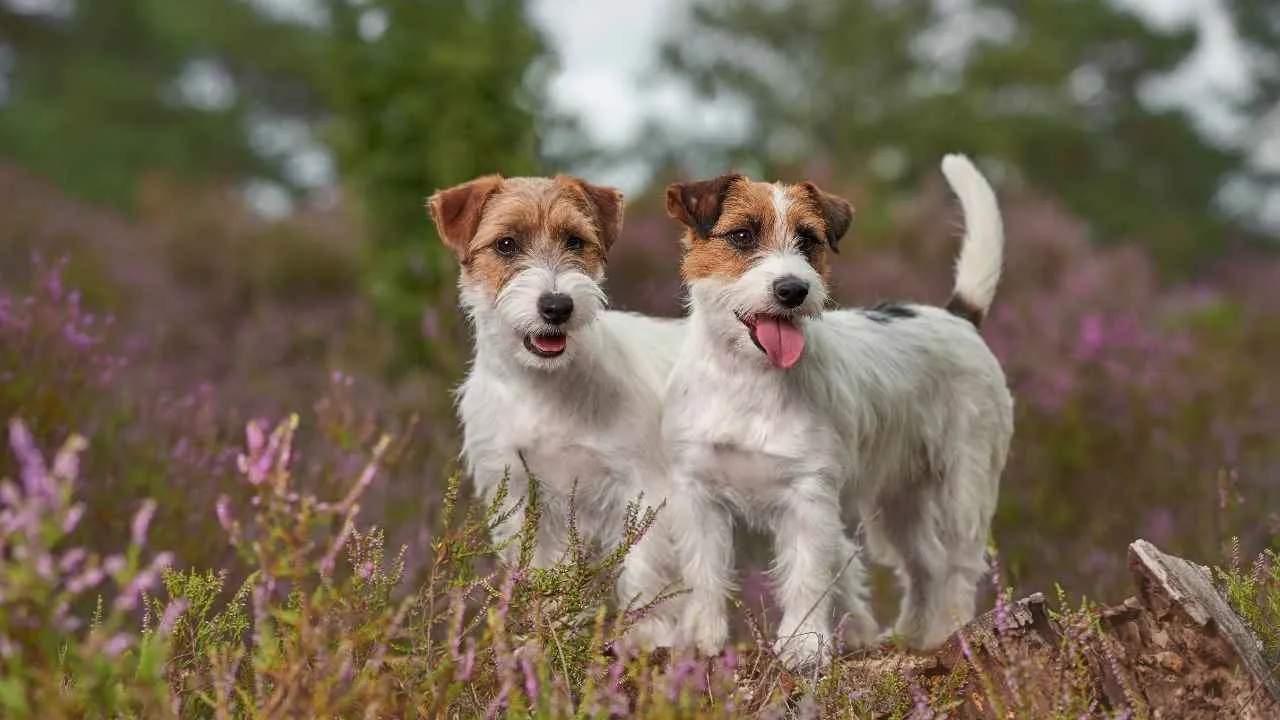
This small hunting dog may look cute and compact, but inside is a nonstop working mind built for chasing and tracking.
Originally bred for fox hunting, this small dog was designed to follow fast-moving animals into tight spaces and stay focused until the job was done.
That strong prey drive means anything small and quick—like squirrels or birds—can instantly trigger a full-speed pursuit.
Their sharp intelligence and fearless attitude make them incredibly intense for their size.
High Energy, Zero Off Switch Outdoors
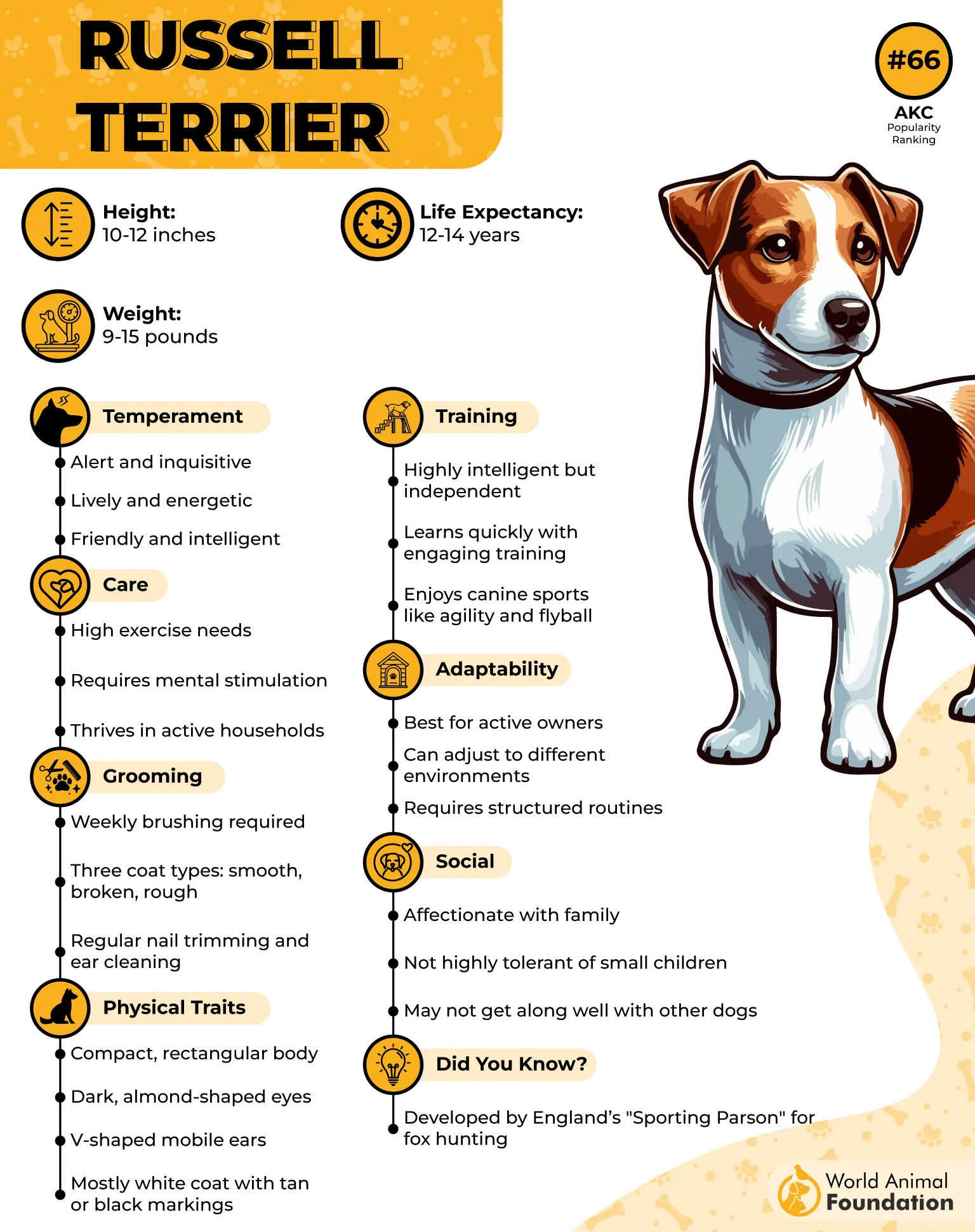
At home, they can be playful and affectionate, but only after they’ve burned off serious energy.
Without enough stimulation, they quickly get bored and start inventing their own “missions.”
Daily exercise, structured training, and mentally challenging games are essential to prevent destructive activities. A secure yard is a must, as their strong instincts can override commands outdoors.
Early training, consistency, and supervised interactions with different breeds help manage their natural high prey drive influences while keeping them balanced and well-behaved.
6. Border Collie
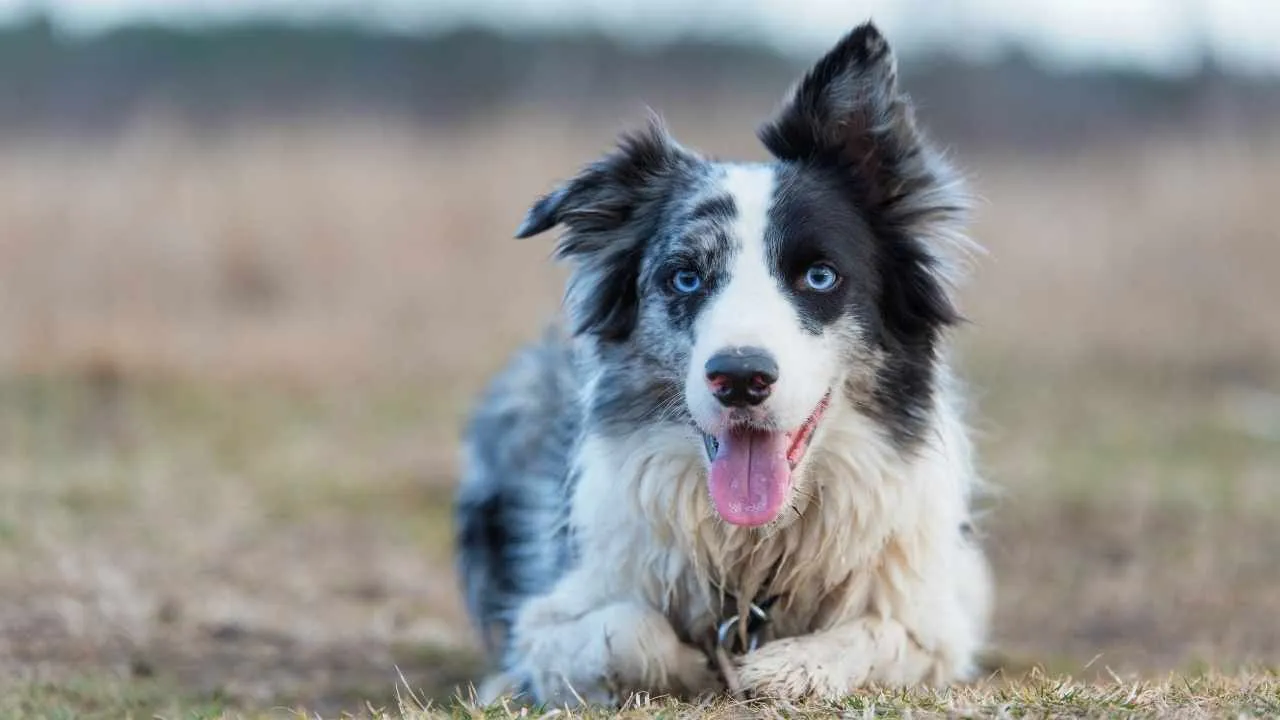
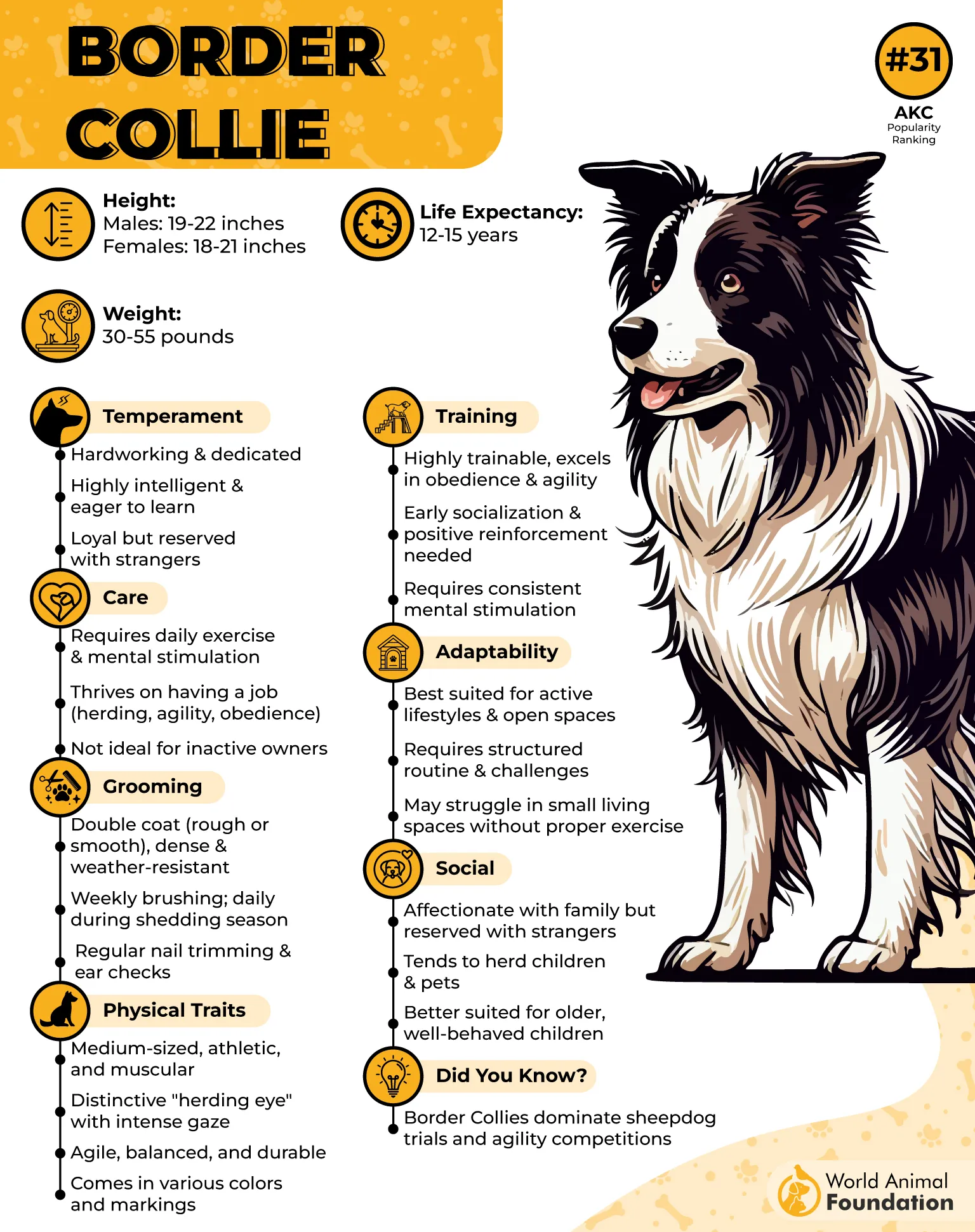
This highly intelligent dog was bred to manage livestock with precision, using sharp focus and natural problem-solving ability.
Often described as highly intelligent herders, they can quickly learn complex tasks and even recognize a large number of words.
Its intense “herding eye” gives it a fixed, almost hypnotic stare that locks onto movement, making anything fast—like running animals or birds—instantly trigger chase or control behavior.
This strong protective instinct is deeply tied to its working background.
Energy That Never Seems to Quit
At home, they are loving and deeply bonded to their families, but only after serious physical and mental stimulation.
Without enough activity or unmet prey instincts, boredom can quickly turn into destructive behavior or unwanted herding of young kids and small prey, as per WebMD.
They thrive on structured training, puzzle games, agility work, and consistent challenges.
Early socialization, mental stimulation, and clear routines help manage their protective tendencies, while supervision around smaller animals ensures balance and harmony.
7. Beagle
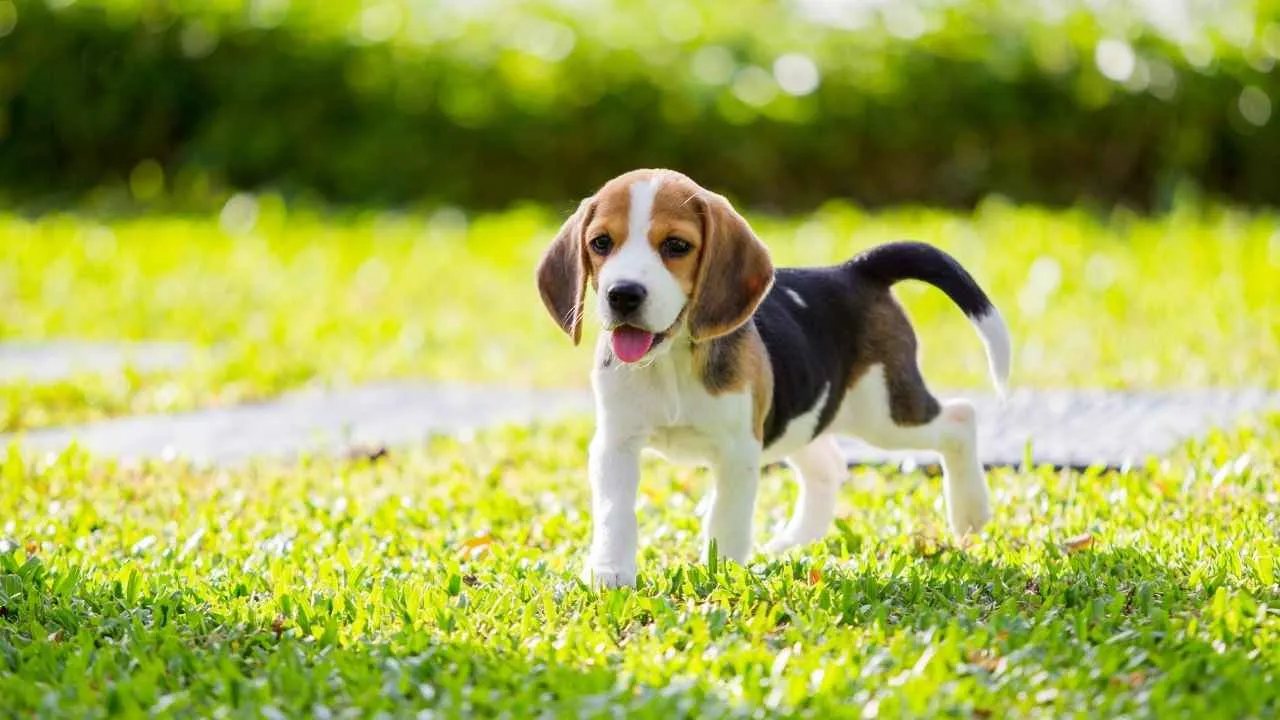
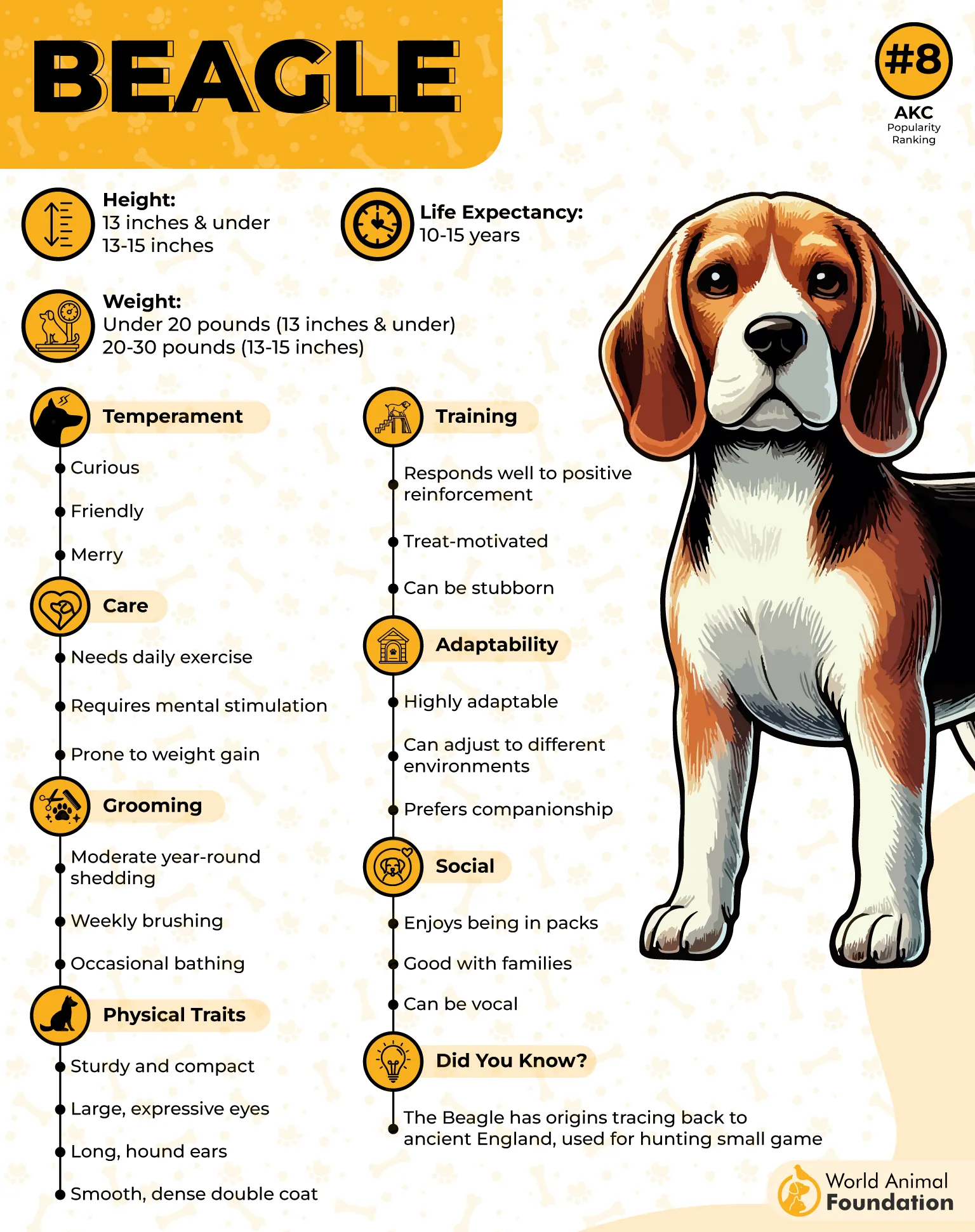
This energetic hunting dog is ruled by its nose—once it catches a scent, the world around it basically disappears.
Originally bred to track small game, it has a powerful instinct to follow trails with determination and excitement.
That strong drive to hunt means even tiny animals or moving objects can trigger an instant chase response.
Its cheerful personality and focused tracking ability make it both adorable and extremely persistent when following scent trails.
Friendly Nature with a Wandering Mind
At home, it’s loving, social, and great with families, often getting along well with other pets when introduced properly.
However, its independent thinking and love for exploration can lead to roaming, barking, or ignoring commands when outdoors, as per Orvis.
Regular exercise, scent-based games, and structured play help channel its instincts.
A secure fenced area, early training, and consistent supervision are important to manage its natural chase behavior while keeping it happy and balanced.
Conclusion
High prey drive isn’t a flaw—it’s a powerful instinct shaped by centuries of hunting, herding, and tracking. From lightning-fast sprinters to focused scent trackers and intelligent herders, these dogs bring energy, drive, and purpose into everyday life.
But that same instinct also means they need structure, supervision, and understanding from their owners to stay balanced and safe around small animals.
With the right training, mental stimulation, and responsible management, these breeds don’t just become manageable—they thrive as loyal, engaging companions.
The key is not to fight their nature, but to guide it in the right direction. If you’re considering one of these driven dogs, be ready for an active lifestyle, a curious mind by your side, and a bond built on teamwork rather than control.
