




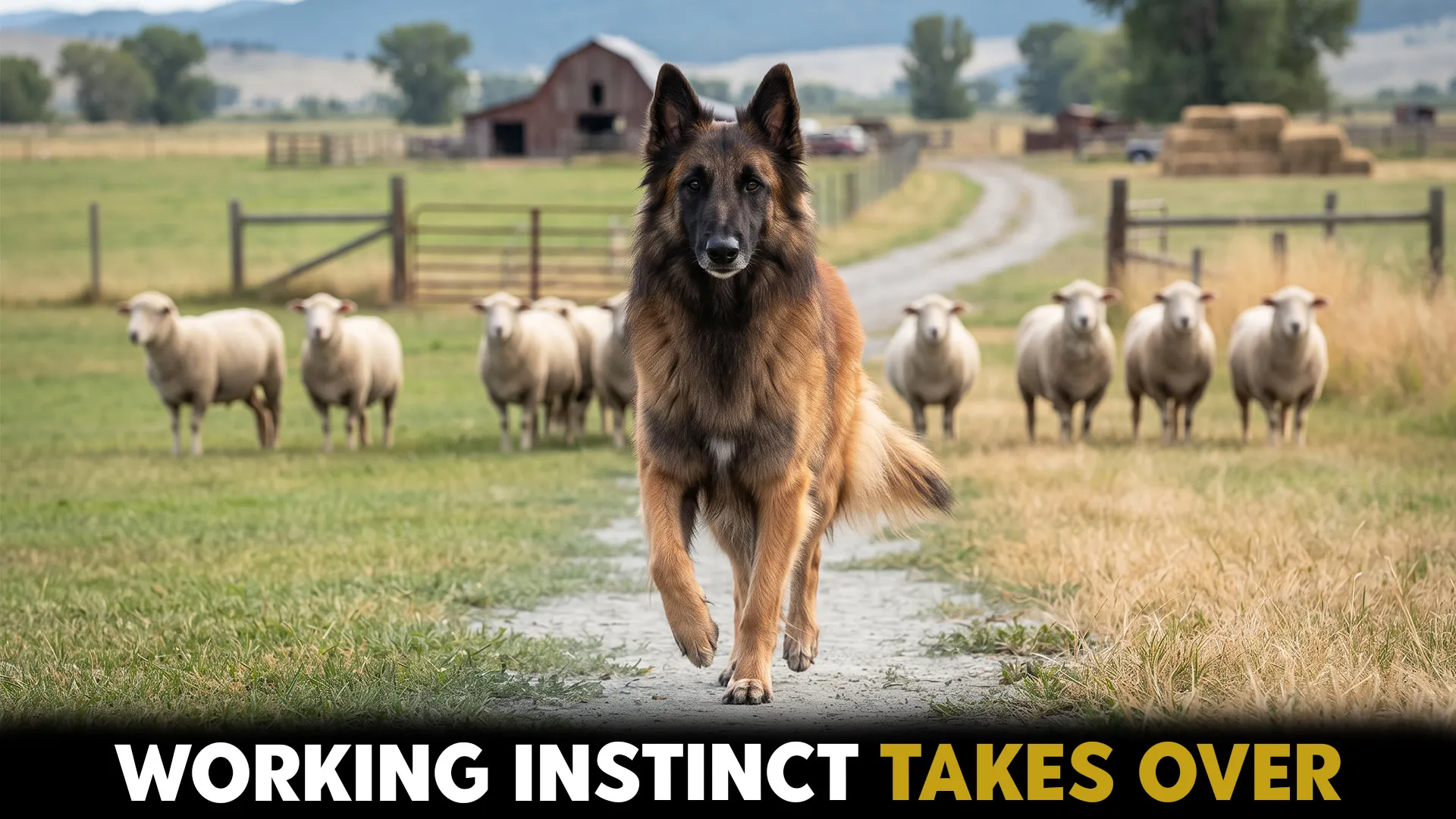
A ranch dog needs more than energy. They need instinct, stamina, courage, and a brain that knows what to do when livestock suddenly breaks loose.
Ranch life moves fast, cattle shift, sheep scatter, gates need watching, and long hours stretch across open pasture. The right dog becomes part of that rhythm, helping move livestock, respond to commands, and keep an eye on the property.
But every herding breed works differently. Some bring lightning-fast reflexes and intense focus. Others rely on strength, endurance, independence, or protective instincts.
This guide explores 10 exceptional dog breeds for ranch and herding life, highlighting the working traits, physical strengths, temperament, and everyday demands that set each one apart.
From precise sheep workers to powerful cattle herders, here’s what each breed brings to the field.
Exceptional Dog Breeds for Ranch and Herding Life
1. Australian Cattle Dog
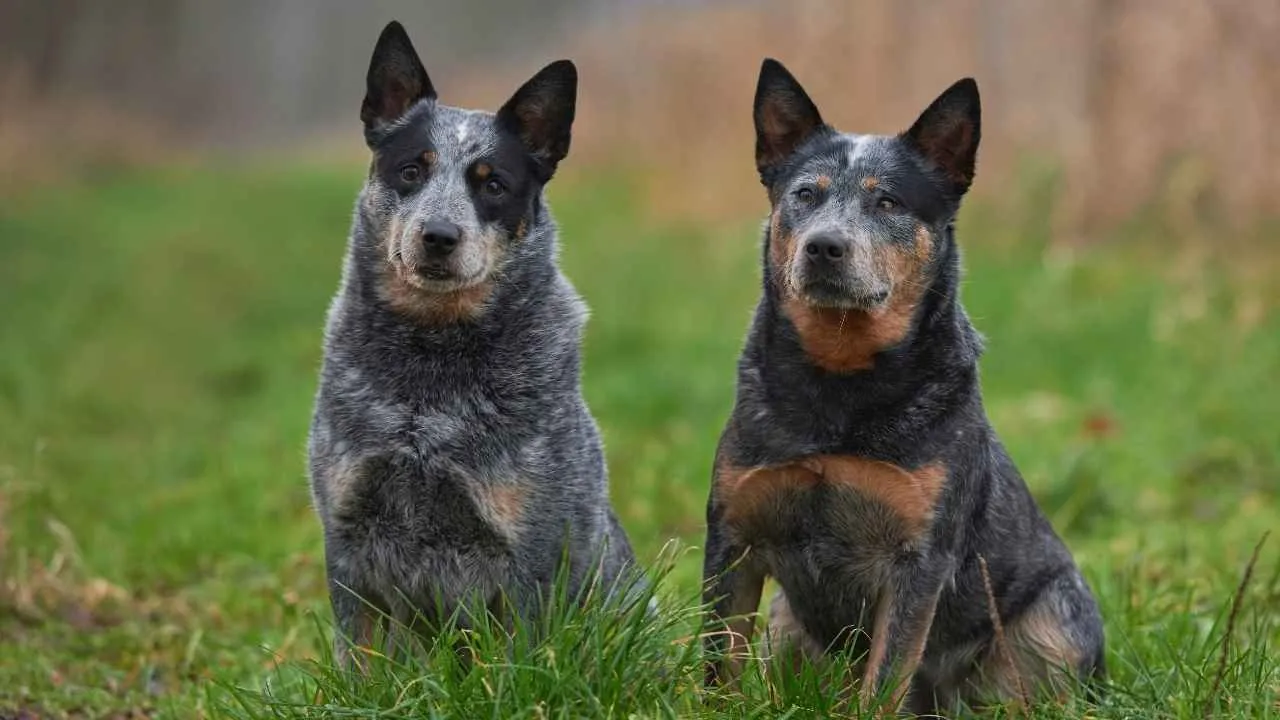
The Australian Cattle Dog looks compact, but there is nothing delicate about this blue or red-speckled worker.
Their muscular frame, sturdy paws, and remarkable endurance were shaped for driving cattle across rough Australian country. They work close to livestock, using quick bursts of movement and heel-nipping to push stubborn cows in the right direction. That agility becomes especially useful when cattle suddenly scatter.
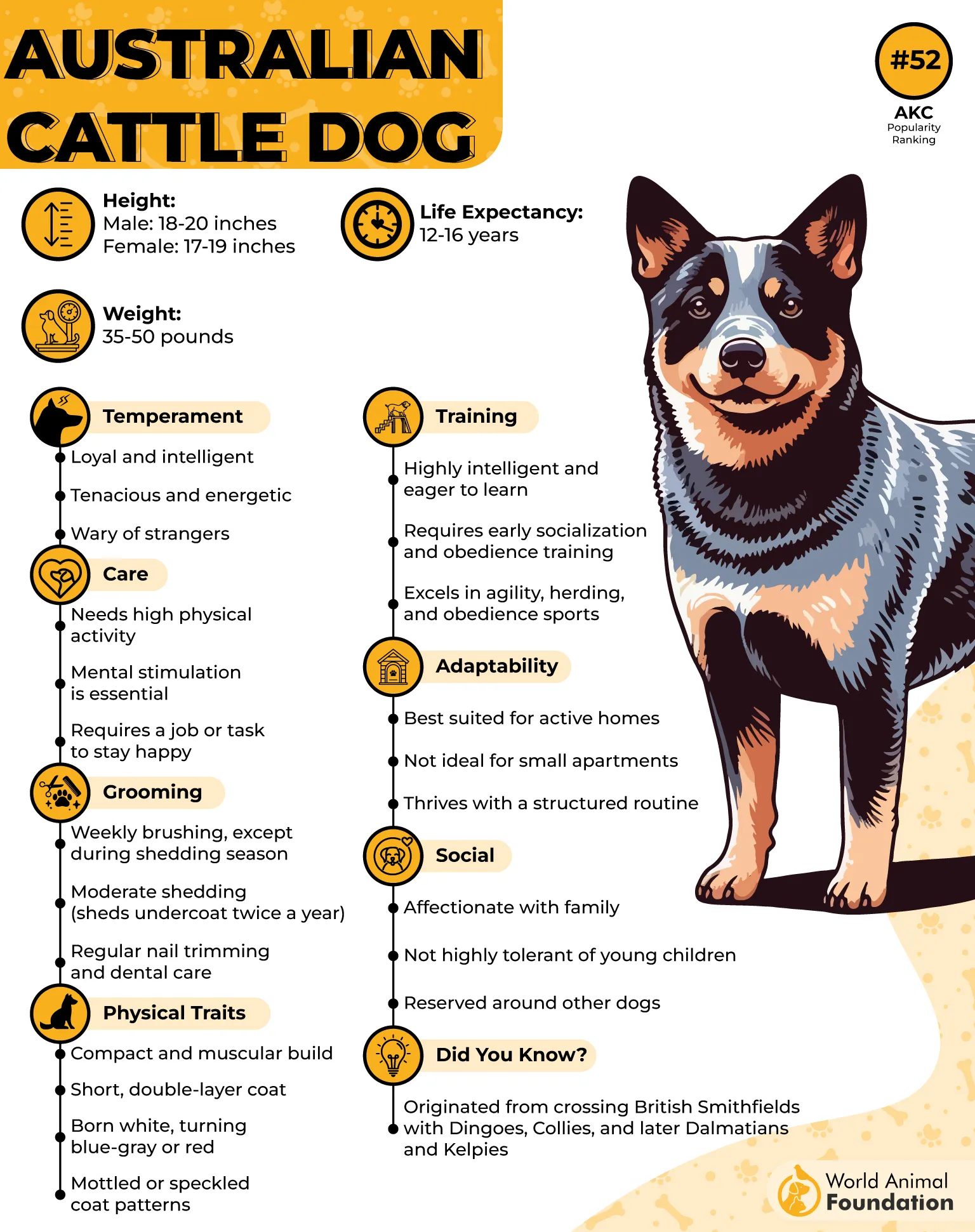
Their weather-resistant double coat also suits outdoor work, offering protection through changing conditions. Add a sharp mind and an independent streak, and you have a dog capable of making quick decisions without waiting for instructions every few seconds.
They stay closely attached to their people and keep a watchful eye on unfamiliar strangers. Around children, smaller animals, or running objects, their instinct to control movement needs direction through early socialization and proper training.
Give this dog a demanding routine and a meaningful job, and those tireless paws finally have somewhere to put all that energy.
2. Border Collie
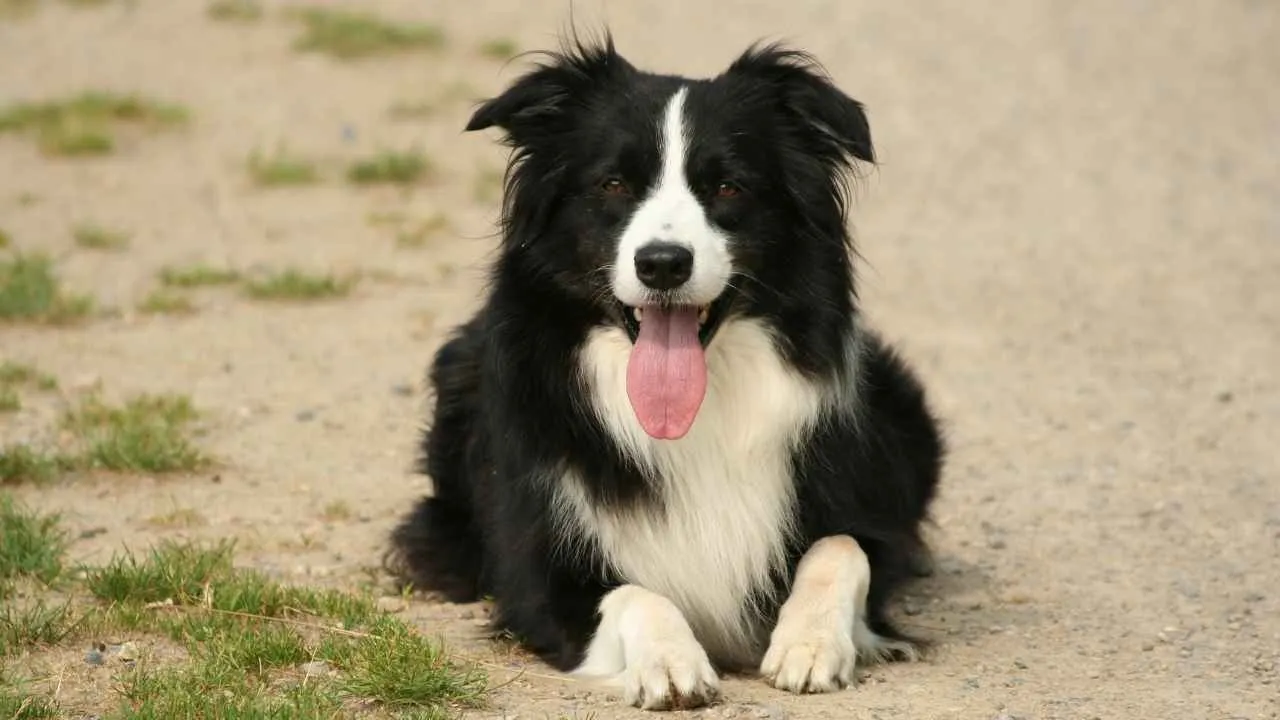
Watch a Border Collie working sheep, and it becomes clear why this breed has earned such a legendary reputation. Their athletic build, intense gaze, quick feet, and extraordinary concentration allow them to influence a flock without charging through it.
They gather, drive, turn, and stop livestock by combining body movement with subtle signals from their handler.
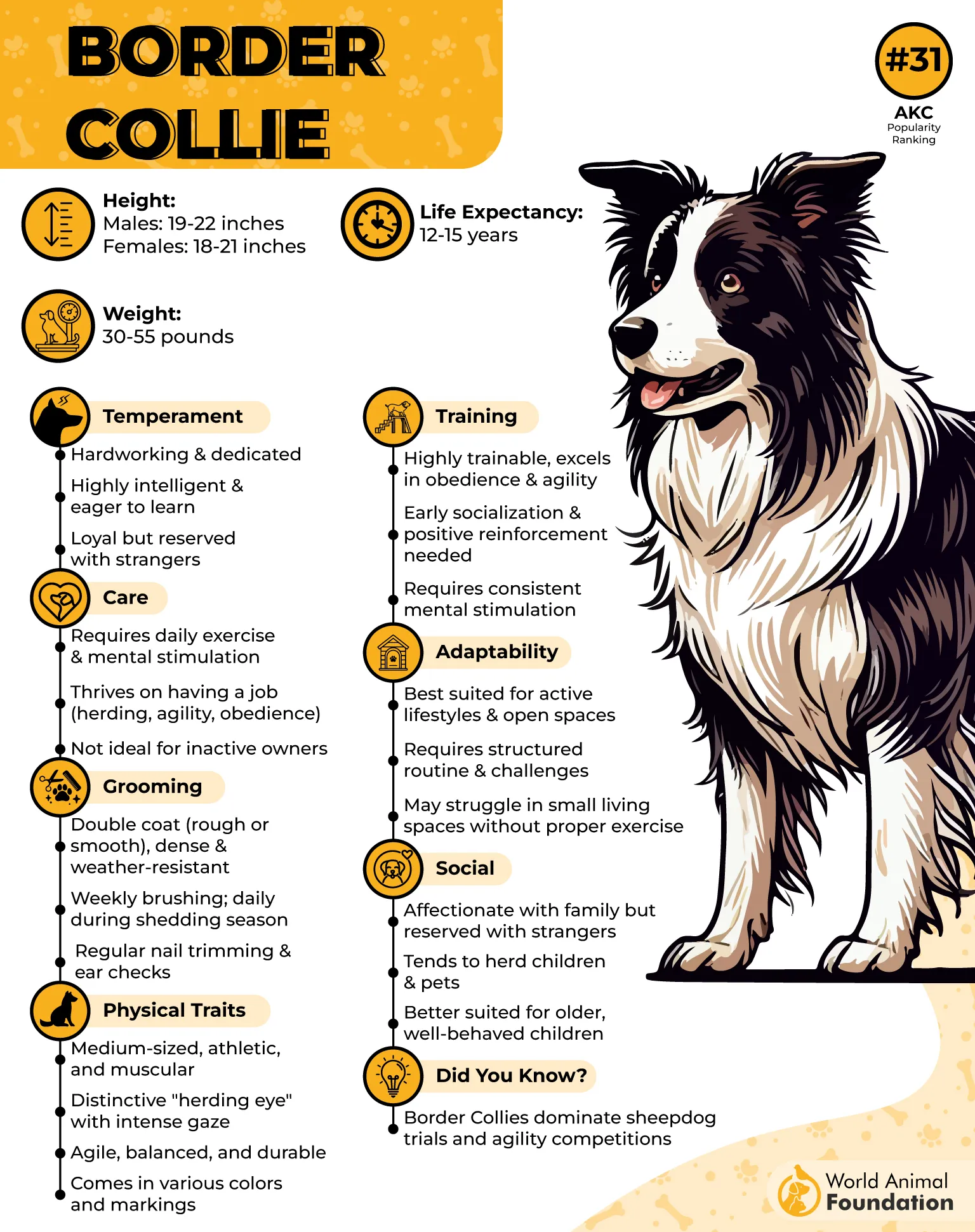
This is where their famous intelligence becomes a practical advantage. Border Collies learn complex routines quickly and remain intensely focused on their task.
Herding trials, farm duties, agility, obedience, and interactive work give their busy brains something worthwhile to solve. Their herding instincts do not disappear at home. Children, cats, bicycles, and other dogs can become accidental members of their imaginary flock.
This smart breed also needs more than physical exercise. Purina added that mental stimulation is essential because an underworked brain has a talent for inventing its own entertainment.
For precision livestock work, few dogs bring this combination of speed, concentration, responsiveness, and remarkable control.
3. Australian Shepherd
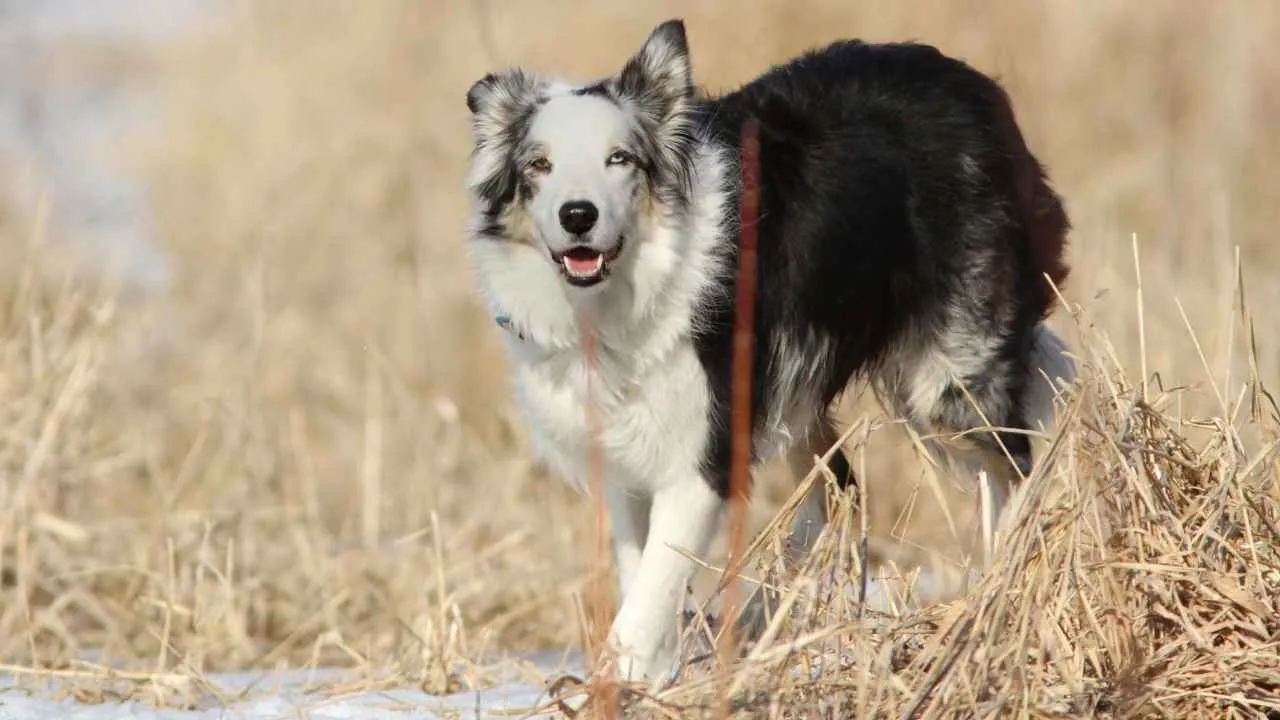
The incredibly intelligent Australian Shepherd has the kind of energy that makes sitting around feel like a waste of daylight. Despite its name, this American ranch favourite breed originated in the United States and became closely associated with Western ranching.
Their medium-sized athletic frame gives them the mobility to cover ground, gather livestock, and stay involved throughout a long working day.
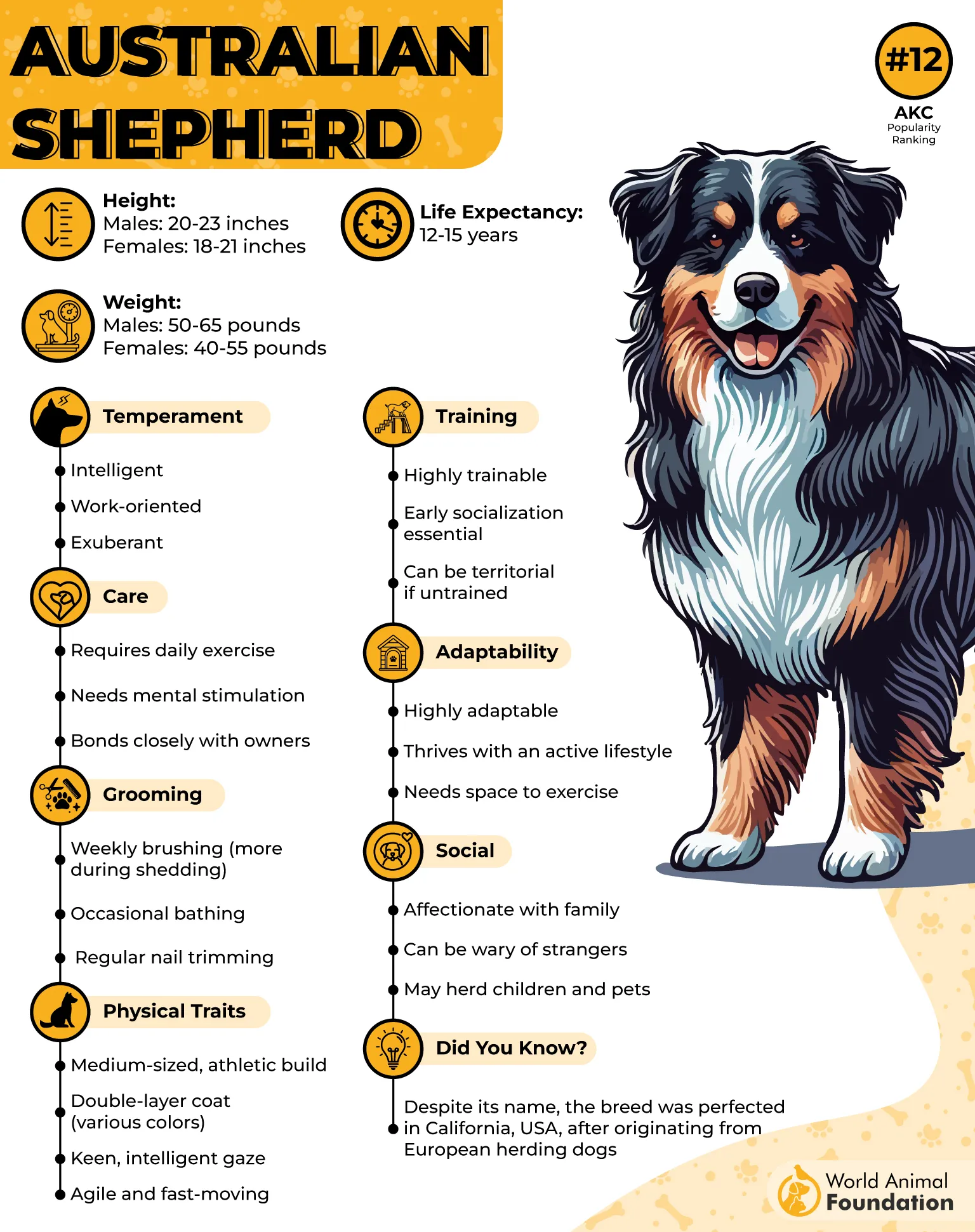
Because of their herding background, they have high prey drive. This is why PetMD mentions that early socialization is required.
Their versatility is a major strength. An Aussie can move animals, learn directional commands, accompany a rider, and switch from fieldwork to obedience exercises without losing enthusiasm.
Their expressive eyes and beautifully patterned double coat add plenty of personality, but the real attraction is their working brain. They notice movement quickly and respond to changes around them.
That instinct also explains why an Aussie might try to round up kids, cats, or anything else dashing across the yard. To keep their coat manageable, regular brushing is recommended, especially during shedding periods.
For ranch owners needing an energetic all-rounder, the Australian Shepherd brings athleticism, adaptability, and a genuine appetite for having something useful to accomplish.
4. Belgian Tervuren
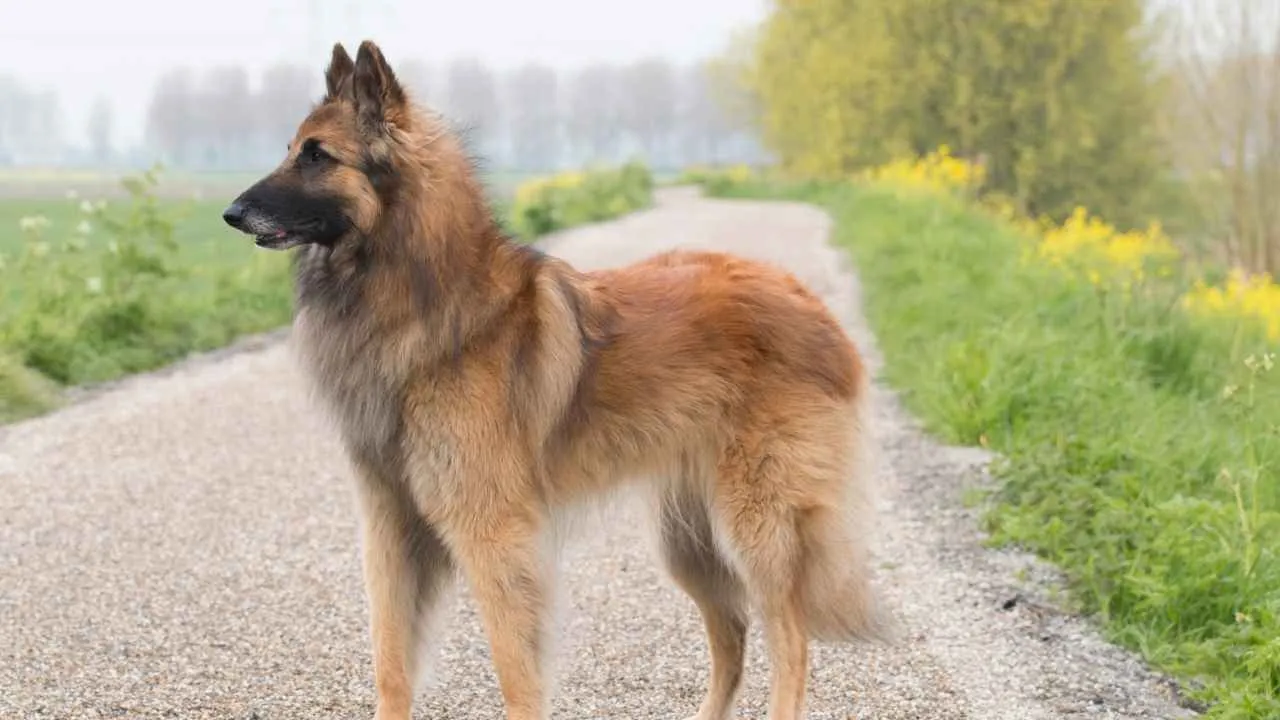
The Belgian Tervuren could stroll into a pasture looking elegant and still be ready to spend the afternoon working.
Their long, rich coat, pointed ears, athletic frame, and graceful movement belong to a dog developed for Belgian herding work. They have the stamina to stay active and the alertness to notice movement across a busy property.
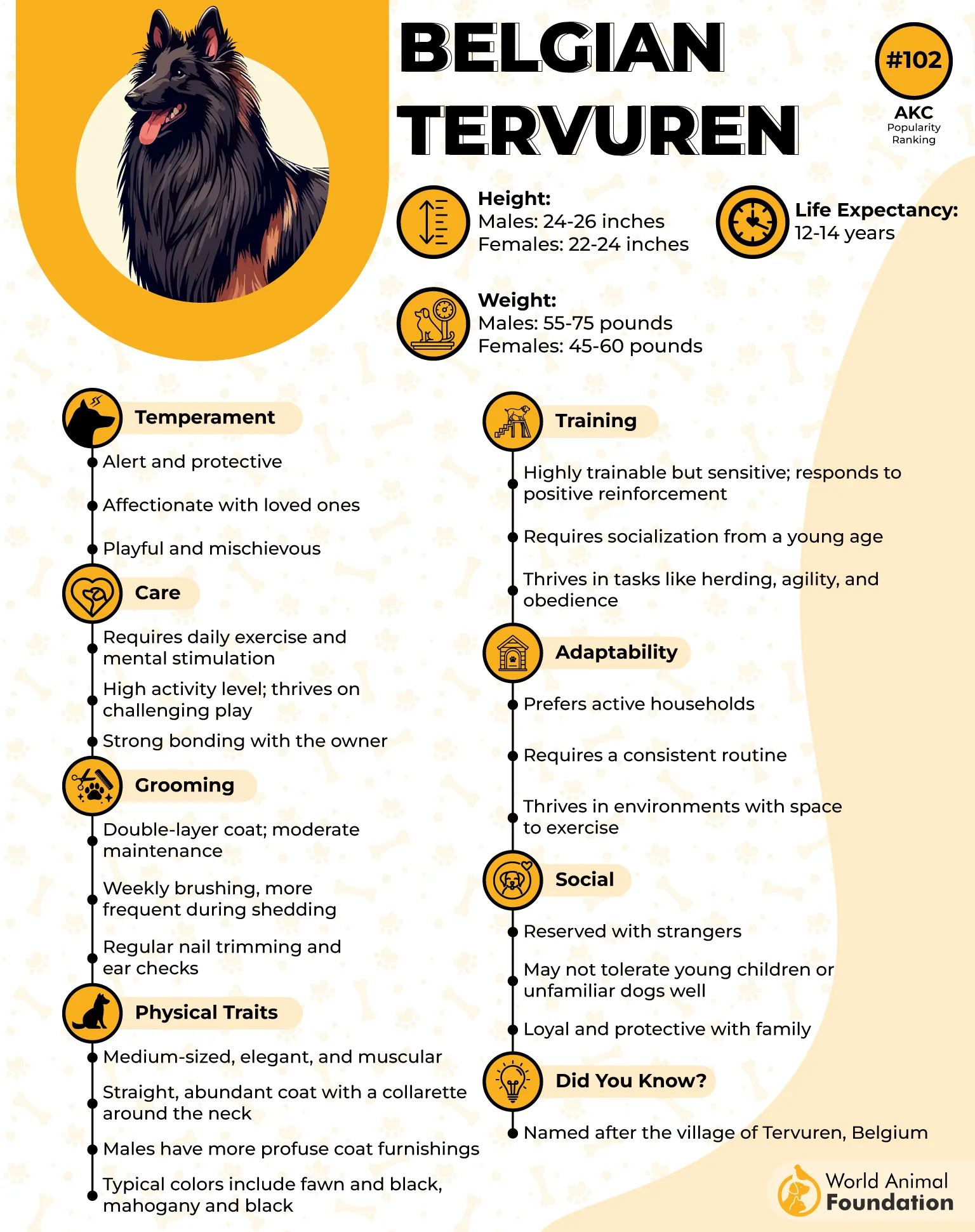
Their greatest asset is perhaps their awareness. A Tervuren stays tuned to its handler, livestock, visitors, and changes in the surrounding environment. That makes them useful for more than simply moving animals.
Orvis highlights that these pups are also highly responsive to training and enjoy having their minds challenged. Obedience, herding exercises, agility, and structured outdoor work can all turn their energy into productive activity.
That beautiful coat does require attention after a day in the pasture, especially when grass, dust, and debris join the party. Their combination of athletic movement, attentiveness, and willingness to work gives ranch owners a sophisticated-looking shepherd with very practical abilities.
5. Beauceron
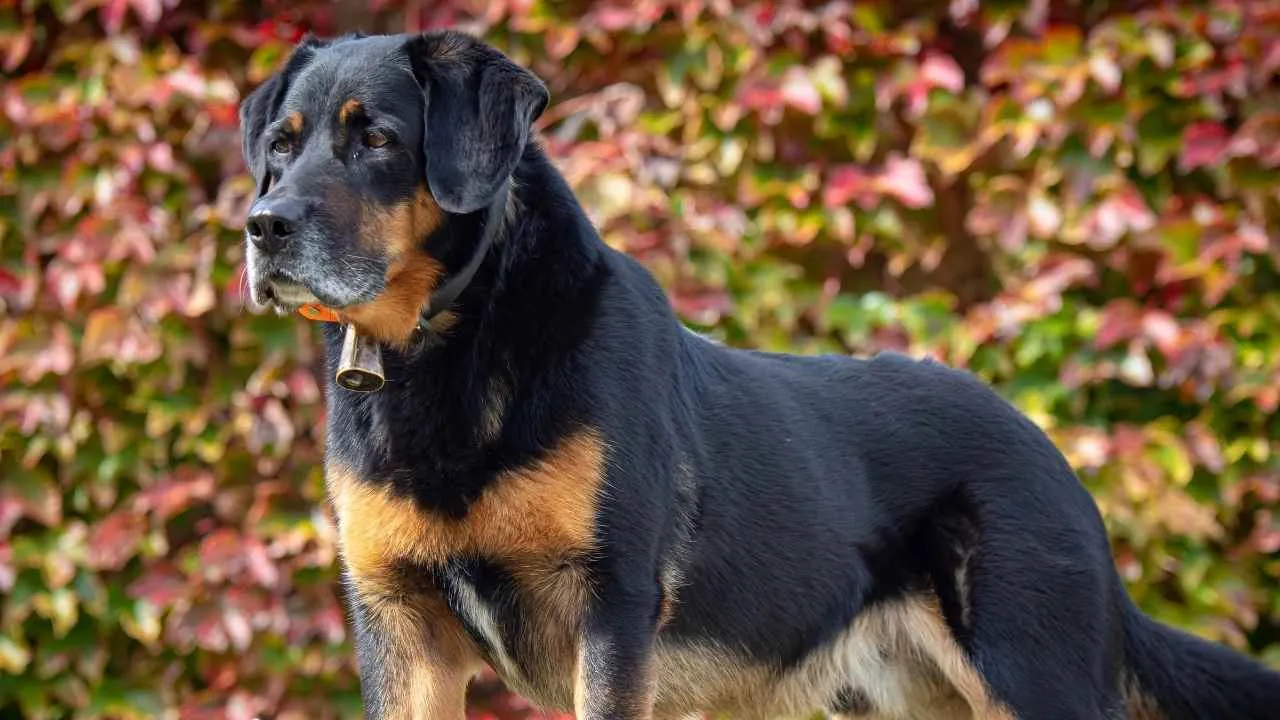
The Beauceron brings serious physical presence to the pasture. Their tall frame, muscular build, dark coat, and striking rust markings give this French worker an unmistakably powerful silhouette.
This large dog was originally bred as an all-purpose farm worker, managing livestock and handling demanding rural duties. Strength helps them deal with substantial animals, but their intelligence makes them far more versatile than simple muscle would suggest.
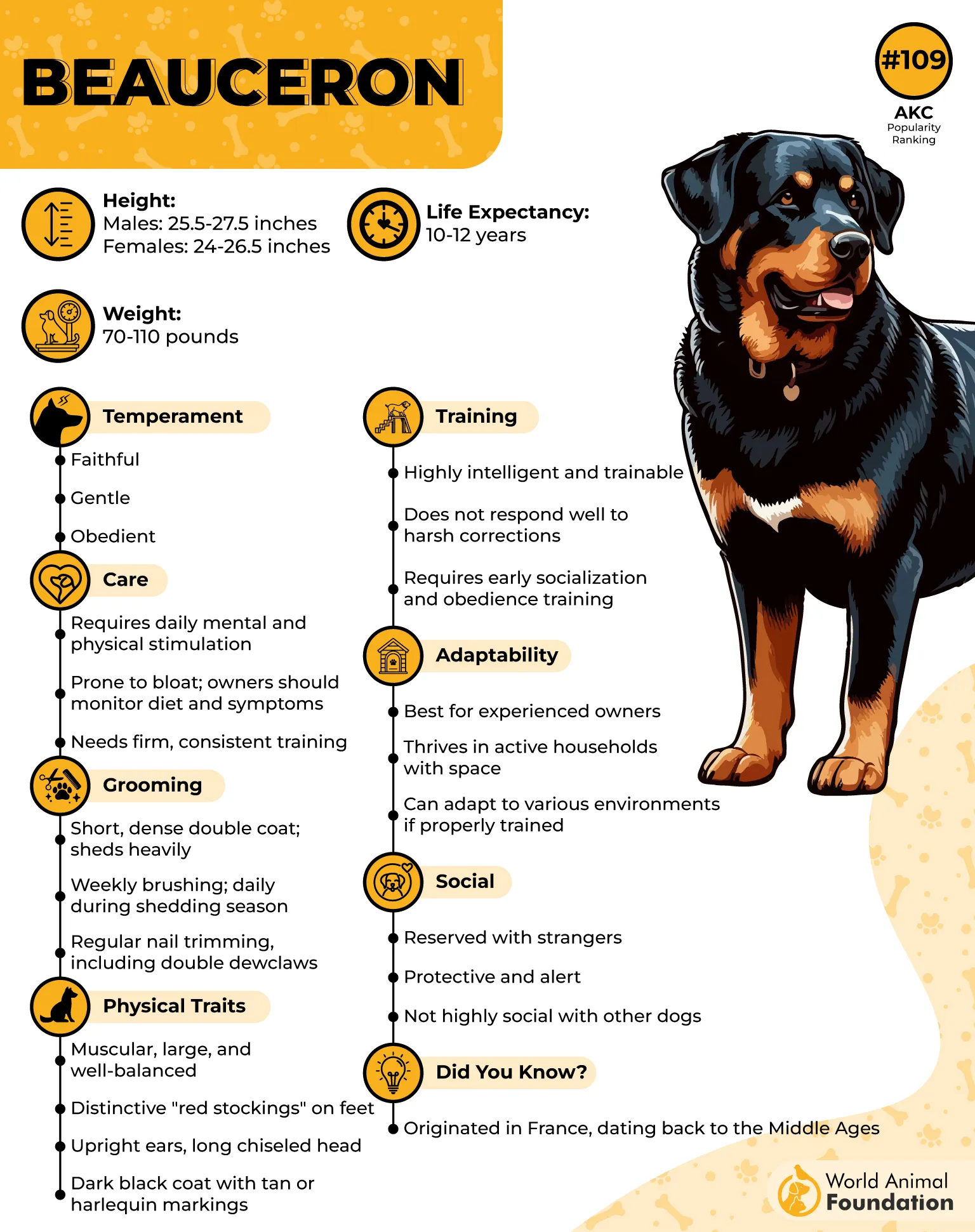
They can assess situations, follow direction, and work with a degree of independence. That quality becomes valuable across a large ranch where a handler cannot stand beside them every second.
Their confident temperament also supports guarding duties around the homestead. They tend to be reserved with unfamiliar people, so early socialization helps them understand when something deserves attention and when the neighbor is simply passing through.
6. Briard
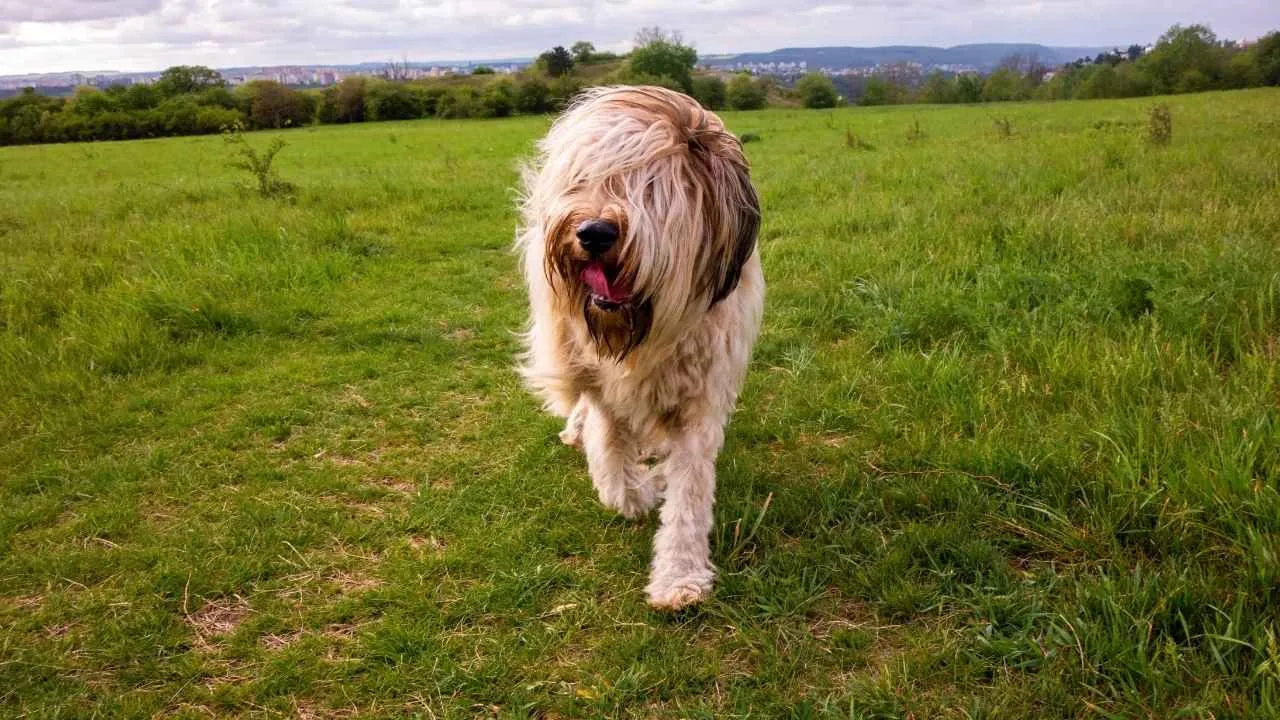
The Briard arrives with flowing hair, a long beard, and an expression that says they have already noticed everything happening in the field.
This French herder has a long agricultural history, including managing flocks and helping protect livestock. Their sturdy build and independent thinking allowed them to work across farms without needing constant human direction.
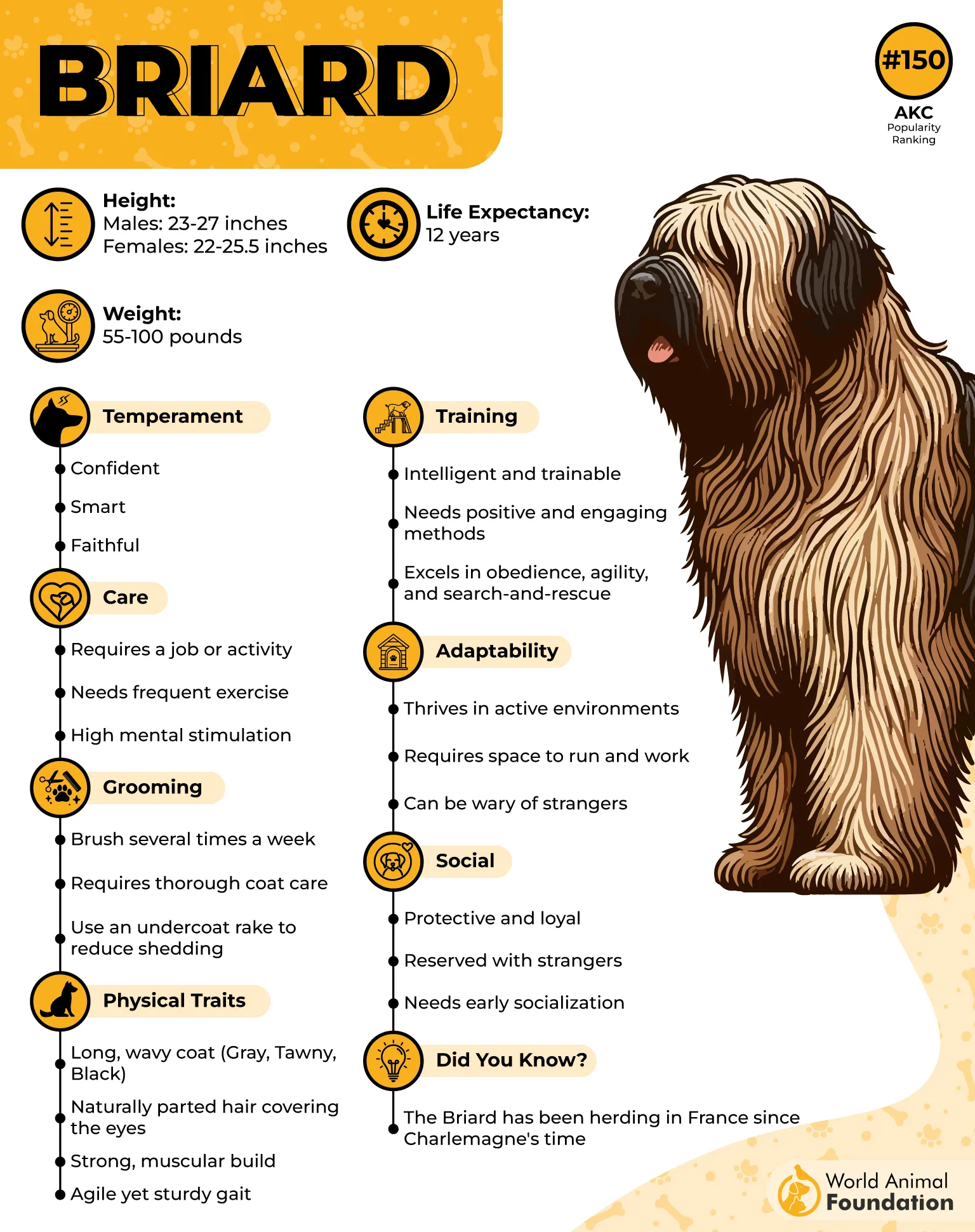
That independent streak remains important today. Briards respond best to consistent training that gives them clear boundaries without crushing their confidence. Omlet states that this breed makes excellent watchdogs as well and barks when it notices something out of the ordinary.
They also form deep attachments to their people. At home, their affectionate side comes forward, creating a very different mood from the focused worker seen in the pasture. Their combination of courage, devotion, intelligence, and independence gives the Briard a distinct role among working farm dogs.
They are happiest when included in the daily routine rather than parked on the sidelines. Give them livestock, direction, and human companionship, and their old-fashioned working instincts have plenty of room to shine.
7. Old English Sheepdog
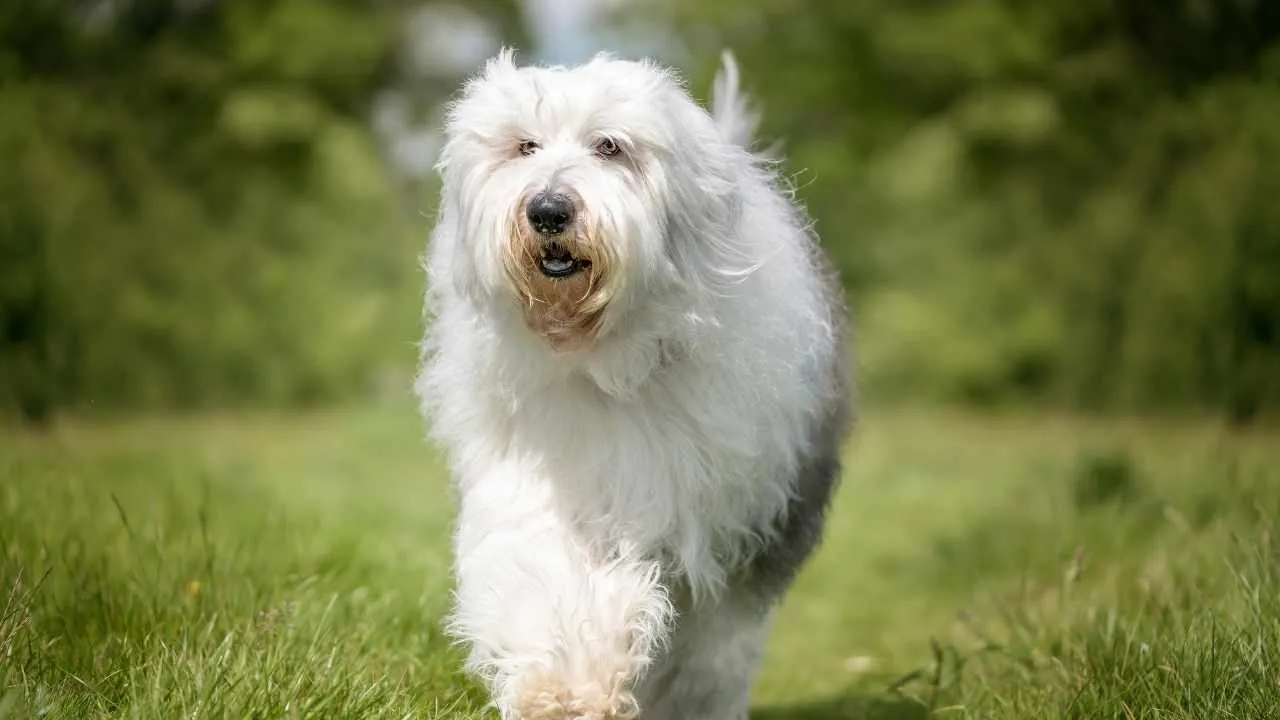
The Old English Sheepdog looks as though someone gave a teddy bear a ranch assignment. Then the shaggy fellow gets moving, and the working history starts to make sense.
Developed in England as a drover, this breed helped move sheep and cattle toward market. Their sturdy body and energetic stride suited long days around livestock.
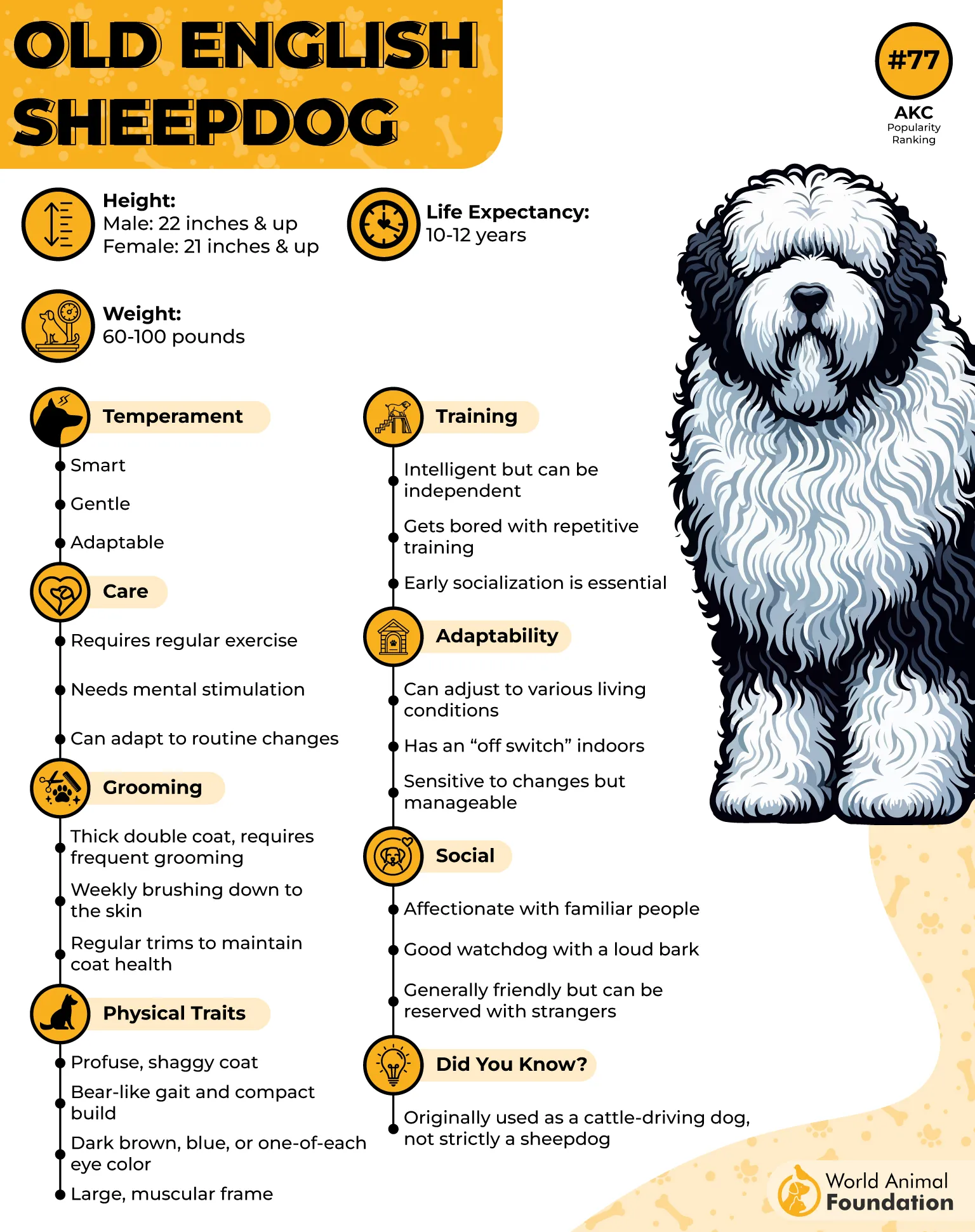
That cheerful personality also gives them an appealing place in busy households. They can be playful family pets after their outdoor adventures, provided their exercise and social needs are met.
Their most famous feature brings the biggest maintenance bill in time rather than money: that dense, shaggy coat needs regular grooming to prevent mats and remove field debris. Their distinctive bark also gives them a useful way to announce unusual activity around the home.
For a ranch family wanting a substantial herder with a sociable personality and unmistakable presence, the Old English Sheepdog brings both work and character to the pasture.
8. Shetland Sheepdog
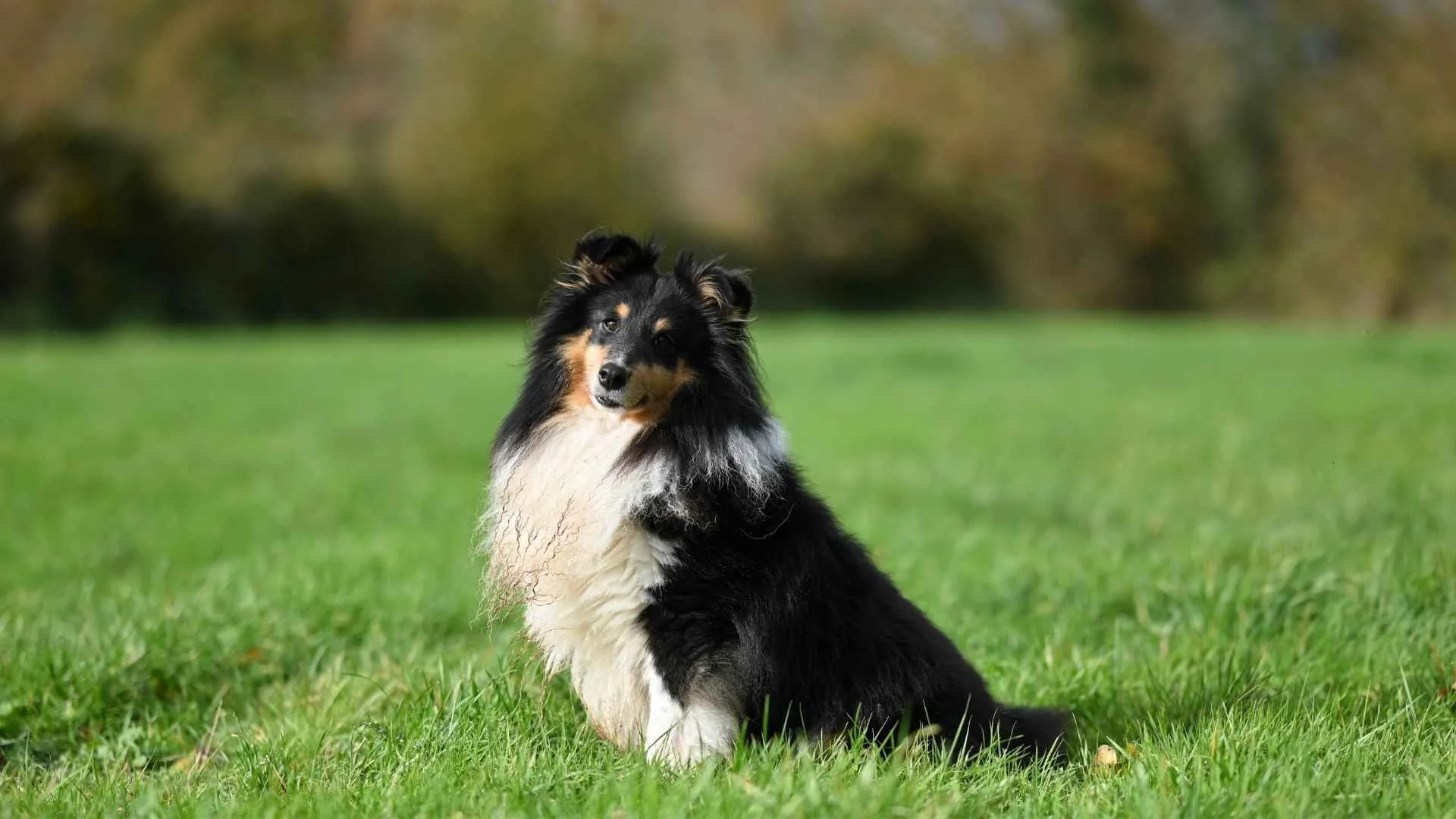
The Shetland Sheepdog proves that a herding dog breed does not need a giant body to have a giant work ethic. Developed in Scotland’s Shetland Islands, the Sheltie has a compact frame, nimble movement, sharp expression, and impressive responsiveness.
Their smaller stature suited the local agricultural environment, yet they still possessed the intelligence needed to manage livestock.
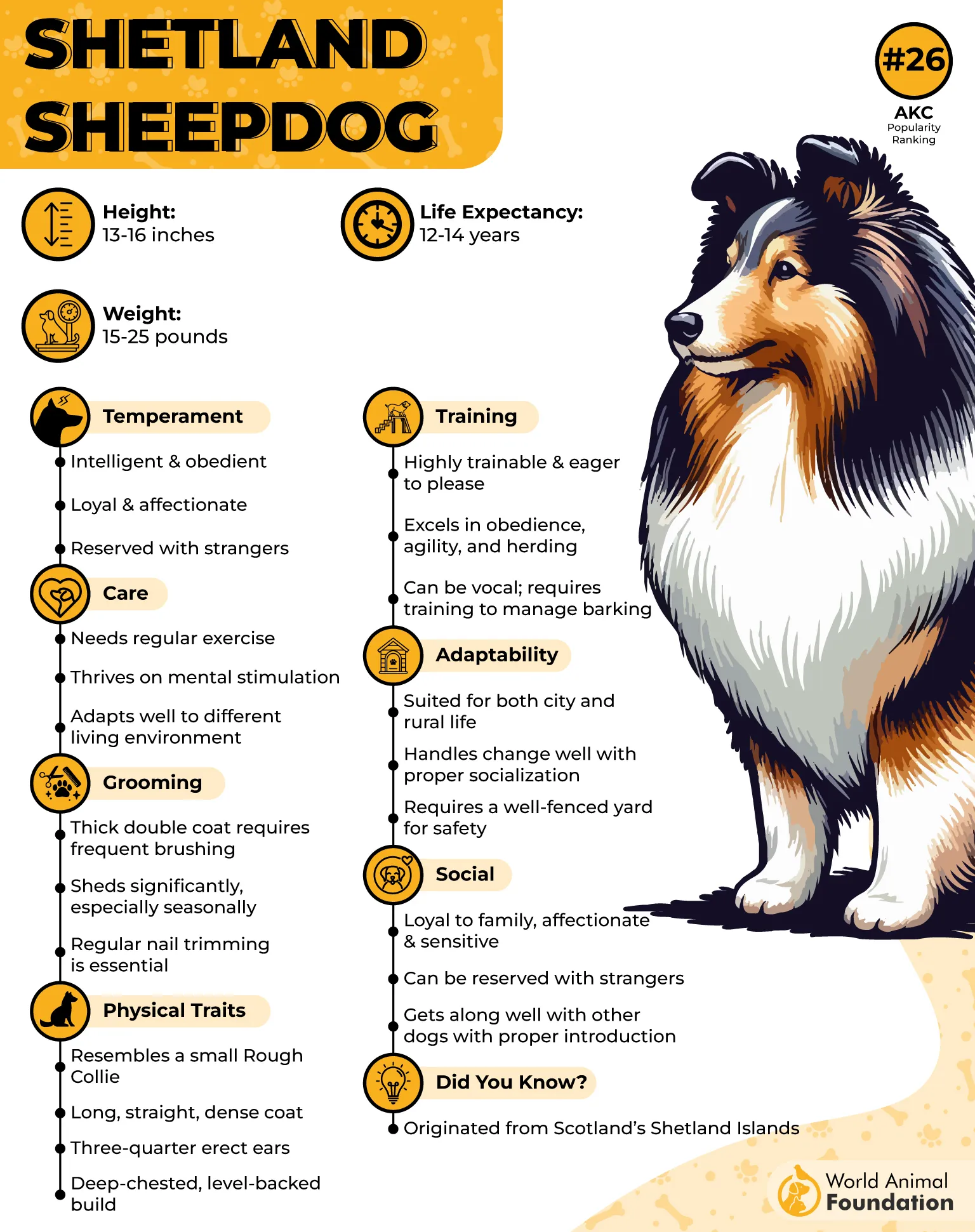
They learn quickly and stay closely connected to their handler. Herding exercises, agility, obedience, and interactive games give them productive ways to use that busy brain. Their alert personality comes with a famously enthusiastic voice. Hear something unusual near the gate, and your Sheltie will probably have an opinion about it.
Despite their size, they are not low-energy companions. They need regular activity and mental engagement to stay content. Their temperament is sensitive, intensely loyal, and very companionable.
For smaller-scale livestock operations or owners who prefer a compact worker, the Sheltie offers agility, intelligence, alertness, and plenty of personality without taking up half the barn.
9. Collie
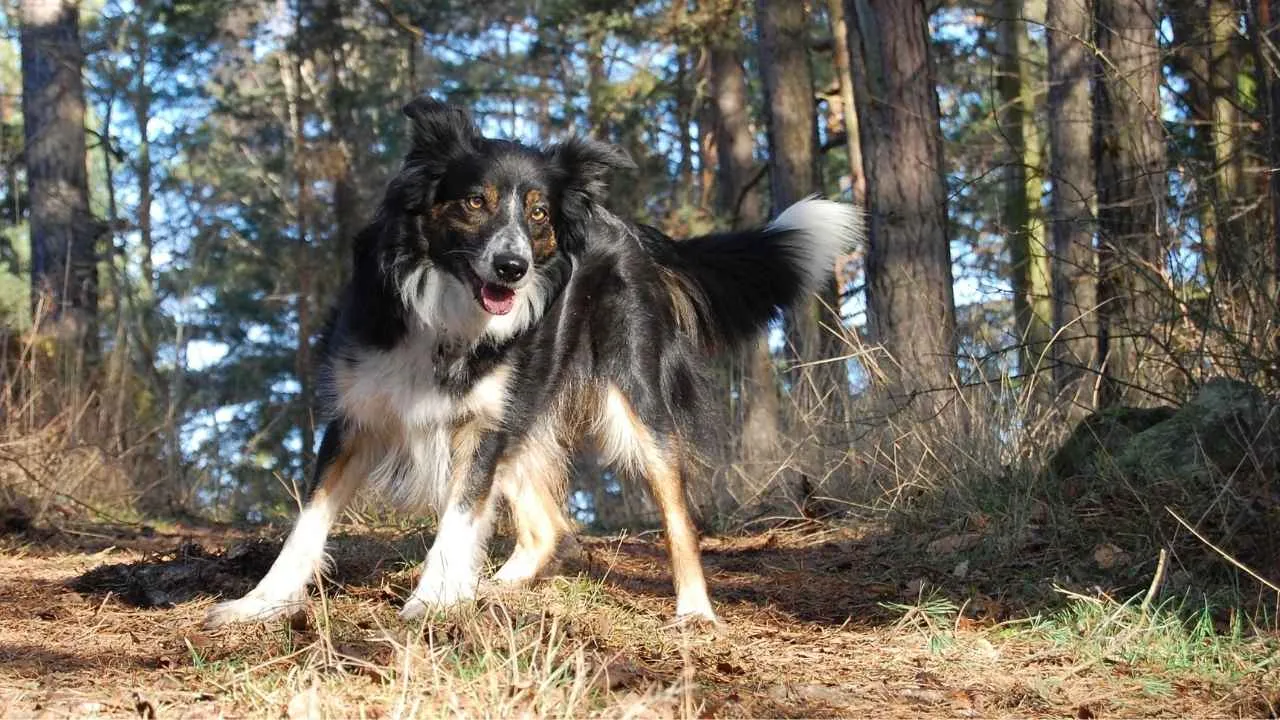
The Collie brings a quieter kind of working magic to the ranch. They watch, listen, respond, and stay remarkably connected to their handler.
With deep roots in Scottish livestock work, Collies were developed to herd sheep and work cooperatively with people. Their intelligence and sensitivity make clear communication especially valuable.
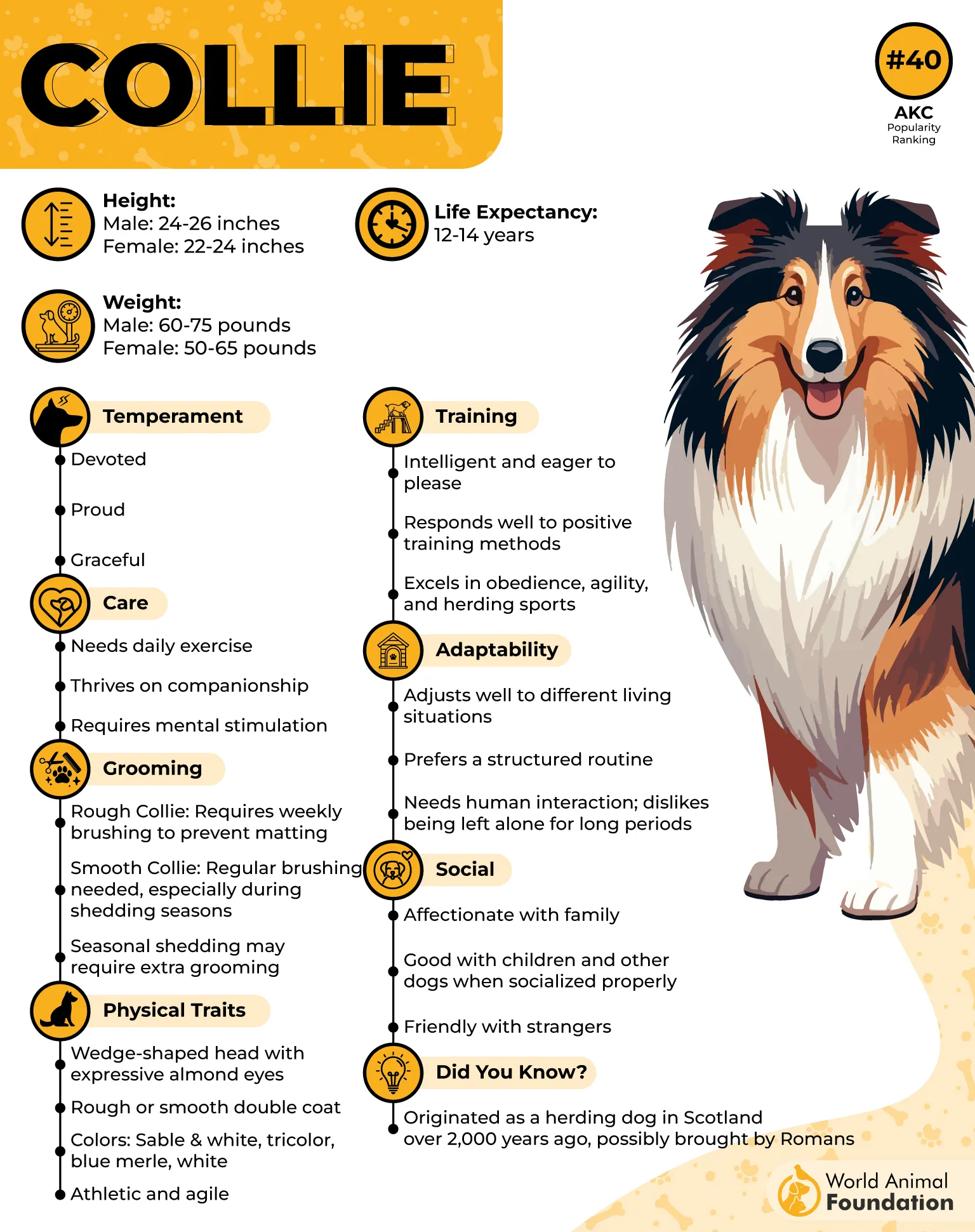
They do not need every task turned into a high-speed spectacle. Controlled movement, obedience, regular exercise, and appropriate herding activities suit their thoughtful working style.
Their temperament also makes the transition from pasture to household relatively smooth. Once their activity needs are met, they can settle comfortably with the family, making them appealing to homes that want both a working dog and a gentle companion.
Rough and Smooth varieties bring different grooming demands, with the Rough Collie’s fuller coat requiring more attention. Their combination of herding ability, responsiveness, sensitivity, and household manners gives the Collie a distinctive place among ranch dogs.
10. Bouvier des Flandres
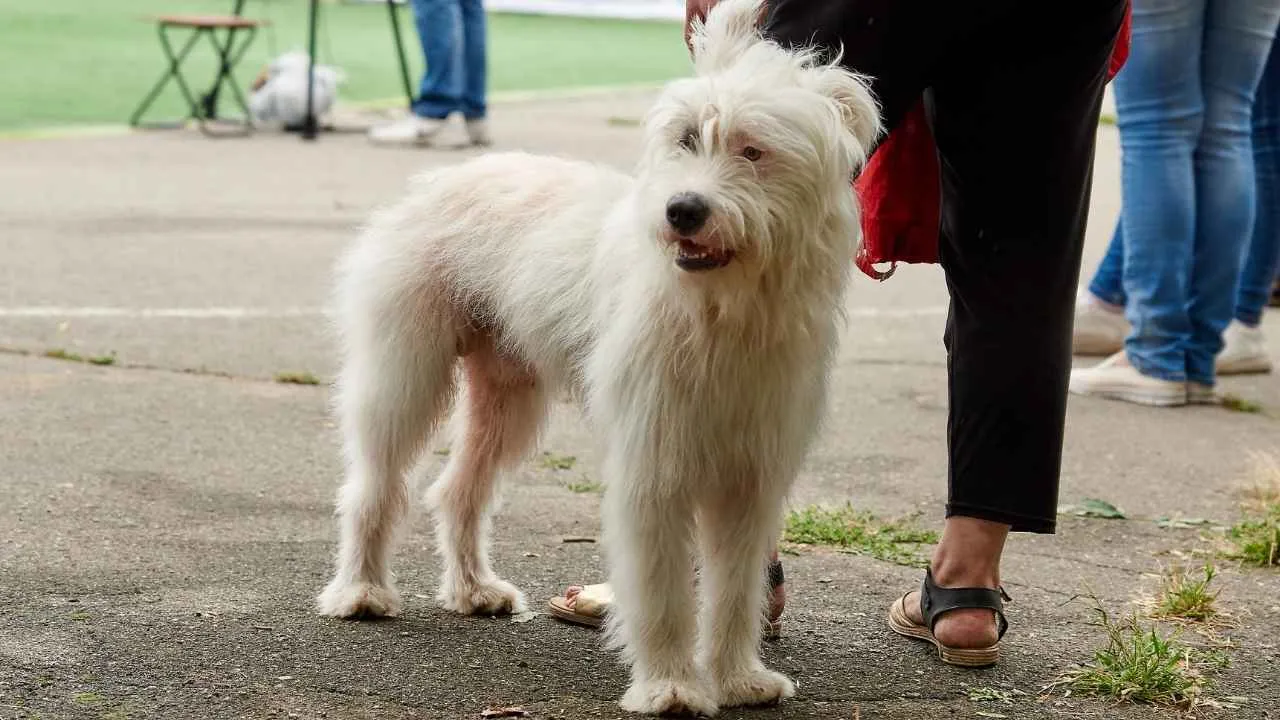
The Bouvier des Flandres looks perfectly prepared for muddy fields. The beard, broad head, powerful body, and sturdy frame all belong to a dog built around practical farm work.
Developed in Flanders, the Bouvier handled cattle driving, cart pulling, and other agricultural duties. Their strength gave them the muscle for demanding tasks, and their intelligence made them versatile workers rather than one-purpose herders.
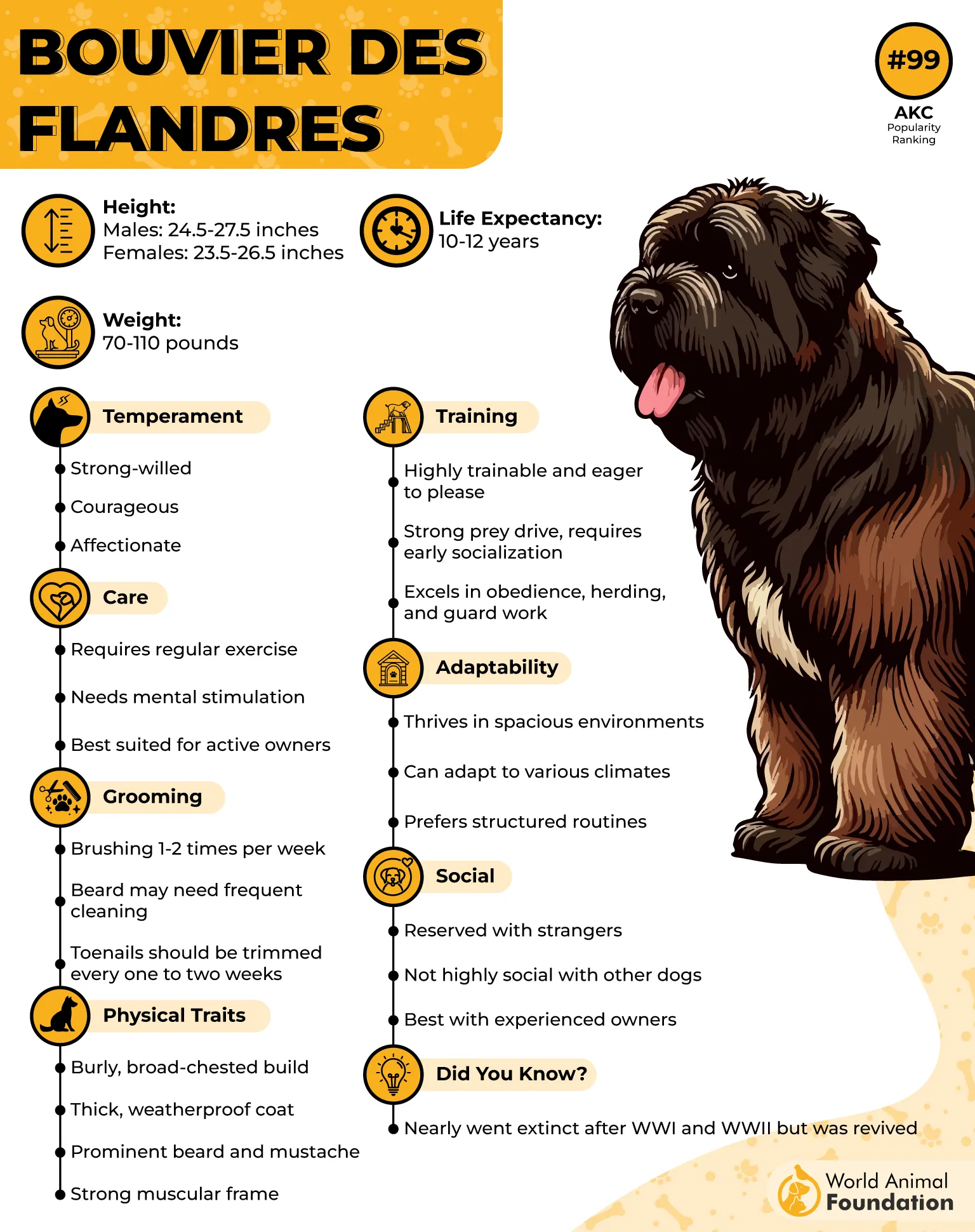
They are devoted to their family members and carry a natural protective streak around the home. Early socialization and consistent training help direct that confidence appropriately around visitors and livestock.
Their dense coat offers useful weather protection but needs regular grooming. And that magnificent beard? Expect it to collect evidence from every water bowl, muddy puddle, and enthusiastic drink.
A Bouvier suits ranchers who want substance: physical power, endurance, livestock experience, property awareness, and a steady temperament. They were built for farm life, and their broad skill set still makes them valuable partners on a demanding rural property.
Conclusion
The right working dog depends on the work waiting for them. Cattle operations need stamina and confidence around large animals. Sheep work rewards control, responsiveness, and precise movement.
Think about your land, climate, livestock, grooming expectations, and training time. A high-drive herder needs more than space to roam. They need exercise, interaction, and tasks that engage their natural abilities.
Household life matters too. Children, horses, cats, visitors, and other animals all require sensible socialization. A behavior that is useful in the pasture can become inconvenient in the kitchen.
Look at the whole package rather than chasing a famous name. The strongest match is the breed whose physical abilities, temperament, instincts, and energy level fit the work you actually need done.
