




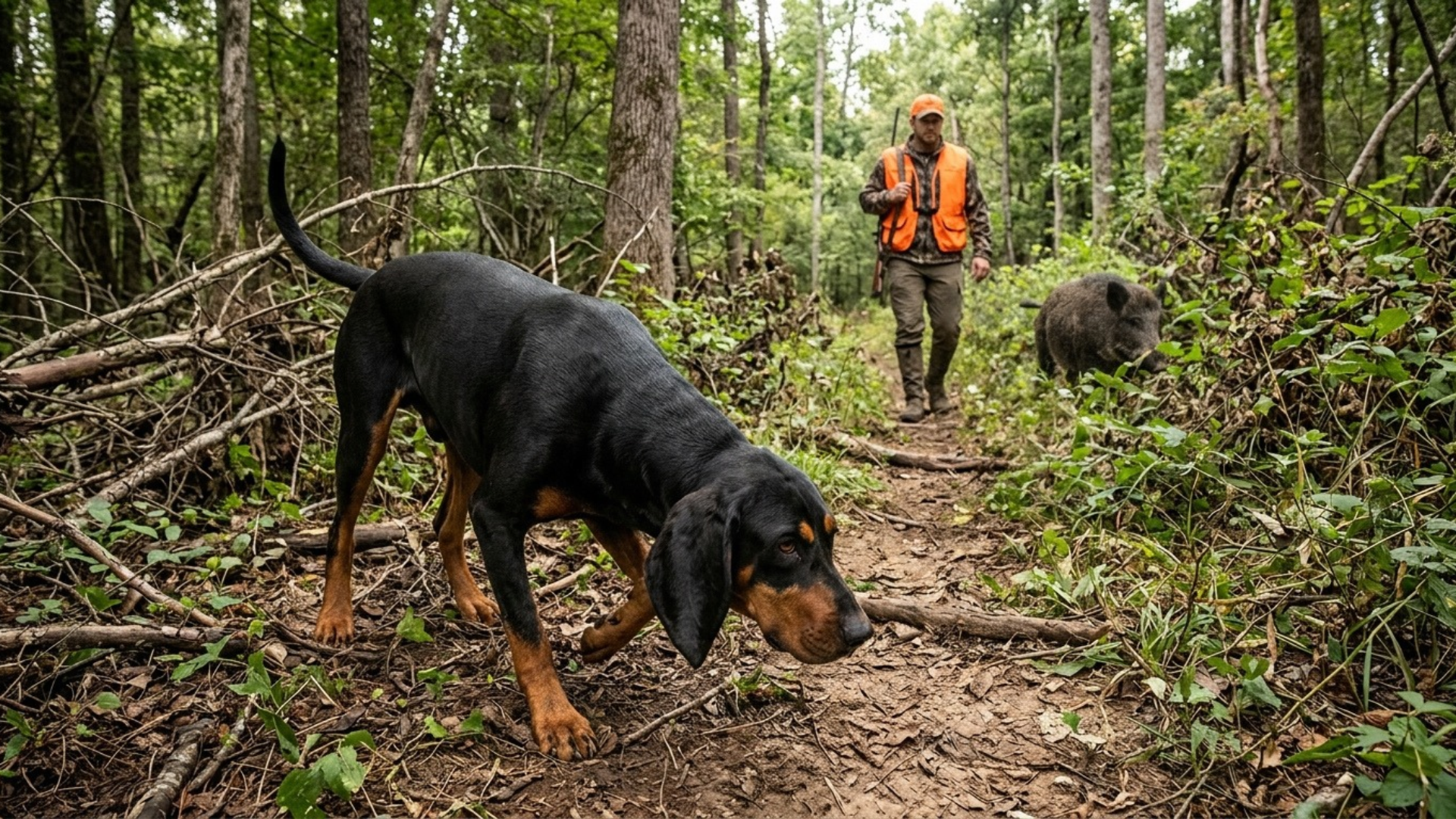
Wild boar hunting is about a lot more than just running fast. Hills and rocky ground can slow you down. Thick brush and heavy cover give the animals plenty of places to hide. Long stretches between sightings add to the strain, and a trip can turn into a real test of stamina fast.
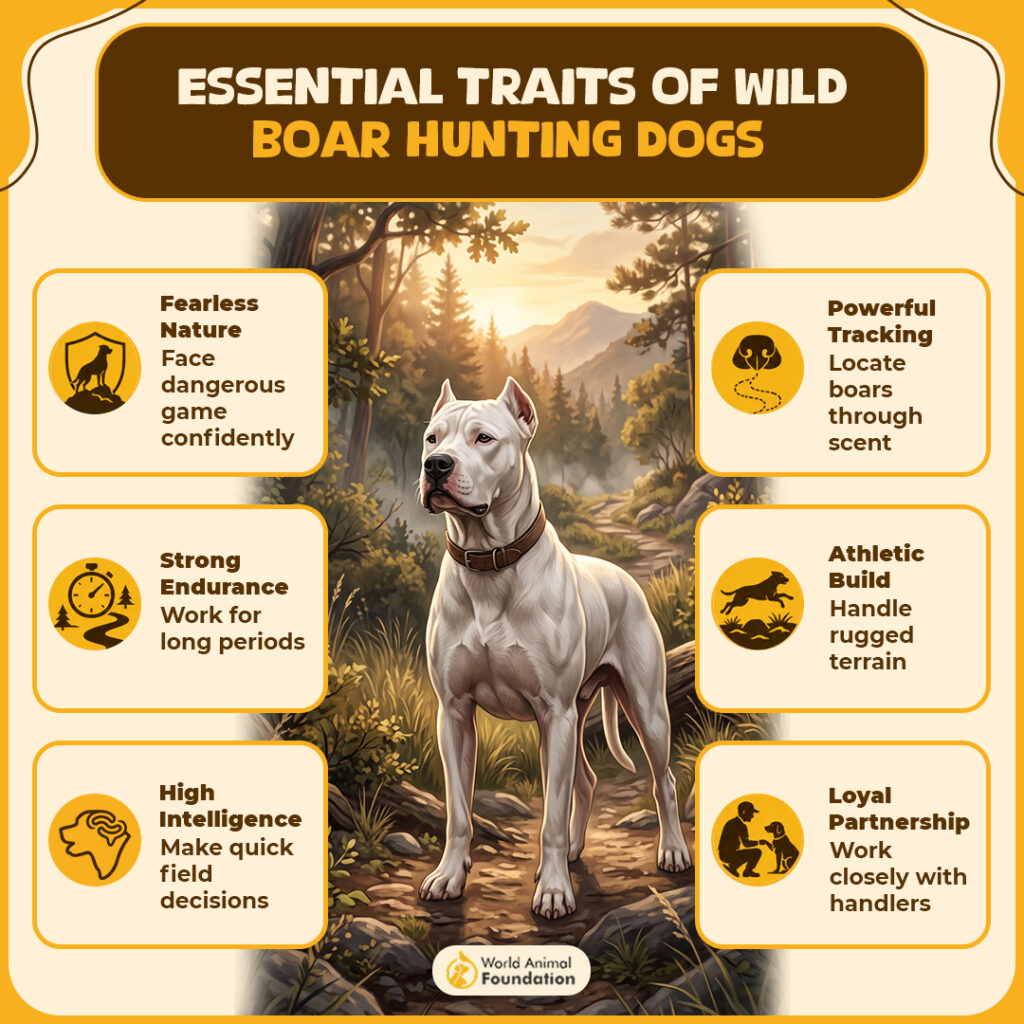
This is where trained hunting dogs come in; dogs with a sharp nose and strong drive tend to do best, along with the agility and steady stamina needed to keep up.
Not all dogs work the same way, though. Some track wild pigs from farther away, while others move in close and help keep the boar from slipping off. Bay dogs and catch dogs are known for these specific roles, though other working types can fit in too.
The best choice really depends on how the dog is trained, along with the terrain, the dog’s temperament, local regulations, and how safely the hunt is handled.
Fun Fact: Wild boar hunting helped shape several American hunting dog breeds over the years. Some hounds can follow a scent across rough and varied terrain for long stretches, while others rely more on power, speed, and bold instincts when working close to big game.
Exceptional Dog Breeds for Dominating Wild Boar Hunts
1. Plott Hound
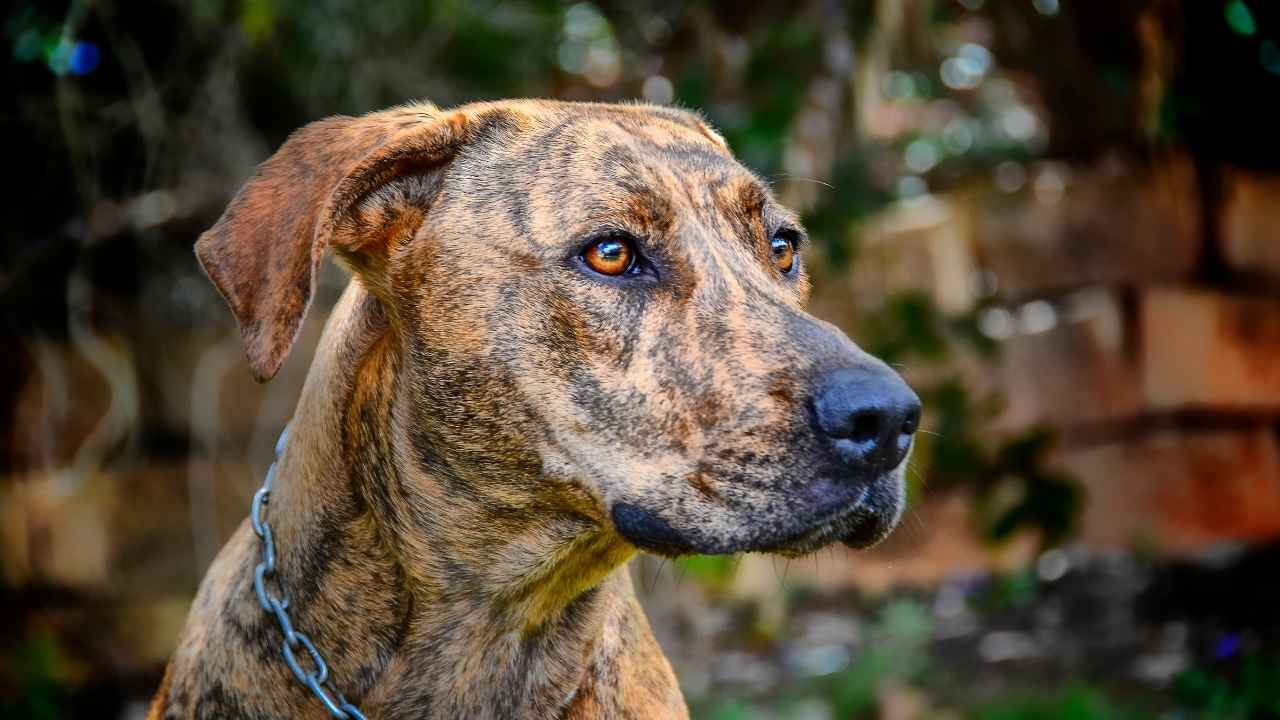
The Plott Hound balances calm at home with guts in the field. It traces back to German hunting stock and later became linked with the mountains of North Carolina. Many owners value this breed for tracking large game, wild boar being one example, and the work often happens on rough trails where patience and stamina matter most.
The brindle coat really stands out; you might see black tones with gold flecks, or orange and russet shades. The ears sit at a medium length and hang naturally, while black markings show up around the mouth, nose, and eye rims. Even with all that boldness, the overall look still feels steady and composed. At home, the Plott Hound settles nicely into a normal routine.
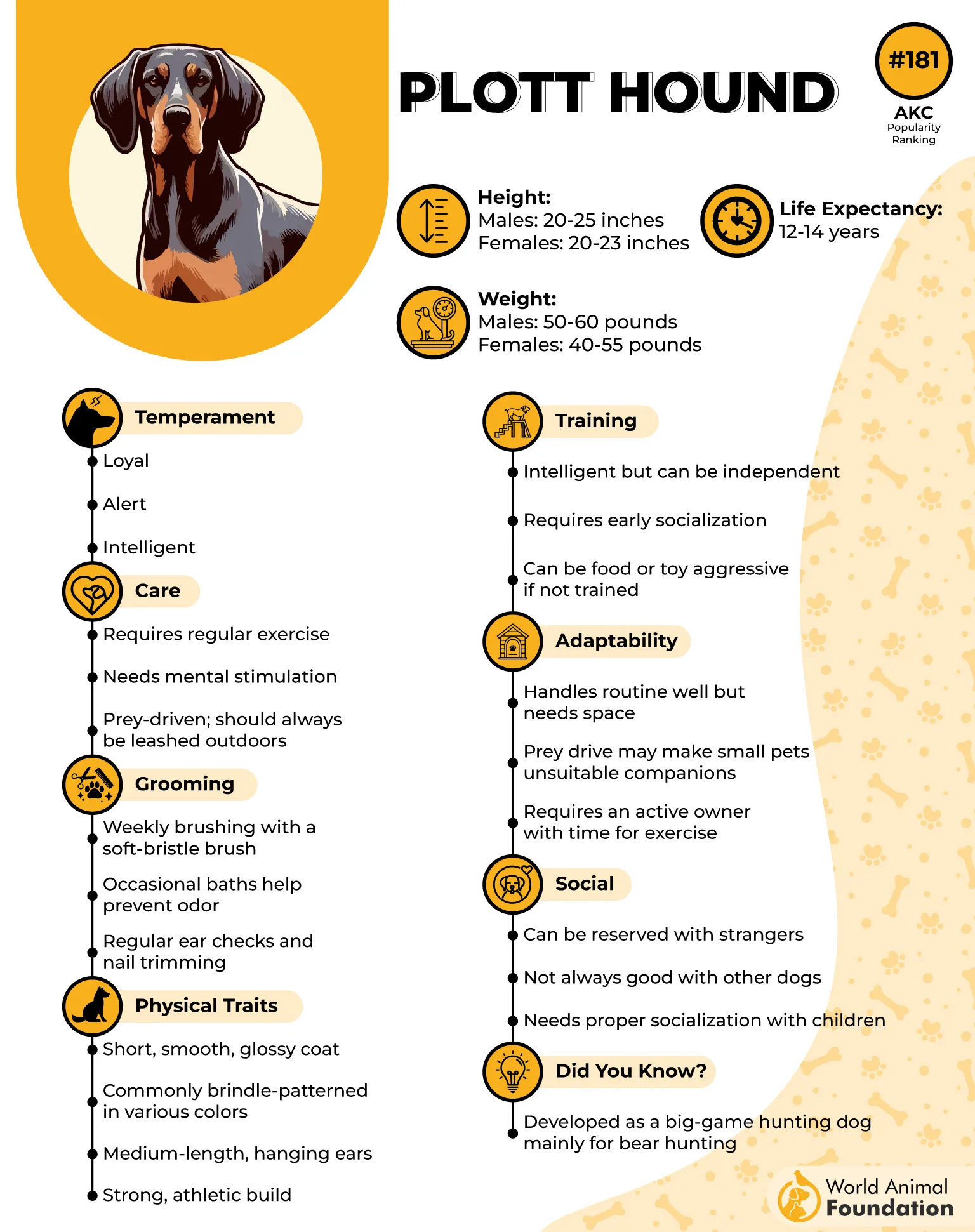
This breed fits best with people who already know how to manage an independent hunting dog. Daily movement and mental tasks help keep a Plott Hound calm between hunts, and training matters too, since that strong hunting drive can be hard to shut off once it catches an interesting scent.
The American Kennel Club lists the Plott Hound as North Carolina’s state dog and notes its long history with big game hunting.
2. Catahoula Leopard Dog
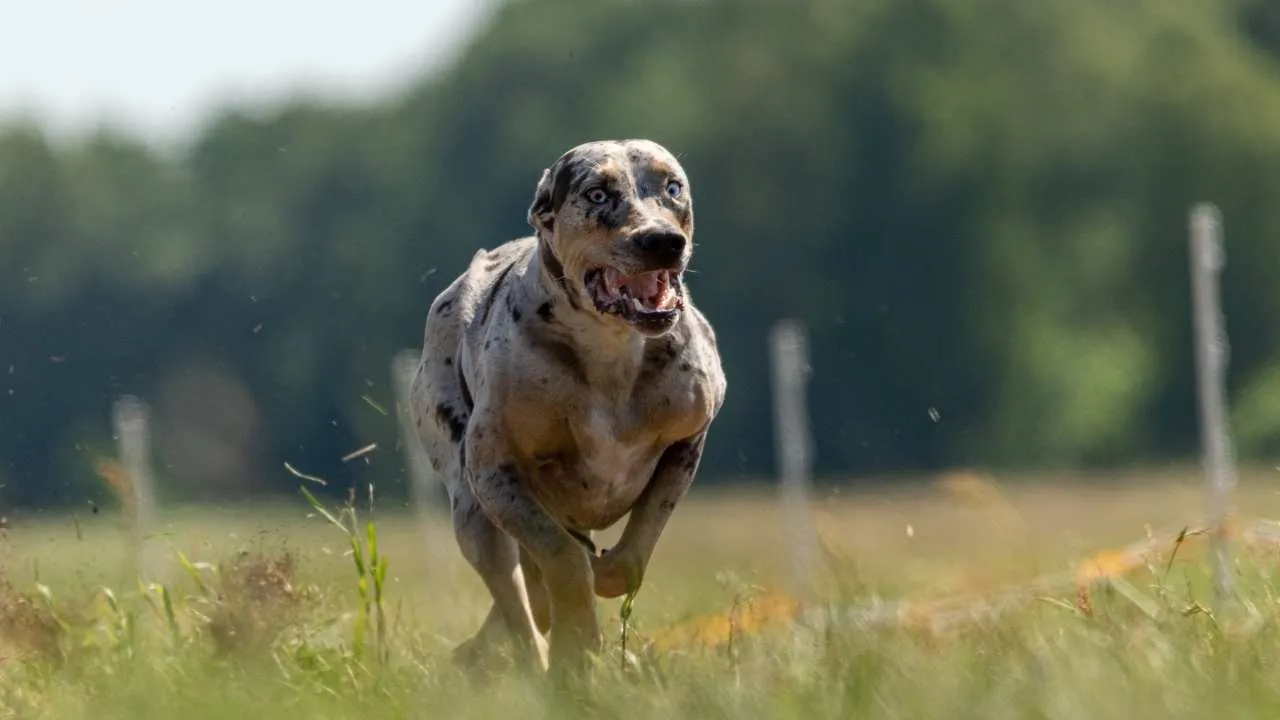
The Catahoula Leopard Dog hails from Louisiana, with roots tied deep into the southern United States. The breed grew up around Catahoula Lake, where dogs worked through swamps and woods, tracking game and driving hogs and cattle.
These dogs need more than just a quick trip outside. They tend to do best with running, fetch, and agility drills, mixed in with tasks that engage the mind as well as the body. A yard with solid fencing gives them room to move, and a steady routine can help channel their hunting instincts into safer habits.
Catahoulas often bond closely with the people in their home, while still holding onto that focused, work-driven mindset. Their short coat is easy to care for too; after time outdoors, mud, grass, or brush wipes off with little effort.
Early training and clear routines make a real difference here. Bred for tracking and driving hogs and cattle through southern swamps and forests, endurance is simply part of what this breed is built for.
3. Bloodhound
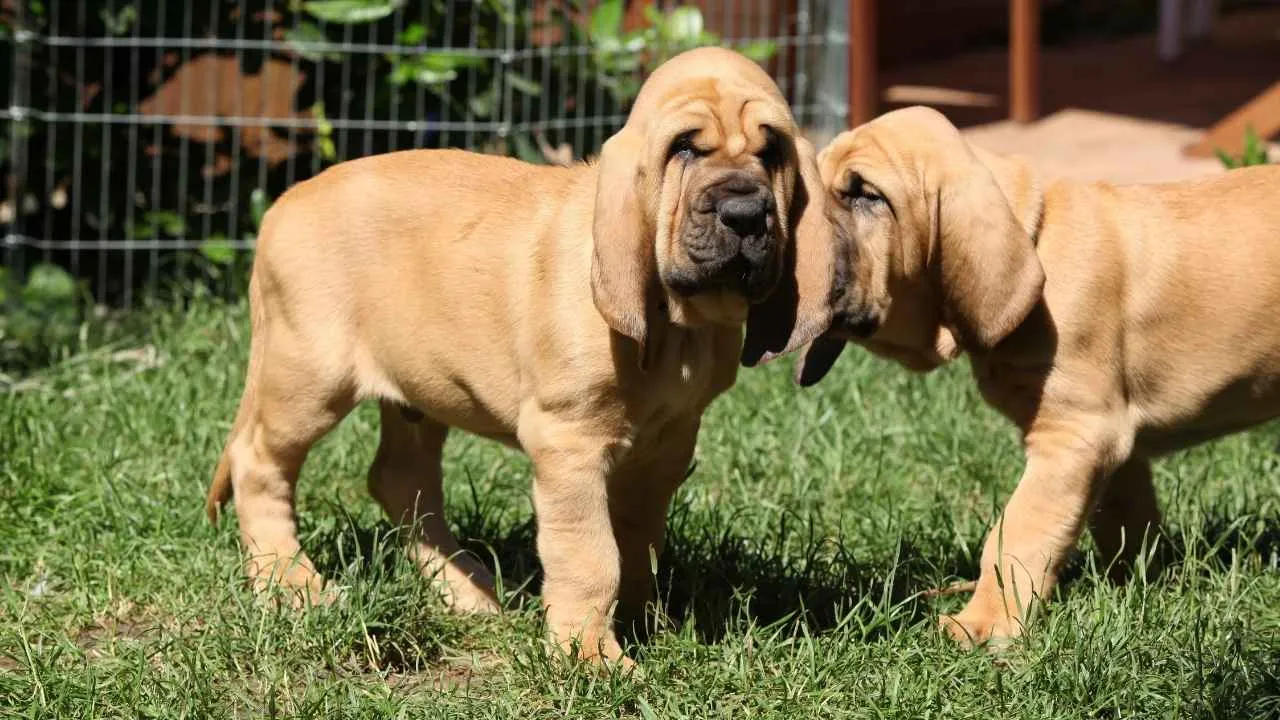
The Bloodhound hunts in its own unique way; it doesn’t rely on raw speed or muscle first. Instead, it follows a scent trail with steady, focused attention. This breed was built for tracking and taking part in hunts, and today it’s also widely used as a sniffer dog, thanks to just how strong its nose really is.
At home, many Bloodhounds come across as calm and kind, often gentle with people. Outside, though, the picture changes a bit; they need plenty of time to move and plenty of scent-related tasks to stay satisfied. Daily walks help, and a safe space to run helps even more.
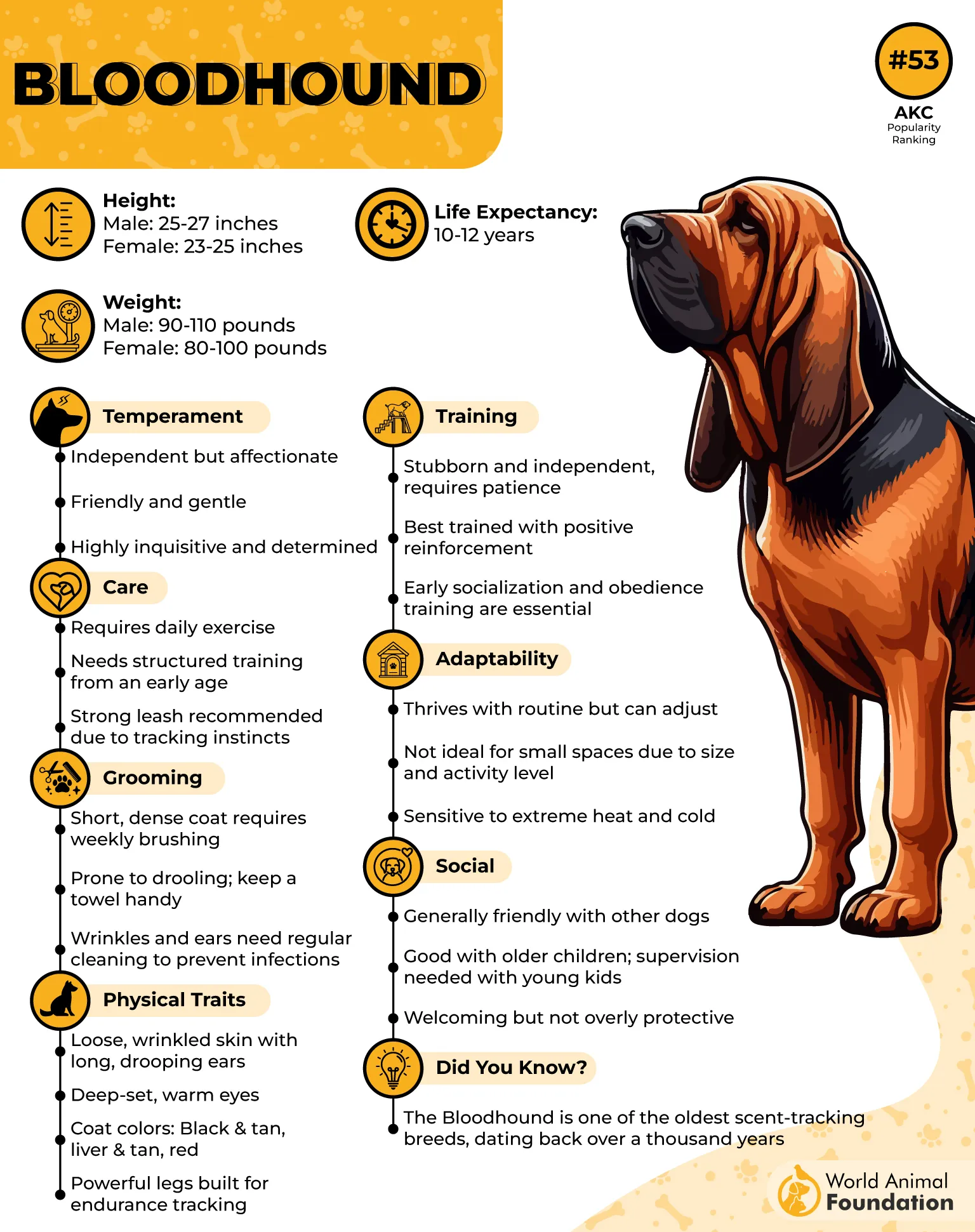
Bloodhounds do best with owners who plan for daily effort, since they need both exercise and training. Training should stay positive, and short sessions with some variety tend to work best; too much repetition can turn the work into dull, uninspired practice.
A secure fence is also key here. PDSA notes that Bloodhounds need a good amount of daily exercise to stay balanced.
4. Redbone Coonhound
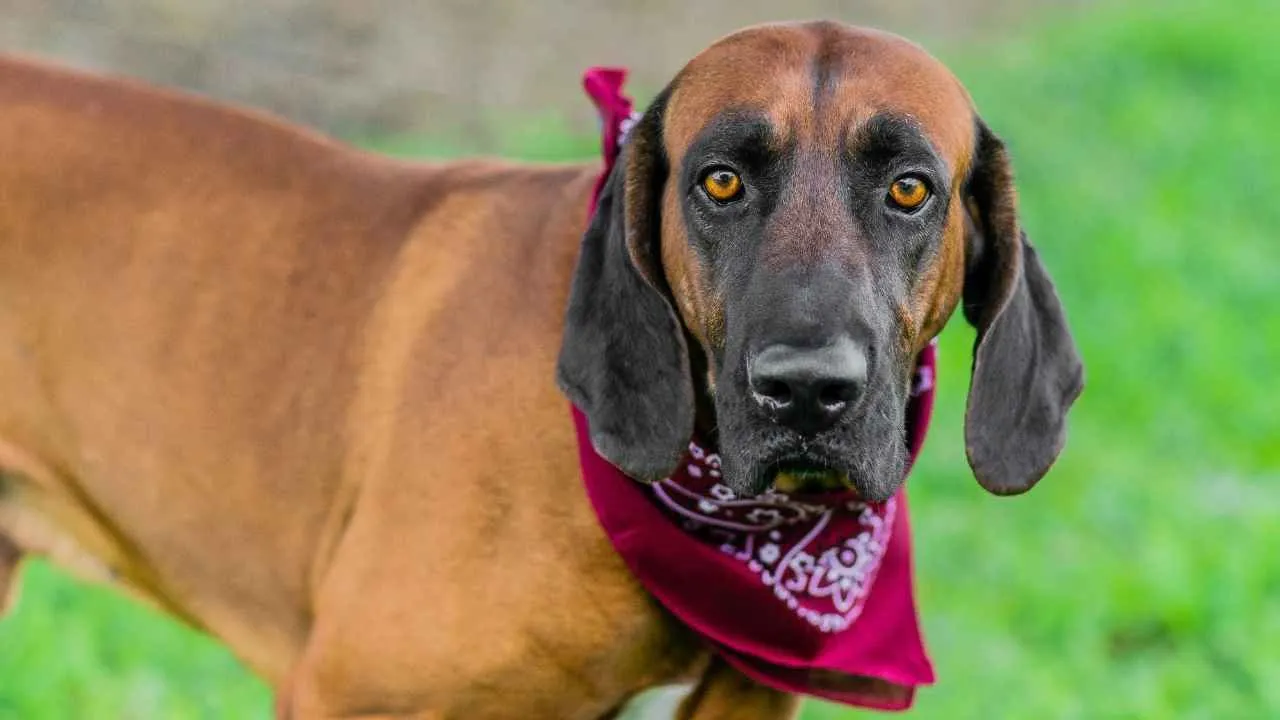
The Redbone Coonhound shows off a smooth coat, a deep red color, and a tough, athletic build to match. Shaped as a hunting partner right here in the United States, this hound still fits that role beautifully, especially when there’s outdoor work to be done.
The breed brings stamina, drive, and a sharp sense of smell, all of which come in handy when tracking through brush, woods, and uneven ground. You can even hear their hunting history in that distinctive bay; a voice that’s hard to mistake for any other breed. These hounds also hold their focus impressively well during scent work.
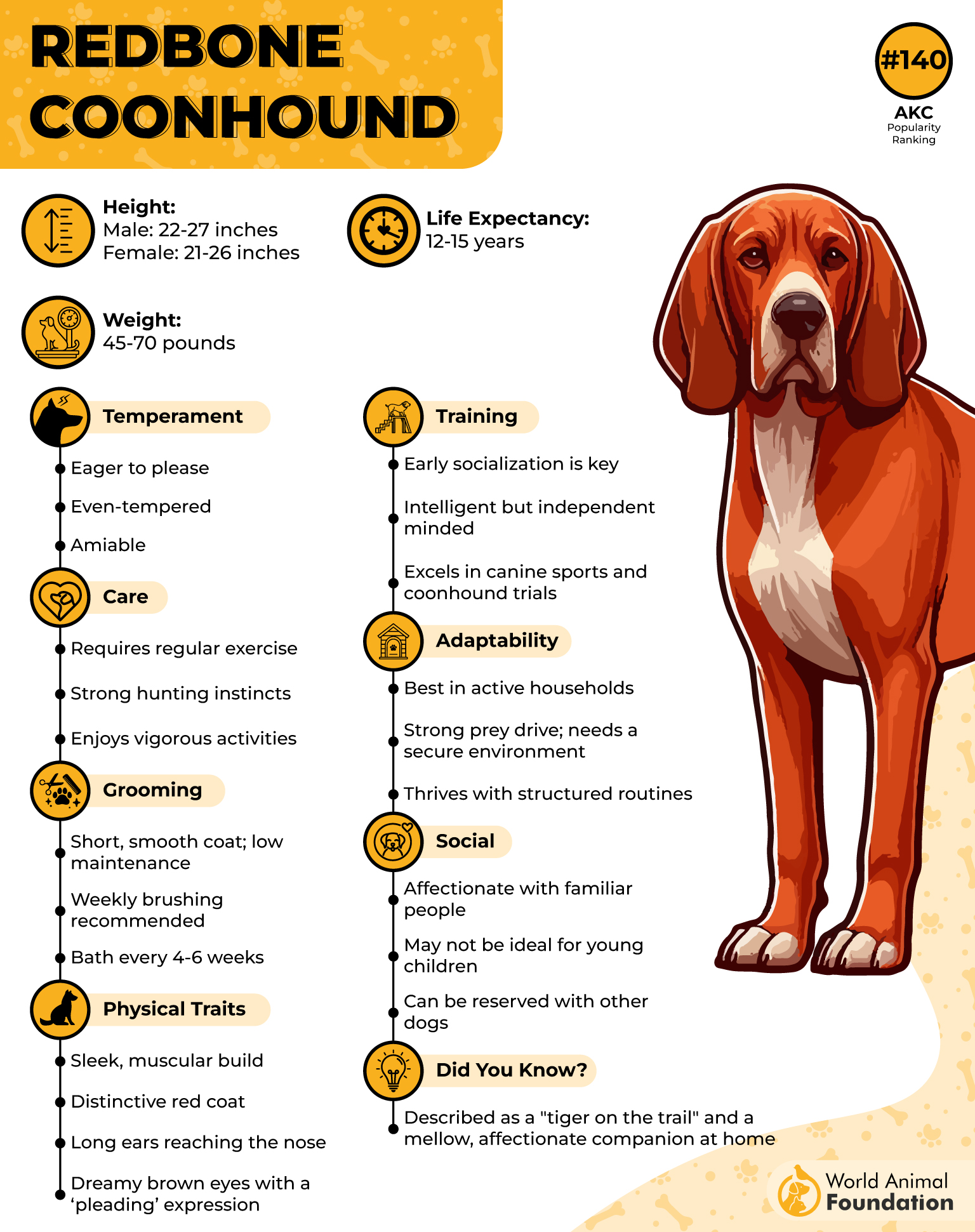
Redbone Coonhounds do best in busy households where people are around often. Their short coat makes brushing fairly easy, though those floppy ears still need regular check-ups to stay healthy. Orvis lists this breed among hunting types known for their energy, stamina, and scent-tracking skills in tough outdoor terrain.
5. Black and Tan Coonhound
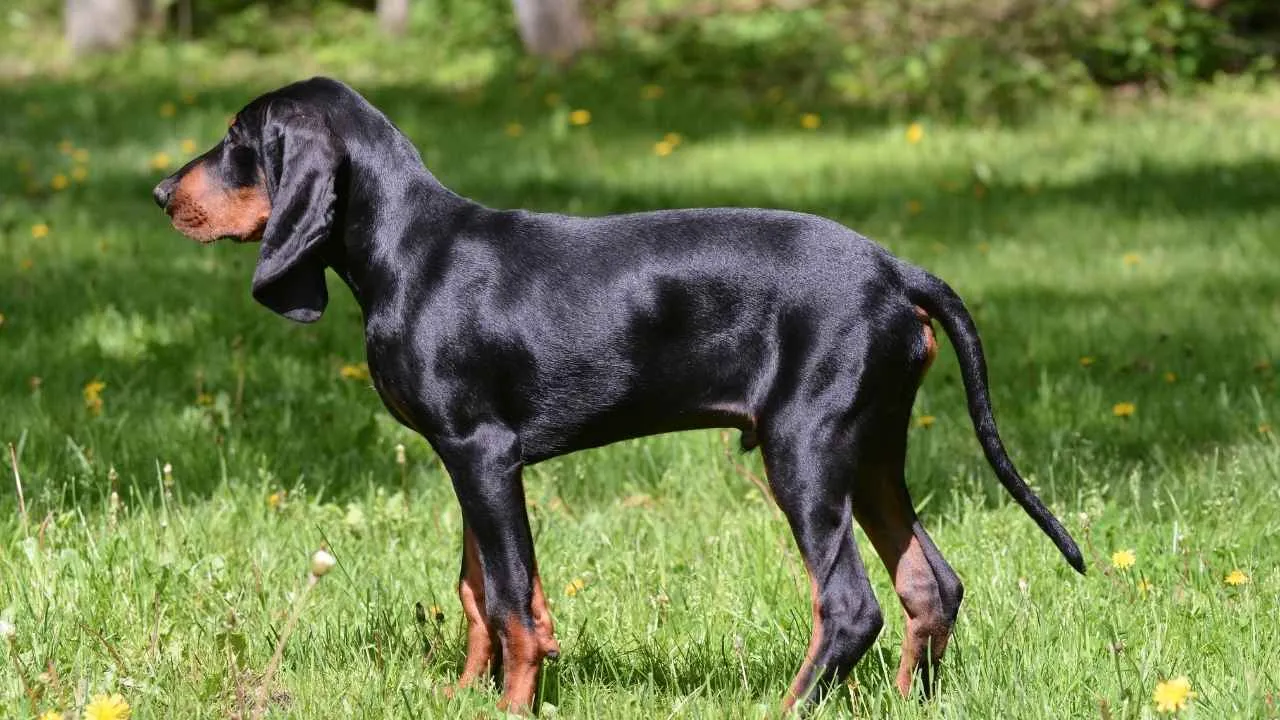
The Black and Tan Coonhound stands out with its dark coat and warm tan markings, usually seen above the eyes, near the mouth, on the chest, and down the legs. Their eyes tend to be hazel or a deeper brown, and those long ears really complete the look. The short coat helps them handle a range of weather conditions too.
These hounds trace back to the southern United States, bred to cover wide ground and follow scent trails with ease. Because they can be independent by nature, training may take a bit of extra patience, especially once a fresh trail catches their attention.
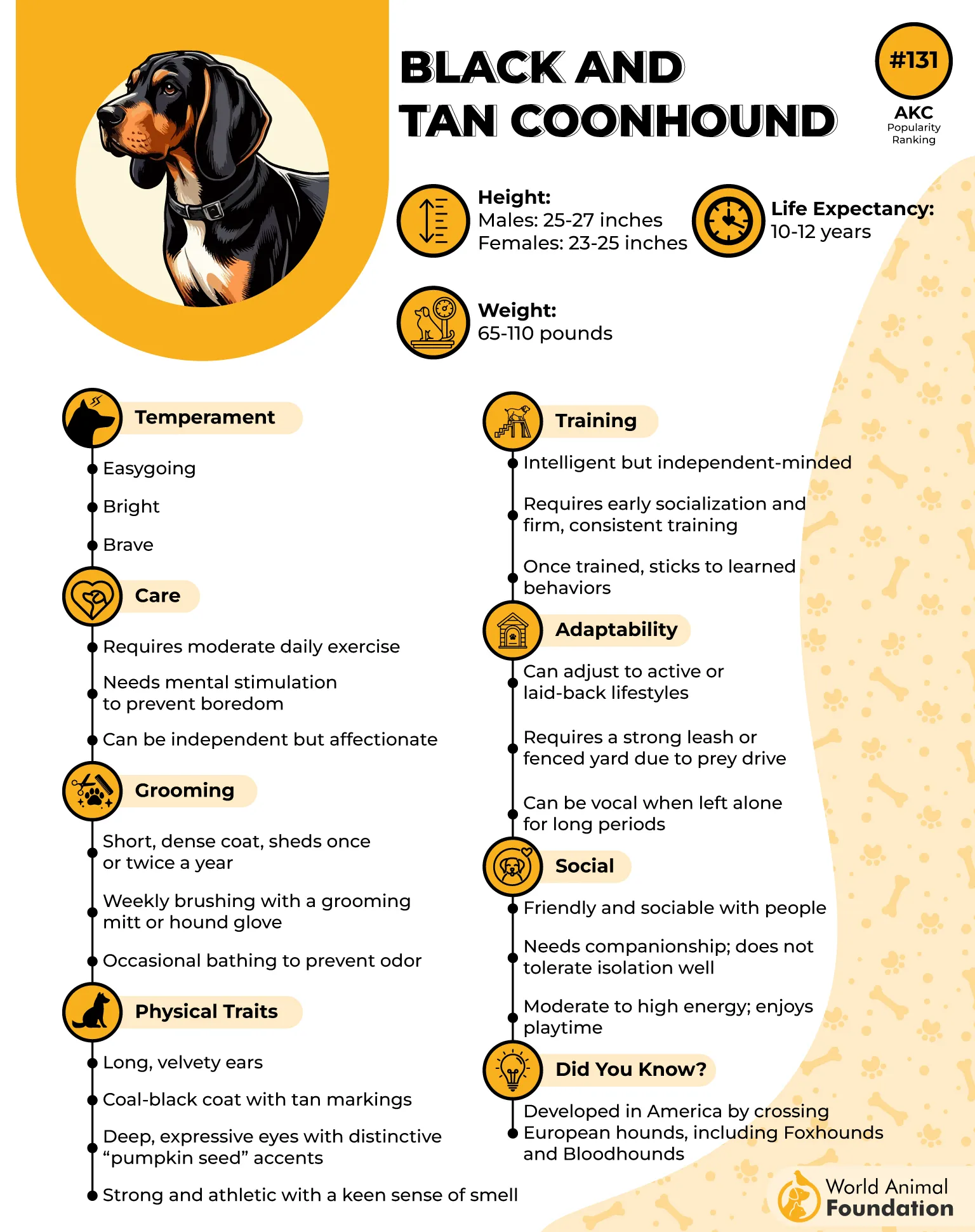
Black and Tan Coonhounds are typically friendly and steady with their people, though they can act a little stubborn at times. Gentle, positive training tends to work far better than force. Hill’s Pet highlights the breed’s need for daily activity, their independent working streak, their easy-care short coat, and of course, their signature howl.
6. Dogo Argentino
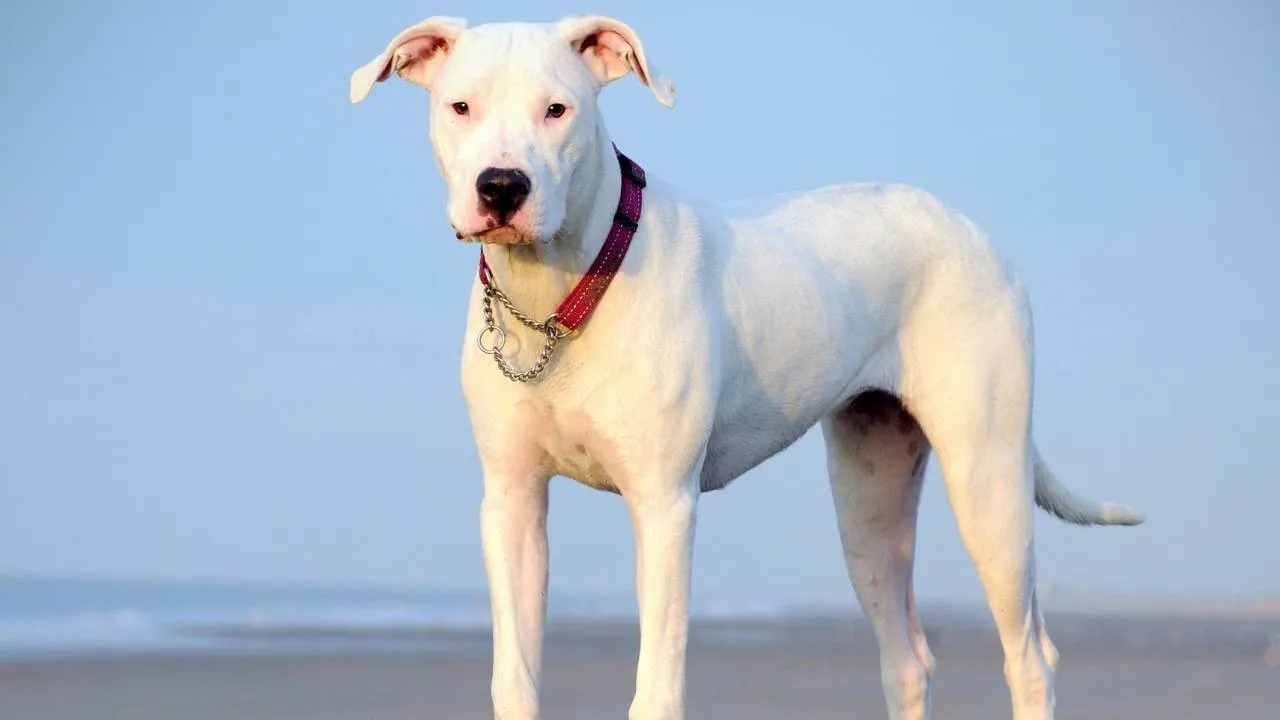
The Dogo Argentino brings a specific kind of toughness suited for serious hog hunting work. Bred in Argentina for hunting large game, this breed has a thick, strong build and is known for its courage, drive, and grit. The coat is short, smooth, and white, giving it a neat look that’s easy to maintain.
A strong prey drive can show up in everyday life, a natural result of its working background. Because of that, training should stay consistent, and introductions to other animals should be handled with care, especially when unfamiliar pets are involved.
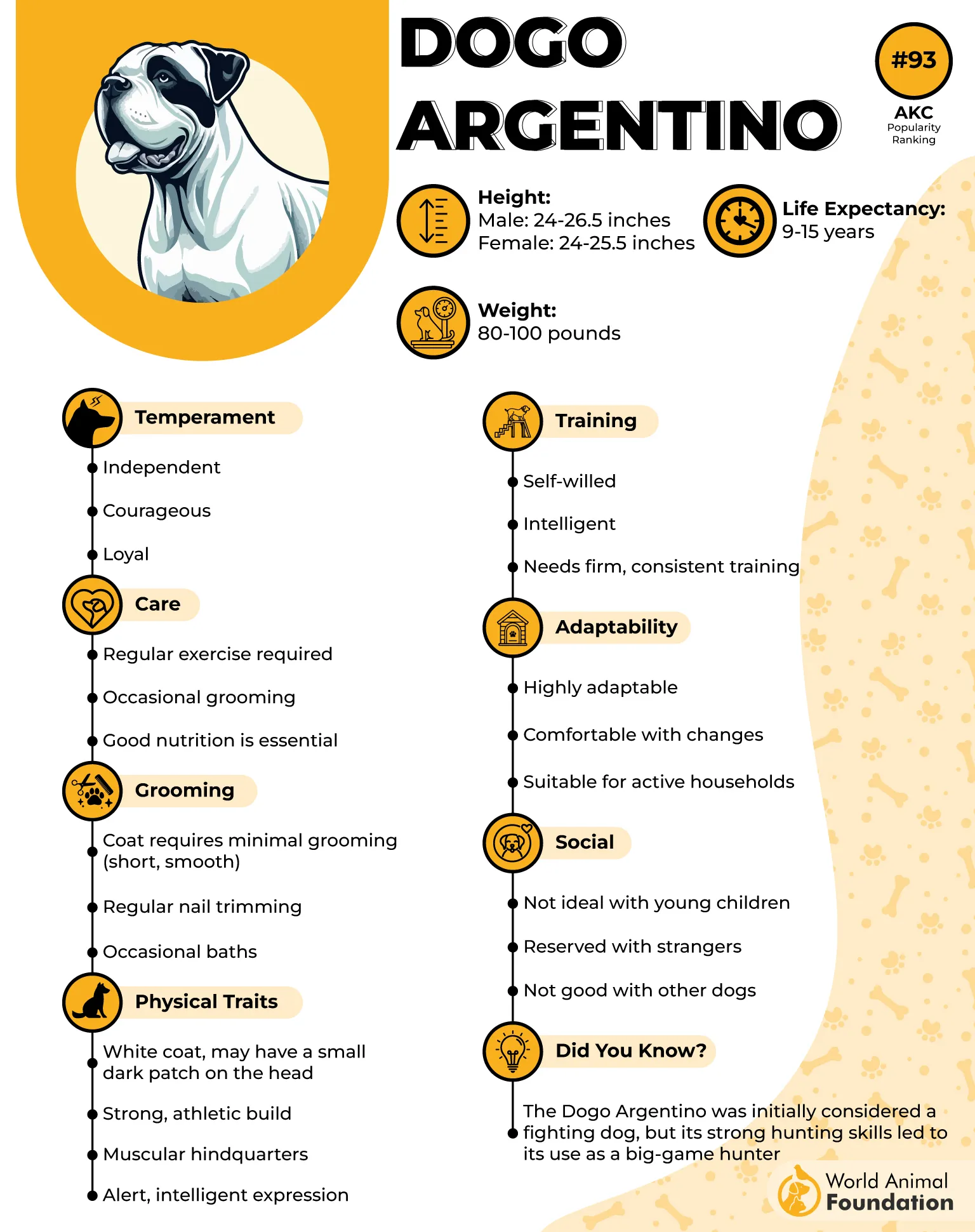
The Dogo Argentino often bonds tightly with the people in its home, though it may act a bit cautious around strangers at first. PetMD notes that the Dogo Argentino is an energetic, brave hunting breed with a strong prey drive, and highlights the importance of positive training and early socialization.
7. Airedale Terrier
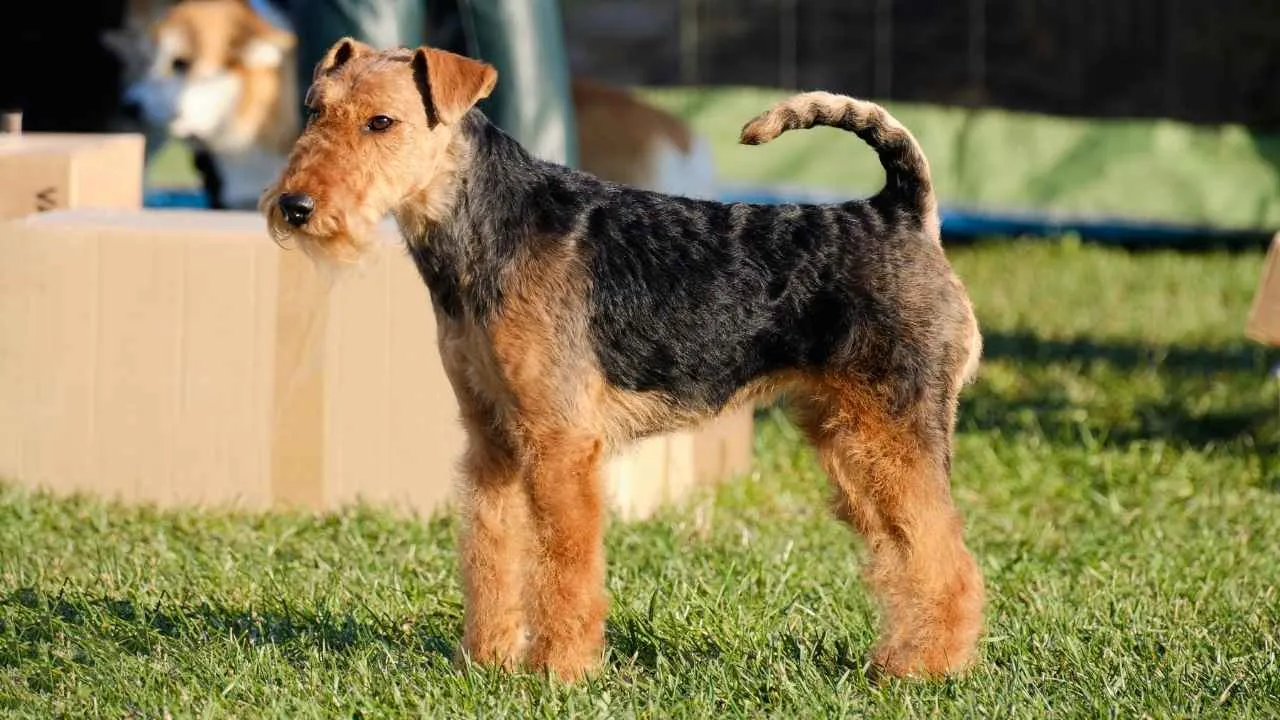
The Airedale Terrier might look nothing like the big hounds on this list, but it fits right into the same busy, working spirit. Often called the “King of Terriers,” this breed brings confidence, sharp thinking, strength, and a genuinely fun attitude. That signature beard and expressive face make it easy to recognize, and behind that look is a background rooted in real purpose.
Airedales want more than just a good run; they tend to enjoy tasks that challenge the brain too. Problem-solving games, short training sessions, and plenty of time outside all help keep boredom at bay.
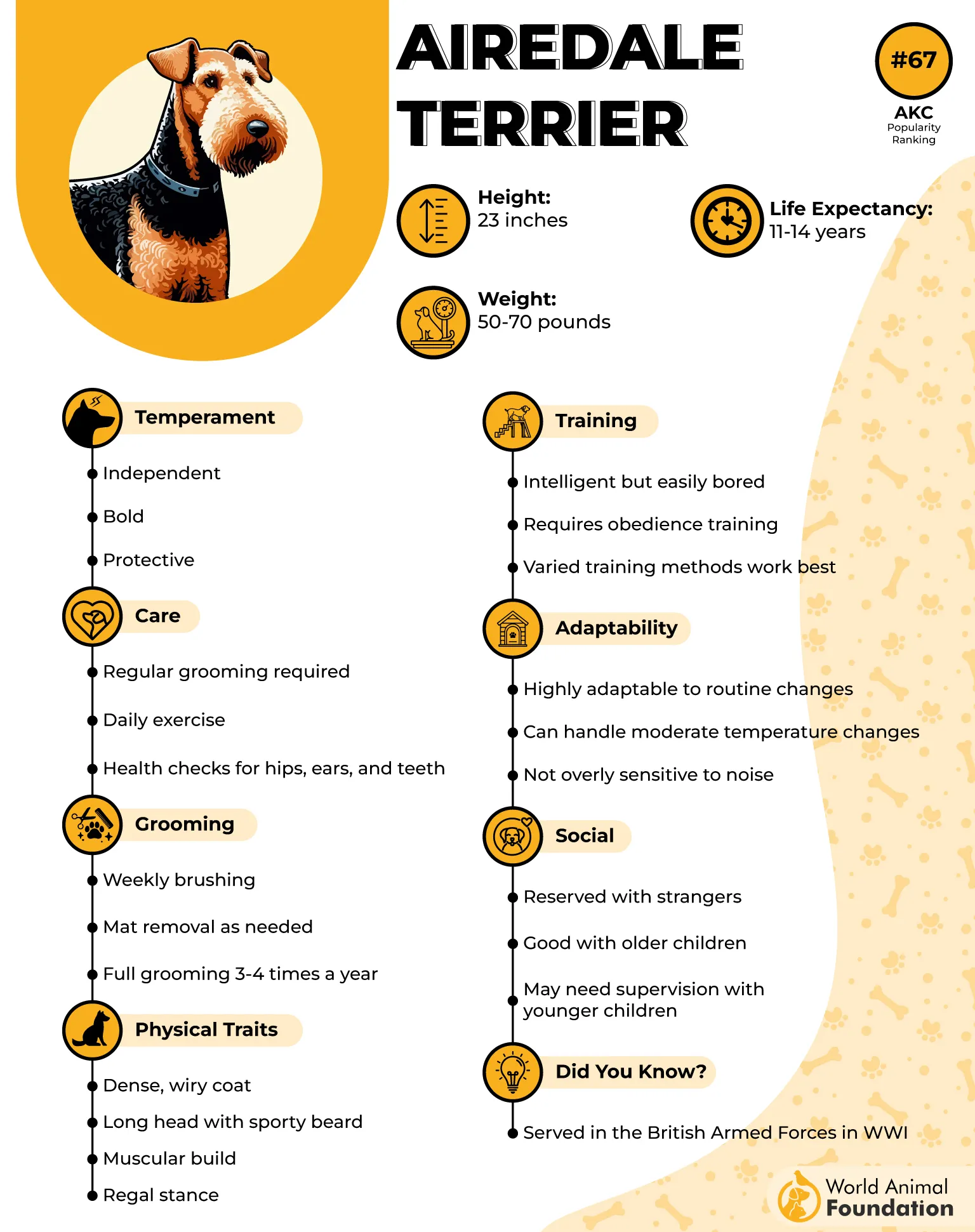
The breed grew out of true working roles, originally used as a hunting and farm dog. Some independence may show up during training, so daily movement really matters here; it helps channel all that energy into good, productive activities.
Conclusion
Wild boar hunting is genuinely tough on a working dog. The ground can be uneven, dense brush can slow everything down, and strong scents linger and pull attention in every direction. The distances involved can be long, and the game itself is large and powerful — even active dogs can struggle under these conditions.
That’s why stamina alone isn’t enough; training and mindset matter just as much, and a solid work drive counts for just as much as raw strength.
