




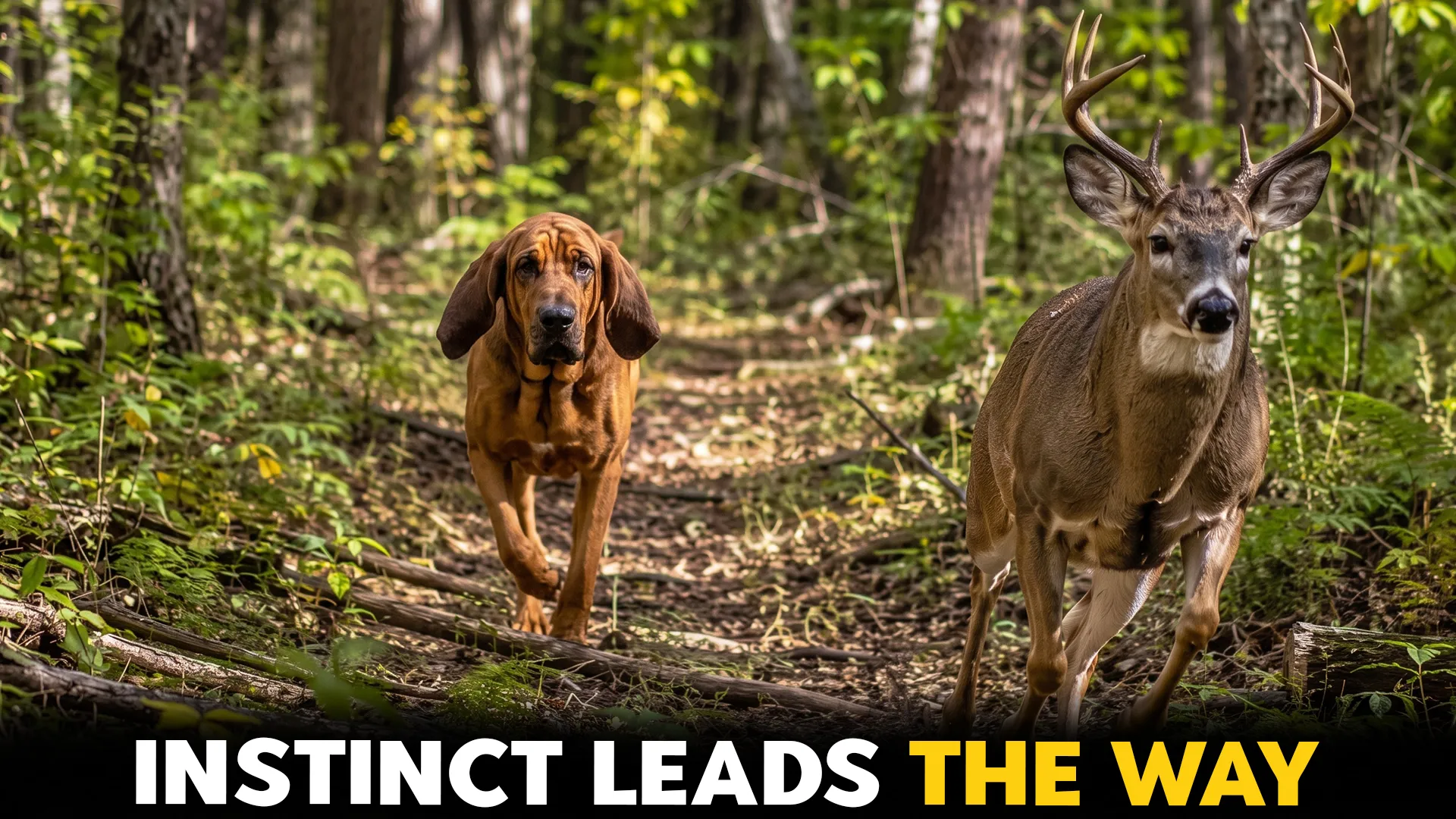
At first glance, deer tracking may seem like a simple matter of following a scent, but successful tracking and recovery require much more than a powerful nose. A skilled tracking dog must stay focused despite distractions, navigate challenging terrain with confidence, and work patiently even when the scent trail becomes faint.
Whether the trail leads through dense forests, rolling hills, or open countryside, the right dog can make the difference between a difficult search and a successful recovery. Choosing one of these breeds isn’t just about finding an effective hunting companion; it’s about working with a dog whose natural instincts, determination, and reliability support ethical game recovery.
Keep reading to discover the dog breeds that stand out as some of the most dependable deer tracking specialists.
Exceptional Dog Breeds for Deer Tracking
1. German Shorthaired Pointer
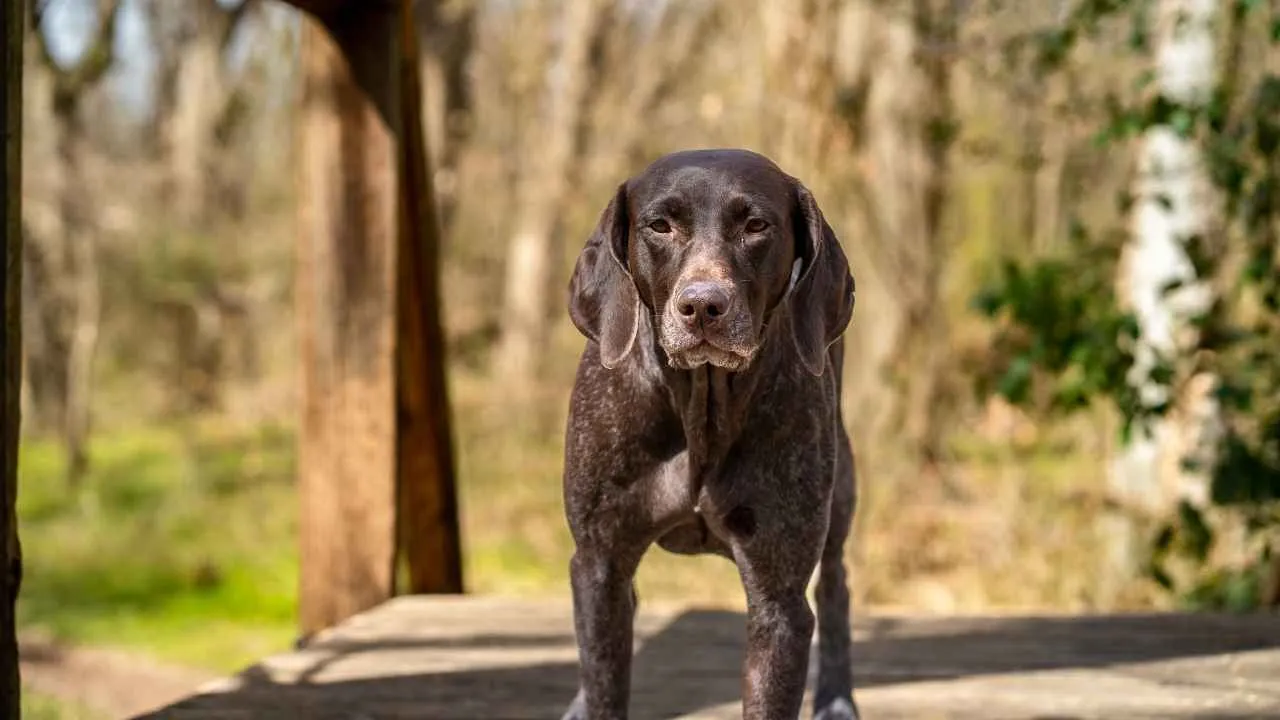
The German Shorthaired Pointer was developed in Germany as a versatile hunting dog capable of pursuing everything from upland birds to large game. Today, it is considered one of the most skilled and adaptable hunting breeds, excelling both in the field and as a loyal companion. However, it is best suited to experienced owners.
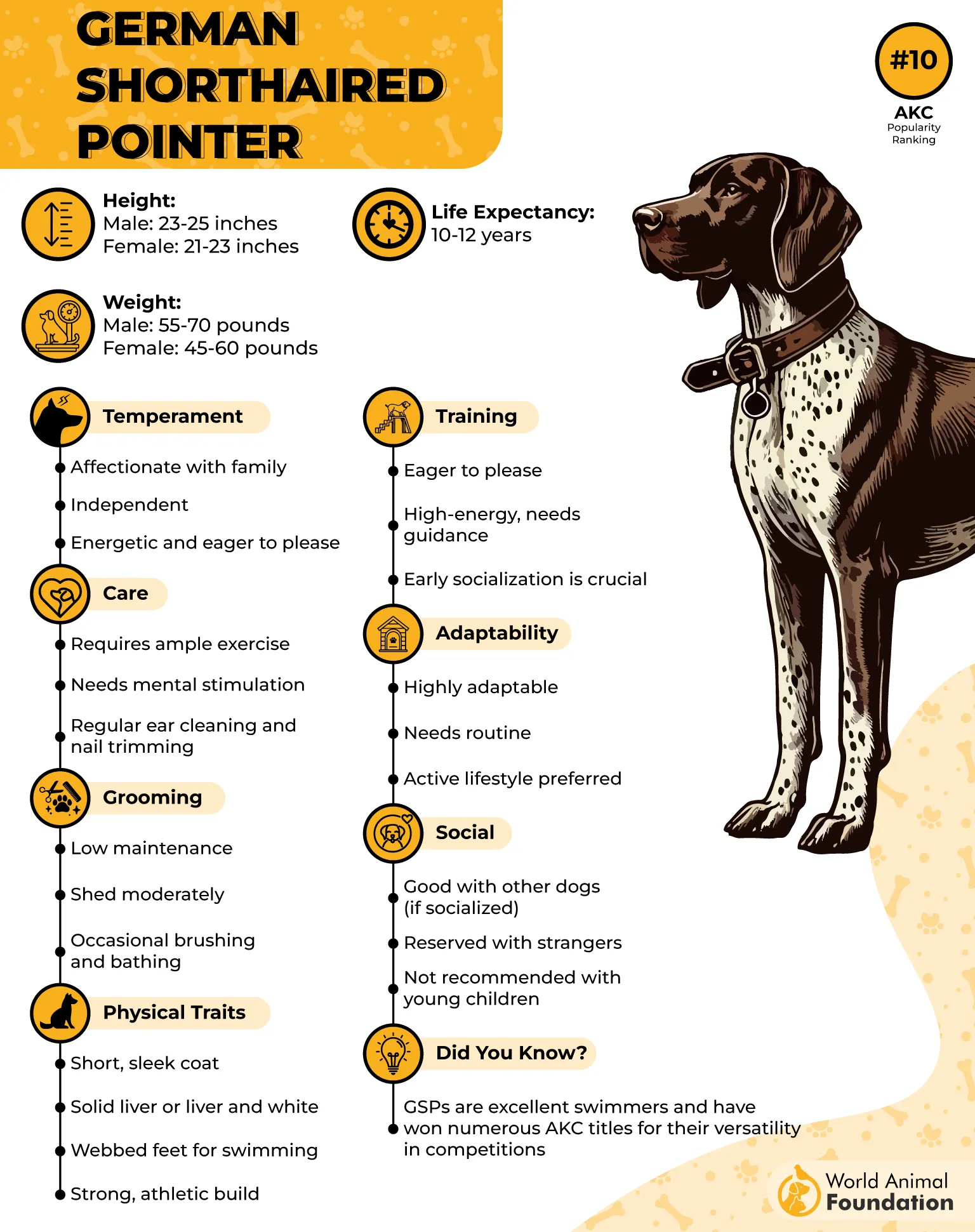
German Shorthaired Pointers are versatile gun dogs that can point, retrieve, and track game on both land and water. Their keen sense of smell, stamina, and determination make them excellent deer tracking dogs, especially when following the blood trail of wounded game.
According to the AKC, these energetic dogs require plenty of physical exercise and mental stimulation, particularly during the off-season. Without enough activity, training, and early socialization, they may develop unwanted behaviors. Although they are intelligent and eager to please, their high energy and strong hunting instincts make them a better fit for experienced hunters.
2. Basset Hound
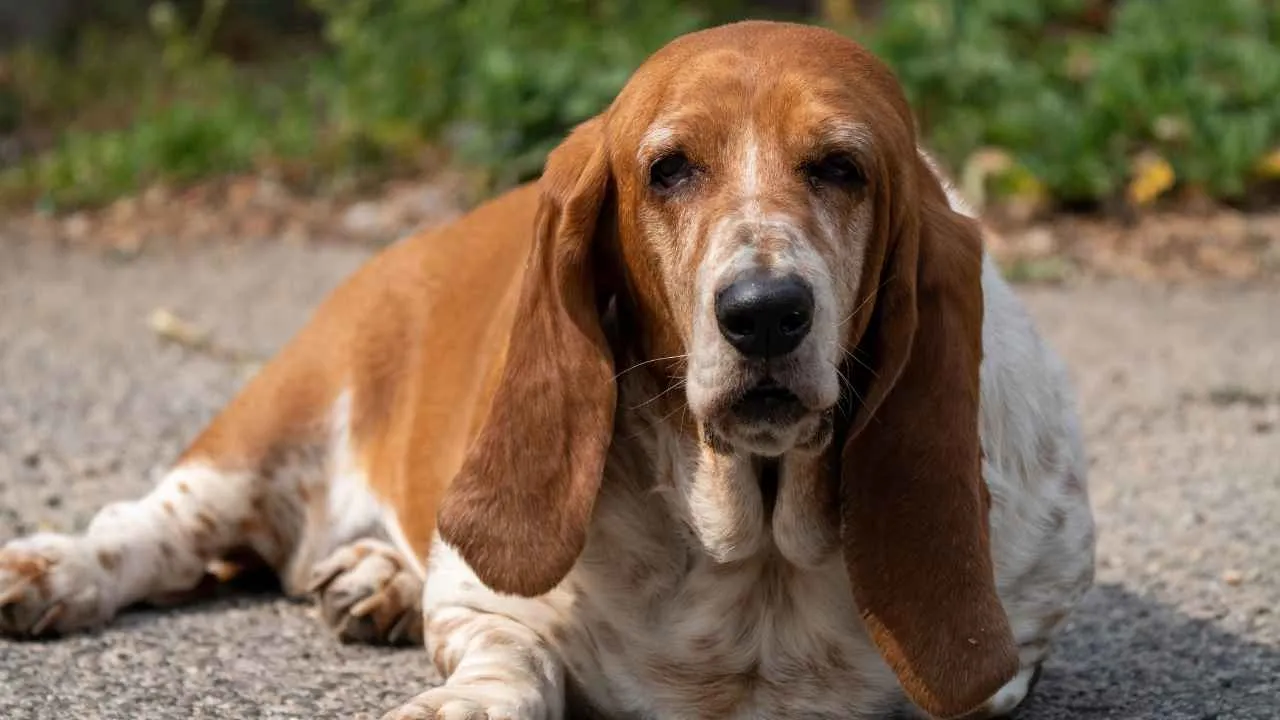
Blessed with an exceptional sense of smell and a calm, determined nature, the Basset Hound excels at tracking wounded game. Originally developed in France centuries ago, this breed has worked alongside hunters for hundreds of years. Its low-set body and long ears help trap and direct scent particles toward its nose, enhancing its remarkable tracking ability.
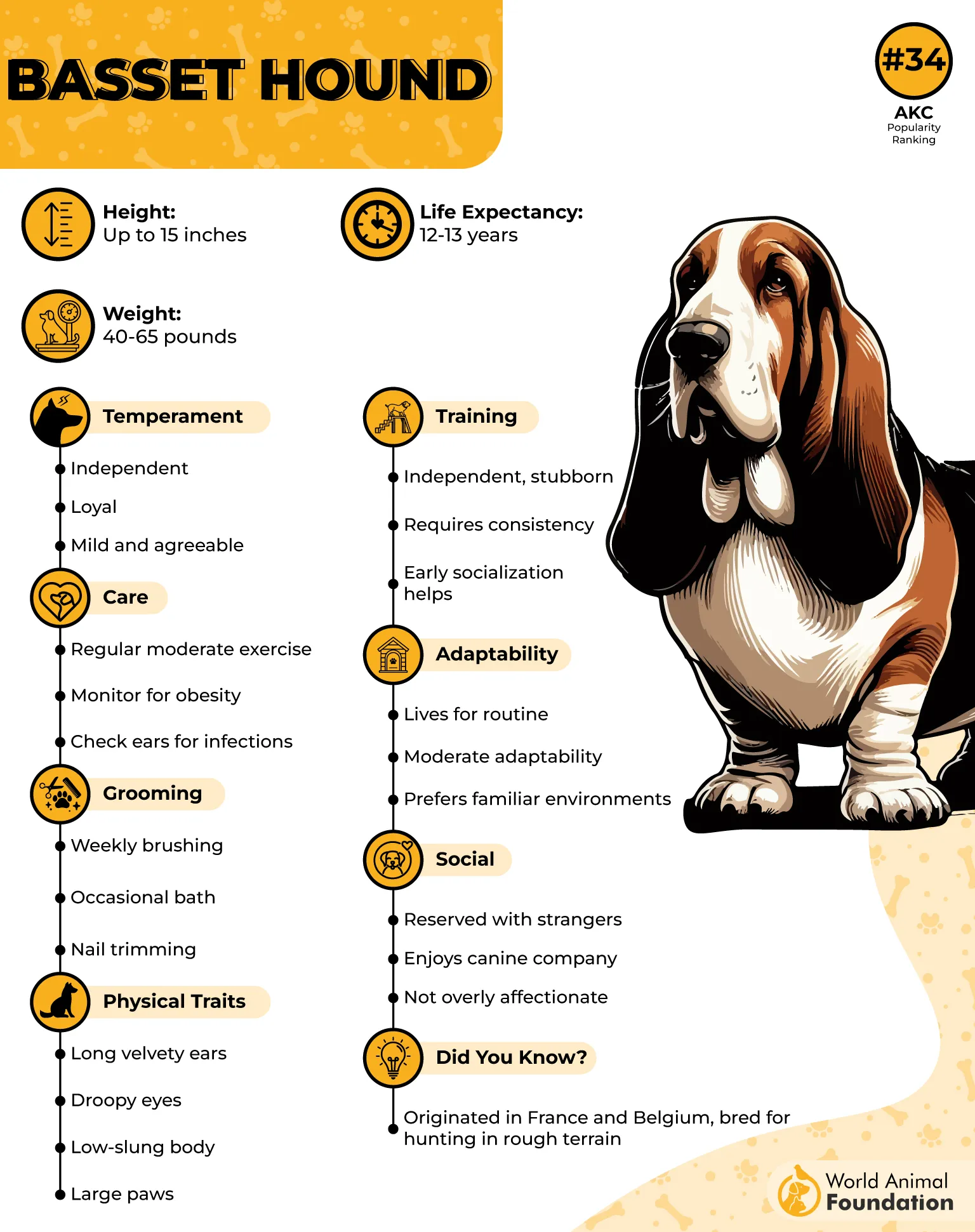
When it comes to temperament, Basset Hounds are generally friendly and get along well with family members, strangers, and other dogs. They have the stamina to follow a scent trail over long distances, although they are not built for speed like sighthounds. Instead of chasing game, they are bred to track it carefully and persistently.
Training a Basset Hound to locate downed deer or follow the blood trail of wounded game requires patience, consistency, and early obedience training. Because their powerful nose can easily lead them away if they catch an interesting scent, they should always be exercised or allowed to roam in a securely fenced area or on a leash.
3. American Foxhound
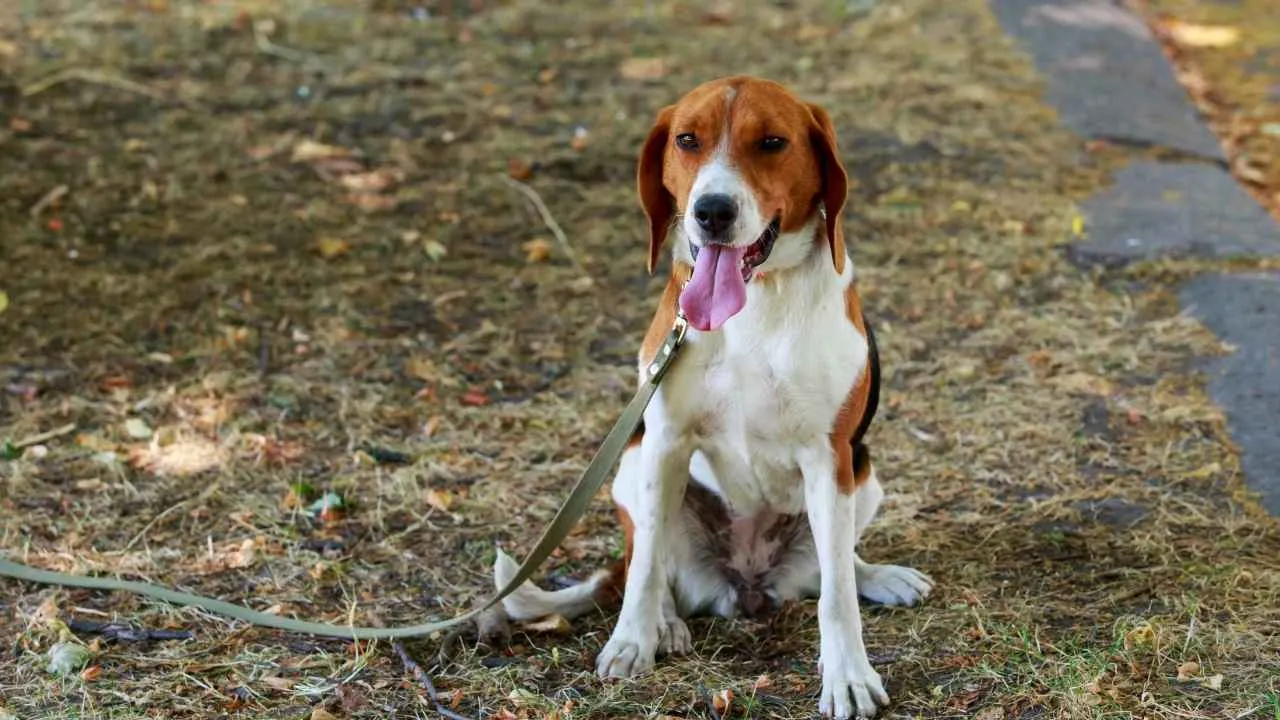
As their name suggests, the American Foxhound was originally developed in the United States to track and trail foxes in packs. Its powerful nose, impressive stamina, and independent working style make it one of the best scent hounds for following a blood trail, even in challenging conditions.
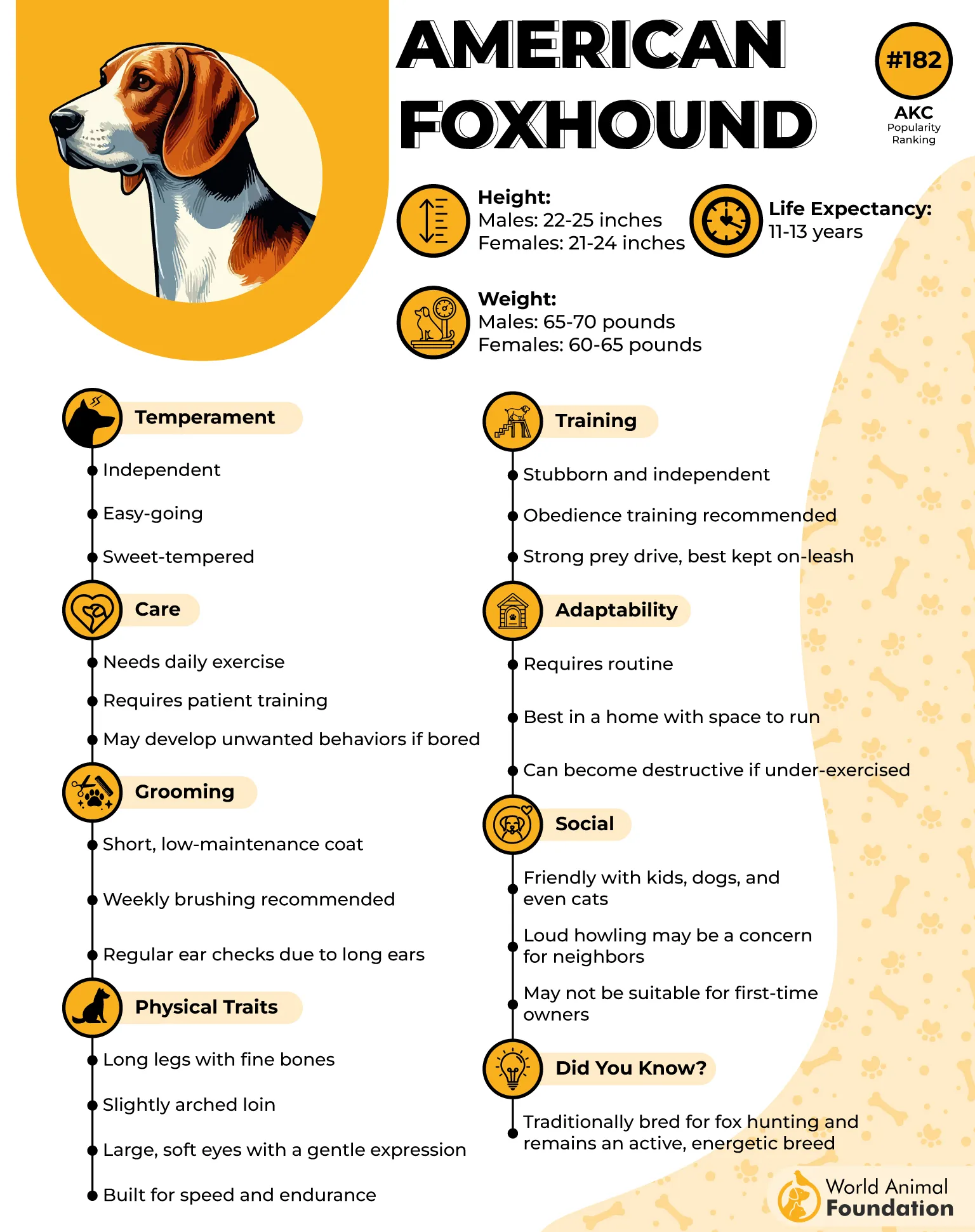
American Foxhounds are a unique blend of independence and friendliness, which means they do best with experienced owners who can provide patient, consistent training, as noted by the UKC. Their long legs and athletic build allow them to cover forests, hills, and dense brush with ease while staying on a scent trail.
If you enjoy an active outdoor lifestyle, the American Foxhound can be an excellent companion. However, this breed doesn’t like being left alone for long periods and may develop unwanted behaviors if it becomes bored or lonely. Its gentle, sociable nature also helps it get along well with children and other family members.
4. Brittany
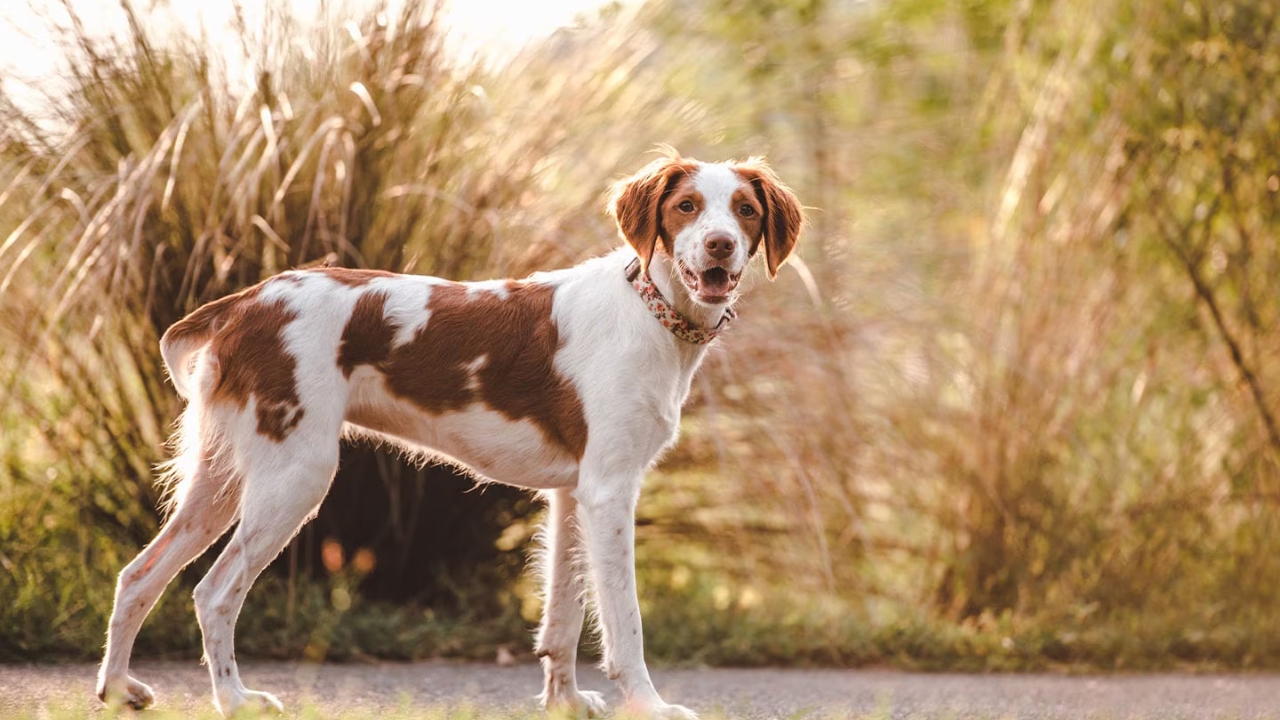
One of the finest bird dogs, the Brittany earned the nickname “the poor man’s hunting dog” because it helped rural families put food on the table. Bred to work closely with hunters, this versatile breed performs exceptionally well across a variety of rugged hunting terrain.
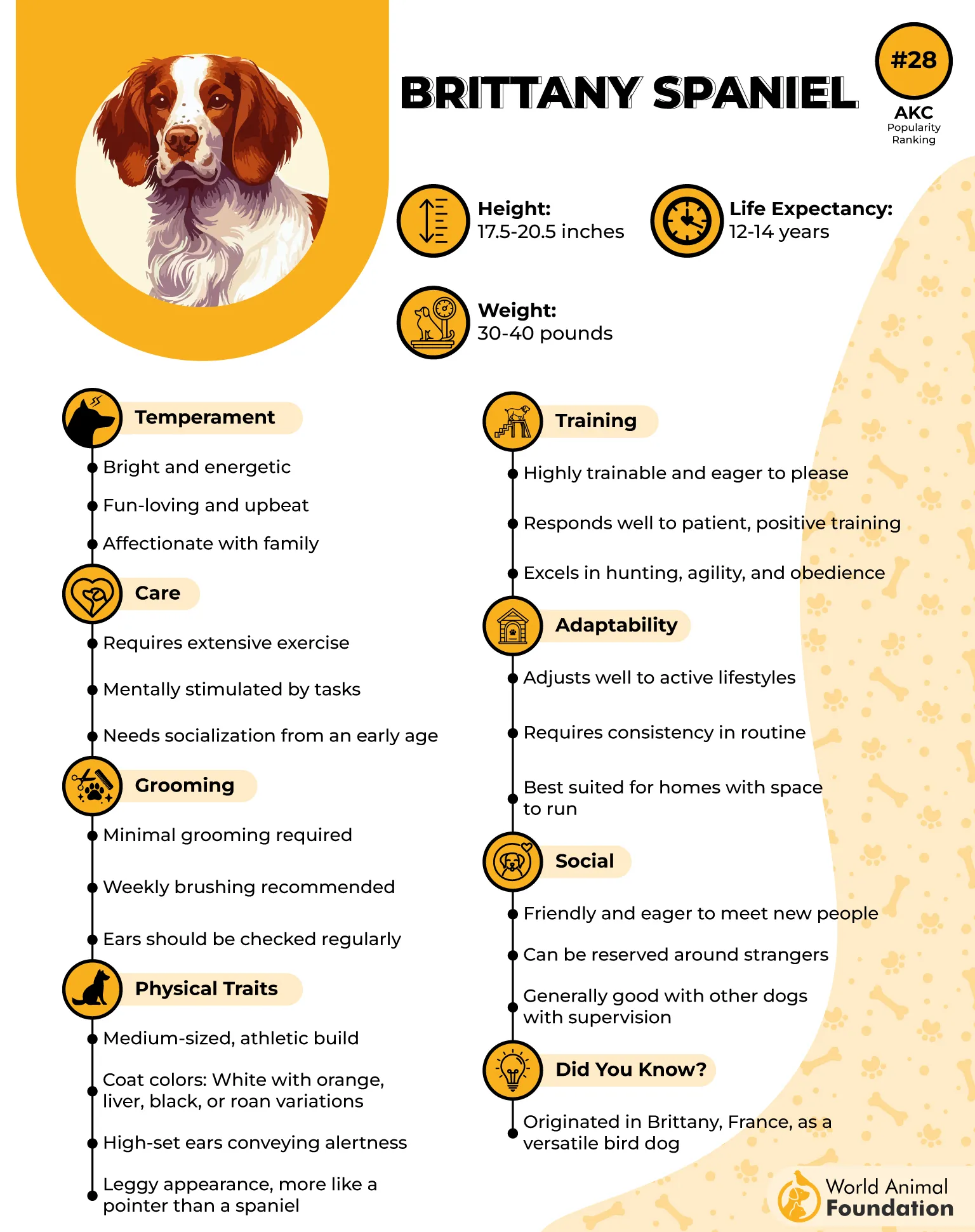
Brittanys have an excellent sense of smell that allows them to detect faint scent trails, making them capable of tracking wounded game when properly trained. Their agile, athletic, and compact build helps them move quickly through fields, woodlands, and dense cover where larger breeds may struggle.
Brittanys have high exercise needs, but their short coat is relatively easy to maintain. According to PetMD, early socialization helps them grow into confident, friendly dogs that get along well with people and other pets. Regular physical activity and mental stimulation are essential to keep this energetic breed happy and well behaved.
5. Redbone Coonhound
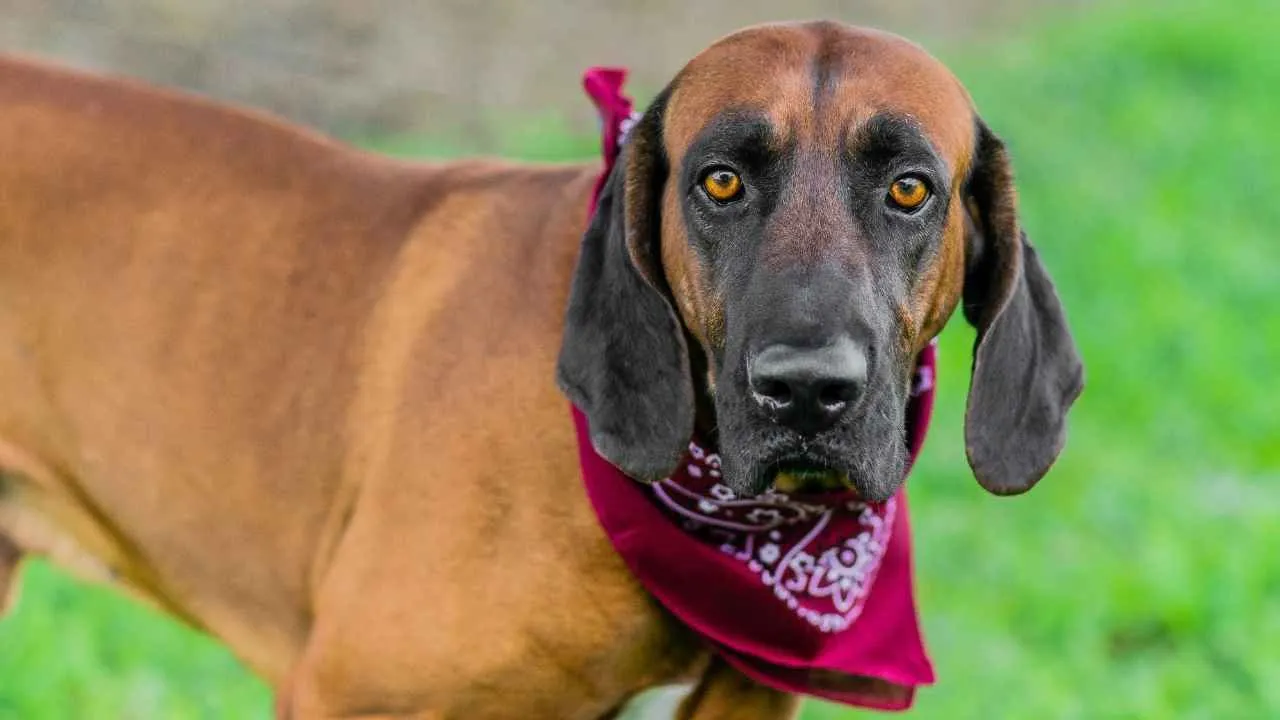
Several traits make the Redbone Coonhound an excellent tracking and treeing dog. Originally developed in the United States, this versatile and resilient breed is known for its determination and endurance. Once it picks up a scent, it follows the trail with remarkable persistence.
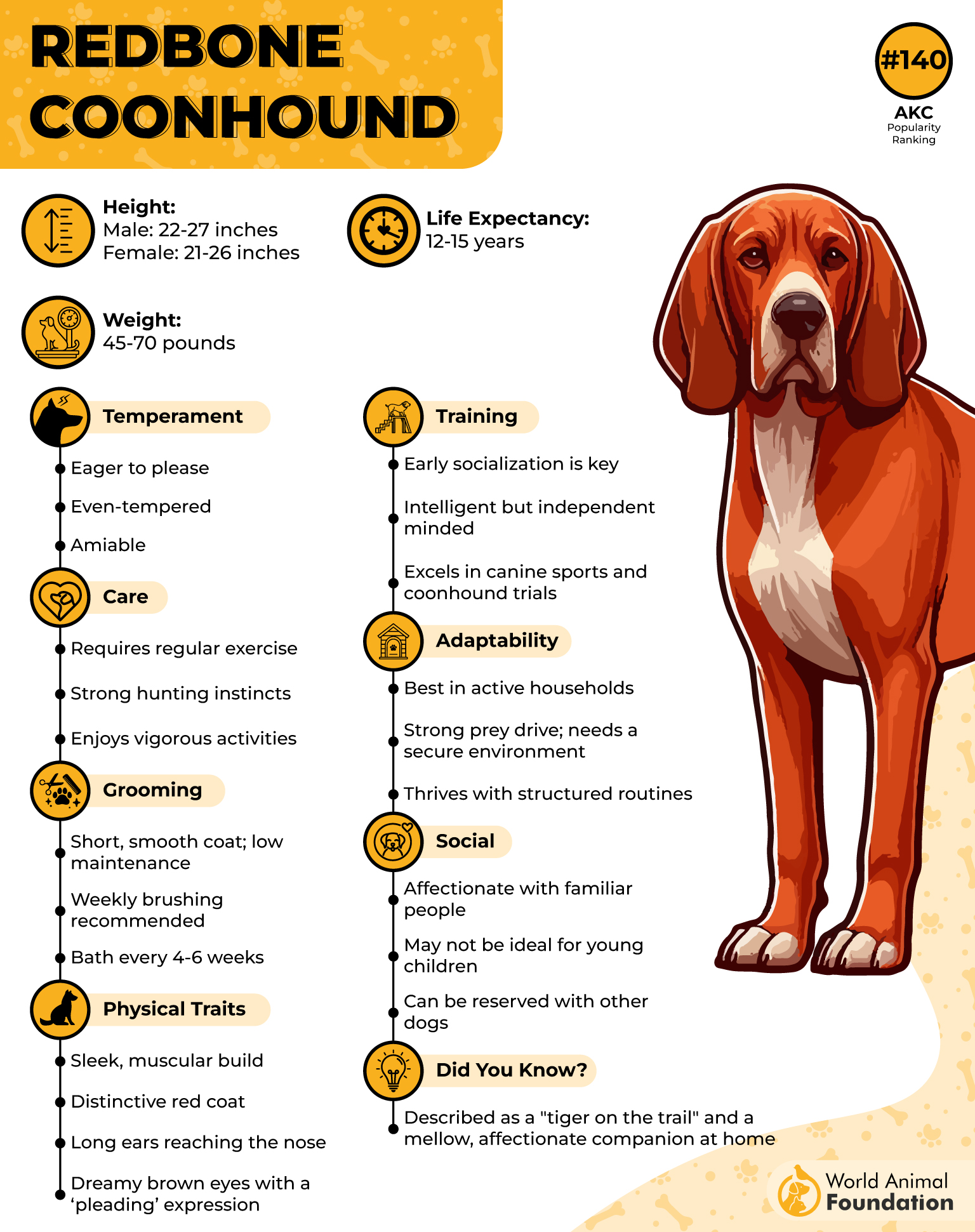
Redbone Coonhounds are intelligent dogs with a playful, sometimes mischievous streak. They need plenty of physical exercise and mental stimulation to channel their energy in positive ways. Whether it’s hiking, hunting, or other outdoor activities, they’re always eager to spend long hours alongside their owners.
Athletic and sure-footed, Redbone Coonhounds move confidently through dense woods, thick underbrush, and uneven terrain. Their strong tracking instincts mean they also need plenty of opportunities to sniff and explore. Consistent leash training and a securely fenced yard are important to help keep these adventurous dogs safe.
6. Bloodhound
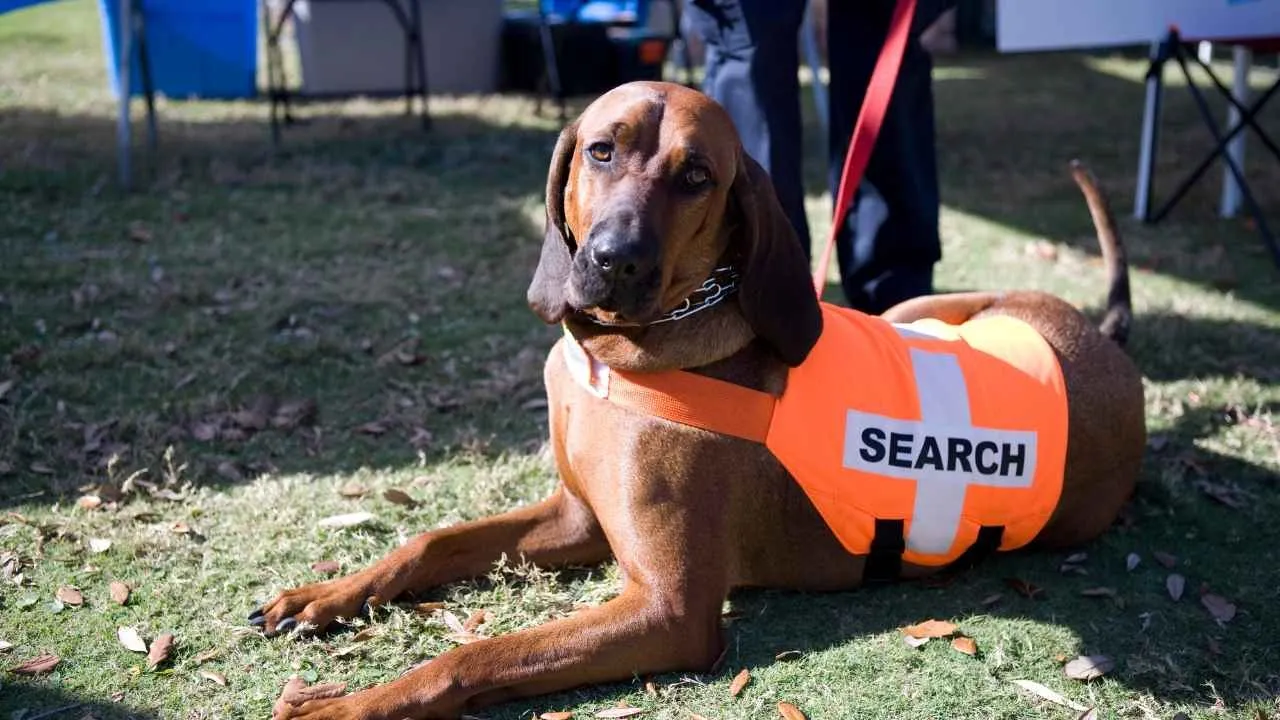
With a long history as trusted hunting companions, Bloodhounds are legendary for their extraordinary sense of smell. Their unmatched scenting ability and unwavering determination allow them to follow the trail of wounded deer, even when the scent is many hours old and conditions are challenging.
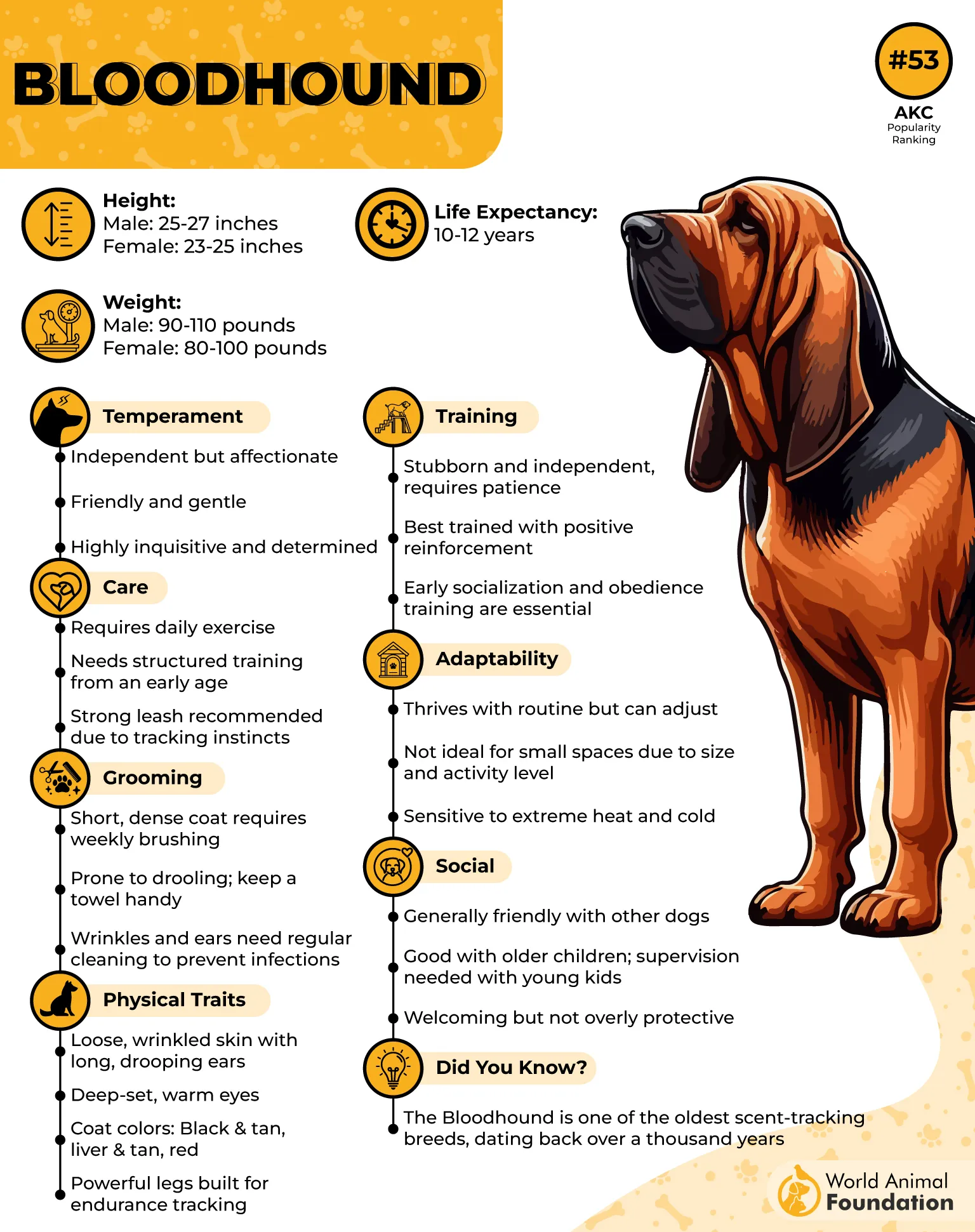
Their large, powerful build also helps them navigate rough terrain with ease. The breed’s loose, wrinkled skin and long ears play a role in scent tracking by helping trap and funnel scent particles toward the nose, enhancing its already remarkable tracking ability.
Bloodhounds have around 300 million scent receptors, compared to about 5 to 6 million in humans. Their tracking results have even been admitted as evidence in courts in some countries when properly handled. Beyond hunting, Bloodhounds are widely used in search-and-rescue operations, law enforcement, and as loyal family companions.
7. Irish Setter
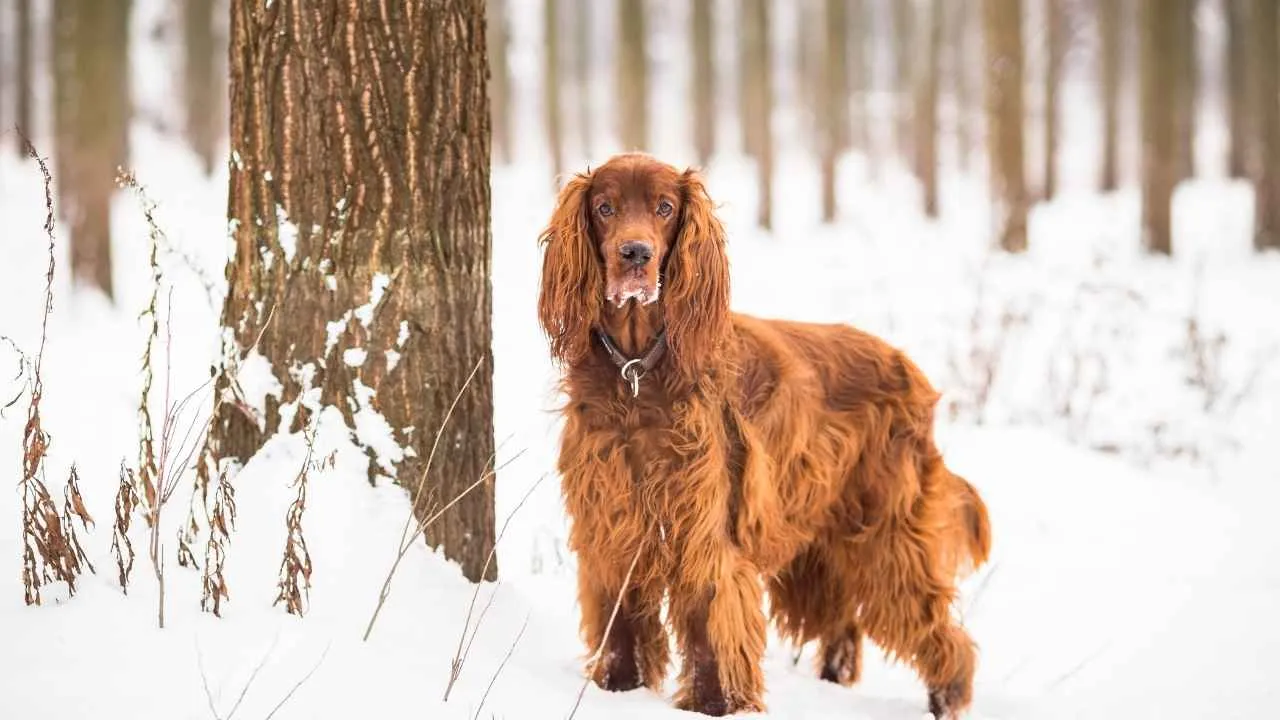
The Irish Setter is admired not only for its striking appearance but also for its hunting ability, affectionate nature, and playful personality. Originally bred as a bird dog, this energetic breed has a keen sense of smell, impressive speed, and the stamina to cover large areas while following a scent.
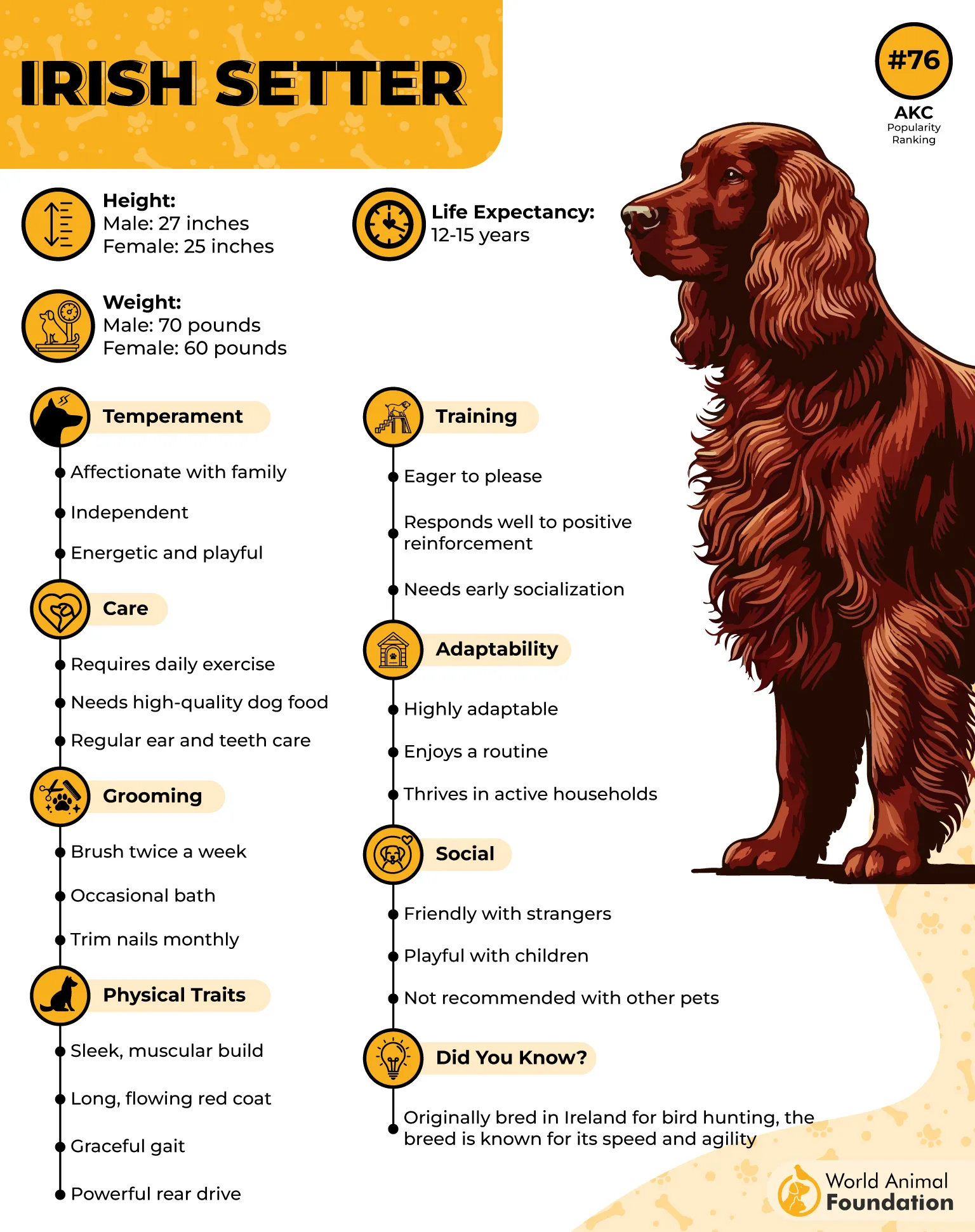
As a family companion, the Irish Setter’s strong prey drive and instinct to chase small animals mean it should be kept on a leash or in a securely fenced area. Although it was originally developed for hunting birds, it can also be trained to track wounded deer with the right training and guidance.
Irish Setters are intelligent and respond best to positive reinforcement combined with consistent, patient training. They thrive when given plenty of physical exercise and mental stimulation to channel their energy and natural instincts. Like many deep-chested breeds, they are also at risk of bloat, so owners should be aware of the signs and take appropriate precautions.
Conclusion
Finding the ideal deer tracking dog is all about matching a breed’s instincts, stamina, and working style to your hunting needs. Whether you’re tracking through dense forests or open fields, these breeds have earned a reputation for following challenging scent trails and helping recover game with impressive reliability. While natural ability plays an important role, proper training and a strong bond between handler and dog are what truly bring out a tracking dog’s full potential.
